Category: General

Retail News Asia is committed to providing both local and global retailers with the latest General Retail news throughout the Asian market. This on a daily base.

  • Singapore retail vacancies rise despite steady demand for prime space

    Singapore retail vacancies rise despite steady demand for prime space

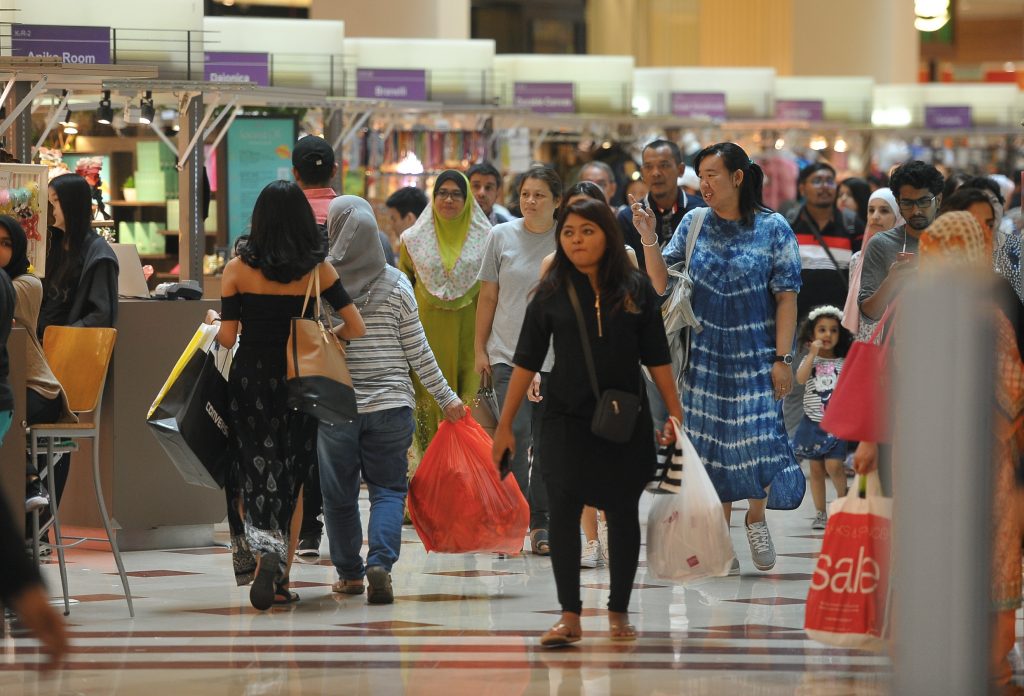
    In the first quarter of this year, Singapore experienced a rise in retail vacancy rates, a phenomenon attributed to the healthy demand for prime locations and steady rental growth, as reported by real estate specialists Savills.

    Increased Retail Vacancy Rate

    The retail vacancy rate across the island escalated to 6.8% during the first quarter due to the introduction of 323,000 square feet of new retail space, exhibiting an increase from the previous quarter’s 6.2%.

    Following five quarters of an upward trend in net take-up, the first quarter saw a net demand of -129,000 square feet, a result of a decrease in occupied space across most regions.

    The recent inauguration of Punggol Coast Mall and the refurbishment of The Cathay have further contributed to the rising vacancy rates, owing to the time that these establishments require to be fully occupied.

    Prime Mall Demand and Rental Rates

    On the other hand, landlords of prime malls situated along Orchard have reported a robust demand for lease renewals. This trend is particularly noticeable among luxury retailers, a scenario that has empowered landlords to negotiate higher rents due to a limited supply.

    The exiting of current tenants is balanced by the immediate occupation by new retailers entering the Singaporean market. An example of this is the Japanese thrift shop brand 2nd Street, which recently replaced Pomelo at a location in Somerset.

    Rental Pressure and Future Predictions

    The report identified early indications of rental rates coming under pressure in the Central Region, highlighted by a 0.2% quarter-on-quarter decline in the Central Area and a 1.1% decrease in the Fringe Area. The average monthly rent in the Orchard Area and Suburban Area remained static at SG$23.2 (US$18) per sqft and $14.7 per sqft respectively.

    In terms of future supply, the report anticipates a fairly consistent pipeline of about 597,000 square feet of retail space this year, compared to 679,000 square feet last year.

    For the entirety of the year, Savills predicts that rents in Orchard will touch the upper limit of the 1-2% forecast range, while suburban rents will lean toward the lower end of this range.

    According to Savills, the escalating global trade tensions could potentially cast a negative shadow on Singapore’s export-dependent economy, particularly in the latter half of the year. This could adversely affect business recruitment and wage growth, subsequently leading to a slump in retail sales. The report concludes that the retail sector is set to witness more churn this year as underperforming tenants either endure their leases before relocating or terminate their agreements prematurely if they find their business unsustainable.

    Questions & Answers

    What led to the rise in retail vacancy rates in Singapore?
    A surge in new retail space, coupled with the time required for new establishments to be fully occupied, resulted in an increase in retail vacancy rates.

    What trend was observed among landlords of prime malls in Orchard?
    Landlords of prime malls in Orchard observed a strong demand for lease renewals, especially from luxury retailers, enabling them to negotiate higher rental rates owing to limited supply.

    What is the effect of escalating global trade tensions on Singapore’s retail market?
    Escalating global trade tensions can negatively impact Singapore’s export-dependent economy, potentially affecting business hiring and wage growth, and leading to weakened retail sales.

  • Sun PhuQuoc Airways Set to Soar with New Air Transport License Approval!

    Sun PhuQuoc Airways Set to Soar with New Air Transport License Approval!

    Deputy Prime Minister Tran Hong Ha has given the green light for the Ministry of Construction to grant an air transport business license to Sun PhuQuoc Airways Co. Ltd., a significant step forward announced on June 11. This move signals a boost for aviation in Vietnam and adds a new player to the growing airline market.

    The Deputy PM reinforced the importance of safety and efficiency, directing the ministry to ensure that all licensing processes adhere to the required standards. This careful oversight aims to uphold the standards of civil aviation operations as the industry undergoes exciting expansions.

    Earlier this year, Prime Minister Pham Minh Chinh had already signaled his in-principle approval for Sun PhuQuoc Airways, a venture of the well-known Sun Group. As per a decision signed on May 20, the ambitious project involves an investment of VND2.5 trillion (approximately USD 98.81 million) with plans to establish a modern fleet of 31 aircraft by 2030.

    Designed to cater primarily to commercial passenger transport, Sun PhuQuoc Airways is also set to provide charter flights for tourists visiting vibrant destinations across Vietnam and beyond. The airline’s vision is to be a direct link to the picturesque Phu Quoc Island, enhancing accessibility and convenience for both domestic and international travelers. And who wouldn’t want a fresh breeze from paradise, right?

    With this new venture on the horizon, the aviation landscape in Vietnam is heating up, highlighting the country’s growing importance as a tourism and business hub.

    Questions & Answers

    **What is Sun PhuQuoc Airways focused on?**
    Sun PhuQuoc Airways primarily aims to provide commercial passenger transport while also offering charter flight services to popular tourism and business destinations.

    How many aircraft does Sun PhuQuoc Airways plan to have by 2030?
    The airline is planning to establish a fleet of 31 aircraft by the year 2030.

    What is the significance of this new airline for travelers?
    The introduction of Sun PhuQuoc Airways is expected to make travel to Phu Quoc Island more accessible, catering to both Vietnamese citizens and international tourists.

  • Vietnam Poised to Boost Market Access for U.S. Exports, Reveals Economic Minister

    Vietnam Poised to Boost Market Access for U.S. Exports, Reveals Economic Minister

    During a pivotal meeting with Senator Roger Marshall in Washington D.C. on Wednesday, Vietnam’s Minister of Industry and Trade reaffirmed the nation’s commitment to strengthening its Comprehensive Strategic Partnership with the United States. This bold step aims to bolster economic and trade cooperation, benefiting both countries’ citizens and businesses.

    Negotiating New Trade Horizons

    At the heart of the discussions was the ongoing Reciprocal Trade Agreement talks between the two nations. The minister emphasized Vietnam’s steadfast commitment to pursuing these negotiations based on mutual respect for sovereignty and political systems, as well as a balance of interests, all in line with international commitments and the developmental statuses of both nations.

    He expressed confidence that Senator Marshall would leverage his influential standing within the Republican Party, along with his deep knowledge in trade, agriculture, and innovation, to champion Vietnam’s interests throughout the negotiation process. The minister also called on Marshall to foster cooperation between Vietnam and Kansas, particularly in sectors where the state excels, such as agriculture, aerospace, and biotechnology.

    Building Stronger Partnerships

    Senator Marshall responded positively, noting Vietnam’s proactive stance and integrity in the negotiations. He pledged to discuss the matter with the President and relevant Cabinet members, anticipating fruitful results from both parties. He also commended the minister’s visit, recognizing it as a doorway to enhanced collaboration across various fields.

    Later that same day, the Vietnamese minister engaged with leaders from Nike and Walmart, both of which have made significant investments and maintained substantial operations within Vietnam. During his discussion with Nike executives, he commended the company’s long-term commitment to the country, where nearly half of Nike’s global footwear is produced, generating over 450,000 jobs for locals. Addressing potential concerns regarding the impact of current tariff policies, he proposed strategic initiatives to support Nike’s continued success in Vietnam, emphasizing that the company is viewed not just as an investor but as a vital strategic partner in Vietnam’s sustainable development and international integration.

    Boosting Walmart’s Commitment

    In his talks with Walmart, the world’s largest retail corporation, the minister recognized the company’s role in promoting Vietnamese goods worldwide. He encouraged Walmart to amplify its procurement of high-value, environmentally friendly products and even consider creating a strategic sourcing hub in Vietnam. Furthermore, he highlighted the importance of strengthening supplier capacity by sharing technical standards and offering training initiatives.

    Addressing the challenges Walmart has encountered in Vietnam, the minister assured that the Ministry of Industry and Trade, along with the Ministry of Finance and other relevant agencies, would work together to enhance policies for better transparency and alignment with global practices.

    As negotiations for the Reciprocal Trade Agreement reach a crucial stage, the minister called on Nike and Walmart to actively champion the process and foster a fair, balanced, and sustainable agreement between the U.S. and Vietnam. He reiterated that Vietnam not only wishes for these companies to flourish in its market but also sees them as key allies in creating a green, transparent, and sustainable supply chain, enhancing economic ties between the two nations.

    Earlier, on June 10, the minister had a productive meeting with ExxonMobil executives regarding ongoing collaborations in energy projects in Vietnam, highlighting the significance of ExxonMobil’s commitment to providing reliable energy while minimizing greenhouse gas emissions, thus aligning with Vietnam’s carbon neutrality goals. The ExxonMobil representatives expressed strong confidence in Vietnam’s economic growth prospects, a testament to their commitment to developing multiple projects in the region.

    Questions & Answers

    What key message did the Vietnamese minister convey to Senator Marshall?
    The minister emphasized Vietnam’s determination to enhance its partnership with the U.S. and focus on economic and trade cooperation for mutual benefits.

    How does Vietnam view its relationship with Nike and Walmart?
    Vietnam sees both companies as strategic partners, essential for sustainable development rather than just as investors.

    What specific areas did Vietnam hope to collaborate on with Kansas state?
    The minister called for cooperation particularly in agriculture, aerospace, and biotechnology, where Kansas has significant strengths.

  • Travelex appoints new Australia and New Zealand Retail Director

    Travelex appoints new Australia and New Zealand Retail Director

    Leading foreign exchange brand Travelex has appointed Asokan Sathurayar as Retail Director in Australia and New Zealand (ANZ) to accelerate the company’s next stage of regional retail growth.
    Sathurayar joins Travelex with over two decades of experience in senior retail leadership roles across ANZ, including 15 years at Luxottica, where he played a key role with renowned brands such as Sunglass Hut and Oakley. Most recently, he led high-performing teams and drove transformational change as Head of Retail at Dusk Australasia.
    As Retail Director, Sathurayar’s focus is on delivering retail excellence, driving regional business growth and enhancing team performance. His remit will include overseeing Travelex’s regional portfolio of foreign currency services, including both cash and pre-paid travel money solutions, as well as the network of more than 125 stores and 70 ATMs located across key travel and retail hubs.
    Sathurayar will also be driving the evolution of Travelex’s omnichannel delivery and distribution network, which includes home delivery, click and collect and retail distribution partnerships.
    Asokan brings deep retail expertise to Travelex, at a time when our customer expectations are rapidly evolving across both physical and digital channels. His appointment reflects our commitment to offering our customers a seamless, convenient omnichannel experience driven by operational agility” said Simon Jackson, Chief Customer Officer at Travelex.
    “With an increasing number of travellers planning ahead to acquire travel money, Asokan is well placed to drive growth of our physical, online and partner distribution channels across the region,” added Jackson.
    Travelex recently relaunched a new store in Chadstone Shopping Centre, Australia’s largest shopping destination, which attracts more than 400,000 visitors each year, as well as recently renewing its partnership with Australia Post, Australia’s largest retail network, providing travel money services to customers across 3,200 Australian post offices.
  • Hanoi Retailers Brace for Impact as Owners Close Shops Amid Fears of New Tax and Anti-Counterfeit Measures

    Hanoi Retailers Brace for Impact as Owners Close Shops Amid Fears of New Tax and Anti-Counterfeit Measures

    Retailers in Hanoi are facing a troubling trend as countless shops close their doors amid a surge in e-commerce, increased taxes, and a rigorous crackdown on counterfeit goods. The booming online marketplace has outpaced traditional retail, leading many store owners to rethink their business strategies and pivot away from brick-and-mortar operations.

    The Changing Landscape of Retail in Hanoi

    Chua Boc Street, a once bustling hub for fashion lovers, has become eerily quiet over recent months. Once lined with vibrant shops and throngs of customers, it now showcases “For Rent” signs reminiscent of the social distancing days during the pandemic. With rental prices topping VND1 million (about US$38) per square meter, many retailers are finding it hard to cope with the changing economic environment.

    The shuttering of storefronts extends to Pham Ngoc Thach Street and Nguyen Trai Street, where multiple vendors have resorted to eye-catching discount sales, likely their last cry for continued operations. Hang Bong Street—popular among tourists—is also seeing significant closures as stores slash prices to liquidate inventory, offering bargains as low as VND50,000.

    Not all hope is lost for some retailers, though. A growing number are choosing to maintain a virtual presence; opening their physical locations just enough to manage e-commerce deliveries, only to quickly lock up again. “We are still selling, but mostly online,” shared a vendor from Dao Duy Anh Street, where closures are rampant.

    Economic Pressures and Regulatory Changes

    Market authorities’ intensified scrutiny over product origins to combat counterfeit goods has made trading increasingly challenging. More troubling is the recent tax policy that requires sellers with revenues exceeding VND1 billion to pay a variable percentage instead of a fixed fee. The fear of rising operational costs has driven many to consider shutting down entirely.

    “I closed my shop last week due to the stricter tax laws and concerns over product authenticity,” lamented a distressed retailer.

    While some shops have closed, others have resorted to the less traditional approach of operating in stealth, selling their wares online but keeping their physical appearances under wraps—an ingenious yet risky adaptation to an ever-evolving marketplace.

    As Hanoi’s retail landscape transforms, it seems that adaptability is not just important; it’s essential for survival.

    Questions & Answers

    What is driving the closures of retail stores in Hanoi?
    The closures are predominantly due to the explosive growth of e-commerce, higher taxes, and a government crackdown on counterfeit goods, leading many retailers to rethink their business models.

    How are some retailers adapting to the changing market?
    Many retailers are shifting their operations online, reducing their physical store hours, and handling customer interactions primarily through e-commerce platforms.

    What tax changes are impacting Hanoi’s retailers?
    A new tax policy requires sellers with revenues of VND1 billion or above to pay a percentage based on their income, rather than a flat rate—prompting fears of increased costs and potential shutdowns.

  • Jetstar Asia to Close, Impacting 500 Jobs in the Singapore Airline Industry

    Jetstar Asia to Close, Impacting 500 Jobs in the Singapore Airline Industry

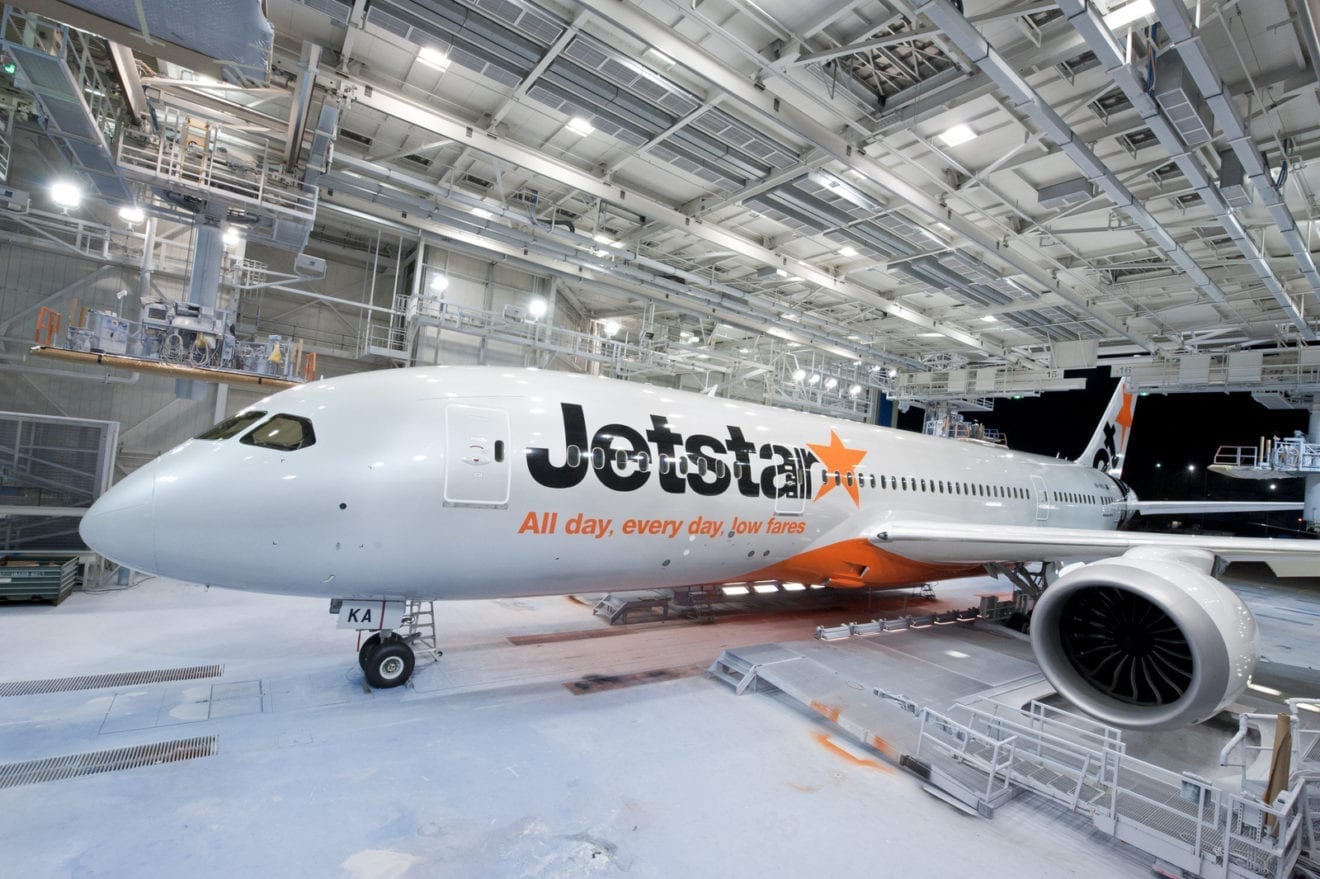
    Australian airline Qantas has made the difficult decision to close its budget carrier, Jetstar Asia, effective July 31. This move comes in response to escalating operational costs, increased fees at Singapore’s Changi Airport, and fierce competition across the region.

    Operational Costs Taking Their Toll

    Jetstar Group Chief Executive Officer Stephanie Tully highlighted the widespread impact of rising costs on the airline’s operational framework. The recent hike in airport fees at Changi, implemented on April 1 as part of a S$3 billion (US$2.3 billion) upgrade, played a significant role in this challenging situation. “The airport fees are a part of that. That has had an impact on the business,” she stated, referencing comments made to Bloomberg.

    As Qantas Group Chief Executive Vanessa Hudson expressed, this is a heavy moment for the Jetstar Asia team. “We are incredibly proud of them. This is a very tough day for them. Despite their best efforts, we have seen some costs for Jetstar Asia’s suppliers rise by up to 200%, which has materially changed its cost base.”

    Staff Impact and Passenger Reassurance

    The closure will inevitably affect around 500 staff members, who will be offered redundancy benefits and assistance in finding new employment, as reported by AFP. Meanwhile, passengers whose flights have been canceled will be entitled to refunds, ensuring they are compensated as the airline winds down operations.

    Prior to the announcement, Jetstar Asia was projected to incur an underlying loss of A$35 million (US$23 million) this financial year, with Qantas owning 49% of the airline. The cancellation of operations means that the fleet of 13 A320 aircraft will soon be redeployed to Australia and New Zealand, creating over 100 local jobs.

    In a strategic move, Qantas noted that shutting down Jetstar Asia could generate up to A$500 million to bolster the group’s fleet renewal program. The decision was made in conjunction with Westbrook Investments, which holds a 51% stake in the regional carrier.

    While the closure is certainly a somber development, it raises some intriguing questions about the future of air travel in a region that continues to evolve rapidly.

    Questions & Answers

    Why is Qantas closing Jetstar Asia?
    Qantas is shutting down Jetstar Asia due to rising operational costs, increased airport fees at Changi Airport, and intense regional competition making it financially unviable to continue.

    What happens to the staff of Jetstar Asia?
    Approximately 500 employees will receive redundancy benefits and support in finding new jobs as the airline winds down its operations.

    How will affected passengers be compensated?
    Passengers whose flights are canceled will be offered refunds, ensuring they are financially protected during this transition.

  • Korean shoppers buy more eco-produce, but prices remain a hurdle

    Korean shoppers buy more eco-produce, but prices remain a hurdle

    Increasingly, consumers in South Korea are choosing eco-friendly agricultural products, but a key obstacle to wider adoption remains: high prices. This was revealed in a recent government survey.

    The Ministry of Agriculture, Food and Rural Affairs disclosed that 76.8% of the participants in the survey reported having bought eco-friendly produce at least once over the previous year. This marks a slight growth, 0.6 percentage points, compared to 2024.

    The main reasons consumers gave for choosing eco-friendly produce were perceived safety (39.5%) and family health (31.1%). Environmental protection also influenced their decision (13.6%). Taste and quality were not as important, with only 4.8% and 3.1% naming these factors, respectively.

    Yet, the higher cost of such products remains a significant deterrent. Of those who did not buy eco-friendly products, 65.1% stated that the higher prices, in comparison to conventional alternatives, dissuaded them.

    The most commonly bought items were strawberries, tomatoes, mushrooms, and leafy vegetables. Most consumers (68.1%) made these purchases at large supermarket chains. However, online purchasing has been steadily increasing, particularly through early morning delivery services, making up over 35% of transactions in 2025.

    Even with the increased interest from consumers, the market experienced a drop in overall sales. In 2024, the number of online and offline retailers selling eco-friendly products increased to 6,099, yet total revenue decreased by 158.3 billion won to 2.04 trillion won. Certified organic product sales also fell by 81.3 billion won to 904.5 billion won. The majority of retailers blamed the decline on dampened consumer sentiment due to continuing economic uncertainty.

    As a countermeasure, the ministry plans to introduce initiatives such as production subsidies and promotional discounts to lower the cost of eco-friendly foods. “We are dedicated to reducing the price obstacle through consumer incentives and production support to expand the eco-friendly food market,” says Kim Jung-wook, Director of Agri-Food Innovation Policy at the ministry.

    Questions & Answers

    What are the primary reasons South Korean consumers choose eco-friendly produce?
    The main reasons are perceived safety and family health.

    Why do some consumers avoid buying eco-friendly products?
    High prices compared to conventional alternatives are the main deterrent.

    What steps is the Ministry of Agriculture, Food and Rural Affairs taking to support the eco-friendly food market?
    They are planning to introduce initiatives such as production subsidies and promotional discounts to make eco-friendly foods more affordable.

  • One-Third of Asian Companies Set Their Sights on Expanding Trade with South Asia

    One-Third of Asian Companies Set Their Sights on Expanding Trade with South Asia

    According to a comprehensive 2025 survey conducted by HSBC, over a third of Asian companies are shifting their trade focus towards South Asia and Europe, while more than a quarter are scaling back their dealings with North America. The poll, encompassing over 2,750 international firms across seven Asian markets, reveals a striking trend: around 83% of respondents have begun reevaluating their long-term business strategies in light of recent changes in trade policies.

    This seismic shift in approach is fueled by a pervasive sense of uncertainty, with 81% of businesses expressing increased caution regarding expansion and investments. Amid these challenges, many Asian firms are bracing for an average revenue decline of 18% due to persistent supply chain delays. Aditya Gahlaut, the region head of Global Trade Solutions, Asia at HSBC, notes, “In the face of trade uncertainty, numerous companies are hitting the pause button on capital expenditure to better assess the evolving landscape.” His insights hint that while capital expenditures may take time to devise, one constant remains: “Wherever trade flows, investment follows.”

    Breaking down the numbers, 38% of Asian firms are eager to boost trade with South Asia, while 36% are targeting increased business with Europe. Interestingly, North America presents a mixed bag; although 28% intend to decrease trade with the region, a separate 23% still pursue greater engagement. The survey further indicates that over the next two years, more than half of Asian firms (52%) are considering or actively moving production to, or increasing production in, China. Following closely behind, 39% are eyeing South Asia, with Europe at 35%, the US at 29%, and the Middle East at 28%.

    However, rising costs are casting a shadow over this new trade landscape, with 51% of firms expressing concerns linked to tariffs and other trade-related expenses. A significant number (34%) have already adjusted prices to offset these increased costs, and another 51% plan to follow suit. In a world of shifting trade dynamics, it seems companies are not only navigating the currents but also learning to ride the waves.

    Questions & Answers

    What percentage of Asian companies are planning to increase trade with South Asia? 38% of Asian firms are looking to enhance their trade relations with South Asia.

    How many firms expressed concern about rising costs? Over 51% of Asian companies are worried about increased costs due to tariffs and trade-related factors.

    What trend is observed regarding North American trade? While 28% of firms plan to reduce trade with North America, 23% remain optimistic and seek to expand their business in the region.

  • Asia’s Insurance Markets Surge in 2024 Driven by Life and Health Sector Growth

    Asia’s Insurance Markets Surge in 2024 Driven by Life and Health Sector Growth

    Asia’s insurance markets showed impressive growth in 2024, especially in the life and health sectors, yet they continue to trail behind North America and Western Europe in overall scale and performance—particularly within the property and casualty (P&C) arena. Globally, the insurance industry expanded by a robust 8.6%, reaching a staggering $7.87 trillion (EUR 7.0 trillion) in total premiums.

    China: The Star of Life Insurance Recovery

    China emerged as a powerhouse in Asia’s life insurance sectors, boasting a remarkable growth rate of 15.4%. This trend outshines the 7.1% increase seen in Western Europe and propelled the global life segment’s overall growth to 10.4%. Driving this surge were higher interest rates, which effectively bolstered premium incomes across markets.

    Health Insurance Booms Amidst Low Penetration

    The demand for health insurance in Asia also proved strong, with premiums soaring by 12.6% in 2024. Low penetration rates—below 1% in most nations except Taiwan—and limited public healthcare coverage contribute to this upward trajectory. Meanwhile, the US holds its ground by dominating the global health insurance market, accounting for approximately two-thirds of worldwide premiums.

    Challenges in Property and Casualty Insurance

    While Asia’s life and health sectors exhibit clear growth potential, the sluggish development of P&C insurance restricts the region’s overall impact on global premium expansion. The term “growth markets” is increasingly put to the test as North America surpasses Asia in key sectors, despite having a smaller population.

    Future Outlook: A Double-Edged Sword

    Looking ahead, economic challenges may pose risks to the regional outlook. Diverging inflation trends and capital market volatility are likely to affect insurer portfolios and strategic planning throughout Asia. As global insurance growth continues to rise, Asia must seize the opportunity to enhance penetration and strengthen its P&C performance to keep pace with its more developed counterparts. Who knows, perhaps the region will surprise us all and redefine what “growth market” truly means!

    Questions & Answers

    What contributed to China’s impressive life insurance growth?
    Higher interest rates bolstered premium income, leading to a remarkable growth rate of 15.4%.

    How does Asia’s health insurance market compare to that of the US?
    Asia’s health insurance premiums rose by 12.6%, but the US dominates globally, accounting for around two-thirds of total premiums.

    What challenges does Asia face in the property and casualty insurance sector?
    Slower development in P&C insurance constrains Asia’s overall contribution to global premium growth, despite significant advancements in life and health segments.

  • YouTube Expands Video Commerce Efforts Across Southeast Asia’s Growing Market

    YouTube Expands Video Commerce Efforts Across Southeast Asia’s Growing Market

    YouTube is making significant strides in Southeast Asia’s video commerce landscape, leveraging the power of creators and innovative shopping experiences to attract millions of viewers. With a robust community of 7,600 creators boasting over 1 million subscribers and more than 77,000 channels with at least 100,000 followers, the platform is revolutionizing how consumers shop online.

    Broad Reach Across Southeast Asia

    In 2024, YouTube expanded its reach to an impressive 290 million people, representing 85% of the region’s online population. This surge in viewership has been mirrored by a striking shift in e-commerce, where video commerce now accounts for 20% of Southeast Asia’s e-commerce gross merchandise value (GMV)—a remarkable fourfold increase in just two years. According to Google’s Vice President for Southeast Asia and South Asia Frontier, Sapna Chadha, YouTube’s unique ecosystem is pivotal in driving this growth.

    Building Trust Through Content

    Chadha emphasizes the trust generated between creators and their audiences, stating, “This trust translates into purchase confidence, with YouTube driving almost four times greater purchase intent than other social media platforms in the region.” A study revealed that users are 98% more likely to trust creators on YouTube compared to recommendations from other social networks, underscoring the platform’s significant influence.

    YouTube Shopping: A Game Changer

    YouTube Shopping is now fully operational in Indonesia, Vietnam, Thailand, Singapore, Malaysia, and the Philippines through a partnership with Shopee. Eligible creators can easily tag products in their videos and Shorts to enhance the shopping experience. In Indonesia, Vietnam, and Thailand, 55% of eligible creators have already jumped on board, showcasing the immense potential for monetization in this sector.

    Take the example of Vietnamese creator Mai Trinh Hổ, whose channel revenue skyrocketed nearly fivefold after embracing YouTube Shopping, while Indonesian channel Jagat Review reported that 50% of its revenue from July to October 2024 stemmed from the program. According to a Kantar study, about 85% of viewers in Thailand and 67% in Indonesia trust content created by YouTube creators, while Ipsos data reveals that these audiences trust YouTube more than any other platforms during their purchasing journey.

    Rising Creator Earnings

    As creator earnings soar, figures from Vietnam show a 35% year-on-year increase in the number of channels earning nine-figure incomes in Vietnamese Dong as of December 2024. This upward trend signals a promising future for content creators in the region.

    YouTube in the Living Room

    The platform is also carving out a niche in connected TV (CTV), with over 79 million viewers in Southeast Asia tuning in to watch YouTube on their televisions, contributing to a global tally of 1 billion daily CTV viewing hours. Innovative ad formats such as Shoppable TV ads and interactive features are helping brands engage viewers more efficiently. For instance, McDonald’s in the Philippines witnessed a staggering 46% boost in daily sales, while Pepsi in Vietnam increased its audience reach among 18-44 year-olds by 27%.

    In this digital age, YouTube’s blend of engaging creator content and seamless shopping experiences is reshaping the e-commerce landscape, turning casual viewers into confident buyers—who knew online shopping could be this entertaining?

    Questions & Answers

    What has contributed to the growth of video commerce in Southeast Asia?
    The growth is largely attributed to YouTube’s expansive creator ecosystem and its ability to foster trust and credibility among users, leading to heightened purchase intent.

    How has YouTube Shopping impacted creators in the region?
    Many creators have seen significant revenue boosts after participating in YouTube Shopping, with some reporting up to five times their normal earnings.

    What innovative advertising strategies is YouTube implementing?
    YouTube is introducing interactive ad formats such as Shoppable TV ads and pause ads, making big-screen advertisements more engaging for viewers and effectively driving brand sales.

  • Omnichannel Execution: The Role of Analytics in Seamless In‑Store and Digital Experiences

    Omnichannel Execution: The Role of Analytics in Seamless In‑Store and Digital Experiences

    Asia’s retail sector is undergoing a seismic shift. With digital adoption surging, consumers now expect a fluid journey that merges online browsing, mobile interaction, and in-store experiences. To meet this elevated bar, retailers are turning to omnichannel analytics—integrating data from multiple touchpoints to deliver personalized, frictionless customer journeys and improve revenue outcomes.

    In fact, advanced analytics is not limited to brick-and-mortar environments. Even digital verticals, such as trusted online casino Singapore platforms, are harnessing similar cross-channel data insights to optimize user engagement and retention—underscoring the universal need for seamless consumer experiences.

    In this article, we explore how omnichannel execution powered by analytics is redefining Asian retail, spotlight the technology and strategic shifts behind it, and offer actionable insights for retailers navigating this transformation.

    Why Omnichannel Matters More Than Ever

    Consumers today operate across all digital and physical channels. Whether they start a purchase journey on a smartphone, explore in a web store, or finalize in a physical outlet, their expectations remain constant: subject-relevant, contextual interactions with convenience and coherence.

    Recent insights show:

    • Over 70% of APAC consumers expect real-time stock visibility and consistent pricing across channels. 
    • Retailers that effectively implement omnichannel strategies report 15–30% higher revenue per customer on average.

    By collapsing operational silos and weaving analytics across touchpoints, retailers can better understand behavior patterns, tailor offerings, and make data-informed decisions that drive both top-line and bottom-line growth.

    Understanding Omnichannel Analytics: Definition & Scope

    A clear framework for omnichannel analytics includes:

    • Customer identity resolution across online and offline touchpoints (app sessions, loyalty IDs, store visits). 
    • Journey stitching, tracking each step from ad exposure to in-store purchase. 
    • Channel attribution, enabling retailers to understand which touchpoints influence conversions. 
    • Experience personalization, using customer signals to recommend products, promotions, and services tailored to each channel.

    Put simply, omnichannel analytics allows retailers to:

    • Recognize a shopper whether they browse online, app, or in-store. 
    • Monitor cross-channel conversions and touchpoints. 
    • Tailor messaging and experiences to where users are engaging.

    As SAS explains, modern analytics enables retailers “to apply analytics to every step of the customer journey […], not just in marketing but also in merchandising, demand planning, and supply chain management”.

    Asia’s Omnichannel Momentum: Key Drivers

    Several factors have accelerated Asia’s omnichannel analytics adoption:

    Digital-Native Consumers

    Gen Z and Millennials in urban centers—from Singapore to Seoul—expect frictionless, integrated shopping. They compare online prices, reserve items digitally, and visit stores for experiential browsing.

    Rise of “Phygital” Retail

    Retailers are blending the best of both worlds: in-store experience powered by digital layers (e.g., QR-code information, AI-powered mirrors), coupled with digital relationships and personalization.

    Policy-Driven Transformation

    Policy initiatives, like Singapore’s Smart Nation drive and e-commerce frameworks in Southeast Asia, have enabled digital transformation across the retail ecosystem.

    Technological Maturity

    Cloud infrastructure, AI analytics platforms, and mobile payments now enable rapid deployment of end-to-end omnichannel analytics.

    Technology Stack: Turning Strategy into Scale

    A robust omnichannel analytics system comprises these components:

    1. Identity Resolution & Data Integration 
      • Integrate CRM, e-commerce, POS, mobile, and third-party data sources. 
      • Build unified identifiers for individual consumers. 
    2. Event & Journey Data Architecture 
      • Build data feeds capturing multi-channel events. 
      • Use event streaming (Kafka, cloud ingestion) to build real-time profiles. 
    3. Behavioral Analytics & Insights Layer 
      • Analyze shopping patterns, dwell time, funnel drop-off. 
      • Identify opportunity segmentation (e.g., BOPIS / Click-to-Collect shoppers). 
    4. Orchestration Engine 
      • Serve insights to personalization platforms, loyalty apps, store staff dashboards. 
      • Manage campaign decisions—email, push, in-store signage. 
    5. Measurement & Attribution 
      • Use advanced attribution to trace conversions back to cross-channel exposure. 
      • Conduct lift tests (e.g., BOPIS vs. home delivery). 

    Edge and in-store analytics (e.g., people counting, mobile-beacon signals) also enhance understanding of store layout, service gaps, and conversion opportunity.

    The Benefits: Revenue Impact & ROI

    Omnichannel analytics delivers benefits across three arenas:

    Benefit Category

    What It Enables

    Business Outcome

    Personalization

    Tailored offers, dynamic pricing, locational relevance

    +5–15% sales uplift

    Conversion Lifts

    Move customers more efficiently across the funnel

    +10–20% conversion rates

    Operational Gains

    Inventory, staffing, log forecasting

    10–30% cost reduction, higher satisfaction

    Retailers empowered by omnichannel analytics typically report 15–30% increases in revenue per shopper and 10–20% decrease in inventory waste, showcasing real ROI.

    Challenges & Best Practices for Implementation

    Challenge 1: Data Fragmentation

    Solution: Prioritize toolset consolidation—choose centralized CDPs or CTV stacks. Even legacy systems can be bridged via APIs and middleware.

    Challenge 2: Organizational Silos

    Solution: Establish cross-functional teams, with clear roles across IT, marketing, store operations, and data science.

    Challenge 3: Privacy & Regulation

    Solution: Build consumer consent frameworks, anonymize behavioral signals, and comply with local data laws (e.g., PDPA in Singapore, POPIA in South Africa). This is critical for technologies like in-store analytics and geolocation.

    Challenge 4: Attribution Complexity

    Solution: Use robust measurement models such as real-time A/B testing, incrementality analysis, and time-based attribution to isolate channel interactions effectively.

    Future Trends in Rice Street Retail Analytics

    1. AI-Augmented Customer Context
      AI systems to recommend next-best actions or optimize customer satisfaction in real-time. 
    2. Hyper-local Store Analytics
      IoT sensors to optimize layout, staffing, and product placement based on real-time traffic and conversion data—similar to edge-AI counting systems . 
    3. Unified Experience Across New Formats
      Integrating physical, online, live-stream, and social commerce to create cohesive ‘phygital’ ecosystems. 
    4. Ethical Use and Transparency
      Through initiatives such as Singapore’s AI Ethics Advisory Council, forward-looking retailers will embrace explainable analytics—clearly communicating data use and offering opt-outs.

    Strategic Playbook: Getting Started with Omnichannel Analytics

    Begin With Pilot Use Cases
    Focus on clear pilots: BOPIS use case, mobile notifications tied to geolocation, or unified loyalty communications.

    Stress-Test with A/B Tests
    Run lift studies comparing customer segments using newly layered omnichannel insights vs control.

    Scale Gradually
    Expand omnichannel capabilities to store networks and e-commerce platforms, supported by central analytics teams.

    Govern Responsibly

    • Standards-based consent (cookie banners, app permissions) 
    • Regular audits for compliance 
    • Transparent data policies communicated to users 

    Measure & Optimize Continuously
    Evaluate KPIs such as week-over-week conversion, satisfaction scores, and ROI on targeted offers and campaigns.

    In Asia’s rapidly evolving retail environment, omnichannel isn’t optional—it’s table stakes. Progressive retailers are already adopting analytics-driven approaches that connect the physical and digital in cohesive, personalized experiences.

    By integrating omnichannel analytics:

    • Shoppers enjoy smooth journeys from discovery to purchase. 
    • Retailers increase both conversion and operating efficiency. 
    • Brands stand ready for next-gen formats like livestream commerce, experience-based pop-ups, and more.

    For regional leaders, the call to action is clear: harness analytics, break siloed systems, invest in infrastructure that unifies data, and commit to responsible, consumer-centric execution.

    If you’d like support building omnichannel infrastructure, analytics frameworks, or launching pilot programs in Southeast Asia, feel free to reach out!

     

  • Vietnam Celebrates Impressive $4.7B Trade Surplus in Just Five Months

    Vietnam Celebrates Impressive $4.7B Trade Surplus in Just Five Months

    The vibrant tapestry of Vietnam’s economy continues to weave success as new trade data emerges, revealing a noteworthy trade surplus of US$4.67 billion for the first five months of 2025. According to the Department of Customs under the Ministry of Finance, the country’s total foreign trade surged to an impressive US$355.79 billion—a remarkable 15.7% increase compared to the same period last year.

    Dynamic Export Growth and Import Trends

    In those five months, Vietnam’s export earnings climbed by 14%, while imports saw a steeper rise at 17.5%. The month of May alone contributed significantly to this upward trend, with trade revenue soaring to US$39.6 billion—an increase of 5.7% from April and 17% year-on-year.

    As we dive deeper into the numbers, the export value reached US$180.23 billion from January to May, reflecting a robust 14% increase year-on-year. Breaking it down, domestic businesses accounted for US$49.62 billion, marking a 12.5% rise, while foreign-invested firms contributed a substantial US$130.61 billion—including crude oil—with a growth rate of 14.5%. A noteworthy feat is that 25 commodities each surpassed the US$1 billion export mark, collectively making up 90% of total shipments. Among these, seven commodities even soared past the US$5 billion threshold, showcasing a hefty 67.3% of the total exports.

    On the import side, Vietnam’s spending reached US$175.56 billion over the same period, marking a significant 17.5% year-on-year increase. Domestic sectors imported goods valued at US$62.04 billion (up 12.9%), while the foreign-invested sector ramped up its purchases to US$113.52 billion (up 20.2%). Notably, 29 items crossed the US$1 billion mark in import value, constituting 86.9% of total imports, with four of these exceeding US$5 billion, capturing 51.6% of the overall import share.

    Key Trading Partners and Market Dynamics

    The statistics tell a compelling story about Vietnam’s trade relationships. The United States firmly held its position as Vietnam’s largest export market, with turnover hitting US$57.2 billion during the quarter. Conversely, China remained Vietnam’s primary supplier of goods, with imports valued at US$69.4 billion.

    In a positive twist, Vietnam experienced a staggering trade surplus of US$49.9 billion with the U.S., which is up 28.5% year-on-year. Surpluses were also recorded with the EU (US$16.3 billion, up 16%) and Japan (US$0.9 billion, an astonishing increase of 74.8%).

    As the economic landscape continues to shift, one has to wonder: could Vietnam soon be the next Asian lion in the making?

    Questions & Answers

    What was Vietnam’s trade surplus for the first five months of 2025?
    Vietnam posted an impressive trade surplus of US$4.67 billion during this period.

    How much did Vietnam’s total foreign trade increase compared to last year?
    The total foreign trade surged to US$355.79 billion, reflecting a remarkable 15.7% year-on-year rise.

    Which countries were Vietnam’s key trading partners during this period?
    The United States was Vietnam’s largest export market, while China continued to be the biggest supplier of goods.

  • Elon Musk Loses Nearly $34 Billion in One Day, Marking a Major Wealth Decline

    Elon Musk Loses Nearly $34 Billion in One Day, Marking a Major Wealth Decline

    Billionaire Elon Musk experienced a staggering loss of $33.9 billion in net worth on Thursday, making headlines as one of his most significant one-day drops. This sharp decline comes amidst a very public spat with U.S. President Donald Trump, underscoring the intertwined nature of high-stakes business and politics.

    Record-Breaking Decline

    This incident marks the second-largest single-day drop recorded on the Bloomberg Billionaires Index, which tracks the wealth of the world’s 500 richest individuals. Only Musk’s own dramatic $50 billion plunge in November 2021 surpasses this recent loss. The clash began when Musk criticized Trump’s signature initiative, known as the “Big, Beautiful Bill.” Tensions escalated further when Trump suggested scrapping government contracts linked to Musk’s enterprises, which could jeopardize Tesla’s and SpaceX’s revenues.

    Going toe-to-toe with Trump isn’t just a headline grabber; it could spell trouble for Musk as he navigates various regulatory waters. Notably, Tesla’s ambitious plans to launch self-driving vehicles that operate without steering wheels or pedals hinge on the approval of the U.S. Department of Transportation, the body that oversees vehicle safety standards. Compounding the situation, the Department is also investigating Tesla’s “Full-Self Driving” software following a fatal incident.

    Market Reaction

    As tensions escalated, the markets reacted swiftly. Traders dumped Tesla stocks in heavy trading driven by fears of the broader implications for Musk’s business interests. By the end of the day, Tesla shares took a drop of 14%, erasing a staggering $150 billion from its market capitalization.

    Despite this setback, Musk still retains his title as the world’s wealthiest person, with an impressive estimated net worth of $334.5 billion. It’s worth noting that Musk had previously faced a $50 billion loss in 2021, triggered by a Twitter poll in which he asked followers if he should sell 10% of his Tesla shares, leading to a 16% dip in stock value.

    To sum up, Musk’s wealth may fluctuate like the stock market, but it seems he has mastered the art of making headlines.

    Questions & Answers

    What prompted Elon Musk’s recent financial drop?
    Musk’s loss was triggered by his public feud with President Trump, which included criticism of Trump’s initiatives and concerns over potential government contract cancellations related to Musk’s companies.

    How significant is this loss compared to Musk’s past financial fluctuations?
    This loss of $33.9 billion is the second largest reported drop in the Bloomberg Billionaires Index, only outranked by Musk’s own $50 billion dip in November 2021.

    Is Elon Musk still the richest person in the world after this decline?
    Yes, despite the substantial drop in his net worth, Musk remains the wealthiest individual globally, with an estimated net worth of $334.5 billion.

  • What Retailers Can Learn From Product Failures Across Industries

    What Retailers Can Learn From Product Failures Across Industries

    New products and bold ideas often come with risks that retailers don’t fully anticipate. A single product failure can quickly spiral into customer backlash and lasting brand damage.

    What happens when something goes wrong after a sale is made? How do companies respond when trust begins to slip? Other industries have faced public fallout from flawed products and poor crisis handling. Retailers rarely look beyond their own space for cautionary tales and useful strategies.

    These outside failures hold important lessons for those selling everyday consumer goods. Innovation is exciting, but it also demands careful planning and long-term thinking. This article will explore what retail can learn from product failures across industries.

    Understanding the True Cost of Broken Consumer Trust

    Product failures impact more than financials and create deep damage to loyalty. When a customer feels misled, the brand’s reputation starts to erode quickly. The health and wellness industry, including supplements and pharmaceuticals, has faced major consumer backlash recently.

    For example, Reuters notes that in 2024, Kobayashi Pharmaceutical in Japan faced a major crisis. Their dietary supplement “Beni-Koji” was linked to five deaths. Moreover, over one hundred people were also hospitalized due to the product.

    The supplement was found to be contaminated with a toxic substance called Puberulic acid. This case shows how one product failure can ruin consumer trust. Fast and transparent action is crucial when such safety issues emerge.

    This shows how contaminated or unsafe products can cause serious harm and lead to costly recalls or legal action. Retailers need to screen their suppliers carefully and test products for safety before they reach consumers. Ignoring product safety concerns can destroy years of consumer confidence. Brands that value customer trust must think beyond the transaction or point of sale.

    Crisis Response Must Be Fast But Thoughtful

    A delayed response can make a small product issue grow into something much worse. When problems arise, customers expect clear answers and quick solutions from the brands they trust. Brands that hesitate risk losing credibility and can appear dishonest in the public’s eyes.

    In March 2024, health.com stated that Trader Joe’s recalled over 61,000 pounds of soup dumplings nationwide. Customers reported discovering hard plastic pieces inside their Steamed Chicken Soup Dumplings. These dumplings were produced by CJ Foods Manufacturing Beaumont Corporation in CA.

    Investigators found that the plastic likely came from a permanent marker used during production. The USDA labeled this event a Class I recall, indicating serious injury potential. This classification means the contamination posed a significant health risk to consumers.

    Retailers must prepare for such crises before they unfold in real time. Drafting possible statements and planning internal responses can save many precious hours later. Crisis communication should highlight accountability and offer a clear path forward for resolution.

    Why Consumer Trust Depends on Post-Sale Awareness

    Product care should not stop after the item leaves the store. The best brands think beyond the sale and continue building relationships after purchase. Post-sale follow-up shows customers the brand is invested in long-term safety. While post-sale awareness is important in all sectors, it is especially critical in medical devices.

    For example, some hip and knee implants were recalled years after surgery due to unexpected wear or metal poisoning. Cardiac devices like pacemakers have also faced safety issues requiring urgent updates. Among these medical devices, transvaginal mesh has become a prominent example due to its widespread use and severe side effects.

    According to TorHoerman Law, transvaginal mesh devices were sold without adequate long-term safety research or oversight. Many women suffered chronic pain and internal organ damage. The failure was physical and deeply emotional for countless individuals.

    These injuries led to large-scale legal battles, exposing how weak post-sale systems can fail patients. The transvaginal mesh lawsuit alleges that information regarding potential risks was not shared transparently. Negligence by manufacturers prevented patients and healthcare providers from fully understanding the risks involved.

    Retailers and manufacturers must track customer issues long after purchase. Product care is an ongoing responsibility, not a final transaction. Trust thrives when brands remain available, alert, and proactive well beyond checkout.

    Learning From the Industries That Lost Public Confidence

    Certain industries have lost public trust due to secrecy and false marketing claims. Tobacco, pharmaceuticals, and fast fashion offer examples of what not to do. These sectors withheld information that later exposed major harm to consumers.

    For instance, The Guardian reports that in 2024, the fast fashion brand Shein faced criticism in Asia. The company faced criticism after discovering two cases of child labor in its supply chain. Shein identified these incidents through audits of third-party manufacturers located in China. In response, Shein suspended orders from the involved suppliers for thirty days.

    This pause allowed suppliers time to address the serious labor issues found. The company terminated contracts with all underage employees discovered during the investigation. It also ensured payment of any outstanding wages owed to those workers. Shein arranged medical checkups for the affected children to support their recovery. The company facilitated the return of children to their parents or legal guardians.

    This incident underscores how quickly public confidence can erode when brands fail to address critical issues transparently. Retailers worldwide must learn from such cases and prioritize openness to maintain trust in today’s conscious market.

    Prevention Is Cheaper Than Damage Control

    Preventing product failures is more cost-effective than dealing with their consequences. Investing in quality assurance and testing can identify potential issues before products reach consumers.

    For instance, Just Food highlights that in 2023, Reckitt’s Mead Johnson Nutrition recalled baby formula powder in the U.S. due to contamination risks. While no illnesses were reported, the recall highlighted the importance of stringent quality control measures. Implementing preventive measures can reduce the likelihood of product failures.

    Regular audits and inspections can help maintain product quality in these cases. Training employees on quality standards ensures consistent adherence to protocols. Retailers can protect their brand and customer trust by prioritizing prevention. Learning from past incidents can guide retailers in strengthening their preventive strategies.

    FAQs

    How does a recall impact a company’s reputation?

    Product recalls often result in direct financial losses from legal fees and operational disruptions. Indirectly, they hurt brand trust and reduce future sales. Swift, transparent recall management helps minimize long-term costs, maintain customer loyalty, and protect a company’s reputation from lasting damage.

    How do competitors respond to crises in the retail sector?

    Competitors may capitalize on a brand’s crisis by highlighting their own reliability. They might offer alternative products or launch marketing campaigns focusing on consumer safety. A competitor’s quick and appropriate response can influence public perception and drive customer shifts.

    What role do customer service teams play in post-sale awareness?

    Customer service teams are the frontline for handling post-sale concerns and feedback. Their responsiveness and empathy significantly affect customer satisfaction and long-term loyalty. Well-trained teams can transform negative experiences into trust-building moments, helping reinforce the brand’s reputation and deepen consumer relationships.


    Protecting consumer trust goes beyond the transaction and must remain a top priority. Across industries, cases involving unsafe supplements, contaminated food, or faulty medical devices highlight this. Unethical labor practices have also shown how deeply trust can be damaged. Proactive safety protocols and fast, transparent communication during crises are essential.


    Staying engaged with customers even after the sale helps reinforce long-term loyalty. Ignoring these responsibilities often results in serious financial losses and lasting reputation damage. Retailers need to build a culture grounded in accountability and care. True brand loyalty comes from integrity, vigilance, and consistent follow-through at every level.

  • Vietnam and U.S. Conclude Dynamic Second Round of Ministerial Trade Talks

    Vietnam and U.S. Conclude Dynamic Second Round of Ministerial Trade Talks

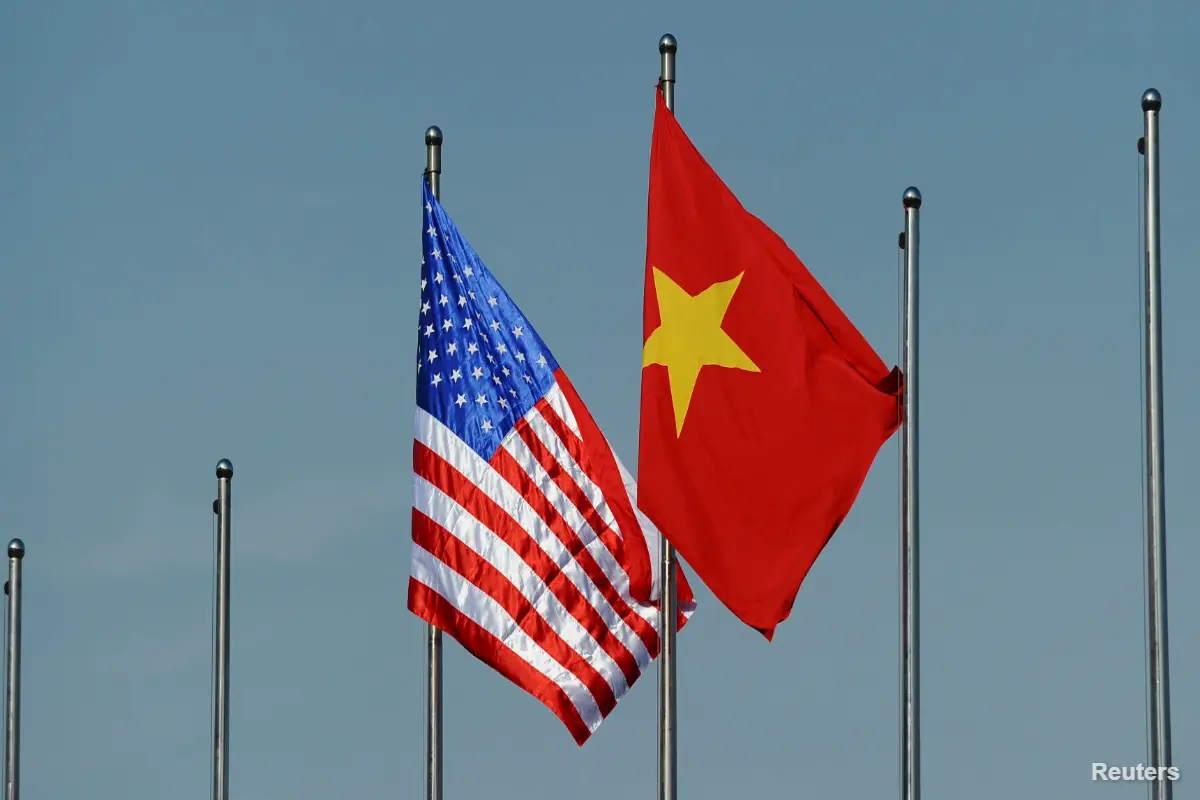
    Vietnam and the U.S. have wrapped up their second ministerial-level meeting focused on a reciprocal trade agreement, which took place on June 4 in the enchanting city of Paris. This pivotal discussion featured Vietnamese Minister of Industry and Trade Nguyen Hong Dien and U.S. Trade Representative Jamieson Greer, who led their negotiation teams with a shared purpose: to elevate trade relations between the two nations.

    As the talks unfolded, Minister Dien presented Vietnam’s formal responses to additional proposals from the U.S., emphasizing the nation’s commitment to reaching a consensus beneficial to both parties. He expressed a strong determination to navigate the complexities of the agreement while looking out for Vietnamese interests.

    Greer reciprocated with gratitude for Vietnam’s willingness to engage in constructive dialogue and address U.S. concerns. Highlighting the strategic partnership between the two nations, he stressed the urgency of finalizing reciprocal taxation policies, which are crucial at this juncture. Greer acknowledged Vietnam’s key issues and offered potential solutions to the trickier aspects of the negotiations.

    In a spirited commitment to expedite the process, both ministers agreed to ramp up discussions before the third technical round slated for mid-June. They also directed their technical teams to enhance virtual coordination, aiming to resolve outstanding differences and foster further advancements in the negotiations.

    Ultimately, both sides reaffirmed their dedication to close collaboration and the possibility of additional high-level meetings in pursuit of a mutually advantageous outcome. As the cups of café au lait cooled, the atmosphere buzzed with optimism for the future of U.S.-Vietnam trade relations—could this be the start of a beautiful friendship?

    Questions & Answers

    What was the main focus of the recent Vietnam-U.S. meeting?
    The meeting concentrated on advancing a reciprocal trade agreement, specifically discussing previous proposals and ensuring both nations’ interests were addressed.

    Why is the issue of reciprocal taxation policies considered critical?
    Reciprocal taxation policies are seen as vital for facilitating smoother trade operations and enhancing economic relations between Vietnam and the U.S., especially as both nations navigate more complex trade dynamics.

    When is the next round of negotiations scheduled?
    The third technical round of talks is scheduled for mid-June, with both sides eager to make significant progress ahead of that meeting.