Category: General

Retail News Asia is committed to providing both local and global retailers with the latest General Retail news throughout the Asian market. This on a daily base.

  • Government Considers Doubling Casino Ticket Prices for Locals, Leaving Income Proof Behind

    Government Considers Doubling Casino Ticket Prices for Locals, Leaving Income Proof Behind

    In a bold move to reshape its gaming landscape, Vietnam is considering significant increases to entry fees for local casino players, according to a draft regulation currently under review by relevant authorities. If implemented, the new pricing structure would raise the 24-hour ticket price from VND1.25 million (approximately US$47) to VND2.5 million (US$95), while monthly tickets could see a staggering increase to VND50 million, marking a 2.5-fold jump.

    Higher Barriers for Local Gamblers

    This proposed adjustment comes as the government continues to fine-tune a pilot program that has allowed Vietnamese residents to gamble since 2016, contingent on specific criteria such as being over 21 years old and earning a minimum monthly income of VND10 million. However, the requirement to document one’s income has proven challenging. Many prospective gamblers can meet the income threshold but struggle to provide the necessary documentation on short notice.

    As one official noted, “Many cannot provide the required documents as they must be thoroughly prepared in advance.” The irony isn’t lost on anyone: while navigating this bureaucratic maze at home is a hassle, Vietnamese players can find a smoother road at casinos abroad.

    Enhancing Player Safety and Security

    By raising ticket prices, the government aims to ensure that participants are financially responsible while simultaneously reducing the administrative red tape surrounding gambling. Furthermore, the draft regulation seeks to mandate that licensed casinos maintain customer data for a minimum of five years, adding another layer of oversight.

    At present, there are nine authorized casinos in the country, but as the landscape evolves, the government has signaled its intent to solidify policies for the development of the Phu Quoc special economic zone. These policies will allow Vietnamese citizens to gamble at local casinos even after the trial period concludes.

    Investment and Infrastructure Requirements

    To bolster the gaming economy, casinos must be part of integrated tourism and amusement complexes, with a hefty minimum investment of $2 billion. Operators are also required to implement round-the-clock surveillance camera systems across crucial operational areas, including entry and exit points and gaming floors. Video footage must be retained for at least 180 days, readily accessible to authorities upon request.

    As a final touch to enhance security and identification, all players, regardless of nationality, will be issued electronic ID cards containing personal details and access rights. It seems the future of gambling in Vietnam is not only about the thrill of the game but also about having a seat at the table—safely and legally.

    Questions & Answers

    What prompted the government to consider increasing casino entry fees?
    The proposed increase in entry fees aims to ensure that players are financially capable and to simplify the documentation process for local gamblers, reducing red tape that often complicates spontaneous gambling.

    How many casinos in Vietnam would be affected by these proposed regulations?
    There are currently nine authorized casinos in Vietnam, all of which would need to comply with the new regulations if they are implemented.

    What security measures are required for casinos under the new proposal?
    Casinos must implement 24/7 surveillance systems, retain video footage for at least 180 days, and issue electronic ID cards to all players, enhancing safety and regulatory compliance.

  • Takashimaya’s 2024 Flagship Store: Redefining Luxury Shopping In Tokyo’s Shinjuku District

    Takashimaya’s 2024 Flagship Store: Redefining Luxury Shopping In Tokyo’s Shinjuku District

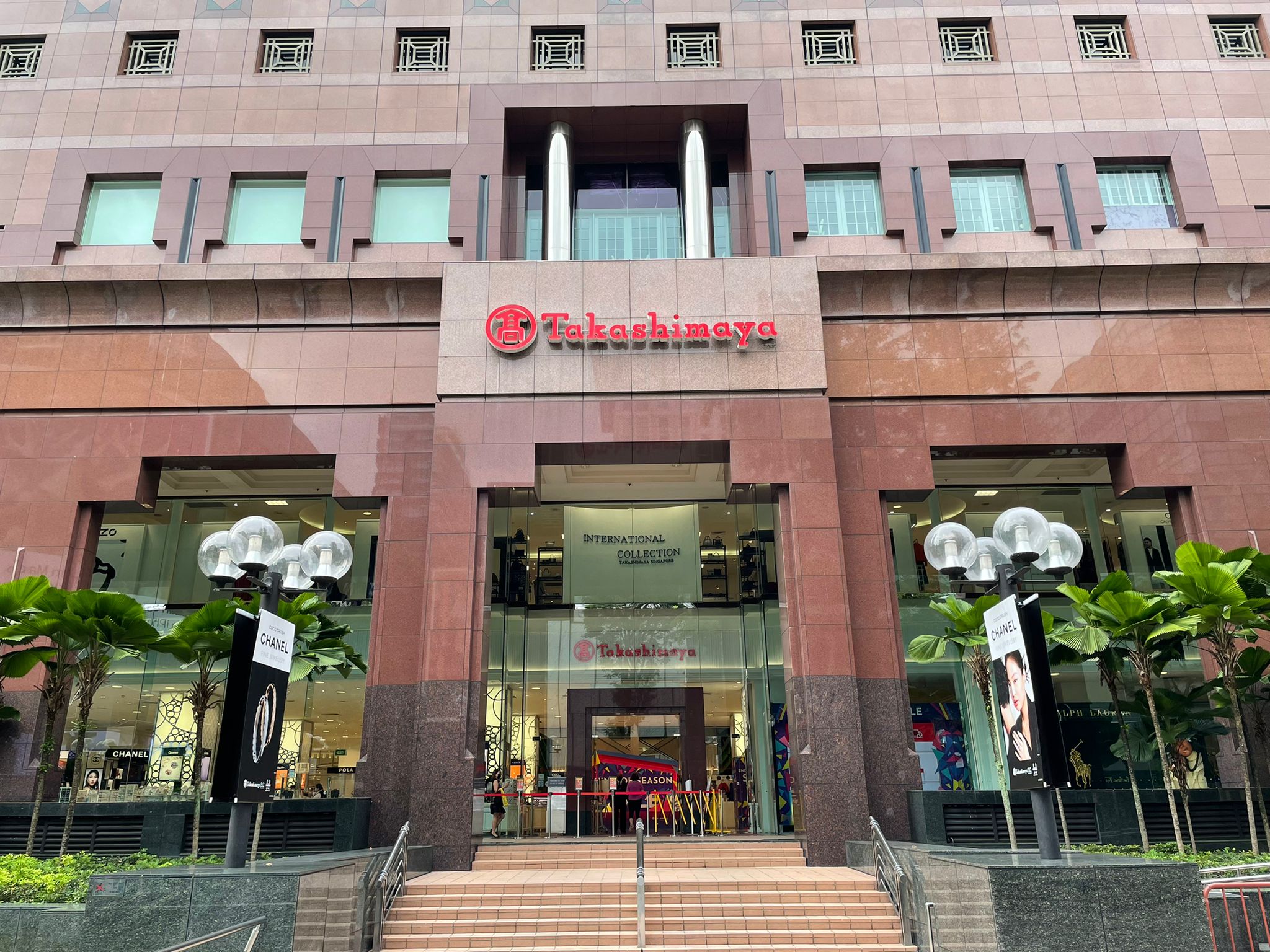
    The bustling streets of Tokyo are set to welcome a new gem in the retail scene as luxury department store Takashimaya prepares to unveil its latest flagship store in early 2024. This ambitious project, situated in the heart of Shinjuku, promises to redefine the shopping landscape in the world-renowned Shinjuku Gyoen district, an area famed for its blend of urban life and natural beauty.

    Takashimaya’s impending opening is poised to captivate retail enthusiasts with its innovative blend of high-end fashion, gourmet food options, and cutting-edge technology. A striking feature of the flagship store will be its transparent escalators, offering customers a unique view of the multiple levels while they make their ascent through the store. It’s as if shoppers will be gliding up through a stylish art installation—what a way to shop!

    The design, marked by elegant lines and spacious layouts, reflects the aesthetic preferences of modern consumers who seek both luxury and comfort. The store will feature an impressive array of global brands alongside exclusive Japanese labels, ensuring that it caters to both local shoppers and international visitors alike.

    As the retail sector continues to evolve, Takashimaya’s focus on sustainability and local culture stands out. The store will incorporate environment-friendly materials and showcase products from regional artisans, highlighting Japan’s rich craft traditions. In a move designed to foster a strong community connection, Takashimaya will also offer rotating exhibitions of local artists’ work throughout the year, giving visitors a reason to return and engage with both the store and wider creative scene.

    This flagship opening comes at a time when the retail industry is rebounding from the challenges posed by the pandemic. With increased foot traffic as travel restrictions ease, Takashimaya is betting on a resurgence of luxury shopping—an experience that more than ever includes entertainment, culture, and a strong sense of place.

    The department store’s management team expresses excitement about the upcoming launch, seeing it as a pivotal moment for the brand as it not only re-establishes its presence in a competitive market but also fortifies its commitment to delivering unforgettable shopping experiences.

    As Takashimaya gears up for this iconic opening, one thing is crystal clear: the retail landscape in Asia is evolving, and this flagship store might just write a new chapter in the story of luxury shopping.

    Questions & Answers

    What makes the Takashimaya flagship store unique?
    The store will feature transparent escalators for a distinctive shopping experience along with a mix of high-end fashion, gourmet food, and technology, creating an engaging environment for shoppers.

    How does Takashimaya plan to connect with the local culture?
    Takashimaya will highlight local artisans and sustainable practices through rotating exhibitions and eco-friendly materials, thereby reinforcing its bond with the community.

    What recent trends have impacted Takashimaya’s decision to open this flagship store now?
    As the retail sector rebounds post-pandemic and travel restrictions ease, Takashimaya aims to capitalize on the resurgence of luxury shopping, merging entertainment and culture into the retail experience.

  • Vietjet Launches 8/8 Super Sale: Up to 80% Off Flights Plus Exclusive Hotel Discount

    Vietjet Launches 8/8 Super Sale: Up to 80% Off Flights Plus Exclusive Hotel Discount

     Vietjet is turning up the heat this August with its limited-time 8/8 Super Sale, offering travellers up to 80% off Eco fares across its entire international and domestic network. Singapore-based adventurers can now snap up incredible flight deals to Hanoi, Da Nang, Ho Chi Minh City and Phu Quoc.

    For just 23 hours, from 01:00 to 24:00 (GMT+8) on 8 August 2025, guests can enter promo code “VJ80” when booking Eco tickets or the Vietjet Air mobile app to enjoy the 80% discount (excluding taxes and fees). The promotion is valid for travel between 15 September 2025 and 27 May 2026 (terms and conditions apply).

    As a special bonus, the first 500 passengers booking international flights to Hanoi (HAN) or Van Don (VDO) during the promotion period will receive a 20% discount on a one-night stay (terms and conditions apply) at the luxurious Royal Ha Long Hotel. This offer is valid for flight bookings made between 8–15 August 2025, exclusively via Vietjet’s website or app.

    From tropical beach retreats to vibrant city adventures and cultural discoveries, Vietjet offers travellers convenient access to Vietnam’s most captivating destinations — all at exceptional value.

    Onboard, passengers can indulge in Vietjet’s signature experience featuring a modern, warm and professional cabin crew, and a mouthwatering menu of Vietnamese and international favourites including Pho, Banh Mi, iced milk coffee, and more. 

    Seats are limited –  act fast! Fly smart, save big, and discover a whole new world with Vietjet.

    A whole new world, a whole new me – Let’s Vietjet!

  • WiseTech Global Expands Horizons with Strategic Acquisition of E2open for Enhanced Supply Chain Solutions

    WiseTech Global Expands Horizons with Strategic Acquisition of E2open for Enhanced Supply Chain Solutions

    The tides of retail in Asia are shifting as brands become increasingly aware of the impact of sustainability on consumer behavior. With a growing number of shoppers favoring eco-friendly products, businesses are adapting their strategies to meet these new expectations.

    In recent years, the Asian retail landscape has seen a significant transformation. Consumers, especially Millennials and Gen Z, are now more inclined to choose products that boast sustainable packaging or ethical sourcing. As a result, brands across the region are rethinking their approaches to production, marketing, and even logistics. This isn’t just a passing trend; it’s a movement that’s redefining what it means to be a responsible retailer.

    A recent survey revealed that nearly 60% of consumers in urban areas prioritize sustainability when making purchasing decisions. This shift is prompting retailers to innovate; they’re now emphasizing green products, introducing recyclable materials, and highlighting transparency in their supply chains. Amid this change, some brands are even taking their green commitments to a playful extreme—imagine a tote bag promoting eco-friendliness that ironically comes in a plastic wrapper!

    Asia’s Retail Players Embrace Sustainability

    Notably, major retail players are not sitting idle. Leading companies such as Alibaba and Uniqlo are accelerating their sustainability initiatives. Alibaba recently launched a green logistics program aimed at reducing carbon emissions across its delivery network. Meanwhile, Uniqlo has pledged to ensure 100% of its cotton comes from sustainable sources by 2025. These efforts not only cater to consumer demand but also position these brands as pioneers in the sustainable retail revolution.

    Small and medium enterprises (SMEs) are also joining the sustainability movement. Many are leveraging eco-certifications to differentiate themselves in a crowded market. For instance, brands are exploring innovative materials such as biodegradable fabrics or recycled plastics, appealing to the conscious consumer while carving out a niche for themselves. This creates a win-win scenario, where customers feel good about their purchases and retailers gain a competitive edge.

    Consumer Engagement and Education

    To further engage shoppers, brands are increasingly focusing on education. Retailers are utilizing in-store experiences, workshops, and digital platforms to inform consumers about sustainable practices and the importance of making responsible choices. This two-way communication fosters a deeper connection between consumers and brands, making sustainability not just a marketing gimmick, but a shared commitment.

    As the region’s retail landscape continues to evolve, the commitment to sustainability is poised to influence everything from product design to marketing strategies. The notion of environmental responsibility is no longer just an add-on; it’s becoming the cornerstone of modern retail in Asia.

    Questions & Answers

    How are consumers in Asia influencing retail sustainability?
    Consumers, especially younger generations, are prioritizing eco-friendly products, pushing retailers to rethink their practices and embrace sustainability in various aspects of their operations.

    What actions are major retailers in Asia taking?
    Companies like Alibaba and Uniqlo are leading the charge by launching initiatives aimed at reducing their environmental impact, such as green logistics programs and sustainable sourcing commitments.

    How are smaller businesses adapting to the push for sustainability?
    Small and medium enterprises are leveraging eco-certifications and innovative materials to attract environmentally conscious consumers, thus creating distinct market opportunities while promoting sustainability.

  • U.S. Tariffs Take a Toll on Financial Stocks: What You Need to Know

    U.S. Tariffs Take a Toll on Financial Stocks: What You Need to Know

    The recent imposition of a staggering 39 percent import tariff on Swiss products by the U.S. has sent ripples through the Swiss economy, and while banks and insurance firms may not be the immediate targets of these tariffs, the repercussions are making their presence felt across the financial landscape.

    The Swiss stock market experienced a notable downturn following the announcement, with the Swiss franc also sliding against both the euro and the dollar. However, the market’s slump cannot be attributed solely to U.S. tariffs. A public holiday closure on Friday meant that the Swiss stock exchange only now has the opportunity to reckon with negative shifts seen in the U.S. and European markets, which were already beleaguered by disappointing labor market data.

    As trading resumed, the Swiss Market Index (SMI) was down 0.7 percent at 11,755 points, a slight recovery from sharper declines earlier in the session. The Swiss Leader Index (SLI), which represents Switzerland’s 30 largest companies, was also down 0.65 percent at 1,956 points.

    Financial Stocks Feel the Squeeze

    Among the hardest-hit stocks in the SLI are those sensitive to economic fluctuations, with staffing company Adecco leading the pack with a 2.8 percent drop, followed by ABB at 1.5 percent and Sika down 1.6 percent. Financial stocks are not immune either, as seen with Julius Baer’s shares which fell by 2.3 percent to CHF 53.96, and UBS dipping 1.1 percent to CHF 30.11. Vontobel likewise succumbed to market pressures, declining 0.7 percent to CHF 59.00.

    In a spark of unexpected resilience, Partners Group staged a modest recovery, now just 0.3 percent lower at CHF 1,098.50, after plummeting to CHF 1,056 earlier in the day. In the insurance sector, the performance was mixed; with Swiss Re down by a mere 0.2 percent, Swiss Life holding steady, and Zurich Insurance seeing a small gain of 0.3 percent.

    Hope Flickers Amidst Uncertainty

    The media has described the tariffs as a “bludgeon,” “hammer,” or even “shock,” reflecting the heavy toll they have taken on both the Swiss economy and its political climate. For those who once viewed Donald Trump’s economic policies as a beacon of hope for liberalism, this swift about-face is undoubtedly causing reconsideration.

    Amidst the turmoil, there remains a glimmer of hope that ongoing negotiations could lead to a reduction in the tariff rate on Swiss imports, potentially aligning closer to the 15 percent rate that is applied to EU goods. In a world characterized by uncertainty, the prospect of such outcomes—though it often feels like catching smoke with bare hands—cannot be ruled out.

    Questions & Answers

    What impact will the U.S. tariffs have on the Swiss financial sector?
    Although Swiss banks and insurance companies aren’t the direct targets of the tariffs, the overall economic strain is expected to affect the financial sector indirectly.

    How did the Swiss stock market respond to the tariffs?
    The Swiss stock market faced immediate declines following the tariff announcement, with the SMI dropping 0.7 percent shortly after trading resumed.

    Is there potential for tariff reductions in the future?
    There is hope that ongoing discussions may lead to a reduction in tariff rates, possibly aligning with the rates imposed on EU goods.

  • Google, Earth Fire Alliance, And Muon Space Launch Firesat: Ai-driven Wildfire Detection Revolution

    Google, Earth Fire Alliance, And Muon Space Launch Firesat: Ai-driven Wildfire Detection Revolution

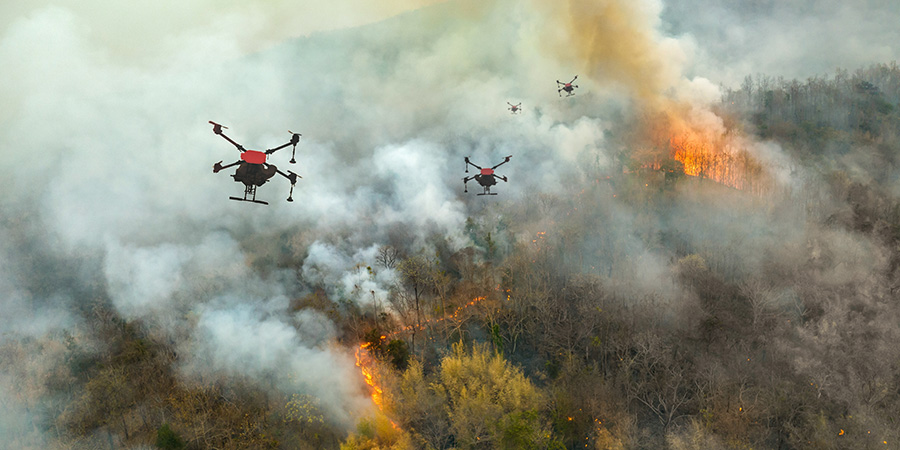
    In a groundbreaking move, Google has joined forces with the Earth Fire Alliance and Muon Space to unveil the first satellite of its innovative wildfire detection initiative, aptly named FireSat. This venture is set to revolutionize how we monitor wildfires, boasting advanced artificial intelligence (AI) capabilities.

    The FireSat project aims to deploy more than 50 satellites, each armed with state-of-the-art thermal imaging technology and AI designed to identify wildfires in a mere 15 to 20 minutes after ignition. This rapid response dramatically outpaces traditional satellites, which often take hours to relay critical data.

    Real-Time Alerts and Enhanced Accuracy

    What sets FireSat apart is its ability to detect fires as small as those in a classroom and promptly alert emergency responders. Its AI is adept at discerning genuine wildfires from false alarms such as industrial heat or cloud formations, thereby significantly enhancing accuracy. Imagine a virtual watchdog in the skies, always on the lookout for flames—it’s not just a fantasy anymore!

    Addressing the Growing Threat of Wildfires

    This advanced technology arrives at a crucial juncture, as climate change continues to amplify wildfire risks across the globe, particularly in high-risk regions like California and the Mediterranean. By integrating space-based thermal sensing with machine learning, FireSat is poised to enable quicker, more effective responses that have the potential to save lives, mitigate damage, and conserve vulnerable ecosystems. While the first satellite is already operational, full deployment of the entire constellation is anticipated in the coming years.

    Questions & Answers

    What is the purpose of the FireSat project?
    The FireSat project aims to deploy over 50 satellites equipped with AI and thermal imaging to rapidly detect wildfires, typically within 15 to 20 minutes of ignition.

    How does FireSat improve wildfire detection compared to traditional systems?
    FireSat offers real-time detection of small fires and utilizes AI to differentiate between genuine wildfires and false alarms, significantly enhancing detection accuracy.

    Where is the technology expected to have the most impact?
    The technology is particularly crucial in regions like California and the Mediterranean, where the risks of wildfires are increasingly exacerbated by climate change.

  • F88 Pawnshop Chain Sets Exciting IPO at $24 Per Share – A New Investment Opportunity Awaits!

    F88 Pawnshop Chain Sets Exciting IPO at $24 Per Share – A New Investment Opportunity Awaits!

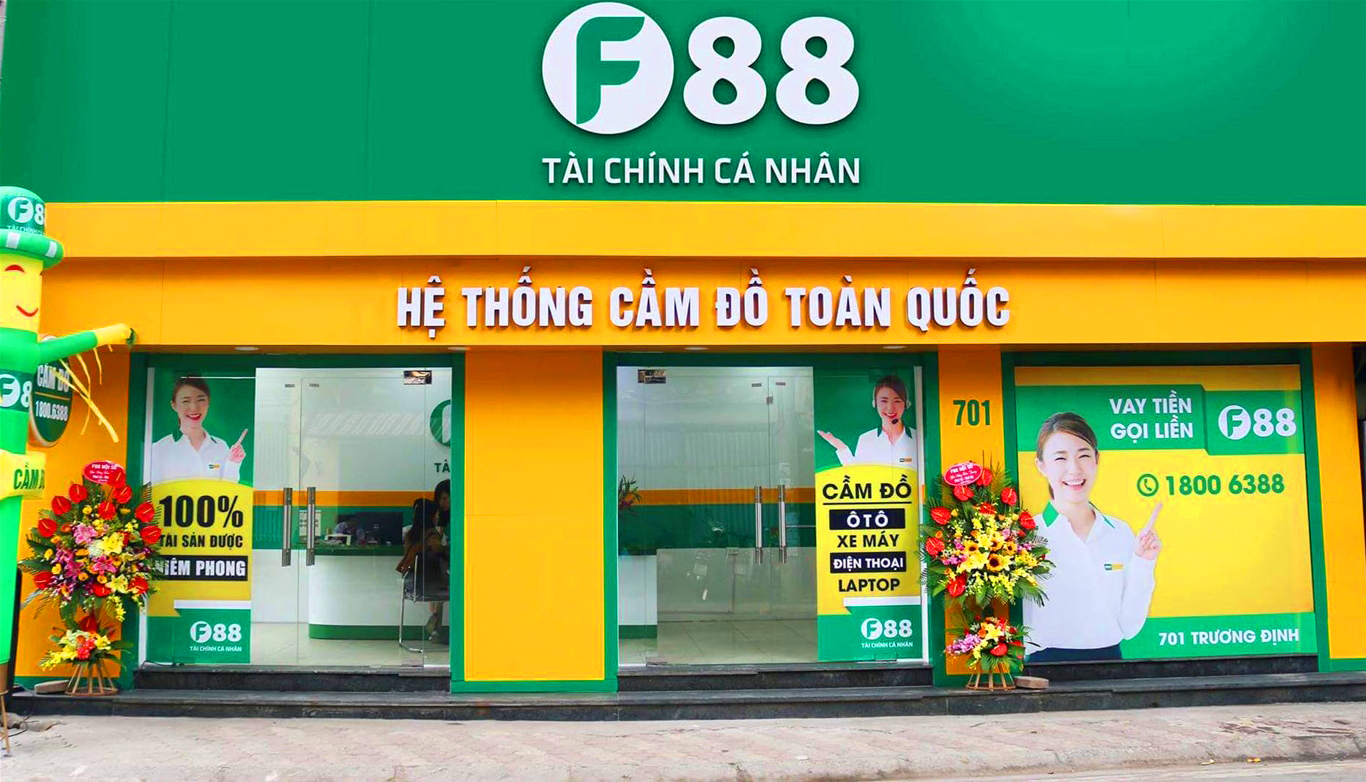
    In a significant development for Vietnam’s consumer finance landscape, F88 has secured approval to list on the Unlisted Public Company Market (UPCoM), starting August 8 at VND634,900 (approximately US$24.21) per share.

    The listing will consist of over 8.26 million shares, positioning F88 with a market capitalization of VND5.24 trillion (around $200 million). This initial listing price is strikingly 13 times higher than the average share price of blue-chip companies on the Ho Chi Minh Stock Exchange (HoSE), making F88 a notable new player in the market.

    The UPCoM was established to drive companies towards greater participation in the securities market, ultimately paving their way to listings on either HoSE or the Hanoi Stock Exchange. F88’s chairman, Phung Anh Tuan, has ambitious plans, aiming for a listing on HoSE with a market cap of $1 billion by 2027.

    The company has been showing robust performance in the consumer finance sector, with impressive financial results reported for the second quarter. F88 achieved revenue of VND925 billion, a remarkable 30% year-over-year growth, alongside a staggering pre-tax profit of VND89 billion, reflecting a 220% increase.

    This impressive growth trajectory is attributed to a 47% surge in loan disbursements and an almost 45% increase in outstanding loans. By the end of June, F88 had already met 48% of its annual profit target and reached its expansion goal ahead of schedule, launching 888 new outlets across the country.

    In a strategic move to bolster its leadership, F88 recently welcomed Piyasak Ukritnukun, a seasoned financial expert from Thailand, as an independent board member. This injection of experience promises to steer the company further towards its ambitious objectives.

    Questions & Answers

    What does F88’s listing on UPCoM signify for the company?
    F88’s listing on UPCoM marks a significant step in its growth strategy, enhancing visibility and attracting potential investors as it aims for a future listing on HoSE.

    How has F88 performed financially leading up to its market debut?
    The company has reported a stunning financial performance in Q2, with a 30% revenue increase and a 220% leap in pre-tax profit, driven by increased loan activity.

    Who has recently joined F88’s leadership team?
    F88 has appointed Piyasak Ukritnukun, a financial expert from Thailand, as an independent member of its board, bringing valuable experience to the company’s strategic direction.

  • Tourist Tax-Free Spending Plummets, Foreshadowing Challenges for Japan’s Retail Sector

    Tourist Tax-Free Spending Plummets, Foreshadowing Challenges for Japan’s Retail Sector

    Sales at Japanese department stores have shown signs of slowing in recent months, raising concerns that even the wealthiest shoppers may be curbing their extravagant expenditures. This shift is attributed partly to the ripple effects of U.S. President Donald Trump’s aggressive tariff policies, which have begun to take a toll on consumer sentiment.

    Once a hotspot of opulence, where luxury purchases were practically an everyday occurrence, the shopping landscape is shifting. Data from the Japan Department Stores Association indicates that, while the overall department store sales dipped by 0.4% year-on-year in August, the high-end segment is particularly feeling the pressure. Consumers that once splurged with abandon are now more discerning, raising eyebrows and speculation in the retail sector.

    In a bid to attract the scrupulous shopper, renowned stores like Tokyo’s Isetan Shinjuku have embraced technology, launching an innovative smartphone app tailored for overseas visitors. This app offers users enticing discount coupons as well as comprehensive information about the store in English, Chinese, and Korean. Such initiatives not only enhance the shopping experience but also seek to capture a significant slice of the lucrative tourist market.

    As retailers grapple with these changes, they are stepping up efforts to adapt. The high-end fashion scene finds itself at a crossroads, where luxurious brands must navigate a delicate balance between aspirational pricing and accommodating the evolving preferences of their consumer base. Will the lavish lifestyles of the past return, or are shoppers’ appetites for luxury purchases shifting irreversibly? Only time will tell, but for now, retailers seem to be polishing their strategies and hoping for a spark of that former extravagance — who wouldn’t want a weekend shopping spree to feel like a scene from a Hollywood film?

    Questions & Answers

    How have recent economic factors impacted Japanese department store sales?
    Japanese department store sales have dipped by 0.4% year-on-year, with concerns that high-end consumers are becoming more discerning due to factors like U.S. tariffs.

    What strategies are department stores implementing to attract overseas customers?
    Stores like Isetan Shinjuku have launched smartphone apps offering discount coupons and information in multiple languages, aimed at enhancing the shopping experience for foreign tourists.

    What does the future hold for high-end retail in Japan?
    As consumer preferences evolve, luxury brands face a challenge in balancing aspirational pricing with the desires of a more cautious shopping base, raising questions about the future of extravagant spending.

  • Trump Ends Duty-Free Exemption for All Foreign Packages Starting August 29th: What Shoppers Need to Know

    Trump Ends Duty-Free Exemption for All Foreign Packages Starting August 29th: What Shoppers Need to Know

    In a significant shift in U.S. trade policy, the Biden administration has announced that duty-free shipping for low-value commercial packages from all countries will be suspended effective August 29. This move, aimed at curbing the influx of fentanyl precursor materials entering the U.S., underscores a broader strategy to tighten border controls and address issues related to illegal drug imports.

    Cracking Down on De Minimis Shipments

    The suspension of duty-free privileges specifically targets what are known as de minimis shipments, which allow small packages valued at $800 or less to enter the country without incurring tariffs. The White House’s decision reflects growing concerns over the soaring number of these shipments entering the U.S. over the past decade, creating loopholes that can be exploited by smugglers.

    The Implications for Retailers

    This change poses new challenges for retailers and e-commerce platforms that rely heavily on cross-border sales. As online shopping continues to gain momentum, especially in the wake of the COVID-19 pandemic, retailers must now navigate the complexities of increased shipping costs and regulatory scrutiny. While consumers may soon face higher prices, one can only hope their shopping carts don’t become the next treasure trove of tariffs!

    Addressing Tax Loopholes and Fentanyl Concerns

    In addition to combatting drug smuggling, the Biden administration is also targeting tax loopholes that have arisen in the digital marketplace. By imposing stricter regulations on de minimis shipments, officials aim to establish a level playing field for U.S. retailers, ensuring that reforms also contribute to broader fiscal goals.

    Looking Ahead

    The impending regulatory changes will not only reshape the landscape of international shipping but also prompt retailers to reevaluate their logistics strategies. The administration’s comprehensive approach signals a move toward greater accountability in global trade practices while advancing public safety measures.

    Questions & Answers

    How will the suspension of duty-free shipping affect consumers?
    Consumers are likely to see increased prices on low-value packages, as they will no longer benefit from duty-free shipping, making cross-border purchases less appealing.

    What are de minimis shipments?
    De minimis shipments refer to small packages valued at $800 or less that can enter the U.S. without incurring duties, often used to expedite e-commerce transactions.

    Why is this move significant for U.S. retailers?
    This policy is designed to mitigate unfair competition from international sellers who benefit from tax loopholes, ultimately aiming to create a more equitable market for U.S. businesses.

  • Rakuten Unveils Innovative AI Agent for Enhanced Mobile and Web Shopping Experience

    Rakuten Unveils Innovative AI Agent for Enhanced Mobile and Web Shopping Experience

    In a bold step towards redefining digital interactions, Rakuten Group, Inc. and Rakuten Mobile, Inc. have officially launched Rakuten AI. This innovative artificial intelligence agent is now accessible through the Rakuten Link app and a beta web application, setting the stage for a tech-forward user experience.

    Expanding Features and Reach

    Available free of charge, Rakuten AI is primed for a broader rollout, with plans to extend its capabilities to Rakuten Ichiba by Autumn 2025. Designed to streamline interactions within the Rakuten ecosystem, the service boasts an impressive array of features that includes AI chat, voice input, image search, translation services, coding assistance, and customized recommendations. Talk about a virtual assistant that does it all!

    Localized for Japanese Users

    What sets Rakuten AI apart is its deep understanding of Japanese language and culture, making it particularly relevant for domestic users. Within the Rakuten Link app, customers can engage with Rakuten AI through text, voice, and even image-based queries, while receiving AI-generated suggestions to refine their searches and navigate a plethora of services seamlessly.

    A Comprehensive Tool for Everyday and Complex Needs

    For Rakuten ID holders, the web app presents additional functionalities, including advanced search capabilities, problem-solving tools, and content creation features. This positions Rakuten AI not just as a daily utility, but as a comprehensive tool capable of tackling more intricate tasks with ease.

    A Vision for the Future of Retail

    The impending integration of Rakuten AI into Rakuten Ichiba later this year aims to enhance the shopping experience by delivering personalized product recommendations that draw from user behavior, preferences, and purchase history. This launch marks the start of Rakuten’s ambitious vision for an Agentic Ecosystem—a hyper-personalized network where AI empowers users to make informed decisions, act swiftly, and streamline various tasks across multiple platforms.

    Ultimately, Rakuten aims to establish Rakuten AI as the go-to gateway for its expansive digital ecosystem, enhancing both mobile and web experiences to ensure intuitive access and intelligent guidance for users.

    Questions & Answers

    What functionalities does Rakuten AI offer to users?
    Rakuten AI provides tools such as AI chat, voice input, image search, translation services, coding assistance, and personalized recommendations, all tailored to enhance user experience.

    How is Rakuten AI tailored to the local market?
    It has a strong understanding of Japanese language and culture, making it especially relevant and useful for users in Japan.

    When can we expect to see Rakuten AI integrated into Rakuten Ichiba?
    The integration is scheduled for later this year, aiming to offer personalized product recommendations based on user preferences and shopping behavior.

  • Hong Kong Retail Sales Rise In June, Slower Pace Indicates Stabilization

    Hong Kong Retail Sales Rise In June, Slower Pace Indicates Stabilization

    In June, Hong Kong experienced an increase in retail sales, albeit at a slower pace than the previous month of May. The total retail sales for the special administrative region came in at HK$30.1 billion (US$3.8 billion), marking a 0.7 per cent year-on-year growth. This rise, however, was less than the 2.4 per cent increase witnessed in May, which was the first surge in retail sales observed in over a year.

    The Impact of Price Changes

    When considering the impact of price changes during this period, the provisional estimate of retail sales for June revealed a 0.3 per cent year-on-year decrease. This is in comparison to a 1.9 per cent uptick seen in May.

    Industry-Specific Performance

    Breaking down the increase in retail sales by industry, the sectors of jewellery, watches and clocks, and valuable gifts led the pack, enjoying a 6.8 per cent upswing in June. The following industries also saw notable growth: medicines and cosmetics, with a 6 per cent increase; commodities in department stores, with a 5.7 per cent rise; and optical shops, which saw a 1 per cent surge in sales.

    On the other hand, some sectors witnessed a decline in sales. Sales of wearing apparel dipped by 4.3 per cent, while food, alcoholic drinks and tobacco dropped by 1.5 per cent. Additionally, sales in furniture and fixtures saw a significant decrease of 16.3 per cent, with books, newspapers, stationery and gifts experiencing a 4.7 per cent fall.

    First-Half Overview

    Looking at the bigger picture, retail sales in Hong Kong for the first half of the year showed a downward trend, dropping by 3.3 per cent when compared to the same period last year.

    However, a government spokesperson conveyed optimism, noting that the retail sector has been exhibiting signs of stabilization in recent months. The spokesperson cited several favourable factors contributing to this trend, including the steady rise in employment earnings, a robust stock market, and concerted efforts from the government and businesses to promote tourism. These factors are anticipated to augment consumer sentiment and provide a strong support for the retail sector.

    Questions & Answers

    What was the value of retail sales in June in Hong Kong?
    The value of retail sales in Hong Kong in June was HK$30.1 billion (US$3.8 billion), representing a 0.7 per cent year-on-year increase.

    Which sectors led the growth in Hong Kong’s retail sales in June?
    The sectors of jewellery, watches and clocks, and valuable gifts led the growth in June with a 6.8 per cent increase. Other sectors experiencing growth included medicines and cosmetics, commodities in department stores, and optical shops.

    What are the factors contributing to the stabilization of Hong Kong’s retail sector?
    The stabilization of Hong Kong’s retail sector can be attributed to the continuous increase in employment earnings, a solid stock market performance, and government and business efforts to boost tourism.

  • Trump Imposes Heavy Tariffs on Countries, Slapping 35% Duty on Canadian Imports

    Trump Imposes Heavy Tariffs on Countries, Slapping 35% Duty on Canadian Imports

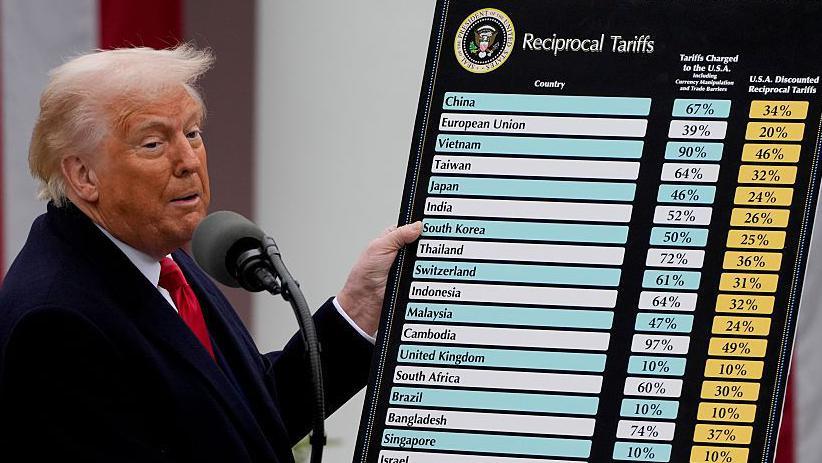
    In a bold move that echoes his unyielding stance on trade, President Trump has unveiled an executive order imposing new tariffs ranging from 10% to 41% on imports from 69 trading partners, just hours ahead of a critical deadline. This development places additional pressure on countries that have either failed to negotiate favorable terms or have offered what Trump deems insufficient trade concessions. As a blanket measure, goods from countries not specified will now face a 10% tariff rate.

    The reasoning behind this order stems from Trump’s assertion that many trading partners have not aligned adequately with U.S. economic and national-security interests, stating, “they have offered terms that, in my judgment, do not sufficiently address imbalances in our trading relationship.” It’s a strategy that could leave many retailers scratching their heads as they juggle the implications of these tariffs in the marketplace.

    In a notable shift regarding Canada, Trump announced a separate increase in tariffs on Canadian goods related to fentanyl to 35%, up from a previous 25%. This decision underscores a growing divide over cooperation on drug trafficking issues. In stark contrast, he has granted Mexico a respite from imminent higher tariffs, allowing an additional 90 days for discussions towards a comprehensive trade agreement.

    A U.S. official conveyed optimism about upcoming trade agreements, remarking, “We have some deals,” and adding that they wish to avoid jumping the gun in announcements. This wave of negotiations highlights the mixed landscape of international trade as relations with Canada and Mexico diverge significantly. While a summit telephone call between Trump and Mexican President Claudia Sheinbaum led to an agreement avoiding a 30% tariff increase on compliant goods, it seems that Canada’s diplomatic efforts fell short of expectations.

    Approximately 85% of all U.S. imports from Mexico meet the USMCA’s rules, thus evading a hefty 25% tariff tied to fentanyl concerns. Trump also confirmed that the U.S. intends to maintain a hefty 50% tariff on Mexican steel, aluminum, and copper, in addition to those on autos that don’t meet USMCA standards.

    A Deal with South Korea but Discord with India

    Meanwhile, South Korea has reached an agreement to accept a 15% tariff on automotive exports to the U.S., incentivized by a tantalizing pledge to invest $350 billion in U.S. projects selected by Trump. This deal contrasts sharply with India’s precarious position, where negotiations have stalled, and a potential 25% tariff looms due to disputes over agricultural market access, combined with threats surrounding India’s significant Russian oil imports.

    The mounting tariffs have begun to elicit reactions from consumers, with recent reports showing a rise in prices for home goods, recreational items, and clothing—an unwelcome trend many aren’t ready for. In June, the Commerce Department reported a 1.3% spike in home furnishings prices, with early indications that these tariffs are affecting consumers’ wallets more than just on paper.

    Controversy and Legal Challenges Ahead

    In a dramatic uptick, Trump targeted Brazil with a steep 50% tariff while also narrowing the categories exempt from these tariffs, further amplifying tensions with Latin America’s largest economy. As these trade policies unfold, they’re simultaneously landing in the crosshairs of judicial scrutiny, as federal appeals court judges question the legality of Trump’s reliance on the International Emergency Economic Powers Act for justifying these broad measures. Observers are eagerly awaiting developments as the court evaluates whether these tariffs violate executive authority.

    As the U.S. grapples with its trade relationships amid a growing deficit, both Treasury Secretary Scott Bessent and U.S. negotiators remain cautiously optimistic about a deal with China, which is teetering on a precarious deadline. With preliminary agreements already in the works, the real question is whether all parties can expedite negotiations before tensions flare again.

    Questions & Answers

    What key countries are affected by Trump’s new tariffs?
    The new tariffs target 69 trading partners, including heightened rates on Canadian goods and a separate arrangement with South Korea.

    How are these tariffs impacting consumer prices?
    Recent data indicates a rise in consumer goods prices, particularly in home furnishings and clothing, reflecting the economic influence of these tariffs.

    What legal challenges are surrounding Trump’s tariff initiatives?
    Judicial skepticism has emerged regarding Trump’s use of emergency powers to impose tariffs, with federal judges questioning the extent of his executive authority during ongoing legal proceedings.

  • Vietnam Airlines Reports Impressive $255 Million Profit Surge in First Half of 2023

    Vietnam Airlines Reports Impressive $255 Million Profit Surge in First Half of 2023

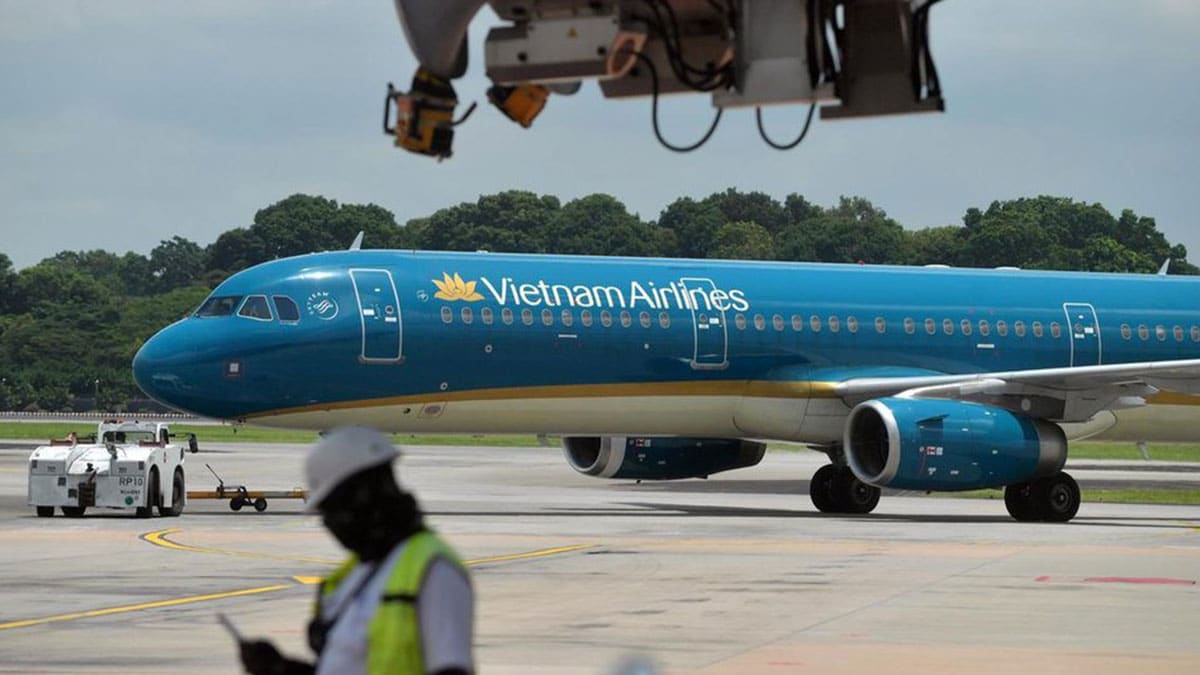
    Vietnam Airlines has reported a significant boost in its pre-tax profit for the first half of 2025, achieving VND6.68 trillion (US$255 million), marking a robust 19.3% increase compared to the same period last year, driven by soaring demand.

    According to the airline’s financial results, revenues surged by 10% to reach VND58.68 trillion. This profit figure shockingly outstrips earlier estimates made by CEO Le Hong Ha during the company’s annual general meeting in June—calling it a pleasant surprise for stakeholders.

    The state-owned carrier attributed this impressive performance largely to a notable rebound in travel demand, particularly during the bustling second quarter. Domestic service revenues soared by 26.2% year-on-year in Q2 alone, while international sales increased by 15.8%.

    Adding to the airline’s profits, a dip in global aviation fuel prices also played a pivotal role. The average price of Jet A1 fuel fell to $86-88 per barrel, an 11% decrease from last year’s levels—providing a much-needed buffer amid rising operational costs.

    However, the airline remains guarded about the remainder of the year due to looming external risks. Management has expressed concerns about geopolitical tensions that could precipitate a rise in fuel prices. Ha noted that the ongoing Iran-Israel conflict has necessitated the rerouting of all flights between Vietnam and Europe, inadvertently adding around 25 additional minutes to each journey and, inevitably, increasing fuel costs.

    Vietnam Airlines is also facing foreign exchange risks, with approximately 65% of its operational costs tied to foreign currencies. This adds an extra layer of complexity to financial forecasting as the airline navigates the recovering—and increasingly competitive—aviation markets.

    With average ticket prices trending downward after their post-pandemic peak, it appears the competitive landscape is tightening, further challenging the airline as it strives to maintain its upward trajectory.

    Questions & Answers

    What factors contributed to Vietnam Airlines’ profit increase in the first half of 2025?
    The airline’s profit rise was primarily driven by robust travel demand, especially in the second quarter, alongside a decline in aviation fuel prices, which helped bolster financial performance.

    How has geopolitical tension affected Vietnam Airlines’ operations?
    Geopolitical issues, particularly the Iran-Israel conflict, have forced Vietnam Airlines to reroute flights between Vietnam and Europe, adding extra flight time and fuel costs.

    What challenges does Vietnam Airlines anticipate for the remainder of 2025?
    The airline is adopting a cautious outlook due to potential external risks, including fluctuating fuel prices and foreign exchange vulnerabilities, as well as increased competition in the aviation market.

  • Global Coal Demand Expected to Remain Steady Through 2025-2026, Analysis Reveals

    Global Coal Demand Expected to Remain Steady Through 2025-2026, Analysis Reveals

    China’s coal demand is anticipated to experience a modest decline this year, a turn of events that reflects broader trends in the global energy landscape. The International Energy Agency (IEA) projects that overall global coal consumption will remain stable, continuing on a plateau throughout 2024 and 2025, despite some short-term market fluctuations seen in the first half of 2025.

    Global Coal Demand Holds Steady

    “We expect the world’s coal consumption to remain broadly flat this year and next, as previously forecasted,” stated Keisuke Sadamori, the IEA Director of Energy Markets and Security. However, he cautioned that fluctuations related to weather and the unpredictable economic and geopolitical landscape could still arise.

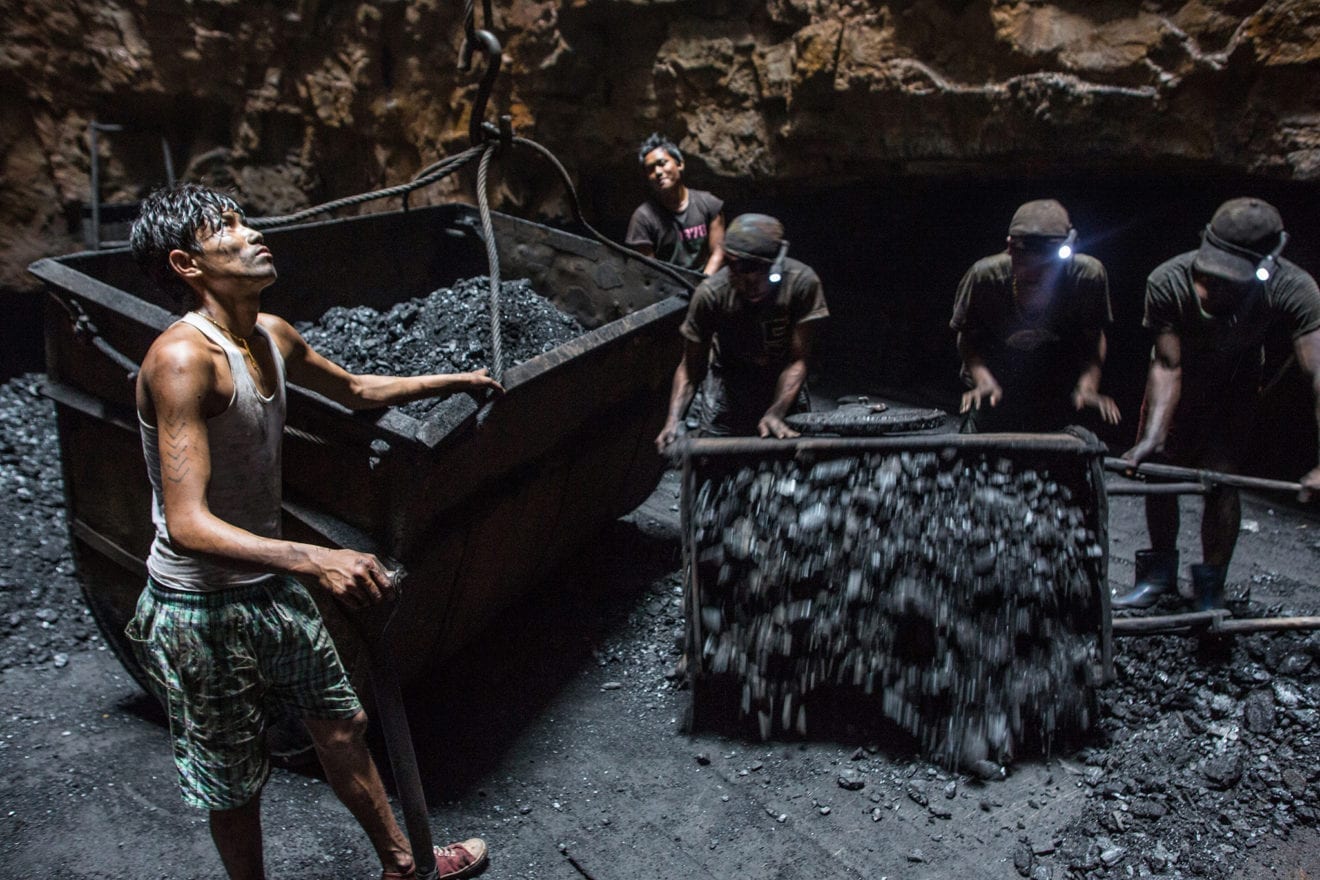
    The IEA’s recent Coal Mid-Year Update revealed that global coal demand surged to an unprecedented high in 2024, climbing by 1.5% to reach 8.8 billion tonnes. This spike was largely fueled by increased usage in major coal-hungry nations like China, India, and Indonesia, effectively outweighing declines in advanced economies throughout Europe, North America, and Northeast Asia.

    Shifts in Energy Consumption Patterns

    Yet, the narrative took a twist in the first half of 2025, as demand in China and India softened, attributed to a slowdown in electricity consumption and a robust surge in power generation from renewable sources. On the other side of the globe, coal consumption in the United States saw an approximately 10% increase, driven by rising electricity demand and escalated natural gas prices prompting greater reliance on coal for power generation. Meanwhile, the European Union’s coal demand remained steady, balancing declines in industrial usage with heightened electricity generation needs.

    What Lies Ahead for Coal Production

    While the report acknowledges these transient shifts in demand, it underscores that the fundamental factors influencing global coal consumption are largely unchanged. The IEA forecasts a slight uptick in coal demand for 2025, followed by a subtle decrease in 2026, nudging demand just below 2024 levels. Specifically for China, coal demand is expected to dip slightly by less than 1% this year, maintaining the power sector as the primary driver for coal use both domestically and internationally.

    Looking forward, global coal production is set to reach a new peak in 2025, propelled by ongoing growth in output from China and India. However, by 2026, production is likely to decline as soaring stock levels and plummeting prices begin to impact supply. It appears that as renewables take the stage, coal may find itself igniting a slow fade.

    Questions & Answers

    What is the projected trend for China’s coal demand this year?
    Coal demand in China is expected to decline slightly by less than 1% this year, influenced by weaker electricity consumption and stronger growth in renewable energy sources.

    How did global coal demand perform in 2024?
    Global coal demand reached an all-time high in 2024, increasing by 1.5% to a total of 8.8 billion tonnes, largely due to rising consumption in major markets like China, India, and Indonesia.

    What are the expectations for coal production globally in the coming years?
    Global coal production is anticipated to hit a new record in 2025, propelled by ongoing increases in China and India, but is expected to decline by 2026 due to high stock levels and decreasing prices impacting supply.

  • Trump Announces Suspension of Duty-Free Exemption for Foreign Packages Starting August 29

    Trump Announces Suspension of Duty-Free Exemption for Foreign Packages Starting August 29

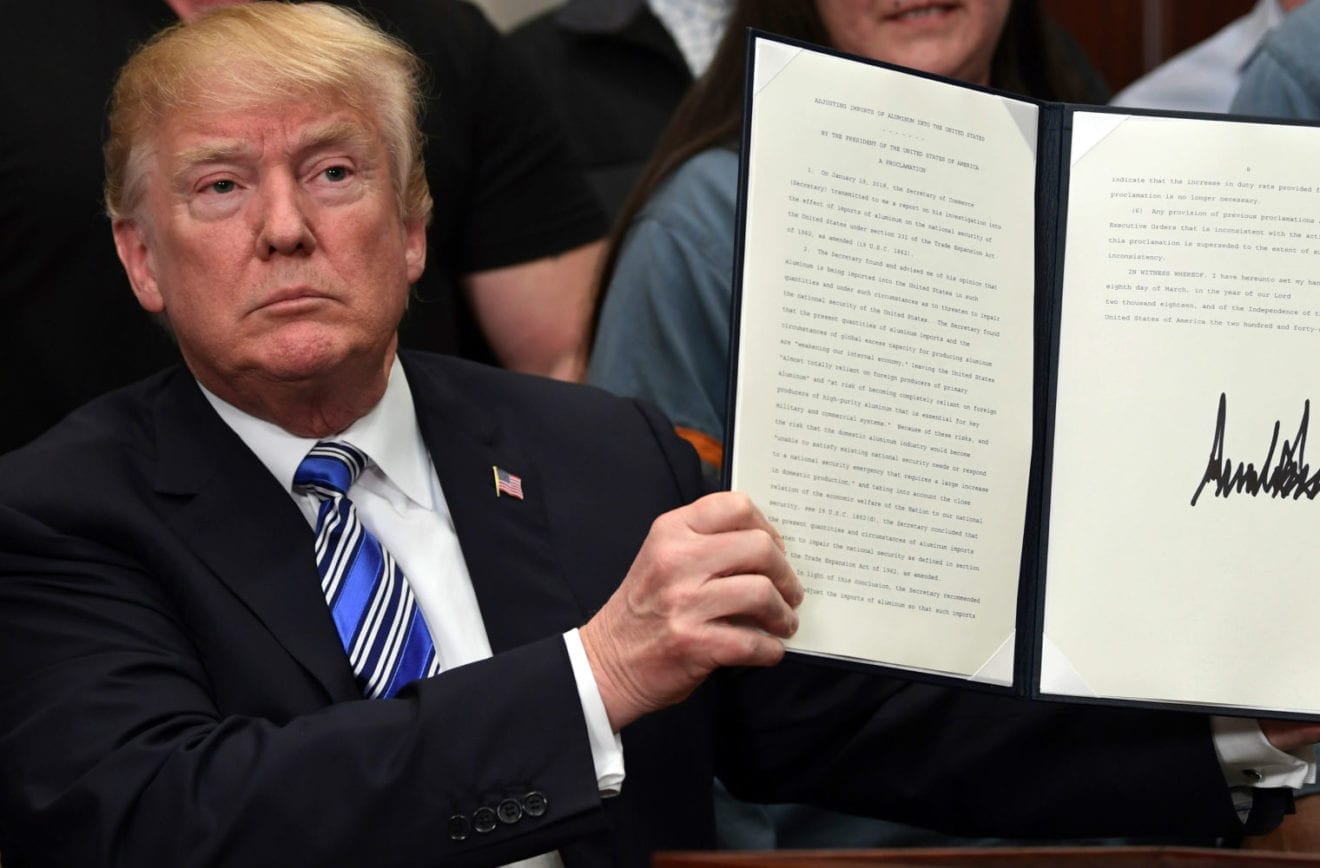
    In a significant development for international shipping, duty-free shipments to the U.S. for low-value commercial packages will come to a halt for all countries starting August 29, according to an announcement from the White House on Wednesday. This decision particularly affects the “de minimis” exemption, which had previously allowed packages valued under $800 to enter the U.S. without incurring customs duties.

    The move is part of a broader strategy by the Trump administration to address what it describes as rampant duty evasion, and it also targets the importation of synthetic opioids. The suspension of this exemption aims to crack down on the increasing flow of illicit drugs entering the country, a situation that has raised significant health and safety concerns.

    While industry stakeholders weigh the implications of this change, the new regulation might come as a surprise to many small businesses and shoppers who have enjoyed the ease of duty-free imports. It’s a stark reminder that even the smallest packages can bear hefty consequences in the complex world of international trade.

    Questions & Answers

    What is the “de minimis” exemption?
    The “de minimis” exemption allows low-value packages under $800 to be imported into the U.S. without incurring customs duties, simplifying the process for international shoppers and businesses.

    Why has the U.S. government decided to suspend this exemption?
    The suspension is aimed at combating duty evasion and addressing the influx of synthetic opioids, which poses serious public health risks.

    How might this affect businesses and consumers?
    Businesses that rely on international shipments for low-value products may see increased costs and delays due to the new regulations, while consumers could face higher prices or be deterred from purchasing goods from abroad.