Category: General

Retail News Asia is committed to providing both local and global retailers with the latest General Retail news throughout the Asian market. This on a daily base.

  • Misto Holdings Reports Robust Q2 Performance: Fila And Acushnet Divisions Drive Revenue Growth

    Misto Holdings Reports Robust Q2 Performance: Fila And Acushnet Divisions Drive Revenue Growth

    Misto Holdings, the parent company of Fila, has announced robust performance for its second quarter, with its consolidated revenue showcasing a 4.5 percent leap from the previous year to reach 1.23 trillion won ($888.8 million).

    The growth in operating profit was particularly noteworthy, surging by 29.8 percent to 181.9 billion won ($131 million). This uptick was powered by strong results from both the Misto and Acushnet business divisions.

    Misto Segment’s Performance

    The Misto segment reported revenues of 216.3 billion won ($156.3 million), maintaining the promising trend initiated by Fila’s Echappe franchise. The segment introduced new product lines, Peito and Panthera, generating notable momentum.

    The establishment of the Fila 1911 Myeong-dong concept store, which opened its doors in Seoul in April, bolstered the brand’s prominence in Korea. Simultaneously, the company has been widening its presence in Greater China, with the first Marithe Francois Girbaud store launching in the Xintiandi district of Shanghai.

    Acushnet’s Contribution

    Misto’s golf equipment subsidiary, Acushnet, also made significant contributions, with a year-over-year revenue increase of 7.9 percent, amounting to 1.01 trillion won. This boost was spearheaded by the enduring demand for Pro V1 and Pro V1x golf balls, GT Series clubs, and Scotty Cameron putters. Acushnet achieved steady growth in the US, Europe, and key Asian markets.

    “Even with external policy uncertainties and adjustments in certain operating areas, our strong brand competitiveness, particularly with Acushnet, and the restructure of certain overseas operations, have positively influenced the overall performance of the company,” stated Ho Yeon (Aaron) Lee, CFO of Misto Holdings.

    Lee added, “The Misto segment is also committed to enhancing product competitiveness and streamlining distribution efficiency as part of its mid- to long-term strategy, while also continuing to support balanced growth throughout our brand portfolio.”

    Rebranding to Misto Holdings

    Earlier in the year, Fila Holdings underwent a rebranding exercise to become Misto Holdings. This change was made to better represent the company’s diverse brand portfolio and its global aspirations.

    Questions & Answers

    What were the key drivers of Misto Holdings’ profit growth in Q2?
    The robust performances of both the Misto and Acushnet segments contributed to the rise in profits. The Misto segment benefited from the successful launch of new product lines and the Acushnet segment reported significant growth due to sustained demand for its golf equipment.

    How is Misto Holdings expanding its footprint in Asia?
    Misto Holdings is increasing its presence in Asia through the opening of new stores, such as the Fila 1911 Myeong-dong concept store in Seoul and the first Marithe Francois Girbaud store in Shanghai.

    Why did Fila Holdings rebrand to Misto Holdings?
    Fila Holdings rebranded as Misto Holdings to more accurately reflect the diversified nature of its brand portfolio and to affirm its global ambitions.
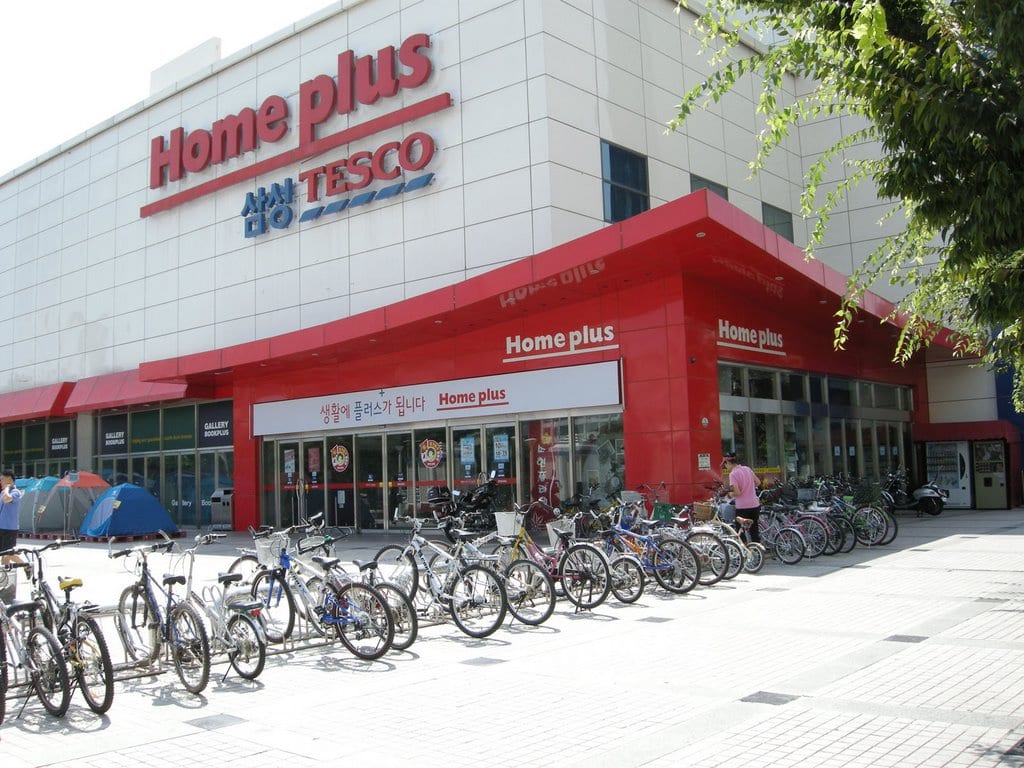
  • Homeplus Announces Closure Of 15 Outlets Amid Growing Financial Crisis And Rehabilitation Efforts

    Homeplus Announces Closure Of 15 Outlets Amid Growing Financial Crisis And Rehabilitation Efforts

    Homeplus Co, a discount store chain experiencing financial troubles, disclosed on Wednesday its plans to shut down 15 outlets due to increasing operational challenges in the business environment.

    Undergoing a court-led rehabilitation process since March this year, Homeplus has been grappling with its dipping financial health. The company’s corporate bonds value was adjusted from A3 to A3- by two local credit rating agencies, given its unsatisfactory financial state. The organization is expected to present its rehabilitation strategy to the Seoul Bankruptcy Court by the 10th of September.

    Samil PricewaterhouseCoopers, the court-assigned accounting firm, suggested conducting a merger and acquisition (M&A) auction before the court endorses the plan, as the liquidation value of Homeplus surpasses its ongoing concern value. The court has given its consent to this recommendation.

    In recent times, the company has witnessed a slump in sales due to plummeting consumer confidence, decreased transactions with suppliers and the latter’s insistence for upfront payments, thereby instigating a prospective liquidity crisis.

    Joh Joo-yun, the co-CEO, expressed his concerns in a message to the employees stating that if this situation prolongs, the company’s revival through an M&A prior to the court’s approval of the rehabilitation plan might be jeopardized.

    Joh further emphasized that the company has resorted to emergency management actions to avert the crisis. He highlighted that the issue transcends beyond a mere management problem to one that impacts the broader economy and the job security of 22,000 workers employed with Homeplus and its subcontractors.

    Joh, along with Kim Kwang-il, the vice-chairman of MBK Partners, are the two court-appointed managers. MBK Partners took over a 100 percent stake in Homeplus from the British retailer Tesco Plc in 2015, amounting to 7.2 trillion won (US$5.2 billion).

    As of Wednesday, Homeplus operates 125 outlets.

    Questions & Answers

    What is the financial state of Homeplus Co?
    The discount store chain is currently under a court-led rehabilitation program due to its poor financial health.

    What was the recommendation of Samil PricewaterhouseCoopers regarding the company’s current situation?
    The court-appointed accounting firm suggested a merger and acquisition auction before the court approves the rehabilitation plan, as the company’s liquidation value is higher than its going concern value.

    What is the impact of Homeplus’ financial troubles on its employees?
    The co-CEO, Joh Joo-yun, expressed concerns that the ongoing situation could affect the broader economy and the job security of 22,000 workers at Homeplus and its subcontractors.

  • Vietnam’s Sky Wars Heat Up as New Airline Takes Flight

    Vietnam’s Sky Wars Heat Up as New Airline Takes Flight

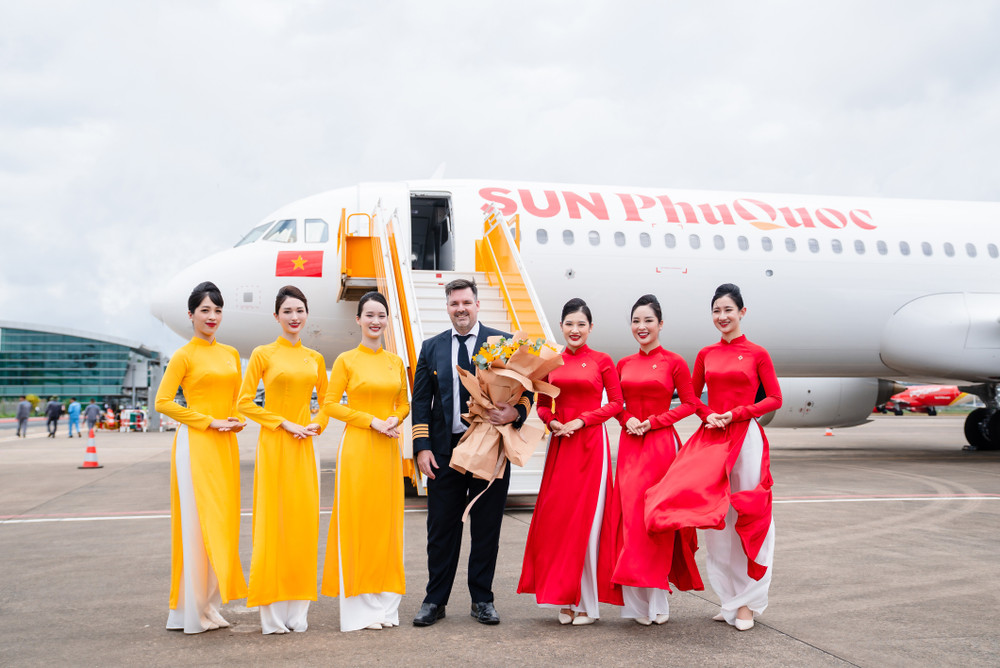
    The first Airbus A321 for Sun PhuQuoc Airways has officially landed in Vietnam, marking a significant leap forward for the airline just weeks after receiving its operating license. The initiative from the Sun Group, a major player in tourism, aims to launch ticket sales by October and commence flights in December, adhering to an ambitious timeline that reflects its commitment to growth.

    Setting the Bar High in Vietnamese Aviation

    With aspirations as lofty as the planes it operates, Sun PhuQuoc Airways plans to have eight A321 aircraft at its disposal by the end of the year. The airline is ramping up its recruitment efforts, securing pilots and cabin crew while lining up a credit facility with Vietcombank for the purchase of up to ten aircraft. Sun Group’s vision for the airline goes beyond mere transportation; it seeks to offer premium tourism experiences, with future destinations planned for China, Japan, and South Korea.

    Vietravel Airlines Springs Back to Life

    Adding to the excitement in Vietnam’s aviation landscape is the resurgence of Vietravel Airlines. After grappling with aircraft shortages and financial hurdles, the company has received a shot in the arm from T&T Group’s backing. Since late June, it has welcomed two new aircraft into its fleet and is on track to acquire more, aiming for a total of at least ten by year-end. This move aligns with a strategic pivot towards ownership rather than leasing. On top of this, Vietravel Airlines is also setting its sights on launching a dedicated cargo fleet as it ramps up its domestic services, contributing to a rejuvenated tourism and aviation market in the post-Covid era.

    The Roaring Comeback of Tourism

    Vietnam’s tourism scene is on fire, with international arrivals surpassing 12.2 million in just the first seven months of 2025—a remarkable 23% increase year-on-year and a staggering 25% above pre-pandemic levels in 2019. This growth is bolstered by the government’s recent decision to waive visas for visitors from 12 European countries, an invite that has opened the gates of opportunity.

    Major upgrades in aviation infrastructure, including the construction of the Long Thanh International Airport and the expansion of Phu Quoc International Airport, only add to the momentum. These developments are creating a fertile environment for new carriers while benefiting established ones.

    Established Airlines are Thriving, Too

    The resurgence isn’t just limited to newcomers. Vietnam Airlines reported record profits exceeding VND6.68 trillion (US$254 million) for the first half of 2025, more than doubling its annual figures from the last three years prior to the pandemic. Budget airline Vietjet also soared, achieving a 65% profit increase to VND1.6 trillion—the highest since the pandemic began. Meanwhile, Bamboo Airways, which began operating in 2019, has wrestled with post-restructuring challenges but has made notable strides to curb losses, although it now finds itself on a leaner footing with fewer aircraft and reduced routes.

    In a surprising twist of fate, rapidly evolving competition in the domestic market is forcing Bamboo Airways to rethink its strategies as new entrants like Sun PhuQuoc Airways and Vietravel Airlines loom over its previous market share.

    Challenges and Future Outlook

    Despite these promising developments, challenges persist. Nguyen Trung Khanh, director general of the Vietnam National Tourism Administration, highlighted the pressing issue of rising airfares, which have surged by 45% on many routes during peak travel seasons. The Bamboo Airways management is acutely aware of the risks posed by resurgent competitors and is calling for measures to enhance service quality and flight safety, all while focusing on financial health and investor attraction.

    Amidst the competitive landscape, Vietnam Airlines remains optimistic. Chairman Dang Ngoc Hoa acknowledged the inevitability of competition in an increasingly integrated market, viewing the influx of new airlines as an opportunity to innovate and solidify its status as the national carrier. Plans for investments in technology, personnel, and international partnerships are on the horizon to better meet the evolving expectations of travelers.

    Questions & Answers

    What is the main goal of Sun PhuQuoc Airways?
    The airline, operated by Sun Group, aims to launch ticket sales by October 2025 and begin flights in December, focusing on premium tourism experiences and expanding to markets in China, Japan, and South Korea.

    How is Vietravel Airlines attempting to recover from its challenges?
    Vietravel Airlines is bouncing back with support from T&T Group, targeting a fleet of at least ten aircraft by year-end and diversifying its offerings to include a dedicated cargo service.

    What are the current challenges facing the Vietnamese tourism and aviation sectors?
    Despite the impressive recovery in tourist arrivals, high airfares, especially during peak seasons, continue to pose a challenge, drawing attention from industry leaders who are advocating for strategies to enhance competitiveness.

  • Singapore F1 Mogul Ong Beng Seng Fined $23,400, Walks Away Without Jail Time

    Singapore F1 Mogul Ong Beng Seng Fined $23,400, Walks Away Without Jail Time

    Malaysian entrepreneur Ong Beng Seng has been fined S$30,000 (approximately US$23,400) for his role in obstructing justice, offering a hefty reminder of the thin line between the glamorous world of Formula One and serious legal scrutiny.

    Ong Beng Seng’s Legal Woes

    The 79-year-old tycoon, who played a pivotal role in bringing Formula One racing to Singapore, pleaded guilty to the charges out of court almost two weeks prior. His fine comes in the wake of a scandal involving former Singapore transport minister S. Iswaran, who is currently serving time for accepting bribes and obstructing justice.

    A Race Against Time

    Ong, who is battling incurable cancer, was implicated in a case stemming from accusations that he helped Iswaran conceal evidence during an investigation by Singapore’s anti-corruption bureau. While the court spared him a prison sentence, Principal District Judge Lee Lit Cheng emphasized the need for compassion given Ong’s health challenges. “A sentence of imprisonment would carry a high and increased risk of endangering his life,” she remarked, supporting the decision to exercise judicial mercy.

    A Legacy on the Fast Track

    Ong is known as the driving force behind Singapore’s vibrant Grand Prix, having secured the rights to the Formula One race that has thrilled fans since its debut on the streets in 2008. As the owner of Hotel Properties Limited, he has blended the realms of luxury and motorsport seamlessly — though it now seems even VIPs can find themselves in legal hot water. Iswaran’s case was the first political graft trial in Singapore in nearly fifty years, indicating that integrity is being rigorously enforced in the city-state.

    The Aftermath

    Ong’s associate, Iswaran, was sentenced last year after admitting to accepting gifts exceeding S$400,000 (about US$310,000). He completed his term on June 6, leaving the former high-flying politician grappling with the consequences of his actions.

    Questions & Answers

    What was Ong Beng Seng fined for?
    Ong Beng Seng was fined S$30,000 for his role in obstructing justice related to a corruption investigation involving former transport minister S. Iswaran.

    Why was Ong spared a jail sentence?
    Judge Lee Lit Cheng considered Ong’s terminal health condition, stating that imprisonment could significantly endanger his life, which warranted a merciful approach in passing the sentence.

    What is Ong’s connection to Formula One?
    Ong is credited with bringing Formula One racing to Singapore, owning the rights to the Singapore Grand Prix and playing a critical role in establishing the iconic street circuit that has been a fixture since 2008.

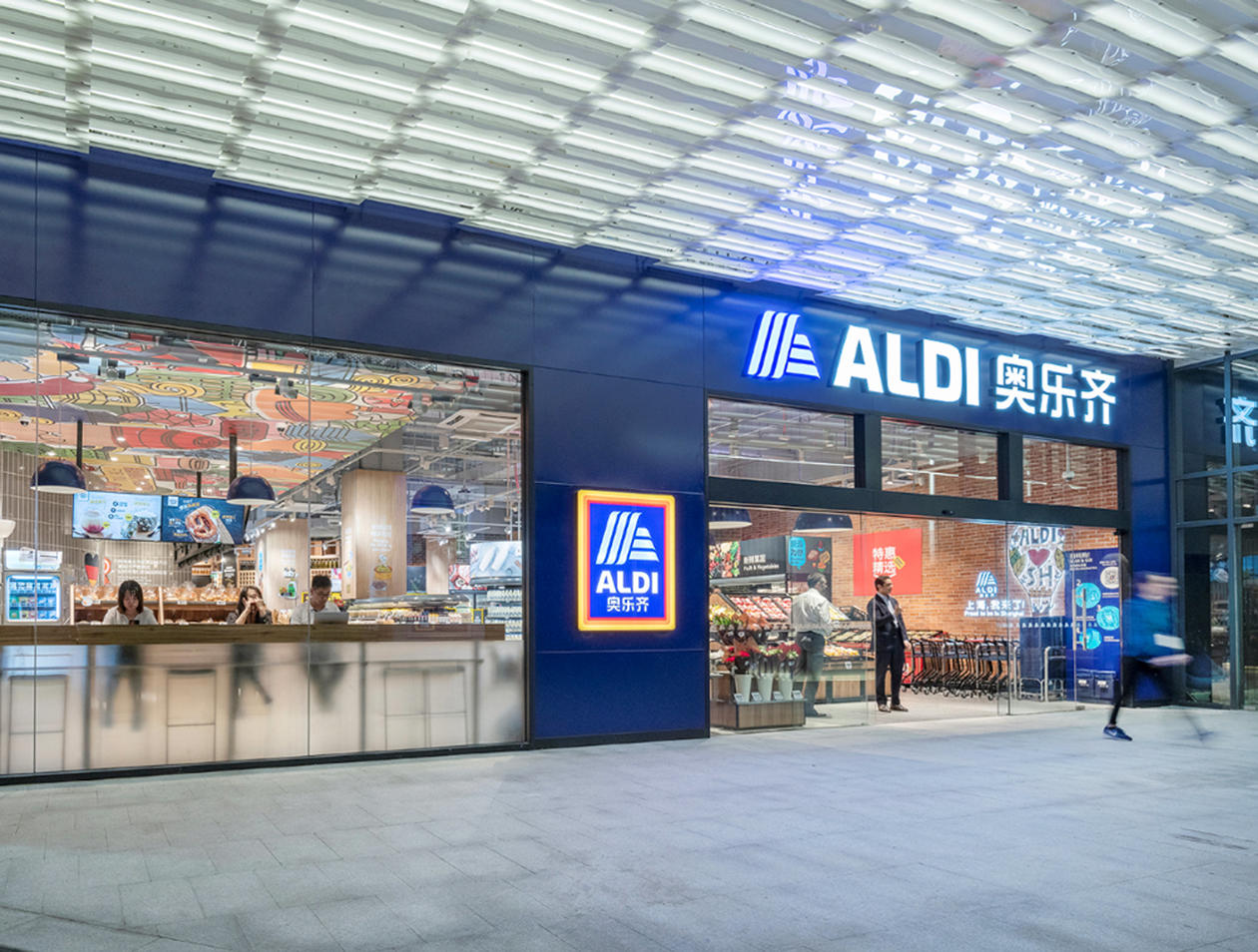
  • Aldi Crowned Australia’s Top Supermarket For 13th Year In Canstar Survey

    Aldi Crowned Australia’s Top Supermarket For 13th Year In Canstar Survey

    In a recent survey conducted by Canstar, Aldi has emerged as Australia’s most popular supermarket for the thirteenth consecutive year. The supermarket chain outperformed its competitors, receiving the top rankings for providing excellent value for money, superior product quality, and outstanding service.

    Survey Rankings

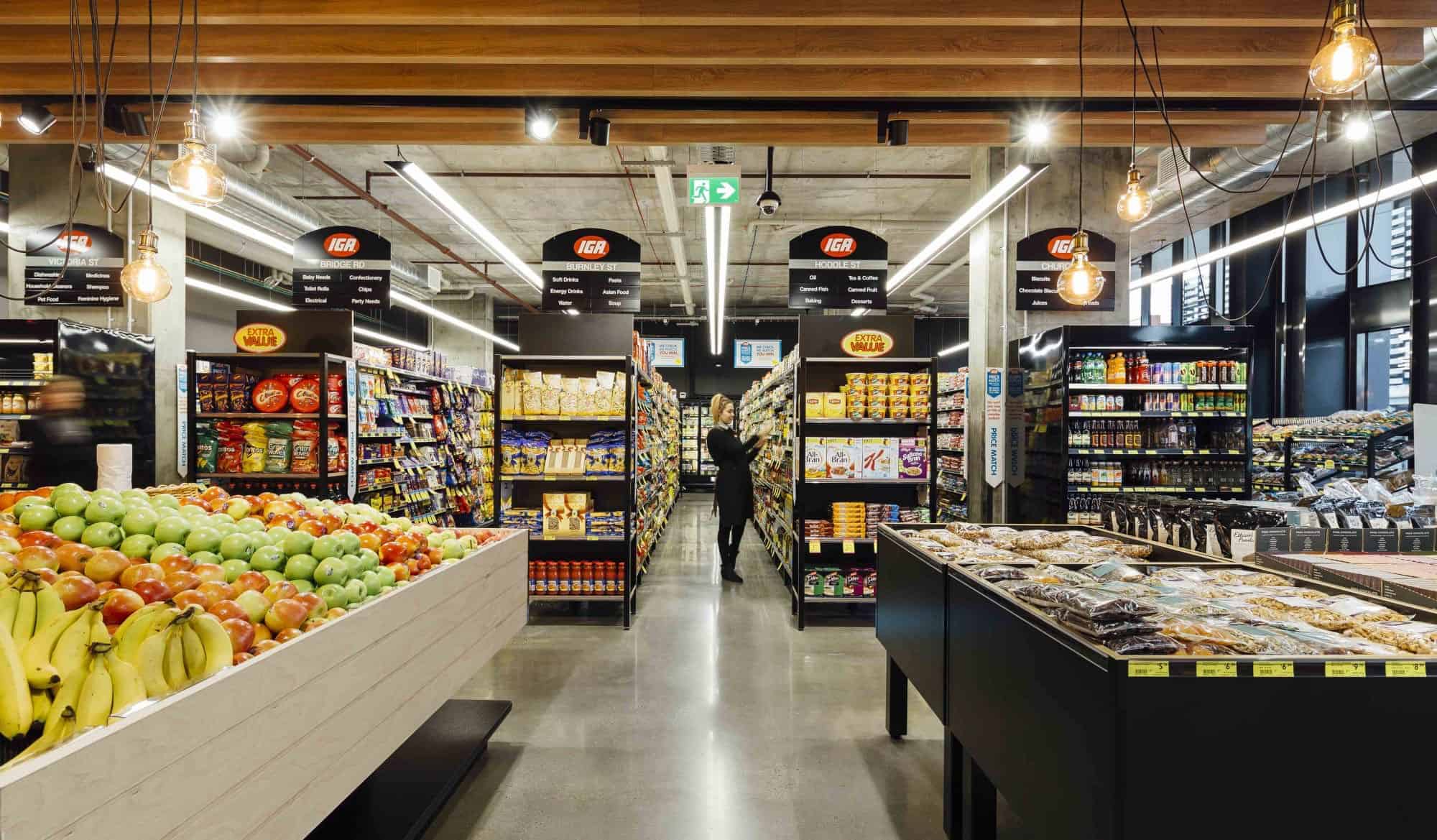
    According to the rankings, Coles secured the second position, with IGA and Woolworths following closely. Aldi distinguished itself by receiving a perfect five-star rating in key categories, including value for money, freshness of fruits, vegetables and meats, quality of supermarket-owned branded products, as well as store and website layout and presentation.

    Canstar Blue spokesperson Eden Radford pointed out that customers prioritize low prices across all in-store products, not just those on special offers. Radford added that consumers are becoming more price-savvy, frequently checking unit prices and opting for in-season produce in order to maximize value.

    Comparison With Other Supermarkets

    Coles, however, fell short in terms of customer service and checkout experience, receiving only three stars in these categories. IGA, on the other hand, surpassed Aldi in terms of customer service and checkout experience. However, it could not match Aldi’s ratings in terms of value for money, freshness of produce, and product range.

    Woolworths managed to outshine all competitors in terms of product range, earning a five-star rating in this category. However, they lagged behind in customer service and checkout experience.

    Commenting on the results, Simon Padovani-Ginies, group director at Aldi Australia, stated that customers trust Aldi to consistently offer low prices and good value for their money. He went on to say that customers, both long-term loyalists and newcomers, continue to choose Aldi for their familiar staples as well as the unexpected but delightful finds in their aisles.

    Questions & Answers

    Which supermarket was ranked as Australia’s most popular by Canstar?
    Aldi was ranked as Australia’s most popular supermarket by Canstar.

    What factors led to Aldi’s high ratings?
    Aldi received high ratings due to its value for money, product quality, freshness of its fruits, vegetables and meats, and its store and website layout and presentation.

    How did Coles and Woolworths perform in the survey?
    Coles secured the second position overall, but fell short in terms of customer service and checkout experience. Woolworths outshone all competitors in terms of product range, but lagged behind in customer service and checkout experience.

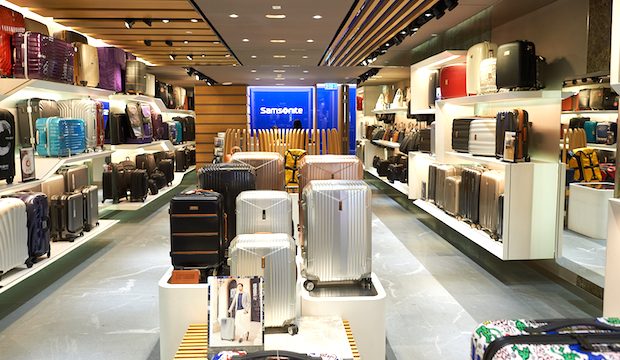
  • Samsonite’s First-half Revenue Declines Amid Reduced Travel Demand In Key Markets

    Samsonite’s First-half Revenue Declines Amid Reduced Travel Demand In Key Markets

    In the first half of the fiscal year 2025, the globally renowned luggage behemoth, Samsonite Group, saw a decrease in net sales and profits. This decline was attributed to a reduced demand for travel within their most significant markets.

    Financial Details

    The firm announced an adjusted net income of US$123.4 million, reflecting a drop of 29.1 per cent from the corresponding period the previous year. Net sales for the period ending 30th June saw a decrease of 6 per cent year-over-year, amounting to US$1.66 billion on a constant currency basis. The decrease was most prominent in the Asian and North American markets.

    The CEO of Samsonite Group, Kyle Gendreau, commented on the situation. He expressed the belief that while consumers continue to value travel and experiences, there was a noticeable drop in travel demand in the first half of 2025. Gendreau attributed this to factors such as macroeconomic uncertainties, changing trade policies, and weakening consumer sentiment. He also forecasted that these trends would likely persist in the second half of the year, negatively impacting the short-term demand. Despite this, he maintained confidence in the long-term demand for travel aiding the business.

    Performance by Region and Brand

    The company’s flagship brand, Samsonite, saw a sales drop of 4.7 per cent. Even though there was robust growth in Europe (+0.6 per cent) and Latin America (+0.2 per cent), there was a visible weakness in Asia (-8.8 per cent) and North America (-5.7 per cent).

    In contrast, the Group’s premium brand, Tumi, demonstrated resilience with a minor sales decrease of 2.5 per cent overall. This was propelled by strong double-digit growth in Latin America (+18.6 per cent) and Europe (+6.2 per cent). However, it also witnessed sales decline in North America (-4.7 per cent) and Asia (-2.5 per cent).

    The value-oriented American Tourister brand encountered a sharper sales decline of 12.7 per cent, especially in North America and Asia. This happened despite a moderate increase in Europe.

    Non-Travel Category and Market Expansion

    Even with the downward trend, the company noted a steady performance in non-travel categories such as backpacks and accessories, which experienced a modest growth of 0.1 per cent. These sectors made up 36.2 per cent of total sales, led by a significant 14.7 per cent increase in Gregory.

    In a bid for market expansion, Samsonite opened 21 new company-operated retail stores in the first half of the year, and continued to invest in product innovation.

    In conclusion, Samsonite Group continues to concentrate on brand elevation and geographical growth, while also considering a potential US listing, dependent on market conditions.

    Questions & Answers

    What are the main factors contributing to Samsonite Group’s sales decline?
    The primary factors are macroeconomic uncertainties, shifting trade policies, and weakening consumer sentiment.

    How has their premium brand, Tumi, performed in comparison to the flagship Samsonite brand?
    Tumi has shown resilience with a smaller overall sales decline, driven by strong growth in Latin America and Europe.

    How have non-travel categories performed?
    Non-travel categories such as backpacks and accessories have shown steady performance, with a slight growth of 0.1 per cent, accounting for 36.2 per cent of total sales.

  • Vipshop Experiences Q2 Revenue Decline Amid Strategic Adjustments; Foresees Growth Ahead

    Vipshop Experiences Q2 Revenue Decline Amid Strategic Adjustments; Foresees Growth Ahead

    VIPshop Holdings, a prominent Chinese online discount retailer, has reported a decrease in revenue and profit for the second quarter of the 2025 fiscal year. This decline is part of a broader strategic adjustment that the company is currently undertaking.

    Revenue and Profit Decline

    The company’s total net revenues fell by 4.1 per cent, equating to RMB 25.8 billion (US$3.6 billion), a decrease from RMB 26.9 billion recorded in the second quarter of the 2024 fiscal year. The gross profit for the second quarter stood at RMB 6.1 billion (US$845.2 million), a small drop from RMB 6.3 billion during the same period in the previous year.

    Although the company experienced a reduction in earnings, it noted an increase in customer activity and signs of inherent robustness. The Gross Merchandise Value (GMV), a critical indicator of total sales on the platform, rose 1.7 per cent year-on-year to RMB 51.4 billion (US$7.12 billion). This increase suggests enhanced engagement and transaction volume.

    Business Stability and Growth Plans

    Eric Shen, Chairman and CEO of VIPshop, said, “We managed to stabilize our business trajectory by taking quick measures to boost customer activity and sales momentum. Our vision of discount retail for brands has guided us in implementing internal changes to augment the self-reinforcing flywheel across merchandising, operations, and customer engagement.”

    VIPshop has also seen growth in its high-value customer base. This growth is primarily attributed to the double-digit increases in its Super VIP membership program. The company continues to focus on fashion and lifestyle categories to retain value-conscious shoppers, with apparel remaining a key revenue driver.

    Platform Optimization Efforts

    The company’s current platform optimization strategies, which include more stringent inventory control, more focused brand partnerships, and enhanced personalization, are part of a broader effort to distinguish itself within China’s competitive e-commerce sector.

    Despite persistent revenue pressure, the management expressed cautious optimism that its revised strategy is taking hold. The stable GMV and the growing loyalty segment are seen as early signs of a turnaround.

    Mark Wang, CFO of VIPshop, stated, “We delivered another quarter of healthy profitability, demonstrating our consistent financial discipline in prioritizing growth initiatives and optimizing resource allocation. Looking ahead, our consistent strategy and focused execution position us well to return to sustainable growth.”

    Questions & Answers

    What could be the reasons for the decline in VIPshop’s revenue and profit?
    This decline is part of VIPshop’s ongoing strategic adjustment, which involves a more stringent inventory control and more focused brand partnerships.

    How is VIPshop planning to boost customer activity and sales momentum?
    VIPshop is implementing changes across merchandising, operations, and customer engagement to improve its business trajectory.

    What are the early signs of VIPshop’s strategic realignment taking effect?
    The stability of the Gross Merchandise Value (GMV) and the growth of the loyalty segment are early indicators of a positive turnaround.

  • Bamboo Airways Welcomes Back Former Chairman and Appoints Dynamic New CEO to Lead Future Growth

    Bamboo Airways Welcomes Back Former Chairman and Appoints Dynamic New CEO to Lead Future Growth

    Bamboo Airways is making significant leadership changes as it continues to reshape its operational strategy. In a bold move, Bamboo Airways has announced the return of Le Thai Sam as chairman, taking the reins from Luong Hoai Nam, who stepped down for personal reasons. The decision was revealed on Wednesday, marking a notable chapter in the airline’s restructuring process.

    Le Thai Sam, who emerged as the largest shareholder of Bamboo Airways in 2022, previously served in the chairman role from July 2023 until February 2024. Since then, he has held the position of deputy chairman, actively participating in the airline’s management during its tumultuous transition after being sold by property developer FLC.

    The reshuffle also brings Truong Phuong Thanh, a seasoned professional with three decades in the aviation sector, to the forefront as the new CEO, stepping in for Luong Hoai Nam. Thanh’s background includes various leadership roles within major aviation enterprises, playing a crucial part in operational oversight.

    Having previously served as deputy CEO of Bamboo Airways from 2019 to 2024, Thanh oversaw key areas such as ground operations, which are vital for customer satisfaction and the airline’s overall punctuality. Though he briefly left the airline, his recent return in June signals his commitment to steering Bamboo Airways toward a more stable future.

    As Bamboo Airways navigates these changes, industry watchers will be keenly observing how these leadership shifts impact the airline’s trajectory amidst an ever-evolving aviation landscape. Who knows? Perhaps this is the beginning of a new era characterized by soaring heights.

    Questions & Answers

    What prompted the leadership changes at Bamboo Airways?
    The changes were driven by the resignation of Luong Hoai Nam, who stepped down for personal reasons, leading to the appointment of Le Thai Sam as chairman and Truong Phuong Thanh as the new CEO.

    What is Truong Phuong Thanh’s background in aviation?
    Truong Phuong Thanh brings a wealth of experience with 30 years in the industry. He previously served as deputy CEO at Bamboo Airways, overseeing critical operations and ensuring customer satisfaction.

    How might these leadership changes affect Bamboo Airways?
    These leadership shifts are expected to play a significant role in the airline’s ongoing restructuring efforts, impacting operational efficiency and potentially enhancing customer experience as the airline moves forward.

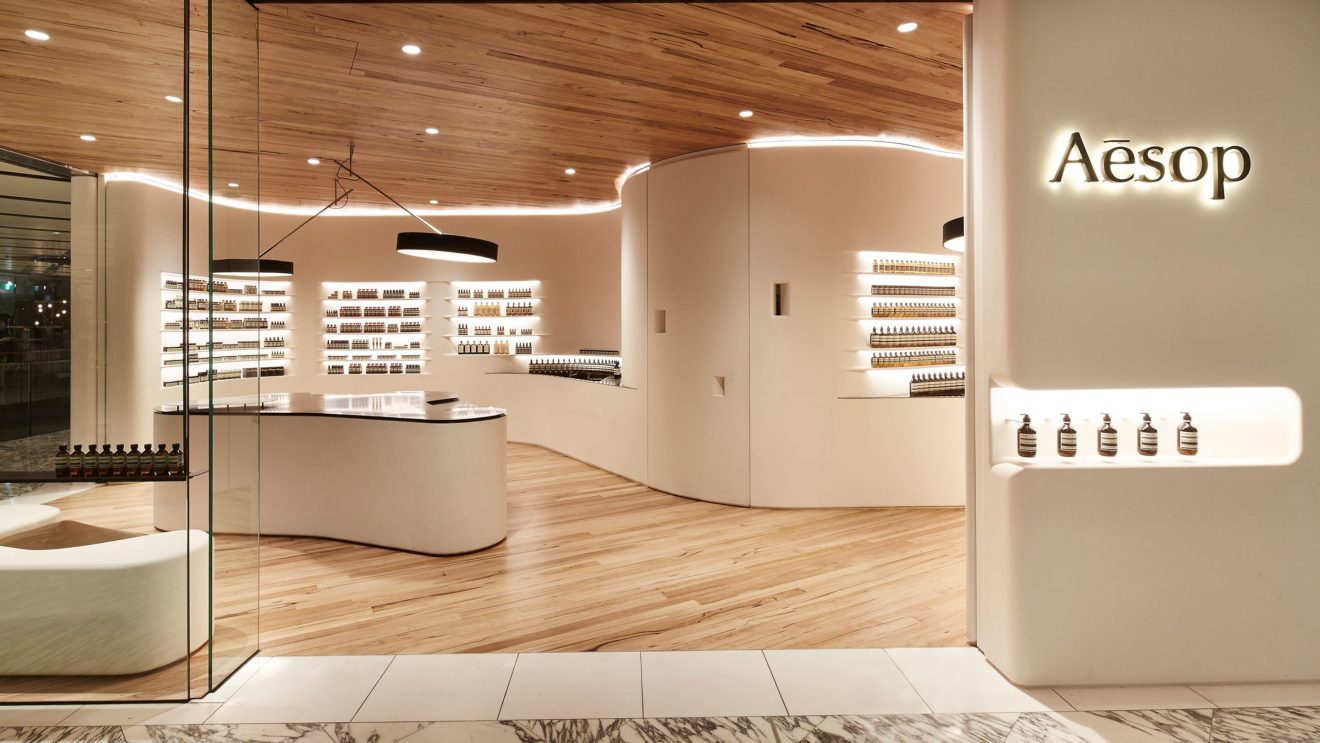
  • Aesop brings Japanese-inspired sanctuary to Kansai International Airport

    Aesop brings Japanese-inspired sanctuary to Kansai International Airport

    Aesop, the renowned skincare brand, has recently inaugurated a new outlet at Kansai International Airport (KIX). This launch, a collaborative effort with Lagardère Travel Retail, is seen as a major push to extend Aesop’s presence in the Asia Pacific’s travel retail sector.

    Embracing Traditional Japanese Aesthetics

    Aesop’s new store brings to life the essence of traditional Japanese aesthetics. The store design takes cues from paper walls and the iconic Noguchi lamps, resulting in an inviting, soothing, and softly lit environment. The brand states that the store layout is intended to enhance the dwell time of shoppers, creating a serene oasis for those in transit. This strategy is expected to boost customer engagement and conversion rates.

    A Store Experience Centered on Sensory Exploration

    Aesop’s retail strategy is built around enriching the sensory experiences of its customers. The store features a signature sink where patrons can explore the texture and scent of various Aesop products. Visitors are also greeted with oshibori (Japanese moist hand towels) or tea, setting up a warm and welcoming shopping environment.

    Moreover, the store also offers a hand-picked collection of books and a travel-themed music playlist for customers to enjoy during their journey. To further enhance the shopping experience, customers are gifted a uniquely designed tote bag which includes a Kansai-inspired quote and local tea as a keepsake.

    The Aesop Difference

    Jesus Abia, the Managing Director of L’Oréal Travel Retail Asia Pacific, emphasized that Aesop’s environmental synergy is a unique selling proposition for the brand. He highlighted that the Japanese-inspired design at the Kansai International Airport outlet enhances the travel experience, nurturing the skin, invigorating the senses, and creating harmonious surroundings.

    Questions & Answers

    Where has Aesop opened its new store?
    Aesop has opened its new store at Kansai International Airport (KIX), Japan.

    What is the design strategy of Aesop’s new outlet?
    The design of Aesop’s new store pays homage to traditional Japanese aesthetics, incorporating elements like paper walls and Noguchi lamps to create a tranquil atmosphere.

    What unique offerings does the store provide to its customers?
    Apart from offering an array of skincare products, the store also provides a sensory exploration experience with a signature sink to sample products. Visitors are welcomed with tea or oshibori. There’s also a curated selection of books and travel-themed music. Customers also receive a specially designed tote bag with a local tea as a memento of their visit.

  • Iconic Jewellery Brand Fabergé Sold For $50m: Gemfields Shifts Focus Back To Core Mining Operations

    Iconic Jewellery Brand Fabergé Sold For $50m: Gemfields Shifts Focus Back To Core Mining Operations

    Gemfields, the mining group, has disclosed the sale of its entire ownership in the esteemed jewellery brand Fabergé. The purchaser, U.S.-based SMG Capital, procured the brand for a sum of US$50 million – a cost that many in the industry have described as unusually low for a brand with such a rich history.

    Financial Breakdown

    As of December, Fabergé had net assets amounting to $50.35 million. Nevertheless, the brand had experienced operating and net losses totaling $5.7 million and $11.3 million, respectively. These financial results likely influenced the final sale price.

    Fabergé, renowned for its extravagant creations, boasts the Third Imperial Easter Egg amongst its portfolio. Created in 1887, this masterpiece, featuring a solid gold case adorned with sapphires and diamonds, and containing a women’s watch with diamond-set gold hands, was once valued at $33 million. The egg remains in the hands of an unidentified private collector.

    Deal Details

    Gemfields is set to receive $45 million upon the deal’s closure, which is anticipated by the end of August. The remaining $5 million will be dispersed in the form of quarterly royalties, equivalent to 8% of Fabergé’s revenue. Notably, the deal does not necessitate any regulatory approvals or additional authorizations.

    The sale enables Gemfields to concentrate its efforts on its fundamental operations in coloured gemstone mining. These activities encompass the launch of a new ruby processing facility in Mozambique and the growth of emerald mining in Zambia.

    End of an Era for Gemfields

    Sean Gilbertson, CEO of Gemfields Group, referred to the sale as signifying the conclusion of an era. He stated, “Brands as iconic and beautiful as Fabergé do not change hands very often. We wish the team and Mr. Mosunov every success.”

    SMG Capital, under the proprietorship of tech entrepreneur and venture capitalist Sergei Mosunov, plans to maintain Fabergé’s focus on jewellery, accessories, and timepieces. Mosunov also expressed his eagerness to offer exceptional service to existing customers while attracting new brand enthusiasts.

    A Historical Overview of Fabergé

    Established in 1842 in St Petersburg, Russia, Fabergé is famed for its intricate, gem-encrusted eggs, which were originally manufactured for the Russian imperial family during the late 19th and early 20th centuries.

    Questions & Answers

    What is the essence of the deal between Gemfields and SMG Capital?
    The deal entails the sale of Gemfields’ entire stake in Fabergé to SMG Capital for US$50 million.

    What are the future plans for Gemfields following the sale of Fabergé?
    Gemfields plans to focus on its core operations in coloured gemstone mining, including the launch of a new ruby processing plant in Mozambique and the expansion of emerald mining in Zambia.

    What will be the future focus of Fabergé under the new ownership of SMG Capital?
    Under the ownership of SMG Capital, Fabergé will continue to concentrate on its jewellery, accessories, and timepieces.

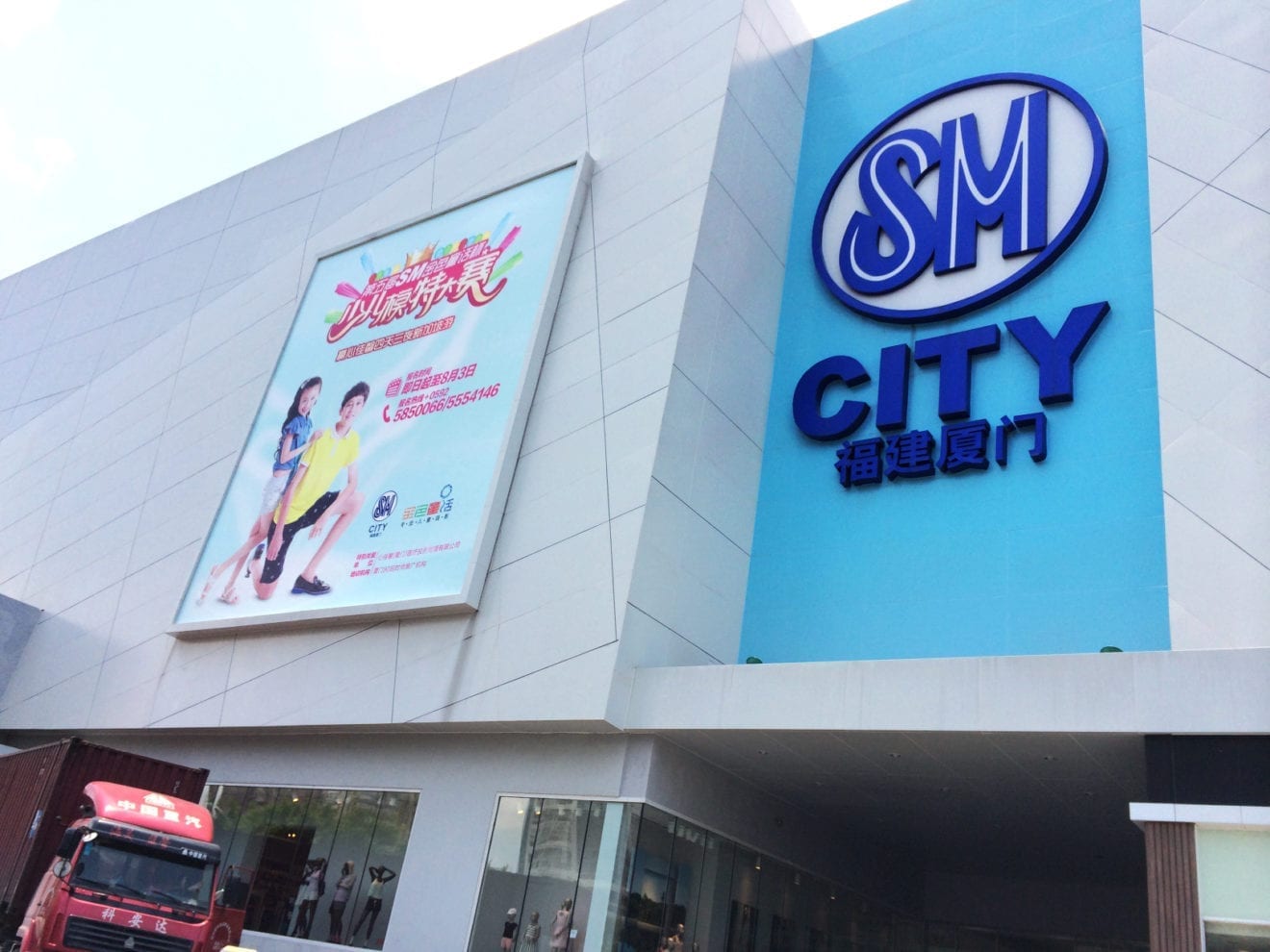
  • SM Group to Divest from Data Centre Business Amid Rising Power Costs in the Philippines

    SM Group to Divest from Data Centre Business Amid Rising Power Costs in the Philippines

    Philippine conglomerate SM Investments Corp., a prominent player in the Sy family business empire, has announced its strategic decision to exit the data centre sector. The company plans to divest its interest in YCO Global Cloud Centres, a move that has raised eyebrows in the industry.

    High Costs Prompt Strategic Shift

    SM Investments’ president and CEO, Frederic C. DyBuncio, pointed to the country’s soaring electricity prices and their relatively small stake in YCO as significant factors influencing this exit. Just a year ago, the company increased its investment in YCO from 10 percent to 18 percent, making this recent withdrawal a notable turnabout. “Right now, we are not really focused on data centres because, from our perspective, power costs are very expensive. The small minority we have in the data centre business, we’ll probably sell that eventually,” DyBuncio revealed in comments reported by the Philippine Star.

    Shifting Preferences in the Data Centre Landscape

    As the market dynamics evolve, DyBuncio highlighted that major global hyperscalers are increasingly favoring locations like Malaysia and Vietnam. These countries present not only lower power expenses but also a reduced risk of natural disasters, making them more attractive for large-scale data operations. It’s a classic case of “the grass is always greener”—but in this instance, it’s clearly rooted in more affordable energy and operational stability.

    A Glimpse into YCO’s Operations

    YCO Global Cloud Centres specializes in developing and operating sustainable, carrier-neutral data centres across the Philippines. Its focus on creating eco-friendly infrastructure shows promise, and while SM Investments steps back, the future of the company may yet remain bright in a region that increasingly demands digital solutions.

    Questions & Answers

    What led SM Investments to exit the data centre business?
    SM Investments decided to move away from the data centre sector primarily due to high electricity costs in the Philippines and their relatively small stake in YCO Global Cloud Centres.

    How significant was SM Investments’ previous investment in YCO?
    Just a year prior to its exit announcement, SM Investments increased its stake in YCO from 10 percent to 18 percent, highlighting a rapid shift in strategy.

    Why are major hyperscalers choosing Malaysia and Vietnam over the Philippines?
    Major hyperscalers prefer Malaysia and Vietnam due to their lower power costs and reduced risks of natural disasters, making these countries more appealing for data centre operations.

  • Ikea’s Ingka Group Invests In Re-mall, Aiming To Amplify Global Plastic Recycling Efforts

    Ikea’s Ingka Group Invests In Re-mall, Aiming To Amplify Global Plastic Recycling Efforts

    Ingka Group, the largest retail operator for Ikea, has invested in recycling expert Re-mall, reinforcing its commitment to reducing waste and enhancing the supply of recycled materials. The specifics of this investment have not been publicized.

    A New Alliance for Sustainable Solutions

    Re-mall, a recycling specialist with headquarters in Shanghai, specializes in the production of high-quality post-consumer recycled polypropylene. The company stands out as one of the few global providers that can produce transparent pellets from post-consumer food packaging waste on a large scale.

    These recycled materials are utilized in a wide variety of products, such as storage containers, tableware, toys, cosmetic packaging, and woven fabrics. Re-mall supplies these materials to a multitude of renowned corporations.

    Lukas Visser, the head of circular investments at Ingka Group, spoke on the collaboration with Re-mall: “Re-mall’s well-established supplier network and their partnerships with top Chinese food delivery service providers are already creating significant impact on the local recycling market on a large scale. By investing in Re-mall, our aim is to magnify this effect to help tackle the worldwide issue of plastic waste and aid in the transition to a circular economy.”

    Impact of the Investment

    Re-mall runs a production facility in the Jiangxi province. The strategic location of this facility allows access to plastic waste sources from major cities like Guangzhou and Shanghai, located in the Yangtze River Delta and Pearl River Delta economic zones.

    The company has stated that Ingka Group’s investment will bolster its recycling capabilities and aid in the development of new products.

    Zhu Kuan, the CEO of Re-mall, expressed his enthusiasm about the new collaboration: “We are delighted to have Ingka Investments as a strategic partner in our mission to expedite the circular economy in the plastics sector. This partnership is a significant step forward in our journey to scale sustainable solutions on a global level. Together, our goal is to transform plastic waste into valuable resources, contributing to a cleaner planet and a more responsible future.”

    Ingka Group runs Ikea retail stores in 31 markets, which equates to approximately 90% of Ikea’s worldwide retail sales.

    Questions & Answers

    What does Re-mall specialize in?
    Re-mall specializes in the production of high-quality post-consumer recycled polypropylene. They are also one of the few global providers that can produce transparent pellets from post-consumer food packaging waste on a large scale.

    What impact will Ingka Group’s investment have on Re-mall?
    The investment by Ingka Group will enhance Re-mall’s recycling capabilities and assist in the development of new products.

    What is the mission of Re-mall and Ingka Group’s partnership?
    The partnership between Re-mall and Ingka Group aims to accelerate the circular economy in the plastics sector, transforming plastic waste into valuable resources, and contributing to a cleaner and more responsible future.

  • AirAsia X soars into its next chapter of growth with Istanbul

    AirAsia X soars into its next chapter of growth with Istanbul

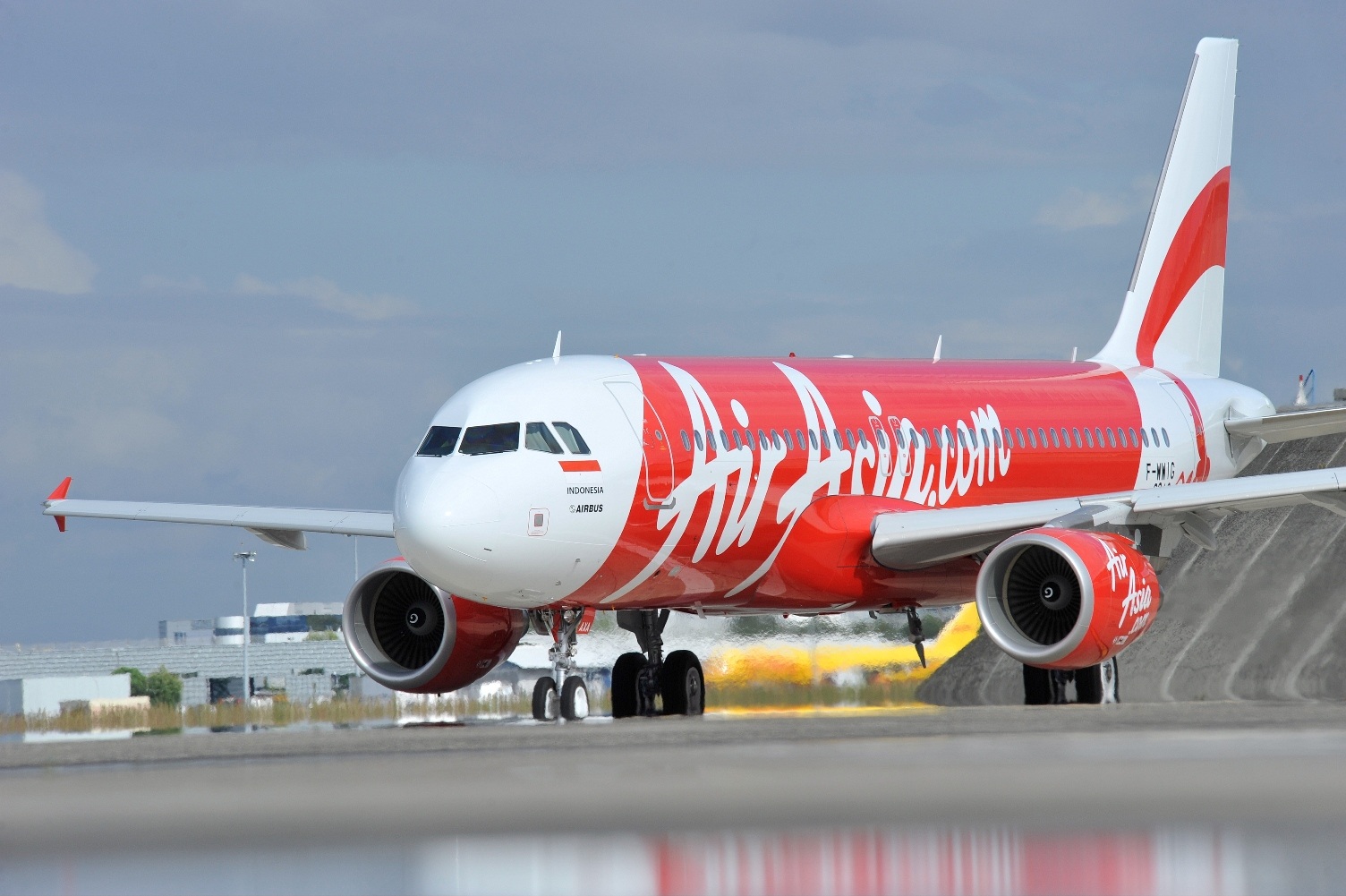
    AirAsia X (AAX) is soaring into its next chapter of growth with the announcement of a long-awaited route to Istanbul, Türkiye, a city where East meets West. Travellers from Hong Kong and Macao can now access the heart of Türkiye with smooth Fly-Thru connectivity via Kuala Lumpur.

    The new direct service between Kuala Lumpur and Istanbul will commence on 14 November 2025 with four weekly flights, strengthening AAX’s global footprint and offering more affordable travel options to one of the world’s most iconic destinations.

    This strategic launch marks AAX’s long-anticipated entry into Europe, opening a vital gateway linking Southeast Asia to Europe via one of the world’s most historically rich and geographically unique destinations. Straddling two continents across the Bosphorus Strait, Istanbul offers travellers the rare opportunity to experience the best of both worlds.

    The airline will operate from Istanbul Sabiha Gökçen International Airport (SAW), a major hub with connections to over 117 international and 40 domestic destinations. This provides guests from Southeast Asia even greater onward travel options, while giving travellers from Istanbul and beyond seamless access to AirAsia’s network of 130 destinations at unbeatable value.

    Benyamin Ismail, CEO of AirAsia X said: “Istanbul has always been a dream destination for many of our guests, and its launch marks another proud moment in our journey to rebuild stronger than ever. Hot on the heels of our recent expansion into Central Asia, this long-awaited route takes us one step closer to delivering longer connectivity across continents. As the only city in the world built on two continents, Istanbul perfectly captures our vision to bridge Asia and beyond through affordable, medium-haul travel. This is a strategic decision that strengthens our network, creates more pathways for business collaboration, and enhances access to new experiences for travellers around the world.

    With our seamless Fly-Thru services via Kuala Lumpur, travellers from Hong Kong and Macao can now also enjoy convenient one-stop access to Istanbul without the hassle of baggage recheck. Likewise, travellers from Europe and beyond can now access the wonders of Southeast Asia and beyond with ease through our extensive network.”

    In celebration of this milestone, AAX is offering introductory first-come first-served promotional fares from HKD1,023 / MOP1,207 all-in one way for the Fly-thru service in Hong Kong and Macao. Flights are available for booking starting today until 20 August 2025 for the travel period between 14 November 2025 and 14 September 2026, on airasia.com and the AirAsia MOVE app.

    As Türkiye’s largest city and economic powerhouse, Istanbul is a captivating destination that offers opportunities to travellers from all walks of life. From iconic landmarks like the Blue Mosque, Hagia Sophia and Topkapi Palace, to the lively Grand Bazaar and Spice Market, the city is a treasure trove of history and vibrant local life.

  • Reimagining Australian Manufacturing: Navigating Challenges And Seizing New Opportunities

    Reimagining Australian Manufacturing: Navigating Challenges And Seizing New Opportunities

    The manufacturing sector in Australia is at a critical juncture, contributing approximately 5.9% to the national GDP and employing over 850,000 people this year. Despite rebounding from disruptions caused by the pandemic, the sector is grappling with new challenges. More than 60% of manufacturers are dealing with delays in receiving essential materials, and escalating energy costs and skill shortages are exacerbating operational hurdles.

    Opportunities Amidst Challenges

    However, this uncertain environment is presenting unexpected opportunities for Fast-Moving Consumer Goods (FMCG) manufacturers who are open to reimagining their sourcing tactics. The government’s $15 billion National Reconstruction Fund demonstrates a revitalized commitment to strengthening local manufacturing capabilities. Consequently, the question FMCG firms are grappling with is no longer whether to manufacture domestically or abroad, but rather how to devise intelligent hybrid models that leverage the benefits of both methods.

    The Relevance of Local Production

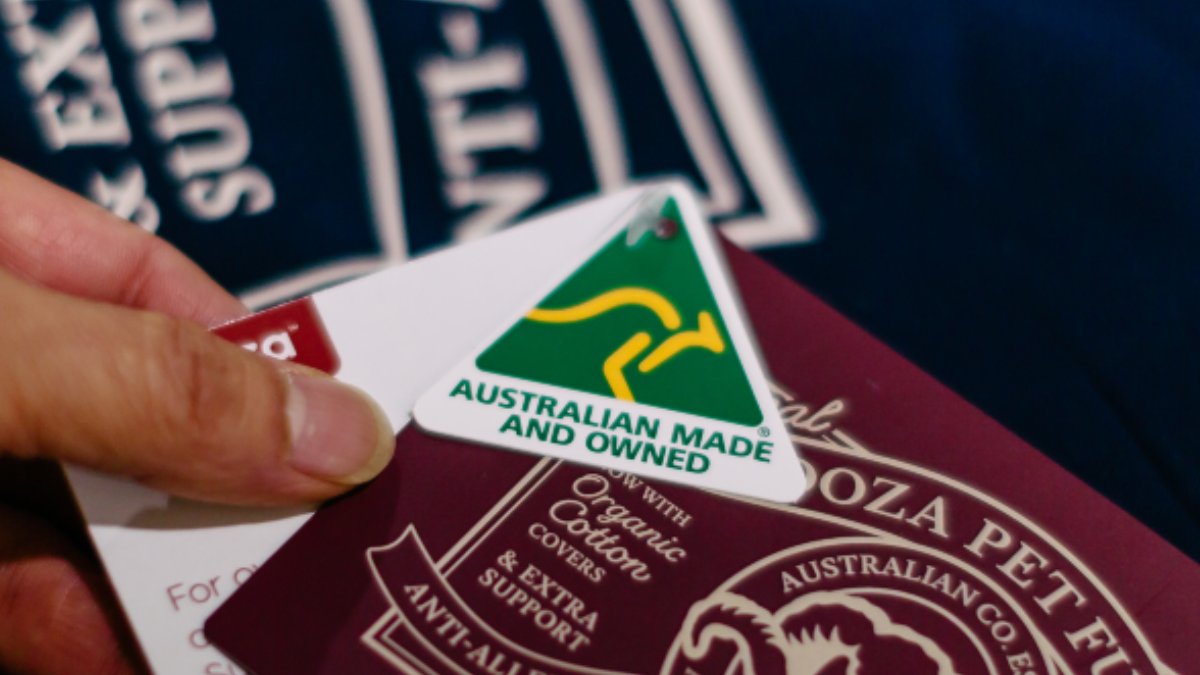
    It’s time to reconsider the long-standing belief about Australian customers’ allegiance to locally made products. In low-engagement, processed categories like confectionery and chocolate, the origin of the products usually takes a backseat to taste, brand, and value. In contrast, for fresh foods, the origin continues to be a significant factor influencing purchases. Retail buyers prioritize margin, volume, inventory performance, and innovation.

    Nonetheless, this doesn’t mean the end of local manufacturing. The Australian Government’s Modern Manufacturing Strategy is supporting businesses in repatriating operations and diversifying suppliers, thereby creating fresh opportunities for strategic local production.

    Local Manufacturing Advantages

    The vulnerabilities of supply chains exposed during recent global disruptions have fundamentally shifted the risk-reward equation of sourcing from overseas. What were once clear cost savings now include hidden expenses such as inventory buffers, expedited shipping, and lost sales from stockouts. Local manufacturing presents attractive benefits in this context. Shorter lead times enable quicker responsiveness to demand fluctuations and seasonal changes.

    Environmental Considerations

    When it comes to the environmental impact of local versus offshore manufacturing, the situation is more complex than it often appears. Manufactured inputs often account for 40-70% of a company’s carbon footprint, far outweighing transport. While local production may seem like a sustainability benefit, the impact largely depends on the energy mix.

    A Portfolio Approach to Manufacturing

    The most resilient FMCG firms are moving beyond the binary choice between local and offshore production. Instead, they are devising portfolio-based sourcing strategies, optimizing each product line based on specific needs and market dynamics.

    Future of Australian FMCG Manufacturing

    The progress of Australian FMCG manufacturing reflects larger shifts in how businesses compete in today’s world. It isn’t just about cost anymore. Speed, trust, sustainability, and adaptability have all emerged as critical competitive factors. The companies that will succeed are not those that choose between local or global production, but those that understand when, how, and why to utilize each method.

    Questions & Answers

    What challenges are the Australian manufacturing sector facing?
    The Australian manufacturing sector is experiencing delays in obtaining essential materials. Rising energy prices and a shortage of skilled labor are further compounding these operational challenges.

    What opportunities are emerging for FMCG manufacturers?
    The turbulent landscape is creating unexpected opportunities for FMCG manufacturers who are willing to rethink their sourcing strategies and develop intelligent hybrid models that combine the benefits of both local and offshore manufacturing.

    How is the future of Australian FMCG manufacturing being shaped?
    The future of Australian FMCG manufacturing is being shaped by a range of factors including speed, trust, sustainability, and adaptability. Government initiatives are also playing a significant role, with measures such as the National Reconstruction Fund helping to rebuild manufacturing capability.

  • Metcash Reports Robust Financial Growth, Hits $17.3 Billion Group Sales Revenue

    Metcash Reports Robust Financial Growth, Hits $17.3 Billion Group Sales Revenue

    Metcash, a leading wholesale distribution and marketing company, has recently announced a robust financial performance for the current fiscal year. The company’s group sales revenue reached $17.3 billion, marking a 7.2 per cent growth compared to last year’s figure of $15.9 billion.

    Financial Performance Details

    The company’s underlying group EBITDA (Earnings Before Interest, Taxes, Depreciation, and Amortization) witnessed a considerable rise, going from $688 million to $737.8 million. Further, there was also a 10.1 per cent increase in its reported profit after tax as the figures moved from $257.2 million to $283.3 million.

    In terms of sector-wise performance, Metcash’s food division reported sales revenue of $8.8 billion, excluding tobacco sales. This substantial figure, which is a 20.8 per cent increase year-on-year, has been largely attributed to the growth of supermarkets and convenience stores, along with Metcash’s partnership with Superior Foods beginning this June.

    Sector-wise Breakdown

    Metcash’s liquor division also exhibited growth, with the revenue rising by 3.3 per cent, moving from $5.1 billion to $5.3 billion. This growth has been fuelled by the successful performance of all IBA brands under Metcash, including Cellarbrations, The Bottle-O, IGA Liquor, and Porters. However, this sector did see a minor setback as its liquor EBITDA decreased from $125.7 million to $123.5 million, marking a 1.8 per cent drop.

    Lastly, Metcash’s hardware division reported a revenue of $3.6 billion, indicating a 2.4 per cent increase. This growth can be attributed to Metcash’s acquisition of Total Tools.

    Questions & Answers

    What was the total group sales revenue reported by Metcash for the current fiscal year?
    The company reported a total group sales revenue of $17.3 billion.

    Which division of Metcash recorded the highest increase in sales revenue?
    Metcash’s food division recorded the highest increase in sales revenue, marking a 20.8 per cent growth year-on-year.

    What factors contributed to the growth of Metcash’s hardware division?
    The growth in the hardware division is largely due to the company’s acquisition of Total Tools.