Category: General

Retail News Asia is committed to providing both local and global retailers with the latest General Retail news throughout the Asian market. This on a daily base.

  • Mainland China retail sales surge in June

    Mainland China retail sales surge in June

    Motor vehicles and the 6.18 shopping festival spurred a healthy increase in Mainland China retail sales in June.

    Official government figures show a 9.8 per cent year-on-year increase for the month, higher than the 8.6 per cent of May and 8.4 per cent for the first half year.

    Summer Wang, an equity analyst at Jefferies, said auto sales surged due to deep discounts on older models ahead of stricter State VI emission standards which took effect on July 1, and the 6.18 Shopping Festival  which drove cosmetics, jewellery and appliance sales. Small-ticket items like food and daily goods also outperformed.

    Urban Mainland China retail sales grew 9.8 per cent, ahead of the 8.3 per cent year-to-date figure, reaching RMB2.896 trillion (US$421 billion) in June, while rural retail sales grew by 10.1 per cent, ahead of 9.1 per cent for the half year.

    Cosmetics sales grew by 22.5 per cent, cars by 17.2 per cent and daily goods by 12.3 per cent.

    “We believe the beauty category is continuing to benefit from functional premiumisation, as consumers – both women and metrosexual men – are willing to pay a premium for a tangible improvement in appearance,” said Wang.

    “Most discretionary categories saw improvement as well, including gold and jewellery (up 7.8 per cent), home appliances (up 7.7 per cent) and apparel and footwear (up 5.2 per cent).”

    By channel, online retail goods sales kept momentum with a robust 21.6 per cent year-on-year growth during the first half of the year, accounting for 19.6 per cent of Mainland China retail sales.

  • AirAsia X opens up on Hawk-less pair of A330neos

    AirAsia X opens up on Hawk-less pair of A330neos

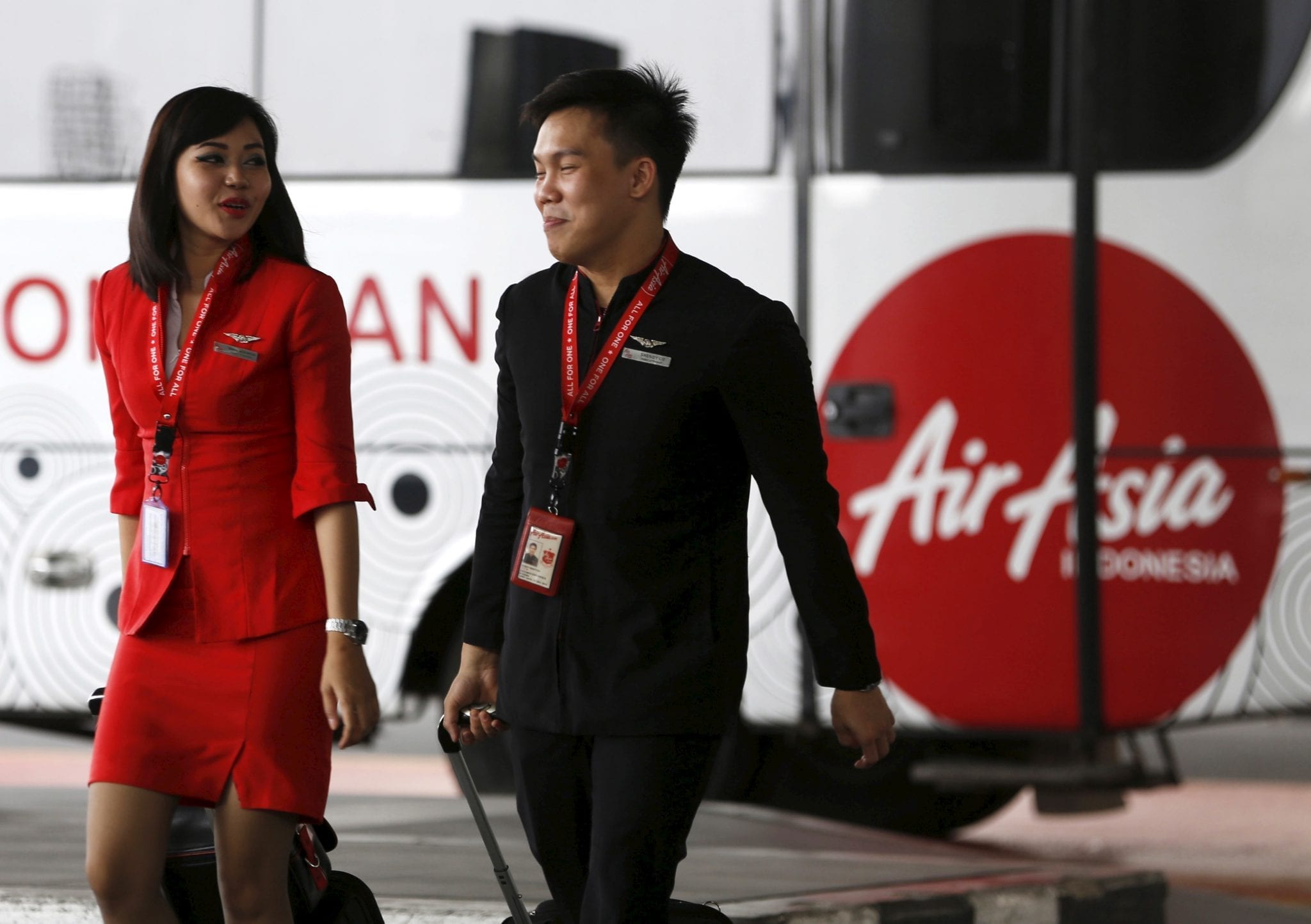
    When the first AirAsia X Airbus A330neo was unveiled at the Paris Air Show amid much discussion about Airbus’ ‘sub-economy’ ultra-narrow seating strategy, two surprises awaited on board — or, rather, didn’t await.

    At last year’s Farnborough Air Show, AirAsia X Group Chief Executive Officer Kamarudin Meranun (now chairman of AirAsia) confirmed to Runway Girl Network that the airline planned to take Mirus’ Hawk long-range version and Collins’ Minipod for its A330neos. Yet on board the two seating products were neither of those.

    It turns out this first aircraft is one of a pair of leased jets from Avalon that Thai AirAsia X is taking earlier than the hundred that will come directly from Airbus. “AirAsia currently has 66 Airbus A330neo aircraft on order. In addition, AirAsia’s fast-growing long-haul affiliate AirAsia X Thailand will take delivery of an additional two leased aircraft in the coming months,” AirAsia X Group CEO Nadda Buranasiri explained to RGN.

    The airline’s head of group communications later followed up to confirm that those 66 aircraft are firm orders, with the additional 2018 Farnborough Air Show order of “34 currently MOU [Memorandum of Understanding] and under review”.

    Mirus confirmed to RGN that the seat on the Avalon aircraft was not the long-range version of the short-range Hawk seat that AirAsia uses on its Airbus A320s, and Buranasiri confirmed that “The two Airbus A330neo aircraft on lease from Avolon have been fitted with the Zodiac UK Aura Lite in Premium Flatbed and Geven Piuma AQ in economy.”

    But Buranasiri also flagged potential evolution in AirAsia X’s passenger experience. “The seating and cabin configuration for AirAsia’s Airbus A330neo aircrafts on order is subject to change. We are currently reviewing cabin space and configuration options on the new Airbus A330neo. This includes options for a new premium and economy class seat.”

    AirAsia X’s Thai operation will put its first A330neo into service at the end of July, with routes expected to include Japan, Korea and Australia, although schedules have not yet been published.

    But starting next year, more A330neos will arrive with AirAsia X, and the company has been expansive with its promises of “new and exciting destinations such as to Eastern Europe and North Asia”, according to Buranasiri.

    Within Europe, the airline previously flew to London Gatwick and Stansted as well as Paris Orly with elderly A340-300 aircraft, but with both countries charging relatively high departure tax rates, and costs higher in Western Europe, an Eastern Europe strategy could make good sense for AirAsia. Indeed, a partnership with an airline like Wizz Air to provide feed on the European end of the longhaul flight would make much sense.

    “Our current network strategy is focused on medium haul — five to nine hours — meaning nine-abreast is a comfortable option. Nine abreast on the A330neo gives very similar levels of personal comfort for each guest even compared to other aircraft options with full service carriers,” Buranasiri argued, and with AirAsia’s reasonable legroom combined with the decision of many full service airlines to go nine-abreast on their 787s and ten-abreast on their 777s, this is a fair suggestion.

    More crucially, perhaps, “Nine abreast on the A330neo drives the aircraft economics to allow us to maintain the lowest CASK [cost per available seat kilometre] and therefore deliver the lowest fares to our guests. This brings more guests the opportunity to fly and this mission will continue for our long haul market strategy,” Buranasiri said.

    Given that the passenger experience will be relatively similar to its existing widebody fleet, the efficiency of the A330neo AirAsia X expects is impressive. “The aircraft will reduce our fuel burn by 11% on every trip, and with extended range help us to open up new and exciting destinations,” compared with the existing A330ceo fleet, Buranasiri said.

    AirAsia X has always been very up front about what it offers, and with one-way fares for the 6h20m Bangkok to Tokyo even a few days out at an impressive 79€ (US$89), AirAsia X’s simple way to purchase a second seat for passengers who would want or need to, and the angled lie-flat seats up front at around a 3-4x multiplier of economy, it’s hard to criticize the value for money of its ultra-narrow seats — whoever makes them.
  • Japanese retailer Daiso Launching in New Jersey

    Japanese retailer Daiso Launching in New Jersey

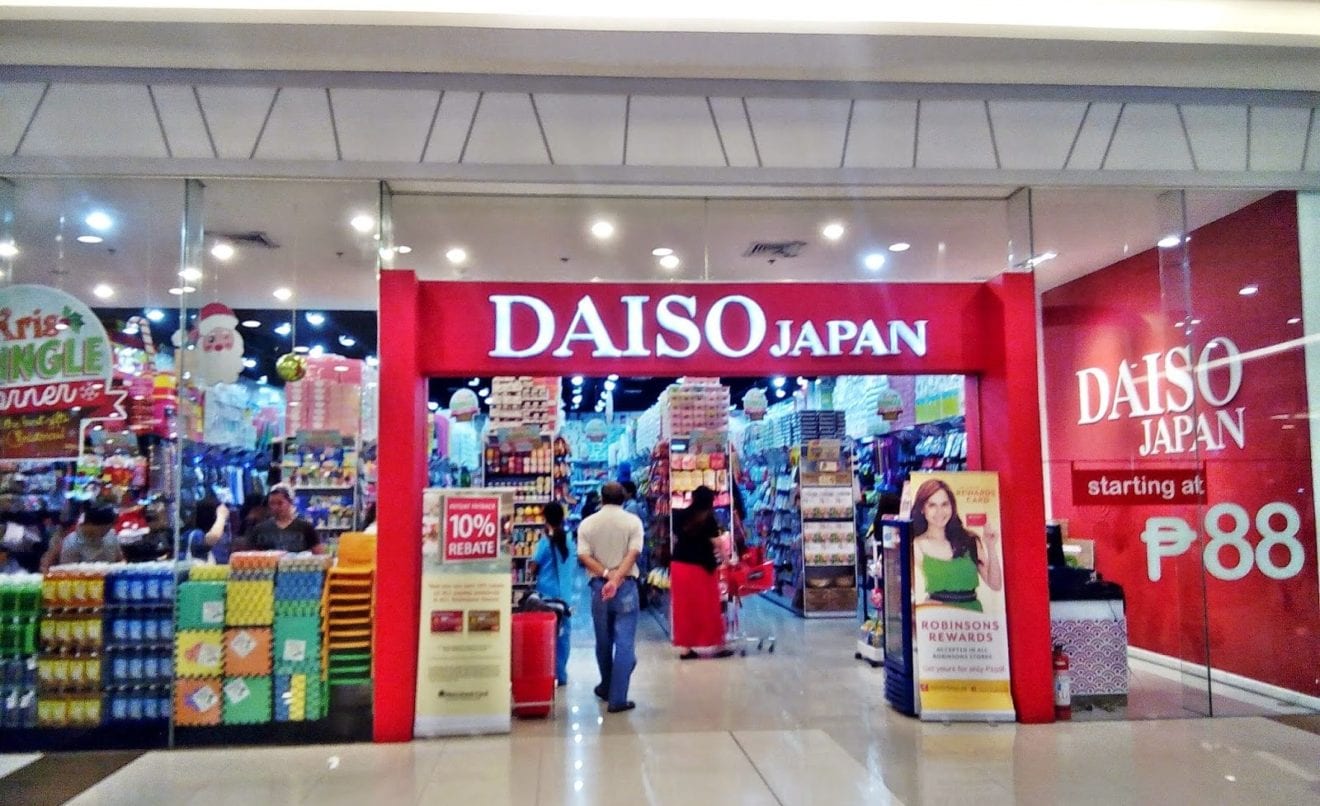
    Budget Japanese retailer Daiso will launch its first New Jersey store in Edgewater.

    The store will open on August 3 as the second Daiso store in the Tri-State area. Daiso is quickly expanding its presence on the East Coast, with this location opening within just five months of the very first store in Flushing, New York last March. Three more Daiso stores are scheduled to open in the area this year.

    The 7000sqft Daiso New Jersey store will feature products and styles including back-to-school, entertaining and organising supplies, and thousands of products including kitchenware, beauty supplies, stationery, gift wrap, greeting cards, electronics accessories, unique gift items, snacks, and party goods.

    Daiso Japan averages 10 to 20 new store openings globally every month.

  • World AI Leaders from Dell Technologies, Rolls-Royce and Kryon, among others, discuss AI Strategies in Singapore

    World AI Leaders from Dell Technologies, Rolls-Royce and Kryon, among others, discuss AI Strategies in Singapore

    Given its infrastructure capacity, education system and investor-friendly laws, Singapore has all the right ingredients to nurture a robust AI ecosystem that could be the cornerstone for the small island’s economic upswing. According to a recent report by Accenture, AI could add up to US$215 billion in gross value across 11 industries in Singapore by 2035. With the Singapore government’s vehement efforts to foster initiatives in the AI space, the nation was the ideal location to host the 9th edition of the global World AI Show series that had hit the ground running for the second time in Singapore on 24 July 2019. The show was organised by international business events and consulting firm, Trescon.

    “Singapore is one of the top locations for AI and Robotics investments. Our mission was to fuel Singapore’s AI startup ecosystem by bringing in some of the world’s best AI innovators, solution providers, startups and investors to foster business opportunities for the Singapore government as well as regional and international companies”, said Mohammed Saleem, CEO of Trescon.

    300+ top industry leaders from the AI community came together to share their insights on how AI is transcending as a core enabling technology that can power multiple sectors.

    Top speakers for the event included Dr Terence Hung, Chief of Future Intelligence Technologies, Rolls-Royce Singapore Pte Ltd; Sutowo Wong, Director, Analytics & Information Management Division, Data Analytics Group, Ministry of Health; Dragana Beara, Portfolio Messaging Director, Asia Pacific and Japan, Dell Technologies; Prof Nadia Magnenat Thalmann, Director (IMI), NTU, Singapore and Founder & Director, Miralab of University of Geneva, Switzerland and Guido Jouret, Chief Digital Officer of ABB among other top speakers.

    In her keynote speech, Dragana Beara quoted, “Most of the AI development right now is done to create collaborative AI to augment us and give us an ability to leverage our humanity. Everything tedious, difficult or that we are not good at, like computing or getting insights from huge data sets is something we are going to outsource to the AI system.”

    The show also featured a workshop session from Warren Ledingham from Kryon who took the audience through a technical deep-dive session on ‘How to Save 80% of Your Automation Implementation Time’, and an almost human-like Robot interaction between Professor Nadia Magnenat Thalmann and her female humanoid social robot Nadine, that can remember past conversations.

    The global pitch competition for startups in the future-tech space, Startup Grand Slam, was the highlight of the show. Opu Labs, Inc, a digital solutions provider for skin health analysis won the Startup Grand Slam pitch competition and Trsts as runner-up.

    World AI Show – Singapore 2019 was sponsored by Lead Partner, Dell Technologies Platinum Partner, Kanerika; Workshop Partner, Kryon; Gold Partner, Darktrace, Silver Partner, DDN Storage; Badge Partner, QualityKiosk Technologies, Premier Bronze Partner, ADVANCE.AI


  • Tinder swipes left on the Google Play Store’s payment platform

    Tinder swipes left on the Google Play Store’s payment platform

    Dating app Tinder has a UI designed to allow users to make quick decisions on whom to meet. In fact, it has become part of pop culture. Swiping to the right on a profile indicates that you are interested in that person while swiping to the left means that you have no interest. According to Bloomberg, which cited research done by Macquarie analyst Ben Schachter, Tinder’s parent company is swiping left on the Google Play Store’s in-app subscription platform. Similar to music streamer Spotify’s complaint against Apple, Tinder’s parent company, the Match Group, objects to Google taking a 30% cut of in-app revenue generated in its app storefront.

    Spotify took its complaint to the European Union’s competition commission which has opened an antitrust investigation against Apple. But there is a huge difference between iOS and Android. Those using the former are essentially forced to use the App Store while Android users can easily sideload apps. That could be the difference between being called a monopoly or just an opportunist.

    Apple responded by noting that the 30% cut that Spotify CEO Daniel Ek keeps mentioning actually drops to 15% after a year. As a result, Apple claims that a cut of 15% is being applied to only 680,000 Spotify members. These are subscribers who upgraded from the free tier to the premium tier of service between 2014-2016. After that time period, Spotify stopped allowing iOS users to upgrade through Apple’s in-app payment system (iAP). Instead, payments for upgrades must be through Spotify’s website.

    Similarly, those using Tinder are being asked to enter their credit card information directly into Tinder’s own payment platform. While Tinder is free, you are limited to 100 right swipes a day. With Tinder Plus and Tinder Gold, you get unlimited swipes and a few other perks as well. Tinder Gold also allows users to see who has swiped right on their profile. The latter costs $12 per month for a six-month subscription or $10 per month for a year’s subscription. And Match Group has included an ingenious plan to keep subscribers wedded (see what we did there) to its own platform. After the first payment is made through Match Group, every subsequent payment will automatically take subscribers to the platform bypassing the Google Play Store’s payment system.

    If all of this sounds familiar, and for reasons other than Spotify’s complaints against Apple, it could be that what is happening with Tinder reminds you of what Epic Games did with Fortnite. One of the most popular video games ever, Fortnite had to be sideloaded from Epic Games’ own website to be installed on Android devices. This was done to avoid the 30% cut of revenue that Google would have taken on in-app subscriptions.

    More companies are looking to avoid both the App Store and Google Play Store in-app payment systems. Last December, Netflix stopped allowing new and returning subscribers using iOS to pay for their subscriptions using the App Store. And even Apple’s own customers are concerned that the tech giant is forcing them to pay more for apps because of its 30% cut. In fact, a large number of iOS users are part of a class-action suit that claims Apple’s role as a monopoly is forcing them to pay more for apps. The U.S. Supreme Court ruled in May that the suit can continue. Apple argued that it merely distributes apps sold to iOS users by third-party developers. That position helped it win a unanimous verdict from the United States Court of Appeals for the Ninth Circuit, in San Francisco. But the Supreme Court decided that Apple is actually more than just a distributor of apps and cited the contracts it signs with these developers as proof of that.

    Both Google and Apple argue that they are providing a high-profile storefront for developers to sell their apps and that they aren’t being unreasonable for asking them to make contributions to the eco-systems that allow their apps to thrive.

  • App adds Google Assistant functionality to your Samsung Galaxy Watch

    App adds Google Assistant functionality to your Samsung Galaxy Watch

    So let’s say that you’re currently rocking the Samsung Galaxy Watch and you’re not happy with the virtual assistant on the timepiece. After all, Bixby is an acquired taste. And since the watches are running Tizen, well the Google Assistant is out. Or is it? According to Android Police, the GAssist.net app can help you put much of the Google Assistant’s functionality on your Tizen powered timepiece. You will need to visit the Galaxy Store to load the app on your watch and the Google Play Store to load the companion Android app on your phone.

    Installation is a bit complex It will require you to store on your phone a file generated from the Google Cloud Platform website. A YouTube video was created to show you how this is accomplished. You can find that video in the slideshow at the bottom of this article. Once that is done and the correct apps are stored on the watch and phone, the apps themselves will guide you through the remainder of the setup.

    Keep in mind that you won’t be able to access the Assistant by saying a hot word. Activation is accomplished by opening the app and tapping on the word ‘Listen.’ You also can’t use the app to control other functions on the watch, like timers and alarms. But you can use it to handle the requests and demands that you would normally turn over to Google Assistant including turning on or off smart appliances and get the weather. Some Reddit posters say that it opens faster than Google Assistant does on Wear OS devices. And you can allow your watch to receive personal results on the GAssist.net app (after installation of course) by opening Google Assistant on your phone and clicking on the icon at the bottom left of the screen. From there, click on your profile at the top right of the display. Tap on the Assistant tab and scroll down to Assistant devices. You should see a listing for Galaxy Watch. Tap on it and allow personal results.

    The Samsung Galaxy Watch Active 2 could be introduced during the same August 7th Samsung Unpacked event that will unwrap the Galaxy Note 10 line. The device will come with an electrocardiogram (ECG) monitor, although that feature requires FDA approval which might not come until the middle of 2020.

  • Lotte Duty Free online sales up

    Lotte Duty Free online sales up

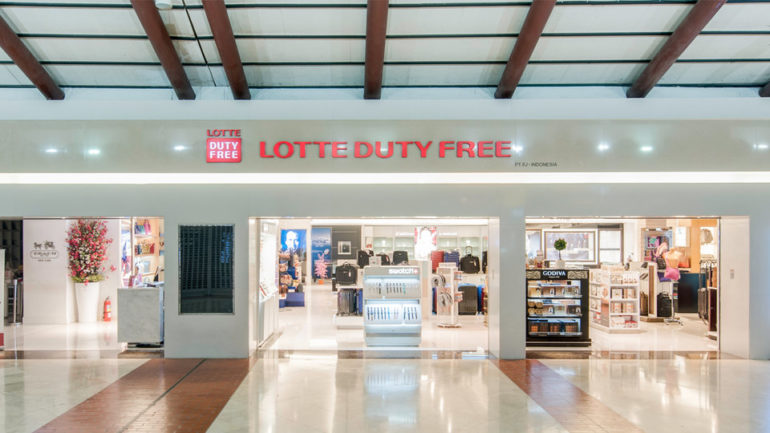
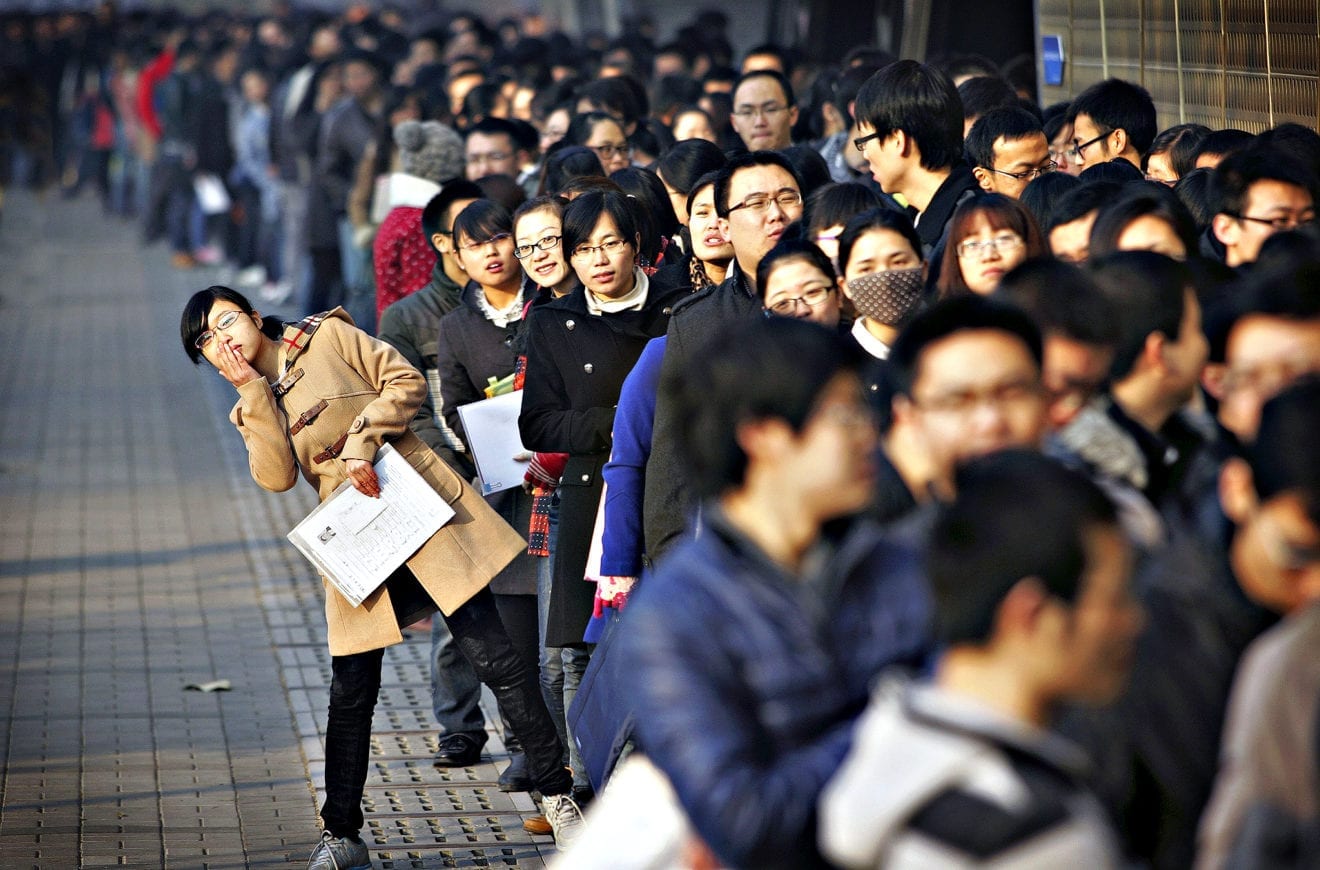
    Online store sales at Lotte Duty Free (LDF) increased by 49 percent year on year to KRW1.4 trillion (US$1.85 billion) during the first half of this year.

    The firm is targeting total online sales of KRW2.9 trillion ($2.46 billion) by the end of the year, following around KRW2 trillion in sales last year – an increase of 46.3 percent over 2017 results. It welcomes an average of 5.4 million active users per month on its retail platform and is on track to take in 30 percent of its total revenues from online sales within five years.

    LDF’s online store offers roughly 87,000 products from almost 2000 brands, around 324 of which are Korean-industry-exclusives such as Filorga, Eve Lom, S. Maria Novella, Barbour, Dr. Martens, Crocs, Joseph&Stacey, Primage, and Lucky Chouette.

    According to the firm, it is the only online duty free operator supporting four languages – Korean, English, Japanese, and Chinese (both simplified and traditional). The addition of traditional Chinese characters in September last year contributed to a 291 percent boost from countries using the character set, including Taiwan, Singapore and Hong Kong.

    The online platform has recently introduced several measures to improve its online services. It monitors real-time congestion levels at its Incheon Airport pick-up counters and has recently relaxed conditions for online VIP membership. The firm has also been conspicuously targeting a younger market with partnerships with other online platforms – supermarket Market Kurly and fashion retailer W Concept – popular with that demographic. Lotte also markets throughout its subsidiary platforms via other Lotte-branded online services.

  • Instagram tests hidden like counts in Australia

    Instagram tests hidden like counts in Australia

    Some Instagram users in Australia are no longer able to see exactly how many likes other users’ posts have received, after the social media platform expanded a test to hide like counts to more countries today.

    Instagram has been testing hidden like counts in Canada for the past 2.5 months, and on Thursday, the platform expanded the test to six more countries, including Australia and New Zealand.

    According to reports, users involved in the test can still see how many likes their own posts receive, but the number is not made public, unless they opt out of the test. Instead, posts show the usernames of one or two people, and say they and “others” have liked the post.

    The company, which is owned by Facebook, has said it is exploring whether hidden like counts will encourage users to pay more attention to the photos and videos being shared, rather than the number of likes a post receives.

    The change comes amid growing concern about the impact of social media on users’ mental health, especially young people. A recent study conducted with university students found that those who limited their total time on Facebook, Instagram and Snapchat to 30 minutes per day reported feeling less depressed and lonely.

    The head of Instagram Adam Mosseri recently told the Financial Times that ensuring safety and well-being on the platform is his “number-one priority”.

    In addition to hiding like counts, the platform is also exploring features to reduce bullying on Instagram, such as a new “nudge” feature that will warn users if they’re about to comment something hurtful, and an “away mode” that will enable users to take a break from the platform without deleting their account.

    The platform is also exploring ways to enable users to control how certain people interact with them without having to block them completely.

    But while these measures largely have been welcomed by users, it is unclear how they will impact the millions of businesses that use Instagram to share new products and offerings with consumers.

    Like counts not only give businesses a rough indication of how popular certain products or trends are, they are a key metric for influencers and the brands that hire them.

    An Instagram spokesperson said: We understand that this is important for many creators, and while this test is in exploratory stages, we are thinking through ways for them to communicate value to their brand partners.”

  • Positive outlook for Singapore retail leasing sector

    Positive outlook for Singapore retail leasing sector

    Ongoing investment-sale activity for malls suggests a positive outlook for the Singapore retail leasing sector, reports Edmund Tie & Company – especially for properties well connected to public transport and offering experiential and activity-based retail options.

    In a report Q2 2019 Real Estate Times for the Singapore market, the property company projects islandwide rental growth will be mixed, ranging from a 2 per cent decline to a 2 per cent increase this year. The low supply pipeline from next year onwards is likely to provide some underlying support to occupancy rates and rental levels.

    Investment market 

    For the second consecutive quarter, investment transaction value (of properties valued above S$100 million) jumped more than 52 per cent quarter on quarter with two transactions totalling $961 million. The largest sale was Chinatown Point for $520 million to a foreign institutional investor.

    The net supply of space fell by about 78 per cent as fewer projects were completed. As such, islandwide occupancy declined slightly by 0.4 percentage points to 90.1 per cent in the first quarter, however, the opening of Funan mall with 325,000sqft net lettable area – with 95 per cent of space pre-leased – is not expected to significantly impact occupancy rates in the second quarter.

    Rental rates 

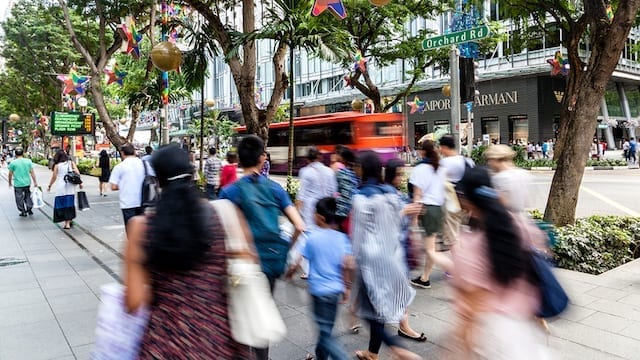
    Singapore retail leasing rates across the different market segments remained largely flat, as occupancy rates remained high for malls located in prime positions. Upper-storey retail in the Orchard Road/Scotts Road area likely fell slightly due to weakened tourist spending, while the prime malls in the suburban areas continue to attract major brand retailers and new-to-market brands.

    The net demand and supply for retail spaces in suburban areas slowed in the first quarter, with the occupancy rate down marginally.  Prime-located malls with easy transportation access and a diverse and well-managed tenant mix continued to perform relatively well.

    New openings included Cafe Amazon outlets at Jewel Changi and Jurong Point Shopping Centre, and Xing Fu Tang (a Taiwanese bubble tea chain) opened a permanent store at Century Square in the second quarter.

    New space supply pipeline 

    From the third quarter of this year through to 2022, some 1.1 million sqft of retail space is expected to come onstream, with the majority of that to be completed in the second half of this year. The largest will be the Paya Lebar Quarter mall of about 313,000sqft.

    The average annual pipeline of known projects from next year through to 2022 is less than 150,000sqft, which is substantially below the three- and five-year average.

  • Lee Hwa’s JewelPlay opens at Bugis Junction

    Lee Hwa’s JewelPlay opens at Bugis Junction

    Lee Hwa’s JewelPlay concept has opened at Bugis Junction, promising personalised jewellery and services for weddings.

    Targeting millennial couples and fashion-forward shoppers, the 880sqft concept store features interactive touch-points and spaces geared to showcasing the brand’s bridal jewellery collection, Lee Hwa Romance, as well as its extensive multi-wear series catered to the young and the young-at-heart.

    “Besides the trendsetting multi-wear jewellery for daily wear, we observed a growing demand among young couples,” said Mavis Toh, business director of Lee Hwa Jewellery.

    “We want to be a part of every couple’s unique love journey, from couple bands, to proposal ring, wedding bands, bridal jewellery, and anniversary gifts.”

    She says Lee Hwa’s JewelPlay boutique is providing an engaging space for couples to “revel in the experience and celebrate their love story together”.

    The store features a JewelPlay Mirror in front of which people can try on jewellery for Instagrammable photographs.

    In the ‘Love Cove’ customers can receive a private consultation with a boutique staff member to explore creative bridal styles and personalisation.

    Lee Hwa’s JewelPlay carries the widest selection of bridal jewellery among all of its stores, which includes global jewellery brands such as Destinee, Forevermark and Niessing as well as customisable wedding-band collections such as Ensemble Collection, Niessing Configurator, and Furrer Jacot Ringdividuell.

    Couples can design their own jewellery Lee Hwa Jewellery’s My Personal Designer service.

    Lee Hwa’s JewelPlay has launched a store-exclusive collection to celebrate the boutique’s opening.

  • South Koreans boycott Japanese products

    South Koreans boycott Japanese products

    A boycott campaign against Japanese products and services is becoming a nationwide movement and extending into travel.

    The boycott started after Japan imposed trade restrictions against South Korea. Amid the boycott, a series of statistics show that the number of reservations for trips to Japan has dropped significantly.

    Hana Tour, the nation’s leading travel agency, reports that the number of new reservations for three-day trips to Japan from July 8 to 10 dropped to an average of 400 per day.

    The figure is down one-third, considering the average number of people booking a new trip to Japan through the company is around 1200 per day.

    However, Hana Tour reported that the number of cancellations, where customers retrack their reservation, remained the same.

    “Up until last week, the number of customers making reservations to Japan was similar, but this week the number declined sharply,” a Hana Tour official said.

    Another travel agency, which requested anonymity, also said that reservations for trips to Japan had been declining compared to typical levels since late last week.

    Those who considered travelling to Japan for the summer vacation season are changing their destinations to other countries. The decision is part of the aftermath of the boycott, a travel industry source said.

    “However, those who had booked trips to Japan in advance seem to be reluctant to cancel because of the huge burden of cancellation fees,” added the source.

  • SMCP launches Sandro on Farfetch

    SMCP launches Sandro on Farfetch

    Fashion group SMCP is to launch its Sandro brand on Farfetch.

    The Chinese-controlled, French-based affordable luxury retailer says the 13 million-plus clients per month around the world that Farfetch attracts will be an ideal partner to enable Sandro to address a wider, premium customer base.

    “We are delighted with this new partnership with one of the major digital players of the luxury sector,” said Sandro CEO Isabelle Allouch.  “We are convinced that having our products on Farfetch will contribute to Sandro’s digital expansion across the globe, positioning it as a high-end luxury brand and enhancing its worldwide visibility and awareness.”

    She said the partnership marks a key milestone in the global roll-out of SMCP’s digital strategy, bringing together online and offline shopping.

    “It perfectly complements the group’s growing digital presence alongside the successful global deployment of our own websites, and further diversifies its digital sales channels, enabling the group to reach more than 190 countries across the world.”

    The partnership comes just three months after the announcement of a landmark partnership with JD.

  • Luk Fook sales drop 10 per cent as trade war bites

    Luk Fook sales drop 10 per cent as trade war bites

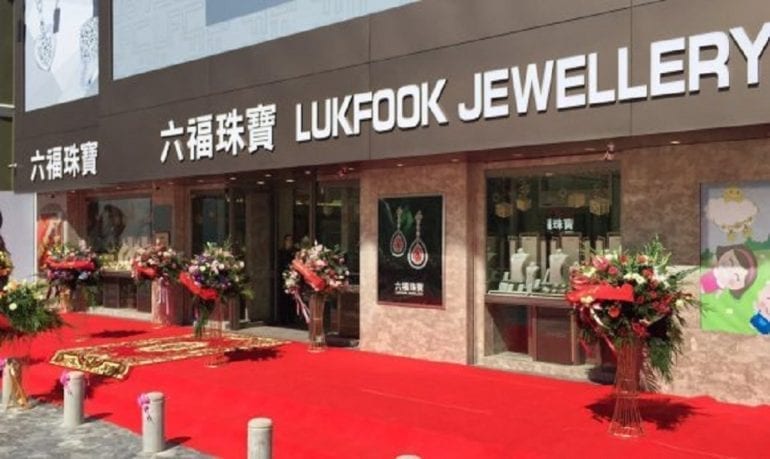
    The trade war between the US and China has been partially blamed for a 10 per cent fall in Luk Fook sales.

    In a quarterly sales update, the Hong Kong-listed jewellery retailer said a relatively higher base in the comparable period also contributed to the decline.

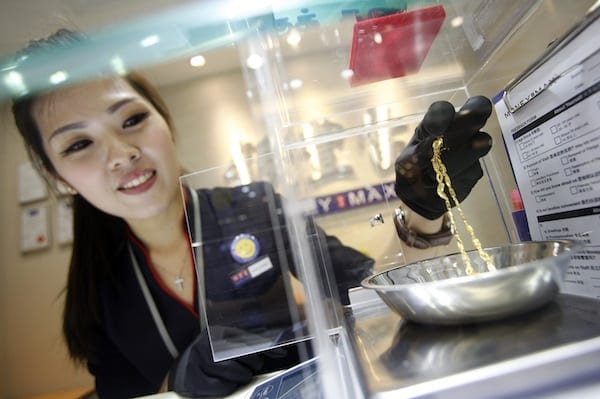
    First-quarter same-store Luk Fook sales were down 10 per cent with the overall same-store sales of gold products down 19 per cent. Gem-set jewellery sales rose 4 per cent.

    In Hong Kong and Macau, sales of gold products fell by 20 per cent while gem-set jewellery sales rose 6 per cent.

    “The favourable sales performance of lower-value items resulted in a double-digit drop in the average selling price of gem-set jewellery products,” said chairman and CEO Wai Sheung Wong. “However, due to the remarkable increase in sales volume, the same-store sales of gem-set jewellery products still recorded positive growth given a high base.”

    Sales on the mainland fell 7 per cent, with gold products down by 4 per cent and gem-set jewellery down by 7 per cent. However, mainland licensed shops recorded a low single-digit same store sales growth.

    Luk Fook added a net 35 new Lukfook stores in the mainland during the quarter. As at June 30, the company operated 1861 worldwide, 1790 of those on the mainland.

  • India’s Ferns N Petals launches in Singapore

    India’s Ferns N Petals launches in Singapore

    Indian flower-and-gift retailer Ferns N Petals has launched in Singapore, planning to offer gift deliveries for special occasions.

    The company hopes Singapore will provide it with an opportunity to grow awareness and increase its customer base across Southeast Asia.

    Customers can place orders from the website already, with a mobile app to be launched soon.

    “Expansion is the ultimate aim of a business and for us at Ferns N Petals. The vision is to expand across Southeast Asia and the Middle East,” said Pawan Gadia, CEO, retail & online at Ferns N Petals.

    “After making our venture profitable in the UAE, we are now eyeing the Southeast-Asian market, starting with Singapore.”

    With 25 years of experience, Ferns N Petal has more than 330 retail outlets across India and the UAE.

  • Craveable Brands bought by Hong Kong private equity company

    Craveable Brands bought by Hong Kong private equity company

    A Hong Kong-based private equity company has bought out restaurant operator Craveable Brands as the Australian company steps up its foray into Asia.

    PAG Asia has paid an undisclosed amount to acquire the business from Archer Capital and other minority shareholders.

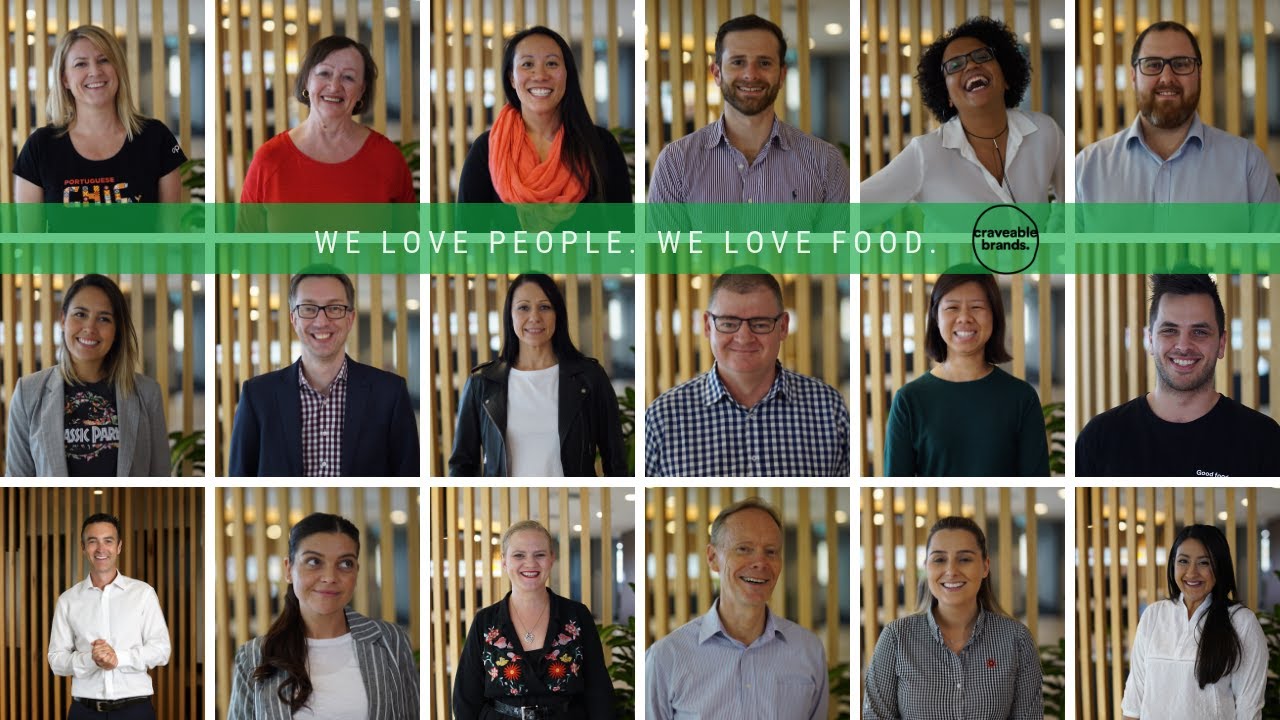
    Craveable Brands owns the Red Rooster chain of fried chicken fast-food restaurants and Oporto, a Portuguese chicken quick-service restaurant which will open its first outlet in Vietnam this week. Oporto stores are already operating in Singapore and Sri Lanka.

    Craveable Brands has more than 580 stores, including a third, smaller chain Chicken Treat.

    “Craveable Brands is a terrific asset in the Australian QSR market, owning three iconic brands with significant scale,” said PAG chairman and CEO Weijian Shan in a statement announcing the purchase. “We see great opportunities for Craveable and look forward to working with management on the next stage of portfolio innovation.”

    Archer Capital managing partner Peter Gold said his team had built the Craveable Brands business into a US$560 million company since acquiring it in 2011.

    “We have had a great experience partnering with the management team led by Brett Holding and countless hardworking franchisees who have transformed the brands and customer experience.”

    The current Craveable Brands management team will be retained.