Category: General

Retail News Asia is committed to providing both local and global retailers with the latest General Retail news throughout the Asian market. This on a daily base.

  • Courts opens first IoT store at Funan mall, Singapore

    Courts opens first IoT store at Funan mall, Singapore

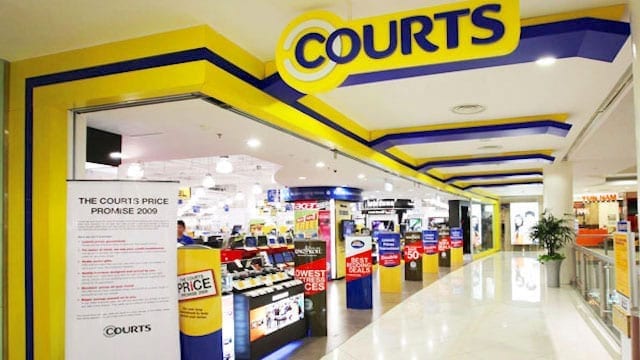
    Courts Singapore has opened its first Internet of Things store at Funan mall.

    The 12,000sqft store houses Google’s first experience zone in Asia and another from Samsung.

    Consumers can try Google’s entire range of products in Singapore, from smartphones to the recently launched Nest Hub smart display, which is similar to a smart speaker but with a screen.

    Ben Tan, Courts Singapore country CEO, shared with The Straits Times that 80 per cent of the products on sale are compatible with smart-home platforms such as the one anchored by Google Assistant, Google’s artificial intelligence-powered voice-assistant software.

    “The number of smart products available here that work with Google Assistant has increased by 200 per cent this year on year,” Tan said.

    At the Samsung experiential zone at the Courts Singapore Funan mall store, consumers can try out an integrated smart home.

    They can open a door using a digital lock, see notifications from a security camera on a smart Samsung television and issue voice commands to smart home appliances such as washing machines and fridges.

    According to Tan, Courts will offer more services to go along with smart home, such as setting up the devices and educating users on how to control their smart gadgets.
  • Dyson opens Beauty Lab in Sydney

    Dyson opens Beauty Lab in Sydney

    On Wednesday, Dyson opened its first ‘Beauty Lab’ in Australia, where customers can book hair styling appointments, drink prosecco and try out and buy the company’s extremely popular hair products.

    Located in Sydney’s Queen Victoria Building, the store marks a shift from the wholesale and e-commerce channels the company has traditionally relied on. While Dyson has previously held pop-ups, the Beauty Lab marks its first permanent bricks-and-mortar location in the country.

    The Beauty Lab concept is focused on educating customers and providing a luxury experience.

    “Dyson is continually disrupting the styling industry and its Beauty Lab is no exception,” said Joey Scandizzo, Dyson styling ambassador.

    “It’s exciting to be part of the journey to create amazing styles and educate people on how to help prevent extreme heat damage by using game-changing Dyson styling technologies.”

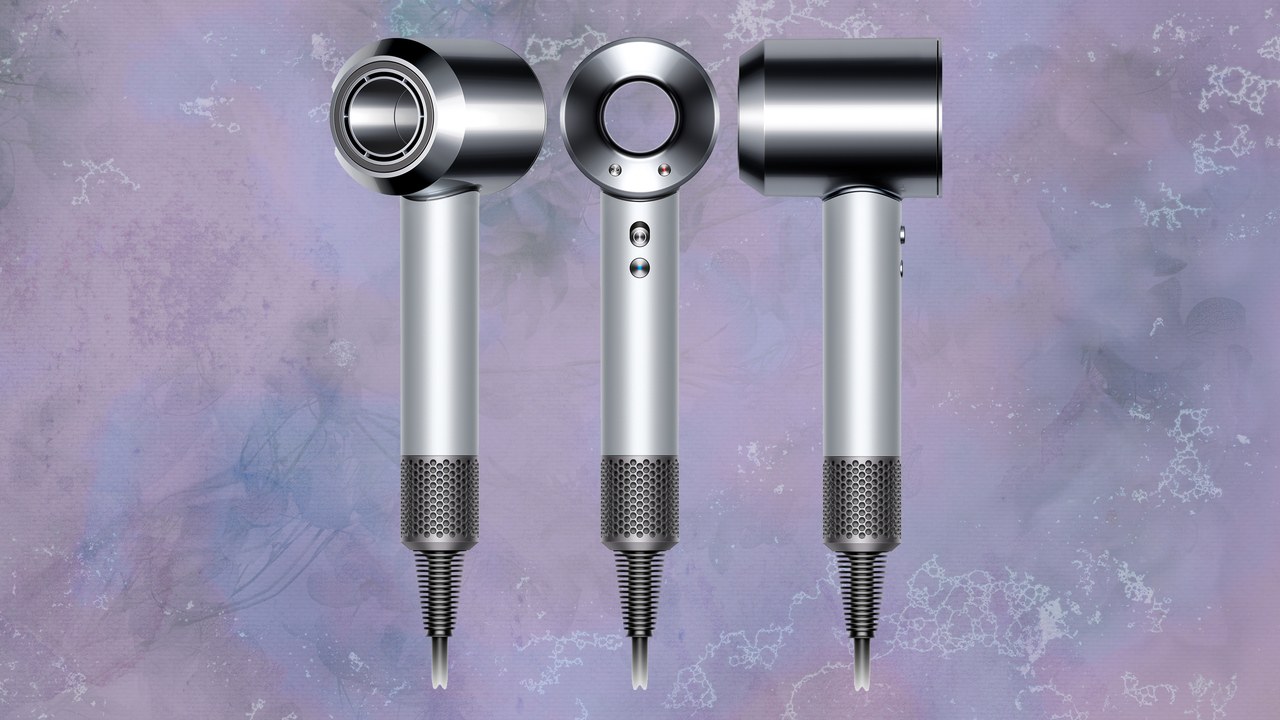
    The store features two products – Dyson’s Supersonic hair dryer and Airwrap styler – which took two years and almost £100 million ($179 million) to develop, the company said.

    The styling tools have been extremely popular in a product category that had not seen much innovation for decades, and are only now back in stock after having sold out.

    Customers can make appointments to have their hair styled by an expert at the Beauty Lab. For $50, they receive a complimentary beverage including prosecco, a hair consultation by a Dyson styling expert, a luxury hair wash with treatments and a head massage.

    The session is free for those who purchase a Dyson hairdryer or styler. Buyers will also buy receive a free gift (choosing from a brush kit, Supersonic stand or a woven bag).

    The launch of the Beauty Lab comes after the company added a second call centre in Australia last year, in what it said was a significant commitment to its presence here.

  • AirAsia adopts Workday cloud tech to manage 22,000 global employees

    AirAsia adopts Workday cloud tech to manage 22,000 global employees

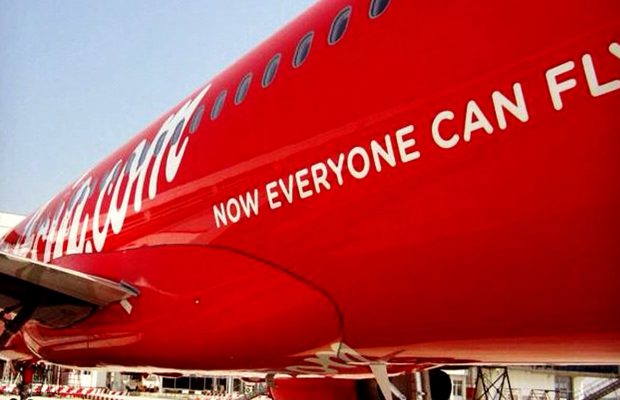
    Southeast Asia’s largest budget carrier, AirAsia, is adopting cloud technology to manage the company’s 22,000 employees across the region as part of its digital transformation.

    AirAsia operates flights to more than 140 destinations across 22 markets.

    AirAsia announced it had recently taken a huge leap in human capital management (HCM) in cooperation with Workday, a provider of financial and human capital management software that is based in California.

    AirAsia chief people and culture officer Varun Bhatia said that Workday’s cloud technology could help the company maintain what he called “single-source truth and employee data”.

    “We believe we have to move towards a more personalized approach and employees have to get a personal experience,” Bhatia said recently.

    The collaboration, Bhatia said, enabled the airline’s employees to access the integrated, cloud-based platform individually from their mobile phones at any time and from anywhere.

    “It is a self-service platform where employees can do basic [things] like arranging leave, completing their data information and the like,” he said.

    The platform keeps information on each individual employee and their employment records, including career path, technical skills level and professional development, as well as standard information that employees need to do their jobs.

    Employees can also check their daily work schedule, manage leave days and track information about their salaries.AirAsia chief people and culture officer Varun Bhatia (right) and Workday president of Asia Rob Wells (left) shake hands to mark the collaboration in cloud-based human capital management recently at AirAsia Headquarters, Malaysia. (Courtesy of /AirAsia)

    Workday president for Asia Rob Wells said that with the help of technology and digitalization, AirAsia could allow its workforce to achieve efficiency and make their jobs easier.

    “Every day, the 22,000 employees of AirAsia are either serving us, flying us, caring for our baggage or making sure that the airplane works all the time,” said Wells.

    “They don’t have the time to come to the office to a desktop device. Thus, engaging the workforce through mobile, through access to digitalization, is essential,” he said.

    Adopting cloud technology to manage its human capital is part of the airline’s “AirAsia 3.0” vision to go beyond being an air travel company and become a travel tech company. AirAsia 3.0 also envisions providing hotel booking and logistics services as a one-stop e-commerce platform for travelers.

  • Vietnam budget airline VietJet to launch online business

    Vietnam budget airline VietJet to launch online business

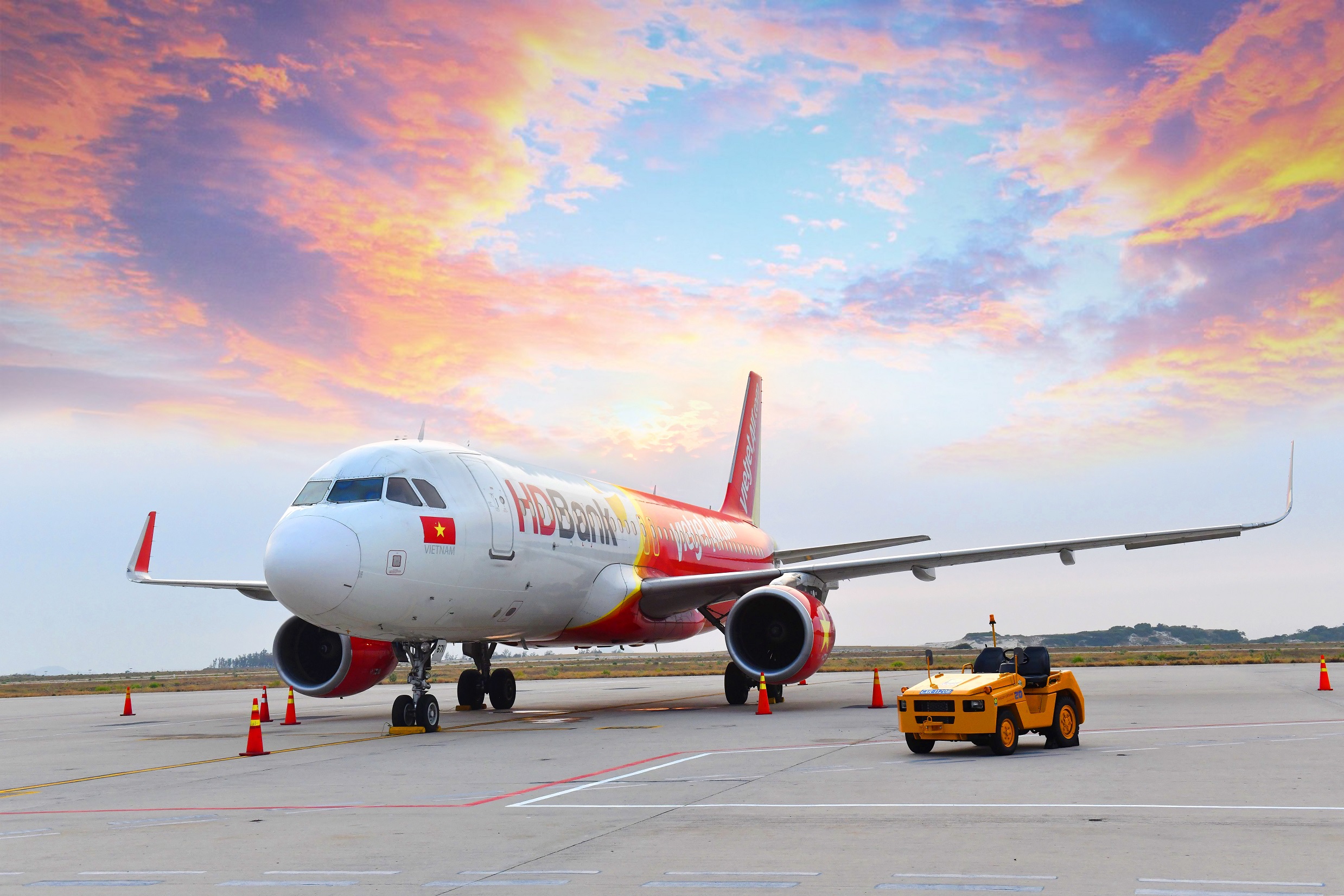
    Vietnamese budget airline Vietjet is set to enter the e-commerce business. The firm is currently forging alliances with industry partners to enable it to offer a range of goods and services online as it seeks to build on and profit from its existing customer data. The new platform, which will be based on blockchain technology to facilitate transactions among partners, is expected to launch within the next two years.

    “Following our concept of ‘Consumer Airline’, we will have an e-commerce platform to serve not only air tickets but whatever they need,” said Vietjet’s VP Nguyen Thi Thuy Binh in Tokyo in an interview with the Nikkei Asian Review. “All the suppliers and partners will join our platform to serve the products to not only our 30 million passengers but also hundreds of millions of customers in Vietnam and other parts of the world.”

    The service will offer banking, insurance, hotel bookings and consumer goods, among other planned features. It will initially target passengers on the airline before expanding to the general public.

    Vietjet is expected to fly 30 million passengers this year, an increase of 30 per cent over last year’s total. While its revenues have been increasing over the period, rising fuel costs and intensifying competition have increased pressure on the firm’s core business. Vietjet has already formed a partnership with finance firm HD Saison Finance to allow customers to purchase air tickets ‘on loan’ in hope of attracting sales even from travellers who cannot immediately afford to buy.

    Vietjet currently flies 119 domestic and international routes, with a fleet of almost 80 aircraft.

  • Hema Fresh eyes 2000 stores by 2022

    Hema Fresh eyes 2000 stores by 2022

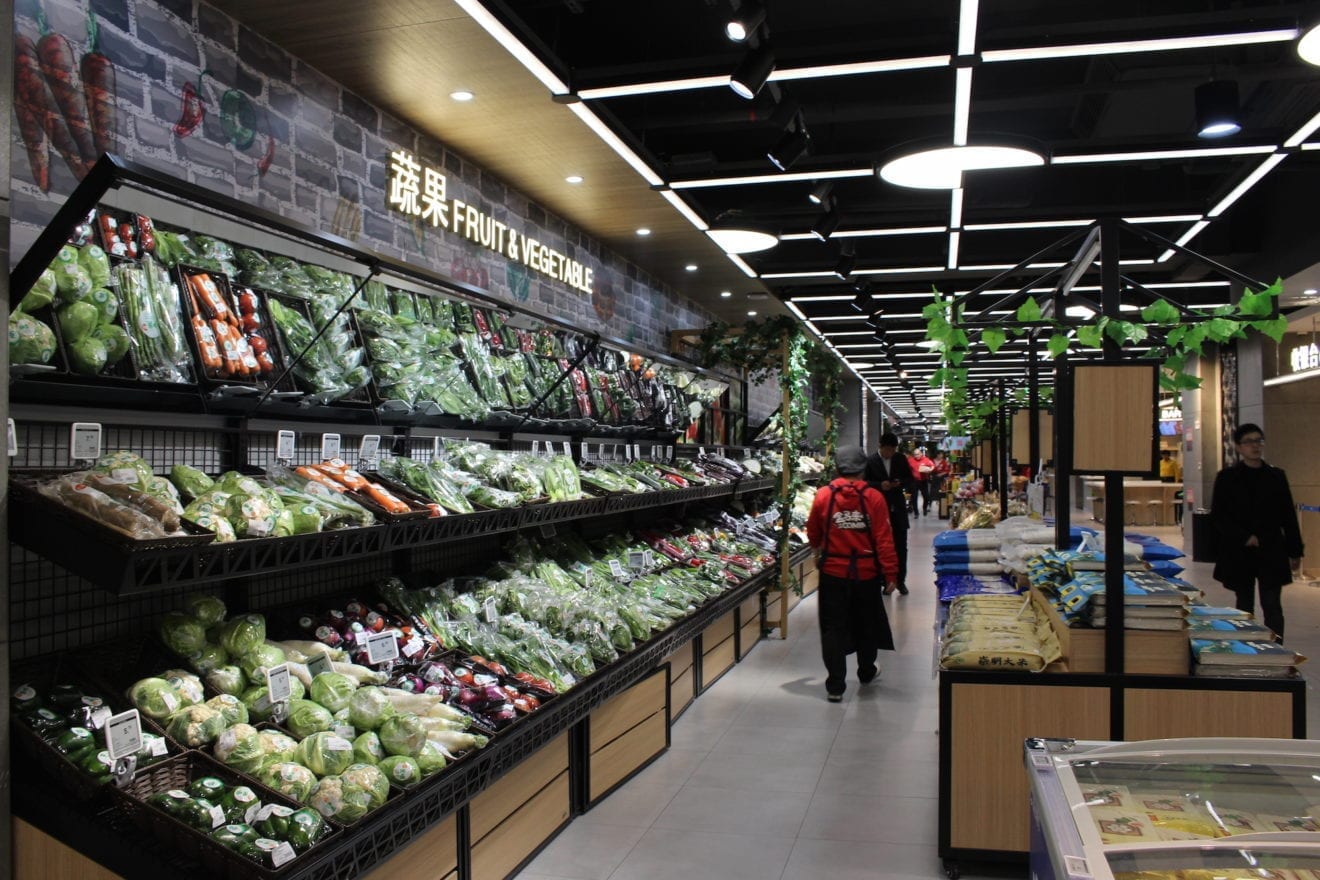
    Alibaba’s grocery-store network Hema Fresh (Hema Xiansheng) is targeting at least 2000 stores across China by 2022.

    With the current network at 160, expansion of the two-year-old chain is now being ramped up after Alibaba worked to refine the format. According to senior executives of Alibaba, quoted in Chinese news media reports, Hema Fresh will have stores in 200 cities by 2030. It is currently in 21, including Shenzhen, Shanghai and Beijing.

    Hou Yi, Hema Fresh’s CEO and VP of Alibaba, says the company will be targeting cities with populations in excess of 1 million as it achieves critical mass.

    As Pascal Martin and Jack Chuang, partners at OC&C Strategy Consultants, described in a deep dive into the Hema format published early this year, the Hema concept was developed from scratch by Hou Yi, a logistics expert hired from rival Jing Dong.

    The Hema store’s value proposition is built on three pillars:

    * Superb quality fresh food – particularly seafood – at an attractive price, that you can pick and have cooked to dine in the store or to go.

    * A completely integrated smartphone-centric experience, from product information (by scanning QR codes on product labels) to automated check-out enabled by RFID tags, to payment through Alipay (although Alibaba was recently forced by regulators to accept other payment platforms and cash).

    * An extended shopping experience with the download of an application that allows online ordering and free home delivery within 30 minutes within a 3km radius of each store.

  • Nu Skin flagship ready for the Future

    Nu Skin flagship ready for the Future

    Health-and-beauty firm Nu Skin is rolling out a new store design based on its Shenzhen flagship, which opened in November last year.

    A Digital Signage Connection case study described the Nu Xtore flagship as “a state-of-the-art digital sensory experience centre that incorporates Nu Skin’s history, high-quality products, community involvement and scientific innovation”.

    Two further Nu Xtores are scheduled to open this year in China, following the Shikatani Lacroix Design “future-proofed” format intended to reflect trends in the market and target younger consumers. The design was put together in partnership with consulting firm MetaThink, building a combined conventional and digital experience to support the firm’s brand story and blur the line between gallery, science center, community hub, and event space.

    “Metathink and SLD delivered beyond expectations in elevating the Nu Skin brand to new heights through user-driven insights, meticulous strategy and digital immersive experience design,” said Nu Skin’s VP of marketing Queenie Sheng.

    “It was important to create a cohesive and choreographed experience that flowed from start to finish,” reads the case study on SLD’s store design, centred around a central “Fountain of You” interaction piece that serves as a visual metaphor for youth, wellness and energy.

    “Integration to existing digital tools and applications requiring data exchange added additional levels of complexity to the digital experiences. In very short timelines, all of the graphics, wayfinding, digital experiences and environmental design had to constantly evolve and adapt.”

    The design won a DSE 2019 APEX award in the Retail Environments category.

  • Saigon Co.op takes over Auchan Vietnam

    Saigon Co.op takes over Auchan Vietnam

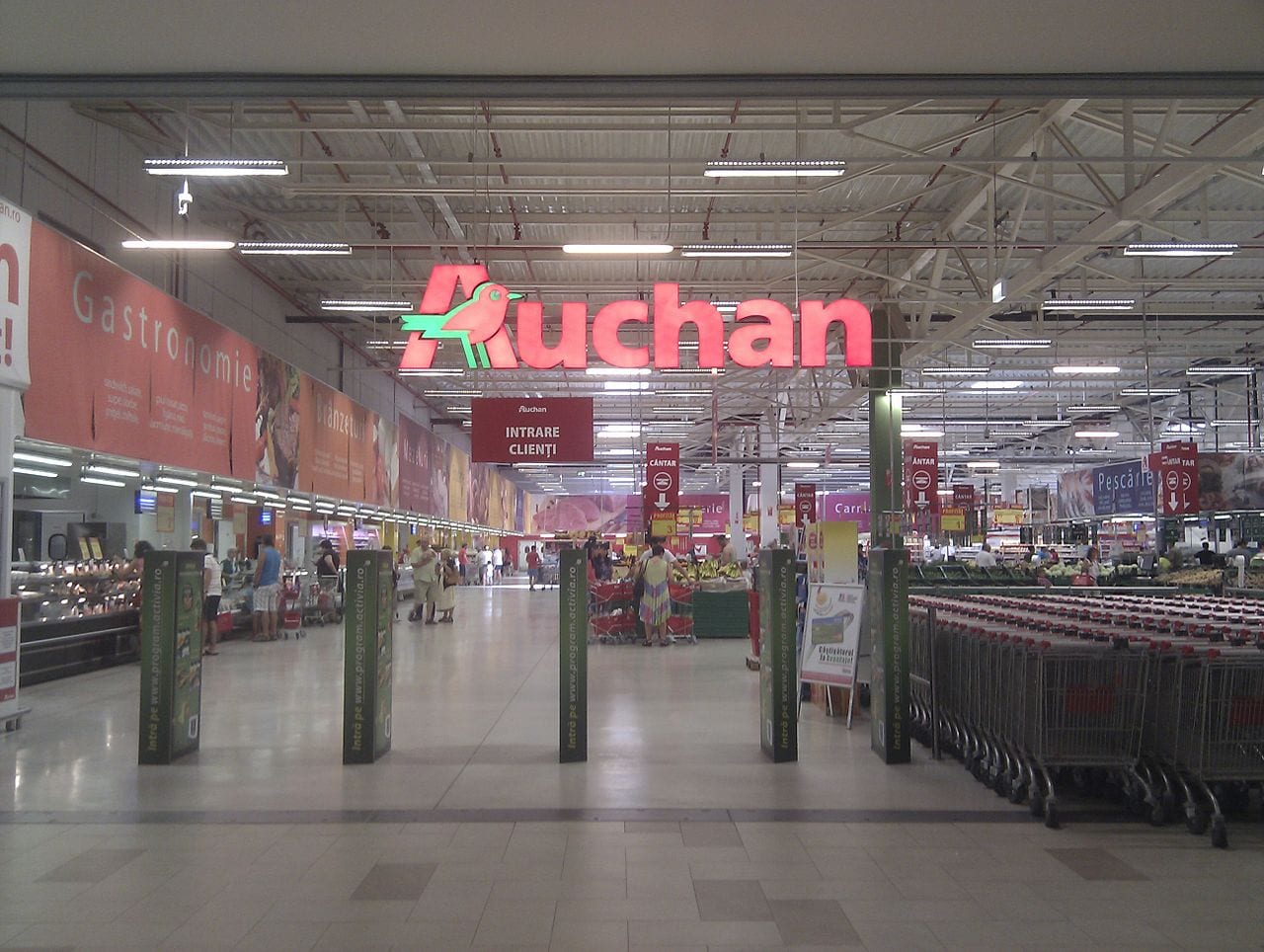
    Local retail group Saigon Co.op has acquired the Auchan Vietnam business.

    Auchan will transfer its 15 closed store spaces and the three remaining stores still trading in Ho Chi Minh City’s Districts 7 and 1, along with its e-commerce and supply-chain retail system to Saigon Co.op.

    According to the arrangement, Saigon Co.op will renovate the closed stores and restore operations under their own brands which include Co.opMart, Finelife and Co.opXtra.

    The three stores still trading will maintain their Auchan branding until next Lunar New Year.

    In May, Auchan decided to pull out of Vietnam after consistent losses.

  • South Korean retail sales up as summer season arrives

    South Korean retail sales up as summer season arrives

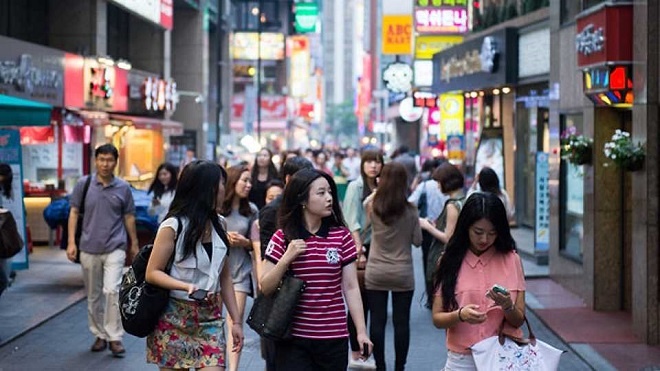
    South Korean retail sales increased by 3.4 percent year on year in May.

    Online sales reportedly surged by 18.1 percent in May, far faster than offline sales, which increased buy just 1.9 percent.

    A government spokesperson said the increase in sales for the month was driven by growing demand for seasonal products such as air conditioners, as summer arrived.

    There was also strong demand for electronics and gifts for Parents’ Day and Children’s Day.

    May’s 3.4 percent rise in South Korean retail sales was below the mean average monthly rate of 3.9 percent recorded from 1996 until this year.

  • Cebu Pacific plans to squeeze more seats into economy

    Cebu Pacific plans to squeeze more seats into economy

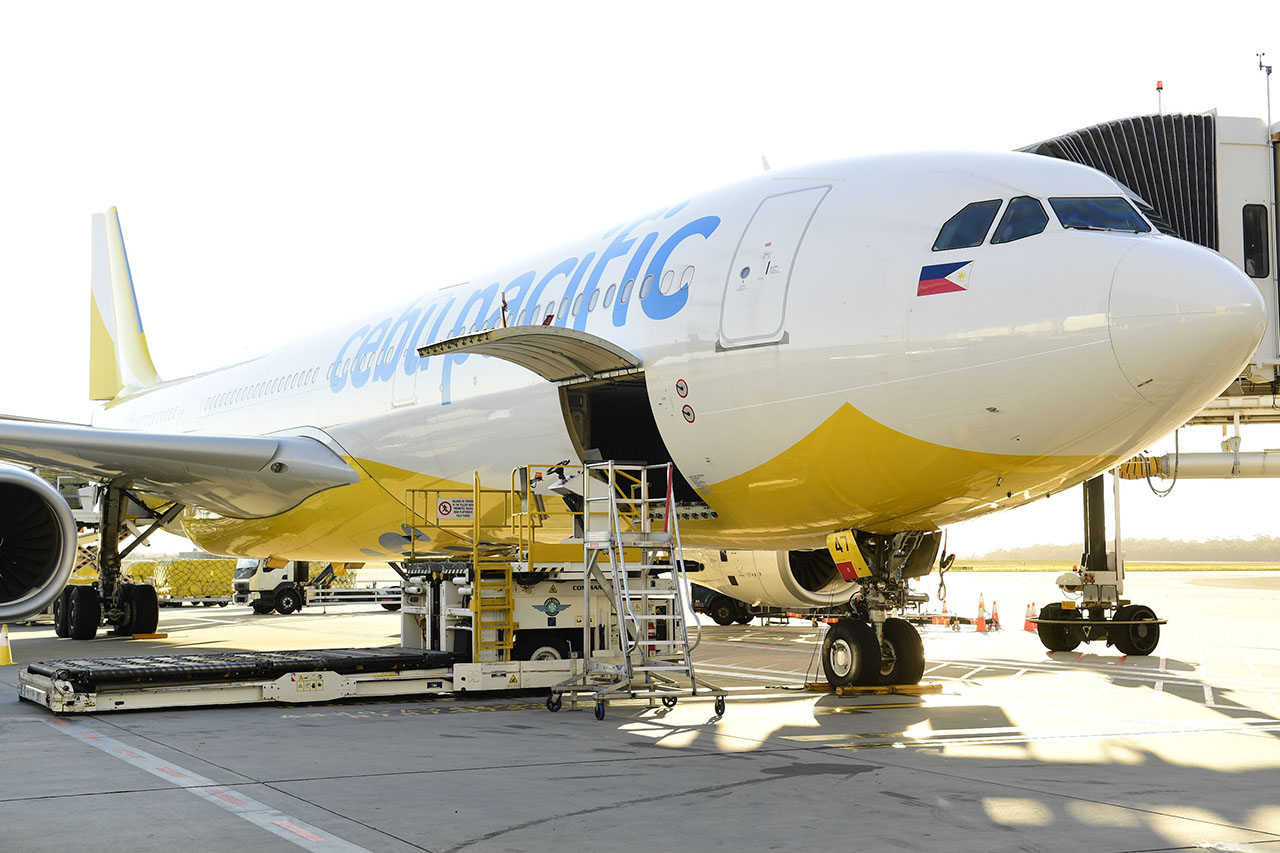
    One of the biggest travel-trade talking points of the recent Paris Air Show was Cebu Pacific signing a memorandum of understanding (MOU) to buy 31 Airbus planes – 16 of which will be A330-900s, with 460 seats in an all-economy configuration squeezed into each. Fellow budget airline AirAsia, by comparison, unveiled its first A330-900 (aka the A330neo) at the show, with 377 seats in two classes, while the plane’s launch customer, TAP Air Portugal, began operating with 289 seats in three classes last November.

    It has been suggested that the upside of squeezing so many people onto one plane might be a reduced per-passenger carbon footprint, and it’s easy to imagine airlines using this as an excuse to crowbar ever more passengers aboard in future. Cebu Pacific’s MOU also included 10 of the A321XLR (Xtra Long Range), which was introduced at the show and is expected to take passengers back to the days of the Boeing 707 and Douglas DC-8, with cramped single-aisle long-haul flights, in about four years from now.

  • Line Friends opens pop-up store at Changi airport

    Line Friends opens pop-up store at Changi airport

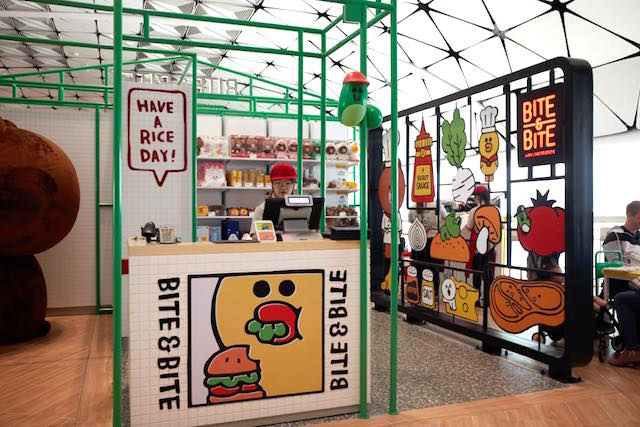
    Line Friends has opened a pop-up store at Changi Airport Terminal 3 Departure hall.

    Set to open until August 8, the store offers the latest summer collections of Line Friends characters featuring Brown, Choco, Sally, Cony and more on one half.

    The other half is dedicated to licensed merchandise featuring all the eight BT21 characters, which is designed by K-pop band BTS, including table figurines, cushions, and keychains.

    The store will also stock BT21 x Uniqlo collection and a slew of Singapore-exclusive products including plushies and comfortable cushions.

  • Robinsons Retail favours pets over fashion

    Robinsons Retail favours pets over fashion

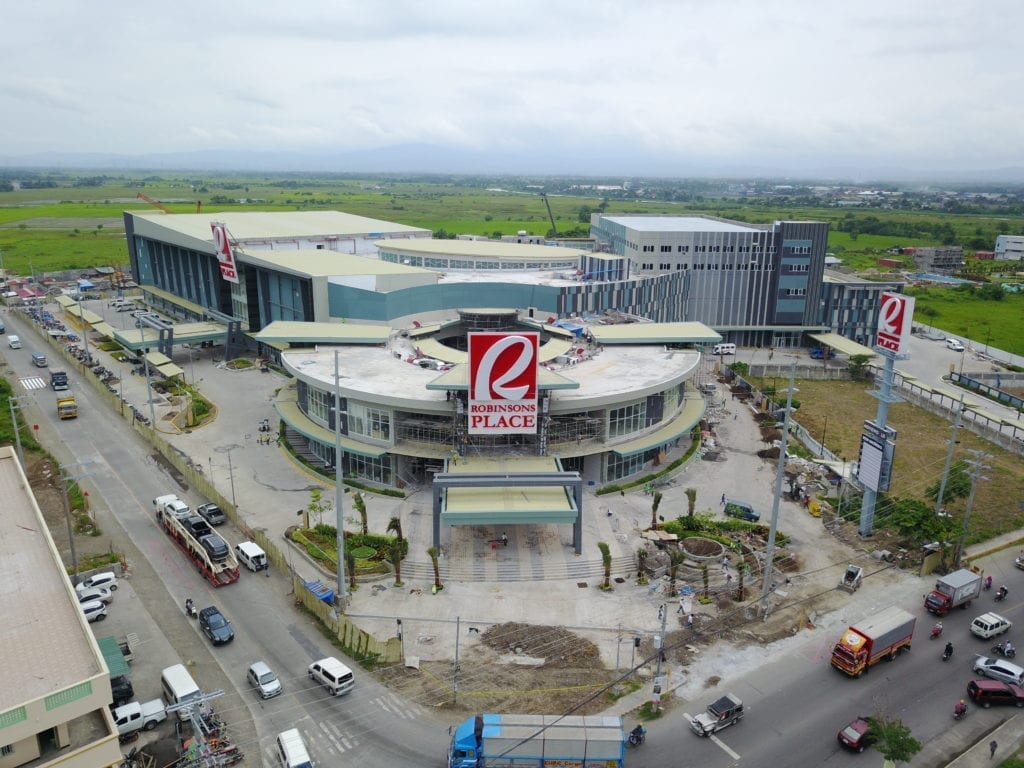
    Robinsons Retail is looking to shrink its fashion business as competition with cheaper chains gets tougher.

    “We are shrinking fashion, for it has become very difficult,” said the firm’s CEO Gokongwei-Pe. “There are other brands that came in who are more progressive and cheaper. We are already reducing the number of stores and we have to think if we move out altogether.”

    The firm is reporting stronger returns from pet, health and beauty products where there is growing demand.

    “Pets have become very big,” added Gokongwei-Pe. “Dogs now are very spoiled. Just look at Instagram and Facebook, it’s all about dogs. You should put money where the money is, which is food, drugstores, hardware, and growing businesses like pets and beauty.”

    The firm is also making moves into high-end groceries as well as growing its beauty and pet care franchises overseas. It is reportedly seeking 15 per cent annual revenue growth in these sectors within five years.

    Robinsons Retail is also investing PHP3–5 billion (US$58.59–97.65 million) on expanding its store network by 100–150 outlets per year from its current 1911 stores during the same period.

  • Hong Kong retail sales declined again in May

    Hong Kong retail sales declined again in May

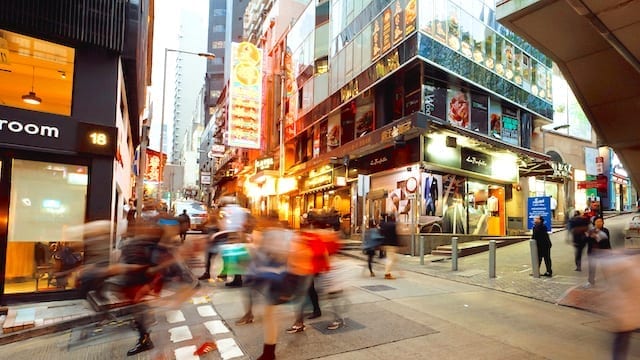
    Hong Kong retail sales fell again in May, but the rate of decline was significantly less than in April.

    According to the Census and Statistics Department the value of retail sales in May, provisionally estimated at HK$40 billion (US$5.1 billion), decreased by 1.3 percent year on year, well below April’s 4.5 percent decline.

    For the first five months of this year, Hong Kong retail sales were down 1.8 per cent compared with the same period last year. After netting out the effect of price changes over the same period, sales for the five months were down 2.2 per cent.

    For the three months to May, sales fell by 0.8 per cent.

    For once, the jewelry, watches and valuable gifts category – which traditionally has the greatest effect on overall retail sales fluctuations – registered one of the lowest falls in May, down 2.7 percent.  Apparel sales fell 4.6 per cent, electrical goods by 14.8 per cent, optical shops by 11.3 per cent, furniture by 1.3 per cent and supermarket sales by 0.8 per cent.

    In contrast, sales of medicines and cosmetics rose 1 per cent, of food, drinks, alcohol and tobacco by 3.1 per cent, footwear and accessories by 1.6 per cent, Chinese medicines by 0.7 per cent and books, newspapers, stationery, and gifts by 0.1 per cent.

    A government spokesman said narrower decline of Hong Kong retail sales in May was partly due to the late timing of the Labour Day holidays in Mainland China this year, which had led to a visibly larger year-on-year rise in visitor arrivals during the month.

    “Overall, the performance of retail sales remained subdued in recent months.”

    Retailers will be waiting for the June figures, the month when the protests over the extradition bill stepped up, disrupting access to stores on Hong Kong Island at certain times and possibly dissuading overseas visitors.

    The spokesman said that in the near term, the outlook for retail sales will likely be clouded by the still-cautious consumption sentiment amid an uncertain global economic environment. “Nevertheless, the sustained expansion in inbound tourism and the largely stable local labor market should continue to provide some support.”

  • Bleak reaching for Hong Kong luxury goods market

    Bleak reaching for Hong Kong luxury goods market

    Analysts are warning of challenging times ahead for the Hong Kong luxury goods market.

    In a research note, Kathryn Parker and Flavio Cereda, equity analysts at Jefferies, say sentiment within Hong Kong has almost unanimously worsened since March due to the lingering effects of the trade war reducing high-quality tourism traffic into the territory, the rebalancing of prices after Mainland China’s VAT cut, ongoing Hong Kong protests and closer monitoring of the daigou by the central government.

    “We are concerned that there is an elevated reliance on mainland Chinese consumers within luxury stores in Hong Kong,” the pair said.

    Luxury-goods stores in Hong Kong commonly receive as much as 60 percent of their sales from mainland visitors – yet more and more mainlanders are choosing to shop at home where tax cuts have seen prices ease.

    “We were concerned to see further investment such as the opening of the new K11 Musea mall [in Kowloon], rather than a contraction of the retail footprint,” the analysts said.

    “Discussions with mainland Chinese consumers, particularly those in Shanghai, showed continued optimism in terms of both sales data and wider sentiment, which is despite the record-breaking first half.

    “An abundance of new malls within Hong Kong, Shanghai and Beijing means rents are not going up, but it is imperative that brands keep their store footprints dynamic and have a presence in the lux malls with the most traffic,” said Parker and Cereda.

    “All malls are increasing the proportion of food and beverage and experiences, such as cinemas and wellness, to drive footfall so there is relatively less space for retail.”

    While the Hong Kong luxury goods market suffered a downturn in the second half of last year, official retail sales figures for the first five months of this year show a modest 1.8 per cent decline against a higher base last year. But the latest figures are from May, prior to the acceleration of street protests in June and reflecting the later timing of the Mainland China Labour Day holiday period.

  • Flight Centre grows in Corporate Travel

    Flight Centre grows in Corporate Travel

    Australian travel retailer Flight Centre Travel Group has furthered its position in the European market, taking full ownership of corporate travel business 3Mundi, which operates in France and Switzerland.

    Flight Centre acquired 25 percent of the business in June 2017, though has worked with 3Mundi since 2015 through its FCM Travel Solutions corporate travel management network as a licensee.

    With the acquisition, Flight Centre’s corporate travel network now extends to the UK, Germany, France, the Netherlands, Ireland, Switzerland, Sweden, Norway, Finland, and Denmark.

    “France is an important business travel hub globally, and is now the world’s sixth largest corporate travel market, making it a significant future growth opportunity for our company,” Flight Centre managing director Graham Turner said.

    “We have worked closely with the 3Mundi team since 2015 and believe that this extension of our relationship will unlock further benefits – both for 3Mundi’s local customers and for FCM customers in general – and help us capitalize on this opportunity.”

    According to Turner, the deal will broaden 3Mundi’s reach, and give the business full access to Flight Centre’s corporate travel systems, products and customer offerings, while strengthening Flight Centre’s overall corporate network.

    3Mundi managing director Solenn Le Brazidec will continue to oversee the business’s day-to-day operations and has been appointed Flight Centre’s travel solutions’ general manager for France and Switzerland.

    “The incredible opportunity to wear the FCM brand for four years already has allowed us to grow and triple our turnover,” Le Brazidec said.

    “By now becoming a subsidiary of Flight Centre, we have a stronger global offering for our customers, a greater technological integration and more opportunities for growth.”

    3Mundi is not the first corporate travel business Flight Centre has invested in this year – having previously acquired a 25 percent stake in The Upside Travel Company, and becoming its largest individual shareholder.

    According to Flight Centre, during the six months to December 31, 2018, its corporate travel business generated about 37 percent of global total transactional value – about $4.2 billion.

    In late April, Flight Centre lowered its profit guidance for the 12 months to June 30, 2019, from between $390 million and $420 million to between $335 million and $360 million.

  • Officeworks staff vote for Increased Salaries

    Officeworks staff vote for Increased Salaries

    Officeworks staff have approved a new Store Operations Agreement that will introduce higher base pay and penalty rates and new leave entitlements for eligible team members.

    More than 80 percent of staff participated in the vote, which closed on Sunday night, with 97 percent voting in favor of the new Agreement, according to a release from Officeworks.

    “The new Agreement sees over-award terms and conditions retained, with improved conditions for both part-time and casual team members when it comes to securing work,” the Wesfarmers-owned retailer said in the release.

    As part of the four-year agreement, eligible team members will receive a 2 percent wage increase for the first two years and a 3 percent wage increase for the last two years, with the base pay rate continuing to clock in above the award. They will also be paid higher penalty rates on weekends and evenings.

    Team members will also be able to choose their superannuation fund, and they will be provided with two days of paid domestic and family violence leave.

    Officeworks’ new leave entitlements follow the introduction of its ‘Growing Families’ policy in March, which saw primary carers receive 12 weeks of paid leave, double the amount they received previously, and secondary carers receive two weeks of paid leave, where none was available before.

    It also entitles primary carers to 52 weeks of superannuation contributions and long-service-leave accrual, and secondary carers to two weeks of superannuation contributions.

    “Providing certainty about pay and conditions for our team members so that they can plan their work and life more effectively is important to us and has been an absolute priority for me and my team,” Sarah Hunter, Officeworks managing director, said in the release.

    “I’m really excited that our team has overwhelmingly voted in favor of this Agreement. It’s such an exciting time at Officeworks and creating more stability for our team members will help us make bigger things happen together moving forward.”

    The Agreement will now be lodged with the Fair Work Commission for approval; however, the retailer said yesterday that it would immediately increase the base pay rate by 2 percent for all team members covered by the agreement.