Category: General

Retail News Asia is committed to providing both local and global retailers with the latest General Retail news throughout the Asian market. This on a daily base.

  • Woolworths plans store restructure and addition of two new departments

    Woolworths plans store restructure and addition of two new departments

    Woolworths will revamp its store operating model for the first time since 2011, to put a greater focus on fresh food, convenience and customer service to suit changing customer needs.

    The supermarket briefed team members on Wednesday about the implementation of the store model which will see the creation of two new fresh food departments at stores in the coming months.

    Fresh Service will manage customer service at the deli, butchery and seafood counters while Fresh Convenience will cover dairy, eggs, pre-pack meat, branded bread and meal solutions.

    “Over the last few years our customers’ needs have changed, but the way we have been operating our stores has stayed the same,” Claire Peters, managing director, Woolworths Supermarkets said.

    “With customers’ ongoing expectations in fresh, and more shoppers looking for increased convenience, our stores need to deliver the best possible customer experience, every time.”

    Peters said the new model will allow team members to be “more customer focused than ever before”.

    Last week at the AFGC’s Food & Grocery conference, Woolworths highlighted the need for better convenience offerings for time-poor customers, as well as new and different choices that are good for health, wellbeing and the planet.

    While the number of team members required in the new structure will not change, some current roles will be made redundant. Woolworths said that it aims to provide “as many redeployment opportunities as possible”.

    Woolworths will invest more than $10 million in team training and development as part of the restructure and will add Assistant Team Manager roles to facilitate better management progression.

    The operating model has already been rolled out across a group of stores in New South Wales, with changes to other stores to be phased in over the coming months.

    The supermarket recently revealed plans to further reduce promotions and focus on everyday value in stores in an effort to gain better “price trust” among consumers.

    Shopper feedback revealed that price is the most important element of customer’s trust and is a key area of focus for the retailer.

  • Myer implementing new payment options in-store

    Myer implementing new payment options in-store

    Department store Myer will be implementing buy now, pay later service Afterpay in-store in 2020, in an effort to incentivise the 2.7 million active Afterpay customers to visit its retail locations.

    “Our customers have responded positively to the Afterpay offering since we launched it online in April 2017,” Myer general manager for financial services Spencer May said.

    “We now look forward to extending provisions of buy now, pay later services for our customers, with both Afterpay and humm in-store from late 2019.”

    The decision comes amid Myer’s customer-first turnaround strategy, in which it seeks to bring customers back in-store by transforming the in-store customer experience, expanding the retailer’s ‘Only at Myer’ offering, and improving its online channel.

    The plan seems to have started off on the right foot, having led to a 3.1 per cent increase in net profit after tax in the first half of FY19 to $41.3 million, according to Myer chief executive John King.

    In-store is a growing segment for Afterpay, accounting for about 20 per cent of total ANZ underlying sales for the 5 months to May 2019, compared to 15 per cent over the first half of FY19.

    Additionally close to a quarter of the service’s new customers are being driven by in-store, rather than online, sales.

    Myer has been contacted for comment.

    According to UBS analyst Ben Gilbert, the impact of implementing buy now, pay later services drives an incremental increase in sales, as customers that did not necessarily have the ability to purchase at that store are now able to.

    However, this growth in sales tends to stabilise after 12 to 18 months.

    “The emergence of buy now, pay later has been a key driver of both traditional and online retail,” Gilbert said.

    “Growth largely reflects a shift to online, with retailers telling us buy now, pay later offers can make up over 50 per cent of online sales.”

    UBS estimates that buy now, pay later providers Afterpay and Zip accounted for approximately 16 per cent of incremental discretionary retail growth in the first half of FY19.

    Gilbert does raise the possibility that these extra sales have been brought forward, creating a risk to profit forecasts as customers buy early.

    “While we have some concerns, we note large retailers have largely cycled this in their online sales, momentum has continued and retail sales are holding up better than feared, with (early) post-election feedback on trade positive,” Gilbert said.

    “As a consequence we are becoming less concerned, and see an opportunity now to potentially try to negotiate better terms on the buy now, pay later options.”

  • Facebook, Instagram, and WhatsApp will no longer be pre-loaded on Huawei phones

    Facebook, Instagram, and WhatsApp will no longer be pre-loaded on Huawei phones

    While Huawei continues to see a road ahead for its US government-threatened smartphone division, the exodus of major business partners, key components suppliers, and allies is far from over, posing new difficulties and creating bigger and bigger problems almost every single day.

    The latest bridge to be reportedly burned as a direct consequence of President Trump’s controversial executive order last month (which was since suspended for a period of 90 days) is arguably less critical than similar decisions previously made by the likes of Google, Qualcomm, Intel, and Arm. But it’s yet another thing that complicates Huawei’s existence, threatening to severely damage its Western brand image.

    Facebook is getting ready to pull out its support for future Huawei handsets, planning to no longer allow the pre-installation of the social networking giant’s crazy popular apps on the Chinese tech behemoth’s mobile devices. We’re obviously talking about the main Facebook platform first and foremost, but also WhatsApp and Instagram, all three of which are typically available for users of existing Huawei phones at first boot.

    The handsets that are already in circulation are unlikely to be affected by Facebook’s decision, as they will continue to receive any and all updates delivered to social networking and instant messaging apps. But Huawei phones that are not yet released and have not yet left factories are expected to come without the aforementioned services pre-loaded. That wouldn’t be such a big problem if Google wasn’t intent on cutting off access to the Play Store for future Huawei devices as well in compliance with the US ban expected to be enforced in a couple of months.

    Without Facebook, possibly Twitter, and other Western-leading apps and services, it seems Huawei truly needs to build its Android and Google Play alternatives from scratch. That’s probably going to take a while (if it’s even doable to begin with), during which time the company’s sales numbers could fall off a cliff. Of course, Facebook is still blocked in China, so at least there’s that.

  • Google Search results are improved in response to user feedback

    Google Search results are improved in response to user feedback

    A series of tweets from the Google SearchLiaison Twitter account indicates that Google is making a small change to Google Search in response to user feedback asking for more variety in its Search results. The tweak is designed to prevent a search result from containing multiple listings from the same site. As Google says, the changes are “designed to provide more site diversity in our results.”

    Google says that with the new site diversity change, top results will show no more than two listings from the same company. But Google adds that “…we may still show more than two in cases where our systems determine it’s especially relevant to do so for a particular search….” Despite the new diversity for Google Search results, the way sites are ranked will not change. So while highly ranked sites will continue to appear near the top of search results, they just won’t be repeated as often. This is good news for smaller companies looking to drive more traffic to their sites.

    While the update is being disseminated now, it shouldn’t be confused with the June 2019 Core Update that makes changes to the algorithms used by Google Search. Nor should it be mixed up with an update that was sent out last month by Google. The latter update improves mobile search results by adding the name, URL, and logo of the website that certain information was sourced from. For example, let’s say that you were searching for some news on President Donald Trump. Depending on your political leanings, you could scan through the results and either ignore or read information pertaining to your search from Fox News.

  • Waterstones parent to buy Barnes & Noble

    Waterstones parent to buy Barnes & Noble

    The parent of British bookseller Waterstones, Elliott Management, will purchase Barnes & Noble – the last remaining big-box bookseller left in the US following the departure of rival Borders – for about US$683 million.

    Once the deal is finalised in Q3 of this year, Waterstones CEO James Daunt will also assume control of all Barnes & Noble operations, although the two firms will remain independent.

    Dive Insight says: “The deal with Elliott could mark the closing of a turbulent chapter in Barnes & Noble’s story, one that included a failed merger, a legal battle with a former executive and agitation by activist investors. And prior to that there were years of management turnover, strategic misfires and lost sales as the last box book seller tried to hold off Amazon.”

    “As it happens, I know James Daunt fairly well,” said Barnes & Noble chairman Leonard Riggio in a letter to employees, “and I am delighted to have him as our new leader.

    “Like me, James believes our culture has to be more store-centric, which means more localisation of assortments and operations. It follows that he believes local managers must have more authority to get the job done.”

    A press release from Barnes & Noble read that Waterstones “has successfully restored itself to sales growth and sustainable profitability, based on a strategy of investment in their store estate and the empowerment of local bookselling teams.”

    Elliott, which has owned Waterstones for about a year, has US$825 million in debt financing available banks to fund the Barnes & Noble acquisition.

  • New Instagram feature turns your Story into a sing-along

    New Instagram feature turns your Story into a sing-along

    Remember when Instagram was known for its photo filters? Back in the day, when Instagram added a new filter to the app, it was a newsworthy story. In 2016, the site added its Stories feature (copied from Snapchat) and last year Instagram had more than one billion monthly active users. Facebook bought Instagram for approximately $1 billion back in 2012, and daddy’s deep pockets allow Instagram to continue developing new features.

    For example, Instagram revealed that users can now automatically add song lyrics to a Story. To do this, they will have to add a music sticker to their story and search for a song. If lyrics are available for the song selected, the user will be able to choose from different fonts and designs for the words to the song. Members will also be able to edit which part of the song to play on their Stories. Once someone selects that Story to view, the lyrics will appear automatically. If someone taps on the lyrics, they will be able to hear the song continue playing and learn more about the artist who sings it. Before this feature was added, an Instagram user could add music to a Story, but if he wanted the lyrics to appear, they would have to be typed out by the member.

    The new feature is available in all markets that support the use of Instagram’s music stickers. To add the music sticker, after you create a photo or text for your Story, tap on the sticker icon at the top of the screen. Then click on the Music sticker and select a song. If lyrics are available for that tune, you’ll see them on the screen even while you preview your Story. If lyrics are not offered for the song you select, a notification saying this will appear at the top of the screen.

  • Topshop future in stretch as crucial vote delayed

    Topshop future in stretch as crucial vote delayed

    The future of fashion label Topshop is in limbo after a crucial vote on a Company Voluntary Arrangement for parent Arcadia Group was delayed last week.

    Arcadia’s chairman Sir Philip Green is trying to gather approval from creditors for a scheme which would see them convert debt to future equity and rents reduced on UK stores in return for sa further investment by Green’s family of £50 million (US$63.8 million). The scheme would also see 23 stores shuttered in the UK and the closure or sale of all 11 of Topshop’s US stores – on top of 25 UK store closures already planned.

    “Against a backdrop of challenging retail headwinds, changing consumer habits and ever-increasing online competition, we have seriously considered all possible strategic options to return the group to a stable financial platform,” Arcadia CEO Ian Grabiner said when unveiling the CVA last month.

    “This has been a tough but necessary decision for the business.”

    But a meeting of creditors – who include suppliers landlords and pension funds – was postponed last week when it became clear support would fall short of the 75 per cent required for it to be approved. That vote will now likely be held this week. However if it fails, creditors may call in administrators opening the possibility of a sale of Arcadia’s brands, which also include Miss Selfridge, Dorothy Perkins, Evans and Topman.

    UK retail industry sources say landlords are especially cynical to the CVA, casting doubts on whether Green can revive the troubled business in an era of dwindling high-street retail sales and growing e-commerce.

    One major retail landlord told The Business of Fashion that cutting rents to Arcadia to help its survival would be “quite a tough message to communicate to other tenants paying full rent”.

    Arcadia’s like-for-like sales reportedly fell 7.5 per cent in the year to August 2018, with total sales down 10.5 per cent to £1.7 billion. That decline was largely due to a 20 per cent slump in Topshop sales.

    The chances of Green’s plan did receive a boost last week after The Pensions Regulator and Pensions Protection Fund indicated their support. That followed a commitment by Sir Philip’s wife Lady Tina Green to invest a further £100 million in the fund to protect staff.

    Lady Green has also promised landlords who accept the deal a 20 per cent share of the proceeds should Arcadia be sold.

  • Nok Air launched direct flights to Hiroshima, Japan

    Nok Air launched direct flights to Hiroshima, Japan

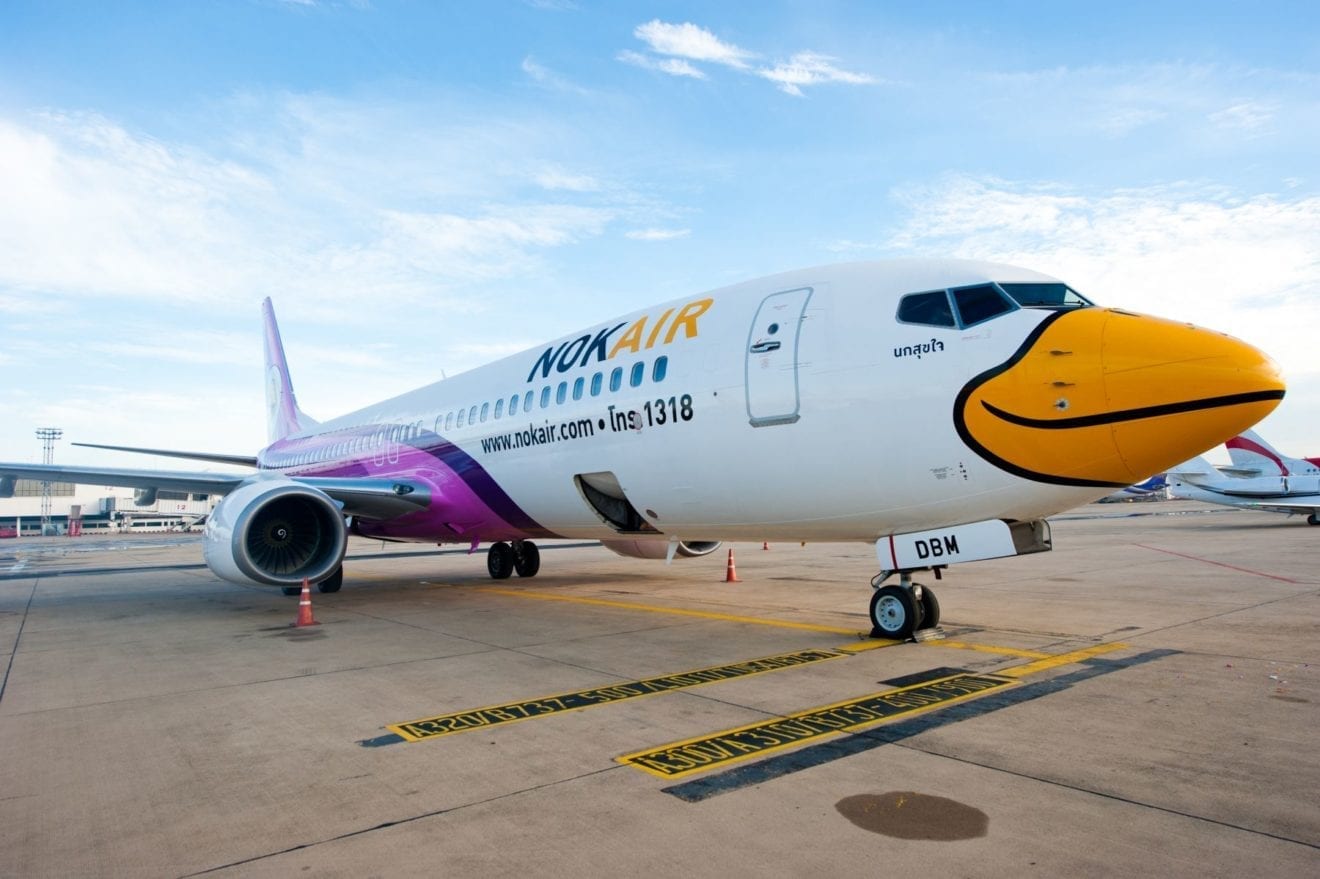
    The first phase is charter flights which have begun on 1st and 5th May 2019. This route is one of the many of the Nok Air’s turnaround plan by looking for the potential routes. Now, Nok Air is available and intend to create an impressive experience for the passengers.

  • Cebu Pacific to expand its hubs in Clark, Cebu

    Cebu Pacific to expand its hubs in Clark, Cebu

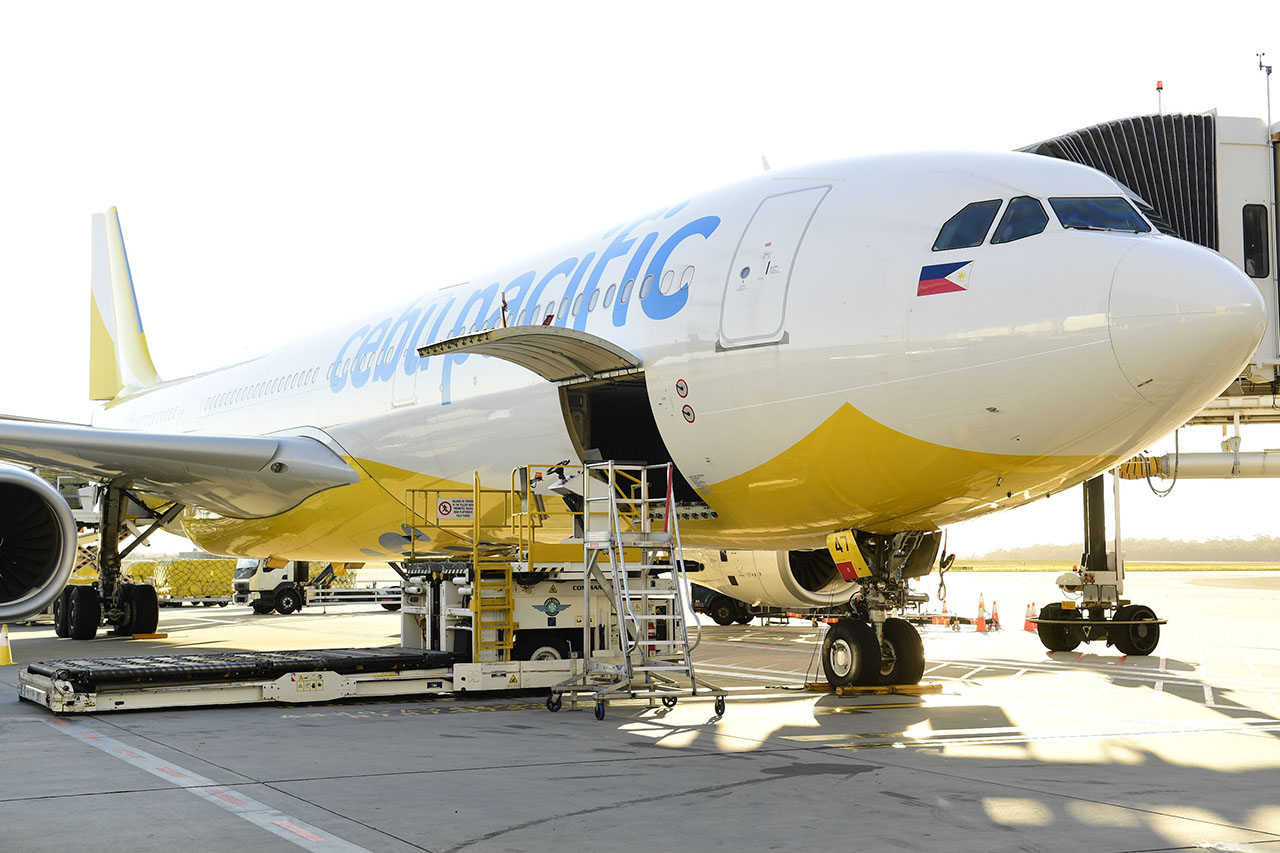
    Cebu Pacific said it is eyeing to expand its hubs in Clark and Cebu as it continues to boost its fleet with a target of 83 aircraft by end-2022.

    Lance Y. Gokongwei, president of Cebu Pacific operator Cebu Air, Inc., said the budget carrier will be adding “a lot of frequency” in its hubs in Cebu and Clark.

    “In Clark, we’re going to try to connect the dots so that a lot of North Asia will be able to fly into the south without having to connect through Manila… I think in the next two to three years, you’ll see a lot of flights into Japan, (South) Korea and China from Clark,” he told BusinessWorld on the sidelines of the JG Summit Holdings, Inc. stockholders’ meeting last week.

    For Cebu, Mr. Gokongwei said they will ramp up the frequencies of its existing routes, which currently connect the city to both Japan and South Korea. Cebu is a popular destination for Japanese and Korean tourists.

    “The (Airbus A321neos), we put them into Manila. Then we pull out the (Airbus A320s) and put them to Clark or to Cebu,” he said.

    The carrier is currently on fleet expansion mode and expects the delivery of 12 new aircraft this year, namely six Airbus A321neos (new engine option), five A320neos and one ATR 72-600.

    Mr. Gokongwei said in the long term, what Cebu Pacific wants is to make its Clark operations as big as its Manila operations. “We have to complete the Bacolods, the Iloilos, the Taclobans, the CDOs. Whatever we have in Manila, we’ll replicate in Clark,” he said, but noted it may take about 15 years from now.

    Cebu Pacific said its hubs in Clark and Cebu have already seen rapid growth since the start of the year, both in terms of new routes and frequency of flights.

    For the Clark hub, the carrier already increased its capacity to and from Caticlan by 231% after shifting to use the bigger Airbus A320 starting March 31 from the 78-seater ATR 72-600.

    It also noted it will be opening daily from its Clark hub going to and from Iloilo, Bacolod and Narita by Aug. 9, and daily flights to and from Puerto Princesa by Oct. 9.

    For its Cebu hub, the airline noted it already added frequency to its flights going to Cagayan de Oro, Dumaguete, Siargao, Iloilo, Caticlan, Ozamiz and Zamboanga by an average of 63% since April 15.

    “Flights between Manila and Cebu had likewise increased 24%. The increase in flights from its Cebu hub is on top of its six-times weekly Cebu-Shanghai and Shanghai-Cebu routes which began on April 15, 2019,” it added.

    Cebu Pacific currently has flights from Clark to Cebu, Caticlan, Tagbilaran, Davao, Singapore, Macau and Hong Kong.

    In its Cebu hub, the carrier flies to and from Bacolod, Caticlan, Butuan, Cagayan de Oro, Calbayog, Camiguin, Clark, Davao, Dumaguete, General Santos, Iloilo, Kalibo, Legazpi, Ozamis, Pagadian, Puerto Princesa, Siargao, Surigao, Tacloban, Zamboanga, Hong Kong, Macau, Tokyo (Narita), Singapore and Incheon.

    Listed Cebu Air posted a net income of P3.43 billion in the first quarter, up 138.4% from the same period last year due to a growth in passenger volume and average fares

  • Singapore Airlines adds another Airbus A350 to Perth

    Singapore Airlines adds another Airbus A350 to Perth

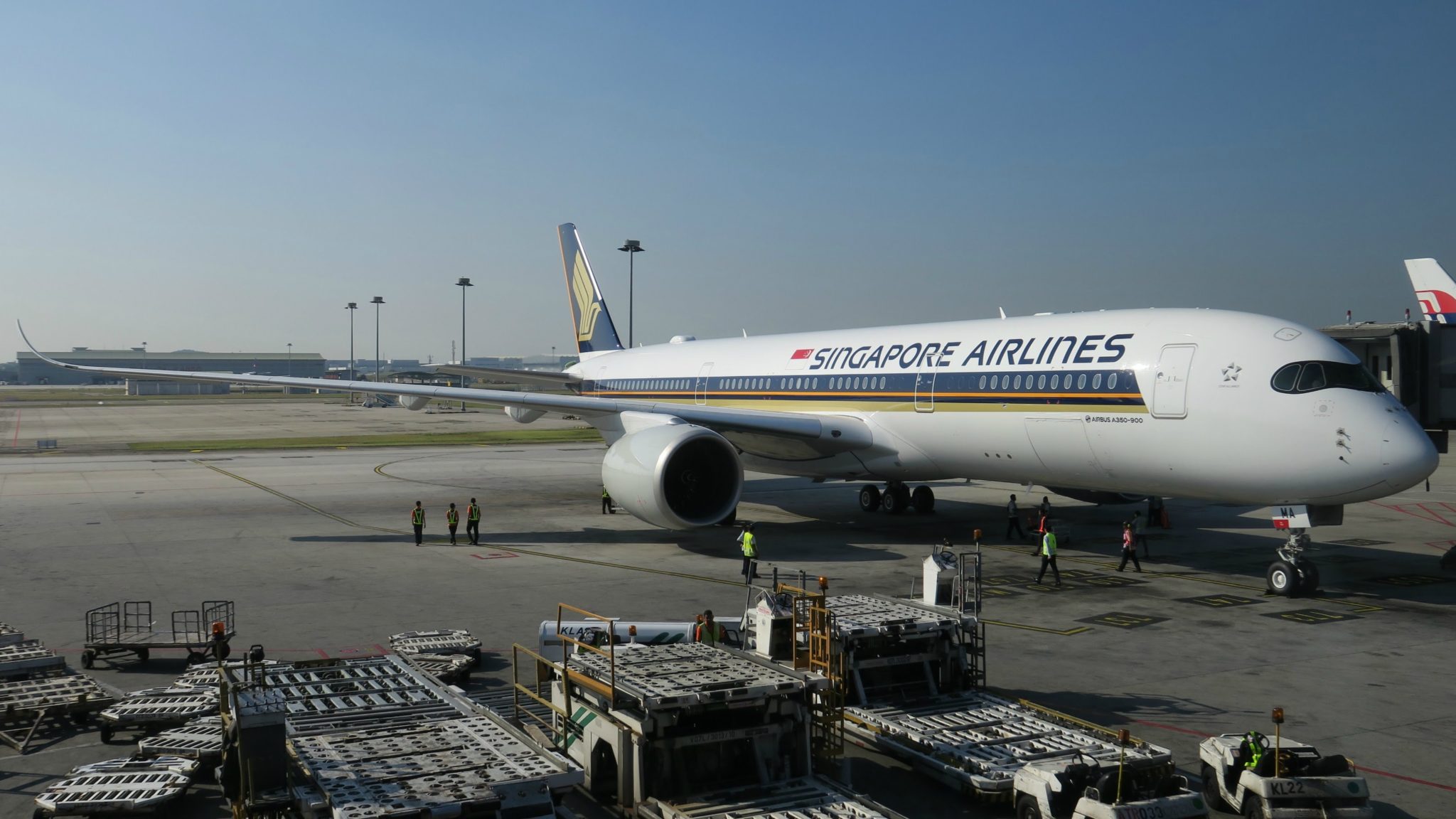
    Singapore Airlines is continuing its rolling upgrade of flights to Australia, with Perth set to see a second Airbus A350 from July 1, 2019.

    The advanced jet, which boasts Singapore Airlines’ latest flat-bed regional business class seats in what the airline calls a ‘medium-range’ configuration, will slot into daily flights SQ214 (departing Perth at 5.10pm) and SQ223 (wheels up from Singapore at 9.30am).

    SQ226/SQ213 already hosts an A350, with a Boeing 787-10 Dreamliner rostered onto SQ216/SQ215.

    This leaves just one daily flight on the Star Alliance member’s older Airbus A330, and its days are surely numbered.

    The Airbus A350’s 40 business class seats are arranged in a 1-2-1 layout, providing every passenger with direct aisle access, with access to inflight WiFi if you need to work rather than rest – or luxuriate over your Book the Cook meal – on the quick five-hour hop.

    Singapore Airlines intends to roll out lie-flat beds across its entire fleet from 2020, from the longest of globe-spanning trips to short hops such as Singapore-Kuala Lumpur on SilkAir, which will be adopting new flat-bed business class seats on its factory-fresh Boeing 737s.

  • Institchu opens second Melbourne CBD showroom

    Institchu opens second Melbourne CBD showroom

    Tailored menswear brand Institchu has recently opened its second Melbourne CBD Showroom on Little Collins Street. The new 92sqm location, Institchu’s 11th showroom across Australia and the US, has a street frontage, the retailer’s signature old-world tailoring aesthetic, technology for customers to use to design their garments on, deep green velvet lounges and marble benchtops.

    Robin McGowan, Institchu co-founder, said the opening of the new Melbourne showroom is an exciting new chapter for the brand.

    “Melbourne, and particularly the thriving hub around Little Collins Street, is the spiritual home of fashion in Australia,” McGowan said. “It’s humbling to join that story and open our second Melbourne showroom, this one with street frontage, in this bustling cosmopolitan area, neighbouring so many of the world’s most innovative and sophisticated designers.”

    McGowan said while a lot of their sales were online it was clear to them that many of their customers appreciate the ability to visit a store for a personal fitting under the guidance of their stylists.

    Founded by Australians McGowan and James Wakefield in 2012, InStitchu helps men design their own custom, made-to-measure suits and shirts in minutes. Every garment ordered from the retailer is placed through their online store and is covered by Institchu’s Perfect Fit Guarantee.Adtech Ad

    Wakefield said they are thrilled that demand has encouraged them to invest in another physical location in Melbourne.

    “It’s particularly gratifying to be able to open in the beloved up-market shopping precinct of Little Collins Street and be able to service the menswear savvy communities of Melbourne,” he said.

    Institchu has showrooms in Sydney, Melbourne, Brisbane, Perth, Adelaide, Canberra and New York City. The retailer said it is planning further expansion this year, with an upcoming launch in the UK.

  • Snapchat launches its first ever battle royale

    Snapchat launches its first ever battle royale

    Snapchat mobile games are a recent thing that Snap introduced a few weeks ago, but if you’re not familiar with the new feature, here is a quick rundown. Starting last month, Snapchat users can play together with their friends three mobile games directly within the app without having to install anything.

    These three games – Snake Squad, Zombie Rescue Squad, and Bitmoji Party, are available on both Android and iOS platforms. Today, a fourth title for the Snap Games feature has been released – Tiny Royale.

    Developed by Zynga, Tiny Royale is a battle royale game, exclusively available on Snap’s real-time multiplayer gaming platform. A top-down multiplayer shooter at its core, Tiny Royale promises to reinvent the battle royale experience for the Snapchat platform.

  • Google Maps is getting new features

    Google Maps is getting new features

    Over the past couple of years, software and technology have become considerably more aware of the user. This extends from using biometrics to unlock your phone, to having your vitals regularly checked by a smartwatch on your wrist, to getting pestered by a digital well-being assistant. Health monitoring as a whole has proven to be potentially life-saving many times on an individual scale. But what about large groups of people, possibly the populations of entire cities, who may be at risk?

    Google Maps already provides relevant information during times of crisis with SOS alerts. These include real-time updates on the situation, a map of the affected area, emergency contact information, and translations for common phrases in the local language. With the latest update to Maps, SOS alerts are expanding with more detailed visuals and a new crisis navigation system will try its best to get you—and potentially hundreds, if not thousands of others—out of harm’s way.

    For example, in the case of a hurricane, you’ll automatically get a crisis notification card on Google Maps in the days leading to the expected disaster. The map will also display the predicted trajectory of the storm, alongside times when the hurricane is expected to hit certain areas in your vicinity. If you happen to be driving through an affected region on the day of the storm, you’ll get a suggestion for a safer route alternative. Such suggestions will be offered for all types of disasters while driving, starting later this summer.

    In the case of an earthquake, the crisis notification card will display a shakemap, which is a visualization of the earthquake’s epicenter, magnitude, and how surrounding areas were affected. Flood forecasts will notify you of possible floods, as well as where they are likely to occur, and where the waters are expected to flow. Google says this is especially important in regions like India, where over 20 percent of global flood-related fatalities occur.

    The revamped SOS alerts system will start rolling out to Android, iOS, and the web version of Google Maps in the coming weeks. Flood visualizations will first launch in Patna, India, and will spread to neighboring regions, and eventually globally, though curiously they won’t be coming to iOS, at least initially.

  • Pokemon GO’s best yearly event makes a return this month

    Pokemon GO’s best yearly event makes a return this month

    Last year, Pokemon GO kicked off a special event that soon became one of the most popular Niantic, the company behind the smash hit, has ever launched. The event called Adventure Week offered Trainers sweet rewards and the possibility to catch rare Pokemon for a very limited time.

    One year later, the event is back in full force, so if you’re still playing Pokemon GO, you’re in for a treat for the next week or so. The 2019 Adventure Week is all about rock-type Pokemon, but Niantic throws in a lot of bonuses as well.

    During the Adventure Week, you’ll be getting the following bonuses: 4x Buddy Candy, 10x XP on the first spin of each Photo Disc, 50,000 Stardust and 15 Rare Candies to all Trainers who have Adventure Sync activated and walk 50 km.

    Furthermore, specially themed Field Research tasks will be available for a limited time during this event. But these are just the bonuses that you can obtain, so here is what other rewards you’ll be able to get:

    • Rock-type Pokémon like Geodude, Rhyhorn, Omanyte, Aron, Lileep, Anorith, and many others will appear more frequently in the wild.
    • Hatch Rock-type Pokémon such as Onix, Larvitar, Lileep, Anorith, and Shieldon from 2 km Eggs.
    • Challenge Onix, the Rock Snake Pokémon, and other Rock-type Pokémon in raids.
    • You may encounter a Shiny Onix, Lileep, or Anorith if you’re lucky!

    Pokemon GO devs announced that this year’s Adventure Week will run from today, June 4 at 1 pm through June 11 at 1 pm PDT.

  • AirAsia transitioning to asset-light business model

    AirAsia transitioning to asset-light business model

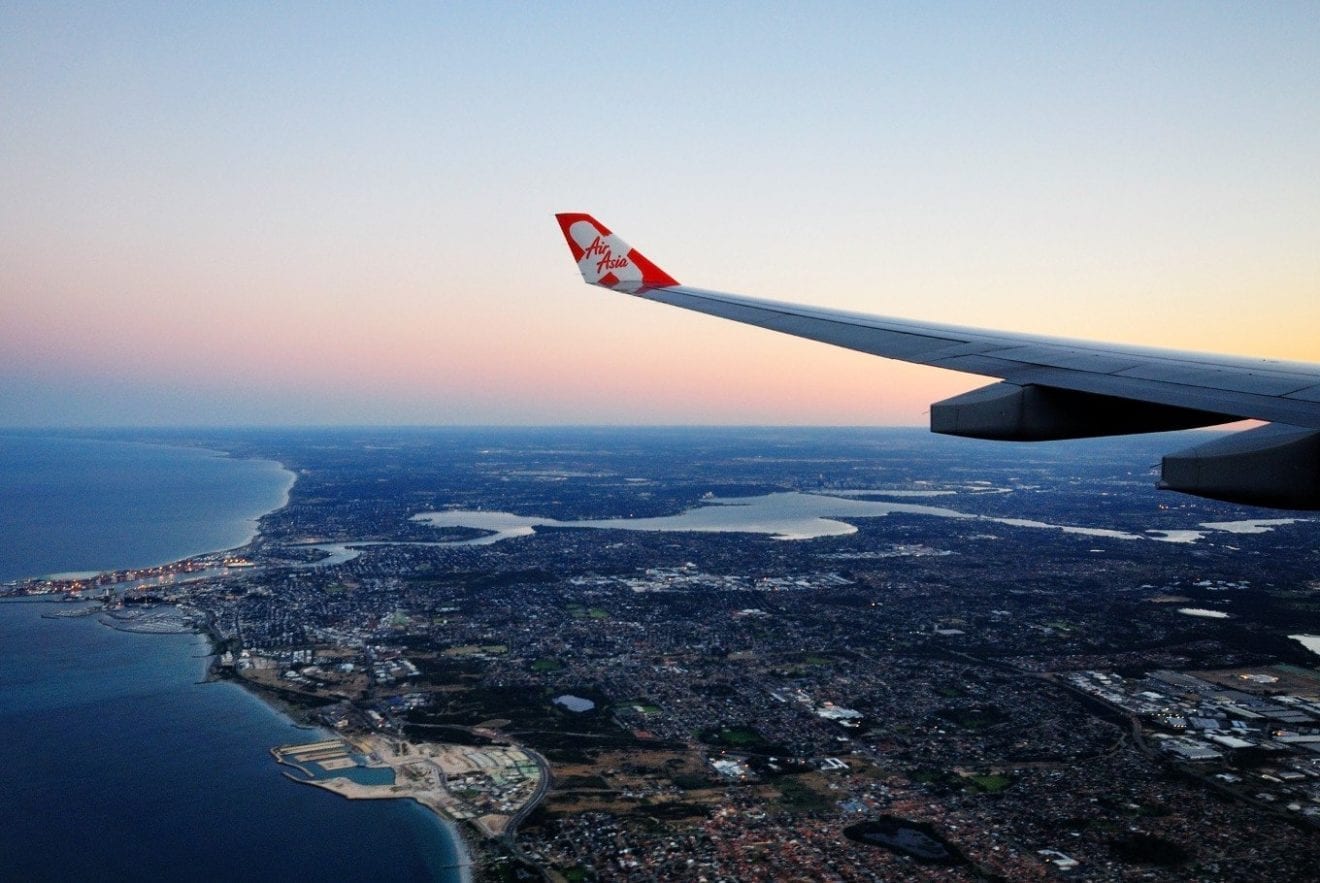
    AirAsia is moving from the traditional model of owning aircraft to become an asset-light airline. The company plans to fully shift to the new model by completely withdrawing from aircraft ownership, a move that would bring the obvious benefit of lowering its financial liabilities.

    During AirAsia’s conference call with analysts last Wednesday, its management said it is targeting to sell another 19 aircraft this year.

    AirAsia is also focusing on its “digitalization” agenda, management added.

    The analyst said AirAsia would be looking to secure a deal similar to what it achieved last year when it went into sale and leaseback agreements that helped it raise a lot of funds.

    AirAsia’s management expects to raise around RM1.5bil from the sale and leaseback of its remaining 19 aircraft.

    Last year, the airline group sold 79 aircraft and 14 aircraft engines to US private investment firm Castlelake LP in a deal worth RM4.38bil.

    Following the success of the sale, AirAsia had last week announced a bumper dividend of 90 sen a share, which is worth more than RM3bil in total payout.

    For shareholders of AirAsia, this strategy has worked out well. AirAsia began its aggressive sale and leaseback programme and dishing out dividends around 2017.

    Here’s an interesting fact: AirAsia shareholders who bought the company shares on Jan 2, 2017 would have paid RM1.78 per unit. Since then, that’s exactly how much the airline has paid back in dividends, giving back those investors their entire cost of buying those shares.

    “AirAsia is a different company now. It is transitioning into an asset-light model, focusing its services through its platform and on-the-plane experience as well as its mobile wallet,” an analyst said.

    Going forward, though, not all analysts have a positive view on the airline’s earnings growth prospects.

    Going by Bloomberg data, analysts have a varied target price on AirAsia’s shares, ranging from RM1.56 to RM5.20.

    For the first quarter ended March 31, AirAsia posted a 92% drop in net profit to RM96.09mil compared with RM1.14bil recorded last year, when it recorded extraordinary gains. Its shares closed at RM2.88 last Friday.

    CIMB Research analyst Raymond Yap expects AirAsia’s future earnings to be under pressure, stemming from rising operating costs and higher depreciation as well as interest expenses due to the Malaysian Financial Reporting Standards 16.

    He added that other risks included higher fuel prices and a weaker ringgit against the US dollar.

    “The poor results will likely shock the market and cause analysts to slash their earnings forecasts, although the share price may be supported in the next two months by the 90 sen special dividend per share,” he said in a report.

    Yap has recommended investors to sell their positions in AirAsia prior to the dividend ex-date on June 30.

    “We recommend investors to take advantage of any share price upside post-announcement of the 90 sen special dividend to sell into strength, and to sell their AirAsia holdings prior to the dividend ex-date on June 30, 2019, to avoid the rush out of the door,” he said.

    Although AirAsia’s management has highlighted that it is targeting to continue with special dividend payments to shareholders for every two years, Yap believed the group is unlikely to declare additional special dividends in the near future beyond the 90 sen per share it had announced.

    “Continued losses at AirAsia India and Indonesia AirAsia may require the group to provide further equity injection or continuous working capital support,” he said.

    A different view is held by Nomura Research analyst Ahmad Maghfur Usman, who has the highest target price of RM5.20 for AirAsia shares. He expects AirAsia’s core earnings in financial year 2019 (FY19) to double to RM1.37bil compared with RM656mil last year.

    “We remain optimistic on the earnings outlook on the back of lower fuel costs, coupled with the turnaround from its Asean affiliates, while we expect losses from India to narrow on improved scalability as passenger volumes increase,” he said in a research note.

    For this year, AirAsia is targeting to add 18 aircraft including additional 11 for AirAsia India.

    In terms of its digital business, AirAsia is targeting to roll out remittance and lending products and expand its BigPay offerings to other Asean countries this year.