Category: General

Retail News Asia is committed to providing both local and global retailers with the latest General Retail news throughout the Asian market. This on a daily base.

  • Unmanned pop-up store Unboxed by Singtel

    Unmanned pop-up store Unboxed by Singtel

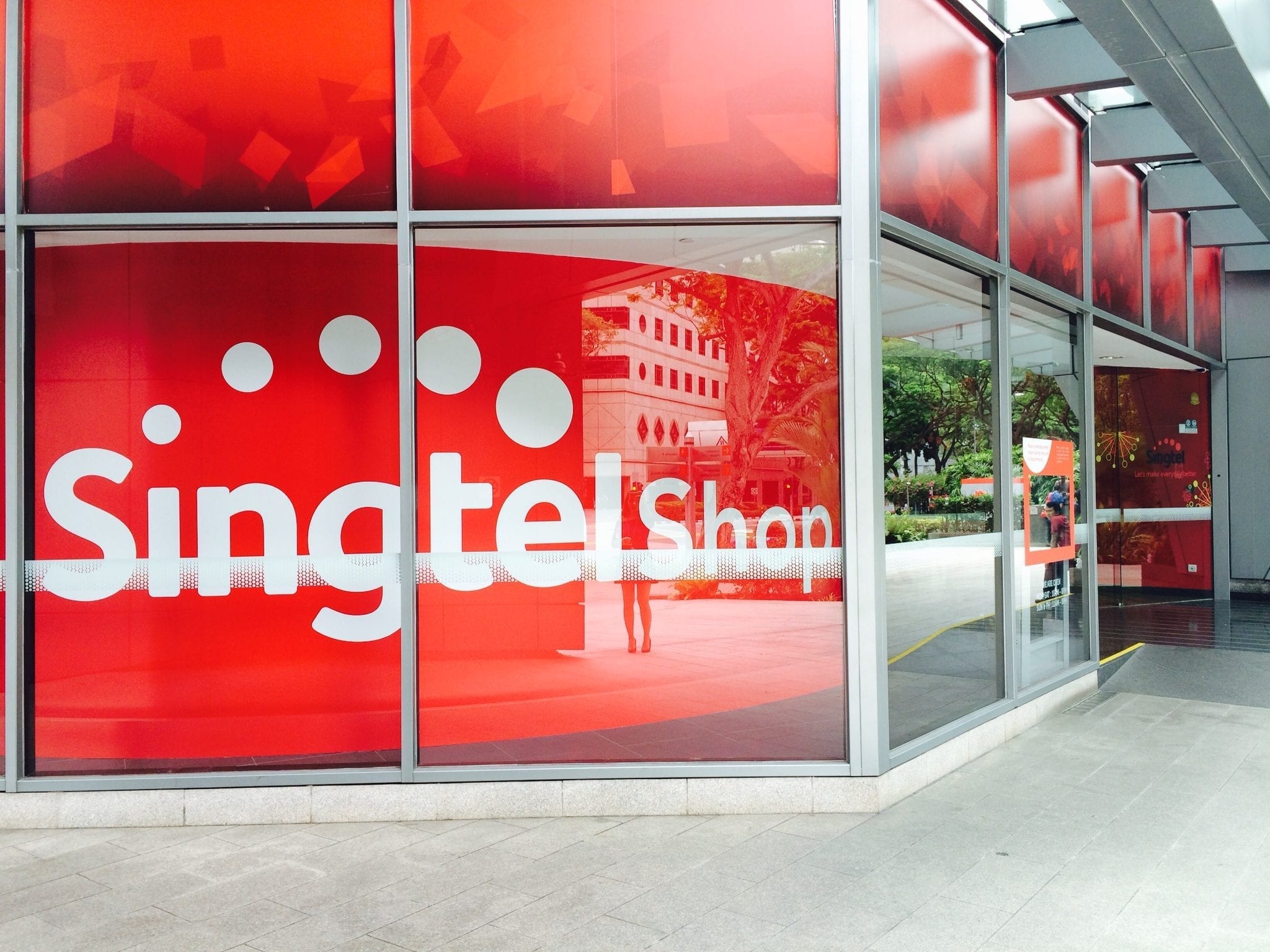
    In the 45sqm store, customers can consult with a live bot, which is powered by facial recognition technology, to receive personalised recommendations, try out phones, sign up for mobile plans at video-assisted self-serve kiosks and buy and collect phones and devices via an in-store POPStation.

    Customers can browse and buy accessories including headphones, phone cases, power banks and contract-free handsets.

    They can also make bill payments, top up prepaid cards and Dash wallets, and get SIM card replacements.

    “The future of retail is here and now. Our digital transformation integrates online and offline customer touchpoints to deliver fresh and fuss-free buying experiences to consumers,” said Yuen Kuan Moon, CEO of consumer at Singtel.

    “Unboxed fulfils the needs of today’s consumer and provides a peek into the next-generation of retail – fast, instant, convenient and experiential.

    Co-created by Singtel, NCS and SingPost, Unboxedbuilds on the success of the digital transformation of Singtel’s flagship Comcentre store, which offers integrated online and in-store shopping carts, and instant purchases via an automated checkout.

    The store will move to a new location every few months to serve customers at high-traffic areas such as transport hubs and school campuses.

  • Expedia, Booking.com warn AirAsia of turbulence in online travel plan

    Expedia, Booking.com warn AirAsia of turbulence in online travel plan

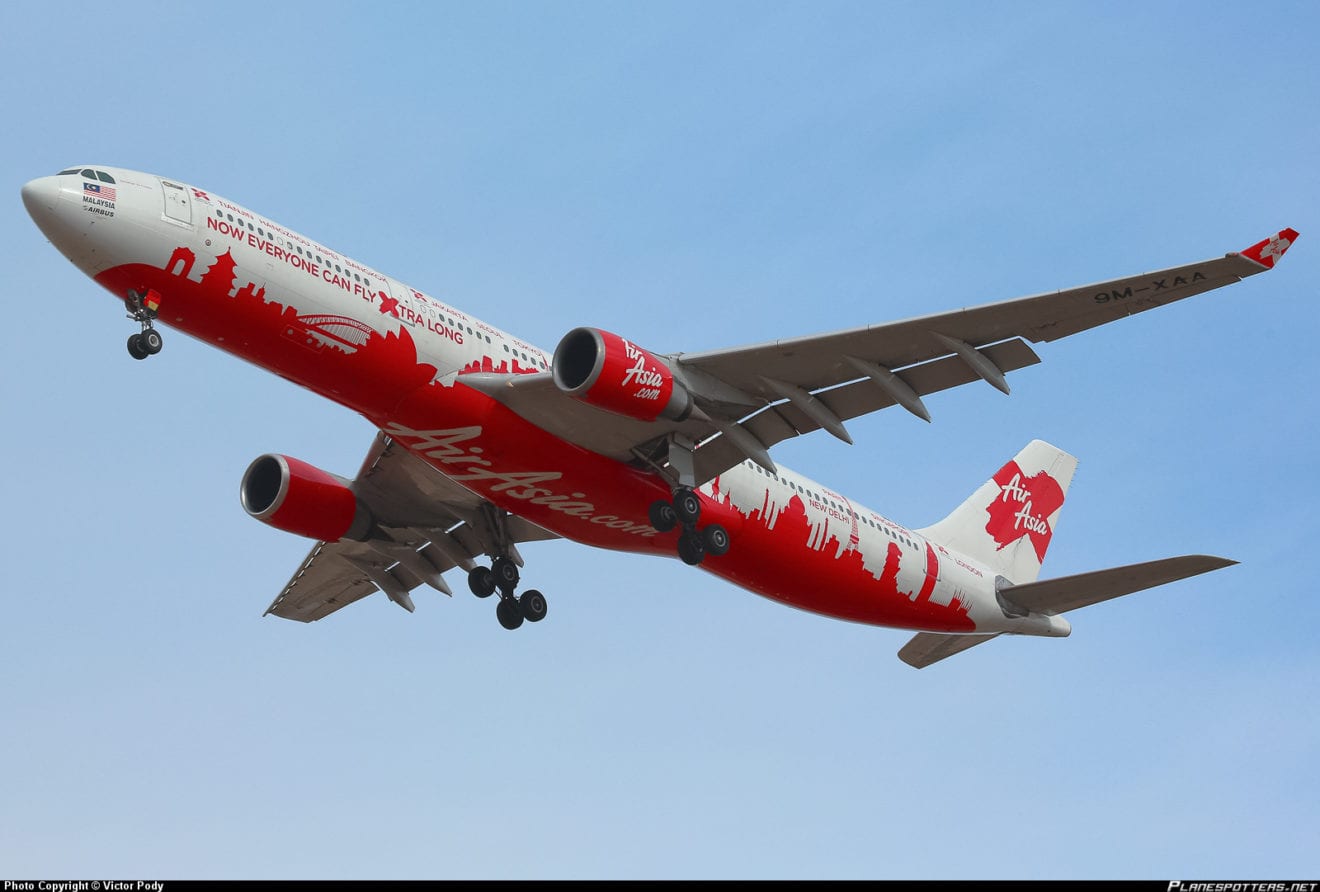
    Online travel giants Expedia and Booking.com are warning that budget airline pioneer, AirAsia Group, risks being destabilized by ambitious plans to become the “Amazon of travel”.

    AirAsia, which already offers limited travel plans on its website, plans to expand the online service to include booking flights with rival airlines and ecommerce. As profits tumble in the face of rising fuel costs and intensifying competition, CEO Tony Fernandes is seeking alternative sources of revenue and earlier this year told the Nikkei Asian Review he intended to invest 100 million Malaysian ringgit ($24.6 million) a year to become a technology-led company.

    The carrier’s future competitors in the wider online travel sector dismissed the threat posed by the company which brought low cost flight to Asia.

    Booking.com’s head of China, Marsha Ma, suggested the online travel giants would rally their vast networks of flights, hotels and services in the fight against any attempts by AirAsia to take market share. “The online travel agency business, especially accommodation, is a pretty heavy business model in terms of its supply chain management,” said Ma. “It takes years… We have offices at 190 locations and [they] have built up our supply chain capability, with width and depth.”

    “We will keep fighting on that,” the Booking.com executive said, speaking at an event held in Singapore last week by Skift, an U.S.-based travel industry information provider.

    Expedia, once a partner of AirAsia’s existing travel platform, indicated the carrier might not have the necessary skills to succeed. “What makes you great to run an airline” is not the same as being a great online travel agency, said Greg Schulze, head of commercial strategy & services at Expedia. Worse, the carrier risked being distracted from selling its own flights, which could exacerbate its current troubles, he suggested. “I am happy to see [AirAsia] negotiating with other airlines.”

    However, Aireen Omar, AirAsia’s deputy CEO for technology, was confident AirAsia could manage the risks. It was “ambitious, but I think it’s very doable,” Omar said.

    The aviation business model was changing, Omar said. “The key essence for us is no longer the aircraft but data.” AirAsia transported close to 100 million passengers this year alone in Southeast Asia, and was seeing six to eight million visitors come to its website every month. “A lot of new business opportunity is around there,” she said. This included enhancing its digital travel platform with itinerary suggestions, hotels or shopping, using technologies such as artificial intelligence to improve the offering.

    When asked if becoming the Amazon of travel is overly ambitious, Aireen Omar, AirAsia’s deputy CEO for technology and digital, said it’s “ambitious, but I think it’s very doable.” (Photo by Eri Sugiura)

    “I think online travel agencies are very cautious,” Omar said. She insisted that the company already has a “big platform” for AirAsia.com, the carrier’s BigPay, a mobile wallet which was launched in Malaysia last year tracking consumers’ credit and debit card payments, and combining this with its own loyalty program. “It is an opportunity for [other airlines] to have an access of the network and the data we have,” she added.

    AirAsia entered the flight and hotel package business in 2015 through a joint venture with Expedia. However last August it announced it would sell its 25% stake to Expedia for $60 million. This freed the carrier to build its own accommodation and other inventories. The airline in 2017 acquired 50% in travel tours and attractions provider startup Vidi, in a deal worth $2.6 million.

    Omar said the company’s data would be uploaded in the cloud by the end of the year, in preparation for the launch of its new service.

    AirAsia’s rush to build an enriched travel platform can be explained by headwinds the company faces in its core business. The carrier’s net income slipped to 96.1 million ringgit, a 92%-drop in the three months through March from a year earlier, as it was hit by high fuel costs and lower average fares.

    While the company remains profitable in Malaysia, where it is based, its operations in Indonesia, Thailand and elsewhere are either losing money or earning less.
  • Owndays Hong Kong to launches on The Island

    Owndays Hong Kong to launches on The Island

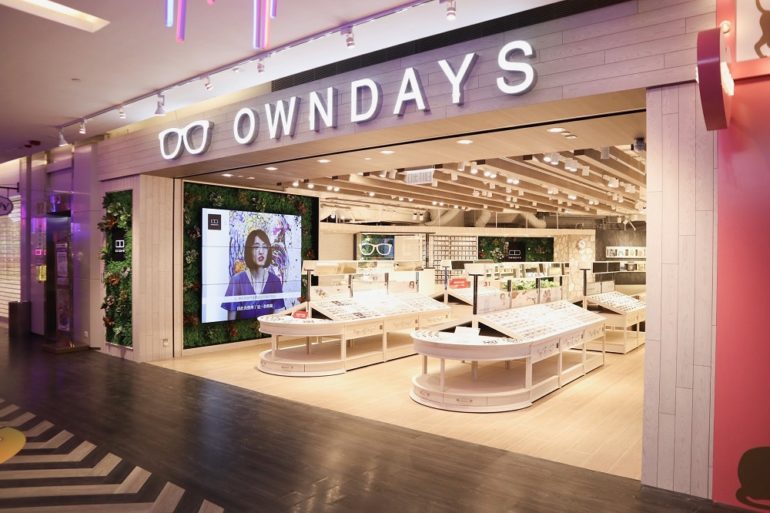
    Japanese eyewear brand Owndays is set to open its first two stores on Hong Kong Island within the next two months.

    The Owndays Hong Kong business is operated in partnership with Bluebell Group, whose in-house newsletter has reported a store will open at Lee Tung in Wanchai this Friday, followed by another outlet at Hysan Place in Causeway Bay in July.

    They will join seven existing stores in the territory stretching from Tsim Sha Tsui to the New Territories.

    Owndays Hong Kong launched last August. The company pioneered the widespread adoption of set pricing for frames and lenses and offers a production turnaround time – after frame selection and eye testing – of as little as 20 minutes.

  • Facebook launches new Avatar feature for News Feed and Messenger

    Facebook launches new Avatar feature for News Feed and Messenger

    Facebook is desperately trying to keep up with the competition by launching alternatives to some of the nifty features that other social network giants offer to their users. Facebook Avatar is such a feature that wants to compete with Snapchat’s Bitmoji selfie stickers, so if you’re using the latter, you’ll find Facebook’s new feature quite familiar.

    There’s been a ton of work put into this from the product and design perspective to find out, with how many people on Facebook, how to make this as representative as possible. They’re a bit more realistic so they can be your personal avatar vs trying to make them cute, funny, and cartoony, said Facebook Avatars communication manager Jimmy Raimo.

    The new Avatar feature is now available in Australia and it’s usable in Messenger and News Feed comments. The rest of the world will get it in late 2019 or early 2020 on all compatible platforms.

    If you’re living in Australia, you should start seeing a smiley-face button in the News Feed comment composer and Messenger sticker chooser, which will allow you to create your Facebook Avatar. Although only users in Australia will be able to create these Avatars, users worldwide will see them without any issues.

    Although there’s no option to create an Avatar starting with a selfie or profile pic yet, Facebook says that it’s going to implement it if they manage to master the creation process. Another important thing confirmed by Facebook is that these avatars won’t be monetized, at least not at launch, so there won’t be any accessories or clothing options that you’ll be able to get for real money.

    Last but not least, Facebook might allow users to include Avatars as profile pictures or in Groups, but that’s more of a long term project rather than an immediate plan.

  • Leather bag sales decline due to Activewear Offerings

    Leather bag sales decline due to Activewear Offerings

    For the second year in a row, leather bag sales have declined and nylon and other fabric options are now driving significant growth for the US women’s bag market, according to retail tracking service The NPD Group.

    According to the group’s analysis, the same casual athleisure wear trend that continues to drive growth in the active apparel and sport leisure footwear markets is starting to influence women’s fashion accessories.

    While leather still accounted for more than half of dollar sales in the women’s bag market as of the 12 months ending March this year, its decline accounted for 60 per cent of the category’s falling sales. Vinyl accounted for 20 per cent of market and 30 per cent of the declining sales.

    Much smaller in terms of overall sales, nylon, polyester, and cotton options accounted for just 11 per cent of all women’s bag dollar sales, but accounted for almost 90 per cent of the growth this past year.

    “Today, fashion is as much about comfort as it is about personal style, and that is carrying over into the way consumers are accessorising,” said The NPD Group fashion footwear and accessories industry analyst Beth Goldstein. “Women’s bags in new silhouettes and new materials are driving the industry forward.”

    Traditional leather silhouettes, such as shoulder bags, cross-body bags, totes, shoppers, and satchels, are all contributing to leather bag declines. These styles account for 90 per cent of total women’s leather bag sales by value, and drove as large a share of the losses during the year to March. The smaller, fast-growing categories of fanny/waist packs and fashion backpacks remain strong, as does leather in the designer space – but designer non-leather/non-vinyl alternatives grew at a faster rate and generated almost as many incremental dollars as did leather.

    Both established and emerging brands are promoting nylon and other alternative materials, such as “vegan leather”, neoprene and recycled options that may be lighter in weight and easier to clean than leather items. These options can appeal to a consumer looking for day-to-day practicality, as well as those looking for sustainable purchases.

    “New leather goods are facing competition from a multitude of angles – from the casualisation of today’s styles to the emphasis on sustainability, and a changing retail market that is helping to extend the life of pre-owned leather products,” said Goldstein.

    “At the same time, the recent focus on alternative materials and new styles signals opportunity for the fashion accessories market – the opportunity to capture the consumer’s attention again.”

  • Lower tourist spend hits Tiffany & Co sales

    Lower tourist spend hits Tiffany & Co sales

    Tiffany & Co sales were hit by what CEO Alessando Bogliolo described as “dramatically lower worldwide spending attributed to foreign tourists” during the first quarter.

    Globally, sales fell by 3 per cent in the three months to April 30, to US$1 billion and comparable sales fell by 5 per cent. “Significant foreign exchange headwinds” were also responsible for the result, with sales down a more modest 2 per cent on a constant-currency basis.

    While not releasing breakdowns by country, Bogliolo said global sales attributed to local customers, led by sales in China, grew year on year. “We believe this growth in sales to local customers reflects progress in executing our strategic priorities, including innovations across products, communications and the customer experience, and that Tiffany is positioned for improving trends in the second half of 2019.”

    Net earnings of $125 million were 12 per cent lower than the prior year’s $142 million.

    Tiffany & Co sales in Asia-Pacific declined 1 per cent to $324 million and comparable sales declined 5 per cent due to the effect of foreign currency translation; on a constant-exchange-rate basis, total sales rose 3 per cent and comparable sales were unchanged.

    “These results reflected a continuation of strong growth in Mainland China and mixed results in other markets,” the company said in a statement. “These sales results also reflected lower spending attributed to foreign tourists.”

    In Japan, total net sales declined 4 per cent to $145 million and comparable sales declined 4 per cent, but on a constant-exchange-rate basis, total sales and comparable sales were equal to the prior year. These results were also affected by lower spending attributed to foreign tourists.

    In Europe, total net Tiffany & Co sales declined 4 per cent to $102 million and comparable sales declined 7 per cent. In the Americas, total net sales declined 4 per cent to $406 million, and comparable sales declined 5 per cent.

  • Vicinity Centres names new CFO

    Vicinity Centres names new CFO

    Retail landlord Vicinity Centres has appointed Spark Infrastructure executive Nicholas Schiffer as its new chief financial officer.

    Schiffer, who will take on the role in September, has been Spark’s CFO since July 2017. He will report toVicinity CEO and managing director Grant Kelley when he joins the property firm’s executive committee.

    Kelley said the company was delighted to have secured someone of Schiffer’s calibre, following an extensive domestic and international executive search, to join its team and lead the finance department.

    As Vicinity’s CFO, Schiffer’s responsibilities will include leading the finance, investment management, treasury and capital transactions functions, in addition to Vicinity’s wholesale funds and strategic partnerships business.

    Kelley said the company’s board and executive team look forward to welcoming Schiffer at a time when the business is rolling out a new strategy of creating a core portfolio of market-leading destinations, realising mixed-use opportunities across the group’s portfolio and expanding its wholesale funds platform.

    “Nick’s broad finance, banking and industry advisory experience, together with his background in wholesale funds formation, will be a great complement to, and further strengthen, Vicinity’s executive team capability,” Kelley said.

    Schiffer previously served as managing director at Credit Suisse for 17 years with responsibility for investment banking within the energy, transport and general infrastructure sectors across Australia and New Zealand.

    Kelley said Schiffer’s knowledge and experience in infrastructure are widely relevant to the property industry and would bring some additional diversity of thought to the leadership team.

    “With Nick’s appointment, I am confident that we are building up significant bench-strength in our executive team, which reflects the specialist and diverse capability we have across our organisation,” he said.

    Kah Wong, currently Vicinity’s acting CFO, will return to the role of general manager of treasury, when Schiffer joins Vicinity in September.

  • AirAsia among top 5 most downloaded airline apps

    AirAsia among top 5 most downloaded airline apps

    Budget airline AirAsia was among the top five most downloaded airline apps worldwide in the first quarter of 2019, according to a new report from mobile app intelligence firm Sensor Tower.

    The most downloaded airline app worldwide for Q1 2019 was Irish low-cost airline Ryanair with more than 2.4 million installs, which represented a 10 percent increase from Q1 2018, said the report.

    American Airlines was the second most installed airline app worldwide last year with more than 1.8 million installs, which represented a 30 percent increase from Q1 2018.

    United Airlines, Southwest and AirAsia rounded out the top five most installed airline apps worldwide for the quarter, Julia Chan, Mobile Insights Analyst, Sensor Tower, wrote in a blog on Monday.

    When it came to downloads from Google Play Store, AirAsia came second after Ryanair.

    At the ninth position, Indigo also featured among the top 10 most downloaded apps from Google Play Store in the first quarter of this year.

  • Priceline expands partnership with IRI

    Priceline expands partnership with IRI

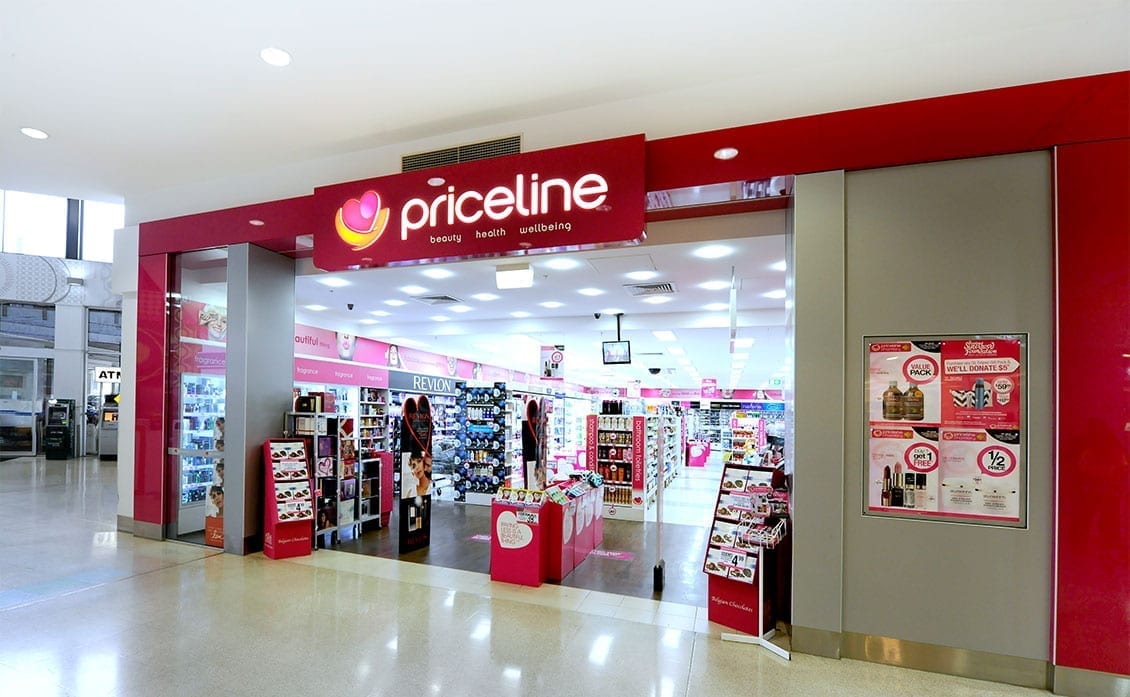
    Market research company IRI announced a significant expansion to its partnership with Priceline on Monday morning which will help the pharmacy deliver an improved range for customers.Priceline will use IRI technology to support category management and improve planning and collaboration with supplier partners, which will ultimately lead to the improved range, convenience and price for Priceline customers.

    “I am very pleased that we are able to announce our expanded partnership with IRI,” David Ginsberg, head of buying for Priceline said in a statement.

    “We already have a good understanding of our Priceline customer, however joining forces with a global leader in big data and analytics will allow us to further strengthen our knowledge and, more importantly, improve their experience when shopping in our stores.”

    Paul Hinds, managing director Asia Pacific for IRI, said the partnership will find new ways to “delight and engage” Priceline customers.

    “This partnership will augment our knowledge and result in better and faster decision making,” Hinds said.

    “Together with our supplier partners, we will have a more holistic view of our customers and be able to better anticipate and cover their current and future needs.”

    “Fifth straight year of growth”

    The partnership comes alongside Roy Morgan research which notes 23.3 percent of Australian women purchase cosmetics from Priceline – almost double the figure from four years ago.

    In fact, Priceline is beaten only by Supermarkets for market share in the beauty category, which holds 24.9 percent of the market.

    “The cosmetics industry is a very competitive one with pharmacies and chemists, supermarkets, department stores, and discount department stores all vying to increase their share of the market and looking for an edge to retain existing customers and draw in new ones,” Roy Morgan chief executive Michele Levine said.Adtech Ad

    “Meanwhile, Priceline is enjoying its fifth straight year of growth in the market, fueled by a hardcore base of 18-24-year-olds and successful use of the growing online channel.”

    This age category is Pricelines bread and butter, according to Levine, who notes that almost half (41.5 percent) of 18-24-year-old women who purchased cosmetics in an average six month period did so at Priceline.

    “No other retailers are seeing even close to this level of market power over a particular age group,” Levine said.

  • Thailand’s Siam Piwat scoops honours at the World Retail Congress

    Thailand’s Siam Piwat scoops honours at the World Retail Congress

    Thai shopping centre operator receives accolades at World Retail Congress.

    Thai retail developer Siam Piwat has scooped two retail industry awards at the World Retail Congress recently held in Amsterdam, The Netherlands.

    Siam Piwat is the owner and operator of several successful Thai retail developments, including Siam Paragon, Siam Center, and Siam Discovery, as well as the joint venture partner of IconSiam – the US$1.7 billion riverside landmark destination that opened in Bangkok last November.

    Siam Piwat Group CEO Chadatip Chutrakul was inducted into the World Retail Hall of Fame by the World Retail Congress as one of the four new members selected in 2019.

    The inductees were selected because their “ideas have shaped retailing through the businesses and brands they have created, or by their skills in running the retail industry’s giants, demonstrated clear vision, courage and determination to make their dreams a reality”.

    The World Retail Hall of Fame was established in 2007 to honour the retail industry’s most innovative and influential representatives.

    The World Retail Congress also awarded IconSiam, in which Siam Piwat Group is a joint venture partner, the top prize of Store Design of the Year 2019 as part of the annual World Retail Awards.

    The Grand Jury of the World Retail Awards said IconSiam is “breathtaking in its scope and scale and takes retail design into the future”.

    “Throughout 60 years, Siam Piwat has been a thought leader creating new prototypes and bringing new formats that have advanced the retail development sector in Thailand,” said Chutrakul. IconSiam shows that bricks and mortar still have a crucial part to play in successful retailing, and they are assets only waiting to be differently leveraged within a new paradigm. That new paradigm involves leveraging a very wide group of stakeholders by creating shared value for them all.”

    According to Chutrakul, IconSiam, with a gross floor area of 750,000sqm made the creation of shared value into a “business sustainability” strategy to help the success of such a large-scale initiative that requires the collaboration of many different groups.

    “Our achievements were made possible because of the collaboration and co-creation of our tenants and retailers,” she said. “The benefits created by IconSiam also go beyond our tenant partners to many different stakeholders at many different levels of society including artists, craftsmen, performers, small enterprises, the surrounding communities and even the city of Bangkok, too.

    “For small businesses and artisans, we help them flourish and prosper by creating for them opportunities for new linkages, locally and globally; we help artisans, craftsmen or performers have a place on a globally visible stage to enhance the sustainability of their livelihoods, and we act as a platform that makes Thai values and all that is great about Thailand visible to the world.

    “Also, in the SookSiam zone at IconSiam, you can see how it brings together hundreds of small, mom-and-pop operations from Thailand’s 77 provinces – people who have mostly never operated out of their hometowns but are now selling on a global platform.”

    Chutrakul noted that “IconSiam has also had a transformative effect on the Chao Phraya River. We acted as a catalyst for a multi-stakeholder collaboration that embraced riverside communities, hoteliers, river-transport operators, sites of historical and cultural importance, and government agencies, which is already helping to revitalise many districts around IconSiam.”

  • AirAsia Philippines adds flights to Taiwan in August

    AirAsia Philippines adds flights to Taiwan in August

    Air Asia Philippines will start adding new routes to link the Philippines with southern Taiwan by August. The low-cost carrier said in a statement it will open flights from Clark and Cebu to Kaohsiung, Taiwan by Aug. 1, making it the first local airline to offer direct flights between the cities.

    “The Philippines continues to be one of the top holiday destinations for Taiwanese. As the only Philippine airline to connect Cebu and Clark directly to Kaohsiung, we are pleased to be able to contribute to Philippine tourism and bring Cebuanos and Kapampangans closer to southern Taiwan as well,” AirAsia Philippines President and Chief Executive Officer Dexter M. Comendador was quoted as saying.

    AirAsia will have thrice weekly flights for both the Clark-Kaohsiung route and the Cebu-Kaohsiung, and thrice weekly returning flights to the same local hubs, all available every Tuesday, Thursday and Saturday.

    The carrier said Kaohsiung will be the 10th international destination it is opening in 2019, boosting its growing flight network from Cebu and Clark.

    Excluding Kaohsiung, AirAsia flies from Cebu to 12 domestic and international destinations, namely: Manila, Clark, Davao, Cagayan De Oro, Puerto Princesa, Caticlan, Kuala Lumpur, Singapore, Seoul, Shenzhen, Macau and Taipei.

    From Clark, it also flies to nine domestic and international destinations, namely: Cagayan de Oro, Tacloban, Puerto Princesa, Cebu, Davao, Iloilo, Caticlan, Seoul and Taipei.

    Its operator Philippines AirAsia, Inc. reported a 12% growth in profit after tax to P424.5 million during the first quarter, driven by a 27% increase in revenues at P6.68 billion.

    The carrier saw a 23% jump in passengers during the January to March period at 1.97 million, and its load factor inch up to 91% from 87% last year.

    Philippines AirAsia will be adding three new aircraft this year as part of a group-wide fleet expansion program that aims to grow its fleet to 535 aircraft by 2028 across the six countries where AirAsia Group Berhad operates.

  • AirAsia to Expand E-Commerce Beyond Selling Plane Tickets

    AirAsia to Expand E-Commerce Beyond Selling Plane Tickets

    AirAsia Group, Southeast Asia’s largest budget carrier, wants to sell more than cheap flight tickets. AirAsia is talking to potential partners to build an e-commerce app that it wants to see overtake the size of its airline business, Group Deputy Chief Executive Aireen Omar said in an interview. The carrier, which is seen getting about 1 billion ringgit ($240 million) revenue a year from its AirAsia.com website, expects to earn 20 times more as it expands into an app that will offer lifestyle goods and services.

    “This will be bigger than the airline itself,” Aireen said at her office at the Kuala Lumpur International Airport. “There’s a lot you can do in just one app and that’s what we are trying to do with our travel and lifestyle app.”

    The budget airline, which carries 100 million passengers annually, is bolstering its digital capability to tap a regional e-commerce market that’s set to increase threefold to $240 billion by 2025, CEO and Founder Tony Fernandes said last month. Premium carriers Singapore Airlines Ltd. and Cathay Pacific Airways Ltd. are already turning to onboard duty-free sales to boost revenue, while AirAsia’s app will also offer everything from hotel bookings to beauty products and dinner vouchers.

    AirAsia, which announced a special dividend of 90 sen a share Wednesday, climbed 8% as of 4:14 p.m. in Kuala Lumpur. The shares rose as much as 16% earlier, the steepest gain since 2004.

    The digital business is likely to be spun off in the near future, Aireen said, without giving details.

    Fernandes has slowly but surely prepared the company to focus on this digital drive. AirAsia has sold aircraft parked in leasing companies and disposed a stake in its ground-handling operations. He also restructured the company to have an investment holding group as its publicly listed entity and separated the Malaysian airline business.

    The moves come as the budget carrier grapples with rising risks to its airline business, from the closing of holiday destination Boracay island and natural disasters in Indonesia last year, as well as Malaysia’s clampdown on price surges during high season.

    Meanwhile, Brent has gained almost 30% this year, increasing costs for airlines from Singapore Air to Deutsche Lufthansa AG, which posted lower first-quarter profit partly due to higher oil prices. AirAsia’s net income slipped 92% in the three months through March from a year earlier, it said in a filing on Wednesday.

    The company realized about three years ago that it’s rich with consumer data that a lot of people would want access to, Aireen said. It plans to use the data to market goods and services in a targeted way and provide Internet connection on all its planes to sell products to passengers during the flight.

    The new app will eventually consolidate its current AirAsia BIG Loyalty program, which already partners with vendors from Nike Inc. to Sephora to give special offers and discounts.

  • Google just says no to marijuana apps

    Google just says no to marijuana apps

    While more states are passing laws legalizing marijuana, Google is trying to make it harder for smokers to connect with sellers. Earlier this week, the company announced that it will no longer allow apps in the Google Play Store that “facilitate the sale of marijuana or marijuana products regardless of legality.” In other words, even in states where weed is legal, Google will ban these apps.

    This new policy is now listed in the Google Play Store Developer Center website and gives three examples of violations. These include allowing users to order marijuana through an in-app shopping cart feature; assisting users in arranging the delivery or pick up of marijuana; and facilitating the sale of products containing THC. Before Google updated the page, there was no policy specifically related to marijuana apps.

    “These apps simply need to move the shopping cart flow outside of the app itself to be compliant with this new policy. We’ve been in contact with many of the developers and are working with them to answer any technical questions and help them implement the changes without customer disruption.”-Google

    At the same time, Google promised to make the Google Play Store safer for children and families. In a blog post made Wednesday, the company wrote “At Google Play, we’re committed to providing a positive, safe environment for children and families. Over the last few years, we’ve helped parents find family-friendly content through the Designed for Families program and empowered them to set digital ground rules for their families with Family Link parental controls.” And that apparently means making the Play Store weed-free.

    Back in 2015, we told you the names of some of the apps that smartphone owners could use to find the nearest dispensary. But thanks to Google’s new policy, that has all gone up in smoke.

  • Singapore launches the Smart Nation Innovations Week

    Singapore launches the Smart Nation Innovations Week

    The Smart Nation Innovations Week 2019 kicks off today in Singapore, where local and international attendees will share and learn about the impact of technology and innovation on business, economy, government and society.

    The Ministry of Communications and Information (MCI) and Infocomm Media Development Authority (IMDA), together with Smart Nation and Digital Government Office (SNDGO), GovTech and in partnership with Unbound, will host the Smart Nation Innovations Week (SNI Week) from 24-28 June 2019. The event will see more than 15,000 global government and industry leaders convene in Singapore to discuss challenges and opportunities in a digital age.

    Singapore’s Prime Minister Lee Hsien Loong is the Guest of Honour at The Smart Nation Summit, an annual by-invitation only forum aimed at facilitating impactful conversations among senior leaders and stakeholders from governments and businesses on the policies, strategies, technologies and mindsets needed as the global digital economy accelerates its growth. PM Lee will participate at the closing dialogue of the Summit and Minister for Communications and Information, Mr S Iswaran will speak at the opening of the Summit.

    Themed “Digital as Usual”, the Smart Nation Summit is a constituent event of SNI Week and will bring together a thousand delegates from around the world, including industry leaders and ministers, to discuss thought-provoking topics that interrogate the intersections across sectors (economy-government-society), geographies (East-West though Southeast Asia) and time (future-present) in this digital age. The Summit will shine the spotlight on Asia’s transformation, tensions between technology, security and trust – how they all come to bear in the services sector, and call for new leadership in a digital-as-usual age. SNI Week also includes events such as the Straits Digital Exchange (SDE) and the Digital Government Exchange (DGX).

    Following the Smart Nation Summit on 26 June, the Innovfest Unbound festival returns to Singapore for its fifth and largest-ever edition as the anchor event of SNI Week on 27-28 June 2019. As one of Singapore’s key event platforms connecting technology entrepreneurs, brands, investors, businesses and thought leaders for growth and partnership opportunities, this year’s conference will attract more than 15,000 participants, feature over 350 exhibitors, and more than 400 speakers. Minister for Communications and Information Mr S Iswaran will be the Guest of Honour at Innovfest Unbound and deliver the opening speech.

    IMDA will also be presenting two new panel discussions – Services 4.0 and Trusted AI. A high level panel will convene on 28 June 2019 to discuss topics on building trusted AI ecosystems, with Senior Minister of State Mr Janil Puthucheary delivering the welcome address for the day. A select list of promising local digital companies will be featured at IMDA’s Tech Alley and booths as well.

  • Philippines, Vietnam lead FMCG sales growth in Asia

    Philippines, Vietnam lead FMCG sales growth in Asia

    The Philippines and Vietnam led Southeast Asian FMCG sales growth last year, according to a report by market research company Nielsen.

    In What’s Next for Southeast Asia, Nielsen reported that Vietnam’s FMCG sales growth reached 5.2 per cent, second in Southeast Asia behind the Philippines’ 8.7 per cent.

    Global FMCG sales growth was only 3.4 per cent, but Asian markets benefited from buoyant economic factors and strong consumer confidence.

    In Vietnam, consumers are making more frequent shopping trips for everyday needs, with Nielsen’s data showing the average shopper visited a convenience store 4.5 times per month last year – that’s three times the frequency of 2010.

    “We’ve been seeing solid growth in the convenience and mini-market channels across Southeast Asia for some time now, but over the past year or so that growth has really hit fever pitch,” said Vaughan Ryan, Nielsen’s MD Southeast Asia.

    “Consumers throughout the region are living increasingly fast-paced lives, and this lifestyle shift is driving increasing demand for on-the-go offerings.”

    Vietnam’s local retailers are taking advantage of the trend. Vingroup has launched the first virtual store chain in the country, which allows users to shop by scanning QR codes on large banners in public areas as well as printed catalogues.

    Subsidiary VinCommerce, which owns the VinMart+ convenience store chain, recently acquired a rival c-store chain Shop&Go,which it plans to convert to its own banner. Vietnam retail is forecast to record double-digit growth from this year to 2024.