Category: General

Retail News Asia is committed to providing both local and global retailers with the latest General Retail news throughout the Asian market. This on a daily base.

  • Museum of Modern Art Hong Kong store planned to Open

    Museum of Modern Art Hong Kong store planned to Open

    New York’s Museum of Modern Art will open a Design Store in Hong Kong.

    The Museum of Modern Art Hong Kong store will open in the new K11 Musea art mall. It will be the largest in Asia following two locations in Japan.

    The 6000sqft retail store, which celebrates innovative design in products from around the world and serves as a platform for emerging artists and designers, will showcase works from leading Hong Kong artists such as Kaws and Yayoi Kusama. Every product at the store is exclusive and undergoes a series of eight criteria filters to ensure a strong fit with Moma’s vision of good design.

    K11 Group founder Adrian Cheng, who was recently named the first Council of Fashion Designers of America global ambassador, is a board member of Moma and led the introduction of the store in Hong Kong.

    The Museum of Modern Art Hong Kong store will open in August.

  • HMV stock to be Sold

    HMV stock to be Sold

    The liquidator of collapsed music chain HMV has backed away from a retail sale of the company’s inventory. Liquidator Wong Sun-keung, a partner at accounting firm Vision AS, said the administrative costs of launching such a sale – especially the rent – would take too large a chunk out of the takings.

    While the inventory of the collapsed chain has a ticket value of HK$9 million, a ‘fire sale’ of stock would realise as little as $1 million – before rent and staff costs were taken into account.

    A creditors committee decided at a meeting last week to call tenders for the complete sale of the stock – an estimated 100,000 CDs, DVDs and vinyl records retrieved from stores shut last December and currently stored in shipping containers.

    “We will sell all the remaining stocks in one go,” Wong said.

    “Only if the tender offers were too low would we consider a liquidation sale. But now we prefer to use a tender to sell the remaining stock, because it’s simpler and we believe we can get a better price,” Wong said.

    A liquidation sale of stock became inevitable after two white knight investors walked away last month due to legal issues relating to the continued use of the HMV brand in any new entity.

  • CAE signs new deal with AirAsia in the Philippines

    CAE signs new deal with AirAsia in the Philippines

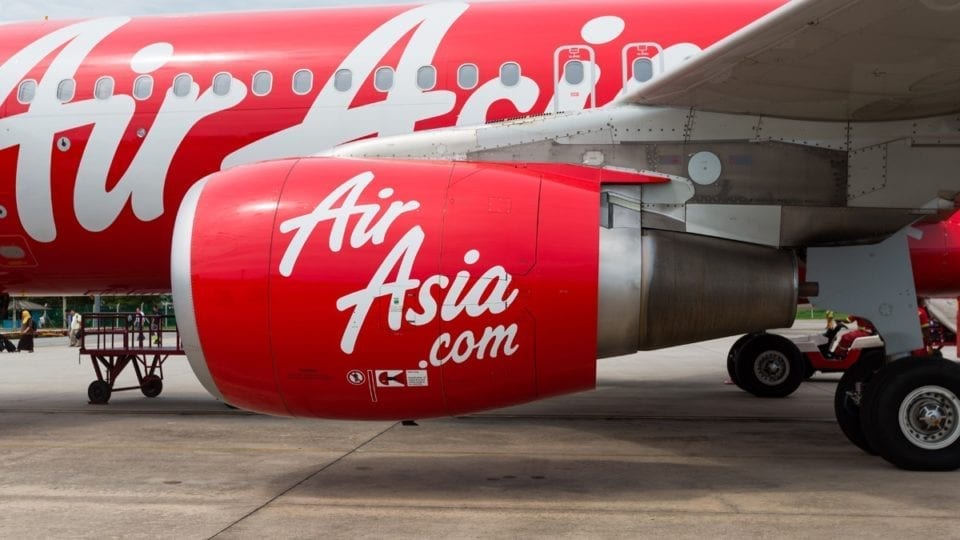
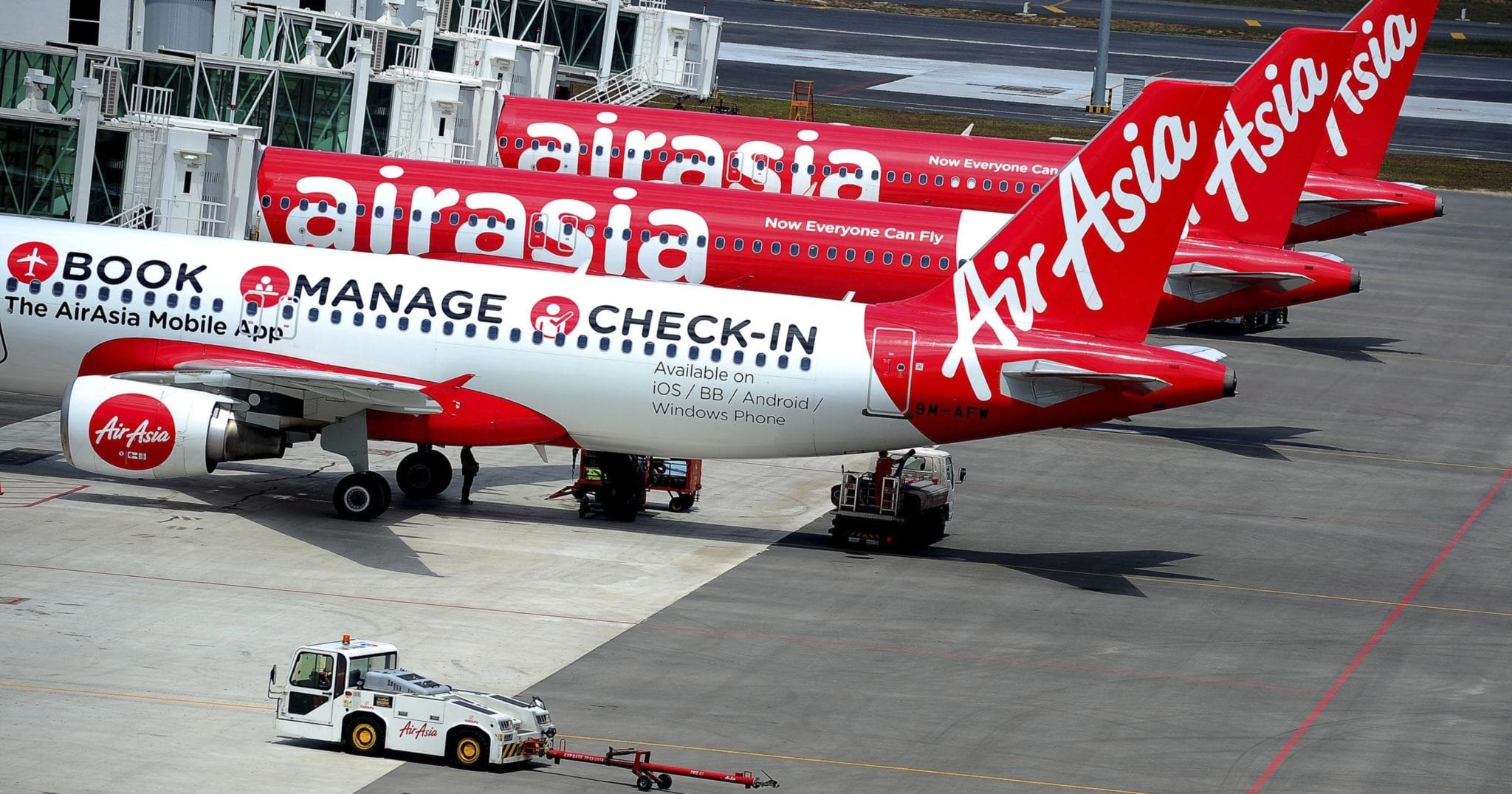
    CAE has signed a new five-year training agreement for AirAsia’s A320 pilots in the Philippines, extending the use of the CAE Rise training system to a third AirAsia affiliate.

    Through the new agreement, announced at the International Air Transport Association (IATA) Annual General Meeting (AGM), CAE will continue to provide initial training for the airline’s pilots and will soon undertake recurrent training at CAE Clark – Philippine Academy for Aviation Training (PAAT) in the Philippines, starting in July 2019.

    “AirAsia has embarked on a mission to digitise every aspect of their business and by implementing the CAE Rise™ training system they are better able to train and develop their pilots using real-time insights alongside a new level of training data analytics,” said Nick Leontidis, CAE’s Group president, Civil Aviation Training Solutions. “Just recently AirAsia extended the use of the CAE Rise™ training system on the Airbus A330 platform and it’s an honor to see them extend this training system on the Airbus A320 platform with a third airline affiliate.”

    Earlier this year CAE announced the signing of a five-year training agreement for AirAsia’s long-haul pilots, extending the use of the CAE Rise training system to AirAsia’s long-haul affiliate, AirAsia X on the Airbus A330 platform.

  • Hong Kong retail sales felt Last Month

    Hong Kong retail sales felt Last Month

    Hong Kong retail sales fell by 4.5 per cent in April, contributing to a 2 per cent decrease in year to date.

    Worse, the Census and Statistics Department said that after netting out the effect of price changes year on year, Hong Kong retail sales fell 5 per cent year on year, following a 0.8 per cent fall in March and contributing to a 2.3 per cent decline year to date.

    “The larger year-on-year decrease recorded in April reflected the still-cautious consumption sentiment amid external uncertainties, but was also partly due to the late arrival of the Labour Day holidays in the Mainland (which fell in early May this year but straddled between April and May last year), which has led to a notable deceleration in the growth rate of visitor arrivals,” a government spokesman said, commenting on the data.

    He said that in the near term, consumption sentiment will continue to be affected by various external uncertainties, though the sustained expansion in inbound tourism and the largely stable local labour market should provide support to retail sales business. In other words: it may be too soon to start panicking.

    Predictably, the jewellery, watches and luxury goods sector performed the worst, sales down 11.4 per cent in April. Apparel, the second greatest contributor to the figures, slipped by a more modest 2.2 per cent, with cosmetics down 6 per cent, department-store sales down 4.3 per cent and electrical goods by 13.7 per cent. Sales of footwear and accessories fell 5.4 per cent, furniture by 0.4 per cent; books, newspapers, stationery and gifts by 7.5 per cent; Chinese drugs and herbs by 5.7 per cent, and optical shops by 7.8 per cent.

    On the positive side, supermarket sales rose by 1.1 per cent; food, alcohol and tobacco by 0.8 per cent and fuels by 3.3 per cent.

  • King Power Bangkok airport retail monopoly to stretch longer

    King Power Bangkok airport retail monopoly to stretch longer

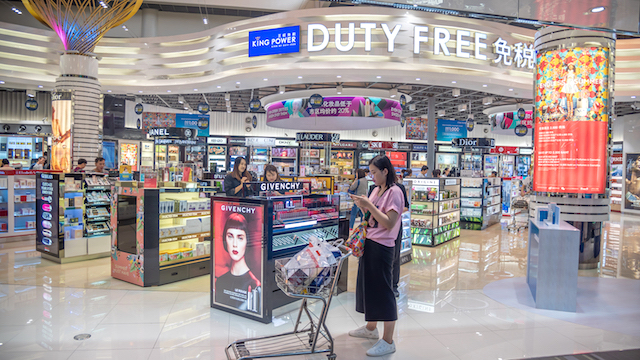
    Hopes of opening up the duty-free and retail monopoly at Bangkok Suvarnabhumi airport have been dashed after Airports of Thailand (AOT) announced the incumbent operator had lodged the highest bid to retain the business.

    While still subject to final ratification by the AOT board, King Power has effectively bought a monopoly on duty-free business at the airport for another decade.

    King Power Duty Free has held the rights since the airport opened in 2006, and was competing to continue when the current contract expires next year through until 2031.

    “The company that scored the highest is King Power Duty Free Company and the winner offered the highest return than what AOT has received before and higher than AOT estimate (sic),” said Wichai Bunyu, senior executive VP at AOT, in a statement.

    Two rival bidders were hoping for a share of the action in what is a lucrative monopoly with prices unmonitored or regulated. The losing bidders were a joint venture between Bangkok Airways and South Korea’s Lotte, and another involving Royal Orchid Hotel Thailand, Empire Asia Group and a subsidiary of World Duty Free Group.

    Leading Thai retail business Central Group and Minor International did not submit bids before the deadline.

    Having selected the winning bidder, the appointment process is a mere formality, subject to ratification of AOT’s remuneration committee next week. According to Reuters, that will decide the technical score and revenue King Power would share with AOT before the board of directors officially approves the winner on June 19.

    The Thai government had ordered a review of duty-free auction period amid monopoly concerns after more than a decade of dominance by King Power. But that apparently had no effect.

    The winning bidders to operate duty-free shops at Chang Mai, Hat Yai and Phuket airports were expected to be released today (June 3) with King Power almost certain to win those contracts as well.

  • Lush Tokyo store marks beauty brand’s largest In South East Asia

    Lush Tokyo store marks beauty brand’s largest In South East Asia

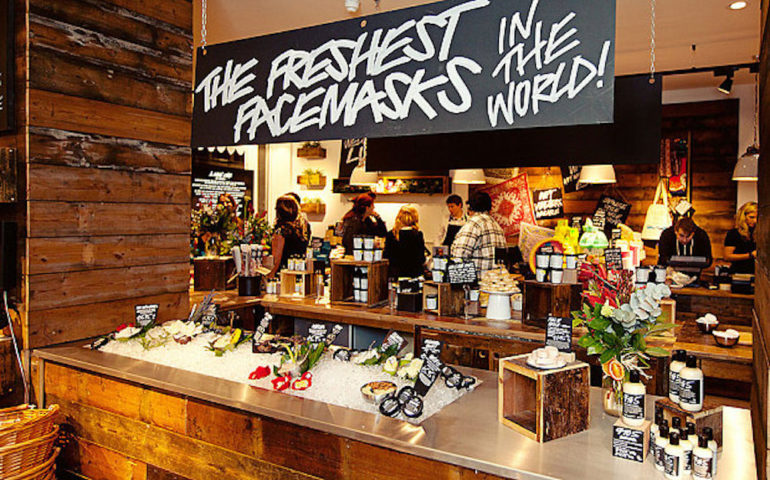
    The new Lush Tokyo store opened on Saturday is its largest yet in Asia, a three-storey, 1240sqm flagship. Billed as “a global destination, with a curation of the best of Lush as you know it,” the Lush Shinjuku store is housed in the southeast wing of Shinjuku Station, the world’s busiest railway hub. From the outside, it is hard to miss: a towering four-storey 1024cm x 352cm LED screen dominates the street frontage (the building’s fourth floor will house back-office functions for now).

    Inside, Lush Tokyo promises an “experiential, imaginative retail space showcasing Lush’s innovation in technology, with exclusive product drops, and new ways to shop”.

    Digital screens feature throughout the retail space, as well as projection installations, positioned to communicate key messages through visual content and designed to overcome language barriers.

    Coinciding with the store’s opening is the release of an upgraded Lush Labs app for Android and iOS featuring English, Korean, Japanese and Simplified Chinese. Visitors can use the app’s scan function to browse product information while in store, at home and even in the store’s digital ‘shoppable window’ which will be active 24 hours a day for customers and passers-by to scan and shop curated collections and product drops.

    Lush says using lens technology, via the app, to demonstrate products and product information is a step towards minimising packaging and reducing water wastage by showcasing products through videos.

    The content placed in windows and on the giant screen “will reflect the mood of Shinjuku at that time and aims to capture the attention of passers-by and commuters”. It will showcase Lush’s values, campaigns and creativity.

    Lush says the ambience of the new store aims to change the customer’s mood, whether it is a skin consultation, spa treatment or something sensory to speed you up or slow you down.

    “Products, treatments and experiences with benefits beyond the body exist here and build in intensity as customers move through the floors. Each floor offers an uplifting, interactive and playful space that promotes exploration and creativity with benefits beyond the body through different materials, lighting, products, content and merchandising to set the tone and spark joy.”

    The second floor offers what Lush describes as “a surreal sensory experience using colour therapy and generative art inspired by bath art to create an interactive digital mood”.

    “Innovative use of technology heightens the senses and plays with mood, data from sensors that map customer position and movement will be used to activate sounds from within the displays. This is just one way the shop can respond to individual customers, creating targeted experiences filled with surreal moments.”

    The new Lush Tokyo store opened its doors on Saturday, June 1. A spa planned for the third floor will open within the next few months and the company says it is evaluating using some of the fourth-floor space for customer engagement as well.

  • AirAsia’s new biggest shareholder is holding firm of party-list rep

    AirAsia’s new biggest shareholder is holding firm of party-list rep

    AirAsia Inc on Monday said F&S Holdings Inc, owned by 1-PACMAN party-list Rep. Michael “Mikee” Romero, is now the biggest shareholder of the budget airline’s Philippine arm after acquiring an additional 28.8 percent stake, which raised the holding firm’s ownership to 44.5 percent.

    Prior to the acquisition, Romero’s group owned 15.7 percent shares. Thirteen percent and 15.8 percent of shares were acquired from Ambassador Fred Yao and Maan Hontiveros, Romero’s wife Sheila Romero said in a press conference.

    “Rep. Romero said Air Asia Inc will continue to scale new heights for the multi-awarded Philippines AirAsia,” the carrier said in a statement.

    Businessman Antonio “Tonyboy” Cojuangco’s TNR Holdings has 15.7 percent shares, while the remaining 40 percent remain with AirAsia Berhad founders Tony Fernandes and his partner Kamarudin Menardum.

    Romero said he is bullish about AirAsia’s prospects this year as airlines have been booking 90 percent of seats recently.

    He said AirAsia is recapitalizing and restructuring its equities and is aiming to have an initial public offering of around $200 million worth of shares later this year.

    The company is also aiming to add 50 planes within the next 10 years and add more routes as it competes in the budget air travel market.

    “In fact we want to lower the prices and add more routes and flights,” Romero said in an interview with ANC’s Business Nightly.

  • RedBalloon parent’s newest brand targets purpose-driven customers

    RedBalloon parent’s newest brand targets purpose-driven customers

    Naomi Simson’s Big Red Group has partnered with US experience retailer IfOnly to launch the brand of the same name in Australia.

    Like RedBalloon, Big Red Group’s flagship website, IfOnly offers a range of experiences that customers can buy online, from cooking classes to archery lessons to chopper tours of the Yarra Valley.

    The difference is that every listing on IfOnly benefits a cause, with up to 80 per cent of the proceeds going to an associated charity.

    The decision to launch IfOnly in Australia reflects consumers’ rising interest in supporting businesses that do good, according to Big Red Group co-founder Naomi Simson.

    “People in Australia are choosing [based on] what an organisation stands for, not just what it sells. They want to believe that they’re using their consumer dollar for good,” Simson said.

    This trend, sometimes referred to as conscious consumption, is part of the experience economy, which is defined by consumers’ interest in having experiences over buying things.

    “We know there’s a trend of access over ownership, there’s a trend of sustainability. There’s a slight melding, an overlap, between this and the experience economy, but they’re not yet one and the same thing,” Simson said.

    IfOnly taps into several of these trends by combining unique experiences with charitable causes. The site offers a range of experiences with local and world-class experts, celebrities and other noteworthy personalities, from ultra-luxury, bucket list-type offerings to more accessible special outings, with a portion of the proceeds from every experience going to a charity of the luminary’s choosing.

    Some of the listings include a 5-day stay and rhino conservation experience with Kevin Pietersen at the Umganu Lodge in South Africa, which costs $190,000 for eight people and benefits Care for Wild Africa, a meet-and-greet with popstar Ariana Grande and VIP tickets to her Sweetener tour, which costs $5,223 and benefits the GoodCoin Foundation, a $150 donut decorating class with Morgan Hipworth, which benefits the Australian Red Cross, and a $250 private archery lesson from Australian Olympian Alec Potts, which benefits the Movember Foundation.

    “Yes, there are celebrities and thought leaders, but really it’s a groundswell of incredible artisans that are using their skills for good,” Simson said.

    “The experiences don’t all have to be expensive…it’s not about being elitist, or unattainable,” she said.

    More than 20 local charities are set to benefit from the purchase of experiences on IfOnly, including Cancer Council, R U OK?, Starlight Children’s Foundation, OzHarvest and The Sony Foundation.

    Simson herself is offering a $1975 private whisky lesson on a vintage cruiser in Sydney Harbour to support the Cerebral Palsy Alliance, which she is a governor of.

    “My role is to be an ambassador and to raise funds, but there are limited ways to do that. [IfOnly] provides a way for luminaries to support chosen charities,” she said.

    According to IfOnly CEO John Boris, the website has raised millions of dollars for charities in the US and is looking forward to doing the same in Australia through its partnership with the Big Red Group.

    “By combining the Australian experiences market leader with the leader of premium experiences in the US, we are able to bring our unique offering to new audiences and support more causes,” Boris said in a statement about the launch.

    Big Red Group plans to build awareness about the new brand by unlocking access for Australian residents to enter a global sweepstakes to win an experience with The Who and Pearl Jam’s Eddie Vedder at Wembley Stadium in London this July.

    Simson said the company does not plan to promote IfOnly to RedBalloon’s customer database.

    “Just because one person buys something on RedBalloon doesn’t mean they will be an IfOnly customer. We can’t presume they want to hear about it,” she said.

    “Nobody wants to be bombarded with something they didn’t ask for. It’s about respect.”

    The launch of IfOnly follows Big Red Group’s acquisition of the adventure-focused experience marketplace, Adrenaline, in November 2018.

    The company’s brand portfolio now includes RedBalloon, Adrenaline, IfOnly, Marketics, the exclusive distributor of ‘Albert’ AI in Australia, and Redii, a platform to reward employees.

    As a $100 million company, Big Red Group is the largest online aggregator of experiences in Australia and the third largest globally, according to HitWise’s 2018 research.
  • 7-Eleven Malaysia sales stable

    7-Eleven Malaysia sales stable

    Sales and profit surge in first quarter on new stores, enhanced service.

    7-Eleven Malaysia has achieved sales growth of 9 per cent in the first quarter – and net-profit growth of 24.9 per cent.

    Same-store sales rose 6.1 per cent, the rest of the growth due to store expansion with the convenience store network now numbering 2311 stores.

    But CEO Colin Harvey says more improvement us yet to come.

    “We see opportunities for improvement and confident that our strategy roadmap of strengthening the key areas of assortment, supply chain, operational excellence, store base and digitally enabling the organisation will bear fruit in terms of financial performance and overall customer experience. We continue to look forward to the challenges ahead in ensuring that 7-Eleven remain as Malaysia’s first choice convenience store.”

    Group revenue for the quarter topped RM583.7 million (US$139 million) due to new stores, a higher average spend per customer and increased consumer promotion activity. Revenue from the food service segment of the business grew more than 30 per cent year on year, and now accounts for 3.5 per cent of the overall business.

    Harvey said the company’s board believes trading conditions for the next quarter will remain challenging.

    “We will continue to focus on our customers’ needs, pursuing our core strategy pillars of operational excellence, cost management and commercial innovation, at the same time refreshing the 7-Eleven brand in the mind of customers though refreshed stores, innovations in our pricing, promotions, and developing exciting products.”

  • Lulu Group’s Tablez plans 150 More Stores

    Lulu Group’s Tablez plans 150 More Stores

    Abu Dhabi-headquartered Lulu Group’s retail arm Tablez is moving to invest US$75 million into the Indian market with the aim of opening more than 150 stores in the territory by the end of next year.

    The move, if successful, is expected by management to nearly quadruple its market share in India.

    “We plan to exit this year with nearly 100 stores, and we would be scaling up with fresh investments in 2020 to arrive at a portfolio of 150+ stores in India,” said Tablez MD Adeeb Ahamed.

    “We will be adding five more brands – Corir, Desigual, GoSport, YOYOSO and OshKosh, taking the total number of our retail brands across various categories to 13 brands in India by the end of 2019,” he said.

    Tablez has more than 40 stores within India operating in several industry sectors from F&B to fashion.

    “To fuel further growth, we would be deploying about $75 million in capital over the next two years to scale our retail stores, enhance our people building capacity and create backend infrastructure and marketing,” he said.

    Tabelz currently markets a range of international and homegrown brands in the territory.

  • Ecostore is New Zealand’s most valuable and trusted brand

    Ecostore is New Zealand’s most valuable and trusted brand

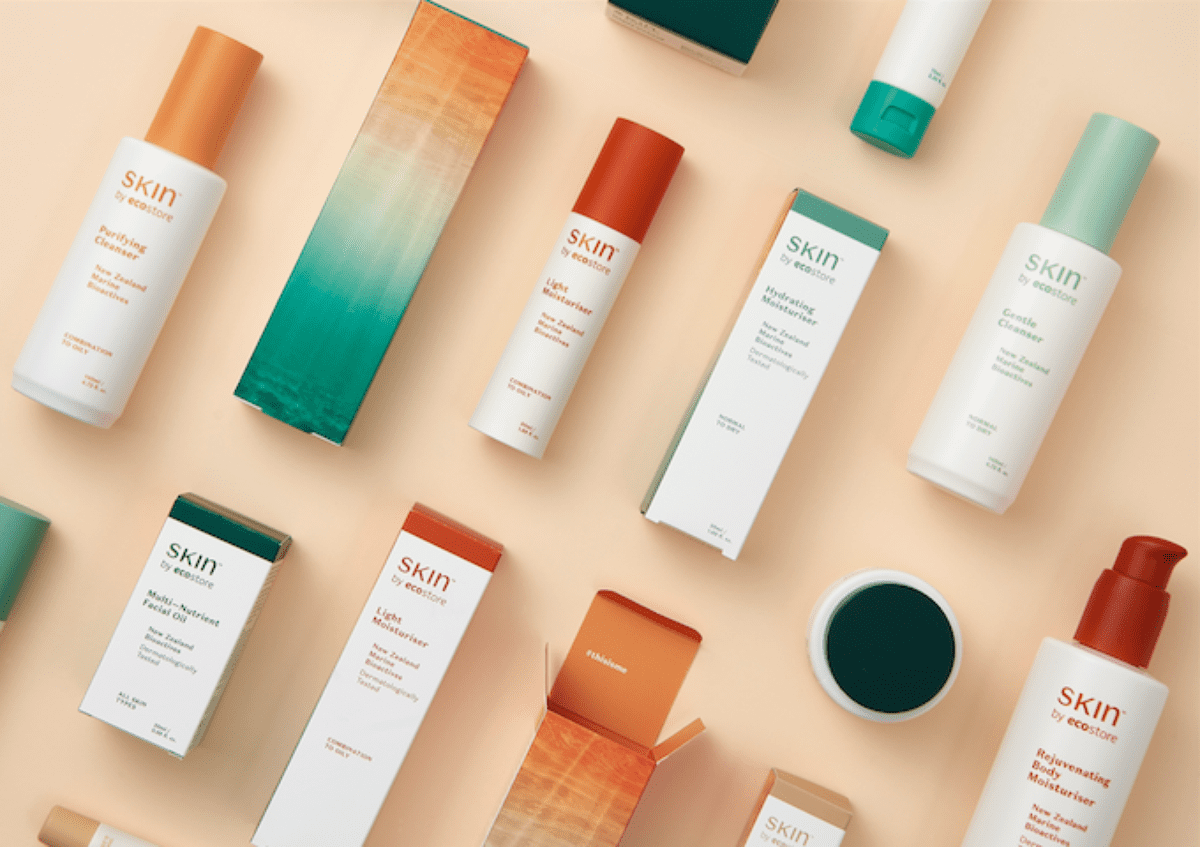
    Skincare brand ecostore has been crowned New Zealand’s most authentic brand according to research conducted by branding agency, Principals, and analytics firm The Navigators.

    The Brand Alpha 2019 Top 20 Most Authentic Brands report graded brands on four key drivers of authenticity – visibility, value, vitality, and virtue.

    “We are thrilled that consumers have chosen ecostore as the most authentic brand in the New Zealand market,” Jemma Whiten, ecostore’s director of marketing and digital, said in a statement.

    “We believe authenticity is key to growing a purpose-led brand in a highly competitive marketplace. Our purpose is to make the world a safer place, one person, one home at a time.

    “This sits firmly at the centre of our brand’s vision and informs every business decision.”

    Electric car manufacturer Tesla led the report in 2018, but after a year of negative press for both the brand and its founder, Elon Musk, the business saw the largest drop in the survey – falling from first to sixth place.

    Scooter brand Lime took second place, while clothing company Icebreaker rounded out the top three.

    Despite not having launched a single store in the country, furniture retailer Ikea was named in fourth place.

    Principals’ founder and planning director Wayde Bull noted that the results confirm the fragile nature of brand leadership in modern times.

    “Just three of last year’s top five brands retain their op tier status; ecostore, Icebreaker and Lewis Road Creamery,” Bull said.

    “Two new upstart brands, Lime and Ikea, join the top five, proving that perceived creativity and momentum now drive market cut-through as much as deep familiarity and a long and steady track record.

    “For Ikea to debut in the top five without yet being open for business locally demonstrates the critical importance of novelty and category-breaking thinking to cut through jaded customers today.”

    Bull noted that ecostore’s rise can be explained due to its growing visibility and sense of “winning momentum”, while maintaining its lead on virtue factors.

    “It’s a brand that feels in tune with our times, having a strong ethical strance, strong declared beliefs and a sense that it cares about more than just making money,” Bull said.

    “It’s a brand that enables caring Kiwis to act upon their environmental concerns in a practical, everyday way.”

  • AEON in Collaboration with The Mall Group celebrates Japan’s children’s day at “The Mall Kodomo No Hi 2019”

    AEON in Collaboration with The Mall Group celebrates Japan’s children’s day at “The Mall Kodomo No Hi 2019”

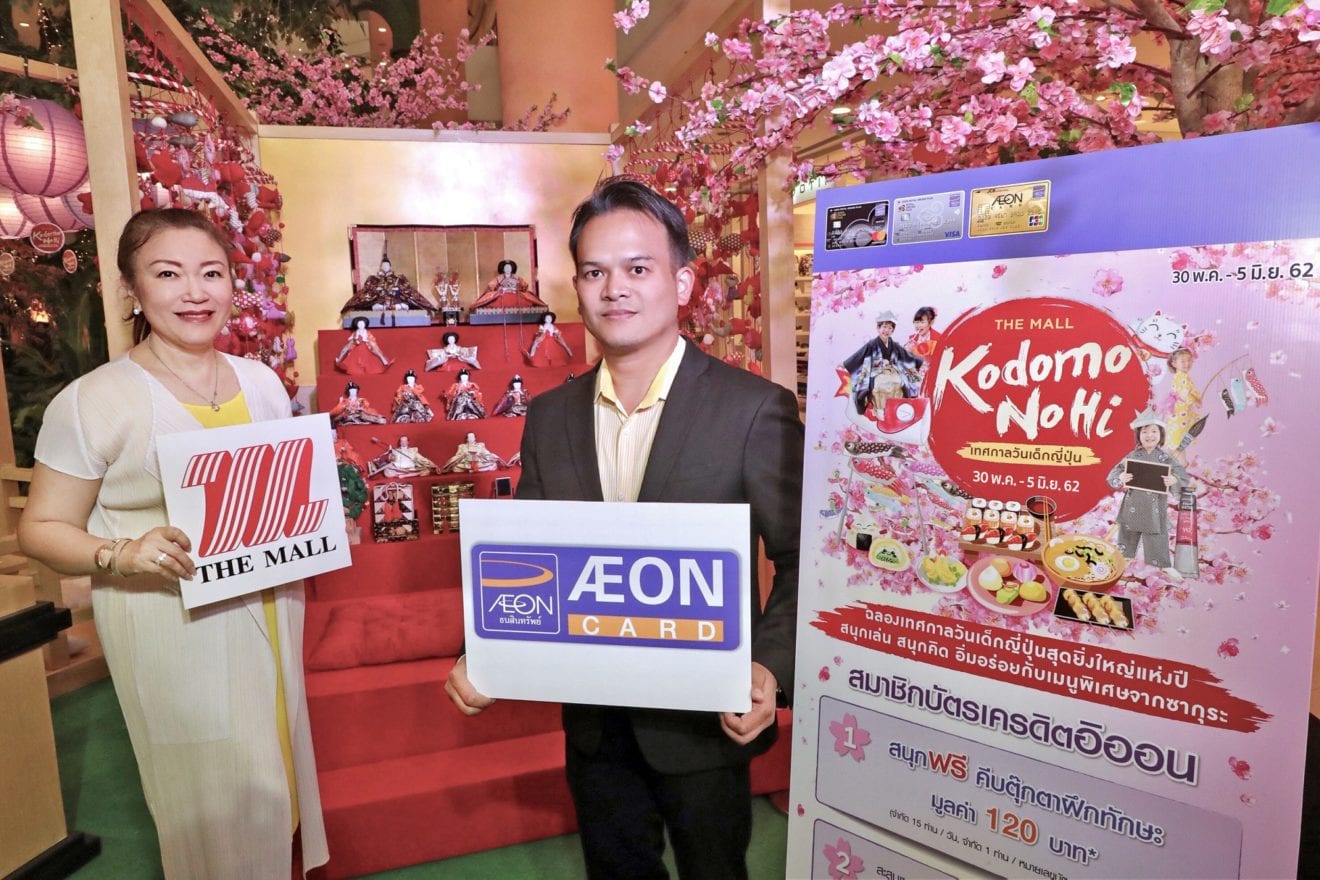
    Mr. Praphan Rangsiyopas (right), Vice President of Marketing at AEON Thana Sinsap (Thailand) Public Company Limited together with Ms.Voralak Tulaphorn (left), Senior Vice President Marketing The Mall Group cooperated to host “The Mall Kodomo No Hi 2019” to celebrate the biggest annual Japan’s children’s day of 2019 in Thailand. At the event, the children will be greeted by two Kurobuta mascots  from Kagoshima and experience with Japanese culture, relish  the Hinamatsuri Japanese doll festival, enjoy the free claw machine full of adorable dolls and impress with  menu full of traditional savory and sweet Japanese treats as well as other special promotions.

    Exclusively for AEON Credit cards you can bring your children to enjoy the festival through your card and receive a chance to set  AEON Kanneko tote bag value 190 baht and three complimentary privileges to use at the claw machine When spending 500 baht per card per day. The joyful Japanese Children’s Day starting from today to June 5th 2019 at Event Hall, B Floor, The Mall Tha Phra.

    For more information, please visit www.aeon.co.

  • Facebook Portal now has its own Android app

    Facebook Portal now has its own Android app

    If you feel that you don’t have enough Facebook in your life, you’re free to buy the company’s new smart display – Portal. Unlike Amazon and Google, Facebook had developed Portal with video calling in mind, so that’s pretty what you’ll probably want to do most of the time with it.

    The Portal, in case you didn’t know, offers Facebook users with a new way to video chat with their friends. If you don’t like texting through Messenger too much and rather talk to your friends, Facebook Portal is the perfect device for it.

    And now that Facebook has decided to launch a Portal standalone Android app, you’ll now be able to better manage photos and videos that you want to store on the smart speaker. Having the app installed on the phone will allow users to send photos directly to the Portal’s Superframe.

    Also, you can use the Portal app to call the smart speaker in your home and talk to household members. Or, you can add people in your home to your Portal so that they can use the smart speaker with their own Facebook accounts.

    It’s a nifty app that makes it easier to take advantage of Facebook’s smart speaker by adding new functionality to the device. The Portal app has already been listed in the Google Play Store and you can download it for free.

  • Tailored and more culturally diverse food offerings at Coles

    Tailored and more culturally diverse food offerings at Coles

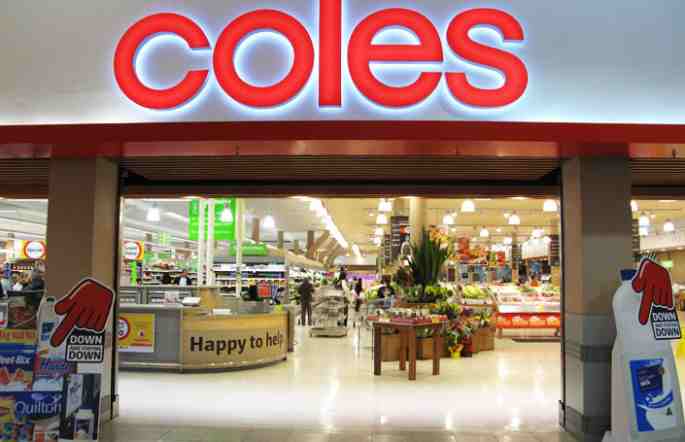
    Coles general manager of Grocery, Anna Croft told industry leaders at the Food and Grocery Conference in Sydney that the supermarket giant is transforming its food offer with a much more tailored range powered by innovation and convenience.

    The retailer is focusing on several key trends which are influencing everything from store formats, to food ranges and technology.

    “Customers are changing faster than we’ve ever seen,” Croft said, highlighting the importance of the retailer adapting to the changing society.

    “At the moment 20 percent of all Australians are over 65… in just five years is that will move to 25 percent of all Australians – a huge number. We have to think around our store format, our packaging, our shelf layout, and how we really think about products that suit the needs in terms of nutritional content. So a really big change in our consumer society.”

    Croft highlighted the importance of having a diverse culture at Coles and said the supermarket is working with international brands to discuss import opportunities.

    “We know that our customers are looking for authenticity… we need to think about the big brands in those countries and how we bring them to Australia, and really not try and change the palate and taste profile.”

    “So we are working with some people that have got big brands over in certain countries to understand if they would be right to import for the local market.”

    Croft said the rise of the independent, authentic retailers is evident and pointed to the opening of a new Coles store in Roseland, NSW which is surrounded by a Vietnamese retailer, a Halal butcher and a Middle Eastern supermarket.

    “That for us says we haven’t got our offer right, we’re not tailoring our offer to the right consumers. And we’re really not thinking about how we bring authenticity to those customers.”

    On the convenience front, Croft said the supermarket need to better cater to the frantic lifestyles of consumers.

    “Online, digital, subscription models, whatever that may be, we’ve got to think about the frenetic two-parent lifestyles that we see becoming more and more prevalent in the Australian consumer landscape.”

    Speaking on Coles recent partnership with Ocado, Croft said it will make a “huge difference” to the online shopping experience.

    “The whole of our front end platform will change so we will pick up the front end website of Ocado which will be tailored. It enables us to have a really broad range, very quick delivery options… it’s pretty amazing in terms of electronic robot politicization, so certainly [we] will be able to respond much quicker to customer needs with a much more agile and advanced front end user experience.”

  • Tigerair and SilkAir were merged into Scoot and Singapore Airlines

    Tigerair and SilkAir were merged into Scoot and Singapore Airlines

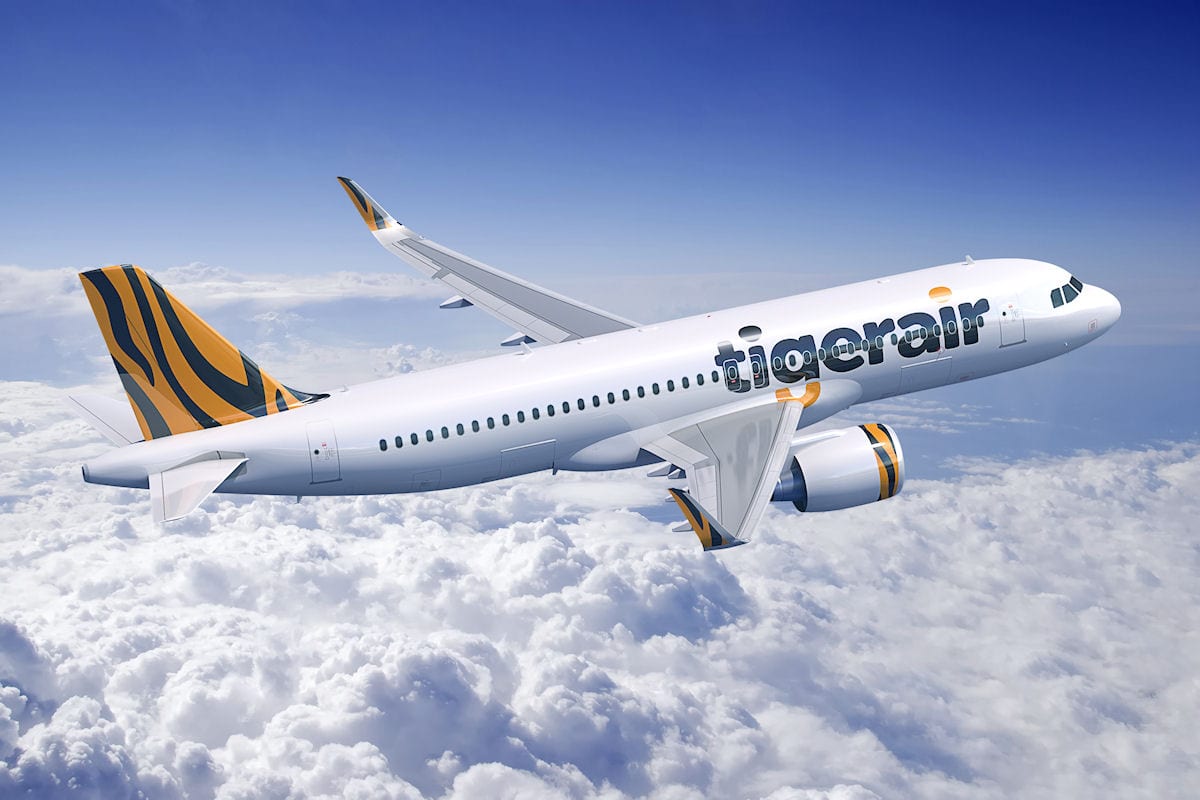
    Creating a more simple model was the main motivation behind Singapore Airlines whittling the number of its brands from four – Scoot, Tigerair, SilkAir and Singapore Airlines to just two: Scoot and Singapore Airlines.Singapore Airlines CEO Goh Choon Phong spoke about the reasons driving the consolidation of its brands during a session discussing the portfolio strategy of the airline at the first Skift Forum Asia.

    In response to a question from Skift airline weekly editor Madhu Unnikrishnan on the decision to wind down SilkAir, Goh pointed to the fact that SIA at one stage had four airline brands – two low-cost carriers (Tigerair and Scoot) and two full-service airlines (Singapore Airlines and SilkAir) across short, medium and long haul routes. He said, “It was not the most efficient way to address connectivity.”

    And so the decision to merge Tigerair into Scoot and SilkAir into Singapore Airlines to “simplify the model”, said Goh.

    Asked whether SIA was contemplating a more premium offering under the Scoot brand, Goh said: “Our model is to keep things pure. Singapore Airlines and Scoot offer two ends of the spectrum. We can compete and win in those segments.

    “Anyone in between will have a hard time.”

    Goh also addressed why SIA first opted to start a low-cost offering. He said: “10 years ago, we realized low-cost carriers were a structural and not a cyclical change.

    “We decided to be involved for two key reasons: without a low-cost carrier, we could not participate in that growth.

    “Also, they made it difficult for us to operate as a short-haul carrier. There were many hugely successful examples of full-service airlines setting up low-cost options. Most of these were done to serve smaller cities.”

    Given Singapore’s city-state status, this was not an option, said Goh, who added that Scoot was created to work as seamlessly as possible with the main brand. It was the right decision on hindsight. Goh pointed out that low-cost carriers now accounted for over 50% of traffic in the region.