Category: General

Retail News Asia is committed to providing both local and global retailers with the latest General Retail news throughout the Asian market. This on a daily base.

  • AirAsia to Launch Flights Between Bangkok and Ahmedabad

    AirAsia to Launch Flights Between Bangkok and Ahmedabad

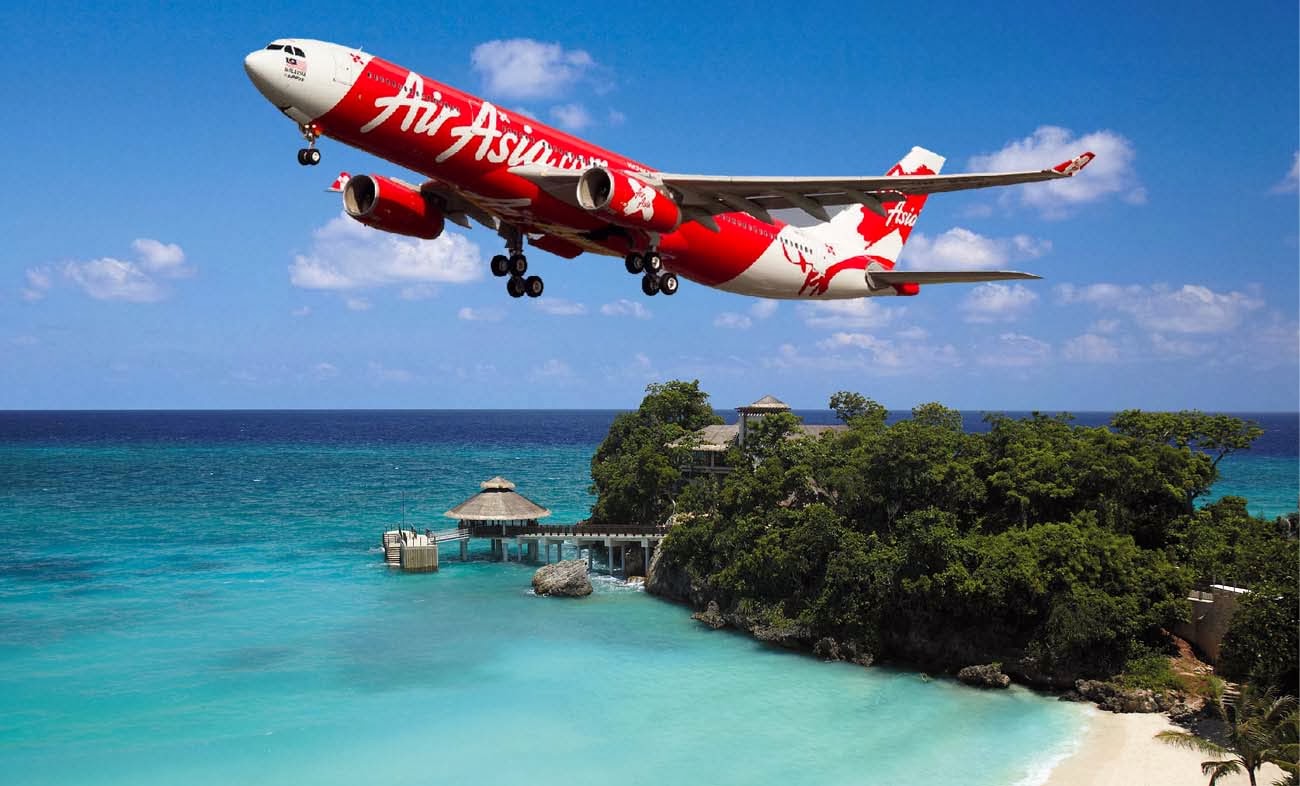
    AirAsia is to launch flights between Bangkok and Ahmedabad, the capital of Gujarat state and India’s first UNESCO World Heritage City. The airline will operate the route four times per week on Mondays, Wednesdays, Fridays and Sundays, from 31 May 2019.

    AirAsia Thailand CEO, Santisuk Klongchaiya, said, “India is a strategic market that is fast becoming an important contributor of inbound tourists for AirAsia Thailand. To fully leverage on this, we plan to regularly introduce routes connecting the two countries, focusing particularly on India’s burgeoning metros. Thailand’s own worldwide fame for hospitality should attract travellers from Ahmedabad, which is the capital of Gujarat state and India’s fifth most populous city.”

    According to Thailand’s Ministry of Tourism and Sports, Thailand welcomed 1.5 million Indian visitors in 2018, up 12% on the previous year.

    Thai AirAsia has recorded a load factor of up to 87% on its India routes, with passengers travelling between Bangkok and existing destinations in India increasing 7% year-on-year. Indian nationals made up 85% of passengers on those routes.

  • Vietjet advances the second dividend payment of 2018 at 10%

    Vietjet advances the second dividend payment of 2018 at 10%

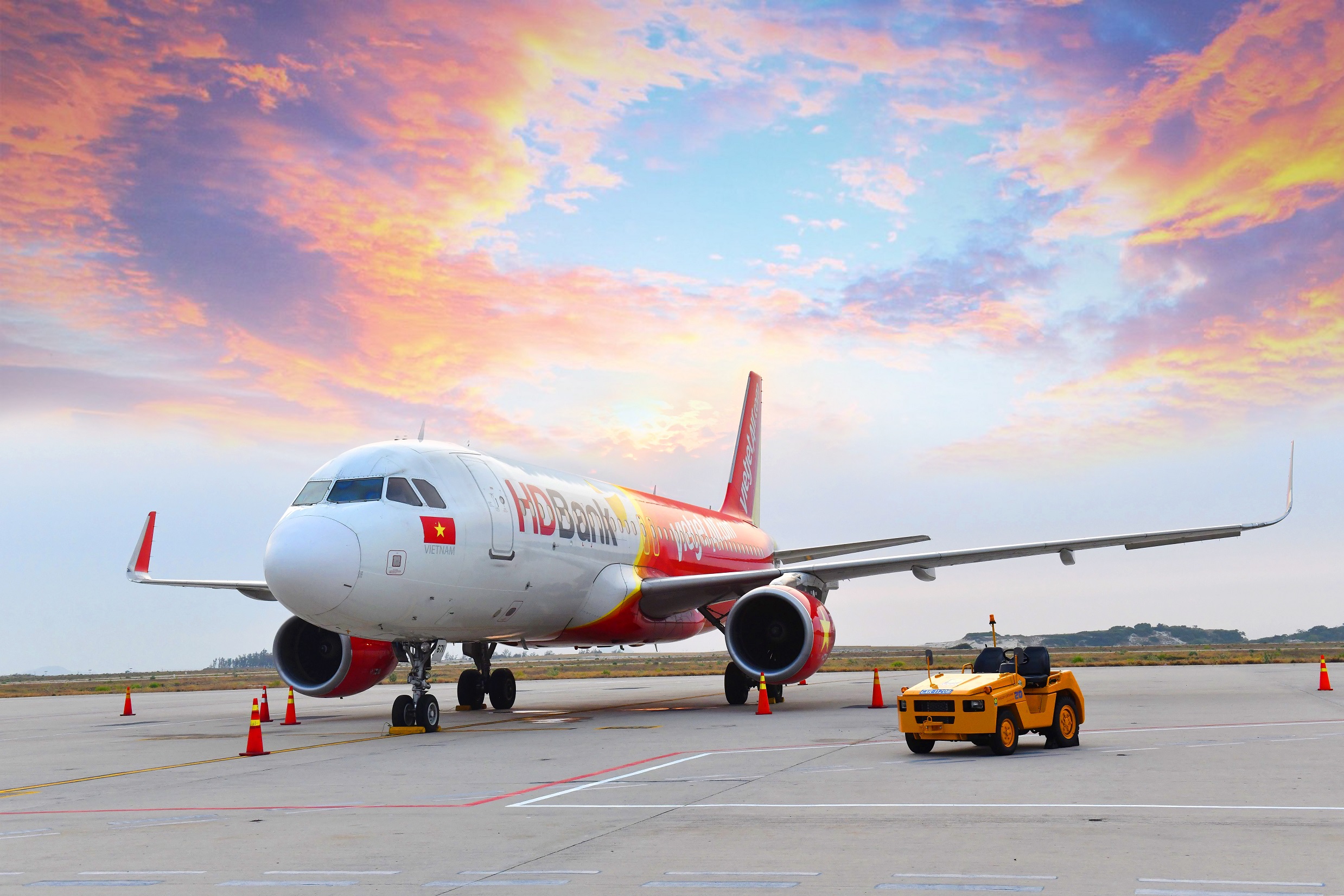
    Vietjet Aviation Joint Stock Company (HOSE code: VJC) Board of Directors announced on 8 April its approval to advance the second dividend payment of 2018 at the rate of 10% (receiving VND1,000 per shares). The final registration date is 24 April 2019, corresponding to an ex-right date of 23 April 2019.

    Consequently, Vietjet will pay more than VND542 billion (approximately US$23.3 million) to advance this second dividend payment of 2018.

    According to the resolution of the Annual Shareholder Meeting 2018, the planned dividend payout ratio is 50% in both shares and cash. Thanks to its high and continuous growth, and abundant cash resources, Vietjet’s Board of Directors submitted to its shareholders a 2018 dividend payment at a rate of 55%, higher than the previously approved plan.

    The new-age airline has established a good track record of paying high dividends from year to year, from 50% to 70% in both cash and shares. With its 2019 business plan, it is believed that Vietjet’s Board of Directors will continue to submit a high dividend payout ratio of 2019 at the coming Annual General Meeting of shareholders.

  • Sunway Pyramid Launches First Real-Time Indoor Navigation Mobile App In Malaysia

    Sunway Pyramid Launches First Real-Time Indoor Navigation Mobile App In Malaysia

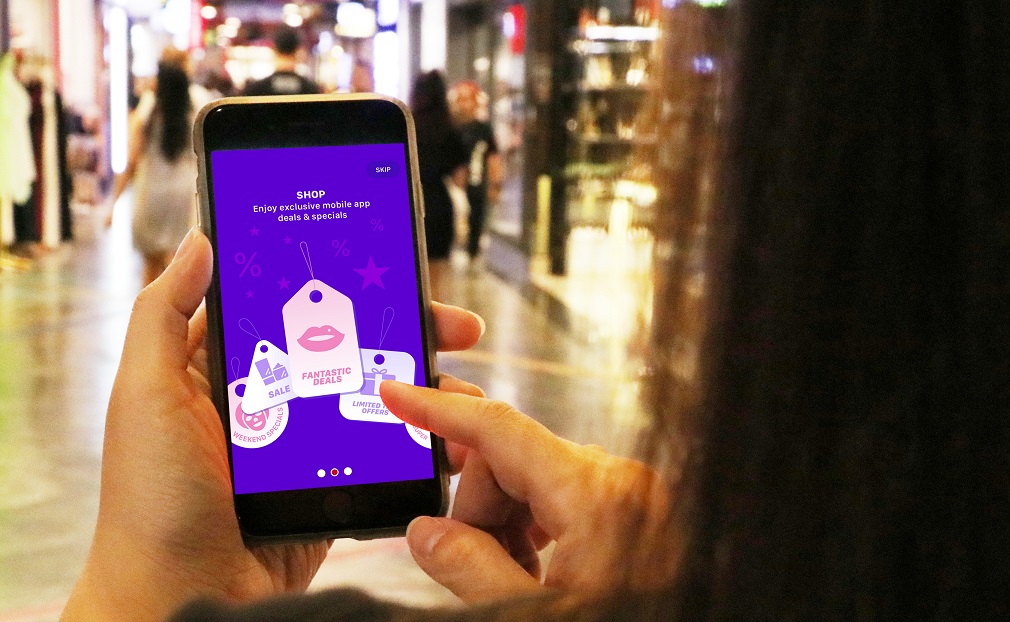
    Navigating through a shopping mall has never been this easy – and rewarding! The newly launched Sunway Pyramid Mobile app is the very first shopping mall app with real-time in-mall navigation, set to revolutionise the shopping experience.

    With over 1,000 exciting specialty stores available in Sunway Pyramid, making one’s way around the 1.8 million sq ft of space that spans over four main shopping levels can prove to be quite the challenge.

    Sunway Pyramid is working closely with the Google Indoor Maps team to integrate their mobile app with Google’s map engine for the upcoming versions of the app – shoppers can say goodbye to spending more time searching for a physical counter or directory to get to their desired location.

    “As a shopping mall that listens to the needs of our customers, this is a great way to provide them with peace of mind as well as personalized content and exclusive rewards & offers for a better and more enjoyable experience – all at their fingertips. We hope that the introduction of the Sunway Pyramid Mobile App gives them more reason to continue choosing us as their preferred lifestyle destination,” said Kevin Tan, Chief Operating Officer of Sunway Malls.

    That’s not all as shoppers will be rewarded for their usage of the app, giving them better value for their time spent in the mall. App-exclusive rewards await them at participating tenants such as YSL, Laneige, Sulwhasoo, Yves Rocher, Chanel, Dorothy Perkins, Topshop, Topman, Miss Selfridge, Burton Menswear London, Nelissa Hilman, Hush Puppies, Love Bonito, JD Sports, NY Steak Shack, Genki Sushi, Coffee Bean & Tea Leaf, Mr Roti Canai, Brotzeit, O.W.L, Gem Studio and Tomei.

    The fun does not stop there, as users can take a quiz in the app to determine their shopping persona. Find out if you are a Trendsetter, Digital Genius, Family Hero, Smart Spender or Golden Groover by answering a few simple questions – this information along with the shoppers’ navigation patterns, redemption and browsing behaviour will be considered to further personalise content that is relevant and targeted for each user.

    To find out more about what the Sunway Pyramid Mobile app can do, shoppers can join in the fun by visiting the on-ground event at the Water Feature on G Floor from 12-28 April.

    Upon downloading the app and registering, shoppers can scan their Member ID to enjoy rewards and gifts such as samples from Laneige, L’occitane, Clinique, Sulwhasoo, cash vouchers from Genki Sushi, complimentary milkshakes from NY Steak Shack and shopping vouchers amongst many others. Other activities include multiple photo op areas with a photo booth and even a relaxation lounge with massage chairs!

    The Sunway Pyramid Mobile App will be available for download via the Google Play Store and Apple AppStore on 12 April 2019. For a full tutorial on how to use the app, please visit YouTube link here.

  • Aeon China to launch self-serve store

    Aeon China to launch self-serve store

    Aeon China is set to launch a self-service store network equipped with technology to anticipate what a customer will buy upon entry.

    The facial-recognition technology will activate recommendations and coupons displayed on the customer’s phone, based on individual purchase habits and digital payment history. It will be installed in 80 of the group’s roughly 480 locations in the territory.

    The Japanese-headquartered retailer’s strategy is intended to reduce staffing costs, allow automatic product ordering and draw in customers. Management needs for the new stores will be addressed by a new centre to be established in Chinese Hangzhou.

    Aeon China also plans to launch an online supermarket and a cross-border e-commerce platform in China this year, in part to accumulate data to support the self-service store network. The firm expects that its development in China will prime the technology for rollout in Japan and Southeast Asia.

  • Dropbox and Google team up

    Dropbox and Google team up

    Dropbox has just announced it has teamed up with Google Cloud to integrate Docs, Sheets, and Slides into its system. The highly-anticipated new feature will be available as a beta for Dropbox Business users starting April 9 and is meant to allow users to create, edit, and store Google Docs, Sheets, and Slides in Dropbox.

    If you’re a Dropbox Business users, you must sign in to both your Google and Dropbox accounts so that you can create and store Docs, Sheets, and Slides files in any Dropbox folder. But the new feature doesn’t stop here, as you’ll be able to share individual files, manage access to your files and get feedback at the same time.

    Of course, sharing and co-editing is done in real-time, while adding Docs, Sheets, or Slides files to a shared Dropbox folder will automatically grant member access, which means you won’t have to leave Dropbox.

    Keep in mind that since the new feature is still in beta, you’ll have to opt-in by visiting Dropbox’s sign-up page. Once you activate it, you will be able to create Google Docs, Sheets, and Slides files, as well as browse, move, copy and delete them from the iOS and Android apps.

  • Economy Vietnam Q1 inflation lowest in 3 years

    Economy Vietnam Q1 inflation lowest in 3 years

    March prices fell 0.21 percent over February, according to the General Statistics Office (GSO). There was a fall in the prices of seven of 11 items in the basket of consumer goods and services that make up the index.

    According to Do Thi Ngoc, director of the GSO, the reasons for the low inflation rate were the African swine fever outbreak and lower petrol and gas prices during the period. A 1.42 percent fall in the prices of essential foods, including eating out, was the biggest drag on the CPI.

    The African swine fever epidemic has meant that in some places pork prices have fallen by 40 percent since the beginning of February.

    Other notable decreases were of the prices of clothing and telecommunications, which were down by 0.17 percent and 0.07 percent.

    At a recent meeting of the Steering Committee on Price Management Thursday, Deputy Prime Minister Vuong Dinh Hue said in the current scenario the target of keeping this year’s inflation at 3.3-3.9 percent is within reach.

    CPI in 2018 increased by 3.54 percent, well below the 4 percent target set by the National Assembly.

  • SM Group introduces first Customer Service Robot

    SM Group introduces first Customer Service Robot

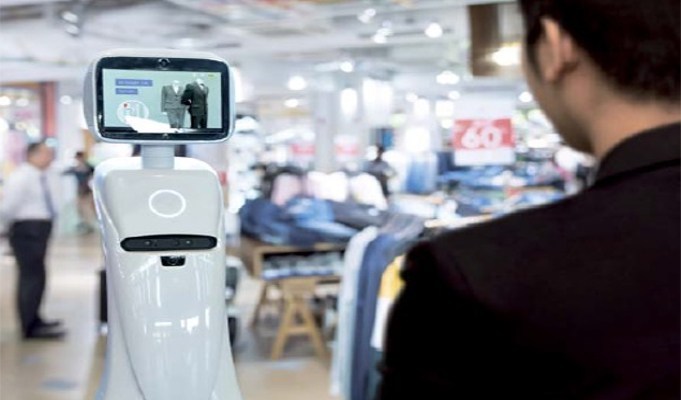
    SM Group has employed its first in-mall customer service robot, at SM Megamall.

    Named Sam, the AI humanoid robot is designed to help customers with directions and information about the latest mall deals, promotions and events.

    “Innovation is what SM strives for in providing better customer service to all and we are proud to introduce our latest innovation yet,” said Steven Tan, SM Supermalls COO.

    “Sam is easy to approach and has answers to almost everything SM mall related, making shopping more seamless and fun for our customers.”

    Equipped with an advanced face-recognition technology, Sam can also make personalised greetings to customers at Mega Atrium, Mega Fashion Hall and Bank Drive.

    Customers can also chat with Sam through the SM Supermalls Facebook page 24/7 to get information on branch locations, mall schedules and promotions.

    Created in partnership with the Cal-Comp Technology, Sam will be upgraded with more functions to provide a more fun and engaging shopping experience.

  • Shop&Go chain showcases brutal retail practice with 1$ Price Tags

    Shop&Go chain showcases brutal retail practice with 1$ Price Tags

    Shop&Go became the newest loser in Vietnam’s retail market Monday when it was bought out by conglomerate Vingroup for $1.

    The company reported an aggregated loss of almost VND205 billion ($8.81 million) by 2016, the latest year for which figures are available. VinCommerce, the retail arm of Vingroup, took over its 87 stores and its debts in the latest deal.

    Vietnam’s retail market has become increasingly crowded with both local and international players over the last five years. Although experts have said that the market has a lot of growth potential, many businesses have quit or scaling back expansion plans.

    Coffee giant Trung Nguyen has twice attempted and failed with its G7 Mart and G7-Ministop.

    Super market chain Saigon Co.op established its first retail store Co.op Smiles in 2016 with the hope of opening 500 such outlets a year, but two years later, the number is around 100.

    Japanese convenience store chain FamilyMart previously said it wanted to have 1,000 stores by 2020, but it announced last year that it won’t invest in new stores. The number of its stores stay at 151.

    Vietnamese food company Vissan said early last year that it has closed nearly 60 of 100 convenience stores. Nguyen Ngoc An, CEO of Vissan, said that the stores had failed to attract a large number of customers.

    A senior manager of the Family Mart said that they “could no longer pour more resources into the chain.”

    Industry insiders say that retail chains fail to compete because they don’t have deep pockets to bear the losses. Pham Viet Anh, a strategic business expert, said that cash flow is among the most important factors in the retail business. If a company cannot collect enough revenue before it has to pay suppliers, its working capital gets eroded.

    “A retail company can rely on its debts with providers in the short term, but in the longer term, it needs to find a way to be profitable. If not, growing losses will eventually bankrupt it,” Anh said.

    Vietnam’s revenue from selling goods last year rose by 11.7 percent from 2017 to $142 billion, up 12.4 percent from 2017.

  • Flight Centre Looking at Corporate Travellers

    Flight Centre Looking at Corporate Travellers

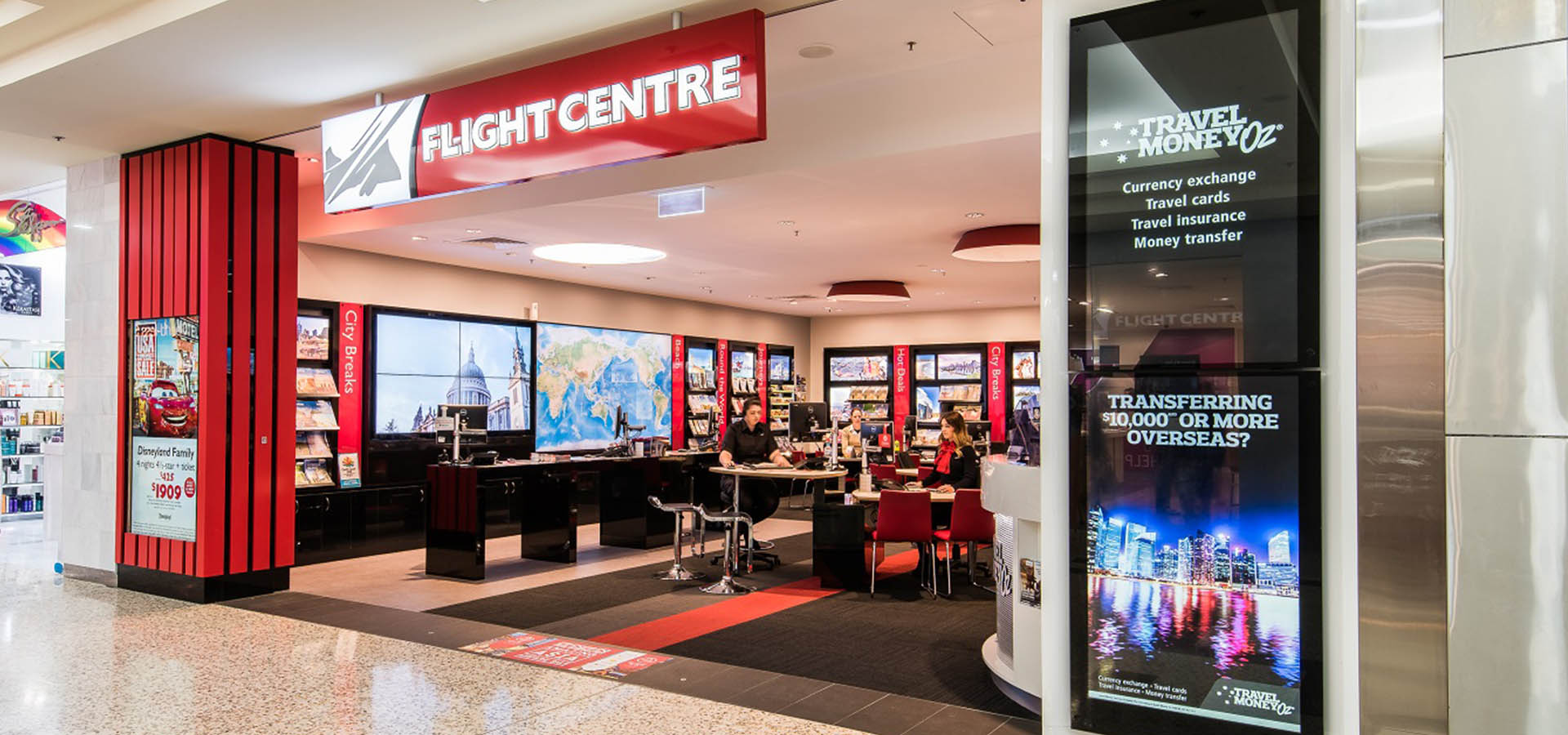
    Travel retailer Flight Centre has made a 25 per cent investment in The Upside Travel Company, strengthening its presence in the global corporate travel sector.

    Flight Centre, which is now the business’s largest shareholder, will gain access to its technology platform and software development resources, enabling it to fast track growth in the small-to-medium sized corporate sector.

    “Upside is an emerging corporate travel business with an innovative customer offering that has the potential to disrupt traditional offerings in the SME sector in the future,” Graham Turner, Flight Centre’s managing director, said.

    Turner said the business is taking steps to future proof its SME offerings, which it predominantly provides through its Corporate Traveller brand, while also creating a blended on and offline offering for customers.

    Dean Smith, president of Flight Centre’s operations in the Americas, said the company planned to utilise Upside’s technology platform to grow Corporate Traveller’s digital offering.

    “We’ve been impressed by the capability and flexibility of Upside’s technology and team to improve the business traveller experience,” Smith said.

    For Upside, the deal will significant improve the business’s reach by giving it access to Flight Centre’s supplier relationships and global business.

    “Flight Centre is the perfect partner for Upside as we get aggressive in serving small corporate clients,” Jay Walker, CEO of Upside, said.

    “Not only does Flight Centre’s global scale, content and experience immediately make our product more complete and more credible, but its people and expertise also make us smarter, which is key as we accelerate into the future.”

    The investment is the latest in a string of such moves by Flight Centre, which recently invested in Bangkok-based 30SecondsToFly, and the acquisition of travel companion app Sam.

    The enhanced Corporate Traveller option will initially only be available in the Americas, but will be pushed to the United Kingdom in the “medium-term”.

  • Vietnam state steel company close to bankruptcy

    Vietnam state steel company close to bankruptcy

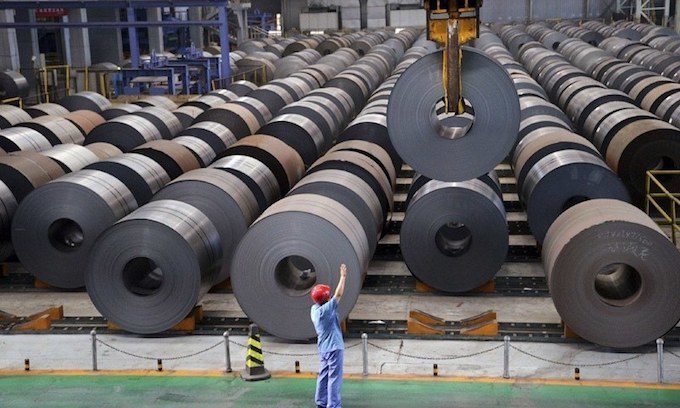
    In a recent letter to shareholders, Thai Nguyen Iron and Steel Jsc (TISCO) said it is facing “a financial crisis which could lead to bankruptcy if it is not saved by the government, banks and other authorities.” The charter capital of the company, one of the largest steel producers in Vietnam, was VND1.94 trillion ($83.6 million) last year but owner’s equity accounted for only 18 percent, which the company regards as a low ratio.

    With liabilities 4.65 times owner’s equity, TISCO said its capital structure is unstable.

    The company added it needs to increase owner’s equity and recover bad debts. The bad debts climbed to almost VND852 billion ($36.7 million) last year, of which the company said 46 percent could be recovered.

    One of the problems the company has been facing is the delay in a stop-start expansion project. The Government Inspectorate has listed it among 12 state-owned projects suffering major losses and with many violations of the law.

    The project first began in 2007 but stalled soon afterwards due to the global economic crisis. The original cost of expansion of VND3.84 trillion ($165.5 million) was increased to over VND8.1 trillion ($349 million) on the suggestion of Chinese contractors when it was restarted in 2009.

    But in 2012 it stalled again when TISCO faced a resources crunch, causing the China Metallurgical Group Corporation (MCC) to withdraw from the project.

    TISCO had paid MCC 92 percent of the contract value at the time, but much of the work was left incomplete, according to the Government Inspectorate.

    Machinery and equipment MCC delivered had rusted and become damaged after lying unused for long, the inspectors said.

    The government prohibited further investment of public funds in the company in 2016. Following this, sovereign wealth fund State Capital Investment Corporation (SCIC) pulled out its capital of VND1 trillion ($43.1 million) from the company.

    Following the long expansion delay, banks have slashed TISCO’s credit ratings and increased interest rates to 8 percent a year, worsening the situation.

    The company board said despite its petitions to authorities for a solution no progress has been made.

  • International luxury brands down in Brisbane

    International luxury brands down in Brisbane

    Luxury brands are descending on Brisbane, with fashion house Saint Laurent opening its first store in Queensland at QueensPlaza on March 28, ahead of arrivals from Fendi and Dior slated for later this year.

    The new store, Saint Laurent’s sixth Australian store, has an architectural design that features three types of marble and refined detailing accented with anodised gold, mirrored stainless steel and leather joinery.

    “The arrival of Saint Laurent, another first to Brisbane, further cements QueensPlaza’s position as the city’s leading luxury retail and lifestyle destination,” said Pamela Wakeford, centre manager.

    Saint Laurent joins a slew of luxury retailers already located at the centre, including Chanel, Burberry, Tiffany and Co, Zimmermann, Scanlan Theodore and Camilla.

    Italian fashion house Fendi is poised to unveil its new boutique mid-year and Stanton café and bar will also open in the coming months. The new café will have a dining and bar experience including an outdoor terrace overlooking the Queen Street Mall.

    Queensland has also recently welcomed fashion jewellery brand APM Monaco, which opened a new store in Brisbane’s high street, joining a suite of luxury fashion retailers along MacArthur Central.

    The new store features the retailer’s traditional handcrafted jewellery pieces along with some most recent collections like open chokers with sky silver and zarconia meteorites, and asymmetric underlobe earrings and jackets.

    “Precision Group is proud to welcome APM Monaco to MacArthur Central where it will sit alongside some of the best international and national retailers fronting Edward Street Brisbane, where Brisbane City Council have invested $11.8 million into a beautification project of the precinct,” said Colleen Middlemass, centre and state asset manager.

    Middlemass said the new store will complement the area’s “luxe offering with a fashion focus on new trends from across the globe”.

  • Businesses face conundrum image when placing ads on Youtube

    Businesses face conundrum image when placing ads on Youtube

    After the streaming website blocked the accounts of online gangster Kha Banh for violating its terms of service on April 3, YouTube also terminated the account of the god of profanity Duong Minh Tuyen, another self-proclaimed gangster, due to repeated violations of YouTube’s policies on violence.

    Kha and Tuyen are two YouTubers who were recently condemned by the general public for uploading videos promoting gang culture, gambling and crudeness, but are adored and given superstar status by many Vietnamese youths.

    The public outcry in the country against YouTube channels promoting violence, profanity, and repulsive material is worrying businesses who advertise on the platform.

    Only recently Vietnam Maritime Bank (MSB) announced it was pulling out all its ads from YouTube. It would conduct a review with YouTube so that its ads would only appear on content compatible with “regulations, ethics and positivity,” it said.

    The private bank’s ads have appeared in clips of internet gangster phenomenon Ngo Ba Kha (Kha Banh). Last week he was arrested and charged with gambling and organising gambling.

    In 2017 many major companies such as Vinamilk and Ford Vietnam also demanded that YouTube should pull out their ads, voicing concern over its lack of content control causing their ads to be associated with dubious channels.

    “Responsibility first lies with the content managers, or multi-channel networks authorised by YouTube if dubious channels register with them to make money,” Vo Do Thang, a cyber-security expert, said.

    “Let’s also not rule out the possibility these content managers overlooked or even promoted negative content on purpose to make money off views.

    “Some advertising agencies working with YouTube guarantee they will use tracking and filtering programmes using keywords and search terms to prevent enterprises’ ads appearing along with negative content.

    “However, this cannot be 100 percent guaranteed by anyone, the risk to the brand image is still there.”

    Viet Phuong, who works for an advertising agency, said: “When uploading ads, there is an option not to post on specific channels. However, this job is tedious, and it is difficult for an advertising agency to cover everything unless the client hands their own list of channels. Sometimes this step is skipped, because it is more effective to run ads everywhere.”

    He revealed however that his company had been working vigorously on channel filters since Kha Banh’s arrest.

    YouTube’s mechanism prioritizes ads for videos with more views. Most agencies in Vietnam have successfully filtered political videos well, but entertainment channels are difficult to control because they garner much more viewership and are traditionally considered harmless.

    However, agencies say their job is getting harder as videos with violent content are being uploaded in response to the general public finding them popular.

    “Brands should cooperate closely with agencies or choose only to run ads in the mid-range of popularity, videos which do not fall into the ‘top/hot’ categories on YouTube,” Phuong said.

    But despite these risks, it is hard for businesses to abandon the website and lose a large audience.

    In 2017 the Authority of Broadcasting and Electronic Information estimated that Google and Facebook accounted for 80 percent of the online advertising market share in Vietnam.

    The director of a major online business, who asked not to be named, said this ratio had probably not changed by much.

    In other countries too, major businesses have withdrawn their ads from YouTube. In March 2017 Walmart and PepsiCo terminated their advertising contracts with it after their commercials were featured on videos featuring racist content.
  • AirAsia adds Quanzhou to its Asian routes

    AirAsia adds Quanzhou to its Asian routes

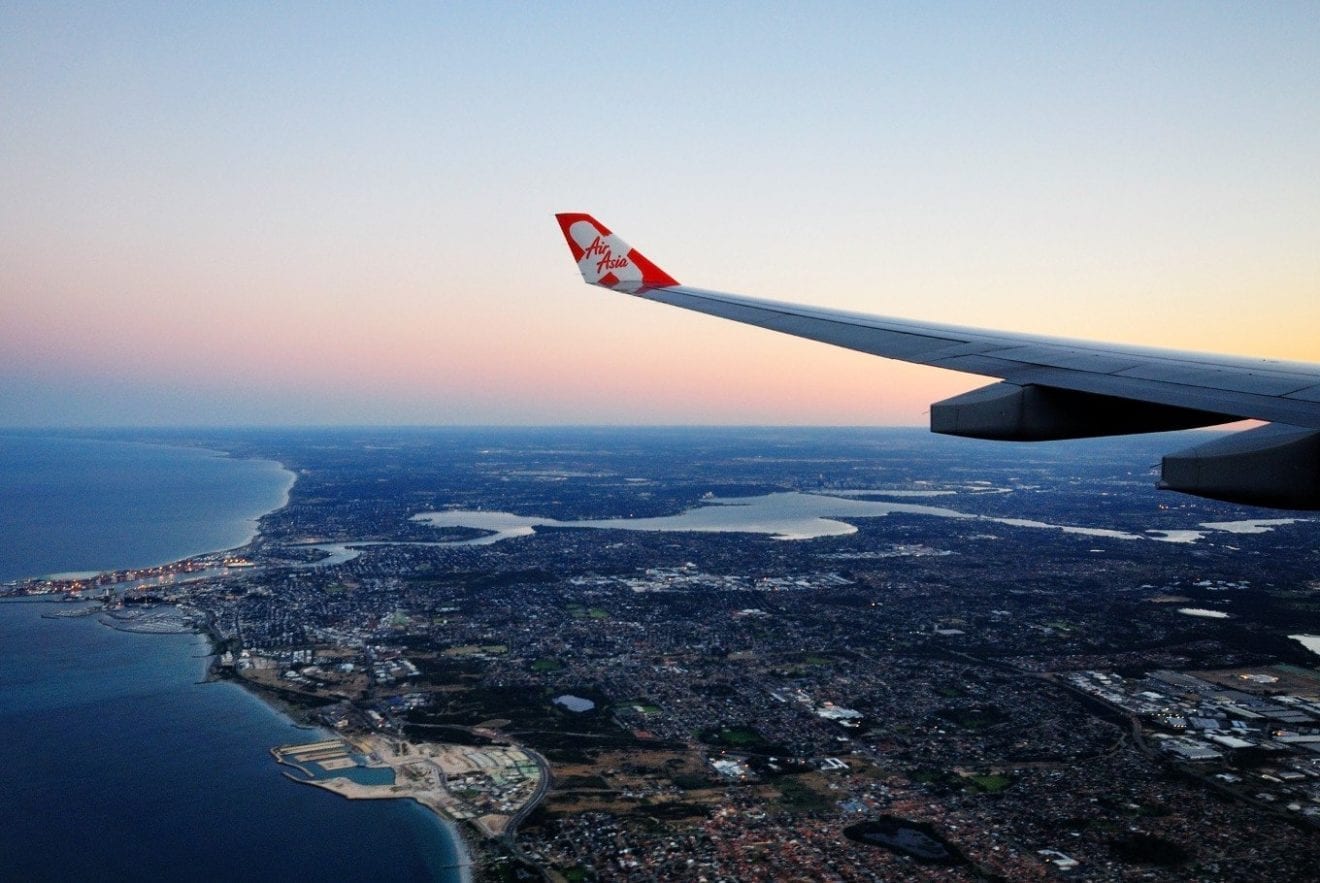
    AirAsia will be flying direct daily from Kuala Lumpur to Quanzhou in Fujian, China.bOnce, one of the world’s biggest ports and the starting point of the Maritime Silk Road, Quanzhou was known to Arab traders as Zaiton and was praised by Marco Polo as the “one of the two greatest havens in the world for commerce”.

    Thanks to its status as a major trading port for more than three centuries, Quanzhou today remains a melting pot of diverse cultures and religions, and boasts many Buddhist and Hindu temples, mosques and churches, as well as museums celebrating its proud maritime heritage.

    Some of these must-visit sites include the Kaiyuan Temple, the largest Buddhist temple in Fujian, which was built over 1,300 years ago, as well as the Qingjing Mosque, China’s oldest Arab-style mosque, inspired by the Umayyad Mosque in Damascus.

    Then there is the Luoyang Bridge, one of the ‘four ancient bridges of China’, which resembles a silver dragon lying above the green waters of the Luoyang River.

    Another site is the largest stone carving of the famous Chinese sage Laozi made during the Song Dynasty, which is found at the foot of Mount Qingyuan.

    Meanwhile, the beautiful port city of Xiamen is only an hour away by high-speed train.

    AirAsia Malaysia CEO Riad Asmat said: “AirAsia has been championing connectivity to secondary cities in China such as Guilin, Shantou, and Nanning.

    “This Kuala Lumpur-Quanzhou service further grows our footprint of unique destinations in China, and will provide greater accessibility to Malaysian and Chinese travellers.

    “We look forward to exploring opportunities to connect our, other secondary hubs in Malaysia to China as well.”

    AirAsia currently is offering promotional all-in fares from RM99 for those who book flights from Kuala Lumpur to Quanzhou from now till Sunday at airasia.com or via the AirAsia mobile app, for travel from May 1 to Oct 26, 2019.

  • Microsoft Launcher major update brings widget redesign

    Microsoft Launcher major update brings widget redesign

    Microsoft is making major changes to its Android launcher, many of which have been tested for about a month in the beta channel. Most of the new features and improvements are cosmetic, but there are some important under the hood enhancements included as well.

    Microsoft Launcher version 5.3 comes with a completely redesigned Time/Weather widget, which allows users to have multiple widgets for multiple locations. The detail page has been redesigned as well.

    The update brings many refinements to the app, but the most important are those made to the Home Screen, Dock and Search widget. If you’re a long-time user, you’ll most likely notice them once you start using the new version.

    Furthermore, the News tab now supports “Technology” as a news interest, while the Tasks card now features “My Day” and “Flagged Emails” features from Microsoft To Do. With the latest version of Microsoft Launcher, work profile users will be able to access their work apps fast and easy.

    Although it’s less important, you’ll probably want to know that the beta community link in Settings has been changed to Microsoft Tech Community. Microsoft Launcher 5.3 is already available for download via Google Play Store, so make sure to install the update to benefit from the latest improvements.

  • Tigerair Taiwan to open new route flying to Palawan in the Philippines

    Tigerair Taiwan to open new route flying to Palawan in the Philippines

    Tigerair Taiwan announced Monday plans to inaugurate a new flight route between Taoyuan in Taiwan and the Philippine city of Puerto Princesa on Palawan Island starting June 7, said reports.

    It will become the third route between Taoyuan and the Southeast Asian country following the announcement by the Singapore-headquartered budget airline that it would begin flying from Taoyuan to Kalibo, a major hub for the tourist destination of Boracay island, reported UDN.

    To promote the launch of the route, individuals who book tickets between 10:00 a.m. on April 10 and 11:59 p.m. on April 11 will enjoy a discounted price of NT$399 for each single journey ticket (excluding taxes). The departure dates must be between June 7 and Oct. 18, 2019.

    There new route will offer three flights a week, according to Tigerair.

    Puerto Princesa will become the fourth destination route targeting the Southeast Asian market offered by Tigerair Taiwan, which will soon be flying 29 international routes to 22 cities, the report wrote.

    Palawan, the fifth largest island of the Philippines, boasts a plethora of wildlife, jungle mountains, and white sandy beaches. In 2016, Palawan was ranked the “Most Beautiful Island in the World” by readers of Conde Nast Traveller.