Category: General

Retail News Asia is committed to providing both local and global retailers with the latest General Retail news throughout the Asian market. This on a daily base.

  • AirAsia to sell tickets of non-competing carriers on website

    AirAsia to sell tickets of non-competing carriers on website

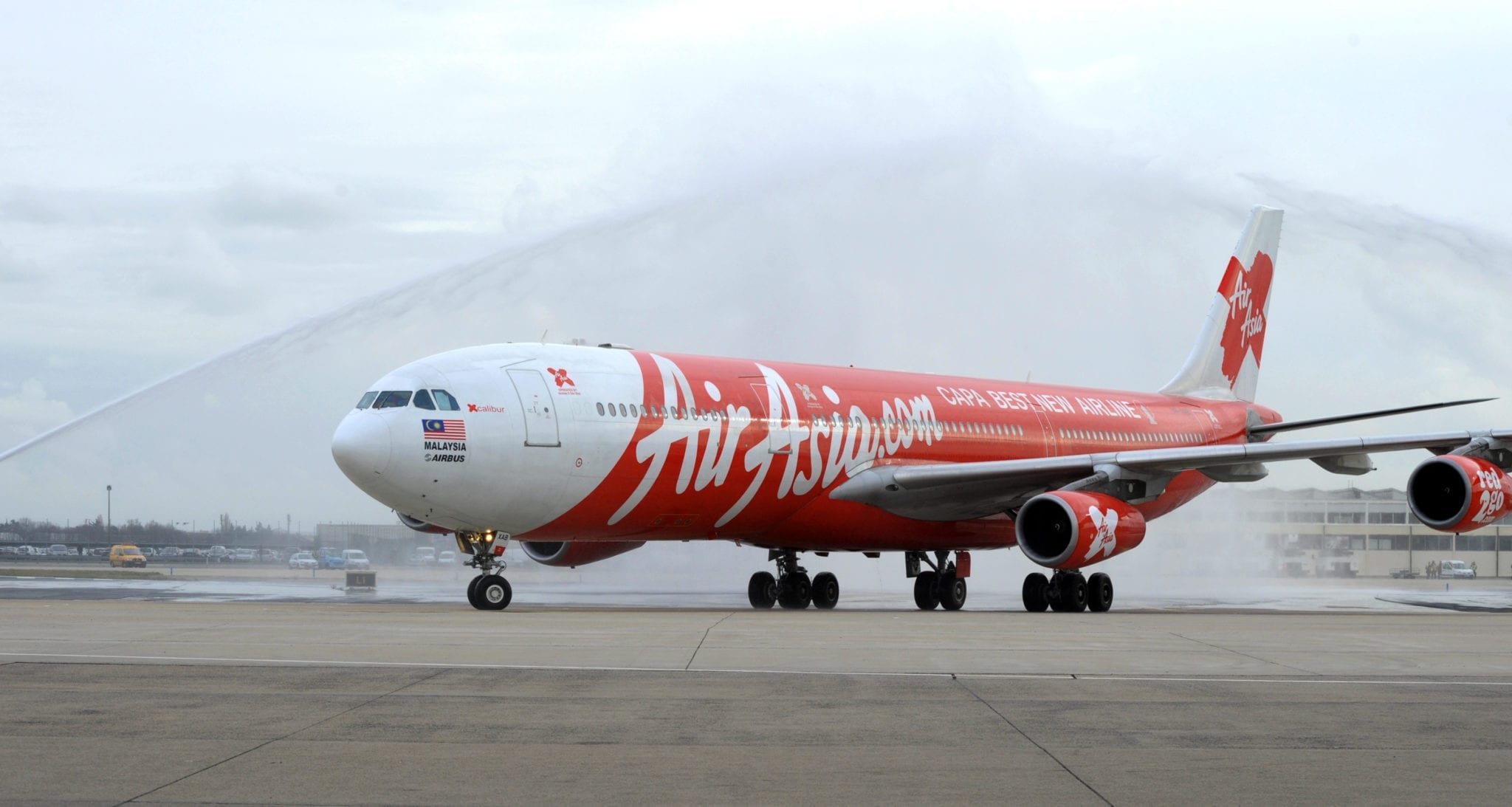
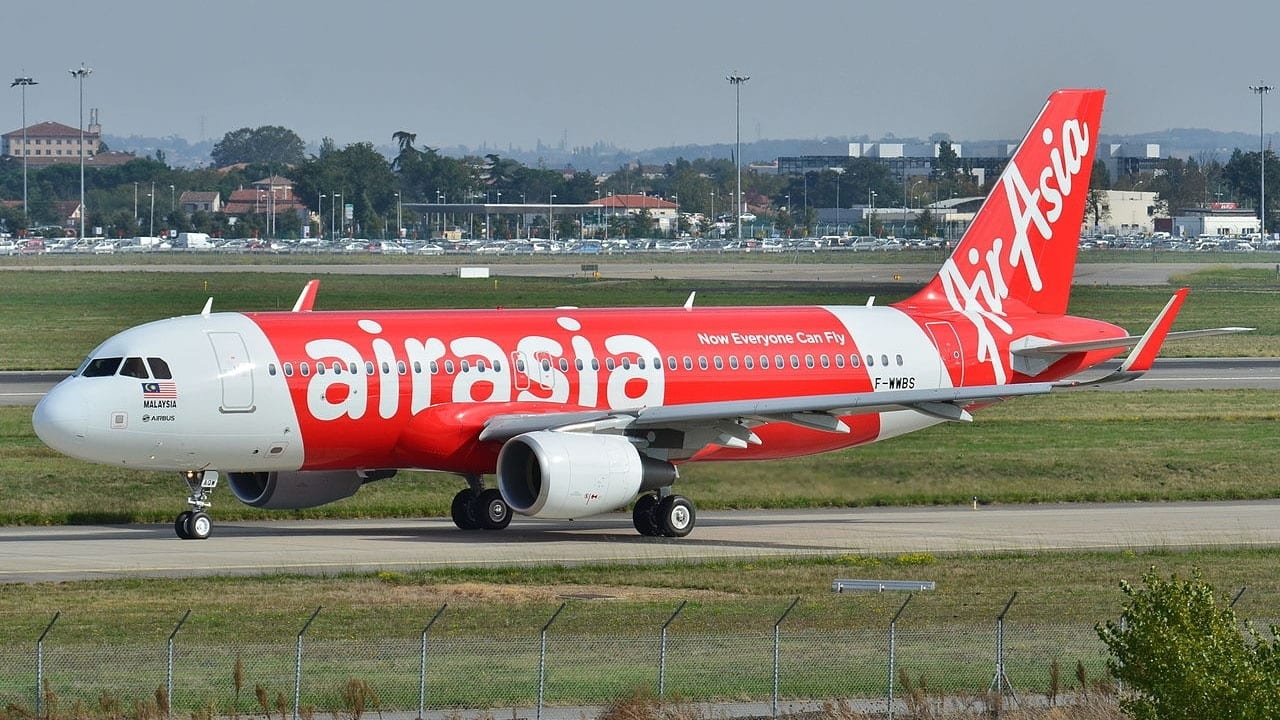
    AirAsia, whose website is used by 65 million customers every month, is considering a plan to sell tickets of non-competing carriers on airasia.com, using its size to give online travel agents a run for their money. The Kuala Lumpur-based carrier, Southeast Asia’s largest airline group, which already sells car rentals, accommodation at half a million hotels and serviced apartments worldwide and holiday packages in five regional destinations, thinks it can do a better job of selling these services than the travel industry because of the volume of data available from frequent travellers on its network.

    “I have a phenomenally strong platform that I [can] open for business to sell other content,” Tony Fernandes, AirAsia’s founder and chief executive, said in an interview with the South China Morning Post during Credit Suisse’s Asia Investment Conference in Hong Kong. “We can be as strong as any online travel agent in terms of selling hotel content. I think we can be stronger than Klook at selling activities.”

    Data is at the heart of the low-cost carrier’s ambitions to grab a bigger share of tourism revenue, which is projected to rise by 53 per cent to US$625 billion (S$847 billion) in Asia in the next five years, according to the Pacific Asia Travel Association (PATA). Airasia.com boasts 65 million unique monthly visitors, as well as data of 50 million repeat customers. Klook, an online tour agency and activities organiser founded in Hong Kong in 2014, had 16 million monthly visits last summer.

    The airline, which prefers to be seen and heard as part of a wider travel technology group, is leveraging data to know its customers better and keep them spending in its ecosystem.

    “Everyone is excited about platform businesses. Everyone is excited by GoJek and Grab and the unlimited potential of who they can reach and what they can sell,” the AirAsia founder added.

    Fernandes pointed out that the first thing people did when they wanted to travel was to buy an airline ticket, not a hotel. AirAsia.com generated US$4 billion in ticket sales last year for the budget carrier.

    “We are going to see the customer first, so we are going to take a large share of the wallet and we’re going to be good at it,” he said. “The first step would be to be as good as anyone selling hotels, selling activities. And then we may start selling [tickets of] airlines who don’t compete with us.”

    The plan may have easyJet or Ryanair selling their European flights to an Asian traveller planning a trip to the continent, he said, adding that AirAsia was currently not engaged in any active discussions with other airlines.

    “He is thinking more about a lifestyle, digital platform than a traditional airline,” said Mohshin Aziz, an analyst at Malaysian lender Maybank in Kuala Lumpur.

    AirAsia has enough user data to “formulate or create an algorithm to predict the buying pattern” of travellers, Mohshin said. “So many airlines are backwards – they don’t have a well-functioning distribution system. So [AirAsia] can easily become the one that is willing to share for some money and intelligence.”

    ​​​​​​​The scope and potential for AirAsia to sell foreign airline tickets was substantial, Mohshin said, particularly for carriers that operate services in Southeast Asia as non-stop flights to Europe or Australia, and did not have the same success in sales as a local airline would.

    Airlines such as KLM, which operates a connecting flight from Kuala Lumpur to Jakarta, or Ethiopian Airlines’ service to Singapore, could also benefit from AirAsia’s data and sales power.

    “For foreign carriers to try and get Singaporean customers, they are not going to put much effort into it. It is better for them to pass it on to AirAsia, to try and sell tickets on their behalf,” Mohshin said.

    AirAsia was well positioned in Southeast Asia, said Raini Hamdi, Asia Editor at travel and technology website Skift, citing a growing population of 650 million people, high mobile and internet use and a shift to online travel booking.

    “If AirAsia puts its energy into this, it will be successful,” she said. “It is a torch-bearer of great value, convenience, ease of use. It has a strong customer base. Add personalisation through data mining, AI, machine learning, ease of payment and ease of earning and burning points for customers, the stickiness of airasia.com will increase rapidly.”

  • “The Great Move” is largely concluded

    “The Great Move” is largely concluded

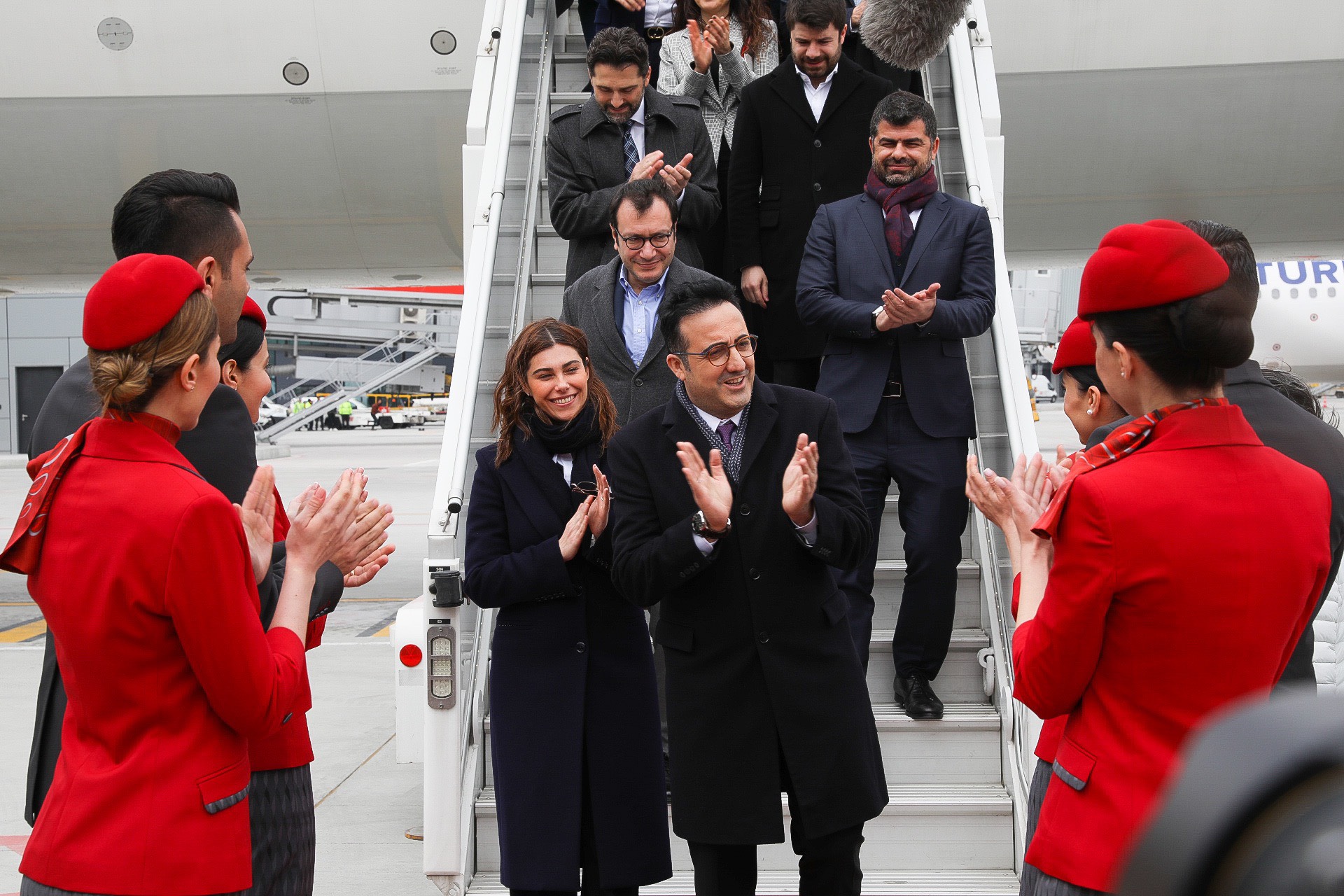
    Turkish Airline’s transition to its new home, Istanbul Airport, is largely concluded with progress at 96 percent. With the “Great Move” representing one of the most significant cornerstones of the Turkish Aviation history, Turkish Airlines has nearly concluded its gradual move to Istanbul Airport, which started following the official opening on 29th October last year. The moving operation, which started on 5th April, Friday, at 3:00, had reached 96 percent completion 12 hours earlier than the projected 45-hour plan. It concluded on 6th April, Saturday, at 20:00, and the flag carrier airline has already begun a new era at its new home, Istanbul Airport, which will be the new center of the global aviation sector.

    Commenting on the “Great Move” process, which included saying farewell to Atatürk Airport – home to Turkish Airlines throughout its 86 years of history, and moving to its new home base, Istanbul Airport, also known as “Monument of Victory”, Turkish Airlines Chairman of the Board and the Executive Committee, M. İlker Aycı said: “Currently the biggest airport project in the world, this enormous facility will be the home of the resounding local and global growth of Turkish Airlines in the future while becoming the most important driving force behind our growth with its state of the art physical capabilities and capacity.”

    “Successfully concluding its mission of being the home of our brand throughout our 86 years of history, saying farewell to Atatürk Airport was a highly saddening experience for us. However, our brand’s unstoppable growth and progress especially over the last 15 years forced us to make this decision to part ways. As Turkish Airlines became unable to fit its mold with its efficient growth performance, the need for a new home that will support its development and open its way with capacity and other physical capabilities was born. Starting with the originator of the idea for this monumental project and its biggest supporter, our President Recep Tayyip Erdoğan, as well as our Ministry of Transport and Infrastructure, IGA consortium, our various business partners, every single member of our family and everyone else who offered their toil and support, we are grateful to all of those for bringing us this bundle of opportunities, which will allow us to carry the passenger and flight experience into a whole new platform. In addition to this, I would like to also express my great pleasure and honor in announcing that the future of the global aviation will develop with Turkish Airlines at its center with our new home, and new face of our brand.”

  • Taobao Leverages Live Streaming to Boost Rural Development

    Taobao Leverages Live Streaming to Boost Rural Development

    Taobao will leverage its livestreaming technology to help incubate 1,000 key opinion leaders in China’s countryside in an effort to boost rural development. By helping farmers go online, Taobao aims to enable farmers to find new markets and customers from their homegrown products.

    Taobao’s target is to boost the livelihood of 1,000 farmer livestreamers from 100 counties in Chinan by helping them each generate over RMB10,000 in monthly income. The idea is to drive online sales of local agricultural products via livestreams conducted by the newly minted rural KOLs – the farmers, themselves. To promote this new initiative, Taobao plans collaboration with countylevel governments to highlight local points of interest and expand the popularity and recognition of various villages participating in the livestreaming.

    “Our rural livestream program aims to empower local livestreamers to boost business for povertystricken areas, while enabling farmers to manage their own livestream e-commerce channels. It’s Taobao’s devotion to poverty relief by leveraging e-commerce and livestreaming via creative digital technologies.” said Chen Lei, director of e-commerce content at Taobao. Last year, Taobao hosted more than 150,000 agriculture-themed livestreams, which drew over 400 million viewers. Taobao innovated the “Live on the Farm” model, featured with agriculture livestreamers, KOLs, and even local government officials from counties to join livestream sessions and promote their local goods. In January 2019, Taobao’s “Live on the Farm” sevenday online sales campaign generated over RMB9.35 million in sales, right ahead of Chinese New Year, a prime gifting period in China.

    Many agriculture livestreamers tasted their first success on the platform last year, including Chen Jiubei, who has helped farmers in her hometown in Hunan province sell up to 2 million kilograms
    of previously unsaleable oranges in just 13 days last winter. Taobao also coordinated with county-level governments to provide a suite of livestreaming marketing services, including seeking out and training livestreamers, as well as identifying local selling points. With more than 60,000 distinct livestreams on agricultural products every month,

    Taobao is committed to driving RMB 3 billion in sales for the sector in 2019. This month, Taobao will roll out livestreams that introduce the source of a range of agricultural products, helping viewers discover the local landscape and customs where their products come  from. In addition, Taobao also plans to partner with CCTV, Hunan Television and Zhejiang Television to develop livestreaming shows that invite popstars and celebrities to participate in poverty-relief activities, aiming to generate more public awareness for underprivileged areas. More on Taobao Livestreaming Taobao livestreaming is an emerging marketing channel that started in 2016 and has rapidly grown into a proven marketing strategy. Powered by advanced technologies from across the Alibaba Group, KOLs and livestreamers provide both indoor and outdoor livestreaming to customers. During these livestreams, they introduce and recommend different products across diverse areas ranging from clothing, cosmetics and jewelry, to agriculture goods and plus-sized clothes. In 2018, 81 livestreamers notched over RMB 100 million in sales, respectively.

    Across all industries and sectors in China, brands and sellers are already transforming their digitalncapabilities to stimulate business development through Taobao livestreaming. L’Oréal’s flagship store experienced a nearly 20% increase in purchases after Viya and Jiaqi Li, Taobao’s most recognized livestreamers promoted the brand’s signature goods via livestream. Among the top female clothing brands, more than 30% of sales are driven by live streaming. In certain industries such as jewelry and jade, flowers and plants, the penetration rate of brands using Taobao livestreaming is close to 50%, bringing great changes to the previous online marketing mix that was adopted.

    Livestreaming serves as an efficient tool to empower traditional industries and drive sales. During the “Double 12 Shopping Festival” in 2018, Taobao organized a 12-day livestreaming event from once-booming industrial belts to rejuvenate traditional businesses with cutting-edge technologies and powerful new modes of retail operation. Livestreamers were everywhere from an agricultural products base in Sichuan and porcelain production firm in Jingdezhen to a home textiles mall in Nantong and leather factory in Haining, bringing a growing number of young customers to forgotten industrial towns. In order to inject more renewed energy into traditional industries, Taobao also launched plans at the recent summit to incubate and develop 10 offline traditional retail markets. The aspiration is to help them reach annual revenues of over RMB 100 million. Other initiatives that are being rolled out to maximize the influence of livestreaming includes developing 10 professional PGC (Professional Generated Content) organizations with over RMB 100 million revenues, creating 10 super programs with more than 100 million views and promoting over 100 regional television stations to collaborate with Tao Live, an app focused on PGC area.

  • CIMB IB Research expects higher operating costs

    CIMB IB Research expects higher operating costs

    CIMB Investment Bank Research (CIMB IB Research) has retained its “reduce” call on AirAsia Group Bhd as it forecasted the company to face higher operating costs and gearing levels until 2021.

    The research house lowered its target price for AirAsia to RM1.50, from RM1.82 previously, as it expects lower core earnings per share and dividend of 13 sen.

    At 11.00am, AirAsia was trading down 1 sen or 0.38% at RM2.64 with 1.55 million shares transacted. Its market capitalisation stood at RM8.86 billion.

    In a note today, CIMB IB Research analyst Raymond Yap pointed out that AirAsia had sold 79 aircraft to lessor BBAM Ltd Partnership in 2018 and is expected to sell a further 25 planes to lessor Castlelake LP by the third quarter of this year.

    Given this, Yap explained that together with other existing operating lease aircraft, AirAsia is expected to capitalise RM11.8 billion worth of borrowings related to the operating leases in financial year 2019, effectively bringing back to the balance sheet what had previously been off-balance sheet.

    “The impact would be to raise reported gross gearing of 19% in FY18 to 198% on a pro forma basis after MFRS 16.

    “The overall impact to P&L (profit and loss) earnings from the above sale and leasebacks (S&LB) is negative because AirAsia would have to pay for the lessors’ profit margin as well as provide for a higher level of maintenance charges based on lessors’ conditions for lease returns, which tend to be strict. The net result would be a squeeze on AirAsia’s profit margins,” he said.

    Yap added that with the squeeze in profitability, AirAsia will experience greater operating leverage from unexpected changes in fuel prices, exchange rates, competitive dynamics, and airport taxes and levies.

  • Skechers Opens first duplex store in Singapore

    Skechers Opens first duplex store in Singapore

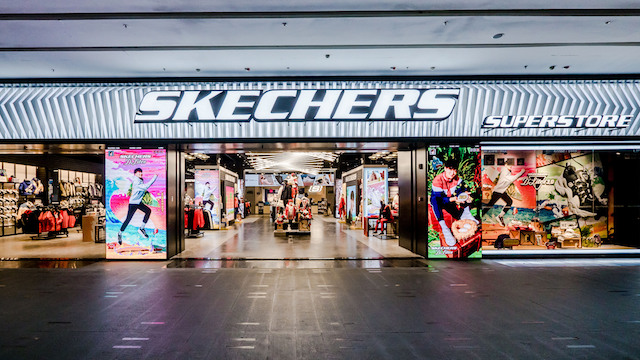
    Skechers Singapore is opening Southeast Asia’s largest and first duplex experiential concept store, at Jewel Changi this week.

    Set to open on Thursday (April 11), the 5000sqft space will incorporate new visual-merchandising and store-design elements with the use of bright lighting and cement panels.

    The space is divided into product categories, including performance, lifestyle and Skechers kids.

    The store also adopts a story-driven design, where key messages behind each product range will be highlighted through visual images and artwork.

    On Level 2 an Instagram-worthy photo zone features thematic displays and images that will be refreshed every season to reflect the keys launches with the Skechers x One Piece collaboration centrestage.

    This will be the first store in Singapore to include a shoe customisation zone with embroidery and heat-press personalisation, and to carry Jewel-exclusive collections including the Skechers SKLX series of training sneakers.

  • Fortnum & Mason To Open in Hong Kong

    Fortnum & Mason To Open in Hong Kong

    Upmarket British food store Fortnum & Mason will launch its first international standalone location in Hong Kong this September.

    Driven by a strong international demand, the first Fortnum & Mason Hong Kong store will open along with a restaurant in the K11 Musea development at Victoria Dockside, serving Hong Kong residents and mainland Chinese visitors.

    The retailer runs concessions in South Korea with Shinsegae, Mitsukoshi in Japan and Lane Crawford in Hong Kong.

    “Building on our 47 years of experience in Japan, South Korea and Hong Kong, our latest expansion in Asia is an important next step for us, as we extend our reach further across the world ” said Kate Hobhouse, chairman of Fortnum & Mason.

    “We have seen significant appetite for the Fortnum’s brand and products in the region, with impressive year-on-year sales growth. We are therefore incredibly proud to continue our record of investment and growth by expanding our business into new markets, and reinforcing our support for amazing producers and suppliers  and creating new job opportunities.”

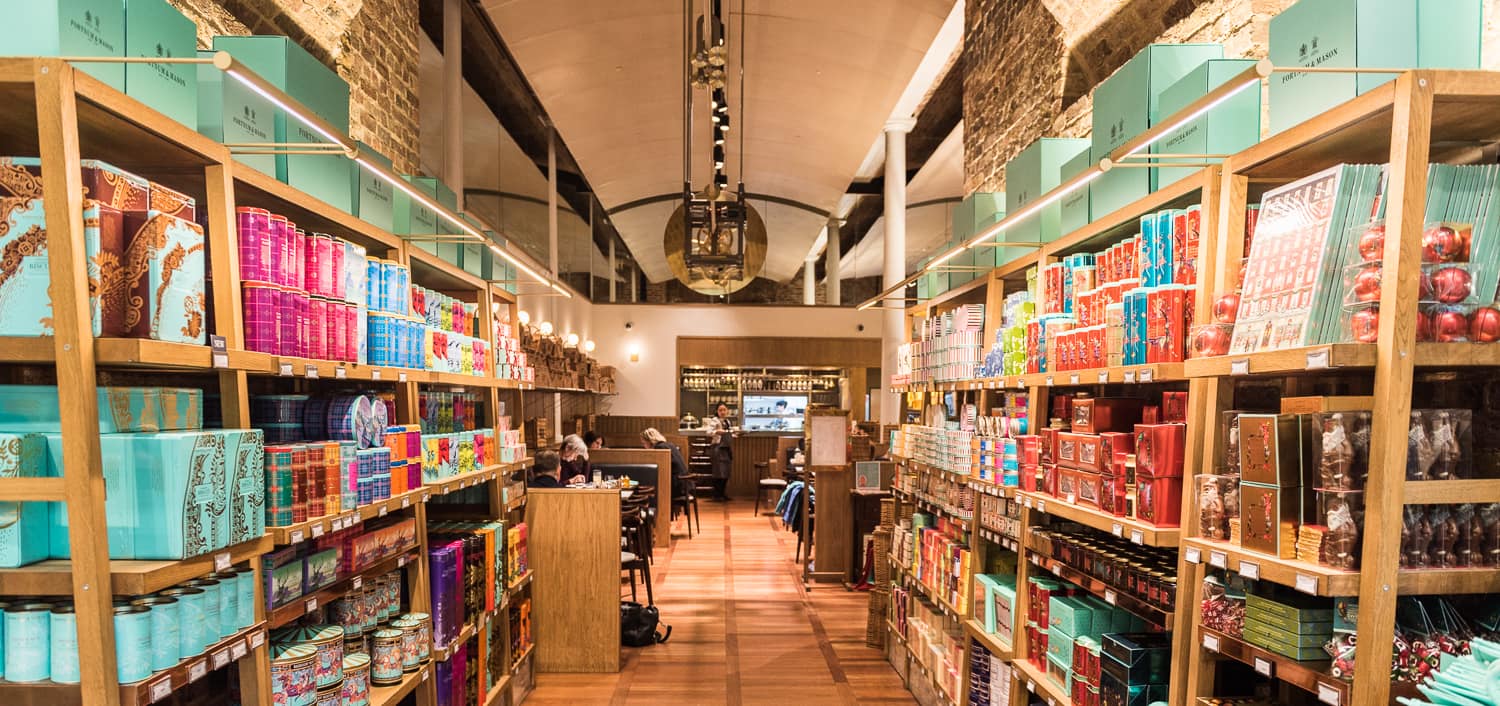
    The 7000 sqft Fortnum & Mason Hong Kong space will feature an edit of Fortnum’s most popular products, including tea, biscuits and wine, and gifts such as Champagne and teaware. A restaurant space will afford views across Victoria Harbour.

    British food is popular in Hong Kong, at one time a British colony. Marks & Spencer has a chain of food stores in the territory, operated by Al-Futtaim Group, and own-brand products from supermarket giants Tesco and Morrisons are readily available in retail stores and online.

  • Roots Canada Gets It’s First Hong Kong Store

    Roots Canada Gets It’s First Hong Kong Store

    Premium outdoor lifestyle brand Roots Canada has opened its first Hong Kong store this month, at Harbour City.

    The store was opened with Fung Retailing’s Branded Lifestyle Group, its Asian retail partner.

    Roots Canada’s brick-and-mortar debut in the territory coincided with the launch of an online store with Zalora Hong Kong.

    “Opening a store at the largest and most diverse shopping mall in Hong Kong is an important first step in what has the potential to be a multi-store market for Roots,” said Jim Gabel, president and CEO of Roots Canada.

    “Further, with an online store on Zalora, customers can go beyond the physical location to connect with our brand anytime and from anywhere in Hong Kong. Our expansion into Hong Kong is a testament to the continued success of our longstanding partnership with Branded Lifestyle Group.”

    The new Roots retail space brings together “cabin comforts and city conveniences” to create a space that feels like home, the company said in a statement. The store showcases Roots’ character and heritage by immersing shoppers in the more than 40 years of the brand’s stories and products.

    The brand’s collection is curated into four main areas in store, each telling a different Roots story, including a Cooper Beaver Collection that pays tribute to Roots iconic logo the Cooper Beaver, Roots Original Salt & Pepper Sweats, handcrafted leather, as well as seasonally relevant products that embody Roots unique comfortable cabin-meets-city style.

    “Leveraging our strong network and local resources, we are excited to bring the world-renowned Roots brand to Hong Kong,” said Sunny Wong, CEO of Branded Lifestyle Group.

    “The leisure-and-lifestyle-apparel trend continues to gain momentum in Asia, and we believe Roots focus on comfort and style is a perfect fit for the Hong Kong market.”

    Starting from a small cabin in Algonquin Park, Canada, in 1973, Roots has grown to become a global brand with 114 corporate retail stores in Canada, seven corporate retail stores in the US, 117 partner-operated stores in Taiwan, 37 in China and a global e-commerce platform.

    Branded Lifestyle Holdings represents five brands: Hang Ten, H:Connect, Arnold Palmer, Hunter and now Roots. It owns or franchises more than 1000 retail outlets across Greater China, South Korea, Southeast Asia and the Middle East.

  • The Mills Fabrica opens Techstyle X, Next Level Retail

    The Mills Fabrica opens Techstyle X, Next Level Retail

    Hong Kong business incubator and tech springboard The Mills Fabrica celebrated the launch of its first retail store Techstyle X on Saturday at The Mills.

    According to the group, the term “techstyle” covers material and supply chain innovation, wearables merging technology and style, and new retail experiences.

    The new store provides a platform for promising techstyle companies to showcase their products and services, attempting to bridge the gap between traditional long-term and pop-up stores by offering innovative startups a retail space with high traffic and flexible terms.

    Following its grand opening, Techstyle X is offering three experiential zones for its visitors to discover new techstyle innovations. Visitors will get a chance to use the self-serve 3D scanning station, customise their own t-shirts, and explore the latest techstyle innovations.

    The self-serve 3D scanning station allows visitors to obtain their very own digital avatar with key measurements – customers may then order perfect-fitting garments from personalised suits to sustainably-sourced denim jeans.

    Companies are able to rent a display space to launch their products, test the market and share their innovations with the world at the store, allowing customers to witness the latest and upcoming brands in the techstyle industry.

  • Woolworths Heads First in Taking on Kaufland

    Woolworths Heads First in Taking on Kaufland

    Woolworths and Aldi have increased their share in Australia’s grocery market, while Coles and IGA have slipped slightly, according to the latest research from Roy Morgan.

    Woolworths remains Australia’s top grocery retailer, increasing its share of the market to 34 per cent in 2018, up 1.4ppts, while a newly independent Coles now has a share of 27.6 per cent of the total grocery market, down 1.6ppts on a year ago.

    Aldi grew its grocery market share to 11.4 per cent in 2018, up 0.5ppts from a year ago, while Other Supermarkets outside the ‘big four’ such as Foodland and Foodworks have increased their share to 9.1 per cent, up 1.2ppts. IGA’s grocery share was down 0.4ppts to 7.1 per cent.

    Woolworths’ dominance in key fresh food categories has helped its strong lead. The retailer holds the largest market share in dollar terms for fresh meat, fresh deli, fresh bread and fresh fruit and vegetables ahead of Coles, Aldi and IGA supermarkets. The big two currently dominate Australia’s fresh food markets holding over 50 per cent of each of the fresh food markets.

    Michele Levine, Roy Morgan CEO, said Woolworths’ impressive performance places it in a strong position to deal with the entry of German hypermarket Kaufland into Australia’s more than $100 billion grocery market.

    “The demerger of Coles Group from industrial conglomerate Wesfarmers in the December quarter of 2018 means Australia’s second largest supermarket chain now has the opportunity to refocus on its core business ahead of the imminent arrival of German retailer Kaufland,” Levine said.

    Kaufland is following in the footsteps of fellow German retailer Aldi with plans to open six hypermarkets in Victoria over the next two years and more stores Australia-wide in the future.

    Levine also expects the anticipated rollout of ‘Amazon Fresh’ in the Australian grocery market in the near future to further disrupt the market. The online retail giant launched a food and grocery segment (excluding fresh food) late last year.

  • Sotheby’s Hong Kong Sets Record Spring Sale

    Sotheby’s Hong Kong Sets Record Spring Sale

    International auction house Sotheby’s has established its second highest total sales in company history for its Spring 2019 Hong Kong auction series.

    Second only to the firm’s landmark 40th anniversary sales total in Autumn 2013, Sotheby’s Hong Kong concluded the season with a total of HK$482 million, exceeding the pre-sale estimate for the series of $428 million.

    The sales were marked by healthy activity across all categories and from all corners of Asia, with a strong combined sell-through rate of 90 per cent.

    “These superb results are up on what were already very strong results last spring, despite the fact that the estimates were lower than a year ago,” said the firm’s CEO Tad Smith, adding “our excellent performance against low estimate is a clear indicator of the health of the market in Asia and bodes very well for our important upcoming May auctions in New York.”

    “With all eyes firmly fixed on our Hong Kong sales for this first indicative season, I think we can say that the Asian market did not disappoint,” commented CEO of Sotheby’s Asia Kevin Ching. “Our total follows what was already a record year for Sotheby’s in Asia, with this season’s results now sitting among the top results we have ever achieved here in Hong Kong – a testament to the fact that, when you get it right, collectors from across Asia remain ready to go the extra mile.”

    Sotheby’s Asia chairman Patti Wong added: “When building the sales for these big seasons, we try to keep our finger firmly on the pulse of our collectors so as to understand, not only what they want right now, but also where their interests are taking them, so our offerings reflect both where the market is and where it is going. That is why we are bringing an ever-more diverse range of material to Hong Kong, along with an ever-wider range of possibilities for collectors to engage with us. This, for me, is what is so exciting about these seasons – they are not only a data point for the Asian market, they are also a testimony to the excitement, and opportunity, that exists within it.”

    Among the highlights of the Sotheby’s Hong Kong season:

      • The auction house staged 20 auctions in nine categories featuring 4331 lots and attracting more than 35,000 visitors.
    • Six lots sold for in excess of $100 million.
    • Wine sales totalled $273 million, setting a new world auction record.
    • Sales of modern art realised $851 million, the top lot being Wu Guanzhong’s Lotus Flowers (I), which fetched $130.8 million, more than 8.5 times the estimate.
    • The highest-totalling series of Contemporary Art sales staged in Asia, realising $802 million.
    • A record for a work by a female artist sold at auction in Asia: Kusama Yayoi’s Interminable Net #4 sold for $62.4 million.
  • Twitter tests new labels that help users

    Twitter tests new labels that help users

    Twitter is reportedly looking at different ways to allow users to edit their tweets after they have been posted. It also appears that there are some other features being tested. A tweet disseminated by Twitter today reads, “We want it to be easy to follow and join conversations on Twitter. We’re testing out labels on replies: author mentioned and following. If you see them, let us know what you think!”

    The “author” label will be applied to replies tweeted by the person who kicked off a particular thread. This will allow users to see if a particular response in a thread came from the person who wrote the original tweet. The “mentioned” label will be attached to a reply from a Twitter user whose “handle” was mentioned in a thread’s original tweet. The “following” label will appear on a reply tweeted by a Twitter member who follows the original author in a thread.

    Only a limited number of Twitter users have seen these labels employed. Since the new features aren’t found in the latest version of Twitter in the Google Play Store (v7.79), they might be rolling out via a server-side update.

    While the Labels being tested by Twitter might help users understand what is going on in a particular thread, we would imagine that most Twitter subscribers would prefer to have the ability to edit their own tweets instead.

  • Snapchat announces Snap Games and Snap Originals programs

    Snapchat announces Snap Games and Snap Originals programs

    Snap, the company behind the Snapchat social network and services, announced earlier today a host of new features that will come to its mobile apps in the coming weeks. During its Snap Partner Summit, the social network company revealed two new programs that will be available to all Snapchat users, Snap Games, and Snap Originals.

    Another major announcement concerns important improvements to the popular Snap Lenses. Also, a new set of development tools grouped together as Snap Kit, which will allow developers to include Snapchat functionality directly in their apps. But let’s start with the first major feature that Snapchat users will be given access to very soon: Snap Games. The new feature will be available right from the Chat bar within the Snapchat app on Android and iOS devices.

    What’s really interesting about Snap Games is that you won’t have to install anything. Also, you’ll be able to see all your friends who are playing games, send them a message, play with them instantly and even talk like with voice chat.

    Initially, Snap Games will be available with six mobile games: Bitmoji Party, Tiny Royale, Snake Squad, C.A.T.S. Drift Race, Zombie Rescue Squad, and Alphabear Hustle. Since Snap Games will begin rolling out for Android smartphones and iPhones today, you can expect to be able to check out the new feature very soon.

    Snapchat starts offering original shows watchable on the go

    Snap Originals is a series of shows such as documentaries, comedies, and teen dramas, which, as the name suggests, will be original. Snap also mentions that this original content will clearly stand out from the rest because of the way they’re told: “they’re personal, intimate, and made for the way you use your phone today.”

    No less than 10 shows will be available at launch for those who want to check out Snap Originals: Two Sides, Can’t Talk Now, Sneakerheads, Commanders, Denton’s Death Date, While Black, BuzzFeed, Dead of Night, Compton Dreams, and Stranded with Sam and Colby.

    The new Snap Originals will be available starting this week, but more series will be added in the coming months. Remember that you can watch these shows anywhere you are directly from your smartphone, as long as you have access to the internet.

    Snapchat Lenses get upgraded to the next level

    As far as the Lenses go, Snap announced that in just over a year after the feature was made available to users, more than 400,000 Lenses have been created by the Snapchat community. Moreover, users have played over 15 billion times with these Lenses.

    To advance Lenses to the next level, Snap announced the addition of Creator Profiles, a new way to help Lens Creators to showcase their work and learn more about their audience.

    Also, Snap introduced an easier method to find the right Lenses when you need them. Simply press and hold on your camera screen to scan the world around you. For example, you can scan a math problem to get the answer, or a product to see it listed on Amazon and learn about its price. You can even scan your dog to give it glasses, or a song to see who sings it.

    Last but not least, Lens Studio has been updated to include more templates for those creators who prefer augmented reality over traditional Lenses, including Landmarkers. The update adds new templates for hand-tracking, body-tracking, and more, which can be used to create Lenses that might pop up when Snapchat users use Scan.
    But there are more changes coming to Snapchat, such as App Stories, which allow users to share content directly from the Snapchat camera to a Story inside another app. And for creators, there are a few new kits that will allow them to share their custom stickers from their favorite services directly on a Snap.

    The Creative Kit, Bitmoji Kit, and Ad Kit are now available for creators, each allowing Snapchat users to interact easier than ever with customized Snaps.

    As mentioned earlier, all features announced today by Snap will be available starting this week, but some Snap Originals shows will go live in the coming months.

  • Fitbit partners with Snapchat to make Apple Watch owners jealous

    Fitbit partners with Snapchat to make Apple Watch owners jealous

    Fitbit may have joined the “true” smartwatch game a bit late compared to Samsung or Apple, but after a somewhat slow start in this potential-brimming market, the Versa seems to have put the company on the right track. The world’s second-largest smartwatch vendor took quite a risk by developing its wearable software from scratch rather than adopting Google’s Wear OS, but this proprietary platform continues to grow at a healthy pace in terms of capabilities and ease of use.

    Of course, everyone needs high-profile partners to boost the appeal and trendiness of today’s wearable devices, and Fitbit’s newest ally in its fight against Apple and Samsung is as high-profile as they come. We’re talking about Snap, the company behind one of the world’s most popular social networks.

    Snapchat users who just so happen to own a Fitbit Versa, Versa Lite, or Ionic as well can now connect their Bitmoji account to their smartwatch to display their “personal emoji” on their wrist. For those unfamiliar with the Bitmoji app, we should probably mention the experience is very similar to what Apple offers with Memoji and Animoji on iPhones and Samsung’s own AR Emoji experiments for recent high-end Galaxy handsets.

    Obviously, the main difference is you can have fun with Bitmoji on both Android and iOS, as well as on Fitbit devices starting today. Your cartoon avatar will show up on the “first-ever” Bitmoji clock face (once you download it from the Fitbit App Gallery, that is), aiming to motivate you to be more active, help you create healthier habits, and celebrate personal achievements.

    While unlikely to be as expressive as its smartphone counterpart, your wrist Bitmoji promises to support more than 50 fun clock face variations, changing throughout your day to reflect your activity and progress towards your fitness goals. For instance, your personal emoji will wave hello to start your day, dance with your alarm clock to annoy help you wake up in a better mood, throw confetti after you hit your daily step objective, meditate when you’re totally relaxed and zen, carry an umbrella if there’s a chance of rain, and much more.

    That definitely sounds like something Apple Watch and Samsung Galaxy Watch owners could also appreciate, but for the time being, all we can do is wait and see if there are any Memoji or AR Emoji expansions planned for the near future.

  • AirAsia takes partnership with World Surf League to new heights

    AirAsia takes partnership with World Surf League to new heights

    AirAsia and the World Surf League (WSL) Australia / Oceania are excited to announce the extension of their partnership to support the three Australian Championship Tour events in 2019.

    As the Official Airline Partner of the WSL, the world’s best low-cost airline has unveiled an AirAsia Beach Club and the AirAsia Flight Cam at each event, beginning with the Quiksilver Pro and Boost Mobile Pro Gold Coast this week, and continuing through to the Rip Curl Pro Bells Beach and Margaret River Pro.

    AirAsia will also extend its ‘Surfboards Fly Free’ initiative in 2019, meaning surfers from Australia will be able to travel with their surfboard with no excess luggage cost, to any of the surfing hotspots found in AirAsia’s network of more than 140 destinations.

    “We are really excited to be continuing our partnership with a company that keeps the dream of the perfect surfing holiday a reality for Australians from all walks of life. We’re really excited about the continuation of these programs but especially the engagement of our fans through this partnership,” said Andrew Stark, General Manager, WSL Australia and Oceania.

    “Partnering with the WSL is a natural fit for AirAsia. Since announcing the deal last year, we’ve been able to showcase the breadth and depth of our fast-growing network. Take Padang in Indonesia, for example – the gateway to the Mentawais – where we now see thousands of surfers each year travel with us. This is what makes the partnership so unique,” said AirAsia Group Head of Branding Rudy Khaw.

    To celebrate the renewed partnership, AirAsia and WSL are offering two lucky winners with the chance to see pro-surfing at its best, including access to corporate hospitality and multi-day passes for each event. To enter, simply follow @AirAsiaAustralia on Facebook and look out for the competition details.

    The AirAsia Beach Club is now open at the Quiksilver Pro and Boost Mobile Pro Gold Coast on at Snapper Rocks in Queensland, Australia

  • AirAsia Indonesia Under Pressure From Its Airspace Rivals

    AirAsia Indonesia Under Pressure From Its Airspace Rivals

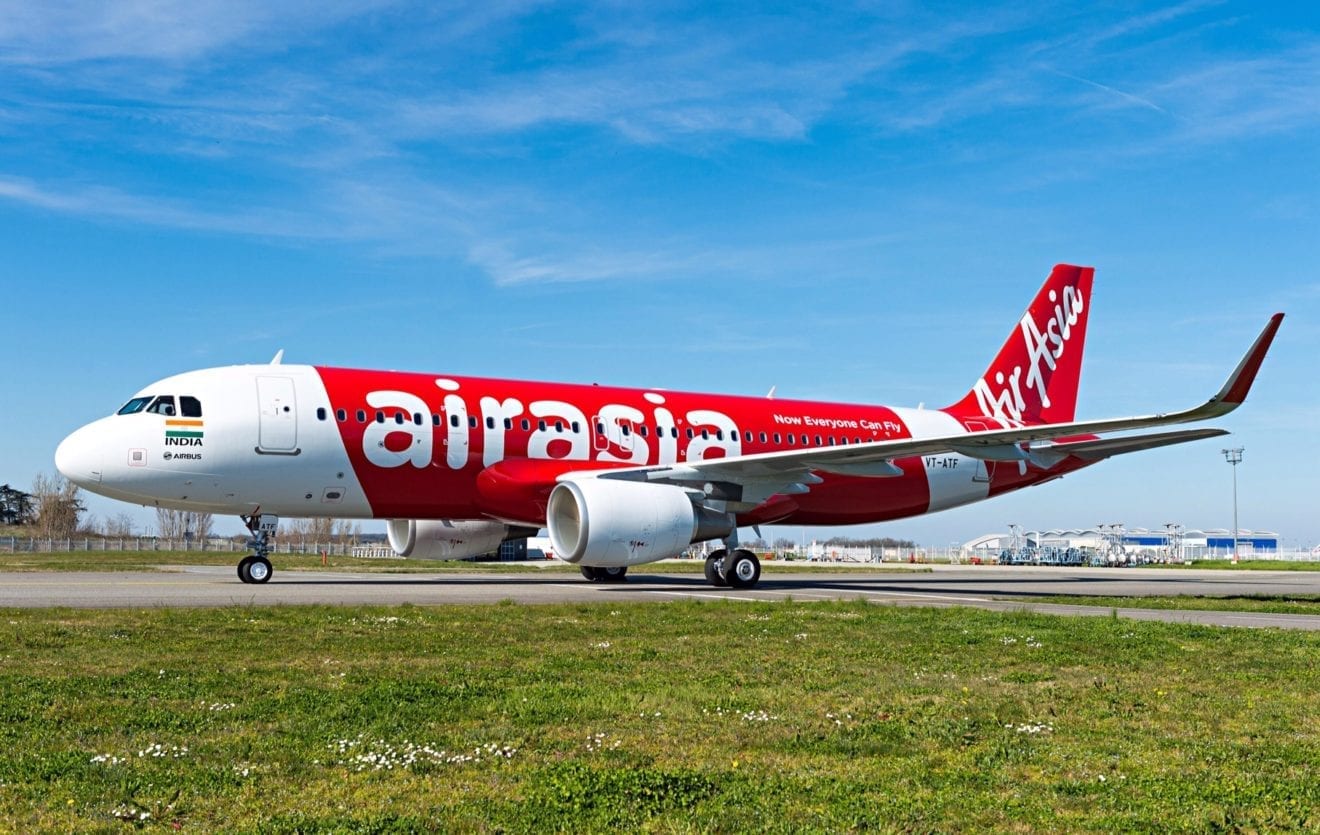
    Low-cost airline AirAsia appears to be facing increasing pressure from its Indonesian rivals Garuda Indonesia and Lion Air. Skift reporting recently claimed that Indonesia’s largest airline, Lion Air, and Garuda Indonesia had allegedly prevented Indonesia’s largest online travel agencies from listing AirAsia’s cheap Indonesian flights. The two sites were Traveloka and Tiket.com. AirAsia responded by removing its flight listings from Traveloka’s website.

    AirAsia Indonesia President Dendy Kurniawan said:

    We observed through social media messages how customers who enquired about the unavailability of AirAsia flights were recommended by Traveloka to book with other airlines instead.

    Subsequently, AirAsia  met with both Traveloka and Tiket.com but didn’t return comment on the meetings. Skift says an internal source claimed that AirAsia discovered that both travel agencies are under pressure from Lion Air and Garuda to drop AirAsia’s Indonesian routes. And, that the agencies risk losing the flights from the two rivals. A Garuda spokesperson denied the claims.

    High Operating Costs Could be Fuelling the Fight

    Speculation points to AirAsia’s rivals hoping to increase fares to combat high fuel costs. But, AirAsia’s lower prices could prevent them from doing so successfully. Industry experts say the airlines rely on online travel agencies, rather than direct bookings, for custom.

    Domestic flight prices in Indonesia have risen by between 40% and 120%, according to Skift and data from the Indonesia National Air Carrier Association. Skift also says that AirAsia flights don’t seem to be appearing on other websites, and Tiket.com. AirAsia remains committed to its low-price promise and encourages customers to book directly.

    Data from Wonderful Indonesia shows AirAsia carried the most passengers in Indonesia in 2017, at 3.8 million. And, AirAsia carried the most foreign tourists into Indonesia in 2017, at 2.9 million.

    A Political Issue?

    The rising cost of airfare is a campaign issue in Indonesia’s upcoming April general election. One Mile at a Time reported in February that state-owned Garuda was cutting domestic flight prices by 20% at the request of Indonesian Democratic president Joko Widodo. Garuda Indonesia’s CEO said at the time:

    This is in line with the aspirations of Indonesians, a number of national industry associations, and the (wishes of) the president of Indonesia, who wants a reduction in flight prices to support economic growth, especially in the tourism sector.

    In addition, Garuda Indonesia has reported losses over recent years. Political pressure is added to state-owned Garuda to turn a profit and remain competitive.

    AirAsia issued a statement in March reaffirming its low prices, adding that prices include 15kg free baggage and the passenger service charge for domestic Indonesian travelers. AirAsia Group’s head of communications, Audrey Progastama Petriny, says:

    While our withdrawal from Traveloka has not significantly impacted our sales, it does affect the traveling public as there are now fewer options to choose from on the online travel agency.

    Also, Traveloka called the withdrawal of AirAsia flights a “setback” for its value proposition to provide the widest range of offerings.

    To date, the figures point to AirAsia’s low-price strategy allowing it to dominate the market in Indonesia. And so far, the pressure from its Indonesian airspace rivals doesn’t appear to be impacting sales. Savvy consumers could be increasingly booking directly. AirAsia says its website is seeing a 50-60 percent increase in traffic.

    That said, just days ago Indonesia raised its price floor on over 1,000 domestic flights from 30% to 35%.  This in a direct move to protect Indonesia’s national airlines from rising fuel and operating costs.