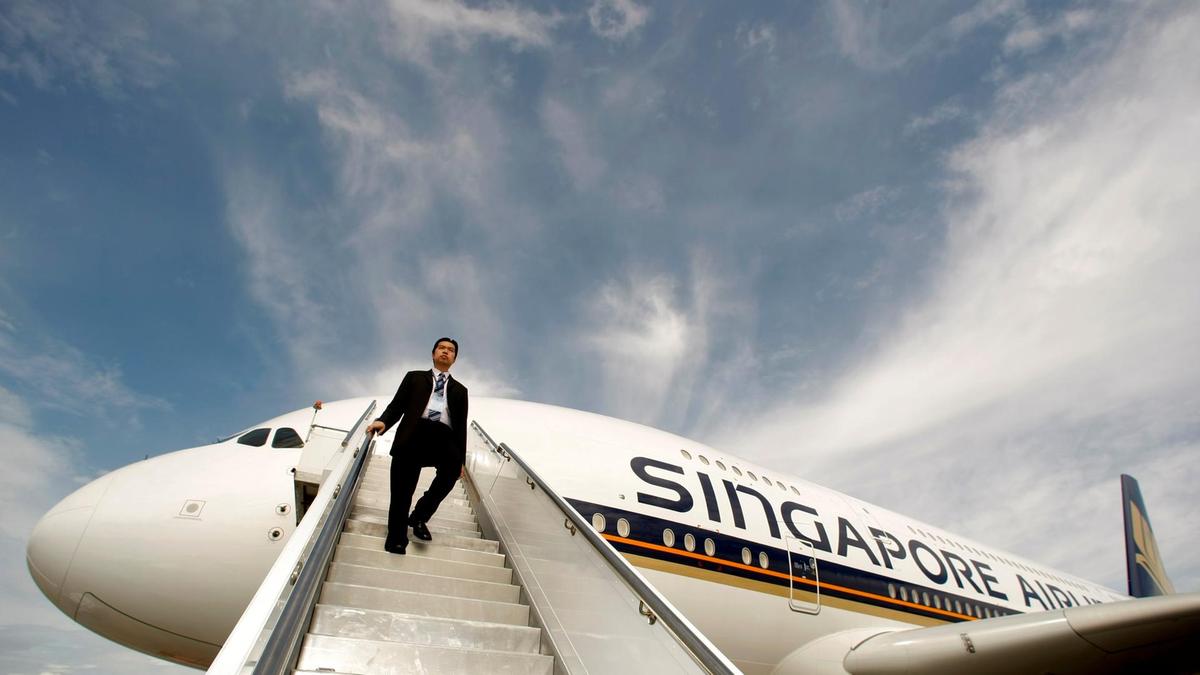
Category: General

Retail News Asia is committed to providing both local and global retailers with the latest General Retail news throughout the Asian market. This on a daily base.

  • AirAsia prepares to fly to Japan starting in July

    AirAsia prepares to fly to Japan starting in July

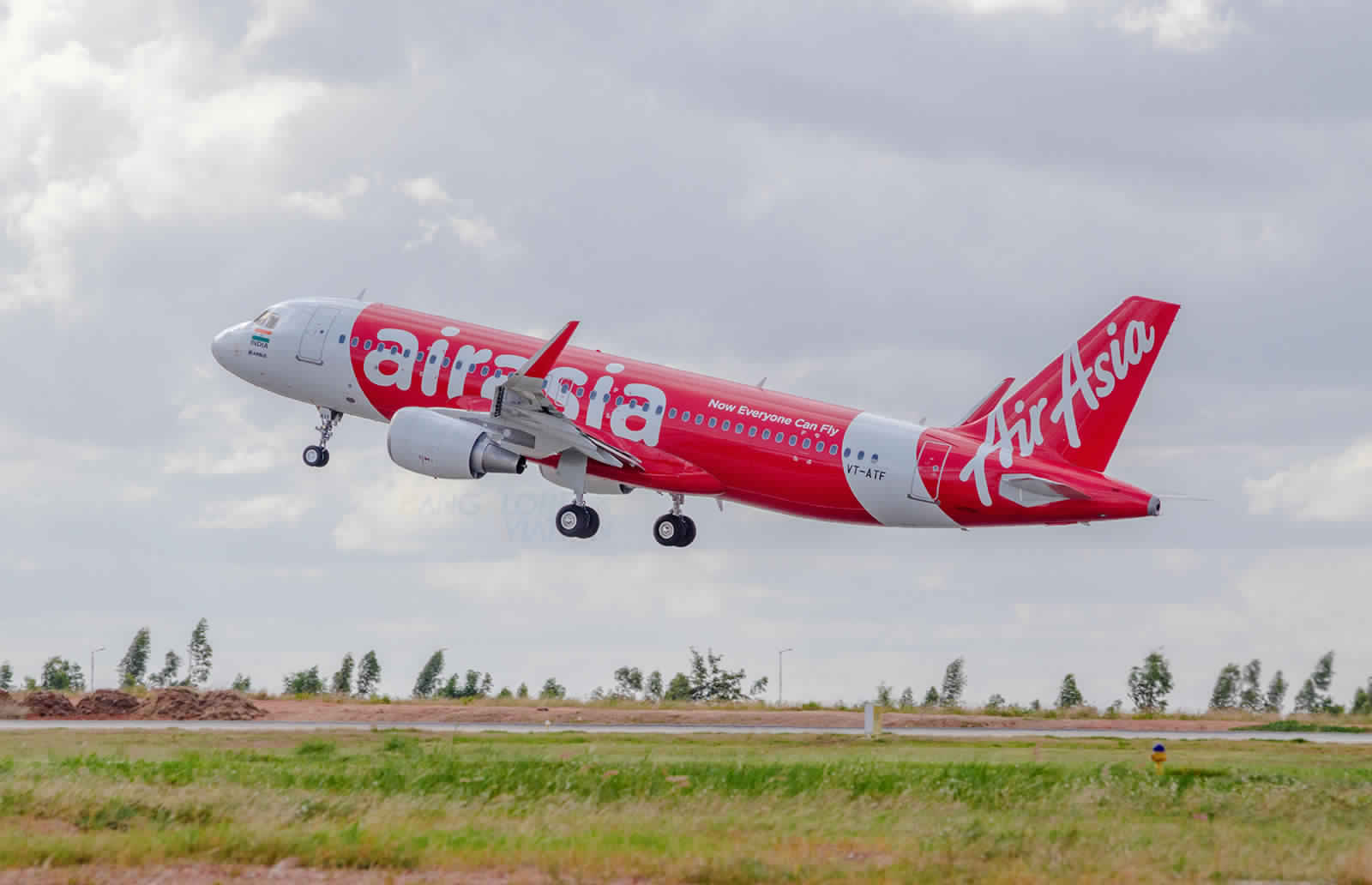
    Budget carrier AirAsia Philippines is launching its first flights to Japan on July 1 this year. The carrier, a unit of Malaysia’s AirAsia Berhad, said in a statement over the weekend that it would link its Manila hub to Osaka, paving the way for direct flights to Japan.

    “The launch of direct flights between the Philippines and Japan is a milestone occasion, and we’re excited to connect our capital, Manila, with Osaka,” said AirAsia Philippines President and CEO Dexter Comendador.

    “We are also excited to welcome guests from Osaka and its neighboring regions to the Philippines. This international route will contribute to the government’s target of 8.2 million visitors this year,” he added.

    Similar to the launch of other new routes, the budget airline said it would offer promotional fares at P1,990 for a one way ticket.

    For the whole of 2018, AirAsia Philippines carried 6.87 million passengers, a gain of 30 percent.

    Capacity for the year also rose 34 percent as it increased its fleet of Airbus A320s to 22 planes in 2018 versus 17 aircraft the previous year.

    AirAsia Philippines was established in 2012 with a fleet of two A320s operating out of Clark International Airport.

    Since then, it has opened new hubs, including Manila’s Ninoy Aquino International Airport and Mactan Cebu International Airport.

    At present, it flies to 13 international destinations from Manila in the Philippines, including Kuala Lumpur, Kota Kinabalu, Bangkok, Bali, Seoul, Taipei, Kaohsiung, Shanghai, Guangzhou, Shenzhen, Hong Kong, Macau and Ho Chi Minh City.


  • Drop in Hong Kong retail sales

    Drop in Hong Kong retail sales

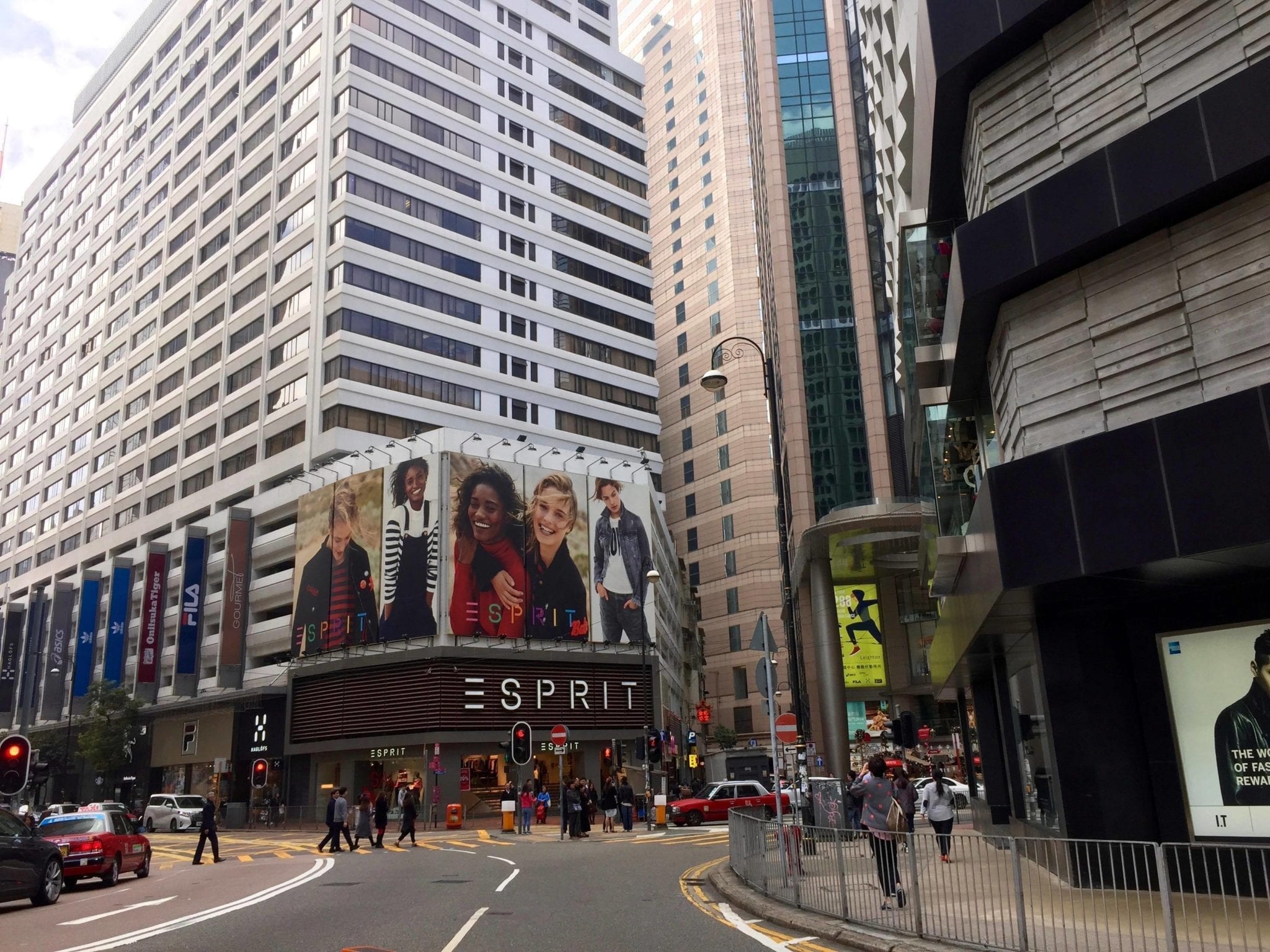
    Hong Kong retail sales fell 1.6 per cent in the first two months of this year.

    February’s sales were always expected to be down on last year due to the timing of Lunar New Year. They fell 10.1 per cent, while the revised figure for January was an increase of 7 per cent.

    As always, the Census and Statistics Department (C&SD) warned not to read too much into either month’s performance alone, asserting the combined January-February figures for each year provide a more accurate assessment of the state of retail sales growth.

    A government spokesman said the weak performance of retail sales in recent months reflected that consumer sentiment remained cautious amid “various external uncertainties”.

    “The near-term outlook for retail sales should continue to be affected by moderating global economic growth and various external uncertainties, but the full-employment situation and the sustained growth in inbound tourism should provide some support.”

    After netting out the effect of price changes over the same period, Hong Kong retail sales for the first two months of the year decreased by 1.8 per cent year on year.

    Combining the two months, sales of jewellery, watches and clocks decreased by 2.8 per cent. Other categories to fall included apparel down 3.7 per cent; food, alcoholic drinks and tobacco down 1 per cent; electrical goods and other consumer durable goods down 18.3 per cent; Chinese drugs and herbs down 1.7 per cent; and optical shops, down 2 per cent.

    However sales of medicines and cosmetics increased by 2.3 per cent; department store sales rose 4.2 per cent; supermarket sales by 1.5 per cent; footwear and accessories by 1.3 per cent; furniture and fixtures by 3.4 per cent; and books, newspapers, stationery and gifts by 1.7 per cent.

    The C&SD estimated the value of retail sales decreased by 0.6 per cent during the three months to February compared with the preceding three months, while the volume declined by 1.2 per cent.

  • Gmail is getting scheduled send time and Smart Compose is now on more devices

    Gmail is getting scheduled send time and Smart Compose is now on more devices

    Amidst all the absurd products Google is “announcing” as part of its April Fools campaign, there is also legitimate news coming from the company. With a post on its blog, Google is making official its Smart Compose functionality available for all Android devices with Gmail (iOS support “coming soon”). The feature had already appeared with an update on some devices besides Pixel smartphones, but today marks its broader release.

    For those unfamiliar with Smart Compose, it helps you type in your emails faster by suggesting phrases with which you can autocomplete your sentences. Unsurprisingly, the feature is powered by Google’s AI and its suggestions are based not only on the context of the email but on your writing style as well. So if you’re commonly using certain phrases in your emails, it shouldn’t take long before Smart Compose starts offering them as soon as you type in the first word or two.

    Another, this time “brand new” feature coming to Gmail is scheduled email sending. Once it’s available to you, there will be an arrow next to the send button through which you can select “Schedule send” and choose a date and time when you want your email to be sent. We assume the implementation for the Gmail app will be similar.

    This is a very convenient feature that has many use cases: preparing emails for when you’re going to be out of the office, on a plane or on vacation. Of course, you’ll also have the option to cancel the email at any point before its departure date and time. Considering it’s not a very complex one, we’re surprised it took so long for Google to implement it.

    It matters not, however, as now your Gmail client is gaining new features to make your life easier. How long will it be before we can just say “OK, Google, reply to all my emails.” and not have to bother at all?

  • Apple cuts the prices of its devices in China

    Apple cuts the prices of its devices in China

    Earlier this year, there were quite a few reasons why Apple decided to cut the wholesale price of the 2018 iPhone models in China. First, the strength of the U.S. Dollar against the Chinese Yuan forced Apple to price the ‘more affordable’ iPhone XR higher than the premium-priced Huawei Mate 20 Pro in China. When the dollar is stronger against the Yuan, it means that Apple gets fewer dollars back when it converts the Yuans it receives from sales of its products in China. At this point, Apple has a choice; it can keep pricing the same and suffer the consequences, or it can lower its prices in China and take a hit to its margins.

    In addition, a rise of Chinese nationalism hurt iPhone sales as consumers in the country protested the U.S.-China trade war and the U.S. government’s treatment of Huawei. There was the overall sluggishness in the smartphone market due to high prices, lack of innovation and high penetration rates for smartphones. Lower sales in China of iPhone models forced Apple to cut its revenue guidance for the fiscal first quarter, leading to a selloff in the company’s stock. At the time, Apple CEO Tim Cook said, “If you look at our results, our shortfall is over 100 percent from iPhone and it’s primarily in greater China.” As it turned out, Apple ended up shipping 20% fewer iPhone units to China during the three month period, and its overall revenue in the market declined by 28% or $5 billion.

    Caixin reports today that Apple has made another bold pricing move in China, this time slashing prices of certain devices in the company’s own online and physical stores by as much as 6%. The affected products include iPhones, iPads, AirPods and Macs. For example, in China’s version of the Apple Store, the 64GB iPhone XR is now priced at 6,199 Yuan (equivalent to $924 USD at current exchange rates), a 4.6% decline from the 6,499 Yuan that the phone was listed at just a few days ago. The price cut took 500 Yuan ($74.50 USD) off the prices of the iPhone XS and iPhone XS Max.

    This is why Apple cut its prices in China today

    However, unlike the previous price cut in China, this time the reason has nothing to do with the supply-demand balance. Starting today, new regulations dropped the value-added tax (VAT) for manufacturers in China to 13% from 16%. This gives Apple some leeway to lower the pricing of Apple devices in the country. Still, consumers in China often find better pricing for the company’s products online. Prices for the iPhone XS Max and iPhone XS declined by as much as 2,000 Yuan ($298 USD) last month on these sites due to tepid sales of the phones. E-commerce firms in China such as Tmall and JD.com have now cut their prices on the 2018 iPhone models twice this year.

    It wasn’t until 2009 that a Chinese wireless provider offered the Apple iPhone to consumers. Before the iPhone 3GS became available from China Unicom, iPhone models could only be purchased from the black market.

  • Google continues to improve the security and privacy

    Google continues to improve the security and privacy

    Google today released its annual security and privacy report, looking back at 2018. In the report, Google says that it has a three thronged approach to Android security. It uses layered security that all work together to protect the operating system and apps. Transparency creates openness and trust, says Google. Taking a shot at the walled gardens of iOS, the report states “closed platforms lead to distrust and a dangerous false sense of security through obscurity.” The third part of Android security is called Backed by Google and means that Android is backed by world-class professionals in computer science and security who bring expertise in AI, cloud security, identity management and more.

    Android’s native defense system, called Google Play Protect, scans all apps on a device looking for Potentially Harmful Applications (PHAs). Google says that last year, only 0.08% of Android devices that exclusively use the Google Play Store to install apps were affected by PHAs. Android devices that sideloaded apps from outside of the Google Play Store were affected by PHAs more than eight times as often, or at a rate of .68% But even those phones with sideloaded apps installed saw 15% fewer issues with malware than seen in 2017. In 2018, Google says that .45% of all devices running Google Play Protect had installed a PHA compared to .56% the year before. That represents a 20% decline year-over-year, which Google calls an “improvement to the health of the Android ecosystem.”

    In the five largest Android markets, Google saw PHAs installed at a lower rate year-over-year in three of them (India, Indonesia, Brazil), while one market was flat (Russia) and one had an increase (U.S.). In the biggest market for Android, India, PHA installation declined 35% as .65% of all Android devices in the country had a PHA installed. Many of these apps were pre-loaded through the supply chain, and were on affected phones right out of the box. In the U.S., the number of Android devices with a PHA installed rose 25% from 0.4% to 0.5%. Most of the malware in the states was malware that ran hidden advertising in the background. This “click fraud” enables those behind these PHAs to collect advertising revenue illegally. Click fraud wasn’t considered a PHA by Google before last year.

    The inclusion of Click Fraud as a PHA led to the doubling of the PHA install rate from Google Play to 0.04% in 2018 from 0.02% in 2017. Remove this category from the data and the number of PHAs installed from the Google Play Store actually declined 31% year-over-year. And Google Play Protect also blocked 1.6 billion PHA installations from being completed last year outside of the Google Play Store.

    As each new build of Android is released, Google improves the security features for its open-source operating system. Last year, .65% of devices running Android 5 Lollipop had a PHA installed compared to .55% for devices powered by Android 6 Marshmallow and .29% for devices using Android 7 Nougat. Phones and tablets running the last two builds, Android 8 Oreo and Android 9 Pie, had PHAs installed on only .19% and .18% of devices, respectively.Every day, Google Play Protect scans 50 billion apps on over 2 billion devices. The feature is now enabled by default on all new Android phones. Last year Google also added notifications that warn Android users when they are installing an app outside of the Google Play Store, and when they are about to install a harmful app. In 2018, Google also started automatically disabling apps that created issues with privacy or had deceptive behavior or content.

    Google also improved its Find My Device feature last year by adding indoor maps so that lost handsets could be found in large buildings like an airport. A work profile can now be used to register for Find My Device, and if a user locks his device remotely, he is prompted to perform a security update.

    Also helping to reduce security issues is Google’s monthly security update program. Working with Android manufacturers, SoC suppliers and carriers, Google has been increasing the number of devices that receive regular security updates. In fact, during the fourth quarter of last year, 84% more devices received a security update compared to the same quarter the previous year. And as of December, 95% of active Pixel 3 and Pixel 3 XL models were running a security update no older than 90 days.As Android turned 10 last year, Google continued to make strides in its efforts to improve Android security and privacy. As long as it can stay ahead of the malicious actors looking to trick users into installing apps that play hidden ads, or steal personal data, the Android ecosystem should get safer every year.

  • Skype automatically answers calls on Android due to a bug

    Skype automatically answers calls on Android due to a bug

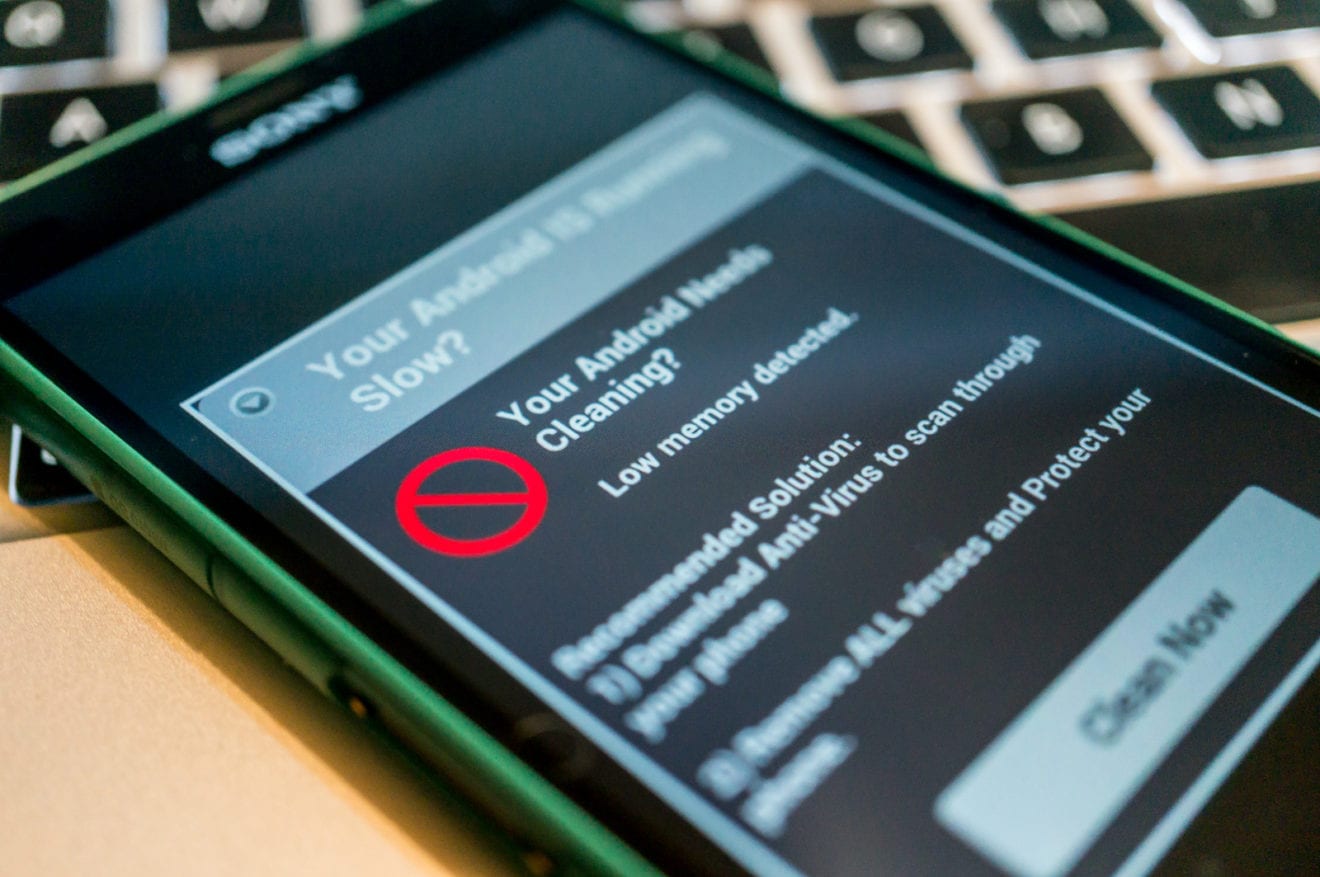
    If you’re using Skype for your day to day communication with friends, co-workers or business partners, there’s a high chance that you’ve been affected by a nasty bug that makes the app automatically answer all calls on Android devices.

    Microsoft is probably the only one that can tell for sure when exactly the issue started to manifest for the first time, but reports go back as far as January, probably soon after the developers updated the app. Sadly, it appears that the issue now affects even more users, as we’re seeing lots of recent reports posted on Microsoft’s support forum.

    For the time being, there’s no workaround to prevent Skype from answering calls that you want to ignore, so the only way to avoid the issue is to uninstall the app until Microsoft fixes it. Not even having the “Answer incoming calls automatically” option disabled will not stop Skype from doing just that.

    The good news is Microsoft has already identified the issue and managed to patch it, but only in the latest Skype preview app. If you want to continue to use the app without being affected by the bug, you can download the beta until the final version gets updated later this month.

  • How founder’s distaste for buying drove AirAsia’s growth

    How founder’s distaste for buying drove AirAsia’s growth

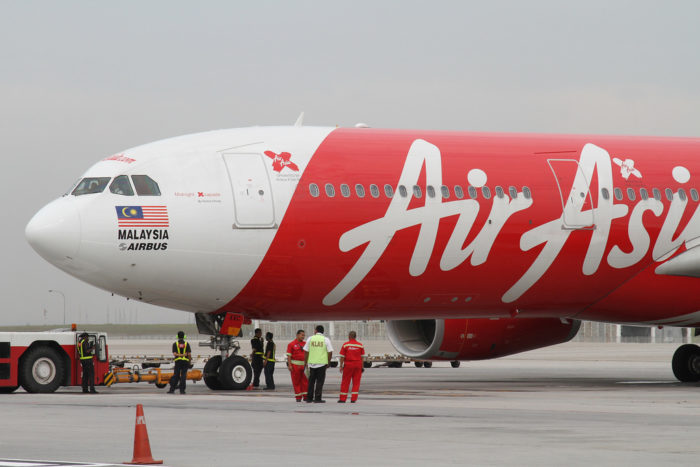
    AirAsia, the region’s biggest budget airline, said it prefers to pursue organic growth instead of expansion through acquisitions, partly explaining why it declined to buy Hong Kong’s sole low-cost carrier Hong Kong Express Airways (HK Express). Cathay Pacific Airways, Hong Kong’s flagship premium carrier, this week offered HK$4.93 billion (S$850 million) to buy its budget competitor from the indebted HNA Group. AirAsia looked at the proposal to buy HK Express and its full-service sibling Hong Kong Airlines, declining to acquire either, said founder Tony Fernandes.

    “My philosophy has been organic growth,” Fernandes said in an interview with South China Morning Post during Credit Suisse’s Asia Investment Conference in Hong Kong. “I generally don’t believe in acquisition because it comes with a lot of inherent issues. When you import through acquisition, it comes at a risk, so it’s not my preference.

    Fernandes’ approach illustrates how he turned the Kuala Lumpur-based airline from a near-bankrupt company into Asia’s largest budget carrier in less than two decades, with more than 140 destinations and flying on 320 routes at the lowest unit cost in the global aviation industry.

    Fernandes, who worked for Warner Music Group before striking out on his own, bought AirAsia in December 2001 for a token 1 ringgit, taking on the carrier’s 40 million ringgit (S$15 million at the time) of debt. Within a year, the carrier reported a profit, qualifying for a listing on the Kuala Lumpur Stock Exchange two years later.

    AirAsia’s 2018 revenue rose 9 per cent to 10.6 billion ringgit (US$2.5 billion), while pre-tax profit rose by the same quantum to a record 1.7 billion ringgit. Low-cost, long-haul AirAsia X notched revenue of 4.5 billion ringgit, flat year-on-year, but the 2017’s profit performance turned into a loss of 312 million ringgit.

    The airline and its affiliates flew 73 million passengers last year, a figure that beat even full-service flag carriers in Southeast Asia. AirAsia had made a single acquisition in 18 years, when it bought 49 per cent of Zest Airways for an undisclosed sum to secure a landing slot in the Philippines in 2013. Elsewhere in the region, AirAsia expands its network through joint ventures in seven countries, including Japan, India and Thailand.

    The airline, operating with 21,000 employees with no union representation, wants to steer clear of importing “inherent issues” and excess baggage from taking on another airline, Fernandes said.

    Now AirAsia has a chance to help revive Malaysia Airlines, the very competitor that the low-cost carrier had beaten into the ground. Malaysia’s Premier Mahathir Mohamad broached the idea of either selling or shutting the nation’s flag carrier two weeks ago.

    Malaysia Airlines, now under the ward of the country’s sovereign wealth fund Khazanah Nasional after a 6 billion ringgit capital infusion, “can definitely be turned around,” Fernandes said.

    Still, AirAsia is in no hurry to revive its 2011 share swap plan with the flag carrier, which was vetoed by the government of then-premier Najib Razak.

    “Many people will say that [AirAsia’s] expertise could be used to hurt Malaysia Airlines and benefit AirAsia. There is a genuine interest to help but in this day and age, not everyone will see it that way, ” Fernandes said. “It’s best that we do our own thing, and we’ve got a lot on out plate.”

    Worldwide aviation is booming, where 8.2 billion passengers could take to the sky by 2037, according to a 20-year forecast made in October by the International Air Transport Association (IATA), with the Asia-Pacific region driving the biggest growth.

    Still, not everything is hale and rosy in the region, as intense competition in a price-sensitive travelling weighed on airlines’ bottom lines. Only six of the 20 publicly traded airlines or affiliates in Southeast Asia were in the black, with 19 of them reporting declines in third-quarter profitability compared with a year earlier, according to CAPA Centre for Aviation.

    AirAsia had been approached for help. It has already evaluated and declined buying a stake in Bangkok-based NokAir. AirAsia’s Indonesia unit was also linked to – and denied – the possible purchase of Citilink, the low-cost brand of Indonesia’s flag carrier Garuda.

    “I never say no to any M&A, but it has to be a sexy opportunity to go down that route,” Fernandes said.

    Turning to India, and the troubles associated with Jet Airways, which was saved from near-bankruptcy at the last minute, the Malaysian-owned budget carrier said it was positioning itself for the opportunity to grow if runways slots relinquished come up for sale.

    “India is a prize, but just like with prizes, nothing comes easy. It’s been a lot of hard work,” Fernandes said.

    Expecting runway slots to be freed up, the AirAsia chief added. “We want to [buy] it in the right way. We’re not vultures. There will be a few airlines hoping Jet goes bust and we don’t want anyone to lose their jobs, we want every airline to survive and grow, but if an opportunity arises to take those slots, then for sure.”
  • Caltex putting digital foundations in place via App

    Caltex putting digital foundations in place via App

    Caltex Australia is investing heavily in new technology to make transactions at its petrol stations and convenience store sites more simple and seamless and enhance the customer experience as it expands into new areas, such as fresh food, healthy fast food, parcel collection and other services. The convenience retailer on Tuesday laid out a vision for the business that includes enabling customers to pay for fuel and pre-order coffee via app and updating prices and promotions in-store using digital signage. It is also testing use cases for payment via facial recognition and number plate recognition.

    Caltex believes these innovations will give it a competitive advantage in the lucrative $8 billion and growing convenience market going forward.

    The company’s innovation team, based out of the “C-lab”, was able to deliver a prototype of mobile checkout and mobile payments within weeks of the visit to China, and is now working on selecting appropriate sites for live trials, Da Ros said.

    This is just one example of the digital-first mindset the company has embraced through its work with technology partner, Microsoft.

    “It’s not about isolating a digital lab or a digital strategy, but instead it’s about ensuring seamless connectivity between key systems, processes, operational workflows and customer touchpoints – everything is connected,” Da Ros said about the company’s approach to innovation.

    This customer-first approach has led Caltex Australia to consider how it might enter new areas, as including fresh food, healthy fast food, parcel collection and a range of other services, as Australian demographics shift to two-income, time-strapped households.

    “The customers of the future will log in to their Caltex app, arrange to pick up the dry-cleaning and select something for dinner. They then drive into the Caltex site and an attendant will come to the car with everything the customer has ordered – including their favourite coffee,” Caltex CEO Julian Segal told.

    The technology investment comes as Caltex undergoes a significant transformation to position itself for growth in the highly competitive convenience market. This includes buying back hundreds of franchisee retail sites, growing retail and convenience revenues, strengthening fuel loyalty and embedding a digital-first mentality across the entire organisation.

  • Paragon mall adds more Retail brands On Level 3

    Paragon mall adds more Retail brands On Level 3

    Paragon mall has added a new retail and lifestyle concept on level 3, bringing together curated fashion brands.

    Launched in phases from last June, the refreshed 15,000sqft concept offers new names from fashion, beauty, bags and accessories, dining and lifestyle brands.

    In fashion, there are French-based women fashion Anne Fontaine, Indonsia label D2-i, European-made shoes Hue, European fabric Moiselle, Asia’s esteemed multi-brand fashion Pois, home-grown fashion designer Sabrinagoh, first concept store for ladies by Samsonite Samsonite for Her, Norwegian fashionable shoe brand with a bold personality Swims, and bespoke collection of jewelry Sulin Serio.

    For skincare and fragrances, there are Scandinavia’s leading cosmetic brand Make Up Store, beauty products from Escentials, and home scenting Flaming Queen, niche fragrances boutique Amaris.

    Western-meets-Sichuan café style dining Halcyon & Crane adds to dining options.

  • Big W to shut down 30 stores over 3 years

    Big W to shut down 30 stores over 3 years

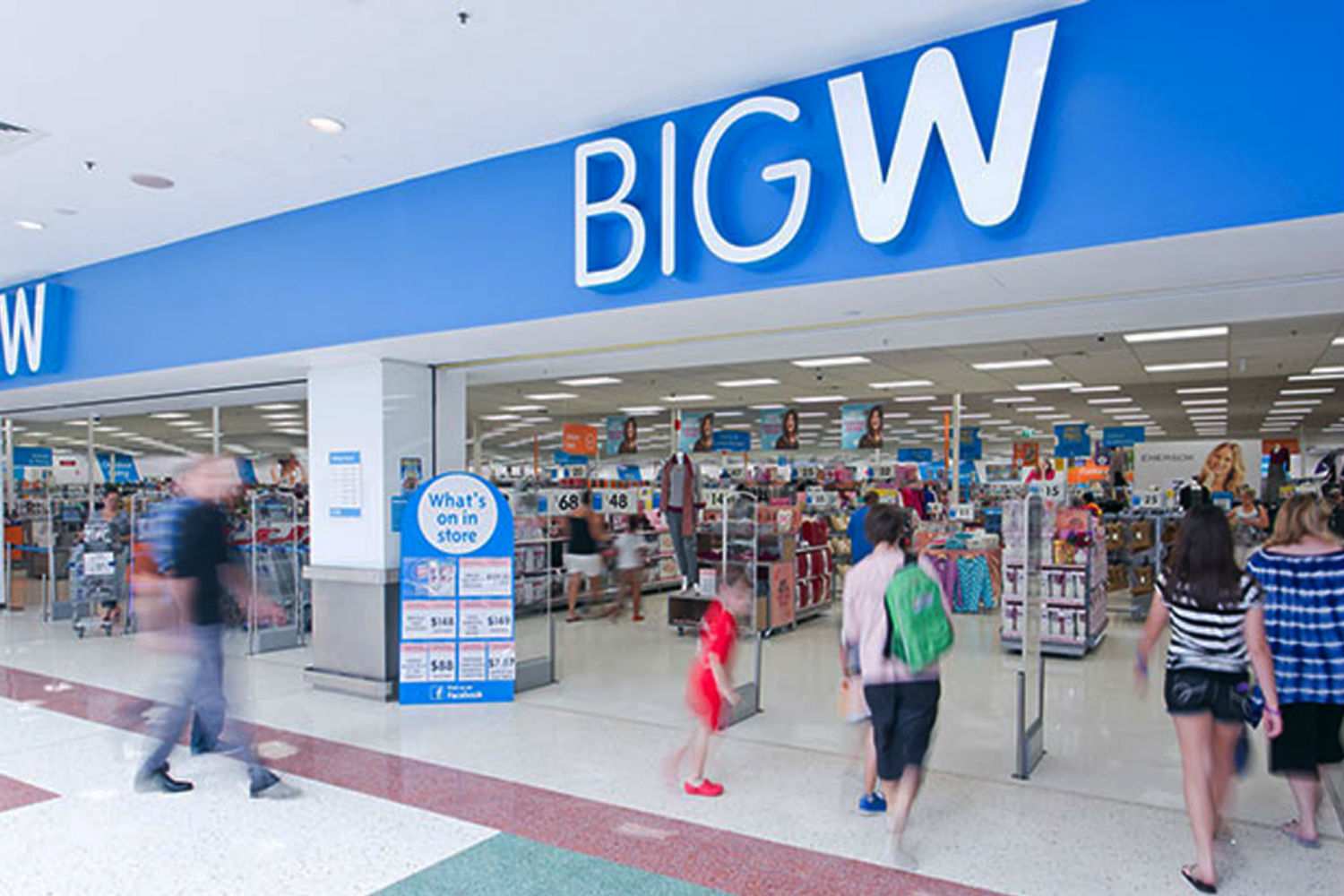
    Department store chain Big W will close approximately 30 stores and two distribution centres over the next three years in an effort to create a more profitable and sustainable store network in a changing retail environment.

    This is less than the 60 store closures that Macquarie Wealth Management predicted in a report last month, before Big W’s parent company Woolworths Group had completed its internal review of the discount department store business.

    The decision, which will see the number of Big W stores shrink by about 16 per cent, will cost the business $270 million in lease and store exit costs. This will impact Woolworths Group’s FY19 full-year result, alongside a $100 million cash impairment identified in the review.

    “While the recovery in trading for Big W is encouraging, and there remains further opportunity for improvement, the speed of conversion to earnings improvement is taking longer than planned,” Woolworths Group chief executive Brad Banducci said in a note to investors.

    “This decision will lead to a more robust and sustainable store and DC network that better reflects the rapidly changing retail environment. It will accelerate our turnaround plan through a more profitable store network, simplifying current business processes, improving stockflow and lowering inventory.”

    In its report last month, Macquarie noted that half of Big W’s stores are located in challenging centres, many of which are regional, and that these locations are unlikely to give the brand the sales it needs to return to profitability.

    Woolworths expects its department store business to record a loss before interest and tax for FY19 of $80 to $100 million, slightly below the $110 million loss felt in FY18.

  • AirAsia to fly Manila-Osaka route starting July 2019

    AirAsia to fly Manila-Osaka route starting July 2019

    Budget airline AirAsia announced it will operate flights between Manila and Osaka, Japan for the first time in July 2019.

    In a statement, AirAsia said its daily services for the Manila-Osaka route will begin on July 1.

    AirAsia Philippines president and CEO Dexter Comendador called the launch of the new route a “milestone occasion.”

    “Being able to travel directly and affordably to Osaka is fantastic news for Filipinos and we’re confident this new route will serve as a gateway for guests to connect to other popular destinations in Japan such as Kyoto and Nara,” said Comendador.

    “We are also excited to welcome guests from Osaka and its neighboring regions to the Philippines. This international route will contribute to the government’s target of 8.2 million visitors this year.”

    Along with the launch of this new route, AirAsia also announced an all-in, one-way promo fare starting at P1,990 for its BIG loyaty program members. The airline said bookings for this promo should be made from March 29 to April 7, for travels from July 1 to October 26.

  • The North Face Showcases bags made from recycled tents

    The North Face Showcases bags made from recycled tents

    Outdoor gear firm The North Face is teaming up with British eco-designer Raeburn to make designer bags from recycled tents.

    The bags are currently available for purchase online as well as at The North Face’s Urban Exploration store on Carnaby Street in London.

    “The North Face has been inspiring a global movement of exploration and conservation for over fifty years,” said fashion designer Christopher Raeburn, “and we couldn’t be prouder to be collaborating on this special project, applying our said ‘Raemade’ ethos to transform surplus tents into unique bags.

    “At Raeburn we’re motivated to work with brands, other designers and individuals to drive positive change in our industry, and it’s been fantastic to work alongside the talented team at The North Face to bring this project to fruition.”

    Every product will have a distinct aesthetic based on the varied colours of source tent materials used in creating the bags.

    Raeburn has previously collaborated with Timberland and other international brands on products made from recycled materials. Likewise, The North Face has engaged in a number of closed-loop initiatives, including its “Renewed” program to sell refurbished returned products as well as its carbon “net-negative” product line.

  • Central Group closes Robins Vietnam online store

    Central Group closes Robins Vietnam online store

    Central Group has closed its Robins Vietnam online fashion store to concentrate on its physical stores. On its website, Robins Vietnam announced the end of online business from this week, referring customers to its two Robins department stores, at Vincom Royal City in Hanoi and Ho Chi Minh City’s Crescent Mall.

    A Central Group representative said the group “plans to restructure its Vietnamese businesses”, including its fashion operation.

    Central Group launched Robins.vn, which was merged with Rocket Internet’s Zalora.vn, in May 2017.

    The Thai retail giant entered Vietnam in 2011, and now owns several businesses there, including Big C supermarkets, electronics chain Nguyen Kim, Lan Chi Mart, Robins Department Stores, and stationery chain LookKool.

    Mobile World group recently closed its online grocer vuivui.com after two years of operation.

    Vietnam’s e-commerce industry is expected to grow 30 per cent to reach US$13billion by 2020 by Vecom. The market is now dominated by Shopee, Lazada, and Tiki, with major investment from foreign firms including JD, Alibaba.

  • Google Maps update brings Nokia’s classic Snake Game

    Google Maps update brings Nokia’s classic Snake Game

    The classic Snake game that made its debut on Nokia phones back in 2007 and achieved popularity not long after, is now available to all Google Map users. Well, let’s say that a very improved version of that game can now be played by Android and iOS users directly in Google Maps.

    Apparently, Google continues the tradition of celebrating April Fools with a long-lasting gag that will be available to those using some of its services on mobile and desktop. This year Google has decided to make Maps the main platform of its gag.

    All Android and iOS users will be able to play Snake on their phones and achieve high scores by picking up as many passengers and visiting as many iconic locations as possible. You’ll be able to play in different locations across the world, such as Cairo, London, San Francisco, Sao Paolo, Sydney, and Tokyo, or simply choose to play in the World.

    In order to start playing Snake, you’ll have to open the Google Maps app, tap on the menu icon on the top left corner, then select “Play Snake” to start playing directly in the app.

    Depending on what city you chose to play in, you’ll have to gather passengers with your ever-growing train and visit important locations around the world, including Big Ben, the Great Sphinx of Giza, and the Eiffel Tower.

    The Snake game is now rolling out worldwide on Android and iOS and will be available from within the Google Maps app for about a week.

  • DBS and Singapore Airlines form digital partnership

    DBS and Singapore Airlines form digital partnership

    DBS Bank and Singapore Airlines (SIA) have today come together to sign a memorandum of understanding (MOU) to enhance digital capabilities across various digital platforms, to enable a seamless banking and travel customer experience for travellers.

    Under the MOU, the two companies will introduce flight booking and merchandising capabilities on DBS’ platforms, a DBS-SIA Rewards Programme on KrisPay1, and the expansion of payment options for SIA customers using PayNow, via Application Programming Interface (API) technology. The MOU is in line with SIA’s move to enhance digital capabilities company-wide, and DBS’ vision to make payments simple and hassle-free for customers through building integrated digital ecosystems.

    “We are excited to be teaming up with DBS, which has been twice globally recognised as the World’s Best Digital Bank. The partnership will provide great benefits to both our companies, given our shared aim to be a digital leader in our respective industries, with enhanced customer benefits through new flight booking, merchandising and reward programme ties,” said Singapore Airlines Executive Vice President Commercial, Mr Mak Swee Wah.

    As the first bank partner that SIA will connect via API for flight ticket sales and KrisShop, DBS customers can now look forward to booking their holidays on the soon-to-be-launched DBS Travel Marketplace which will allow one to purchase flights, book hotels and buy travel insurance on a single integrated platform.

    “We are thrilled to partner Singapore Airlines, winner of multiple best airline awards, to create an inclusive digital travel ecosystem for our customers,” said Mr Shee Tse Koon, DBS Singapore Country Manager. “Singaporeans are among the most well-travelled in the world with over 10.3 million overseas trips made in 2018 alone. Through this partnership, we would be able to elevate the consumer travel experience by offering extensive travel and retail options for travellers to choose from and customise their journeys right at the start.”

    Facilitated by API technology, the collaboration is also expected to cover the following areas:

    DBS-SIA Rewards Programme, where KrisFlyer members can instantly convert DBS points into KrisPay miles via the KrisPay app. Miles can subsequently be used for retail purchases at KrisPay partners island-wide. Alternatively, the KrisPay miles can be converted into KrisFlyer miles instantly within seven days of accrual. DBS is SIA’s first conversion partner on KrisPay.

    By including PayNow as a payment mode, SIA can offer its passengers the flexibility and convenience to pay for their flights from their bank accounts using PayNow, and issue tickets instantly once the payment is done. This is made possible by DBS IDEAL RAPID, an enhanced solution that offers Instant Credit Confirmation, as well as consolidated daily credit and reporting. The comprehensive solution also includes other value-added options like automated refunds; for instance, if a trip is cancelled or changed, SIA can refund the outstanding amount back to the passenger’s bank account.

    The initiatives will be gradually rolled out this year, beginning with the DBS Travel Marketplace, with the full suite of updates to be made available by end of 2019.