Category: General

Retail News Asia is committed to providing both local and global retailers with the latest General Retail news throughout the Asian market. This on a daily base.

  • Topshop future in stretch as crucial vote delayed

    Topshop future in stretch as crucial vote delayed

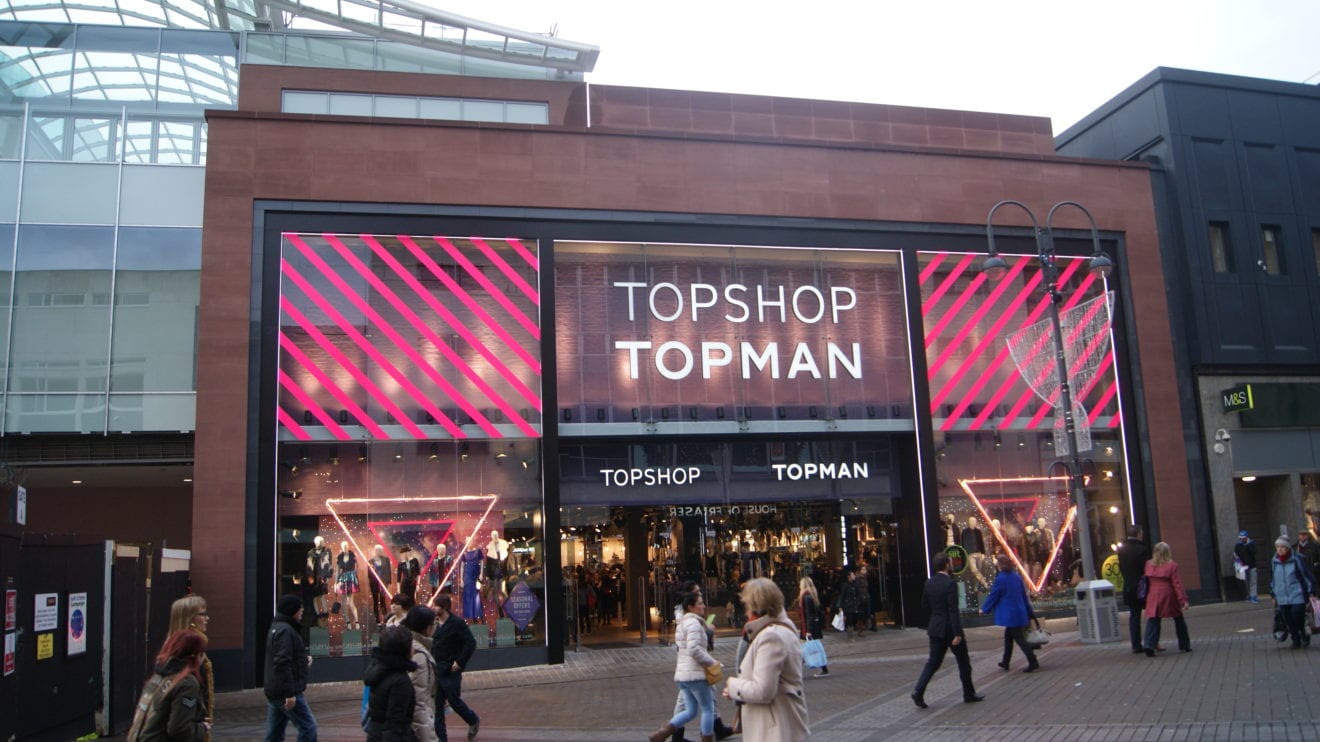
    The future of fashion label Topshop is in limbo after a crucial vote on a Company Voluntary Arrangement for parent Arcadia Group was delayed last week.

    Arcadia’s chairman Sir Philip Green is trying to gather approval from creditors for a scheme which would see them convert debt to future equity and rents reduced on UK stores in return for sa further investment by Green’s family of £50 million (US$63.8 million). The scheme would also see 23 stores shuttered in the UK and the closure or sale of all 11 of Topshop’s US stores – on top of 25 UK store closures already planned.

    “Against a backdrop of challenging retail headwinds, changing consumer habits and ever-increasing online competition, we have seriously considered all possible strategic options to return the group to a stable financial platform,” Arcadia CEO Ian Grabiner said when unveiling the CVA last month.

    “This has been a tough but necessary decision for the business.”

    But a meeting of creditors – who include suppliers landlords and pension funds – was postponed last week when it became clear support would fall short of the 75 per cent required for it to be approved. That vote will now likely be held this week. However if it fails, creditors may call in administrators opening the possibility of a sale of Arcadia’s brands, which also include Miss Selfridge, Dorothy Perkins, Evans and Topman.

    UK retail industry sources say landlords are especially cynical to the CVA, casting doubts on whether Green can revive the troubled business in an era of dwindling high-street retail sales and growing e-commerce.

    One major retail landlord told The Business of Fashion that cutting rents to Arcadia to help its survival would be “quite a tough message to communicate to other tenants paying full rent”.

    Arcadia’s like-for-like sales reportedly fell 7.5 per cent in the year to August 2018, with total sales down 10.5 per cent to £1.7 billion. That decline was largely due to a 20 per cent slump in Topshop sales.

    The chances of Green’s plan did receive a boost last week after The Pensions Regulator and Pensions Protection Fund indicated their support. That followed a commitment by Sir Philip’s wife Lady Tina Green to invest a further £100 million in the fund to protect staff.

    Lady Green has also promised landlords who accept the deal a 20 per cent share of the proceeds should Arcadia be sold.
  • Nok Air launched direct flights to Hiroshima, Japan

    Nok Air launched direct flights to Hiroshima, Japan

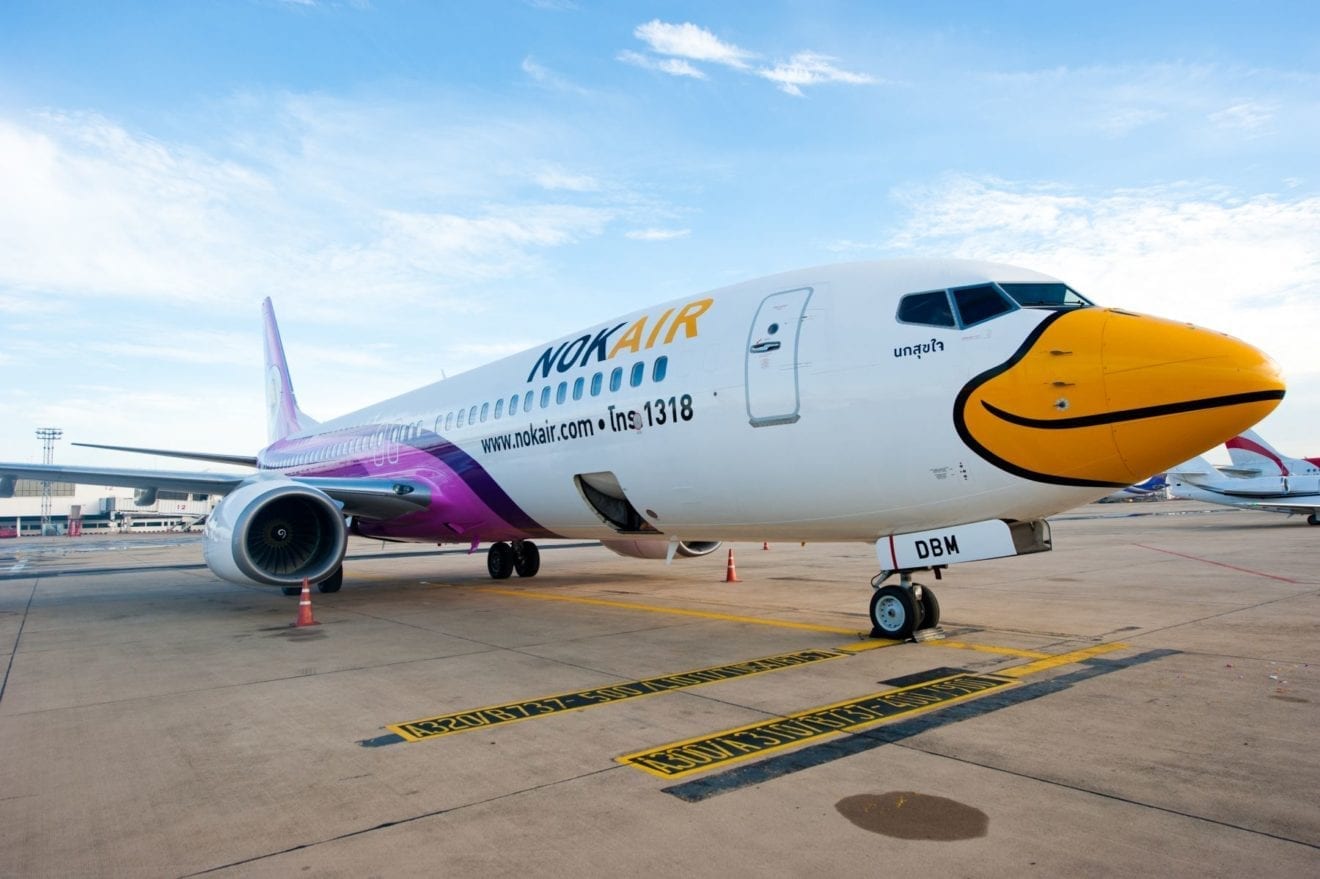
    The first phase is charter flights which have begun on 1st and 5th May 2019. This route is one of the many of the Nok Air’s turnaround plan by looking for the potential routes. Now, Nok Air is available and intend to create an impressive experience for the passengers.

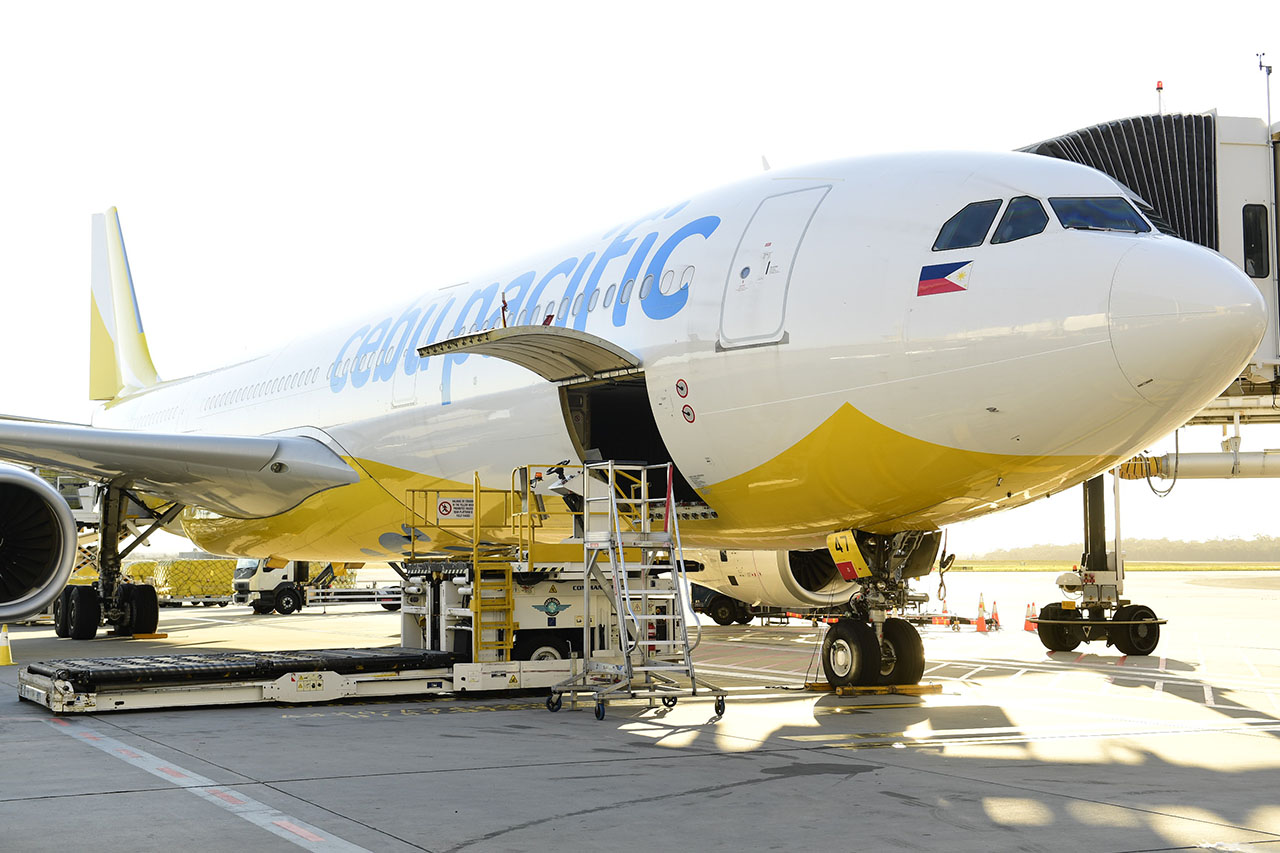
  • Cebu Pacific to expand its hubs in Clark, Cebu

    Cebu Pacific to expand its hubs in Clark, Cebu

    Cebu Pacific said it is eyeing to expand its hubs in Clark and Cebu as it continues to boost its fleet with a target of 83 aircraft by end-2022.

    Lance Y. Gokongwei, president of Cebu Pacific operator Cebu Air, Inc., said the budget carrier will be adding “a lot of frequency” in its hubs in Cebu and Clark.

    “In Clark, we’re going to try to connect the dots so that a lot of North Asia will be able to fly into the south without having to connect through Manila… I think in the next two to three years, you’ll see a lot of flights into Japan, (South) Korea and China from Clark,” he told BusinessWorld on the sidelines of the JG Summit Holdings, Inc. stockholders’ meeting last week.

    For Cebu, Mr. Gokongwei said they will ramp up the frequencies of its existing routes, which currently connect the city to both Japan and South Korea. Cebu is a popular destination for Japanese and Korean tourists.

    “The (Airbus A321neos), we put them into Manila. Then we pull out the (Airbus A320s) and put them to Clark or to Cebu,” he said.

    The carrier is currently on fleet expansion mode and expects the delivery of 12 new aircraft this year, namely six Airbus A321neos (new engine option), five A320neos and one ATR 72-600.

    Mr. Gokongwei said in the long term, what Cebu Pacific wants is to make its Clark operations as big as its Manila operations. “We have to complete the Bacolods, the Iloilos, the Taclobans, the CDOs. Whatever we have in Manila, we’ll replicate in Clark,” he said, but noted it may take about 15 years from now.

    Cebu Pacific said its hubs in Clark and Cebu have already seen rapid growth since the start of the year, both in terms of new routes and frequency of flights.

    For the Clark hub, the carrier already increased its capacity to and from Caticlan by 231% after shifting to use the bigger Airbus A320 starting March 31 from the 78-seater ATR 72-600.

    It also noted it will be opening daily from its Clark hub going to and from Iloilo, Bacolod and Narita by Aug. 9, and daily flights to and from Puerto Princesa by Oct. 9.

    For its Cebu hub, the airline noted it already added frequency to its flights going to Cagayan de Oro, Dumaguete, Siargao, Iloilo, Caticlan, Ozamiz and Zamboanga by an average of 63% since April 15.

    “Flights between Manila and Cebu had likewise increased 24%. The increase in flights from its Cebu hub is on top of its six-times weekly Cebu-Shanghai and Shanghai-Cebu routes which began on April 15, 2019,” it added.

    Cebu Pacific currently has flights from Clark to Cebu, Caticlan, Tagbilaran, Davao, Singapore, Macau and Hong Kong.

    In its Cebu hub, the carrier flies to and from Bacolod, Caticlan, Butuan, Cagayan de Oro, Calbayog, Camiguin, Clark, Davao, Dumaguete, General Santos, Iloilo, Kalibo, Legazpi, Ozamis, Pagadian, Puerto Princesa, Siargao, Surigao, Tacloban, Zamboanga, Hong Kong, Macau, Tokyo (Narita), Singapore and Incheon.

    Listed Cebu Air posted a net income of P3.43 billion in the first quarter, up 138.4% from the same period last year due to a growth in passenger volume and average fares

  • Singapore Airlines adds another Airbus A350 to Perth

    Singapore Airlines adds another Airbus A350 to Perth

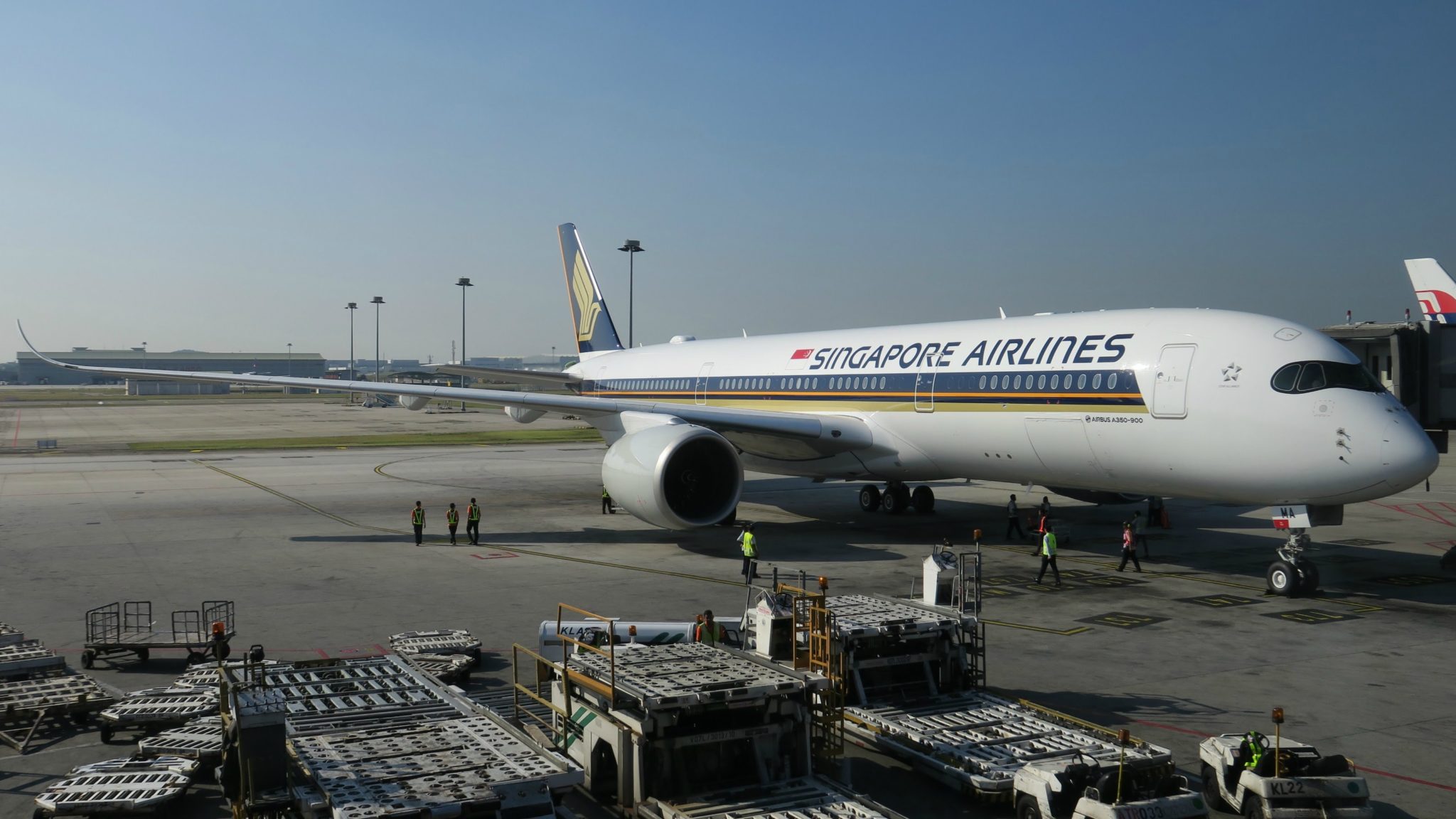
    Singapore Airlines is continuing its rolling upgrade of flights to Australia, with Perth set to see a second Airbus A350 from July 1, 2019.

    The advanced jet, which boasts Singapore Airlines’ latest flat-bed regional business class seats in what the airline calls a ‘medium-range’ configuration, will slot into daily flights SQ214 (departing Perth at 5.10pm) and SQ223 (wheels up from Singapore at 9.30am).

    SQ226/SQ213 already hosts an A350, with a Boeing 787-10 Dreamliner rostered onto SQ216/SQ215.

    This leaves just one daily flight on the Star Alliance member’s older Airbus A330, and its days are surely numbered.

    The Airbus A350’s 40 business class seats are arranged in a 1-2-1 layout, providing every passenger with direct aisle access, with access to inflight WiFi if you need to work rather than rest – or luxuriate over your Book the Cook meal – on the quick five-hour hop.

    Singapore Airlines intends to roll out lie-flat beds across its entire fleet from 2020, from the longest of globe-spanning trips to short hops such as Singapore-Kuala Lumpur on SilkAir, which will be adopting new flat-bed business class seats on its factory-fresh Boeing 737s.

  • Institchu opens second Melbourne CBD showroom

    Institchu opens second Melbourne CBD showroom

    Tailored menswear brand Institchu has recently opened its second Melbourne CBD Showroom on Little Collins Street. The new 92sqm location, Institchu’s 11th showroom across Australia and the US, has a street frontage, the retailer’s signature old-world tailoring aesthetic, technology for customers to use to design their garments on, deep green velvet lounges and marble benchtops.

    Robin McGowan, Institchu co-founder, said the opening of the new Melbourne showroom is an exciting new chapter for the brand.

    “Melbourne, and particularly the thriving hub around Little Collins Street, is the spiritual home of fashion in Australia,” McGowan said. “It’s humbling to join that story and open our second Melbourne showroom, this one with street frontage, in this bustling cosmopolitan area, neighbouring so many of the world’s most innovative and sophisticated designers.”

    McGowan said while a lot of their sales were online it was clear to them that many of their customers appreciate the ability to visit a store for a personal fitting under the guidance of their stylists.

    Founded by Australians McGowan and James Wakefield in 2012, InStitchu helps men design their own custom, made-to-measure suits and shirts in minutes. Every garment ordered from the retailer is placed through their online store and is covered by Institchu’s Perfect Fit Guarantee.Adtech Ad

    Wakefield said they are thrilled that demand has encouraged them to invest in another physical location in Melbourne.

    “It’s particularly gratifying to be able to open in the beloved up-market shopping precinct of Little Collins Street and be able to service the menswear savvy communities of Melbourne,” he said.

    Institchu has showrooms in Sydney, Melbourne, Brisbane, Perth, Adelaide, Canberra and New York City. The retailer said it is planning further expansion this year, with an upcoming launch in the UK.

  • Snapchat launches its first ever battle royale

    Snapchat launches its first ever battle royale

    Snapchat mobile games are a recent thing that Snap introduced a few weeks ago, but if you’re not familiar with the new feature, here is a quick rundown. Starting last month, Snapchat users can play together with their friends three mobile games directly within the app without having to install anything.

    These three games – Snake Squad, Zombie Rescue Squad, and Bitmoji Party, are available on both Android and iOS platforms. Today, a fourth title for the Snap Games feature has been released – Tiny Royale.

    Developed by Zynga, Tiny Royale is a battle royale game, exclusively available on Snap’s real-time multiplayer gaming platform. A top-down multiplayer shooter at its core, Tiny Royale promises to reinvent the battle royale experience for the Snapchat platform.

  • Google Maps is getting new features

    Google Maps is getting new features

    Over the past couple of years, software and technology have become considerably more aware of the user. This extends from using biometrics to unlock your phone, to having your vitals regularly checked by a smartwatch on your wrist, to getting pestered by a digital well-being assistant. Health monitoring as a whole has proven to be potentially life-saving many times on an individual scale. But what about large groups of people, possibly the populations of entire cities, who may be at risk?

    Google Maps already provides relevant information during times of crisis with SOS alerts. These include real-time updates on the situation, a map of the affected area, emergency contact information, and translations for common phrases in the local language. With the latest update to Maps, SOS alerts are expanding with more detailed visuals and a new crisis navigation system will try its best to get you—and potentially hundreds, if not thousands of others—out of harm’s way.

    For example, in the case of a hurricane, you’ll automatically get a crisis notification card on Google Maps in the days leading to the expected disaster. The map will also display the predicted trajectory of the storm, alongside times when the hurricane is expected to hit certain areas in your vicinity. If you happen to be driving through an affected region on the day of the storm, you’ll get a suggestion for a safer route alternative. Such suggestions will be offered for all types of disasters while driving, starting later this summer.

    In the case of an earthquake, the crisis notification card will display a shakemap, which is a visualization of the earthquake’s epicenter, magnitude, and how surrounding areas were affected. Flood forecasts will notify you of possible floods, as well as where they are likely to occur, and where the waters are expected to flow. Google says this is especially important in regions like India, where over 20 percent of global flood-related fatalities occur.

    The revamped SOS alerts system will start rolling out to Android, iOS, and the web version of Google Maps in the coming weeks. Flood visualizations will first launch in Patna, India, and will spread to neighboring regions, and eventually globally, though curiously they won’t be coming to iOS, at least initially.

  • Pokemon GO’s best yearly event makes a return this month

    Pokemon GO’s best yearly event makes a return this month

    Last year, Pokemon GO kicked off a special event that soon became one of the most popular Niantic, the company behind the smash hit, has ever launched. The event called Adventure Week offered Trainers sweet rewards and the possibility to catch rare Pokemon for a very limited time.

    One year later, the event is back in full force, so if you’re still playing Pokemon GO, you’re in for a treat for the next week or so. The 2019 Adventure Week is all about rock-type Pokemon, but Niantic throws in a lot of bonuses as well.

    During the Adventure Week, you’ll be getting the following bonuses: 4x Buddy Candy, 10x XP on the first spin of each Photo Disc, 50,000 Stardust and 15 Rare Candies to all Trainers who have Adventure Sync activated and walk 50 km.

    Furthermore, specially themed Field Research tasks will be available for a limited time during this event. But these are just the bonuses that you can obtain, so here is what other rewards you’ll be able to get:

    • Rock-type Pokémon like Geodude, Rhyhorn, Omanyte, Aron, Lileep, Anorith, and many others will appear more frequently in the wild.
    • Hatch Rock-type Pokémon such as Onix, Larvitar, Lileep, Anorith, and Shieldon from 2 km Eggs.
    • Challenge Onix, the Rock Snake Pokémon, and other Rock-type Pokémon in raids.
    • You may encounter a Shiny Onix, Lileep, or Anorith if you’re lucky!

    Pokemon GO devs announced that this year’s Adventure Week will run from today, June 4 at 1 pm through June 11 at 1 pm PDT.

  • AirAsia transitioning to asset-light business model

    AirAsia transitioning to asset-light business model

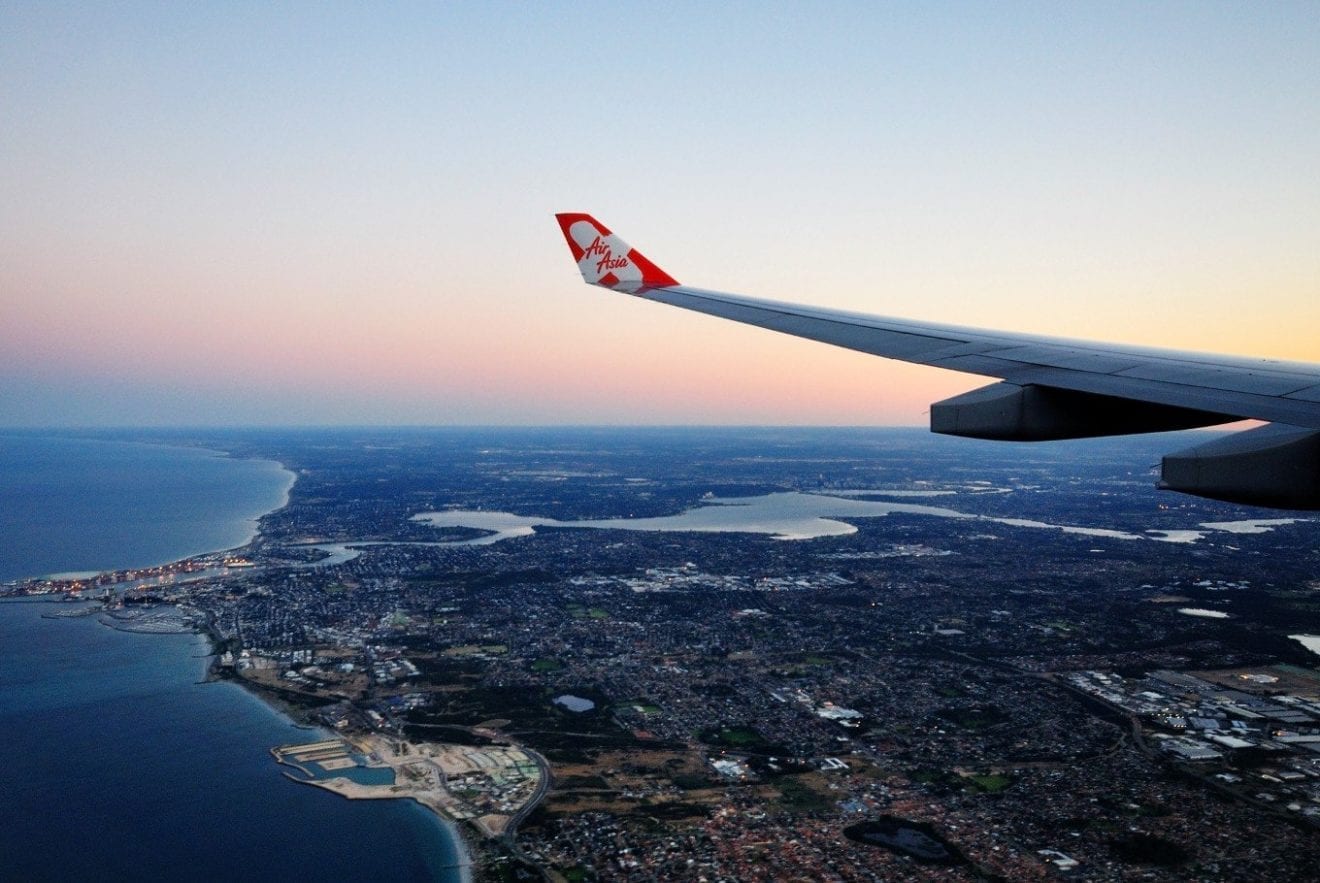
    AirAsia is moving from the traditional model of owning aircraft to become an asset-light airline. The company plans to fully shift to the new model by completely withdrawing from aircraft ownership, a move that would bring the obvious benefit of lowering its financial liabilities.

    During AirAsia’s conference call with analysts last Wednesday, its management said it is targeting to sell another 19 aircraft this year.

    AirAsia is also focusing on its “digitalization” agenda, management added.

    The analyst said AirAsia would be looking to secure a deal similar to what it achieved last year when it went into sale and leaseback agreements that helped it raise a lot of funds.

    AirAsia’s management expects to raise around RM1.5bil from the sale and leaseback of its remaining 19 aircraft.

    Last year, the airline group sold 79 aircraft and 14 aircraft engines to US private investment firm Castlelake LP in a deal worth RM4.38bil.

    Following the success of the sale, AirAsia had last week announced a bumper dividend of 90 sen a share, which is worth more than RM3bil in total payout.

    For shareholders of AirAsia, this strategy has worked out well. AirAsia began its aggressive sale and leaseback programme and dishing out dividends around 2017.

    Here’s an interesting fact: AirAsia shareholders who bought the company shares on Jan 2, 2017 would have paid RM1.78 per unit. Since then, that’s exactly how much the airline has paid back in dividends, giving back those investors their entire cost of buying those shares.

    “AirAsia is a different company now. It is transitioning into an asset-light model, focusing its services through its platform and on-the-plane experience as well as its mobile wallet,” an analyst said.

    Going forward, though, not all analysts have a positive view on the airline’s earnings growth prospects.

    Going by Bloomberg data, analysts have a varied target price on AirAsia’s shares, ranging from RM1.56 to RM5.20.

    For the first quarter ended March 31, AirAsia posted a 92% drop in net profit to RM96.09mil compared with RM1.14bil recorded last year, when it recorded extraordinary gains. Its shares closed at RM2.88 last Friday.

    CIMB Research analyst Raymond Yap expects AirAsia’s future earnings to be under pressure, stemming from rising operating costs and higher depreciation as well as interest expenses due to the Malaysian Financial Reporting Standards 16.

    He added that other risks included higher fuel prices and a weaker ringgit against the US dollar.

    “The poor results will likely shock the market and cause analysts to slash their earnings forecasts, although the share price may be supported in the next two months by the 90 sen special dividend per share,” he said in a report.

    Yap has recommended investors to sell their positions in AirAsia prior to the dividend ex-date on June 30.

    “We recommend investors to take advantage of any share price upside post-announcement of the 90 sen special dividend to sell into strength, and to sell their AirAsia holdings prior to the dividend ex-date on June 30, 2019, to avoid the rush out of the door,” he said.

    Although AirAsia’s management has highlighted that it is targeting to continue with special dividend payments to shareholders for every two years, Yap believed the group is unlikely to declare additional special dividends in the near future beyond the 90 sen per share it had announced.

    “Continued losses at AirAsia India and Indonesia AirAsia may require the group to provide further equity injection or continuous working capital support,” he said.

    A different view is held by Nomura Research analyst Ahmad Maghfur Usman, who has the highest target price of RM5.20 for AirAsia shares. He expects AirAsia’s core earnings in financial year 2019 (FY19) to double to RM1.37bil compared with RM656mil last year.

    “We remain optimistic on the earnings outlook on the back of lower fuel costs, coupled with the turnaround from its Asean affiliates, while we expect losses from India to narrow on improved scalability as passenger volumes increase,” he said in a research note.

    For this year, AirAsia is targeting to add 18 aircraft including additional 11 for AirAsia India.

    In terms of its digital business, AirAsia is targeting to roll out remittance and lending products and expand its BigPay offerings to other Asean countries this year.

  • Unmanned pop-up store Unboxed by Singtel

    Unmanned pop-up store Unboxed by Singtel

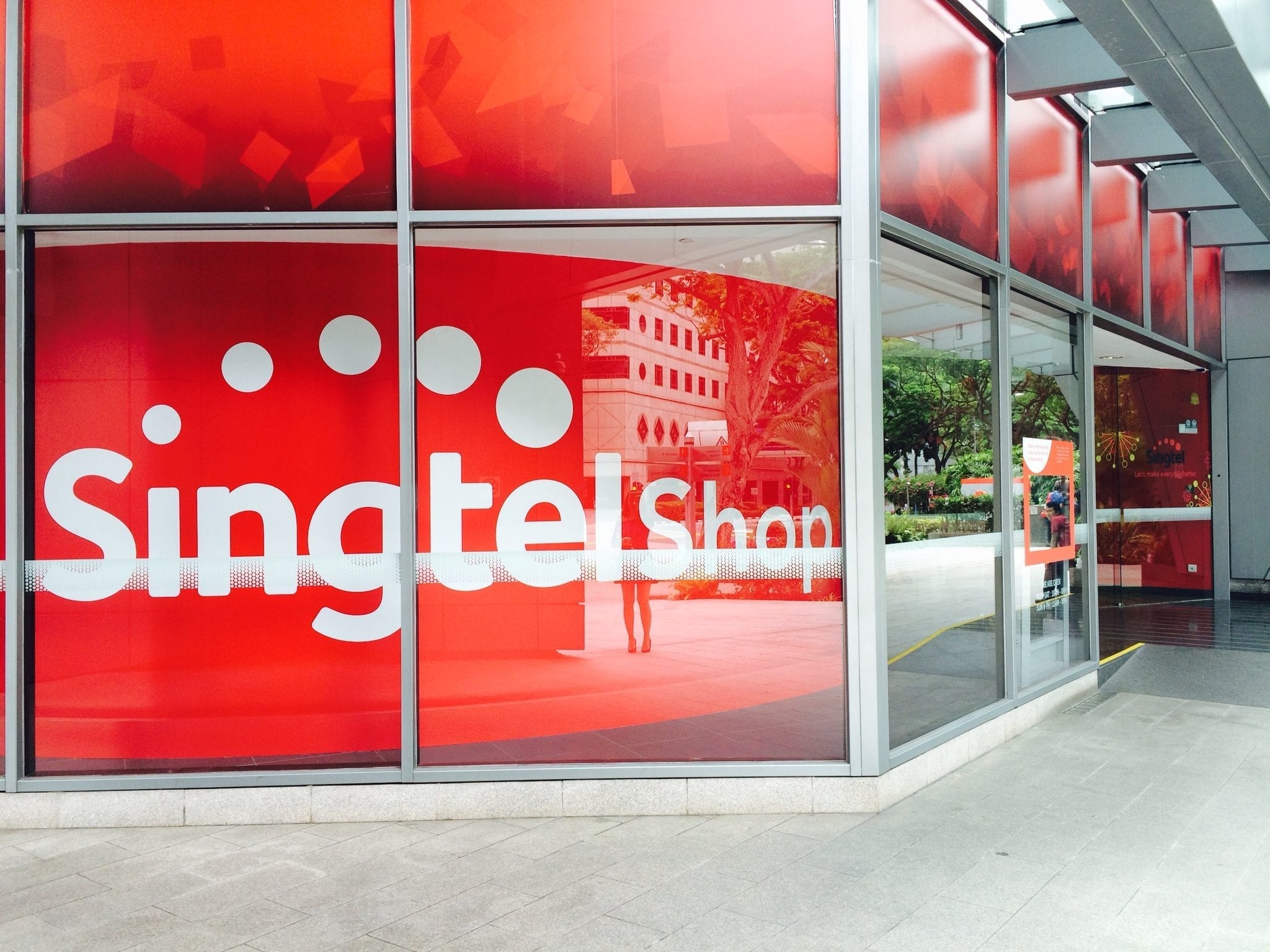
    In the 45sqm store, customers can consult with a live bot, which is powered by facial recognition technology, to receive personalised recommendations, try out phones, sign up for mobile plans at video-assisted self-serve kiosks and buy and collect phones and devices via an in-store POPStation.

    Customers can browse and buy accessories including headphones, phone cases, power banks and contract-free handsets.

    They can also make bill payments, top up prepaid cards and Dash wallets, and get SIM card replacements.

    “The future of retail is here and now. Our digital transformation integrates online and offline customer touchpoints to deliver fresh and fuss-free buying experiences to consumers,” said Yuen Kuan Moon, CEO of consumer at Singtel.

    “Unboxed fulfils the needs of today’s consumer and provides a peek into the next-generation of retail – fast, instant, convenient and experiential.

    Co-created by Singtel, NCS and SingPost, Unboxedbuilds on the success of the digital transformation of Singtel’s flagship Comcentre store, which offers integrated online and in-store shopping carts, and instant purchases via an automated checkout.

    The store will move to a new location every few months to serve customers at high-traffic areas such as transport hubs and school campuses.

  • Expedia, Booking.com warn AirAsia of turbulence in online travel plan

    Expedia, Booking.com warn AirAsia of turbulence in online travel plan

    Online travel giants Expedia and Booking.com are warning that budget airline pioneer, AirAsia Group, risks being destabilized by ambitious plans to become the “Amazon of travel”.

    AirAsia, which already offers limited travel plans on its website, plans to expand the online service to include booking flights with rival airlines and ecommerce. As profits tumble in the face of rising fuel costs and intensifying competition, CEO Tony Fernandes is seeking alternative sources of revenue and earlier this year told the Nikkei Asian Review he intended to invest 100 million Malaysian ringgit ($24.6 million) a year to become a technology-led company.

    The carrier’s future competitors in the wider online travel sector dismissed the threat posed by the company which brought low cost flight to Asia.

    Booking.com’s head of China, Marsha Ma, suggested the online travel giants would rally their vast networks of flights, hotels and services in the fight against any attempts by AirAsia to take market share. “The online travel agency business, especially accommodation, is a pretty heavy business model in terms of its supply chain management,” said Ma. “It takes years… We have offices at 190 locations and [they] have built up our supply chain capability, with width and depth.”

    “We will keep fighting on that,” the Booking.com executive said, speaking at an event held in Singapore last week by Skift, an U.S.-based travel industry information provider.

    Expedia, once a partner of AirAsia’s existing travel platform, indicated the carrier might not have the necessary skills to succeed. “What makes you great to run an airline” is not the same as being a great online travel agency, said Greg Schulze, head of commercial strategy & services at Expedia. Worse, the carrier risked being distracted from selling its own flights, which could exacerbate its current troubles, he suggested. “I am happy to see [AirAsia] negotiating with other airlines.”

    However, Aireen Omar, AirAsia’s deputy CEO for technology, was confident AirAsia could manage the risks. It was “ambitious, but I think it’s very doable,” Omar said.

    The aviation business model was changing, Omar said. “The key essence for us is no longer the aircraft but data.” AirAsia transported close to 100 million passengers this year alone in Southeast Asia, and was seeing six to eight million visitors come to its website every month. “A lot of new business opportunity is around there,” she said. This included enhancing its digital travel platform with itinerary suggestions, hotels or shopping, using technologies such as artificial intelligence to improve the offering.

    When asked if becoming the Amazon of travel is overly ambitious, Aireen Omar, AirAsia’s deputy CEO for technology and digital, said it’s “ambitious, but I think it’s very doable.” (Photo by Eri Sugiura)

    “I think online travel agencies are very cautious,” Omar said. She insisted that the company already has a “big platform” for AirAsia.com, the carrier’s BigPay, a mobile wallet which was launched in Malaysia last year tracking consumers’ credit and debit card payments, and combining this with its own loyalty program. “It is an opportunity for [other airlines] to have an access of the network and the data we have,” she added.

    AirAsia entered the flight and hotel package business in 2015 through a joint venture with Expedia. However last August it announced it would sell its 25% stake to Expedia for $60 million. This freed the carrier to build its own accommodation and other inventories. The airline in 2017 acquired 50% in travel tours and attractions provider startup Vidi, in a deal worth $2.6 million.

    Omar said the company’s data would be uploaded in the cloud by the end of the year, in preparation for the launch of its new service.

    AirAsia’s rush to build an enriched travel platform can be explained by headwinds the company faces in its core business. The carrier’s net income slipped to 96.1 million ringgit, a 92%-drop in the three months through March from a year earlier, as it was hit by high fuel costs and lower average fares.

    While the company remains profitable in Malaysia, where it is based, its operations in Indonesia, Thailand and elsewhere are either losing money or earning less.

  • Owndays Hong Kong to launches on The Island

    Owndays Hong Kong to launches on The Island

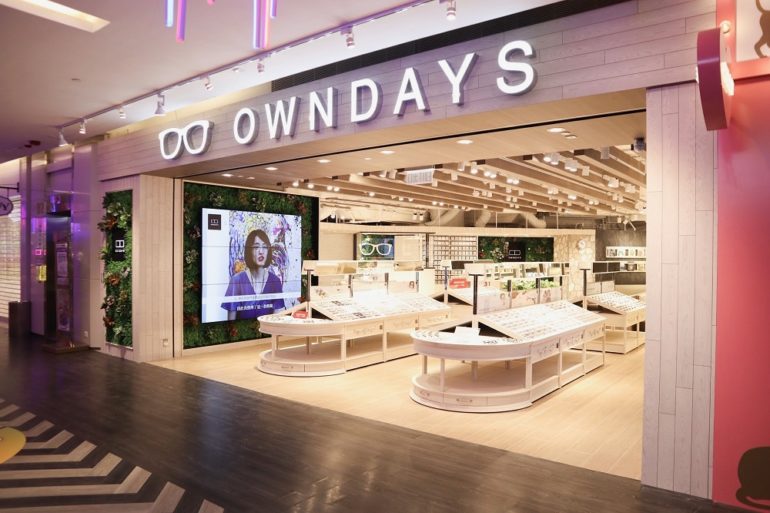
    Japanese eyewear brand Owndays is set to open its first two stores on Hong Kong Island within the next two months.

    The Owndays Hong Kong business is operated in partnership with Bluebell Group, whose in-house newsletter has reported a store will open at Lee Tung in Wanchai this Friday, followed by another outlet at Hysan Place in Causeway Bay in July.

    They will join seven existing stores in the territory stretching from Tsim Sha Tsui to the New Territories.

    Owndays Hong Kong launched last August. The company pioneered the widespread adoption of set pricing for frames and lenses and offers a production turnaround time – after frame selection and eye testing – of as little as 20 minutes.

  • Facebook launches new Avatar feature for News Feed and Messenger

    Facebook launches new Avatar feature for News Feed and Messenger

    Facebook is desperately trying to keep up with the competition by launching alternatives to some of the nifty features that other social network giants offer to their users. Facebook Avatar is such a feature that wants to compete with Snapchat’s Bitmoji selfie stickers, so if you’re using the latter, you’ll find Facebook’s new feature quite familiar.

    There’s been a ton of work put into this from the product and design perspective to find out, with how many people on Facebook, how to make this as representative as possible. They’re a bit more realistic so they can be your personal avatar vs trying to make them cute, funny, and cartoony, said Facebook Avatars communication manager Jimmy Raimo.

    The new Avatar feature is now available in Australia and it’s usable in Messenger and News Feed comments. The rest of the world will get it in late 2019 or early 2020 on all compatible platforms.

    If you’re living in Australia, you should start seeing a smiley-face button in the News Feed comment composer and Messenger sticker chooser, which will allow you to create your Facebook Avatar. Although only users in Australia will be able to create these Avatars, users worldwide will see them without any issues.

    Although there’s no option to create an Avatar starting with a selfie or profile pic yet, Facebook says that it’s going to implement it if they manage to master the creation process. Another important thing confirmed by Facebook is that these avatars won’t be monetized, at least not at launch, so there won’t be any accessories or clothing options that you’ll be able to get for real money.

    Last but not least, Facebook might allow users to include Avatars as profile pictures or in Groups, but that’s more of a long term project rather than an immediate plan.

  • Leather bag sales decline due to Activewear Offerings

    Leather bag sales decline due to Activewear Offerings

    For the second year in a row, leather bag sales have declined and nylon and other fabric options are now driving significant growth for the US women’s bag market, according to retail tracking service The NPD Group.

    According to the group’s analysis, the same casual athleisure wear trend that continues to drive growth in the active apparel and sport leisure footwear markets is starting to influence women’s fashion accessories.

    While leather still accounted for more than half of dollar sales in the women’s bag market as of the 12 months ending March this year, its decline accounted for 60 per cent of the category’s falling sales. Vinyl accounted for 20 per cent of market and 30 per cent of the declining sales.

    Much smaller in terms of overall sales, nylon, polyester, and cotton options accounted for just 11 per cent of all women’s bag dollar sales, but accounted for almost 90 per cent of the growth this past year.

    “Today, fashion is as much about comfort as it is about personal style, and that is carrying over into the way consumers are accessorising,” said The NPD Group fashion footwear and accessories industry analyst Beth Goldstein. “Women’s bags in new silhouettes and new materials are driving the industry forward.”

    Traditional leather silhouettes, such as shoulder bags, cross-body bags, totes, shoppers, and satchels, are all contributing to leather bag declines. These styles account for 90 per cent of total women’s leather bag sales by value, and drove as large a share of the losses during the year to March. The smaller, fast-growing categories of fanny/waist packs and fashion backpacks remain strong, as does leather in the designer space – but designer non-leather/non-vinyl alternatives grew at a faster rate and generated almost as many incremental dollars as did leather.

    Both established and emerging brands are promoting nylon and other alternative materials, such as “vegan leather”, neoprene and recycled options that may be lighter in weight and easier to clean than leather items. These options can appeal to a consumer looking for day-to-day practicality, as well as those looking for sustainable purchases.

    “New leather goods are facing competition from a multitude of angles – from the casualisation of today’s styles to the emphasis on sustainability, and a changing retail market that is helping to extend the life of pre-owned leather products,” said Goldstein.

    “At the same time, the recent focus on alternative materials and new styles signals opportunity for the fashion accessories market – the opportunity to capture the consumer’s attention again.”

  • Lower tourist spend hits Tiffany & Co sales

    Lower tourist spend hits Tiffany & Co sales

    Tiffany & Co sales were hit by what CEO Alessando Bogliolo described as “dramatically lower worldwide spending attributed to foreign tourists” during the first quarter.

    Globally, sales fell by 3 per cent in the three months to April 30, to US$1 billion and comparable sales fell by 5 per cent. “Significant foreign exchange headwinds” were also responsible for the result, with sales down a more modest 2 per cent on a constant-currency basis.

    While not releasing breakdowns by country, Bogliolo said global sales attributed to local customers, led by sales in China, grew year on year. “We believe this growth in sales to local customers reflects progress in executing our strategic priorities, including innovations across products, communications and the customer experience, and that Tiffany is positioned for improving trends in the second half of 2019.”

    Net earnings of $125 million were 12 per cent lower than the prior year’s $142 million.

    Tiffany & Co sales in Asia-Pacific declined 1 per cent to $324 million and comparable sales declined 5 per cent due to the effect of foreign currency translation; on a constant-exchange-rate basis, total sales rose 3 per cent and comparable sales were unchanged.

    “These results reflected a continuation of strong growth in Mainland China and mixed results in other markets,” the company said in a statement. “These sales results also reflected lower spending attributed to foreign tourists.”

    In Japan, total net sales declined 4 per cent to $145 million and comparable sales declined 4 per cent, but on a constant-exchange-rate basis, total sales and comparable sales were equal to the prior year. These results were also affected by lower spending attributed to foreign tourists.

    In Europe, total net Tiffany & Co sales declined 4 per cent to $102 million and comparable sales declined 7 per cent. In the Americas, total net sales declined 4 per cent to $406 million, and comparable sales declined 5 per cent.