Category: General

Retail News Asia is committed to providing both local and global retailers with the latest General Retail news throughout the Asian market. This on a daily base.

  • Google app soon to receive dark mode

    Google app soon to receive dark mode

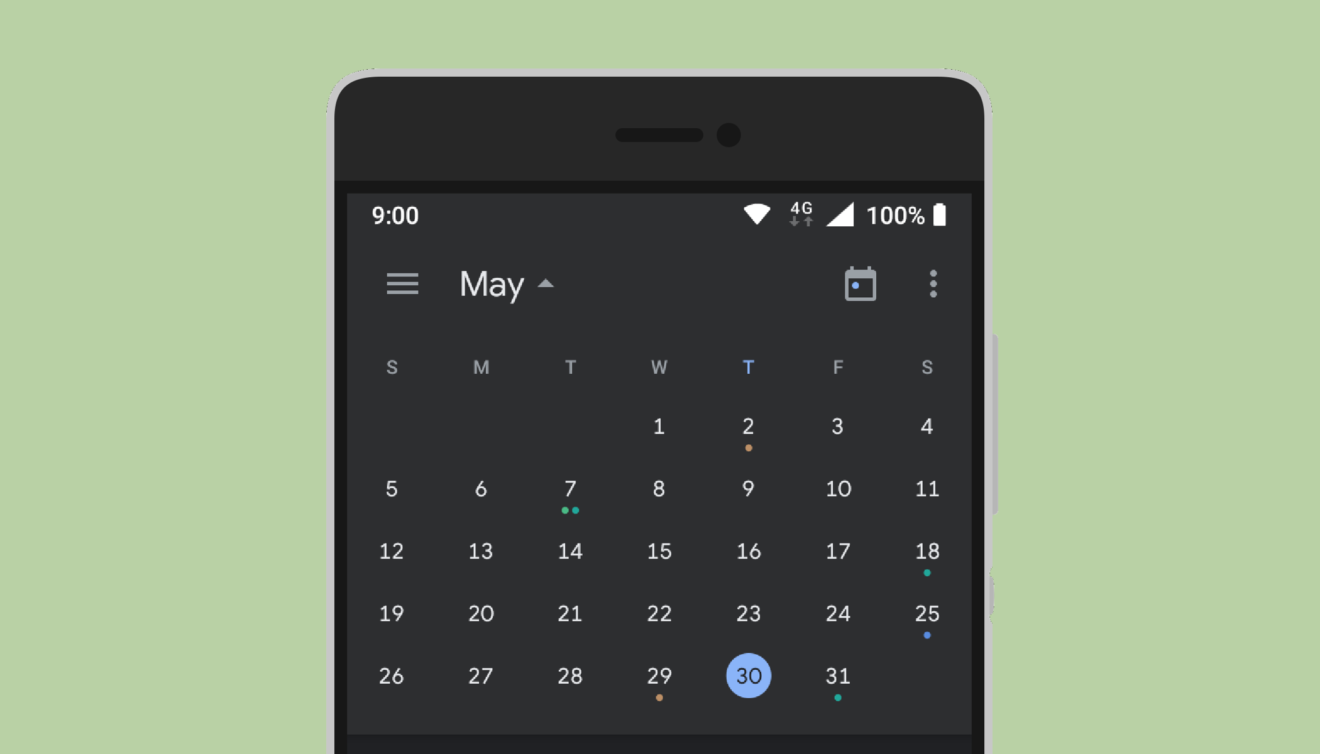
    Google is determined to bring the dark theme to all its apps by the time Android Q is officially released. A couple of Google apps such as Calendar and Keep have already been updated with a dark mode, but the Google app has yet to receive a similar function.

    The good news is the Mountain View company isn’t very far from delivering a full-fledged dark mode to the Google app.

    Google app beta v10.4.3 is the most recent version that should include the new dark theme, although it doesn’t seem that all users who have it installed are able to see it. Since this is a server-side update, the availability of the new feature is randomized among users.

    Anyway, if you have the Google app beta mentioned above, you can head to More / Settings / General and check whether or not a Dark theme option is available. If it’s there, you can choose to enable, disable or simply make it follow the system setting.

    Apparently, this is a full-fledged dark theme, which means the dark grey color will appear in searches, the in-app Discover feed, collections, recent searches, and, of course, all settings. Moreover, all Google Assistant related features benefit from the same dark mode, along with the Explore area.

    Even though the new dark mode isn’t widely available yet, the update is a clear sign that the Google app will soon get the highly-anticipated feature.

  • AI-powered retail store We9go opens

    AI-powered retail store We9go opens

    Accrelist-owned AI retail store We9go has fully launched after an eight-month trial.

    The Geylang Road shop uses AI, facial recognition and radio frequency identification to track inventory, collect data on shopper preferences, facilitate payment processes and recognise product movements.

    When it soft launched last October it was open only to invited customers, so as to test and demonstrate its features.

    Accrelist says it will now focus on strengthening AI solutions and facial-verification services.

    “The company intends to move beyond smart retail-technology solutions,” said Terence Tea Yeok Kian, Accrelist’s executive chairman and MD.

    “We aim to offer a wider range of smart-and-secure cloud-based solutions as a systems integrator through its collaboration with technology companies to broaden the group’s revenue stream.”

    After its full launch, the 24/7 We9go store has an AI-powered robot that greets shoppers and assists them with product information and availability.

  • AirAsia Offers Cheap Perth to Lombok Flights

    AirAsia Offers Cheap Perth to Lombok Flights

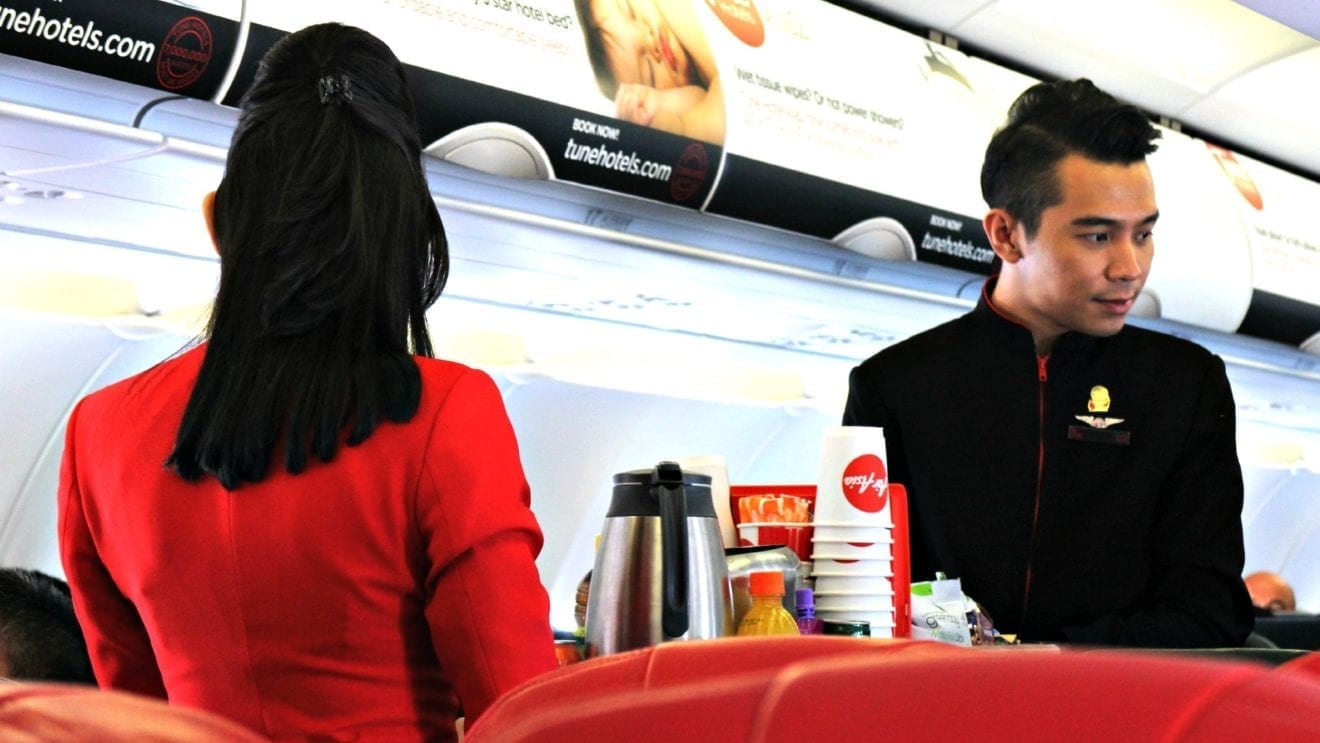
    AirAsia has launched a four-times-a-week service between Perth and Lombok, with the inaugural flight touching down on Sunday night.

    With fares starting at just $99 one way, the flights are set to be popular with Aussie tourists keen to sample the destination known as “the new Bali”.

    Dendy Kurniawan, AirAsia Indonesia CEO, said the flights would introduce healthy competition for the region and an additional option to much-loved Bali.

    “Blissful beaches, top surfing and dive sites, and picturesque mountains are now easily accessible for Australians and I encourage those looking to book their next holiday to consider Lombok,” he said.

    Perth Airport CEO Kevin Brown said the new service consolidated AirAsia’s position in the Perth market by adding more than 74,000 seats annually.

    “AirAsia has been in the vanguard of a low-cost carrier revolution that has delivered more affordable and accessible travel options for many Western Australians,” Mr Brown said.

    “Western Australians have a great propensity for travel and Indonesia represents Perth Airport’s largest outbound market as it offers an easily accessible and attractive destination for travellers.

    “This new service also provides an opportunity to grow the Indonesian inbound tourism market for Perth and Western Australia.”

    Indonesia represents WA’s eighth largest visitor market. Last year 31,000 Indonesian visitors arrived, injecting more than $56 million into the WA economy.

    AirAsia operates 25 flights per week between Perth, Australia and Indonesia, which includes Bali, and Lombok.

  • AirAsia India announces new route

    AirAsia India announces new route

    AirAsia India is on an expansion spree, it plans to add its first route to Chennai, from Kolkata. AirAsia India will now connect Kolkata and Chennai with one daily flight with effect from 1 June 2019. The launch fare for the new route between Kolkata and Chennai is ₹3,299.

    “Kolkata is a key market for AirAsia India as we currently operate 18 flights to 11 different destinations. The addition of this new route will strengthen up our connectivity in the east,” Sanjay Kumar, COO, AirAsia India, said.

    According to AirAsia’s release, the flight i541 will depart from Kolkata at 3. 30 pm and will reach Chennai at 5.55 pm. The return flight i542 will take off from Chennai at 6.25 pm and will reach Kolkata at 8.55 pm.

    High air fares and capacity constraints slowed India’s domestic air passenger traffic growth rate in March. As per the data of the Directorate General of Civil Aviation (DGCA), air passenger traffic growth rate in March rose a mere 0.14% to 115.96 lakh from 115.80 lakh reported for the corresponding month of the previous fiscal. According to the data, GoAir led the industry with 95% punctuality rate (on-time performance) at the four major airports of Bengaluru, New Delhi, Hyderabad and Mumbai. It was followed by Vistara (91.9%), AirAsia India (91.9%) and IndiGo (89.5%).

    Air Asia India, which started operations in June 2014, is a joint venture between Tata and AirAsia Berhad. It currently operates 164 flights a day, covering 19 destinations and carrying over 25,000 passengers.

  • King Power Thailand Acquires More Monopolis

    King Power Thailand Acquires More Monopolis

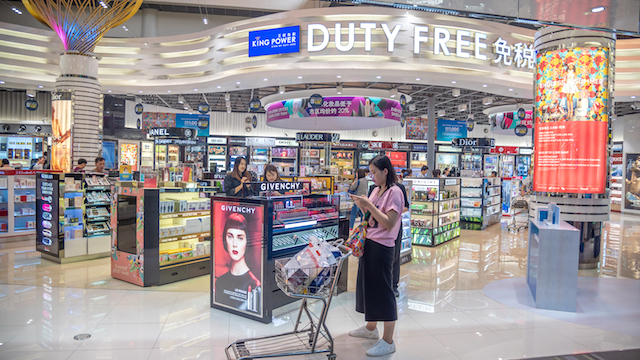
    King Power Thailand has won extended exclusive rights to operate at three additional Thai airports for a further 10 years.

    The firm won tenders for Phuket, Chiang Mai and Hat Yai airports, just a week following a win at the country’s main international airport at Suvarnabhumi near Bangkok.

    The contracts were subject to some criticism from observers such as the Thai Retailers Association, who were hoping to see Airports of Thailand bring greater competition to the US$2.1 billion duty-free retail sector. The airport operator responded to criticism in saying King Power had submitted the best proposal above close rivals Lotte Group and Dufry.

    In short, King Power bought the rights, the cost of which will inevitably be passed on to travellers. Rival companies have called for a “more opaque” tender process.

    The tenders reaffirm King Power’s status as effectively the only duty-free store provider at major airports in Thailand.

  • Second Innisfree store opens in SM Megamall Philippines

    Second Innisfree store opens in SM Megamall Philippines

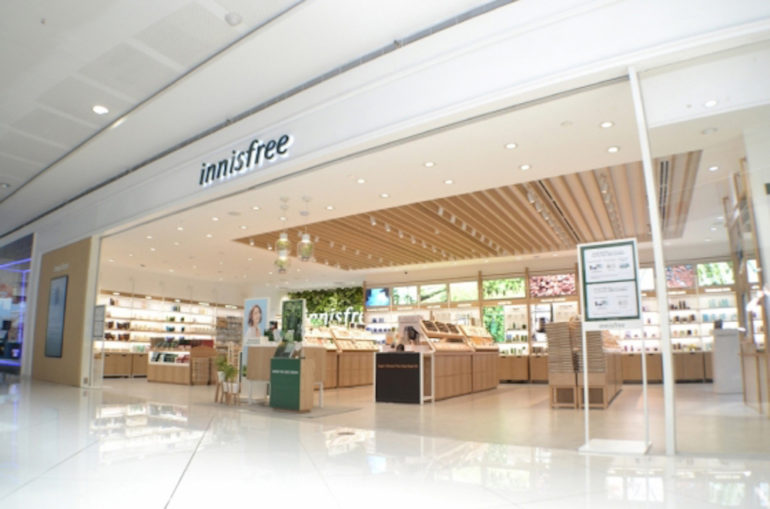
    Innisfree Philippines has opened its second outlet, at SM Megamall, a year after first launching at Mall of Asia.

    One of Korean beauty-and-skincare giant Amorepacific’s fastest-growing brands, Innisfree’s key ingredients are sourced from popular South Korean destination Jeju island. The new store will stock some of the brand’s best-selling products.

    “In today’s culture, Filipinos are naturally drawn to Korean influences, especially the K-beauty skin care regimen,” said Innis­free Philippines brand GM Stephen Lee. “With our brand, we are excited to offer our Filipino consumers skincare with quality selection of products and green sustainable practices. We are also committed to expanding and establishing a long-term presence here.”

    The new Innisfree Philippines store opening coincided with the launch of Innisfree’s empty bottle recycling campaign, which encourages customers to donate their empty Innisfree bottles to either branch.

  • Metro Wholesale Myanmar Looking for Expansion

    Metro Wholesale Myanmar Looking for Expansion

    The German-headquartered wholesale food-and-grocery retailer is looking to open in Mandalay, Nay Pyi Taw, Taunggyi and other major metropolitan locations in the region.

    “We are constantly expanding our customer base and have set a very ambitious target. You will see good news in the very near future,” said Metro Wholesale Myanmar CEO Jens Michel. “The market response to our launch in March has been absolutely phenomenal. We have experienced huge customer interest in what we are doing, and have seen an enormous amount of new customers coming.”

    The firm now has more than 300 customers in the region’s hotel, restaurant and catering industries. The majority of Metro’s customers are local companies, including mega-hotel groups and big names as well as small and medium-sized enterprises.

    “We are here in a highly emerging market,” said Michel, “and do not underestimate its potential. We are always looking at how to achieve our target by working closely with local partners and our customer base.

    “We are conducting general and modern trade. This will enable our customer base to benefit from a wide range of products. We help customers to spend more time on their own businesses, focus on their own vision and strategies, while we take care of all food and non-food items they require as well as delivery to their businesses.”

    Metro Myanmar currently has a 5800sqm warehouse in the Thilawa special economic zone, and employs 150 staff of which 92 per cent are locals. It has invested about €10 million (US$11.33 million) and intends to keep boosting its investment in the territory.

  • Aldi China where Quality meets Value

    Aldi China where Quality meets Value

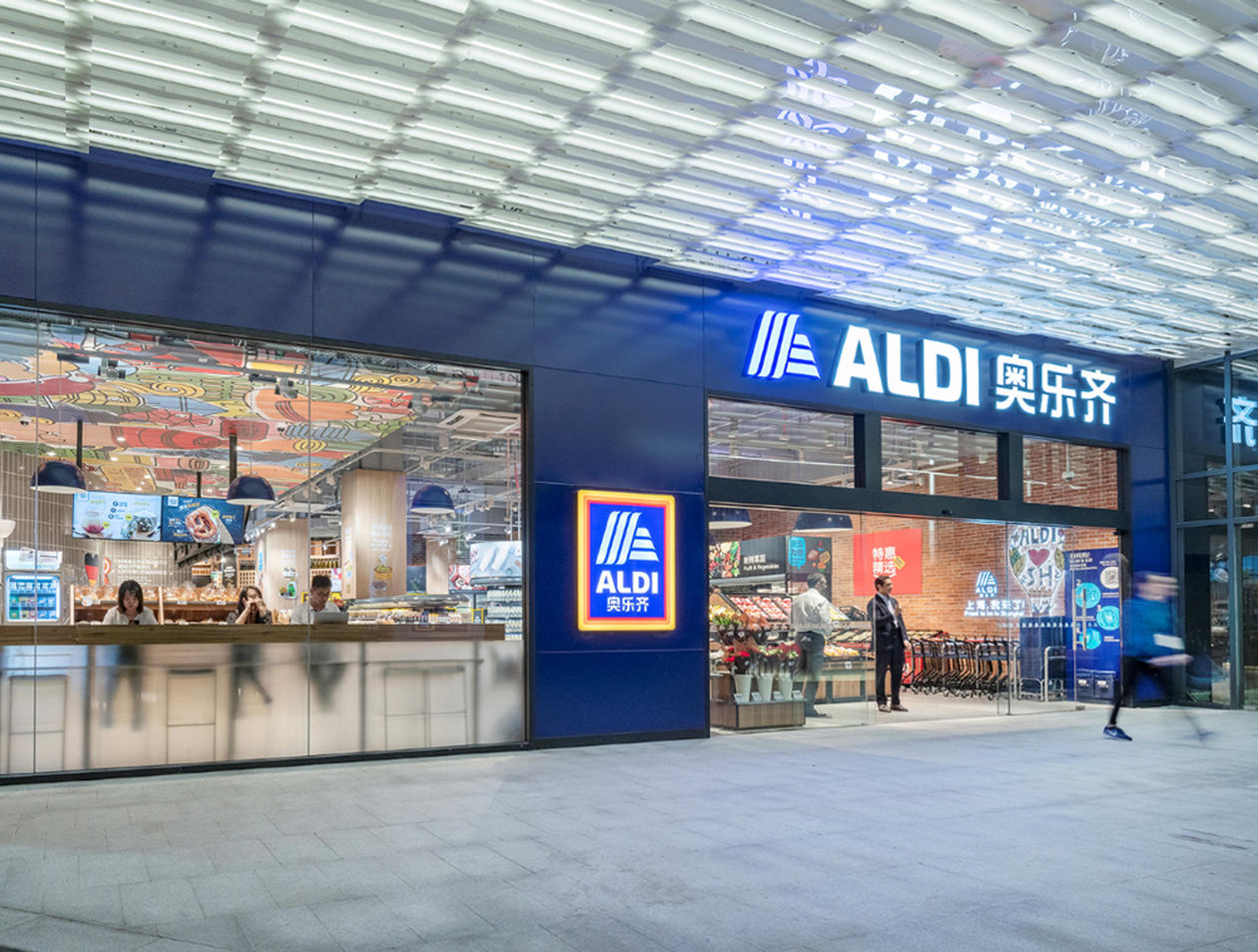
    The first professional photos have emerged of Aldi China’s two pilot stores in Shanghai, which opened weeks ago.

    Designed by Australian-headquarted Landini Associates for Audi Sud (South), the two stores are both about 336sqm in size. They feature a more upmarket look than Aldi’s European stores and are described by Landini as “an evolution of Landini Associates’ work for Aldi Australia, aimed at celebrating and conveying product quality and value”.

    The stores represent a new trading format for Aldi and are the first of up to 100 planned for the city. Aldi has been testing the Chinese market online for about two years, selling its own-brand products on Alibaba’s Tmall to gain an understanding of consumer buying preferences and acceptance to hitherto unknown brands.

    But as the photos show, the store is very obviously targeted not only at Chinese consumers, but the burgeoning expat community in the city – all signage is in English as well as Chinese.

    Landini highlights key differences in the scale, layout and tone of the Aldi China stores, compared to the latest designs implemented in Australia.

    “In line with Chinese consumer habits, where the preference is to visit multiple small shops per week, the stores are a much smaller format. The emphasis is on fresh produce and ready meals, with certain categories articulated for greater consistency, and key products placed at the entry of each aisle alongside messaging to appeal to and drive shoppers,” the company says.

    “Key departments developed were snacks, produce, bakery, alcohol, imported goods, health, and beauty. The most noticeable difference for the Chinese market is the development of an on-site Food Station, as well as the addition of ready meals to take away or consume at the in-store dining kiosk.”

    Low cost yet “real” materials were specified for the fitout, including locally sourced brick, terrazzo, an open concrete ceiling, warm timbers, and yellow accents which add to the perception of freshness throughout the stores.

    LED lighting reduces glare and running costs while improving ambience and colour rendering, changing from day to night. Landini says the lighting was designed to create a pleasant atmosphere and let the products speak, enhancing colour, texture, and freshness. Energy-saving LED has also been incorporated in the fridges and wine displays.

    Landini also designed an extensive series of messaging and graphic illustrations that are entirely unique to the Aldi China stores. More than 40 messaging boards were developed to communicate the brand ethos, product freshness, value, quality, and European and Australian products on sale.

    There is no signage or ticketing displayed from the ceiling. Instead, category signage around the store perimeter offers greater visibility across the stores and thus encourage cross-store shopping. A vibrant, colourful mural on the ceiling above the service counter and checkouts is a playful hero graphics feature.

    “Our two new stores are designed as pilot stores where retail approaches will be trialled and adjusted according to data and feedback from customers,” said an Aldi spokesperson. “This new store format has been customised and tailored specifically for the China market to better understand and interact with Chinese consumers.”

    Ben Goss, design director at Landini described the project as “a significant milestone for the brand”.
  • Wesfarmers to purchase Catch Group

    Wesfarmers to purchase Catch Group

    Australian retail conglomerate Wesfarmers has entered an agreement to acquire Catch Group for $230 million.

    Should the deal be cleared by the Australian Competition and Consumer Commission, the online marketplace will continue to operate as an independent business unit under the leadership of Kmart Group managing director Ian Bailey.

    Bailey noted Catch has built a successful marketplace underpinned by leading technology and data capabilities, and that these capabilities would be leveraged to grow the capabilities and accelerate the consumer-driven, omni-channel initiatives across department stores Kmart and Target.

    “This will further drive best practice in supply chain, fulfilment and online execution across our brands, including opportunities for Target to secure online fulfilment capability and productivity benefits,” Bailey said.

    “Catch will also benefit from the support of Kmart Group’s scale and capabilities to drive its continued growth in its existing marketplace business.”

    Catch Group managing director and chief executive Nati Harpaz said the Catch team was looking forward to working with Kmart, and that the marketplace would continue to focus on delivering great value and savings to its customers.

    The merger, according to Wesfarmers managing director Rob Scott, is consistent with Wesfarmers’ approach to capital allocation, focus on improving its digital and data capabilities, and investment in opportunities adjacent to its existing businesses.

    “Catch Group has a high calibre management team and a leading e-commerce platform with quality fulfilment assets,” Scott said.

    “This acquisition represents an opportunity to accelerate Wesfarmers and Kmart Group’s digital and e-commerce capabilities whilst continuing to invest in the unique customer and supplier proposition provided by Catch Group.”

    Wesfarmers confirmed the acquisition will be funded by existing debt facilities, and is not expected to affect the business’ existing credit ratings. The business completed a demerger from Coles last year, providing further capital for investments, while retaining a minority ownership in the supermarket.

  • Woolworths plans store restructure and addition of two new departments

    Woolworths plans store restructure and addition of two new departments

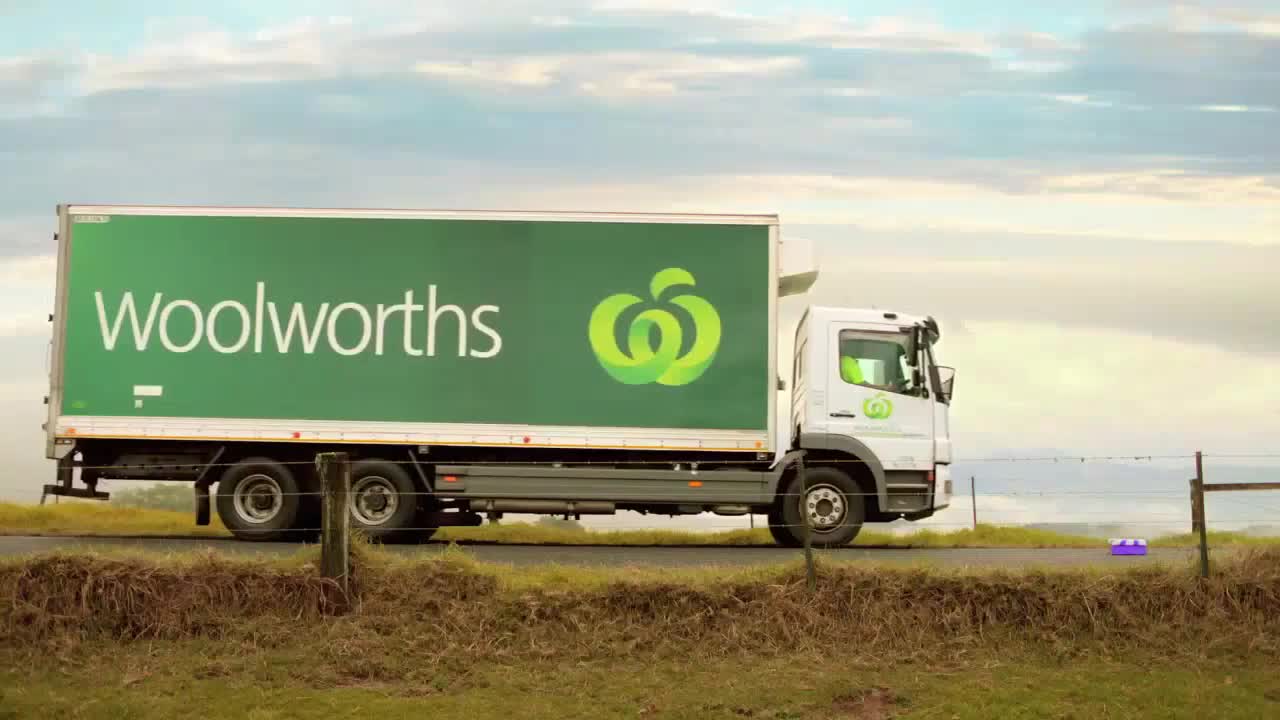
    Woolworths will revamp its store operating model for the first time since 2011, to put a greater focus on fresh food, convenience and customer service to suit changing customer needs.

    The supermarket briefed team members on Wednesday about the implementation of the store model which will see the creation of two new fresh food departments at stores in the coming months.

    Fresh Service will manage customer service at the deli, butchery and seafood counters while Fresh Convenience will cover dairy, eggs, pre-pack meat, branded bread and meal solutions.

    “Over the last few years our customers’ needs have changed, but the way we have been operating our stores has stayed the same,” Claire Peters, managing director, Woolworths Supermarkets said.

    “With customers’ ongoing expectations in fresh, and more shoppers looking for increased convenience, our stores need to deliver the best possible customer experience, every time.”

    Peters said the new model will allow team members to be “more customer focused than ever before”.

    Last week at the AFGC’s Food & Grocery conference, Woolworths highlighted the need for better convenience offerings for time-poor customers, as well as new and different choices that are good for health, wellbeing and the planet.

    While the number of team members required in the new structure will not change, some current roles will be made redundant. Woolworths said that it aims to provide “as many redeployment opportunities as possible”.

    Woolworths will invest more than $10 million in team training and development as part of the restructure and will add Assistant Team Manager roles to facilitate better management progression.

    The operating model has already been rolled out across a group of stores in New South Wales, with changes to other stores to be phased in over the coming months.

    The supermarket recently revealed plans to further reduce promotions and focus on everyday value in stores in an effort to gain better “price trust” among consumers.

    Shopper feedback revealed that price is the most important element of customer’s trust and is a key area of focus for the retailer.

  • Myer implementing new payment options in-store

    Myer implementing new payment options in-store

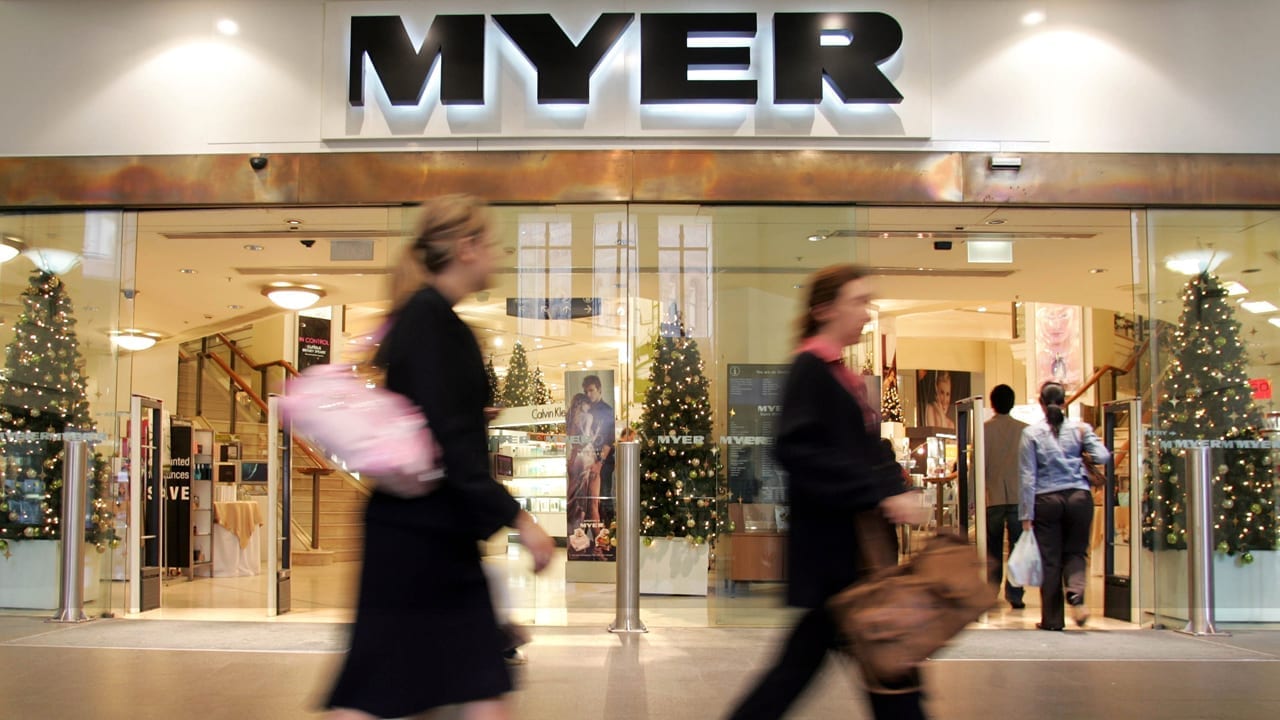
    Department store Myer will be implementing buy now, pay later service Afterpay in-store in 2020, in an effort to incentivise the 2.7 million active Afterpay customers to visit its retail locations.

    “Our customers have responded positively to the Afterpay offering since we launched it online in April 2017,” Myer general manager for financial services Spencer May said.

    “We now look forward to extending provisions of buy now, pay later services for our customers, with both Afterpay and humm in-store from late 2019.”

    The decision comes amid Myer’s customer-first turnaround strategy, in which it seeks to bring customers back in-store by transforming the in-store customer experience, expanding the retailer’s ‘Only at Myer’ offering, and improving its online channel.

    The plan seems to have started off on the right foot, having led to a 3.1 per cent increase in net profit after tax in the first half of FY19 to $41.3 million, according to Myer chief executive John King.

    In-store is a growing segment for Afterpay, accounting for about 20 per cent of total ANZ underlying sales for the 5 months to May 2019, compared to 15 per cent over the first half of FY19.

    Additionally close to a quarter of the service’s new customers are being driven by in-store, rather than online, sales.

    Myer has been contacted for comment.

    According to UBS analyst Ben Gilbert, the impact of implementing buy now, pay later services drives an incremental increase in sales, as customers that did not necessarily have the ability to purchase at that store are now able to.

    However, this growth in sales tends to stabilise after 12 to 18 months.

    “The emergence of buy now, pay later has been a key driver of both traditional and online retail,” Gilbert said.

    “Growth largely reflects a shift to online, with retailers telling us buy now, pay later offers can make up over 50 per cent of online sales.”

    UBS estimates that buy now, pay later providers Afterpay and Zip accounted for approximately 16 per cent of incremental discretionary retail growth in the first half of FY19.

    Gilbert does raise the possibility that these extra sales have been brought forward, creating a risk to profit forecasts as customers buy early.

    “While we have some concerns, we note large retailers have largely cycled this in their online sales, momentum has continued and retail sales are holding up better than feared, with (early) post-election feedback on trade positive,” Gilbert said.

    “As a consequence we are becoming less concerned, and see an opportunity now to potentially try to negotiate better terms on the buy now, pay later options.”

  • Facebook, Instagram, and WhatsApp will no longer be pre-loaded on Huawei phones

    Facebook, Instagram, and WhatsApp will no longer be pre-loaded on Huawei phones

    While Huawei continues to see a road ahead for its US government-threatened smartphone division, the exodus of major business partners, key components suppliers, and allies is far from over, posing new difficulties and creating bigger and bigger problems almost every single day.

    The latest bridge to be reportedly burned as a direct consequence of President Trump’s controversial executive order last month (which was since suspended for a period of 90 days) is arguably less critical than similar decisions previously made by the likes of Google, Qualcomm, Intel, and Arm. But it’s yet another thing that complicates Huawei’s existence, threatening to severely damage its Western brand image.

    Facebook is getting ready to pull out its support for future Huawei handsets, planning to no longer allow the pre-installation of the social networking giant’s crazy popular apps on the Chinese tech behemoth’s mobile devices. We’re obviously talking about the main Facebook platform first and foremost, but also WhatsApp and Instagram, all three of which are typically available for users of existing Huawei phones at first boot.

    The handsets that are already in circulation are unlikely to be affected by Facebook’s decision, as they will continue to receive any and all updates delivered to social networking and instant messaging apps. But Huawei phones that are not yet released and have not yet left factories are expected to come without the aforementioned services pre-loaded. That wouldn’t be such a big problem if Google wasn’t intent on cutting off access to the Play Store for future Huawei devices as well in compliance with the US ban expected to be enforced in a couple of months.

    Without Facebook, possibly Twitter, and other Western-leading apps and services, it seems Huawei truly needs to build its Android and Google Play alternatives from scratch. That’s probably going to take a while (if it’s even doable to begin with), during which time the company’s sales numbers could fall off a cliff. Of course, Facebook is still blocked in China, so at least there’s that.

  • Google Search results are improved in response to user feedback

    Google Search results are improved in response to user feedback

    A series of tweets from the Google SearchLiaison Twitter account indicates that Google is making a small change to Google Search in response to user feedback asking for more variety in its Search results. The tweak is designed to prevent a search result from containing multiple listings from the same site. As Google says, the changes are “designed to provide more site diversity in our results.”

    Google says that with the new site diversity change, top results will show no more than two listings from the same company. But Google adds that “…we may still show more than two in cases where our systems determine it’s especially relevant to do so for a particular search….” Despite the new diversity for Google Search results, the way sites are ranked will not change. So while highly ranked sites will continue to appear near the top of search results, they just won’t be repeated as often. This is good news for smaller companies looking to drive more traffic to their sites.

    While the update is being disseminated now, it shouldn’t be confused with the June 2019 Core Update that makes changes to the algorithms used by Google Search. Nor should it be mixed up with an update that was sent out last month by Google. The latter update improves mobile search results by adding the name, URL, and logo of the website that certain information was sourced from. For example, let’s say that you were searching for some news on President Donald Trump. Depending on your political leanings, you could scan through the results and either ignore or read information pertaining to your search from Fox News.

  • Waterstones parent to buy Barnes & Noble

    Waterstones parent to buy Barnes & Noble

    The parent of British bookseller Waterstones, Elliott Management, will purchase Barnes & Noble – the last remaining big-box bookseller left in the US following the departure of rival Borders – for about US$683 million.

    Once the deal is finalised in Q3 of this year, Waterstones CEO James Daunt will also assume control of all Barnes & Noble operations, although the two firms will remain independent.

    Dive Insight says: “The deal with Elliott could mark the closing of a turbulent chapter in Barnes & Noble’s story, one that included a failed merger, a legal battle with a former executive and agitation by activist investors. And prior to that there were years of management turnover, strategic misfires and lost sales as the last box book seller tried to hold off Amazon.”

    “As it happens, I know James Daunt fairly well,” said Barnes & Noble chairman Leonard Riggio in a letter to employees, “and I am delighted to have him as our new leader.

    “Like me, James believes our culture has to be more store-centric, which means more localisation of assortments and operations. It follows that he believes local managers must have more authority to get the job done.”

    A press release from Barnes & Noble read that Waterstones “has successfully restored itself to sales growth and sustainable profitability, based on a strategy of investment in their store estate and the empowerment of local bookselling teams.”

    Elliott, which has owned Waterstones for about a year, has US$825 million in debt financing available banks to fund the Barnes & Noble acquisition.

  • New Instagram feature turns your Story into a sing-along

    New Instagram feature turns your Story into a sing-along

    Remember when Instagram was known for its photo filters? Back in the day, when Instagram added a new filter to the app, it was a newsworthy story. In 2016, the site added its Stories feature (copied from Snapchat) and last year Instagram had more than one billion monthly active users. Facebook bought Instagram for approximately $1 billion back in 2012, and daddy’s deep pockets allow Instagram to continue developing new features.

    For example, Instagram revealed that users can now automatically add song lyrics to a Story. To do this, they will have to add a music sticker to their story and search for a song. If lyrics are available for the song selected, the user will be able to choose from different fonts and designs for the words to the song. Members will also be able to edit which part of the song to play on their Stories. Once someone selects that Story to view, the lyrics will appear automatically. If someone taps on the lyrics, they will be able to hear the song continue playing and learn more about the artist who sings it. Before this feature was added, an Instagram user could add music to a Story, but if he wanted the lyrics to appear, they would have to be typed out by the member.

    The new feature is available in all markets that support the use of Instagram’s music stickers. To add the music sticker, after you create a photo or text for your Story, tap on the sticker icon at the top of the screen. Then click on the Music sticker and select a song. If lyrics are available for that tune, you’ll see them on the screen even while you preview your Story. If lyrics are not offered for the song you select, a notification saying this will appear at the top of the screen.