Category: General

Retail News Asia is committed to providing both local and global retailers with the latest General Retail news throughout the Asian market. This on a daily base.

  • Hong Kong Retail to Sell Well In Next Five Years, PwC Says

    Hong Kong Retail to Sell Well In Next Five Years, PwC Says

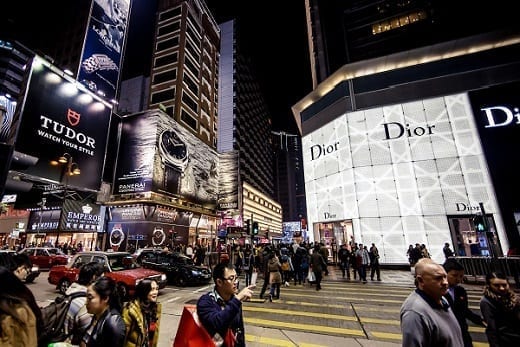
    After steady recovery last year, Hong Kong’s retail sector is expected to improve further this year on the back of a bullish economic outlook, both globally and in China, says PWC Hong Kong.

    Retail sales in Hong Kong for the first 11 months of last year eased up 1.8 per cent over the same period in 2016, and with the traditional shopping spree toward year-end, the full-year increase could reach 3 per cent (government retail sales figures will be released on Thursday).

    Despite store consolidation and a retreat from main-street locations, luxury goods, especially jewellery and watches, was one of the best-performing sectors last year and is expected to further recover,

    Hong Kong’s retail sector could have growth between 4 to 6 per cent this year, which is equivalent to about HK$465 to 480 billion, with a positive outlook for the next five years.

    “All-time-high stock and real-estate markets, both local and global, have created a significant wealth effect, and much improved sentiment in consumption,” says PWC’s Michael Cheng.

    “In addition, tourist arrival numbers in Hong Kong, particularly from China, have been encouraging and recovering steadily under the much better and more stable political and social environment.

    Combined with a low jobless rate and a weakening US dollar against major currencies, Hong Kong’s retail sector should be recovering well in the medium term and exceed the all-time high of 2013 within the next five years.”

    Tourism key

    However, the sector still depends on tourism, particularly from China. From January to November, Mainland Chinese tourist numbers grew 3.6 per cent year on year, compared to 3.1 per cent for all tourists.

    Meanwhile, the Chinese government has slashed tariffs on 187 imported consumer goods, including wines and spirits, pharmaceuticals, and food. While this will strengthen domestic consumption in China, PWC says it will have only a modest effect on Hong Kong retail.

    “Hong Kong still enjoys the world’s freest economy, providing high-quality goods under a well-established legal system that provides excellent consumer protection,” says PWC China tax partner Rebecca Wong. “This encourages legal imports and reduces the attractiveness of purchases made through irregular channels.”

    However, Cheng says retailers need to transform, from being disrupted to becoming disruptors.

    “Embracing technology and data to provide unique customer experiences through diversified platforms and logistics networks are the keys to success.”
  • Daiso stores to penetrate Israeli retail market

    Daiso stores to penetrate Israeli retail market

    Japanese “dollar store” chain Daiso is about to enter the Israeli retail market, to be run by the Union Group, the franchise holder for Cos and H&M in Israel and the official importer for Toyota and Lexus.

    Founded in 1977, Daiso will be competing in Israel with chains such as Hastock and Max Stock. It is expected to offer 100,000 products at a fixed low price, including designer products and accessories for the home, toys, design aids, work tools, gardening tools, electronic products, auto products, sewing tools and animal accessories. Most are made exclusively for the Japanese chain’s private label.

    Daiso has 4900 stores in 26 markets, 3000 of them in Japan. The company’s revenue totalled $4 billion in 2015.

    Daiso’s most popular items are batteries and small products for the home.

  • Japanese firms mull over expansion plans in Vietnam

    Japanese firms mull over expansion plans in Vietnam

    Việt Nam maintained its position as an important investment destination for Japanese companies, with some 70 per cent of operational Japanese-invested firms making plans for business expansion here.

    This information was revealed by Hironobu Kitagawa, chief representative of Japanese External Trade Organisation (JETRO), in Hà Nội, at a meeting with the Ministry of Industry and Trade on January 29.

    According to the latest survey conducted by JETRO on the operation of Japanese firms in Asia and Oceania, 65.1 per cent of Japanese businesses operating in Việt Nam reported profits, up 2.3 points over the 2016 survey.

    Some 70 per cent of Japanese firms have mulled over expansion schemes in Việt Nam given the country’s market size, growth, stable political and social state of affairs, and cheap labour cost.

    This was a high rate in comparison with other countries where JETRO conducted the annual survey, Kitagawa said. “Việt Nam continues to be an important investment destination for Japanese businesses.”

    However, the head of JETRO in Hà Nội also pointed out the risks in the investment climate, concerns and obstacles that Japanese enterprises are facing during the investment process in Việt Nam.

    The latest survey was conducted with nearly 12,000 Japanese enterprises in 20 countries and territories in Asia and Oceania from October 10 to November 10, 2017. In Việt Nam, 1,345 Japanese firms participated in the survey.

    The full report will be made available next week.

    According to Deputy Minister of Industry and Trade Đỗ Thắng Hải, the survey provides comprehensive and objective information to help the Vietnamese Government and ministries to make effective and practical policies.


  • Philippine Economy Posts 6.6 Percent GDP Growth in the Fourth Quarter of 2017

    Philippine Economy Posts 6.6 Percent GDP Growth in the Fourth Quarter of 2017

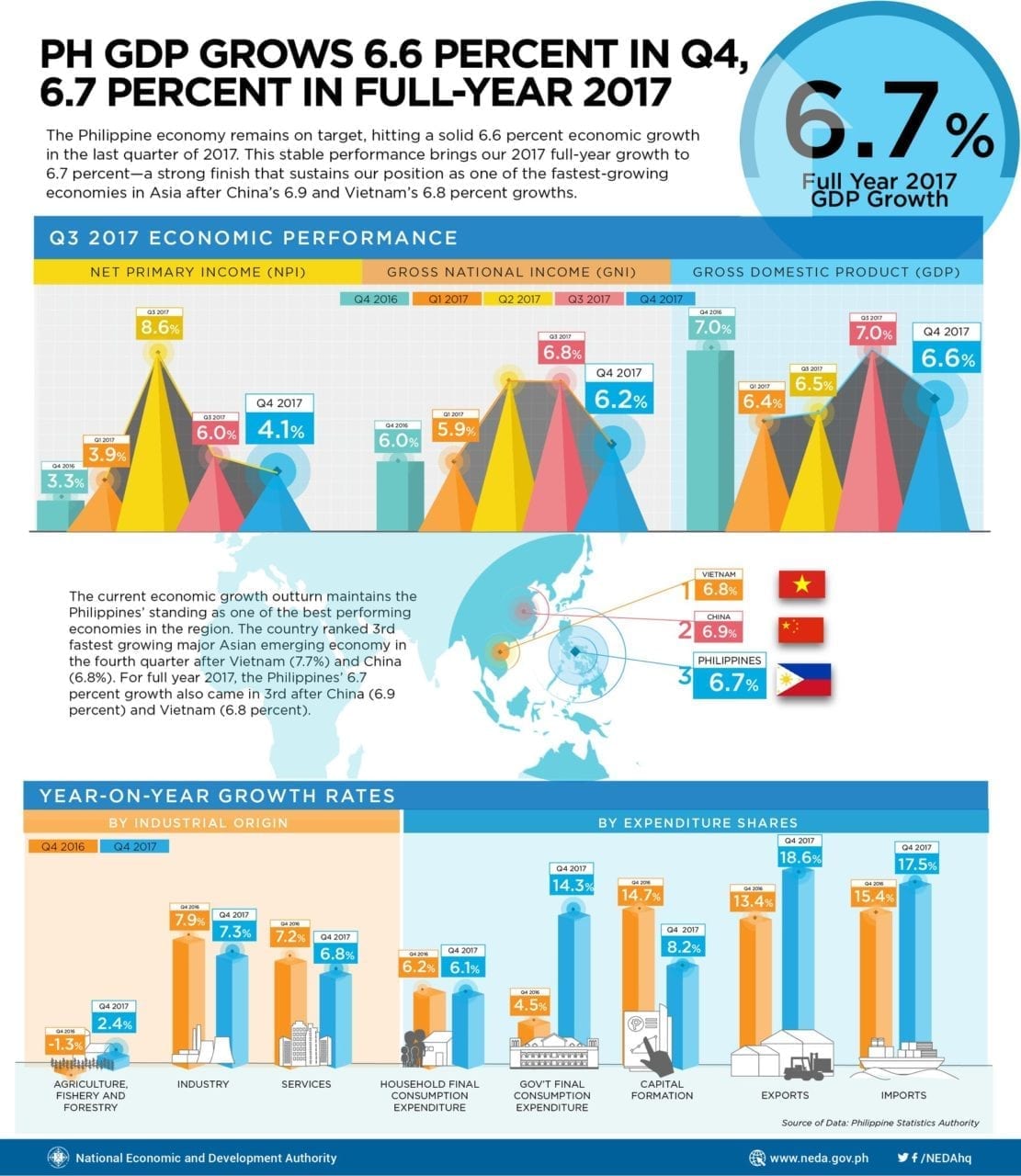
    Gross Domestic Product (GDP) posted a 6.6 percent growth in the fourth quarter of 2017, driving the economy to grow by 6.7 percent for the entire year of 2017.

    Manufacturing, Trade and Real Estate, Renting and Business Activities were the main drivers of growth for the fourth quarter.

    Among the major economic sectors during the fourth quarter of 2017, Industry had the fastest growth of 7.3 percent, followed by Services which grew by 6.8 percent during the quarter. Agriculture grew by 2.4 percent, rebounding from a 1.3 percent decline in the same quarter of the previous year.

    Net Primary Income (NPI) accelerated by 4.1 percent compared with the 3.3 percent growth recorded in the fourth quarter of 2016. As a result, Gross National Income (GNI) posted a growth of 6.2 percent, faster than previous year’s growth of 6.0 percent. On an annual basis, GNI grew by 6.5 percent, while NPI’s growth is at 5.6 percent.
    With the country’s projected population reaching 105.3 million in the fourth quarter of 2017, per capita GDP and per capita GNI grew by 5.1 percent and 4.7percent, respectively.

  • Single-brand retailers now easier to enter India

    Single-brand retailers now easier to enter India

    Indian Prime Minister Narendra Modi has removed the need for a federal approval of foreign single-brand retailers entering India.

    He has also relaxed the rule mandating 30 per cent local sourcing giving companies five years to reach the threshold.

    The surprise moves will speed the launch of at least 10 foreign brands believed to have applications in processing at present, including Uniqlo parent Fast Retailing and Tesla, according to a report in the Times of India. Fast Retailing had lodged an application to open Uniqlo stores last November, and Tesla has been in talks with government officials.

    “There are around 10 applications under single-brand retail trading and these will be positively impacted once the amendments in the FDI policy are notified,” Suresh Prabhu, Commerce and Industry Minister said without revealing brand names.

    Apple may be another foreign company to benefit from the about-face. The US tech giant had a previous application to enter the country via its own Apple stores declined because it could not meet local content requirements.

    Foreign brands have long been frustrated by Indian government restrictions on single-brand retailers, which were effectively designed to protect the ‘unorganised’ domestic retail sector, dominated by ma-and-pa retailers.

    Modi is trying to stimulate the Indian economy by relaxing foreign investment rules in a number of sectors, even allowing overseas companies to take a stake in the national carrier Air India.

  • Yitu Technology Eyes Southeast Asia AI Market

    Yitu Technology Eyes Southeast Asia AI Market

    Yitu Technology, a Shanghai based artificial intelligence technology company, has opened a new office in Singapore as part of its effort to boost growth in Southeast Asia, Hong Kong, Macau and Oceania.

    The office will act as launching pad for the company to introduce AI and collaborate with public, banking and healthcare sectors across the region, Yitu general manager for Southeast Asia, Hong Kong and Macau Lance Wang said at a launching event on Tuesday (23/01).

    “We see huge potential in Singapore and Southeast Asia. With our strength in R&D, we believe we can contribute more to the artificial intelligence sector here,” Wang said.

    A 2017 study by global consultants McKinsey & Company estimated Southeast Asia could gain potentially $897 billion in economic value if countries in the region pursue proactive artificial intelligence adoption across all sectors, including manufacturing, financial services, healthcare and transportation.

    Founded in 2012 by Leo Zhu, a UCLA-trained artificial intelligence scientist, and Lin Chenxi, a former Alibaba Cloud engineer, Yitu made its breakthrough by implementing AI technology for face recognition in the banking industry.

    Its facial recognition technology was rolled out in 2015 at 1,500 China Merchants Bank branches across China to help the bank verify customers. Other banking clients that have implemented the technology include Shanghai Pudong Development Bank and Agricultural Bank of China.

    Yitu’s facial recognition technology, capable of analyzing 1.8 billion faces in less than three seconds, was deployed at large-scale events like the G20 meeting and the BRIC Summit in China last year.

    The company has also developed an AI system that helps doctors analyze medical data and medical imaging faster and more accurately.

    Regarding plans for an expansion in Indonesia, Wang said the company is quite open to collaborate with distributors, banks or even airport operators that are interested in deploying the artificial technology.

    Scott Ong, the technical director of Southeast Asia, Hong Kong and Macau at Yitu, said the decision to set up an office in Singapore was made primarily to gather the best talent from around the region. Yitu also plans to open research and development centers in Singapore later this year.

    Yitu’s move is in line with Singapore’s plan to boost its artificial intelligence research. The island country set aside 150 million Singapore dollars ($113 million) in funding to support Singapore-based research institutions and plans to train 200 artificial intelligence engineers over the next three years.

    “With Yitu setting up an R&D lab in Singapore, it will give the best and brightest AI talent from Singapore a chance to work alongside a technology leader like Yitu to tackle the challenges and problems across industries for Singapore, Asia and the world,” said Ang Chin Tah, director of infocomms and media at Singapore Economic Development Board.

    Yitu received $55 million in Series C investments led by Hillhouse Capital Group, a Chinese private equity firm focused on the consumer, industry and healthcare sectors last year. Others who participated in the investment round include Yunfeng Capital, Sequoia Capital, Banyan Capital and ZhenFund.

  • Indonesia Ranks Higher in 2018 Global Talent Competitiveness Index

    Indonesia Ranks Higher in 2018 Global Talent Competitiveness Index

    Indonesia improved its ability to attract professionals and keep the existing skilled workforce, the annual Global Talent Competitiveness Index showed on Wednesday (24/01).

    The report was released during the World Economic Forum by graduate business school Insead, which has campuses around the world.

    For the study Insead cooperated with staffing company Adecco Group and telecommunications services provider Tata Communications.

    Indonesia ranked 77th out of 119 countries, which is a leap from last year’s 90th position.

    According to the study, Indonesia has strong employability, as through vocational education and technical training it prepares domestic talents to match the skills needed by the economy.

    Despite the position rise, however, the largest economy in Southeast Asia still lags behind Singapore, which ranks second, Malaysia (27th), the Philippines (54th) and Thailand (70th).

    The Global Talent Competitiveness Index considers four “pillars” called “enable” (reflecting a country’s regulations and markets), “attract” (reflecting a country’s capability to lure resources), “grow” (reflecting the ability to improve self-competence through education and training), and “retain” (reflecting an ability to maintain domestic and overseas talent).

    The report said Indonesia has a lot of homework “to catch up on all the pillars” to cultivate a talent pool large and competitive enough to support its growth in the competitive global economy.

    The index drew data from public sources: the United Nations Educational, Scientific and Cultural Organization (Unesco) for quantitative data; the World Bank’s World Governance Indicators and Doing Business Report for composite indicator data; and the World Economic Forum’s Executive Opinion for survey data.

    This year’s report highlighted the critical role diversity plays in linking talent policies to innovation strategies to increase talent competitiveness.

    “Eventually, diversity has come to be understood as an essential enhancer of corporate productivity and performance. Recruiting the best talent is essential. But evidence shows that diversity can actually trump talent,” Alain Dehaze, chief executive officer of Adecco Group, said in a statement.

    According to the report, diversity can be a national resource, as it will create innovative and competitive working environments, especially in the era of automation, which makes people with different knowledge and experience join together in problem solving.

    “If there is a high diversity of social mobility … then the richness of knowledge, perspective and networks pushes economic performance even higher via increased innovation,” Insead said in the report.

    Developed, high-income countries continue to top the ranking, 15 of them being European countries with well-developed education systems, flexible business regulators, employment policies highlighting adaptability, social protection and internal and external openness.

  • Garuda Indonesia Workers’ Union Demands Revamp of Management

    Garuda Indonesia Workers’ Union Demands Revamp of Management

    Flag carrier Garuda Indonesia’s employees union urged the government to revamp the company’s management and board of directors, saying they feared the carrier will keep losing money in years to come if no change is forthcoming.

    The head of the union, Serikat Pekerja Garuda (Sekarga), Ahmad Irfan said rs on Tuesday (23/01) they had written a letter to President Joko Widodo outlining their demands, but have yet to receive any response.

    “We also want to discuss this with the State-Owned Enterprises Minister next month,” said Ahmad, adding that the union is confident the government will be on their side.

    Ahmad said the union made the decision to complain to the president directly after Garuda’s aircrew and employees repeatedly asked for a meeting with its board of directors but were turned away each time.

    The union has been demanding that Garuda reduces the size of its board of directors from nine directors to six.

    However, when the carrier appointed a new management team they actually added three new directors to the board.

    “Such a waste,” Ahmad said.

    Ahmad also questioned the directors’ ability to end Garuda’s financial problems since none of them has any experience in the aviation industry. He did not name the directors.

    The carrier reported a $222 million net loss in the first nine months of last year, more than five times the $44 million it lost in the same period in 2016.

    Garuda Indonesia president director Pahala Mansury said in September the losses were due to higher fleet costs and increasing fuel expenses.

    The union also criticized massive delays of Garuda flights from Denpasar, Bali, on Dec. 2. The poorly handled incident affected both domestic and international flights.

    He said the delays were not caused by the Mount Agung eruption, but due to a scheduling mishap stemming from teething problems with its new Sabre online system adopted in August last year.

    Garuda’s Response

    Garuda Indonesia’s vice president and corporate secretary Hengki Heriandono said he appreciated the union’s effort to help solve the carrier’s problems.

    “All of our employees are committed and care about the company’s future. We will listen to all their demands and suggestions,” Hengki said.

    He said safety will always be the carrier’s main priority.

    According to him, the government can revamp Garuda’s board of directors and management at any time as long as it is done according to the law and good governance principles.

    Hengki said Garuda has already talked to aircraft manufacturers to delay deliveries of new planes to help the company reduce costs by 25 percent.

    The carrier will also maximize the use of its aircraft in profitable routes.

    Reuters reported the carrier expects to turn around its financial performance this year, targeting $4.9 billion in revenue, up from an estimated $4 billion last year.

    It also forecasts a net profit of $8.9 million in 2018.

    The company plans to issue $750 million in global bonds to refinance its debt, and a separate bond issuance totaling Rp 2 trillion ($160 million) to fund business and operational expenses.glo

  • TAS Offshore posts RM1.56 million net loss in Q2

    TAS Offshore posts RM1.56 million net loss in Q2

    Shipbuilding firm TAS Offshore Bhd swung to the red registering a net loss of RM1.56 million for the second quarter ended November 30, 2017 against a net profit of RM489,000 in the previous corresponding period, due to unrealised forex losses as a result of the strengthening ringgit.

    Revenue however, jumped three times from RM2.92 million to RM11.71 million on progressive revenue recognition on shipbuilding contracts.

    TAS Offshore told Bursa Malaysia that despite signs of demand and supply finally finding a balance, the group will be cautious in its operation since the market is still uncertain due to the US shale oil industry.

    “However, in the long term, we envisage the oil price outlook to be positive due to the increase in demand for energy when industrial and development activities increase in tandem with the population growth and the demand for offshore support vessels will return.”

    For the first half of the year, TAS Offshore, however, reported a net profit of RM673,000 versus a net loss of RM642,000 in the same period a year ago, while revenue leaped over three fold from RM5.17 million to RM22.14 million.

    The stock closed unchanged 33.5 sen with some 147,000 shares changing hands.

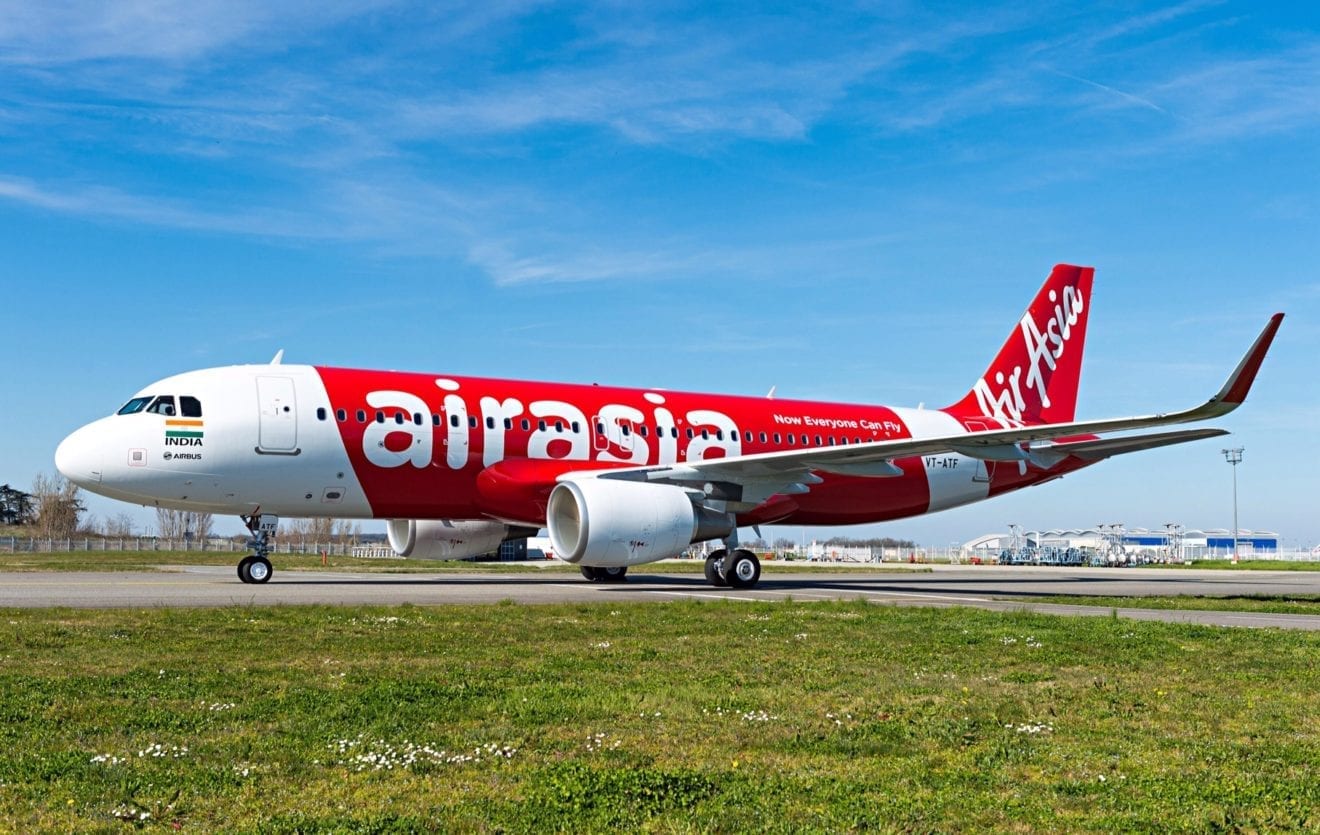
  • AirAsia and Uber partner over seamless travel

    AirAsia and Uber partner over seamless travel

    AirAsia passengers will be able to book or schedule rides from Uber through AirAsia once they have booked their tickets and become eligible for promotions.

    The ride-sharing company Uber and Asia’s fourth biggest airline have announced a partnership to provide ‘a seamless, affordable and convenient door-to-door experience for travellers’.

    AirAsia and Uber said that this partnership extends beyond promo codes and discounted rides to joint marketing efforts and technological integration. The airline is one of a number of airlines to team up with the ride-sharing company, joining American Airlines and Jet Airways. In the case of American Airlines, this has involved messages sent from the carrier to customers’ phones reminding them to book an Uber as well as discounts.

    Like American Airlines, AirAsia will incorporate a “deeplink” feature that allows Uber riders to request or schedule rides when confirming, booking or checking in for flights.

    Commenting on the partnership, Brooks Entwistle, Uber Chief Business Officer, Asia Pacific said, “Uber is thrilled to partner with AirAsia to offer customers exactly what they’re asking for – a seamless, affordable, and convenient travel experience. By working together, we can provide a service that allows customers to request their Uber ride to the airport in step with their itinerary and have their Uber driver partner waiting for them when their flight lands. So, whether you’re trying to get home to see your family, or heading to an important business meeting; your travel experience should be seamless, from door-to-door!”

    Tan Sri Tony Fernandes, AirAsia Group Chief Executive Officer, said: “AirAsia is always looking to complement its award-winning inflight experience with services outside the plane that meet our exacting standards. We have found the right ride partner in Uber. Working with Uber allows our guests to plan their entire trip from the moment they step out of their home right until they arrive at their destination, providing amazing travel comfort and peace of mind.”

    The two companies will work together  in the 52 cities in 16 markets across Asia Pacific and the US, where AirAsia operates and the Uber app is available.

    Both asserted that they were the right partners for each other, as ‘leading brands in their respective categories’. AirAsia has been named Skytrax World’s Best Low-Cost Airline for nine years in a row from 2009 to 2017 and boasts an annual passenger traffic within Asia Pacific of 60 million while Uber is available in over 500 cities in more than 70 countries worldwide.

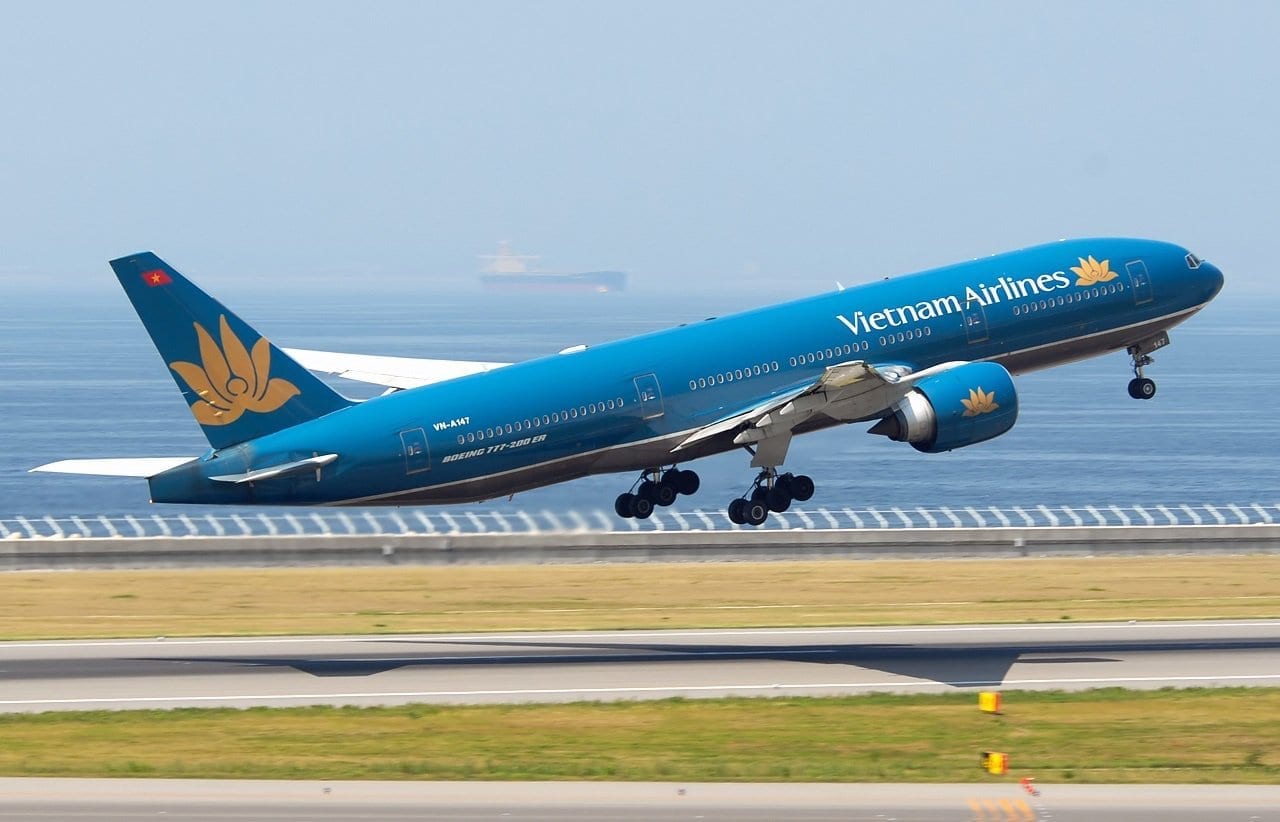
  • Vietnam Airlines is one of top 10 companies in Vietnam

    Vietnam Airlines is one of top 10 companies in Vietnam

    Vietnam Airlines Corporation has ranked 9th in the Top 50 Vietnam The Best.

    This was revealed at the launch of Việt Nam’s Top 500 largest enterprises (VNR500) in 2017 held in Hà Nội on Friday.

    Last year, the total consolidated revenue of the corporation was estimated at VNĐ88.4 trillion, marking a record pre-tax consolidated profit of VNĐ2.8 trillion, exceeding 72 per cent of the plan and up 8.3 per cent compared with the same period last year.

    The ranking has affirmed Vietnam Airlines’ leading role in the country’s aviation industry as well as its position as a global four-star international airline.

    The firm last year ranked 10th in the same list.

    To feature in the list of Top 50, an enterprise has to be named for three consecutive years in the VNR500 ranking in terms of revenue. Criteria such as good capital use, efficiency, stable profit growth potential and good social and community responsibility are also used for referencing and evaluating.

    VNR500 is based on the Fortune 500 model, which lists the top 500 US companies by revenue of the previous year. In Việt Nam, the ranking of 500 largest enterprises is based on the results of independent research and evaluation as per international standards of the Vietnam Report Company. It has been announced annually since 2007, with the advice of domestic and international experts, especially GS. John Quelch, former vice president of Harvard Business School.

    The VNR500 rankings give people an idea of Vietnamese businesses and let the local business community recognise its position in the context of global integration, business strategy and corporate governance. Basing on this reality, enterprises can set up plans to reach out large businesses in the region and around the world.


  • Retailers suffer worst December since 2010

    Retailers suffer worst December since 2010

    Retail sales fell more sharply than expected in the core Christmas month, capping the worst December performance for volumes since 2010.

    The Office for National Statistics (ONS) issued the grim update on the health of the high street just hours after Carpetright became the latest big name chain to announce a profit warning .

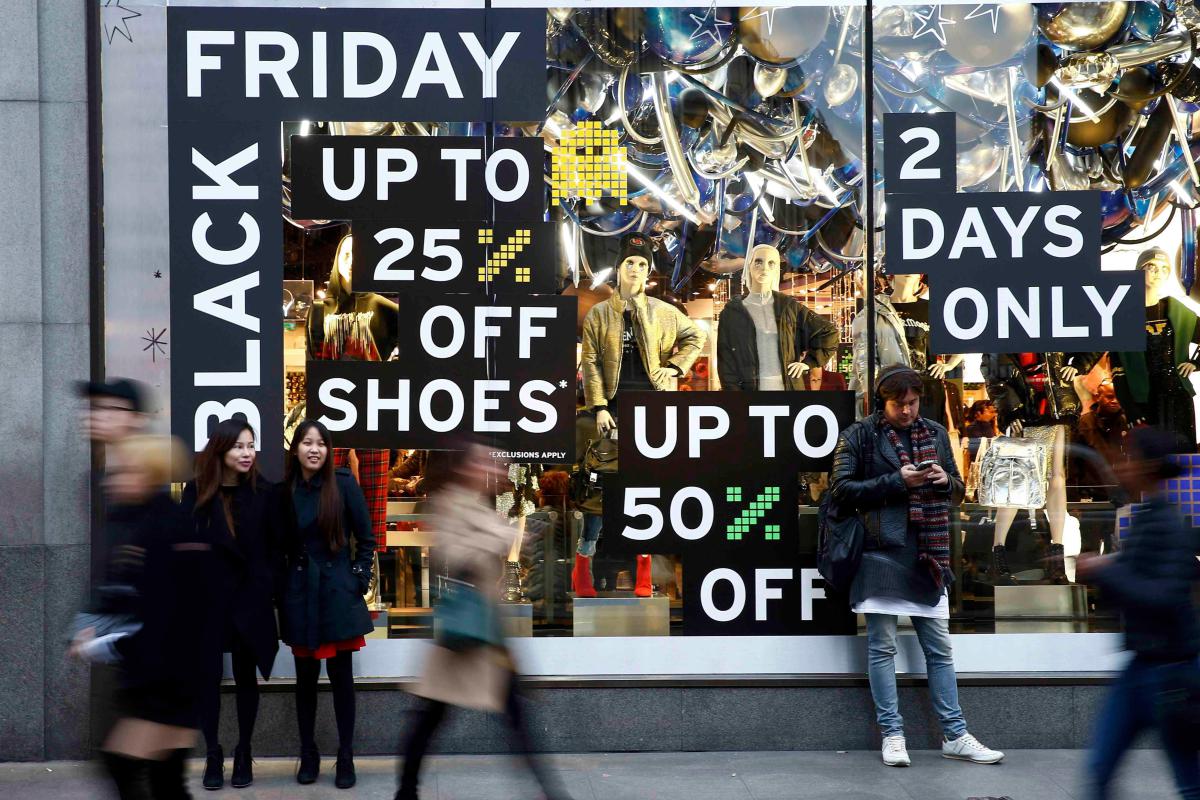
    The retail figures showed sales volumes fell 1.5% on November which was boosted by strong Black Friday trade.

    It marked the biggest month-on-month fall since June 2016 – the month when the UK was focused on the Brexit vote on 23 June.

    The Leave win prompted a collapse in the value of the pound, resulting in a leap in shop prices during 2017 as a whole as stores passed on higher import costs.

    Higher inflation, coupled with earnings failing to keep pace, has been a thorn in the side of the retail sector as the squeeze on shoppers’ budgets has dented demand for non-essential goods.

    The ONS said 2017 was the weakest year for retail since 2013 but it still recorded year-on-year growth of 1.3% and a rise of 1% over the final quarter of the year.

     How the major retailers have fared over Christmas

    Senior statistician, Rhian Murphy, said: “Retail sales continued to grow in the last three months of the year partly due to Black Friday deals boosting spending.

    “Consumers continue to move Christmas purchases earlier with higher spending in November and lower spending in December than seen in previous years.

    “However, the longer-term picture is one of slowing growth, with increased prices squeezing people’s spending.

    “Over the year the proportion of internet spending is continuing to rise, with almost one in every five pounds spent online by the end of 2017.”

    Ruth Gregory, UK economist at Capital Economics, said it was difficult to get a clear picture of the state of the high street because the ONS figures showed retail sales values rising – suggesting a limited impact from price pressures.

    “A fall in retail sales volumes in December had always looked likely, given November’s hefty rise.

    “After all, UK retailers’ adoption of “Black Friday” discounting appears to have caused consumers to bring forward their Christmas purchases, rather than to buy more overall in recent years,” she wrote.

  • China’s economy grew by 6.9% in 2017

    China’s economy expanded at a 6.9 per cent pace in 2017, faster than expected and the first annual increase in seven years, the government reports.

    The numbers beat economists’ forecasts for the world’s second largest economy and the Chinese government’s own official growth target of 6.5 per cent. The economy expanded at a 6.7 per cent pace in 2016, its slowest pace in 26 years.

    Growth in the fourth quarter held steady at 6.8 per cent, the report said.

    It said strong demand for exports and buoyant consumer spending helped drive the faster expansion. Those factors helped to offset curbs on bank lending that forecasters had predicted would be a drag on economic growth.

    “The national economy has maintained the momentum of stable and sound development and exceeded expectations,” said the report released by the National Bureau of Statistics.

    “China’s growth is very healthy,” said Iris Pang, Greater China Economist, ING, Hong Kong.

    “The risks that we worried about in 2017, for example overcapacity cuts having a negative impact on GDP, did not happen because new sectors are actually coming out to help production to grow.”

  • WTO gives US deadline to fix anti-China practices

    WTO gives US deadline to fix anti-China practices

    A World Trade Organization arbitrator on Friday gave Washington until August 22 to implement a prior ruling faulting the anti-dumping measures taken against Chinese products.

    The WTO’s Dispute Settlement Body ruled last May that some of the US anti-dumping practices were inconsistent with international trade rules.

    Arbitrator Simon Farbenbloom said in a report that it was “reasonable” to expect the United States to implement the ruling within 15 months.

    “The reasonable period of time for implementation will expire on Aug 22, 2018,” he said.

    The case dates back to December 2013, when China filed a dispute against the United States, taking issue with the way Washington assesses whether exports have been “dumped” at unfairly low prices onto the US market.

    The use of anti-dumping duties are permitted under international trade rules as long as they adhere to strict conditions, and disputes over their use are often brought before the WTO’s Dispute Settlement Body.

    In this specific case, China alleged that the United States, in violation of WTO rules, was continuing a practice known as “zeroing”, which calculates the price of imports compared to the normal value in the United States to determine predatory pricing.

    In October 2016, a panel of WTO experts found largely in China’s favour in the case, including on the issue of “zeroing”.

    The United States, which has repeatedly lost cases before the WTO over its calculation method, said in June 2017 that it would implement the panel’s recommendations, saying it would do so within a “reasonable” time frame.

    This prompted China to ask the WTO to appoint an arbitrator to set an end date.

    The 162-member Geneva-based WTO aims to create a level playing field in global trade, although US President Donald Trump’s trade envoys maintain the organisation has given unfair advantages to China at the expense of the United States.

  • Rubber giant plans IPO

    Rubber giant plans IPO

    Việt Nam Rubber Group is expected to list its shares on the HCM Stock Exchange in June or July after its initial public offering on February 2.

    Phạm Văn Thành, head of VRG’s planning and investment department, revealed the IPO road map at an event on January 18.

    The corporation will auction 475 million shares, equivalent to 11.88 per cent of its total chartered capital of VNĐ40 trillion (US$1.76 billion).

    A similar number will be offered to strategic investors with 831,000 shares earmarked for employees and the trade union.

    The State will retain three billion shares or 75 per cent of the capital after equitisation. The minimum price for the auction has been set at VNĐ13,000.

    Investors have to submit their bids by January 31.

    A month after the IPO, VRG would list on UPCoM, and by June or July at the latest in HCM Stock Exchange, Thành said.

    Last year, the group achieved VNĐ3.6 trillion in net profit on revenues of VNĐ19 trillion, easily achieving the targets it had set at the beginning of last year. The group’s core business is natural rubber, which brings around 70 per cent of its total revenues.

    According to a Vietcombank Securities (VCBS) report, VRG enjoyed a good year in 2017 thanks to the strong global recovery in natural rubber prices.

    VCBS has a positive outlook for the group in 2018 since the price of rubber will still remain high.

    Besides, old rubber trees would be a large source of income, the report said.

    VCBS has recommended a reasonable price of VNĐ16,660 for the share in the IPO.