Category: General

Retail News Asia is committed to providing both local and global retailers with the latest General Retail news throughout the Asian market. This on a daily base.

  • New Zealander says ‘disgusting’ AirAsia uniforms are ruining Malaysia’s reputation

    New Zealander says ‘disgusting’ AirAsia uniforms are ruining Malaysia’s reputation

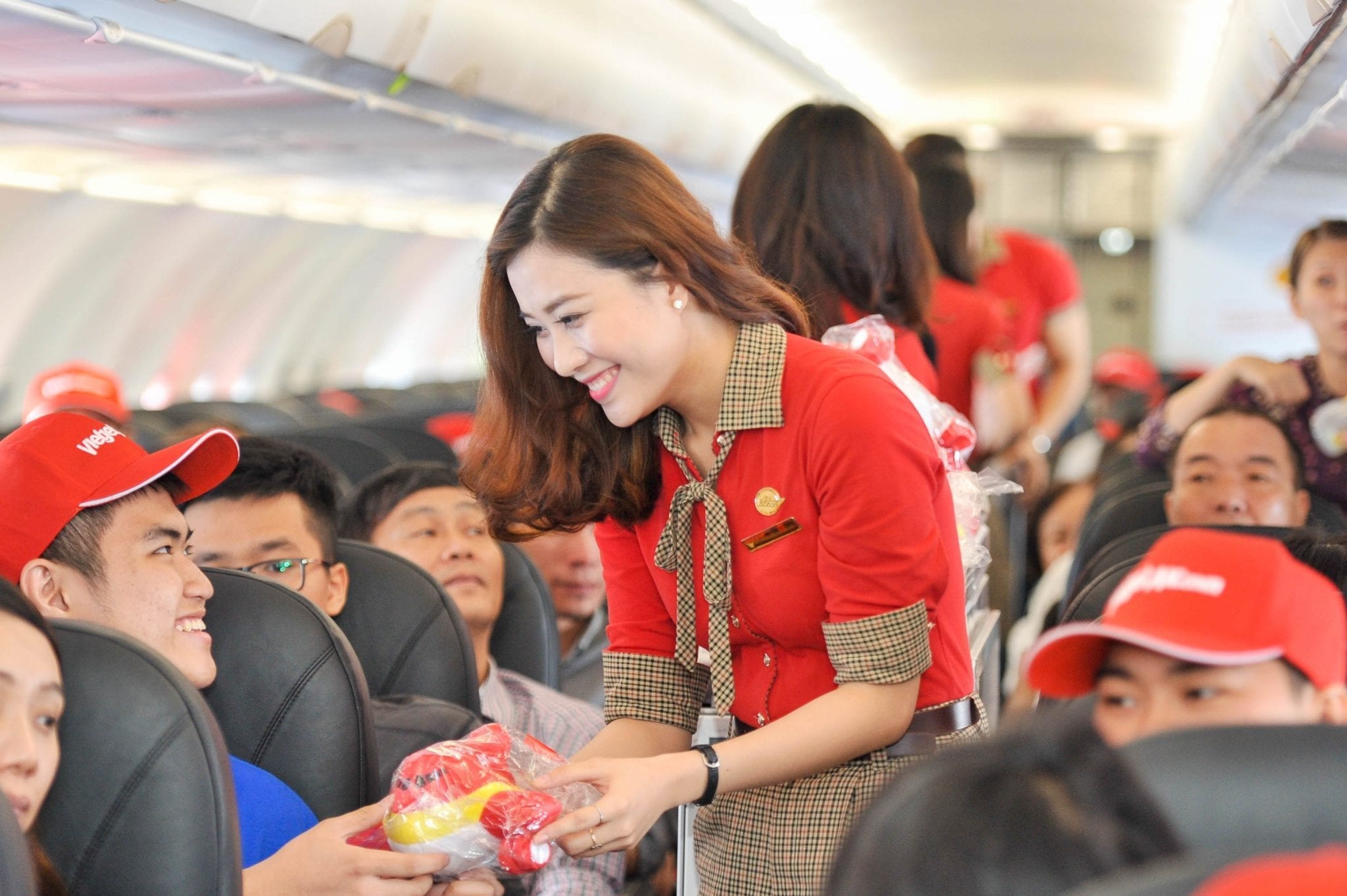
    A New Zealand woman has called upon a Malaysian senator to address the “extremely short skirts” worn by AirAsia flight attendants, saying the uniforms are ruining Malaysia’s reputation as a “respectful” country.

    In a letter posted to social media on Tuesday, June Robertson of Tawa, Wellington, said she had felt “very offended” by the female flight attendants’ skirts on her twice yearly trips to Malaysia over the past decade.

    In her letter, she relayed a “terrible” occasion when she saw an AirAsia stewardess’ underwear after she bent over at an airport supermarket.

    She also said that, on a flight from Auckland to Kuala Lumpur last October, she asked the female attendant serving her in premium business class to close her jacket as she “had her blouse opened and I could see the top of her breasts”.

    The letter signed by June Robertson.


    “I find it quite disgusting myself as not everyone appreciates this,” she wrote.

    The letter was addressed to senator Hanafi Mamat, from the ruling Umno party. Mamat argued last November that attendants on local airlines should wear “syariah-compliant” uniforms.

    Mamat said tourists might get the wrong impression of the country if stewardesses dress up “sexily and disrespectfully”.

    In her letter, Robertson described herself as a “middle-aged professional woman” who loves Malaysia.

    “One of the things we like about Malaysia is the fact your women do not dress like prostitutes and the people are very respectful of others.

    “This airline is letting your reputation down and if you visit KLIA 2 [Kuala Lumpur International Airport 2] there are many women in red uniforms walking around with very short skirts. Gives the wrong impression of Malaysia… Thank you for addressing this.”

    She did not have a problem with male attendants, whom she described as “respectfully dressed and very professional”.

    Robertson acknowledged the letter when contacted by Stuff but refused to comment further.

    Mamat is not the only Malaysian politician to complain about local airlines’ uniforms. In December 2017, Senator Abdullah Mat Yasim said that the “eye-catching outfits” on AirAsia and other budget local airlines did not reflect the Islamic status of Malaysia.
  • China’s 2017 GDP growth could reach 6.9%

    China’s 2017 GDP growth could reach 6.9%

    China’s GDP growth for 2017 may stay at 6.9 per cent, thanks to favourable internal and external conditions.

    China’s GDP growth for 2017 may stay at 6.9 per cent, thanks to favourable internal and external conditions despite the cool-off in the real estate sector and ongoing environmental protection measures, economists said.

    Xu Hongcai, an economist with the China Centre for International Economic Exchanges, said China’s year-on-year GDP growth for 2017 could be a higher-than-expected 6.9 per cent.

    The world’s second-largest economy expanded by 6.9 per cent in the first three quarters of 2017, which is above the government’s preset growth target of 6.5 per cent.

    Foreign trade recovered last year, consumption demand remained steady and high-tech sectors became stronger, contributing to the high growth rate, Xu said. Foreign trade rose 14.2 per cent year-on-year in 2017, reversing a two-year declining trend, according to the General Administration of Customs’ latest data.

    Zhu Baoliang, chief economist of the State Information Centre, said the stable GDP can be attributable to the country’s macroeconomic regulation since 2015, which had led to stable infrastructure and real estate investment to bolster growth. He said the supply-side structural reform had reduced production capacities and pushed up industrial goods prices, leading to surging corporate profits.

    Moreover, China had made much headway in economic restructuring, which has given rise to some new products, technologies and sectors. And the improving global economy has boosted China’s export growth, he added.

    Investment bank Goldman Sachs forecast that China’s GDP growth for 2017 could hit 6.8 per cent. “Economically, growth moved higher (than for 2016’s 6.7 per cent), reflecting better external conditions and the fruits of past policy changes,” it said in its latest report.

    The report said China has also managed to make some regulatory achievements to control financial risks. “Broad credit growth slowed from a pace of more than 20 per cent to the low tens on a clampdown on shadow banking activity. In asset markets, policymakers reined in surging house prices, stabilised the currency after a volatile 2015-16, and oversaw a steady equity rally,” the report said.

    The National Bureau of Statistics is scheduled to release the country’s key economic data, including whole year GDP growth, industrial output, fixed asset investment, and retail sales, on Thursday.

    Premier Li Keqiang said last week at the Lancang-Mekong Cooperation Leaders’ Meeting that China’s GDP growth for 2017 is “around 6.9 per cent”. China had maintained the trend of stable and improving growth in 2017, he said. Ning Jizhe, head of the NBS, said at a forum held on Saturday that the Chinese economy “showed sound momentum last year and did better than expected”.

  • AirAsia India Introduces New Routes

    AirAsia India Introduces New Routes

    AirAsia India has announced new flights connecting Chennai with Bengaluru and Bhubaneswar. AirAsia India will start operations on the new flights from February 24, 2018, according to the airline’s website – airasia.com. The move comes over two years after the airline had discontinued operations from Chennai. AirAsia India is offering promotional flight tickets starting at an all-inclusive Rs. 1,299 on the new flights connecting Chennai, according to its website. Bookings for the flights connecting Chennai with Bengaluru and Bhubaneswar are open till January 21, 2018. The fares are applicable on travel till January 31, 2019, the airline noted.

    AirAsia India detailed its promotional fares on the new flights connecting Chennai with Bengaluru and Bhubaneswar:
    airasia chennai offer airasia website
    AirAsia India will fly five times a day in and out of Chennai to Bengaluru and Bhubaneswar, news agency Press Trust of India reported citing a release by the airline on January 15. Bengaluru-based AirAsia India also announced induction of another Airbus A320 into its fleet, raising its size to 15, the agency reported.

    A search on the AirAsia India bookings portal on Wednesday showed tickets for a flight from Bengaluru to Chennai in February-end were available from Rs. 2,799.

    Here are five things to know about the AirAsia India offer on flights connecting Chennai:

    All fares are quoted for single journeys (one-way) and valid for new purchases only, according to the AirAsia website. The fare includes airport taxes (except for selected airports where airport tax is collected at the point of departure), it noted.

    The fares are only available for online bookings at www.airasia.com, according to the airline.Without divulging the total number of seats offered under the scheme, AirAsia India said: “Seats are limited and may not be available on all flights.”

    A non-refundable processing fee is applicable for payments via credit/debit/charge cards, AirAsia India mentioned.

    Changes to flights and dates are permitted subject to change fees, and changes to name are not permitted, according to AirAsia India.

  • Vietnam to celebrate its new retail sales highest record US$129 billion

    Vietnam to celebrate its new retail sales highest record US$129 billion

    Spurred by a rising middle class and influx of international retailers, Vietnam retail sales hit a record US$129.6 billion last year.

    This was growth of 10.9 per cent over 2016, according to the Vietnam General Statistics Office (GSO).

    Vietnam’s largest real estate company, Vingroup, starting expanding its Vinmart Plus convenience store chain in 2016 and has already topped 1000 stores – it opened 100 last month alone. It is predicted the store network could reach 3000 this year.

    Meanwhile, Vietnam last year saw the arrival of a slew of foreign retail brands, headed by Japan’s Seven & I Holdings opening its first Vietnamese 7-Eleven convenience store in Ho Chi Minh City in June.

    Swedish fast-fashion brand H&M followed in September with a store in the same city, while Zara, the chain of Spanish rival Inditex, opened its second Vietnam location in Hanoi in November (its first store, covering two levels, launched at Vincom Centre Dong Khoi in Ho Chi Minh City in September 2016).

    Thailand’s Central Group has made several acquisitions in Vietnam, including the Big C supermarket chain and electronics retailer Nguyen Kim Trading. It also launched its first stationery and office supplies store in Vietnam last year.

    South Korea’s GS Retail partnered with Vietnam’s Son Kim Group 12 months ago to open the first of their convenience stores in Ho Chi Minh City this month. They plan to open 2000 locations within 10 years.

    Double-digit growth

    Since joining the World Trade Organisation in 2007 and opening up to foreign goods and businesses, Vietnam has seen continued double-digit growth, led by a 31.5 per cent spike in 2008. With the Association of Southeast Asian Nations Economic Community taking full effect this month, Vietnam has eliminated nearly all tariffs on goods from within the region.

    Meanwhile, supermarkets and convenience stores are selling meat and vegetables at prices that are 20 to 30 per cent higher than at traditional markets, and the number of specialty shops selling organic vegetables is growing.

    Spending on cars, home electronics and other consumer durables is also brisk, with 70 per cent of Vietnam’s GDP coming from personal consumption.

    The GSO says auto sales grew by 14 per cent in value, gemstone and precious metals by 13.2 per cent, food and foodstuffs by 11.1 per cent, cultural and educational products by 10.2 per cent, apparel by 9.6 per cent, and home products by 8.5 per cent.

    Vietnam still has room for growth as modern retail channels like supermarkets and shopping centres account for only a quarter of total retail sales, and most of these businesses are in big cities, reports VIetnamNet. By 2020, the proportion of modern retail channels is forecast to rise to 45 per cent.

  • Zodiac dog, pig go missing for Chinese New Year t-shirt

    Zodiac dog, pig go missing for Chinese New Year t-shirt

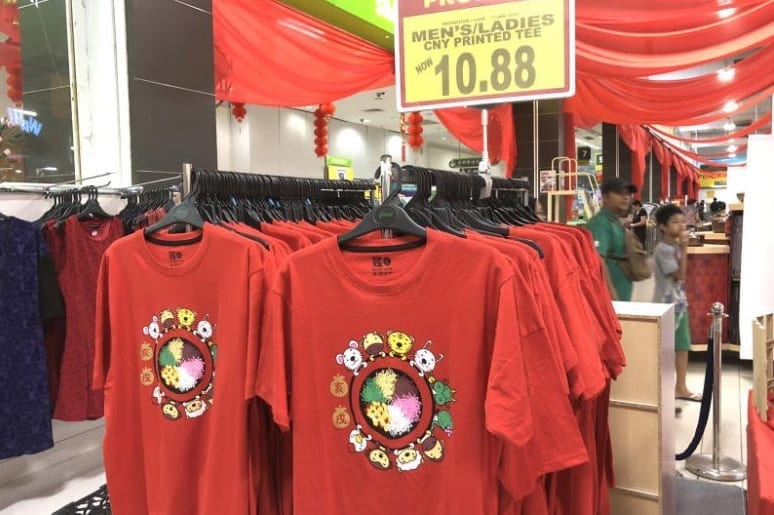
    There may be 12 animals in the Chinese zodiac, but it looks like Giant Hypermarket outlets in Malaysia missed the memo.

    A photo of a festive Chinese New Year t-shirt being sold by the hypermarket chain received flak online from Malaysians because its image of cartoon animals perched around a platter of yu sheng was missing two animals – the pig and the dog, reported Free Malaysia Today.

    Chinese New Year this year, which ushers in the Year of the Dog, falls on Feb 16.

    Instead of a cute cartoon image, the pig and the dog were represented by the Chinese characters “hai” and “xu”.

    People were far from happy about it. In fact, many of them turned snarky.

    Facebook comment by Mynn Liew

    Facebook comment by Magima Raj Pragasam

    Facebook comment by Masihtah Abdul Mutalib

    According to The Straits Times, the T-shirt comes in different sizes and is being sold at a discounted price of RM10.88 ($2.73), down from its original RM15.99.

    But selling it at a discount might not be enough, with many calling for a boycott of the t-shirt altogether.

    Facebook comment by Supachai Phoong

    Facebook comment by Peter Aeria

    Others were simply left speechless.

    Facebook comment by Neelaa Siva

    This is not the first time that the Malaysian authorities have banned or restricted materials containing dogs or pigs – animals considered unclean by the country’s majority Muslims.

    Last February, thousands of paint brushes suspected of containing pig bristles were seized after Malaysian consumers demanded a crackdown.

    In 2016, the Department of Islamic Development of Malaysia (Jakim) even went as far as banning food outlet operators seeking halal certification from using words linked to non-halal references on their menus – and yes, that includes “hot dogs”.

  • Ex-Google engineer fired over gender memo sues for discrimination

    Ex-Google engineer fired over gender memo sues for discrimination

    A former Google engineer fired after he asserted in a memo that biological causes were behind tech industry gender inequality sued his former employer on Monday, saying he was discriminated against as a white man with conservative political views.

    James Damore last year caused an uproar in Silicon Valley and beyond when he wrote the internal memo, which later became public. Google said he had perpetuated gender stereotypes and fired him in August.

    In the months since, his firing has become a popular cause among right-leaning U.S. bloggers, and Damore hired a Republican Party official as his attorney.

    Damore and another white male former Google engineer, David Gudeman, filed the lawsuit as a proposed class action in Santa Clara County Superior Court in California. The lawsuit alleges workplace discrimination and retaliation.

    Google, a unit of Alphabet Inc based in Mountain View, California, said in a statement: “We look forward to defending against Mr. Damore’s lawsuit in court.”

    According to the lawsuit, the company has failed to protect employees, especially white men, from workplace harassment related to their support of U.S. President Donald Trump or conservative political views.

    “Damore, Gudeman, and other class members were ostracized, belittled, and punished for their heterodox political views, and for the added sin of their birth circumstances of being Caucasians and/or males,” the lawsuit said.

    The lawsuit also accused Google of maintaining a secret blacklist of conservative media personalities who are not allowed inside the company’s offices.

    The lawsuit requested an injunction barring Google from discriminating against individuals with conservative political views, as well as for unspecified compensation.

    Google Chief Executive Officer Sundar Pichai said when Damore was fired that portions of his memo “violate our Code of Conduct and cross the line by advancing harmful gender stereotypes in our workplace.”

    Gudeman was fired in December 2016 after a confrontation with a Muslim coworker on an internal Google forum, according to the lawsuit.

    The coworker said on the forum that the Federal Bureau of Investigation had targeted him for being a Muslim, and he expressed worry about his personal safety, the lawsuit said. Gudeman responded with skepticism, saying the coworker had provided “zero evidence” for the claim and suggesting the FBI may have had justification.

    A human resources employee later told Gudeman he had accused his coworker of terrorism based on religion, and that he was being fired as a result, the lawsuit said.

  • Paid less than male peers, BBC China editor quits and speaks out

    Paid less than male peers, BBC China editor quits and speaks out

    The BBC’s China Editor Carrie Gracie has quit her post in Beijing to fight for her right to pay equality with male peers, posting an attack on what she called the “secretive and illegal BBC pay culture”.

    Gracie’s revolt is part of the fallout from pay disclosures the British broadcaster was forced to make last July, which showed that two thirds of the highest earners on air were men, and that some of them were earning far more than women in equivalent roles.

    Funded by a license fee levied on TV viewers and reaching 95 percent of British adults every week, the BBC is a pillar of the nation’s life, but as such it is closely scrutinized and held to exacting standards by the public and rival media.

    Gracie’s stand was one of the top news headlines of the day on the BBC itself and on other British media, and many prominent women from the BBC and beyond voiced their support on social media under the slogan #IStandWithCarrie.

    Gracie, who speaks fluent Mandarin and has reported on China for three decades, has not left the BBC. She said she was returning to her former post in the TV newsroom in London where she expected to be paid equally to men in equal jobs.

    “I am not asking for more money. I believe I am very well paid already — especially as someone working for a publicly funded organization. I simply want the BBC to abide by the law and value men and women equally,” she wrote on her website.

    Gracie said she was paid 135,000 pounds ($182,800) a year as China editor. According to last July’s disclosures, North America Editor Jon Sopel earned between 200,000 and 250,000 pounds a year, while Middle East Editor Jeremy Bowen was in the 150,000 to 200,000 bracket.

    Europe editor Katya Adler, the BBC’s only other female editor in foreign news, did not feature in the disclosures, meaning her pay was less than 150,000 pounds.

    Gracie said managers had offered to increase her pay to 180,000 pounds, but that was no solution. She rejected the rise and insisted that all four of the BBC’s international editors should receive equal pay.

    “I was not interested in more money. I was interested in equality,” she said during an interview on BBC radio.

    Britain enacted legislation outlawing sex discrimination in the 1970s and this was followed by an equality act in 2010, but women still earn less than men across much of the economy.

    “Enough is enough”

    The BBC defended itself by saying its gender pay gap was below the national average and less bad than at many other organizations, adding that it was committed to wiping it out by 2020. It also said an independent audit of rank and file staff had found “no systemic discrimination against women” at the BBC.

    Several high-profile women seized on the Gracie story to say the problem was much bigger than the BBC and affected the whole of society.

    “Tip of the iceberg in @BBC & most other orgs (organizations). Equality Act 2010 means no hiding place for shameful discrimination against women. Ending it long overdue,” wrote prominent lawmaker Harriet Harman of the opposition Labor Party, a long-time advocate of women’s equality, on Twitter.

    As in many other countries, pay inequality based on gender has been a persistent problem in Britain, which by some measures has performed worse than comparable European countries in recent years. Britain was ranked 15th in the World Economic Forum’s global gender gap index 2017, below France and Germany.

    But Gracie said her complaint was not about the gender pay gap the BBC admits to, which stems from men earning more on average because they do more of the best paid jobs. “It is men earning more in the same jobs or jobs of equal value. It is pay discrimination and it is illegal,” she said.

    Gracie accused the BBC of adopting a botched “divide and rule” response to the legitimate anger of female staff, offering pay rises to some women while locking down others in a protracted complaints process. In her own case, the process had been “dismayingly incompetent and undermining”, she said.

    “Enough is enough. The rise of China is one of the biggest stories of our time and one of the hardest to tell,” she wrote, citing Chinese state censorship, surveillance, police harassment and official intimidation.

    “I cannot do it justice while battling my bosses and a byzantine complaints process.”v

  • China 1Q11 search engine revenues over USD492m

    China 1Q11 search engine revenues over USD492m

    Search engines in the China market generated total revenues of CNY3.245 billion (USD492 million) in the first quarter of 2011, decreasing 15.62 percent on quarter but increasing 66.76 percent on year, according to China-based consulting company Analysys International.

  • Target’s holiday sales are stronger than expected

    Target’s holiday sales are stronger than expected

    US discount department store chain Target has raised its quarterly profit and sales forecasts, after a better than expected festive trading period.

    Comparable sales growth of 3.4 percent in the November/December period was driven by strong traffic growth and continued strength in digital sales, which are expected to grow more than 25 percent in 2017.

    Stores fulfilled 70 percent of Target’s digital volume in November/December, meaning that stores enabled approximately 80 percent of the company’s comparable sales growth in that period.

    “As we look ahead to 2018, we will build on the foundation we established this year by launching additional exclusive brands, enhancing our digital capabilities, opening approximately 30 small-format stores and tripling the size of our remodel program to more than 325 stores,” said Brian Cornell, chairman and chief executive officer of Target Corporation.

    While Target’s holiday growth is respectable and makes it a holiday winner, GlobalData Retail managing director Neil Saunders prior year comparatives – when same-store sales fell by 1.3 per cent – are very weak and since that time Target has undertaken a raft of initiatives that should have boosted performance.

    “All that said, the growth does indicate that Target is on the right track and that it’s various ventures are starting to pay dividends. However, we believe that it also highlights some deficiencies in execution – especially in stores.”

    “Target’s holiday focused Wondershop is another example of a lost opportunity. Like last year, Target’s range of holiday decorations and sundries was comprehensive and, in our view, one of the best in the market. However, also like last year, Target buried this offer at the back of the store and, as a consequence, lost custom. We note that more effort was made to signpost the collection this year, but this proved to be inadequate.”

    Digital was the undoubted success, according to Saunders, with robust online growth underpinning performance.

    “Overall, this is a positive outcome. It shows Target is doing the right things and that its ideas have merit. However, it also indicates the need for more care in execution, a faster roll-out of the initiatives, and a greater sense of ambition. Ultimately, Target is doing well, but it could be doing better.”

  • Vietnam’s credit growth hit 18.17 pct in 2017

    Vietnam’s credit growth hit 18.17 pct in 2017

    Vietnam’s banking sector posted an estimated 18.17 percent in loan growth in 2017, the Ministry of Finance said on Monday.

    On December 29, Vietnam’s General Statistics Office said that credit expanded by an estimated 16.96 percent during the year.

    At the same time, the statistics office announced that Vietnam’s economy grew by 6.81 percent during 2017, compared with 6.61 percent the year before, the highest in a decade.

  • Vietjet converts order for 42 A320neo to A321neo

    Vietjet converts order for 42 A320neo to A321neo

    Vietjet will convert its existing order for 42 A320neo to the superior and larger A321neo, bringing to a total of 73 A321neo and 11 A321ceo on order for future delivery. The agreement was signed recently by Vietjet President and CEO Nguyen Thi Phuong Thao and Fabrice Brégier, Airbus Chief Operating Officer and President Commercial Aircraft.

    The first A321neo “new engine option”, registered as VN-646, has also arrived at Tan Son Nhat International Airport from Hamburg recently, marking a major milestone for Vietjet as it has become the first airline in Southeast Asia to operate the Airbus aircraft powered by Pratt & Whitney’s latest-generation GTF engines.

    Fitted out with 230 comfy leather-covered seats and high-quality carpeting, the first five rows of Vietjet’s spacious new A321neo have been especially designed to accommodate passengers flying Skyboss, the airline’s premium service. The aircraft’s interior also features a unique color-changing LED light system and striking décor to create a comfortable and refreshing ambience throughout the whole cabin.

    The brand new A321neo incorporates the latest in engine design, advanced aerodynamics and cabin innovations. According to the aircraft manufacturer, its GTF engines offer a significant reduction in fuel consumption — at least 16 percent from day one and 20 percent by 2020 — as well 75% reduction in noise and 50% in emissions.

    The A321neo is also the 17th aircraft Vietjet has received in 2017 alone, increasing its total fleet to 55. The new aircraft has begun operating on domestic and international routes to and from Vietnam as of January 2018.
    “We are proud when a dynamic airline like Vietjet endorses our products,” said Fabrice Brégier, Airbus Chief Operating Officer and President Commercial Aircraft. “The A321neo combines higher capacity with the lowest operating costs in its class, offering unbeatable efficiency. This aircraft will be a real asset in Vietjet’s expansion plans in such a fast-growing market. We look forward to seeing the A321neo flying in Vietjet colours.”

    “The A320 family aircraft has greatly contributed to Vietjet’s impressive operation performances with the airline’s technical reliability rate standing at 99.6% in 2017. The aircraft have also helped us maintain some of the lowest operating costs in the airline world,” said Nguyen Thi Phuong Thao, Vietjet President and CEO. “The upgraded A321neo deal once again emphazises Vietjet’s ceaseless efforts to modernize our fleet. We believe that the technical reliability rate and other operation and safety indexes will continue to go up in order to bring maximum comfort, joy and safety to our valued passengers.”

    The A320 Family is the world’s best-selling single-aisle product line and comprises four models (A318, A319, A320, A321) seating from 100 to 240 seats. With more than 5,300 orders received from 95 customers since its launch in 2010, the A320neo family has captured some 60 percent share of the market.

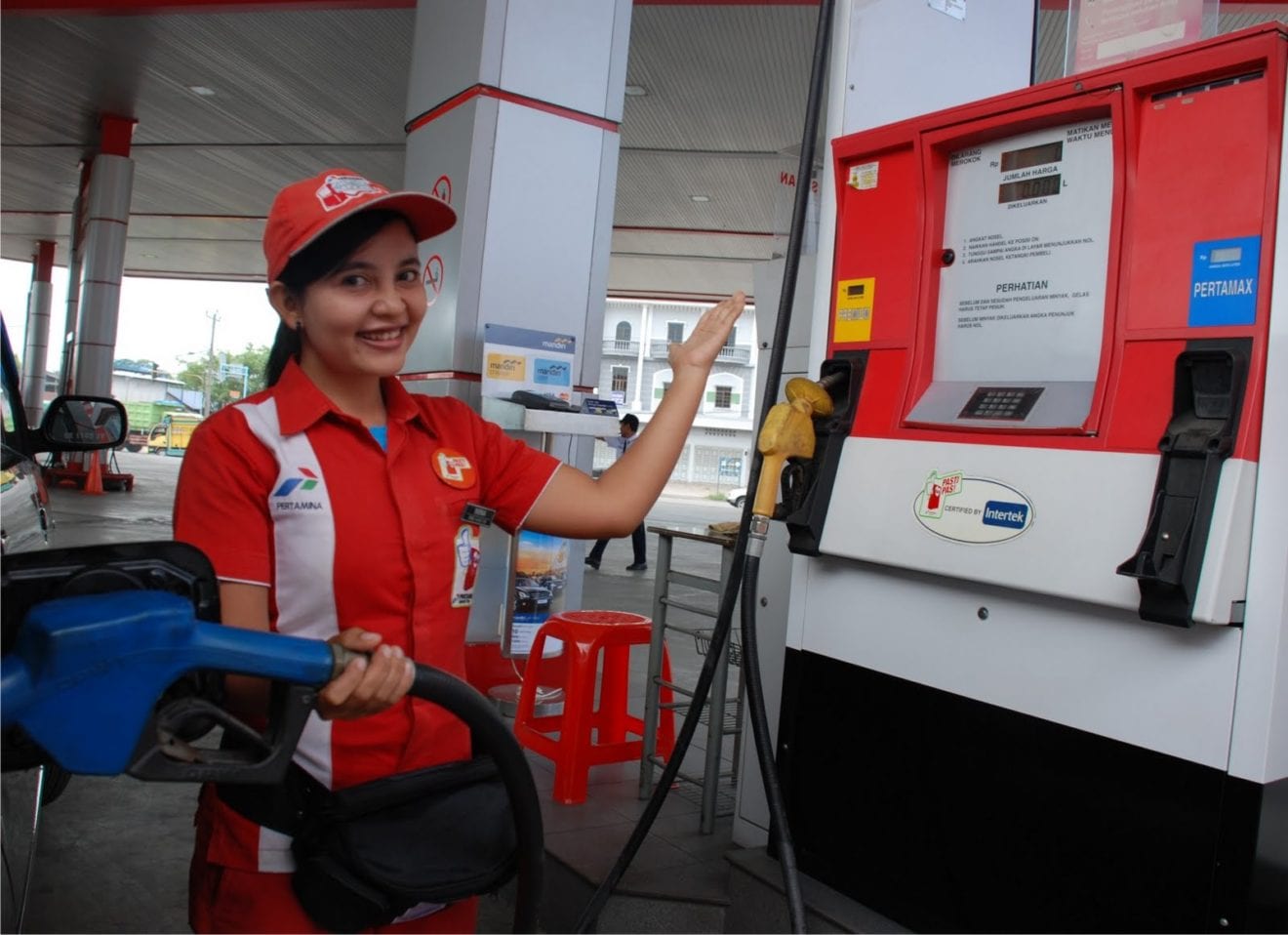
  • Pertamina Needs Up to $70m to Support National Single-Price Fuel Scheme

    Pertamina Needs Up to $70m to Support National Single-Price Fuel Scheme

    State-owned energy company Pertamina needs to spend around Rp 800 billion to Rp 1 trillion ($70 million) this year to support the government’s single-price fuel scheme in 54 of the country’s most remote areas, a minister said on Monday (08/01).

    The administration of President Joko “Jokowi” Widodo initiated the single-price fuel scheme in October 2016 to provide cheap, subsidized fuel in remote areas to help spur growth.

    According to Energy and Mineral Resources Minister Ignasius Jonan, Pertamina needs as much as Rp 1 trillion to help fund logistical, operational and development costs to distribute the fuel in the country’s hard-to-reach districts.

    Pertamina has been tasked with developing a total of 150 fuel distribution facilities by the end of 2019, estimated to cost about Rp 3.8 trillion in total. The government targets to offer the same fuel prices across the country at Rp 5,150 per cubic meter for subsidized diesel and Rp 6,450 per cubic meter for low octane “Premium” gasoline.

    “[Subsidized] fuel products are very important, especially in the frontier, outermost and most remote areas, in which the disparity [with big cities] is pretty high. This is a three-year program as [reaching] the areas is not easy,” Jonan said in a press conference on Monday.

    Since former President Susilo Bambang Yudhoyono’s administration, the government has continuously liberalized fuel distribution businesses to the private sector from, previously, Pertamina.

    Last year, the state-controlled company, along with privately owned chemical distribution company AKR Corporindo, built a total of 57 fuel distribution facilities: Pertamina developed 54 of those facilities. In total, the new facilities have a combined distribution capacity of 48,000 kiloliters per year.

    However, last year, distributors from Pertamina and AKR only distributed 11,000 kiloliters of Premium gasoline and 6,000 kl of subsidized diesel.

    For the 2018-2022 period, the government has appointed Pertamina and AKR to procure subsidized fuel products in the country.

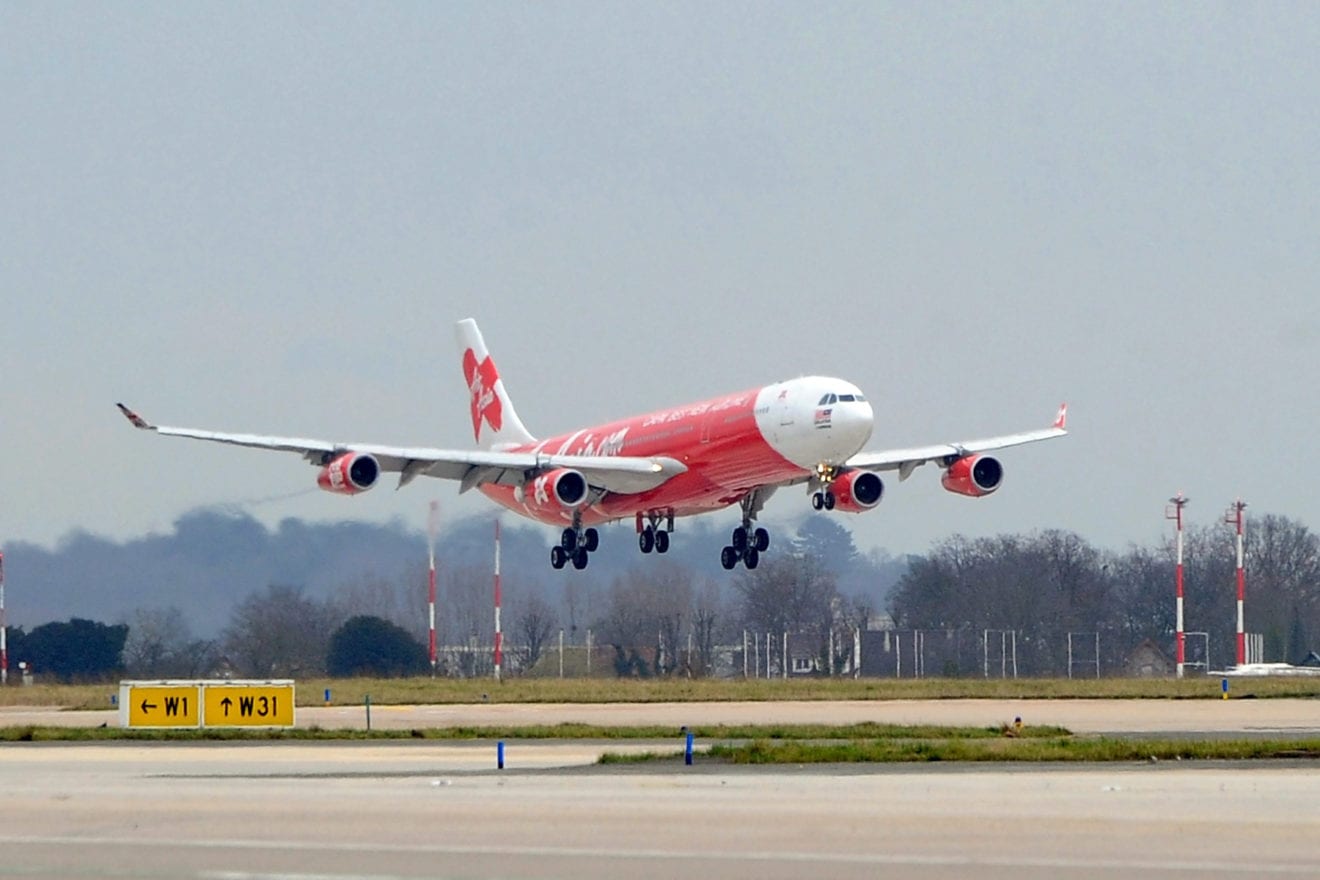
  • AirAsia Indonesia’s share price skyrockets after listing

    AirAsia Indonesia’s share price skyrockets after listing

    The price of PT AirAsia Indonesia’s shares has skyrocketed since they were listed on the Indonesian Stock Exchange (IDX) last week.

    The airline’s shares reached 25 percent per day over the last five days.

    Air Asia entered the bourse through a backdoor listing scheme named PT Rimau Multi Para Pratama. After the transactions, the company changed its name to PT Air Asia Indonesia on Jan. 3.

    On Monday, AirAsia Indonesia president director Dendy Kurniawan said the company planned to add two more planes — Airbus A320 planes — to its fleet as it wanted to open up new routes this year.

    He, however, declined to further explain the company’s plans. “We will announce the details next time,” said Dendy.

    Meanwhile, Bertoni Rio, a senior analyst from Anugerah Sekuritas Indonesia, said the price jump was temporary due to the euphoria after the name change from PT Rimau Multi Para Pratama to PT Air Asia Indonesia on Jan. 3.

    He said AirAsia was well-known brand among aviation firms. “The investors have a positive expectation that makes the share price increase.”

    Similar comments came from Achmad Yaki, an analyst at BCA Sekuritas. “It is still in euphoria, we still don’t know the performance of Air Asia,” Achmad said, adding that currently  airline businesses were facing various challenges.

  • AirAsia to close Surakarta-Kuala Lumpur route

    Low-cost carrier AirAsia is set to close on Jan. 16 its route from Surakarta in Central Java to Kuala Lumpur.

    AirAsia Berhad commercial head Spencer Lee told Antara news agency that the closure was due to commercial reasons.

    The airline is currently spreading the news among passengers through email and text messages. Those affected by the closure will receive a full refund or be allowed to change their flight by taking off from Semarang, Central Java, or Yogyakarta.

    Despite the move, Lee assured the carrier was still committed to adding more flights to Indonesia this year.

    Meanwhile, Purwanto, operation and service department manager of state-owned airport operator PT Angkasa Pura I at Adi Soemarmo International Airport in Central Java, said the operator had heard about the news, but has yet to receive an official confirmation from the carrier.

    “Based on our data, the average number of passengers for the route is relatively high, up to 70 percent capacity,” Purwanto said.

  • Taiwan tourism Bureau Partners With FOX Sportss To gear up Tourist in Taiwan

    Taiwan tourism Bureau Partners With FOX Sportss To gear up Tourist in Taiwan

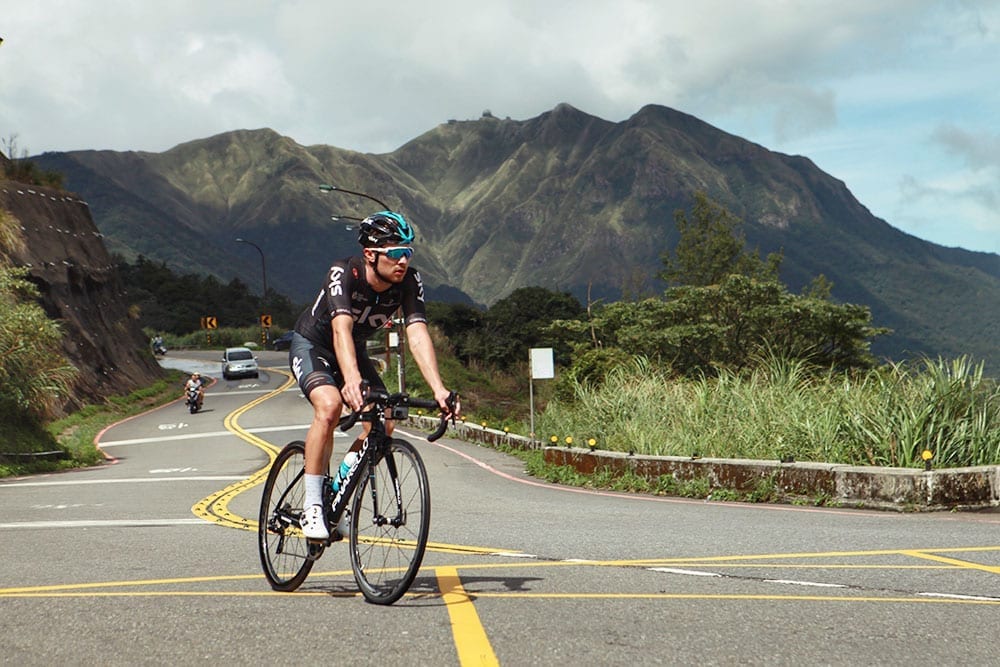
    Capitalizing on travelers’ rising interest in exploring Taiwan, FOX SPORTS and the Taiwan Tourism Bureau today announce a newly launched campaign to help tourists easily research and plan a cycling trip to Taiwan. Media partner to the Taiwan Tourism Bureau for four years, this is the first time FOX SPORTS has orchestrated a digital campaign for the Bureau.

    The Taiwan on Two Wheels website is now live (www.taiwanon2wheels.com). Built by FOX SPORTS and powered by creative production house FOX Content Labs, this online hub supports the Taiwan Tourism Bureau in driving more cycle tourism to Taiwan by providing everything a cycle-happy visitor could need – including English-language bike routes, rental information and packing advice. The website highlights an influencer program curated by FOX SPORTS, featuring globally renowned celebrities on Taiwan cycle adventures including Miss Universe 2015 Pia Alonso Wurtzbach, renowned cyclist Owain Doull from Team Sky, and FOX-produced video content of the influencers.

    High-profile influencers featured in the branded video series include:

    • Team Sky rider Owain Doull, a Team Sky member who won Olympic Gold in 2016
    • Miss Universe 2015 Pia Alonso Wurtzbach who hails from the Philippines
    • German-Indian Bollywood actress and philanthropist Evelyn Sharma
    • Ollie Phillips, former captain of the England Rugby 7’s team and Guinness World Record holder for ‘Most Northerly Rugby Match’
    • Edward Russell, an Asia-syndicated travel show host and full-time FOX SPORTS presenter

    Together, these celebrities make up a unique collective of influencers capable of engaging a wide range of tourists; from leisure peddlers, to cycle enthusiasts, to nature lovers and beyond. With support from the FOX SPORTS production team, these stars are, on camera, exploring Taiwan by bike and showing tourists the astounding variety of cycle exploration on offer in the country.

    Joe Y. Chou, Director General, Tourism Bureau, said, “We’re encouraging everyone to come and explore Taiwan on two wheels; from pro cyclers to those who prefer to take it slow. Working with FOX SPORTS, they have been able to highlight the wide variety of cycle adventures on offer in Taiwan through a diverse group of people. FOX SPORTS was key to creating this group of influencers; producing content around their unique personalities and on-the-bike experiences, then bringing it all together through the new website and on social media.”

    Along with developing the Taiwan on Two Wheels website, FOX SPORTS is also partnering with the Taiwan Tourism Bureau to publicize the campaign and website via social channels such as Instagram. The campaign’s collective of influencers has a combined social media following of 18 million, further enabling the Taiwan Tourism Bureau to engage with potential visitors across the region, and the globe.

    Mike Rich, EVP, Sales and Content Partnerships, FOX Networks Group Asia said, “Taiwan is one of the world’s best places for a cycle holiday and we’re thrilled to partner with the Taiwan Tourism Bureau in showcasing what this stunning destination has to offer. By leveraging the global scale and local expertise of FOX Content Labs, FOX SPORTS can unlock exceptional value for partners like the Taiwan Tourism Bureau – producing best-in-class content, leveraging our connection to celebrity talent, and creating campaigns that stand apart from the crowd.”

    FOX SPORTS drives bespoke strategies to reach a passionate, loyal, highly attentive audience of sports fans on every relevant platform, across 14 APAC markets. With industry-leading expertise in sports storytelling, FOX SPORTS’ capabilities are further powered by FOX Content Labs – a creative production house that leverages FOX’s production capabilities and celebrity talent access to create integrated, multi-channel campaigns that uniquely resonate with consumers.