Category: General

Retail News Asia is committed to providing both local and global retailers with the latest General Retail news throughout the Asian market. This on a daily base.

  • Tourism sector likely ended 2017 on strong note

    Tourism sector likely ended 2017 on strong note

    Ask hotel owners and others in the tourist industry about last year and the prospects for 2018 and they will likely give you a thumbs-up; ask retailers and you might get a big frown.

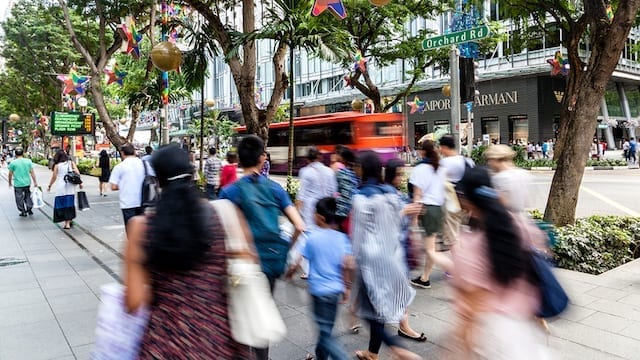
    The two sectors are intertwined to a great extent, yet their fortunes have veered widely over the past 12 months. While visitor numbers have kept surging and are tipped to go even higher this year, the cash registers at local shops remain muted, with sales flat and recording only marginal increases.

    The rise in tourist visits has been striking, with 2017 ending on a strong note, bolstered by growing arrivals from China. Preliminary estimates from the Singapore Tourism Board (STB) show that 13.05 million visitors came here in the first three quarters of last year, up 5 per cent on the same period in 2016.

    Arrivals from China shot up nearly 10 per cent to 2.49 million, as the STB’s efforts to better engage Chinese visitors and reach out to more second-tier cities appear to be paying off.

    Arrivals from Indonesia, which has traditionally been Singapore’s top source market, were lower than China’s at 2.17 million but still up 2 per cent on the same period in 2016.

    The STB had forecast arrivals of 16.4 million to 16.7 million for last year as a whole, while tourism spend was expected to come in at between $25.1 billion and $25.8 billion. However, if arrivals had continued at this pace in the last quarter of 2017, Singapore could have surpassed the threshold of 17 million visitors.

    Ms Selena Ling, OCBC Bank’s head of treasury research and strategy, said: “Visitor arrivals growth should remain healthy into 2018, as the easing headline GDP growth (in China) is unlikely to fully curb the Chinese appetite for overseas travel.”


    Mr Vishnu Varathan, head of economics and strategy at Mizuho Bank, said that Chinese government restrictions on travel to South Korea could also mean spillover benefits for Singapore.

    However, both economists highlighted that global competition for the tourist dollar is heating up, which could present a challenge for Singapore.

    STB data shows that total room revenue for the first nine months of last year fell 2 per cent year-on-year to $2.39 billion while revenue per available room (RevPAR) was flat at $201. The increased supply of rooms meant the industry-wide average room rate dipped around 1 per cent to $233 while the average occupancy rate edged up 1 percentage point to 86 per cent.

    Economy hotels had the biggest growth in RevPAR, clocking a more than 5 per cent increase to about $85. Economy and luxury hotels were the only segments to register increases – albeit marginally – in average room rates.

    CBRE Hotels (Asia-Pacific) projects occupancy for last year as a whole would have reached around 85 per cent, up almost one percentage point from 2016.

    “This has been driven by a strong growth in visitor numbers, which will exceed 17 million,” said CBRE Hotels executive director Robert McIntosh. “However, these visitors are spending less time here so the growth in arrivals has resulted in a lower rate of growth in room nights sold. The result is that room rates have declined marginally and therefore the revenue per room has been flat.”

    The supply of new hotel rooms is expected to taper off in 2018, which should provide some relief.

    “Occupancy is likely to fall slightly and room rates are forecast to stabilise,” said Mr McIntosh. “The declines of the last few years appear to have stopped, provided the economy and the visitor numbers can keep growing.”

    Corporate demand will also likely pick up next year, he added, although companies are increasingly placing employees on short-term projects, which means a reduction in the length of stay.

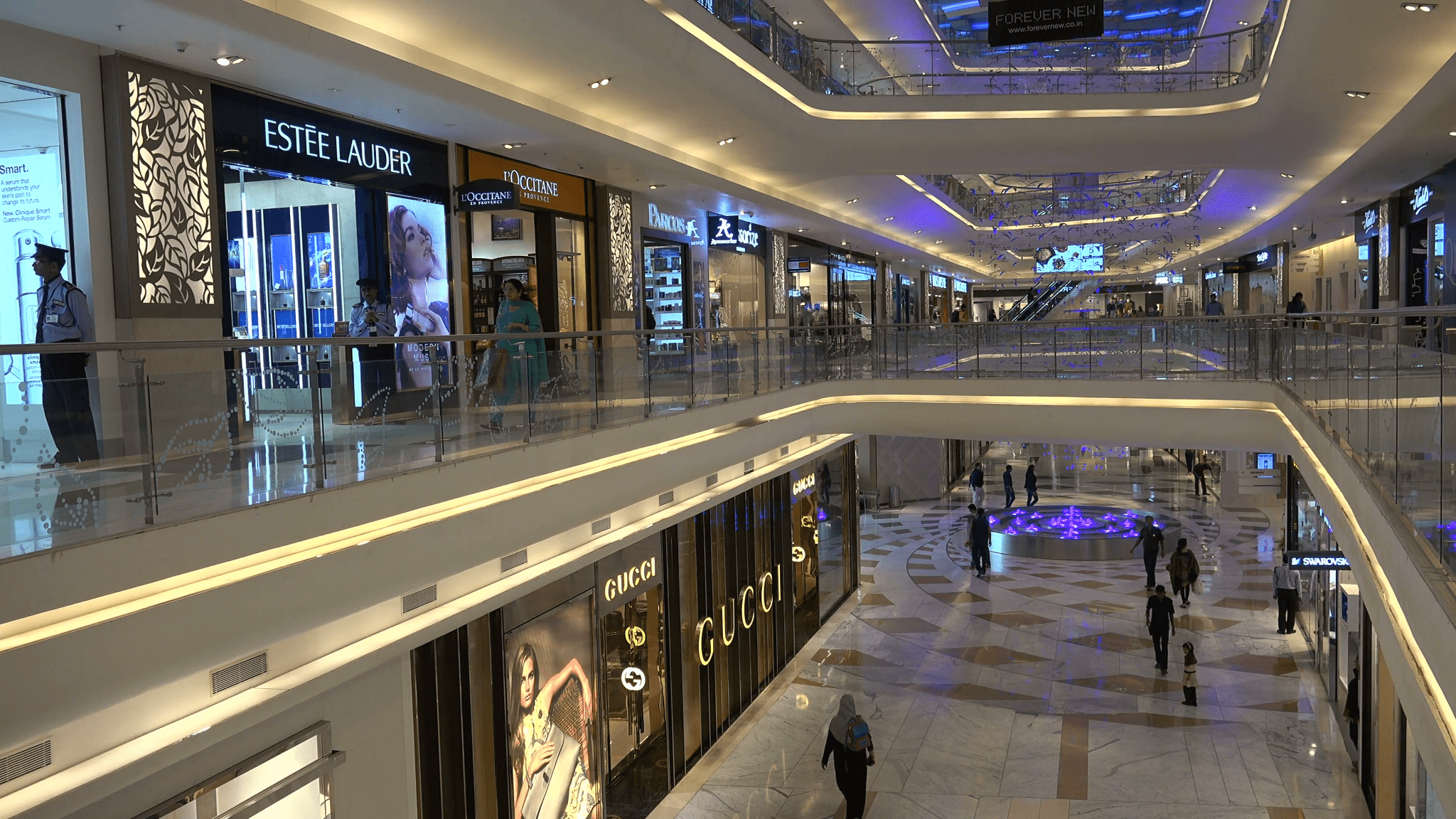
    The picture is slightly less rosy for the retail industry, which is dealing with headwinds such as high operating costs and competition from online shopping. Sales in the third quarter rose 0.9 per cent year-on-year, a decline from the 1.4 per cent in the second quarter.

    Ms Ling said: “This suggests that there may not be significant cheer for the peak year-end season on the domestic consumption front, especially since many Singaporeans usually travel during the school holidays, in addition to medium-term structural changes like e-commerce.”

    Mr Varathan noted that the improving Singapore economy has yet to filter down to the headline retail figures, at least not compellingly.

    Nonetheless, the pick-up in economic growth and “exuberant” stock market conditions could have boosted retail sales for certain segments, he added.

    For instance, sales of luxury goods such as watches and jewellery have risen more than 5 per cent for the January to October period in both real and nominal terms.

    Mr Varathan warned that “rising energy prices and food costs could start to dent discretionary income, especially if rising interest costs begin to be felt by households with financing commitments” in 2018.

    One potential bright spot for retailers could be tourism spend, which could help to dispel some of the gloom. In the first half of last year, tourist shopping receipts jumped by a solid 20 per cent, while total tourist receipts rose at a lower 10 per cent. The Chinese emerged as the biggest spenders.

  • Parami Energy Myanmar readies imported LPG for sale as demand rises

    Parami Energy Myanmar readies imported LPG for sale as demand rises

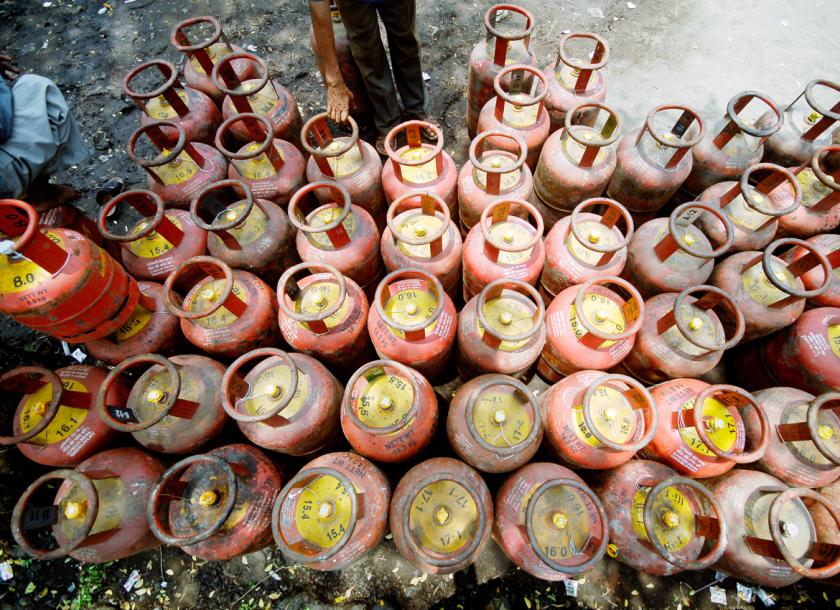
    The government is aiming to replace the use of electricity with Liquefied Petroleum Gas (LPG) as a fuel for household cooking. If widely used, LPG can reduce the use of firewood as well as electricity when cooking, which will help to conserve power as well as the environment.

    Last year, the Ministry of Electricity and Energy (MOEE) launched a K6.5 billion tender involving the lease of a jetty, terminal and storage facility at the Thanlyin refinery in Yangon Region, for the purpose of importing, storing and distributing LPG in Myanmar.ti

    A total of 21 companies sought tender applications but only nine submitted proposals. Of these, privately-owned Parami Energy Services Company ultimately beat oil company Puma Energy to win the tender in August last year.

    It is the first time the government has leased out state-owned facilities under a Public-Private Partnership for the import, storage and distribution of LPG in Myanmar. In the past, the import and distribution of LPG was conducted solely by state-owned Myanmar Petrochemical Enterprise.

    During an interview over the weekend, U Pyi Wan Tun, CEO of Parami Energy, shared his company’s plans and the prospects for LPG in Myanmar. Here is an excerpt of the interview, which has been edited for clarity:

    Can you give us an overview of the current Myanmar LPG market? 

    Currently, LPG is mainly imported from Thailand through the Myawaddy border. Some quantities are imported from China. Officially, Myanmar imports 4,000 tonnes of LPG per month, but the real number could be as high as 7,000 tonnes per month.

    However, this is not enough to meet demand from the industrial, commercial and household sectors. Nationwide, LPG consumption is around 100,000 tonnes annually and this is expected to grow as there are now more hotels, restaurants and other businesses that require LPG.

    In comparison, Thailand consumes 4 million tonnes of LPG yearly, which is around 40 times more than Myanmar. So, our LPG market has the potential to expand to become a million-tonne market at least in the years to come.

    What is required to address and develop the LPG market?  

    The LPG industry must build up adequate safety standards as international investors will invest in growing the sector only if there are satisfactory standards in place. We need to promote safety standard procedures across every part of the business, from filling stations to consumption. We will develop these together with Fire Bridge Department and respective ministries.

    The other issue is taxes. The import tax for LPG is less than 5percent in Thailand. Businesses also get tax exemptions when the LPG is re-exported. In Myanmar, we need a comprehensive and efficient policy to further develop the business.

    What have you done so far since winning this tender last year?

    We did some renovation works at the jetty and terminal. As there is no filling station, we have also built one. We started importing LPG since December. It is now ready for sale.

    Where do you currently import from and what is your target? 

    We imported the first batch of LPG from Indonesia. We will continue to import two vessels worth of LPG a month for now. Currently, our jetty in the Thanlyin refinery area is the only one in the country equipped to handle LPG imports. As the water depth is only 5 meters, we can only handle vessels with the capacity to transport 2,000 tonnes of LPG. So it is still quite limited. But our target is to import at least 8,000 tonnes – 10,000 tonnes of LPG a month over the longer term.

    How long is this project and who is your partner?

    It is a two year project but extendable. If there are investments and we make a profit, we may be able to continue. Currently, we do not have any partner for this project. But we are planning to expand our investments beyond importing to include retail distribution to cover more areas. If we are going to do both wholesale and retail distribution, we will need international partners to help with funding, technology and expertise. At the moment, we cannot expand into retail distribution.

    What is your current investment in this LPG project?

    We have invested $2 million-$3 million to renovate the jetty and terminal as well as build the filling stations. So far, we have 1,800 tonnes of LPG in storage. It is ready for sale. We expect the market to stabiles and for sales to be good.

    What are the advantages of leasing state-owned LPG facilities both for the country and Parami Energy?

    This is the first time state-owned LPG facilities at the Thanlyin refinery area are being leased out to a private company for business. During the previous administration, struggling state-owned enterprises were usually privatised or suspended. By leasing out the facilities to us, the state earns K6.5 billion and gains from private sector investments. As the facilities will be run by a private company, additional expenses like maintenance are also

    passed on.

    The government has a target of supplying LPG to 150,000 households in Yangon. This project will support it. At the moment, we are still in the investing stage and are not sure yet of any profits. However, we can expect a profitable outcome if we can import more than three vessels worth of LPG a month.

    One of the risks is market competition. When a newcomer enters the market, our profit margins will become smaller. On the other hand, we can expect a win-win situation when market demand hits one million tonnes of LPG or more, as there will be room for more competition then.

  • FTC chief urges conglomerates to improve ownership structure

    FTC chief urges conglomerates to improve ownership structure

    The head of South Korea’s antitrust watchdog said on Dec. 31 that the country’s large businesses groups should work hard to improve their complicated ownership structures and refrain from wielding their market dominance.

    “Large conglomerates should make efforts to curb their economic power and to improve their ownership structures,” Fair Trade Commission Chairman Kim Sang-jo said in his message for 2018.

    “They should also work hard to stem unfair business practices that hurt smaller firms,” Kim said.

    Kim, a former civic activist, said he will keep monitoring large business groups that abuse their market dominance and exert undue pressure on subcontractors and small-time enterprises.South Korea‘s conglomerates have been under fire for years for largely relying on controversial cross-shareholding arrangements among their affiliated companies to strengthen their owner families’ control over the entire group.

    The FTC chief also vowed to carry out sweeping reforms to root out unfair business practices and strengthen consumer protection.

    “In order to help smaller firms seek innovative growth, a level-playing field is necessary,” Kim said, adding that harsh punitive measures will be taken against unfair contract terms.

    Earlier, the FTC unveiled a plan to impose punitive damages of up to three times the actual losses incurred by illegal business practices, such as unfair payments and returns, as well as cutting back supplied goods, which frequently occur between large shopping mall operators and smaller partners.

    The South Korean distribution industry is currently led by huge retailers, department stores and discount outlets that lease their spaces to small businesses. Big-name retail giants, such as Lotte, Shinsegae and Hyundai Department Store, take up the bulk of the market share and wield great influence over the entire industry.


  • S. Korea’s service sector investment focused on wholesale

    S. Korea’s service sector investment focused on wholesale

    South Korea’s investment in the service sector has been focused on low value-added areas, such as wholesale, retail and restaurants, official data showed Monday.

    The gross fixed capital formation (GFCF) for the service sector was tallied at 256.1 trillion won (US$239.6 billion) in 2015, the findings by the Bank of Korea and the National Assembly Budget Office showed. This represents a solid 13.9 percent increase to 224.8 trillion won reported in 2006.

    The GFCF refers to the net increase in assets that takes into account both investments and deductions within a set period of time.

    The tally, however, showed investments in high value-added areas, such as cultural and education industries, backtracking.

    From 2006 through 2015, when investment in the service sector shot up the steepest, investment was centered on restaurants and catering, as well as retail and wholesale.

    An injection of funds into this sector reached 18.1 trillion won in 2015, or a 69.2 percent spike from 10.7 trillion won tallied in 2006.

    The increase rate is five times faster than gains for the entire service industry as a whole in the same time period.

    The central bank said the sharp rise has allowed restaurants and catering businesses, and retail and wholesale to make up 7.1 percent of all service sector investments in 2015 from 4.8 percent in 2006.

    On the other hand, investment in the cultural sector contracted 20.8 percent to 7.6 trillion won in 2015 from 9.6 trillion in 2006, with 15.2 percent drop being reported for education-related outlays in the same period.

    Hong Joon-pyo, a senior analyst at the Hyundai Research Institute (HRI), said areas where investment has focused on in recent years is closely associated with self-employed posts.

    “Many people who retire and do not have any skill sets often go into these businesses so there has been a natural rise in investment,” he said.

    The economist said that this trend has led to an over saturation of certain service sectors that has eaten into profits.

    Statistics Korea said operating profits of restaurants and catering industries stood at 13.4 percent in 2015 or down 9 percentage points from five years earlier, while numbers for retail and wholesale correspondingly stood at 5 percent or down 2 percentage points.

    The statistical office said this has led to such stores’ average survival rate three years after opening standing at an average of just 39.1 percent. Such dismal numbers are not conducive to sustainable growth for the economy as a whole.


  • ‘Qatar in prime position’ to draw Chinese tourists

    ‘Qatar in prime position’ to draw Chinese tourists

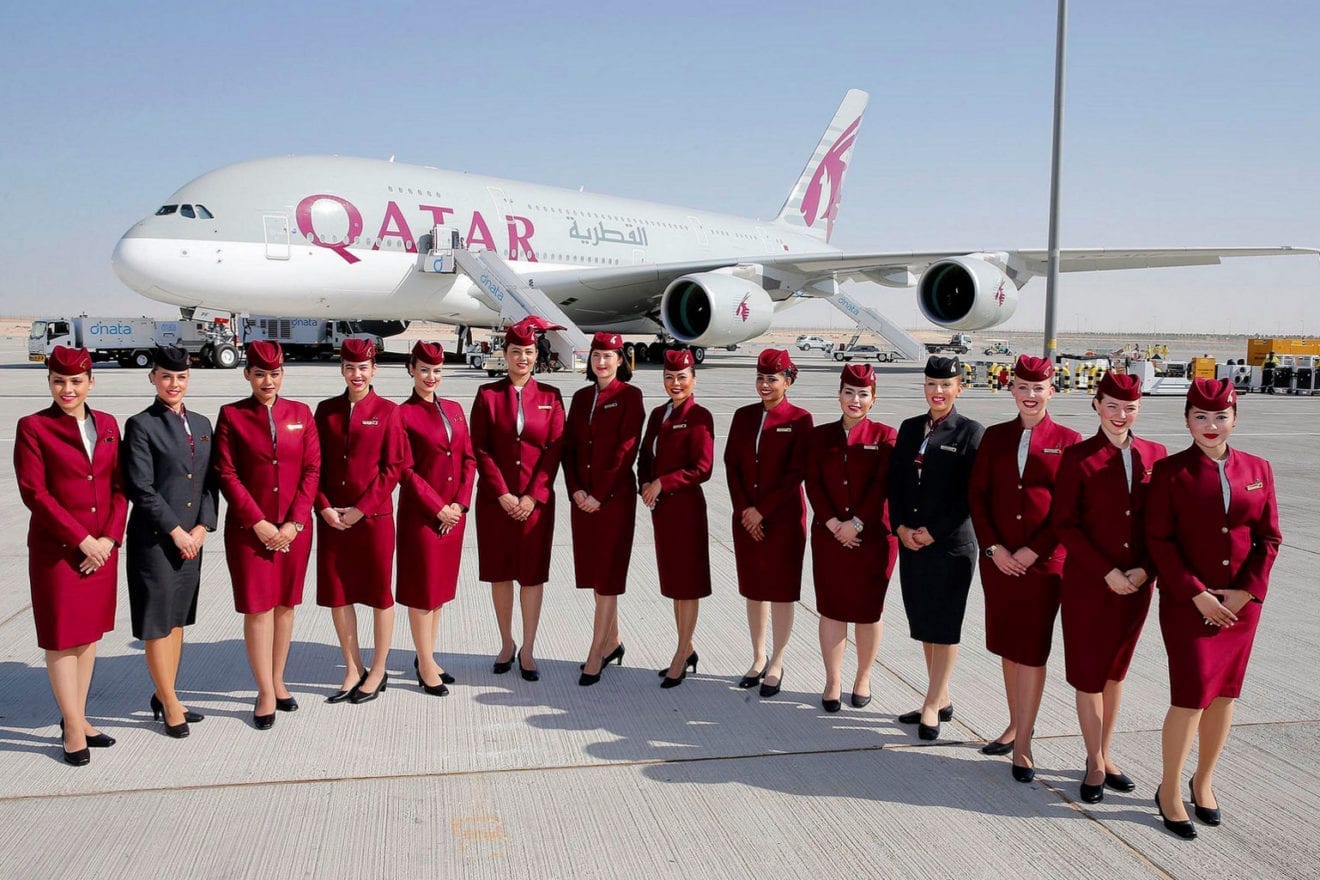
    Welcome Chinese, the only official overseas hospitality certification programme recognised by the Chinese government, collaborates with Qatar Tourism Authority (QTA) to empower the country’s hospitality, tourism and retail sectors to meet the requirements of Chinese tourists.

    “China is the world’s biggest and fastest-growing outbound tourism market. Opportunities are limitless and we strongly believe that Qatar is in a prime position to entice Chinese tourists to travel to Doha and explore areas beyond the capital city,” Welcome Chinese marketing consultant Anna Klapper said.

    “The tourism world is extremely competitive. However, the ease of visa-free travel is a game changer,” she noted.
    Citizens of 80 countries, including China, India and Russia, can now enter Qatar visa-free, making it the most open country in the region.

    Nationals of more than 240 countries are also eligible to apply for a tourist e-visa online to visit the country, according to QTA. While shopping and retail remain to be key attractions for Chinese tourists, Klapper pointed out that Qatar has a lot to offer.

    She cited the country’s rich culture and heritage, and unique experiences such as “sweeping natural landscapes, stunning urban architecture, Arabian culture and hospitality.”  “We have conducted a lot of research which shows that as the Chinese travellers evolve, they will seek experiential travel more and more – and Qatar can meet those needs,” Klapper stressed.

    “The desert meets the water in Qatar. There are only two places in the world where you can do that, and I would say Qatar is number one as the water is warm enough so you can take advantage of that too,” she explained. “Seeing the sand dunes next to the water under a setting sun – Who doesn’t want to have a memory of a lifetime?”
    Qatar was granted Approved Destination Status (ADS) in China in September last year, allowing it to receive Chinese tourists and promote its tourism destinations within China.

    The ADS system seeks to guarantee safe and reliable tourism services for Chinese customers, from both local travel agencies and international tour operators. Asked about her favourite experiences and attractions in Qatar, Klapper said she felt welcomed by the hospitality and friendliness of the people during her 48 hours in the country.

    “I was particularly taken by the architecture of the Museum of Islamic Art: The fountain area, which leads out to the library and overlooks Doha’s skyline framed by the arches is absolutely stunning,” she added.
    “I was also introduced to my first falcon and learned about their incredible abilities and different hunting techniques. They are beautiful creatures and they have my full respect,” recounted Klapper, who mulls visiting Qatar with her family again in the future to explore more.

    Key requirements of the Chinese market

    Basic requirements include training hospitality professionals in Chinese customs and culture to ensure they can appropriately host guests from China. Facilitating money transactions is also important, and therefore the ability to accept Union Pay is a requirement, according to Anna Klapper.

    She noted that Qatar Tourism Authority (QTA) is creating the country’s own set of resources and plans are underway to improve existing facilities such as providing a directory of Chinese-speaking doctors or providing Chinese-speaking staff round-the-clock in case of emergencies.

    Welcome Chinese, present in 30 countries globally and in the GCC region, has partners across various verticals in the travel industry, including airlines, airports, cities, regions, attractions and museums. It now has more than 150 hotels certified on a global level with the Welcome Chinese designation.

    In collaborating with QTA, it is the first time that Welcome Chinese work closely with a government entity on a national level to prepare and promote a country as a destination for Chinese tourists.

  • Seven-Eleven to start selling food with English labels

    Seven-Eleven to start selling food with English labels

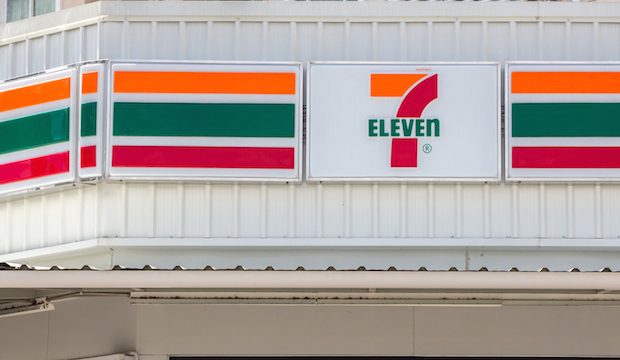
    Japan’s 7-Eleven stores have started labelling their prepared foods in English as well as Japanese.

    Seven-Eleven Japan president Kazuki Furuya says the measure is in response to requests from foreign tourists, whose numbers have been soaring and are expected to rise further ahead of the 2020 Tokyo Olympics and Paralympics, the Japan Times reports.

    “More foreign customers will be using convenience stores in Japan in the future,” he says, hoping that tourist visits will lead to stronger brand power for the company in China, Southeast Asia and the US, where it is opening more stores.

    The company says growing numbers of foreign visitors have been patronising its stores in big cities and tourist destinations. Some have asked the company to provide English names, especially for onigiri (rice balls), as they want to know what the fillings are.

    Also covered by the bilingual labeling will be bento (boxed lunch) products, delicatessen items and some sweets. Japan is expected to surpass 20,000 7-Eleven stores this month.

  • Korean retail sales boosts by double

    Korean retail sales boosts by double

    South Korean retail sales were up by more than 9 per cent in November from a year earlier, led by strong demand for products from online malls and convenience stores, new government data shows.

    Ministry of Trade, Industry and Energy figures show that the combined sales of 26 online and offline retailers stood at KW10.68 trillion (US$9.97 billion) for the month, up 9.4 per cent from a year earlier.

    Meanwhile, the sales of 13 offline retailers over the same period rose 5.4 per cent, the biggest gain since the start of the year, as customers were attracted to convenience stores and discount chains.

    Among offline outlets, convenience stores showed the highest growth, attributed to the rising number of single households with more people buying food and daily necessities from neighbourhood stores.

    With sales flat for discount chains, convenience stores saw 10.2 per cent gains and department stores an 8.5 per cent rise in sales.

    More people were buying food and clothes on the internet, resulting in 13 major online stores and marketplaces gaining 16.7 per cent in sales year on year.

  • RoK’s GS25 to open convenience stores in Vietnam

    RoK’s GS25 to open convenience stores in Vietnam

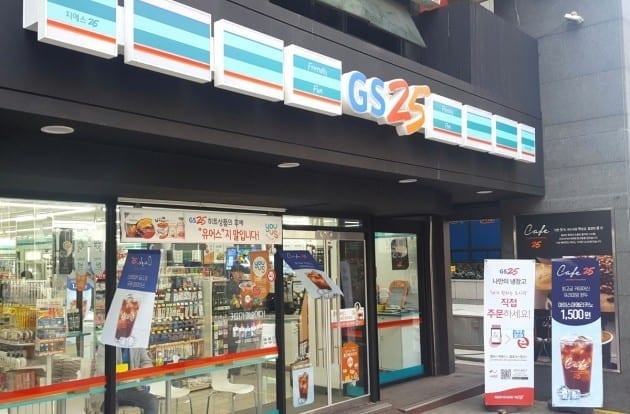
    GS25 Vietnam says it will open its first store in Ho Chi Minh City in mid-January, after a two-month delay.

    Three more stores will open soon afterwards.

    Last July, GS25’s parent company GS Retail signed a JV agreement with Vietnam’s Son Kim group to open 2500 GS25 Vietnam stores during the next 10 years.

    Vietnam will be GS Retail’s first foreign market.

    After its Vietnam launch, GS Retail plans to seek opportunities in other markets.

    Vietnam’s convenience store industry is currently experiencing annual growth of 70 per cent, fuelled by a youthful population.

    Last June, 7-Eleven opened its first Vietnam store, and now operates 11 in Ho Chi Minh City, with plans for 100 within 10 years.

  • Retailers take omnichannel path in preparation for Thailand 4.0

    Retailers take omnichannel path in preparation for Thailand 4.0

    Supaluck Umpujh, chairwoman of The Mall Group, said that Thailand 4.0 is an economic model to promote and transform Thailand into a digital economy.

    Digital economy refers to the widespread use of digital technologies, which are rapidly transforming business practices and social interactions.

    According to the Thai Board of Industries, the strategic framework for digital economy promotion consists of four areas: digital commerce, digital entrepreneurship, digital innovation, and digital content.

    In pushing forward this forward-looking agenda, the Ministry of Digital Economy and Society will promote a new generation of entrepreneurs, as well as commercial and industrial innovations. At the same time, it will assist investors in developing new markets for digital content. Entrepreneurs will be aware of the importance of using ICT in enhancing efficiency and reducing production costs. Implementation of the digital economy plan will need the support and involvement of all stakeholders in achieving its stipulated goals.

    “We realised that retail business played a crucial role in Thailand’s economy, and we are also trendsetters in shopping. The first mission that we seek for our customers is to add some online shopping experience into our stores. But we also offer the experience that customers cannot find through digital channels. Currently, we are working on many digital platforms for instance e-commerce, mobile application, Radio Frequency Identification, Near Field Communication and many more,” she said.

    Nicolo Galante, chief operating officer of Central Group, said the group had integrated omnichannels to improve the customer experience. “We [Central Group] expect to move each of its online business units and will launch major e-commerce initiatives such as major partnerships and joint-ventures,” he said, adding that the e-commerce market will have a significant impact on retailers.

    Galante said the Central Group aimed |to be number one in terms of sales across channels. Central Group has stores, customer data and customer knowledge across many different stores, locations and categories.

    Salinla Seehaphan, corporate affairs director of Tesco Lotus, said the Thailand 4.0 economic model stressed on the importance of adding value to traditional products and services using innovation and digital transformation.

    “In our own business, Tesco Lotus has adopted innovation and digital transformation to improve our product and service offerings, as well as our customers’ shopping experience, for example by allowing customers to be able to trace where their fruits and vegetables come from via QR codes. As our core business revolves around fresh food, we have an opportunity to work directly with farmers across the country and help them to become farmers 4.0 in line with the government’s goal for Thai farmers to transform from being simply growers of food to smart farmers who use effective crop management and a market-led approach to farming,” she said.

    We also focus on equipping them with the knowhow that will help them thrive in Thailand 4.0,” she said.

    Punyapon Tepprasit, chief executive of MVP Consultant and lecturer at Sripatum University’s International Trade Department, said the main idea of the Thailand 4.0 economic model focuses on innovation creativity and sustainability. Thai retailers will change definitely in keeping with consumer behaviour. “I have four suggestions for Thai retailers. First of all, retailers must combine the online and offline channel strategy for creating an omnichannel that can help a business generate brand awareness, market share, and sales growth with big data analysis. Online enjoys competitive advantages as it is the fastest, can be available for 24 hours, has low advertising cost, and can track consumer behaviour. Also, businesses can reduce the cost per acquisition for one customer or groups of target customer,” he said.

    “Second, businesses have to build a talent team to create a new creativity strategy. Their new strategy must attract the attention of customers through newness of products and service innovation, or marketing communication via online and offline channel such as the augmented reality technology with an application on smartphone that can boost the emotional connection by experience and relationship creation with customers or target groups. The winner will be the one who can impress the brand on customers’ minds,” added Punyapon.

    “Third is business transformation. Businesses must reshape their organisations into lean entities to minimise wastage in the working process, as well as total cost and lead time. If companies can adjust agilely, they will have a competitive advantage in the volatile environment, because companies have the ability to address the changes in market demand.

    “The fourth is to become a data driven organisation. Businesses have to undertake market research to know the depth of consumer behaviour. Big data is very important, but the tools and data analysis are more important,” he said.

  • South Korea’s service sector investment focused on wholesale, retail and restaurants

    South Korea’s service sector investment focused on wholesale, retail and restaurants

    South Korea’s investment in the service sector has been focused on low value-added areas, such as wholesale, retail and restaurants, official data showed Monday.

    The gross fixed capital formation for the service sector was tallied at 256.1 trillion won ($239.6 billion) in 2015, the findings by the Bank of Korea and the National Assembly Budget Office showed. This represents a solid 13.9 percent increase to 224.8 trillion won reported in 2006.

    The GFCF refers to the net increase in assets that takes into account both investments and deductions within a set period of time.

    The tally, however, showed investments in high value-added areas, such as cultural and education industries, backtracking.

    An injection of funds into this sector reached 18.1 trillion won in 2015, or a 69.2 percent spike from 10.7 trillion won tallied in 2006.From 2006 through 2015, when investment in the service sector shot up the steepest, investment was centered on restaurants and catering, as well as retail and wholesale.

    The increase rate is five times faster than gains for the entire service industry as a whole in the same time period.

    The central bank said the sharp rise has allowed restaurants and catering businesses, and retail and wholesale to make up 7.1 percent of all service sector investments in 2015 from 4.8 percent in 2006.

    On the other hand, investment in the cultural sector contracted 20.8 percent to 7.6 trillion won in 2015 from 9.6 trillion in 2006, with 15.2 percent drop being reported for education-related outlays in the same period.

    Hong Joon-pyo, a senior analyst at the Hyundai Research Institute , said areas where investment has focused on in recent years is closely associated with self-employed posts.

    “Many people who retire and do not have any skill sets often go into these businesses so there has been a natural rise in investment,” he said.

    The economist said that this trend has led to an over saturation of certain service sectors that has eaten into profits.

    Statistics Korea said operating profits of restaurants and catering industries stood at 13.4 percent in 2015 or down 9 percentage points from five years earlier, while numbers for retail and wholesale correspondingly stood at 5 percent or down 2 percentage points.

    The statistical office said this has led to such stores’ average survival rate three years after opening standing at an average of just 39.1 percent. Such dismal numbers are not conducive to sustainable growth for the economy as a whole.

  • Singapore defers foreign law firms’ licensing decision to 2020

    Singapore defers foreign law firms’ licensing decision to 2020

    The Singapore Ministry of Law has announced it will defer to 2020 its decision on the renewal of the licences of the second batch of Qualifying Foreign Law Practice (QFLP) firms.

    The second batch includes firms such as Gibson Dunn & Crutcher, Jones Day, Linklaters and Sidley Austin. They secured licences in 2013 for a period of five years. The licences were originally due to expire in 2018, but such will be extended to 2020 until the ministry decides on the renewal.

    QFLP licences allow Foreign Law Practices (FLPs) to practise Singapore law, except in domestic areas of litigation and general practice, for example, criminal law, retail conveyancing, family law and administrative law. The QFLPs can practise the permitted areas of Singapore law through Singapore-qualified lawyers with practising certificates or foreign lawyers holding the foreign practitioner certificate.

    According to the ministry, the second batch of firms have contributed to the growth of Singapore’s economy, as they have increased their revenue from offshore work and doubled their headcount of their Singapore offices since obtaining the permits.

    “However, their respective performances have fallen short of the initial commitments they made in 2012, as they have all been impacted by Asian economies’ weaker than expected growth, drop in commodities prices and decrease in mergers and acquisitions which had resulted in weaker demand for legal services in the region in the last two years,” the ministry added.

    It said its decision will allow it to better assess each firm’s performance and contribution to Singapore and their respective proposals for the new licence period.

  • Chinese brands earn youth’s trust

    Chinese brands earn youth’s trust

    Young people visit a self-service shop in Qingdao, Shandong province. Today’s Chinese youth recognize major domestic brands better than well-known international brands, an AT Kearney report said.

    Chinese millennials, or people born in the late ’80s and early ’90s, and the internet generation, or those born after 1998, recognize major domestic brands better than well-known international brands, according to an AT Kearney report.

    The global consultancy surveyed more than 7,000 consumers in different age-group across China, Japan, India, the United States, the United Kingdom, France and Germany, and found several trends that will drive markets in the future.

    The report found that 71 percent of internet native consumers in China showed an increasing trust in major domestic brands, whereas 57 percent of those showed an increasing trust in international brands.

    “Chinese consumers, especially the young generation, have significantly increased their trust in local big brands. This signals a very positive sign for the rise of Chinese brands,” said He Xiaoqing, partner and head of consumption and retail industry at AT Kearney Greater China.

    “Compared with five years ago, well-known international brands will have an increasingly difficult time to gain or retain consumers’ trust merely by offering quality products and services,” she said.

    In the next 10 to 20 years, young Chinese born in the digital age will become the largest consumer group.

    The report showed that instead of swearing by big brands, about 60 percent of them are expected to prefer brands that commit to social causes, support environmental conservation and have distinctive brand values.

    This trend is particularly obvious in the food sector, with 93 percent of millennials and the internet native consumers willing to pay an extra 5 percent of the price for those products that are environmentally friendly or with a strong sense of social responsibility.

    Young Chinese consumers also tend to pay attention to the history of the brands, the report said.

    The gradual loss of trust in big international brands has been particularly significant in the UK, France, the US, and Germany.

    Now in China and India, they are still able to play the “cool kid” and “quality” cards. In the next few decades, however, it will be a different situation in China, as the younger consumers showed less trust compared to older generations, the survey stated.

    The report found that in today’s age of hyper-connectivity and social networking, individual voices can be amplified to influence the entire market, and companies are facing significant risks of losing their brand values in a short time.

    For instance, in April, a video showing a man being violently dragged off an overbooked United Airlines flight has led to an uproar on social media, and later the market value of the airline shrunk by $1 billion.

    “Consumers in the old world were defined by their possessions, and companies were able to meet their customers’ needs to an adequate degree with static business models and a ‘one size fits all’ marketing strategy that followed major trends,” AT Kearney’s He said.

    “But now, the new business model calls for highly differentiated approaches, which rely on individual influencers and those who are capable of immediately understanding consumers’ signals and translating them into action.”

    In this case, one of the most important steps is to identify the right “influencers”, also known as KOLs, or key opinion leaders.

    The report also introduced the concept of “macro influencer”, such as sports or pop-culture stars with huge number of followers of their social media accounts, as well as “micro influencer”, who are likely to be more segmented.

    For example, “micro influencers” can be bloggers with a fashion sense or foodies. They have fewer followers, but may have more impact than macro influencers because they engage more actively with their followers and therefore build trust more effectively.

  • AirAsia’s Indonesian arm becomes part of AirAsia Indonesia

    AirAsia’s Indonesian arm becomes part of AirAsia Indonesia

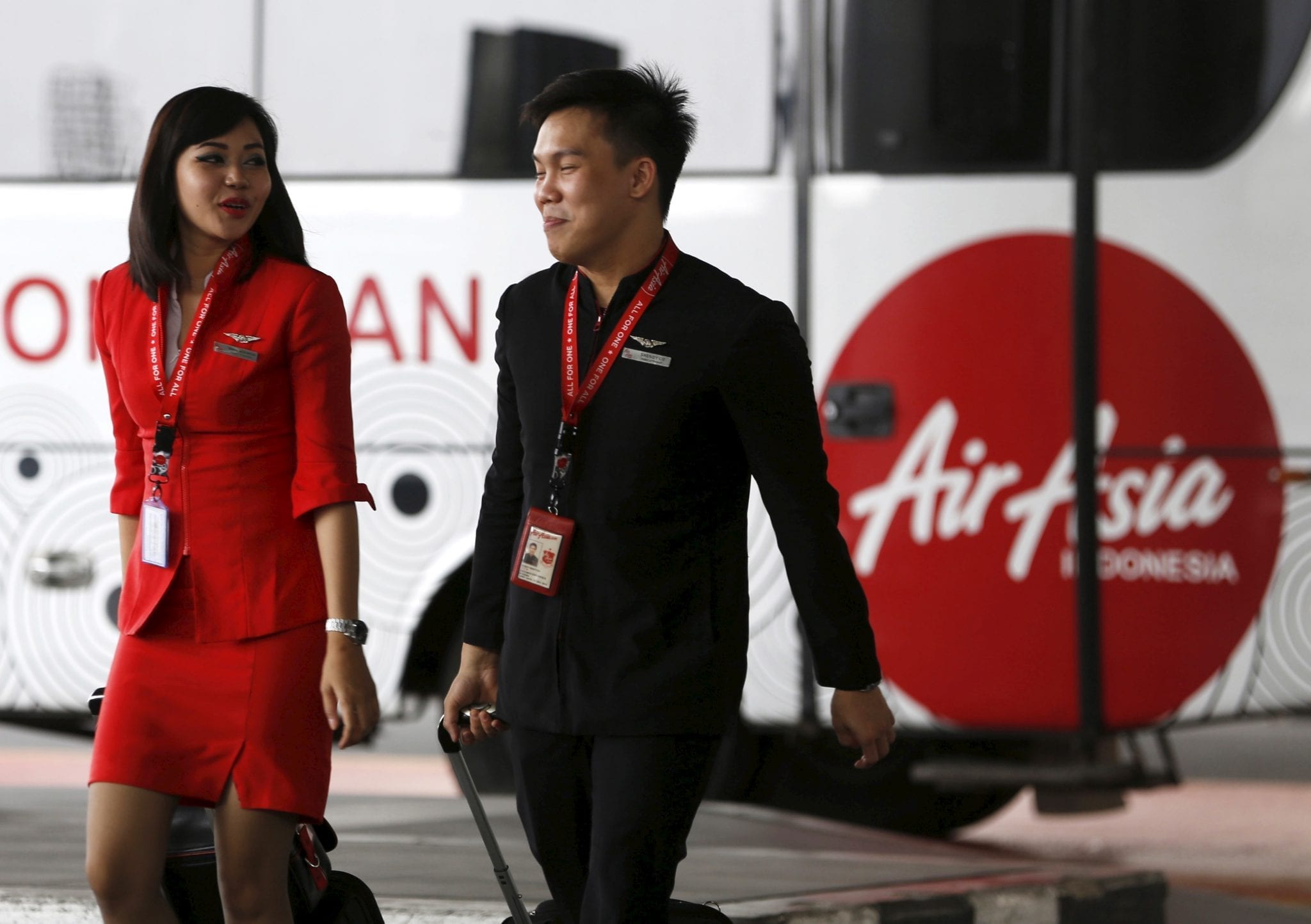
    PT Indonesia AirAsia (IAA), the Indonesian arm of Malaysia-based low-cost carrier AirAsia Bhd., has officially become part of publicly listed company PT AirAsia Indonesia (AAI) following the completion of a recent acquisition.

    The former acquired a 57.25 percent shareholding in the latter on Friday.

    Jakarta-listed PT Rimau Multi Pratama (RMPP) was renamed AAI after the conclusion of its rights issue and divestment of its coal trading and transportation business on the same day.

    In the rights issue, IAA’s shareholders, namely PT Fersindo Nusaperkasa (FN) and AirAsia Investment Ltd (AAIL), acted as standby buyers of the new stocks issued by AAI.

    Overall, the transactions have allowed IAA to control the majority stake in AAI, while FN and AAIL hold the remaining 42.75 percent.

    AirAsia Group CEO Tony Fernandes said its move in Indonesia followed the listing of AirAsia business entities in the stock markets in Malaysia and Thailand.

    “The corporate deal will bring us closer to the One AirAsia vision with which we plan to list all of our business units in ASEAN on the stock market,” said Fernandes in a press statement on Friday.

    AirAsia said in August that it opted for a backdoor listing through publicly listed firm RMPP to expand its business in Indonesia. The decision was made to avoid lengthy and costly procedures that normally result in an initial public offering (IPO).

  • 2018 retail predictions and impact of technology

    2018 retail predictions and impact of technology

    Globally e-commerce is a low hanging fruit with low teens penetration. E-commerce is a proven channel and is expected to continue to gain marketshare to the chagrin of incumbent retailers in 2018.

    International grocery research firm IGD, noted that both traditional retailers and ecommerce players, lured by the rosy prospects of the thriving e-commerce market, have stepped up their online expansion, reaching out to more customers in Asia via online platforms.

    In many Asian countries, with m-commerce getting more popular among online shoppers, the move towards a cashless society is gaining steam. Some retailers have also partnered with payment service providers to offer electronic payment services and mobile wallets to provide their online customers a frictionless payment experience.

    In 2017 IGD predicted that online grocery will be the greenfield that will drive battleground. The excitement revolves around the anticipated significant potential as far as addressable market is concerned. In China, online grocery penetration is around 4% (compared to mid- to high-tens for e-commerce) compared to 1% in the US.

    “We think that online grocery is going to be the next driver because the cost of customer acquisition cost while helping Internet companies to cross-sell,” said Sundeep Gantori (video top rigth), director, Equity Analyst, UBS AG. In this exclusive video interview with Retail Tech Innovation, he describes the key pressure points facing retailers in 2018.

    The strategy for much of 2018 will likely be further integration of digital with brick-and-mortar operations as retailers further embrace advanced technologies to improve customer engagement with tools such as virtual and augmented reality as well as gamification. One clear strategy is alignment of business with the needs of the evolving customer.

    IGD also noted that “experiential shopping” is gaining traction in Asia as consumer palate for additional value – exceptional service and personalized experiences, or as the research firm refers to it: immersive shopping experiences and services.

    The latest IDC FutureScape: Worldwide Retail Predictions says that by 2019 50% of retailers will have adopted an omni-channel commerce platform. IDC forecasts up to a 30% increase in omni-channel profitability as a result of increased revenue and efforts to drive up TCO while driving down inventory costs and operational costs.

    The analyst also predicts that in the same period, the top 30% of retailers will be actively engaged in digital transformation, driving organization shifts and investment strategies in foundational endeavors.

  • Cebu Pacific issues peak season travel advisory

    Cebu Pacific issues peak season travel advisory

    Cebu Pacific (CEB) and Cebgo remind all passengers during this crunch holiday season to allot ample time to get to the airport, check-in, go through security and immigration checks, and process pre-departure requirements.

    “CEB Domestic Check-in counters are open three hours before the scheduled time of departure and four hours for international flights,” a Cebu Pacific advisory indicated.

    “All check-in counters close 45 minutes before the scheduled time of flights, except those exiting the Dubai and Middle East (one hour) and Shanghai (50 minutes).”

    Cebu Pacific has also deployed roving check-in agents in all of the Philippine airports the carrier operates in, including the NAIA Terminal 3 and Terminal 4.

    “The agents are equipped with iPads with the Levarti MAX Airport application, as well as portable printers. This allows CEB terminal personnel to remotely check-in passengers, assign seats, facilitate payment for baggage and other ancillary services, and even print boarding passes.”

    CEB and Cebgo passengers may also check-in using the following options to cut the waiting and queuing time:

    • CEB Mobile Check-in. Download the official Cebu Pacific Mobile App on the App Store or Google Play and tap on the Check-In option. CEB Mobile Check-in is available from seven (7) days to four (4) hours before an international flight, and up to one (1) hour before a domestic flight.
    • CEB Web Check-in. Visit the Manage Booking section of the Cebu Pacific website (https://www.cebupacificair.com). For international flights, web check-in is available from seven (7) days up to four (4) hours before scheduled flight departure. Those taking domestic flights can do web check-in up to one (1) hour before their scheduled departure.
    • Self-Check-in Kiosks. Passengers at NAIA Terminals 3 and 4 and selected domestic airports can use these kiosks to check-in their flights eight (8) hours up to one (1) hour before the scheduled flight departure.

    Domestic Airports with CEB Self Check-in Kiosks

    • Bacolod: Bacolod–Silay International Airport
    • Busuanga (Coron): Francisco B. Reyes Airport
    • Cagayan de Oro: Laguindingan Airport
    • Clark: Clark International Airport
    • Davao: Francisco Bangoy International Airport
    • Dipolog: Dipolog Airport
    • General Santos: General Santos International Airport
    • Iloilo: Iloilo International Airport
    • Kalibo: Kalibo International Airport
    • Legazpi: Legazpi International Airport
    • Ozamiz Labo: Ozamiz City Airport
    • Roxas: Roxas Airport
    • Pagadian: Pagadian Airport
    • Puerto Princesa: Puerto Princesa International Airport
    • Tagbilaran: Tagbilaran Airport
    • Zamboanga: Zamboanga International Airport
    • Butuan: Bancasi Airport

    Domestic web or mobile check-in guests with check-in luggage can drop these off at the bag drop counter at least 45 minutes before the flight, except those exiting the Middle East (one hour) and Shanghai (50 minutes).

    International web or mobile check-in guests still need to show up at check-in or bag drop counter at least one (1) hour before the flight to present valid travel documents.

    Domestic web or mobile check-in guests with check-in luggage can drop these off at the bag drop counter at least 45 minutes before the flight, except those exiting the Dubai (one hour) and Shanghai (50 minutes). International web or mobile check-in guests still need to show up at check-in or bag drop counter at least one (1) hour before the flight to present valid travel documents.

    Dedicated bag drop counters (D16-D24) are available for web and mobile boarding pass holders at the NAIA Terminal 3.

    Here are other reminders for all CEB and Cebgo passengers:

    • Check the airport terminal screens for the accurate time and boarding gate assigned to the flight. While there is a Public Address system where announcements are made, we strongly encourage passengers to be more alert in checking boarding information. CEB boarding agents are ready to assist passengers and answer queries.
    • Mind the weight of your hand-carry. CEB allows only ONE (1) hand-carry bag with maximum weight of seven (7) kilos.
    • Liquids, aerosols and gels inside a hand-carry bag should be in a container 100 ml or less. These should be placed in a clear, resealable plastic bag.
    • Purchase baggage allowance upon booking, with options ranging from 15 to 40 kilos. This lets you save as much as 71% compared to paying excess baggage fees at the airport.
    • Be security-conscious. When possible, lock and seal your luggage and place easily identifiable markers on your check-in baggage. We strongly advise guests to hand-carry valuable items such as money, jewelry and mobile devices.
    • Proceed to the boarding gate immediately after completing check-in requirements. Guests should be at the gate at least 30 minutes before the scheduled time of departure.