Category: General

Retail News Asia is committed to providing both local and global retailers with the latest General Retail news throughout the Asian market. This on a daily base.

  • Fernandes to be co-group CEO of AirAsia X

    Fernandes to be co-group CEO of AirAsia X

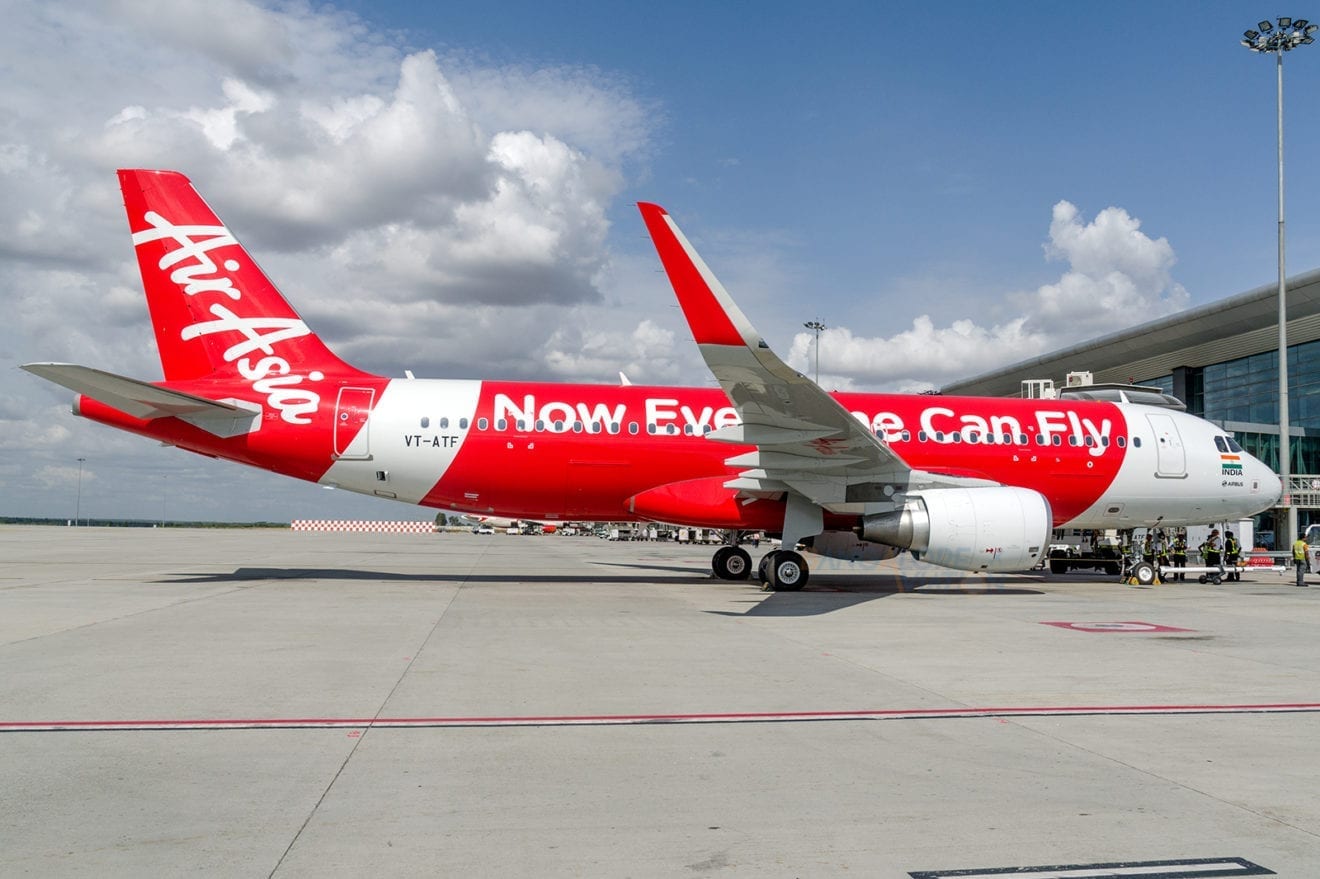
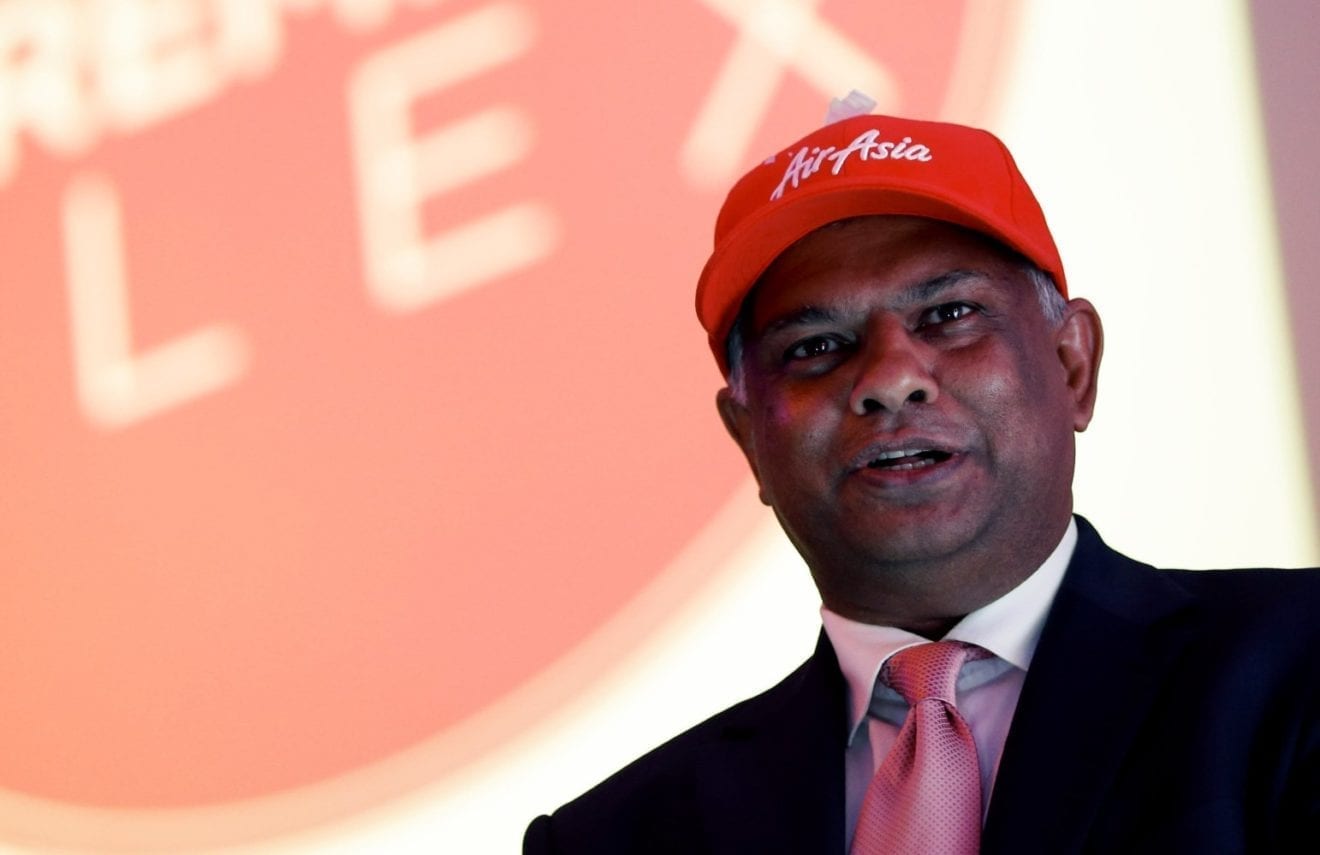
    Tan Sri Tony Fernandes, who is currently AirAsia’s non-executive director, has been redesignated executive director and co-group chief executive officer of the airline. The long-haul sister company of AirAsia told us that the change would be effective on Jan 1, 2018.

    This means Fernandes, 53, will join current group CEO Datuk Kamarudin Meranun at the helm.

    AirAsia Bhd, where Fernandes is already holding the posts of executive director and group CEO, also recently announced changes at the top as part of its internal reorganisation.

    In a separate development, Bernama reported that AirAsia’s unit, PT AirAsia Indonesia Tbk (AAID), has completed the acquisition of 57.25% shareholding in PT Indonesia AirAsia (IAA).

    In a filing with Bursa Malaysia yesterday, AirAsia said, as part of the transaction, AAID completed a rights issues and divestment of its coal trading and transportation businesses.

    “The net cash proceeds of 26 billion rupiah (RM7.78mil) from the rights issue and the divestment would be used for working capital purposes of AAID,” it said.

    It said AirAsia Investment Ltd (AAIL), AirAsia’s wholly-owned unit, would continue to hold a 20.95% direct shareholding in IAA and pursuant to the transfer of IAA Perpetual Securities amounting to 1.27 trillion rupiah to AAID, it has acquired a 47.71% shareholding in the listed AAID.

    Based on yesterday’s last traded price of 240 rupiah, the value of AAIL’s quoted investments in AAID amounted to 1.22 trillion rupiah (RM367.1mil), it said.

    “The objective of the above corporate exercise is to provide IAA access to the equity capital markets, increase its visibility and profile, and also to benefit from the higher corporate governance standards that demand greater transparency and accountability being an integral part of an Indonesia Stock Exchange-listed entity,” it said.

  • AirAsia sets up subsidiary in China

    AirAsia sets up subsidiary in China

    AirAsia is a step closer to setting up a joint-venture low-cost airline operation in China, having received a business licence approval on Nov 13 from the local government (via unit AirAsia Investment) and incorporated a wholly-owned subsidiary. In a filing with Bursa Malaysia on Wednesday, AirAsia said the new subsidiary, AirAsia (Guangzhou) Aviation Service Ltd Company, was expected to have issued share capital of US$1mil.

    “The main objective of establishing the subsidiary is to have an aviation and commercial services company in China. The incorporation of the subsidiary is not expected to have any immediate effect on the issued and paid-up share capital or substantial shareholders’ shareholding in AirAsia,” it said.

    On Sept 25, AirAsia inked a non-binding term sheet with Everbright Financial Investment Holdings, Plato Capital and Oxley Capital to supplement a memorandum of understanding (MoU) dated May 14 between it, Everbright and Henan Government Working Group for purposes of setting up a JV in China to operate a low-cost aviation business.

    China-based Everbright is a conglomerate focusing mainly on financial services. Plato, listed on the Singapore Exchange, is involved in hospitality, education and precision engineering sectors while Oxley is part of the Oxley Group, a Singapore-headquartered private investment firm.

    According to the announcement on the MoU, the JV will also look into developing infrastructure apart from setting up a JV low-cost airline. The JV will invest in the development of a low-cost carrier terminal, an aviation academy for pilots, engineers and crew training as well as a maintenance, repair and overhaul provider in Zhengzhou, which is intended as AirAsia China’s operating base and headquarters.

  • New AirAsia flights set to boost east Malaysia connectivity

    New AirAsia flights set to boost east Malaysia connectivity

    Low cost carrier AirAsia flew two inaugural flights yesterday into Sarawak  from Shenzhen to Kuching and Singapore to Bintulu.

    The two new direct flights are part of AirAsia’s plans to boost the international connectivity into east Malaysia.

    This is in line with the government efforts to improve the tourism industry and flight connections into the state.

    Spencer Lee, head of commercial at AirAsia Berhad said: “We are honoured and humbled to welcome two new international flights into Sarawak today.

    “AirAsia has always been committed towards expanding the markets in Sarawak and these direct flights reiterate our commitment to grow the connectivity in and out of the state.

    “To date, we have flown about 4.8 million guests in and out of Sarawak which is 12.1% more from 2016 with China and Singapore in the top five nationality.

    “We hope the introduction of these new routes will foster the number of visitors into Sarawak next year, and this is only made possible by the continuous support rendered by Sarawak’s state government and tourism authorities.”

    AirAsia now flies to 12 destinations from Kuching with a total of 229 weekly flights one way.

    In addition to Shenzhen, the airline also flies from Kuching to Singapore, Pontianak, Miri, Sibu, Bintulu, Kota Kinabalu, Johor Bahru, Kota Bharu, Penang, Kuala Lumpur and Langkawi.

    AirAsia also flies to three destinations from Bintulu namely Singapore, Kuala Lumpur and Kuching with a total of 39 weekly flights one way.

  • Changi’s crown Jewel scales new heights

    Changi’s crown Jewel scales new heights

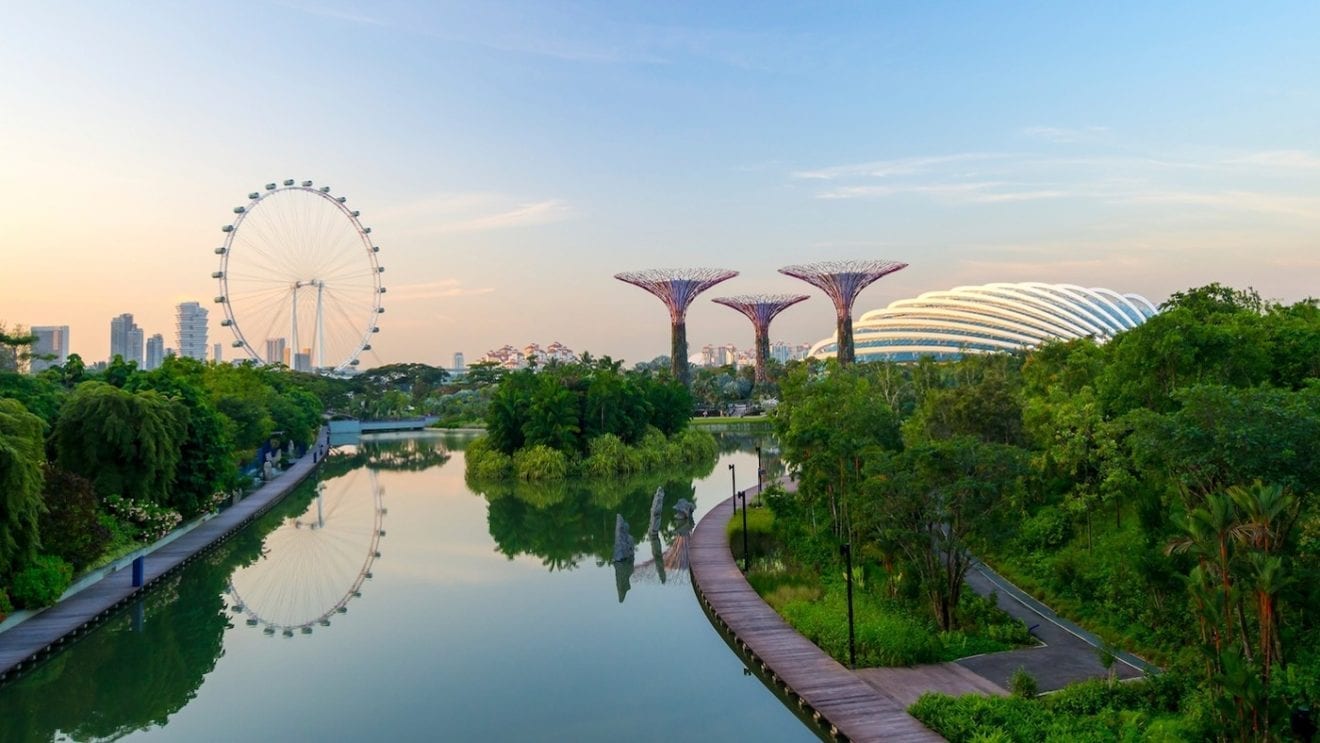
    Work on Jewel Changi Airport is moving ahead at full-speed, with construction workers seen scaling its external facade on Tuesday. The complex is scheduled to open in early 2019, and will have five storeys above ground and five basement levels, with a total gross floor area of about 134,000 sq m.

    All terminals at Changi Airport and departure gates will be connected to the complex and be within walking distance. Jewel Changi Airport will have aviation and travel-related facilities, as well as some 300 retail and food and beverage outlets. It will also house one of Singapore’s largest indoor collections of plants, over about 22,000 sq m.

    The Forest Valley, a five-storey garden, will be one of Jewel’s centrepiece attractions. There will also be a 40m-high Rain Vortex at the central core of the complex, which will have a light-and-sound show every night. The Canopy Park, on the topmost level of Jewel, will have play attractions, gardens, walking trails and dining outlets.

  • Orchard Road must not lose its bloom

    Orchard Road must not lose its bloom

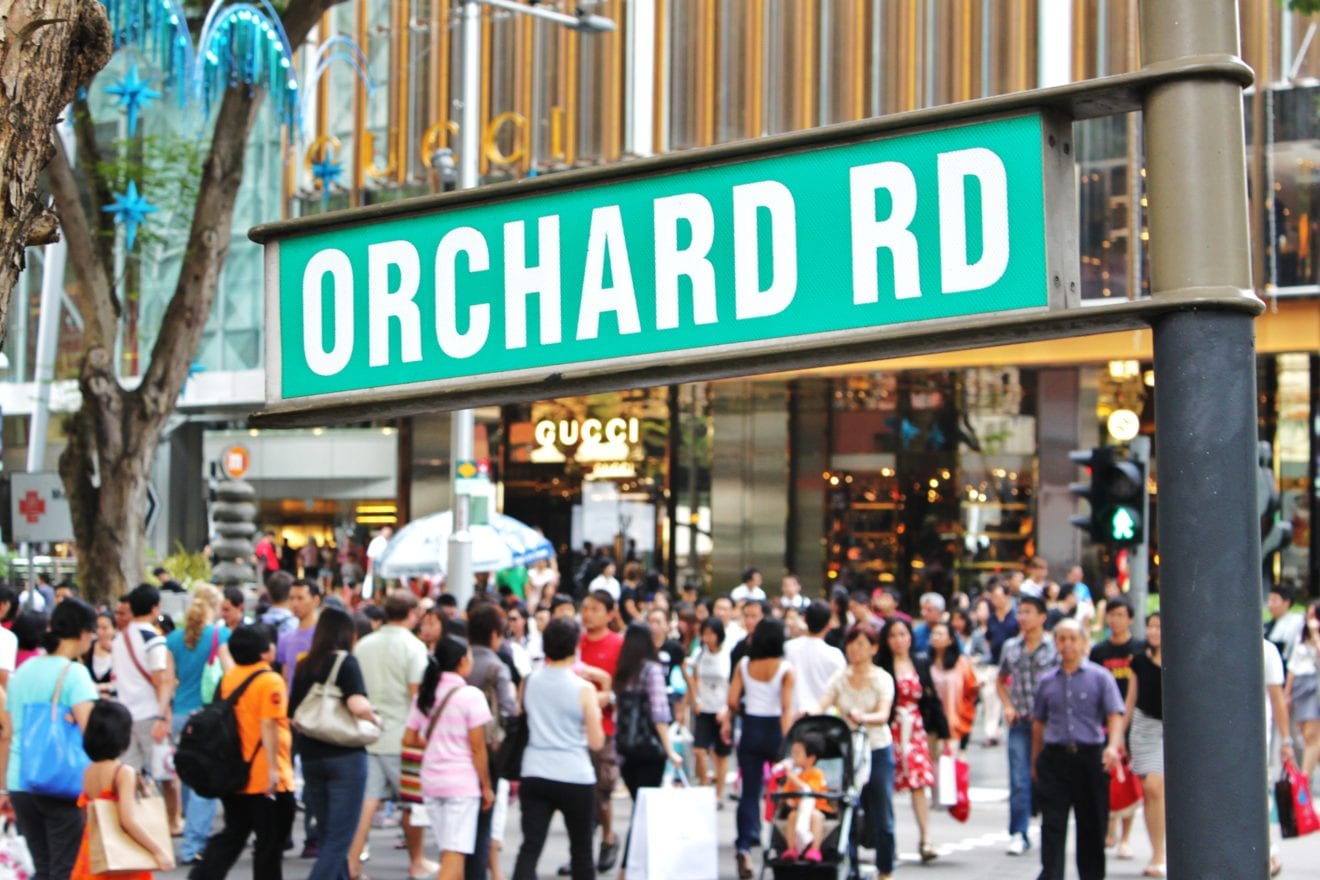
    Orchard Road has had many incarnations. It got its name from the many nutmeg and fruit orchards that existed in the last century. It has always been an important street, connecting the residential area of Tanglin to the business and commercial areas of Raffles Place and High Street. At one point, the road hosted car showrooms and even a sprawling cemetery. Its current incarnation as Singapore’s premier shopping belt began in the 1960s after the area was zoned for retail. The grand plan to shape Orchard Road’s future in the next 15 to 20 years should look back at these transformations – save the cemetery, of course – even as it looks ahead.

    Incremental efforts are important, no doubt. For example, a Shibuya-style scramble walk is on trial; it may be replicated if it is successful. Adding to the area’s ambience will be an initiative under which, from next July, smoking in public areas will be allowed only at designated areas within the smoke-free zone. However, if Orchard Road is to bloom again, these moves must become a part of a master plan that takes unpleasant realities into unsentimental account.

    Chief among those realities is that shopping may not continue to be the primary activity with which the road is associated. The proliferation of shopping malls around the country gives shoppers more choice than they once had. Also, online shopping is challenging brick-and-mortar stores around the world. In the United States, for example, several leading department store chains have lost value in recent years, and department stores have shed 500,000 jobs since the beginning of this century. Although shopping will continue to attract tourists to Orchard Road, its stores will have to ride on the global trajectory of marrying traditional and online retailing, for example by having smaller stores with limited inventories complement expanding online operations.

    The larger need is to look beyond shopping itself. One way for Orchard Road is to recreate the times when it was a “happening” place because of famous nightspots and roaring discos. The road must not die at night. During the day as well, parts of the belt could be redeveloped in the form of buildings which house civic facilities that attract crowds. Arts venues for concerts and performances, multi-purpose sports hubs, theme parks within malls, or a children’s centre that makes the area family-friendly are ways to rejuvenate the road.

    These should be considered seriously. The problem now is that Orchard Road’s iconic centrality as a shopping belt in the tourist imagination makes it difficult to refashion the purpose of the place. But it is not a zero-sum game. Local shoppers will have more reason to visit the place if they are attracted by other amenities as well. Orchard Road cannot remain frozen in time.

  • China’s 2018 Slowdown Imminent

    China’s 2018 Slowdown Imminent

    Chinese industrial firms continued to ramp up production in the fourth quarter, a private survey on Wednesday showed, but growth in wages and hiring slowed in a further sign of cooling momentum in the world’s second-biggest economy. The quarterly survey of thousands of Chinese firms by China Beige Book International showed “old economy” firms in the commodities sector sustained an increase in net capacity and production. Overall, wages and hiring ebbed in the December quarter, with the retail sector suffering the biggest blow on weak revenue, a hiring slowdown and worsening cash flow.

    The results reinforce views that China’s economy will slacken in 2018 after posting better-than-expected 6.9% growth through the first-three quarters of this year in the run-up to a key meeting of the ruling Communist Party.

    For much of this year activity was supported by robust exports and a construction boom, thanks to a government-led infrastructure spending spree. But a relentless crackdown on debt risks has started to weigh on the economy. “If you expect a noticeable slowdown in 2018, the first post-congress returns support those expectations,” CBB said of its fourth quarter findings. Performance in the retail sector lagged that of other industries, the survey showed, despite Beijing’s efforts to restructure growth towards domestic consumption from years of overreliance on exports and credit-intensive investment.

    Authorities are in the second year of an extended campaign to foster sustainable growth by reducing high levels of debt across the economy, particularly targeting speculative lending in the financial sector and the housing market.

    Mixed Results

    While fourth quarter corporate borrowing fell from the third, and banks sold fewer ‘shadow banking’ investment products, average lending rates fell for a second quarter in a row, CBB said, underscoring the mixed results from the deleveraging process. CBB highlighted weakness in the auto retail segment, where growth is slowing from a high base, while apparel and luxury goods saw rapid inventory growth, which could point to future weakness.

    The fourth quarter survey again showed little evidence of supply-side reform, with industrial commodity firms adding net capacity and ramping up production, as well as boosting their payrolls.
    Beijing said last week that it will push forward structural supply-side reform that saw outdated capacity taken offline, including surpassing a target for cutting 50 million tons of steel capacity this year.

    Trade Deficit Widens

    China’s trade deficit in services widened to $18.3 billion in November from $17.8 billion in October, the foreign exchange regulator said on Wednesday. The deficit was largely due to a $14.9 billion gulf in spending between foreign tourists and the Chinese, who splurge more abroad than do visitors to China, data from the State Administration of Foreign Exchange showed.

    For the January-November period, China’s services trade deficit stood at $234.8 billion, versus a gap of $216.5 billion for January-October. Shanghai stocks suffered their biggest loss in two weeks on Wednesday amid signs of slowing economic growth and year-end liquidity tightness. Benchmark rates in the banking systems kept climbing in signs of liquidity stress. The one-month Shanghai Interbank Offered Rate climbed to 4.93% on Wednesday, the highest level since April, 2015. The 14-day repo rate rose as much as 10%, the highest level in four years.

    Profits Fall

    China’s major industrial firms reported slower profit growth in the first 11 months, but saw progress in improving profitability and lowering debt levels, the National Bureau of Statistics said Wednesday. Businesses with annual revenue of more than 20 million yuan (about $3 million) reported aggregate profits of 6.88 trillion yuan in the first 11 months, a 21.9% increase from one year earlier.

    The growth marked a mild slowdown from 23.3% in the January-October period. In November alone, profits were up by 14.9%, down from 25.1% during the previous month and the weakest pace since April. Combined revenue from main business was up 11.4% in the first 11 months, down from 12.4% in October. NBS statistician He Ping said slowing price growth bit into corporate profits. “Primary calculation showed price changes… reduced profits by 94.4 billion yuan month on month, dragging down the profit increase by 13.8 percentage points,” he said.

  • Thai AirAsia CEO buys back 36.3% of share in Thai Airways

    Thai AirAsia CEO buys back 36.3% of share in Thai Airways

    Thai AirAsia CEO Tassapon Bijleveld has bought back 36.3% of shares in Asia Aviation, a 55% shareholder of Thai AirAsia, at THB4.70 (USD0.14)/share, covering the purchase of around 1.761 billion shares from King Power Group chairman Vichai Srivaddhanaprabha and his family. The size of the transaction was around THB8.279 billion (USD252.3 million). Mr Srivaddhanaprabha and his family bought their stake in 2016 in a THB7.9 billion (at the time around USD225 million) transaction.

    Mr Tassapon, who previously held a 5% stake in AAV and has increased his stake after the transaction to 41.3%, said that he bought back the shares from the Srivaddhanaprabha family because of his love for the airline, which he has managed since its inception. He said the acquisition will allow him to better realise the airline’s vision and direction. “I assure all that the management team who has been running the airline from the very first day will continue to play a critical role in driving Thai AirAsia forward, along with the staff that have always been so dedicated in helping the airline becoming Thailand’s number one airline, which is reflected in our leading market share”, he said.

    He added: “Thai AirAsia will continue to invest in 2018 as planned, which will include amongst other things, the acquisition of seven aircraft. We estimate the number of passengers in 2018 to be around 22 million and we can achieve this by penetrating new markets in ASEAN, India and the People’s Republic of China”. In line with local stock exchange regulations, Mr Tassapon will submit a Mandatory Tender Offer on 08-Jan-2018 to purchase the remaining shares in the market (approximately 58.7%) at THB4.70/share.

  • Deck Commerce Supports Omni-Channel Retailing for Build-A-Bear Workshop

    Deck Commerce Supports Omni-Channel Retailing for Build-A-Bear Workshop

    Deck Commerce, a leading omni-channel commerce technology provider, today announced that Build-A-Bear Workshop, – an interactive destination for making personalized furry friends – has implemented Deck Commerce’s Distributed Order Management Solution to help streamline, optimize and integrate its omni-channel retail operations.

    Celebrating 20 years of business in 2017, Build-A-Bear is a global brand kids love and parents trust that seeks to add a little more heart to life. Build-A-Bear Workshop has approximately 400 stores worldwide where Guests can create customizable furry friends, including company-owned stores in the UnitedStates, Canada, Denmark, Ireland, Puerto Rico, the United Kingdom and China, and franchise stores in Africa, Asia, Australia, Europe, Mexico and the Middle East.
    To modernize its retail technology and support future growth, Build-A-Bear looked to Deck Commerce to deliver a distributed order management solution that connected their new eCommerce storefront with their existing back-end technology stack. The solution supports a variety of complex order workflows and, most importantly, ensures the ability to deliver outstanding customer service.

    “We selected Deck Commerce to help support our omni-channel retailing vision as we continue to strengthen our Guest engagement,” said Mike Early, Senior Managing Director of Information Technology at Build-A-Bear Workshop. “We are impressed with the solution’s out-of-the-box capabilities, the strong partnership-based approach to working with retailers, and their overall focus on continuing to develop innovative solutions.”

    “We applaud Build-A-Bear for making a solid investment in the technology necessary to deliver the experiences that today’s consumers demand.” said Chris Deck, Founder and CEO of Deck Commerce. “We’re excited to partner with Build-A-Bear to help support new levels of service, productivity and efficiency.”
    Build-A-Bear launched Deck Commerce Distributed Order Management in conjunction with its new cloud-based eCommerce platform, implemented by Lyons Consulting Group. Additional integrations included CyberSource, Avalara, and Channel Advisor.


  • Duty Zero by CDF off to strong start in Hong Kong

    Duty Zero by CDF off to strong start in Hong Kong

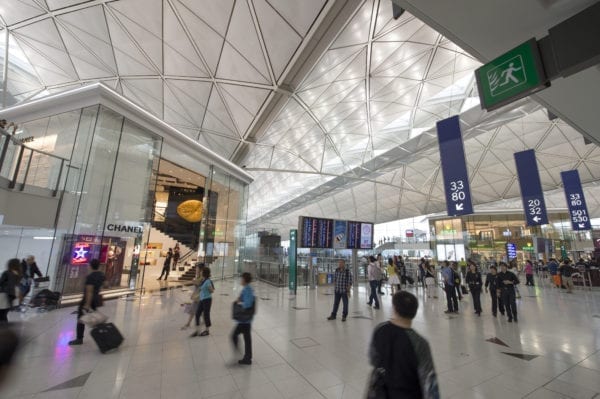
    CDF-Lagardère (CDFL), the joint-venture from China Duty Free Group (CDFG) and Lagardère Travel Retail, which won the contract to operate the duty-free liquor and tobacco stores at Hong Kong International airport (HKIA) has revealed initial performance of its Duty Zero by CDF-branded stores has been better than expected.

    As reported, the six Duty Zero by CDF stores, spanning 1,631sq m were launched by CDFL on November 18. According to the joint-venture, business performance in the first 10 days has been booming with sales revenue higher than expected.

    Purchasing strengths

    The succssful opening is believed to be due to the purchasing strengths of China Duty Free Group (CDFG) and Lagardère Travel Retail, which have been fully exploited in the commodity procurement process. This has led to a wider range of Chinese liquor and tobacco and imported liquor and wine collection being offered to consumers.

    CDFL also suggested the implementation of the most “competitive pricing strategy” in the Asia/Pacific airport market contributed to its early success; liquor and tobacco products are now 15%-30% lower in price.

    Another key factor was the decision of CDFL to equip HKIA with an international management and operation team. This has ensured the smooth and successful operation of the newly opened stores.

    CDFG and Lagardère Travel Retail are also understood to have provided support and assurance to HKIA in relation to commodity mix, supply of goods, pricing strategy and personnel support. This was after CDFG adopted a similar strategy in terms of commodity procurement and pricing following its triumph in the recent Beijing Capital International airport tender.

    In addition, support from parent company China National Travel Service Group, the largest travel service provider in China, on elements such as passenger flow and integrated marketing also helped, according to the retailers.

    “Injected new confidence and expectation”

    When interviewed by Chinese media, China National Travel Service Group vice general manager Li Gang said: “The operation of HKIA represents a milestone and touchstone for the development of China’s duty-free industry.”

    Following its triumph in the HKIA tender, CDFG president Chen Guoqiant vowed to do everything possible to deliver a “satisfactory result” for HKIA and its customers.

    Hong Kong Airport Authority is understood to be please with pleased with the initial performance of the liquor and tobacco stores, which have “injected new confidence and expectation in the international development of China’s duty-free companies”, according to CDFL.

    Over 3,000sq m

    Meanwhile, two Duty Zero by CDF stores, have opened in the East and West lobbies targeting domestic passengers from airlines such as Air China and Hong Kong, European and American passengers respectively.

    Ultimately, eight duty-free liquor and tobacco stores covering 3,400sq m will be introduced, including the “most complete single malt whiskey mix among Asia Pacific airports” and “most complete Asian alcohol and beverage product mix among global airports,” according to CDFL.

    A Hennessy counter and store featuring Hong Kong afternoon tea and local food will also open, with all stores set to be operational by June 2018 and present a “more beautiful” image to consumers.

  • Fiestamall sells quality Pinoy products via ‘Go Lokal!’

    Fiestamall sells quality Pinoy products via ‘Go Lokal!’

    Quality Filipino products are now being sold at the Duty Free Fiestamall, previously a haven of imported and luxury brands.This developed as the government-owned Duty Free Philippines Corp. (DFPC), in partnership with the Department of Trade and Industry (DTI), last week launched “Go Lokal!,” a retail-concept store  showcasing quality products created by Filipino micro, small and medium enterprises (MSMEs).

    In a news statement, Tourism Secretary Wanda Corazon T. Teo, speaking during the launch of the retail concept store, applauded the DFPC and the Department of Trade and Industry (DTI) for spearheading the promotion of Filipino culture and industry.  “As a government agency, we have a responsibility to promote the best from our local entrepreneurs, and the biggest help we can extend to our MSMEs is by showcasing the talent and skills of the Filipino,” she said. “In this manner, we continue to show the world that Philippine-made products are of high quality, yet reasonably priced.”

    DFPC is a government-owned and -controlled corporation (GOCC)  under the Department of Touristm (DOT). DFPC COO Vicente Pelagio A. Angala underscored the role of Go Lokal! in making Filipino products known in the international market, as well as in helping local start-ups and small businesses.

    “This partnership will help us realize our vision of showcasing the Filipino culture to the world, and contributing in the government’s effort to revitalize the country’s heart [sic],” he added.

    Go Lokal! also helps the DFPC stay true to its objective of being the ultimate top-of-mind destination for pasalubong shopping for both local and foreign visitors, Angala said.

    The Go Lokal! store features products crafted by artisans across the country, ranging from snacks made from local ingredients, to home décor, toys, work-study essentials, such as backpacks, journals, desk organizers made from indigenous materials, to clothing and local textile-based fashion accessories like shawls, stylish purses and shoes.

    “To the men and women who have been involved in this project, and to our local entrepreneurs who will get to showcase their products, may this day mark the beginning of a very successful venture— one that the DOT will support,” Teo said.

    The opening of Go Lokal! was also attended by DTI Undersecretary for Management Services Rowel S. Barba, DTI Undersecretary for Trade and Investments Promotion Nora K. Terrado and DFPC Deputy General Manager for Operations Bernardine   R. Belmonte.

    The DFPC was established through Executive Order  46, which was signed on September 4, 1986. This granted the then-Ministry of Tourism, through the former Philippine Tourism Authority (PTA), the exclusive authority to establish and operate a duty- and tax-free merchandising system in the Philippines, for the purpose of augmenting the service facilities for tourists, and to generate foreign exchange and revenue for the government.

    Under the Tourism Act of 2009, the DFPC was reorganized, and mandated that 50 percent of its net income accrue to the DOT for tourism-related projects. Of this amount, 70 percent is remitted to the Tourism Investment and Enterprise Zone Authority, formerly the PTA, a GOCC under the DOT, as well.

    In 2016 DFPC recorded a net income of P164.21 million, down 16.8 percent from P197.27 in 2015. Audited financial figures for any period in 2017 have not been made available by the corporation.

    Aside from the Fiestamall in Parañaque City, other DFPC stores are at the Ninoy Aquino International Airport terminals in Pasay City; the Mactan International Airport Arrival and Departure Outlets, and Cebu Waterfront Hotel in Cebu; the Davao International Airport Arrival and Visitors Center Outlets in Davao City; the Laoag International Airport in Ilocos Norte; the Newport Mall in Resorts World, Pasay City; the Kalibo International Airport Departure and Arrival Area in Aklan; the Clark International Airport Pre-departure and Arrival Area in Pampanga; the Iloilo International Airport; the Market Mall Store in Palawan; the Laguindingan International Airport in Cagayan de Oro City; and the Bacolod-Silay International Airport in Negros Occidental.
  • Hong Kong should vie to become R&D hub

    Hong Kong should vie to become R&D hub

    The Hong Kong government will step up efforts to promote innovation and technology. This was the message from Chief Executive Carrie Lam Yuet-ngor at the grand final of Alibaba’s startup competition Jumpstarter 2017 held in Hong Kong last week.

    Lam promised that her government is serious and determined to do this job well. But Jack Ma, founder and executive chairman of Alibaba, said entrepreneurs can’t wait for government policy, because when the government starts to move, it’s probably too late and the chance is no longer there.

    I think Ma is only half right. Startups should never let themselves be led by government policy.

    Big companies typically try to bargain with the government to obtain more benefits and they are often very well-funded. It’s very difficult for startups to compete with these big boys.

    Startups should hence look for alternative paths and niche opportunities instead.

    For example, Alipay and WeChat Pay went directly for the retail market as soon as they entered Hong Kong. Local startups can hardly do the same thing.

    If the Hong Kong government is keen to innovate with new technology, it should attract top global tech firms to develop R&D in Hong Kong.

    Currently, Facebook, Google, Microsoft, Tencent, Alibaba and Baidu have set up R&D centers in either Singapore or Taiwan thanks to generous packages offered by their governments.

    Hong Kong should focus more on luring these top tech giants to establish their R&D centers here. That would spearhead the city’s technology development.

    If the government is willing to invest in technology research, it would have greater bargaining power when negotiating with these giants.

  • Singapore inflation rises 0.6% in November

    Singapore inflation rises 0.6% in November

    That is the fastest year-on-year increase since July, when headline CPI also rose 0.6 per cent from a year earlier.

    Core inflation, which excludes accommodation and private road transport costs, remained unchanged from the previous month at 1.5 per cent, the Monetary Authority of Singapore (MAS) and the Ministry of Trade and Industry (MTI) said in a joint press release on Tuesday (Dec 26).

    Private road transport costs rose 4.1 per cent in November from a year earlier, data from the Singapore Department of Statistics showed.

    Accommodation costs fell by 3.9 per cent in November, moderating from the 4.2 per cent drop in the previous month. The smaller decline reflected the dissipation of the dampening effect of the disbursement of Service & Conservancy Charges (S&CC) rebates on the year-ago change in accommodation costs in October, the joint release said.

    Services inflation edged up to 1.6 per cent in November from 1.5 per cent in October. This was on account of a rise in airfares, which was a reversal from the decline registered in the previous month, as well as a larger increase in telecommunications services fees and holiday expenses which more than offset the smaller increase in recreational & cultural services fees.

    Food inflation was unchanged from the previous month at 1.5 per cent, as the pace of increase in prices for non-cooked food and food services was similar in both months.

    The overall cost of retail items registered a smaller 0.5 per cent increase in November compared to the 0.9 per cent increase in October. This largely reflected a fall in the prices of personal care products, as well as a smaller rise in the prices of personal effects, the joint release said.

    FUTURE OUTLOOK

    Looking ahead, the MAS expects core inflation to be around 1.5 per cent in 2017 and average between 1 and 2 per cent in 2018. MAS said in a media release that the CPI is projected to come in at around 0.5 per cent this year and stay in the range of between 0 and 1 per cent next year.

    However, Francis Tan, economist at UOB, said he does not expect major risks of a higher inflationary trend, but noted that all eyes could be on MAS’ next policy meeting in April.

    “The market expectation, and our expectation, is that the MAS, in their next policy meeting in April 2018, will start to normalise. I think that goes to show that among all the central banks in the world, they are more or less looking at or already started the monetary policy normalisation and the MAS is likely to continue to likewise,” said Mr Tan.

    “Of course we are not looking at a very steep increase in the S$NEER slope even at the start. We are only looking at a 0.5 per cent per annum at the start, but with more data coming in, the central bank will definitely tweak its policy appreciation stance.”

  • Il Bisonte plans to open shops in Asia

    Il Bisonte plans to open shops in Asia

    Italian leather goods label Il Bisonte, owned by UK investment fund Palamon since 2015, plans to open a directly owned shop in Hong Kong as a way into China.

    Founded by Wanny Di Filippo in 1970, the company expects to close this year with revenue exceeding €27 million (US$32 million), says CEO Sofia Ciucchi, who was appointed in January. This would be up 27 per cent on last year’s revenue.

    As well as eyeing Asia, the brand has growth plans closer to home. It will open an 800sqm showroom next month on the top floor of Florence’s historic Palazzo Corsini, with a launch event celebrating the fact that Il Bisonte’s entire output is produced with a 30km radius of the city. The showroom will also house the company’s offices, while manufacturing and product development remain in Pontassieve.

    At the end of next month Il Bisonte will open a six-month pop-up store in Rue St Honore, Paris, and its two permanent Parisian stores will be later renovated.

    Overseas plans include a possible second store in London and an opening in the US, most likely New York.

    Another main focus for the label is e-commerce, to which end it will expand its manufacturing and logistics infrastructure next year, building a 2000sqm warehouse in Pontassieve.

  • Macau retail sales continue to climb

    Macau retail sales continue to climb

    Macau retail sales are on the rise with businesses reporting increased turnover year-on-year. Data from the Statistics and Census Service (DSEC) shows 68 per cent of interviewed restaurants and similar establishments registered a year-on-year rise in receipts or a stable business performance in October, a six percentage point rise from September.

    And the proportion of interviewed retailers reporting a year-on-year sales increase in October rose by eight percentage points from September to 59 per cent.

    The best performing retail categories were cosmetics, with 78 per cent of retailers reporting an improvement, leather goods, (80 per cent), and apparel, (60 per cent).

    Some 21 per cent of interviewed retailers registered a year-on-year sales decline, down by three percentage points over September. Of department stores, 11 per cent reported a decline and 22 per cent of watch and jewellery vendors.

    Generally, retailers expected their sales to be stable in November, with 77 per cent predicting a year-on-year sales increase or a steady business performance, the same proportion as in October.

    Dining out data

    The proportion of western restaurants (25 per cent) reporting a year-on-year growth in receipts went up by nine percentage points, while that of Japanese & Korean Restaurants (44 per cent) was down by 13 percentage points. On the other hand, the share of establishments recording a year-on-year decline in receipts decreased by six percentage points over September to 32 per cent.

    Restaurants and similar establishments interviewed were cautious about their business prospects, with 68 per cent expecting a year-on-year rise in receipts or a steady performance in November, up by four percentage points from October. Among the various types of establishments, 50 per cent of the western restaurants and 73 per cent of the Chinese restaurants predicted their receipts to increase or to remain stable in November, up by 10 and three percentage points respectively from October.

    The DSEC says the sample of the Business Climate Survey on Restaurants & Similar Establishments and Retail Trade was selected based on the value of receipts of the establishments, comprising 167 restaurants and similar establishments (accounting for 53 per cent of the industry’s receipts) and 135 retailers (accounting for 70 per cent of the industry’s receipts).

  • Retail Food Group shares continue to plummet battling other retailers

    Retail Food Group shares continue to plummet battling other retailers

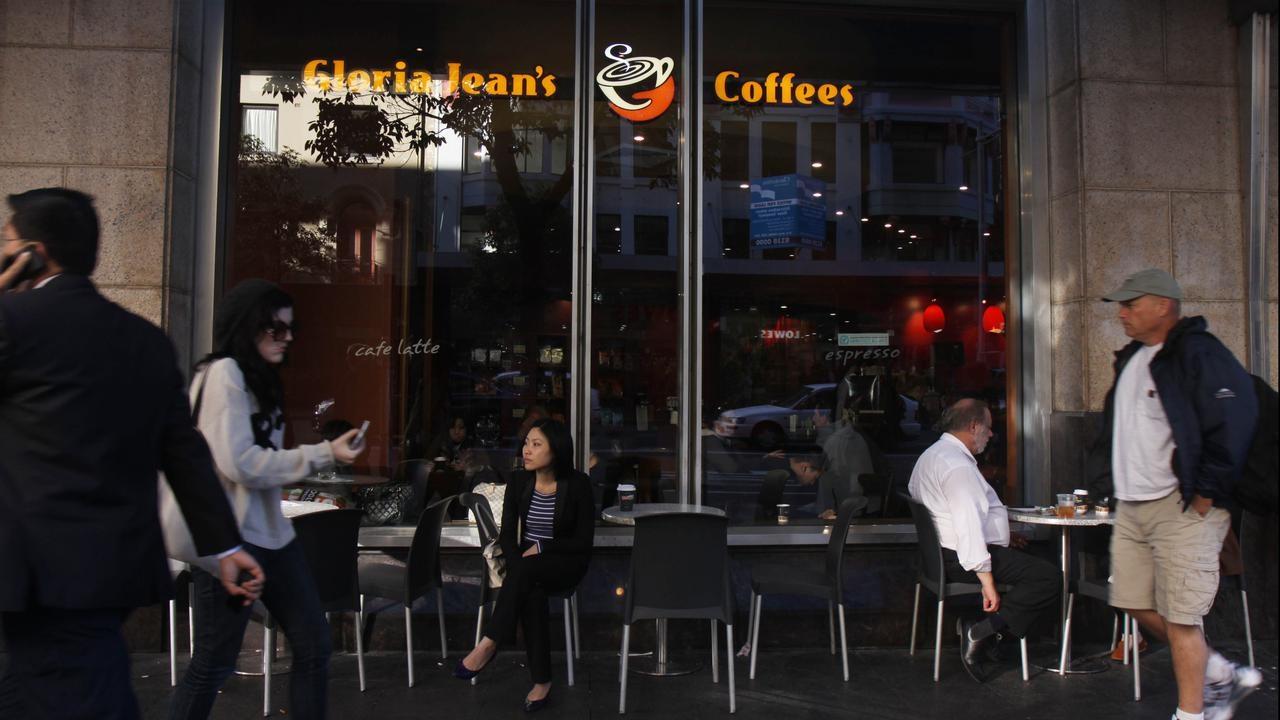
    Shares in Retail Food Group have continued to plummet for a second day after a damaging profit warning from the embattled owner of the Gloria Jean’s, Michel’s Patisserie and Donut King brands.

    RFG shares fell 17.9 per cent to $1.625 on Wednesday – their lowest value since July 2009, compounding a 25 per cent slump suffered on Tuesday when the company warned its first-half profit is expected to decline by more than a third.

    The franchise chain owner’s shares have now fallen 63 per cent since December 11, after Fairfax Media first published stories from an investigation into allegations of high fees and financial stress suffered by franchisees.

    The Fairfax reports have also claimed that significant proportions of Gloria Jean’s and Pizza Capers franchises are up for sale.

    On Thursday morning, shares recovered and bounced up over 20 per cent to $1.96.

    The plummeting stock prices has wiped $507 million from RFG’s market value in just eight trading days.

    RFG did not respond to requests for comment from AAP on Wednesday, however the company has previously denied all allegations in the reports and has blamed a tough retail environment as having a negative impact on its franchisees’ sales.

    The company said on Tuesday that its Crust Pizza and Donut King brands have continued to perform in line with forecasts but Michel’s Patisserie, Brumby’s and Gloria Jean’s are trading below expectations.

    It said domestic franchise revenue is now expected to be lower than previously anticipated, and it will book one-off costs of $7 million, including expenses linked to a business-wide review, in its accounts for the six months to December.

    As a result, the group’s now expects a net profit of around $22 million for the half year, down 34 per cent on $33.5 million in the same period a year ago.

    Meanwhile a law firm involved in a class action against Volkswagon has turned its attention to Donut King and Gloria Jean’s owner the Retail Food Group.

    Bannister Law says it is investigating a potential class action against RFG, and whether the company had reasonable grounds to issue forecasts between August 29 and December 7 of underlying annual profit growth, and whether it should have corrected its guidance earlier than December 19.