Category: General

Retail News Asia is committed to providing both local and global retailers with the latest General Retail news throughout the Asian market. This on a daily base.

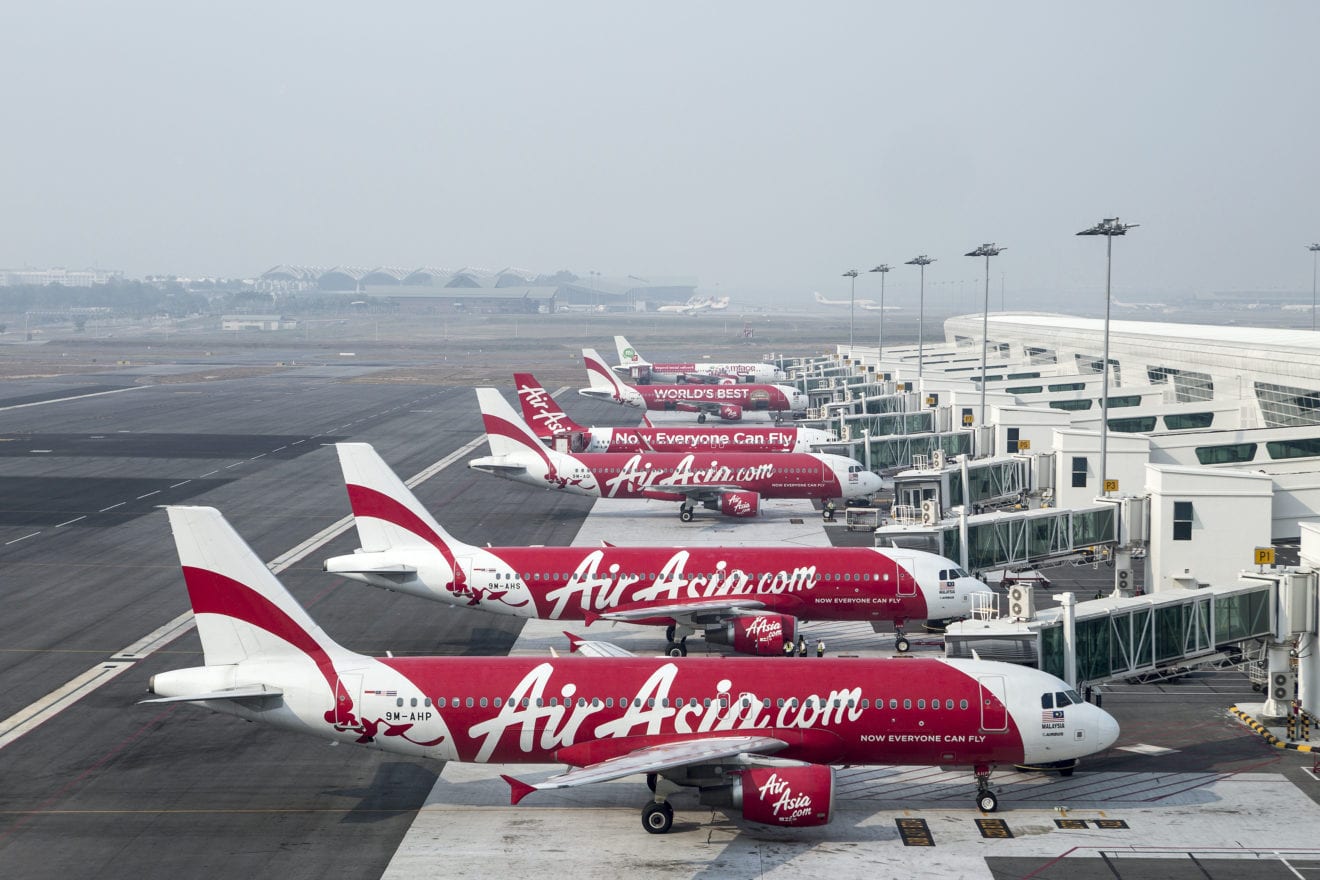
  • Jetstar’s airfares to Bali take off after AirAsia cancels its service

    Jetstar’s airfares to Bali take off after AirAsia cancels its service

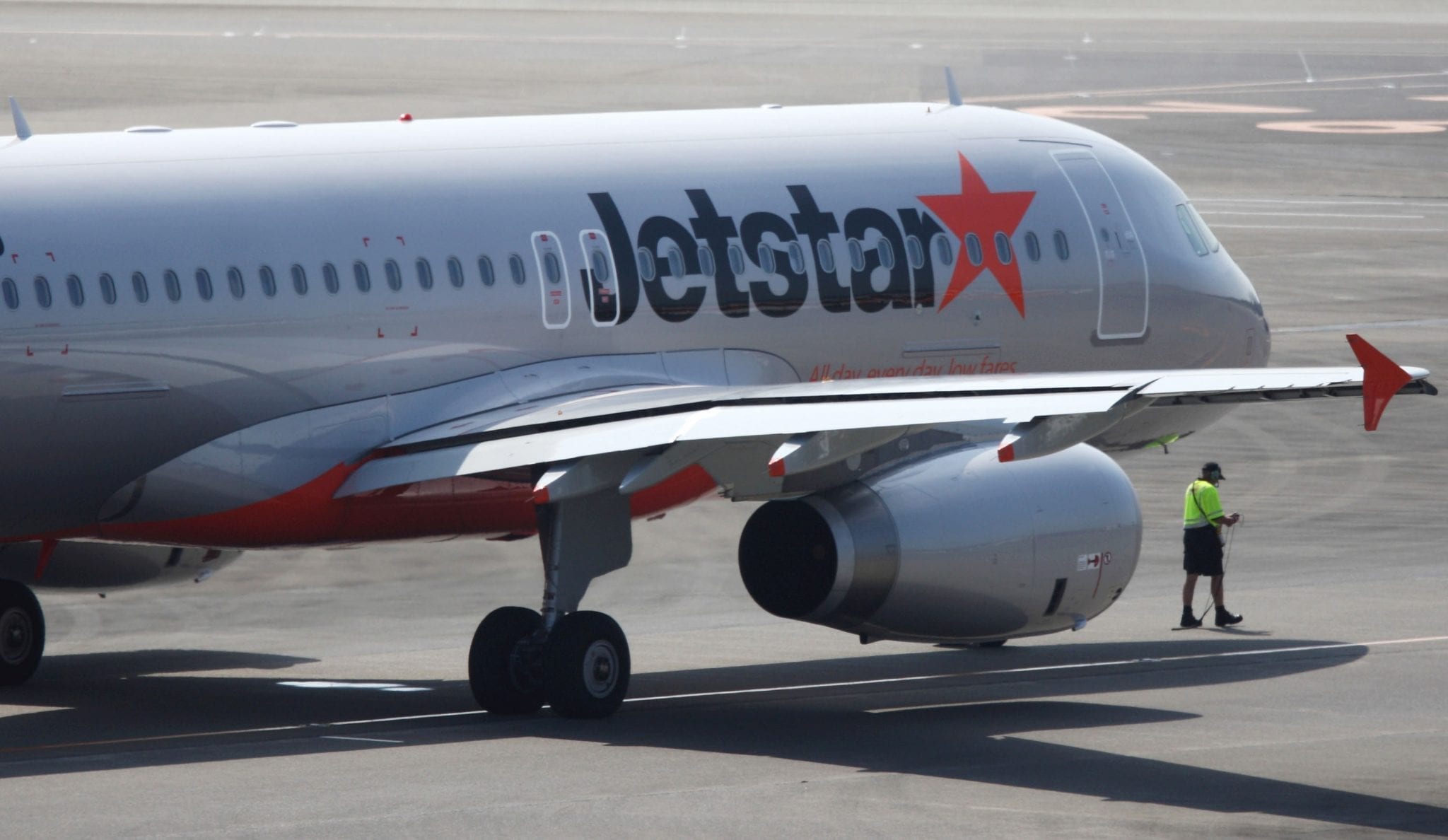
    Jetstar prices for flights to and from Bali have jumped by as much as 570 per cent in the wake of AirAsia’s announcement it would be cancelling its services on the route. Earlier this week, Jetstar was advertising flights to Bali in February for $99 and return flights for just $44.

    However, after AirAsia confirmed on Wednesday that it would be scrapping its flights between Darwin and Bali, prices jumped. Fares to Bali for $99 are still available in January, however return fares have leapt to between $182 and $242. In February fares to Bali increase to $179 and return flights are between $122 and $295.

    A Jetstar spokeswoman said the airline remained committed to delivering cheap flights between Darwin and Bali.

    “Bali remains an important market for us from Darwin and our flights from Darwin to Bali will continue to operate as normal well into the future,” she said.

    “There are many factors that determine the pricing of air tickets, and we take into strong account our mission of every day low fares, making air travel affordable and the world more accessible to our customers.”

    Territorians guessed the prices would jump as soon as they heard the announcement of AirAsia’s cancellations.

    “They won’t get the $69 return fare to Bali anymore,” Scott Gorrell posted on Facebook on Thursday.

    “Now Jetstar will hike its prices up between Darwin and Bali as there is no competition,” Bev Phelts commented.

    “Watch the prices rise now,” Nigel Rankine posted.

    It took more than two full days for Jetstar to up its prices.

    Jetstar earlier this week confirmed it would be looking at increasing the number of services it offers on the Darwin-Bali route.

    In the 2016-17 financial year, Jetstar flew 35,000 passengers between the Indonesian island and the Top End.

    AirAsia confirmed on Wednesday it would cancel its routes between Darwin and Bali from January 28.

    “AirAsia Indonesia will suspend its service connecting Bali with Darwin as part of a network restructuring aimed at improving operational efficiency,” a spokesman said.

    Previously Garuda Indonesia operated flights between Darwin and Bali, however the airline pulled out of the Top End in 2009, after 30 years.

    AirNorth has also previously operated the route.

  • Monthly salaries in Vietnam rise fastest in Southeast Asia

    Monthly salaries in Vietnam rise fastest in Southeast Asia

    Salaries in Vietnam are rising faster than in any other Southeast Asian country, according to a recent survey released by employment website Jobstreet.com.

    The average annual growth rate of Vietnam’s payroll stands at 20-24 percent, compared to 14-20 percent in Thailand, the Philippines, Indonesia, Myanmar and Singapore.

    In Vietnam, management and executive salaries grew fastest, at 26 and 35 percent respectively.

    The survey found that 68 percent of companies operating in Vietnam want to expand their businesses in the future, so they have high recruitment demands. Jobstreetforecast that salary growth will continue with this demand.

    Vietnam’s minimum wage, however, doesn’t enjoy such a large jump. On Monday, the prime minister signed off on a decree raising the minimum wage for 2018 by 6.5 percent, the lowest nominal bump in 11 years.

    The rise brings the minimum wage for Region I to VND3.98 million ($175) a month. Region II to VND3.53 million, Region III to VND3.09 million and Region IV to VND2.76 million.

    In Vietnam, there are four different minimum wage regions, which are supposed to reflect the cost of living in each area. Region I, including Hanoi and Ho Chi Minh City, has the highest minimum wage, while region IV, which is for rural areas, has the lowest.

  • Google opens AI center in China as competition heats up

    Google opens AI center in China as competition heats up

    Google announced Wednesday that it will open a new artificial intelligence research centre in Beijing, tapping China’s talent pool in the promising technology despite the US search giant’s exclusion from the country’s internet.

    Artificial intelligence, especially machine learning, has been an area of intense focus for American tech stalwarts Google, Microsoft and Facebook, and their Chinese competitors Alibaba, Tencent and Baidu as they bid to master what many consider is the future of computing.

    AI research has the potential to boost developments in self-driving cars and automated factories, translation products and facial recognition software, among others.

    Google’s move to open a Beijing office focused on fundamental research is an indication of China’s AI talent, widely seen as being neck-and-neck with the United States in research capability.

    “Chinese authors contributed 43 percent of all content in the top 100 AI journals in 2015,” Li Feifei, a researcher leading the new center, wrote in a blog post on Google’s website.

    “We’ve already hired some top experts, and will be working to build the team in the months ahead.”

    Li noted that Chinese engineers formed the backbones of the winning teams in the past three ImageNet Challenges, an international AI competition to test which computing technology is better at recognizing and categorizing pictures.

    Chinese search engine Baidu’s team was banned for a year for breaking the rules during the 2015 competition.

    The country’s large population and strong mathematics and sciences education has nurtured a slew of engineering talent.

    Google operates two offices in China, with roughly half of its 600 employees working on global products, said company spokesman Taj Meadows.

    Its job board in China shows about a dozen openings in the AI field. The China center will join Google’s other research facilities outside of its Silicon Valley hub, including in New York, Toronto, London and Zurich.

    Google’s search engine and many of its services are blocked by China’s Great Firewall, but internet regulators have recently allowed access to its translation product, one that has made leaps and bounds in accuracy by incorporating the company’s AI research.

  • HKCYIA Features in “Hong Kong Maritime Week 2017 Career Expo”

    HKCYIA Features in “Hong Kong Maritime Week 2017 Career Expo”

    Hong Kong Cruise & Yacht Industry Association (HKCYIA) took part in the “Hong Kong Maritime Week 2017”, a major annual event of the maritime and port industries in Hong Kong. Organized by the Maritime and Port Board in collaboration with the Shipowners Association and the Maritime Museum, HKCYIA was a major participant of the event with the setting up of an exhibition booth and the presentation of a series of talks at the “Maritime Career Expo”, a featured event of “Hong Kong Maritime Week 2017”. Held on November 25, the event provided youths and the general public with extensive information about cruise careers and industry developments. With the aim of introducing career opportunities in the maritime sector for youths, the “Maritime Career Expo” featured several sharing sessions given by captains, crew pursers and examiners, industry professionals as well as marine students, during which they shared their seafaring adventures, interview skills and industry information with the audience.

    As the event speakers, Laura Escobar and Joe Li, Purser Trainers of HKCYIA, both gave talks on the title of “How Interesting is Living and Working on board a Cruise?”. They presented the living and working conditions of cruise careers, job requirements and interview techniques, which were well received by participants, with enquiries about cruise careers and their prospects.

    In addition, 15 shipping and tertiary educational organizations set up booths at the Expo to provide information about educational opportunities and career pathways in the maritime industry. Participating organizations included Anglo-Eastern Univan Group, China Classification Society, Dalian Maritime University Alumni, Shanghai Maritime University Alumni, The Hong Kong Polytechnic University, Institute of Chartered Shipbrokers, Hongkong International Terminals Limited, Hongkong United Dockyards Limited, Maritime Professional Promotion Federation, Hong Kong Seamen’s Union, Maritime Services Training Institute, The Hong Kong Shippers’ Council, The University of Hong Kong School of Professional and Continuing Education (HKU SPACE), TurboJET, and Wah Kwong Maritime Transport Holdings Limited.

    The 8-day “Hong Kong Maritime Week 2017” offered nearly 50 activities put together by 57 local and overseas industry bodies, academic institutions and professional organizations for participants from the industry and general public. Event highlights included the anchor event “7th Asian Logistics and Maritime Conference”, business conferences and forums, visits, industry networking gatherings, competitions and exhibitions. The event was aimed at showcasing the strength of the local maritime industry, promoting Hong Kong as a preferred base for operating maritime business and enhancing the community’s awareness of the industry and its contributions to the economy.


  • This bot-powered Christmas, your gift might have been selected by a non-human

    This bot-powered Christmas, your gift might have been selected by a non-human

    Bot-powered commerce is on a tipping point in Singapore according to the new SAP Hybris Singapore Christmas Shopper Survey 2017. This Christmas, more than half (53%) of Singaporean shoppers are enlisting the help of chatbots for holiday shopping. In fact, majority of shoppers who asked chatbots for gift recommendations have actually acted on the recommendation (74%). Businesses and brands however, should not neglect incorporating the human touch.

    This is because Singaporeans expect assistance from chatbots to be rudimentary, with 58% viewing chatbots as useful only for basic information search, anticipating that more complex enquiries will need to be handled by a human being. Others feel that talking to chatbots have so far been a frustrating experience and they would rather speak to a human being (21%) and close to a fifth expressed an outright dislike for chatbots (17%).

    More than 1,000 consumers in Singapore were surveyed on their use of and attitudes towards chatbots, with the results reflecting that while Singaporeans are open towards engaging with chatbots, they still have reservations. One of the top concerns that Singaporeans have towards chatbots is that their requests might not be understood (61%). A third (35%) are worried that their personal information might be leaked if they divulge too much to chatbots, and 13% say that chatbots are too creepy if they know too much about them.

    Commenting on Singaporeans’ attitudes towards chatbots, Nicholas Kontopoulos, Global Vice President of Fast Growth Markets for SAP Hybris said, “The customer experience can make or break a brand. In view of this, businesses need to stay attuned to these concerns and optimise the use of chatbots as one component in a wider omnichannel strategy. While chatbots can proactively offer answers for initial queries on pricing, product features, or book and make reservations, they cannot fully replace the value of human interaction when it comes to building customer relationships. Any hint of customer dissatisfaction needs to be solved immediately, by a human services officer.”

    To win Singaporeans over, chatbots need to become more understanding and intuitive – almost half of Singaporeans (48%) say that they will engage with chatbots more often if they are able to make more personalised recommendations on what to buy. Other motivating drivers that will encourage shoppers to use chatbots more often is to offer comparison of prices and products from other brands (47%), assure that personal information will be kept private (38%), provide recommendations on similar and complimentary products (34%) or simply becoming more human-like (18%).

    “Singaporean shoppers have an appetite for deeper engagement with chatbots, but what the results really tell us is that they want a more personalised ecommerce experience. Today’s consumer have higher expectations and businesses need to keep a close pulse on the ever-evolving customer journey in order to react to not just changing consumer preferences but context at point of purchase or even consideration. To this end, businesses should view chatbots as more than just an answering machine – they are also a valuable mine of data that offer fresh perspectives into the underlying reasons for sales trends and help brands better understand what their customers are looking for. Armed with these insights, they can then take action to cultivate sales and entrench customer loyalty”, added Kontopoulos.

  • AirAsia names Riad Asmat CEO, shuffles senior leadership roles

    AirAsia names Riad Asmat CEO, shuffles senior leadership roles

    AirAsia has appointed Riad Asmat (pictured left) as its new chief executive officer (CEO) for its Malaysia-based operations, to succeed Aireen Omar (pictured right), who has been promoted to deputy group CEO – digital, transformation, corporate services.

    Riad Asmat will assume his post effectively on 10 January 2018, and report directly to Bo Lingam, deputy group CEO (airlines) of AirAsia. Riad Asmat is the son of Tan Sri Asmat Kamaludin, a director of AirAsia X. He is currently the director for corporate planning, strategy and business development at Naza Corporation Holdings.

    The airline said Aireen Omar’s appointment signals its determination to transform itself from an aviation company into a digital corporation. “This appointment underlines as well the fact that AirAsia is restructuring its priorities to optimally maximise the enormous potential of the Fourth Industrial Revolution,” it added.

    The new appointments were announced by Tan Sri Tony Fernandes, AirAsia Group CEO, who also denied rumour earlier that he is retiring in the tweets below.

    Apart from above, Fernandes also announced the appointments of Captain Adrian Jenkins, current group director, flight operations as chief operations officer, as well as, Rozman Omar, current deputy group CEO, strategy and MNA as the executive director of AirAsia International Limited (AAIL). AAIL is a holding company of all AirAsia group investments in its overseas joint ventures.

    In his new role, Captain Adrian Jenkins, will drive AirAsia group’s On Time Performance (OTP) and overall customer experience, among others.

    Meanwhile, digital transformation will be Aireen Omar’s priority, where she will be spearheading the non-airline companies such as BIGPay, BIG Loyalty, ROKKI Shoppe, ROKKI Portal, Travel360, Vidi, RedTix, AirAsiaGo, BD4H, RedCargo, Red Box and Santan.

    Additionally, she will oversee large, strategic group-wide initiatives and help transform AirAsia into a global, cloud-driven product and platform company. Aireen will be responsible for AirAsia’s digital strategy, promoting innovation throughout the group and encouraging collaboration across AirAsia’s businesses and markets.

    She will also continue to lead the corporate services sector for the AirAsia group, which includes risk management, government affairs and corporate development. Aireen will report directly to Fernandes, effective 10 January 2018. She joined AirAsia in January 2006 as director of corporate finance, and was appointed as AirAsia’s CEO and executive director on 1 July 2012.

    “The new appointments brings focus to both our core airline business as well as our digital growth businesses. Having Bo Lingam lead the airline business, brings continued strength to our operations, serving close to 70 million guests per year. We are fully confident that Riad Asmat will lead the company into the next phase of its development,” Fernandes said.

    Fernandes added, with Aireen Omar driving on its non-airline and digital businesses, it brings “focus on disruptive growth for our new businesses.”

    “I am looking forward to working closely with the co-founders Fernandes, Datuk Kamarudin, the board of directors, the dynamic management and over 22,000 dedicated Allstars to continue achieving greater heights for the company,” Riad Asmat said. He will be joining a team of other CEOs including Tassapon Bijleveld, CEO of AirAsia Thailand, Dendy Kurniawan, AirAsia Indonesia CEO, Captain Dexter Comendador, Philippines AirAsia CEO, Amar Abrol, AirAsia India CEO and Osamu Hata, AirAsia Japan CEO – all of whom will report directly to Bo Lingam.

  • Vietjet Honored as the Most Favorite Airline

    Vietjet Honored as the Most Favorite Airline

    Vietjet was recently honoured with the title of “Most Favourite Airline” at the “2017 Trust and Use Award” ceremony organised by the Vietnam Economic Times – the leading economic publication in Vietnam.

    This marks the airline’s second consecutive year of receiving the award, a true testament of Vietjet’s commitment towards providing top-notch service for its customers. Driven by the theme “Connecting consumption, sharing values”, the 2017 Trust and Use Award surveyed reliable, high-quality goods and services that have been greatly appreciated by consumers.

    Launched in 2006, the annual Trust and Use Awards aims to recognise enterprises with top quality products and services that are trusted and used by consumers. It nominates outstanding products and services within seven main fields namely, Finance – Banking – Insurance; Food and Retail; Fashion – Cosmetics – Beauty Services; Household Appliances – Interior Décor; Pharmaceuticals and Healthcare; Tourism – Resorts – Real Estate, and Telecommunications – Technology.

    Since its inception in 2007, Vietjet has established a favourable reputation not only for offering reasonable fares but also creating breakthroughs within the Vietnam aviation industry. Currently servicing a total of 73 international and domestic routes, the airline has bridged the gap in easing air travel, connecting passengers to a colourful selection of interesting destinations across the globe.

    Offering one of the most modern and brand-new fleets in the region, Vietjet has also been recognised for its services over the years through a number of prestigious international and domestic awards including ‘The Best Asian Low Cost Carrier’, ‘Asia’s Best Employer Brand’ and ‘The Best Place to Work in Vietnam’.

  • AirAsia unit in Philippines projects 20% rise in revenue

    AirAsia unit in Philippines projects 20% rise in revenue

    Budget carrier Philippines Air Asia is targeting revenue to grow by about 20 percent in 2018, as it expands its fleet, routes and ancillary sales.

    Philippines Air Asia CEO Dexter Comendador told reporters on Tuesday that revenue next year could hit an average of P1.3 billion per month, or about P15.6 billion for the full year. Revenue for 2017 was targeted to hit P12 billion to P13 billion.

    “If this year was a good year for us, it’s going to be very good next year,” Comendador said, adding that he was hoping to end 2017 with a modest profit.

    For 2018, Air Asia plans to increase its fleet to 22 Airbus A320s, higher by 30 percent. Load factor, which measures the utilization of seats per flight, was targeted at about 87 percent.

    Philippine Air Asia has a domestic market share of about 10 percent. It competes here with larger rivals Philippine Airlines and Cebu Pacific Air. AirAsia has a bigger footprint abroad, through its main hub in Kuala Lumpur and regional units in Thailand, Indonesia, India and Japan.

    Comendador said the airline is also on track to its public listing plan by the middle of 2018. The airline is raising at least $200 million, mainly for expansion purposes.

    Philippines Air Asia started in 2012 and has grown organically and via acquisitions.

    It completed in 2015 an investment in and merger with Zest Airways. This gave it access to valuable slots in Manila’s Ninoy Aquino International Airport, the Philippines’ busiest air gateway, although the airline also sees bright prospects for Clark International Airport in Pampanga.

    Comendador earlier said the domestic fleet would grow to 70 planes in 15 years, or by 2032. It had 15 Airbus A320s at the end of 2016.

    Airlines in Asia Pacific and the rest of the world are expected to remain profitable through 2018, as demand remains robust.

    The International Air Transport Association projected that profits of Asia Pacific carriers would hit $9 billion next year, up 8.4 percent from the expected $8.3 billion in 2017.

  • Vietnam plans to raise over $570 million through IPOs in energy firms

    Vietnam plans to raise over $570 million through IPOs in energy firms

    Vietnam hopes to raise a total of more than $570 million by selling stakes in an oil refinery, an oil distribution firm and a power company, the government website said on Saturday.

    The country has accelerated its privatization program in recent weeks, partly because of the need to fund a budget deficit and in the face of growing public debt.

    Vietnam aims to raise at least $297 million by selling a 20 percent stake in PetroVietnam Power Corporation and at least $155 million by selling 7.79 percent of the Binh Son Refining and Petrochemical company, the government said.

    In addition to the sale of those shares in initial public offerings (IPOs), the government said it planned to sell a 28.9 percent stake in the power company and a 49 percent stake in the refinery to strategic investors.

    The government also approved an earlier planned IPO in oil distribution firm PetroVietnam Oil Corp (PV Oil), aiming to raise at least $122 million by selling a 20 percent stake.

    The three share sales are expected within three months, the government said, without giving more precise details of the timing.

    Last month, Vietnam unveiled plans to sell a stake of up to 54 percent, worth $5 billion, in the nation’s biggest brewer, Sabeco, in what is set to be the country’s largest privatization yet.

  • World Bank raises Vietnam’s growth forecast for 2017

    World Bank raises Vietnam’s growth forecast for 2017

    The World Bank (WB) has increased its growth forecast for Vietnam this year from the 6.3 percent it projected in October to 6.7 percent, matching the government’s annual target following steady progress during the first nine months.

    Stronger domestic demand, robust export-oriented manufacturing and a gradual recovery of the agricultural sector are driving Vietnam’s economy, according to Taking Stock, the World Bank’s bi-annual economic report released on Monday.

    The manufacturing and services sectors respectively grew by 12.8 percent and 7.3 percent between January and September, the report said.

    “Growth momentum picked up across major economies and global trade recovered in 2017,” said Ousmane Dione, World Bank Country Director for Vietnam. “With incomes rising and poverty falling, Vietnam’s economy had another good year of strong growth and broad macroeconomic stability.”

    Vietnam expects economic growth of 6.5-6.7 percent next year, and thinks that the target of 6.7 percent set for this year is within reach, Prime Minister Nguyen Xuan Phuc said at a recent session of the legislative National Assembly.

    Low inflation and rising wages sustained buoyant domestic demand and private consumption, while the stronger global economy has helped Vietnam’s export-oriented manufacturing and agricultural sectors.

    Job growth has continued, with 1.6 million new jobs added in the manufacturing sector over the past three years, and 700,000 additional jobs in the construction, retail, and hospitality sectors, leading to higher aggregate labor productivity.

    Despite progress in resolving non-performing loans, risks remain, including the lack of robust capital buffers in some banks, especially amidst rapid credit growth.

    Fiscal tightening is underway, according to the report, and has led to a leaner budget deficit and containment of public debt accumulation. However, the decline in public investment – falling to 16 percent of total spending in the first nine months of 2017 compared with an average of 25 percent in recent years – may not be sustainable over time, as Vietnam needs significant investment in infrastructure to support future growth.

    A slow-down in structural reforms could also impact the ongoing recovery, especially given the weaker growth in investment.  Enhancing macroeconomic resilience and structural reforms could lift Vietnam’s growth potential over the medium term.

    “Structural reform remains a central priority in view of tepid productivity growth,” said Sebastian Eckardt, the World Bank Lead Economist for Vietnam.

    “Building on progress already made, Vietnam can further lift productivity growth through investments in needed infrastructure and skills as well as deeper reforms of the business environment, state-owned enterprise (SOE) and banking sector.”

    Over the medium term, growth is projected to stabilize at around 6.5 percent, while inflation is projected to remain low.

  • Vietnam fuel distributors to shift to ethanol blend this week

    Vietnam fuel distributors to shift to ethanol blend this week

    Vietnam’s biggest fuel distributors said they would complete a shift to an ethanol-blended product by Friday as part of a government program to promote a more eco-friendly fuel.

    State-owned PetroVietnam Oil Corp (PV Oil), which sells oil and fuels, will replace RON 92 fuel at all of its fuel stations with E5, a mixture of 95 percent of RON 92 and 5 percent of ethanol, by December 15, its parent firm PetroVietnam said on its website on Monday.

    Top fuel importer and distributor Petrolimex said on its website last week that its 2,400 stations across the country would have shifted to the ethanol-blended fuel by the end of this week.

    Vietnam has been pushing for the E5 mixture as ethanol can be produced from cassava, making it renewable. Several factories have been set up specifically to process cassava into ethanol.

    But critics and drivers argue the mixture could cause fire or damage vehicles’ engines and parts. The government has said the mixture is safe, adding that drivers should use vehicles from a certain year of production, depending on the model, to ensure they are safe.

    Another type of non-ethanol fuel, RON 95, is still on sale, but in smaller volumes.

    Vietnam plans to complete the shift to the E5 mixer across all fuel stations by January 1 next year.

  • AirAsia X flies into Jeju Island

    AirAsia X flies into Jeju Island

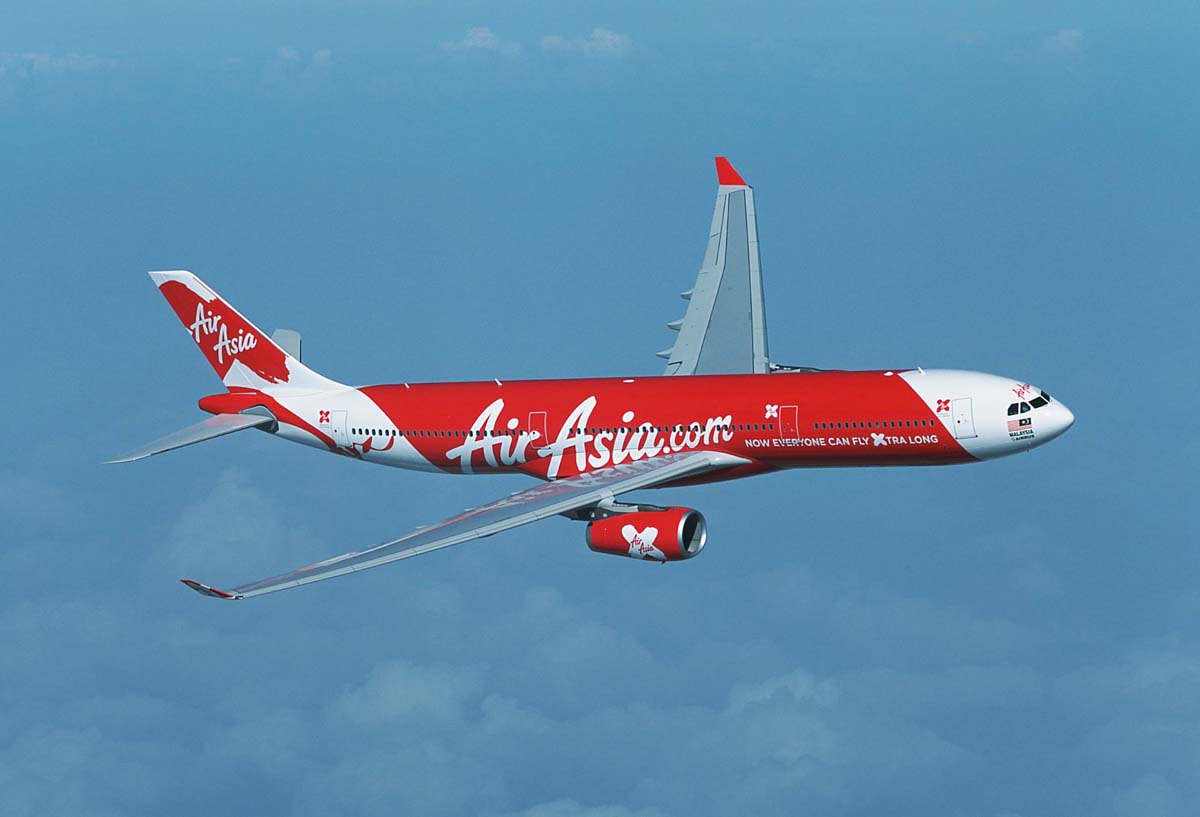
    AirAsia X Bhd made its maiden entry to the South Korean island of Jeju yesterday following the successful landing of flight D7 501 on Airbus A330-300 at Jeju International Airport.

    The low-cost carrier became the only airline with direct connections between Kuala Lumpur and Jeju, after Seoul (Incheon) and Busan, it said in a statement.

    The four times weekly service between Kuala Lumpur and Jeju would further expand the airline’s network in North Asia and make it the only airline operating direct non-stop services between the two cities.

    This latest route would also strengthen the AirAsia and AirAsia X Group’s position in the South Korea market by having a total of 75 weekly flights and 1,183,468 capacity a year for one way flight.

    AirAsia X Malaysia Chairman Tan Sri Rafidah Aziz said the direct flight from Kuala Lumpur to Jeju had the potential of generating a capacity of over 156,000 a year between Kuala Lumpur and Jeju.

    “Guests can also save a great deal of hassle for domestic transit.

    “South Korea is fast becoming an important market to us and we are very grateful for the tremendous support from the governments and relevant authorities for making this new exclusive route possible,” she added.

    In conjunction with the launch of the latest destination, AirAsia X is offering promotional all-in-fares from RM249 (inclusive of taxes and fees) one-way on standard seats and from today until  Dec 19, 2017 for travel between Dec 16, 2017 and Oct 27,2018.

    The award winning premium flatbed is also available for booking at promotional all-in-fares from RM799.

  • Foreign convenience store chains expansion plans

    Foreign convenience store chains expansion plans

    Nguyen Thu Ha has abandoned traditional markets on her afternoon shopping trips in favor of a more convenient option.

    Uncomfortable with the crowds and dubious origins of the food, the 35-year-old from Hanoi now prefers to spend her money in the convenience stores that are mushrooming across the city.

    “The quality in convenience stores is guaranteed, unlike grocery shops and traditional markets,” she said. “That’s why I go to them now.”

    Like Ha, many shoppers are turning to convenience stores, encouraging foreign retailers to expand their presence in the market.

    The number of convenience stores had increased to over 1,500 as of June 2016, according to market research firm Nielsen Vietnam. Famous foreign brands now occupy 70 percent of the market.

    In June, Seven & i Holdings, which operates Japan’s biggest convenience store chain 7-Eleven, opened its first outlet in Ho Chi Minh City.

    A company representative said that it plans to open 100 stores in Vietnam within three years and expand the number to 1,000 in the next decade.

    American chain Circle K has around 250 stores, mostly in the country’s two biggest cities, Ho Chi Minh and Hanoi.

    FamilyMart, Japan’s second largest convenience store chain, has a combined 130 stores in Ho Chi Minh City, the nearby resort town of Vung Tau and Binh Duong Province.

    Southeast Asian chains Shop&Go and B’s mart are running another 300 stores.

    South Korea’s GS Retail also plans to enter the market in the near future with the first outlet bearing its GS25 convenience store brand in Ho Chi Minh City.

    GS25, which will be the first Korean convenience store chain operator to enter the Vietnamese market, is expected to open 2,500 outlets in the next 10 years.

    “We have received requests from many countries, including China and other Southeast Asian countries, to export our brand,” said a GS Retail spokesman. “After months of research, we concluded that Vietnam had the largest potential for growth.”

    A.T. Kearney’s Global Retail Development Index this month named Vietnam the sixth most attractive retail market in the world. The country made headlines worldwide when it topped the list in 2008.

    International market research organization IGD forecasts double-digit compound annual growth rate over the next four years in Vietnam, reaching 37.4 percent in 2021.

    “Convenience stores in Vietnam have become popular destinations for young consumers to shop and hang out, as the stores provide them with an air-conditioned environment, well-organized shelves and seating areas, high quality products and, in some stores, free Wi-Fi,” said Nick Miles, head of Asia-Pacific at IGD. “It is also easier to get licenses for stores under 500sq.m, which is why retailers have been expanding to gain market share.”

    Vu Vinh Phu, former chairman of the Hanoi Association of Supermarkets, said convenience stores have expanded with the growing middle class, who are increasingly willing to pay a little more for the convenience of mini-marts that are open for longer hours and can be found in more locations.

    Economists say Vietnam has great potential for convenience store expansion, considering the number of existing stores now is still small compared to the population.

    There is one convenience store for every 2,100 residents in South Korea, 2,300 in Japan, and 24,900 in China. The ratio in Vietnam is one per 54,400 residents, according to a recent report by international property research firm Savills.

    Vietnam’s trade ministry has projected the country’s retail market will hit $179 billion by 2020, a jump of 52 percent from last year.

    Uneasy to earn

    Despite bright prospects for convenience stores in Vietnam, their development has not always been smooth, as in the case of FamilyMart. Japan’s second largest convenience store chain plans to stay focused on its domestic market after reporting losses in several Southeast Asian countries, including Vietnam.

    Koji Takayanagi, the company’s president, said the firm is reviewing its loss-making businesses in Indonesia, Thailand and Vietnam. “If we can get them to rally we will, but we cannot continue to pour in resources,”

    Another example is the case of a joint venture between Ministop, an affiliate of Japan’s second largest retailer AEON, and G7, an arm of local coffee producer Trung Nguyen. The joint venture aimed to develop 500 convenience stores across the country within five years from 2011. However, the partnership ended in 2015 when Trung Nguyen withdrew from the deal after only 17 stores had been opened. The venture reportedly failed to reach the target because of difficulties in finding premises in Hanoi and Ho Chi Minh City.

    Ministop now has only 80 convenience stores in Ho Chi Minh City and Binh Duong Province.

    As well as the difficulties they face finding retail space, convenience stores must also compete with other retail channels, which are also expanding rapidly, especially online shopping, said head of the Association of Vietnam Retailers, Dinh Thi My Loan.

    Explaining why retailers are continuing to expand in the convenience store market, despite losses, an industry insider said their current goals is to stretch their influence in the market. Retailers often suffer losses in the first four to seven years, he said. “It’s not time to make a profit yet. It’s time to grab more market share.”
  • Singapore Retail Sales Rebound In October

    Singapore Retail Sales Rebound In October

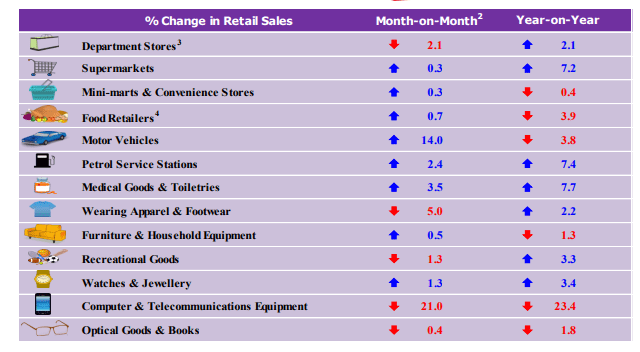
    October Singapore retail sales rose a meagre 0.8 per cent over the same month last year, falling 1 per cent from September.

    Those figures exclude motor vehicles which typically skew Singapore’s data. Including those, retail sales declined 0.1 per cent year on year.

    Month on month, real retail sales fell 1 per cent, but they rose 1.5 per cent including vehicles.

    The total retail sales value in October 2017 was estimated at S$3.6 billion.

    The greatest negative contributor to year on year October Singapore retail sales data was the computer and telecommunications category, which slumped 23.4 per cent. Sales by food retailers, of optical goods and books, furniture and household equipment and at mini-marts and convenience stores decreased between 0.4 per cent and 3.9 per cent.

    However, sales of medical goods and toiletries, at supermarkets, of watches and jewellery, recreational goods, clothing and footwear and sales of goods at department stores rose by between 2.1 per cent and 7.7 per cent in October.


    Sales of food and beverage services at restaurants, cafes and fast-food outlets increased 0.7 per cent in October.

  • Big retailers expect solid final quarter

    Big retailers expect solid final quarter

    There are more signs of recovery in spending power, noting that there is talk about the government and the Bank of Thailand introducing further stimulatory measures to boost employment and the broader economy.

    TRA president Jariya Chirathivat said that since 2013, retail growth has fallen off. The main factor has been the restructuring of the macro-economy, for which the results will not be felt for many years. Base consumer spending power has still not improved and household debt is still high. Sales of fast-moving consumer goods (FMCG) have also dropped, the association’s figures show.

    The TRA represents the big department stores and supermarkets along with chain stores – collectively dubbed modern retailers – that account for about 30 per cent of the country’s retail sales.

    Among households, middle level consumers still have large credit card debts, and private investment has still not recovered. Meanwhile, farm prices have not been doing as well as expected, the association said.

    While growth in retail sales for the fist nine months of 2017 was clear across all product categories, spending was clustered in Bangkok and other large cities. Fast growing categories included supermarkets aimed at middle-high level consumers, and the health and beauty segment, which is split into beauty stores, pharmacies and health and personal goods shops.

    Department store products remained impacted by a shopping atmosphere which is still not normal, while prices do not encourage tourist spending because of import duties on luxury brands. These are still high compared to other countries that have a policy of reducing luxury taxes to entice tourists to their shopping destinations.

    The home improvement and home appliance and electronics categories did not register the expected growth because of a slump in the construction and real estate sectors.

    As for the food category (hypermarkets and convenience stores) targeting middle-low consumers, this has faced growth problems as spending in this group is still weak. Measures to get spending budgets to the grassroots is starting to become more efficient and have started to stimulate spending, but slowly.

    After the great national loss of 2016, most Thais slowed down spending until last month, when there were signs of a recovery in spending power. This was partly from improved sentiment and partly from government efforts to stimulate the base with budgets, as well as the New Year spending season. The result should be a fourth quarter recovery in 2017 compared to the same quarter of 2016.

    The government’s “Shop Chuay Chart” measures will be implemented in November this year, but the project tends to assist consumers in the middle to high bracket who have started shopping in anticipation of receiving tax rebates.

    The Ministry of Commerce is launching a campaign called “Ruam Jai Perm Suk Shop Sanuk Lod Rub Pi Mai” from December 14 to January 4, involving cooperation from manufacturers, distributors, retailers and wholesalers nationwide to stimulate consumption and affect buying power in every sector.

    The TRA believes the economy in the last quarter of 2017 will become brighter, whether from a lack of spending sentiment for over a year, the Pracha Rat Welfare Card that has given cash to the grassroots to stimulate spending or the state projects “Shop Chuay Chart” and “Ruam Jai Perm Suk Shop Sanuk Lod Rub Pi Mai”.

    This is on top of private sector promotions and sales activities throughout the long holiday until January, which will increase money in circulation and result in a retail index that is improved on expectations at the start of the year. Growth is forecast at about 3.2 to 3.4 per cent (on projected national GDP growth for 2017 of 3.9 per cent).

    Gross domestic product grew 4.3 per cent in the third quarter compared to the same period last year, with projections that GDP growth for the whole year will be as high as 3.9 per cent.

    The TRA projects 2018 growth in the retail index should be in the range of 3.8 to 4 per cent.