Category: General

Retail News Asia is committed to providing both local and global retailers with the latest General Retail news throughout the Asian market. This on a daily base.

  • OldTown shareholders agreed to accept JDE offer

    OldTown shareholders agreed to accept JDE offer

    Malaysian cafe chain and coffee manufacturer OldTown is about to sell a majority shareholding to Jacobs Douwe Egberts (JDE) for about US$361 million.

    It is part of a move by the global coffee and tea company to expand its coffee empire.

    OldTown, which has 232 outlets, mostly in Malaysia, says shareholders holding about 51.45 per cent of the total issued share capital of the company have irrevocably undertaken to tender all their shares in acceptance of the offer, says the company.

    Jacobs Douwe Egberts Holdings is an indirect wholly owned subsidiary of Netherlands-based JDE, which owns such coffee and tea brands as Jacobs, L’Or, Moccona, Senseo and Tassimo, and has a presence in more than 120 countries.

    Earlier this year JDE acquired Singapore-listed Super Group, a pan-Asian integrated instant F&B brand for S$1.45 billion (US$1.05 billion).

    “We are deeply honoured JDE recognises the powerful brand and platform we have tirelessly built over the past 18 years,” says OldTown group MD Lee Siew Heng.

    OldTowns’s cafes are spread across Malaysia (189 outlets) and Singapore (nine outlets), with Malaysia accounting for 59 per cent of its revenue. Born out of a merger between the coffee businesses of US snack company Mondelez with coffee and tea company DE Master Blenders in July 2015, JDE says it is on track for an annual revenues of more than €5 billion (US$ 5.8 billion), claiming a leading position in 28 countries across Europe, Latin America and Asia Pacific.

  • Cameroon to have its first Carrefour market

    Cameroon to have its first Carrefour market

    French grocery giant Carrefour has opened its first store in Cameroon, expanding its African footprint.

    The Carrefour Market supermarket is located in the city of Douala and is operated by local partner CFAO Retail, which has stores in eight African countries. The 1430sqm Carrefour Market anchors a shopping centre which includes six other retail stores and two dining options, including CFAO Retail’s Brioche Doree. The total centre occupies 8250sqm, including carparking.

    Carrefour says the market’s unique selling proposition is high-quality fresh products, local products, exclusive Carrefour brand products, strict sourcing and cleanliness standards to ensure food safety, and merchant services that make customers’ lives easier and improve the shopping experience.

    “For our first site in Douala, we have assembled the ingredients that have driven the success of our offering in Africa over the past two years: strong local engagement and a significant economic footprint,” said Xavier Desjobert, CEO of CFAO Retail.

    “The Douala opening is the first step in the broader CFAO Retail roll-out in Cameroon. In 2019, Yaoundé will become home to a Playce shopping centre, a brand that is already very well known in sub-Saharan Africa. For the past two years in Côte d’Ivoire and now in Cameroon, we have been continuing to cement our long-term strategy for growth in Central and West Africa.”

    The Carrefour Market supermarket and Brioche Dorée restaurant employ 200 staff, with another 150 people working in the mall, shops and service providers.

    Carrefour Market and Brioche Dorée Douala have undertaken more than 7000 hours of training to their new hires.

    CFAO Retail has also developed synergy between the two countries taking part in the project. Managers from the Douala Carrefour Market and Brioche Dorée have received training in mass retail and convenience food at CFAO Retail sites in Abidjan, Côte d’Ivoire.

    Luc Demez, MD of CFAO Retail Cameroon, says the company has witnessed a rise of middle-class consumers in Douala – shoppers who are seeking access to modern products at the best possible prices.

    “Our customers have high standards and are loyal to the local economy. They want a wide range of high-quality options and purchases that have meaning. Carrefour Market will offer an exclusive range of Carrefour brand products, high-quality fresh products and more than 1500 products that are made in Cameroon.

    “It is important for us to contribute to the development of the Cameroonian economy,” he concluded.

  • Chinese Luxury Travelers Look For These 4 Things in New York City

    Chinese Luxury Travelers Look For These 4 Things in New York City

    What is the quintessential New York experience in the eyes of Chinese luxury travelers? How does it differ between men and women, and for millennials?

    To answer these questions, we spoke with independent tour operators who organize tours of the city for HNWI (high-net-worth individuals) from mainland China. These are the four things they’re looking for.

    1. Fodder for their WeChat 

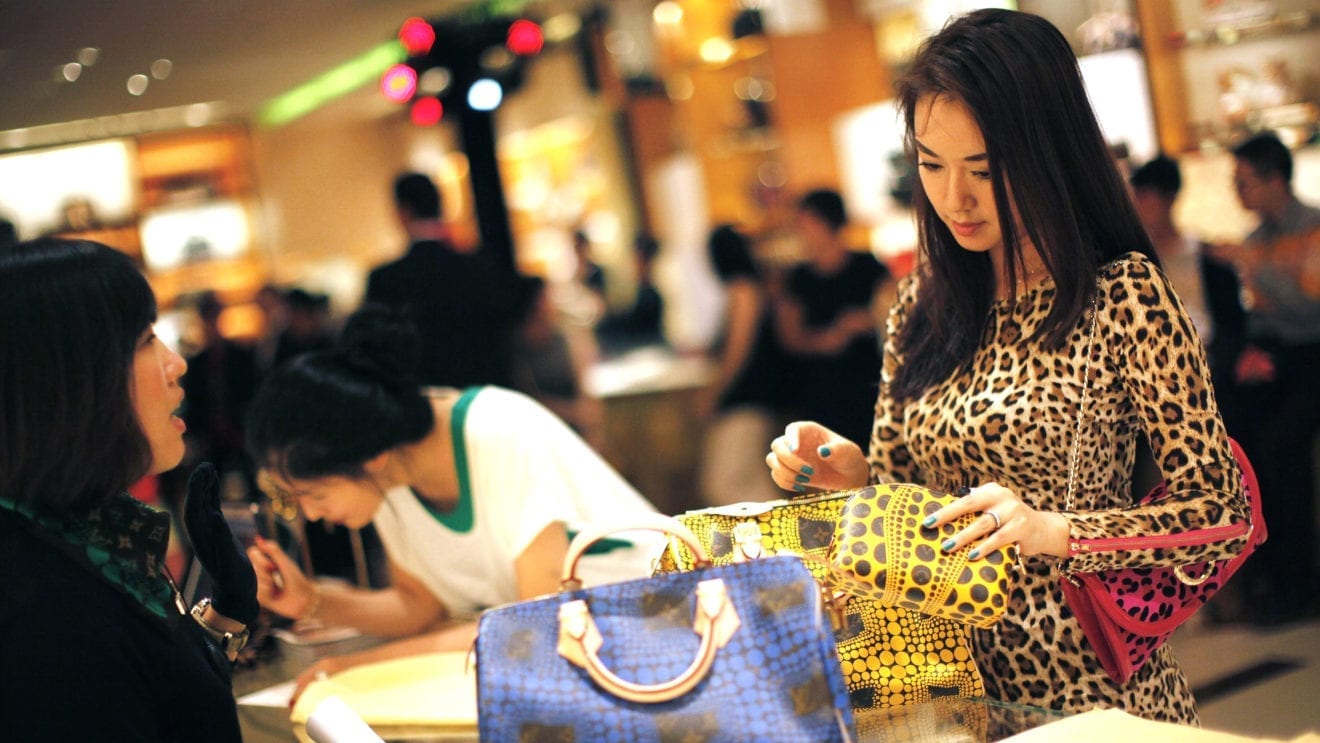
    Even affluent Chinese travelers like to get a bargain. But in New York City, shopping is often less of a priority because only American brands such as Kate Spade and Tory Burch are cheaper than they can find them elsewhere. Instead, what attracts them most is the experience of shopping in an exclusively NYC style that will impress their friends on WeChat. To accomplish this, they prefer to interact with local people as much as possible.

    “VIP luxury shoppers are regularly invited to stores’ grand openings in China, [so] when they travel abroad, they expect a similar ‘rolling out the red carpet’ kind of experience,” said Serena Huang, founder of YOLO luxury travel, a New York-based boutique travel agency.

    High-end retail stores such as Barneys and Bergdorf Goodman are considered must-visits.

    2. Personal Shopping Assistants

    In order to maximize their time in New York, they expect to shop with the help of a personal assistant and a mandarin-speaking translator.

    A good personal shopper can intuit a client’s style immediately, and knows the equivalent sizing across different brands, making the experience seamlessly efficient. They are also knowledgeable about local fashion trends, and  can offer an expert eye on some more sophisticated luxury goods that travelers won’t come across in China.

    3. Chances for Career and Social Advancement

    According to Huang, Chinese women usually shop for themselves and family, whereas men like to buy business gifts. This different shopping preference reflects the type of events they wish to attend in store.

    In partnership with a third party, usually a financial institution like Morgan Stanley or Wells Fargo, tour operators often collaborate with luxury retailers to host networking events. They bring high-net-worth clients from China, mostly men interested in making career connections with New York-based professionals. In such settings, the store and the goods displayed function as an ice-breaker, and an opportunity to display their purchasing power. It’s a chance to shop their way to the top.

    In contrast, a lot of female travelers’ main ambition is to arrange a meaningful and educational tour for their kids. They want luxury stores to create tailor-made programs to entertain the kids while they shop, such as etiquette classes for mingling with Western elites.

    4. Secret Spots

    For younger affluent Chinese travelers, itineraries are influenced by media and KOLs. They like to visit independent stores around Soho and art galleries in Chelsea during the day, and sip cocktails in a speakeasy in the East Village at night. Local, hidden gems excite them.

    One tour operator told us, for example, that they will take clients to a secret lingerie museum inside the Victoria’s Secret’s store on Fifth Avenue, which opened in May this year. Its latest exhibit features a $3 million angels’ bra, Gigi Hadid’s bodysuit, and Stella Maxwell’s crystal-encrusted one-piece from last year’s Victoria’s Secret Fashion Show in Paris. A lingerie expert will also introduce the fashion show’s history and host a pajama party, where she offers tips on wearing bras the correct way.

    Other experiences on young travelers’ bucket list include Tiffany‘s newly opened Blue Box Cafe, which offers them a chance to channel their inner Audrey Hepburn.

  • BP to expand in Indonesia

    BP to expand in Indonesia

    Oil giant BP is hoping to open around 350 petrol stations and convenience stores in Indonesia over the next decade, teaming up with Indonesian petroleum and chemicals logistics company AKR Corporindo to cater for drivers in Asean’s largest market.

    The joint venture would form a company, PT Aneka Petroindo Raya, to operate as BP AKR Fuels Retail, BP said.

    The Indonesian partner is due to take a majority slice of the joint venture, with initial plans for 14 directly managed sites from the third quarter of 2018, said AKR chief executive Haryanto Adikoesoemo. Franchises would be added later.

    AKR operates around 130 Indonesian gas stations under its own brand and Adikoesoemo said the firm wanted to benefit from BP’s brand appeal and convenience store expertise. Indonesia only had about 6,000 petrol stations, he said, with many more needed to meet growing demand.

    “We are delighted to be working with AKR to help meet Indonesia’s growing demand for fuels and provide superior convenience offers,” BP’s regional chief Tufan Erginbilgic said.

    BP specialises in products like high-octane fuel and lubricants. It hopes to tap the archipelago’s growing market with food, drinks and groceries.

    This year, BP bought the retail service station business of Australian retailer Woolworths and widening its Asia-Pacific interests, according to a spokesman.

    BP is reportedly hoping that combining fuel and retail will help increase its potential in Indonesia.

    Most Indonesian petrol stations are currently run by state-owned Pertamina, preventing international firms making much headway. UK-Dutch oil giant Royal Dutch Shell runs about 80 Indonesian petrol stations.

    Meanwhile, Taiwanese state petrol corporation, CPC Corporation Taiwan, says it will be partnering with Pertamina on a new joint refinery operation in Indonesia.

    Suggested refinery sites include the Regency of Situbondo in East Java, Lampung Province or possibly Kalimantan on Borneo.

    A decision was expected by the end of January, it was reported.

    A former consultant at Pertamina, Bayu Kristano, said Indonesia was refining enough oil to meet demand and was relying on imports. It was hoped, with Taiwanese expertise and cooperation, that Indonesia would be able to boost its petrol output in the coming years.

    Multinational partnerships are a growing trend across Asean’s road networks.

    Japanese retailer Lawson is working with petrol station operators in Thailand and the kingdom’s FamilyMart does the same in the Philippines.

  • Alibaba plans massive expansion for Hema supermarkets

    Alibaba plans massive expansion for Hema supermarkets

    Alibaba Group plans to open 2000 branches of its Hema supermarket, which aims to merge online and offline shopping, in China over next three to five years.

    It opened its first Hema last year and will end with year with 22 stores. Its latest outlets are in Beijing, Guiyang, Hangzhou, Shanghai and Shenzhen, and this month it opened its second store in Ningbo to be followed by one in Suzhou next week.

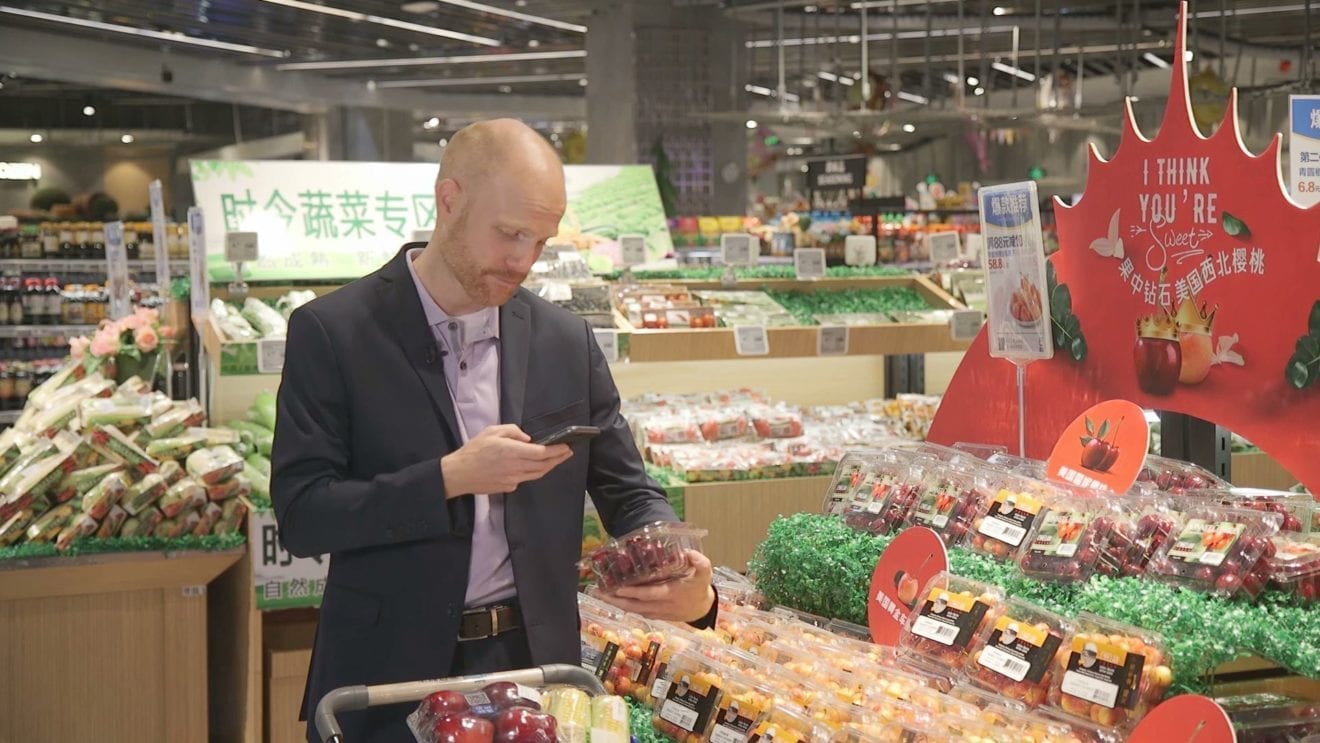
    Hema stores are part of Alibaba’s “new retail” strategy that enables customers to shop, order groceries for home delivery and eat in-store. Purchases can be made through the Hema mobile app, which is linked to Alipay.

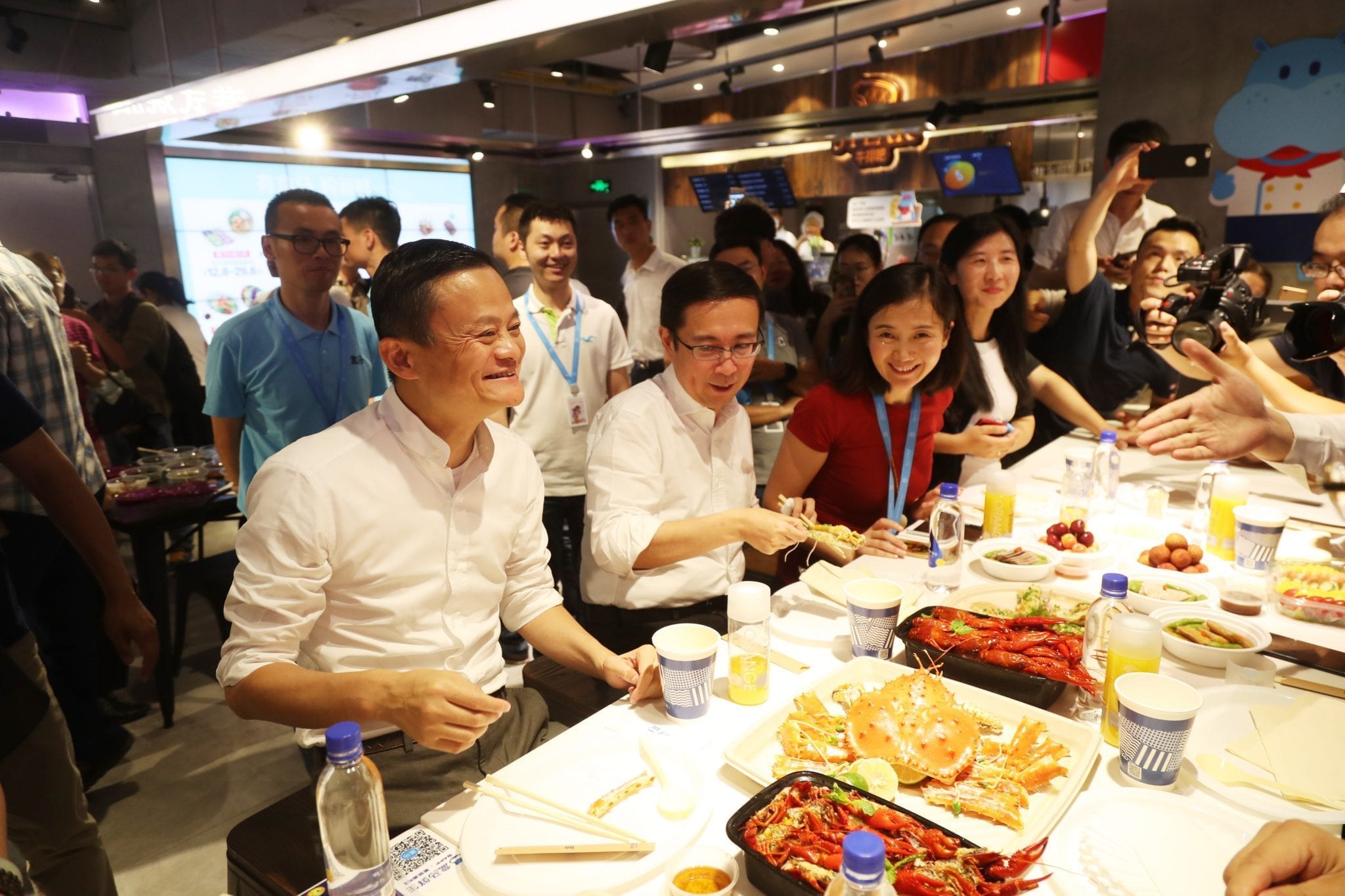
    The stores focus on a wide assortment of food, and the brand places an emphasis on fresh – and live – seafood. Moreover, the business model combines supermarket, restaurant and e-commerce, complete with mobile app. This means customers can buy items in the supermarket for the restaurant staff to cook for them.

    At the moment, about half of sales at Hema stores take place online. The company claims that customers within a 3km radius of a store can have their shopping delivered within 30 minutes.

    Alibaba CEO Daniel Zhang says Hema draws on data and smart logistics technology to seamlessly integrate online/offline systems.

    “Hema’s goal is to broaden the new retail model by working with retail partners like Sanjiang Shopping Club and Xingli Department Store,” says Hema CEO Hou Yi. “As our model becomes more established, it can be shared with other traditional retailers to help them transform in the digital age.”

  • NTUC FairPrice tries experiment on hypermarket

    NTUC FairPrice tries experiment on hypermarket

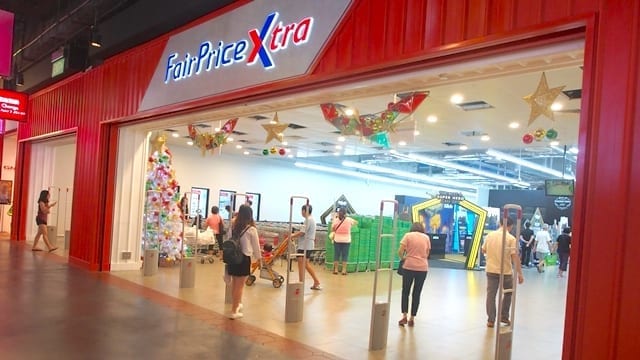
    To mark the 10th anniversary of its hypermarket format, NTUC FairPrice has launched an experiential concept at its FairPrice Xtra hypermarket in Jurong Point shopping centre.

    Offering more than 26,000 grocery and household products across 57,000sqft (5300sqm) of retail space, the new hypermarket is designed to engage and entertain families in a carnival-like atmosphere with dedicated zones.

    There are five specific zones in the revamped store, grouping merchandise and activities based on specific shopper needs – the Parenting Zone, Health and Beauty Zone, Healthy Eating Zone, Kitchen Zone and Total Home Solutions Zone.

    With the store’s family-oriented focus, the Parenting Zone offers more than 1250 baby- and children-related products including formula milk, diapers, toys and clothes. There is also a KidsMart interactive play area with miniaturised shelves and shopping trolleys for children to pretend shop, plus an event space where they can play interactive games.

    Integrated pharmacy

    In the Health and Beauty Zone an integrated Unity pharmacy store provides personal-care, wellness, senior-care and adult nutrition products. A pharmacist is also available for consultations on medication. Health-related activities will also be held in this zone, such as free blood-pressure monitoring services.

    More than 2190 organic, free-from, natural, low-GI and fresh produce features in the Healthy Eating Zone, which also has an event space for such activities as cooking demonstrations, while the Kitchen Zone offers cooked meats and seafood, ready-to-eat meals and an in-store bakery by home-grown brand Swee Heng.

    The Total Home Solutions Zone features cleaners, tools, household appliances, cookware and a space for product demonstrations.

    Beyond these zones the store also offers activities like claw machines, roving magicians and musicians.

    Wider aisles and low shelves are offered so the elderly and shoppers with limited mobility can have easy access. Electronic shelf labels using e-ink for easy reading have been installed throughout the store.

    The store is open 24 hours daily.

  • AirAsia appoints 28-year-old celebrity businesswoman to board

    AirAsia appoints 28-year-old celebrity businesswoman to board

    AirAsia, one of Southeast Asia’s biggest budget carriers, has appointed the well-known 28-year-old entrepreneur Neelofa Noor as non-executive independent director, hoping she can bring fresh insights about the market for digital-savvy young people and women.

    Neelofa is a household name in Malaysia, famous for her brand of hijab collections, which are available in over 35 countries, and which are worn by AirAsia’s female pilots. She becomes AirAsia’s youngest board member.

    She rose to prominence after winning a teen beauty contest, and was a film and television actress before starting her Muslim headwear business in 2014, supported by her parents.

    “Her experience as an entrepreneur, a brand creator and an industry disruptor will be invaluable to AirAsia,” said Tony Fernandes, chief executive of the low-cost carrier, in a statement Friday.

    He added that Neelofa’s business success could teach the company about the youth market and the world of digital communications.

    “Neelofa is super smart, young and independent,” he said. “Her reputation as Malaysia’s leading businesswomen … and her track record in championing women in business is an inspiration to us.”

    The hijabista — a woman who dresses stylishly while conforming to Islamic modesty by wearing a hijab — has a large social media following, with millions of followers on Twitter and Facebook.

    “Such an inspiration,” said one comment on Facebook about the appointment.

    In Southeast Asia — AirAsia’s key market — ambitious Muslim women who combine a taste for lifestyle brands and digital technology with religious observance have been playing an increasingly important role in the marketplace, according to a recent study.

    “Young Muslim women in Southeast Asia are coming of age at a time of societal flux and are demonstrating a new set of aspirations and behaviors which represent opportunities and challenges to brands,” said the study, titled “The New Muslimah: Southeast Asia Focus,” by J. Walter Thompson Company.

  • AirAsia increases flights to Kunming, China

    AirAsia increases flights to Kunming, China

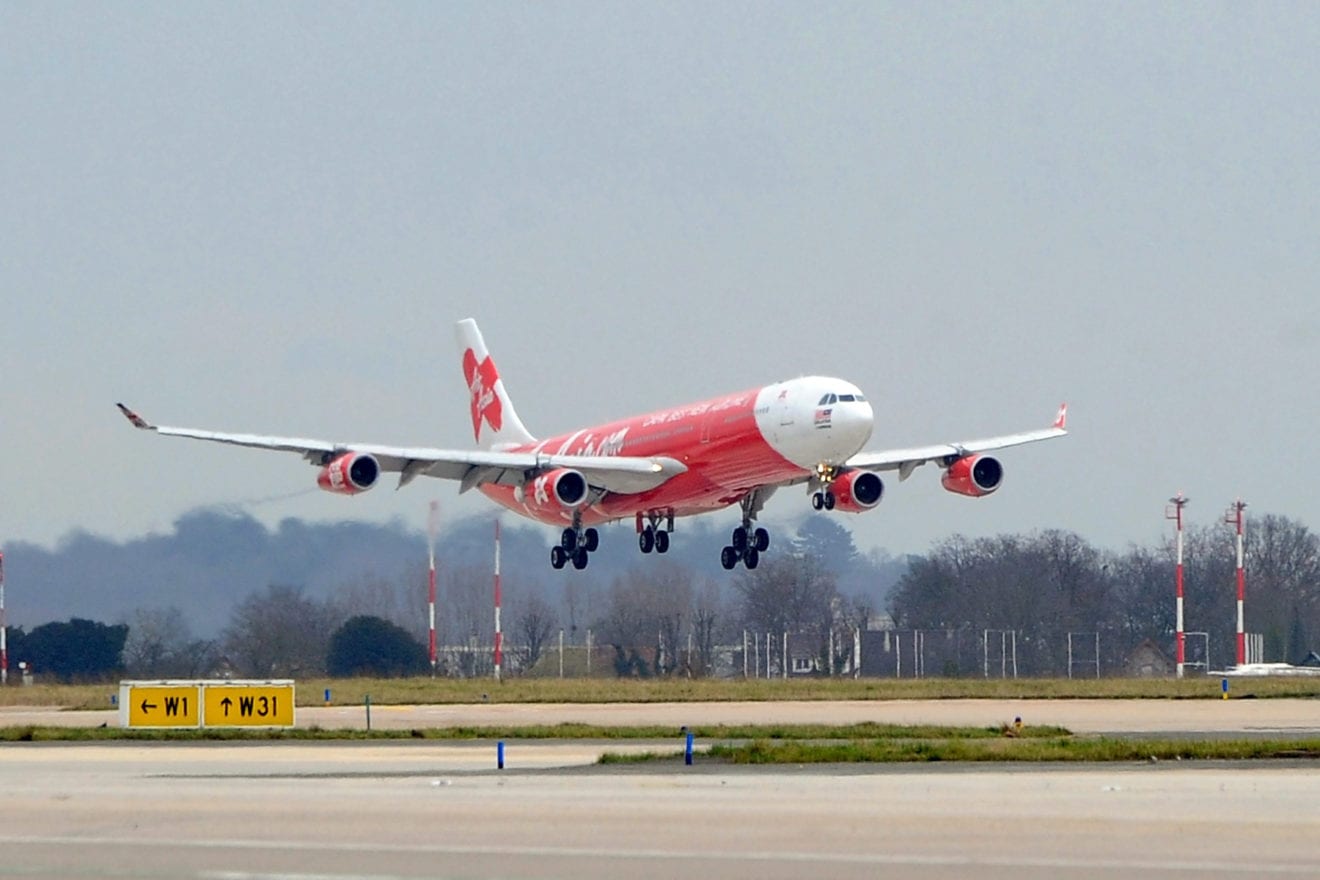
    Malaysian low-cost airline AirAsia will be increasing flight frequencies from Kuala Lumpur and Bangkok, Thailand to Kunming, the capital and largest city in Yunnan Province, Southwest China.

    Daily direct flight from Kuala Lumpur to Kunming will be increased to 14 times weekly starting December 19, while the daily direct flight from Bangkok, Thailand to Kunming will also be increased to 14 times weekly commencing January 16, 2018.

    To celebrate the occasion, AirAsia is offering all-in-fares as low as RM179 ($43.8) from Kuala Lumpur to Kunming. Bookings are available from now to December 17 on the airline’s website and mobile app, for immediate travel until June 30, 2018.

    AirAsia first launched Kuala Lumpur-Kunming daily direct flight on December 10, 2012, operating daily. Shortly after a year, the airline also launched Bangkok-Kunming daily direct flight. Coming to its fifth years of operations to Kunming, the airline has carried close to 1 million passengers to and from Kunming Changshui International Airport, achieving itself as the largest foreign low-cost carrier in Kunming in terms of capacity.

    Spencer Lee, AirAsia Berhad head of commercial, said: “Five years ago, we launched our first route to Kunming with the aim to enable more people to fly. Since then we have revolutionised the air travel in Kunming and realised many individuals’ dreams to travel. Due to the rapid growth of China’s civil aviation, we are seeing more travel demands from the Chinese. Adding flight frequency is one of our commitment to grow China market and we hope more people can easily access to air travel with our low fares. They can also leverage on our Fly-Thru options to travel to more Asean countries and Asia Pacific. With more flights available, this will boost the tourist arrival in both cities, at the same time contributing to the development of China’s ‘One Belt, One Road’ policy in increasing connectivity.”

    “China remains as one of our key markets. In this year itself, we have launched two new routes from Malaysia to China: Langkawi-Shenzhen, Kuching-Shenzhen. We are also looking at operating more new routes to China from our other hubs in Malaysia such as Langkawi, Kuching and Johor.”

    Known as the ‘Spring City’, Kunming is a city with a pleasant climate all year round. The magnificent set of limestone formations in Shilin (Stone Forest) is listed as one of the Unesco’s World Heritage. The enchanting Jiu Xiang Cave, colourful Dongchuan Red Land as well as diverse ethnic culture are among the well-known attractions in Kunming. With its unique geographic location, the Yunnan Province is a radiation hub for Southeast Asia in the “One Belt, One Road” policy. Its economic, trade and tourism in the province are also well connected with the countries in Southeast Asia.

    AirAsia currently operates 14 times weekly flights one way into Kunming Changshui International Airport. Beside flights from Kuala Lumpur and Bangkok, AirAsia has recently launched daily direct flight from Phuket to Kunming which will commence on February 1, 2018.

  • AirAsia BIG Loyalty launches eStore online shopping platform

    AirAsia BIG Loyalty launches eStore online shopping platform

    BIG Digital, a subsidiary of AirAsia, has unveiled the eStore, the latest lifestyle offering from AirAsia’s BIG Loyalty programme. The eStore will allow its more than 13 million BIG Members in Malaysia, Indonesia and Thailand to shop from over 150 lifestyle and travel brands on one platform – airasiabig.com, with rollout on the AirAsia BIG Loyalty mobile app in the near future.

    In a press release, AirAsia’s spokesperson said the online shopping platform aims to transform AirAsia BIG Loyalty’s lifestyle pillar, positioning the loyalty programme as a key player in the online travel retail industry. Selected available brands include Uniqlo, Hotels.com, 11street, Digi, Fave and ezbuy.

    AirAsia BIG Loyalty CEO Dato Eddy Leong (pictured far right) said its eStore is the newest digital innovation that “stays true to its dedication to reward members easier, faster and better.” The loyalty programme has about 10,000 new BIG Members and over 167,000 web traffic daily. With eStore, BIG Members are able to buy online with purchases delivered to their home, and every RM1 spent earns 1 BIG Point or more.

    To celebrate the launch of the eStore, there will be a special “eStore 12.12 BIG Sale” on 12 December 2017 where members who shop on the eStore stand a chance to win exclusive vouchers or a grand prize of up to 160,000 BIG Points to redeem flights to Seoul, Osaka or Tokyo.

  • Japan’s Q3 growth twice as fast as first estimated, outlook brightens

    Japan’s Q3 growth twice as fast as first estimated, outlook brightens

    Japan’s economy grew twice as fast as originally estimated in the third quarter thanks to big gains in capital expenditure, revised data showed on Friday, with expansion seen to continue thanks to buoyant exports.

    The capital expenditure component of gross domestic product was revised to a rise of 1.1 percent from the previous quarter, well over the forecast 0.4 percent growth, and soaring above the preliminary 0.2 percent reading.

    The economy grew an annualized 2.5 percent in July-September, more than the median estimate for 1.5 percent annualised growth and more than the preliminary reading of a 1.4 percent annualised expansion.

    Real wages rose in October for the first time in almost a year, offering some hope that consumer spending will pick up, separate data showed.

    The revised figures showed that Japan is in its longest uninterrupted period of growth since comparable data became available in 1994.

    This is a boon to the government as it is expected to agree later on Friday a spending package to subsidise education and encourage more corporate investment.

    “The economy is doing well, but annualised growth above 2 percent seems a little too quick,” said Norio Miyagawa, senior economist at Mizuho Securities.

    “I expect that exports and capital expenditure will lead growth next year, but the pace will moderate to around 1 percent.”

    The figure translates into quarter-on-quarter growth of 0.6 percent, versus a preliminary reading of 0.3 percent growth and the median estimate for 0.4 percent growth.

    Steady economic expansion also offers hope to the Bank of Japan that inflationary pressure will build up next year and nudge consumer prices closer to its 2 percent inflation target.

    Capital expenditure was revised up because wholesale companies and retailers are increasing investment to deal with increased inbound tourism, a Cabinet Office official told reporters.

    Inventories contributed 0.4 percentage point in the third quarter, which was revised up from a preliminary 0.2 percentage point contribution, due to a build up of chemicals and plastics used in manufacturing, the official said.

    Net exports contributed 0.5 percentage point in the third quarter, unchanged from the preliminary reading.

    Private consumption fell 0.5 percent in July-September, also unchanged from the preliminary reading.

    Real wages rose 0.2 percent in October marking their first rise since December 2016 in a sign a tight job market may finally be leading to higher salaries.

    Japan’s economy has expanded for seven consecutive quarters, and many economists expect growth to continue as consumer spending gains strength and export growth is seen on track to continue.

  • Vietnam’s PM demands answer on rubber firm sprung for stretching financial legality

    Vietnam’s PM demands answer on rubber firm sprung for stretching financial legality

    Prime Minister Nguyen Xuan Phuc has called for a report on potential fraudulent activity at the state-owned Vietnam Rubber Group (VRG) after government inspectors discovered misuse of state capital and assets at the group three years ago.

    The Ministry of Public Security has been instructed to submit the report by December 31.

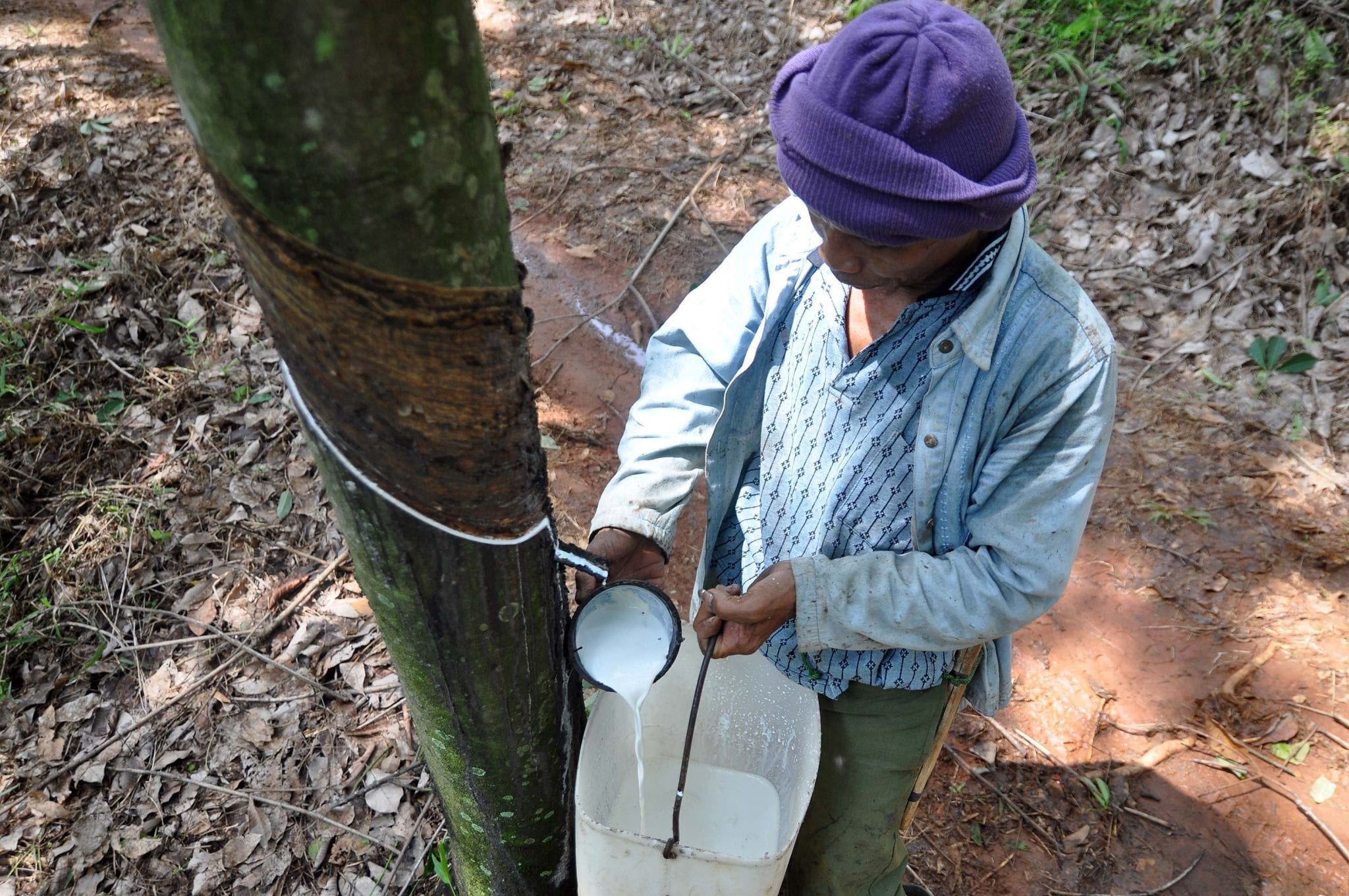
    VRG, in which the Vietnamese government currently owns a 95 percent stake, has allegedly committed fraud worth up to VND8.4 trillion ($370 million).

    Between 2006 and 2011, the group spent over VND2.42 trillion, or 13 percent of its charter capital, on non-core businesses, such as cement, hotels, steel, hydropower projects and the stock market.

    Most of the investment came from the state budget, but the group reported that it did not generate any profits.

    Some VRG leaders have also been accused of contributing capital to establish and run a seafood import-export firm in the southern province of Dong Thap.

    VRG also raised its charter capital in 2010 and 2011, without government approval, by VND1.84 trillion.

    And although the inspection, completed back in 2014, was aimed at handling individuals and groups that committed fraud, VRG has yet to be held accountable.

    Thanh Nien (Young People) newspaper reported last month that where the money had gone, and how the group would make up for the massive sum, remained a questions that the public still has no answer to.

    In September, VRG rolled out a privatization plan, in which it declared a charter capital of VND40.7 trillion and 244,000 hectares (593,052) of lands in 18 cities and provinces across the country.

    The rubber giant, which has 103 subsidiaries, expects to earn VND13 trillion from selling one billion shares in its initial public offering.

    It also has a target of earning more than VND3 trillion in net profit this year, up 9 percent from last year.

    “There is a sense of urgency in Vietnam to privatize state-owned enterprises (SOEs) and use the money raised from public offerings to alleviate the government’s fiscal burden,” HSBC said in a report in August.

    Late last year, PM Phuc signed off on a decision which pushes for further divestment of state capital in existing SOEs by eliminating or reducing the minimum level of ownership that the government holds in certain industries.

    The decision provided a clearer roadmap for equitization by saying that the state will equitize 137 SOEs and sell its entire stakes in 103 firms. Equitization is the term Vietnam uses to describe the process of issuing shares to partially privatize state-owned businesses in which the government will still hold the majority stake.

    The Ministry of Finance said in June that the country’s public debt, which includes central government debt, government-backed loans and local government debt, may reach the ceiling set by the legislative National Assembly of 65 percent of gross domestic product from 2017-2018.

  • AirAsia resumes Bali and Lombok flights

    AirAsia resumes Bali and Lombok flights

    AirAsia has resumed flights to and from Bali and Lombok, with flying conditions around the Gusti Ngurah Rai International Airport and Lombok International Airport expected to remain clear.

    AirAsia, in a statement today, said it would continue to monitor the situation closely and keep guests informed of any development.

    The Malaysian-based low-cost airline also advised passengers to check the status of their flight on Twitter (@AirAsia) or airasia.com before heading to the airport.

    It said those flying to Bali or Lombok from now until Dec 31, who no longer wished to travel, would be entitled to choose one of the service recovery options.

    “For flights from Nov 25 until Dec 10, guests can pick to move flight and change to a new travel date on the same route within 30 calendar days from the original flight date without additional cost and subject to seat availability.”

    “They can also retain the value of fare in their AirAsia BIG Loyalty account for future travel with the airline or obtain full refund in the amount equivalent to their booking, via the e-form available on support.airasia.com,” it said.

    Meanwhile, for flights from Dec 11 until Dec 31, passengers can choose either to change flights to a new travel date on the same route up to Jan 31, 2018 without additional cost and subject to seat availability or reroute to another destination within the AirAsia network with fare difference applicable, subject to seat availability.

    “Or guests can retain the value of fare in AirAsia BIG Loyalty account for future travel with AirAsia,” it added.

    The airport reopened on Wednesday last week, two days after volcanic ash spewing from Mount Agung spread across the island and forced it to close. Malaysia Airlines (MAS) and Malindo Air resumed their flights to the island last week, following the reopening of the airport.

    Most airlines, however, only resumed their flights to the popular holiday destination this week.

    More than 120,000 tourists were stranded in Bali, including 1,000 Malaysian tourists during the closure of the airport.

  • FamilyMart Japan to sell its Interests

    FamilyMart Japan to sell its Interests

    Japanese convenience store company FamilyMart Uny Holdings may sell its Hong Kong retail interests.

    Working with a financial adviser, the company is seeking about US$100 million for its three stores, insiders say.

    In Hong Kong, FamilyMart Uny runs department stores under the Apita, Piago and Uny brand names. They sell stationery, clothing and food ranging from local produce to imported chocolate, wine and wagyu beef.

    Government statistics show that sales in Hong Kong’s supermarket industry fell 0.1 per cent in the first 10 months of this year, compared with overall retail industry sales rising 1.2 per cent.

    A spokesman told the company had no plans to sell the stores at the moment.

  • AmInvest Research neutral on transportation sector, AirAsia top pick

    AmInvest Research neutral on transportation sector, AirAsia top pick

    AmInvestment Research is Neutral on the transportation sector in 2018, as it sees upside for AirAsia

    It said on Wednesday while it likes transport firms which operate (or have a growing presence) in the tourism and e-commerce space, it is cautious on seaport operators.

    Transport firms operating in the tourism space, that is AirAsia and Malaysia Airports, will benefit from the sustained recovery in tourist arrivals in 2018 (after reporting the first dip since 2003 in 2015 following the air disasters of MH370 and MH17 in 2014).

    The government projects Malaysia’s tourist arrivals should hit 28 million in 2018 (up 3.3% from 27.1 million in 2017).

    AmInvest Research expected the number should continue to grow, leading up to Visit Malaysia Year in 2020, when Malaysia is also slated to host a series of high-profile international events including the Commonwealth Heads of Government Meeting (CHOGM), the APEC Summit and World Congress of Information Technology (WCIT).

    The rapidly expanding e-commerce sector, particularly, online shopping, has created huge opportunities for parcel delivery service providers such as Pos Malaysia.

    “Malaysia’s presence in the regional and global e-commerce market is on the cusp of an unprecedented quantum leap forward, driven by the Alibaba-backed Digital Free Trade Zone (DFTZ) project in the KLIA Aeropolis,” it said.

    The DFTZ will serve as a regional e-fulfilment centre as well as a regional e-commerce logistics hub.

    “Apart from Malaysia Airports (the landowner and developer of the KL Aeropolis), we believe local logistics players (including warehouse operators) are poised to garner a slice of action in the physical zone of the DFTZ.

    “On the other hand, we do not expect seaport operators (particularly, a transshipment port like Westports) in 2018 to completely shrug off the negative impact from the recent reorganisation of the global shipping alliance, and the resulting diversion of transshipment cargo volumes to Singapore,” it said.

    However, AmInvest Research said on a brighter note, it expects gateway cargo volumes to continue to grow in 2018, thanks to Malaysia’s robust exports and imports.

    Bintulu Port will be weighed down by start-up costs at its newly completed Samalaju Industrial Port in 2018.

    AmInvest Research said it may upgrade its Neutral stance on the transport sector to overweight.

    However, this would hinge on whether tariffs (such as airport taxes, postage rates and port tariffs) are adjusted upwards; volume performance (such as passenger traffic, cargo throughput and letter mail/parcel volumes) beats expectations; yields surprise in the upside on reduced competition; and fuel cost (jet fuel for airlines and diesel for seaport operators) comes in lower on weaker crude oil prices.

    On the other hand, it might downgrade its neutral stance on the transport sector to Underweight if: volume performance (such as passenger traffic, cargo throughput and letter mail/parcel volumes) misses expectations; yields surprise in the downside on heightened competition; and fuel cost (jet fuel for airlines and diesel for seaport operators) comes in higher on stronger crude oil prices.

    “Our top pick for the sector is AirAsia. AirAsia is a good proxy to the growing low-cost air travel market in the region, underpinned by rising per capita incomes and a young demographic.

    “Its strong market presence (in terms of the number of routes, and frequencies for each route) enables it to compete effectively against its rivals (both low-cost and full-service).

    “It has struck a chord with investors with its plans to monetise some of its auxiliary businesses and assets including its leasing arm and ground handling unit, which could translate to special dividend payouts to shareholders,” it said.

  • Facebook opens new London hub, creating 800 jobs

    Facebook opens new London hub, creating 800 jobs

    Social media titan Facebook will open a new office in London on Monday that is set to be its biggest engineering hub outside America, the company has announced.

    The investment in the office, near Oxford Street in the heart of the city’s West End district, will also lead to the creation of 800 jobs, more than half of which will be in engineering.

    The company, which opened its first office in the British capital ten years ago, said the new site would allow its local workforce to reach 2,300 by the end of next year, a sign that it “is more committed than ever to the U.K.”.

    The country “has been a huge part of Facebook’s story over the past decade”, Nicola Mendelsohn, Facebook’s vice president for Europe, the Middle East and Asia.

    “The U.K.’s flourishing entrepreneurial ecosystem and international reputation for engineering excellence makes it one of the best places in the world to build a tech company,” she said.

    The 23,000 square meters (247,000 square feet) of office space was designed by architect Frank Gehry, and is spread over seven floors while also incorporating a new public square.

    It includes an incubator space called “LDN_LAB” for technology start-ups.

    Finance minister Philip Hammond said it showed that Britain is “the best place” to grow new businesses.

    “It’s a sign of confidence in our country that innovative companies like Facebook invest here, and it’s terrific news that they will be hiring 800 more highly skilled workers next year,” he said.

    London Mayor Sadiq Khan said Facebook’s commitment indicated the city remained “at the forefront of global innovation”, while predicting that the incubator would “pave the way for the next generation of successful start-ups”.