Category: General

Retail News Asia is committed to providing both local and global retailers with the latest General Retail news throughout the Asian market. This on a daily base.

  • Japan’s retail sales going down

    Japan’s retail sales going down

    Following a rebound in September, Japan’s retail sales have softened again.

    Despite the 2.3 per cent spike, sales figures for last month eased 0.2 per cent year on year – the first decline in 12 months.

    Sales slipped for general merchandise (a 2 per cent drop after a 1.2 per cent lift in September) and F&B (-1.5 vs 0.6 per cent). Weak spots included fabrics, apparel and accessories (0.5 vs 5.3 per cent), and medicines and toiletries (3.2 vs 5.7 per cent).

    Retail sales in Japan averaged 4.64 per cent from 1971 until this year, reaching a high of 36.5 per cent in January 1979, and a record low of -14.3 per cent in March 1998.

    Department stores had the largest decline, 1.5 per cent, while supermarket sales were flat, losing ground from 1.6 per cent growth in September. Even convenience stores, which usually lead sales, had a mere 0.6 per cent growth last month. It was their worst performance since March 2013.

    While some retail chains are blaming October’s storms for the negative performance, observers say private consumption in Japan is still fragile.

  • SPH Buzz hybrid store has self-service option

    SPH Buzz hybrid store has self-service option

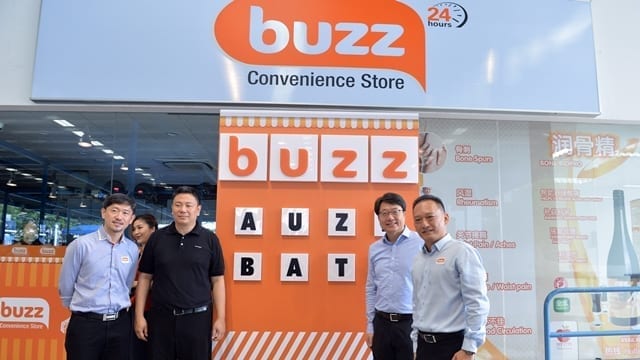
    Convenience-shopping concept company SPH Buzz has partnered with Mastercard to launch a hybrid store that includes attended and unattended retail counters.

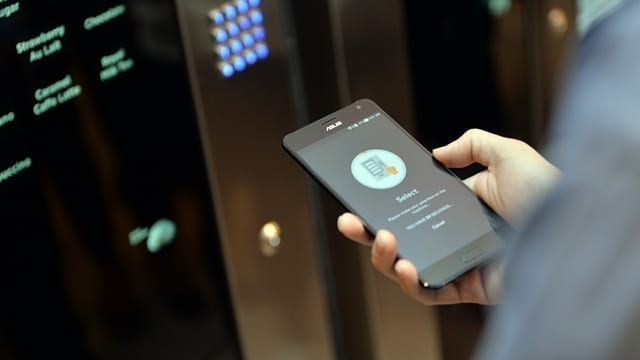
    As part of the deal, SPH Buzz has integrated Mastercard’s mobile commerce platform, Vending Powered by Masterpass, in its unattended machines to enable customers to seamlessly order and pay for goods using their smart devices.

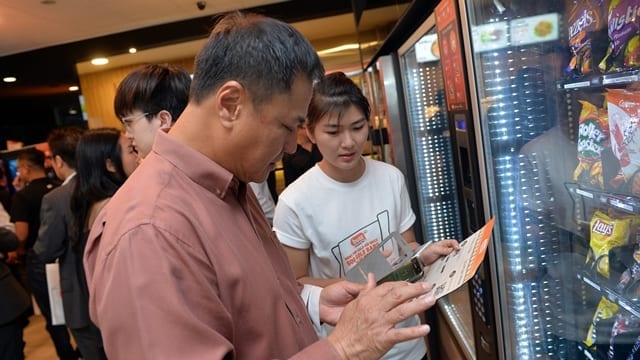
    At the Cnergy Gas Station in Toh Tuck Road, the 827sqft (77sqm) Buzz hybrid convenience store has 16 vending machines. Buzz customers can buy from the machines using Masterpass on their smart device. This is a secure digital payment service by Mastercard that speeds up the checkout process without consumers having to enter their financial and shipping information every time.

    Made by Auresys, the vending machines can dispense beverages (hot or cold), ready-to-eat meals, snacks and confectionary, specialty foods (imported from Japan), beauty and over-the-counter (OTC) medication, and novelty and lifestyle options such as activity trackers, electronic accessories, pre-packed presents and mystery gifts.

    Cafe with snacks

    Also available at the store is a cafe with local snacks and artisanal bread.

    “With the introduction of the automated station, I can now focus on providing a more interpersonal customer service and experience at the cafe,” says Buzz hybrid franchisee Audrey Joan Yap.

    To complete the shopping experience, customers will soon be able to buy such prepaid services as phone top-up cards, tickets to tourist attractions such as Gardens by the Bay, River Safari, Singapore Zoo and Universal Studio, as well as Google and Xbox stored-value cards. Other services such as FOC Wi-Fi, cash withdrawal via smartphone, reloading of EZ-Link cards, and Nets and Nets FlashPay are also available.

    SPH Buzz Convenience Stores deputy-GM Spencer Tan says that as well as offering round-the-clock service, the hybrid store has a backend system that helps forecast demand and alerts the staff to replenishments. “This helps the team to be more productive given the current manpower crunch,” he says.

    SPH Buzz runs a chain of retail kiosks and newsstands at bus interchanges, bus shelters, MRT stations, shopping malls and heartland areas. Started in 2007 as a franchise model, it has 59 stores island-wide.

  • Positive trend for Vietnam retail sales

    Positive trend for Vietnam retail sales

    Vietnam retail sales will exceed US$484.58 billion annually by 2025 and nearly $1.938 trillion by 2035 according to figures from the Ministry of Industry and Trade.

    In a draft strategy document released for public comment, the ministry expects an annual increase in sales of 13 per cent between now and 2020, rising to 14 per cent between 2012 and 2025. The figures were calculated after examining sales trends between 2011 and 2015.

    The paper predicts that domestic retail organisations will account for 80 per cent of the nation’s retail trade by 2020 but foreign direct investment will grow its share beyond 50 per cent as consumers move away from traditional retail models and shop in so-called ‘modern trade models’.

    Modern trade, which now accounts for 30 per cent of retailing, will grow to 35 per cent by 2025 and reach 50 per cent by 2035, the ministry predicts.

    AT Kearney last year ranked Vietnam in the world’s top 30 retail markets and with the best opportunities for multinational retailers.

  • AirAsia, Malaysia Airlines provide alternative arrangements for passengers affected by Bali volcano

    AirAsia, Malaysia Airlines provide alternative arrangements for passengers affected by Bali volcano

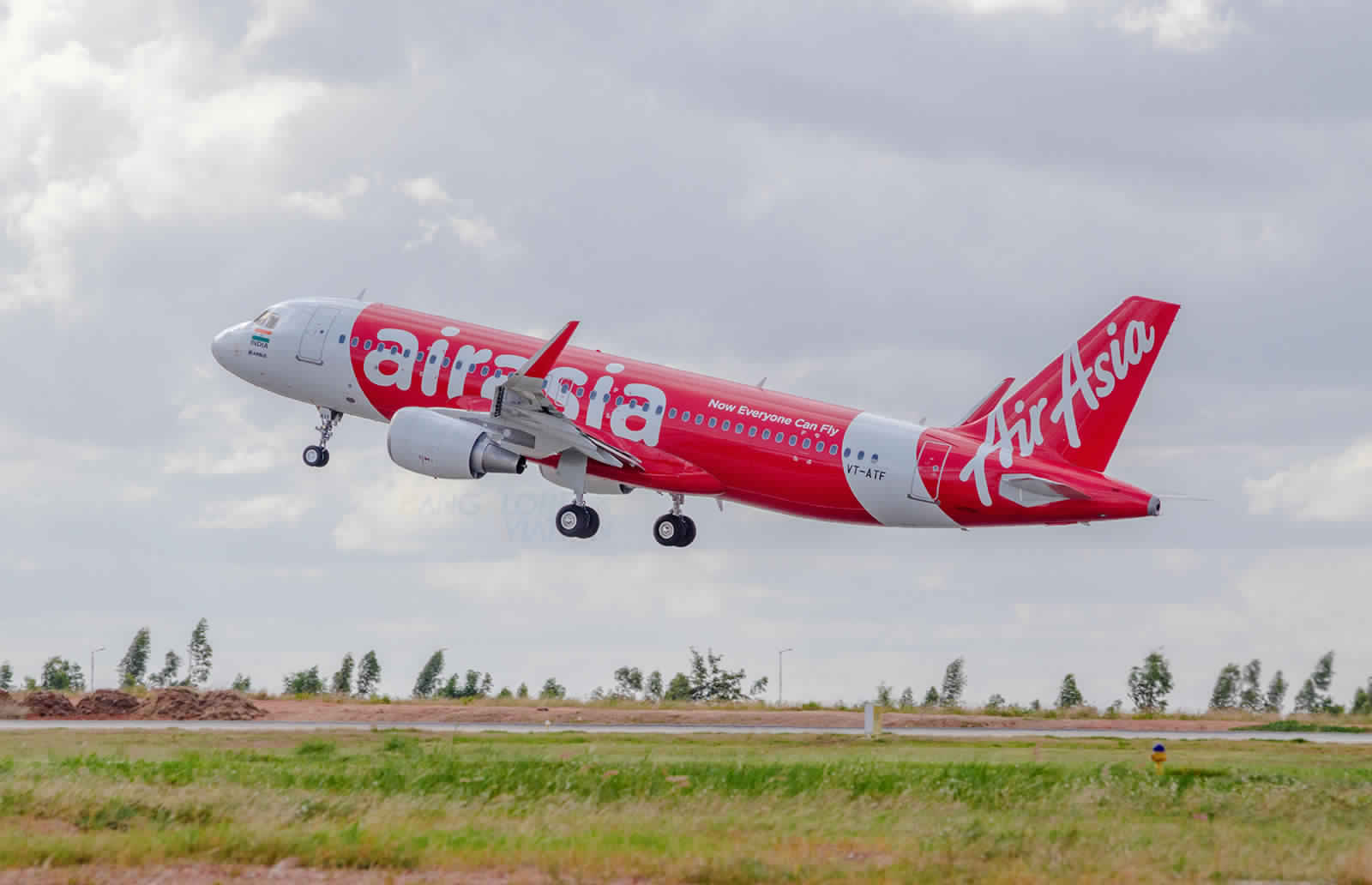
    AirAsia has provided alternative arrangements for travellers affected by the Mount Agung eruption in Bali.

    In a statement this evening it said all guests whose flights are affected will be entitled to choose one of the following service recovery options being offered:

    For flights to/from Bali and Lombok from Nov 25 2017 – Dec 25 2017:

    Option 1: Change to a new travel date on the same route within 30 calendar days from original flight date without additional cost and subject to seat availability; or,

    Option 2: Credit Account: Retain the value of fare in a credit account for future travel with AirAsia. The online Credit Account to be redeemed within 90 calendar days from the date of issue, for travel date of your choice; or,

    Option 3: Full Refund: Obtain a full refund in the amount equivalent to your booking. This can be done strictly via e-form available on support.airasia.com.

    For Flights to/from Bali and Lombok from Dec 11 2017 – Dec 31 2017:

    Option 1: Change to a new travel date on the same route up to Jan 31 2018 without additional cost and subject to seat availability; or

    Option 2: Reroute to other destination (within AirAsia network) with fare difference applicable, subject to seat availability; or,

    Option 3: Retain the value of fare in a credit account for future travel with AirAsia. The online Credit Account to be redeemed within 90 calendar days from the date of issue, for travel date of your choice.

    Guests are advised to check airasia.com and AirAsia’s social media pages for further announcements.

    AirAsia said it will continue to monitor the situation closely, and will keep guests informed of any developments.

    Meanwhile, Malaysia Airlines has arranged for alternative travel arrangements for its passengers stranded in Denpasar-Bali.

    The national carrier has arranged ground transport to Surabaya from the Ngurah Rai International Airport with onward connection to Kuala Lumpur.

    It urged affected passengers to register themselves at the airlines’ dedicated counter at Customer Service Desk, Level 3 at the airport.

    The journey from Bali to Surabaya will take approximately 12 hours, it said.

    “Malaysia Airlines will also be mounting rescue flights from Surabaya to Kuala Lumpur,” it said in a statement this evening.

    Malaysia Airlines said it will continue to monitor the situation and resume flights into and out of Denpasar as soon as it receives confirmation on improved weather conditions.

  • MyRodeo partners AirAsia for eye-catching OOH ad

    MyRodeo partners AirAsia for eye-catching OOH ad

    AirAsia Group stated (29-Nov-2017) it remained “the world’s lowest cost airline” in 3Q2017 with CASK of MYR0.128. CASK increased 5% year-on-year due to the weaker ringgit and higher fuel prices. The average fuel price increased 6.8% to USD63 per barrel. Non-fuel CASK increased 5% to MYR0.0824 (USD0.0202), largely due to higher staff costs in line with the airline’s growth targets and higher MRO charges.

  • BingoBox to bring unmanned stores to Hong Kong

    BingoBox to bring unmanned stores to Hong Kong

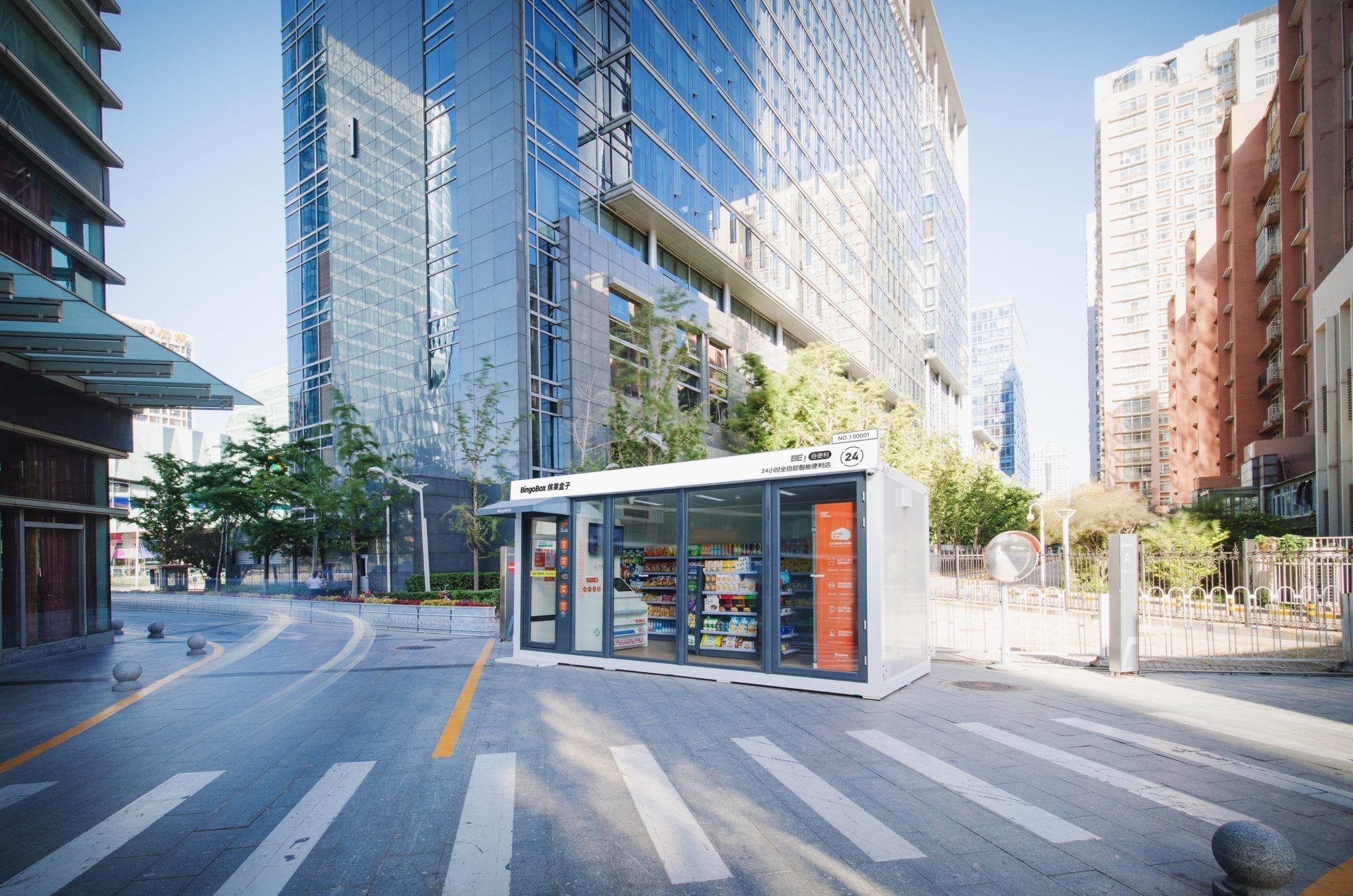
    China’s unmanned convenience-store brand BingoBox plans to introduce its cashierless concept to Hong Kong next year, targeting neighbourhoods and suburbs.

    “With unmanned stores the labour cost is eliminated, making them far more cost-effective, even in expensive cities like Hong Kong,” says BingoBox chief executive Chen Zilin.

    South Korea already has an unmanned 7-Eleven outlet, termed Signature, in Seoul, while as part of its “new retail” concept Alibaba runs an unmanned coffee shop that uses facial recognition for customer payments. Also in China, JD.com has launched unmanned convenience stores that use technology to track products and customer movements.

    In Hong Kong, BingoBox is talking with potential partners to jointly run its outlets. It will target areas that do not have convenience stores, such as parks, villages and public-housing estates, says Chen.

    On the mainland, the company has nearly 200 stores with the aim of reaching 5000 before the end of next year.

    Users scan a QR code to enter a BingoBox, place their purchases on a checkout counter that automatically scans and tallies up the total. Payments are made via mobile wallets such as Alipay or WeChat Pay.

    “As BingoBox is an unmanned store that entails almost no labour cost, we can open in areas with lower foot traffic, whereas traditional convenience stores pay high rents for prime locations,” Chen says. He is not specific about store numbers for Hong Kong, just saying “double digits”.

    The company is also looking to expand into South Korea and Malaysia within the next six months.

    Mainland BingoBox stores generate about RMB850 (US$130) in sales each day, some raking in as much as RMB6000. Chen says the shortest break-even time for a BingoBox store was five months.

    Bingbox partnered with French retail firm Auchan to launch a trial in Zhongshan, Guangdong province, last year before opening its first store, in Shanghai, in June.

  • Cebu Pacific cancels Indonesia flights due to volcano eruption

    Cebu Pacific cancels Indonesia flights due to volcano eruption

    Cebu Pacific has announced the cancellation of its flights to and from Bali, Indonesia on Tuesday, Nov. 28.

    The statement was issued due to the eruption of Mount Agung volcano and the closure of the Ngurah Rai International airport in Denpasar.

    The affected flights are:

    • 5J 279 (Manila-Denpasar) ETD 350am / ETA 750am

    • 5J 280 (Denpasar-Manila) ETD 835am / ETA 1240pm

    “We sincerely apologize for any inconvenience this may cause,” the airline said.

    The company said guests with confirmed bookingswill be moved to the next available Cebu Pacific flight.

    The guests may also opt to rebook their flights within the next 30 days, or place the cost of the ticket in a Travel Fund for future use.

  • AirAsia X Q3 results hit by rising costs

    AirAsia X Q3 results hit by rising costs

    AirAsia X Bhd said it swung into a net loss in its third quarter from a year earlier, blaming higher costs and lower unit revenues particularly in its main markets of Malaysia and Thailand.

    The airline reported a small profit in its Indonesia business, supported by strong revenue from its Bali routes.

    AirAsia X said costs, measured in terms of cost per available seat kilometres, rose 6% from a year ago, on the back of provision for doubtful debt.

    A weaker ringgit against the US dollar and higher average fuel prices — up 3% from a year ago — also had an impact.

    Revenue per available seat kilometres was down 3% year-on-year due to increased capacity on existing routes and promotional fares offered to stimulate new routes, it said.

    For the July-September period, the airline reported a net loss of 43.3 million ringgit ($10.55 million), compared with 11 million ringgit profit a year earlier.

    Revenue climbed to 1.12 billion ringgit, supported by a 23% growth in passenger volume and 4% increase in ancillary revenue per passenger.

    Better operating statistics and a surge in travel during Malaysia’s school holidays and Eid in August failed to cushion the impact of higher costs. Load factor — a measure of how full planes are — inched up one percentage point to 79%.

    The third quarter is seasonally one of AirAsia X’s leanest periods, and the airline said it expected a recovery in the following quarter, based on booking trends.

    AirAsia X also said it wanted to focus on securing high-yield, high-traffic routes and build dominance in core markets across the region.

    “The group also plans to add third-party leased all-economy class A330s in 2018 to focus on shorter China routes and redeploy our existing fleet to new markets,” AirAsia X group CEO Kamarudin Meranun said.

    RHB Research, in a client note earlier this month, said AirAsia X’s plans to realign some of its routes in Australia and introduce more North Asian destinations “should allow for more consistent quarterly earnings going forward”.

  • AirAsia cancels 32 Bali and Lombok flights

    AirAsia cancels 32 Bali and Lombok flights

    Low-cost carrier AirAsia has cancelled 32 flights and rescheduled two others from and to Bali and Lombok following the volcanic activity at Mount Agung in Bali.

    In a statement, AirAsia said affected passengers would be notified of their flight status and the options available to them via their registered e-mail addresses.

    It said passengers whose flights were cancelled could change to a new travel time on the same route within 30 days from the original flight without additional costs and subject to seat availability. They can also retain the value of their fare in a credit account for future travel.

    “The online credit account has to be redeemed within 90 days from the date of issuance,” it said.

    The airline said passengers are advised to visit www.airasia.com and AirAsia’s social media pages and also to check their flight status through the “Manage My Booking” feature on AirAsia’s website.

    AirAsia said it was in contact with the autho­rities and would continually conduct risk assessments to ensure the safety of its operations.

    “AirAsia will provide updates on the latest developments,” it said, advising passen­gers requiring assistance to contact the airline’s customer support team.

  • What to know about the hottest pop-up retailing trend in China

    What to know about the hottest pop-up retailing trend in China

    Pop-up stores are a very well established marketing strategy in the U.S. and Europe, and the wave coming from the West has already pervaded Asia.

    Research shows that the compound annual growth rate of pop-up retailing has been over 100 percent since 2015 and that by 2020 there will be over 3,000 pop-up stores opened in China.

    For foreign luxury brands who are still observing the phenomenon, here are five need-to-know things about pop-up stores in China.

    1. The pop-up store is a must-have

    It increases brand awareness at a low cost. For those who are not yet sure about China’s market, it is a good way to test the waters. Pop-up stores are temporary, but they create a long-term, lasting impression with potential customers.

    Even for luxury brands that already have a prominent presence in China, it is still a good way to display the latest lines and engage millennial consumers. Luxury brands’ pop-up stores are using interesting design features to attract attention, a tactic that huge brand names have already experimented with.

    For example, Dior set up pop-up stores displaying their new women’s line in Shanghai IFC and Beijing SKU right in front of its permanent storefronts this year.

    2. Location is key to the success of a pop-up store

    Unlike in the US and UK, where pop-up stores are often on the street, pop-up stores in China are mostly set up in shopping malls due to strict regulations. For example, the regulations of the Shanghai Municipality on urban road transport clearly state that the government will not grant any applications from companies to operate a business in front of their stores or on either side of the road. Many cities have adopted similar practices, which leaves brands little choice but to set up their pop-up stores in shopping malls.

    Nonetheless, these locations might actually give brands an edge. Shopping malls have a huge amount of foot traffic, attract the right demographics, and offer more convenient setups as amenities are already in place.

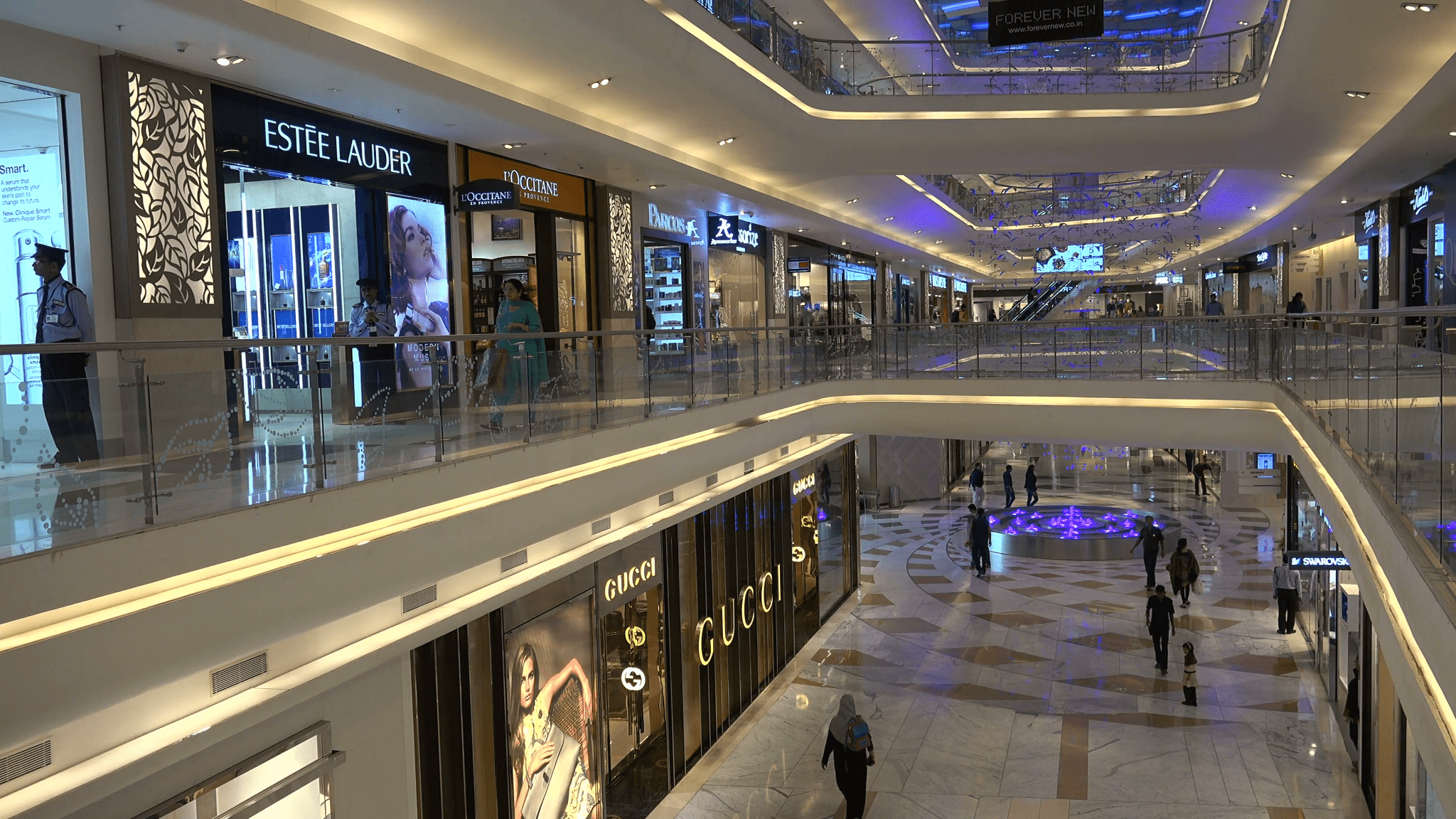
    In addition, China’s has plenty of shopping malls—the number of large to medium-sized shopping malls in China surpassed 4,000 by the end of 2016, and the number is currently increasing at the rate of 600 to 700 new malls each year.

    3. How to do it if you are not in China yet

    There are all kinds of pop-up stores—some for sales, some for brand awareness, and some for gaining market insights.

    For those who are interested in direct sales, China’s laws and regulations require brands to have a corporate presence in China in order to conduct sales directly. That means brands need to have a Wholly Owned Foreign Enterprise or Foreign Invested Partnership Enterprise in China in order to have a pop-up store to sell products. Brands can also conduct sales through partners, such as distributors or agents.

    However, for those brands who do not have the right to conduct sales in China, they can still set up a temporary store just for the sake of outreach to Chinese consumers by letting them experience products.

    If brands can successfully entice consumers with their samples, they can direct consumers to place orders on their websites.

    4. Use social media to drive traffic

    Having consumers take pictures and share location on WeChat Moments is a must.

    On the one hand, consumers want to demonstrate online that they have been to cool places. On the other hand, by giving consumers incentives—gifting them or rewarding them complimentary services if they post pictures online—brands will gain more lasting attention.

    Another way to increase exposure and gain traffic is by partnering with celebrities and KOLs. This has been practiced by local brands such as Suning Ecommerce Group and has achieved a great success.

    5 things to know about pop-up in China
    Source : nmplus.hk

    5. Food is customers’ best friend

    Many brands are engaging customers with food and beverages.

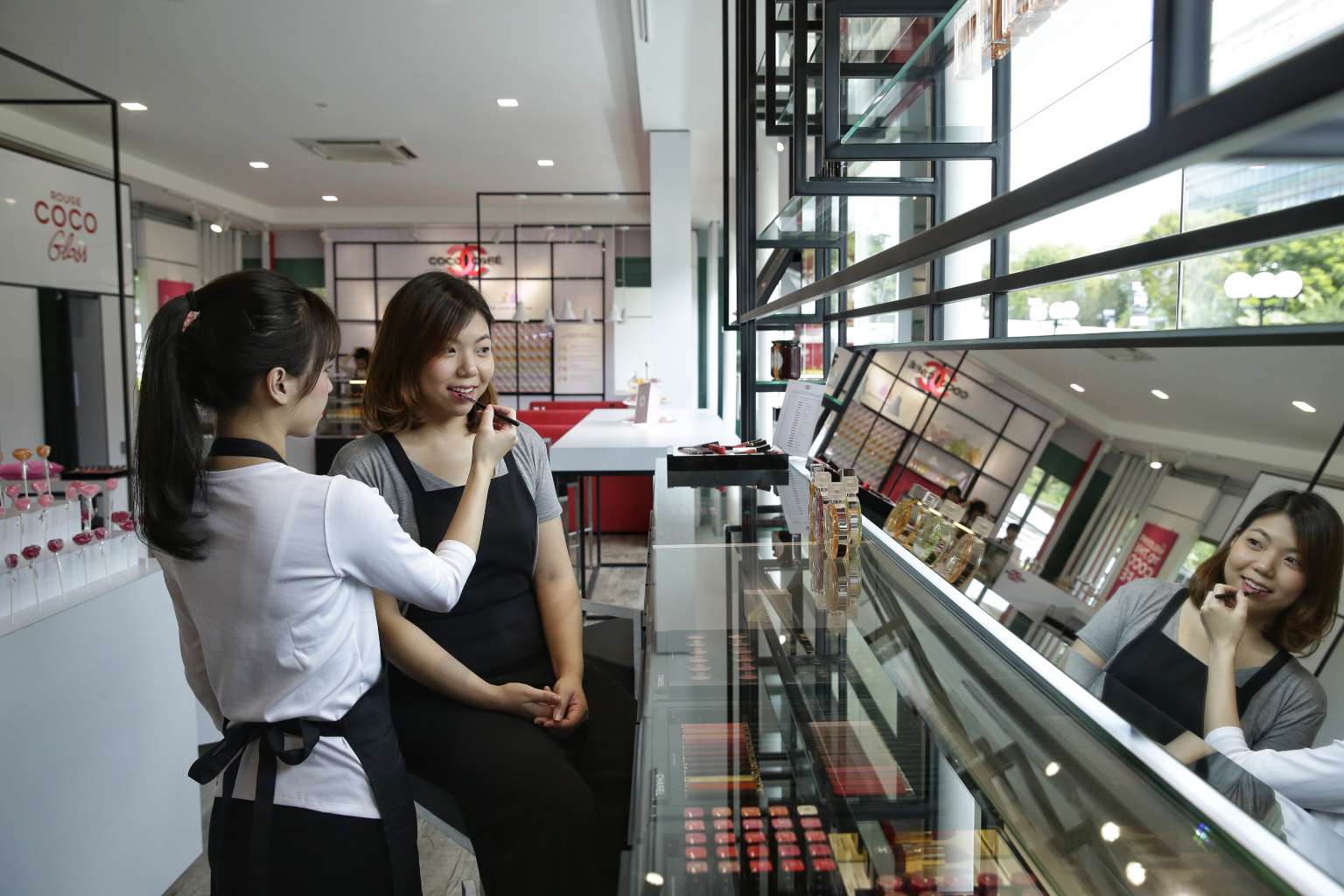
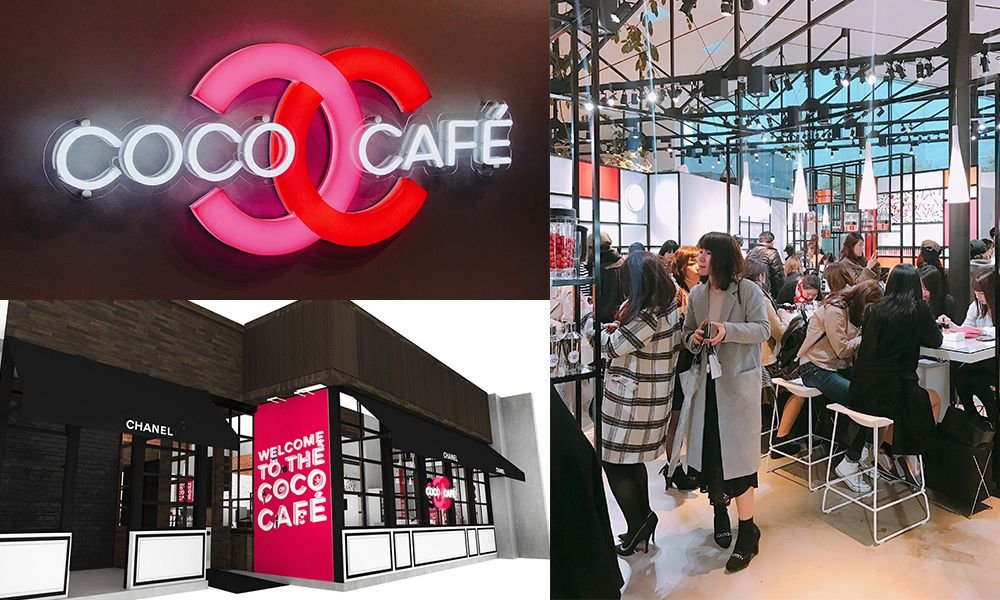
    Bobbi Brown and Kenzo have opened pop-up stores that offer coffee. Chanel opened Coco Café in Shanghai to sell lip glosses in April 2017, but it also provided consumers complimentary coffee and dessert. A report carried out by BFG-blueview shows that food pop-up retailing is the best way for brands to make waves.

    While skin-care, cosmetics, and fashion brands can use pop-up stores to expose more millennials to their products, combining the experience with food and drink will certainly help brands draw a larger crowd.

  • 250 to 300 international brands to enter India

    250 to 300 international brands to enter India

    A new wave of international fashion brands will be entering the Indian consumer market in the coming two years as an increasing number of mid-segment brands expand into India.

    Following the success of many international fashion brands in India including Zara, Mango, H&M, and Levis, many mid-segment brands are now looking to follow their lead and enter India.

    The retail solutions provider Franchisee India Holdings has estimated that between 250 and 300 such brands will enter India over the course of the next two years.

    With the entry of these brands, the business also estimated that an investment of about one billion dollars will accompany this, a figure that could transform India’s fashion market.

    “Now, it’s the turn of small and mid-sized brands as they look to cash in on the open retail policy and huge gap in the market for branded products,” said Gaurav Marya, the Chairman of Franchisee India Holdings. Anurag Mathur, a Partner at Pricewaterhouse Coopers, agreed: “Many international brands are lining up as the retail sector is growing and international brands like Zara and H&M have been really successful, with strong profits and revenue growth being reported in the country. Now, the slightly mid-level or smaller brands too want to explore the Indian market.”

    Some of the mid-section brands that are in the process of expanding into India include Kiabi, Mavi, Avva, Colin’s, Damat, Tudba Deri, and Dufy.

    It is expected that this wave of brands will focus their expansion efforts on Tier 1 cities and, for them to be able to reach out to Tiers 2 and 3, infrastructure will have to greatly improve.

  • AirAsia adds 3 domestic flights from Clark Airport

    AirAsia adds 3 domestic flights from Clark Airport

    AirAsia is flying to brand new destinations — Iloilo, Tacloban, Puerto Princesa — from Clark Airport in Pampanga starting next year. The world’s best low cost carrier for nine consecutive years will begin to fly from Clark to Palawan, Iloilo, and Tacloban starting January 26, 2018 with introductory fares now on sale from as low as P990 only. Captain Dexter Comendador, chief executive officer of AirAsia Philippines, said the airlines support the growth and development of cities outside Metro Manila.

    “We feel strongly by supporting this by providing more options and added convenience for travelers to fly to their desired destinations without going to the main airport in Manila,” Comendador added. AirAsia’s newest flights from Clark bring brighter, bigger, and better opportunities for Northern and Central Luzon, according to him.

    To celebrate, AirAsia is offering promo fares from as low as P990, all-in, and up for grabs now until December 10, 2017 at www.airasia.com for travel period between January 26, 2018 to January 31, 2019. Clark – Puerto Princesa and Clark – Iloilo routes will operate three times a week or every Tuesday, Thursday, and Saturday while Clark – Tacloban route is every Monday, Wednesday, Friday and Sunday. AirAsia also flies to Davao, Kalibo, and Caticlan from Clark International Airport using Airbus 320s that can accommodate up to 180 passengers. Aside from Clark, AirAsia also offers flights to Iloilo, Tacloban, and Puerto Princesa from the airline’s hub in Manila, Cebu, and Davao.

  • Singapore Upgrades 2017 Growth Forecast to as Much as 3.5%

    Singapore Upgrades 2017 Growth Forecast to as Much as 3.5%

    Singapore raised its economic growth forecast for this year to 3 percent to 3.5 percent after third-quarter data beat projections on the back of stronger exports and manufacturing.

    Highlights of GDP Report
    • Gross domestic product rose at a seasonally adjusted, annualized rate of 8.8 percent in the third quarter from the previous three months, higher than an earlier estimate of 6.3 percent
    • Median estimate of nine economists in a Bloomberg survey was for 7.8 percent gain
    • GDP increased 5.2 percent from year earlier, the fastest pace in more than three years, versus median estimate of 5 percent
    • Economy seen expanding 1.5-3.5 percent next yearPrime Minister Lee Hsien Loong

    A healing in global trade this year has helped boost export-reliant economies like Singapore’s, with manufacturing buoyed by demand for electronics goods. Growth has started to broaden out to other industries, such as services, giving economists and the government reason to upgrade their full-year projections. said earlier this week that growth could exceed 3 percent in 2017.

    The trade ministry said on Thursday global growth is expected to improve next year, on the back of a pick-up in the U.S. and some emerging markets.

    “We also see signs that the recovery is broadening,” with business services and retail looking better even though third-quarter growth was “primarily supported by manufacturing,” Loh Khum Yean, permanent secretary at the trade ministry, told reporters.

    Manufacturing surged almost 35 percent in the third quarter from the previous three months, while the services industry, which makes up about two-thirds of economy, grew an annualized 3.2 percent. Construction continued to suffer, contracting for a third quarter by 5.3 percent.

    Southeast Asia Boom

    Growth has been surprisingly strong across Southeast Asia, with third-quarter data from the Philippines and Malaysia last week and Thailand this week exceeding forecasts, providing a more upbeat tone to the region as the U.S. Federal Reserve tightens monetary policy.

    Jacqueline Loh, deputy managing director at Singapore’s central bank, told reporters the monetary policy stance from October remains appropriate and the regulator will continue to monitor developments. The Monetary Authority of Singapore left its policy stance unchanged last month, but gave itself room to tighten if necessary.

    In a separate report, International Enterprise Singapore forecast export growth of 6.5-7 percent for this year, compared with a previous estimate of 5-6 percent, and estimated 0-2 percent expansion next year.

    “The pace of growth of the Singapore economy is expected to moderate in 2018 as compared to 2017, but remain firm,” the trade ministry said.

    — With assistance by Myungshin Cho, and Ailing Tan

  • Chinese tourists still missing in Korea, but improvement may be on the horizon

    Chinese tourists still missing in Korea, but improvement may be on the horizon

    According to reports, the long-stagnant economic relationship between South Korea and China, prompted by tensions over the controversial missile defense system that was deployed is showing early signs of a revival, especially in sectors such as investment, tourism, and retail.

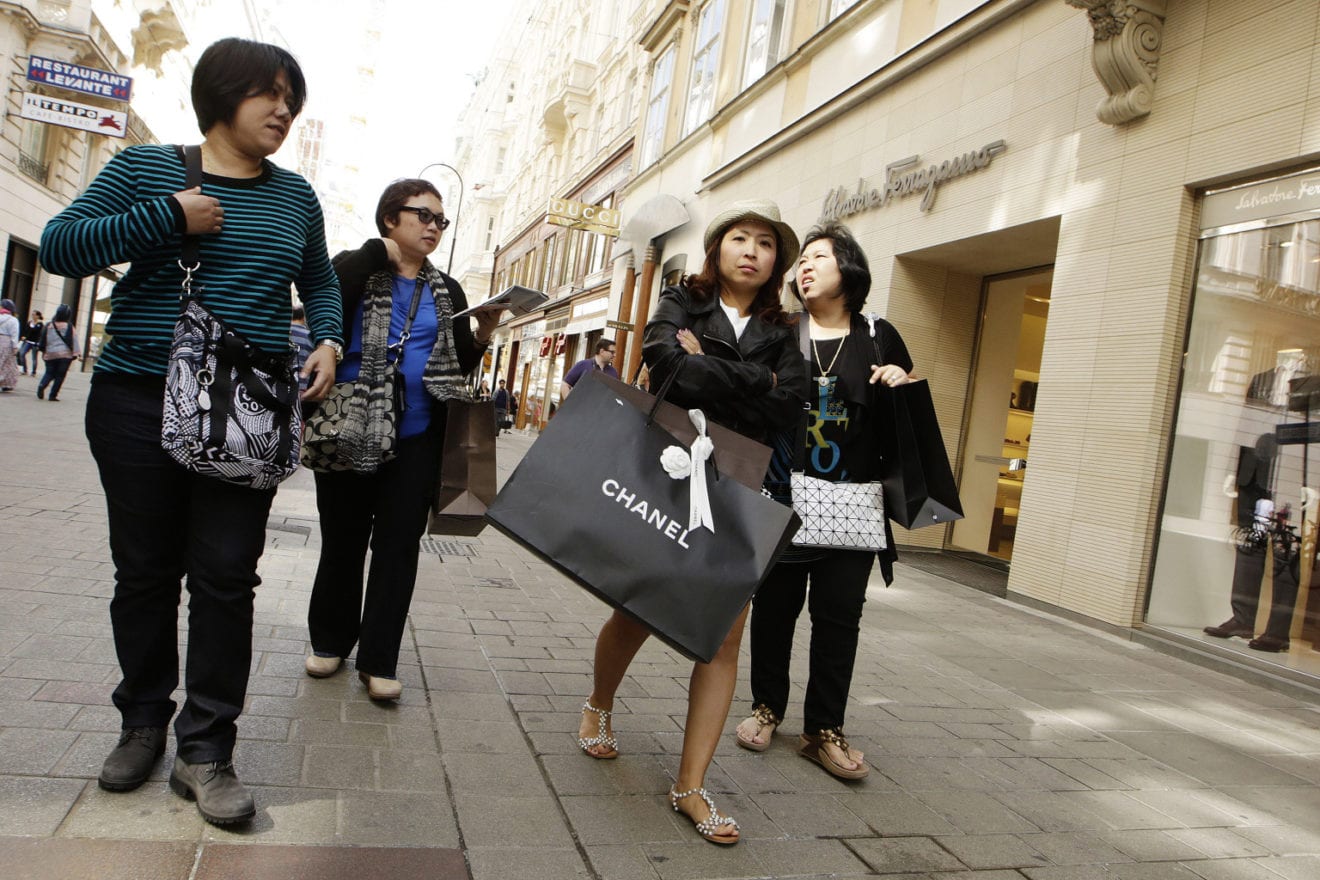
    Myeongdong, a well-renowned shopping street in Seoul, was often packed with Chinese tourists, but after the two countries’ relationship went sour, Myeongdong became more and more deserted. Recently a slight increase of Chinese tourists at Myeongdong are noticeable.

    A report by the Seoul-based Aju Business Daily published on Monday noted that a 25-people tour group from Shanghai will arrive at Jeju Island in South Korea around November 28, the first tour group from China to South Korea since political disputes cut off organized commercial tourism between the two countries. It did not give details about the organizers and participants of the tour.

    China’s trade with South Korea also rose by 11.4 percent year-on-year in the first ten months of this year, customs data showed on November 8.

    According to an Aju Business Daily report published on October 26, in the first nine months of this year, South Korea received about 3.19 million visitors from China, down almost 50 percent compared to a year ago.

    As revival signs emerged over recent days, South Korean retailers rolled up their sleeves to cater to Chinese consumers. For example, in mid-November, the Seoul-based Shinsegae duty-free store welcomed some Chinese Internet celebrities to help advertise some of their products, with the aim of attracting more Chinese customers to the country.

    Furthermore, the Seoul-based Shilla duty-free store has also designed a special app for Chinese tourists where they can exchange their tax bills for shopping coupons.

    A customer service staff member from Utourworld.com Inc, a Shanghai-based travel agency specializing in overseas tourism, said that the company canceled all its tours to South Korea around May and has not yet restarted them. She also said she is not sure whether those tours will be re-launched in the future.

    China CYTS Tours Holding Co, also a travel agency, made similar comments.

    Shanghai-based Spring Airlines, said that his company is running 32 flights to South Korea in the 2017 winter/spring season, compared with 46 flights in the same period in 2016.

    “Recently, we have not  added new routes to South Korea .

    A representative from Lotte China, whose business has slumped a lot due to the company’s deep involvement with the THAAD issue, said that so far, the company’s business in China has not seen any significant improvements. She also said that the company is formulating new plans concerning the Chinese market, but has not confirmed the plans yet.

    Time will heal the situation slowly.

  • Danone links with JD to grow west China business

    Danone links with JD to grow west China business

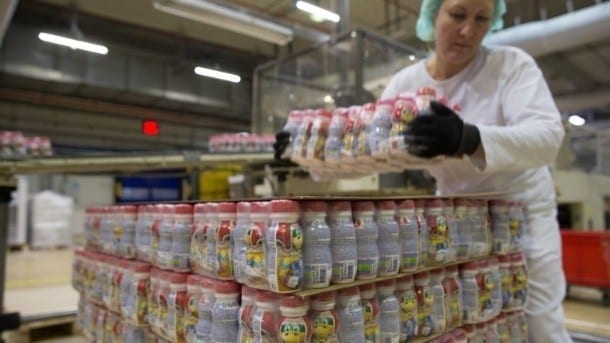
    Danone Waters China, a subsidiary of Danone Group, is tapping into the distribution network of China’s largest retailer and e-commerce giant JD.com as the French company expands its coverage of Southwest China.

    A shared warehouse will be built in Chengdu, the capital of China’s southwestern Sichuan province, that will store and manage inventory, merging Danone’s online and offline operations.

    “China is a market with both huge opportunities and major challenges when it comes to managing distribution across our many sales channels,” said Hanbin Lyu, vice president of Danone Waters China. The company has seven factories in China across six regions.

    Lyu said JD.com’s in-house logistics network and supply chain management technology would help Danone improve demand planning, inventory placement, warehouse and transportation management to increase efficiency across different sales channels.

    The Danone tie-up furthers JD Group’s push into the logistics business following the creation of JD Logistics earlier this year as a stand-alone business unit. JD operates China’s largest in-house fulfillment and last-mile delivery network with 405 warehouses.

    As part of the joint effort, JD will leverage its big data capabilities through the analyzing of billions of data points. The technology enables JD to help suppliers more accurately predict the ebb and flow of demand, and more efficiently manage stock. JD’s expertise in the area can help limit stock outs, waste, and higher logistics costs for last-minute replenishment that have traditionally plagued retail as a result of multiple layers of handling by a mix of third-party providers.

    “We believe our infrastructure and technology will benefit shippers and industries, including those that don’t sell directly on our platform,” said Wei Tang, vice president of logistics at JD. “Online retailers like JD can lead the way to more efficiency, transparency and reliability in commerce, benefitting both customers and suppliers.”

    A rapidly developing trend in China is the fast-growing demand for fresh products. During its Single’s Day promotion, JD.com sold over 20,000 tons of fresh products that included highly perishable items such as 500,000 tiger shrimp from Thailand and 2 million hairy crabs. There was also huge demand for Australian sirloin, Chilean frozen salmon, and Vietnamese base fish.

    The efforts in logistics are part of JD’s broader “retail as a service” strategy. As changing consumer demands force changes throughout global retail models, large-scale e-commerce companies are working on the development of an efficient and advanced supply chain.

    The need for efficiency is crucial to facilitate the growing cross-border e-commerce sales in China that are expected to reach $100.17 billion by the end of 2017, with the average spend per cross-border digital buyer at $882, according to eMarketer research. Average spend per buyer has increased because of growing awareness of overseas brands in China, as well as better logistics and the perception that foreign goods are of better quality.

    “The factors fueling the trend toward greater cross-border shopping are nothing new, as the average Chinese consumer is now more tech savvy, more exposed to foreign brands through overseas travel and the internet and, crucially, more willing to spend,” said Shelleen Shum, senior forecasting analyst at eMarketer.

    “With shopping sites such as TMall Global, JD Worldwide, and Kaola adding more brands to their offerings and improving cross-border logistics and processing times, there is an opportunity for foreign brands to tap into the demand for high-quality products, especially in categories like baby, maternity, health, and beauty.”