Category: General

Retail News Asia is committed to providing both local and global retailers with the latest General Retail news throughout the Asian market. This on a daily base.

  • Healey family to sell retail sites worth £144m

    Healey family to sell retail sites worth £144m

    Stadium Group, owned by the Healey family, has completed a conditional acquisition agreement with Ediston Property Investment Company (EPIC), which is based in Edinburgh.

     The sites, which are let to 23 tenants, include Kingston Retail Park in Hull, which has a market value of £25-30m, and Wombwell Retail Park in Barnsley, which has a market value of £10-15m.
    The value of all four sites nearly doubles Ediston’s portfolio to £317.6m.
    To fund the acquisition Ediston Property plans to raise £37m of capital by way of a new share issue.

    EPIC is currently trading at a marginal discount and the board is also increasing its annualised dividend by 4.5 per cent, to 5.75p per share.

    Stadium Group has agreed to subscribe for a maximum of £36.5m of new ordinary shares which will be subject to a 12 month lock-in.

    Ediston chairman William Hill said: “The board believes that acquiring the new portfolio will be accretive to the level of dividend cover and will provide a number of asset management opportunities which should enhance the income profile and the capital value of the group’s property assets.

    “There is a value play in retail parks as highlighted by low supply, good tenant demand and development potential all of which underpin future growth.”

    Retailing brothers Eddie and Malcolm Healey are the second wealthiest businessmen in Yorkshire with a collective wealth of £1.48bn, behind Robert Miller, the 84-year-old who co-founded the Hong Kong-based Duty Free Shop­pers chain of airport kiosks and is worth a total of £1.58bn.

  • Asia leads global retail growth

    Asia leads global retail growth

    Asia’s grocery retail market will be significantly boosted by a rising population and increased shopper spend, with consumer spending in the region accounting for nearly half of additional sales generated to 2022.

    Global growth will be driven by several factors including inflation, population growth and increased consumer spending on grocery products, IGD said.

    Key findings from IGD’s global grocery forecasts to 2022 include:

    • Asia’s grocery market will add US$1.2 trn in sales, which is more than Africa, Europe and Latin America combined, and will enjoy a compound annual growth rate (CAGR) of 6.6 per cent
    • With a CAGR of 4.2 per cent, Europe is set to benefit from the biggest increase in shopper spend, driven by countries in Central and Eastern Europe (CEE)
    • North America will add almost US$100bn to its grocery retail market by 2022
    • Latin America’s market will be dominated by Brazil and Mexico, accounting for nearly 10 per cent of sales

    Commenting on the latest forecasts, Jon Wright, head of retail Insight, IGD, said: “Our new global grocery forecasts reveal a positive outlook for the sector as we predict that most regions will experience faster growth to 2022 than forecast in 2016, representing excellent opportunities for retailers and manufacturers.

    “However, an awareness of the underlying causes of growth in each region is key. Despite it being set to experience the strongest uplift, growth in Africa’s grocery market will be primarily driven by inflation rather than increased consumer spend. The most attractive and sustainable growth opportunities are in markets where sales increase will be due to population growth or consumers spending more money – for example, Asia, Latin America and North America.”

    On Asia, Wright said: “With China, India and Japan all in our top five, Asia’s grocery market continues to be in rude health thanks to growing populations and shoppers with more disposable income. Innovations in this market also continue apace, especially in China, where retailers are experimenting to drive the online and convenience channels.”

  • Is Watsons ripe for a spin-off?

    Is Watsons ripe for a spin-off?

    Hong Kong billionaire Li Ka-shing’s business empire Cheung Kong has been able to get the best price when offloading some assets. For instance, the Centre, its Grade A office building, was sold for over HK$40 billion early this month on the back of soaring land prices. Some buyers offered about HK$30 billion late last year.

    When Cheung Kong planned to spin off its retail outlets including Watsons and Parknshop in 2013, the deal was shelved as the company was unhappy with the price. The wind has shifted in recent years, and leading brick-and-mortar retailers are becoming desirable again. Cheung Kong owns more than 14,000 outlets worldwide.

    On Monday, Alibaba said it would invest 22.4 billion yuan for a 36.16 percent stake in the top Chinese hypermarket operator Sun Art.

    Sun Art operates 446 hypermarkets across China. The deal marks the internet giant’s move into offline retail. Omnichannel is essential in offering the new retail experience. The transaction values Sun Art at 62 billion yuan, which roughly puts each hypermarket at above 100 million yuan.

    It’s worth noting how Alibaba will transform classic retail by integrating technology in order to provide a seamless online and offline experience to customers. In fact, the deal marks Alibaba’s latest acquisition of a traditional retailer after Suning Commerce, Intime Retail Group and Lianhua Supermarket.

    Nonetheless, we have yet to see any major reform in these newly joined partners, although customers can make payment with Alipay or collect online orders.

    It’s obvious that the retail experiment has to connect online and offline realms. Market players are still trying out the system. Amazon spent US$13.7 billion to acquire Whole Foods in August, but it has yet to start an overhaul of the latter’s 500 outlets. Currently, Amazon has designated one shelve in each Whole Foods store to sell Echo or Kindle, and move some of the goods in-store to the online platform.

    The deep-pocketed e-commerce giants are aggressively acquiring offline retailers. But it remains unclear who will be able to integrate online and offline realms successfully.

    Certainly, the traditional retailer with massive outlet network will become sought-after. Walmart, the world’s largest retailer, has shown that it can hold on its own in a challenging retail environment. Its share price has soared nearly 80 percent over the past 12 months, and the retailer’s market value tops US$300 billion.

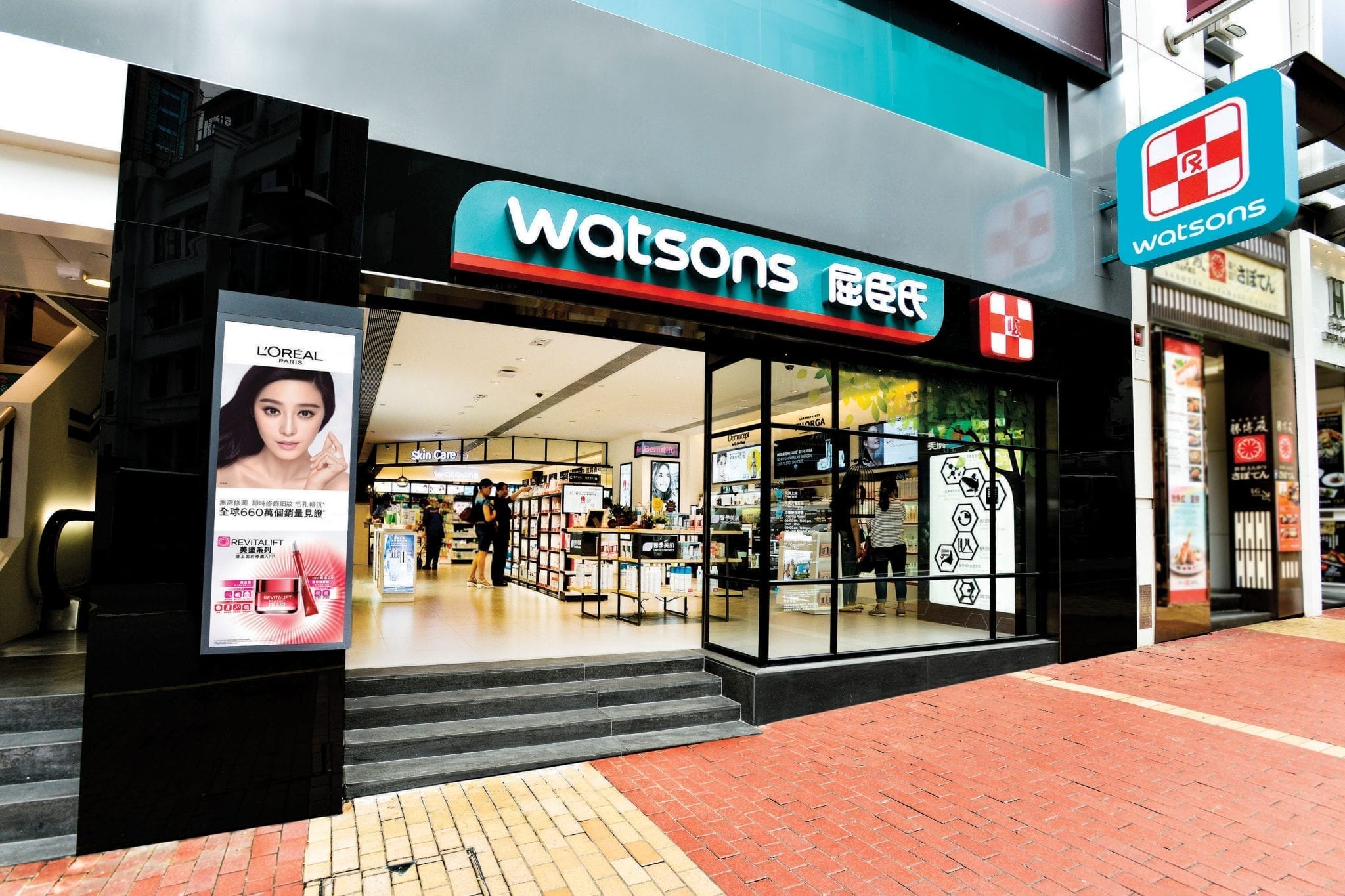
    In fact, Watsons Group is the world’s largest retailer in terms of the number of outlets. It operates more than 14,000 shops worldwide, including supermarkets and drug stores. Over 3,000 shops are in mainland China, and most of the rest are in Europe.

    Cheung Kong has put on hold a plan to spin off or sell the retail group after failing to fetch a good price in 2013. Back then, global offline retailers were struggling.

    The scale of Watsons is more than 10 times that of Whole Foods or Sun Art. And Cheung Kong would definitely try its best to get the best price. Therefore, it’s more likely that the conglomerate might cooperate with internet giants to leverage its massive network of offline stores.

    In September, CK Hutchison Holdings, Li’s flagship conglomerate, formed a joint venture with Ant Financial Services Group, an affiliate of Alibaba Group, to integrate online and offline Hong Kong dollar payments under the AlipayHK brand.

  • AirAsia opens new routes from Singapore to Medan and Padang

    AirAsia opens new routes from Singapore to Medan and Padang

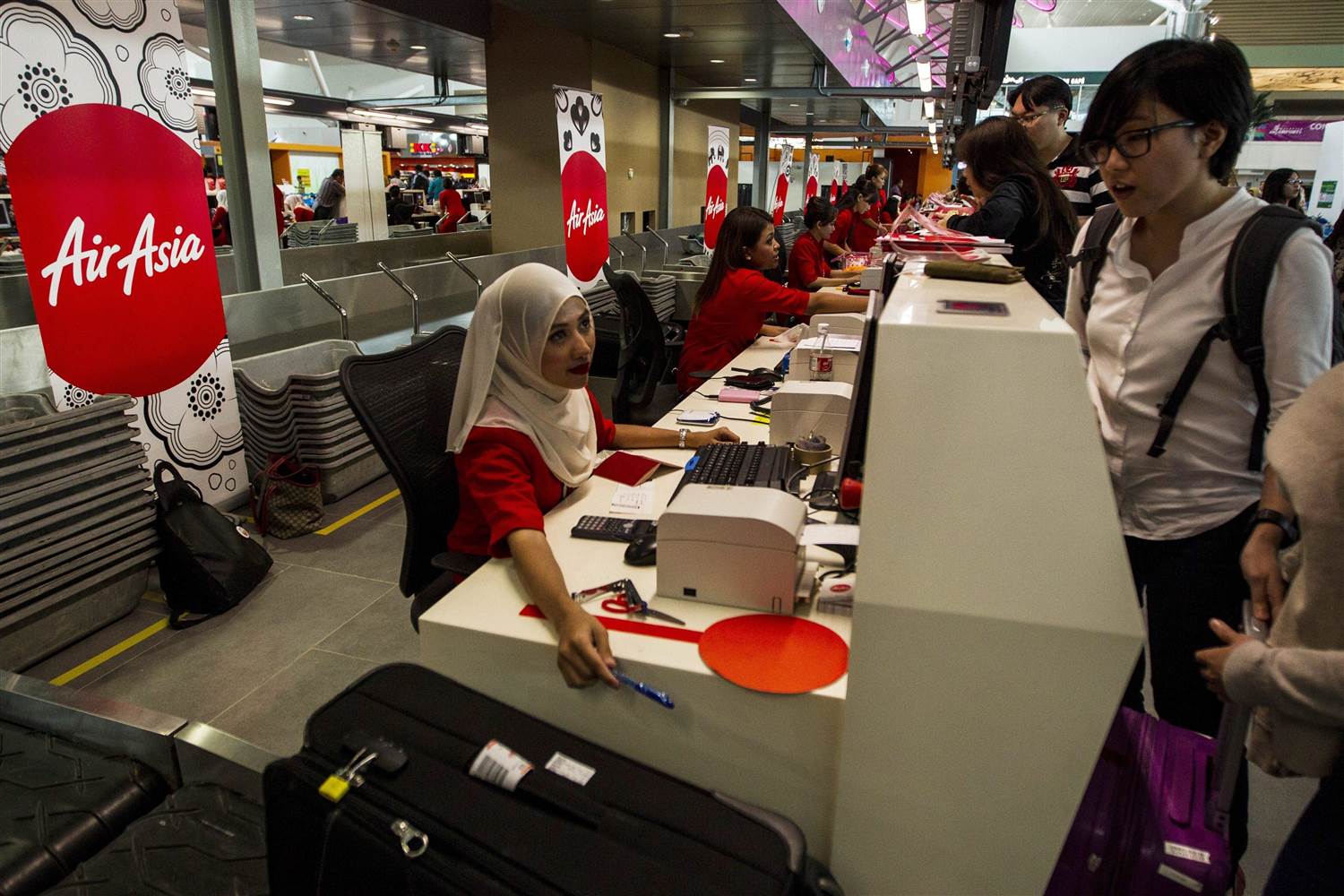
    Low-cost airline AirAsia is opening two international routes from Singapore to Medan and Padang, respectively.

    The new round-trip flights will be available on Feb. 9, 2018.

    “We are interested in opening [new routes] in Tourism Ministry’s 10 Priority Destinations. We are currently assessing Silangit, Padang, Belitung, Labuan Bajo and Raja Ampat,” told AirAsia Indonesia commercial director, Rifai Taberi.

    Each of these routes will have seven flights in a week (one flight per day) using Airbus A320 that has the capacity of 180 seats.

    The flight time from Medan to Singapore will be at 05:50 a.m. and arrive at 08:15 a.m. while the flight from Singapore to Medan will be at 12:35 p.m. and arrive at 01:00 p.m.

    For the Padang – Singapore route, the plane will depart at 09:40 a.m. from Padang and arrive in Singapore at 11:55 a.m. Meanwhile, the flight from Singapore will depart at 08:55 a.m. and arrive in Padang at 09:15 a.m.

    Promotional tickets for these new routes are priced at Rp. 479,000 ($35.38) for Medan – Singapore route and Rp. 599,000 for Padang – Singapore route.

    Moreover, AirAsia is re-opening the Jakarta – Medan route and will be available on Feb. 9, 2018 with a promotional price of Rp. 659,000. These promotional fares are for flights between Feb. 9 until Nov. 21 next year.

    With the new international routes, AirAsia will have seven routes that connect Singapore and Indonesia. For domestic flights, AirAsia currently travels to-and-from Jakarta, Bandung, Semarang, Yogyakarta and Denpasar.

  • Hello Cycling now can be found in 7-eleven

    Hello Cycling now can be found in 7-eleven

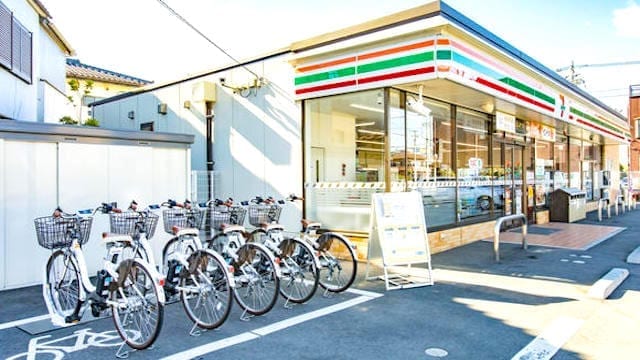
    Bicycle hubs are being rolled out at 7-Eleven Japan outlets in a partnership with the Hello Cycling bike-sharing business.

    The convenience store parent Seven & I Holdings has partnered with Hello Cycling, launched last year by tech company SoftBank Group and its subsidiary OpenStreet. Customers can rent and return bikes at the special 7-Eleven parking lots.

    So far the service is available at nine 7-Eleven locations in Saitama, north of Tokyo, with plans to have 5000 bicycles available at 1000 stores in the Tokyo metropolitan area and other cities by the end next year. There are about 20,000 7-Eleven stores throughout Japan.

    Hello Cycling members can search for bike-share stations and reserve bicycles via smartphone. If they register a transportation smart card, they can pick up bikes on the spot without a reservation. Payment can be made by credit card without entering the store, and bikes can be returned at any participating location.

    In February, 7-Eleven partnered with the Docomo Bike Share service, run by wireless carrier NTT Docomo, making about 150 bicycles available at 32 stores in Tokyo and elsewhere. The partnership will continue alongside the SoftBank service, which follows the Japanese debut of China’s Beijing Mobike Technology in August, with rival Ofo preparing to follow suit.

    Mercari, a Tokyo-based flea-market app company, also plans to break into bike-sharing early next year.

  • Vietnam’s richest man makes huge jump up global billionaires list

    Vietnam’s richest man makes huge jump up global billionaires list

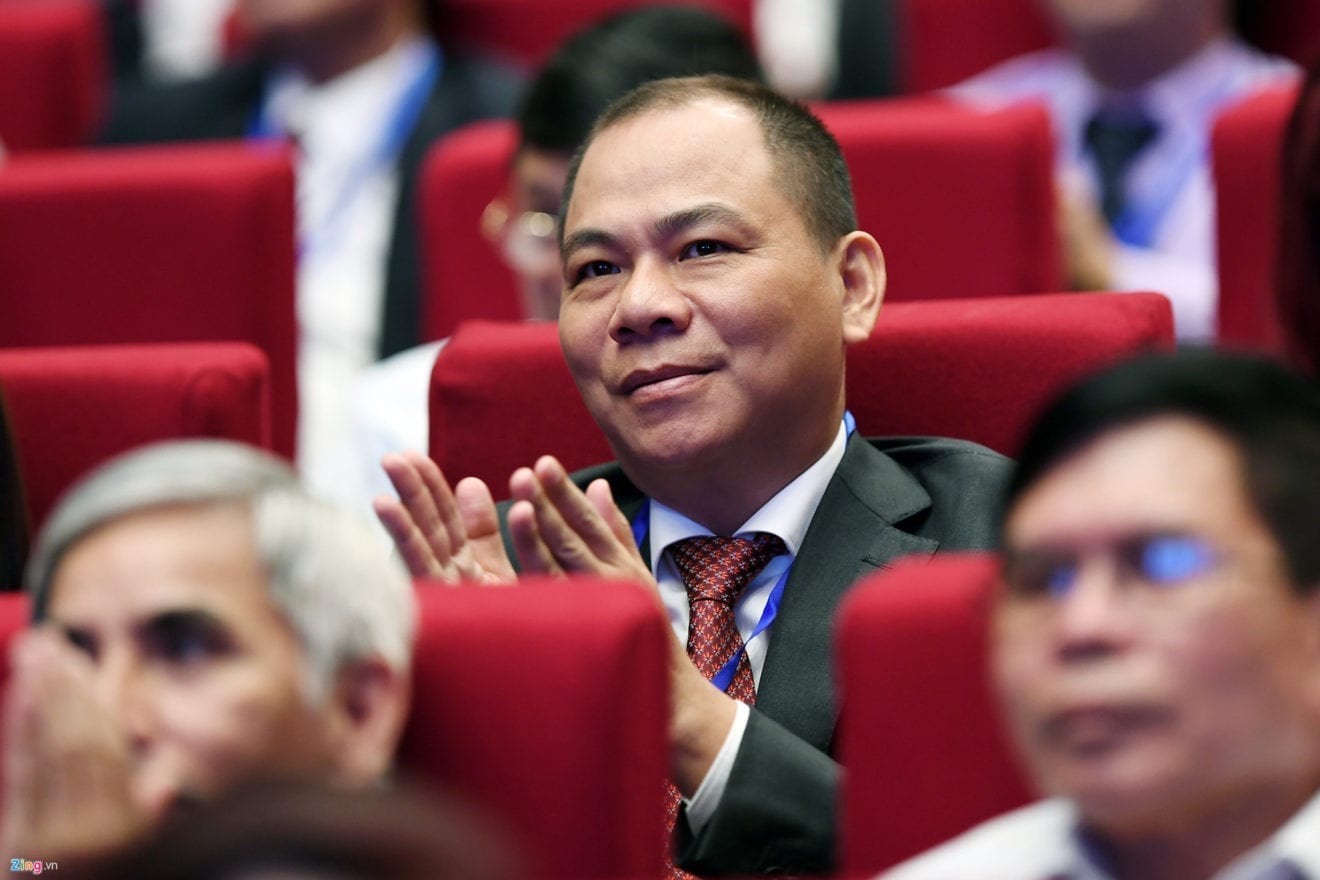
    Pham Nhat Vuong, Vietnam’s first billionaire and owner of giant conglomerate Vingroup, has leapt 97 positions to become the 543rd richest person in the world, released on Tuesday.

    The magazine’s real-time list of the world’s billionaires showed that Vuong’s assets had expanded by more than 14 percent to $4 billion in just 13 days.

    He’d already marked a milestone on November 8 by climbing 227 places in eight months to 640th on the list, with his net worth growing by more than $1 billion.

    His rise came following the IPO of Vingroup’s retail unit Vincom early this month, which was hailed as the biggest IPO debut ever in the country after raising nearly $709 million and valuing the mall operator at around $3.4 billion.

    Vingroup’s shares have also gained nearly 100 percent since mid-2017, closing at VND77,000 ($3.40) on Tuesday. Vuong, 49, owned more than a 27 percent stake in Vingroup as of June this year.

    Vingroup is one of Vietnam’s largest real estate conglomerates, and has been expanding rapidly into retail, logistics, agriculture, education and healthcare. As of the end of September, its subsidiary Vincom Retail was managing, operating and renting 41 shopping malls with a total area of over 1.1 million square meters (272 acres). It also has 22 projects under construction and another 50 in early development.

    Nguyen Thi Phuong Thao, the only other Vietnamese billionaire and owner of budget carrier Vietjet, now ranks 1,177th on the Forbes list with assets worth around $2 billion.

    At the top of the list are Amazon’s founder Jeff Bezos with a net worth of $94.9 billion, followed by Microsoft co-founder Bill Gates with $89 billion and Warren Buffet with $77.9 billion.

  • Alibaba to buy major stake in Taiwan’s RT-mart business in China

    Alibaba to buy major stake in Taiwan’s RT-mart business in China

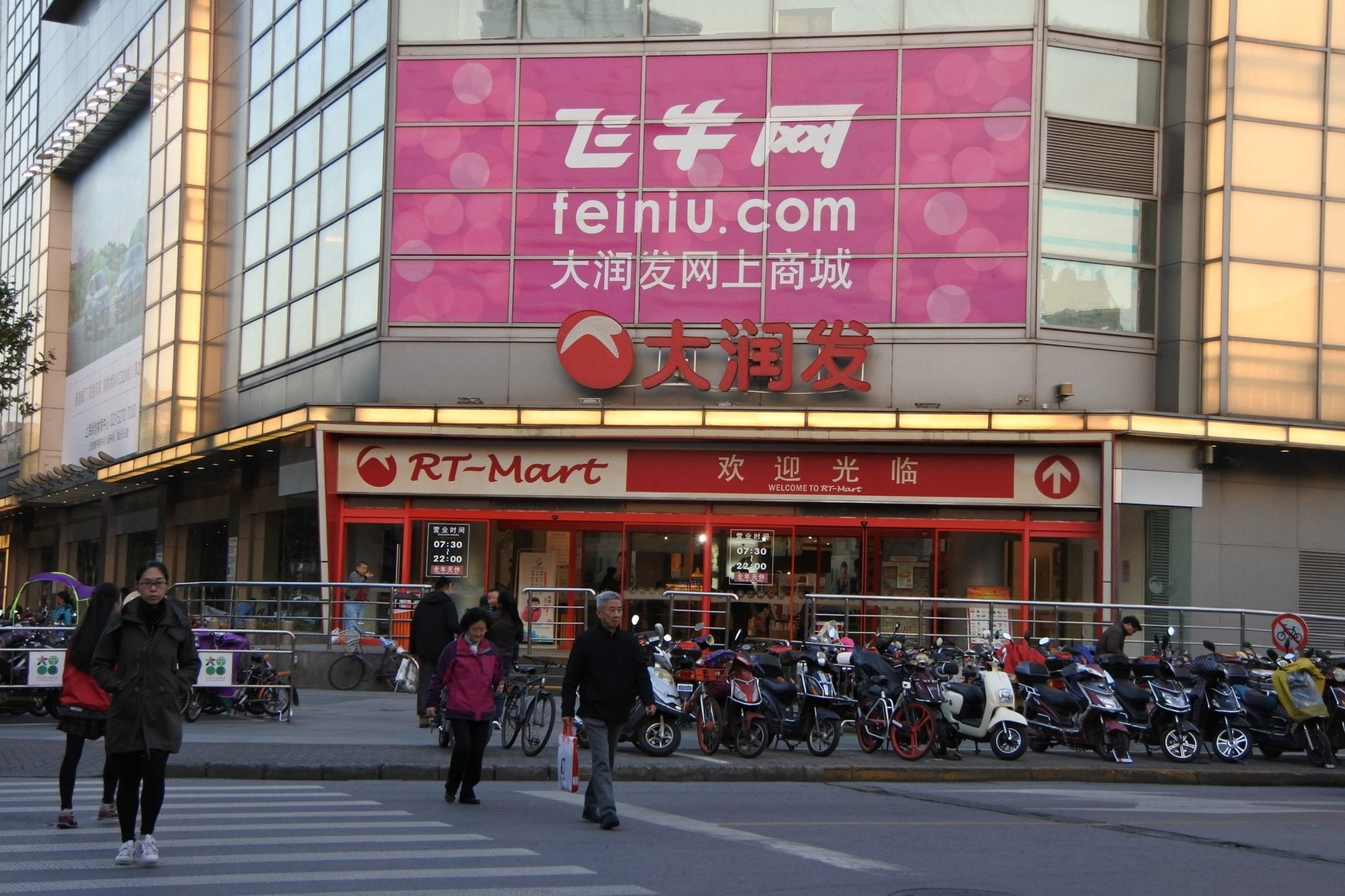
    Alibaba Group Holding Ltd., China’s biggest e-commerce company, agreed to acquire a stake in a hypermarket chain partly owned by the Taiwan-based company Ruentex Group in its effort to push into offline retail.

    Alibaba said on Monday that it would invest US$2.87 billion for a 36.16 percent stake in China’s top hypermarket operator, the Hong Kong-based Sun Art Retail Group, which operates more than 440 RT-Mart and Auchan stores in China, reported CNA.

    Under the agreement between the three companies, the deal would give French retailer Groupe Auchan, China’s Alibaba Group and Taiwanese conglomerate Ruentex 36.18 percent, 36.16 percent and 4.67 percent stakes respectively in Sun Art.

    According to Financial Times, the investment is the latest in a series of deals by Alibaba designed to blur the lines between online shopping and physical stores and explore new opportunities in China’s food retail sector.

    Ruentex, meanwhile, said the deal will help the three partners to create a strategic alliance in the retail market in China.

    Ruentex Vice Chairman Peter Huang said in a statement: “Ruentex is delighted to see the win-win collaboration between Sun Art and Alibaba with high synergies in online and offline that will meet the needs of consumers for a better life with better products and services and higher efficiency.”

    Ruentex Group is a Taiwan-based company principally engaged in the manufacture of textile products, the wholesales of commodities and investment businesses.

  • Global coal price hike could cost Vietnam $1.27 billion per year

    Global coal price hike could cost Vietnam $1.27 billion per year

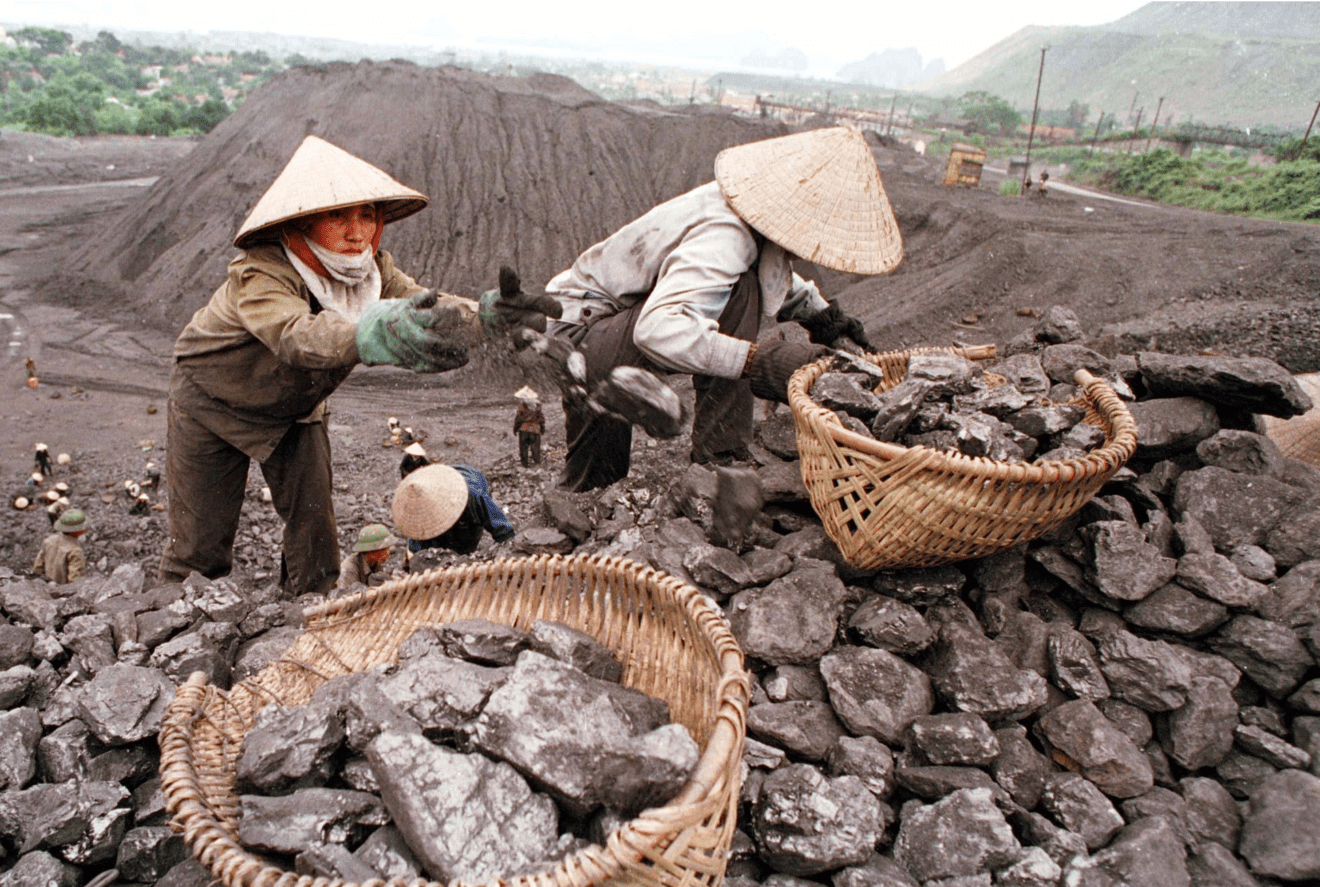
    The global price of coal has doubled since the beginning of 2016 and could result in Vietnam spending an additional $1.27 billion per year on the fuel by 2021, new analysis has revealed.

    The current market price of thermal coal has risen to $100 per ton, twice the amount recorded earlier last year, according to research from the Australia-based Institute for Energy Economics and Financial Analysis (IEEFA).

    Last year, Vietnam imported a net volume of 12 million tons of coal, a staggering increase of 131 percent against 2015, and the country’s net coal imports will stand at 35 million tons per year by 2021, according to the International Energy Agency (IEA).

    At current market prices, that would cost Vietnam $3.5 billion per year.

    Compared with projections made last year, which said Vietnam would have to spend $2.8 billion at a predicted price of $80 per ton, the country will end up spending an extra $1.27 billion every year on importing foreign coal by 2021, the IEEFA calculated.

    According to the institute, rising coal imports create commodity price and currency risks for Vietnamese electricity consumers that have a negative impact on the current account deficit.

    “The doubling of the coal price from $50 in January 2016 to almost $100 today is largely as a result of a Chinese policy aimed at an orderly coal market transition by maintaining a degree of profitability for domestic Chinese coal miners, while the central government forges ahead with an accelerating transition to clean energy. China is set to install 50 gigawatts of solar in 2017 alone, a global record for a single country in a single year,” it said.

    “The fluctuating market of 2017 illustrates the extent to which coal is a major threat to the health of the Vietnamese budget,” said Tim Buckley, director of Energy Finance Studies at the IEEFA.

    “For countries experiencing significant sustained economic growth, it also further validates the imperative to diversify Vietnam’s electricity sector generation base to incorporate more alternative sources of domestic supply, namely renewable energy infrastructure, which continues to see cost reductions of more than 10 percent every year,” he was quoted as saying in a statement released on Wednesday by the IEEFA.

    In Vietnam, which has switched from a coal exporter to a coal importer over the years due to overexploitation, the development of green-power projects has only just started and investors are still struggling due to low buying prices.

    The Ministry of Industry and Trade in September asked the government to raise the buying price for wind power in an effort to help investors cover high input costs.

    Tran Vinh Thong, an official from Thuan Binh Wind Power Joint Stock Company that operates a wind power plant in south-central Vietnam, told VnExpress in September that “the biggest problem about investing in wind farms is the low buying prices and the time it takes to recover the investment”.

    The ministry suggested that the price should be lifted to 8.7 cents per kilowatt-hour (kWh) for wind energy projects on land and 9.95 cents per kWh for offshore plants.

    Since 2011, the buying price for wind energy has stood at 7.8 cents for all land-based projects in Vietnam, with 6.8 cents paid by State-run power monopoly Vietnam Electricity (EVN) and the rest coming from the country’s Environment Protection Fund.

    For the country’s only offshore plant in the southern province of Bac Lieu, the current price is 9.8 cents per kWh.

    The total wind power capacity in Vietnam is predicted to reach 206MW this year, 456MW next year and 800MW in 2020.

    The country is trying to generate enough energy to sustain national growth and to connect the millions of people who still do not have access to power, while gradually shifting towards clean and low-carbon energy.

    Last year, the government revised down its output target for coal-fired power plants to 53.2 percent of the country’s total power generation by 2030 from the 56.4 percent previously projected.

    Vietnam is aiming to produce 10.7 percent of its total electricity through renewable energy by 2030, mainly through solar and wind energy, up from 6 percent as previously planned.

    Nguyen Anh Tuan, a senior energy official at the industry and trade ministry, told VnExpress in June that the government had raised the buying price for solar power from 7.8 cents to 9.35 cents per kWh, offered investors tax incentives and cut land use fees in an effort to reach this goal.

    He said investors in wind power projects will likely have the same incentives in the near future.

  • Japan’s FamilyMart to go to Outer Space

    Japan’s FamilyMart to go to Outer Space

    Japan’s FamilyMart is going to great heights for promotion – in fact, as far as space.

    The Japanese convenience store franchise is joining airline JAL as a sponsor for an artificial “shooting star” project that involves a satellite dropping pellets that will make a display as they burn up on re-entering the atmosphere.

    It will be a world first produced by Ale, a company founded and run by former investment banker and mother-of-two Lena Okajima, who has a PhD in astronomy. A trial run of its satellite will likely be held in 2019 over the Setouchi (Seto Inland Sea) area of Hiroshima prefecture.

    Its pellets will be designed to burn brighter and longer than natural shooting stars in a colour of the client’s choosing. The display, lasting between five and 10 seconds, will be visible within a 100km radius.

    For its “Shooting Star Challenge”, a satellite will be placed in orbit about 500km above Australia. From there it will release pellets toward Japan. These will take about 15 minutes to fall to a height of 60km above Setouchi and begin to burn. This part of Hiroshima was chosen as the test site for its popularity, scenery and clear skies.

    A single 60cm satellite is expected to hold up to 400 pellets, which it is hoped will last until the end of the craft’s year in orbit. As well as providing a pyrotechnic display, the project will also gather data on upper-atmosphere physics.

  • Singapore Q3 GDP Growth Seen Revised up on Exports Boon

    Singapore Q3 GDP Growth Seen Revised up on Exports Boon

    Year-on-year, third quarter final gross domestic product (GDP) was forecast to show growth of 5.0 percent, according to the poll’s median estimate of 11 economists, an improvement from the 2.9 percent growth for April-June.

    The data will be released on Thursday, November 23.

    “Growth prospects are getting brighter for the Singapore economy after two years of sub-par performance,” analysts at ANZ bank said in a research note to clients.

    Recent data pointed to a more broad based recovery for the city-state, dispelling previous worries that Singapore was too dependent on its tech products.

    Earlier on Friday, Singapore reported that its exports rose the most in 2-1/2 years in October, thanks to growth in both its electronics and non-electronics exports.

    “The composition of growth (in 2018) is going to be more balanced,” compared to that so far this year, said Credit Suisse economist, Michael Wan.

    Singapore and other trade-dependent Asian economies enjoyed a strong tailwind from improved global demand in the past year, particularly for electronics products and components such as semiconductors.

    “This year was more about exports, but as we move to 2018, you would see more support from things like retail sales and private consumption,” Wan said.

    The positive growth and inflationary impulse from the trade sector has raised the prospect of tighter monetary policy next year.

    The Monetary Authority of Singapore held policy steady last month but changed a reference to maintaining current settings for an extended period, a shift that analysts said created room for a tightening next year.

    “We expect the Monetary Authority of Singapore (MAS) to exit from their neutral policy stance at their October 2018 meeting,” ANZ analysts said.

    Reuters

  • Luxury first-class suites coming to Singapore Airlines A380s

    Luxury first-class suites coming to Singapore Airlines A380s

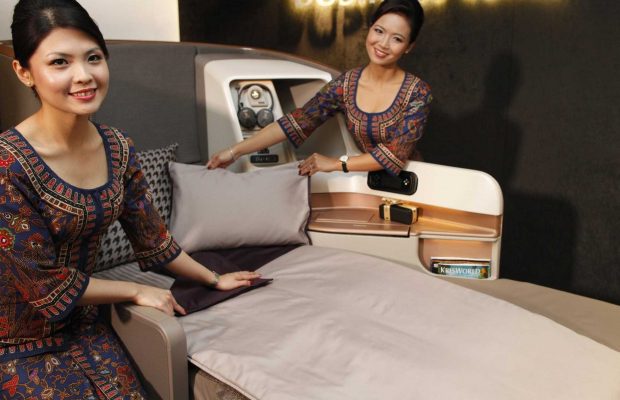
    Luxury suites are coming to Singapore Airlines’ fleet of A380s. Starting in December, the carrier will offer passengers the option of flying in six suites configured on the plane’s upper deck.

    “Intimate privacy” is how the the airline describes the suites in a news release. Each will feature a lie-flat bed and a leather chair, upholstered by Italy’s Poltrona Frau, that reclines too. This way you don’t have to deconstruct your bed if you want to sit up and read or work on your laptop.

    Amenities include a 32-inch monitor, a private closet, an amenity box to stow your small items, mood lighting and two lavatories, one with a vanity.

    The suites will debut in December on five new aircraft; 14 existing planes will be retrofitted with the suites. Price tag for the redesign of 19 A380s: about $850 million, the airline’s release said.

  • Non-retail business dents Metro Holdings

    Non-retail business dents Metro Holdings

    Despite a rugged first half, property development and investment group Metro Holdings has still managed positive results and has formed strategic partnerships in Indonesia.

    It had a net profit after tax of S$4.6 million (US$3.3 million) despite a net loss after tax of $13.6 million as the result of events not related to its retail developments.

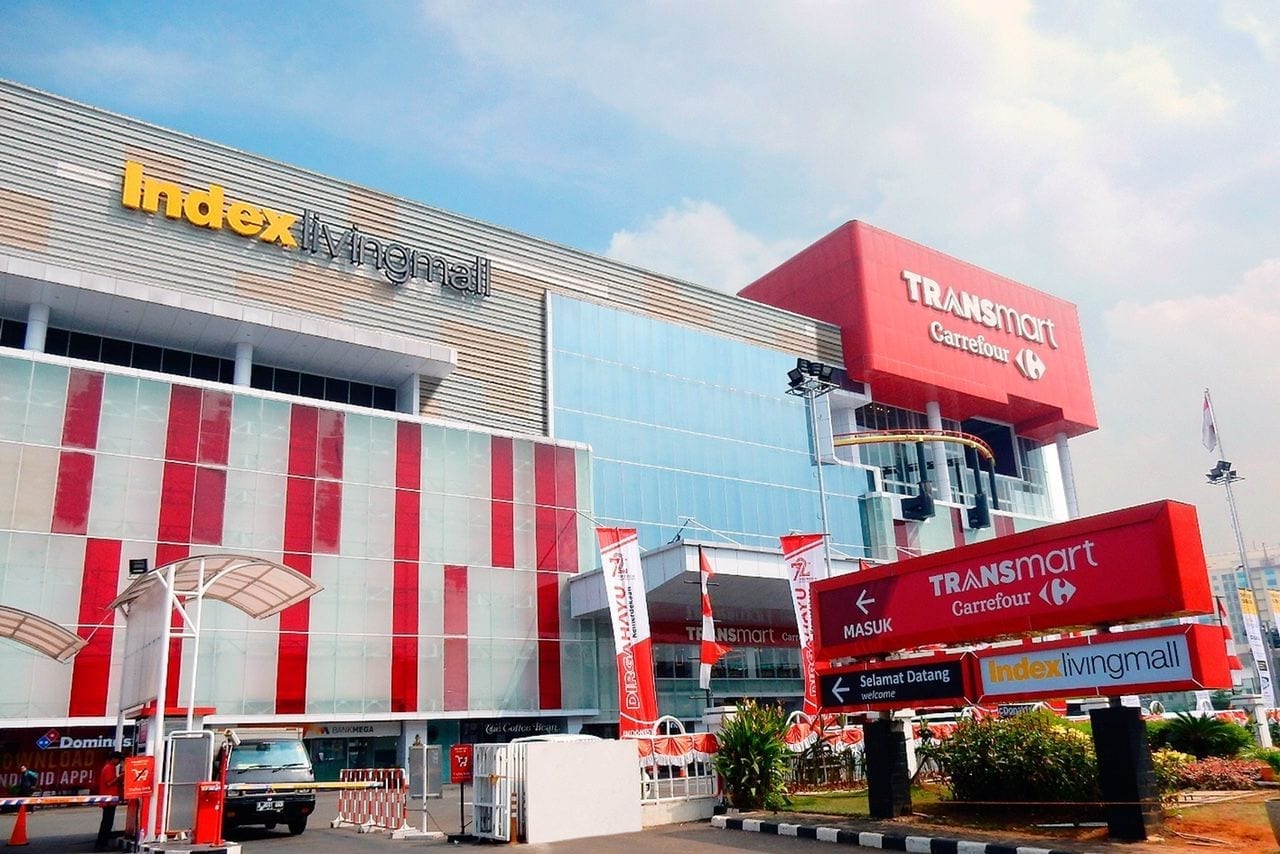
    Meanwhile, it is moving ahead with a IDR1.99 trillion (US$147.2 million) mixed project in Bekasi, Jakarta. For the retail component it is partnering with Trans Corp, while Lee Kim Tah Group will handle the residential side.

    Trans Corp will develop its trademark Transmart mall with a gross floor area of about 30,485sqm, including department stores, supermarkets and cinemas, as well as a theme park in conjunction with Kidcity and Snow Town.

    Metro chairman Winston Choo says the group has worked with Trans Corp since it took an initial stake in Metro Indonesia in 2008 to run Metro’s retail department store business.

    Metro’s retail arm runs three Metro department stores in Singapore and another nine in Indonesia.

  • Customs service’s estimated revenue to double in 2018

    Customs service’s estimated revenue to double in 2018

    The estimated revenue of South Korea’s customs authorities is projected to more than double next year due to a surge in licensing fees for duty-free shops, a report said.

    According to the report by the National Assembly and related government agencies, the Korea Customs Service’s estimated revenue stands at 97.8 billion won (US$87.3 million) for 2018, up 118 percent from this year’s 44.7 billion won. The estimate includes fines, forfeits, additional charges and other income.

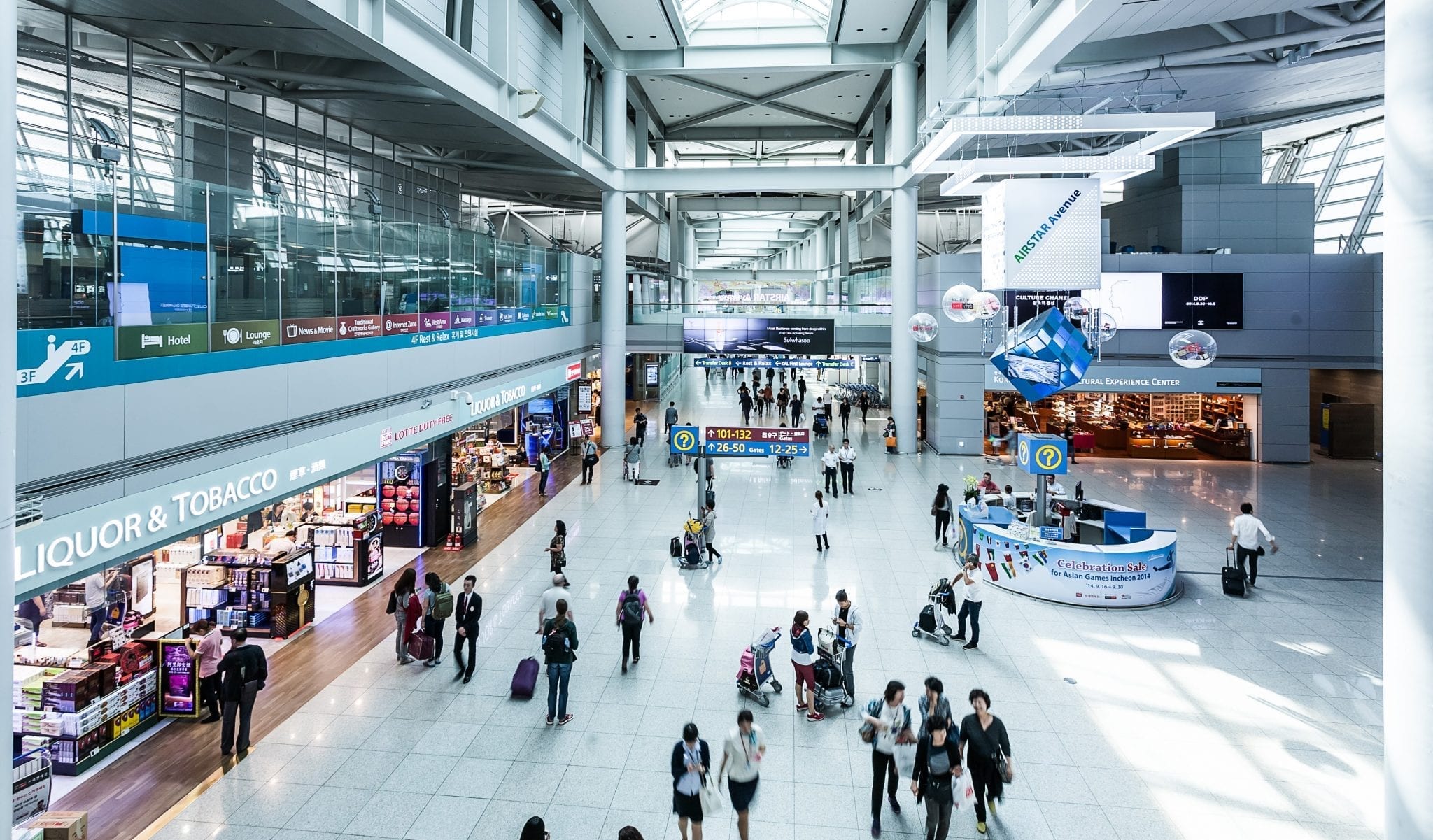
    The main reason for the sharp rise is an up to 20-fold increase in the licensing fees for duty-free stores, which accounts for 60.5 billion won, or 61 percent of the total.

    Last year, the government revised a related law to jack up the fee, which had been under fire for being too low and giving big favors to operators.

    Coveted by large companies, local duty-free shops had been called the goose that lays the golden egg before they took a big hit from a diplomatic row between South Korea and China over the deployment of an advanced US missile shield here in 2017.

    The government periodically selects duty-free operators after a close scrutiny of aspirants and has pledged to overhaul the selection system to root out any wrongdoing following irregularities during the government of ousted President Park Geun-hye.

    The sharp increase in licensing fees is said to have helped eliminate room for excessive favors but has come as a double whammy to duty-free shop operators hit hard by the tumble in the number of Chinese tourists.

    The missile defense row, which led to Beijing’s ban on group tours to South Korea, has dealt a harsh blow to local duty-free shops and department stores, as Chinese tourists were their key customers.

  • Target US is recovering, slowly

    Target US is recovering, slowly

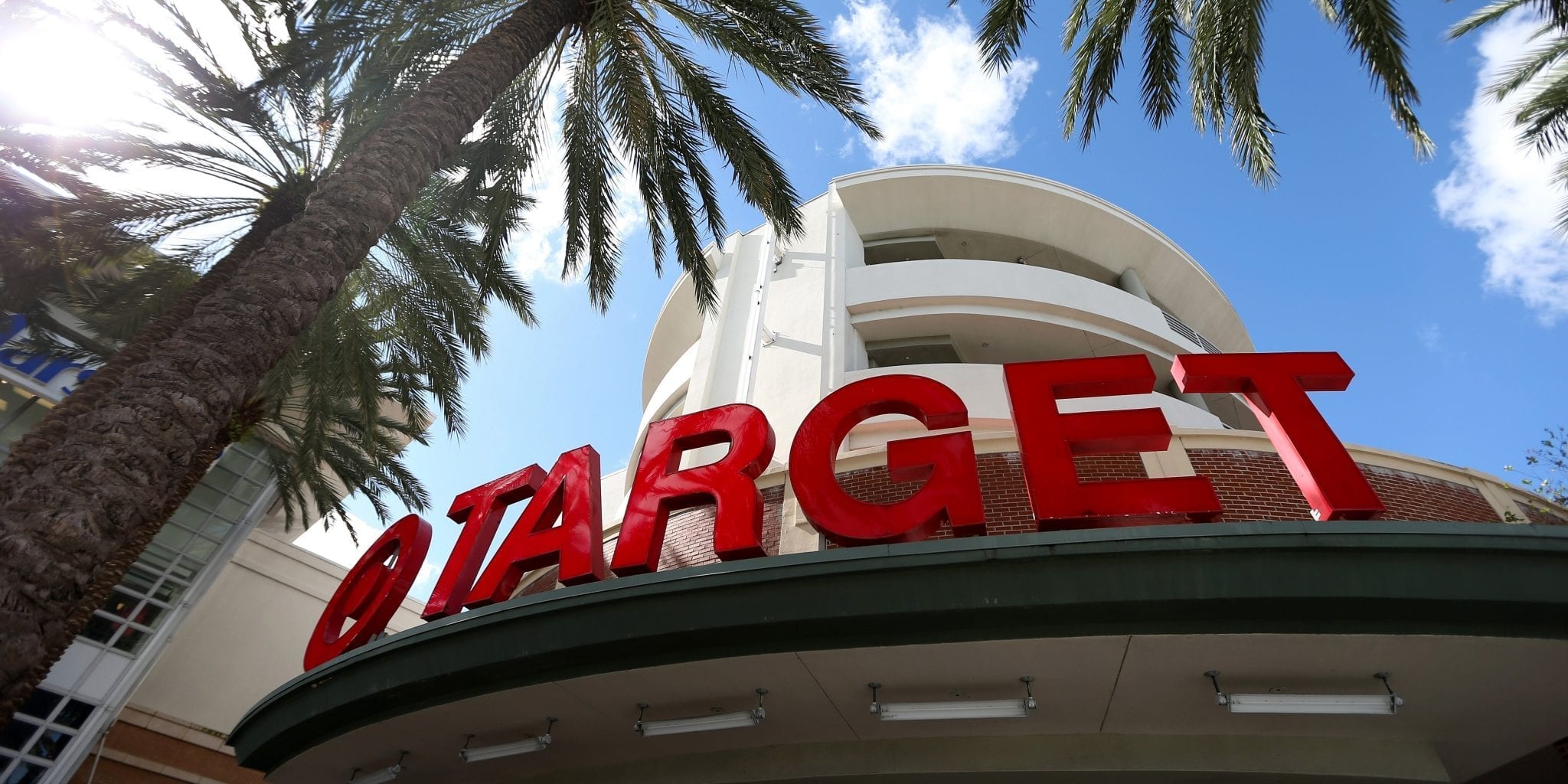
    With both total and comparable sales in positive territory, the latest results from Target US are undoubtedly another step in the right direction.

    Unfortunately, the pace at which the company is moving is slow, as attested to by the modest 0.9 per cent increase in same-store sales. It has also cost the company a great deal to travel even this short distance, with both operating profit and net income down sharply over the prior year. Sales reached US$16.67 billion in the quarter.

    All of this raises two questions. Is Target US on the right track? And, is the effort and expense of the company’s turnaround worth the potential reward? The answer to both queries is yes, albeit with some reservations.

    On the expense question, it is a fact that no retailer of Target’s scale and size can implement a quick turnaround in today’s retail market. The process of reinvention takes time, effort and money – all of which have to be expended before any eventual rewards are reaped. In Target’s case, pressure on the bottom line has come from increased staffing costs, lower prices, and improvements to stores and products. In our view, these things should not be seen as costs, but as investments in the future of the company. Without them, Target’s future would be bleak.

    The second question flows from this. If Target US needs to invest, is its current strategy going to deliver? Over the past few months, GlobalData Retail has undertaken extensive analysis on Target’s reinvention process, visiting new and refurbished stores, analysing sales patterns, surveying shoppers, and talking to staff. From this, we conclude that Target is making the right moves. However, we also recognise that there is room for improvement.

    One of the most significant blocks of investment is that directed at store refurbishment. Here, Target is completely reinventing the in-store experience by creating a more open format with improved visual merchandising and a more logical layout. Decor, fixture design, lighting, and signage are also being upgraded. The early results of this process are positive. A store like Talking Stick in Arizona has gone from being a dingy, down-at-heel shopping experience to an attractive, modern space which is pleasant and comfortable to shop.

    GlobalData Retail’s customer survey responses show shoppers have both recognised the transformation and are positive about it. Customer satisfaction for Talking Stick customers, for example, rose significantly after the conversion. Metrics like frequency of shop, amount of time spent in the store, and average basket size are all rising. However, they are doing so at a gradual pace which suggests the return on the improvement expense will only accrue over time. This is one of the reasons why store only comparables increased by a meager 0.1 per cent, with the rest of the increase coming from the digital operation.

    Brand direction

    Just as store improvements have been welcomed by customers, so too have Target’s new own brands. In apparel, Goodfellow & Co and A New Day are gradually attracting the attention of younger, fashion-conscious shoppers and clearly Target is starting to see better clothing sales as a result. However, this process is gradual: it is taking time to persuade people who have never bought clothing at Target to look again at the offer.

    One slight concern with the new brands is the execution in store, especially for the Project 62 home label. As much as the styling and positioning are solid, the assortment available in most shops is limited, and the way in which it is merchandised is poor. It is almost as if Target lacks the confidence to push this range heavily. Target needs to be bolder with these new brand assets if it is to attract more customers and improve sales.

    Pricing has been another area of expense, especially on the grocery side of the business. As much as this has helped to drive some sales, Target still lacks a comprehensive food strategy. This part of the operation will not see significant traction until Target comes up with much clearer points of differentiation – something that appears to be a long way off.

    As much as Target is making progress, we believe it needs to be bolder and more creative. Many legacy issues, such as a lack of stock control which leaves frequent gaps on shelves, also need to be resolved.

    All that said, the company is now in a much stronger position than it was at this time last year which bodes well for the holiday quarter and beyond.

  • Korean retailers shifting to ASEAN from China

    Korean retailers shifting to ASEAN from China

    Lotte, Shinsegae and other retailers in Korea have been shifting their focus to Southeast Asia as it has become difficult to conduct business in China amid deteriorating Korea-Sino ties.

    The increasing number of middle-class consumers in Vietnam and other countries has also encouraged the retailers to establish a larger presence in the rapidly-growing region.

    The exodus from the Chinese mainland has been accelerating as the Chinese government shows no signs of easing economic retaliation against Korean firms and their products because of Seoul’s decision to deploy a Terminal High Altitude Area Defense (THAAD) battery here.

    Of the Korean retailers, Lotte Group has engaged most actively in the Southeast Asian markets, pushing ahead with its plan to carry out multi-complex construction projects in Southeast Asia as the group’s new growth engine.

    Lotte Mart, the hypermarket brand of the nation’s largest retailer, is currently operating 45 stores in Indonesia and 13 in Vietnam, industry sources said. It will also open another store in Lampung Province, Indonesia, in December 2017.

    In September 2014, Lotte built the Lotte Center in Hanoi, Vietnam. The 65-story multi-complex offers the group’s various shopping and accommodation brands, including Lotte Department Store, Lotte Mart and Lotte Hotel.

    Lotte is building a large-size shopping mall with a gross floor area of 200,000 square meters in Hanoi, with completion scheduled for 2020. It is also reviewing its plans to invest about 2 trillion won (US$1.74 billion) to build another 100,000-square meter multi-complex in Ho Chi Minh City.

    Lotte Duty Free, the group’s duty free store affiliate, has also recently entered Vietnam. It partnered with a local retailer to establish the Phu Khanh Duty Free at the Da Nang International Airport, and the company official said it has a similar plan to open business in other major cities in Vietnam.

    Shinsegae Group’s discount chain brand E-Mart is also shifting to Southeast Asian markets.

    It has officially announced its exit from the Chinese market, and chose Vietnam as its new overseas growth engine. E-Mart opened its first store in the Go Bap area of Ho Chi Minh City, in December 2015, and is planning to open its second store in the city soon.

    The E-Mart Go Bap store recorded 41.9 billion sales the previous year to exceed its sales target by 20 percent. Its sales performance also marked 25.8 billion won during the first half of this year, up 27.5 percent from the same period the previous year.

    It signed an MOU deal with Ho Chi Minh City last year to invest $200 million in September, and an E-Mart official said it will enter Laos, Indonesia and Cambodia soon.

    GS Retail, the nation’s convenience store brand is also entering Southeast Asian markets.

    GS Retail, which operates the GS25 convenience store chain, has recently established a joint venture with Vietnamese SonKim Group. Taking 30 percent in shares, GS Retail plans to open its first store in Ho Chi Minh City.

    GS Retail opened its first GS Supermarket in Indonesia in October 2017.