Category: General

Retail News Asia is committed to providing both local and global retailers with the latest General Retail news throughout the Asian market. This on a daily base.

  • Singapore retail sales rise 3.7 per cent in August

    Singapore retail sales rise 3.7 per cent in August

    Real Singapore retail sales – those excluding motor vehicles – rose by 3.7 per cent in August, compared with the same month last year.

    Compared with July, they fell by 1.2 per cent.

    Adding motor vehicles into the data, August sales rose by 3.5 per cent year-on-year and eased 0.3 per cent month-on-month.

    Statistics Singapore estimates total retail sales in August at $3.7 billion, higher than the $3.5 billion in August last year.

    Sales by petrol service stations, department stores and supermarkets and of recreational goods, medical goods and toiletries, apparel and footwear, computer and telecommunications equipment and furniture and household equipment rose between 2.8 per cent and 9.5 per cent in August.

    In contrast, retail sales of optical goods and books and watches and jewellery, and sales by food retailers, mini-marts and convenience stores, fell by between 0.4 per cent and 4.1 per cent.

    Sales of food & beverage services increased 3.7 per cent in August 2017, year-on-year, to $729 million.

  • Vietjet and Qatar Airways sign Interline Agreement

    Vietjet and Qatar Airways sign Interline Agreement

    Vietjet recently announced a two-phase interline partnership with Doha – based Qatar Airways. The first phase which came into effect this September will enable Qatar Airways’ passengers to travel to and from points in Vietnam and in Taiwan served directly by Vietjet; the next phase will soon allow Vietjet’s passengers to fly to more than 150 points around the world served by Qatar Airways using a single reservation system that serves both airlines’ networks.

    Qatar Airways Group Chief Executive, Mr. Akbar Al Baker, said: “We are delighted to welcome Vietjet to our growing roster of interline partners as they allow us to provide a more seamless experience for our passengers. The new agreement with Vietjet will offer our passengers even more choice, providing them an easy connection in Ho Chi Minh City or Hanoi before transferring to their Qatar Airways flights.”

    Vietjet Vice President, Ms. Nguyen Thi Thuy Binh, said: “This partnership is a pillar of Vietjet’s strategy to diversify our services with an aim at offering our passengers travel opportunities to points all over the world. We will continue to partner with other airlines based on advanced technology platforms to better benefit our passengers.”

    Qatar Airways is commencing two non-stop operations connecting Hanoi and Ho Chi Minh City with Doha with frequencies of double daily flights and ten weekly flights, respectively.

    Previously, Vietjet and Japan Airlines agreed to codeshare/interline on their flights between Japan and Vietnam, their domestic services and their flights between Vietnam and other Asian countries. The two carriers also cooperate in various areas including a frequent flier partnership, aircraft operations and maintenance, and ground handling services and training.

  • Supermarket marches out machines for VendMart

    Supermarket marches out machines for VendMart

    In a double pop-up, supermarket chain Giant has clustered 17 vending machines at its new VendMart outlet at Tampines, with another five at its IMM branch in Jurong.

    On trial until the end of the year, the cash (and cashless) machines mainly offer food and snacks but also grooming products, toys and beauty items.

    For the hungry, the machines offer ice cream (picked up by a claw crane, from Happy Ice), salted egg prawn tempura popiah (from Mr Popiah), Japanese canned oden (Ninja Oden), healthy snacks (BoxGreen), herbal teas (JuicyFresh by Royal Vending) and pizza by the slice (Shiok Pizza).


    There are toys from Star Wars and the DC and Marvel comics franchises, from Tenacity Toys, while Bus Carnival offers the chance to scoop up soft toys with a claw.

    Other vending machines dispense more unusual items such as men’s grooming products by SGPomades, halal items such as teas, essential oils and headscarves by Vibes Mastery, DIY gardening kits and seedlings by Farmily, and even fish food by Dajana.

    Giant has  also created its own $10 “mystery box” vending machine with such catches as shopping vouchers, household appliances and kitchen gadgets – plus one lucky person will go home with a new iPhone 8.

    Most of the brands on display are local start-ups, and if the response is good the vending machines may have their stay extended to Chinese New Year.

  • Cebu Pacific ushers in surfing season with direct Manila-Siargao flights

    Cebu Pacific ushers in surfing season with direct Manila-Siargao flights

    An island with lush forest covers, trimmed with fine white sand and a crown of gleaming blue waters—Siargao is indeed another gem in the Pearl of the Orient that both surfers and beach bums dream about. And as more travelers chase the breathtaking giant waves of Siargao, this island paradise becomes more within reach with Cebu Pacific’s special additional flights to the Surfing Capital of the Philippines.

    Starting December 17, 2017, up until March 24, 2018, the Philippines’ leading carrier will be flying direct between Manila and Siargao, six times a week. For as low as PHP2,370, vacationers from the country’s capital may leave the hustle and bustle of the Metro and fly in to Siargao’s haven of cozy resorts and warm and hospital locals.

    Perfect for backpackers and adventure enthusiasts, the island of Siargao boasts of exciting roads that lead to many different spots for a quick dip, snorkeling, sight-seeing and world-class surfing. Traveler favorites are the famed Cloud 9 and General Luna, where beginners learn to paddle then stand on a board, and pro-surfers get to hang ten.

    Nearby islets like Guyam, Daku, and Naked Islands also draw a crowd for an unbridled experience of nature in the South. In these parts, travelers can discover Siargao’s natural heritage and the various facets of local culture as it evolves with the foreigners who now call the island their home.

    The island also boasts of an effervescent food scene and night life, enriched by the fusion of local and foreign influences. With fresh catch of seafood and baskets of fruits readily available in the destination and the positive outlook in the community, Siargao serves the most delectable and satisfying experience from dusk to dawn.

    “There is a clear surge of interest in Siargao, and we’ve seen its great potential for tourism since we began offering flights in 2009. With our special direct Manila-Siargao flights, we are positive that more tourists will discover what Siargao has to offer. Cebu Pacific is glad to make it easier for everyJuan to visit this dreamy island paradise more often, where surfing and sustainable living are a way of life,” says Alexander Lao, President and CEO of Cebgo.

    Aside from Manila, Cebu Pacific also flies direct to Siargao from Cebu twice daily, with the lowest year-round fare of PHP 2,104. Travelers also visit the island by taking a connecting flight from Manila via Cebu to Siargao.

    Discover the mesmerizing beauty of Siargao, the elusive coast for surfers and beach lovers, by flying in with Cebu Pacific. Checking in sports equipment like surf-boards are also available in these flights, and can be added to flight bookings up to four hours before scheduled times of departure.

  • LuLu Group may invest in Philippines

    LuLu Group may invest in Philippines

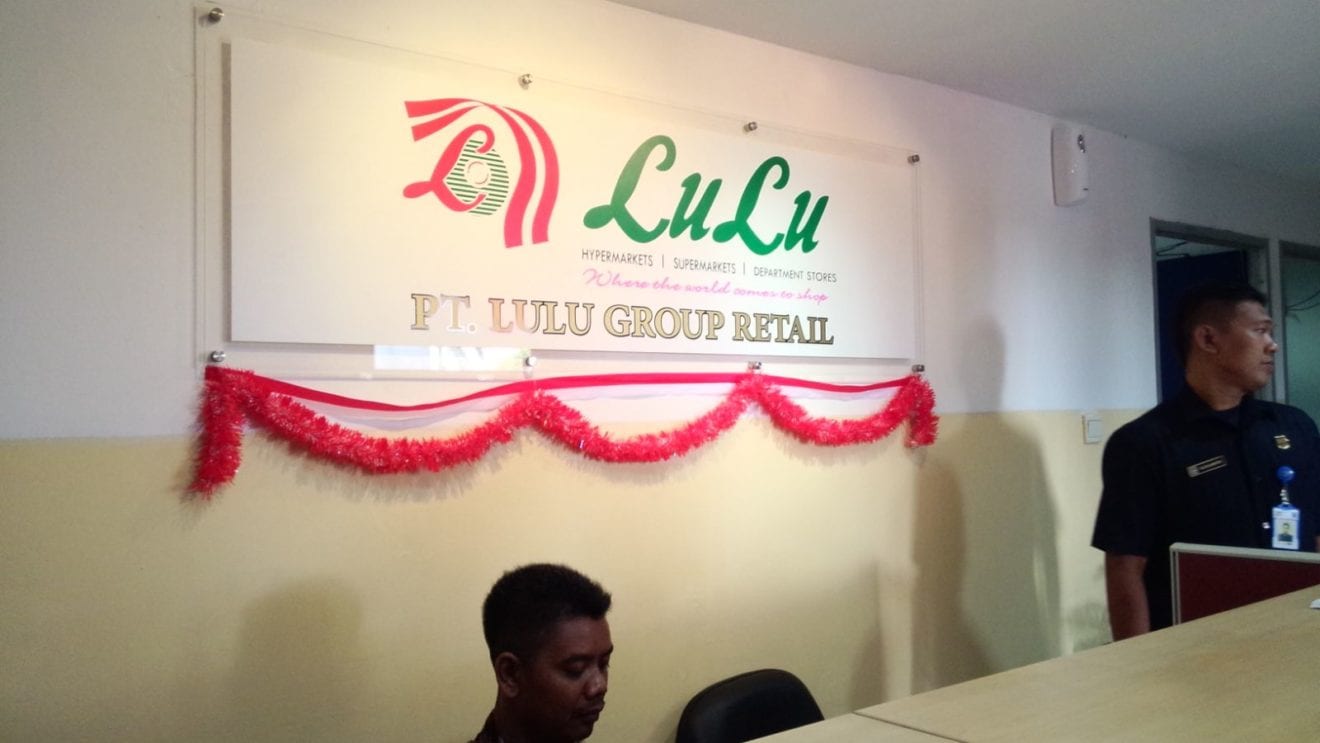
    Supermarket chain LuLu Group, based in Abu Dhabi, has been looking at investment opportunities in the Philippines.

    It is part of its plans to expand in Southeast Asia, says director general Charito Plaza of the Philippine Economic Zone Authority (PEZA), following a visit from LuLu Group executives. Initially it aims to establish a warehouse for food products it will export to the Middle East and other markets where it has a presence. It has 138 retail stores in 21 countries.

    “They will be building in Malaysia and Thailand, then also in the Philippines,” says Plaza.

    She says the group will be setting up warehouses and seeking to grow vegetables and other crops, as well as establish food-processing factories. The LuLu delegation visited an economic zone in Angeles, Pampanga, as a possible warehouse site.

    Aside from this, the group is also thinking about building malls and supermarkets in the Philippines.

    Plaza says Qatar is also looking at sourcing food products from the Philippines.

  • Consumers get their mojo back

    Consumers get their mojo back

    Consumers appear to have a spring back in their step, which will be a welcome relief to retailers after the recent run of poor household spending figures.

    The Westpac-Melbourne Institute consumer sentiment index jumped 3.6 per cent in October to its highest level in a year and for the first time since November 2016 showed optimists outnumber pessimists.

    Releasing the survey on Wednesday, Westpac chief economist Bill Evans said this welcome boost is consistent with an improving global economy, less concern over a rise in interest rates because of heated house prices and strong employment gains.

    Data last week showed retail spending in August dropped for a second month a row, posting the worst performance in seven years.

    Commonwealth Securities chief economist Craig James said in the space of two months consumer confidence has gained over six per cent.

    “Consumers are getting their mojo back,” he said.

    However, the International Monetary Fund’s latest World Economic Outlook brought both good and bad news on the economic outlook.

    While it has upgraded its global growth forecasts again, bad weather events have meant Australia has failed to live up to its earlier expectations.

    IMF economic counsellor Maurice Obstfeld says the global recovery is continuing and “at a faster pace”.

    “We see an accelerating cyclical upswing boosting Europe, China, Japan and the United States, as well as emerging Asia,” he said.

    The Washington-based institution now expects the world economy to grow by 3.6 per cent this year and 3.7 per cent in 2018, both 0.1 percentage points higher than previously predicted in July.

    That compares with 3.2 per cent growth in 2016.

    By contrast, the IMF expects economic growth in Australia to slow to 2.2 per cent in 2017 compared to 2.5 per cent in 2016 – a downgrade from its previous prediction of 3.1 per cent.

    “Growth is expected to soften temporarily to 2.2 per cent in Australia, where housing investment and mining exports in the first half of the year were undermined by bad weather,” the report says.

    National Australia Bank senior economist David de Garis thought that forecast was a “little low” and is below his bank’s 2.5 per cent prediction.

    It also falls to the lower end of the Reserve Bank’s two to three per cent forecast range for this year.

    The IMF expects the economy to grow by 2.9 per cent in 2018.

  • Cebu Pacific honors 20% discount for senior citizens

    Cebu Pacific honors 20% discount for senior citizens

    Gokongwei-led budget carrier Cebu Pacific upgraded its systems to implement the 20% discount on domestic flight tickets for senior citizens and persons with disabilities (PWDs), even for bookings made online.

    The discount comes on top of the exemption from 12% value-added tax (VAT) provided by the government.

    Senior citizens and PWDs who book Cebu Pacific domestic flights, whether via ticket offices, online through the airline’s website, or through the mobile app, will now see the discounts reflected in the base fare.

    “Through this system upgrade, we hope to be able to better serve the traveling public and make it easier for our senior citizens and PWDs to avail of the discounts,” said Cebu Pacific vice president for corporate affairs JR Mantaring in a statement on Friday, September 22.

    “We also recognize the efforts of the House committee on transportation, the Department of Transportation, and the Civil Aeronautics Board in drafting these guidelines that would govern the granting of discounts for senior citizens and PWDs on online transactions as these have been seen growing exponentially over the past years,” he added.

    The 20% discount offered to seniors and PWDs is for airfare only and does not include other services such as food, baggage allowance, and seat selection.

    Steps to follow

    In order for eligible passengers to obtain the discounts through online booking, Cebu Pacific said they need to input their details, including their birthdate or the number stated on their identification cards (senior citizen’s ID or PWD ID).

    The total discounted amount can then be found both in the “booking summary” portion of the website, as well as the “fare breakdown” or “payment details” portion of the itinerary receipt.

    Upon check-in, passengers who obtained the discount are required to present their senior citizen’s ID or PWD ID.

    Passengers who do not have those IDs may also present other valid government-issued IDs that show their nationality and birthdate, such as their passport, driver’s license, voter’s ID, SSS/GSIS ID, PRC card, or postal ID.

  • Paragon parent reports full occupancy

    Paragon parent reports full occupancy

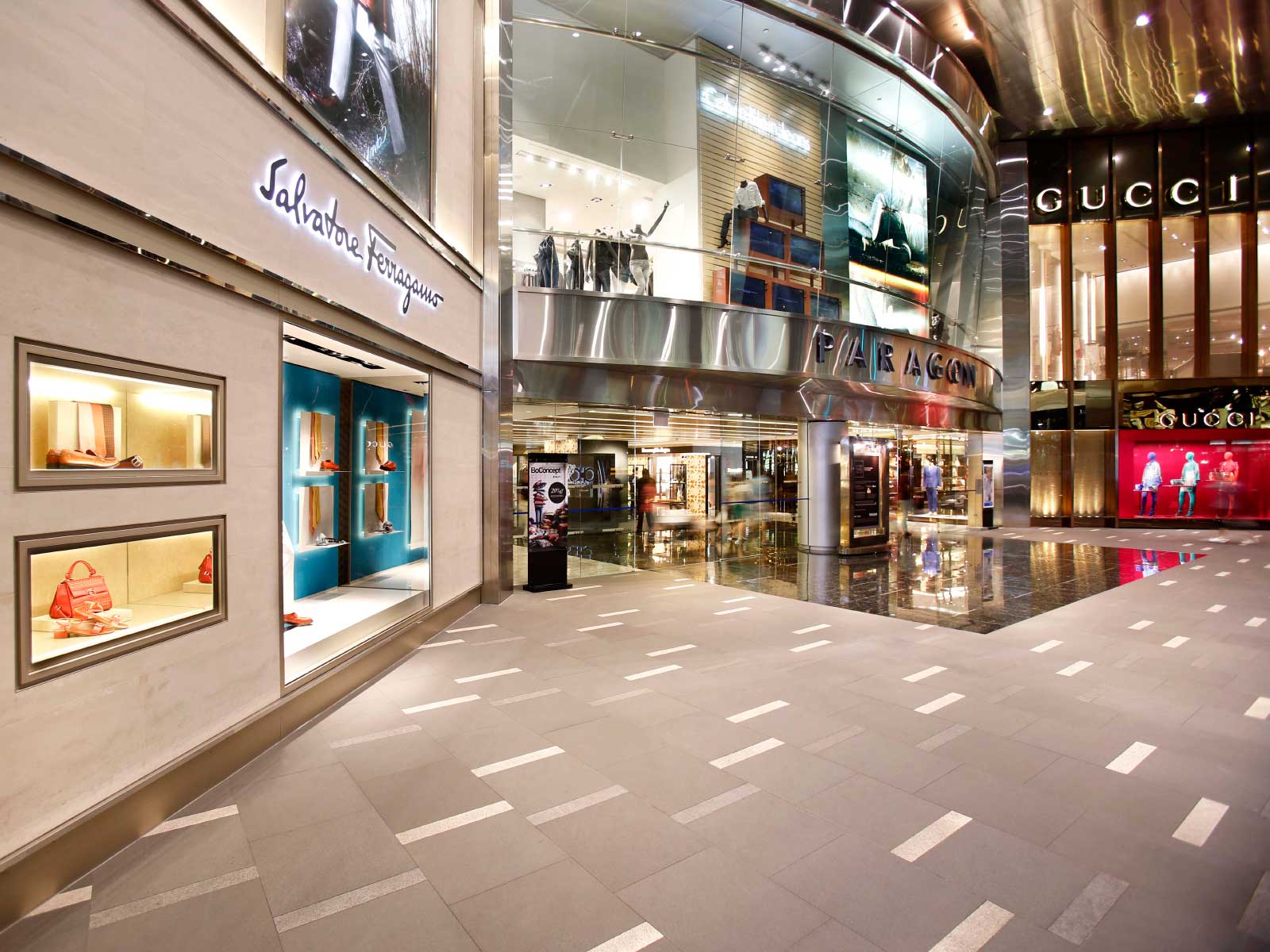
    Paragon parent SPH Reit says both its Singapore mall properties have continued their track record of full occupancy amid mounting competition.

    Despite a muted retail environment, gross revenue for the quarter ended August 31 grew 1.3 per cent to S$52.9 million (US$38.9 million). The trust says this is because of higher rental income from Paragon and The Clementi Mall.

    Net property income for the period was up 3.9 per cent year on year at $41.8 million, and ahead 4.5 per cent to $168.1 million for the 12 months. Gross revenue for the full year was up 1.5 per cent to $212.8 million.

    Tenant sales at Paragon rose 2.1 per cent to $675 million, even as visitor traffic held steady at 18.3 million. The Clementi Mall had visitor traffic of 29.9 million, down 0.3 per cent, while tenant sales fell 5.8 per cent to $225 million.

    SPH Reit CEO Susan Leng says that while the economic outlook has improved, the retail scene remains muted.
    Some segments, such as luxury watches and jewellery, are beginning to show signs of recovery, while the property market is also picking up, she says.

    Despite this, consumer sentiment has yet to pick up decisively even as structural changes like the rise of e-commerce have forced retailers to review their business models. “There are some positive indicators, but the recovery will take time to pan out.”

    Leng says SPH will partner its tenants toward mutual success and in riding through both structural and cyclical retail trends.

    Meanwhile, the trust will continue to invest in upgrading its malls. Paragon has started the second phase of its air-handling unit decanting project, which involves creating extra lettable area at higher-yielding retail space. This is expected to be completed by the middle of next year.

  • Chinese consumers most well-informed and demanding globally

    Chinese consumers most well-informed and demanding globally

    “The Chinese consumer in my opinion is the most well-informed, sophisticated, demanding consumer in the world,” declared Terry von Bibra, general manager for Alibaba during his keynote at Shoptalk Europe this week.

    “They have a disposable income and they want to invest in quality products from around the world,” he said. “They have complete access to products, information choice and they are engaging with these products and brands in an intensive way with a common theme – they want to improve their quality of life and their family members.”

    To illustrate the sheer size of China, Von Bibra pointed out there are 10 cities in the US with a population of 1 million or more. There are 18 such cities in Europe. In China, there are 102 cities today with that population and it’s forecast to grow to eventually 220 cities.

    Von Bibra emphasised the need for retailers to offer seamless online and offline experiences to customers, something which Chinese shoppers now expect from retailers, especially with the country’s high penetration of smartphones and use of mobile payment system, Alipay.

    According to Von Bibra, 80 per cent of the China’s e-commerce transactions take place on smartphones, 500 million of which are used via Alipay.

    While Alibaba may be known as an e-commerce platform, the business has invested in several physical store initiatives over the past few years, including the acquisition of InTime Department Stores and their investment in Suning electronic stores.

    In addition, Alibaba has now opened 20 Hema stores in China, a hyper local supermarket best known for its fresh seafood offering that blends on and offline services.

    “People can go into Hema and say, ‘I’m going to order the stuff at home, get into the store, actually, but I want to order more stuff and actually that crab I ordered, I want to eat it in 15 minutes with my friends, so please prepare it in Szechuan-style and the rest of the stuff I bought? I’d like you to deliver it to my house’,” explained Von Bibra.

    Another Alibaba initiative is known as Rural Taobao, where the business has launched Alibaba stores in the centre of 16,000 villages in China. After all, while there are 731 million Chinese online, there are 600 million who don’t have access to the internet, Von libra pointed out. The plan is to eventually reach 100,000 villages.

    “Customers can go into a shop, order something online, get it delivered in a few days, or you can take the products you produce in your village and sell them online. It’s a long-term idea about how we can help the Chinese consumer in the rural world,” he explained.

    Despite the fact that many believed that commerce would kill the local mum-and-dad corner store, six million of these stores currently exist in China, said Von Bibra.

    “This is how [people] want to engage, this is how people want to buy. So we provide an app where people can run their shops, order their products wholesale, sell them retail in their stores and we give them access to data and access to logistical solutions so they can offer products like food, which many of them could not because of the logistical challenge,” he explained.

    “We try to make it easy for corner shops to enter the world of new retail and how we’ll experience it in the future.”

    “The transformation in China of the retail experience has been driven to a great degree by e-commerce in the past few years. In the future, it will be driven by how people are able to build a seamless retail experience that combines offline in a way that is best for that particular consumer for that particular brand experience.”

  • AirAsia X eyes expansion in China, Japan and South Korea

    AirAsia X eyes expansion in China, Japan and South Korea

    AirAsia X considers North Asia, namely, China, Japan, and South Korea, as its new market for growth, said AirAsia. Due to the scarcity of resources, the long haul budget airline will also be rationalising its routes by reallocating some of the current Australian capacity to its other destinations next year.

    “We have to be very selective of our routes, seeing that our aircraft is limited and we will only get more aircraft next year.

    “Demand is starting to pick up from Thailand and Indonesia, and we believe that the next market of growth will be in North Asia. Kamarudin was speaking after the launch of AirAsia X’s launch of four times weekly direct flights from Kuala Lumpur to Jeju, South Korea.

    AirAsia X CEO Benyamin Ismail targets to achieve a passenger load factor of 80% in 12 months’ time, for the Kuala Lumpur-Jeju route.

    AirAsia is the only airline to operate direct flights to Jeju, from Kuala Lumpur, connecting the island with Malaysia, the rest of Asia, and beyond.

    “South Korea is an important market and we have seen tremendous growth from our existing routes to Seoul and Busan, which will now be complemented by our new service to Jeju, saving our guests the hassle of domestic transit to the island province.

    “This new route will provide additional annual capacity of over 150,000 and will be a significant boost to strengthen business and tourism ties between Malaysia and South Korea,” said Benyamin.

    He added that Malaysia was the second largest tourist market in South Korea, after China.

    An estimated two million passengers travel between South Korea and Malaysia each year.

    The group has plans to increase flight frequencies to Seoul from 14 times weekly to 18 times weekly, beginning December.

    Meanwhile, AirAsia X flight frequencies to Busan shall also be increased from four times a day to five times a day, beginning November.

    The Kuala Lumpur-Jeju route shall commence on December 12, 2017, with promotional all-in fares from RM199 one-way.

    The special promo of all-in fares from RM199 one way on standard seat and RM899 one-way on award winning Premium Flatbed will run from October 10 to October 15, for travel between December 12, 2017 and March 25, 2018, available for booking on airasia.com.

    Jeju Island, also known as the “island of the gods”, is a beautiful volcanic island located 64 kilometres south of the Korean peninsular.

    It is the country’s most popular holiday island, with more than 70% of visitors being domestic travellers seeking out what has become known as the “Hawaii of South Korea”.

  • Kiwi spending habits revealed

    Kiwi spending habits revealed

    People living in Canterbury spend the third highest amount on eating out after Auckland and Wellington, according to data gleaned from Westpac NZ.

    The financial firm has drilled down into the data of over 96,000 CashNav app users and determined the spending habits and characteristics of Kiwi consumers across the country.

    Westpac’s CashNav app allows customers to track their daily spending habits by categorising what they spend their money on and identifying what is holding their saving aspirations back. It also notifies them if their spending is higher than usual.

    The app does this by automatically categorising customers’ EFTPOS, debit and credit card transactions into one of 12 categories such as eating out, shopping, travel, entertainment, home, groceries, transportation, utilities, education and health.

    The data found that those aged 18-75 years old and living in Canterbury spend around $380 on average per month at cafes, restaurants or fast food outlets – third only to Aucklanders who spend $486 and Wellingtonians who spend $436.

    In Canterbury, the biggest spenders were people aged 36-55 – they spent $453 per month compared to $366 for 18-35s and $318 for those aged 56-75 years old.

    However, when it comes to who spends the most on groceries, smaller populated regions spend more at the supermarket than Cantabrians who spend $657 on average per month. Those living in Marlborough spend the most on groceries each month at $712 on average, followed by Otago on $668 and Southland on $658.

    Meanwhile Hawke’s Bayers are some of the most careful spenders in the country

    When it comes to spending on groceries, people living in Hawke’s Bay spend the second lowest of 13 New Zealand regions on average per month.

    Westpac found that those living in Hawke’s Bay spend around $517 on average per month, beaten only by those in the Manawatu-Wanganui region who spend around $502 per month. People in Marlborough spend the most at $712 on average per month.

    When broken down into age groups, millennials (18-35s) in the Hawke’s Bay spend the least on groceries when compared to millennials living in other regions, at $372 per month on average.

    And in a region with an array of fine wines and dining options, people in Hawke’s Bay came in at only ninth out of 13 regions on their spending on eating out at cafes, restaurants, and at fast-food outlets.

    It’s a similar story when it comes to spending on health such as gyms fees, pharmacies, make-up stores and beauty salons, with people in the Hawke’s Bay spending about $183 on average per month – nearly $100 less than people in Auckland.

    “People in Hawke’s Bay appear to be keeping a close eye on their spending which is good,” said Westpac NZ GM of marketing, products and transformation, Andrew Kerr.

    Bay of Plentians are more likely to splash out on entertainment compared to many other New Zealand regions, according to the data.

    Those in the Bay of Plenty spend the third highest amount at around $223 on average per month at the movies, at concerts, or on gaming or gambling – beaten only by Auckland and Taranaki.

    People in Marlborough spend most on groceries compared to other regions, with Westpac finding Malburians spend around $$712 on average per month at the supermarket – the highest grocery spend in the country.

    When broken down into age groups, those aged 36-55 in Marlborough spend the most on groceries at around $924 while Marlborough millennials (18-35) spend $495 per month on average.

    People in the Manawatu-Wanganui watch their pennies the most when it comes spending on eating out, groceries, health and entertainment, with those living in the Manawatu-Wanganui spend the least of 13 regions on groceries at around $502 on average per month – $210 less than the highest spending region, Marlborough.

    People from Southland spend the third highest amount on groceries when compared to 12 other regions in New Zealand, beaten only by Marlborough and Otago respectively.

    Southlanders between the ages of 18-75 spend around $658 on average per month at the supermarket but when broken down further, Southlanders aged 36-55 spend $951, 56-75s spend $697 and millennials (18-35s) spend $538.

    Overall, mainlanders spend more on groceries than people in the North Island.

    People living in Otago are the second highest spenders at the supermarket on average, when compared to other New Zealand regions. When the spending is broken down into the various age groups, those in Otago aged 36-55 spend around $989 per month, 56-75s spend $798 and millennials (18-35s) spend $511 on average per month.

    People in Taranaki spend the second highest amount on entertainment in the country compared to other regions, according to data gleaned from Westpac NZ.

    When it comes to spending on groceries, people in Taranaki spend around $601 on average per month compared to people in the Marlborough region who spend $712.

    Other figures related to dining out at cafés, restaurants, and at fast-food outlets show Taranakians well down on their spending compared to other parts of the country -$151 less than Aucklanders on average.

    When it comes to spending on health such as gyms fees, pharmacies, make-up stores and beauty salons, Taranakians spend the fourth highest of 13 regions at $204.

    Spending habits show people in the Waikato spend more than many other regions on eating out but not as much as other parts of the country on groceries.

    Those in Waikato spend around $354 on average per month at cafes, restaurants and fast-food outlets – the fourth highest in the country.

    Those in the 36-55 age group in Waikato spend the most at $403, while millennials (18-35s) spend $343 – more than the 56-75s who spend $294 per month on average.

    Millennials (18-35s) living in Tasman watch their pennies the most when it comes to spending on entertainment compared to millennials in other New Zealand regions. People in Tasman spend the fifth highest on groceries at $654 per month on average, but the fourth lowest on eating out at cafes, restaurants and fast-food outlets at $320 per month.

    And in Auckland, those living north of the harbour bridge were spending more tucking into takeaways than other Aucklanders.

    People on the North Shore spent the most satisfying their fast food cravings with an average splurge of around $75 per month. That spending rose to $84 a month for those aged 36-55.

    Central/East Auckland residents spent the most in bars, on average $91 per month, followed by those on the North Shore on $85, South Auckland on $83 and West Auckland on $75.

    And with the café culture of Ponsonby and Grey Lynn it may come as no surprise that Central/East Aucklanders across all age groups spent the most at cafés and restaurants – on average $194 per month, followed by North Shore on $173, South Auckland on $143 and West Auckland on $130.

    “The interesting thing is that it’s not millennials eating so-called ‘smashed avocado’ – it’s the 36-55- year-old age group who’re spending the most in cafés, restaurants, bars and on fast food, followed by those aged 56-75,” said Kerr.


  • Lidl Stiftung enters China via JD Worldwide

    Lidl Stiftung enters China via JD Worldwide

    European supermarket chain Lidl Stiftung has opened a flagship store on JD Worldwide, introducing the Lidl brand to China through cross-border e-commerce.

    The German group’s flagship store sells snacks, healthcare products, personal and beauty care products, and food and drinks, such as biscuits, nuts and milk. It also plans to introduce home brands.

    Lidl has more than 10,000 stores across 30 countries, and 150 distribution centres in 28 countries.

  • One door closes, more opening for 7-Eleven Singapore

    One door closes, more opening for 7-Eleven Singapore

    Following the termination of its 11-year partnership with petroleum company Shell, 7-Eleven Singapore plans to roll out 80 stores by the end of next year.

    All 56 of the convenience stores at Shell petrol stations will close from early next year after the companies’ 2006 partnership agreement expired last month. However, 7-Eleven already has plans to open 30 stores by the end of this year, with another 50 to follow next year.

    Shell ended the partnership as part of a rebranding exercise that introduces its own Shell Select and Deli by Shell convenience outlets.

    However, the impact of the move “will not be material”, says a spokesperson from Dairy Farm Singapore, which manages 7-Eleven’s 422 stores islandwide.

    “We have had a good partnership with Shell over the past 10 years, with 7-Eleven contributing to the growth of Shell’s business with positive outcome and increase in sales, profitability and customer count,” says the spokesperson.

    “We respect their business decision not to renew the alliance arrangement in view of their plans to align their operations here with a long-term global business strategy.”

  • Berli Jucker eyeing Asean expansion

    Berli Jucker eyeing Asean expansion

    Thai company Berli Jucker (BJC) plans an aggressive expansion of its retail network in the Asean region.

    The push will include its hypermarkets and convenience stores, including the opening of Big C hypermarkets in Malaysia.

    BJC president/CEO Asawin Techajareonvikul says the company is evaluating whether to give Malaysia or Vietnam priority in its retail network expansion.

    Described by the company as “downstream business”, the expansion will help its main interests, manufacturing, distribution and logistics.

    Group chairman Charoen Sirivadhanabhakdi says BJC has had a foothold in Malaysia since acquiring a glass factory there in 1966. Big C stores would be the group’s first retail venture there.

    However, Asawin says there are already many competitors in Malaysia. “Meanwhile, in Vietnam, we already have 19 MM Mega Market hypermarkets as well as 173 B’s Mart convenience stores. The market has a lot of potential.”

    He says that between 200 and 300 hypermarkets are run by different companies in Thailand, but with about 90 million people in Vietnam, the number of hypermarkets there is quite small.

    “Our strategy is to build ‘connectivity’ within our retail network,” says Asawin. “Our Big C stores now cover all major provinces throughout the kingdom, but the transportation lead time from one store to another is currently about three hours. We want to reduce this to only one hour, and that means we need to open more stores to fill the gap, especially in cities in border areas.”

    BJC has 1200 retail outlets in Thailand, Laos and Vietnam under different brands, including Big C in Thailand, MM Mega Market and B’s Mart in Vietnam, and M-Point Mart in Laos. The group also has more than 10 factories in Asean.

  • FamilyMart Philippines chain up for auction

    FamilyMart Philippines chain up for auction

    FamilyMart Philippines convenience-store chain, partly owned by the Ayala and Tantoco groups, is up for auction.

    With about 70 stores, the Japanese chain has been offered to prospective investors in the past few months.

    Ayala Land and the Rustan’s group, via their equally owned JV firm Sial CVS Retailers, in 2012 signed a deal with FamilyMart and Itochu Corporation to develop and run FamilyMart convenience stores in the Philippines.
    FamilyMart has been closing unprofitable stores over the past 12 months.

    In the convenience store market in past six years, new brands have been challenging 7-Eleven and MiniStop, respectively run by Philippine Seven Corporation (PSC) and Robinsons Retail Holdings.

    Aside from FamilyMart, the Puregold group also brought Japan’s Lawson into the market while the SM group introduced Indonesian brand Alfamart. Meanwhile, real-estate magnate Manuel Villar has also built his own convenience-store network, All Day.

    To date, the two original brands still lead the market, with 7-Eleven surpassing 2000 outlets while Mini-Stop has at least 500 stores.