Category: General

Retail News Asia is committed to providing both local and global retailers with the latest General Retail news throughout the Asian market. This on a daily base.

  • Metro Retail Stores not hurrying with e-commerce

    Metro Retail Stores not hurrying with e-commerce

    Metro Retail Stores Group in the Philippines is planning to open more stores while it continues to mull e-commerce.

    Saying brick-and-mortar stores are still more profitable than online counterparts, chairman/CEO Frank Gaisano reveals that the company plans to open two more stores this year with up to eight more next year.

    He says the department stores and hypermarkets company is seeking to build a synergy between its physical stores and a future foray into e-commerce, citing US e-commerce giant Amazon as also betting on physical retail with its acquisition of Whole Foods.

    “It’s a good mix to have, online at the same time as a physical store. That’s what we are doing right now,” he says. “We’re still getting ready at this point. We’re not there yet.”

    Metro Retail ensures its stores are stocked based on the demands of the location. While Luzon and Visayas stores may both sell jeans, the brands may be different brands, says Gaisano.

    “Millennials want a ‘curated’ selection with not too many choices,” he says.

  • 7-Eleven pays out $150 million to staff

    7-Eleven pays out $150 million to staff

    About 3600 7-Eleven workers have been paid out $150 million since revelations of under-payments and poor record-keeping.

    A Senate committee heard on Wednesday the “compliance partnership” between the Fair Work Ombudsman and 7-Eleven was yielding results.

    Ombudsman Natalie James said 10 matters were before the courts.

    An agreement struck in 2016 also included installing and overseeing biometric shift-scanning systems and the introduction of 7-Eleven-owned CCTV at all outlets to allow head office to monitor employee hours and make sure workers were paid correctly.

    The Ombudsman has also written to pizza chain Domino’s about underpayments.

    “We have some outstanding issues around information we have requested,” James said.

    Last week, 7-Eleven said it supported the Ombudsman’s investigation into a Brisbane franchisee.

    The franchisee allegedly sought repayment of accrued annual leave that had been paid to the employee, then dismissed the employee when these requests were refused.

    7-Eleven conducted its own investigation into the allegations, which was unable to find a level of evidence required for the company to take its own action under the industry codes.

  • Myer ‘disappointed but unsurprised’ by Premier Investments

    Myer ‘disappointed but unsurprised’ by Premier Investments

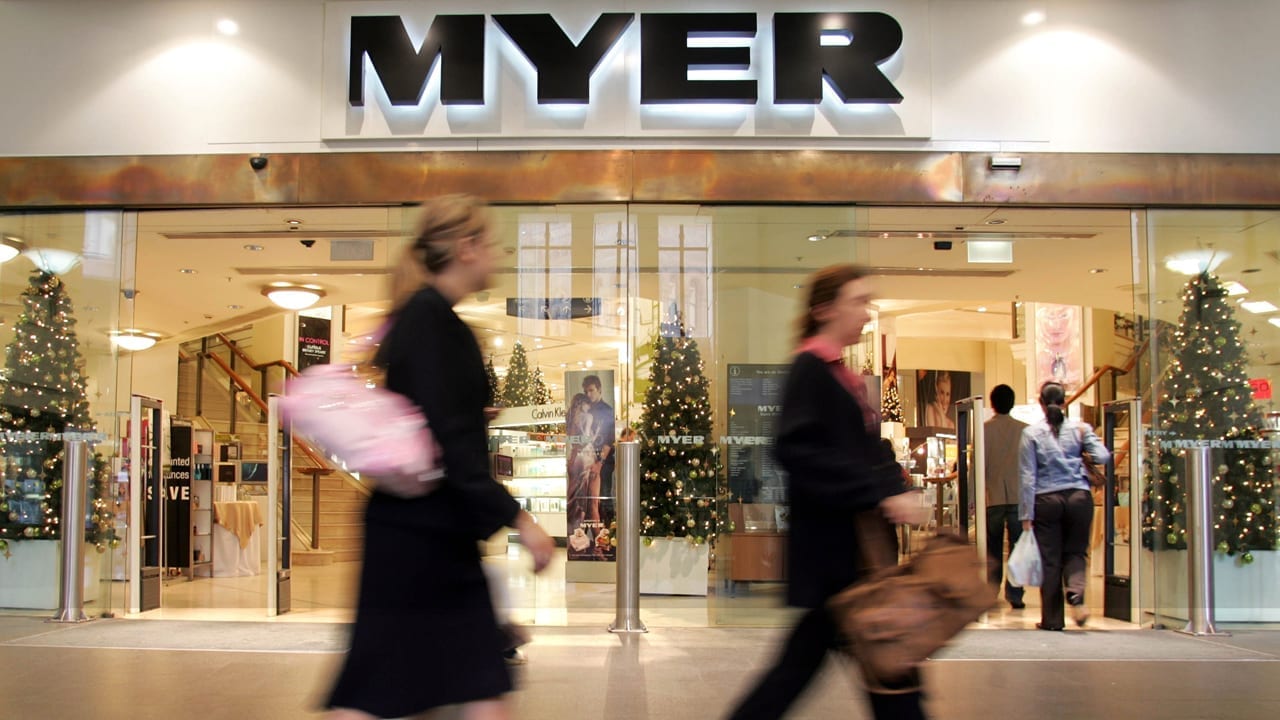
    Department store retailer Myer has responded to the broadside delivered by veteran and chairman of Premier Investments yesterday, asserting its “disappointment”.

    Yesterday, Premier released a statement which ruled out making a takeover offer for Myer and again reiterated that it will be monitoring the Myer “strategy day” on November 1 “very closely”. Premier again called upon the company to announce its current sales and profits for the Q1 period “so the market is fully informed when assessing the strategy.”

    Myer chairman Paul McClintock said the annoucement was “disappointing, but unsurprising”.

    “We have attempted to engage in constructive dialogue with Premier for many months, but regrettably this has not been possible,” he said.

    McClintock said Myer’s board had considered Premier’s “informal proposal” to appoint three nominee directors, but rejected it on the basis of a potential conflict of interest, “given Premier and its associates’ status as one our largest suppliers and competitors.”

    “The Myer board continues to support the new Myer strategy and recommends that shareholders vote in favour of all resolutions, including the election of three directors put forward by the board,” he said.

    Incoming Myer chairman Garry Hounsell and former Qantas director will step into the new role when McClintock retires next month.

    Myer has also announced the appointment of JoAnne Stephenson to its board as a non-executive director.

    Premier said it will vote against the appointment of all directors proposed in Myer’s Notice of Meeting, including Hounsell.

  • Cebu Pacific flies 150 millionth passenger

    Cebu Pacific flies 150 millionth passenger

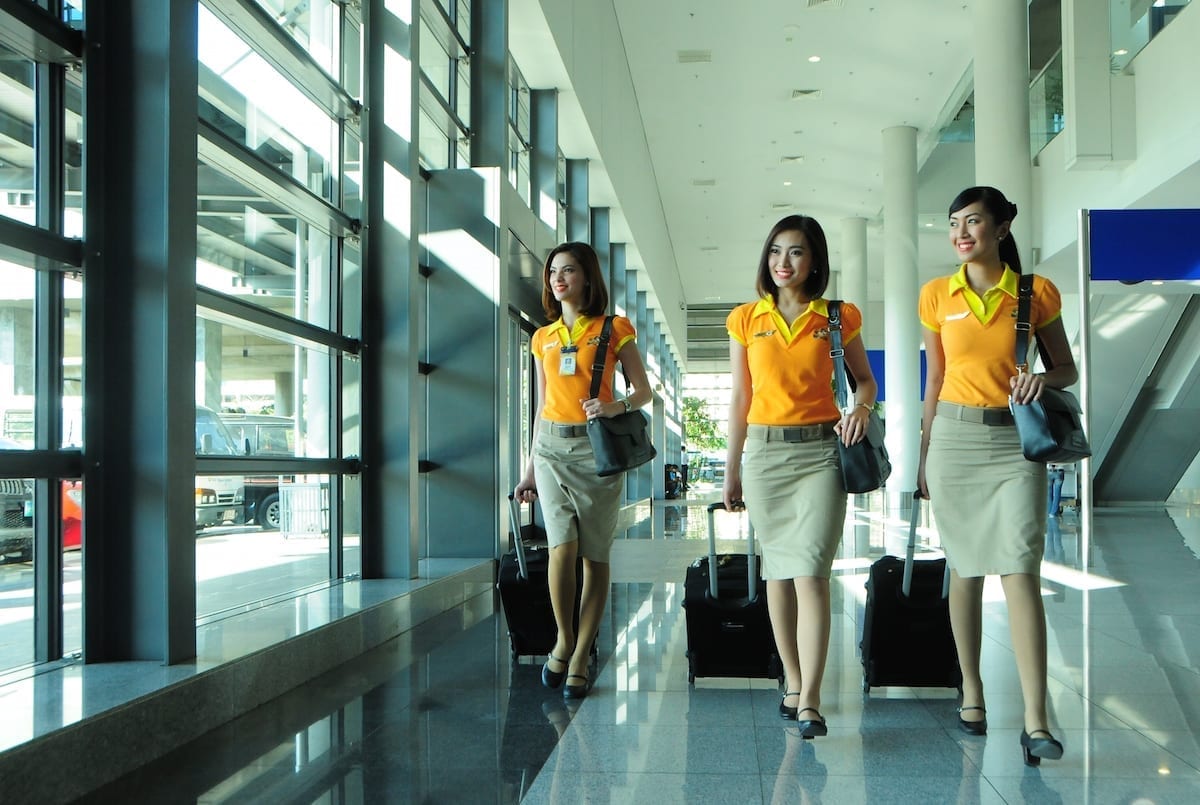
    The Philippines’ leading airline, Cebu Pacific marked another milestone as it reached a total of 150 million passengers flown since starting operations in 1996. The 150 millionth passenger who checked-in and flew with CEB, identified as Alfredo Cruz, boarded Cebu Pacific flight 5J 397 from Manila to Cagayan de Oro on October 20, 2017. Cruz received 150,000 points from GetGo, the lifestyle rewards program by Cebu Pacific.

    The points are equivalent to between 20 to 25 round trip flights on CEB. The points and free flights can be shared with family and friends. “It’s our job to create a lot of memories and experience for our wonderful guests, it’s like we’ve created 150 million life experiences since we started in our very humble way 20 years ago. We’ve celebrated many milestones and today is one of our proudest milestones,” said Lance Gokongwei, President and CEO of Cebu Pacific.

    From January to June 2017, Cebu Pacific has flown 10.09 million passengers, and aims to carry a total of 20 million passengers for the whole year. The Cebu Pacific route network now has 25 international and 37 domestic destinations. Its fleet of aircraft includes one Airbus A319, 35 Airbus A320 and eight Airbus A330s; while the Cebgofleet is composed of eight ATR 72-500 and seven ATR 72-600aircraft. Between 2017 and 2022, CEB expects delivery of 7 more brand-new Airbus A321ceo and 32 Airbus A321neo aircraft.

  • Golden quarter for Luk Fook Holdings

    Golden quarter for Luk Fook Holdings

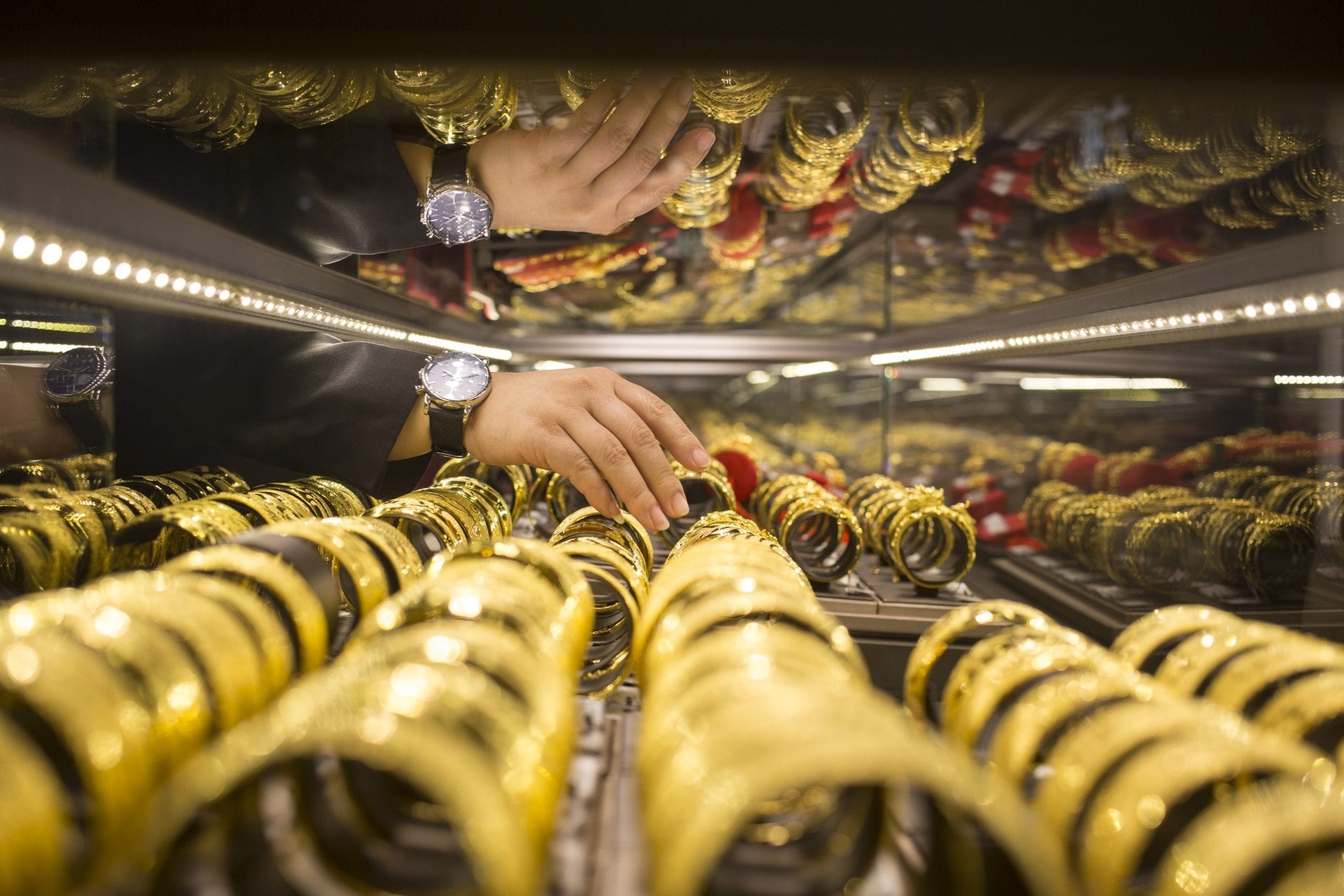
    Jewellery company Luk Fook Holdings (International) has had a golden second quarter with sales up for both gold and gemset jewellery.

    With a relatively low base and a slight drop in gold price, there were encouraging sales of gold
    products in both the Hong Kong/Macau and Mainland China markets. Same-store sales of gold products rose 21 per cent over the previous quarter.

    With an improved market as well as the introduction of new products, there was a 16 per increase in same-store sales of gemset jewellery in Hong Kong/Macau.

    While the sales performance in July and August was promising on the mainland, September was less productive because of the lack of promotional activities for the Mid-Autumn Festival. This saw second-quarter sale-store sales of gold products in China rise by 19 per cent, while gemset jewellery sales fell by 2 per cent. Overall, therefore, the quarter’s sales were up by only 11 per cent, lower than the first quarter.

    Hong Kong/Macau achieved better-than-expected growth of 18 per cent for same-store sales of gemset jewellery, while gold sales rose 21 per cent. As a result, the quarter improved by 18 per cent overall.

    At the end of September, Luk Fook had 33 more shops in China, including 24 licensed outlets. With an improved market environment, the group’s target for shop openings next year has been increased from 50 to 80.

    Overall, the group had 216 Lukfook-branded shops at the end of the quarter, including 151 on the mainland, 45 in Hong Kong, 10 in Macau and 10 overseas, including a new shop in San Francisco.

    Together with 1325 licensed shops in China and one in Korea, there was a total 1542 Lukfook shops worldwide, of which 1476 shops were on the mainland.

  • Facebook joins effort to boost newspaper subscriptions

    Facebook joins effort to boost newspaper subscriptions

    Facebook aimed at fostering ‘a healthy news ecosystem’ and curbing the spread of fake news. Facebook announced Thursday initiatives to help struggling news organizations gain paid subscribers, following a similar move unveiled earlier this month by Google.

    The social network giant said it will test “premium news models” for organizations that deliver their content on Facebook, to enable the publishers to have more control over pricing, subscriber relationships and revenue.

    “Earlier this year, many publishers identified subscriptions as a top priority, so we worked with a diverse group of partners to design, refine, and develop a test suited for a variety of premium news model,” said a blog post by Facebook executives Campbell Brown, Alex Hardiman and Sameera Salari.

    Facebook said it would soon roll out the test to support new subscription models in Instant Articles in partnership with a news organizations in the U.S. and Europe, starting with the Android application.

    The leading social network said it would allow for “paywalls” in its Instant Articles feature, aiming to encourage users to sign up and pay news organizations whose content is linked through Facebook.

    If a person subscribes after prompting, the publisher will handle the payment directly and keep 100 percent of the revenue, Facebook said.

    Facebook said it would allow for various paywalls including a “metered” system with a fixed number of articles as well as a “freemium model” where certain content is locked at the discretion of the publisher.

    Included in the test will be Germany’s Bild and Spiegel, France’s Le Parisien, Italy’s La Republicca, the Telegraph and the Economist of Britain and the U.S.-based Boston Globe, Washington Post, and news groups Hearst and Tronc, which includes the Baltimore Sun, Los Angeles Times, and San Diego Union-Tribune.

    Facebook said the changes are part of its Journalism Project created this year aimed at fostering “a healthy news ecosystem” and curbing the spread of fake news.

    The moves by Facebook and Google come with many news organizations blaming the internet giants for encouraging free content, while getting most of the ad revenues from news articles appearing on their platforms.

    Earlier this month, Google announced similar actions, ending a “first click free” policy that required news organizations to provide at least three free articles to be indexed in a Google search.

    This will be replaced by a “flexible sampling” model that will allow publishers to require a subscription at any time they choose, according to Google.

  • Cebu Pacific seeks Hong Kong, Bali entitlements

    Cebu Pacific seeks Hong Kong, Bali entitlements

    The operator of budget carrier Cebu Pacific is seeking entitlements to Hong Kong as well as Bali in Indonesia.

    Cebu Air Inc. filed an application with the Civil Aeronautics Board (CAB) for the allocation and re-allocation of entitlements on the Manila to Hong Kong route.

     The entitlements being requested are under a confidential memorandum of understanding between the Philippines and the Hong Kong Special Administrative Region in 2014.

    Aside from Hong Kong, Cebu Air has also filed an application with the CAB to get additional entitlements to fly to Denpasar, the capital of Bali.

    Cebu Air is seeking additional entitlements to Bali under the Association of Southeast Asian Nations Multilateral Agreement on the Full Liberalization of Passenger Air Services (Asean-MAFLPAS).

    The Asean-MAFLPAS removes third, fourth and fifth freedom restrictions among Asean cities except capital cities.

    At present, Cebu Pacific serves 25 international and 37 domestic destinations.

    Cebu Pacific is utilizing a fleet of aircraft which includes one Airbus A319, 35 Airbus A320s and eight Airbus A330s for its flights.

    Cebu Pacific’s wholly-owned subsidiary Cebgo meanwhile, has a fleet composed of eight ATR 72-500s and seven ATR 72-600s.

    From this year until 2022, the group expects the delivery of seven more brand-new Airbus A321ceos and 32 Airbus A321neo aircraft.

    The group recently designated Laguindingan Airport which caters to Cagayan de Oro City and neighboring areas Iligan City, Marawi City, and Bukidnon province, as its seventh hub as part of efforts to strengthen its domestic network.

    Aside from the Laguindingan Airport, the group’s other hubs are located in Manila, Cebu, Clark, Davao, Kalibo and Iloilo.

  • Vietjet Celebrates Vietnamese Women’s Day with a Spectacular Airport Catwalk

    Vietjet Celebrates Vietnamese Women’s Day with a Spectacular Airport Catwalk

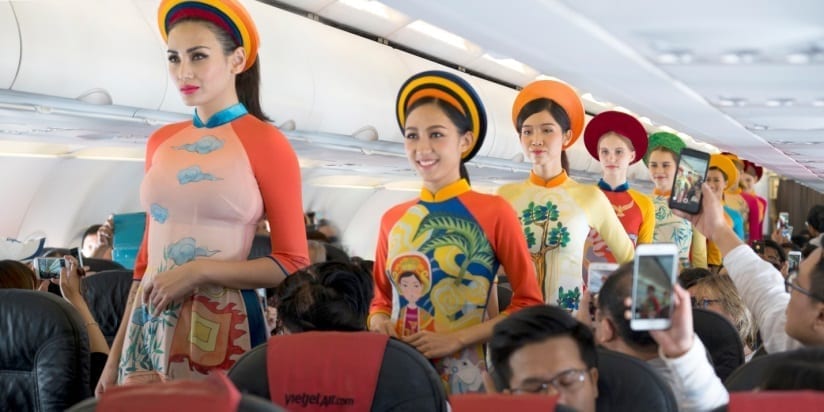
    Vietjet celebrated Vietnamese Women’s Day on October 20 with an unconventional and first-ever catwalk with impressive Ao Dai dresses at Tan Son Nhat International Airport in Ho Chi Minh City and onboard a special flight. Aside from Vietjet’s high-quality services, passengers could also enjoy the unique experiences brought by Vietjet.

    The alluring Ao Dai catwalk performance was accompanied by the melody of “Huong Vietnam” by Phuong Nguyen and Thierry David. Vietnamese supermodel, Vo Hoang Yen, ruled the catwalk alongside Vietjet’s team of models to beautifully showcase a collection of vivid colored Ao Dai dresses hand-drawn by the renowned Vietnamese designer, Thuan Viet. This is also the first time an Ao Dai catwalk performance has taken place at an airport in the world. Not only did the passengers enjoyed the catwalk at Tan Son Nhat International Airport lounge, but passengers on board of VJ126 flight from Ho Chi Minh City to Hanoi also had the exclusive privilege of admiring the catwalk performance in the skies.

    The designer, Thuan Viet, said, “I hand-drew the whole collection of these 10 Ao Dai dresses which draw on popular Vietnamese myths, such as Tam Cam (Cinderella), Son Tinh-Thuy Tinh (Mountain Spirit and Sea Spirit), Au Co Lac Long Quan (The Fairy and the Dragon), etc., and used 3D printing techniques to create the unique designs.”

    Vietjet especially would like to spread the messages of “love” to women on Vietnamese Women’s Day. Several female passengers onboard of Vietjet’s flights on October 20 received meaningful gifts and took part in a lucky draw for valuable prizes on board.

  • Warm-up starts for 11.11 Global Shopping Festival

    Warm-up starts for 11.11 Global Shopping Festival

    Pre-sale activities have launched for Alibaba Group’s latest 11.11 Global Shopping Festival.

    Three weeks of interactive marketing promotions, innovative retail experiences and new international product offerings lead up to the sale, with more details to be revealed by Alibaba at the end of the month.

    More than 140,000 brands will participate in this year’s 11.11 with more than 15 million product listings. The more than half a billion Chinese consumers visiting Alibaba’s platforms will be able to choose products from more than 60,000 international brands.

    A year after Alibaba announced its New Retail strategy, the festival will further showcase the possibilities for the future of retail by infusing physical retail elements in social media, interactive content and entertainment in one ecosystem at an unprecedented scale. Online-to-offline initiatives include:

    ● More than 1 million stores from different merchants will use various online and offline integrations under Alibaba’s New Retail models to create innovative customer experiences

    ● More than 1000 brands across various categories will be converting 100,000-plus physical locations into “smart stores” featuring New Retail experiences including browsing, shopping tours, virtual fitting rooms, payments and deliveries

    ● More than 600,000 neighbourhood convenience stores and 30,000 rural Taobao service centres will use Alibaba’s one-stop technology to digitise their businesses, and will partner international brands like Ferrero, Lay’s, Mondelez and P&G to serve more than 100 million consumers

    ● Augmented-reality games will let Chinese consumers earn promotion coupons and prizes when they find and scan the Tmall mascot using the Taobao app (the mascots will be stationed in thousands of retail stores including KFC and Starbucks outlets).

    For the first time, Tmall will take more than 100 Chinese brands overseas, offering special promotions targeting more than 100 million overseas Chinese consumers internationally.

    Alibaba’s logistics network, Cainiao Network, expects more than 3 million logistics personnel to handle the millions of packages generated from the 24-hour festival. The network will invest more than US$200 million to help merchants and logistics partners handle the spike in demand.

    For the second year in a row, Hollywood producer David Hill will direct the 11.11 Global Shopping Festival Gala in Shanghai on November 10. It will feature celebrity guests and performances livestreamed by Beijing TV, Shenzhen TV and Zhejiang TV.

    The 11.11 shopping festival launched in 2009 with just 27 merchants. Last year, nearly 100,000 merchants participated, with consumers spending RMB120.7 billion (US$17.79 billion) during the 24 hours.

  • AirAsia announces flights from Manila to Bali, Jakarta

    AirAsia announces flights from Manila to Bali, Jakarta

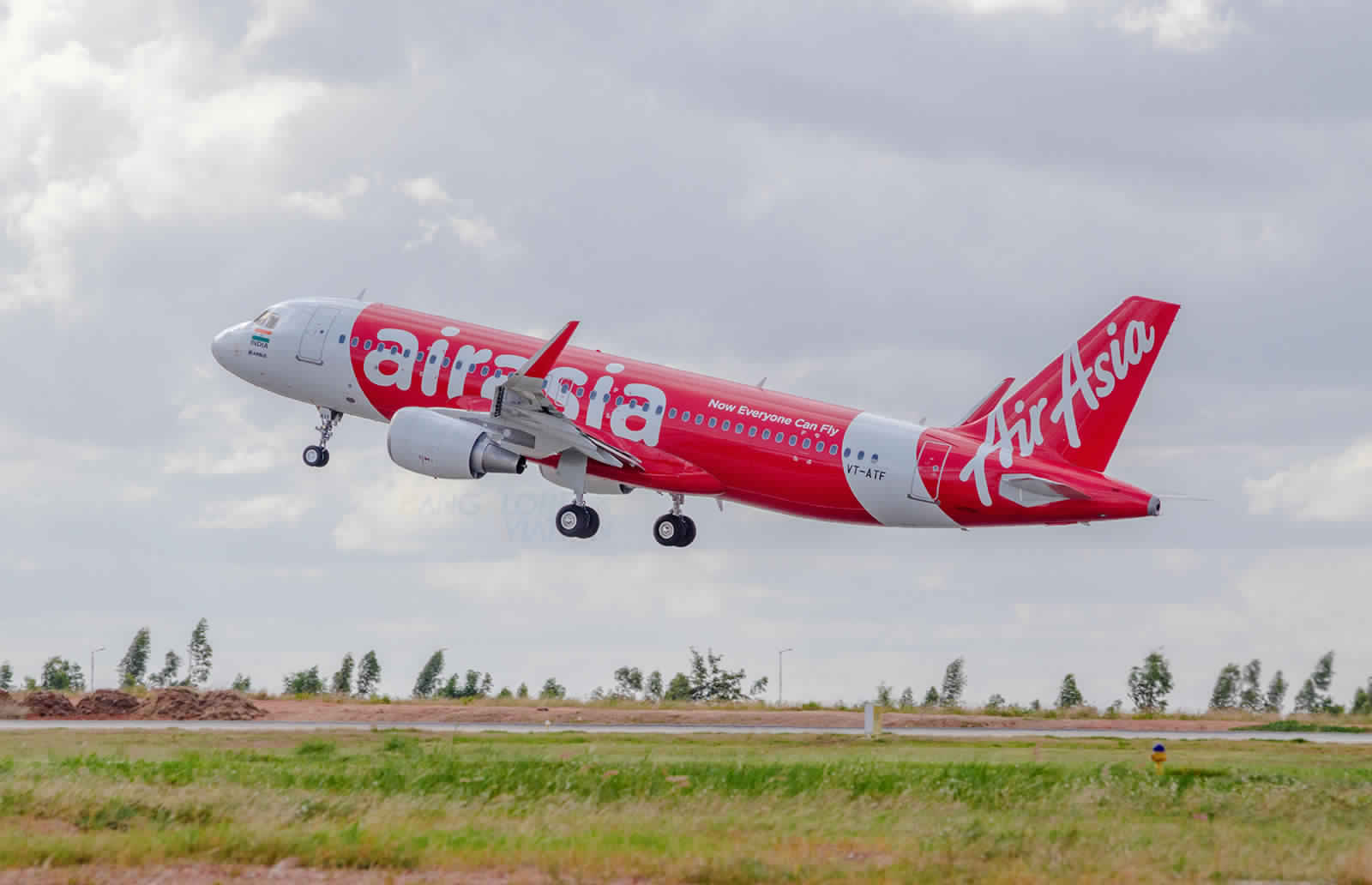
    Budget carrier AirAsia on Thursday announced it will start servicing flights from Manila to Bali and Jakarta in Indonesia starting January 2018.

    In a statement, AirAsia Philippines said it will start flying from Manila to Jakarta, Indonesia starting January 9, and to Bali, Indonesia starting January 19.

    Daily flights from Manila to Bali will have a departure time of 6:40 p.m., and an arrival time of 10:25 p.m. Flights back to the Philippines leave Bali at 11:20 p.m.

    Meanwhile, flights from Manila to Jakarta will have a departure time of 8:00 a.m, and an arrival time of 11:00 a.m. Flights back to the Philippines leave Jakarta at 11:30 a.m.

    In the same statement, AirAsia said it will also start flying to Ho Chi Minh in Vietnam starting November 17.

    Flights from Manila to Ho Chi Minh will have a departure time of 10:25 p.m. every Tuesday, Friday, and Sunday. Flights back to Manila leave Ho Chi Minh at 1:35 a.m. every Monday, Wednesday, and Saturday.

    With the new routes, AirAsia also on Thursday announced all-in promo fares available from P2,950 available until October 22, with a travel period from November 17, 2017 to April 30, 2018.

  • Singapore malls are primed for Amazon’s click de grace

    Singapore malls are primed for Amazon’s click de grace

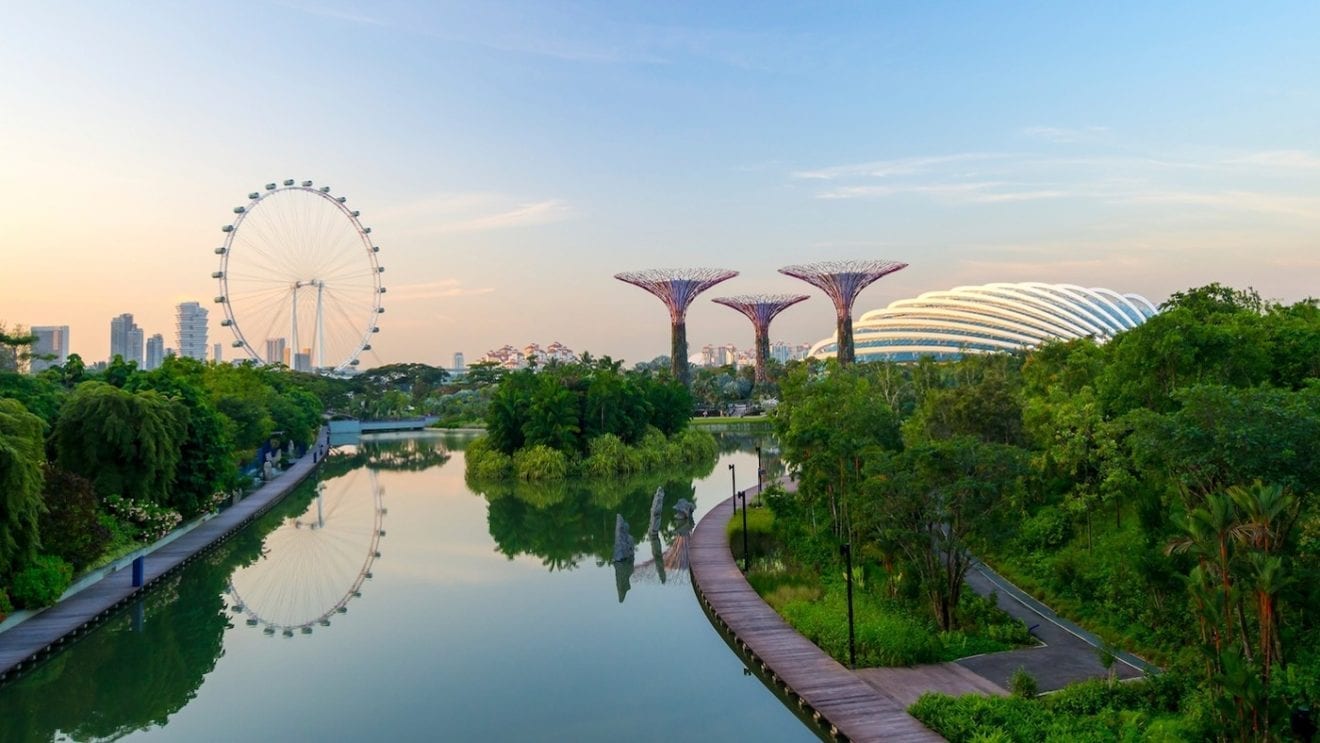
    Singapore’s malls are one click away from irrelevance, though the investment trusts that own them are carrying on as if nothing has changed. The first hint of trouble showed up in January when department store John Little shut down after a 174-year run. Then, in July, Amazon.com Inc. introduced its two-hour Prime  Now delivery service, choosing the city-state of 5.6 million people as the testing ground to fine-tune its Southeast Asia ambitions.

    The landlords don’t appear all that perturbed; at least not yet. CapitaLand Mall Trust, the island’s biggest retail real-estate investment trust, announced 2.78 Singapore cents (2 cents) in dividends last week, unchanged from a year earlier. That’s an annual yield of almost 5.5 per cent at a time when the 10-year Singapore government bond offers only 2.2 per cent. The tantalising premium is keeping investors hooked.

    Even the analyst community is discounting the threat from online shopping: There are 13 buy recommendations on the CapitaLand Mall REIT, and not a single sell, according to data compiled by Bloomberg. But look under the hood, and there are signs that not everything is hunky dory.

    While all its malls are almost fully occupied, agreements at some of the bigger properties are being struck at increasingly lower rents. Forget a suburban property like Westgate in Jurong East, which has seen 17 per cent of leases signed at rents 10.5 per cent cheaper than three years ago; even marquee names like Raffles City, a prime Singapore landmark, are settling for less:

    Singapore’s economy grew 4.6 per cent in the third quarter from a year earlier, with the government estimating full-year expansion of between 2 per cent and 3 per cent. Yet CapitaLand Malls’ tenants — from food and fashion to supermarkets and services — reported negative or mediocre sales growth in the first nine months of 2017. You can expect entertainment and electronics, the categories where tenants are still doing well, to start feeling the Amazon effect when the online service is able to iron out its early wrinkles.

    Then there’s fintech. By some estimates, the Singapore banking industry’s space requirement could shrink by 30 per cent, or 6 million square feet, over the next decade. To the extent suburban malls like to house a bank branch or two to catch footfalls, they’ll be affected. Indeed, the sharp drop in the rental reversion rate at CapitaLand’s Tampines Mall — from growth of 0.6 per cent in the first six months to a decline of 4.3 per cent in the first nine — was because of a change in tenant mix from banking to food and beverages, according to OCBC Investment Research.

    Ahead of further increases in US borrowing costs, CapitaLand Mall Trust has reduced its balance-sheet risk by selling the serviced-residence part of Funan, a 1980s-vintage mall that used to specialise in electronics and is currently undergoing a costly redevelopment. By the time Funan reopens in 2019, there may not be anybody left on the planet who still goes to a store to buy a computer or a phone. So the new address will play host to everything from a homegrown theatre company’s auditorium to a test zone for drone photography.

  • Minimarts face big challenges as sales take a hit this year

    Minimarts face big challenges as sales take a hit this year

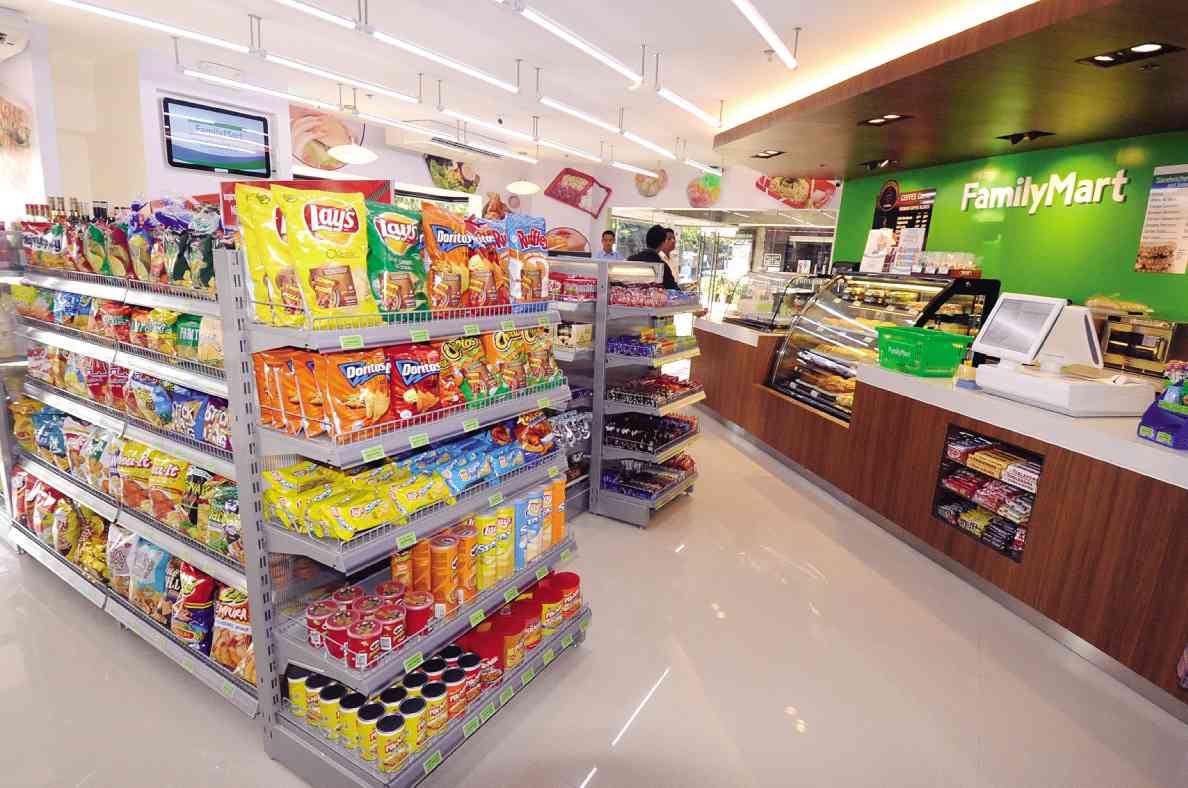
    Times are not good for minimarts and convenience stores this year, even though the economy looks to be improving. For every month from January to July, sales at these stores have fallen from a year ago, latest figures from the Department of Statistics show. This contrasts with the same seven-month period last year, where year-on-year sales fell only in May.

    The reasons for this decline range from online shopping to weaker consumer sentiment to competition from supermarkets, said stores.

    We visited 10 minimarts in various locations and spoke to a few chain stores, and found that sales at minimarts have dropped by about 20 per cent compared with last year, with one reporting a drop of at least 50 per cent.

    Mr Raja Merimuthu, 32, manager of Chennai Trading and Supermart in Boon Lay, said that his store saw a 10 to 20 per cent drop in sales compared with last year.

    The number of local customers has not changed much, but Mr Raja said fewer foreign workers patronised the store and this caused sales to fall.

    They had moved to dormitories and no longer lived in nearby residential blocks, he explained.

    Mr Toh Hong Aik, managing director of the UMart franchise which has 45 minimarts islandwide, said that the biggest reason for the drop in his chain’s business of about 10 per cent was linked to the economy.

    Even though the economy might generally be doing better, consumers are still wary and unwilling to spend much, for fear that things could get worse, he said.

    Mr Alan Tay, chairman of the Minimart Association, said minimarts that do not join a franchise would find it hard to thrive, as they would not benefit from economies of scale.

    This has resulted in consumers like Ms Jenny Tan shopping at supermarkets once or twice weekly, and hardly visiting minimarts now.

    “Prices at minimarts are higher and they don’t provide a one-stop service offering both wet and dry food,” said the 51-year-old executive in the aerospace industry.

    Convenience stores have not been spared from the retail challenges.

    Cheers saw a single-digit drop in sales in the first half of the year compared with last year, and said it could be due to the rise in online shopping and an increase in the number of 24-hour supermarkets.

    A 7-Eleven spokesman said the restrictions on alcohol and cigarettes, coupled with softer consumer sentiment, have created headwinds in the retail sector. However, he said that 7-Eleven is still on track to meet its targets.

    To understand the drop in business experienced by minimarts and convenience stores, one needs to look at the word “convenience”, said Ms Esther Ho, deputy director at Nanyang Polytechnic’s School of Business Management.

    She said the benefit that convenience stores offer consumers – in terms of location – is likely being eroded now that there are many 24-hour coffee shops, supermarkets and petrol station stores.

    For convenience stores and minimarts to survive, she said, they should explore strategies such as branching out into other products like prepared food, or using technology in new ways, such as communicating shopping deals via WhatsApp. This would allow them to continue providing an updated form of convenience, added Ms Ho.

    “If you look at today’s consumers, they’re very open to prepared food. So, maybe a premium convenience shop that offers fast or prepared food is an area of consideration,” she said.

    In fact, selling more ready-to-eat meals is what Cheers and 7-Eleven are doing.

    Still, minimarts have their loyal fans. Said airport immigration officer Kelvin Koo, 45: “They’re convenient, with friendly service, and their prices are reasonable. There’s a minimart downstairs from where I live, so I can just drop in.”

  • Philippines AirAsia picks Clark airport over NAIA as its main hub

    Philippines AirAsia picks Clark airport over NAIA as its main hub

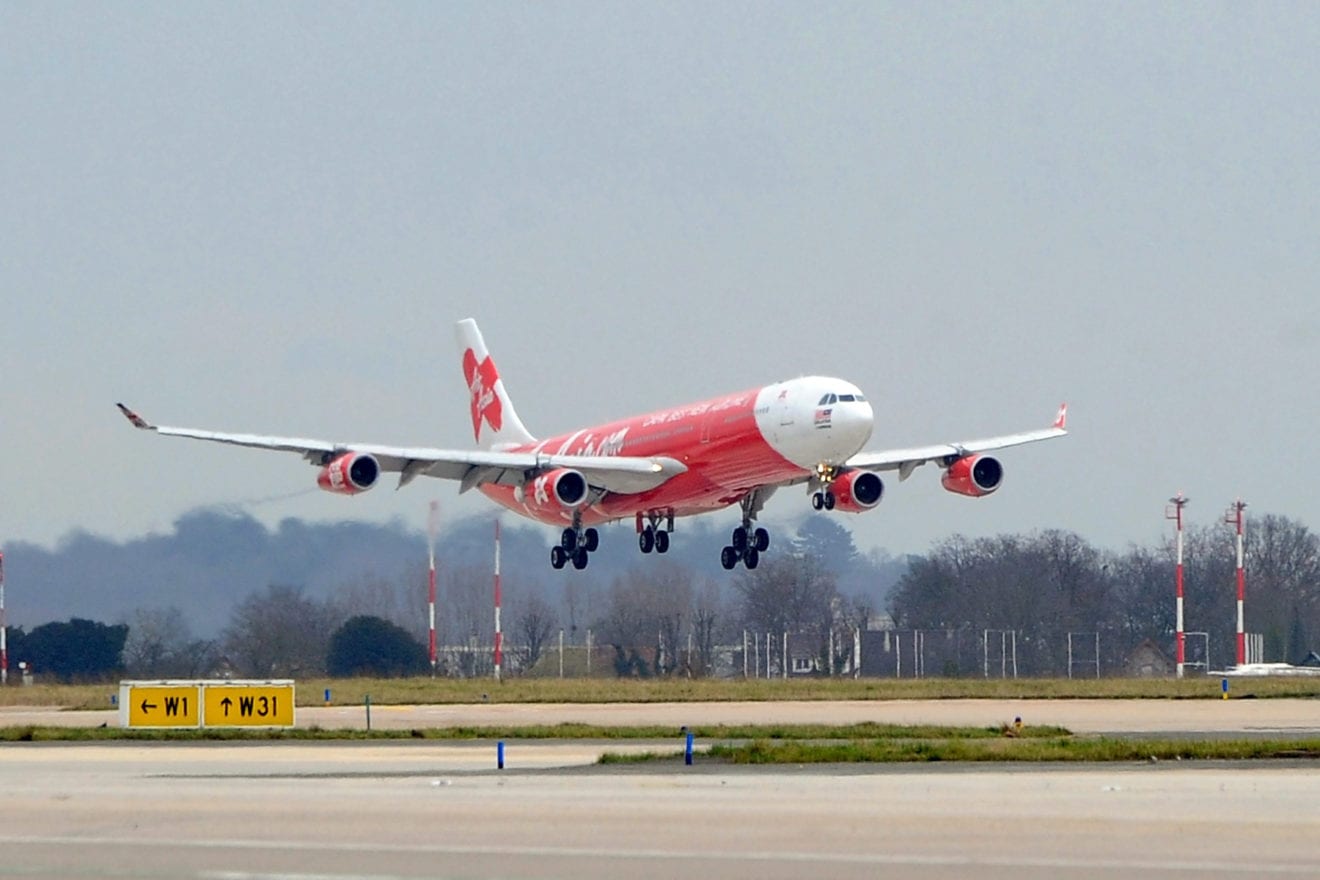
    Philippines AirAsia Incorporated targets to make the Clark International Airport its main hub for operations, as the Ninoy Aquino International Airport (NAIA) has inadequate space for the budget airline’s fleet expansion, its chief said.

    To sustain its operations, the Clark International Airport Corporation (CIAC) has waived the budget airline’s airport, landing, and takeoff fees, according to Philippines AirAsia chief executive officer Dexter Comendador.

    It was in March this year when Philippines AirAsia returned to its Clark roots. In 2013, the budget carrier had moved its operations to NAIA Terminal 4 in Manila after its then-affiliate Zest Airways Incorporated suffered heavy losses.

    “We plan to establish Clark as our main hub, because Manila is too crowded. If I have 70 planes in 10 years, I do not have a place to park in Manila,” Comendador told reporters on the sidelines of a briefing in Taguig City last week.

    The local airline is planning to increase its fleet to 17 jets this year from the current 14 to accommodate its new operations.

    70 airplanes

    In the next 3 to 5 years, Comendador said Philippines AirAsia targets to double its fleet. By 2032, it aims to have 70 planes.

    “Since we are opening Clark as a hub, we plan to fly to Korea, China, Malaysia, Singapore, Hong Kong, Macau, and Taipei,” Comendador said.

    To spur outbound traffic, the CIAC waived landing and takeoff fees as well as other airport charges for Philippines AirAsia.

    CIAC chief Alexander Cauguiran earlier said discounts on similar fees have been granted to other airlines operating at the Clark International Airport.

    Philippines AirAsia operates a fleet of 17 aircraft with domestic and international flights out of hubs in Manila, Cebu, Kalibo, and now Clark.

    It flies to Manila, Davao, Cebu, Kalibo, Tacloban, Tagbilaran, Puerto Princesa, Clark, Shanghai, Taipei, Incheon, Hong Kong, Macau, Kuala Lumpur, Kota Kinabalu, and Singapore.

  • Google store visits measurement comes to Singapore

    Google store visits measurement comes to Singapore

    A study by Google and Temasek revealed that 6.7% of all retail sales is expected to be done via e-commerce channels by 2025. What is significant about this data is that offline or storefront sales will continue to dominate retail sales for a foreseeable future.

    At the same time, retailers recognize the importance of smartphone as a channel for engaging customers. According to Hootsuite-wearesocial data, there are 8.44 million mobile subscribers in a city with a population of 5.74 million. The Infocomm Media Development Authority (IMDA) pegs wireless broadband penetration at 206.7% as of June 2017.

    According to eMarketer, Google and Facebook dominate the digital advertising space accounting for over 60% of ad spending. Both have developed solutions to allow advertisers to measure conversion that happen offline.

    This September, Singapore has become only the third country in Asia Pacific, after Japan and Australia, to have available Google’s store visits measurement, a technology designed to help businesses understand the offline effects of their online advertising campaigns.

    When people are trying to find a local business, they often turn to Google for help. According to Google nearly one-third of all mobile searches are related to location. To help consumers decide where to go, marketers are using innovations like location extensions and local inventory ads to promote nearby stores.

    Store visits measurement was first introduced in 2014 to give advertisers deeper insight into consumer journeys that start online and end in a physical business location. Google claims that in a span of three years advertisers around the world have measured over 5 billion store visits using AdWords.

    Google has combined its mapping and proprietary machine learning technology to help businesses measure store visits with the highest degree of precision and accuracy. Store visits are calculated based on aggregated and anonymized data from users who opt in to activate Location History.

    Store visits measurement is currently available for Search, Shopping and Display campaigns. Soon, this technology will also be available for YouTube TrueView campaigns to help retailers measure the impact of video ads on foot traffic to physical stores.

    Stephanie Davis, Country Director, Google Singapore said, ‘Bridging the gap between the online and offline worlds is a crucial step for retailers to understand the full value of their digital investments. But it’s not an easy task. Starting from today, businesses in Singapore can use Google’s industry-leading technology to accurately measure the impact of their online advertising campaigns on in-store sales.’

    In an exclusive interview with Retail Tech Innovation (see video below), Leonie Valentine, managing director, sales and operation for Google Hong Kong says there is not enough of a joined up view of how they can use analytics and data in retailers’ businesses.

    She acknowledges that retailers desire to know more about how customers are searching for products in stores, but there remains a limited organizational capability to be able to find all that data about their customers, make sense of it and interrogate it.

  • AirAsia to operate from Changi Airport’s new Terminal 4

    Low-cost carrier AirAsia is set to relocate its operations at Singapore’s Changi Airport from Terminal 1 to the new Terminal 4 on Nov. 7.

    Starting on that day, all AirAsia flights will depart from and land at Terminal 4. No changes will occur in the airline’s schedule at the airport.

    According to a press release issued on Thursday, passengers are advised to arrive at Terminal 4 at least three hours prior to their departure to ensure a smooth process at the new terminal. Those traveling to the airport using the MRT can make their way to the Terminal 2 arrival area and use a free 24-hour shuttle bus that runs every 10 minutes to reach Terminal 4.

    AirAsia Singapore CEO Logan Velaitham said the move was in line with the carrier’s vision to become a “digital airline.”

    “Our focus this year is to implement a Fast and Seamless Travel service,” said Velaitham.

    At Terminal 4, AirAsia is said to provide 19 check-in desks, 14 bag-drop machines, two document-screening counters and two payment counters at Line 4 and a group check-in service at Line 5.

    The newest terminal of Changi is set to open on Oct. 31.