Category: General

Retail News Asia is committed to providing both local and global retailers with the latest General Retail news throughout the Asian market. This on a daily base.

  • UFC Announces a New Integrated Partnership With AirAsia

    UFC Announces a New Integrated Partnership With AirAsia

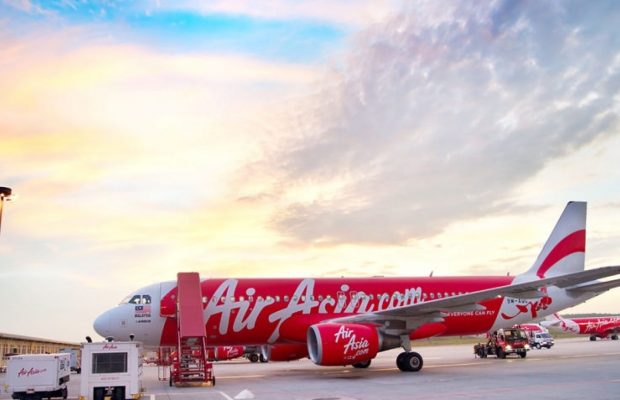
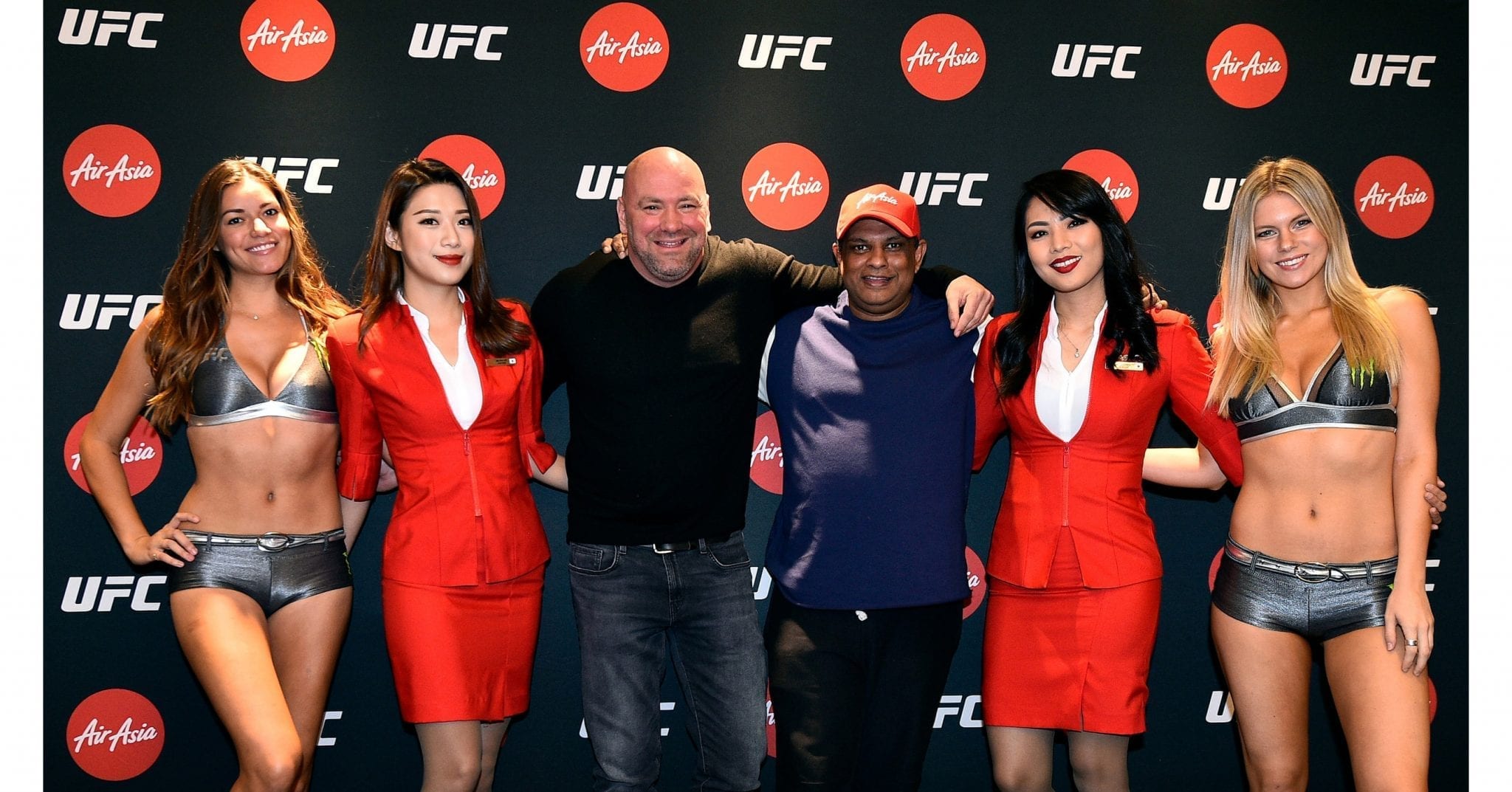
    UFC, the world’s premier mixed martial arts organization, today announced a new multi-territory partnership with AirAsia, Asia’s leading low-cost carrier, to serve as the global brand’s first-ever “Official Airline” sponsor. The partnership, which encompasses Asia and Australia, will begin on Saturday, November 4, during the highly-anticipated UFC

    “This deal is an indication of how much UFC and the sport of mixed martial arts have grown in Asia and around the world,” UFC Vice President of Asia-Pacific Kevin Chang said. “AirAsia is an innovative and fast-growing brand, we thank them for the support and we’re looking forward to creating engaging branded content for fight fans and AirAsia customers to enjoy.”

    “In many ways, UFC’s rapid rise as a global phenomenon parallels AirAsia’s,” said Tony Fernandes, Group Chief Executive Officer of AirAsia. “The UFC expanded from their first event in Denver to the rest of the US and then to Asia-Pacific and the world, while AirAsia grew from a small domestic airline into Asia’s largest low-cost carrier that now flies to the US. Opposite directions but chasing the same dream, and we are thrilled to team up with a brand that shares our drive and vision.”

    AirAsia will begin its international activations during UFC’s historic inaugural event in mainland China at UFC FIGHT NIGHT: SILVA vs. GASTELUM on Saturday, November 25 at Mercedes-Benz Arena in Shanghai. As part of this collaboration, AirAsia will obtain rights to signage and branding inside UFC’s world-famous Octagon during the event in Shanghai and select international UFC events in 2018.

    With this partnership, AirAsia will also serve as presenting sponsor of select UFC Fan Experiences throughout the region and promote a national sweepstakes campaign where two fans will win a UFC VIP Experience during an event in 2018. The airline brand will also be integrated across multiple UFC-based social and digital platforms, as well as having a presence during live-event broadcasts and on UFC.com. UFC and AirAsia will also jointly sponsor content featured on Weibo and WeChat platforms in China.

    Along with integration during international UFC events, this sponsorship will also deliver exciting co-branded content to Asian fight fans via AirAsia and UFC’s media platforms. These initiatives include monthly training sessions featuring UFC athletes and members of the UFC Performance Institute’s staff.

    UFC and AirAsia will also make history by selecting the first-ever UFC scholarship program recipient. As part of this program, one Asia-based athlete will be awarded an all-expenses paid scholarship that includes travel to the United States and training at the UFC Performance Institute in Las Vegas, Nevada.


  • Terminal 4 brings new retail brands to Changi Airport

    Terminal 4 brings new retail brands to Changi Airport

    Changi Airport retail has received a boost, with some 20 new retail brands making their debut at the new Terminal 4 (T4) which opened yesterday.

    The retail mix at the terminal, which was five years in the making, spans 81 shops, 62 of them retail and service outlets and 19 food and beverage operators. About a quarter of them are making their Changi Airport retail debut.

    Centrestage are integrated cosmetics and perfumes and liquor and tobacco stores operated by The Shilla Duty Free and DFS respectively. In a first for the airport, shoppers are able to pay for all their purchases from the two stores in a single transaction.

    In the departure transit area, there are several “double volume retail outlets” with frontages spanning up to 11 metres high.

    One of the main retail attractions at T4 is the Heritage Zone, with its facades of old Singapore shop houses, as well as the row of F&B outlets exuding nostalgia through their local delights and old-school furnishings. They serve up traditional Singaporean breakfast and snack items such as kaya toast, mee siam and kopi. At Live Prata Station, Indian roti is prepared right in front of customers.

    “We have received very encouraging feedback from passengers that the offerings curated for T4 are refreshing and bring a new dimension to shopping and dining at Changi Airport,” said Teo Chew Hoon, CAG’s group senior VP for airside concessions.

    “Our commercial team has paid attention to bringing in innovative concepts and new experiences for passengers spanning a range of categories, from the live cooking stations for prata and BBQ pork, to the sampling of cocktail mixes and the test-flying of drones. We will continue to work with our tenant partners to create a fun, vibrant and positively surprising experience for passengers and visitors at T4,” she said.

    On its first day of operations yesterday, following extensive testing, the terminal handled 19 arrivals and departures, carrying about 4200 passengers. Cathay Pacific and Korean Air are the first two of nine airlines scheduled to use the new facility.

    Tan Lye Teck, Changi Airport Group’s executive VP for airport management said the new terminal will increase Changi Airport’s capacity by 16 million passenger movements per annum, taking the total capacity to 82 million.

    Japanese theme

    Meanwhile, Changi Airport retail welcomed a Japanese Farmers Market to Terminal 3 last month, along with other retailers.

    Located in the Departure Hall, the market sells an extensive range of produce including Wagyu beef cuts, fruits, and bento boxes imported from Japan.

    Across from the Farmers Market, Kalms’ automated retail machines offer a range of gifts such as flower bouquets, soft toys and jewellery.

    And in the public area of T3, local beverage store LiHo opened its first airport outlet last month.

    In Terminal 1’s transit area, Michael Kors opened its second Changi Airport store.

  • Amid soaring profits, Facebook vows to curb abuse

    Amid soaring profits, Facebook vows to curb abuse

    Investors worried that the probe into Russian meddling with U.S. politics will result in changes in regulation on social networks. Facebook on Wednesday reported that profits leapt on booming revenue from online ads in the third quarter, topping investor forecasts and buoying shares already at record highs.

    The leading social network said it made a profit of $4.7 billion in the quarter that ended on September 30, a jump of 79 percent from the same period a year earlier.

    Chief executive Mark Zuckerberg used the update to address criticism of Facebook for allowing disinformation and manipulation during the 2016 U.S. presidential election, hours after the company’s top lawyer faced a grilling at a Washington congressional hearing.

    “Our community continues to grow and our business is doing well,” Zuckerberg said.

    “But none of that matters if our services are used in ways that don’t bring people closer together. We’re serious about preventing abuse on our platforms. We’re investing so much in security that it will impact our profitability. Protecting our community is more important than maximizing our profits.”

    Facebook shares that ended the day up 1.4 percent to $182.66 but retreating in after-market trades to $179.25.

    Investor enthusiasm may have been tempered by rising costs at the California-based internet giant and executives stressing the company is firmly in “investment mode” while predicting ad growth will slow.

    “They made a ton of money but the Russia investigation is clearly putting a cloud over everything for the moment,” said independent analyst Rob Enderle.

    “Sometimes it just takes a trigger event to cause a bunch of people to take their profit and go someplace else, especially if they have decided this is as good as it is going to get at Facebook for a while.”

    The analyst added that some investors might be worried that the probed into Russia meddling with US politics will result in regulation on social networks that might hurt profitability.

    Investment mode

    Expenses rose to $5.2 billion from $3.9 billion in the same quarter last year, and headcount at the company was up 47 percent to 23,165 employees.

    “We will continue to invest aggressively in the many opportunities we see ahead,” Facebook chief financial officer David Wehner said during an earnings call with analysts.

    Zuckerberg outlined investment priorities that included video content, which he described as the biggest trend at Facebook.

    The number of monthly active users at the social network continued to grow, reaching 2.07 billion, an increase of 16 percent from the same time last year.

    Advertising served up on smartphones or tablets accounted for about 88 percent of revenue taken in from marketing messages in the quarter, Facebook reported.

    The quarterly earnings report was released as Facebook and other internet titans testified this week before Congress about a Russian-led effort to spread misinformation and sow discord ahead of the 2016 U.S. election.

    New details on meddling

    Facebook told Congress on Wednesday that the apparent political meddling included use of its image-oriented messaging service Instagram.

    Facebook general counsel Colin Stretch told a hearing that Instagram posts by suspect Russian accounts were seen by some 20 million Americans last year.

    “We now discovered, in the last 48 hours, 120,000 Russian-based posts on Instagram,” Stretch told the Senate Intelligence Committee hearing.

    The latest data on Instagram is on top of the estimated 126 million Americans exposed to Facebook posts from Russian entities seeking to create divisions during the election campaign.

    “So all told, that gets you to approximately — a little less than 150 million,” Stretch said in response to questioning from Democratic Senator Mark Warner.

    Senator Dianne Feinstein of California told the hearing which included lawyers for Facebook, Google and Twitter that the companies need to do more to help combat “cyber warfare.”

    “I asked specific questions, I got vague answers, and that just won’t do,” she told the companies.

    “You have a huge problem on your hands… You’ve created these platforms, and now they are being misused, and you have to be the ones to do something about it, or we will.”

    The hearing was the second in Congress this week in which social media and internet firms have been called to explain how fake news and other disinformation was allowed to spread during the election campaign.

    “I’ve expressed how upset I am that the Russians tried to use our tools to sow mistrust,” Zuckerberg said

    “What they did is wrong and we are not going to stand for it.”

  • Myer drops sales targets this year

    Myer drops sales targets this year

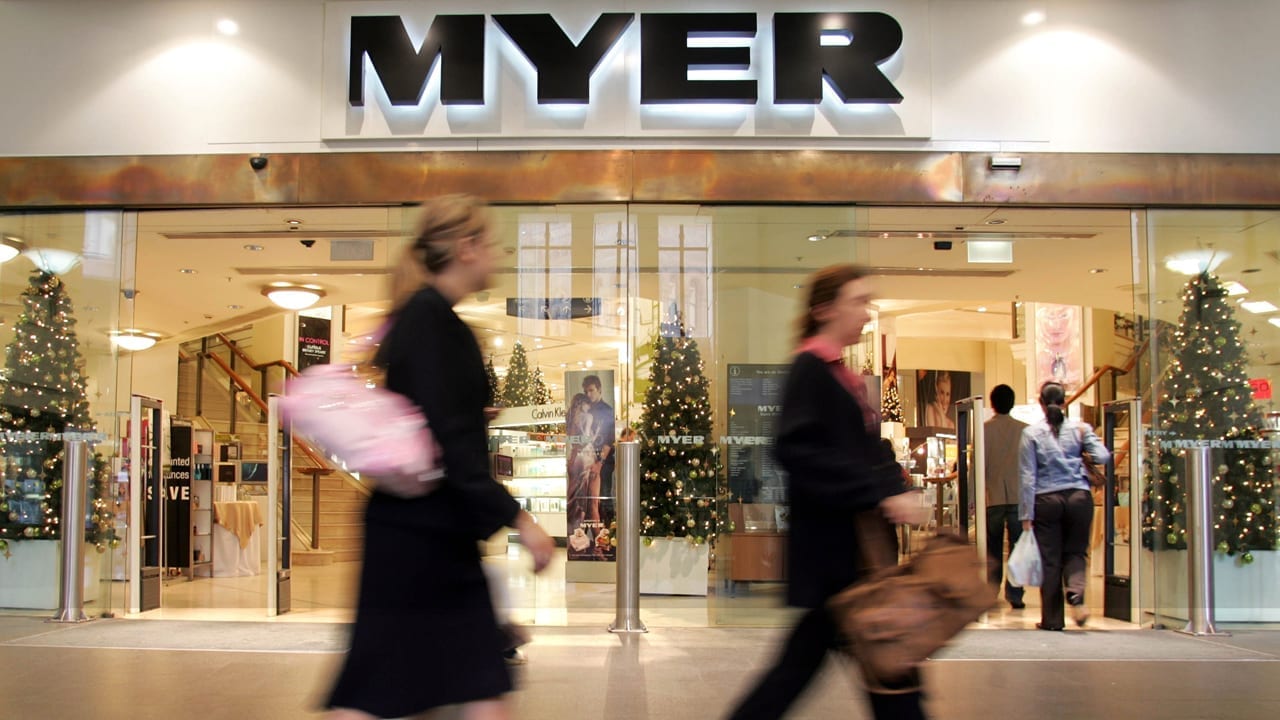
    Myer is committed to dedicated clearance floors in its department stores despite major shareholder Solomon Lew fuming that the old stock would be more at home in a Salvation Army op shop.

    Myer executive Tony Sutton told investors at Wednesday’s strategy day that the clearance floors represented a foray into the $4.6 billion “off-price” retail market.

    Sutton said off-price was about selling wanted brands at significant discounts, a strategy that has brought success to the likes of DFO and US retailer TK Maxx.

    “We see this as a new potential market for Myer and sits adjacent to Myer’s current proposition,” Sutton said.

    The commitment flies in the face of Myer’s promises earlier this year to move away from heavy discounting.

    Sutton, the executive general manager for stores, said sales for the eight Myer stores piloting the clearance floors over the past six weeks had been positive.

    Sales in the last full financial year dropped 2.3 per cent across the eight stores, but – excluding online sales – they had risen 3.7 per cent since clearance floors were introduced.

    Sutton said clearance floors had helped US department stores such as Nordstrom boost their sales.

    But Lew – the chairman of major shareholder Premier Investments – has been critical of the clearance floors, saying in September the apparel was up to three years old and belonged “in the Salvation Army”.

    Meanwhile Myer has dropped the sales targets it set as part of its much-vaunted turnaround plan after unveiling another weak set of figures to investors.

    Chief executive Richard Umbers said average sales growth above three per cent between 2016 and 2020 was no longer achievable at the department store chain because of stiff competition and weak consumer spending.

    But the chief executive said on Wednesday his co-called ‘new Myer’ turnaround plan remained sound despite a 2.8 per cent decline in first-quarter sales.

    “Two years ago when we released the New Myer strategy we did not anticipate the extent of deterioration in market conditions,” Umbers told investors at a strategy day.

    “Our ambition of three per cent sales growth seemed appropriate at the time but it doesn’t seem appropriate now.”

    Umbers acknowledged it was longer than expected to turn the business around, but said that did not mean it was wrong to focus on young shoppers, popular brands, concessions and targeted closures.

    “A tough external environment cannot be a reason to slow down or stop investment for the long term,” he said.

    Myer said it would now measure performance against sales per square metre growth, although it has roughly halved that target to “more than 10 per cent” until 2020.

    Umbers’ previous target for growth in earnings to outpace that in sales has also been scrapped.

    Umbers said the retailer was now focused on what he indicated would be a more meaningful second quarter including the spring racing and Christmas trading periods.

    Lew was quick to respond following yesterday’s strategy update and release of its quarterly results, noting Myer has “left the strategy in place despite the very clear evidence that it has failed.”

    “Premier also notes the improvement in Big W’s sales performance announced yesterday for the same period,” the company said in a statement.

    “Today’s announcements by Myer are final proof that Garry Hounsell is unelectable as chairman of Myer. Hounsell has promised to deliver more of the same failed new Myer strategy, and he will now reward the Myer management team for taking the company backwards.”

    Lew – who heads up the parent company of Smiggle and Peter Alexander – is leading a campaign to overhaul the department store retailer’s board.

    The retail veteran also commented on Myer’s turnaround strategy, in which Myer chairman-elect Hounsell had previously said was beginning to show “green shoots” of recovery.

    “I only see weeds, no green shoots,” said Lew.

  • AirAsia Group CEO launches memoirs

    AirAsia Group CEO launches memoirs

    Airasia Group chief executive officer Tan Sri Tony Fernandes launched his memoirs, Flying High, a look back at his journey from music man to airline man. The book was unveiled at a star-studded affair at Marini’s On 57 in Kuala Lumpur, in the shadow of the Petronas Twin Towers. The launch was attended by AirAsia co-founder and AirAsia Malaysia executive chairman Datuk Kamarudin Meranun, AirAsia Malaysia independent director Dato’ Fam Lee Ee, AirAsia Malaysia chief executive officer Aireen Omar, AirAsia X Malaysia chief executive officer Benyamin Ismail, AirAsia Thailand chief executive officer Tassapon Bijleveld, AirAsia Group chief executive officer for Indonesia Dendy Kurniawan, and AirAsia India chief executive officer Amar Abrol.

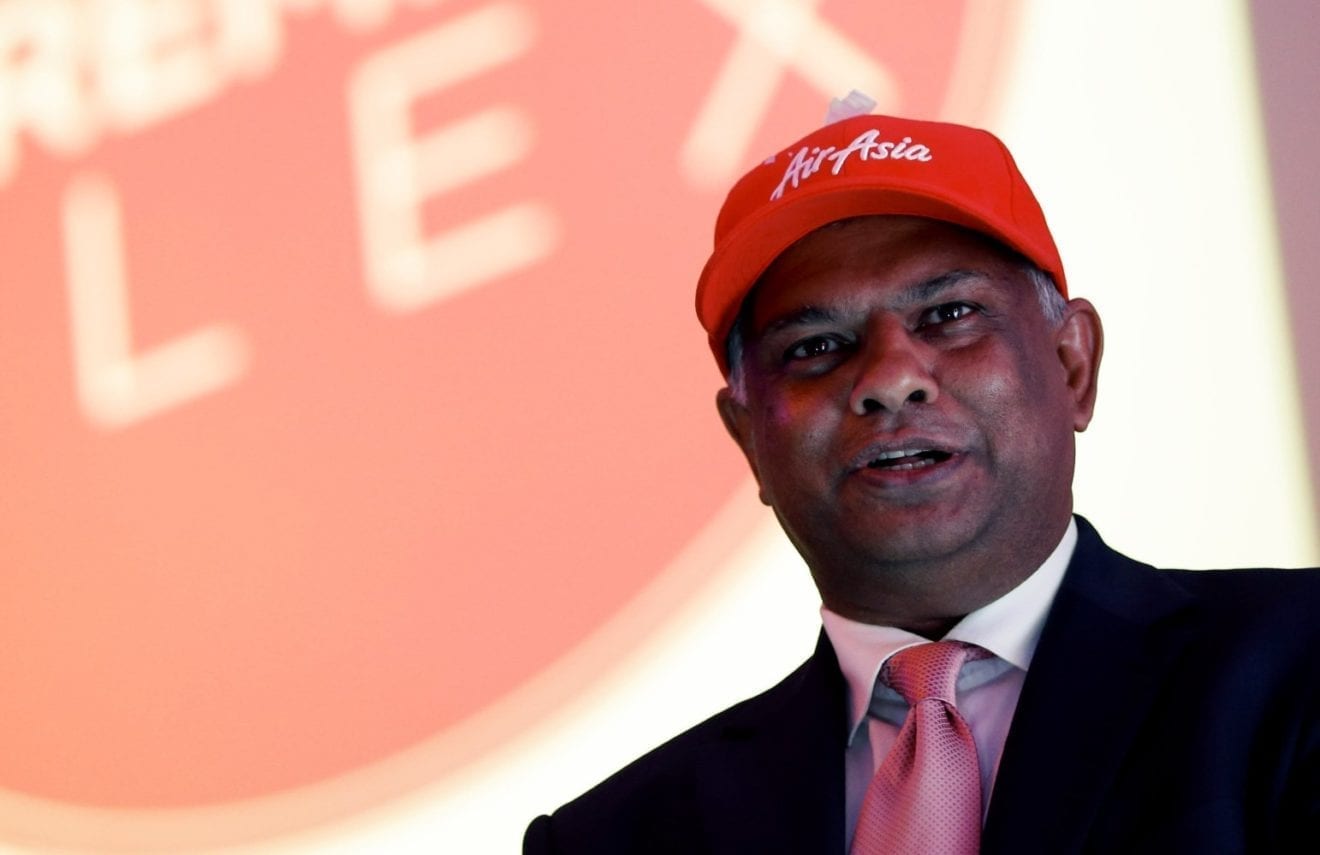
    AirAsia Group chief executive officer Tan Sri Tony Fernandes said, “Flying High is a story about the power of dreams.

    When I first started AirAsia with Datuk Kamarudin, everyone thought we were crazy. They said we had no business running an airline and it wouldn’t work. If we had listened to them, we would have given up before we even started and this book wouldn’t exist. “This book is proof that dreams do come true, and I hope it will encourage others to pursue their true passion. Believe the unbelievable, dream the impossible and never take no for an answer. Even if you fail, it doesn’t matter because at least you’ve tried and you can do it again, so trust in your gut feeling.

    Don’t listen to anyone else’s advice and go ahead—write your own incredible story.” Flying High recounts Tan Sri Tony Fernandes’ journey as a young boy growing in Malaysia to a homesick British boarding school student with a tuck box full of dreams, all the way to his time at Warner Music and finally as AirAsia chief—with plenty of stops along memory lane in between. Learn about what drives Tan Sri Tony Fernandes and the moments that shaped him, including a chance encounter with Virgin Group founder, Sir Richard Branson that eventually led to Fernandes’ first job out of university.

    Published as Tan Sri Tony Fernandes returns as the face of the second series of “Apprentice Asia,” the book is an inspiring personal story of an exceptional business leader who created Asia’s first budget airline and democratized air travel in Asia, building AirAsia into a multi-billion-dollar company in the process.

  • AirAsia, Singapore’s SATS form ground handling partnership

    AirAsia, Singapore’s SATS form ground handling partnership

    Airasia is entering into a ground handling services joint venture with Singapore-listed ground handling and in-flight catering services provider SATS Ltd with the aim of growing the operations across the Asean region.

    This would be effected through a share swap agreement and a share sale agreement which will see AirAsia and SATS owning a 50% stake each in Ground Team Red Holdings Sdn Bhd (GTRH), the low-cost carrier told Bursa Malaysia.

    SATS is swapping an 80% equity interest in unit SATS Ground Services Pte Ltd (SGS Singapore) for an 11.4% stake in AirAsia’s unit GTRH. AirAsia will sell a further 38.6% stake in GTRH to SATS for S$119.3mil (RM370.97mil) in cash.

    At the same time with the share exchange, AirAsia will transfer 98% of Ground Team Red Sdn Bhd (GTR Malaysia) – which provides ground handling services in Malaysia – to GTRH, which (as mentioned above) will also hold 80% in SGS Singapore, which will serve SATS’ customers at Changi Airport’s new Terminal 4 (to open Tuesday).

    AirAsia will hold directly 2% in GTR Malaysia and 20% in SGS Singapore.

    According to AirAsia, it will realise a gain on disposal of RM365.7mil in the fourth quarter of this year following the sale of the GTRH stake.

    The airline also said the partnership with SATS would foster greater efficiency and cost savings to its ground handling operations.

    “This will facilitate growth of AirAsia, with SATS bringing in the necessary expertise and skills set to create a synergy which will enhance the ground handling business,” it explained.

    In a joint press statement, AirAsia and SATS said GTRH would be renamed SATS Ground Team Red Holdings Sdn Bhd.

    AirAsia and SATS, responsible for growing the ground handling business in their respective markets, would also explore expansion into Indonesia, the Philippines and Thailand in the near future, the statement said.

    AirAsia group chief executive officer Tan Sri Tony Fernandes said: “Today, we are very pleased to announce that two home-grown companies have partnered together to form a new Asean joint venture.

    “We believe this joint venture will allow AirAsia to unlock significant value and grow it as we have done with AirAsia Expedia, our aviation academy Asian Aviation Centre of Excellence and later this year, our leasing arm Asia Aviation Capital. Our assets are very valuable and slowly people are beginning to see the true value of AirAsia, as today’s announcement proves.”

    SATS, through wholly-owned subsidiary SATS Investments, also has an in-flight catering service partnership with Malaysia Airlines Bhd (MAB).

    SATS owns a 49% stake in Brahim’s SATS Investment Holdings Sdn Bhd, which in turn owns 70% in Brahim’s  SATS Food Services Sdn Bhd (BSFS). The remaining 30% equity interest in BSFS is held by MAB.

    BSFS, whose main customer is MAB, is the principal in-flight catering service provider at both Kuala Lumpur International Airport and Penang International Airport. It also provides cabin handling services covering laundry services for pillows and blankets, filling the cabin trolley with items for in-flight sales as well as providing passenger headsets, newspapers and periodicals.

  • Cebu Pacific shelves plans to fly to Honolulu

    Cebu Pacific shelves plans to fly to Honolulu

    Cebu Pacific Air is rethinking its long-haul strategy, shelving—for now—plans to fly to Honolulu in the United States.

    The low cost carrier, controlled by the Gokongwei family’s JG Summit Holdings, is instead keen on expanding operations within the Philippines and neighboring areas in Asia, CEO Lance Gokongwei said in a recent interview.

    It was also keeping alive the possibility of flying to Melbourne, its second destination in Australia after Sydney.

    “We would rather focus our resources on meeting existing demand for regional and domestic flights,” Gokongwei said.

    Cebu Pacific earlier announced a significant cutback in its Middle East operations. From June to July, it suspended operations to Kuwait, Doha and Riyadh. It still flies to Dubai in the United Arab Emirates.

    Gokongwei acknowledged that Cebu Pacific was suffering “immense losses” on those Middle East routes.

    Those flights, once a key part of Cebu Pacific’s long-haul strategy, were launched between 2014 and 2015. The budget airline briefly operated flights between Manila and Dammam before suspending the service in early 2015.

    “The other airlines, we believe, are perhaps benefiting from some subsidies from their governments,” Gokongwei adding, likely referring to state-owned Gulf carriers— Cebu Pacific’s main rivals on those routes.

    “Privately owned airlines like ourselves really could not sustain the operations,” he said.

    Gokongwei said its fleet of Airbus A330s had since been redeployed to cater to high demand destinations like Hong Kong, Korea, Japan, Davao and Cebu.

    “We’ve seen increasing demand more for international and short-haul traffic,” he noted, adding that Cebu Pacific was still targeting to carry around 20 million passengers this year, about a tenth better than 2016.

    Gokongwei said its pipeline of plane orders would likewise remain unchanged.

    Its fleet of aircraft includes one Airbus A319, 35 Airbus A320s and eight Airbus A330s while the Cebgo fleet is composed of eight ATR 72-500s and seven ATR 72-600 aircraft.

    Between 2017 and 2022, Cebu Pacific expects delivery of seven new Airbus A321ceo and 32 Airbus A321neo aircraft.

    Cebu Pacific’s route network spans 25 international and 37 domestic destinations.

  • Singapore Christmas village planned for Orchard Road

    Singapore Christmas village planned for Orchard Road

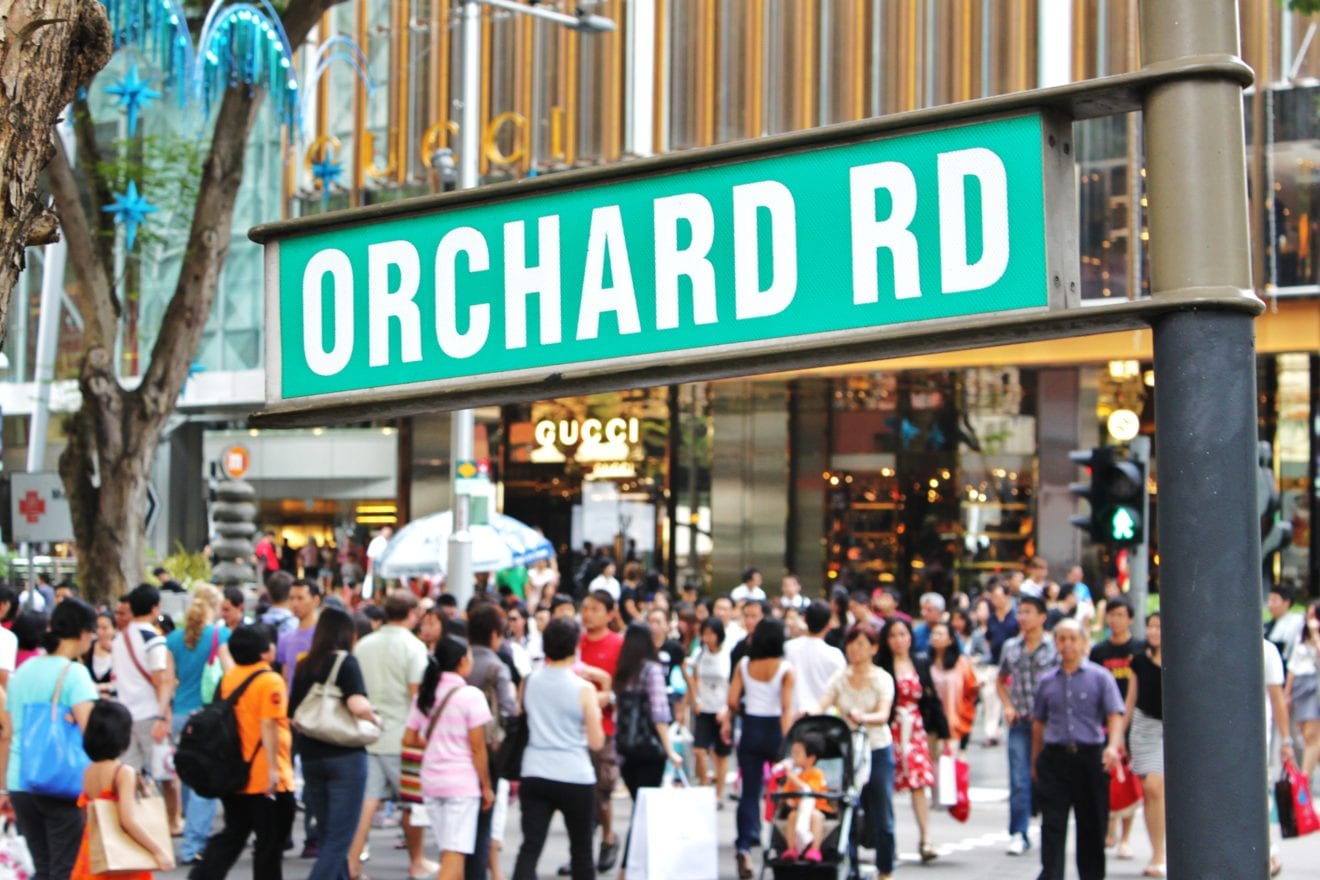
    Drawing inspiration from Europe, a Singapore Christmas village featuring pop-up stores from 25 brands, will make its debut at the annual Orchard Road light-up this year.

    Outside Ngee Ann City from November 25 to Christmas Day, the village will feature such brands as Fish & Co, Starbucks and Toast Box, with Singapore’s first-ever duplex carousel.

    “Christmas villages are very popular in Europe,” says Orchard Road Business Association (Orba) chairman Mark Shaw. “It will be a good opportunity for retailers to reach out to customers.”

    Running from November 11 to January 1, the ninth edition of Christmas on a Great Street will be themed “Endless Wonder”. Highlights will include the event’s highest-ever main arch, reaching 12m, outside Ion Orchard and a 5m Enchanted Tree installation outside Wisma Atria.

    Activities along the 2.8km stretch between Plaza Singapura and Tanglin Mall will start earlier this year, at 3pm rather than 6.30. There will be daily performances from bands, carol singers and roving cosplayers.

    Shaw says LED lights will enhance the installations even in the afternoon. Each of the 1200 hanging globes to be strung on trees comprise coloured fabric intertwined with LED fairy lights.

    Other attractions include the Walk of Wonder, a 12m-high 20m tunnel outside Forum the Shopping Mall made from reflective fabric and fairy lights.

    A 4.5m Tree of Time in front of Ngee Ann City will be topped with a countdown-to-Christmas Day clock, and will be the backdrop to a Christmas Eve concert featuring bands and a midnight pyrotechnics show.

    Orba expects the event to draw 3.6 million visitors this year. While this appears to be a sharp drop from the 6 million visitors counted last year, the association says it is introducing a new calculation method. In previous years, anyone who entered the event area would be counted as a visitor, but from this year visitors will be asked if they are there specifically for the event.

  • Twitter increase ad transparency to foil politics meddling

    Twitter increase ad transparency to foil politics meddling

    US lawmakers are also looking into how foreign entities used social media to meddle in politics last year. Twitter on Tuesday announced steps to make it easier to see who is behind political ads and who they are targeting as social media giants try to thwart skullduggery.

    The moves include launching an online center with details about advertisers and their messages, according to general manager of revenue and product engineering Bruce Falck.

    Twitter also plans to adopt stricter ad policies and improve controls, amid heightened scrutiny surrounding the news that Russian-backed entities used online platforms to spread disinformation during the 2016 campaign to help Republican Donald Trump defeat Democratic challenger Hillary Clinton.

    “To make it clear when you are seeing or engaging with an electioneering ad, we will now require that electioneering advertisers identify their campaigns as such,” Falck said in an online post.

    “We will also change the look and feel of these ads and include a visual political ad indicator.”

    Honest Ads Act

    US lawmakers last month unveiled legislation to require disclosure of sources of online political ads, a move aimed at preventing a recurrence of Russian entities using social media to influence the 2016 election.

    Senators behind the Honest Ads Act referred to it as an issue of national security.

    Democrat Mark Warner, who was among those who introduced the bill, referred to Twitter’s move as “a good first step, particularly public disclosure of ads info,” in a tweet fired off on Tuesday.

    The Honest Ads Act would require online platforms with at least 50 million users to maintain and disclose information on spending of at least $500 for ads for candidates or legislative issues, applying rules that are similar to those for television and radio.

    Lawmakers are investigating how foreign entities used Facebook, Google and other online platforms to sway sentiment in 2016.

    Facebook handed to Congress about 3,000 Russia-linked ads that appeared to use hot-button issues to turn people against one another ahead of last year’s US election.

    Dark ads

    Many of these were so-called “dark ads” targeted at specific groups and which could not be viewed by the public.

    Falck noted that there is no clear industry definition of issue-based ads that aren’t clearly linked to politics but that Twitter is working with peers, policy makers, advertisers and others on a way to quickly and clearly identify such advertising.

    Twitter planned to debut the ad policy updates first in the US and then roll them out globally.

    Just a few years ago, Facebook and Twitter were hailed as tools for democracy activists, enabling movements like the Arab Spring to flourish.

    Today, the tables have turned as fears grow over how social media may have been manipulated to disrupt the US election, and over how authoritarian governments are using the networks to clamp down on dissent.

    Facebook and Twitter are among internet companies that have made moves to crack down on their services being used to achieve hidden political agendas with the help of bogus news stories or manipulative ads.

  • Facebook moves toward revealing political ad backers

    Facebook moves toward revealing political ad backers

    People will be able to click ‘view ads’ on a page to determine the source. Facebook said Friday it would take steps to deliver on a promise to reveal backers of political advertisements to boost transparency in the wake of criticism of the social network’s role in the 2016 U.S. election.

    The leading social platform said it will begin testing and refining political ad transparency tools next month in Canada, with a goal of having them in place in the US before elections next year.

    Under the plan unveiled by Facebook vice president Rob Goldman, people will be able to click “view ads” on a page to determine the source.

    “Transparency helps everyone, especially political watchdog groups and reporters, keep advertisers accountable for who they say they are and what they say to different groups,” Goldman said in a blog post.

    “People should be able to tell who the advertiser is and see the ads they’re running, especially for political ads, That level of transparency is good for democracy and it’s good for the electoral process.”

    Facebook founder and chief executive Mark Zuckerberg said in a separate post this is more transparency than required for other media.

    “We’re making all ads more transparent, not just political ads,” Zuckerberg said.

    Additionally, he noted that political advertisers “will now have to provide more information to verify their identity.”

    Facebook in September announced a plan to increase “transparency” regarding political advertising and hire more than 1,000 people to thwart deceptive ads crafted to knock elections off course including “dark” messages crafted for specific demographic groups but invisible to others.

    Facebook has turned over to Congress some 3,000 Russia-linked ads that appeared to use hot-button issues to turn people against one another ahead of last year’s U.S. election.

    Facebook’s second-ranking executive, Sheryl Sandberg, has acknowledged that “things happened on our platform in this election that should not have happened, especially foreign interference.”

    According to Facebook, some 10 million people may have viewed the ads placed by a Russian entity that appeared aimed at sowing division and mistrust.

    Some 470 accounts spent a total of approximately $100,000 between June 2015 to May 2017 on ads that touted fake or misleading news, according to Facebook.

    Goldman said Canada is a “natural choice” to test the new system.

    “Testing in one market allows us to learn the various ways an entire population uses the feature at a scale that allows us to learn and iterate,” Goldman said.

    Twitter this week unveiled similar steps that will disclose the sources of political ads. The messaging platform separately said it would ban ads from Russia-based RT and Sputnik, accused of spreading disinformation during the 2016 campaign.

  • Singapore retail rent decline ‘moderated’

    Singapore retail rent decline ‘moderated’

    Fresh research from real estate house Edmund Tie & Company suggests the decline in Singapore retail rents has moderated.

    Dr Lee Nai Jia, head of research with Edmund Tie, says the retail leasing market remained subdued in the third quarter, despite the decline easing.

    “While e-commerce and the accessibility to shopping havens in neighbouring countries continue to affect retailers and the overall retail market, the impact seems contained for now,” he said in a research note.

    “In fact, we see more online shopping portals adopting the brick and mortar strategy, such as Reebonz.

    “Separately, local retailers are engaging consumers via omni-channels.”

    In the short term, Jia predicts food and beverage operators and educational institutions will most likely form the bulk of demand for retail space.

  • Cebu Pacific launches program to train future Filipino pilots in Australia

    Cebu Pacific launches program to train future Filipino pilots in Australia

    Gokongwei-led budget carrier Cebu Pacific Air launched a new program to train would-be pilots in Australia.

    Dubbed the Cebu Pacific Cadet Pilot Program, it seeks to address the airline’s expansion requirements over the next 5 years. The training will be conducted in partnership with Australia’s Flight Training Adelaide (FTA).

    The aim is to train 250 Filipinos who will subsequently join the corps of pilots of Cebu Pacific.

    “Over the next 5 years, Cebu Pacific will be investing $25 million to train 250 cadet pilots to become full-fledged First Officers and eventually Captains. The program will allow us to train homegrown Filipino pilots with best-in-class international standards,” Cebu Pacific chief executive officer Lance Gokongwei said during the launch of the program on Tuesday, October 24.

    Cadet pilots will undergo a 56-week program that features integrated flying training, flight theory, and education courses.

    After completion of the program, the cadet pilots will become First Officers at Cebu Pacific, flying both domestic and international routes.

    The airline will initially shoulder the cost of the training, with payments amortized through salary deductions over a maximum period of 10 years.

    Changing the pilots’ game

    One major reason for the program is to address the need of Cebu Pacific, and the overall aviation industry, for more trained pilots.

    Cebu Pacific vice president for flight operations Sam Avila noted that there are around 290,000 commercial pilots globally this year, while around 440,000 will be needed in 2027.

    Of the estimated 440,000, around 180,000 need to be captains, and some 220,000 expected to be flying have not yet begun training due to prohibitive costs.

    “It’s expensive to become a pilot and there’s no timeline for a return on investment because employment is not guaranteed, which limits the pool of pilots available,” Avila explained.

    He estimated the cost to be around P2 million to P3.8 million for a 12-month course which does not yet include license and certification expenses.

    “This program changes the game in that it is company-sponsored so it broadens the selection pool to provide equal opportunities to qualified Filipinos of all financial means,” Avila added.

    Cebu Pacific said 16 candidates will be chosen per batch, with 3 batches of cadet pilots to be sent to Australia per year.

    The application process begins with an online screening, followed by an on-site screening for core skills and pilot aptitude tests, among other examinations, where a fee of AU$425 or around P17,000 will be charged. Cebu Pacific and FTA will jointly select the final candidates.

    The program is open to all Filipinos who are college graduates, proficient in English, and hold passports valid for at least two years prior to the start of the program.

    The program will start by the beginning of 2018, with the first batch of 16 cadet pilots aimed to be selected by December this year.

  • Chinese millennials driving luxury goods sales

    Chinese millennials driving luxury goods sales

    Chinese millennials are driving faster growth than expected for worldwide sales of luxury goods, says consultancy Bain & Co.

    It says there is a thriving demand in China for items such as high-end handbags, shoes and jewellery.

    After stalling in 2016, revenues from personal luxury goods are set to rise 6 per cent at constant exchange rates this year to €262 billion (US$308 billion), Bain forecasts in an annual report compiled with the help of Altagamma, the trade association for Italian luxury brands. Earlier projections were for 2 to 4 per cent growth.

    Already, stronger earnings are being reported by luxury retailers including Brunello Cucinelli and LVMH, which owns Bulgari and Louis Vuitton.

    Bain says retailers’ efforts to connect with younger buyers and to bridge a price divide between Europe and Asia (more expensive) were also paying off.

    “Luxury goods companies have rethought strategies and are now regaining the trust they lost from customers,” says Bain partner Federica Levato, who co-authored the report.

    She says this year’s growth is “healthier”, being driven by a rise in volumes rather than in prices, and is balanced between tourist purchases and local buyers.

    Chinese buyers now make up 32 per cent of the luxury goods market, more than any other nationality, thanks to increased purchases in both their home market and abroad.

    As a whole, the industry could notch up annual growth rates of 4 to 5 per cent until 2020, says the Bain report, with online sales growing steadily and expected to reach a quarter of all sales by 2025, up from the present 9 per cent.

    Millennials already represent a third of the market, with the later “generation Z”, which grew up with smartphones, starting to make a dent in the luxury market, says Bain.

    Brands have been increasingly turning to social media or pairing up with pop stars and influencers, and branching into casualwear and streetwear, with t-shirts, sneakers and denim.

    However, while 65 per cent of luxury firms will grow sales this year, only 35 per cent will manage to increase their operating profit, says the report.

  • Sheng Siong profits surge 25 per cent

    Sheng Siong profits surge 25 per cent

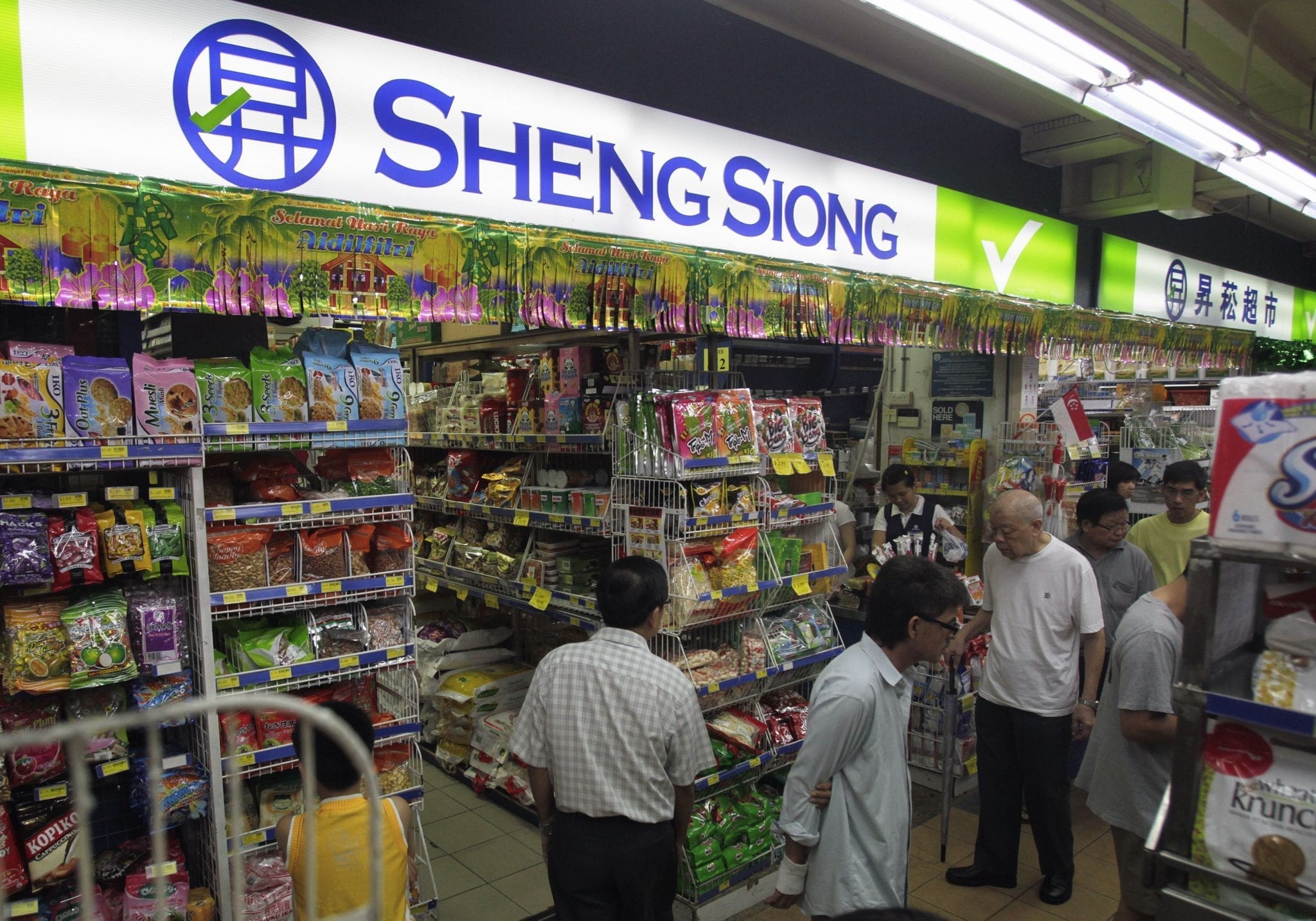
    Sheng Siong profits rose a stunning 25.3 per cent for the three months to September 30, to S$19.6 million.

    The supermarket operator cited higher sales, a tax refund and lower operating costs for the improved fortunes. Excluding its $2.2 million tax refund, the profit rise was a more modest 11.5 per cent.

    Revenue for the quarter rose 4.2 per cent. New stores contributed an increase of 3.9 per cent, with same-store sales up 1.7 per cent.

    Sheng Siong said consumer sentiment remained cautious during the quarter and sales at supermarkets “remained flattish” for the greater part of the first nine months of the year.

    Lim Hock Chee, the group’s CEO, said competition in the supermarket industry is expected to remain keen, particularly with the influx of large online retailers.

    “Moving ahead, we will remain focused on our store expansion plans in Singapore, particularly in areas where our potential customers are residing. Concurrently, we will continue to drive growth of our new and existing stores.

    Besides this, we remain committed to improve cost efficiencies through lowering input costs and operating overheads. Such initiatives include increasing direct purchasing, bulk handling, changing the sales mix to a higher proportion of fresh produce and reducing operating expenses by improving productivity,” he said.

    During the quarter, Sheng Siong opened a new store of 4000sqft in Fajar 446, expanding its total retail square footage to 431,000sqft.

    The group has successfully bid for three new HDB shops at Woodlands Street 12 (11,800sqft), Edgedale Plains Block 660A in Punggol (3100sqft) and Anchorvale Crescent Block 338 in Sengkang (5100sqft). Subject to the execution of tenancy agreements with HDB, these three new stores should be operational by the end of this year.

    The group is still looking for suitable retail space particularly in areas where it does not have a presence. However, competition for retail space, particularly for new HDB shops is expected to remain keen but rational, judging by the prices at the recent biddings.

    The store at Woodlands, with an area of 41,500sq ft will be permanently closed in November because the HDB is redeveloping the area.

    Meanwhile, the fit-out of the new store in Kunming China is now completed and subject to regulatory approvals, the supermarket should commence operation before the end of the year.

  • AirAsia X celebrates a decade of long-haul service at Gold Coast

    AirAsia X celebrates a decade of long-haul service at Gold Coast

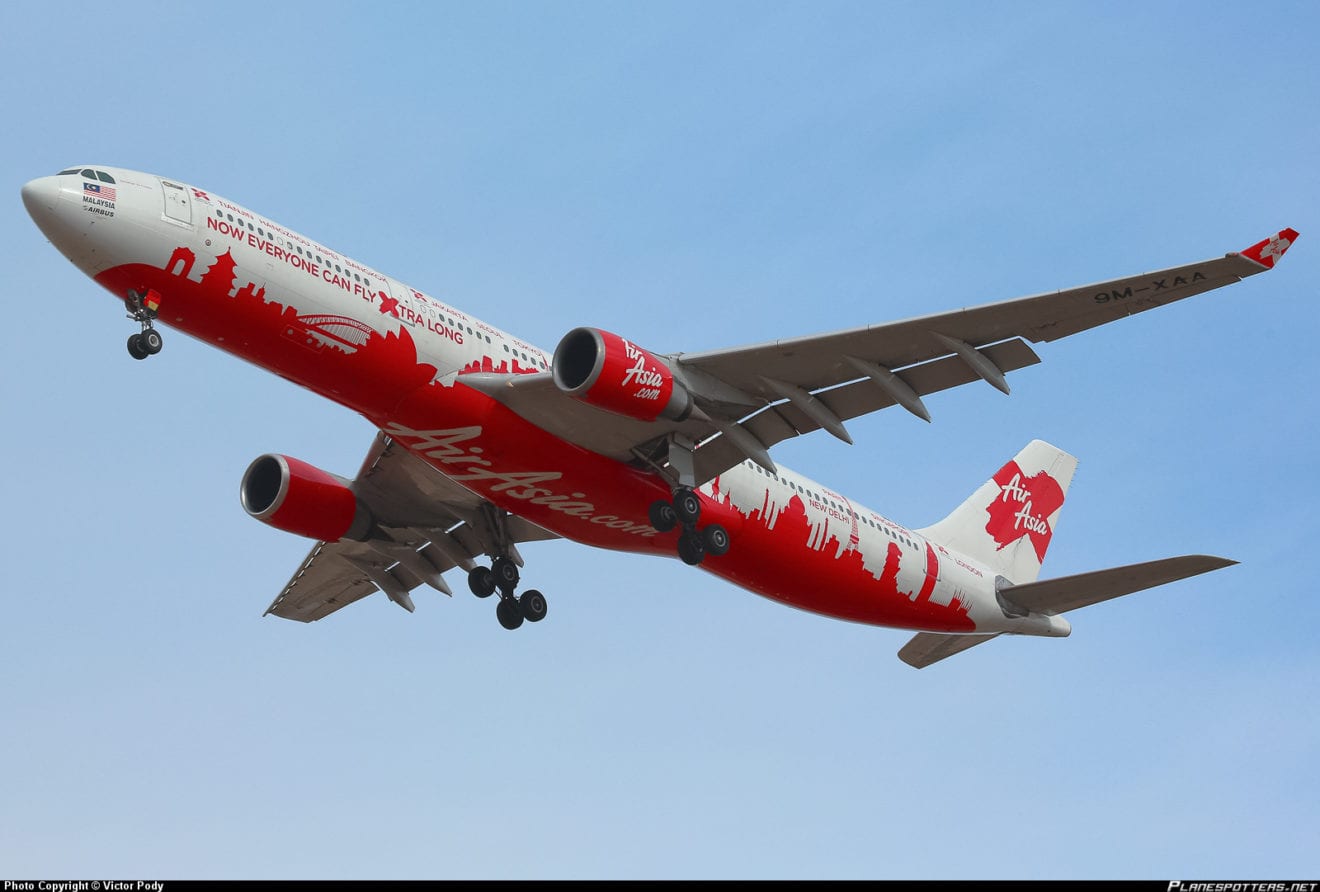
    Low-cost carrier AirAsia X celebrated its 10th anniversary on Thursday at its maiden destination – Gold Coast, Queensland, Australia.

    Since its first flight in Nov. 2, 2007, AirAsia X, the long-distance arm of the region’s biggest budget carrier, has flown over 1.8 million passengers between Kuala Lumpur and Gold Coast.

    From the initial four weekly flights, the airline now flies 11 times a week between the two cities.

    Kuala Lumpur-Gold Coast was AirAsia X’s very first route before Melbourne and Perth were added a year later, followed by Sydney in 2012.

    “We have grown from strength to strength since our inception in 2007, having flown more than 30 million passengers to over 25 destinations in different regions, including more than 12 million guests to and from Australia alone,” AirAsia X Malaysia CEO Benyamin Ismail told a gathering at Skypoint’s private function.

    He said the company’s growth focus would be on tapping underserved markets and high-traffic routes.

    Executive General Manager of Business Development and Marketing at Queensland Airports Paul Donovan said AirAsia X was Gold Coast airport’s first long-haul international carrier to Asia when they started operating 10 years ago.

    “That was a game changing moment and it gave Gold Coasters an affordable and convenient travel option to Asia and, just as importantly, put the growing Asian market within easy reach for us,” he said.

    Gold Coast Tourism CEO Martin Winter said that air connectivity remains the most important factor in driving demand out of Asia. AirAsia X has provided a valuable gateway to the Gold Coast, ferrying international passengers from Asia and New Zealand, both important sources of visitors.