Category: General

Retail News Asia is committed to providing both local and global retailers with the latest General Retail news throughout the Asian market. This on a daily base.

  • Richemont Group expects 80 per cent profit lift

    Richemont Group expects 80 per cent profit lift

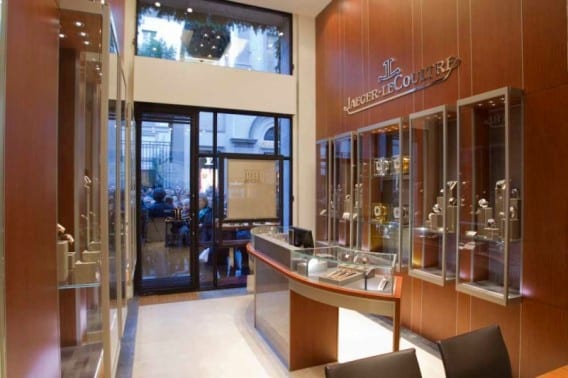
    With demand picking up for high-end watches, Swiss luxury goods company Richemont Group says it expects an 80 per cent increase in net profit for the six months to the end of September.

    After a collapse of the Hong Kong market, Richemont was forced to buy back excess inventory, cut jobs and replace most of its brand chiefs. The buyback mainly impacted the Cartier and Van Cleef & Arpels brands.

    However, trading has improved says Richemont, whose brands also include Piaget and Vacheron Constantin. Constant-currency sales rose 12 per cent in the six months, and by 10 per cent on a reported basis, compared with a year earlier.

    Operating profit is likely to rise 45 per cent, reflecting the non-recurrence of the exceptional inventory buybacks in the previous year, as well as positive currency movements, says Richemont.

  • Gift cards often end up in the bin, but extending their life might not help

    Gift cards often end up in the bin, but extending their life might not help

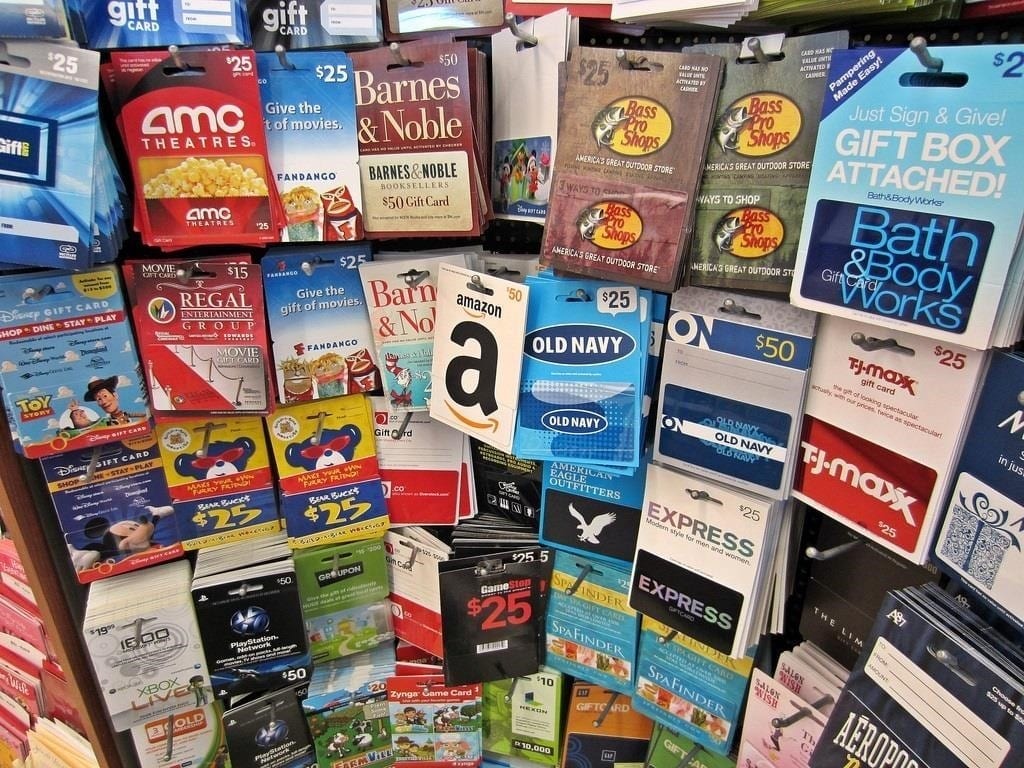
    The New South Wales Parliament is introducing legislation, creating a three year minimum expiry date on gift cards. This reform will go some ways towards solving the problem of unredeemed gift cards. But there are other issues besides short expiry dates.

    Research from the United States, which has a five year minimum expiry date, shows an extended expiry term only slightly improves the problem of unredeemed cards.

    Minimum expiry dates are just the start of necessary reforms to gift cards. Gift card terms and conditions vary widely, making it hard for consumers to understand what their rights and obligations are.

    Data shows that between 10 per cent and 27 per cent of gift cards in Australia go unredeemed.

    The use of gift cards in Australia is growing, with about A$2 billion spent and 32 million cards issued in 2014 alone.

    But complaints about gift cards are also increasing. So much so that gift cards have featured in two government inquiries in the last five years.

    The first was prompted by growing concerns regarding risks faced by gift card holders. The second arose from the failure of Dick Smith Electronics.

    Expiry dates aren’t a panacea

    Expiry dates are usually clearly identified on the gift card but some online terms and conditions do not specify the term. Enforcing a fixed term would be beneficial to consumers in this regard.

    But one government inquiry found no strong evidence that consumers would be assisted by a mandatory minimum expiry date for gift cards.

    In fact, it’s possible gift cards with shorter expiry dates have higher redemption rates. The shorter time frame forces customers to use the cards fast, meaning customers are less likely to lose or forget to use the cards.

    Furthermore, extending the expiry date increases administration issues and costs for retailers. Some stores even face difficulty in carrying liabilities from the gift cards for an extended period of time. For this reason the United States allows “dormancy fees” to be levied if cards have not been used for an extended period of time, like 12 or 15 months.

    Other issues with gift cards

    In addition to expiry dates, common problems with gift cards arise from the terms and conditions and the inability to use gift cards when the retailer becomes insolvent. This last point was particularly evident in the wake of the collapse of Dick Smith Electronics.

    Longer expiry dates will not stop consumers losing out if a retailer becomes insolvent. Gift card holders are unsecured creditors and in the event of insolvency there is very little to stop the holder from losing the value of their card.

    Redeeming a gift card quickly is the only means of minimising this risk, something a longer expiry date will not necessarily encourage.

    In the course of research I am currently undertaking, I have also found issues with a wide range of gift card terms and conditions.

    For instance, some cards allow partial redemption, but not refunds or cash reimbursements, even for small balances remaining on the card after redemption.

    Some terms and conditions specify limits on the use of the gift card. For example, the card must be used in store, but not online. Consumers unaware of these limitations may be unpleasantly surprised when their gift card is unable to be used.

    Some retailers offer replacement of lost or stolen gift cards provided proof of purchase or card identification number is available. When the holder of a gift card is not the original purchaser this may be problematic. If you do purchase a gift card as a present, you probably should either keep the receipt or pass it on to the receiver along with the gift card.

    Consumers should also be aware that many retailers include a clause reserving the right to vary terms and conditions at their discretion. So the terms and conditions that applied when you purchased or received the gift card may not be the same as when you go to redeem it.

    Regulating expiry dates is one step towards attempting to have consistency between gift cards, but could also cause more confusion if expiry dates are different in various states of Australia.

    Ultimately regulation will not replace ensuring gift card holders understand all terms and conditions of individual gift cards. Protect yourself by making sure you know what you can, and can’t, do with any gift card you have.

  • AirAsia flight returns to Perth after mid-air scare

    AirAsia flight returns to Perth after mid-air scare

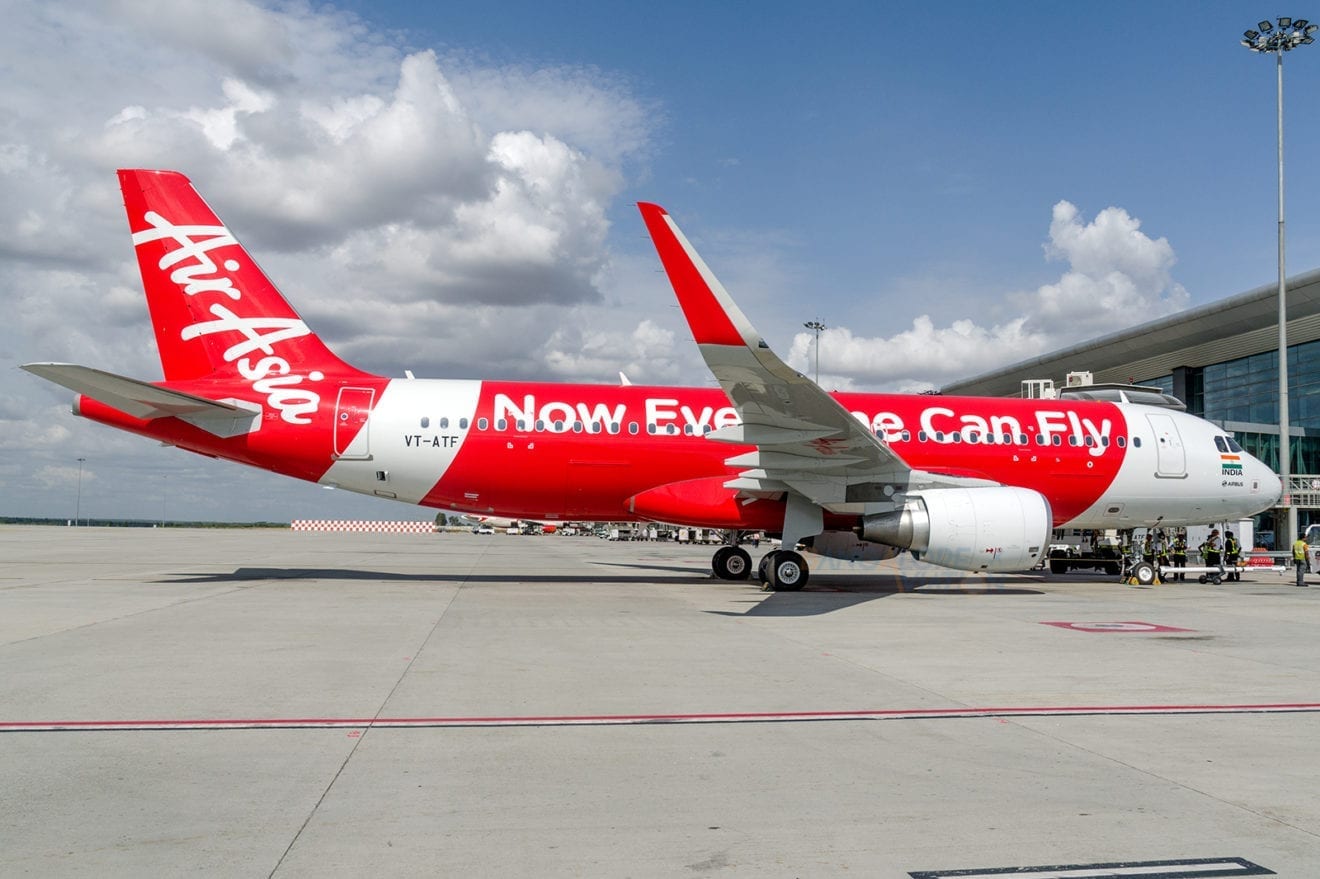
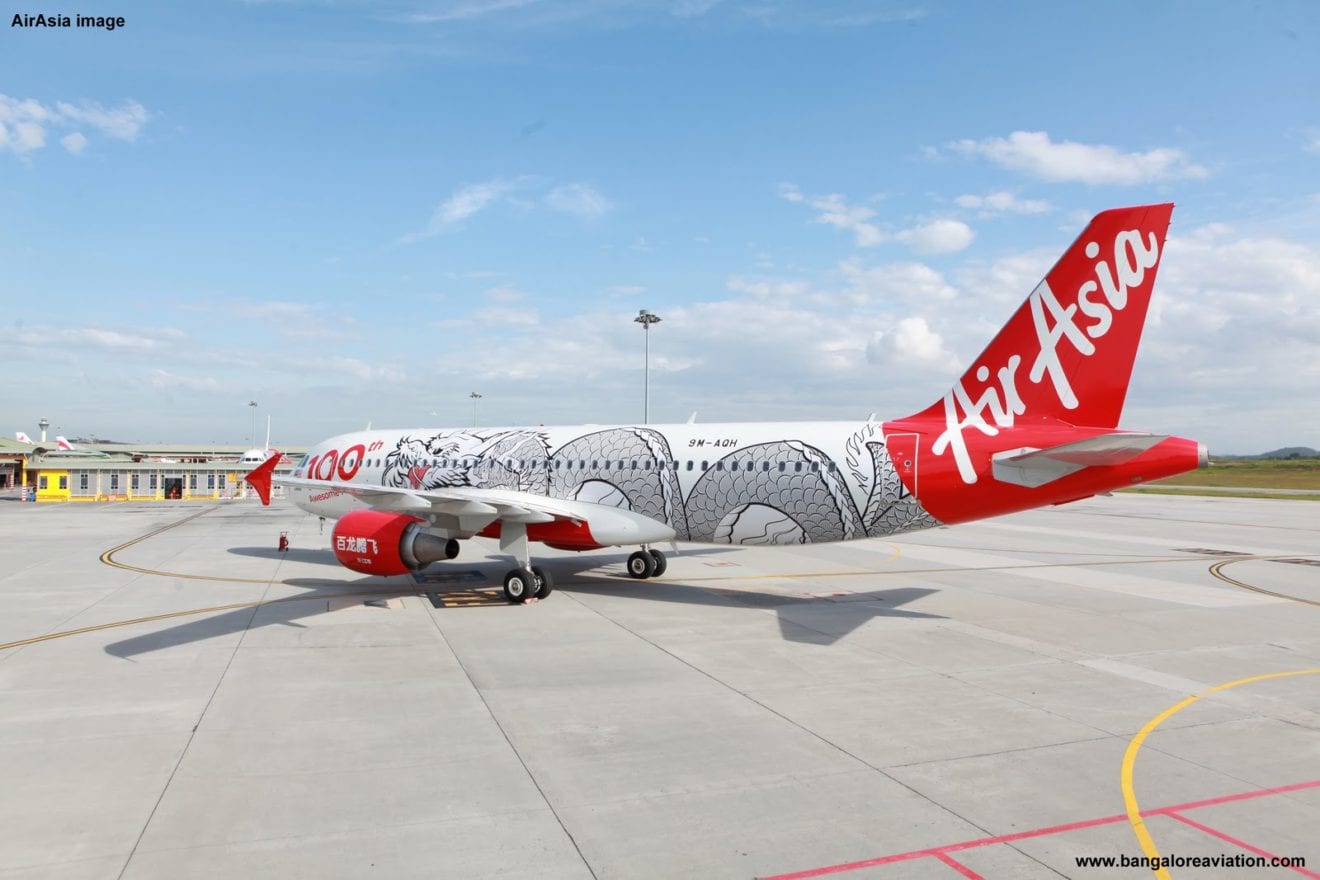
    An AirAsia Indonesia flight has been forced to turn back to Australia after pilots were alerted to a possible loss of cabin pressure, airport officials say. Flight QZ535, bound for the Indonesian island of Bali, changed course about 25 minutes after take-off on Sunday.

    The Airbus A320, carrying 151 people, landed safely at Perth Airport. AirAsia said the flight experienced a “technical issue”. Australian media said it had appeared to lose altitude.

    “We were all pretty much saying goodbye to each other. It was really upsetting,” one passenger told the local Nine network.

    A video taken on the plane, broadcast by local media, shows oxygen masks hanging from the ceiling and one person shouting “passengers get down, passengers get down”.

    Another passenger, Claire Askew, told that “panic was escalated” by airline staff who were screaming and appeared to be in tears.

    In a statement, AirAsia said it was “fully committed” to the safety of passengers. It did not elaborate on the problem.

    “AirAsia apologises to passengers for any inconvenience caused,” the statement said.

    In June, an AirAsia X flight on its way to Bali was also forced to turn back to Perth after an engine problem left it “shaking like a washing machine”.

    In December 2014, an AirAsia plane crashed into the Java Sea, killing all 162 people on board after the aircraft’s rudder control system malfunctioned during the flight.

  • Matsumoto Kiyoshi finds partner for Taiwan

    Matsumoto Kiyoshi finds partner for Taiwan

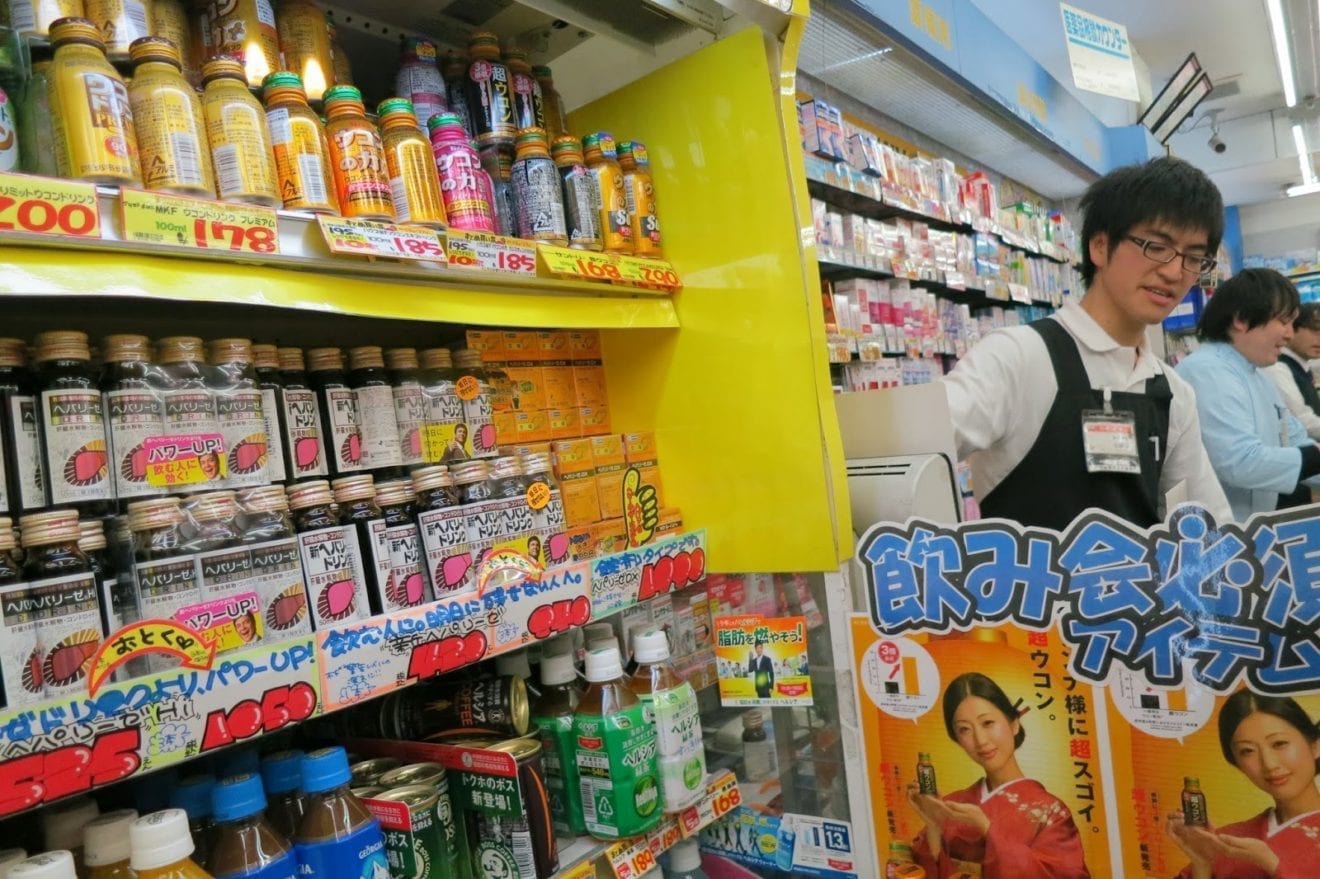
    Japanese drug and cosmetics store chain company Matsumoto Kiyoshi has taken a step toward entering the Taiwan market.

    President Kiyoo Matsumoto has signed a memorandum of understanding with Tai Lung Capital chairman Huang Chiao-chang for the two companies to co-operate on the venture.

    Matsumoto Kiyoshi opened its first overseas outlet in Thailand in 2015 and now had 12 stores there.

    Matsumoto says Taiwan will become the company’s second overseas investment destination.

    “Japan is a favourite destination for Taiwanese travellers, and many of them like shopping in the drug and cosmetics store chains there,” he says.

    Huang says Tai Lung has devoted itself for a long time to enhancing economic and cultural exchanges between the two countries. It already distributes Japanese ice cream brand Meiji in Taiwan and jointly runs a miscellaneous goods chain, Hands Tailung.

    Established in 1932, Matsumoto Kiyoshi manages more than 1500 stores around Japan.

  • Aldi takes more market share from Metcash

    Aldi takes more market share from Metcash

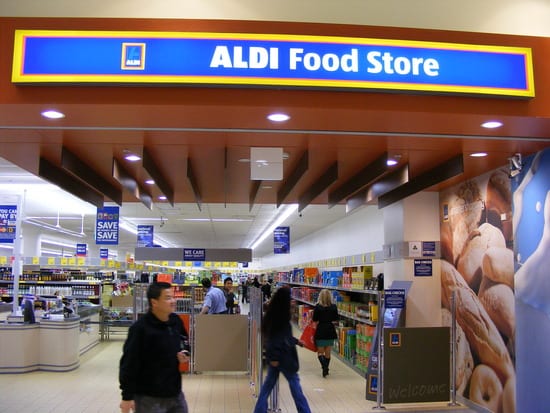
    German discounter Aldi is taking a bigger share of the $100 billion Australian supermarket sector as IGA and Foodland fall further behind, new figures show.

    Industry market researcher IBISWorld has analysed the supermarkets’ latest revenue figures and has found IGA and Foodland supplier Metcash has lost more ground as Aldi continues to successfully expand into WA and SA.

    IBISWorld’s latest report on the supermarket industry, released on Wednesday, says Metcash has a 7.5 per cent market share, while Aldi now has 8.6 per cent.

    A year ago Metcash had a 7.2 per cent share and Aldi was at 7.9 per cent.

    IBISWorld senior industry analyst Nathan Cloutman says while Metcash’s portion of the market has increased, it will continue to fall further behind Aldi.

    “The collective revenue from Metcash-supplied supermarkets has declined in 2016/17 and is expected to decline in 2017/18,” Mr Cloutman said.

    “Aldi is rapidly expanding in the industry, in particular the company’s move into WA and SA in 2016 has helped the company boost its market share recently.”

    Cloutman said Coles was also feeling the pressure from an expanding Aldi and a more buoyant Woolworths during the 2017 financial year.

    Woolworths continues to lead with 36.8 per cent of the market, while Coles has a 30.9 per cent share.

    The report said Metcash’s attempts to increase revenue through advertising and discounting, including matching the prices of Coles and Woolworths on a core basket of goods, have had “minimal success.”

    “The chain’s profit margins have declined over the past five years, as price discounting strategies have lowered profit margins across many of its stores,” IBISWorld said.

    Competition is likely to further intensify after the German supermarket chain Kaufland confirmed it will expand into Australia, and on expectations Amazon’s pending arrival will eventually include its online supermarket business.

    Other players in the sector include Costco, which has an estimated two per cent market share, Foodworks chain owner Australian United Retailers which accounts for 1.8 per cent and SPAR Australia with 1.5 per cent.

    IBIS reckons Woolies will continue to gain share over 2017-18, moving to 36.8 per cent of the total market compared to Coles’ 30.9 per cent and Aldi’s 8.6 per cent.

    “[Coles] is likely to invest strongly in prices in 2017-18, which should see its market share remain relatively stable,’ IBISWorld’s senior industry analyst Cloutman said.

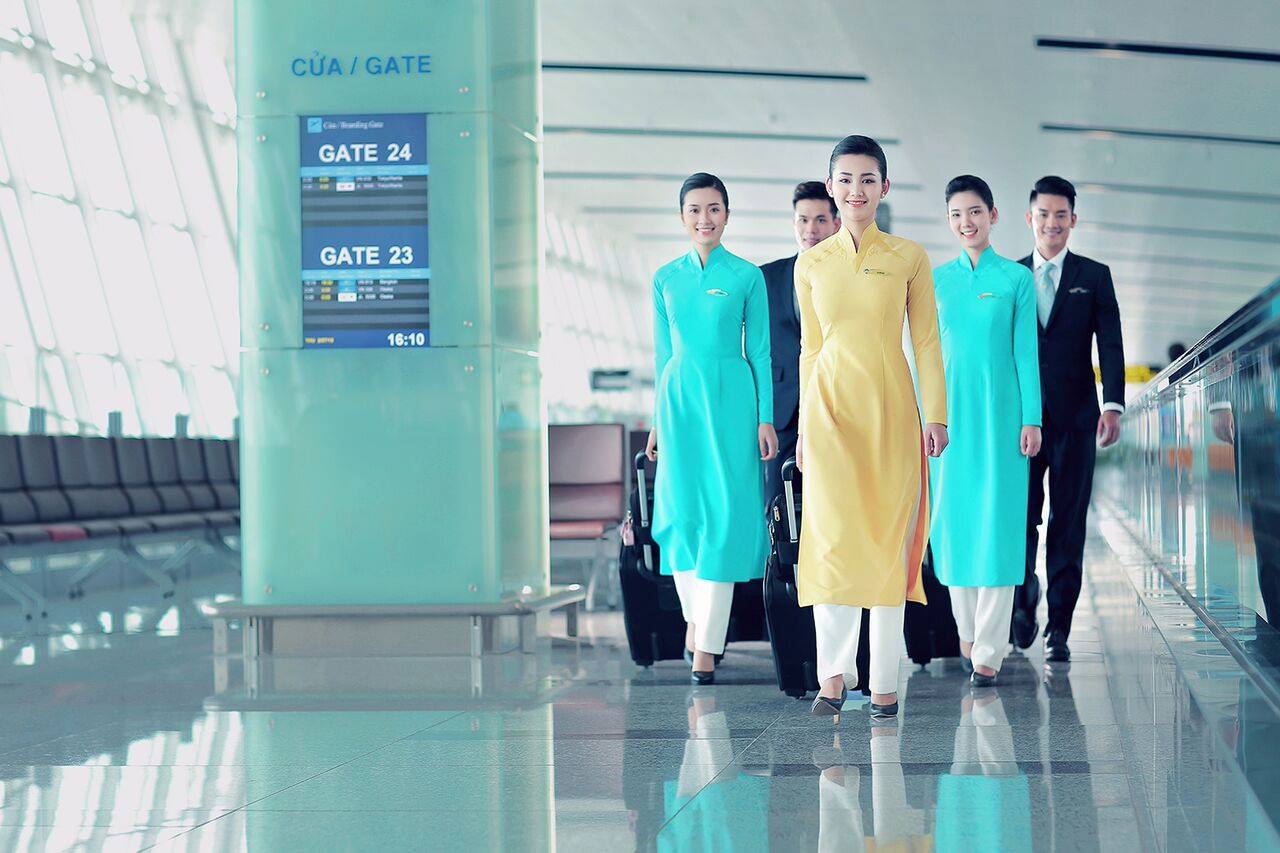
  • Air France and Vietnam Airlines to set up joint venture

    Air France and Vietnam Airlines to set up joint venture

    Air France and Vietnam Airlines are establishing a joint venture for their services between Paris Charles de Gaulle and both Hanoi and Ho Chi Minh City.

    The two SkyTeam carriers say in a joint statement that the arrangement, effective 1 November, will allow for better onward connections in Europe and Vietnam.

    “Our aim is to maintain and develop our position as European leader in this region with very strong growth potential,” states Air France chief executive Franck Terner.

    Via three hubs – Hanoi’s Noi Bai, Ho Chi Minh City’s Tan Son Nhat, and Paris CDG – passengers will be able to travel to 50 European destinations on Air France flights (compared with 14 today) and 20 Vietnamese destinations on the local flag carrier’s services.

    FlightGlobal schedules show that Vietnam Airlines and Air France are the only airlines operating direct services between Vietnam and France. Vietnam Airlines is the sole operator on the Hanoi-Paris route, conducting a six-times-weekly service with Airbus A350-900s.

    Both airlines fly thrice weekly on the Ho Chi Minh City-Paris route, with Air France operating Boeing 777-300ERs and Vietnam Airlines A350-900s.

    Schedules indicate that the two carriers already codeshare extensively. Air France places its code on 20 Vietnam Airlines services, including the Paris-Hanoi route. It also places its code on services from Ho Chi Minh City and Hanoi to other Vietnamese cities, as well as to the Cambodian destinations of Phnom Penh and Siem Reap.

    Vietnam Airlines, for its part, places its code on 30 Air France services, including the Paris-Ho Chi Minh City route. It also places its code on Air France services to destinations in France and Europe.

  • Major push in Kuala Lumpur by HKTDC

    Major push in Kuala Lumpur by HKTDC

    A major promotion for Hong Kong as an international business centre and lifestyle trendsetting city is being run in Kuala Lumpur by the Hong Kong Trade Development Council (HKTDC).

    “In Style, Hong Kong” includes offers a range of events involving top business professionals and leading brands from Hong Kong.

    Already the campaign has been a success in Jakarta in 2015 and in Bangkok last year, says HKTDC regional director Peter Wong.

    “Malaysia was Hong Kong’s 10th-largest trading partner last year and fourth-largest among Asean countries. Our campaign in Kuala Lumpur focuses on promoting Hong Kong’s professional services and leading brands. Our objective is to forge wider co-operation and to generate more business opportunities for both cities.”

    Key events

    Key events include a symposium, an expo and gala dinner, and a series of citywide promotion events until the end of next month.

    The “In Style, Hong Kong” Symposium at the Mandarin Oriental Kuala Lumpur on November 7 main session will be chaired by MaLogic CEO Professor Royce Yuen with speakers from HPA, LF Logistics and Pixels examining how Hong Kong service companies can help Malaysian companies expand their business.

    Five thematic sessions will follow:

    E-commerce Logistics The impact of cross-border e-commerce on logistics will be examined by representatives of Chow Tai Fook Jewellery Group, Lazada Group and Malaysian Chamber of Commerce.

    Fintech Prospects in fintech will be discussed by representatives of Ernst & Young, JP Asia Partners, Malaysian Chamber of Commerce, Maybank and Value Partners Group.

    Smart City Forum Smart city development will be examined by executives of the EID Committee, Hong Kong Public Key Infrastructure Forum, Nexusguard and The Smart City Consortium.

    Innovative Design & Marketing Creative branding will include speakers from LAAB, PricewaterhouseCoopers Hong Kong, Sun Mobile Communication and WE Marketing Group.

    Legal Risk Management

    Legal professionals from Hong Kong feature on this panel including members of The Law Society of Hong Kong and the Hong Kong Bar Association committee on arbitration.

    The expo will feature 40 exhibitors showcasing home electronics, gifts, fashion accessories, fine jewellery and watches, and eco-friendly products. Exhibiting brands include Chinese Arts & Crafts, Chow Tai Fook, ECO Concepts and Team Green. There will also be a display of award-winning products from the Hong Kong Smart Design Awards.

    A gala dinner will be held after the symposium will enable 500 of Malaysia and Hong Kong’s political, business and community leaders to network. Michelin Star chef Alvin Leung will create four dishes, and there will be a fashion parade showcasing batik styles from six Hong Kong designers as well as an interactive photography gallery.

    To promote the event to consumers, the HKTDC has launched a series of promotions engaging 140 Kuala Lumpur restaurants and retail outlets, in partnership with 30 Hong Kong and Malaysian brands.

    Activities include fashion and culinary experiences.

  • Thai hotels booked up ahead of funeral of revered king

    Thai hotels booked up ahead of funeral of revered king

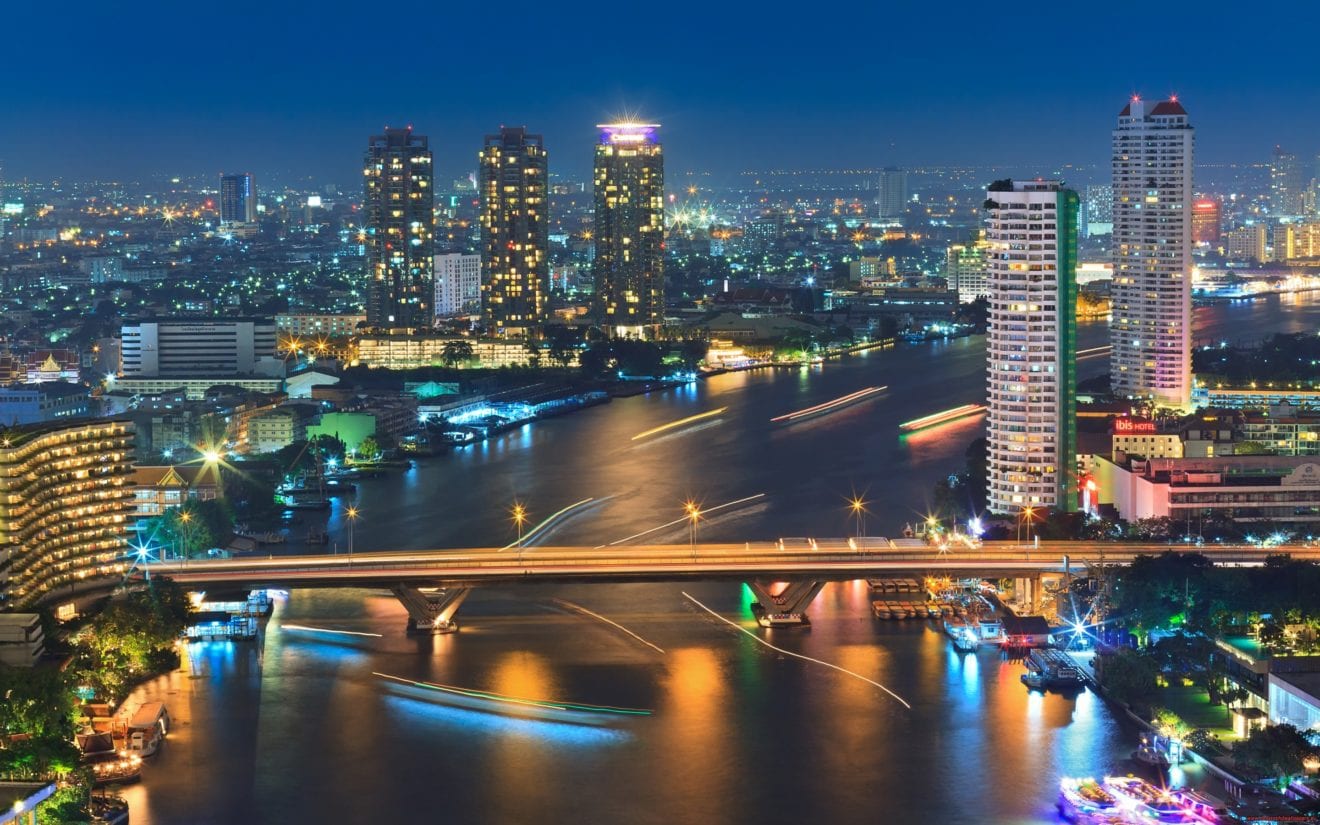
    The funeral will run for five days next week. Hotels in Bangkok’s bustling old town, home to a backpacker enclave favoured by foreign tourists, are booked up as Thailand prepares to host the lavish funeral of its revered King Bhumibol Adulyadej next week, the hotel association said on Monday.

    The funeral of King Bhumibol, who died on Oct. 13 last year after seven decades on the throne, will run for five days next week, with most events centering on the Grand Palace and Sanam Luang, a public square in the historic quarter.

    About 250,000 mourners are expected to attend the funeral, which will feature gold-tipped pavilions built for the occasion, and Oct. 26, the day of the cremation, has been declared a national holiday.

    “Many Thais wishing to attend the cremation feel it would be more convenient having a place to stay nearby, so most hotels have been booked out already,” Supawan Tanomkieatipume, president of the Thai Hotels Association, told Reuters.

    A Reuters survey of three hotels on the Khao San Road, the main artery of the Banglamphu backpacker area, found no rooms were available.

    “We are fully booked during the royal cremation,” said Preechaya Amngeun, 23, a guest services agent at the Ibis Styles Bangkok Khaosan Viengtai, part of French hotel group Accor .

    “Around 80 percent of the guests we have are Thais. The other 20 percent are foreign tourists.”

    Thailand’s tourism industry, which accounts for 12 percent of GDP, has been a rare bright spot for an economy that has struggled since a 2014 coup. It has weathered political turbulence and a major natural disaster over the past decade.

  • Cebu Pacific Air celebrate 50 years of ASEAN

    Cebu Pacific Air celebrate 50 years of ASEAN

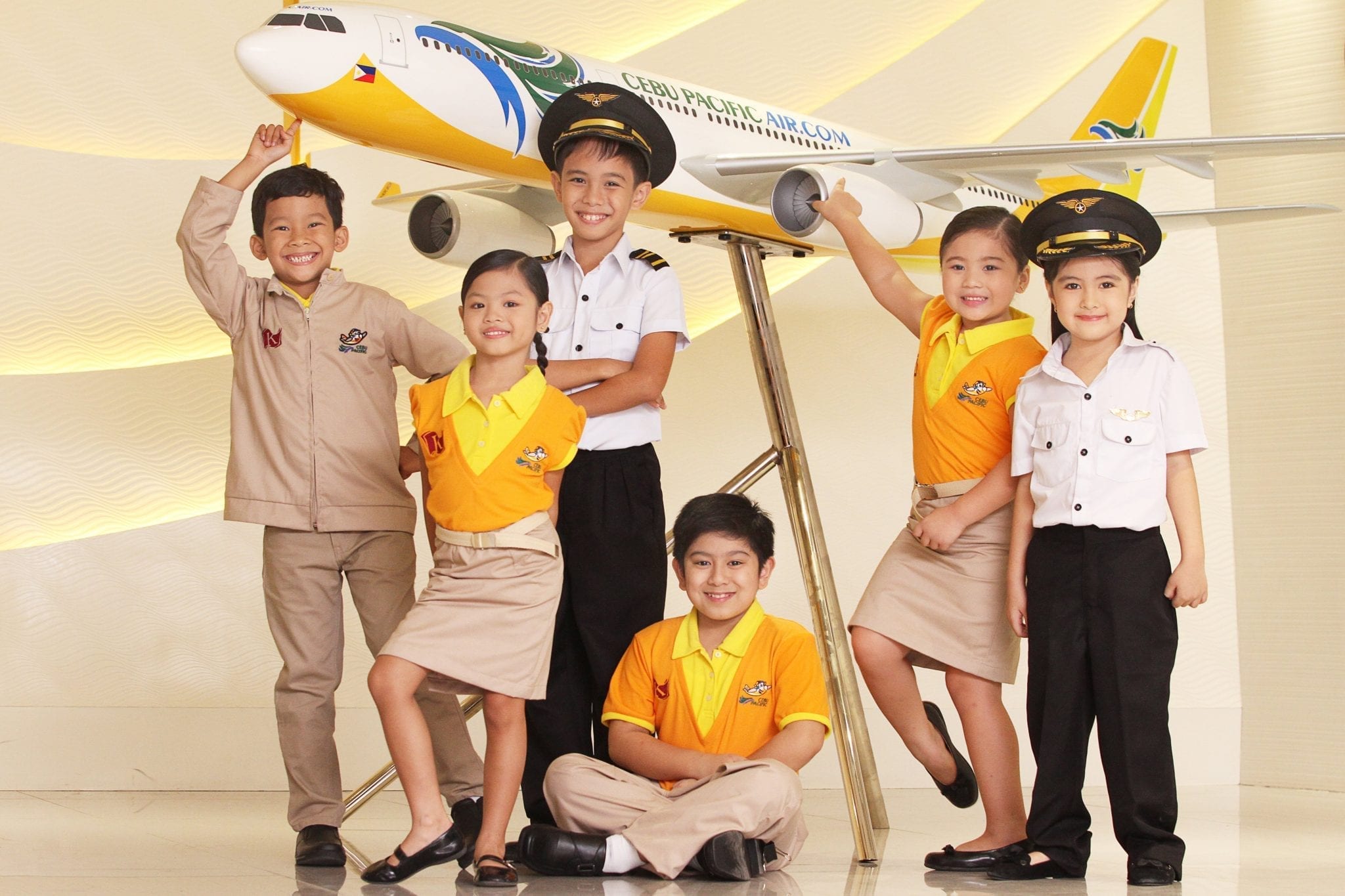
    In celebration of the 50th Anniversary of the Association of the Southeast Asian Nations(ASEAN), Cebu Pacific Air, the Philippines’ largest carrier, is offering a five-day seat sale up to 20 October 2017, or until seats last. The sale offers all-inclusive fares from Singapore, Malaysia, Cambodia, Thailand, and Vietnam to four cities in the Philippines*: Bohol, Cebu, Dumaguete and Manila. This sale is valid for travel from 1 January to 31 March 2018, which covers the upcoming Lunar New Year holidays.

    “It is our pleasure to offer this timely seat sale to mark this milestone with ASEAN. We believe in what ASEAN One stands for and the value it brings to the member countries, so what better way to celebrate this milestone than with a seat sale to encourage our neighbours to experience the best of the Philippines,” said Candice Iyog, Cebu Pacific Vice President for Marketing and Distribution.

    Experience nature at its best in Bohol
    One of the loveliest islands in the Philippines, enjoy Bohol’s beautiful coastline and white sand beaches. Bohol is also home to the famed Chocolate Hills, so named as the green grass turns brown during the dry season; as well as the Philippine Tarsier, one of the smallest primates in the world. With so much beauty to behold, you may never want to leave.

    Kick back and relax in Cebu
    Home to some of the best dive spots in the country, plunge into the depths of the ocean with the friendly locals, or opt for action water sports like jet skiing or parasailing. After the sunset, explore Cebu’s nightlife at some of the happening bars in the city.

    Be free in Dumaguete
    Known as “The City of Gentle People,” Dumaguete is a popular educational destination because of the presence of seven universities and colleges. Diving, dolphin- and whale-watching are popular activities here—perfect for those wanting to escape into their own underwater adventure.

    Shop till you drop in Manila
    Explore the colourful capital city of Manila on foot, with great street art lining the walls of one the business districts in Manila. Travellers looking for great deals can head to Divisoria, a wholesale shopping mecca, which offers everything from accessories, clothes, homeware, and even industrial products. End the day with an ice-cold beer at Roxas Boulevard and toast to one of the best sunsets the city has to offer.

    CEB currently offers over 100 weekly flights to seven ASEAN country destinations, with 11 weekly flights to Indonesia; 21 weekly flights to Malaysia; 40 weekly flights to Singapore; seven weekly flights to Thailand; 15 weekly flights to Vietnam; five weekly flights to Brunei and four weekly flights to Cambodia.

  • Coles catching up to Woolies on price

    Coles catching up to Woolies on price

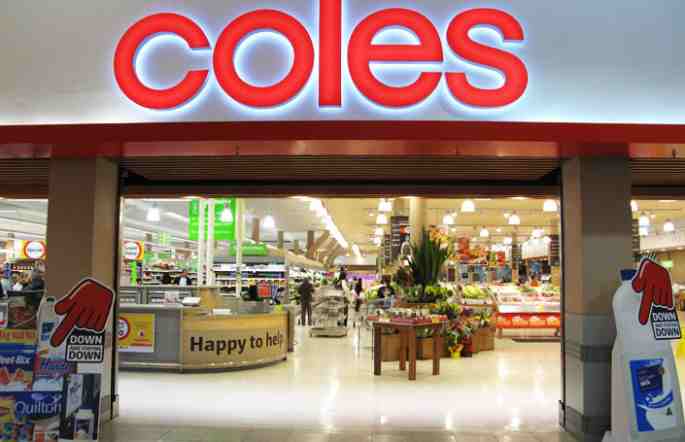
    Coles has stepped up its price investment in a bid to catch up with Woolworths’ renewed momentum amid a warning that promotional fatigue may be setting in among shoppers as the supermarket wars rage on.

    UBS analyst Ben Gilbert’s latest report, citing a survey of 1.5 million prices, has found that Coles’ prices from January to August have decreased faster than Woolworths quarter-on-quarter.

    Coles’ prices have dropped 1 per cent in Q317, 2 per cent in Q417 and 2 per cent in the first quarter of FY18, while Woolworths has made little-to-no change over the same period.

    Gilbert said that industry feedback suggests Coles is investing to catch-up with Woolworths rather than simply accelerating its investment, reaffirming his assessment that the market is still rational.

    “We continue to believe the market is rational, with a step-up in sequential investment at Coles more so the result of ‘catch up’ to Woolworths vs. a step-up in discounting,” Gilbert said.

    “That said, the market remains competitive, with share of basket on promotion high, Aldi cutting prices across fresh and new competition coming [Kaufland & Amazon],” he continued.

    Gilbert warned that increasing promotional intensity in both cold grocery and fresh categories is leading to promotional fatigue among customers, and that there remains an opportunity for the big-two in reducing the breadth of their high-low offerings.

    Since committing circa $1 billion into prices and service last year, Woolworths has gained the upper-hand over its rival Coles with IBISWorld data released on Wednesday morning finding that the giant increased its market share in 2016-17 for the first time in several years.

    IBIS reckons Woolies will continue to gain share over 2017-18, moving to 36.8 per cent of the total market compared to Coles’ 30.9 per cent and Aldi’s 8.6 per cent.

    “[Coles] is likely to invest strongly in prices in 2017-18, which should see its market share remain relatively stable,’ IBISWorld’s senior industry analyst Nathan Cloutman said.

    But Coles is moving fast in other areas, according to Gilbert, who noted that the Wesfarmers-owned chain is aggressively rationalising its range through a simplification of its supply chain.

    “Range rationalisation remains a major cost-out opportunity for both retailers through simplification of supply chain. We believe Coles is further advanced, albeit needs to be careful not to cut too far, and provide an opportunity for Woolworths to establish a competitive advantage around range,” Gilbert said.

    IBIS reckons ranging changes will likely be dominated by a shift to private label over the next twelve months, with Woolworths’ recent decision not to stock Coke’s new no-sugar product providing evidence that the big-two are cracking down on excessive SKUs. The research firm’s data says private-label products account for approximately 25 per cent of total sales in the supermarkets and grocery stores industry.

    Fresh challenge

    According to IBIS, the imminent entry of AmazonFresh is making online sales increasingly important in the supermarkets and grocery stores industry. IBISWorld anticipates revenue in the online grocery sales industry will grow at an annualised 12.4 per cent over the next five years.

    “Woolworths and Coles are constantly improving their online sales channels by expanding their click and collect options and investing in consumer data analytics,” said Cloutman.

    “Despite this, Australians spend significantly less time and money on online grocery shopping than in comparable countries, such as the United Kingdom and the United States.”

    Costco is also accelerating its move towards online sales, with the company currently trialling an online delivery service for businesses based in Melbourne. IBISWorld found that despite growing strongly, online grocery sales are expected to still represent a small share of total grocery sales at 2.0 per cent in 2017-18.

  • O Shopping Thailand expecting sales to triple

    O Shopping Thailand expecting sales to triple

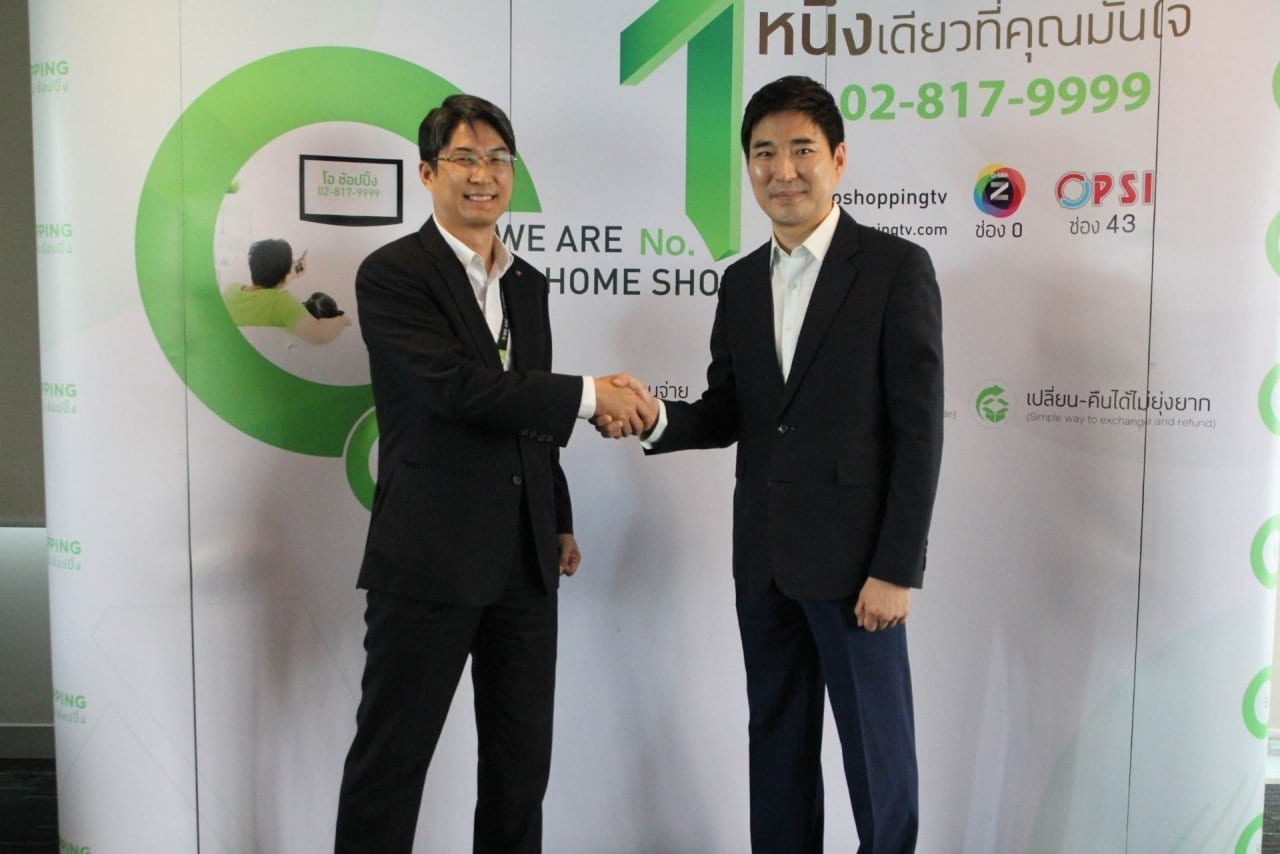
    TV home-shopping group O Shopping Thailand expects its sales to triple to about THB5 billion (US$150 million) annually in the next three to five years, up from the THB1.7-1.8 billion targeted for this year.

    CEO Sung Nakje of GMM CJ O Shopping, which runs the business, says the company’s growth ambitions dovetail with the government’s goals for the Thailand 4.0 initiative to promote small and medium-sized enterprises (SMEs).

    However, he says that as not every SME can enter the modern retailing system, TV home shopping can serve as a distribution and market-testing channel for them, as well as providing direct sales to consumers.

    “We provide opportunities for Thai SMEs with fewer conditions and lower investment, so this makes it more accessible for them,” says Sung.

    GMM CJ O Shopping is a Thai/South Korean JV established in 2012 that sells products on TV and via an e-commerce platform. “TV home shopping focuses on women between 35 and 55 years, while the e-commerce side focuses on younger age groups.”

    Sung says that as part of its growth goals, O Shopping has also sought to promote the expansion of its business partners. Rather than focusing on competing with rival TV home-shopping rivals, it has instead sought to increase the overall size of the business pie.

    Meanwhile, GMM CJ O Shopping has decided to continue its corporate social responsibility campaign O Hug, aimed at encouraging children to play sports. Sung says the company has been supporting major taekwondo events such as this year’s fifth Kukkiwon Cup Thai-Korean Choi Young Seok Taekwondo Championship, which drew more than 1000 Thai and international athletes.

  • AirAsia to launch Phuket-Macao flights

    AirAsia to launch Phuket-Macao flights

    Celia Lao, CEO of AirAsia Hong Kong & Macao, said Phuket is among the top destinations for Macanese and Chinese travellers, making Thai AirAsia’s introduction of a direct flight between Phuket and Macao a wonderful opportunity for tourism.

    AirAsia currently operates six flights from Macao with routes including Bangkok, Chiang Mai, Pattaya (U-tapao), Kuala Lumpur, Manila, Jakarta and will launch Johor Bahru on Nov 28.

    Santisuk Klongchaiya, Director of Commercial for Thai AirAsia, said Phuket is a city built on Chinese traditions, beliefs and culture and its history is closely tied to that of China.

    “Chinese visitors to the city will find it familiar and convenient while still full of travel experiences whether relishing the nature or enjoying the nightlife. AirAsia is confident the new route will be well received,” he said

    “We will be launching the Macao-Phuket route on the 8th of January 2018 and believe it will attract people in Macao and its vicinity to Phuket. We will be using our strengths of low fares, on-time service and trustworthy reputation to draw in travellers and help stimulate the island’s economy,” Mr Santisuk said.

    For the people of Phuket, this added route provides a new travel option to Macao, which is already a top destination for Thai travellers due to its many holy sites and European architecture. Overall, the route should prove popular among people of both nations.

    In addition to Macao-Phuket, Thai AirAsia already operates a host of direct flights between Macao and and Thailand, including Don Mueang (four flights a day), Macao and Chiang Mai (daily direct) and Macao-Pattaya U-Tapao (four flights a week).

  • It’s time for Shop.org to rebrand

    It’s time for Shop.org to rebrand

    I just got back from the US, having visited Shop.org in Los Angeles and let me tell you: don’t be fooled by deceptive distinctions between different forms of commerce. It’s all one experience in the eyes of the shopper. Let me explain.

    Throughout 2017, my quest has been to help retailers figure out what the future of retail looks like. To fulfil this mission, I’ve represented Retail Directions at major retail events, both locally and globally, and shared my findings with the retail community down under.

    At Shop.org, I joined more than 3,500 retail industry attendees at what can best be described as a preeminent annual conference focused on digital retail.

    Held on a truly impressive scale, with 200+ exhibitors, a myriad of high-profile keynote speakers and an array of content streams that made my head spin, the event labels its purpose as “delivering insights into what’s next for the digital retail industry”.

    However, just like I found at its local counterpart Online Retailer, you can’t talk about the modern consumer and stay focused on a single facet of the retail commerce ecosystem. Retailers must no longer adopt and master digital. Instead, they must become digital if they want to stay relevant with the transformed, connected society.

    Here’s my three key takeaways from Shop.org:

    1. The industry needs to drop commerce distinctions

    An insight not just limited to Shop.org. All the conferences I’ve attended, whether their core theme is e-commerce, payments, or traditional retail, end up delivering the same message: commerce is now borderless and technology plays a key role in the creation of a seamless consumer and brand experience.

    With omnichannel retailing now entrenched as a fundamental part of modern retailing, distinctions between forms of commerce are no longer relevant, necessary or helpful. It’s all retailing, and it’s all about the consumer. And, in this reality, savvy retailers are using technology wisely to gain a competitive advantage.

    Perhaps, it’s time for Shop.org to rebrand (wink).

    1. New tech is alluring but mostly impractical (for now)

    The conference was flooded with venture capitalist-funded technology start-ups, many of which seemed to be doing a lot of the same thing just with different branding.

    The expo floor wasn’t dissimilar to “Hooli-Con” from the satirical comedy Silicon Valley, there was even a lonely guitarist, sitting on fake grass, strumming calming melodies among the technology overload.

    Retailers always seems to be caught in the rip of new technology trends, struggling to make sense of what will truly deliver ROI and what is simply an alluring mirage.

    Out of all the hyped emerging tech, voice and artificial technology have the strongest use cases, with voice poised to reframe the practise of merchandising through acute personalisation and the convenience of “one best answer”.

    This is where AI and machine learning comes in – to digest and analyse consumer data and behaviour and deliver unprecedented competitive intel and personalised suggestions.

    Of course, there was a lot of talk about Augmented Reality and Virtual Reality as well. And, while AR is in play and fun e.g. Disney’s in store AR treasure hunts, for the most part its relevancy to mainstream retail is currently limited.

    As for Virtual Reality, the high price point and the limited adoption of AR leads me to believe that VR as a viable technology for retail is all hype for the time being.

    1. Logistics is the battleground of the future

    For the modern consumer, speed, convenience and price are trumping brand equity.

    Perhaps the most acute example of this battle is Walmart vs Amazon, both investing in strategy, technology and infrastructure to help customers get products as easily as possible. This is why Amazon acquired Whole Foods and partnered with Kohls.

    Speaking at the conference, Walmart’s U.S. e-commerce president Marc Lore shared how the retailer may leverage its 4,600 US-based stores, all within 90 per cent per cent of the population, to roll out a new grocery delivery concept – Walmart may come into your house and put milk in your fridge, and groceries in your pantry. Can you fathom that?

    A caveat here, while the retail giants of this world fight for the last mile, I stand by what I said in a keynote I delivered at Seamless earlier this year – if you play Amazon at its own game you’re going to lose.

    Exceptional shopping experiences delivered through technology-fortified stores and a borderless digital brand are key to remaining relevant and deflecting the pending Amazon invasion of Australia.

    Solar Conclusion     

    Shop.org was a fascinating three-day retail event, delivering vibrant ideas about the future of retail and the evolution of the consumer.

    That said, I’m reminded about the Latin saying, “nihil sub sole novum” – there is nothing new under the sun. Retail remains about holding the consumers attention, wherever THEY choose to shop.

    The key is to recognise that consumers have fundamentally changed, and retail must embrace digital – not just to sell online, but more importantly to stay connected with their audience and remain relevant in all channels, including brick and mortar.

    I repeat, it’s all one experience in the eyes of the shopper.
  • Surfstitch casts aside another brand

    Surfstitch casts aside another brand

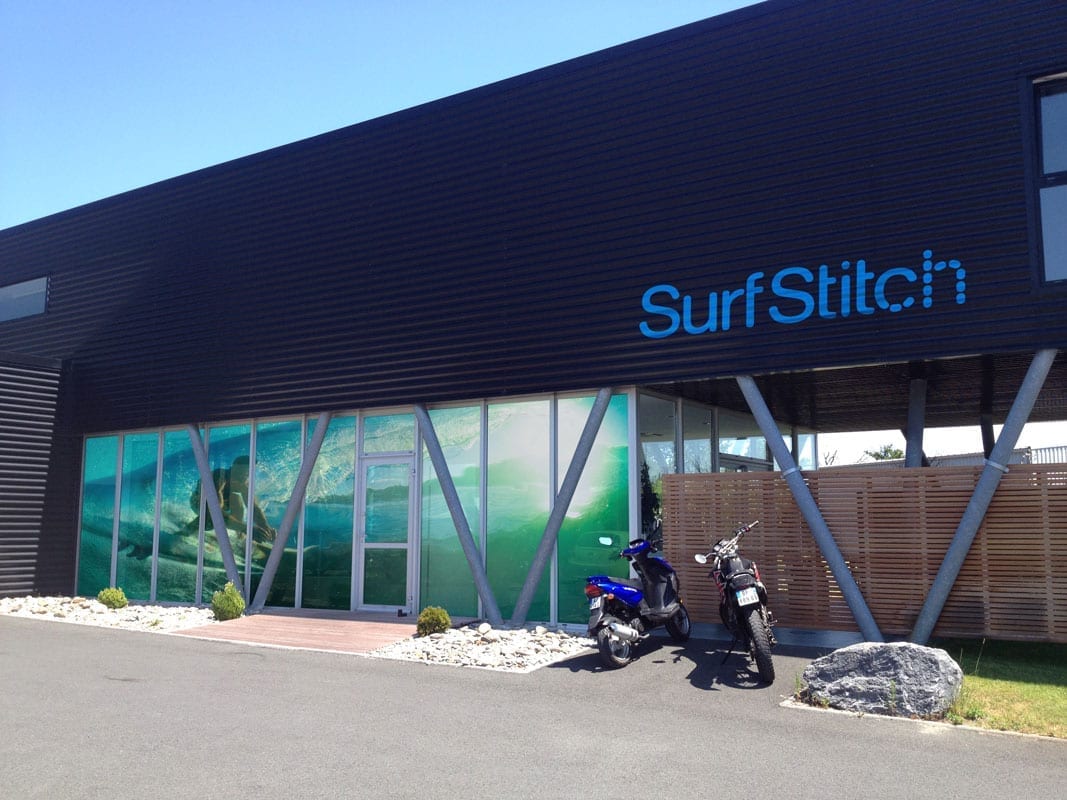
    The administrators of Surfstitch Group and Surfstitch Holdings have announced the sale of wholly owned UK subsidiary, Surfdome Shop Limited to Internet Fusion Limited.

    Internet Fusion has paid cash and has an obligation to pay deferred consideration for the acquisition. The total consideration (including the deferred consideration) for the acquisition amounts to c.GBP £7m.

    John Park, Quentin Olde and Joseph Hansell of FTI Consulting said the companies had agreed terms and entered into an exclusive process with Internet Fusion in relation to the Surfdome transaction before they were appointed administrators.

    Surfdome is a board sports online retailer based in the UK and services consumers across Europe.

    Internet Fusion is a UK based sports and adventure retailer, servicing a number of markets with specialist websites via its proprietary e-commerce platform.

    “The sale of Surfdome to a synergistic buyer, Internet Fusion, is a good outcome for the ongoing growth of the Surfdome business and continues with the execution of the restructuring plan for the group to sell down non-core assets to focus on the profitable and successful SurfStitch Australian business,” said Olde.

    Surfstitch’s operating subsidiaries continue to trade while the holding company is in administration.

  • AirAsia Japan to launch operations on 29 October

    AirAsia Japan to launch operations on 29 October

    The reborn AirAsia Japan will commence services on 29 October with a service from its Nagoya hub to Sapporo, two years after receiving its air operator’s certificate.

    The carrier says in a statement that it will operate twice-daily on the route, which FlightGlobal schedules data shows it will compete against five other carriers, including Jetstar Japan, All Nippon Airways and Skymark Airlines.

    “We are honoured to be the first airline to be based in Nagoya’s Chubu Centrair International airport and we are committed to connecting as many guests as possible at low fares to AirAsia’s extensive network, as well as bridging communities and cultures for the benefit of the local economy,” says chief executive Osamu Hata.

    AirAsia holds a 49% stake in AirAsia Japan, while shareholders Rakuten, Octave Japan Infrastructure Fund, Noevir Holdings and Alpen hold the other 51%.

    This is the Malaysian budget carrier’s second attempt into the Japanese market, following the October 2013 breakdown of its joint venture with ANA Holdings. The shell of that first carrier was used to launch Vanilla Air shortly after.

    The new carrier was granted its AOC in October 2015, and had planned to launch services during the northern spring of 2016. The launch was however repeatedly delayed, and Jetstar Japan has in the meantime announced plans to start a base at Nagoya in 2018.

    Flight Fleets Analyzer shows that AirAsia Japan has two Airbus A320s in its fleet.