Category: General

Retail News Asia is committed to providing both local and global retailers with the latest General Retail news throughout the Asian market. This on a daily base.

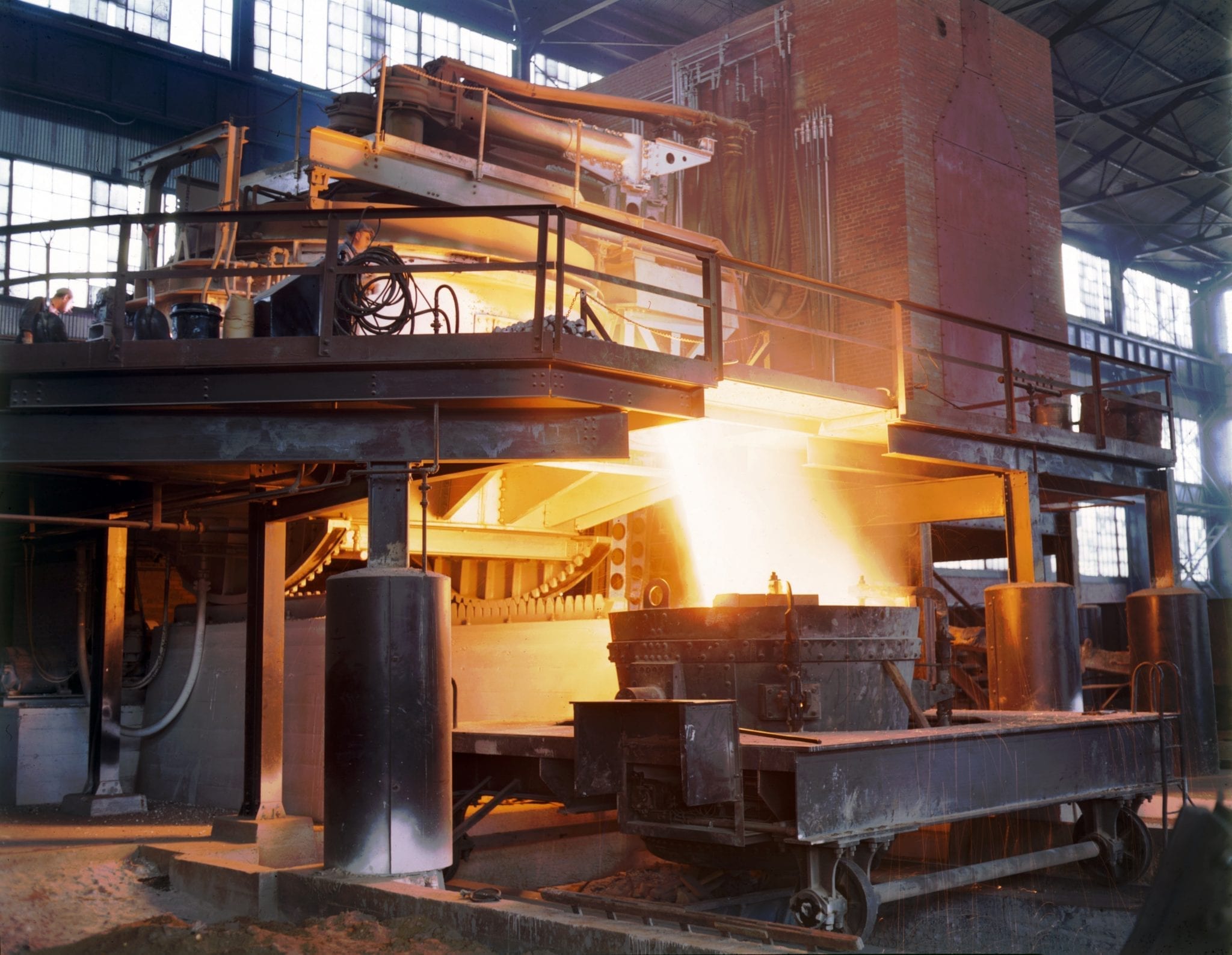
  • China upset at high Vietnam tariffs on steel imports

    China upset at high Vietnam tariffs on steel imports

    The Ministry said effective March 22, 2017, it will impose a 21.3% border tax for a period of one year followed by a 19.3% and 17.3% tax for years two and three to take effect on March 22, 2018 and March 22, 2019, respectively.

    The Decision to levy the border tax signed by the Prime Minister comes after a lengthy investigation by the Ministry that started on December 25, 2016, after complaints were lodged by Vietnamese domestic sector steelmakers.

    For years, Chinese steel products, along with other manufactured products in overcapacity segments of the economy have been at the centre of trade disputes between Vietnam and China, said the Ministry.

    It noted that on many occasions Vietnam private sector companies have lodged complaints that Chinese steelmakers were dumping products at prices below fair value, hurting the segment.

    Chinese steelmakers have voiced discontent at the high tariffs and insist their prices are fair and that they have violated no trade laws. The problems, they say, are rooted in sluggish demand, the weak global economy and poor quality product.

    The investigation showed that for ingots and long steel products, the import volume into Vietnam increased from 387,448 tons in 2012 to 665,679 tons in 2013 and 1,282,090 tons in 2015, over half of which originated in China.

    The Decision applies to steel ingots and long steel products imported from all countries with a de minimis exclusion for those from countries for which the import volumes are inconsequential.

  • Cebu Pacific expands VISMIN routes

    Cebu Pacific expands VISMIN routes

    CEBU Pacific announced it has expanded its inter-regional route network with the addition of two new routes that will connect the Visayas to Northern Mindanao. Starting Mar.15, 2017, CEB will be flying four times weekly (Monday, Wednesday, Friday and Sunday) between Cagayan de Oro and Tagbilaran; and three times a week (Tuesday, Thursday and Saturday) between the former and Bacolod.

    Both new routes to and from Cagayan de Oro will use the airline’s ATR aircraft.

  • Pertamina allocates US$190 million for Mahakam exploration

    Pertamina allocates US$190 million for Mahakam exploration

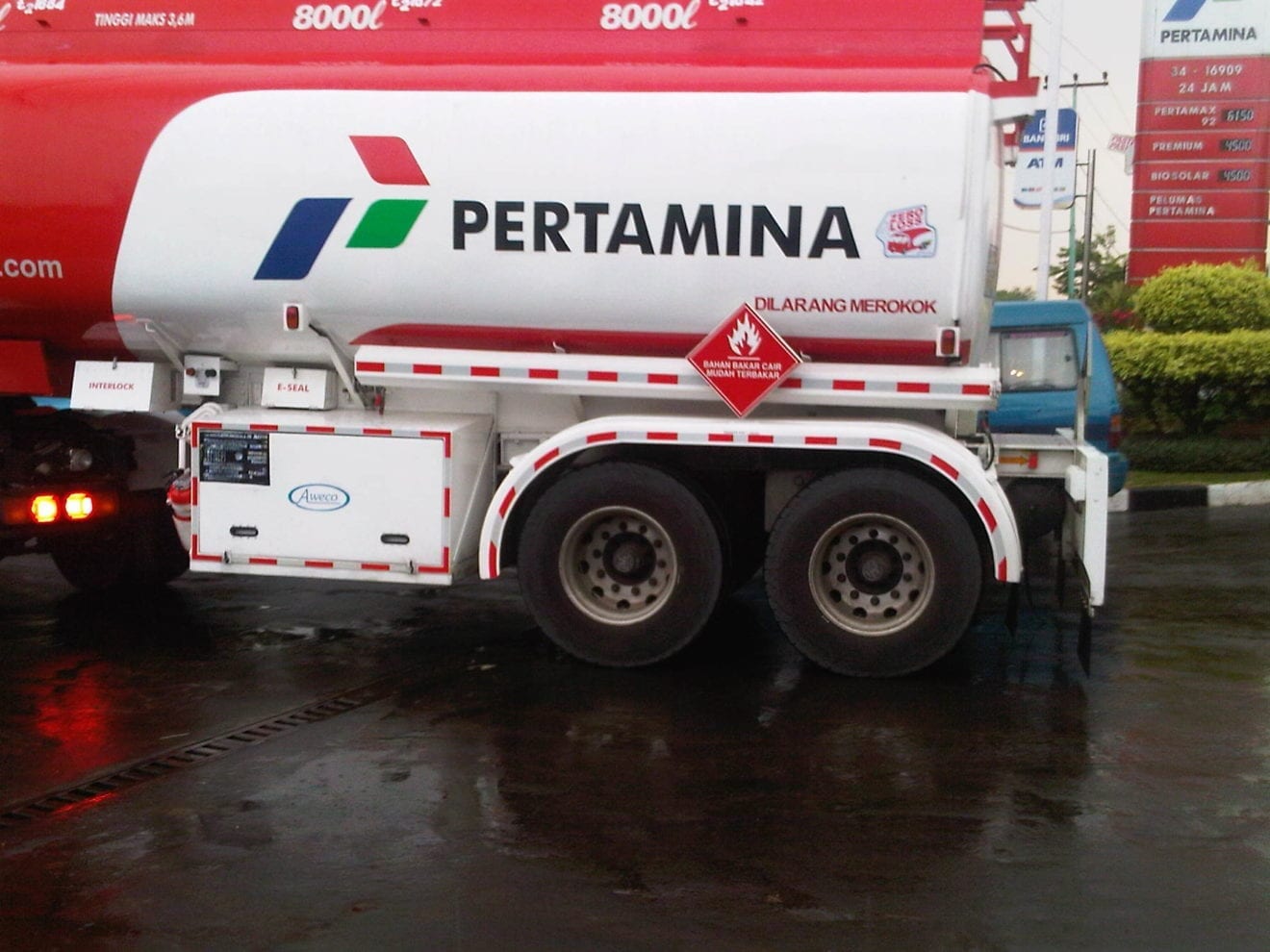
    State-run oil and gas company Pertamina has allocated US$190 million for exploration of Mahakam Block in East Kalimantan.

    “The fund has been prepared, but it would not be that easy to process it. We are still calculating the tax and we could not give the fund yet to the blocks operator Total E&P Indonesie,” Pertaminas upstream director Syamsul Alam said here, Thursday.

    PT Pertamina Hulu Mahakam (PHM), a subsidiary of PT Pertamina, has been appointed to operate the block to maintain production in the gas field.

    Pertaminas Corporate Vice President Wianda Pusponegoro said in a statement earlier this week, that the special task force for upstream oil and gas business (SKK Migas) has agreed on the bridging agreement (BA) scheme and funding agreement (FA) on Mahakam Block, signed by Pertamina, Total E&P Indonesia, and Inpex Corporation.

    “The agreement has clarified stakeholders commitment to smooth the transition of operators from Total to PHM. PHM has entered the Mahakam Block in 2017 under the BA and FA,” Syamsul said.

    The bridging agreement has regulated Total operations as the previous operator of Mahakam fields, for the interest of PHM.

    While the funding agreement would arrange the PHM funding mechanism on Total operation in accordance to the binding agreement.

    The agreements were signed on March 3, after an intensive discussion involving PHM, Total and Inpex.

    “PHM and Total would open a joint account,” she said.

    Totals contract ends on Dec. 31 this year, after operating the Mahakam field for 50 years.

    As an operator, Total has a 50 percent “participation right” while the remaining 50 percent is owned by Impex Corporation Ltd.

    Total is expected to produce 1,430 million standard cubic feet of gas per day and 53,000 barrels of oil per day in 2017.

  • AirAsia revives plan to buy private jet for US$10mil

    AirAsia revives plan to buy private jet for US$10mil

    AirAsia has revived its earlier plan to buy the private jet used by its group chief executive officer Tan Sri Tony Fernandes and executive chairman Datuk Kamarudin Meranun, entering another sale and purchase agreement similar to the one inked in June last year.

    In a filing with Bursa Malaysia, the low-cost carrier said it had signed a deal on Thursday to buy the Bombardier BD-700-1A10 Global Express aircraft from charter provider Caterhamjet Global Ltd (CJG) for the similar cash consideration of US$10mil (RM44.4mil).

    CJG is ultimately owned by Fernandes and Kamarudin, who are both also AirAsia shareholders with a 32.2% stake each. CJG had bought the aircraft, which was manufactured in 1997, for US$24mil in July 2012 and refurbished it for US$0.7mil the following year.

    In June last year, AirAsia sealed an agreement to acquire the jet but that initial deal was not completed by mutual agreement of the parties. The latest announcement did not elaborate on the decision.

    AirAsia has a charter agreement with CJG, signed in April 2015, for the use of the aircraft as well as for maintenance support until June 30, 2017.

    The annual fee charged by CJG was US$3mil (RM13.3mil) plus the goods and services tax. On March 31, 2016, the AirAsia board approved CJG’s request to increase the annual fee from US$3mil to US$5.75mil (RM25.5mil) due to the rising operating costs of the aircraft.

    In its latest announcement, AirAsia said CJG was planning to sell the aircraft, which meant that unless AirAsia bought the jet, its group CEO and executive chairman would no longer be able to benefit from the convenience and efficient transport provided by the aircraft when travelling to AirAsia’s associates for work.

    The acquisition, the statement continued, would be novated to a soon-to-be-formed fully-owned subsidiary of AirAsia, which would act as the registered owner of the aircraft.

    AirAsia said operating the aircraft under its subsidiary would allow the subsidiary to have the option of either operating it under a private category or of signing a charter agreement with an approved aircraft operating certificate (AOC) holder without being constrained by the regulatory considerations of the commercial AOC of AirAsia.

    “The subsidiary is contemplating to apply for a charter AOC from the Department of Civil Aviation Malaysia to operate as a full-fledged charter and private unscheduled business jet operator,” it said.

  • Elia Massa Manik appointed as new Pertamina president director

    Elia Massa Manik appointed as new Pertamina president director

    State Enterprises Minister Rini Soemarno appointed Elia Massa Manik as the new president director of state oil and gas company Pertamina to replace Dwi Soetjipto who was relieved of his duties on February 3, 2017.

    Manik, who is appointed to the post of Pertamina president director based on State Enterprises Ministers Decree No. SK-52/MBU/03/2017, earlier held the post of president director of state-owned plantation holding company PT Perkebunan Nusantara (PTPN) III.

    The state enterprises ministers deputy for financial service business Gatot Trihargo presented the decree to Manik at the State Enterprises Ministry here on Thursday in the presence of Pertamina Chief Commissioner Tantri Abeng.

    Trihargo said Maniks appointment to the post of Pertaminas president director was based on his capacity to lead the company owing to his experience in bringing about transformation in several companies.

    “Elia Massa has experience in the fields of energy, banking, and agroindustry. His track record as the CEO of several companies is praiseworthy,” he noted.

    Abeng said Pertamina requires professionals, such as Manik, who can build solid teamwork in the company.

    Manik was born in Medan, North Sumatra, on May 1, 1965.

    He graduated from the school of civil engineering and environmental planning at the Bandung Institute of Technology and Master Business Management of the Asian Institute of Management in Makati, the Philippines.

    Manik began his career with state-owned enterprises when he was appointed as the CEO of PT Kertas Basuki Rahmat for the 2010-2011 period and the CEO of PT Elnusa Tbk, a subsidiary of Pertamina, for the 2011-2014 period. In addition, he was the former senior executive vice president of state lender Bank BNI for the 2015-2016 period.

    On April 13, 2016, he was appointed as the president director of state plantation holding company PTPN III, and since September 1, 2016, he has been the chief commissioner of PTPN IV.

  • Isetan Mitsukoshi replacing CEO

    Isetan Mitsukoshi replacing CEO

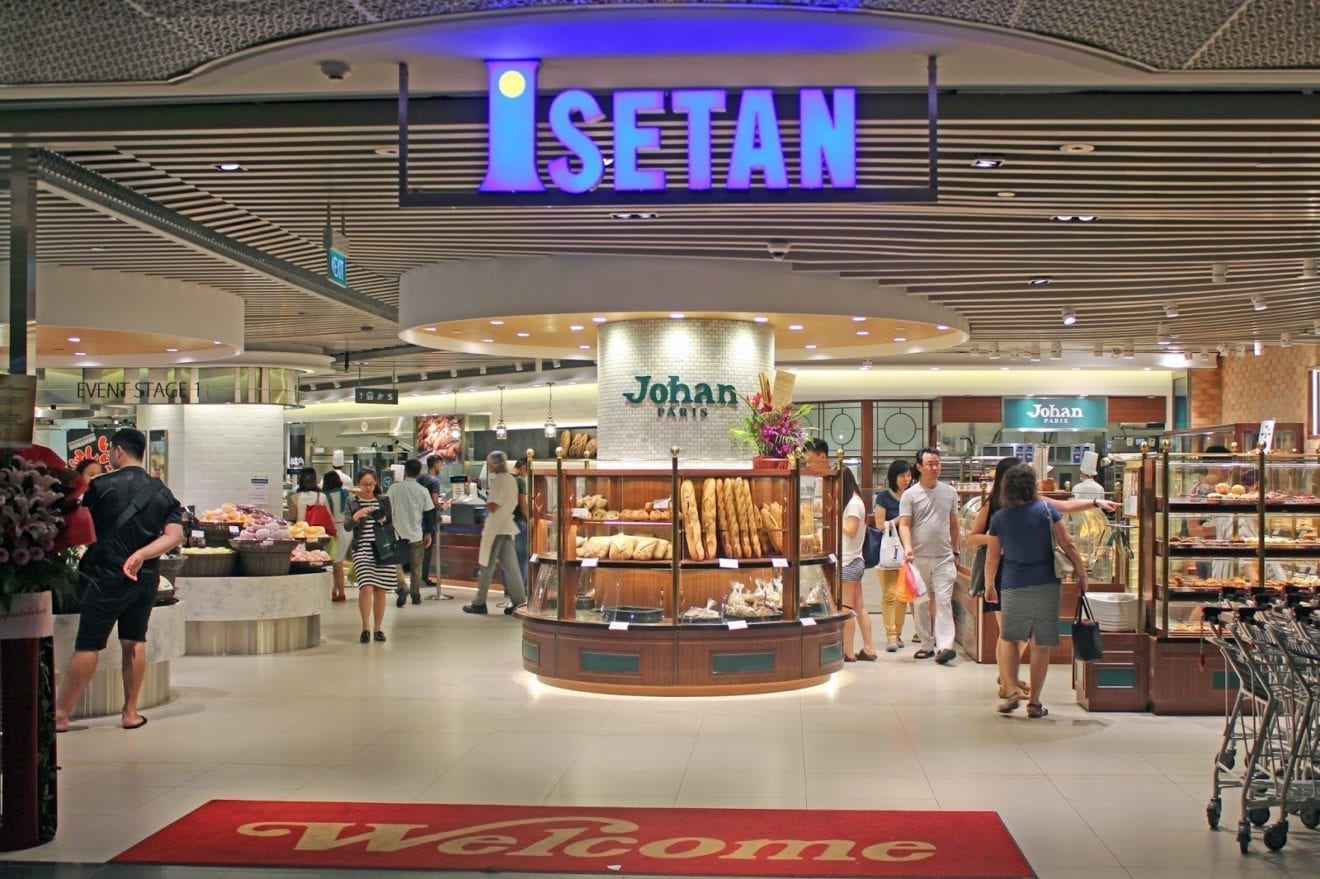
    Japanese department store chain Isetan Mitsukoshi Holdings has appointed a new CEO as retailers battle to recover from a sharp fall in shopping spend by tourists.

    In a filing with the Tokyo Stock Exchange, Isetan Mitsukoshi says senior managing executive officer Toshihiko Sugie will become CEO on April 1, replacing Hiroshi Ohnishi, who had been in the role since 2012.

    Isetan Mitsukoshi says it made the change “to further improve corporate value by installing fresh management”.

    Japanese department store sales fell to less than ¥6 trillion (US$52.70 billion) last year from a 1991 peak of ¥9.7 trillion, with retailers hit by weak economic growth, changing consumer tastes and e-commerce competition.

    There was a brief boom when tourists, especially Chinese, were buying expensive items such as jewellery and watches. This has come to an end despite tourism numbers growing by 21.8 per cent to a record 25 million last year, according to the Japan National Tourism Organization. More than 70 per cent of tourists came from China, Hong Kong, South Korea and Taiwan.

    Isetan Mitsukoshi says its duty-free sales fell 19 per cent to ¥36.7 billion over the nine months through December.

  • Singapore retail sales rise

    Singapore retail sales rise

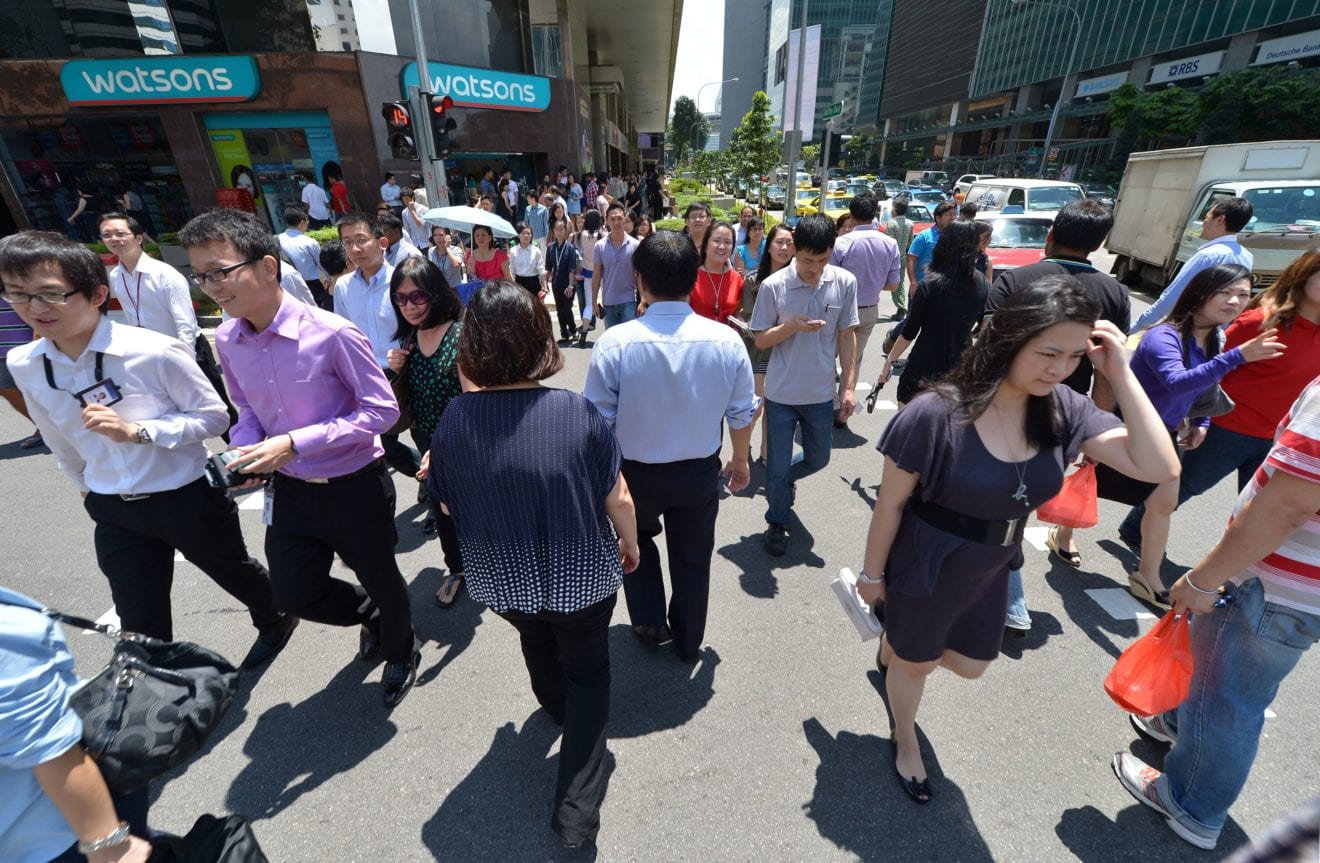
    The early timing of Lunar New Year has given Singapore retail sales a boost.

    Including or excluding motor vehicles, total Singapore retail sales rose 2 per cent in January. However, month-on-month they declined 1.3 per cent on December (excluding cars), reflecting the absence of Christmas trading.

    SG retail

    Data from Statistics Singapore shows total retail sales in January were estimated at $4.1 billion, $100 million higher than in January 2016.

    After seasonal adjustment, month-on-month retail sales of food & beverages declined 21.5 per cent in January and sales through mini-marts & convenience stores, furniture & household equipment, wearing apparel & footwear, recreational goods, medical goods & toiletries and department stores fell between 0.9 per cent and 9.2 per cent.

    On the other hand, retail sales of computer & telecommunications equipment, optical goods & books, supermarkets and watches & jewellery rose between 0.6 per cent and 8 per cent in January.

    Compared to January 2016, retail sales of supermarkets and food & beverages rose 13 per cent and 12 per cent respectively in January. Likewise, retail sales of petrol service stations, medical goods & toiletries, watches & jewellery, wearing apparel & footwear, department stores and computer & telecommunications equipment increased by between 1.2 per cent and 7.1 per cent.

    Conversely, retail sales of furniture & household equipment, optical goods & books, mini-marts & convenience stores and recreational goods decreased between 2.5 per cent and 9.7 per cent.

    Sales of food & beverage services

     SG F&B sales Jan.

    Sales of food & beverage services (seasonally adjusted) increased 5.2 per cent in January 2017 over the previous month.

    Compared to the same period last year, sales of food & beverage services rose 3.5 per cent in January 2017.

    The total sales value of food & beverage services in January 2017 was estimated at $739 million, higher than the $714 million in January 2016.

  • AirAsia in big free-seat giveaway

    AirAsia in big free-seat giveaway

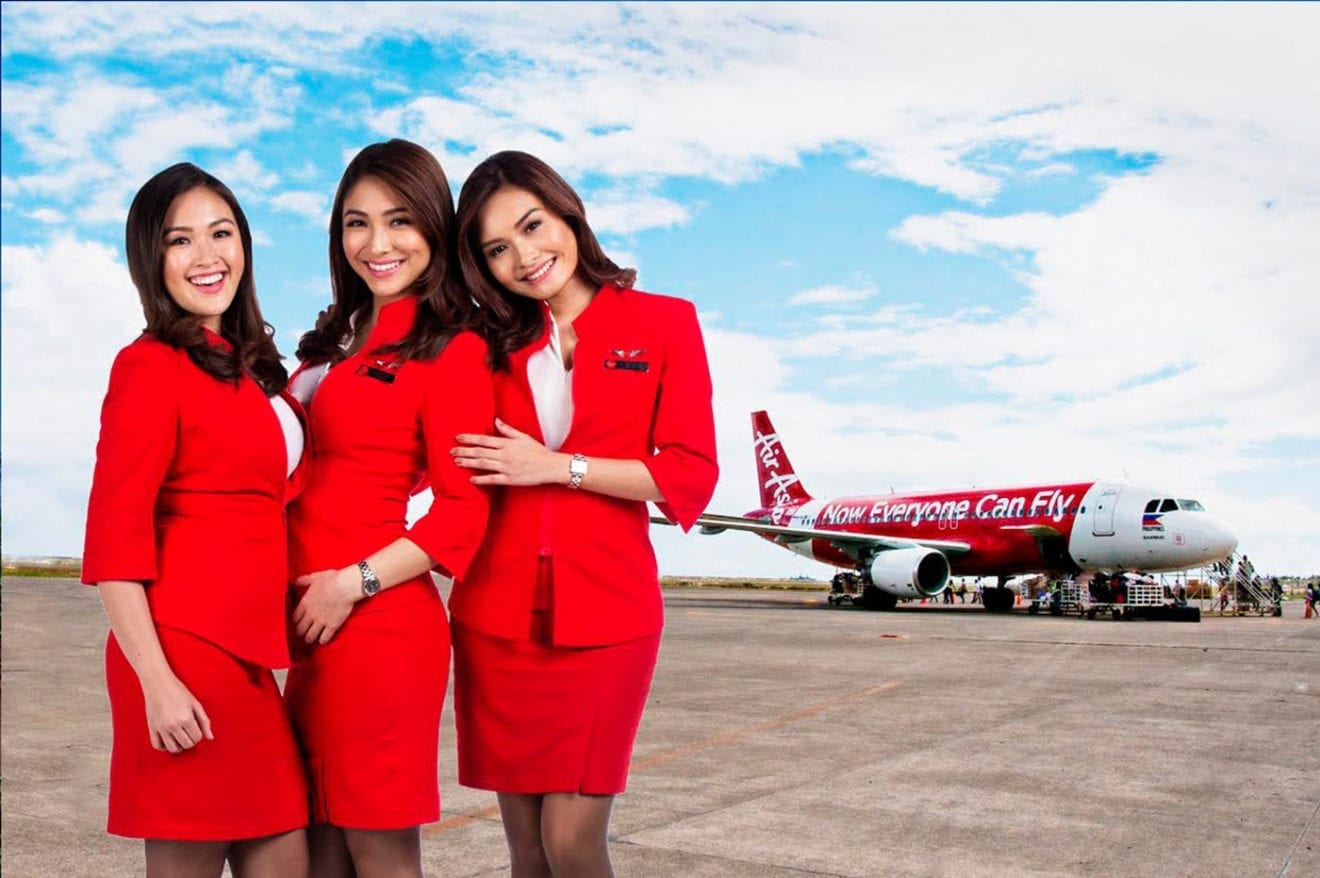
    AirAsia will be “giving away” up to 3 million seats in its first major promotion of the year, the company said on Monday.

    People who book from today till Sunday – March 13 to 19 for travel between September 1 this year and June 5 in 2018 will enjoy fares from as low as Bt0 to various destinations.

    (That deal applies for one-way base fares, and terms and conditions apply – passengers would still pay for taxes and fees.)

    Guests travelling on Thai AirAsia X will also be able to enjoy flights to Seoul, Osaka, Tokyo and Shanghai from only Bt2,990, or its Premium Flatbed from only Bt7,990. Bookings are available from today till Sunday for a travelling period from 1 September 2017 to 5 June 2018.

    AirAsia is a leading low-cost carrier, with a network of more than 120 destinations in Asia, Australia, New Zealand and the Middle East.

  • Retailers alerted to surge in trade for counterfeit goods

    Retailers alerted to surge in trade for counterfeit goods

    In Singapore and other parts of South East Asia, there has at least been a minimal market for counterfeit goods. Retailers across the region have wrangled with this issue for many years and today, it shows little sign of waning.

    Statistics for 2016 revealed that, worldwide, the market for counterfeit goods worldwide was worth an astonishing $650bn (US$460bn). Many of these products were sold online to customers the world over, with popular items sold including eyeglasses, electronics and designer footwear. Bargain-hunting consumers may find the price outweighs whether or not what they buy is genuine.

    Local trade

    The range of fake goods finding their way at customs is pretty wide. Aside from luxury items such as jewellery and smartphones, everyday items bearing counterfeited brand names including rice, noodles and chocolate are also sold as the genuine article. Singapore, as a major global port, sees a fair few of said goods reach customs.

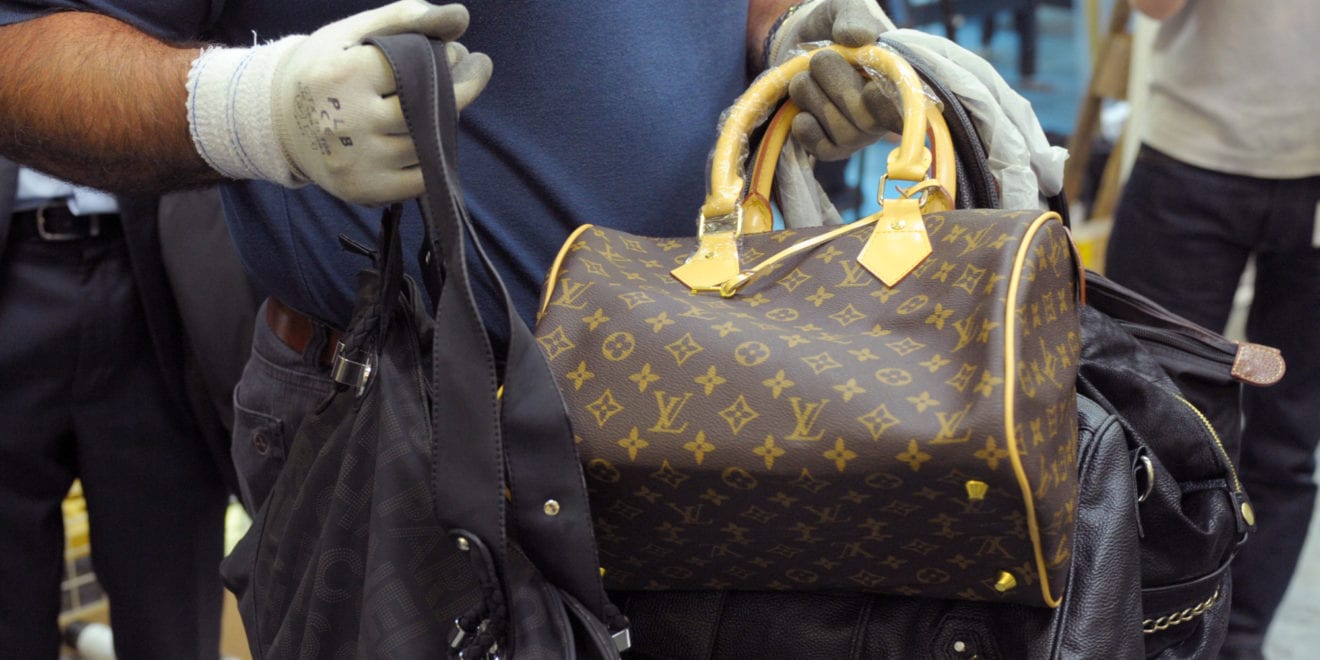
    In September 2016, Singapore Customs seized over 5,000 bags of counterfeit rice imported from India. That same month, more than 1,300 wallets, bags and purses were confiscated. Both bore trademarks of brands which local authorities deemed to be illegal, highlighting the need for retailers to be wary of what they buy in from suppliers.

    When determining what is real and what is fake, Singapore Customs do a lot of the work, whether through performing checks at airport terminals and ports or by enforcing the Trade Marks Act. However, retailers are also tasked with staying on-side, whether selling products online or offline in the bustling streets and markets.

    Telling real from fake

    Retailers are advised to read the Trade Marks Act. Introduced in 1998 and revised in 2005, it states that it is illegal for traders to sell any products bearing un-trademarked logos or other forms of branding. Inspecting goods thoroughly is a must before buying; a good way of doing this is to compare a fully-trademarked product against one that has been offered for sale.

    Any differences in fonts, brand names, colours and materials should be easy to spot. If there are any signs that a product offered by a wholesaler is fake, it is recommended to contact local customs and turn down those products. This should be done regardless of whether or not they seem to represent value for money.

    Should any business find itself selling counterfeit goods, knowingly or otherwise, there are grave consequences. Hefty fines are often given per fake item sold, reaching as much as $10,000 per item. In such an instance, legal advice from local firms including Withers LLP is advisable, whether it’s before or after buying fake goods.

    Multiple sources

    Many counterfeit goods sold across Asia find their way onto online marketplaces such as Amazon, AliBaba and eBay. Retailers using these channels to sell their products are advised to take precautions to ensure what they sell on said sites are the real thing. AliBaba account holders are advised to register with AliProtect.

    Whether they come from China, India, Europe or within Singapore, the market for fake goods shows no sign of slowing down. Attempts by governments and online retailers to clamp down on them are improving, though.
  • 7-Eleven Philippines to open 412 stores

    7-Eleven Philippines to open 412 stores

    Philippine Seven Corp, the 7-Eleven Philippines operator, says it will open 412 new stores this year.

    For the second successive year the listed company will budget P3.5 billion (US$70 million) for capital expenditure.

    The company has just opened its 2000th outlet, at Legaspi Village in Makati City.

    The majority of the new stores will be opened in Luzon, with 50 scheduled for the Visayas and 50 for Mindanao.

    Philippine Seven president and CEO Jose Victor Paterno says half the new stores will be company owned and operated, the other half franchised.

    “We will stick to the provinces first because we have experience and we know the market. The sales of the others can’t support the high rents in the metro. If we cannot pay it, we won’t enter,” Paterno said during a press briefing.

    Sales at 7-Eleven Philippines stores rose 23 per cent in 2016 to P32 billion (US$636 million).

    Paterno said there is a lot of room for the convenience store industry to expand. He anticipates the total number of all brands of c-stores in the nation will exceed 15,000 within 10 years – almost four times the current number.

  • Indonesia holds investment week in Singapore

    Indonesia holds investment week in Singapore

    The government is holding an event to attract foreign investors called “Indonesia Investment Week Singapore Chapter 2017,” which started on Monday and will end on Wednesday.

    It is the first Indonesian Investment Week organized outside Indonesia.

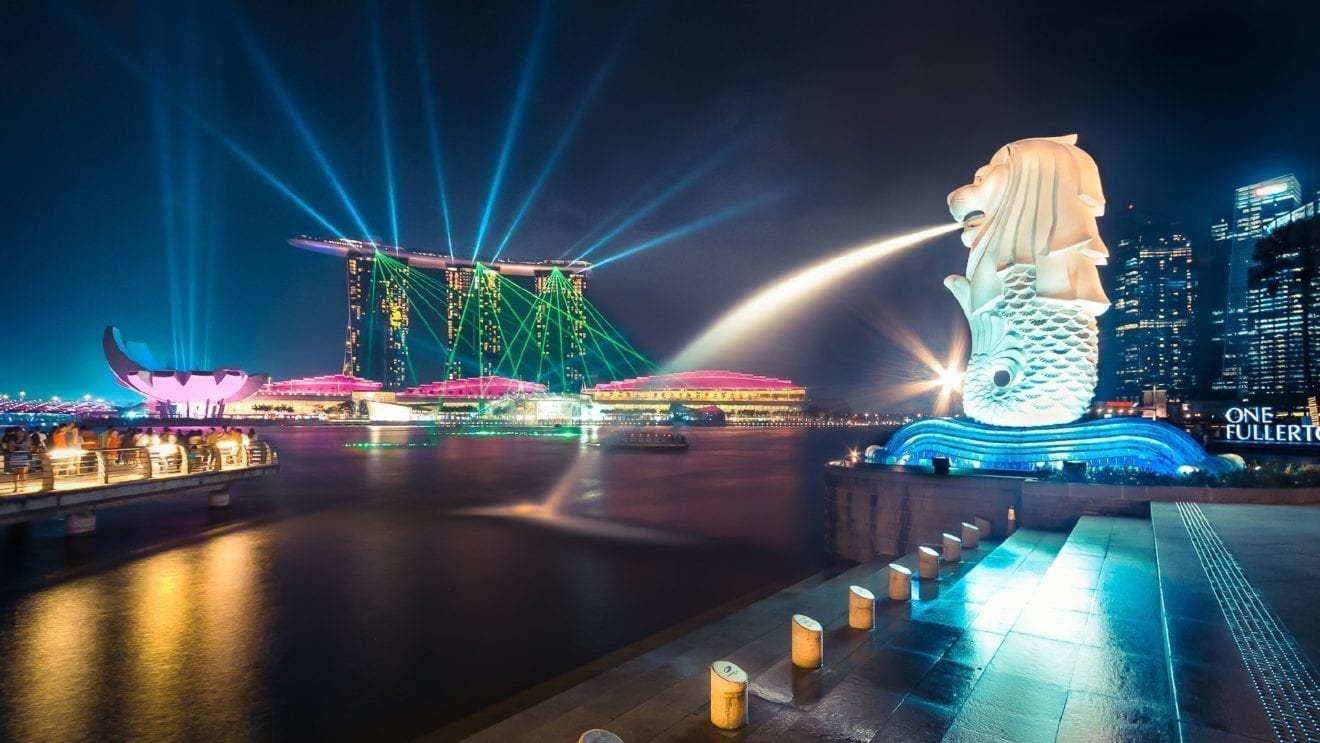
    The event at Marina Bay Sands will feature various activities, including an exhibition, a business forum and one-on-one meetings with businesspeople, said Zaidin A. Zaiti, the president director of PT Eksibit Internasional, which organized the event.

    “The event is expected to welcome more than 5,000 international business people in Singapore,” Zaidin said on Tuesday, adding that it was expected to speed up infrastructure development in Indonesia.

    Indonesian Ambassador to Singapore Ngurah Swajaya said the two countries would soon commemorate their 50th year of diplomatic relations and the Indonesian Embassy would organize various events to mark the occasion.

    “The Indonesian Embassy in Singapore welcomes Indonesia Investment Week with the hope that it will be integrated into events to commemorate the 50th anniversary,” Ngurah said.

    Ngurah said the event was supported by a number of institutions including the National Economy and Industrial Commission, the Trade Ministry’s Export Development Directorate General, the Cooperatives and Small and Medium Enterprises Ministry, the Investment Coordinating Board, Agriculture Ministry and Industry Ministry.

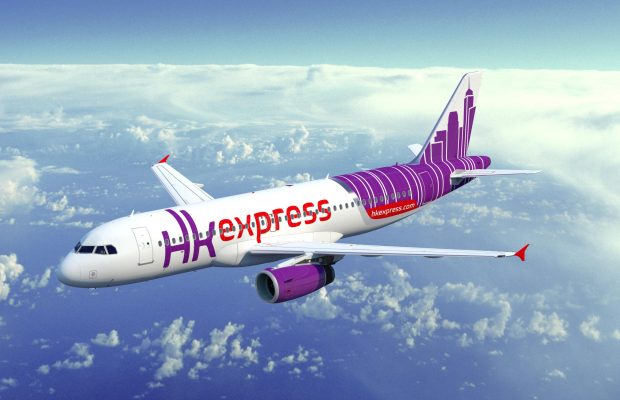
  • Calling All Lovebirds! HK Express Sets Off Romantic Sparks with Four-month Promotion

    Calling All Lovebirds! HK Express Sets Off Romantic Sparks with Four-month Promotion

    From romantic weekend getaways to proposals, pre-wedding photography, destination weddings and honeymoons – travel is an essential part of many couples’ love story. This spring and summer, Hong Kong’s low-fare airline HK Express is getting in on the action!

    Aimed at lovebirds, Hong Kong’s favourite low-fare airline is launching a series of monthly promotions to selected romantic destinations across Asia. Every month from March through June, HK Express routes including Busan, Jeju, Hiroshima, Takamatsu, Phuket, Chiang Rai and Guam will go on sale. For details, stay tuned to HK Express’ website and Facebook updates.

    The swoon-worthy promotion series kicks off in March with one-way fares from HKD88* to all Korean destinations – Busan, Jeju and Seoul-Incheon. Promotional fares will be on sale from 15 March (00:00) to 16 March (23:59) – valid for travel between 28 March 2017 and 28 February 2018.

    With savings from HK Express’ affordable fares, couples can splurge on other romantic details, such as hotels, unique dining experiences, exciting excursions and talented photographers.

    Starting from 8 April 2017, with seven additional flights a week to Seoul-Incheon, lovers can enjoy the best of Korean shopping and dining in the capital city, visit one of many interesting themed cafes or steal a kiss at the N Seoul Tower. Lush landscapes beckon at Jeju, which provides an idyllic backdrop for a romantic proposal or dreamy destination wedding. Couples can say “I Do” from a cliffside chapel with ocean views, or wed barefeet in a sandy cove.

    For culture aficionados, Busan is perfect for pre-wedding photography and unique wedding celebrations. The narrow alleys and pastel-hued buildings of Gamcheon Culture Village lend themselves to memorable photoshoots, while stunning sunsets await at Haeundae Beach – one of South Korea’s most beloved stretches of sand.

    From north to south Asia, the HK Express network connects travellers to 27 picture-perfect spots to fan the flames of romance.

  • Korea’s exports of consumer goods to China tops $7b in 2016

    South Korea sold more than $7 billion worth of consumer goods to China last year, a report showed Tuesday, amid growing concerns that this sector will suffer the most from a trade spat between the two countries over the deployment of an advanced US anti-missile system.

    The outbound shipments of consumer products reached $7.02 billion as of end-2016, accounting for about 11 percent of all consumer goods sold abroad last year, according to the latest report by the Korea International Trade Association and the Korea Institute of Finance.

    The figure represents only 5.6 percent of total exports to the world’s second-largest economy, which stood at $124.4 billion. More than 90 percent of all goods sold to China were intermediate goods such as machinery and industrial components like memory chips.

    Although the portion is marginal, consumer goods have emerged as a key export for the South Korean economy, Asia’s fourth largest, as the market has posted rapid growth over the past few years, the report said.

    The on-year export of five major consumer goods, including cosmetics and pharmaceuticals, grew by 13.6 percent last year, compared with a 5.9 percent on-year drop in the country’s overall overseas shipments, it showed.

    China’s import of consumer goods also rose at a faster pace of 9.2 percent in 2015 from 4.2 percent in 2000.

    The stellar performance in the consumer goods sector, however, is making local exporters more anxious since rising diplomatic tension with China could affect growth going forward.

    Since last July, Beijing has ratcheted up a hostile stance toward Seoul, in protest of Seoul’s stationing of the Terminal High Altitude Area Defense on its soil. Beijing strongly denounced the deployment, claiming that the installation’s powerful radar system will be used to spy on its own military.

    South Korea’s tourism and retail industries are bearing the brunt of what appears to be retaliatory measures taken by China.

    Beijing has banned the sale of group tours to South Korea and placed retail outlets run by Korean firms under suspension, among other moves.

    Experts here cautiously raised a view that maybe it’s time South Korea focused more on exports of intermediate and capital goods.

    “Consumer goods are to some extent overrated because we people can see them more easily. But intermediate and capital goods are traded between businesses, which means they’re less likely to be affected once a deal has been signed,” Ji Man-soo, a KIF researcher, said.

  • Chinese officials close Lotte Group stores amid political issue

    Chinese officials close Lotte Group stores amid political issue

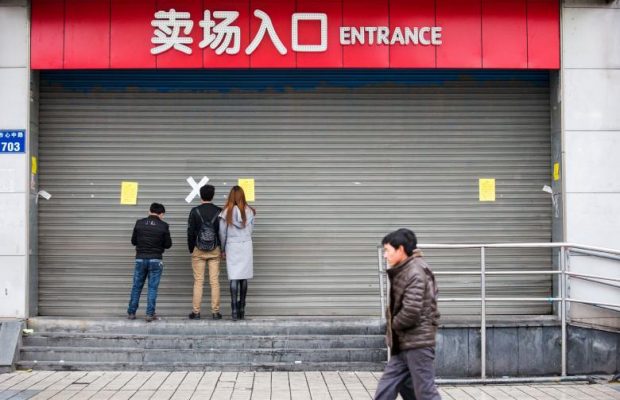
    Following inspections, Chinese authorities have closed nearly two dozen Lotte Group stores.

    Lotte says that 23 of its supermarkets in its biggest overseas market have been shuttered, reaching from Dandong on the North Korean border to the east coast and southern Changzhou.

    Workers at three stores say the closures are temporary and fire-safety related. Its its Sina Weibo microblog, the Anhui fire department says it temporarily shut two Lotte Mart stores because of fire risks, part of a broader regional sweep over the past month that had led to the closure of 30 stores belonging to a range of companies including Lotte.

    However, the Lotte closures follow a series of incidents affecting South Korean companies in China, including cyber attacks and a ban on sales of travel tours to South Korea, Reuters reports. Lotte Mart had 115 stores in China as of January, its biggest overseas market, and had group sales there of more than 3 trillion won (US$2.6 billion) in 2015.

    Problems started for Lotte after it approved a land swap outside Seoul last month so South Korea could install a defence system in response to missile threat from North Korea.

    Meanwhile, photos and videos are circulating on Chinese social media of protests outside Lotte stores, while others show Lotte outlets with their steel grates pulled shut. Outside one store, a red banner reads: “South Korea’s Lotte has declared war on China … Get the hell out of China”.

    Lotte Duty Free is back online after a cyber attack last week from Chinese IP addresses crashed its website, and the group is seeking help from the South Korean government regarding the issues it is facing in China, where it employs about 20,000 people – a third of its overseas staff.

  • Garuda Indonesia Travel Fair 2017 Records IDR457 Tln in Transactions

    Garuda Indonesia Travel Fair 2017 Records IDR457 Tln in Transactions

    The first phase of Garuda Indonesia Travel Fair (GATF) 2017 which is held on March 10-12, 2017 in 24 cities generates positive results by achieving a total transaction amounting to IDR457 billion, surpassing the target set at IDR380 billion. The largest revenue contributors come from the city of Jakarta, Lombok and Denpasar.

    VP Corporate Communications of Garuda Indonesia Tbk (GIAA), Benny S Butarbutar, in remarks, Monday (3/13/2017), said successful implementation of the GATF 2017 phase-1 shows public enthusiasm in traveling needs at an affordable price is still very high.

    “In addition, successful implementation of the ninth GATF is certainly not without the support and hard work of all fellow employees of Garuda Indonesia Group. We wished that the implementation of the next 2017 GATF will be more successful,” he added.

    The cities which become favorite destinations for visitors are Singapore, Hong Kong, Tokyo and Seoul for international routes; for domestic destination are Bali, Jogjakarta, Surabaya and Lombok.

    Implementation of GATF in Jakarta this time also showed an increase, reaching 74 thousand visitors, compared to the same period last year of 60 thousand visitors.

    Sporting the theme ‘Digital Experience’, Garuda Indonesia in 2017 GATF Phase 1 introduced LINE ID ‘Official Garuda Indonesia’, which is the only LINE ID for Indonesian airlines at this time.

    “By adding official account of Garuda Indonesia in LINE, users of Garuda Indonesia’s services can enjoy various promotional programs from Garuda Indonesia throughout the year,” he said.