Category: General

Retail News Asia is committed to providing both local and global retailers with the latest General Retail news throughout the Asian market. This on a daily base.

  • AirAsia: Reaching a new digital high

    AirAsia: Reaching a new digital high

    AirAsia reaches out for fresh ideas on digital transformation. A program called Aviato, which uses machine learning to profile user interests, won first prize at AirAsia’s inaugural Airvolution 2017 hackathon.

    The Singaporean team, which goes by the same name, won the grand prize of RM25,000, 100,000 AirAsia Big points and five return flights to any of the ­airline’s destinations.

    “Aviato is able to profile a user’s interests and extract ­keywords based on the images posted on an Instagram account,” says team leader Durwin Ho Hsu Tian, 27.

    The rest of the team – made up of Choo Yan Sheng, 28, John Goh Choo Ern, 27, and Kevin Kwa Leung Boon, 33 – said they didn’t come up for the idea for Aviato till late night on the first day.

    “Back home, we had already prepared around 30 to 50 ideas based on the three challenges given by AirAsia a couple of months before the hackathon,” said Ho.

    “We roughly knew what we wanted to do and once we had nailed down the idea, everything just fell into place.”

    image: https://www.thestar.com.my/tech/tech-news/2017/03/27/reaching-a-new-digital-high/~/media/cdf8132c01034d979f1afd0c8f4df1a8.ashx

    Contestants rushing against time at the two-day hackathon held at AirAsia’s RedQ headquarters.  — AZMAN GHANI/The Star

    Contestants rushing against time at the two-day hackathon held at AirAsia’s RedQ headquarters.  — AZMAN GHANI/The Star

    Ho says AirAsia has a huge chunk of raw data which Aviato can process so that the company can know its customers better so that it can offer targeted ­promos.

    For instance, Aviato is able to profile whether a person loves the outdoors by running an image recognition algorithm on his or her Instagram account. If a person likes photos related to mountains and forests, the ­program could, for instance, made to push a notification offering flight promotions to Kota Kinabalu.

    Given more time, Aviato will be able to pull data from other social media platforms such as Facebook and Twitter, he says.

    Digital transformation

    The hackathon was part of the company’s ongoing efforts to turn AirAsia into a digital airline this year, says AirAsia group CEO Tan Sri Tony Fernandes.

    However, this is not something new as technology and digital innovations have always been at the core of the airline since its early days, he says.

    “Our roots are digital. We started with the Internet and we are now a very social media based airline,” he says.

    Fernandes is hoping to get the airline’s level of digitisation to around 70% by 2018. — RICKY LAI/The Sta

    Asked on how “digital” the company is right now, Fernandes puts it around 20-30%, adding that there is a huge potential for further digitisation moving forward.

    “It sounds like we are not so digital but others are way behind,” says Fernandes.

    Today, he’s more focused on ­getting the staff to think digital. “I can take someone to drink water but I can’t force him to drink,” he says.

    However, he is confident that the company will be able to push the level of digitalisation to around 70% by the end of 2018.

    The digitalisation process will see the company focus on three key areas, namely commercial, customer experience and operations.

    On the commercial front, the company is looking to offer ­personalised and targeted ­promotions by taking advantage of its large amount of data.

    To improve customer experience it is looking to phase out check-in desks by using biometric tech such as fingerprint and facial recognition but this is dependent on getting approval from regulatory bodies.

    “On the operations side, we want to digitalise all the engineering, pilot flight and even human resource data to improve efficiency,” he says. This will help the airline to cut costs, say, by improving fuel efficiency.

    On why the company decided to host a hackathon for the first time ever, Fernandes says, “I think we are not moving fast enough. We can’t do everything in-house.”

    “There is no way we can do it all alone. We want to get ideas from people who fly with us and know us to help us build this new digital airline and what better way to start it off than with a hackathon.

    “We believe the digital revolution will take AirAsia to another level in terms of making it easier to fly, easier to sell and giving our customers the products they really want.”
  • Lotte affiliate to raise 360 bln won to cope with THAAD fallout

    Lotte affiliate to raise 360 bln won to cope with THAAD fallout

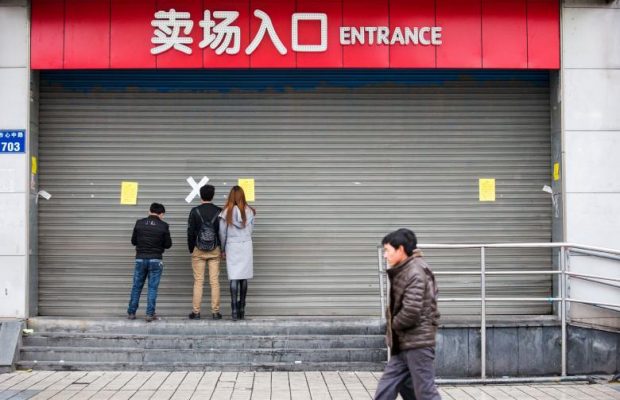
    A unit of Lotte Group, a South Korean retail giant currently receiving the brunt of China’s apparent economic retaliation in protest over Seoul’s deployment of a U.S. missile defense scheme, said Friday that it plans to raise a total of 360 billion won (US$320 million) via stock sales and loans.

    In a regulatory filing, Lotte Mart, the operator of the group’s hypermarket chain, said its board of directors has decided on the proposal to sell stocks and borrow money.

    The proceeds from the stock offering and loans will be used to cover the costs of buying products and giving wages to its employees in China, according to company officials.

    The China-based retail outlet unit has been teetering on the brink of collapse as protracted business suspension by Chinese authorities is leaving the firm with snowballing losses.

    China has ratcheted up pressure against Lotte, South Korea’s fifth-largest family-controlled firm, since it handed over one of its properties to the Korean military so it can be used as a site for a U.S. Terminal High Altitude Area Defense (THAAD) battery.

    Seoul’s deployment of the THAAD on its soil has angered Beijing, who claims that it will be used to monitor its own military.

    According to Lotte, 90 Lotte Mart stores operating in China, Lotte’s hypermarket chain, have been placed under suspension or on voluntary suspension as some Chinese consumers continued to stage anti-Korea protests near the stores.

    That represents nearly 90 percent of 99 Lotte Mart outlets in China that have been forced to close down temporarily. Lotte has some 120 retail outlets operating in the neighboring country, including five department stores.

    Lotte is predicted to suffer some 116.1 billion in losses in its Lotte Mart revenue if the shutdown continues for a month. Last year, sales from China-based Lotte Marts reached 1.13 trillion won, or 94 billion won on a monthly basis, according to the firm.

    The profitability of Lotte’s retail outlet business has been expected to further worsen since it is required to pay full wages to local employees for the first month of the suspension.

    The suspension means a serious blow to Lotte, since its China-based business has long been running a deficit even though it has been in the world’s second-largest economy for some 10 years.

    In 2016, Lotte recorded a combined 207 billion won deficit in its department store and outlet divisions, of which about 80-90 percent came from its Chinese units.

    Industry watchers voiced concerns that Lotte may have to consider a pullout given that losses from the shutdowns are growing too fast for the firm to withstand.

    But, in an interview with foreign news media, Shin Dong-bin, chairman of Lotte Group, flatly denied such speculation saying that the company has no intention of pulling out of China.

  • Vietnam grocer Saigon Co.op plans nearly 600 new stores

    Vietnam grocer Saigon Co.op plans nearly 600 new stores

    Vietnam grocer Saigon Co.op has revealed an ambitious store rollout program for 2017, adding nearly 600 stores by the year’s end.

    The company will open 500 convenience stores, most of them in Ho Chi Minh City and the southern provinces of Vietnam.

    It will also open 10 Co.op supermarkets, one Co.op Xtra hypermarket, one Sense City mall and 65 Co.op Food stores.

    Saigon Co.op cashier

    The company also appears to be broadening its focus to serve middle-class and high-earning consumers with plans to strengthen its organic product distribution. Chairman Diep Dung said the retailer will improve the quality of its goods and boost customer service.

    The expansion is expected to add 13 per cent sales growth for Co.op this year.

    Last year, Saigon Co.op opened 42 new Co.opmart supermarkets, Co.op Food stores, Sense City and Co.opSmile convenience stores. As a result, the retailer saw 11 per cent growth in revenue.

  • India poised to be third largest consumer economy

    India poised to be third largest consumer economy

    In less than a decade, the world’s widget makers, entertainers, and beauty products will be focused on three core economies: the United States and China, of course, and in third place and gaining fast: India. They’re young. They’re the poorest of the big emerging markets, so have lots of momentum on their side. And they’re tech savvy smart. India is the new China. If you have something to sell, India is now an on-radar must.
    The Boston Consulting Group (BCG) said in a report released on Tuesday titled The New Indian that the country will be the third largest consumer market in the world by 2025.

    Rising incomes is the biggest driver here. Although poor, income distribution is evolving even as the population of one-percenters rises. In 2005, some 44% of the country were considered struggling, with 42% just getting by. Today, the extreme poor rural Indians account for 31% while greater number of them have moved up the ladder, accounting for 45% of the working class. Between 2005 and 2016, what BCG refers to as the “aspirers” — or the upwardly mobile — went from 8% of Indian households to 15% and by 2025, 20%. Affluent Indians have gone from 3%, or roughly seven million households back in 2005 to 17 million last year. That is seen rising to 33 million by 2025.

    And for the super elite, those who are buying Tata Motors’ Jaguars and Land Rovers, the numbers went from 3.1 million in 2005 to 6.5 million last year. By 2025, it will more than double to 15.8 million, based on BCG analysis.

    For businesses, these new consumers, and shifting consumer tastes, have big implications for companies looking to build their business in India.

    BCG’s report said that Indians are no longer as fascinated as they once were with foreign goods. Some 60% prefer and are willing to pay extra for Made in India. They are increasingly interested in learning about their own local roots.

    Trends such as family generations splitting up and getting their own homes has been a factor in big cities like Mumbai, but as adult children move out of their parents homes, they need apartments.

    Women in India are also becoming more of a force. Women rights are becoming front and center in India, and women are receiving better healthcare than they ever did, and more relevance in the media. The most important factor is educational opportunity, BCG says. From 2005 to 2014, the enrollment rate of girls in secondary education went from 45.3% to 73.7%. It’s now greater than that of boys in the high school level.

    Younger women have bridged the gap in higher education too. Their enrollment rate is 20% versus 22% for young men. This shift will have a broad impact on societal factors long term, such as workforce demographics and economic independence.

    Long term businesses in India may have to “fundamentally rethink their business models, including product offerings, consumer engagement and marketing” to the Indian consumer, the consultant firm believes.

  • Airlines to increase airfares

    Airlines to increase airfares

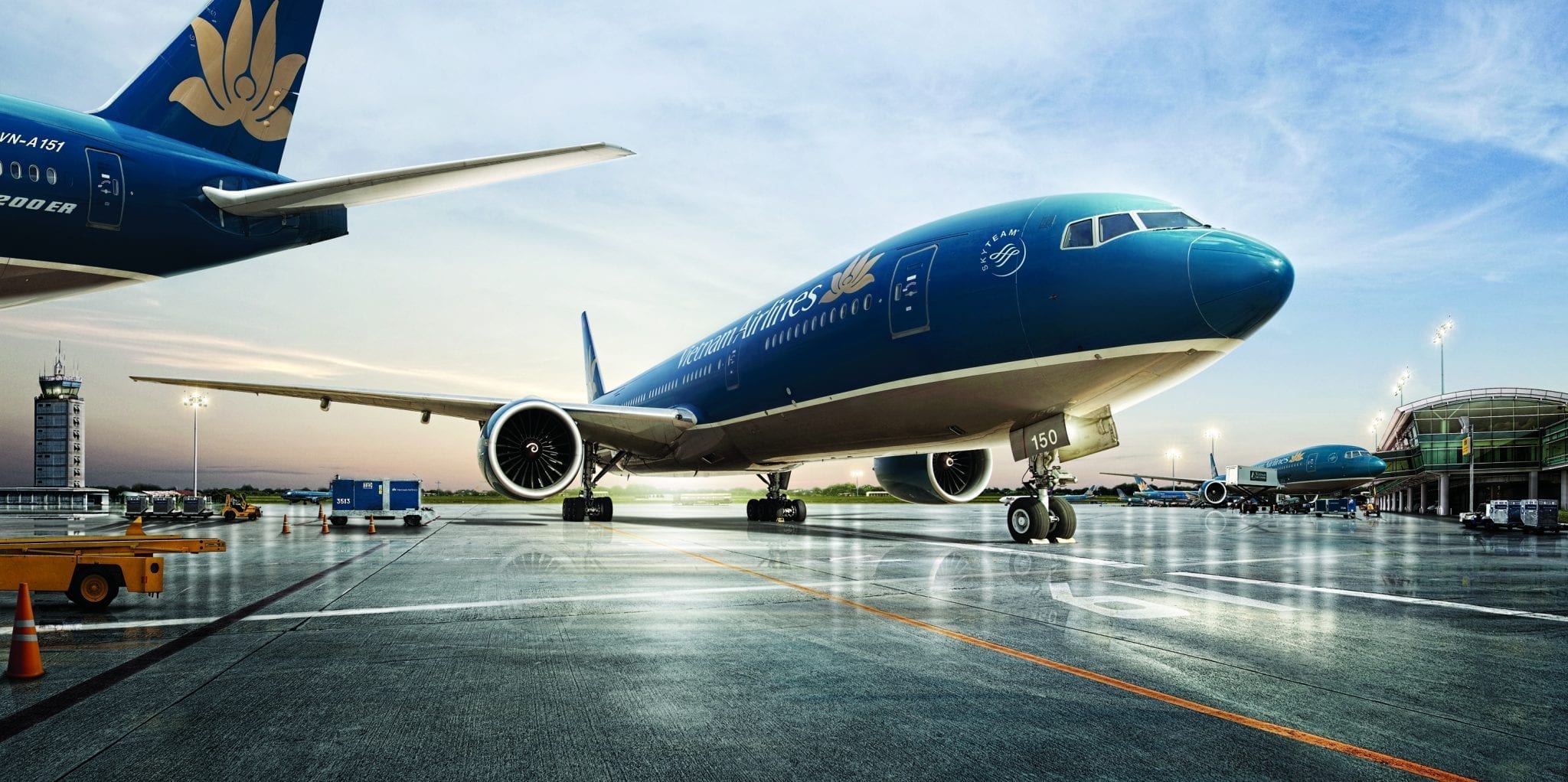
    The national flag carrier Vietnam Airlines increased tickets for business class on for domestic flights by 100,000 – 500,000 VND per leg; and economy class 40,000 – 300,000 VND.

    The airfare adjustment will be applied from April 1 for specific flights.

    However, Vietnam Airlines will maintain around 10 low-cost prices for each domestic flight, and keep unchanged prices for some specific routes.

    Vietjet Air also increased service fees from 100,000 VND to 140,000 VND per domestic leg and from 120,000 VND to 160,000 VND per international leg from March 22.

    Meanwhile, Jetstar Pacific announced to increase management fees from 100,000 VND to 130,000 VND per leg from March 15.

    The adjustment of airfare is based on the market demand and regulations of the Civil Aviation Authority of Vietnam and Ministry of Transport, a representative from Vietnam Airlines said.

    It also aims to ensure healthy competition in the aviation sector, a representative from Vietjet Air said.

    The Civil Aviation Authority of Vietnam in early this month sent a proposal to the Ministry of Transport to raise several aviation service charges in order to reduce peak-hour overloads and raise money for infrastructure development.

    Under the proposal, take-off and landing service charges at major airports, including Noi Bai and Tan Son Nhat, would be raised by 15 percent during rush hours and reduced by 15 percent during off-peak hours.

    The Civil Aviation Authority is also proposing a hike in security charges of 0.5 USD per passenger for international flights, and 18,181 VND (0.9 cents) per passenger for domestic flights – double the current charge.

    A hike of 40,000 VND in passenger service charges is also being proposed, raising them to 90,909 VND for arrivals and departures at type A airports, and 72,727 VND at type B airports.

    The increase is explained by the upgrading of many airports and passenger service quality.

  • AirAsia X starts seventh Chinese route from Kuala Lumpur

    AirAsia X starts seventh Chinese route from Kuala Lumpur

    AirAsia X on 22 March began a daily service from Kuala Lumpur (KUL) to Wuhan (WUH) in China. The 3,381-kilometre route will be flown by the carrier’s A330-300s and will not face any direct competition. Wuhan becomes the airline’s seventh destination in China after Beijing (launched in June 2012), Chengdu (October 2009), Chongqing (September 2016), Hangzhou (February 2008), Shanghai Pudong (February 2013) and Xi’an (July 2014). AirAsia and AirAsia X each have around 29% of the seat capacity between Malaysia and China, well ahead of Malaysia Airlines and China Southern Airlines who both account for around 11% each.

    Benyamin Ismail, CEO of AirAsia X Berhad, said: “We are happy to connect Wuhan directly to Kuala Lumpur after Kota Kinabalu, Bangkok and Phuket operated by our short-haul affiliate AirAsia Berhad and AirAsia Thailand. China is a key market for the AirAsia and AirAsia X Group and this new connectivity option will further strengthen our presence in China. Travellers can enjoy many interesting attractions in Wuhan such as historical sites and natural sites with picturesque scenery.

    Benefitting from its strategic position in central China, Wuhan naturally became a hub for the efficient distribution of products for many industries. We are confident that Wuhan will not only attract leisure travellers to fly with us but also business travellers who want to take advantage of Wuhan’s substantial economic growth.”

    Last year Wuhan Tianhe International Airport handled almost 20.8 million passengers, ranking 14th among Chinese airports. In total AirAsia X now operates 51 flights per week from KL to destinations in China, beaten only by the 53 flights per week it scheduled to Australia.

  • Vietnam plans to send more skilled workers abroad to curb unemployment

    Vietnam plans to send more skilled workers abroad to curb unemployment

    Vietnam’s labor ministry is outlining a new plan to send more skilled workers abroad in the next few years as the number of unemployed Vietnamese has surpassed the million mark.

    According to Deputy Minister Doan Mau Nghiep, the plan will focus on sending engineers to South Korea and health workers to Japan and Germany and also exploring new markets like Slovakia, the Czech Republic and Israel.

    “The ministry wants to find solutions for well-trained workers, who have graduated from universities or colleges but can’t find jobs,” he said. “But we have to assess whether the quality of our labor force meet the requirements of recipient countries.”

    According to official data, Vietnam had around 1.1 million unemployed workers, 2.3 percent of the workforce. Around one third were college graduates.

    Experts have said that the quality of Vietnamese labor force is generally low compared to Asian peers such as South Korea, India and Malaysia.

  • Garuda Indonesia Keeps Expanding Despite 89% Profit Slide

    Garuda Indonesia Keeps Expanding Despite 89% Profit Slide

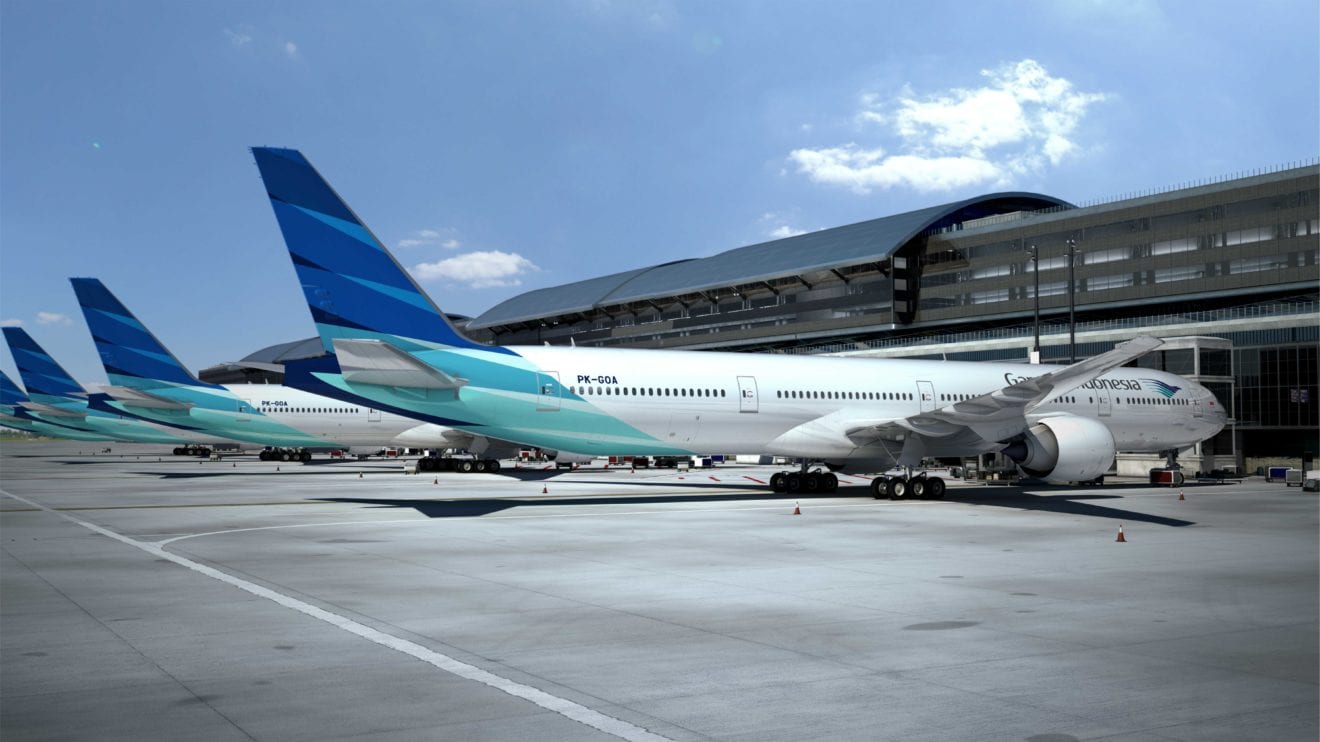
    Indonesian flag carrier Garuda Indonesia will continue expanding despite a lackluster performance last year during which profit dropped by 89%, President Arif Wibowo said on Wednesday.

    Garuda posted $8.1 million in net income in 2016, from $76.5 million the year before. Wibowo said the decline was “manageable,” and attributed it in part to the company’s increased flights on existing routes and the opening of new ones. Garuda last year started connecting Indonesia’s resort island, Bali, with a few Chinese cities, and commenced flights to Mumbai.

    Its available seat kilometers — a measure of passenger-carrying capacity — last year was up by 13%. Wibowo said he expects a similar increase this year.

    “First half of 2016 was loss-making due to the expansion,” Wibowo said. “But that is part of a growth strategy that I must take. In 2017 we’ll keep maximizing our capacity growth, by 10-12%.”

    To achieve this, Garuda will increase its service to less-connected, underdeveloped eastern Indonesia regions. For international destinations, China will remain a focus, though Garuda is also working on flying to the U.S. and Russia.

    Profit was also dragged down by declining passenger yields — measure of average fare paid per mile — which dropped from 9.6 U.S. cents in 2012 to 6.2 U.S. cents in 2016 industrywide in Asia Pacific.

    Garuda’s low-cost subsidiary, Citilink, was especially hit hard by declining yields. It posted a net loss of $9.7 million last year from a $3.5 million profit it made in 2015, despite an 18% growth in passengers to 11 million.

    Garuda saw its passenger numbers grow just 1.4% in the same period. The group’s market share in the country shrank slightly from 43.5% to 41.7% for domestic flights, and from 27.1% to 26.9% for international ones.

    “It’s very tough competition in the aviation industry over the past five years. Passenger traffic has increased, but there has been tremendous pressure on yields,” Wibowo said.

    He added that the state-owned company is approaching the government to increase lower tariff limits for airlines operating in Indonesia, citing increasing fuel prices, to prevent a price war.

    GMF AeroAsia, which offers maintenance services for aircraft, was the best-performing subsidiary last year with a 60% profit increase to $57.7 million. Wibowo said the consistently good performance makes GMF a candidate for an initial public offering. Garuda is mulling the sale of 20% of GMF share to the public, which may happen this year.

    The airline is also pushing the growth of its cargo business after the establishment of a special division for cargo last year. Director of Cargo Sigit Muhartono said he would focus on expanding e-commerce delivery for the higher yields. Garuda delivered 416 tons of cargo last year, an 18% increase year-on-year.

  • Route to success

    Route to success

    CEO Nguyen Thi Phuong Thao, who created the concept of bikini-clad flight attendants, told local media that she wants to make Vietjet become the “Emirates of Asia”.

    Such goals are admirable, and insiders believe the IPO will bring further success to the “bikini airline”.

    Taking off

    After five years of operations, Vietjet has had a level success that other airlines would envy.

    Vietnam’s only private airline ordered 100 new jets from Boeing in May last year, worth $11.3 billion, and signed a contract in September to purchase 20 A321 aircraft from Airbus, witnessed by State President Tran Dai Quang and French President François Hollande.

    With the two contracts, it continues to drive towards its goal of having a “Red Revolution” in Vietnam’s aviation sector and becoming a global airline.

    The five-year-old Vietjet surpassed national flag carrier Vietnam Airlines in domestic passenger transport during the recent Tet holidays, according to the Civil Aviation Authority of Vietnam (CAAV).

    Over the six-day holiday, Vietnam Airlines carried 175,146 passengers and Vietjet 209,179, for market shares of 35 per cent and 42 per cent, respectively.

    The only competitor of Vietjet Air is low-cost carrier Jetstar Pacific, a subsidiary of Vietnam Airlines. But Vietjet Air far outstrips Jetstar Pacific in revenue and market share.

    While Vietnam Airlines, in which the State owns more 90 per cent, found it quite difficult to find strategic partners, Vietjet attracted 26 foreign investors after announcing its plan to conduct an IPO.

    Vietjet has also closed the gap with Vietnam Airlines in terms of profit.

    While Vietjet’s pre-tax profit increased 91.6 per cent in 2016 to VND2.3 trillion ($101.9 million), Vietnam Airlines’ pre-tax profit was VND2.5 trillion ($110 million), up 140 per cent and 7 per cent higher than the annual plan.

    And its share price is much more attractive than Vietnam Airlines’.

    According to the Hanoi Stock Exchange (HNX), Vietnam Airlines’ shares trade on the UPCoM Market with a reference price of VND28,000 ($1.2) and are expected to reach VND40,000 ($1.7).

    Vietjet’s reference price, meanwhile, has been predicted to stand at VND90,000 ($4).

    “The capital raised by Vietjet in the offering will help support the expansion of its international routes and the enlargement of its fleet, which are critical for it to compete in the Asian aviation market – one of the fastest growing and most dynamic aviation markets in the world,” said Mr. James Grandolfo, a Partner in the Hong Kong office of Milbank, which is the advisor in Vietjet’s IPO.

    The appeal of Vietjet is its low cost, as budget airlines have become the key driver of Vietnam’s fast-growing aviation market and transported 55 per cent of domestic passengers in 2016.

    Budget airlines are rapidly increasing their market share, with an annual growth rate of 15-20 per cent, according to Mr. Lai Xuan Thanh, Head of CAAV.

    Given the strong development of low-cost airlines, Vietjet, the dominant player in Vietnam’s low-cost market, quickly captured a 40 per cent share of the local market and will likely surpass Vietnam Airlines within the next few years as Vietnam’s largest domestic carrier.

    So who will benefit from Vietjet’s IPO? Obviously, it’s a win-win for Vietjet and its partners.

    The economy, according to many economic experts, will also be a winner from the deal.

    “A sizable capital source will be mobilized, in particular funds from foreign financial institutions,” said Mr. Nguyen Hoang Hai, Deputy Chairman of the Vietnam Association of Financial Investors.

    “The IPO will be a test of how much foreign capital Vietjet can rally by promising continued expansion and rising profits, banking on the past few years of impressive growth that have turned it from a startup to a major carrier that is expected to soon hold the largest market share in Vietnam.”

  • Gifts Less Ordinary Launches Global Corporate Gifting Marketplace

    Gifts Less Ordinary Launches Global Corporate Gifting Marketplace

    Gifts need to be relevant, or they will be forgotten. With that in mind, Gifts Less Ordinary, a Singapore-based online marketplace selling curated and personalised gifts, announced the launch of its global Corporate Gifting platform.

    E-commerce sales in Southeast Asia is currently growing at an expedited pace, and is expected to have reached US$ 25 billion by 2020 according to Frost & Sullivan, bolstered by a strong demand within the B2B e-commerce space.  

    With the launch, corporates are now able to individually personalise each gift with an individual’s name or initials, creating a truly personal gift, whilst benefitting from a minimum order quantity of ten units, alongside real-time visibility to overall pricings and discounts. The platform built with technology partner Get Commerce, is the first-of-its-kind that connects small creative businesses to the online Corporate Gifting market.

    Businesses that have partnered with Gift Less Ordinary have seen first-hand growth in demand for their products in Southeast Asia, specifically during the post-holiday lull seasons. One such business is Make Me Something Special, a UK family business specialising in bespoke personalised wooden gifts.  

    “When Amy approached us about joining their new Corporate site, it was a no-brainer, as we can see the demand is there and it will be amazing to have our brand showcased in front of a wider B2B audience. We are very excited to be a part of this very exciting project and are keen to see our brand grow even further across the region,” said Ben Griffiths, the founder of Make Me Something Special.

    The price of each unit starts from as low as S$15, and depending on the order size, corporations can enjoy bulk discounts of up to 50%. The products available have been segmented according to the occasion and purpose of gifting, but if corporates need help deciding on a perfect gift, they can simply request a Free Bespoke Consultation.

    Gifts Less Ordinary was found in 2015 by Amy Read, and has since seen a strong 400% year-on-year growth each year. The startup also has operations in Japan, Australia, Hong Kong, New Zealand and the U.S.

    “Personalisation has always had its appeal and is observing an upward growth in demand in retail globally. This is at the heart of everything we do – from the products we pick to the service we provide.” said Amy Read, the CEO and founder of Gifts Less Ordinary.

    “We quickly recognised the need for a corporate version of our site from the overwhelming volume of enquiries we were receiving on a weekly basis. I strongly believe businesses who embrace individual personalisation have a real opportunity to create a differentiated business proposition and increase customer loyalty and business edge,” said Amy.

    Gift Less Ordinary’s corporate clientele includes a wide range of corporates and institutions, including Nanyang Academy of Fine Arts (NAFA).

    “The team is very accommodating to our requests and we are very grateful for their patience. Apart from the good customer service given, we are equally impressed with the quality of the products and the speed of delivery,” said Lynn Tan, NAFA’s Alumni Relations Executive.

  • Henry Sy still Philippines’s richest man

    Henry Sy still Philippines’s richest man

    Business tycoon Henry Sy topped Forbes’ list of richest Filipinos, with a 2017 net worth of $12.7 billion. This is his 10th consecutive time to top the list.

    However, this is lower than his 2016 net worth of $13.7 billion.

    Sy is the 94th richest billionaire in the world. The global billionaires’ list released by Forbes magazine on Monday was topped by philantrophist Bill Gates with a net worth of $86.8 billion.

    The 92-year-old billionaire founded Shoe Mart in 1958 and has expanded his business to retail, banking, and property. Forbes said that SM Investments is now the largest retailer in the Philippines. Sy’s children are now running his businesses.

    John Gokongwei Jr. of conglomerate JG Summit also retained his spot at second place, with $5.8 billion net worth. The 90-year-old has interests in an airline, banking, food, hotels, power, chemicals, real estate, and telecommunications.

    Lucio Tan moved from last year’s fifth spot to the third spot with $3.7 billion net worth, down from $4.9 billion a year ago. The LT Group has interests in tobacco, spirits, banking, and property development.

    The youngest Filipino billionaire on the list is the man behind fastfood chain Mang Inasal, Edgar Sia. The 40-year-old businessman’s net worth this year is at $1 billion. He also owns a stake in DoubleDragon Properties.

  • Djarum Owners Top Indonesia’s Richest List

    Djarum Owners Top Indonesia’s Richest List

    Forbes magazine has published the list of 2017 world’s richest billionaire, and those who have a net worth of over USD 1 billion. Forbes has particularly drawn a list of Indonesia’s 20 richest people.

    Djarum owners Robert Budi Hartono and Michael Hartono ranked first and second on the list. Budi has a net worth of USD 9.5 billion – higher compared to Budi’s wealth recorded in 2016 of USD 8.1 billion. Meanwhile, Michael Hartono’s net worth increased from USD 7.9 billion to USD 8.9 billion.

    Following Michael Hartono is Indorama owner Sri Prakash Lohia and CT Corp owner Chairul Tanjung. Mayapada Group owner Tahir jumped from seventh place last year to fifth after increasing his net worth from USD 2 billion to USD 2.8 billion. Property business owner from Surabaya Alexander Tedja, the leader of Pakuwon Group, ranked twentieth with a net worth of USD 1 billion.

    Forbes particularly highlights MNC Group owner Hary Tanoesoedibjo who has a net worth of USD1.1 billion. Hary, who ranked 19th in Indonesia’s richest list and 1795th in Forbes world’s richest list, has a close relationship with US President Donald Trump. Forbes dubbed Hary as ‘The Donald Trump of Indonesia’.

    The 2017 Forbes rich list noted increasing assets of world billionaires by 18 percent compared to last year amounting to USD 7.67 trillion.

  • Vietnam, India work to adjust back-to-back bans on commodity imports

    Vietnam, India work to adjust back-to-back bans on commodity imports

    Vietnam has requested the Indian government to abolish a ban on the import of its six commodities, including coffee and pepper, the Vietnamese government said in a Friday statement.

    India may have agreed with the request and will remove restrictions against the Vietnamese goods in question, the Saigon Times quoted a Vietnamese pepper industry official Saturday as saying, a development could not immediately verify independently.

    India imposed the ban against six commodities from Vietnam, which also included cinnamon, bamboo, cassia and dragon fruit, effective from March 7 after Vietnam’s agriculture ministry had ruled to suspend the import of India’s five agricultural commodities for 60 days starting March 1, citing the infection of peanut beetle.

    Vietnam’s Industry and Trade Ministry, in an official letter, told India to uphold international practice -= referring to the ban, the government statement said, adding that it had Thursday asked the Vietnam embassy in India to deliver the letter.

    The letter also urged India to “soon abolish the suspension of the import”, the government statement said.

    India has agreed to remove the suspension against several items, the Saigon Times quoted Nguyen Mai Oanh, deputy chairwoman of the Vietnam Pepper Association, as saying late Friday.

    “India will abolish the suspension order on the import of agro-products from Vietnam”, after Vietnam’s agriculture ministry officials met Thursday with the Indian embassy in Hanoi, she was quoted as saying.

    In return, Vietnam will adjust its decision on the suspension of five commodities from India and resume their import, Oanh said in the report.

    India’s ban has delayed several shipments of Vietnamese coffee and pushed down pepper prices on Vietnam’s domestic markets in recent days, traders and industry officials say. Vietnam is the world’s largest exporter of robusta coffee and black pepper.

    The country’s coffee export volume on March 1-15 fell 10 percent from the same period last year to 81,000 tons, based on Vietnam Customs’ data released Friday.

    Traders in Vietnam said if the situation is prolonged, Indian roasters would have had to buy their raw material from African nations.

    While domestic pepper prices have eased, due in part also to the ongoing harvest, Vietnam has shipped 13,600 tons of the spice in the first half of March to various destinations, up 31 percent from a year ago, based on customs data.

    Last year India, the third-biggest buyer of Vietnamese pepper after the United States and the United Arab Emirates, imported 11,100 tons of the spice, up 37 percent from 2015, the customs data showed.

  • AirAsia India launches flights to Kolkata, Ranchi

    AirAsia India launches flights to Kolkata, Ranchi

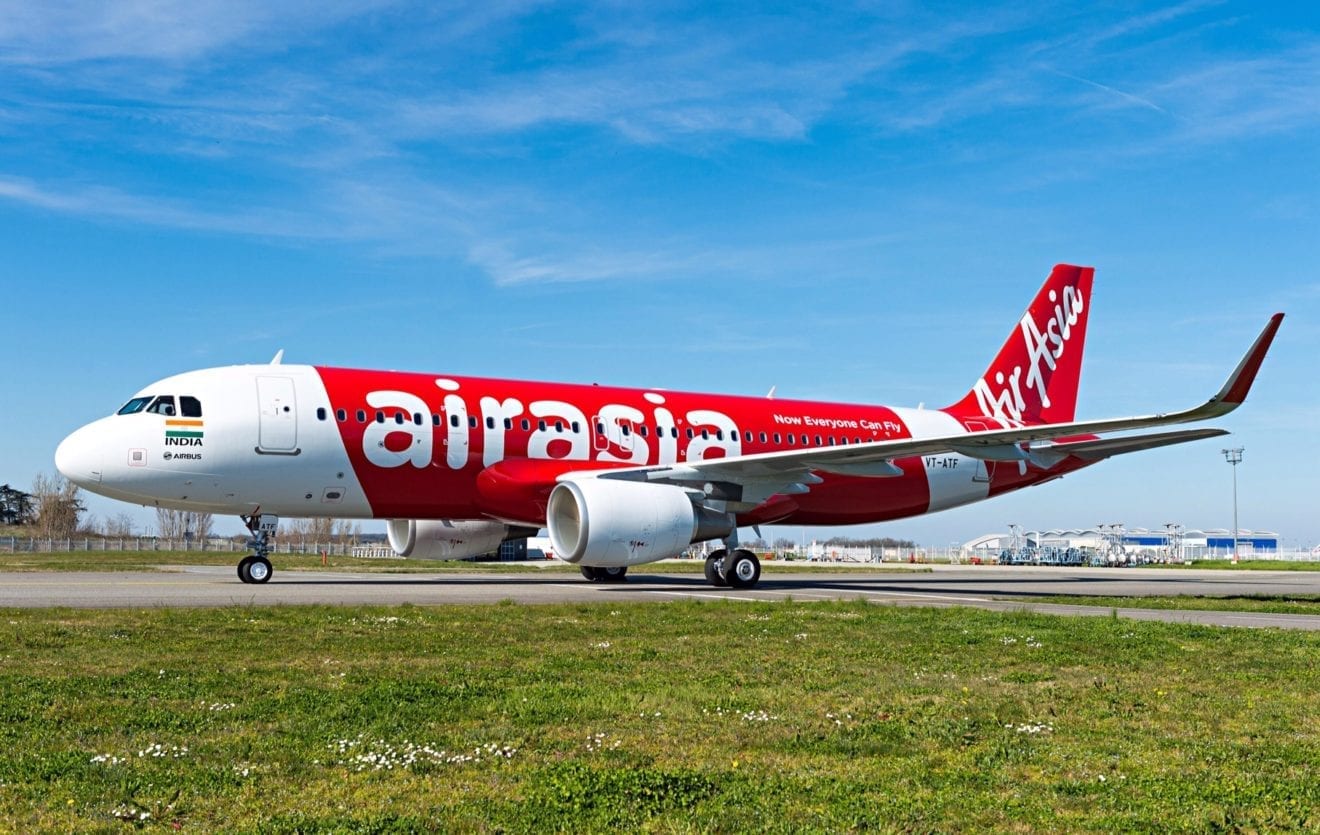
    AirAsia India today announced its addition of two new destinations in Kolkata and Ranchi and said that Kolkata will be its third hub. With the launch of these destinations, AirAsia will operate to 15 destinations in the country.

    AirAsia operates a fleet of 9 Airbus A320 aircraft. The ninth aircraft was added during the beginning of this year.Kolkata will become airline’s third hub in India after Bengaluru and Delhi.

    “2017 is proving to be a very exciting year for us. Our determination to serve regional India is paving way for a successful implementation of our planned strategy. The continued support of the Central and State Governments in a young AirAsia India, is an affirmation to me, as we work towards helping Indians fly,” Amar Abrol, MD & CEO, AirAsia India was quoted in the release.