Category: General

Retail News Asia is committed to providing both local and global retailers with the latest General Retail news throughout the Asian market. This on a daily base.

  • Li & Fung to create ‘supply chain of the future’

    Li & Fung to create ‘supply chain of the future’

    Li & Fung has unveiled a three-year plan to create what it describes as “the supply chain of the future”.

    Group CEO Spencer Fung said its plan for 2017 to 2019 would realign the business to focus on the changing environment.

    “As we enter the next three years, our entire organisation is aligned around the need to transform the business in a fast-changing environment. We have a comprehensive plan in place to create the supply chain of the future,” he said.

    “We see the next three years as one of the most exciting periods we have embarked on. We continue to be challenged by increasing uncertainties from geopolitical and macroeconomic events, weak consumer demand, and evolving sourcing and consumption preferences. However, the state of the world and the increasing complexity of the supply chain have created tremendous opportunities.

    “Entering into our new Three-Year Plan, our vision is to build the supply chain of the future, to help our customers navigate the new digital economy and stay competitive. With our vast experience in supply chain management, we are confident that we can help our customers excel in this tumultuous time.”

    The three-year plan will focus on speed, innovation and digitisation.

    Fung says one of the primary drivers behind the new strategy is the increasing demand from retail clients for faster turnaround due to shorter order cycles, greater flexibility in inventory replenishment and a demand for smaller volumes so clients can react more quickly to changing consumer preferences.

    “Speed is one of the most important decisions driving our customers’ global supply chains. Internally, we aspire to be responsive and fast like start-up companies, by maintaining a simplified structure and employing methods such as rapid prototyping to make quick decisions,” said Fung.

    “Enhanced innovation allows us to deliver higher speed, and to improve our productivity and

    efficiency by doing things creatively. By innovating business models, we will be able to adapt to the fast-changing environment. We will also increase our efforts in creating new products that help our customers differentiate themselves. We will continue to build upon this with our select product verticals, which allows us to capture new opportunities and enhance margins.

    “Speed and innovation cannot be fully realised without the digitalisation of the entire supply

    chain. We aim to digitalise all the key aspects of the supply chain, from product development,

    material costing and sampling to manufacturing.

    “A digital supply chain is essential to service a highly digitalised marketplace. It will allow us to create an effective ecosystem that benefits various stakeholders in the supply chain. In fact, our convening power in bringing together diverse players across the supply chain and analysing their data is a key differentiator.

    With synchronised data, we can make better decisions on price, quality, working capital, inventory and other efficiencies. By providing end-to-end visibility for our customers and suppliers, Li & Fung will be at the forefront of providing a digital platform,” said Fung. “Together with data analytics, it allows us to create value along the entire supply chain.”

    As it embarks on the new strategy, Li & Fung will first reorganise its business into two main divisions: one focused on services which includes supply chain and logistics solutions, the other  on products, which features the firm’s retail and wholesale business. The two divisions will have their own management teams.

    “The digital supply chain, coupled with a better speed-to-market business model, will transform the supply-and-demand dynamics with our customers,” said Fung.

    Li & Fung employs 22,000 people in more than 250 locations in over 40 different markets.
  • Cebu Pacific expands payment options

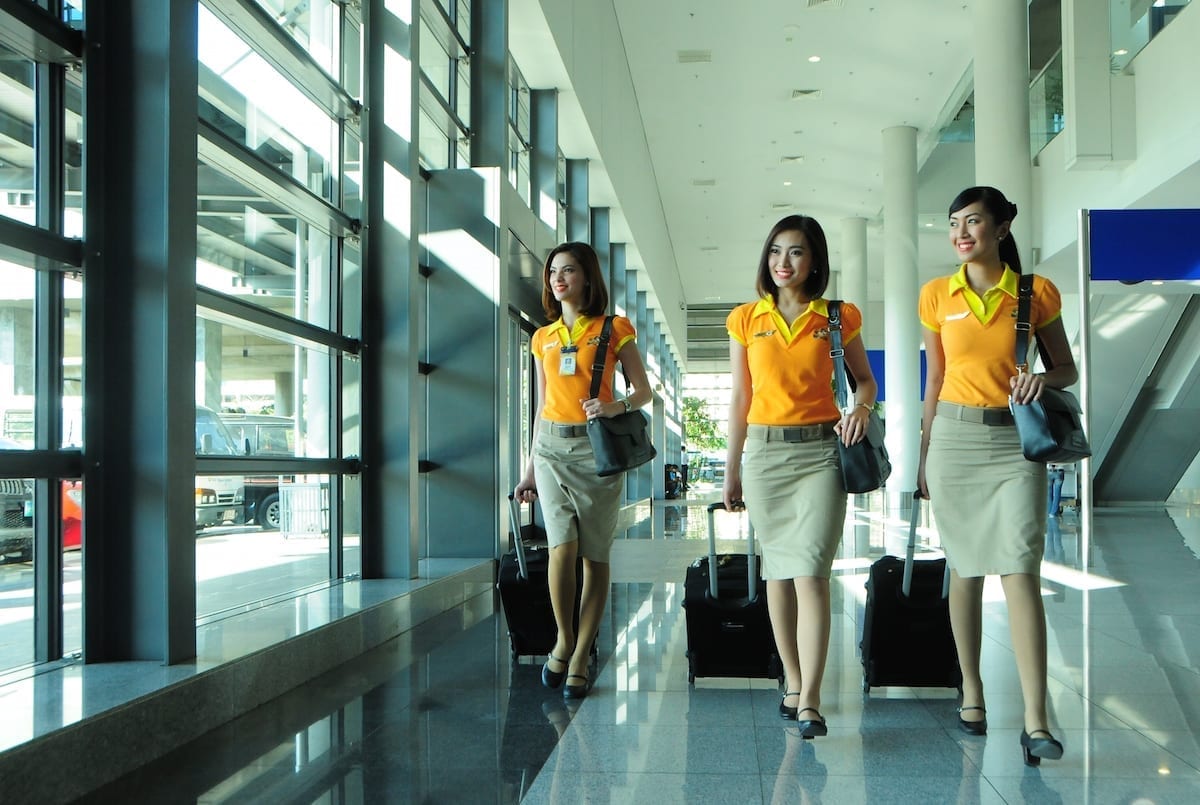
    Cebu Pacific expands payment options

    Cebu Pacific has rolled out more payment options for travelers in time for the summer peak period. Cebu Pacific has partnered with American Express (Amex), allowing its cardholders to book and buy their flights using their Amex cards. Amex, owned by global services company American Express, is the largest card issuer in the world based on purchase volume and one of the largest card networks in the world, with over 109-Million cards running on its proprietary network, including those issued by 148 partners in 160 markets across the world. In the Philippines, AMEX cards are issued by BDO Unibank. “CEB remains firm to its commitment of allowing more and more travelers to fly.

    We believe that by continuing to expand the payment options we offer, we empower more travelers to not only choose their flights among the numerous we offer, but also pay for these in the easiest and most convenient way for them. Our partnership with American Express enables CEB to offer simplified and efficient business-to-business solutions for corporate payments,” said Cebu Pacific Vice President for Marketing and Distribution Candice Iyog. Aside from Amex, Cebu Pacific also accepts credit card payments through Visa and Mastercard.

    Other easy online payment options include BancNet Online, PayPal and Alipay. For passengers who still prefer to pay in cash, CEB offers over-the-counter payments through over 1,700 branches of 7-11 and over 1,800 Cebuana Lhuiller outlets nationwide. Existing CEB payment centers, Robinsons Department Stores and SM Department Stores still accept payments for online bookings. For cash or over-the-counter payments, can book flights through the CEB website, and choose the “Pay Within 24 Hours” payment center option, upon reaching the payment page.

    CEB currently offers flights to a total of 37 domestic and 29 international destinations, operating an extensive network across Asia, Australia, the Middle East, and USA. Its 59-strong fleet is comprised of four Airbus A319, 36 Airbus A320, seven Airbus A330, eight ATR 72-500, and four ATR 72-600 aircraft. Between 2017 and 2021, CEB expects delivery of one more brand-new Airbus A330, 32 Airbus A321neo, and 12 ATR 72-600 aircraft.

  • Vietnam’s Q1 economic growth slowest in 3 years

    Vietnam’s Q1 economic growth slowest in 3 years

    The industrial sector and trade deficit have been dragging on the country’s economic momentum. Vietnam’s economic growth slowed to an estimated annual rate of 5.1 percent in the first quarter of this year, the slowest in three years, with the industrial sector suffering from its smallest expansion since 2011, the government said on Wednesday.

    The Southeast Asian nation has one of the world’s fastest growing economies, expanding at around 6 percent annually from 2011-2015 after jumping 7 percent per year over the previous five years.

    Last year, an El Nino-induced drought, an environmental disaster and unfavorable global economic conditions put a brake on Vietnam’s gross domestic product (GDP) growth, holding at 6.21 percent, the first slowdown since 2012, placing it behind India, China and the Philippines in Asia.

    GDP growth of 5.1 percent from January-March is the slowest pace to be recorded in the first quarter since 2014, when it rose 5.06 percent, based on government data.

    “Pending issues such as quality of growth, productivity and low competitiveness remain the challenges to the growth target,” the government’s General Statistics Office said in its quarterly report.

    The Vietnamese government has targeted GDP growth to accelerate by 6.7 percent this year.

    The industrial sector grew by 3.85 percent in the first quarter from a year ago, the slowest since 2011, with mining decreasing 10 percent and manufacturing and processing also expanding at a slower pace than in the previous two years, the statistics office said.

    From a consumption approach, a deficit in trade balance and services has cut 4.42 percentage points of GDP growth in the first quarter, the office said.

    After a $1.15 billion surplus in January, the country’s trade balance swung to a deficit of $2.04 billion in February and an estimated gap of $1.1 billion in March, leaving the first quarter’s trade deficit at $1.9 billion.

    Vietnam’s annual inflation in March stood at an estimated 4.65 percent, the slowest pace since last November, the statistics office said.

    However, a hike in health service and tuition fees, higher demand for food and fuel prices rising 35 percent in the first three months have triggered the country’s consumer price index to jump on average 4.96 percent from a year ago, a four-year high, the office said.

    Vietnam’s economy would expand at an average of 6.3 percent in the next three years, with all categories of demand buoyed by strong foreign direct investment and manufacturing exports, the World Bank has said.

    In the long run, the world is going to see significant shifts in economic order over the next few decades, with Vietnam poised to make the biggest improvement of all, consulting firm PricewaterhouseCoopers said in early February.

  • Tourists dent February Hong Kong retail sales

    Tourists dent February Hong Kong retail sales

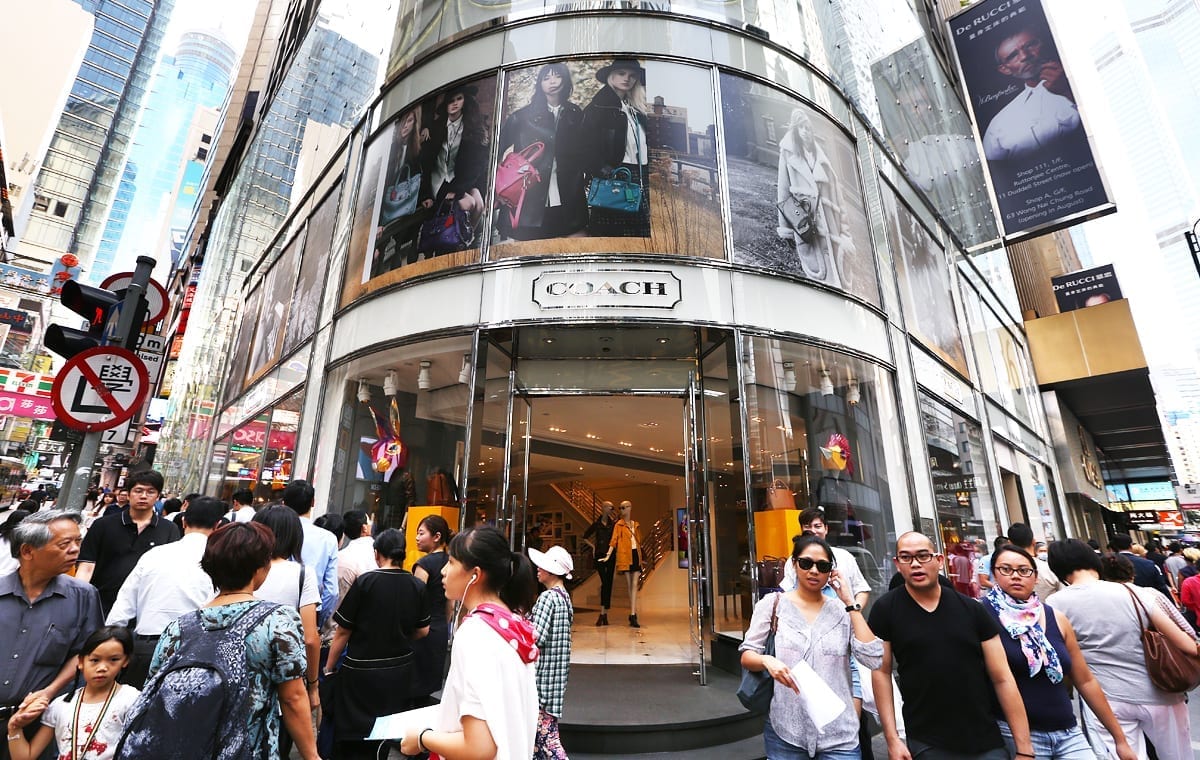
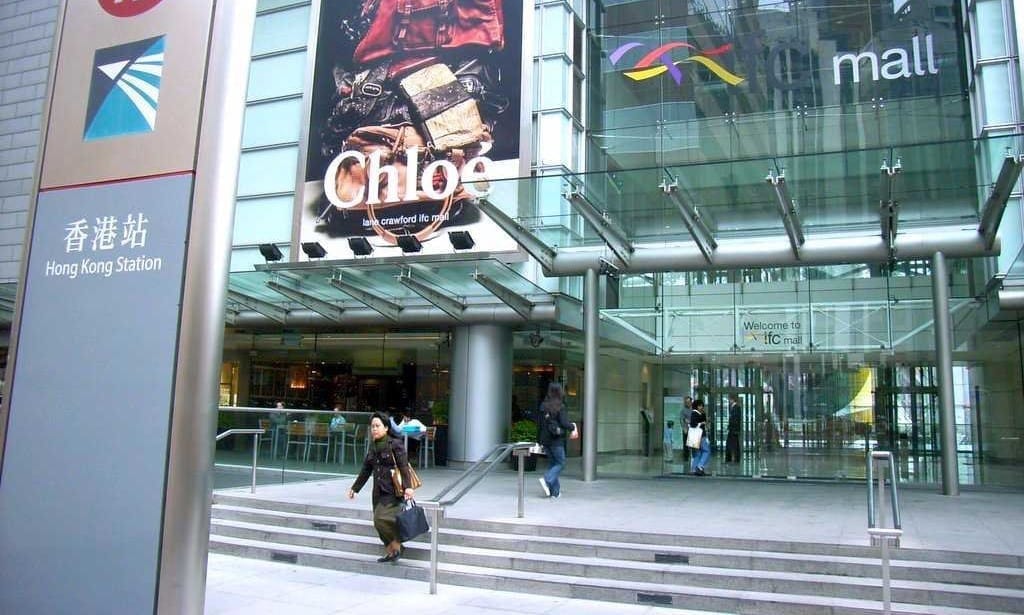
    Hong Kong retail sales fell by 5.7 per cent in February.

    But when the sales data for January and February are combined – eliminating the distortion caused by the timing of Lunar New Year – the decline is a more modest 3.6 per cent over the two months.

    The Census and Statistics Department provisionally estimated the value of retail sales in February at HK$34.8 billion. It revised its estimate for January to a decline of 1 per cent year-on-year.

    For the first two months of 2017 taken together, the value of retail sales decreased by 3.2 per cent compared with the same period in 2016, a figure similar to that for the fourth quarter of last year.

    A government spokesman said the retail sector’s performance was still constrained by the lack of growth in tourist spending despite the modest recovery of visitor arrivals in recent months.

    “Looking ahead, the performance of retail sales will depend on the recovery pace of inbound tourism as well as whether consumer sentiment will be affected by the various external uncertainties,” the spokesperson said.

    “At present, local consumer sentiment remains well underpinned by the prevailing favourable job and income conditions.”

    After netting out the effect of price changes over the same period, the provisional estimate of the volume of total retail sales in February 2017 decreased by 6.1 per cent year-on-year.

    Luxury relief

    Supporting comments from several watch and jewellery retailers in recent weeks, it appears the long-running decline for that sector has tapered off. The category recorded a mere 1.2 per cent decline in sales in January-February combined, the smallest decline of any category in negative territory.

    Electrical goods and photographic equipment plunged 23.6 per cent, while supermarket sales fell 3.5 per cent and department store sales by 1.6 per cent.

    Apparel sales fell 6.9 per cent, footwear and accessories by 6.5 per cent and furniture by 5.4 per cent.

    Cosmetics was the major improver by category, rising 2.7 per cent. Optical goods sales rose 1.4 per cent and food, alcohol and tobacco by 1.4 per cent.

    The C&SD used combined figures for the two months rather than February figures on their own, to provide a fair year-on-year comparison.

    “Retail sales tend to show greater volatility in the first two months of a year due to the timing of the Lunar New Year. Consumer spending in the local market normally attains a seasonal high before the festival. As the Lunar New Year fell on January 28 this year but on February 8 last year, it is more appropriate to analyse the retail sales figures for January and February taken together in making year-on-year comparison.”

  • Jetstar Pacific launches low-cost flight between Hong Kong and central Vietnam

    Jetstar Pacific launches low-cost flight between Hong Kong and central Vietnam

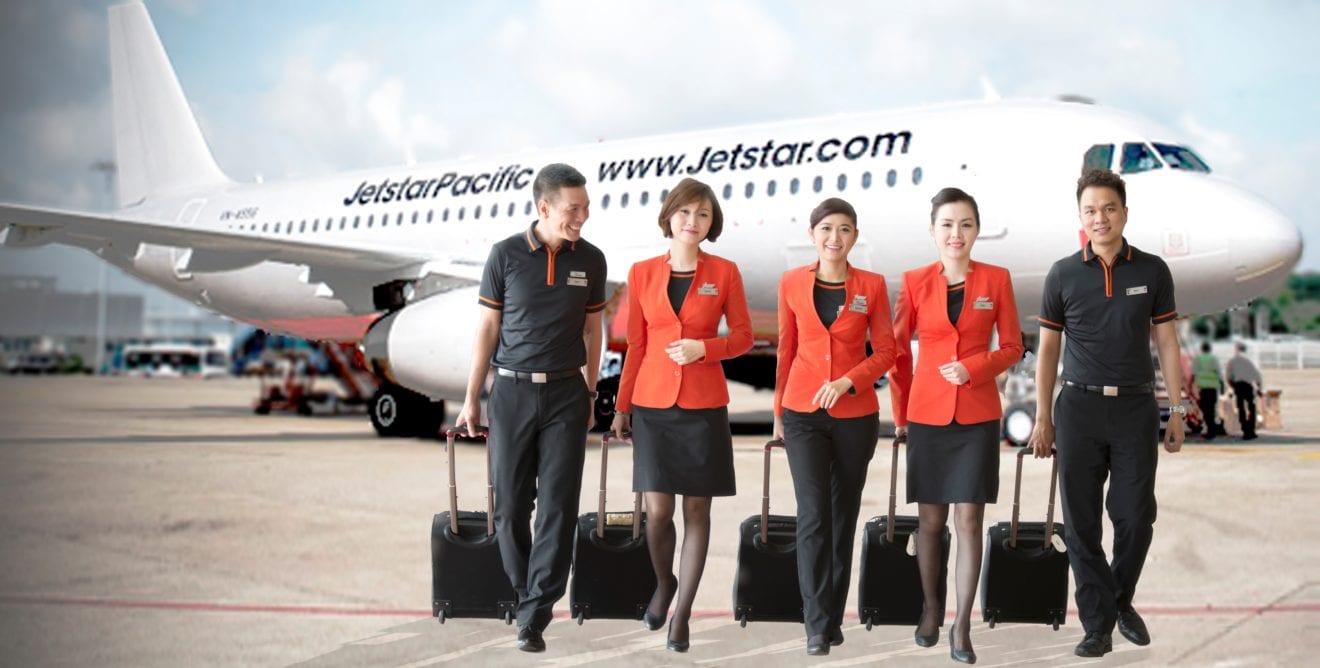
    It is the carrier’s third international flight route from Da Nang City. Jetstar Pacific has started its Da Nang – Hong Kong service, using Airbus A320 aircraft with 180 seats in economy class, to meet the rising travel demand and promote tourism in Vietnam’s central resort city, the Da Nang tourism department said.

    Tickets cost from VND290,000 ($12.75) for one-way flight, which lasts one hour and 45 minutes, the department said in a report, citing the airline.

    The carrier will run three flights per week on Monday, Tuesday and Friday.

    The route, which was launched Monday, is the budget airline’s third international route linking Da Nang with foreign cities, after Taipei of Taiwan and Singapore.

    Jetstar Pacific, 70 percent-owned by flag carrier Vietnam Airlines and 30 percent by Australia’s Qantas Airways, currently operates flights to 80 destinations of 17 countries.

    International tourist arrivals to Da Nang last year jumped 31.6 percent from 2015 to 1.7 million.

    Cathay Dragon and HK Express have already been operating on the Da Nang-Hong Kong route, with seven flights and three flights per week, respectively.

  • AirAsia to connect Pontianak with Kuching in June

    AirAsia to connect Pontianak with Kuching in June

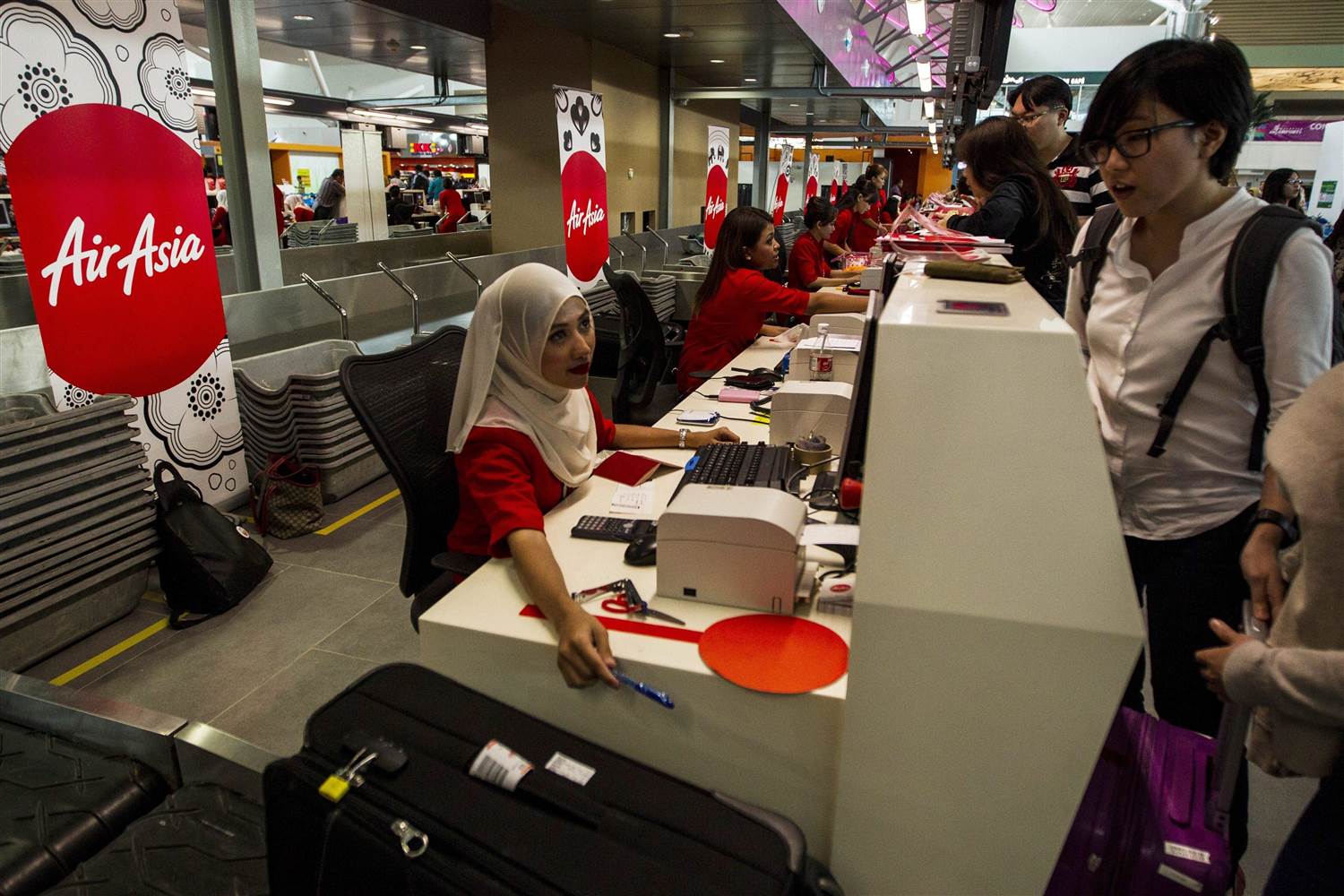
    Budget airline AirAsia is set to open a new direct route from Pontianak in West Kalimantan to Kuching in Sarawak, Malaysia, starting on June 5.

    The carrier currently serves only one route from Pontianak to Malaysia. Its planes fly to Kuala Lumpur. The new service also marks its first direct flight from Indonesia to Kuching.

    AirAsia Berhad commercial head Spencer Lee said that the move aimed to contribute to the development of local tourism, economics and trade in the two cities.

    Available once a day, the flight from Pontianak to Kuching is scheduled to depart at 12:10 p.m. and the one from Kuching to Pontianak at 11:55 a.m.

    To celebrate the new service, AirAsia is currently offering promotional tickets for flights taken between June 5 and Sept. 30 for starting prices of Rp 249,000 (US$19) for bookings made through its mobile app by April 2.

  • Hong Kong offers a loophole to China’s ivory ban

    Hong Kong offers a loophole to China’s ivory ban

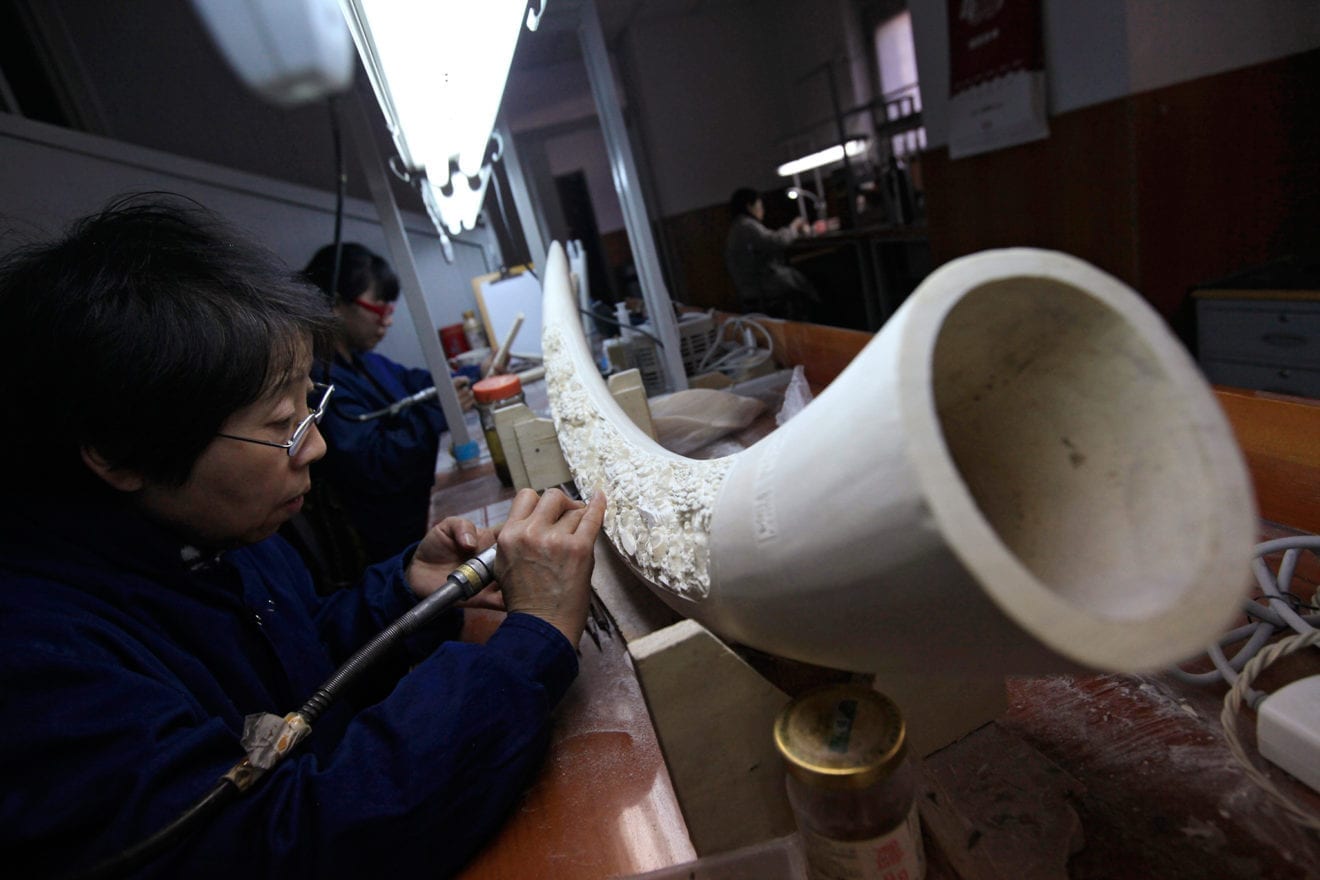
    China, the world’s largest importer and end user of elephant ivory tusks, is shutting a third of its ivory factories and retail stores on Friday (March 31), the first major step ahead of a formal ban on ivory sales by the end of the year.

    China will shut 67 carving factories and stores with the remaining 105 outlets to be shut before the end of the year, according to documents released by China’s Forestry Administration.

    The high-profile move has been hailed by activists, but they caution that Hong Kong, a special administrative region of China, remains a prime obstacle in eradicating the illegal elephant poaching trade.

    The former British colony, which has the largest retail market for ivory and has traded it for more than 150 years, is a prime transit and consumption hub with more than 90 per cent of consumers from mainland China.

    Hong Kong set a time table for a ban on ivory trading last year with a phase-out time of five years. Lawmakers met this week to discuss the ban but have yet to decide on details and whether to shorten the phase-out process.

    Rights groups say a five-year horizon is too long and the problem of laundering ivory will become far more rampant before a total ban is in place.

    WildAid, a wildlife non-government organisation, estimates up to 30,000 elephants are killed illegally every year. It said markets like Hong Kong had provided “laundering mechanisms for poached ivory and perpetuated the demand”.

    While the price of ivory has fallen by almost two thirds in the last three years, according to a report by Save the Elephants, the danger from poaching remains acute.

    China made a big push to eradicate ivory sales and demand has fallen since early 2014 due to a crackdown on corruption and slowing economic growth. Public awareness campaigns starring Chinese celebrities have also helped to highlight the impact of poaching.

    The wholesale price of raw ivory fell to US$730 (S$1,020) per kg in February from US$1,100 per kg in November 2015 and US$2,100 per kg in early 2014, according to Save the Elephants.

    “Hong Kong’s commitment is in stark contrast to China who are leading the way,” Oliver Smith, chief executive of David Shepherd Wildlife Foundation, said in a letter to Hong Kong lawmakers, adding that if the five-year period was unchanged, “an additional 150,000 elephants will have been killed”.

  • Carrefour China joins One Store One School One Farm Project across China

    Carrefour China joins One Store One School One Farm Project across China

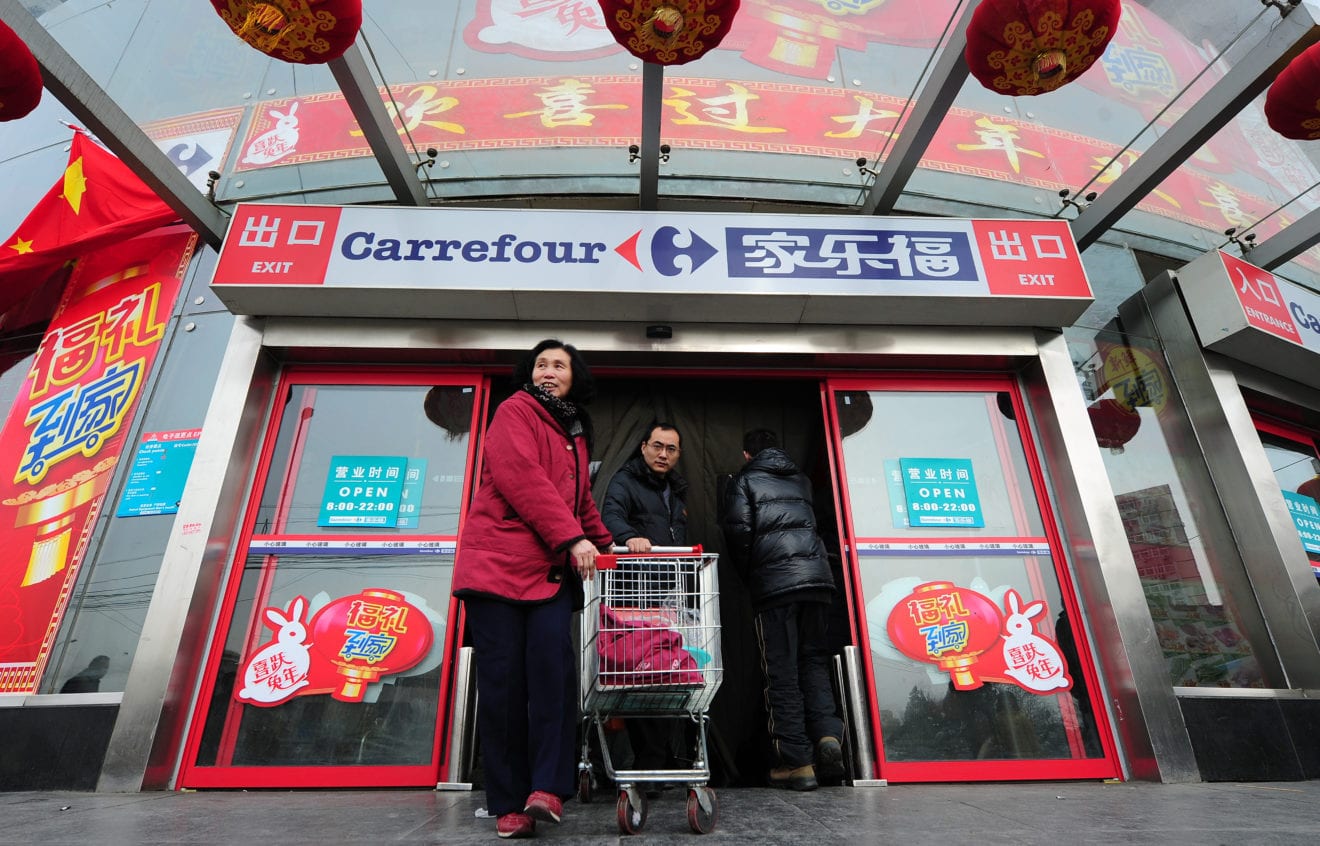
    By end March, 2017, 300+ students from 13 primary schools and 250+ employees from 12 Carrefour China stores have joined One Store One School One Farm Project across China (Shanghaï, Schenzhen, Chendu, Beijing, Shenyang and Wuhan).

    13 activities including bakery class, little experts (lab test) and farm experience were organized, and the education and knowledge of food safety, nutrition and anti food waste have been promoted to all of those students and their families.

    This operation has been rewarded by China Youth Development Foundation with the Contribution Award 2016  for One Store One School One Farm Project launching in China.

  • S. Korea’s retail sales edge up 0.1 pct in Feb.

    S. Korea’s retail sales edge up 0.1 pct in Feb.

    Sales of major South Korean retailers rose slightly last month as a sharp gain in online sales was offset by a drop in those of discount chains and department stores, government data showed Thursday.

    The combined sales of department stores, large outlets and online malls edged up 0.1 percent in February from a year earlier, backtracking from a 9.3 percent rise in the previous month, according to the data by the Ministry of Trade, Industry and Energy.

    Thirteen Internet shopping malls and e-commerce sites including eBay Korea Co. saw their February sales soar 16.3 percent from a year ago, while sales of 13 offline stores such as Lotte Department Store and E-Mart fell 6.6 percent on-year.

    The ministry said the decline in offline malls came as the number of business days dropped to 26 days in February this year from last year’s 27 a year earlier and the Lunar New Year’s holiday, one of the biggest shopping seasons in the country, fell on January.

    Sales by convenience stores continued on an upbeat mode to grow 9.3 percent on-year last month amid a growing single life trend in South Korea.

  • Hong Kong Feb retail sales fall 5.7% y-o-y

    Hong Kong Feb retail sales fall 5.7% y-o-y

    A government spokesman indicated that the performance of retail sales was still constrained by a lack of growth in tourist spending despite a modest recovery in visitor arrivals in recent months.

    Taking the first two months of 2017 together to neutralise the distortions by the timing of the Lunar New Year, the volume of retail sales declined by 3.6 per cent year-on-year, similar to that in the fourth quarter of 2016.

    Looking ahead, the performance of retail sales will depend on the recovery pace of inbound tourism as well as whether consumer sentiment will be affected by the various external uncertainties.

    At present, local consumer sentiment remains well underpinned by the prevailing favourable job and income conditions. The government will continue to monitor the situation closely.


  • Atradius announces key Asia hire on the back of strong 2016 results

    Atradius announces key Asia hire on the back of strong 2016 results

    In a newly created role Atradius appoints Oliver Ford as Regional Sales Manager Asia based in Hong Kong. Mr. Ford’s hire comes on the back of strong Group and Asia results which saw the credit insurer surge ahead of its competition and signals Atradius’ continued commitment to growing its business in the region. “I am excited to be supporting continued profitable growth for Atradius in its most culturally diverse region” says Oliver Ford.

    Mr. Ford will start in his new remit on June 1st and will report to Eric den Boogert, Managing Director for Asia.

    Mr. den Boogert adds “Oliver has been the face of Global Sales in the London market for the last five years and has greatly enhanced the professionalism of our sales process. That, com-bined with his enthusiasm and cooperative approach has helped to keep Atradius in pole position in this fast changing market.”

    In his previous position Mr. Ford led business development for Atradius Global in the UK.

    Collaboration with key distribution partners and building bespoke international credit insurance programs for multinational organizations were amongst his key responsibilities. Oliver Ford has spent his entire career with Atradius and has risen quickly through the ranks in his past decade of service with the organization.

  • AirAsia, AirAsia X offer 3-day promotion

    AirAsia, AirAsia X offer 3-day promotion

    AirAsia and AirAsia X will offer a three-day promotional campaign, “#AirAsiaDanceToFly”, to all destinations, offering fares from as low as RM499 for one-way all-in fares. It is inclusive of taxes and fees.

    In a statement, AirAsia X said the promotion was valid for booking from March 31 to April 2 and for travel from March 31 to Sept 30.

    It said the campaign was inspired by one of AirAsia X’s cabin crew, Assraf Nasir, who became an overnight online sensation after a dancing video of him onboard an empty A330 aircraft went viral.

    Chief executive officer Benyamin Ismail hopes for all guests to catch this contagious fun spirit onboard and grab the low fares to fly with AirAsia X fun crew.

    “The world has enjoyed his sassy video and now it’s your turn to show us your moves,” he added.

    In conjunction with the promotion, AirAsia X will award the most creative video entry that best emulates the dance moves of Assraf with a pair of return free flights to Honolulu, Hawaii, through a social media contest from April 3-9.

    It said the winner would be awarded with a pair of return flights from Kuala Lumpur to Honolulu, Hawaii via Osaka, excluding taxes, fees and optional services.

    To participate, the public must create a 15-second non-audio dance video, upload it to Instagram with the hashtag #AirAsiaDanceToFlyMY by 11.59pm April 9, with a caption saying why they deserve to win.

    The winner will be named on AirAsia’s official social media channels.

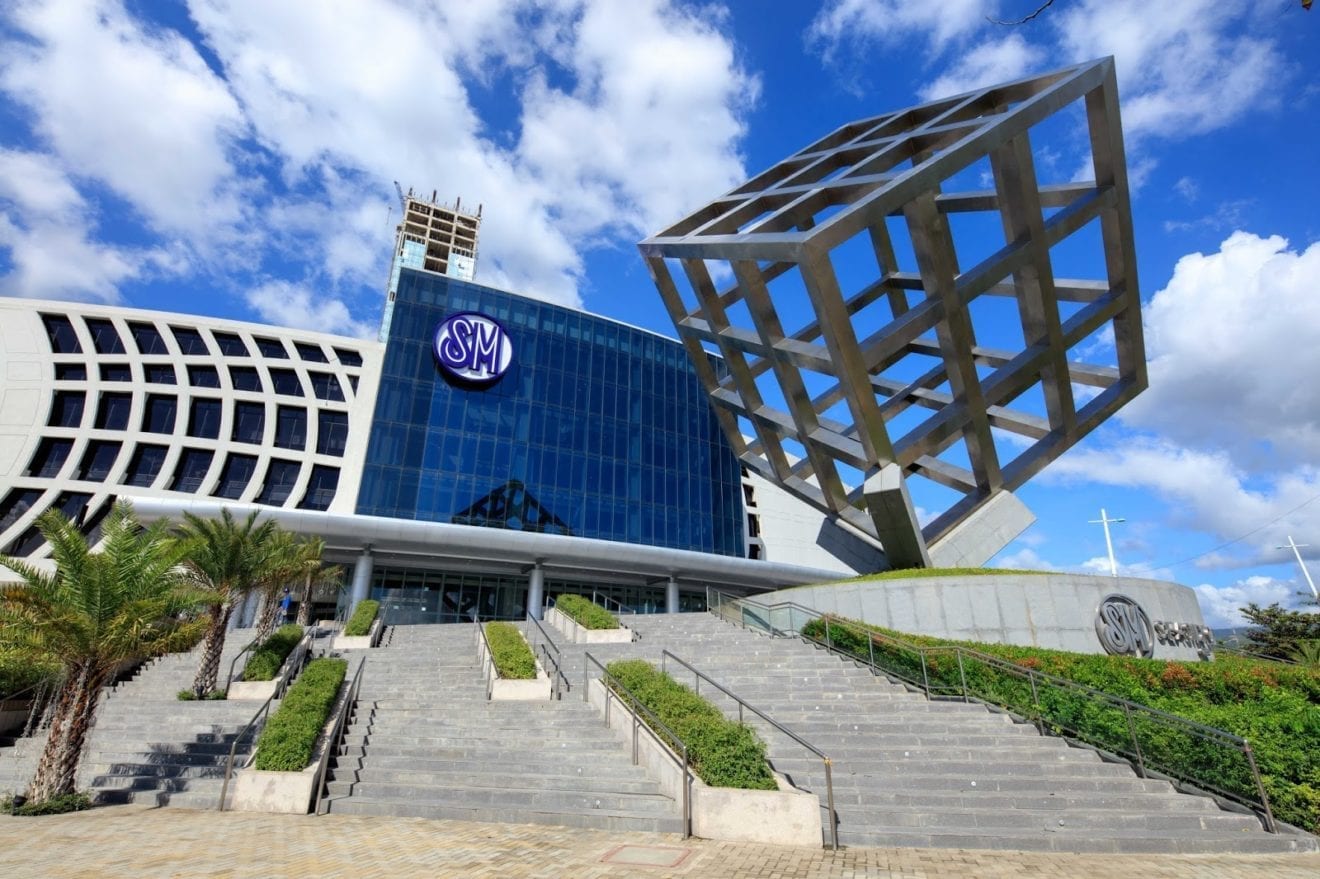
  • SM Supermalls teams with Grab

    SM Supermalls teams with Grab

    SM Supermalls has partnered with ride-hailing and multi-service mobile platform Grab in a special promotion.

    Grab

    The companies will offer 10,000 Grab coupons in Metro Manila and such key cities as Bacolod, Cebu, Davao and Iloilo. New users are offered free rides while existing Grab customers receive half-price rides.

    “Our collaboration with Grab marks not just a beginning of a bigger, long-term partnership, but also gives a glimpse of what our customers can expect in the coming months,” says SM Supermalls senior VP for marketing Jonjon San Agustin.

    Grab booths are available at 20 SM Supermalls nationwide, and the coupons are part of a campaign to reward shoppers. The SM Supermalls mobile app is free on Android and iPhone.

  • Asia drags down Li & Fung turnover

    Asia drags down Li & Fung turnover

    Li & Fung turnover and core operating profit have been hit by a tough retail environment last year, particularly in Asia.

    However, its resilient performance and cost control saw it improve total margin percentage, while logistics continued double-digit growth

    Li & Fung turnover in Asia dropped by 36.1 per cent year on year to US$1.3 billion. Excluding the impact of the strategic divestment of the Asia consumer and healthcare distribution business last year, turnover in Asia fell by 13.3 per cent to $700 million, impacted by the muted economic environment.

    Turnover in rest of world fell by 20.2 per cent to $1.1 billion, primarily because of soft consumer demand. Overall, turnover was down by 11 per cent to $16.8 billion, and excluding the Asia divestment the fall was 8.3 per cent.

    Like-for-like operating profit fell 17.7 per cent to $408 million, but Li & Fung says it is making “sustained efforts” to improve operating efficiency and productivity through technology and streamlining of the cost base.

    Total margin fell by 10.4 per cent to $1.9 billion, primarily because of the decline in total turnover. Excluding the Asia divestment, the decrease was 6 per cent.

  • What Will Trump’s ‘America First’ Approach Do For the Global Retail Market?

    What Will Trump’s ‘America First’ Approach Do For the Global Retail Market?

    In case you hadn’t noticed, U.S. President Donald Trump has elected for an ‘American First’ approach that will favour national brands, citizens and spending priorities. Now while there is nothing necessarily wrong with this, the tone adopted by the President has been divisive in the extreme while causing racial tensions to rise nationwide.

    Trump’s insular outlook is also bad news for globalisation, with the environment already suffering amid the President’s attempts to slash climate change. Make no mistake; the global economy may be about to follow suit, however, particularly interconnected entities such as the retail sector.

    How Will Trump Impact on Retail and Lucrative Markets Such as Singapore?

    When Trump outlined his philosophy and planned spending during a recent address to the nation, he did not specifically touch on retail as an independent entity. He has already maligned global retail partners during his brief tenure as President, however, with the Mexican sector struggling as a result of the President’s controversial objective to build a border wall and hike import taxes. In fact, firms such as Cath Kidston are already thought to have shelved plans to expand into Mexico, restricting both American companies and the global sector as a whole.

    The negative impact of Trump’s presidency on the retail market is unlikely to end here, however, with Singapore also facing potential issues. Historically, Singapore exported goods in excess of $100 million per annum to the U.S., with retail favourites such as chocolate, cocoa and snack products dominant. This number had been expected to rise incrementally under the terms of the Trans-Pacific Partnership (TPP), until President Trump withdrew the U.S. from the ongoing agreement as part of his desire to increase the number of American jobs available to citizens.

    The full affects of this move and its impact on Singapore’s trade relationship with the U.S. have yet to be seen, of course, but the nation’s export market is likely to shrink and have a negative impact on GDP for 2017. This news has dampened the enthusiasm that surrounded positive domestic figures in the region, with total retail sales in Singapore rising by 2.0% at the beginning of January and supermarket transactions increasing by as much as 13.0% during the same period.

    The Last Word: Worrying Times for the Global Retail Sector

    In some respects, Trumps approach may yet create a more competitive retail sector that benefits the customers. The President’s desire to create competitive U.S. exports have already caused the value of the USD to waiver in recent times, which in turn will drive market competition while aiding ailing currencies such as the GBP and the Euro.

    Overall, however, Trump’s insular focus will destabilise the global economy and have a negative impact on worldwide trade volumes, and this is never likely to be good news for retailers. For countries like Singapore, there is little to do but focus on optimising the trade agreements that are in place with their global partners, while also leveraging domestic retail growth across all sectors.