Category: General

Retail News Asia is committed to providing both local and global retailers with the latest General Retail news throughout the Asian market. This on a daily base.

  • HLIB Research retains Sell on Pharmaniaga

    HLIB Research retains Sell on Pharmaniaga

    Hong Leong Investment Bank (HLIB) Research is maintaining its Sell rating on Pharmaniaga and target price  of RM4.29, based on FY18 price-to-earnings multiples of 15.6 times , which is in line  with the international peers.

    It said on Thursday that despite Pharmaniaga’s monopoly in the government concession business, “we expect near term headwinds driven by lower orders and higher finance cost to drag earnings”.

    HLIB Research said the uninspiring FY16 earnings (RM52.9mil, down 40.3% on-year) largely reflected the government’s move to rationalise its expenditure and shift towards a leaner procurement model.

    “We expect the trend of slower government offtakes to follow through in FY17 as evidenced by the 2017 Budget healthcare allocation (RM4bil in 2017 vs RM4.6bil in 2016).

    “Whilst the group has been working on a sleuth of measures aimed at diversifying its earnings base in the long run, which we are inherently positive on; its interim outlook still remains downcast by weaker demand from the concession business amidst a rising cost environment,” it said.

    The research house said that to address immediate concerns, it expects Pharmaniaga to undergo an internal cost recalibration programme in FY17 to address some of the margin pressures it faces amidst the slower concession off-take (inventory optimisation and efficiency drive in its logistics department).

    However, in the mid-term, it is upbeat on the prospects of Pharmaniaga’s venture into the Indonesian market, which augurs well for the group’s diversification strategy.

    Pharmaniaga’s 55% stake subsidiary PT MPI has 31 distribution points across Indonesia as at FY16 and is in a strong position to benefit from the nation’s increasing demand for medicines.
    GlobalData estimates that the Indonesian pharmaceutical industry is expected to grow to US$12.6bilin FY20 from US$7bil in FY15.

    HLIB Research said furthermore, PT Errita (manufacturing) is well positioned to benefit from the JKN initiative; a universal healthcare programme which aims to provide 100% coverage to all Indonesian by 2019. This has fueled the demand for generic drugs in the nation. Indonesia accounted for 29% of non-concession revenue in FY16 (FY15: 23%).

    “However, the success of their Indonesian ventures largely hinges upon the successful registration of the right offerings into the JKN system having passed the drug registration hurdle and conquering the logistical challenge that Indonesia presents.

    “We anticipate advancements into the private sector in FY17 on the back of the low base effect. The group has turned its attention to capture a greater share of the private business domestically amidst waning concession orders.

    “Despite its Indonesia and private sector segments having shown positive signs, we anticipate the near term prospects to remain challenging for the bread and butter business, as lower concession orders (FY16: 51% of revenues vs. FY15: 56% of revenues) drag earnings.

    “Downside risks to the stock stems from lower than expected government offtake and a further depreciation of the ringgit,” it said.

  • Cebu Pacific’s Dubai route surges ahead as profit doubles

    Cebu Pacific’s Dubai route surges ahead as profit doubles

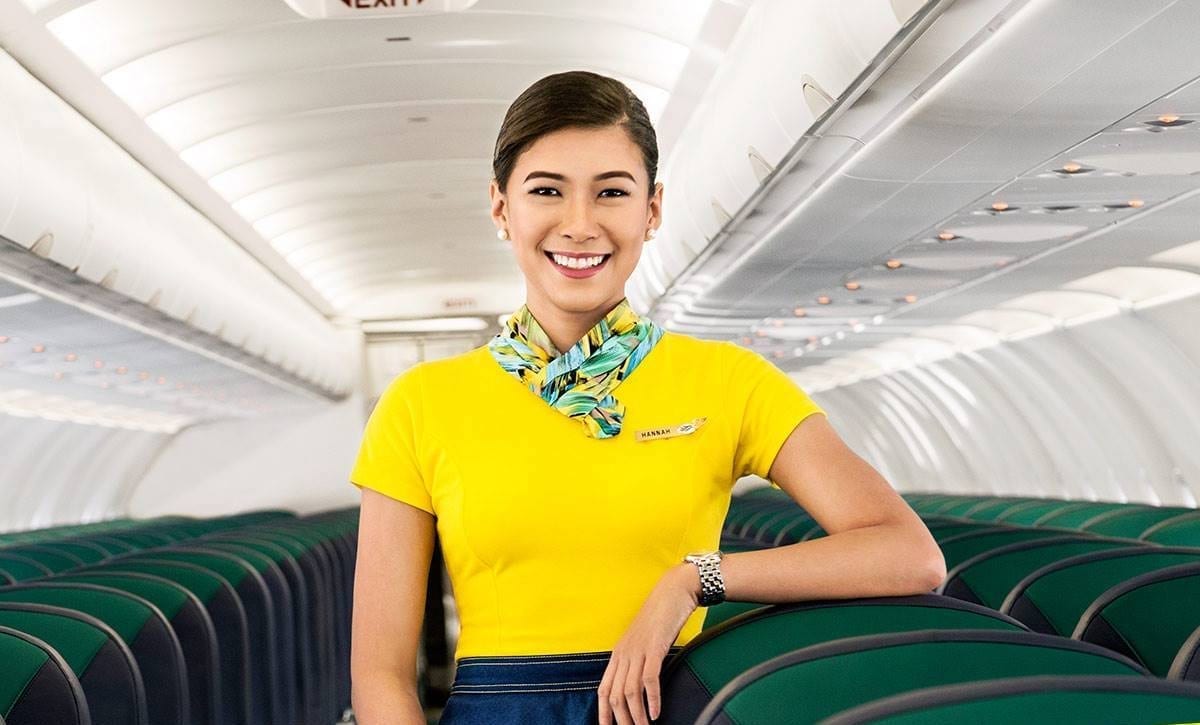
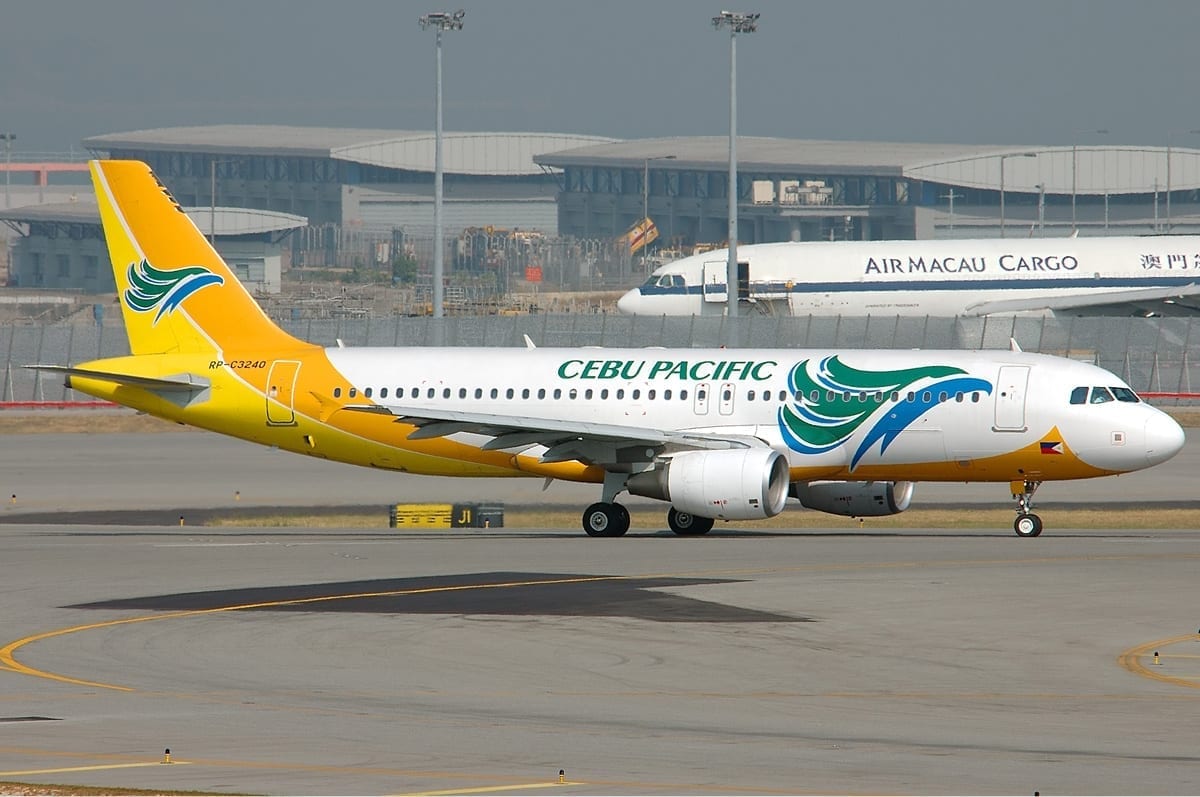
    Cebu Pacific Air boosted passenger numbers between Dubai and Manila last year as profits more than doubled, overcoming overcapacity in the global aviation sector.

    The Philippine low-cost carrier said overall passenger numbers between Dubai and Manila rose by 8 per cent to more than 252,000.

    That beat overall passenger growth at the airline, which flew a total of 19.1 million customers, up by 4.1 per cent on a year earlier.

    The airline reported profit of 9.8 billion Philippine pesos (Dh725.4 million) – an increase of 122 per cent on a year earlier. Growth in revenue from baggage fees, on-board meals and merchandise helped to drive profits higher, it said.

    Total revenue, which includes cargo services, jumped by 9.6 per cent to 61.9bn pesos.

    In 2016, Cebu Pacific flew to 36 domestic and 30 international destinations through 102 routes.

  • Jin Air ready to fly to lombok using Boeing 777

    Jin Air ready to fly to lombok using Boeing 777

    South Korean low-cost carrier Jin Air is ready to fly to Lombok in the Indonesian province of West Nusa Tenggara using a wide-bodied Boeing 777 plane to encourage the tourism industry there, an official said.

    “I have received an official (notification) from the chairman of Korean Air that its subsidiary, Jin Air, is ready to fly to Lombok using Boeing 777,” Chief of the Investment Coordinating Board (BKPM) Thomas Lembong noted following a meeting at the Coordinating Ministry for Maritime Affairs here on Monday.

    He stated that low-cost carriers are badly needed to boost the tourism industry in Indonesia.

    Although investment in the tourism sector is not large, it still plays a very strategic role in creating jobs and bringing in foreign exchange earnings from international tourists, he said.

    “This needs an extraordinary teamwork as many tourists depend on air connectivity. We need air connectivity, particularly through budget carriers, so that there will be low-cost flights from Korea, China, Japan, Australia, India, and so on,” he remarked.

    Besides low-cost carriers, the government must also prepare supporting infrastructures to boost the tourism industry, he pointed out.

    “Although the runways and terminals of airports are still good, we still need to upgrade them. We must check their electronic navigation system, so that planes can land and take off despite bad weather,” he stated.

  • Japanese-Bruneian fund seizes investment opportunities in Indonesia

    Japanese-Bruneian fund seizes investment opportunities in Indonesia

    SBI Islamic Fund (Brunei) Limited, a joint venture between Brunei Darussalam’s Ministry of Finance and Japan’s Strategic Business Innovator (SBI) Holdings, is looking for opportunities to invest in Indonesia.

    SBI Islamic Fund (Brunei) Limited CEO Amran Mohammad said the fund would build fish processing factories in Maumere, East Nusa Tenggara, and in Aceh. The facilities would be used to process tuna to be exported to Japan.

    “The one in Aceh will be much bigger than that in Maumere. We are sealing the agreement for [the project in] Aceh,” he told The Jakarta Post during the 3rd IDB Member Countries Sovereign Investment Forum in Nusa Dua on Tuesday.

    The investment for the development of the two facilities would come from its second sharia fund totaling US$60 million.

    Both Brunei’s Ministry of Finance and SBI Holdings contributed $25 million each to the fund, while the remaining $10 million comes from the Islamic Development Bank (IDB).

    SBI Islamic Fund (Brunei) Limited’s first sharia fund worth $75 million was created three years ago and invested in Indonesia’s logistics firm Pandu Logistics, among other investments.

    However, Brunei Ministry of Finance deputy permanent secretary for investment Khairuddin Abdul Hamid said the fund was still looking for another $40 million from private investors.

    “We have already talked with some prominent parties during this forum and are still waiting for the reply,” he said.

  • Pertamina to acquire more oil and gas blocks abroad

    Pertamina to acquire more oil and gas blocks abroad

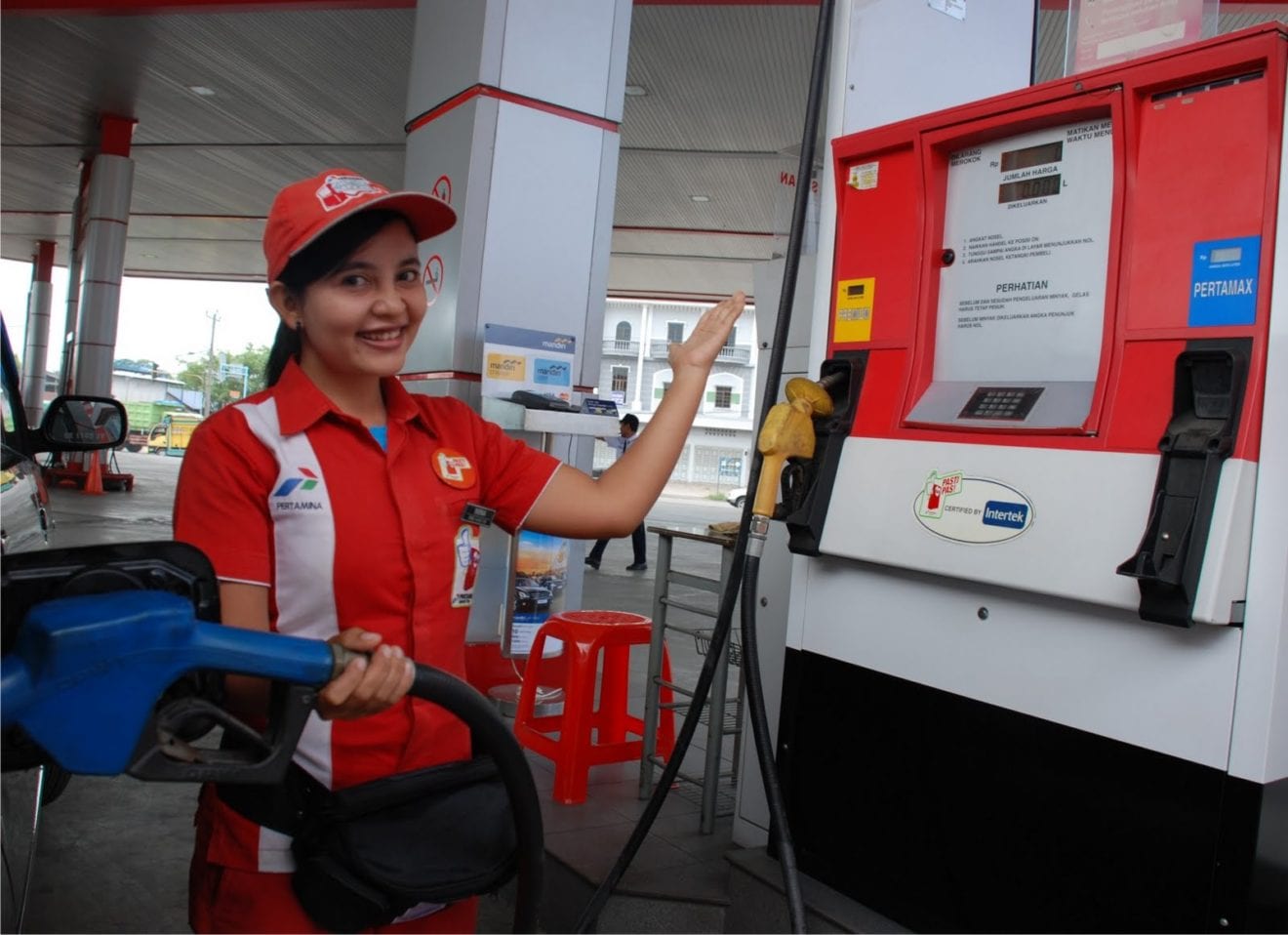
    State-owned oil and gas company PT Pertamina is seeking to acquire more oil and gas blocks in the country and abroad to meet its production target set by the government.

    “Operations abroad are expected to contribute 33 percent to the companys target of production of 1.9 million barrel oil equivalent per day in 2025,” its Upstream Director Syamsu Alam said in a media gathering here on Monday.

    The company would also be as aggressive in acquiring oil and gas blocks in the country, Syamsu said.

    Syamsu said currently Pertamina already has oil and gas blocks in operation in 12 countries such as in Algeria, Iraq and Malaysia, the first to operate , followed by ones in Nigeria, Tanzania and Gabon.

    Pertamina is preparing development of eight termination blocks in 2018 already handed over by the government to Pertamina including one in Sanga Sanga, East Kalimantan and OSES.

    Domestic assets are also optimized, Syamsu said citing the project of PHE WMO Integration, drilling of Parang Nunukan, Randugunting, enhanced oil recovery (EOR) of old wells.

    Indonesia is currently the 16th largest economy in the world with gross domestic product (GDP) at US$941 billion . In 2050, it is expected to break into the ranks of four largest after China, the United States, and India with GDP predicted at US$15.432 billion.

    Indonesia, therefore, would need support of large supply of energy , Syamsu said.

    In 2015 the countrys energy output reached 354 million tons equivalent oil including 271 million tons of coal and 113 million tons of oil, gas and renewable energy.

    While consumption of oil and gas is still high, production is decreasing with the shrinking known oil and gas reserves .

    Although Indonesia still has 60 oil and gas basins , the countrys oil reserves are ranked only the 26th in the world at 4 billion barrels. Similarly the countrys gas reserves , Indonesia is the 14th largest in the world with reserves of 100 TCF.

    The policy of Pertamina to acquire more oil blocks abroad to increase its reserves will contribute to guaranteeing energy supply in the country .

  • Midas Touch Delivers Large POS Tablet for Hospitality & Retail

    Midas Touch Delivers Large POS Tablet for Hospitality & Retail

    The MTB-3133 13” large Point-of-Service (POS) Tablet provides secure data capture, storage and transmission within a durable design ideal for food ordering. Midas Touch large POS tablet run on Windows 10 IoT Enterprise OS for seamless front and back office application integration and take full advantage of advanced Windows 10 security.

    The MTB-3133 Rugged Tablet features the integration of a 13.3″ Full-HD capacitive touch screen, energy efficient Intel Bay Trail J1900 processor, and a full-slot smart card reader within a slim, lightweight, durable package. With built-in 2M camera and GBE as well as options for RFID reader. With its large, vivid display, the MTB-3133 is perfect for the mobile cart for POS systems or the nursing cart.

    Midas Touch POS Tablet provides dedicated solutions ideal for customer service. All optional features are built into the tablet for reliable operations, providing customized POS tools for a restaurant, hotel, store or entertainment company to achieve enhanced ROI.

  • Cebu Pacific posts P9.8bn net income in 2016

    Cebu Pacific posts P9.8bn net income in 2016

    Cebu Pacific Air (CEB) posted a net income of P9.8bn in 2016, up 122% year-on-year, on the back of the strong demand for low-cost air travel and robust growth in ancillary revenues, which include baggage fees, on-board meals, and merchandise.

    Total revenues, which include CEB cargo services and wholly-owned subsidiary Cebgo, jumped 9.6% to P61.9bn, as passenger revenues surged 9.2% to P46.6bn. For the full year, CEB flew 19.1mn passengers, up 4.1% versus the 18.4mn passengers carried in 2015.
    “2016 was a great year for CEB as we continue to enable ‘every Juan’ to fly to more destinations around the Philippines and to key destinations in Asia, the Middle East, Australia, and the US.

    “CEB remains committed to further increasing inter-island connectivity within the Philippines to promote trade and tourism and help more people connect with their families and friends all around the world, while consistently providing our trademark best value fares,” said lawyer JR Mantaring, vice-president for Corporate Affairs of Cebu Pacific.

    In 2016, CEB flew to 36 domestic and 30 international destinations through 102 routes and more than 2,820 flights weekly. CEB boosted its intra-regional network in the Visayas with flights from Cebu to Ormoc, Roxas and Calbayog. The airline also launched direct service between Kalibo and Incheon, as well as its first US destination, Guam.

    CEB also teamed-up with some of the world’s leading Low Cost Carriers (LCC) to form Value Alliance, the world’s largest LCC Alliance, which aims to provide greater value, connectivity and choice for travel throughout Southeast Asia, North Asia, and Australia. CEB also opened a branch office in South Korea to boost promotional efforts in the Korean market.

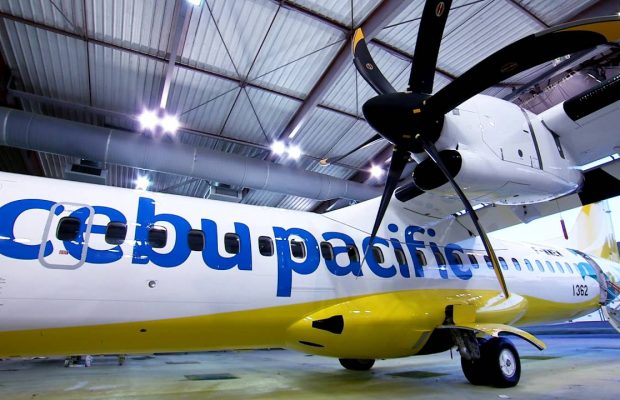
    CEB capped 2016 with 57 aircraft, adding two brand-new ATR 72-600 aircraft in February 2017, to bring its current fleet to 59. For the rest of 2017, CEB expects to take delivery of one Airbus A330, two Airbus A321neo, and four more ATR 72-600, and delivering out three of its four Airbus A319 to end the year with 63 aircraft. CEB continues to have one of the youngest aircraft fleets in the world with an average age of 4.91 years.

  • China still on radar for Lotte Group

    China still on radar for Lotte Group

    A Lotte Group executive says the retail giant will continue to invest in its China business despite diplomatic tensions.

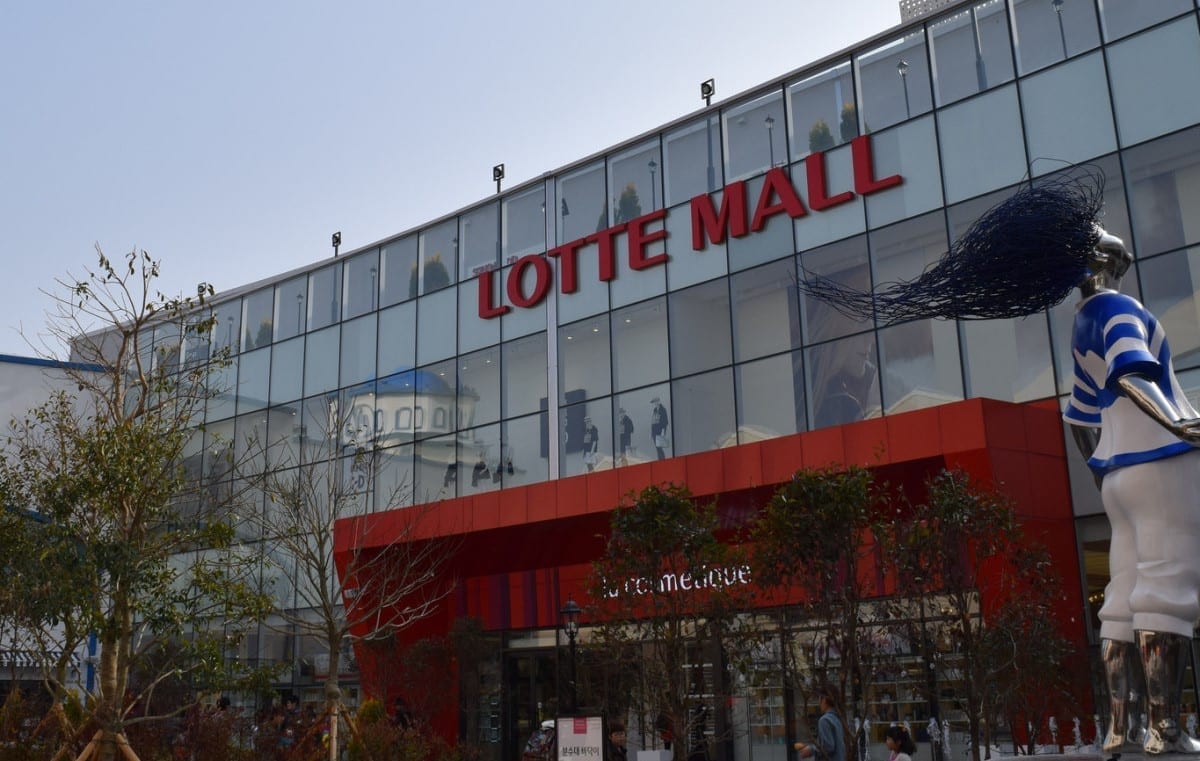
    Chinese authorities last month closed dozens of Lotte stores following inspections, ramping up pressure on South Korea’s fifth-largest family-run conglomerate after it agreed to provide land for the US Terminal High Altitude Area Defence (THAAD) missile system outside Seoul.

    South Korea and the US say the system is designed to thwart North Korea’s nuclear missile threat, but Beijing says the system’s radar can also reach far into China. This led to Chinese state media calling for a boycott of Lotte businesses.

    “We plan to continue to invest in our China business and continue to strengthen it,” executive Hwang Kag-gyu says. He is the head of Lotte Corporate Innovation Office and is regarded as the second-highest executive next to chairman Shin Dong-bin.

    “It has been 20 years since Lotte entered the China market. We believe the China business is still in an investment period,” he says.

    Out of 99 Lotte hypermarkets in China, 75 have been closed by Chinese authorities. Hwang says the company is working to fix the problems raised by Chinese regulators.

    China is Lotte’s biggest overseas market, generating more than 3 trillion won (US$2.7 billion) in annual revenue in 2015. It is also one of four strategic markets along with Indonesia, Russia and Vietnam that Lotte has been focussing on.

  • SQ, Ethiopian Airlines to expand codeshare agreement

    SQ, Ethiopian Airlines to expand codeshare agreement

    Star Alliance members Singapore Airlines and Ethiopian Airlines plan to expand their codeshare agreement on June 1 to also cover the daily non-stop flights of Ethiopian Airlines from Addis Ababa to Singapore, according to a statement.

    Under the agreement, Singapore Airlines customers can also fly through Ethiopian Airlines’ vast intra-African network, while in turn, Ethiopian Airlines customers will have access to multiple destinations across the Singapore Airlines network.

    The airlines’ codeshare agreement started in 2011 and the expanded codeshare flights were still subject to regulatory approvals, the statement added.

    Singapore Airlines marketing planning senior vice president Tan Kai Ping said that the extended agreement was part of the carrier’s efforts to continuously expand its network in Africa, Asia and the southwest Pacific.

    Meanwhile, Ethiopian Airlines strategic and alliances vice president Girma Shiferaw said that the agreement would offered the best connectivity options with one ticket and a single check-in at the first boarding airport.

    “It will also play a critical role in enhancing investment, trade and tourism ties between a rising Africa and business-friendly Singapore.” Shiferawa said.

    Singapore Airlines, with its subsidiaries, operates a modern passenger fleet of more than 100 aircraft to 130 destinations around the world, while Ethiopian Airlines serves more than 90 international destinations across five continents with more than 240 daily departures.

  • AirAsia is official airline partner for SEA Games 2017

    AirAsia is official airline partner for SEA Games 2017

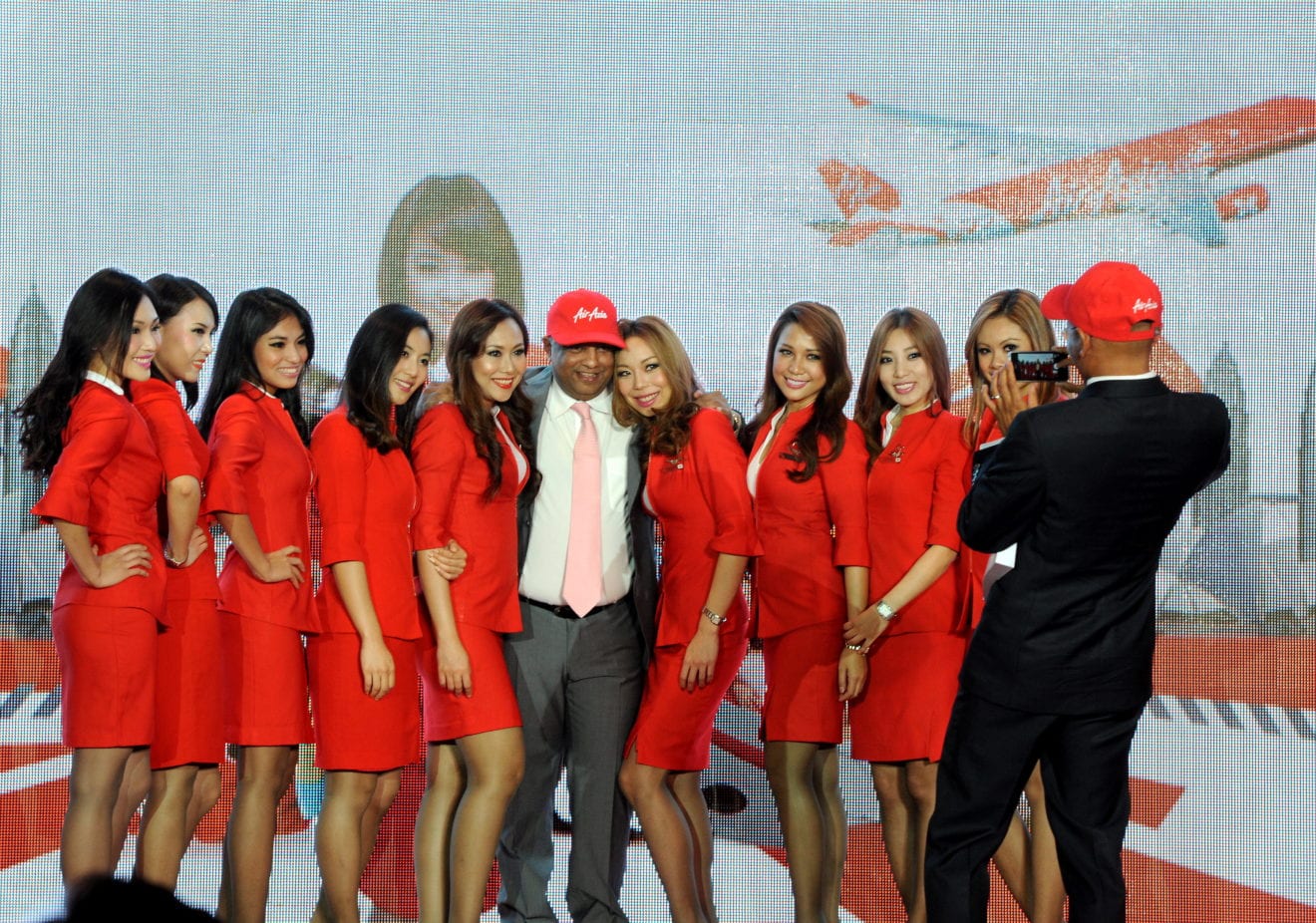
    Budget airline AirAsia Bhd has lent its support to Malaysia’s hosting of the 29th Southeast Asian Games from Aug 19 to 31, 2017 and 9th Asean Para Games from Sept 17 to 23, 2017.

    As a Gold Sponsor, AirAsia will be providing flights for the Malaysia Organising Committee (MASOC) officials within the airline’s Asean network for the purpose of organising both sporting events.

  • Philippine Seven returns 16 per cent profit growth

    Philippine Seven returns 16 per cent profit growth

    Convenience store group Philippine Seven (PSC) had 16.6 per cent growth in net profit last year to reach P1.18 billion (US$23.5 million).

    Its figures were boosted by store openings and “modest” growth in same-store sales, says the 7-Eleven licensee.
    Its system-wide sales grew 23.2 per cent to P31.8 billion, attributed to store growth alongside a 1.2 per cent increase in same-store sales. The store count by year end reached 1995, up 393 outlets or 24.5 per cent from the previous year.

    There were 1633 7-Eleven stores in Luzon, 808 of them in Metro Manila, with 255 in Visayas and 107 in Mindanao. Franchisees control 55 per cent of stores, with the balance owned by the company.

    PSC says its spending on capacity building, such as establishing distribution centers and regional headquarters, is starting to produce results.

    “We aim to further expand our product offering, remodel stores and implement our market-development plan over the next five years,” says the company.

    PSC’s average net margin eased to 4.1 per cent last year from 4.5 per cent in 2015. For the fourth quarter alone last year, net margin stood at 7 per cent, down from 7.4 per cent for the same period in the previous year.

    For the quarter alone, net profit increased by 8 per cent to P532.1 million while system-wide sales ballooned by 20 per cent to P8.75 billion.

    This year PSC has budgeted capital expenditure of at least P3.5 billion to support its store expansion strategy.

  • Central Embassy Open House opens

    Central Embassy Open House opens

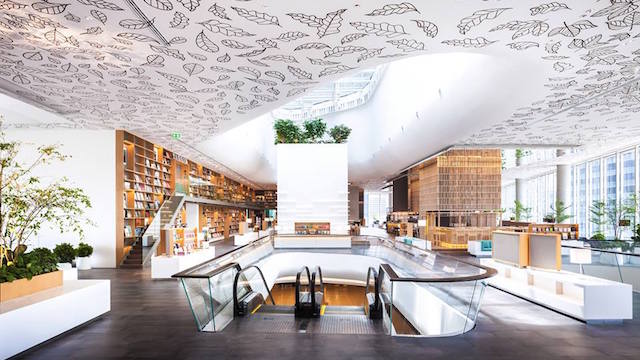
    Bangkok luxury mall Central Embassy has unveiled a new space, Open House, where customers can eat, work, study or just relax – even take a nap.

    Central Embassy Open House 1

    Covering the entire top floor, Central Embassy Open House offers 7000 sqm of open-concept “co-living space” beneath high ceilings, with glass panels all around offering city views.

    Central Embassy Open House 6

    As well as a “co-working space”, Open House offers a restaurant, lounge, bar, bookshop, art gallery, design shop and children’s playground, nestled against the Embassy Diplomat Screens cinema.

    Central Embassy Open House 5

    “It took almost two years to complete this project,” says Central Embassy MD Barom Bhicharnchitr. “Accessible luxury is the key, but luxury is not about price – it’s mostly about quality of life.”

    Central Embassy Open House 2

    Central Group launched the THB18-billion (US$523.1 million) Embassy in 2014 on part of the former British Embassy site and Wireless and Ploenchit Roads. Its curving 200m facade advertises such brands as Gucci, Prada and Ralph Lauren, while ticket prices in its VIP cinema top THB1000.

    Central Embassy Open House 3

  • Cebu Pacific launches four new routes in Clark, Cebu

    Cebu Pacific launches four new routes in Clark, Cebu

    Cebu Pacific (CEB) is set to launch four new routes from Clark International Airport and Mactan Cebu International Airport. This is in line with the airlines program to strengthen its domestic route network geared towards making inter-island travel more accessible to residents outside Metro Manila. Starting this May 15, Cebu Pacific’s wholly-owned subsidiary, Cebgo, will be flying daily between Clark and Caticlan (Boracay) three times weekly on Monday, Wednesday, and Friday between Clark and Busuanga,and three times weekly on Monday, Wednesday, and Friday between Cebu and Busuanga.

    Cebgo will also begin flying between Cebu and Cotabato four times weekly, on Tuesday, Thursday, Saturday, and Sunday on May 16, 2017. “We believe that by opening these new routes, we are enabling more residents from Central and even North Luzon to travel to Palawan and Boracay—two of the world’s best islands, without having to make the trip to Metro Manila to catch their flights. Even guests from the Visayas who would like to explore Northern Palawan have to fly via Manila to get there. With a direct Cebu-Busuanga route, the islands of Coron and Culion are easier to get to.

    Aside from boosting domestic tourism, our new routes will also enhance trade and investment as we also make available our cargo services,” Alexander Lao, Cebgo president and chief executive officer, said. CEB is launching the four flights with an introductory, all-in seat sale of P599 from April 6 to April 9, 2017, or until seats last. Travel period is from May 15 to November 30, 2017.

    “CEB has remained true to its commitment of making air travel safe, affordable, reliable, and fun-filled for every juan. Rest assured, we will continue expanding our network to enable even more of our kababayans to travel with our trademark lowest fares, not only within the Philippines, but also to international destinations,” added Lao. Aside from Cebu and Clark, CEB also operates flights out of four other strategically placed hubs in Manila, Davao, Kalibo, and Iloilo. The airline’s extensive network covers over 100 routes and 66 destinations, spanning Asia, Australia, the Middle East, and United States of America.

  • Big points for AirAsia’s animal shelter

    Big points for AirAsia’s animal shelter

    One  of the joys of coming home after a long day of work is to greet, and be greeted by, your pets. Seeing them jump in excitement, or brushing up against your legs, or demanding your attention is surely a mood booster that melts away the worst part of the day.

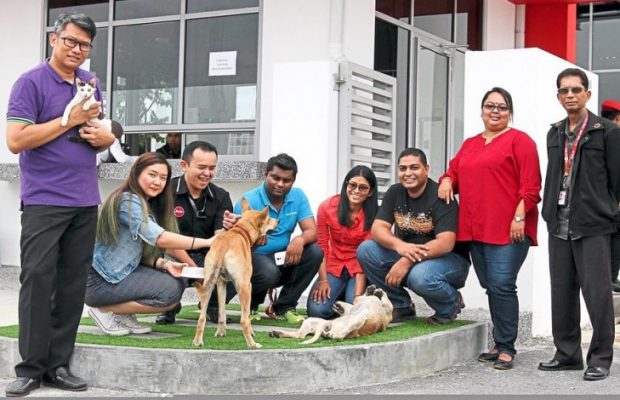
    For AirAsia staff, however, this joy and happiness awaits even before they get to their work stations. Waiting for them at RedQ, AirAsia’s headquarters in Sepang, Kuala Lumpur, are the four dogs they recently adopted and now consider as part of their work family.

    In fact, these dogs have occupied the area next to KLIA2 longer than most of the workers there. Every morning, with tails wagging, the dogs run up excitedly to the familiar faces, especially the ones they have formed a close bond with, and of course, those who come bearing doggie treats.

    “We found the dogs, when they were still puppies, at the construction site of RedQ. Even then, some of our staff members fed them and played with them. They let the dogs roam the area, and ensured that they didn’t harm themselves, or posed a threat to others. When we moved to RedQ last year, the dogs were still here, and there was talk of sending them to shelters,” says AirAsia People Department executive Ahmad Faizul Ahmad Rusli during an interview at RedQ.

    Airasia

    A group of animal-loving colleagues then decided to approach their boss, AirAsia group chief executive officer Tan Sri Tony Fernandes, with a plan that benefits the dogs and them.

    “They asked if they can keep the dogs, and I immediately said yes. The dogs literally grew up in RedQ. We should not just keep them, but build a proper home for them,” says Fernandes in a text message.

    Quickly, a taskforce dedicated for the caring of the animals was formed and interested staff members were encouraged to join. Around 10 people – the number increases by the day, by the way – pledged to care for the dogs. As a joke, they say that any work relating to the dogs starts only at 6.01pm, after working hours, so that it doesn’t interfere with their day-to-day operations.

    The first thing they did as a committee was to get licenses for the dogs from their local municipal council but found out that they weren’t issued to dogs staying in a company building. Faizul nevertheless says that they would apply again and find a way to get proper licenses for the dogs as they do not want them to be forcefully taken away.

    “We then came up with a blueprint for the dog shelter and found contractors to do the job. A corner of RedQ’s parking lot was then decided as the best and turned into a shelter that could fit the four dogs.

    “Besides that, we had to come up with a working plan that includes the cost of keeping the dogs. This should cover their food, medication, and other miscellaneous expenses,” explains AirAsia Government Relations head Vijaya Priya Ananthan.

    Airasia

    AirAsia DogQ’s committee members Kumaravel Subramaniam and Melissa Fok take turns to feed and walk the dogs.

    Once again, Fernandes proved his generosity when he offered to personally cover the expenses for the construction of the shelter – which he dubbed the DogQ – as well as pledged monetary support for the cause. Although they prefer not to disclose the exact amount that was given by Fernandes, they share that it costs approximately RM3,000 yearly to care for each dog.

    “We took them to the vet to have them spayed and get the necessary immunisation,” shares Faizul. Members of the DogQ committee also actively do their part by taking turns to purchase food and treats, and keep the dogs engaged with fun activities.

    “We feed and play with them, and the dogs follow some of us for after-work hiking sessions. Most of the time, they follow the security guards on their rounds. They really have formed a bond with them,” says Priya.

    Faizul adds: “We do have staff members who are afraid of dogs or who cannot interact with dogs, but they are not complaining. That’s because the dogs do not threaten them in any way, and everyone is just happy to go about their ways like they normally do.”

    Ahmad Faizul Ahmad Rusli (left) and Vijaya Priya Ananthan say that the DogQ project has brought together AirAsia staff members from different departments.

    Ahmad Faizul Ahmad Rusli (left) and Vijaya Priya Ananthan say that the DogQ project has brought together AirAsia staff members from different departments.

    The dogs have yet to be named, as the committee has decided to run a contest and let the big bosses pick the winning names.

    “The poor dogs are quite confused as each one of us has a nickname for them. But they still come to us when we call them,” says Faizul, with laugh.

    The dogs are undergoing obedience training and therefore can respond to simple commands. “We’re not training them to become commando dogs. We just want them to listen to us when we call them or tell them not to go somewhere,” adds Priya.

    Security is of utmost importance to the DogQ committee as they do not want the dogs to interfere with KLIA2’s operations nearby. The dogs are not allowed to roam beyond certain areas, and the ever-present security personnel keep an eye on the dogs to ensure that they do not wander into restricted sections.

    “They cannot enter the airport and the office building. Other than that, the dogs are free to go wherever they want. Their shelter will only be used when they are sick, or when they need to be isolated – like when we have big events with guests,” she further explains.

    Faizul would also like to avoid the misconception that the public can come and drop their unwanted animals at the shelter.

    The AirAsia DogQ committee members take it upon themselves to care for the four abandoned dogs that grew up within AirAsias headquarters compound in Sepang, KL.

    The AirAsia DogQ committee members take it upon themselves to care for the four abandoned dogs that grew up within AirAsias headquarters compound in Sepang, KL.

    “We are keeping just the four dogs. They are our dogs. We don’t plan to turn DogQ into a shelter – at least not yet – because firstly, we don’t have the expertise. But, under special circumstances, we would care for any animal that finds its way here and we will try to find a new home for them. We also have two cats that we’re taking care of right now, and we are trying to find people who would take them in,” says Faizul.

    AirAsia staff members are used to undertaking big and tough projects, but Faizul and Priya say that the DogQ is one that has united them all – bringing together people from different departments who otherwise wouldn’t have a reason to work together.

    “I always say that AirAsia is less of a company and more of a family. We are a company that looks after everyone – our guests, our staff and our partners. Now, we have four new ‘staff members’ to look after,” says Fernandes.

  • Carrefour China opens 27th store

    Carrefour China opens 27th store

    Carrefour China has opened its 27th Easy Carrefour Store in Shanghai.

    On Long Dong Avenue, the 332 sqm store offers more than 4000 items.

    The French multinational retailer opened its first convenience store under the Easy banner in 2004.

    Meanwhile, Carrefour China has launched an app that allows customers to shop online, receive discount coupons, check their loyalty accounts, win gifts and find store information such as opening hours and how to get to them. The app is available for Android and iOS.