Category: General

Retail News Asia is committed to providing both local and global retailers with the latest General Retail news throughout the Asian market. This on a daily base.

  • Indonesia`s exports up 15.68 percent in March 2017

    Indonesia`s exports up 15.68 percent in March 2017

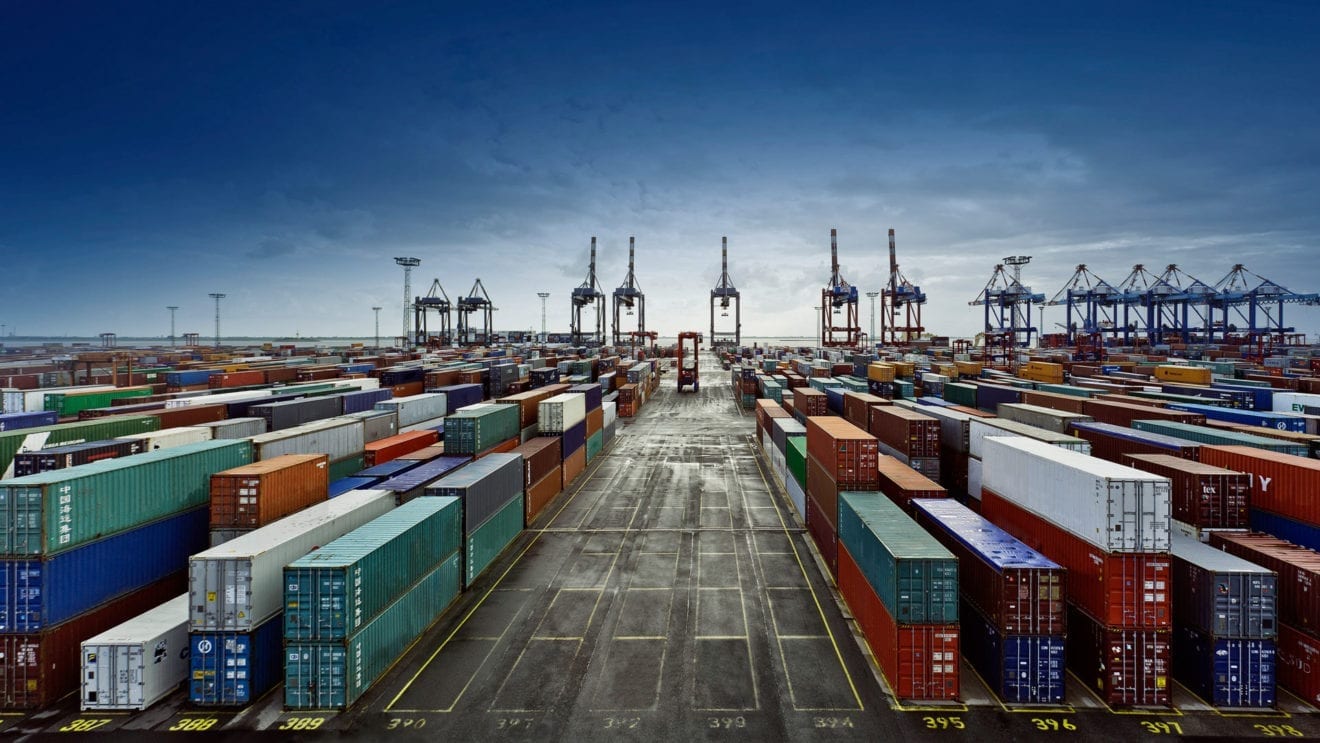
    Indonesias exports were up 15.68 percent in March, from US$12.61 billion in the previous month to $14.59 billion, according to Central Bureau of Statistics (BPS) here on Monday.

    BPS chief Suhariyanto stated at a press conference that the hike was dominated by an increase in the non-oil and gas exports reaching $13.11 billion, or up 14.86 percent, from the previous month.

    “The export value in March 2017 was recorded at $14.59 billion, up 15.68 percent from Feb. Compared to March 2016, the hike reached 23.55 percent,” he noted.

    The hike in the non-oil and gas exports in March was contributed by an increase in the exports of mineral fuels reaching $459.4 million, or 32.84 percent, he noted, adding that the exports of chemical products were down 9.05 percent, or $31.8 million.

    Non-oil and gas export destination countries in March 2017 include China, with exports to the country reaching $1.7 billion; the US, reaching $1.51 billion; and Japan, recorded at $1.26 billion. All of them contributed 34.72 percent of the total exports. Exports to Europe or 28 countries reached $1.46 billion.

    In total, Indonesias exports from Jan to March 2017 reached $40.61 billion, or rose 20.84 percent from the same period in 2016.

    Non-oil and gas exports in the period were recorded at $36.66 billion, comprising 90.27 percent of the countrys total exports.

    In terms of sectors, exports from processing industries from Jan to March 2017 rose 19.93 percent from the same period in 2016, while agricultural exports jumped 22.84 percent and mining products and others rose 32.26 percent.

    With region provinces of origin, most of the countrys exports were from West Java, valued at $7.00 billion, or 17.23 percent of the total; followed by East Java at $4.43 billion, or 10.90 percent; and Riau at $4.40 billion, or 10.83 percent.

    Indonesias non-oil and gas markets in the period from Jan to March 2017 include China, worth $4.96 billion, or 12.79 percent; the US, worth $4.29 billion, or 11.70 percent; and India, worth $3.41 billion, or 9.29 percent.
  • AirAsia to fly to India, China this year

    AirAsia to fly to India, China this year

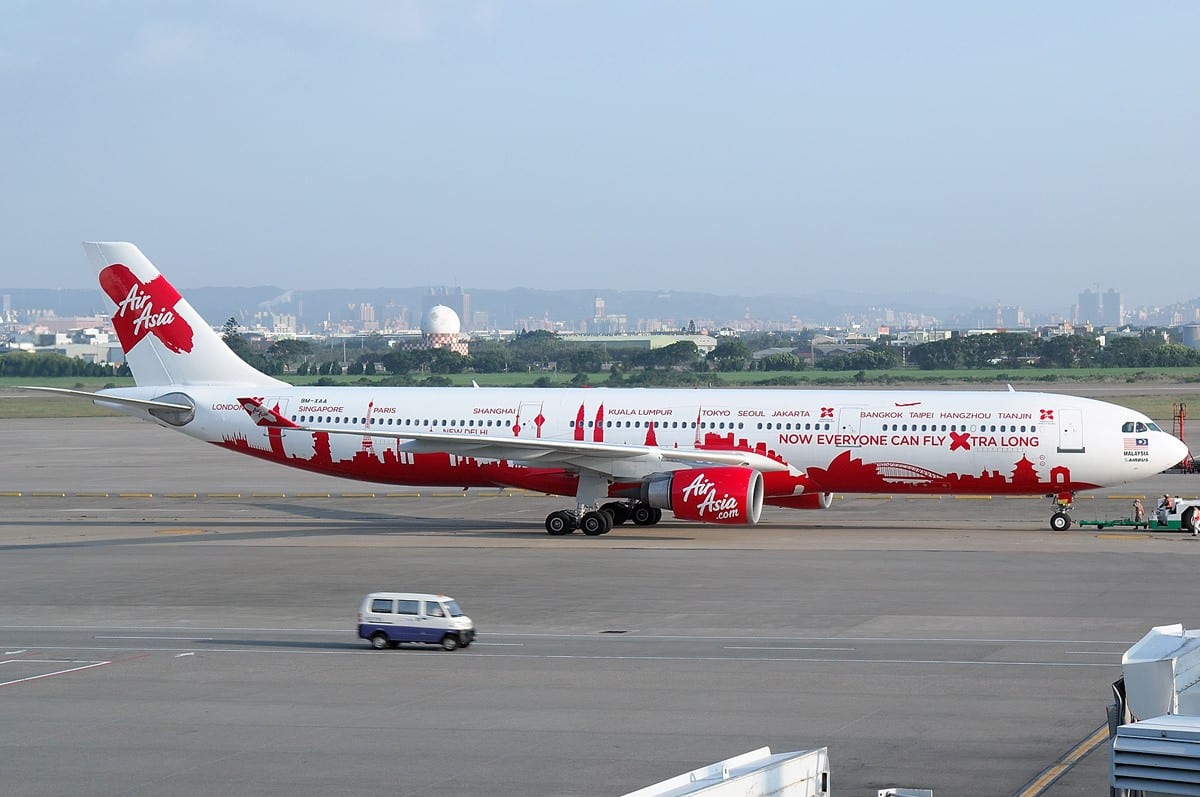
    AirAsia Group has pledged to support the government’s effort to boost tourist arrivals by opening new flights to Indonesia from cities in India and China this year.

    “We are ready to support the government. We will add new aircraft and open new international routes,” Air Asia Group CEO for Indonesia Dendy Kurniawan said on Monday.

    The airline will add two new aircraft of the Airbus A320 and A330 types. Currently, Air Asia accounts for around 25 percent of inbound flights to Indonesia, according to Tourism Ministry data.

    The route to India was expected to commence in May, while that to China was expected to commence in October, said Tourism Minister Arief Yahya.

    The government eyes to welcome 15 million foreign visitors this year and 20 million in 2019.

    Arief said the government saw a two million shortage in seat capacity to achieve this year’s target.

  • The Philippines’ first budget airlines is counting on domestic demand

    The Philippines’ first budget airlines is counting on domestic demand

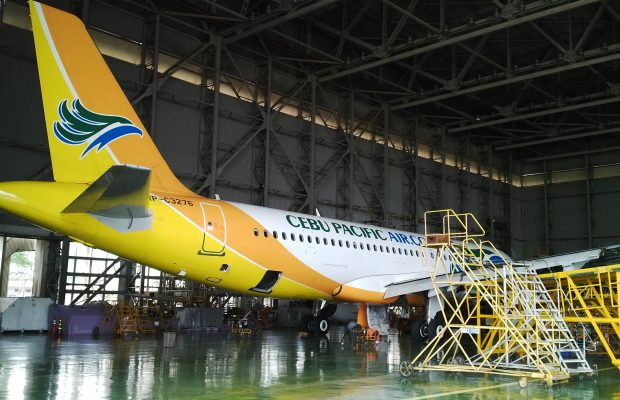
    Cebu Pacific is set to achieve record results for the last financial year, said Lance Gokongwei, president and chief executive of the Philippines’ first budget airline.

    “We have about 58 to 60 percent of the domestic market now … And naturally, we benefited from lower oil prices, so we did very well last year,” Gokongwei told.

    Most of those record profits will be re-invested into acquiring planes with higher fuel efficiency, which will in turn result in more competitive airfares for Cebu Pacific customers, Gokongwei added.

    The budget airline is part of JG Summit Holdings, the second largest conglomerate in the Philippines which began as a simple corn starch plant. As president and COO of conglomerate JG Summit Holdings, Gokongwei also holds various leadership roles in the JG Summit’s fast-moving consumer goods and property arms.

    As premium airlines in the region run into turbulence, Cebu Pacific is going all in with a twofold strategy aimed at improving competitiveness. The first of those strategies involves working around the limited aviation infrastructure in the Philippines, which together with an uptick in air travel demand, has led to congestion.

    “We have a limited slot situation in Manila. The airport there is quite slot-limited so our strategy is to up-gauge the existing slots we have by putting in larger aircraft,” Gokongwei said.

    Cebu Pacific will be ramping up productivity by replacing its existing Airbus 319 and 320 models with the Airbus 321neo. The 321 model has 230 seats compared to the existing 180 seats onboard the Airbus 320. The airline has committed $4 billion to a fleet upgrading program that would see it acquiring 46 new planes between now and 2021.

    The airline’s second strategy involves developing and investing in 5 additional hubs outside Manila, including Cebu, Davao and Ilo Ilo. Smaller aircraft will be used to provide direct access along those routes, Gokongwei said.

    Giving Cebu Pacific an additional boost could be the Philippine President Rodrigo Duterte’s plans to ramp up infrastructure spending. Gokongwei said there are plans to “build out the 5 airports outside of Manila.”

    “Before, travelling by air was considered something only the elite did and now, everyone in the Philippines has access to fly through democratized travel,” Gokongwei said.

  • Expedia to leverage partnership with AirAsia

    Expedia to leverage partnership with AirAsia

    American travel company Expedia Inc, will leverage its partnership with AirAsia Bhd to seek more opportunities in Asia. Expedia president and chief executive officer (CEO) Dara Khosrowshahi said AAE Travel Pte Ltd (AAE) — a joint-venture firm between Expedia group and AirAsia, had been overseeing both Expedia and AirAsiaGo points-of-sale across the region since 2011.

    “For us AirAsia has been a fantastic partner. We had no idea that Asia offered such significant and rapid growth opportunities until what we learnt through our partnership with AirAsia. It kicked us into an aggressive stage of growth through its scale and deep insight into this region.”

    Expedia is the majority shareholder in AAE with 75 per cent share.

    Khosrowshahi said that opportunities in Asia would be the company’s focus in the mid-term future, with plans to grow the region into the second-largest market for the online travel firm in the next five years.

    “Our data is showing that success in the next 10-20 years will depend on how well we do in Asia.

    “The investments we are making here, such as the Expedia Innovation Lab, allows us to understand our Asian customers better,” he added.

    Expedia Innovation Lab for Asia deploys electromyography, real time eye-tracking software, which when combined with real-time questions to users, uncovers emotional responses that can be used to develop new products and the way users interact with Expedia.

    Expedia is the largest travel company in the world, generating US$72 billion in gross bookings last year on 200 sites in 75 countries and 35 languages.

    Its success is based on investing heavily in technology to understand the real outcomes customers desire, and innovating to create new ways to fulfil them.

  • Vietnam Airlines starts second service to Sydney

    Vietnam Airlines starts second service to Sydney

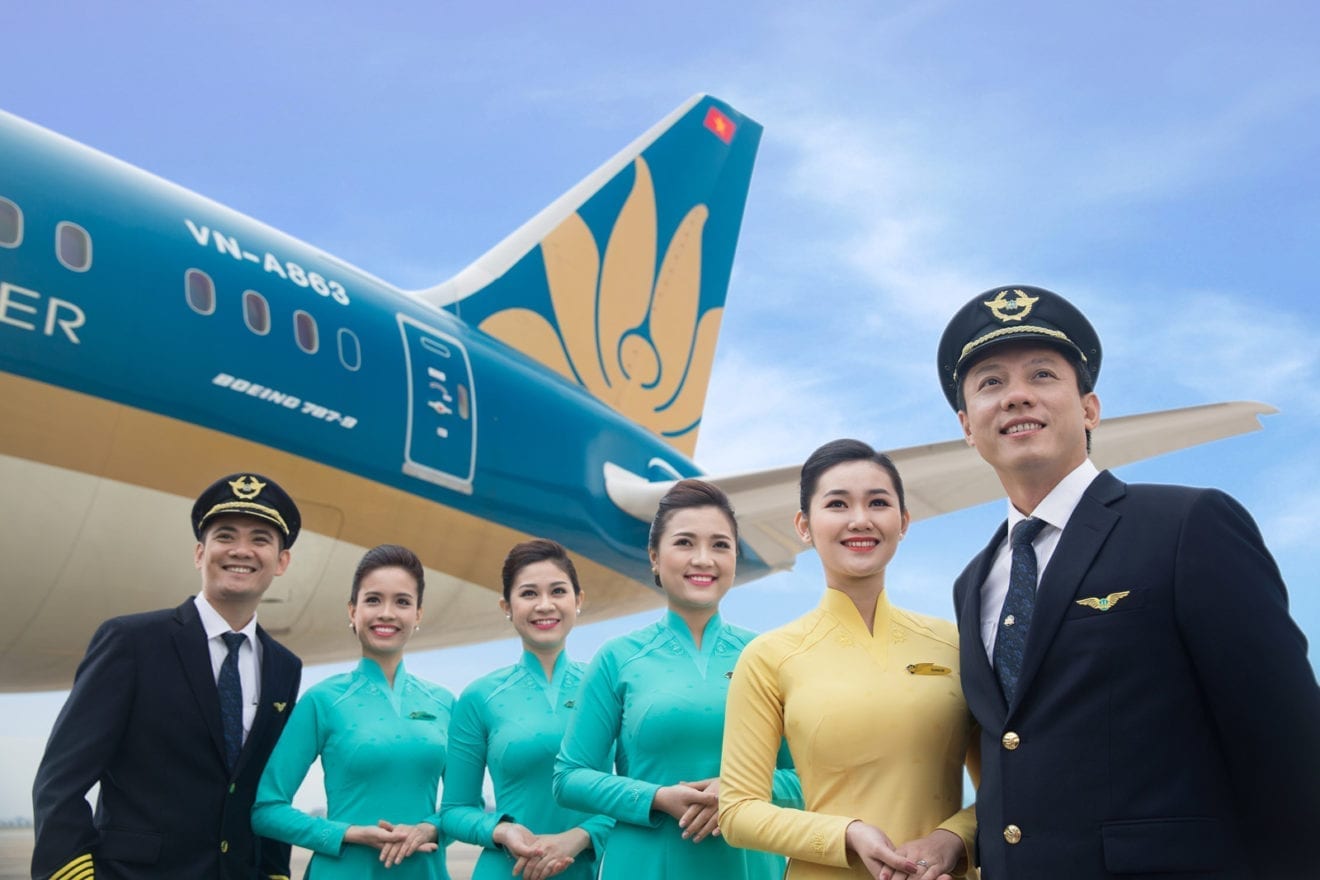
    Vietnam Airlines added a second route from Vietnam to Sydney (SYD). The SkyTeam carrier now offers three times weekly flights on the 7,783-kilometre route between Hanoi (HAN) and Australia’s busiest airport, complementing the airline’s existing daily service from Ho Chi Minh City. The airline will face no competition on the new service which will be flown using its 274-seat 787-9s.

    Kerrie Mather, MD & CEO of Sydney Airport, said: “More than 240,000 passengers travelled between Sydney and Vietnam in 2016, and we’re delighted this new service will provide more choice for this growing market. With about 40% of Australia’s Vietnamese-born residents living in NSW, the service will make an important contribution to supporting the visiting family and friends market. Hanoi’s colonial architecture and rich sense of history also makes it the ideal holiday destination for Australian travellers.

    ” Adam Marshall, NSW Minister for Tourism and Major Events, added: “In 2016 NSW welcomed 32,000 visitors from Vietnam, which was up 27% on 2015. Between them, those visitors injected $162 million in overnight visitor expenditure into the state’s economy, which again was an 11% increase on the year prior.” With the airline also operating a daily service between Ho Chi Minh City and Melbourne, Vietnam Airlines currently has a monopoly on non-stop services between Australia and Vietnam.

  • Alibaba hub spells trouble for malls

    Alibaba hub spells trouble for malls

    A veteran economist foresees trouble for traditional retailers when the Alibaba Group sets up its logistics hub in Malaysia. Speaking to Retail News, Hoo Ke Ping said the hub, which is expected to be operational at the end of 2019, would threaten the survival of shopping malls and small-time traders.

    He noted that traditional retailers were already facing competition from their online counterparts, but he said the hub would pose a more significant challenge.

    He described Lazada, the Alibaba-owned online retailer, as among the most competitive with its pricing and said it would be a challenge for mall-based retailers to match it because they could not avoid overheads like rent, utilities and wages.

    Hoo also said there was an oversupply of shopping malls, with many struggling to find occupants for their retail spaces.

    Last month, a news report quoted Savills Malaysia managing director Allan Soo as saying the retail market could take up to four years to improve due to the oversupply in retail spaces.

    The Klang Valley alone has 160 malls and hypermarkets, including seven megamalls. Seven more megamalls are in the pipeline.

    Hoo also noted that Pos Malaysia, which currently handles parcel deliveries for Alibaba, was building up its capabilities to tap into the e-commerce market.

    In a press interview in February, Pos Malaysia CEO Mohd Shukrie Mohd Salleh said the group was in the process of beefing up its capabilities and infrastructure so it could provide a full range of eFulfilment services required by the industry.

    The term “eFulfilment” describes the people, processes and technology used in delivering an online order to a customer.

    Hoo said Alibaba’s Malaysian logistics hub would accelerate the shift towards e-commerce.

    Recently, Reuters reported that the hub will function as a centralised customs clearance, warehousing and fulfilment facility for Malaysia and neighbouring countries and would speed up clearance for imports and exports.

    “This means it will be easier for people to sell and move their goods within the country,” Hoo said. “So the prospects for shopping malls and even small retailers in rural areas don’t look so good.”

    He noted that the situation was not unique to Malaysia.

    “The same thing is happening in the United States as more businesses switch from brick and mortar stores to the online market,” he said, citing the likes of women’s clothing chains The Limited and Bebe.

    According to a Business Insider report, The Limited shut down all of its 250 stores, laid off 4,000 workers and moved its business online. Bloomberg reported last month that Bebe was planning to take a similar route.

  • Singapore office rents under pressure

    Singapore office rents under pressure

    Office rents in Singapore’s central business district eased 1.2 per cent to S$8.90 (Bt220) per square foot a month in the first quarter of this year, while retail rents show signs of stabilising despite challenges, a property consultancy says.

    Research by Edmund Tie & Co shows the decline in CBD office rents last quarter abated from the 2.1 per cent drop in the fourth quarter of last year.

    While the uncertain external environment continued to pressure rents, higher pre-commitment levels at upcoming completions and the filling up of newer buildings helped support rent levels.

    Office rents in Marina Bay eased 0.5 per cent in the first quarter of this year, less than the 2 per cent seen in the fourth quarter of last year.

    This was supported by the higher occupancy rate of 96.8 per cent in the first quarter of this year compared with the 94.6 per cent in the fourth quarter of last year.

    Shadow space in Marina Bay, as of the first quarter of this year, declined from nearly 150,000 square feet (14,000 square metres) to 45,650 square feet. “While the market showed signs of stabilising, it is premature to conclude the office market is bottoming out due to the uncertain external environment.

    “Geopolitics in the region remain volatile, although the summit talks between US President Donald Trump and Chinese President Xi Jinping went well,” said Lee Nai Jia, head of research.

    Retail rents are exhibiting signs of stabilisation, with gross rents of first-storey retail space in Orchard Road and Scotts Road staying flat at S$37.20 per sq ft per month in the first quarter of 2017. This was in contrast to the corresponding period of last year, when rents declined by 1 per cent

    Rents in Orchard Road and Scotts Road remained resilient, supported by limited supply. The fall in first-storey retail rents in other city areas, including Raffles Place, City Hall, Tanjong Pagar, Shenton Way and Bugis, also moderated – to 0.6 per cent quarter on quarter in the first quarter.

    In the fourth quarter of last year, the quarterly decline was 1 per cent.

    The stabilisation of rents comes on the back of higher visitor arrivals and stronger retail sales last year.

    According to preliminary estimates from the Singapore Tourism Board in February, arrivals grew by 7.7 per cent to 16.4 million and tourism receipts by 13.9 per cent to S$24.8 billion.

    Retail occupancy across the island also improved towards the end of 2016, reaching 91.5 per cent in the fourth quarter from 90.6 per cent in the third quarter.

    “E-commerce is an enabler that allows the products of local retailers to reach to a wider audience, without paying the high rents at prime shopping malls,” Lee said.

    More Singapore residents are drawn to cities like Bangkok and those in Taiwan, Malaysia and South Korea for shopping.

    Lee cited Bangkok’s Chatuchak market as  being a popular destination for Singapore shoppers.

  • Centric Software Opens New Office in Hong Kong

    Centric Software Opens New Office in Hong Kong

    Centric Software announces the opening of a new office in Hong Kong, bringing its innovative Product Lifecycle Management (PLM) solutions to local retailers, brands and manufacturers. Centric Software is the leading PLM solution for fashion, retail, footwear, luxury, outdoor and consumer goods companies.

    The opening of the Hong Kong office confirms Centric Software’s explosive growth in Asia, having recently opened an office in Tokyo, Japan in 2016 and Shanghai, China in 2014. In addition, the company recently announced the signature of its first customer in Australia, Redbubble. Leveraging the success and continued growth in the region, now with 25 Asian customers, Centric plans to further develop the market in Hong Kong and the surrounding regions.

    “Prior to the opening of our new Hong Kong office, we had already built strong momentum with several large customers.  Companies in Hong Kong and throughout South East Asia need modern, mobile-based PLM solutions. It’s a big space to grow,” said Nick Wei, Regional Sales Director Hong Kong at Centric Software.

    “The fashion market is very competitive and companies need every possible advantage beginning with the products they make and sell; products are the heart of any brand, retailer or manufacturer.  Making great products starts with great product development technology, like Centric PLM,” Wei adds.

    Supporting not only retailers and brands, but also original design manufacturers (ODM) and original equipment manufacturers (OEM) with flexible, configurable, out-of-the-box and intuitive PLM, Centric Software solutions enable companies to speed time to market, improve team collaboration and cut costs while developing deeper bonds with trading partners.

    “Fashion companies here are really excited to finally have a modern, mobile PLM solution available to them. They want innovative easy to use, cloud and mobile-based PLM software that provides a ‘single version of the truth’ solution,” Wei explains, “Centric’s mobile applications, which are the first to be developed in the sector, keep product teams connected at all times to aid product design development and execution.”

    “In Asia, when a company invests in a technology partner, they want to know you are present and a have strong local team to service them. This new office will allow Centric Software to work in close proximity with our customers and provide them with the industry best practices and Agile DeploymentSM knowledge needed to enable their ambitious growth strategies,” Wei concludes.

    “We are very excited to announce the opening of our new home in Hong Kong,” said Chris Groves, CEO of Centric Software. “We will continue to build on innovations made with our customer partners in the region and will look forward to welcoming new ones into the Centric family.”

  • Orchard revamp a step in the right direction, say experts

    Orchard revamp a step in the right direction, say experts

    Pedestrianisation of Orchard Road is a step in the right direction, said observers, as they flagged considerations and floated suggestions for the proposal to work.

    “Great cities have great streets, and many of them are pedestrianised,” said urban planner William Lau. The former president of the Singapore Institute of Planners gave the Myeongdong shopping district in Seoul as an example.

    “It is very vibrant. The shops spill out onto the street there,” he said, adding that accommodation would have to be made for buildings which are accessible to vehicles only via Orchard Road.

    Redirecting traffic around the area may be difficult as it is not built on a grid, said National University of Singapore transport researcher Lee Der Horng.

    But Mr Gopinath Menon, transport consultant and senior research fellow at the Nanyang Technological University, felt pedestrianisation could be done with little impact to vehicular traffic. He suggested that Orchard Boulevard, which runs parallel to Orchard Road between Orchard Link and Grange Road, could be converted to a two-way road to accommodate traffic. Public transport can serve as an alternative to cars for shoppers headed to the area.

  • ‘I’ve never aimed at being a billionaire’ says Vietjet CEO

    ‘I’ve never aimed at being a billionaire’ says Vietjet CEO

    Vietnam’s richest woman with an estimated net worth of $1.2 billion says she’s not used to the new title yet. CEO of Vietnam’s rising budget carrier VietJet said her main goal in business is not money or a “billionaire” title, which she received last month as the only self-made woman billionaire from Southeast Asia.

    “To be honest, I’m not used to it yet,” Nguyen Thi Phuong Thao, 46, said during the Forbes Vietnam Women Summit 2017 on Wednesday.

    “During my 30 years in business, I’ve never counted my money and I’ve never aimed at being a millionaire or billionaire,” Thao said.

    She said she did not grow up poor and thus earning money was never her primary goal. Her main concern, she said, is to build a strong stand for her business.

    Thao studied economics and finance in Soviet Russia in the 1980s. She founded VietJet, the country’s only private airline, in December 2011, after starting her career trading commodities in Eastern Europe and Asia.

    The “bikini” airline, nicknamed after its unique yet controversial promotional campaign for depicting a female crew in bikinis, now makes up 41 percent of the domestic air travel market, only one percentage point behind the national carrier Vietnam Airlines.

    It went public on February 28 and, in less than a week, reached the market value of $1.8 billion, ahead of Vietnam Airlines’ $1.7 billion.

    Thao said her carrier is not competing directly with Vietnam Airlines. “We create our own customers. We do not take them from others.”

    She said around 30 percent of VietJet’s passengers never flew before and more than half of their air routes are brand new.

  • Cebu Pacific links up with KLM AFI to service expanding fleet

    Cebu Pacific links up with KLM AFI to service expanding fleet

    Gokongwei-led budget airline Cebu Pacific (CEB) has chosen Air France Industries KLM Engineering and Maintenance (AFI KLM E&M) to provide maintenance support for its expected new fleet of Airbus A320s .

    “This is our first agreement with Cebu Pacific and also our first component support contract in the strategic Philippines market,” said Gery Mortreux, Executive Vice President of AFI KLM E&M in a statement released.

    The selection of AFI KLM E&M came following a call for tenders by CEB in September last year for the carrier’s expanding fleet of Airbus passenger jets .

    The long-term contract covers a fleet of over 40 Airbus A320-family aircraft, and encompasses full component support and solutions, including repairs and local pool access to maximize aircraft availability for both CEB’s A320s and its future A321neos.

    The A321 neo (new engine option) is a variant of the A320 that features a more efficient engine and more aerodynamic refinements.

    CEB currently has a fleet of 59 aircraft, comprised of 4 Airbus A319s, 36 Airbus A320s, 7 Airbus A330s, 8 ATR 72-500, and 4 ATR 72-600 aircraft. The average age of its fleet currently stands at 4.94 years.

    The airline also expects to take delivery of 45 brand-new aircraft as part of its fleet renewal program composed of one brand-new Airbus A330, 32 Airbus A321neos, and 12 ATR 72-600s

    All told, the new aircraft will bring the CEB fleet to 85 by 2021.

    CEB’s local rival, flag carrier Philippine Airlines (PAL), is also in the process of upgrading its fleet headlined by two new Boeing 777–300ERs set to arrive in December 2017 and January 2018, the airline announced over the weekend.

    Along with that, it is also expecting the arrival of the Q400 Next Generation turboprops for domestic flights starting in July 2017, and the first of 6 new A350-900s expected to arrive in 2018.

  • AirAsia X Boosts roKKi System With Inmarsat’s GX Aviation

    AirAsia X Boosts roKKi System With Inmarsat’s GX Aviation

    AirAsia X announced that it will upgrade in-flight connectivity for its roKKi in-flight entertainment system using Inmarsat’s GX Aviation, with plans, not only to boost Internet speeds and provide seamless streaming, but to increase passenger spend on board.

    AirAsia X CEO Ben Ismail was at Aicraft Interiors Expo in Hamburg this afternoon to announce it would be upgrading its roKKi in-flight entertainment platform with Inmarsat’s GX aviation. The upgrade will bring faster Internet speeds for browsing, video streaming and social media.

    “Today marks a significant milestone for AirAsia and roKKi. This next-generation connectivity solution represents a major infrastructure upgrade that signals a long-term commitment in transforming AirAsia into a truly digital airline,” Ismail said.

    “This next-generation connectivity solution represents a major infrastructure upgrade that signals a long-term commitment in transforming AirAsia into a truly digital airline.” — AirAsia X CEO Ben Ismail

    “AirAsia is a really important win for us,” says Frederik van Essen, SVP, Strategy and Business Development, Inmarsat Aviation. “AirAsia has the attitude that we share of making things happen, not accepting the status quo. Once they take the decision to move, they want to move quickly.”

    The memorandum of understanding with Inmarsat covers AirAsia X’s A330 and A320 fleets, subject to final contracts. Installations begin later this year with GX Aviation connectivity expected to go live first on the A330s in 2018.

    “Connectivity is something desired by all passengers.” — Frederik van Essen, Inmarsat Aviation

    Aside from upgraded connectivity, Ismail says GX Aviation will help to drive ancillary revenues on board. “Currently our ancillary spend is about $60 US per passenger, and I think with this coming in, it’s going to drive that sales up to $80 or $90,” Ismail explained, adding that the average passenger flies four to eight hours on an AirAsia flight.

    “In Asia, showing this attitude with a low-cost carrier demonstrates that these are not only systems for premium carriers that want to offer this to first- or business-class passengers. Connectivity is something desired by all passengers,” van Essen said.

    “GX is different from the other offers out there. We own and operate satellites. We are seeing the fruits of that as we roll out the service next year,” said Leo Mondale, president, Inmarsat Aviation.

  • Garuda Indonesia Posts USD 9.36mn Profit

    Garuda Indonesia Posts USD 9.36mn Profit

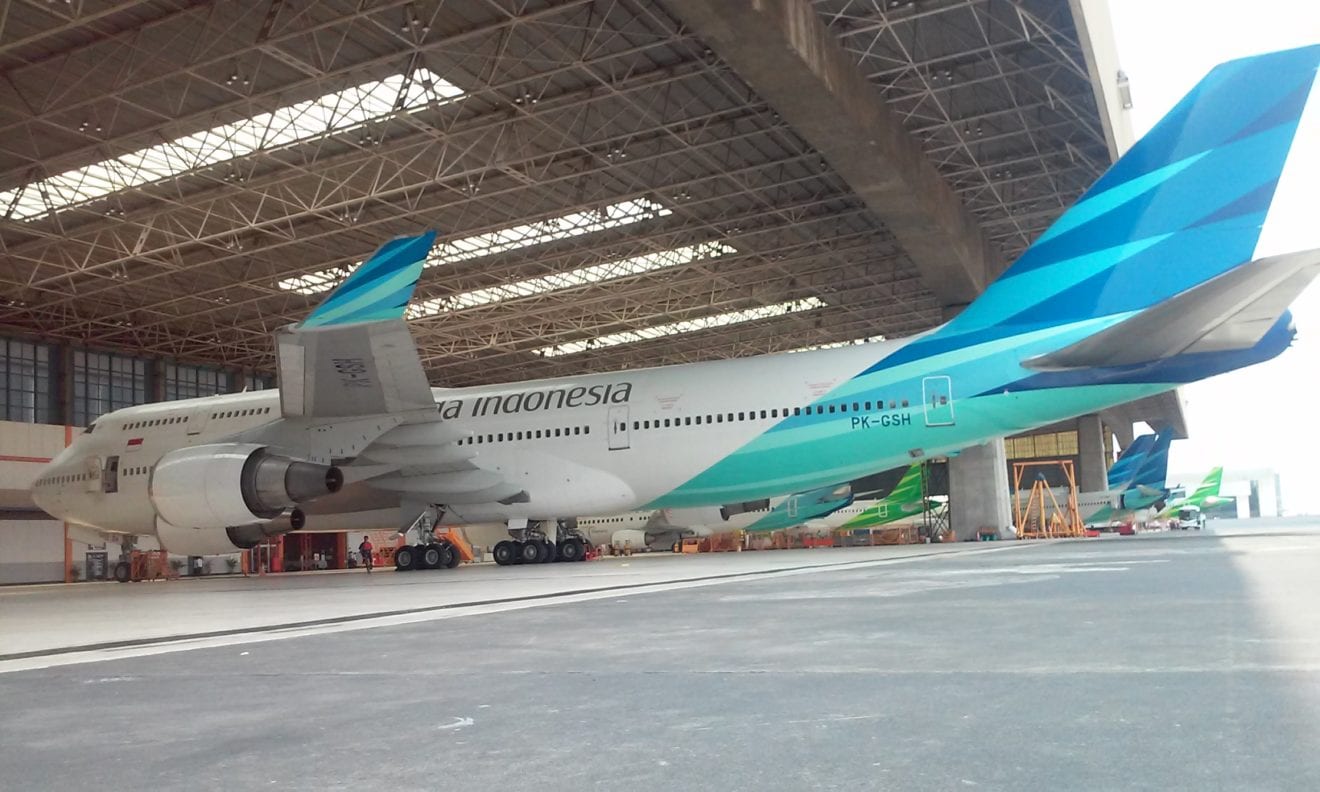
    Flag carrier PT Garuda Indonesia (Persero) posted a net profit of USD 9.36 million, or IDR 124.5 billion, as of the end of 2016, as flight frequency increases by 9.89 percent to 274,969 flights from 249,974 in 2015.

    “The increase in flight frequency was in line with the company’s effort to expand both domestic and international flights,” Garuda Indonesia Vice President of Corporate Communication Benny S. Butarbutar said in a written statement received in Jakarta on Wednesday, April 12, 2017.

    In 2016, the company carried 35 million passengers by both Garuda Indonesia and its subsidiary Citilink Indonesia. Garuda Indonesia Group also recorded increase in ancillary revenue, strategic business unit (SBU) revenue, as well as other sectors at US$392 million or a 13.7 percent increase compared to 2015 at US$344.4 million.

    The press release stated that Garuda Indonesia’s on time performance (OTP) in 2016 was recorded at 89.51 percent, an increase compared to the previous year at 88 percent. The OTP figure was achieved despite challenges in developing aviation operational infrastructures, such as service migration to newly opened Terminal 3 of Soekarno-Hatta Airport and weather-related force majeure.

    The average occupancy rate in 2016 was 73.1 percent for Garuda and 76.8 percent for Citilink. As for air cargo business, Garuda Indonesia managed to improve air cargo transport to 415.824 tons, or an 18.22 percent increase compared to 2015 at 351.724 tons.

    All in all, the total air cargo revenue in 2016 amounted to US$219.15 million or a 16.65 percent increase compared to 2015 at US$187.87 million. In 2016, Garuda Indonesia Group added its flight capacity as part of fleet revitalization by purchasing 17 aircraft, namely four ATR 72-600 aircraft, four A330-300 aircraft, one B777-300ER aircraft and eight A330-200 aircraft. As such, as of the end of 2016, Garuda Indonesia Group operates 196 aircraft with an average age of 4.6 years.

  • GMR Hyderabad Airport Offers ‘Mumbai Central’ delivering the Authentic Street Food from Mumbai

    GMR Hyderabad Airport Offers ‘Mumbai Central’ delivering the Authentic Street Food from Mumbai

    GMR Hyderabad International Airport (GHIAL), which operates Hyderabad Airport today announced the opening of ‘Mumbai Central’ near EAT at Hyderabad food court at the domestic departures Security Hold Area (SHA) of the airport. With the opening of its outlet at Hyderabad Airport, ‘Mumbai Central’ takes a maiden venture into airport Food & Beverage segment.

    Mumbai Central offers a live counter with a menu distinct from other outlets. It brings to the platter the popular west costal cuisine of India including some of the mouthwatering popular street food from the heart of Mumbai to the passengers flying from Hyderabad Airport. Now the travelers in love with the authentic and popular street food from Mumbai, could savour it when at Hyderabad Airport.

    Mumbai Central has been appealing to the travellers throughout the day, allowing them to relax, enjoy their meal and time at the airport. Mumbai Central brings the bustle of the Mumbai street food culture to Hyderabad Airport, offering high quality, authentic and famous Mumbai delicacies. Offering a quick serve world of cuisine, Mumbai Central is focused on directly triggering the customers appetite and to introduce the beauty of fast and fresh cooking; a lot of food is made and finished in the front of the customers.

    A wealth of fresh ingredients and spices adds spontaneous bursts of tasteful experience and stimulates the senses at every step of the way. Diners can order from the digital menus featuring daily specials, which are updated regularly to continuously delight the customers. Strongly promoting the traditional emphasis on healthy eating, balanced meals and fresh food, Mumbai Central uses the freshest of ingredients for recipes, flavors and spices, developed and preserved for many generations.

  • Vietnam gov’t tells fifth airline Vietstar to stand in the waiting line

    Vietnam gov’t tells fifth airline Vietstar to stand in the waiting line

    The airline will have to wait for Tan Son Nhat International Airport to complete expansion. Vietstar Airlines, a military-run company, will have to wait for the completion of an expansion project at Ho Chi Minh City’s Tan Son Nhat airport before it can get a license to fly passengers and cargo, the Vietnamese government said.

    The government will review the licensing for Vietstar Airlines, the fifth in Vietnam once operational, when Tan Son Nhat International Airport completes building new terminals and parking space, Prime Minister Nguyen Xuan Phuc was quoted as saying in a recent government document.

    Vietnam’s airline market has the third fastest growing pace in Asia-Pacific and the country is grappling with an acute dearth of airport capacity.

    A project to expand the country’s largest and yet overcrowded Tan Son Nhat airport has been under way, aimed at building runways, parking space and two terminals by 2018 to raise the passenger handling capacity to 45 million a year. The airport has to serve 42 million people annually, well over its design capacity of 25 million.

    In February Deputy Prime Minister Trinh Dinh Dung instructed transport, planning and aviation authorities to speed up work to finish upgrading the airport within this year.

    Vietstar Airlines was granted a general aviation license in 2011 when it was founded with a registered capital of VND400 billion ($17.6 million). It has been providing ground handling, aircraft maintenance and pilot training services.

    In 2015 it sought permission for flying passengers and goods, but was instead asked to raise its registered capital before it could get a license. The airline reported an equity of VND652.7 billion at the end of 2015, below the VND700-billion government requirement.

    It has since raised its charter capital to VND800 billion and last September, the transport ministry’s aviation department said Vietstar Airlines was qualified to get license for offering passenger and goods transport services.

    Vietstar aims to serve 500,000 passengers and carry 32,000 tons of good in the first year of operation, which had previously been expected to be in 2017.

    National flag carrier Vietnam Airlines, two budget carriers VietJet Air and Jetstar Pacific as well as Vietnam Air Services Company have been competing in a market that served 52,2 million passengers last year, up 29 percent from 2015, while the domestic sector alone grew 30 percent with 28 million passengers, based on aviation authority data.