Category: General

Retail News Asia is committed to providing both local and global retailers with the latest General Retail news throughout the Asian market. This on a daily base.

  • AirAsia X plans for more fifth-freedom flights

    AirAsia X plans for more fifth-freedom flights

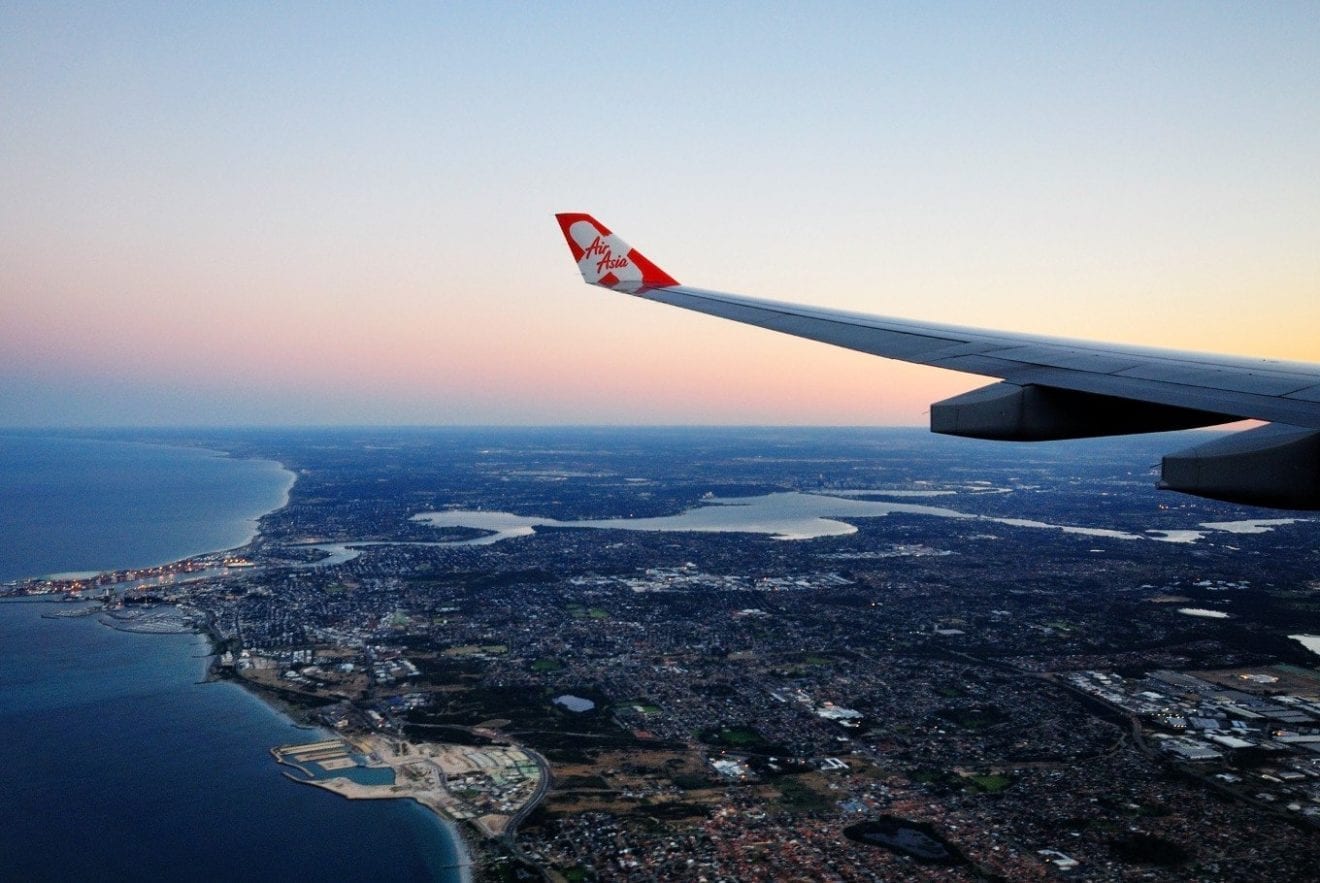
    AirAsia X is planning to add more fifth-freedom flights as it seeks to take advantage of the growth at secondary and tertiary cities across North Asia.

    Sharing the long-haul, low-cost carrier’s plans was its head of network planning Venggatarao Niadu, as part of a panel at the Routes Asia Strategy Summit in Okinawa.

    “We now operate an eight-hour range for our Airbus A330 widebodies, and we want to go beyond that using more fifth-freedom flights,” says Naidu.

    Naidu cites AirAsia’s Kuala Lumpur-Gold Coast-Auckland and Kuala Lumpur-Osaka-Honolulu as examples of the model it is looking to for future growth. He adds that North Asia and China are regions for expansion and where it could mount more fifth-freedom services.

    When asked about AirAsia X’s plans to return to Europe, Naidu describes it as “still a work in progress” and that the carrier is still working to secure the relevant rights. He reveals that flights to Europe will not only be operated by its main Malaysian unit, but also Thai AirAsia X.

    Meanwhile, AirAsia X acknowledges that it faces certain obstacles to growth, largely bilateral limitations, and slot and infrastructure shortages.

    Naidu says that, even with those challenges, and growing competition in the market, it isn’t deterred from seeking new growth opportunities.

    “When we see an opportunity, we grab it first. Then the industry will follow suit and flood the market. But we have seen that the industry will rationalise after a few years to keep it stable,” he says.

  • Malaysians’ appetite for spending remains poor

    Malaysians’ appetite for spending remains poor

    Malaysian consumers continue to tighten their belts as reflected by the 0.3% year-on-year growth of retail sales in the fourth quarter of 2016 (4Q16), according to Retail Group Malaysia (RGM).

    The quarterly growth of retail sales decelerated for the third quarter after it hit a high of 7.5 per cent in 2Q16, based on data compiled by RGM from members of Malaysia Retailers Association (MRA).

    Retailers are pessimistic about the sales performance for 1Q17. “As consumer confidence remains low, they estimate an average growth rate of only 0.9 per cent during 1Q17,” said the report.

    “The year-end school holiday and festive celebration did not motivate Malaysian consumers to spend more. The weak economic environment and bleak job prospect discouraged shoppers to buy more than usual.

    “4Q16’s growth rate was a let-down taking into consideration the low growth rate of 1.3 per cent during the same period in 2015,” said RGM in its latest quarterly report that was released over the weekend.

    For 2016, domestic retail sales expanded by 1.7 per cent, which was not much stronger compared with 1.4 per cent growth in 2015 — the year when goods and services tax was introduced in April that year.

    “After almost two years, the retail industry has yet to recover. Economic condition remains tough for retailers,” said RGM.

    In view of the lacklustre growth pace in 4Q16, RGM has slashed its forecast annual retail sales growth to 3.9 per cent to RM101.6 billion (US$22,921,609,224) for 2017 from RM97.8 billion (US$22,064,304,942) in 2016, compared with its initial forecast of 5 per cent.

    RGM pointed out that the latest quarterly result was way below market expectations. “It was 95 per cent below the estimate made by members of MRA in November 2016 [at 5.5 per cent],” RGM wrote in the report.

    The weak retail sales are quite a sharp contrast to the growth of private consumption, which had been above 6 per cent for three consecutive quarters since April last year.

    Among the sub-sectors, the other specialty stores, which include photo shops, optical shops, children-related stores, second-hand goods stores, toy stores, TV shopping as well as restaurants, were the worst-performing retail category in 4Q16. This sub-sector suffered a contraction of 7.7 per cent — the second consecutive quarter of declining sales. For the whole year, this sub-sector suffered a decline of 2.2 per cent in its business.

    In contrast, the fashion & fashion accessories sub-sector was the bright spot among all. The sub-sector continued to fare well in 4Q16.

    “It managed to sustain its business with a growth rate of 6.9 per cent compared with the same period a year ago. This retail sub-sector was the best-performing retail sub-sector in 2016 with a growth rate of 5.8per cent,” said RGM.

    Moving forward, for the first-quarter growth rate, RGM predicts a 1.5 per cent improvement in overall retail business.

    “The weak ringgit has affected the costs of a large number of retail goods sold locally. Many retailers have begun to raise prices, including prices of food and beverages, household goods as well as other daily necessities.

    “Malaysian consumers are expecting to be cautious about their spending on retail goods during the first half of this year. Their cost of living has risen and their purchasing power has reduced during the last one year,” said the quarterly report.
  • Vistara announces codeshare with Singapore Airlines and Silkair

    Vistara announces codeshare with Singapore Airlines and Silkair

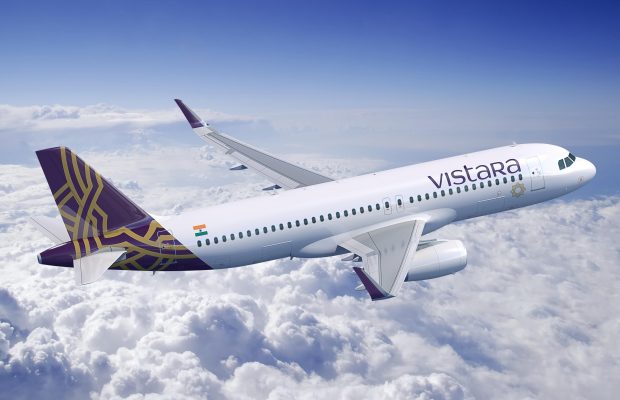
    Singapore Airlines (SIA) and regional subsidiary SilkAir announced today that they have signed an agreement to codeshare on Indian domestic flights operated by Vistara, with effect from today.

    “Under the agreement, SIA will add its ‘SQ’ designator code to Vistara-operated flights beyond Mumbai and New Delhi to 10 destinations within India. SilkAir will add its ‘MI’ designator code to Vistara-operated flights beyond Bengaluru and Kolkata to six destinations within India,”

    SilkAir will add its ‘MI’ designator code to Vistara-operated flights beyond Bengaluru and Kolkata to six destinations within India,” said a release from the airlines.

    The codeshare agreement is Vistara’s first with another airline group, as well as SIA’s and SilkAir’s first with an India-based domestic carrier. As a result of the agreement, four new destinations will be added to the SIA Group’s India network, namely Bhubaneswar, Goa, Guwahati and Port Blair. SIA Group airlines currently serve 15 destinations in India from Singapore, the release added.

    This partnership would also contribute to Vistara’s topline by bringing in passengers on to its network.“As we continuously work towards eventually becoming a globally renowned airline, codeshare partnerships will play a very important role in helping us get closer to realizing that aspiration. Customers booked on any of the classes on Singapore Airlines and SilkAir will find an equally world-class experience when they travel within India, given Vistara’s service and operational excellence,” Phee Teik Yeoh, Chief Executive Officer, Vistara was quoted in the release.

    Members of SIA’s and Vistara’s frequent flyer programmes, KrisFlyer and Club Vistara, will also enjoy additional tier benefits as a result of the new codeshare partnership. PPS Club and KrisFlyer Elite Gold members will enjoy lounge access, increased baggage allowance, and priority baggage handling, check-in and boarding when travelling on Vistara-operated flights. Likewise, Club Vistara Platinum and Gold members will enjoy the same benefits when travelling on SIA- operated flights. PPS Club and KrisFlyer members will also earn Elite miles when travelling on SIA codeshare flights operated by Vistara.

  • Lego Malaysia opens seventh store

    Lego Malaysia opens seventh store

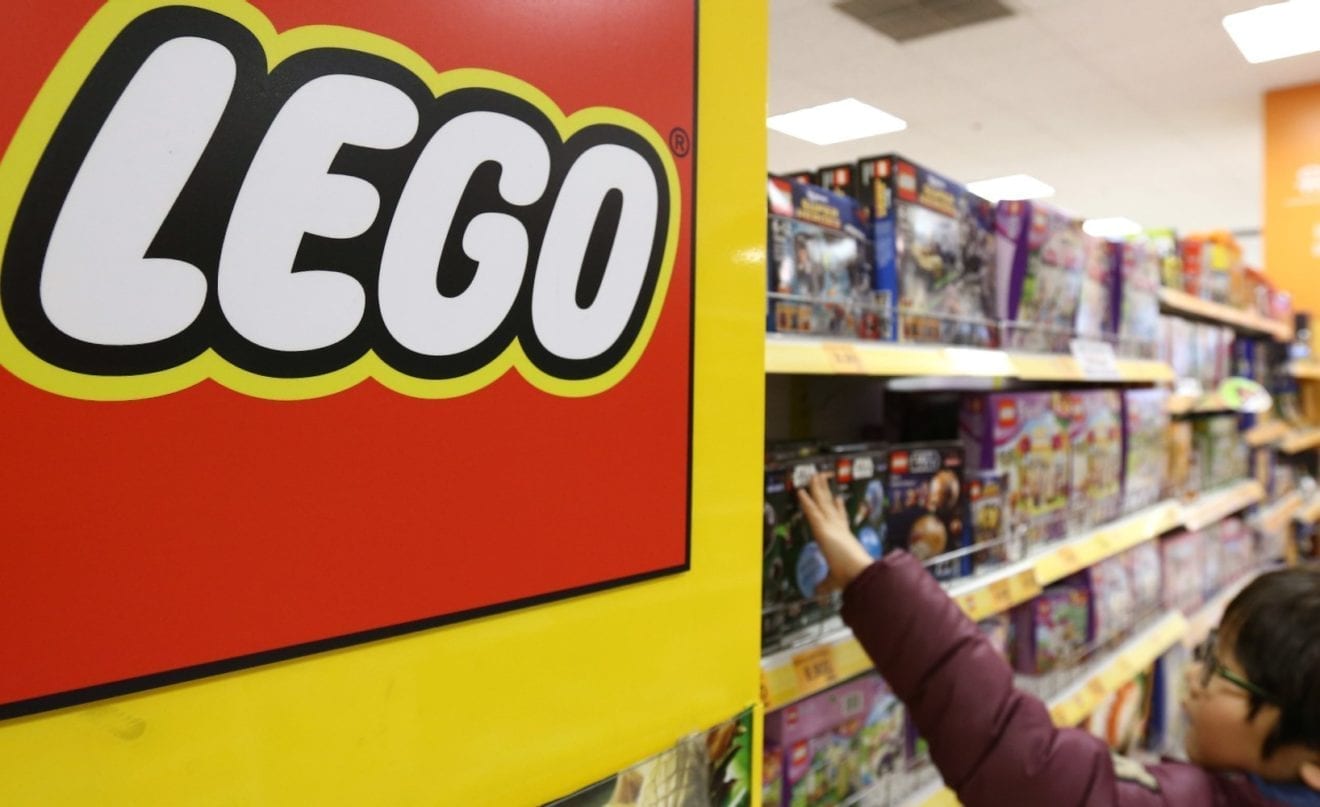
    Lego Malaysia has just opened its seventh store, a flagship on the sixth floor of the Pavilion Elite shopping mall on Jalan Bukit Bintang.

    “Lego has been a global household name for generations, taking creative play to new heights year after year,” said Tan Lian Ann, MD of ALJ Distributors, which owns the Lego store.

    “The brand has and continues to come up with interesting products for all ages.

    “We are thankful to Lego Trading Malaysia and Pavilion Elite for collaborating with us on this latest venture to provide consumers with a new shopping experience. Together, we look forward to continuously bring high-quality Lego Play experiences, not just to children, but also to adult fans and enthusiasts,” said Tan.

    The 279 sqm store aims to provide an interactive and vibrant shopping experience.

    Aside from showcasing innovative displays alongside its products, the store invites visitors to experience Lego Play – from building personalised mini figures to selecting specific bricks from its Pick-A-Brick wall.

    The flagship also offers products normally sold only at LegoShop.com or in Lego stores in the US and Europe.

  • Miniso Singapore plans 20 more stores

    Miniso Singapore plans to open 20 more stores by the end of this year, taking its network in the city to 46.

    In an interview with The New Paper, Miniso Singapore director Alex Zhang said locals were responding well to its eclectic offer of homewares, electronics, bags and household items.

    And he is confident the brick-and-mortar model will continue to serve the brand well, despite growing volumes being sold online.

    “From what we observed, Singaporeans still enjoy the experience of shopping in malls. People here still love seeing the designs and products in person before buying them.”

    Miniso Singapore opened its first store in December 2015 and now has 26 operating across the city. The brand was founded in China, opening its first Japanese store in 2013. Despite its Chinese base – it has 1000 stores trading in the mainland already – it tries to position itself as a Japanese brand, a sort of discount version of Muji. That strategy has attracted criticism in the past.

    Miniso has also opened stores in Hong Kong, Australia, Vietnam, Russia and Turkey.

  • Korea looks elsewhere as Chinese shoppers vanish

    Korea looks elsewhere as Chinese shoppers vanish

    South Korea has stepped up efforts to overhaul its dependence on Chinese shoppers by shifting the focus to other Asian countries.

    The country’s tourism sector – especially the duty-free retail industry – is bearing the brunt of the fallout triggered by the stationing of an advanced US missile defense system in Korea.

    In what appears to be acts of retaliation by Beijing against Seoul’s decision reached in July to host a Terminal High Altitude Area Defense (THAAD) battery, since Wednesday, all package trips from China to South Korea have been banned at the behest of authorities.

    China has vehemently objected to the missile move, saying THAAD’s high-power radar can be used to spy on its own military.

    This week, Chinese airlines have cut back on South Korea-bound flights and Chinese cruises are no longer making stopovers at local ports in popular tourist destinations.

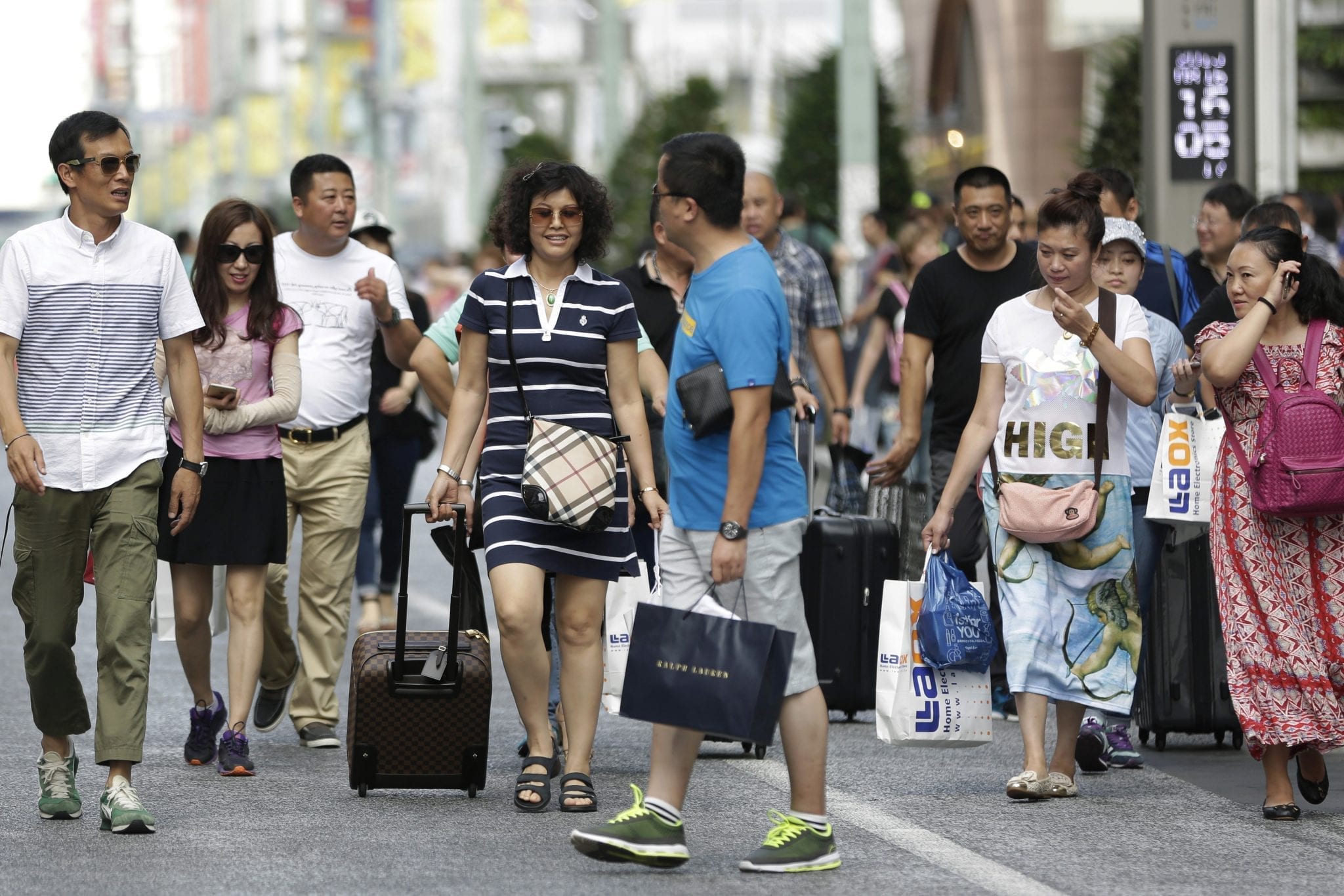
    The slew of restrictions by Beijing has caused concerns among the local tourism and related sectors, such as the duty-free business, as they have heavily depended on Chinese visitors as sources of profit. Not only did they account for half of all foreign travellers last year, but they were big spenders who spent at least US$2000 per person buying things in Korea.

    In an effort to minimise the impact, Korea’s central and provincial governments are pushing to diversify foreign visitors to Southeast Asians and those from the Middle East, where Korean pop stars and TV drama series have gained huge popularity.

    Busan, South Korea’s largest port city, plans to bolster designing various tour programs that target Middle Eastern visitors, who are mostly big fans of Korean dramas, its city government said earlier.

    The city will also work with local businesses to develop medical and cruise tours for visitors from the Middle East, India, Mongolia and Russia.

    North Chungcheong Province, which has Cheongju International Airport, is pushing to increase flights to Taiwan, Vietnam, Russia and Japan.

    Related to such moves to diversify, the culture ministry said Thursday it plans to hold tourism exhibitions in Vietnam and Singapore next month to promote South Korea.

    Aside from state and provincial efforts, local firms, led by duty-free operators, are rushing to diversify their customer bases to tide over current difficulties. Hanwha Galleria, the duty-free unit of Hanwha Group, recently clinched deals with two travel agencies in the Middle East to secure foreign customers.

    It also plans to work with local hospitals to offer medical treatment services for Middle Eastern visitors as part of their tour programs.

    “The purchasing power of Middle Eastern customers on average is 30 per cent higher than people from China. We see (the THAAD issue) as a chance to boost our duty-free business through focusing more on individual tourists and VIP marketing,” Hanwha Galleria said.

  • Metro Retail income reaches P789m

    Metro Retail income reaches P789m

    Cebu-based Metro Retail Stores posted P789 million (US$15.7 million) net income last year, up from P758 million in 2015.

    Net sales for the fourth quarter grew 7.4 per cent to P10.67 billion, reports the retailer, part of the Gaisano Malls group.

    Sales grew steadily during the quarter, says the Visayan retailer, with overall net sales hitting P34.4 billion for the year, up by P2.1 billion.

    During the year the company ramped up its supply chain and logistics modernization program. It inaugurated a warehouse in Cebu, and bought delivery trucks equipped with tracking devices.

    Chairman/CEO Frank Gaisano says the company is looking to sustain this growth trajectory this year, with initiatives in place to boost sales and improve store-by-store profitability.

    The company has a 50-strong store network – 25 supermarkets, 13 hypermarkets and 12 department stores.

  • Hong Kong retailers may benefit from missile row

    Hong Kong retailers may benefit from missile row

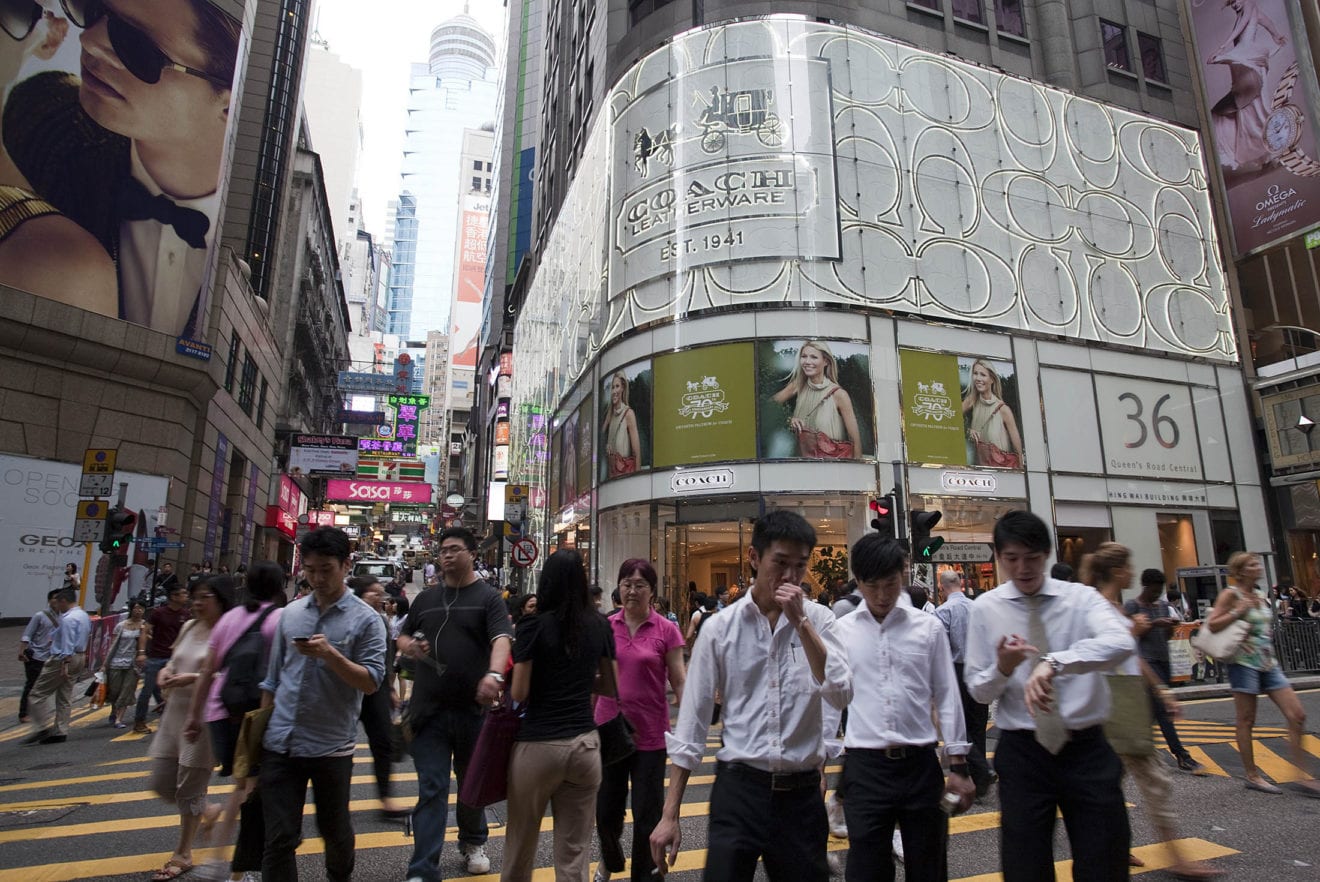
    China’s ban on group tours to South Korea in retaliation against a planned deployment of a missile defence system there could see a revival of tourism to Hong Kong, where retailers have been struggling.

    “South Korea, Southeast Asia and Hong Kong are all short-haul attractions favoured by mainlanders, and if one market faces headwinds there can often be a knock-on effect on the others,” says investment firm CLSA head of Hong Kong consumer research Mariana Kou.

    Beijing last week ordered domestic travel agents to stop offering group tours to South Korea, as well as hotel and flight booking services for individual travellers.

    Although designed to protect against attacks from North Korea, South Korea’s installation of THAAD radar is considered by Beijing as a threat.

    Mainland Chinese visitors to South Korea rose to 8 million last year, almost quadruple the level of 2012. The Korea Tourism Organisation estimates that a 50 per cent drop in mainland tourism would hit the tourism sector to the tune of US$9.6 billion.

    People speaking Chinese were noticeably absent from the shopping district of Myeong-dong in Seoul yesterday, just as the Chinese government’s ban went into effect, reports The Korea Times.

    “I think the number of Chinese tourists has declined almost 70 to 80 per cent,” says an information officer helping foreigners. “There are obviously fewer Chinese tourists here than Japanese visitors these days.”
    Previously, Chinese tourists were crowding shops to buy cosmetics and luxury goods. Now the owners of so-called “road shop brands”, such as Innisfree, Nature Republic and The Face Shop, are struggling to attract custom. Now their workers are speaking Japanese and distributing leaflets and maps in the language.

    Meanwhile, some tourist buses have been taking Chinese groups to the main Lotte Department Store, but tourism officials expect this mark to dry up by the weekend. “Those who came to Korea before the measure have yet to leave,” says one official.

    Experts say the situation could see middle-class shoppers from China’s less affluent cities flock to Hong Kong as an affordable alternative, reports The South China Morning Post.

    Hong Kong Tourism Board data shows that spending by individual travellers has been trending downward. The average overnight visitor to the city spent HK$6602 (US$850) last year, down from HK$7234 in 2015. The board predicts a further 5.2 per cent drop to HK$6256 this year.

  • HCM City start-up launches power management software

    HCM City start-up launches power management software

    The Vietnam High Efficiency Software Corporation (VHES) on Thursday launched its Head End System (HES) software to be used to manage the city’s smart electricity grid.

    The software, which uses Vietnamese-made chips, is intermediate software that VHES developed based on the Integrated Circuit Design Research and Education Center’s research project.

    VHES is the first high-tech start-up developed under the HCM City Integrated Circuit Development Programme.

    Speaking at the launch ceremony, Nguyễn Văn Lý, deputy general director of the HCM City Power Corporation, said the corporation would modernise the city’s grid from now to 2020, including building a smart grid, an automated electrically operating system, and an electrical measurement system with remote data collection.

    Trần Vĩnh Tuyến, deputy chairman of the city’s People’s Committee and head of the steering board of the Integrated Circuit Development Programme, said that smart management would create a safe and stable power supply.

  • Indonesia wants to be world’s fourth-largest ceramics producer

    Indonesia wants to be world’s fourth-largest ceramics producer

    The government aims to fully utilize the national production capacity of ceramics to make Indonesia the fourth-largest ceramics producer worldwide.

    Last year, Indonesia’s ceramics production reached 350 million square meters, or only 60.3 percent of its estimated total capacity of 580 million square meters a year.

    “Hence, we should increase it further. If we can reach 100 percent production capacity, we will be the world’s fourth-largest ceramics producer,” Industry Minister Airlangga Hartarto said on Thursday in a statement.

    Of the total production figure in 2016, about 87 percent were allocated to the domestic market, while the rest was exported to various countries in Asia, Europe and America.

    At that time, Indonesia produced 290 million tableware items, 120 million roof tiles and 5.4 million sanitary wares.

    Airlangga said the country had competitive advantages in the ceramics industry, especially considering its abundant natural resources that could be used for raw materials of ceramics. Moreover, Indonesia’s ceramics consumption is still relatively low compared to its Southeast Asian neighbors.

    “Now, we have to take strategic steps to boost the ceramics industry, by strengthening the industry’s structure, improving the quality of human resources, bringing technological innovations through research and development and developing the infrastructure,” Airlangga went on.

    Hence, the Industry Ministry has proposed to make the ceramics industry one of priorities to get a lower industrial gas price, as it needs a long-term supply of gas so that it can see a production boost in the long run.

  • Vietnam wants a healthy Internet society

    Vietnam wants a healthy Internet society

    The Ministry of Information and Communication urged enterprises to collaborate with the Government in efforts to build a healthy Internet society through advertising only on online channels which comply with established laws.

    Minister Trương Minh Tuấn issued the advice at a meeting on Thursday with major brands, saying that online advertising was an inevitable trend but also implied risks, especially inadequate attention to control the appearance of advertising.

    The call came several days after advertisements by some major brands accidentally appeared in clips containing pornographic, slanderous or anti-government content on YouTube, the world’s largest online video site.

    “It is really worrying, as it badly affects the prestige of brands,” Tuấn said as quoted by online newspaper vnexpress.net.

    Tuấn said that this was not only a problem for the advertising industry of Vietnam, but also for the global industry.

    What was more alarming was that running advertisements on clips with questionable content could help owners of these accounts earn money, which indirectly encouraged them to unload more, a representative from Qnet said.

    Nguyễn Thanh Lâm, Director of the Authority of Broadcasting and Electronic Information, cited statistics that as of Thursday, there were 15 accounts uploading 8,000 clips with immoral content, and attracting nearly 1 million subscribers. Those clips boasted a combined 500 million views.

    Lâm said that the department was working with Google, which owns YouTube, to remove such clips, and to date, only 42 had been removed.

    At Thursday’s meeting, all major brands including Vinamilk, Ford Việt Nam, VinHome, Sungroup and Unilever Việt Nam, said that they had stopped advertising on YouTube after receiving the Ministry of Information and Communication’s request.

    They also said that they would not resume advertising until ad agencies developed comprehensive solutions to ensure compliance with the established laws.

    “Through our advertising agents, we have asked Google and YouTube to ensure a safe advertising environment so as to protect businesses’ brands,” a representative from the dairy giant Vinamilk said.

    Ad agencies said that when signing contracts with Google to run advertisements for their partners on YouTube, they selected the appearance of ads through key words and categories of clips, adding that the cooperation of Google was necessary in filtering and preventing the appearance of ads in toxic clips.

    Online newspaper vneconomy.vn reported that Google had sent an official response late on Thursday, saying that YouTube had clear policies for governmental requests for content removal.

    A YouTube spokesperson also said that the company did not comment on specific cases, but it will continue working with the Government of Việt Nam and was always willing to receive questions or concerns from the Government, according to the newspaper.

    The ministry called for enterprises to participate in an action programme which includes saying no to advertising on immoral clips, only running advertisements on channels which comply with Vietnamese law, building a healthy Internet society and protecting copyright.

  • Cebu Pacific opens Bacolod-CDO flights

    Cebu Pacific opens Bacolod-CDO flights

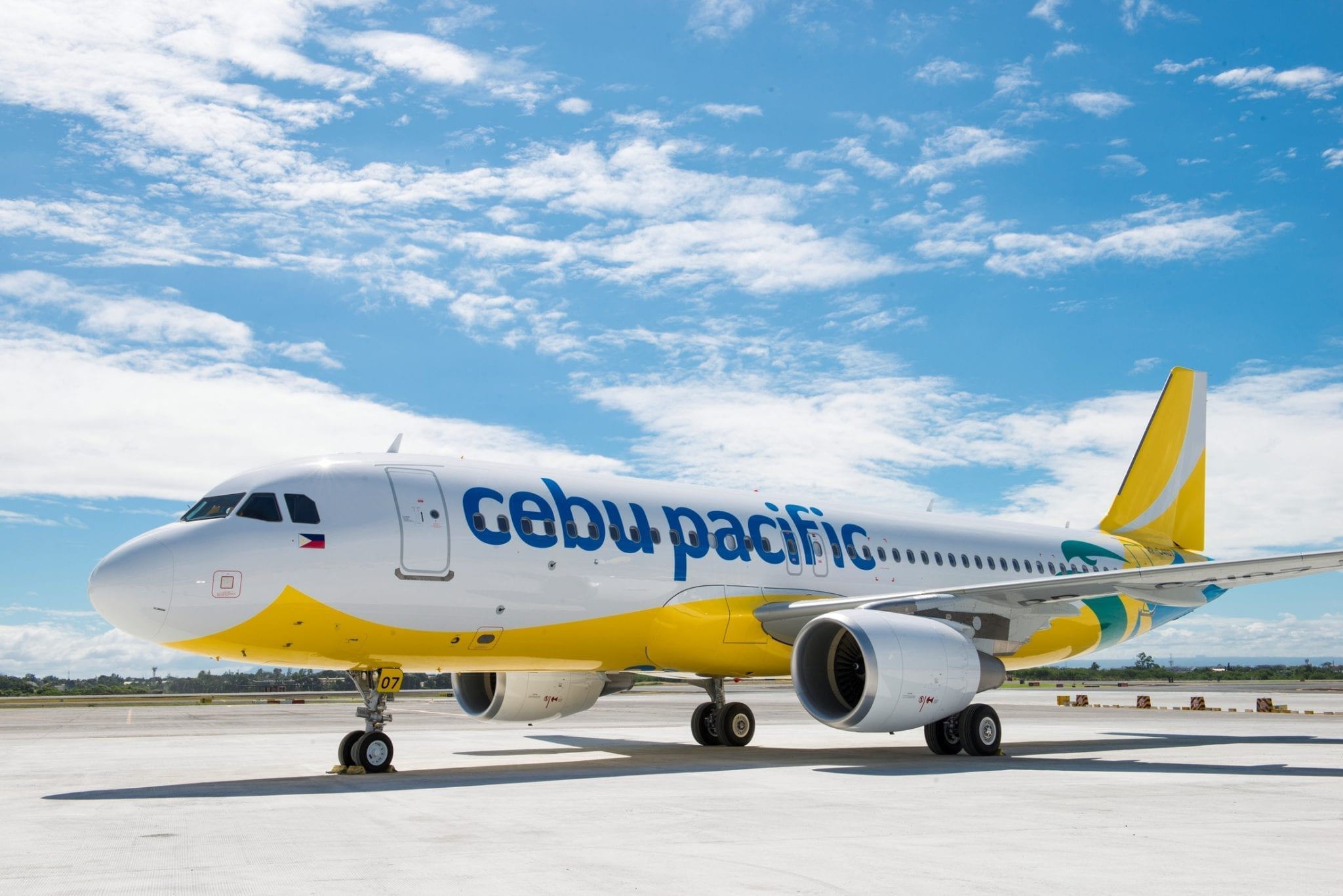
    CEBU Pacific (CEB) has expanded its inter-regional route network by opening its Bacolod and Cagayan de Oro (CDO) flights, one of the two new routes that will further connect the Visayas and Northern Mindanao. On March 15, the airline opened the Bacolod-CDO route with three flights every week specifically on Tuesday, Thursday, and Saturday.

    The other route is between CDO and Tagbilaran City, with four flight schedules weekly during Monday, Wednesday, Friday and Sunday. Both new routes will use the airline’s ATR aircraft. Alexander Lao, president and CEO of Cebgo, said these new routes will not only boost tourism, but also increase trade and productivity between Visayas and Mindanao.

    Lao said they are also optimistic that this will encourage a number of tourists and businessmen from Tagbilaran and Bacolod to visit Mindanao more often with direct flights. “We are very thrilled to begin flying to and from these destinations,” he said, adding that movement of goods between these islands will also be facilitated as Cebu Pacific cargo services are also available in these routes. The airline company, in a press statement, said the new routes going to and from CDO also provide travelers with the best connectivity option through direct flights that eliminates the need to pass through Manila or Cebu. Cebu Pacific offers its lowest all-in one way year-round fares of P1,806 and P1,235 from CDO to Bacolod and Tagbilaran, respectively, it added.

  • AirAsia plans to go fully cashless; stresses on digitisation

    AirAsia plans to go fully cashless; stresses on digitisation

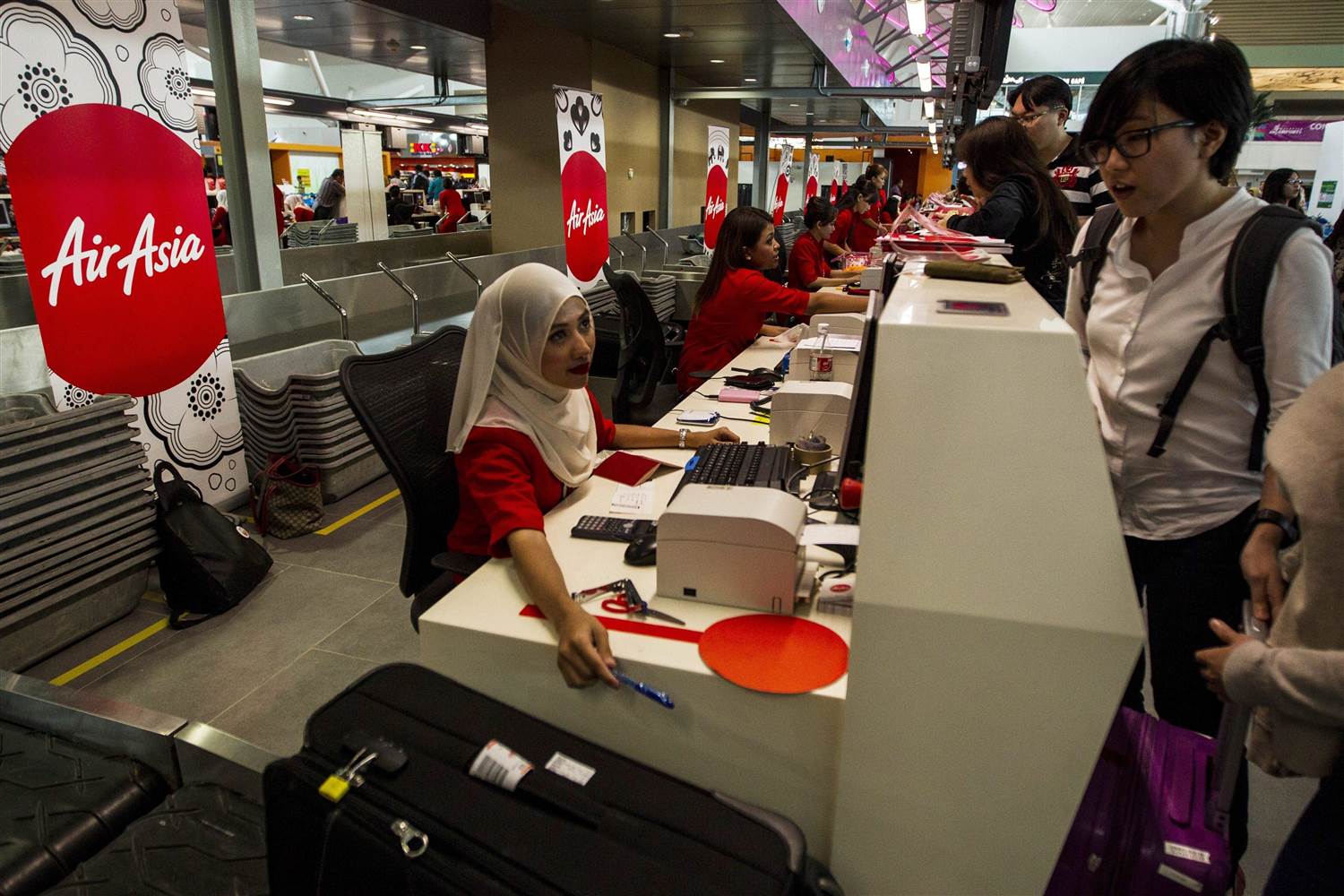
    “I think cash is old fashioned,” said AirAsia Group CEO Tony Fernandes, as he introduced plans of making all in-flight purchases on AirAsia flights cashless.

    From demonetisation to flights, going cashless seems to be the norm. Notably, airlines in the United States started going cashless for in-flight transactions as early as 2009. Even in India, airlines offer customers the option of paying for purchases using cards.

    “I would like all our in-flight sales to be electronic,” Fernandes elaborated. “So you can just use your mobile phone to pay for food, WiFi, etc.”

    He said that AirAsia hopes to launch this service by April-May and that this exercise is a part of digitising the airline. “All our cabin crew will have a mobile phone. When you go on to an Air Asia plane, they will know you,” he added, giving examples of the digitising that the carrier aims to embrace.

    “Transacting in different currencies on international flights can get cumbersome, making it harder for the customer,” Nikunj Shanti, Chief Data Officer, Group Digital, AirAsia, told. “What we are trying to do is make it faster and easier.”

    “This could also give us better information in terms of stock control, etc, so that we are stocking the right goods on the plane,” Shanti said. “Right now, it’s all manual. If we get this information digitally, we can apply learning algorithms and classification algorithms and put better products on the plane.”

    “This digital revolution is a chance for ASEAN and AirAsia to move up the economic value chain,” Fernandes said, clarifying that he doesn’t think the digitising will lead to loss of jobs. “We are already training our sales agents and guest services to become more knowledge-based. We are already anticipating that.”

    Social media platforms

    AirAsia is also personalising its website. “That’s step one. By next month, when you log-on, we will know about you, where you flew, etc,” Fernandes said. Purchasing of tickets from social media platforms is another aspect.

    “Three per cent of our sales come from Facebook. You can buy tickets from Line, WeChat,” he added.

    Hackathon event

    Airvolution 2017, a hackathon for participants from across the Asia-Pacific region, was organised by AirAsia at their headquarters in Kuala Lumpur. This was the first such event organised by the carrier, which also tied into its aim of becoming a digital airline.

    The event saw participation from 20 teams from Singapore, Australia, Malaysia, Hong Kong, Thailand, the Philippines, Sri Lanka, Indonesia, Australia and four teams from India.

    The 18-hour hackathon involved giving the teams a problem statement on how they will profile AirAsia customers based on their digital social footprints to improve their experience.

  • NetSol to Deploy Mobile Origination/Approval for Indonesian Company

    NetSol to Deploy Mobile Origination/Approval for Indonesian Company

    NetSol Technologies signed an agreement for its mobile origination (point of sale) system with PT Mizuho Balimor Finance (MBF) in Indonesia.

    NetSol was named MBF’s preferred vendor in the region. The contract includes product license, a five-year maintenance agreement and agreed customizations rates for both applications.

    MBF is an Indonesian multi-finance companies specializing in the auto financing domain.

    The application being deployed will be used by field teams (salesman/dealers) to initiate credit applications and provide quick approval and turnaround to customers seeking finance and lease products from MBF.

    “Our solution will increase operational efficiencies for PT. Mizuho Balimor Finance and bring concrete results in terms of costs and reduced contract conversion times. Mizuho Balimor is a pioneering company which turned towards the latest, next-generation technologies for future growth and progression. We are glad to work with them and implement our ground-breaking solution,” said Najeeb Ghauri, founder, chairman and CEO of NetSol Technologies. “We look forward to further creating business value for them and fostering this relationship in the coming years.”

    NetSol Technologies is a worldwide provider of IT and enterprise software solutions primarily serving the global leasing and financing industry.

  • Lowest growth in decade for China retail sales

    Lowest growth in decade for China retail sales

    For the first time in 11 years, China retail sales growth has slipped below 10 per cent.

    With market expectations of a 10.6 per cent rise, official data shows sales for the first two months this year increased by only 9.5 per cent.

    The National Bureau of Statistics (NBS) attributes the slower growth to cooling auto sales, which fell 1 per cent from a year earlier after purchase tax for small cars was increased from 5 to 7.5 per cent this year. With the auto sales factor deducted, China’s retail sales expanded 10.2 per cent during the period, flat compared with the increase in the same two months last year.

    Consumer goods retail sales totalled 5.8 trillion yuan (US$840 billion) during the period, NBS data shows.
    There was strong consumption potential in rural areas, with retail sales expanding 11.8 per cent during the period, outpacing urban regions where sales were 9.2 per cent up.

    However, online sales continued growing strongly, surging 31.9 per cent in the two months to 858 billion yuan.
    As a main driver of economic growth, consumption contributed to 64.6 per cent of China’s GDP growth last year.