Category: General

Retail News Asia is committed to providing both local and global retailers with the latest General Retail news throughout the Asian market. This on a daily base.

  • Sriwijaya Air Opens Direct Flight to Eastern Indonesia

    Sriwijaya Air Opens Direct Flight to Eastern Indonesia

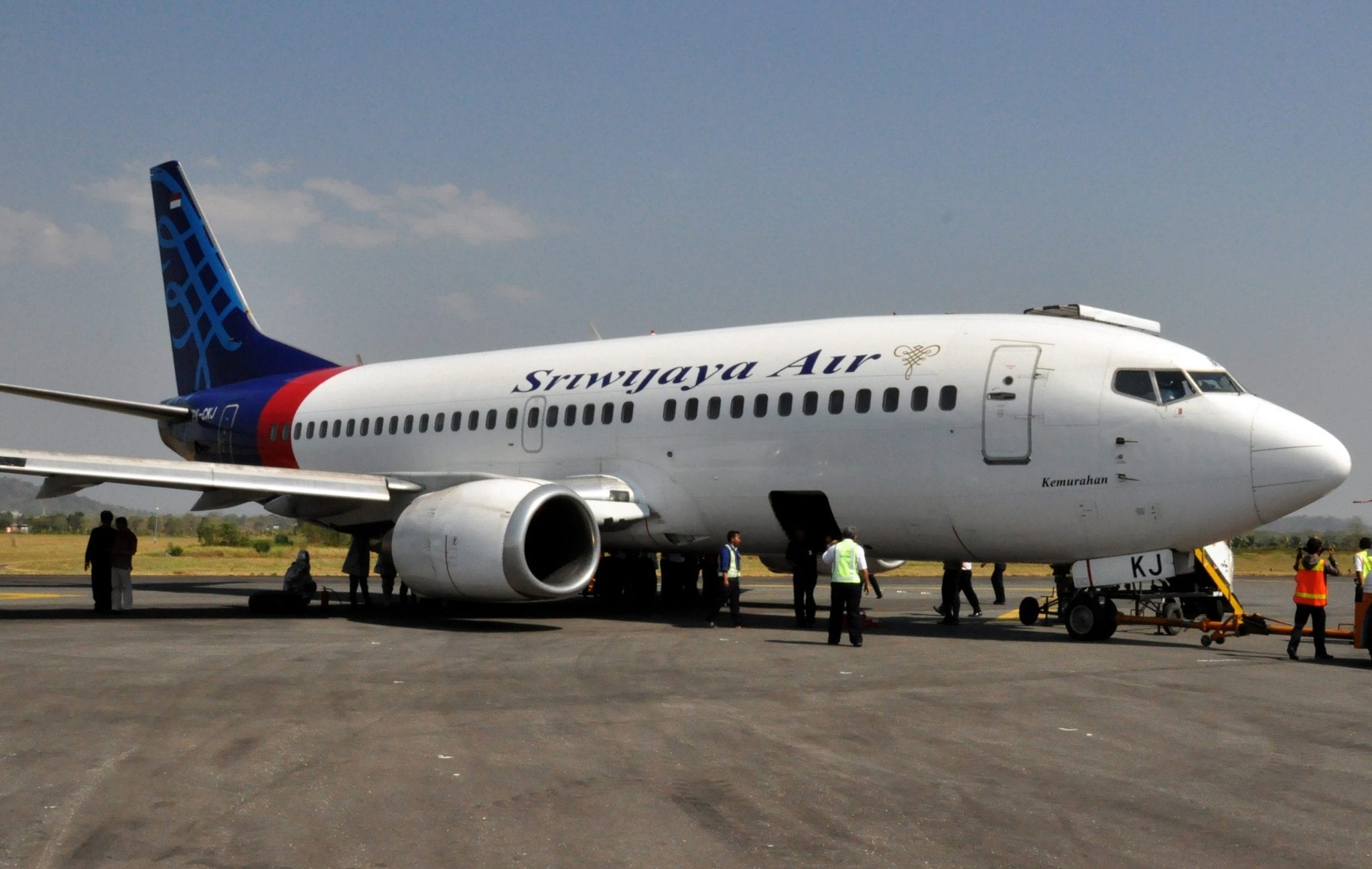
    Sriwijaya Air this year expands its market share to eastern Indonesia by opening a direct flight from Surabaya to Jayapura in Papua. Sriwijaya Air commercial director Toto Nursatyo said that eastern regions of Indonesia have a huge potential even more so because the government has planned to step up development in the regions.

    He added that Sriwijaya also pointed to a trend in Indonesia’s aviation industry which has grown 15 percent in the past few years, way above other countries with less than 5 percent growth. The airline plans to serve 4 flights a week in Surabaya-Jayapura route with a load factor target of 85 percent. The ticket for a flight will cost starting from Rp1.4 million.

  • Thai airports feel impact of reduced ‘illegal’ Chinese tours

    Thai airports feel impact of reduced ‘illegal’ Chinese tours

    According to the Airports of Thailand (AOT) the country’s aviation industry performance only improved ‘slightly’ between October-December 2016 (Q1 FY2017), due to a reduced number of Chinese tourists visiting through ‘illegal tours’.

    During the period, concession revenue grew by just +2.68% year-on-year to Baht 3,302.71m (US$94m).

    “After the repressive measures against illegal tours by the cooperation between the Thai government and the Chinese government, Chinese tourists reduced consequently,” said the airports operator.

    “Therefore, tourism industry didn’t grow as fast this quarter because the Chinese are the largest group of foreign tourists visiting Thailand.”

    GROWTH OF MIDDLE-INCOME PASSENGERS

    However, ‘a more stable domestic political situation’, the government’s domestic and international tourism stimulus policies, and the rapid expansion of low cost airlines, increased new demand for air travel for middle-income groups, says AOT.


    The effects of the aforementioned ‘repressive measures’ were also compensated by increases in other foreign travellers, especially Russian and European passengers.

    “The consequence of the repressive measures against illegal tours by the government is expected to affect the volume of Chinese tourists for a short period of time,” adds AOT.

    The total number of passengers served by Thai airports reached 30.69m in the October-December 2016 period; a 6.11% increase compared to the same period last year. International traffic made up the majority of total traffic at 16.52m international passengers.

    Net profit for the three-month period ended 31 December, 2016 reached Baht 5,084.22m (US$145m), up +9.91% compared to the same period last year.

    INCREASE SALES OR SERVICES REVENUES

    Revenues from sales or services increased by Baht 798.77m or 6.76% as a result of an increase in aeronautical revenue of Baht 254.32m or 3.72% and non-aeronautical revenue of Baht 544.45m or 10.93% because of an increased number of flights and passengers.

    Non-aeronautical revenue of Baht 5,526.73m increased by Baht 544.45m or 10.93% comparing to the same period last year due to an increase in service revenues of 31.02% attributed to advance check in costs to passengers.

    “This was because AOT installed Advance Passenger Processing System (APPS)on 1 December, 2015.

  • BetaSmartz automated investment opens Hong Kong office

    BetaSmartz automated investment opens Hong Kong office

    BetaSmartz, the B2B automated investment platform for all sizes of investors, from institutional to retail, today announced it had opened offices in Hong Kong.

    BetaSmartz offers ‘hybrid ‘ digital investment or ‘robo’ advice that combines automated and face-to-face financial advice. Newly appointed Managing Director Asia, Zak Allom, said this model had been well received since its launch in 2015, with several clients now live including two in the U.S.“Robo has been a big buzzword, but for the most part the actual delivery hasn’t been different from the automated financial planning software we’ve been used to since the 90s,” he said. “BetaSmartz is much more than a sexy front end with limited, prescriptive ETF portfolios behind it. Every BetaSmartz investor’s plan is uniquely customised using artificial intelligence, deep data and machine learning. We work with individuals and their advisers, giving clients of every size access to advice and products that were previously only available to ultra-high net worth and institutions.”
    BetaSmartz will run sales and service from the Hong Kong office, complementing its headquarters in Singapore. The new office will help companies seeking sophisticated robo-advice solutions to launch or extend their businesses in Asia.

    “Asia is the most exciting market globally for us,” said BetaSmartz founder John James. “Accessing sound financial advice here can be challenging if you have less than a million US dollars. Our digital advice platform levels the playing field and enables banks and wealth managers to maintain their roles as the key relationship holder in delivering advice across their whole client base.”

    BetaSmartz technology, based on six decades of Nobel prize-winning research and industry expertise, utilises a product agnostic approach to create portfolios that equal the performance and sophistication of those in use at global fund managers. The open-architecture, cloud-based platform is flexible, scalable and efficient enough to suit institutions, adviser groups, pension funds and individual retail investors.

    Mr James said BetaSmartz aimed to be the global provider of choice for those looking for a white-labelled digital advice solution. “By applying institutional-grade techniques to a flexible technology platform, we’re democratising quality advice and opening access to top tier investment solutions to meet the demands of Asia’s growing middle class.

    “It’s a solution to the buy-vs-build conundrum for large institutions, and enables smaller ones to offer world-class technology to clients under their own brand,” he said. “It’s very well suited to banks, who can offer a much wider and more tailored range of portfolios to customers at a lower cost. Fund managers can provide their own model portfolio delivery and use BetaSmartz as an alternative distribution channel.”

  • Tourists give local businesses a big boost

    Tourists give local businesses a big boost

    Tourism spending was a silver lining for the struggling retail industry last year. Tourists spent $4.3 billion on shopping between January and September. That is nearly 50 per cent more than in the same period in 2015, according to figures released yesterday by the Singapore Tourism Board (STB).

    And local businesses are benefiting. These visitors are turning to “mass market” goods such as confectionery, gifts and souvenirs, and fashion and accessories, as opposed to globally available luxury items, STB said.

    One shop that has been pulling in the crowds is local souvenir shop Supermama.

    “Souvenir” brings to mind run- of-the mill keychains and magnets, but the shop, which opened in 2011, sells nothing of that sort.

    Instead, stocked at its four outlets are Singapore-themed porcelain items, with designs such as the HDB corridor and tembusu tree.

    Founder Lee Meiling said today’s savvier tourists avoid the “usually tacky souvenirs created to get a quick buck from the tourist”.

    “The visuals are designed by local Singapore designers telling very local aspects of the Singapore culture and lifestyle,”she said.

    Some items come with a write-up on the Singapore icons they feature. Tourist sales make up between 20 per cent and 35 per cent of sales, an increase from the 15 per cent two years ago, added Ms Lee.

    Explaining visitors’ interest in home-grown brands, deputy chief executive of STB Melissa Ow said during a press briefing yesterday: “People want to have some affinity with the destination, so something that is going to be intrinsic and unique, and speaks to the attributes of the destination will, I think, continue to have a lot of value among our visitors.”

    Another retail store, Megafash, which carries more than 600 independent local brands, has also gained traction among tourists, which comes as a bit of a surprise to the company, as it did not target this group.

    Items sold by the outfit include plates that are designed with recipes for local dishes such as nasi lemak, “rainbow agar agar” doorstops, and T-shirts with Singlish phrases.

    Several of its six stores are near tourist areas. The outlet in Tanjong Pagar shopping mall 100AM, for example, is next to a hotel.

    The Farm Store – which sells items such as chilli-crab aprons and supplies these items to other shops, including Megafash, Naiise and Tangs at Tangs Plaza – has seen a 30 per cent year-on-year increase in tourists looking for “uniquely Singapore” souvenirs.

    Head of retail and marketing at Singapore Polytechnic’s business school Amos Tan said such Singapore brands tend to do well because consumers are looking for novelty.

    “Consumers today, they have been there, done that, travelled all over, and seen the global brands elsewhere. So they look for something that is truly Singaporean, and these shops offer them.”
  • Construction of Kertajati Airport reaches 64.2%

    Construction of Kertajati Airport reaches 64.2%

    Kertajati Airports construction project in Majalengka, West Java, comprising access, drainage, interchange ramp, and parking lots has reached 64.2% on Jan 29, PT. Bandarudara Internasional Jawa Barat Director Virda Dimas Ekaputra stated.

    The construction of the Kertajati Airport comprises three working packages, Ekaputra noted.

    Package 2 encompasses the construction of the main passenger terminal building in cooperation with PT. Wijaya Karya and PT. PP, with a contract value of Rp1.39 trillion.

    Meanwhile, Package 3 comprises the construction of facilities for supporting operations, such as a cargo terminal and regional electrical connection by PT. Waskita, with a contract value of Rp416 billion.

    “The work on Package 2 has reached 19.94%, while that on Package 3 has reached 35%,” Ekaputra stated.

    Hence, he noted that the overall progress of the Kertajati airports construction project has reached 30% on February 5, 2017.

    Ekaputra pointed out that the cost for Phase 1 reaches Rp2.1 trillion of the total development investment of Rp4.5 trillion.

    He expressed optimism that the infrastructure work would be completed on July 3, 2017; the building to support operations on August 8, 2017; and the terminal building on December 6, 2017; while the initial operations will begin in January 2018 and full operations in March 2018.

  • Indonesia Uses Big Data Digital Technology To Boost Tourism Performance

    Indonesia Uses Big Data Digital Technology To Boost Tourism Performance

    Indonesia is now using big data Mobile Positioning Data (MPD) digital system in a bid to boost up performance of the nation’s core business sector, tourism, China’s Xinhua news agency reported.

    The MPD to support the tourism activities is operated by Indonesia’s central statistic agency of BPS by detecting the cellular phones used by visitors entering Indonesian territory from several gates, including from land borders with neighboring countries.

    Besides in big cities’ airports, the system is also applied in 19 regencies and 46 subdistricts which host Indonesia’s border areas to neighboring countries as well.

    The MPD digital system have been operated since October last year and is scheduled to serve until 2019.

    Indonesian marketing guru from University of Indonesia (UI) Rhenald Kasali said that option to ultimately use the MDP digital system is a correct move to respond the ongoing digital lifestyle adhered by people globally with smart phone.

    “The official data provided by the BPS would not only be useful in analyzing tour markets and outlining policies in the sector. The data is also essential for those indulging in tourism business to expand their businesses,” Kasali said.

    The tourism ministry would breaking the data down into more specific information about the visitors, including their length of stay, frequency of their visits, spending and even their tour activity preferences during their holiday in Indonesia.

    Head of ASITA (Association of Indonesian Tours & Travel Agencies) Asnawi Bahar said that with processed information resulted from data, travel agents and hotels would be able to prepare resources and proper accommodations for the visitors.

    “It would be very useful for us as we can digitally learn plans of the visitors’ movements since their departures,” Bahar said recently.

    He added that most of foreign visitors have now booked their travel packages in Indonesia through digital applications in advance, including the payments, through their gadgets.

    Indonesia has been taking herculean efforts to develop its tourism sector, replacing the previous oil and gas, coal and palm oil sectors.

    The current government expects to see 20 million foreign visitors with earnings gained from the sector at over US$24 billion the time its service term ends in 2019.

  • Cebu Pacific adds new aircraft

    Cebu Pacific adds new aircraft

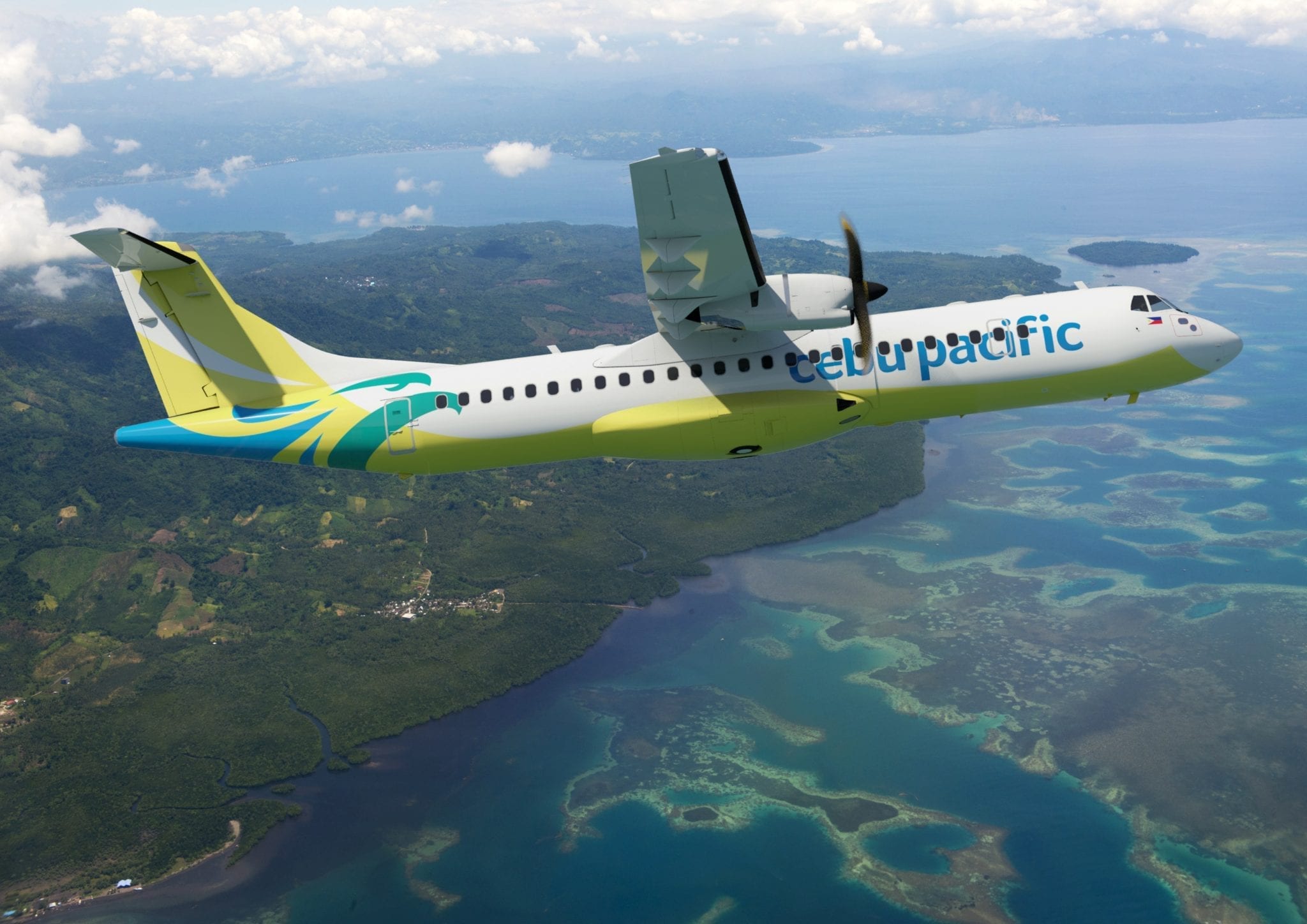
    Cebu Pacific Air (CEB), through its wholly-owned subsidiary, Cebgo, recently accepted delivery of its third ATR 72-600 High Capacity aircraft. This is the first ATR 72-600 delivered for this year, bringing the airline’s total fleet to 58.

    The carrier also chose the lightest aircraft seats in the world, Expliseat, for all 16 aircraft, two of which are already being utilised by CEB. The titanium seat, which is a technological breakthrough registered under 16 patents, made of ultralight materials such as titanium and carbon composite resources, is expected to help decrease fuel burn while allowing the carriage of more guests and cargo on board.

    The brand-new ATR 72-600 will be utilised for the two new routes CEB will be launching on February 15: Manila to Masbate and Manila to Tablas. “We are glad to take delivery of another brand-new ATR 72-600, especially since this is the first to have the titanium seats from Expliseat installed. This aircraft therefore combines reduced seat costs while optimising comfort for passengers,” said Alexander Lao, president and CEO of Cebgo.

    Today, CEB operates one of the youngest and most modern aircraft fleets in the world with an average age of 4.92 years.  This new ATR 72-600 will be used to support CEB’s expansion plans in the archipelago, now servicing 37 domestic destinations flying out of six strategically-placed hubs in Manila, Cebu, Clark, Iloilo, Kalibo, and Davao. CEB also offers flights to 29 international destinations, covering an extensive network that spans Asia, Australia, the Middle East, and US.
    CEB now operates a 58-strong fleet comprising four Airbus A319, 36 Airbus A320, seven Airbus A330, eight ATR 72-500, and three ATR 72-600 aircraft. Between 2017 and 2021, CEB expects delivery of one more brand-new Airbus A330, 32 Airbus A321neo, and 13 ATR 72-600 aircraft.

  • Vietjet to launch Danang-Seoul route and offer promotion for Valentine’s Day

    Vietjet to launch Danang-Seoul route and offer promotion for Valentine’s Day

    Vietjet is to open its new international route from the central Vietnamese city of Danang to Seoul (Korea) in a bid to meet the increasing travel demand of tourists, businessmen and individuals between the two tourism-attraction cities. The new route will take off on May 31, 2017 with the flight time per leg of 4 hours 30 minutes. 

    The Danang-Seoul route will be operated on a daily basis. The flight from Danang departs at 23:45 (local time) and arrives in Seoul at 6:00 (local time). The return flight takes off at 7:00 (local time) and lands at 9:40 in Danang.

    In celebration of the new route and on the occasion of Valentine’s Day, the airline will run a three-day promotion offering 500,000 air tickets priced from only HK$8 from February 14 to 16, 2017 at www.vietjetair.com. The promotion applies for all international routes from Ho Chi Minh City, Hanoi, Hai Phong and Danang to Seoul, Busan (Korea), Hong Kong, Kaohsiung, Taipei, Taichung, Tainan (Taiwan), Singapore, Bangkok (Thailand), Kuala Lumpur (Malaysia), Yangon (Myanmar) and Siem Reap (Cambodia) from March 1, 2017 to December 12, 2017 (excluding national holidays). As for the Danang-Seoul route, the promotion is available from May 31, 2017 to December 31, 2017.

    Following the international routes from Seoul to Ho Chi Minh City, Hanoi and Hai Phong, Danang is Vietnam’s 4th destination to be connected with Korea’s famous capital of Seoul, marking the 5th route to be operated by Vietjet between Vietnam and Korea. Vietjet also plans to expand its international network in 2017, looking to boost the regional trade and integration.

    Danang, a port city, is Vietnam’s third largest city and is the main commercial and tourism centre of central Vietnam. The city is well known for its clean environment, beautiful beaches, and good public services. It is often referred to as the most livable city in Vietnam and is one of the fastest growing cities in Vietnam. 

    Seoul is ranked as one of the world’s top favorite cities including New York and Tokyo to name a few. Despite its modernization, the Korean capital is still famous for is typical Korean culture, convenient transportation system, extremely rich food culture together with developed entertainment and shopping industry, making it also one of the world’s top favorite cities.

  • Garuda Indonesia’s Subsidiary to Launch IPO

    Garuda Indonesia’s Subsidiary to Launch IPO

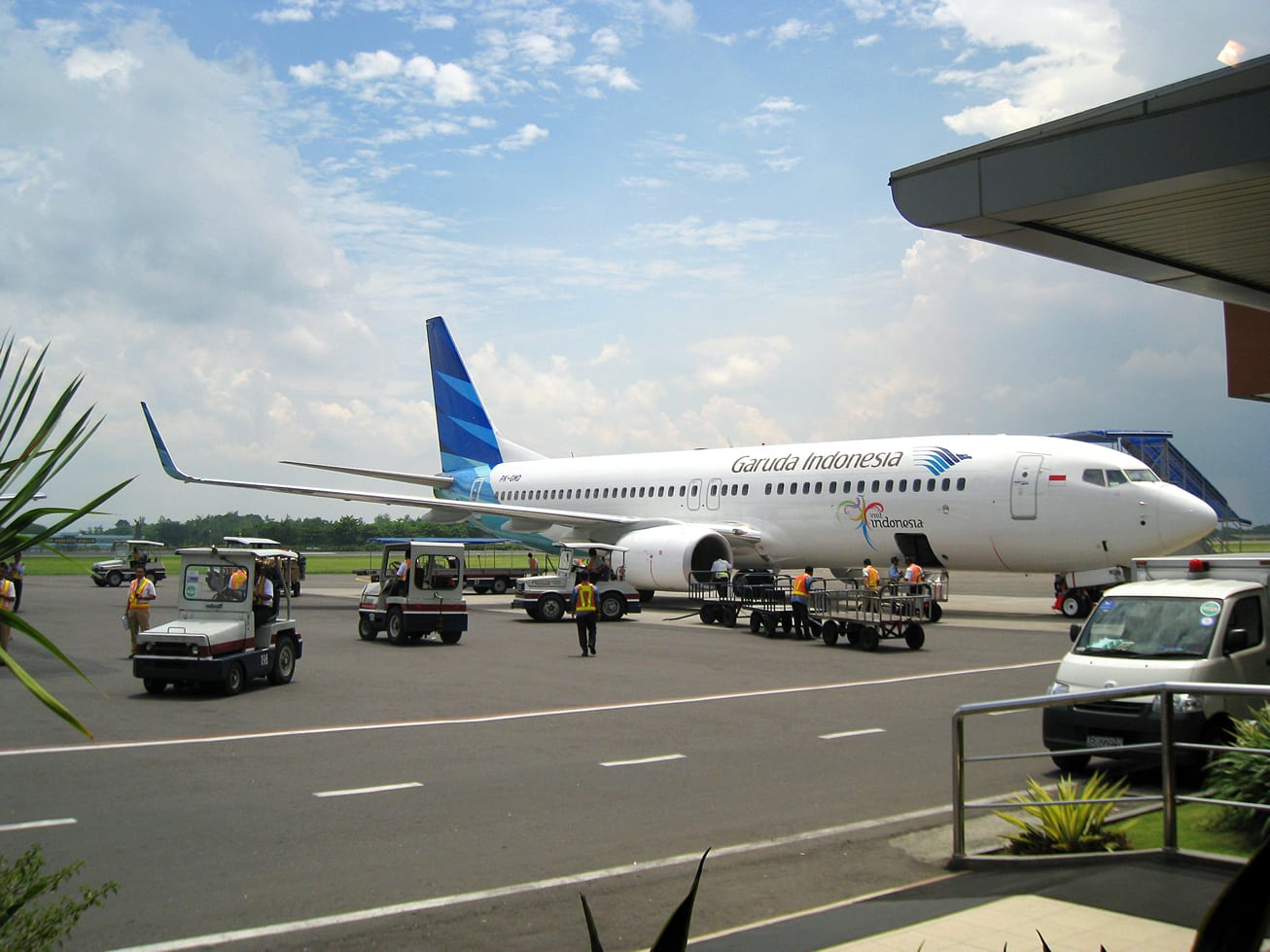
    PT Garuda Indonesia is pushing PT Garuda Maintenance Facility (GMF) AeroAsia, one of its subsidiaries, to release some of its shares to the public through the Initial Public Offering (IPO) scheme.
    “As shareholders, we aspire to strengthen the subsidiary’s capital, and one of the efforts is through the IPO,” CEO of Garuda Indonesia Arif Wibowo stated in Jakarta, Monday.

    He further stated that GMF AeroAsia, which operates in the field of integrated aircraft maintenance and repair services, holds huge business potential, as it has a strong capital already. “It is currently one of the biggest Maintenance and Overhaul companies in Asia, especially in South-East Asia,” he noted.

    He estimated that a total 20 percent of the company’s shares will be released to the public, and it is hoped to materialize this year, as it will contribute to the Indonesian economy.

    “We hope that the IPO would take place in 2017 and next year, as it would be the best milestone for our economy,” he remarked. In terms of non-organic aspects, the company can grow even faster if several measures are taken, including undertaking joint ventures or acquiring some repair stations locally or globally.

    “By releasing 20 percent of its shares, GMF AeroAsia will already be able to grow non-organically, while organic growth will depend on the entire advancement of Garuda Indonesia.” He also pointed out that PT Garuda Indonesia will add nine more aircraft this year, which will support not only operational activities but also its other subsidiary company, Citilink.

    “Five Airbus 320 aircraft will be added to further advance Citilik, which is hoped to boost its domination in the domestic market, especially in the middle- to lower-class segment. A Boeing 737 MAX and three ATR aircraft will also be added to the fleet.”

  • Japan Airlines to launch NYC-Tokyo Haneda flights

    Japan Airlines to launch NYC-Tokyo Haneda flights

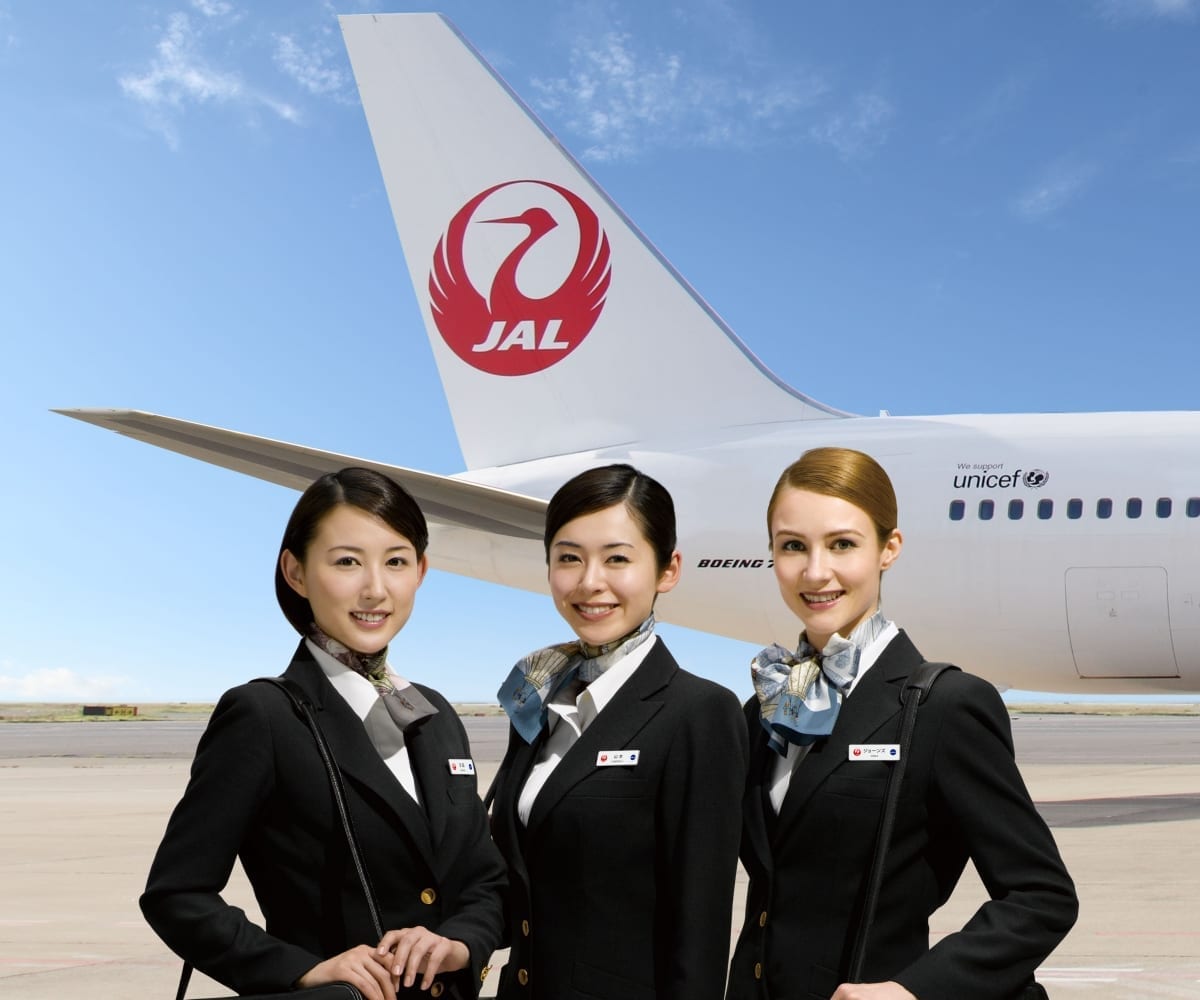
    Japan Airlines will add nonstop service between New York JFK and Tokyo’s close-to-downtown Haneda Airport, the carrier announced Thursday.

    The new route – which will be in addition to JAL’s existing service between JFK and Tokyo’s more-distant Narita airport – will launch April 1. The airline will fly one daily round-trip flight on the route using Boeing 777-300ER aircraft.

    Narita is Tokyo’s primary international gateway while Haneda’s route map is more heavily tilted toward regional flights. For many travelers, Haneda is the preferred Tokyo airport because of its proximity to the city.

    JAL was able to add the route at slot-controlled Haneda airport by freeing up slots from another route. To make that happen, JAL’s Honolulu-Haneda route will be shifted to Narita, according to the airline.

    Meanwhile, JAL also said it would expand capacity on its existing flights between New York JFK and Tokyo Narita. The airline will do that by switching to 244-seat Boeing 777-300ER aircraft, providing an 83-seat boost from the 161-seat Boeing 787-8 “Dreamliner” the carrier currently flies on the route.

    The switch to the 777-300ER also will allow JAL to offer a first-class product between JFK and Narita. The airline’s 777-300ERs seat eight in first class, 49 in business class, 40 in premium economy and 147 in standard coach. JAL’s 787-8s are configured with 38 business class seats, but they do not have a first-class cabin. The 787-8s also seat 35 in premium economy and 88 in standard coach.

  • We’ll Only Shop For Groceries in This Hello Kitty Supermarket From Now On

    We’ll Only Shop For Groceries in This Hello Kitty Supermarket From Now On

    A Hong Kong supermarket is turning grocery shopping into an unbearably adorable experience with its Hello Kitty pop-up. The delightful shop will be officially open for business — operating within Sai Wan’s Yata Supermarket — from Feb. 12 to May 31.The pop-up offers desserts, dry grocery items, home decor products, and general merchandise all inspired by the beloved Sanrio character.

    In addition, all of the shopping bags and carts will reflect the same theme, turning it into a truly immersive experience. Preview pictures reveal that the limited-edition popcorn and light-up cotton candy are hot commodities. It can also be expected that Hello Kitty herself will be stopping by the store from time to time.According to the South China Morning Post, the pop-up could be an attempt to boost Hong Kong’s struggling retail sector.

    We have a feeling the Instagram-ready supermarket will certainly be a step in the right direction.

  • P&G pilots program for ‘sari-sari’ stores

    P&G pilots program for ‘sari-sari’ stores

    Consumer goods giant Procter & Gamble (P&G) has inked an agreement with the Department of Trade and Industry (DTI) to pilot a micro-entrepreneur development program that will equip “sari-sari” store owners with fundamental entrepreneurial knowledge and business seed capital.

    Called “Angat Kita,” the program aims to help interested sari-sari store entrepreneurs to realize their full potential to generate income, sustain livelihood, and eventually uplift their current status.

    P&G said participants need to attend a series of training workshops developed by the company’s retail experts before gaining access to seed capital to put to practice what they learned.

    Through its wide distribution network, P&G said it hopes to introduce the Angat Kita program to thousands of micro-entrepreneurs and have them enroll at the DTI Negosyo Centers nationwide.

    The pilot program is targeted to be rolled out in Mandaluyong City and  four other locations within the next few months.

    “P&G has a unique capability to contribute specifically in the area of leadership development. As a humble enterprise that started small and grew to one of the leading and lasting FMCGs (fast moving consumer goods) globally, we take seriously our social responsibility to cultivate the next generation of successful entrepreneurs,” P&G Asia-Pacific president Magesvaran Suranja said.

    According to company, the program will focus primarily on small-sized sari-sari store owners and help them level-up to medium-sized sari-sari store owners.

    The partnership also hopes to help uplift women in society and enable them to be productive entrepreneurs while carrying out their roles as housewives.

  • IIDGR establishes its first retail partnership in Asia

    IIDGR establishes its first retail partnership in Asia

    The International Institute of Diamond Grading & Research (IIDGR), part of The De Beers Group of Companies has established its first retail partnership in Asia for its generic polished diamond grading services. The partnership with Soo Kee Group in Singapore formally launches in February under the retailer’s bridal specialist brand, Love & Co. for its proprietary Lovemarque diamond collection.

    Soo Kee Group will become the first Singaporean retailer to offer bespoke IIDGR grading reports.

    Jonathan Kendall, President of IIDGR, said: “We’ve seen a significant uplift in demand for our grading services in many markets, especially in the Far East – alongside the Soo Kee Group partnership, we have plans to expand the grading service elsewhere in Asia. However, we see this as just the start. Increasing numbers of retailers are expressing their desire to use our diamond grading reports as they understand the importance of integrity in their offer to consumers – and with its use of leading De Beers technology, IIDGR is perfectly placed to provide this.”

    IIDGR initially launched its generic grading services in early 2016, with a focus on reliability, integrity, consistency and repeatability. The grading services employ De Beers’ industry-leading proprietary technology as well as highly skilled and experienced gemmology experts. IIDGR issues Diamond Grading Reports and Diamond Identification Reports for any unset, natural, untreated diamonds weighing a minimum of 0.10ct. The Institute grades every clarity and all colours including fancy colours.

  • Hong Kong ivory trade faces uncertain future as bans loom

    Hong Kong ivory trade faces uncertain future as bans loom

    Wong Lai-ngan hunches over a battered workbench, his electric rotary tool whining as he carves two phoenixes facing each other into a smooth white tusk.

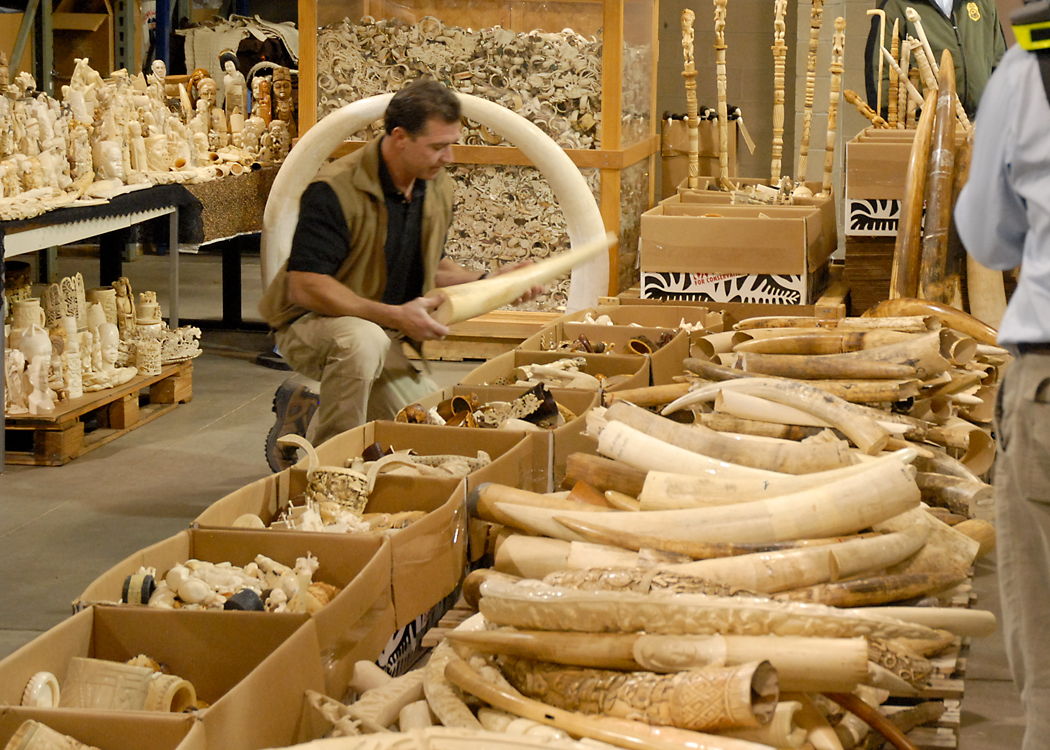
    Decades ago, Wong’s canvas would have been elephant ivory. But since a 1990 ban on international trading, Hong Kong’s dwindling tribe of ivory carvers has switched to tusks of extinct woolly mammoths.

    The decline of the city’s once-flourishing ivory business is set to speed up after the Hong Kong and mainland Chinese governments announced in December plans to restrict local ivory trading. Wildlife activists hailed the news, saying domestic markets must be phased out to reduce the demand for tusks driving an epidemic of poaching that is decimating Africa’s elephants.

    It also signals the end for Hong Kong’s ivory craftsmen and traders.

  • 2016, a year to forget for luxury retailers in Hong Kong

    2016, a year to forget for luxury retailers in Hong Kong

    The retail sector in Hong Kong recorded the poorest annual sales in nearly two decades last year, according to a report by the ‘Nikkei Asian Review’. The Hong Kong government argues that this ‘annus terribilis’ partly responds to the declining number of Chinese tourists visiting the territory.

    The report reveals that retail sales in Hong Kong came in at 436.6 billion Hong Kong dollars in 2016, what implies an 8.1 percent dip in comparison with retail sales from the previous year. This is, in fact, the sharpest decline since the Asian financial crisis in 1998 when sales plummeted 17 percent year- on-year.

    On the upside, some analysts say they start to see the first signs of a gradual recovery in the territory’s economy as the number of Chinese tourists stabilizes and the performance of retail sales in the latter half of last year improved when compared to the previous six months.

    Last year, retail sales fell in every month. However the year-on-year declines waned in the latter months, moving from a 5.5 percent year-on-year decrease in November to 2.9 percent in December.

    “The near-term outlook for retail sales business will still depend on whether the recent improvement in inbound tourism could gain more traction and the extent to which local consumer sentiment will be affected by various external uncertainties,” a Hong Kong government spokesperson told the ‘Nikkei Asian Review’.

    It’s worth calling out that the number of mainland visitors to Hong Kong in December indicated a reversal after months of decline. The number of visitors increased by 9 percent year-on- year, led by the Christmas holidays, and outperforming the 7.8 percent growth rate observed year-on- year that month in Macau.

    Worst affected retailers were those operating within the luxury and upmarket niches. Jewelry group Chow Sang Sang issued a profit warning last month that its full-year earnings for 2016 could drop as much as 40 percent. Meanwhile, fashion retailer Bauhaus closed four shops across Hong Kong and Macau as its same store’s sales declined 10 percent year-on-year in the final quarter of 2016. Its direct competitor, I.T, recorded a slightly smaller decline (-4.6 percent) in store sales in Hong Kong during the three-month period between September and November 2016.

    Market sources recall that the vast majority of luxury retailers in Macau and Hong Kong depend on the influx of wealthy tourists coming from mainland China as their main source of revenue.

    “Looking ahead, the near-term outlook for retail sales business will still depend on whether the recent improvement in inbound tourism could gain more traction and the extent to which local consumer sentiment would be affected by various external uncertainties,” the government said in a statement issued earlier this month.