Category: General

Retail News Asia is committed to providing both local and global retailers with the latest General Retail news throughout the Asian market. This on a daily base.

  • Ito Yokado To Accelerate Expansion In Mainland China

    Ito Yokado To Accelerate Expansion In Mainland China

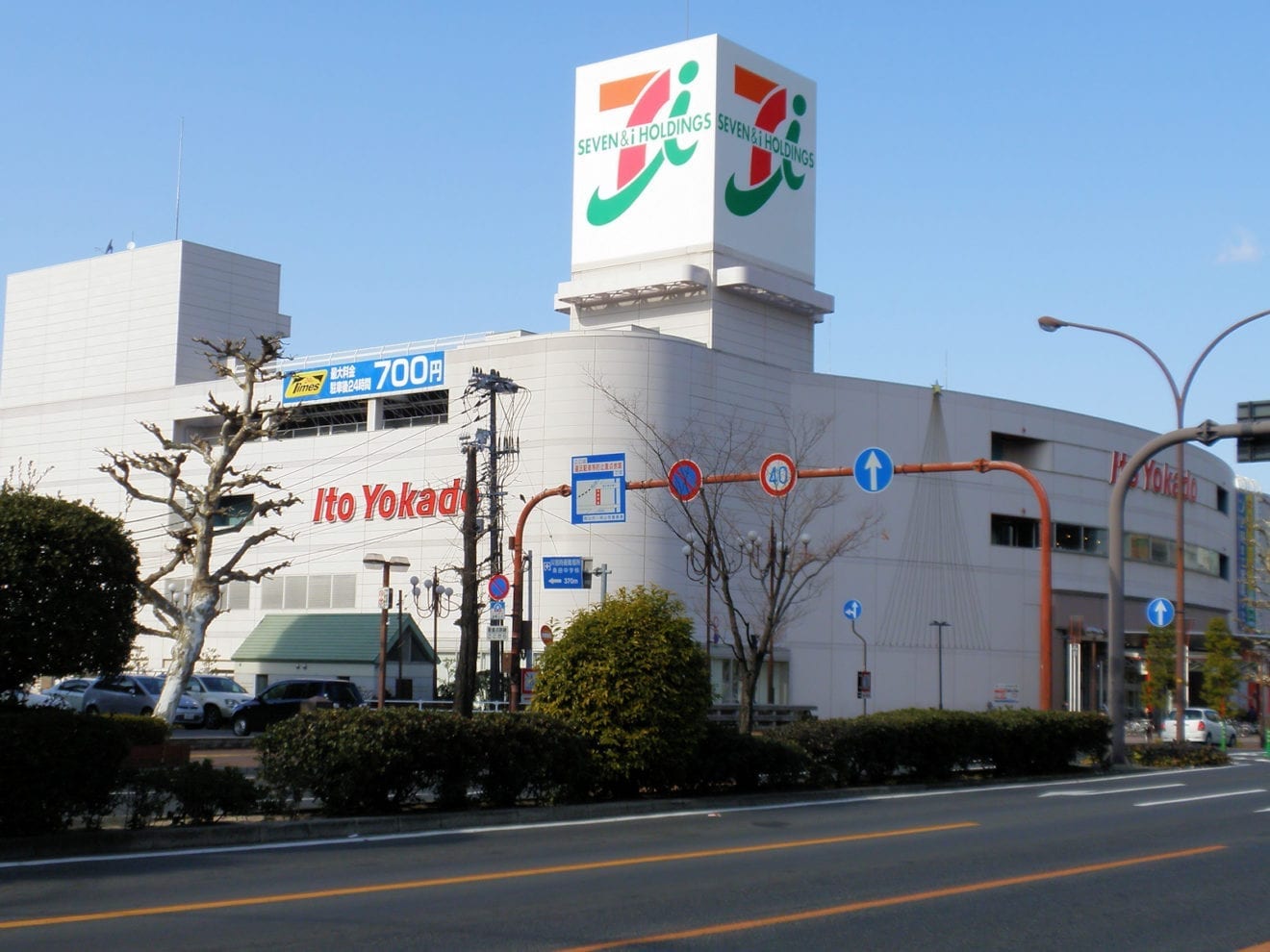
    Seven & I Holdings, parent company of Ito Yokado, will accelerate store expansion in the Chinese mainland market and plans to have 20 stores by 2020, tripling their current number in China.

    Ito Yokado entered the Chinese mainland market in 1997, with its first store openning in Chengdu, Sichuan province. In 1998, the company entered the Beijing market. At present, Ito Yokado has six stores in Chengdu and two in Beijing.

    On January 12, 2017, Ito Yokado opened a new store in Sichuan’s Meishan city and the company plans to launch another new store in Sichuan’s Leshan city in 2019. According to Ito Yokado, the company will increase the number of its general merchandise stores and food supermarkets to ten in Sichuan.

    In 2005, Ito Yokado opened its first food supermarket in Beijing. However, due to the severe competition from foreign supermarket giants like Carrefour and Chinese local enterprises, the Japanese retailer ceased the operations of this food supermarket in December 2016 and only maintains two department stores in the capital city.

    In addition, with the rapid development of e-commerce in China, Ito Yokado also plans to tap the online business. The company will establish a new company in Sichuan this summer and it aims to achieve sales of JPY10 billion by 2020 via online sales.

  • No strong recovery in Hong Kong retail sales until 2018

    No strong recovery in Hong Kong retail sales until 2018

    Despite a return of mainland Chinese tourists to mark the start of the Year of the Rooster, it might be too early to celebrate for Hong Kong retailers. Sales will continue to fall this year, according to industry observers.

    Thomson Cheng Wai-hung, chairman of Hong Kong Retail Management Association, estimates the territory’s retail sales will fall 3-4% on the year in 2017, an improvement from the 8% drop in 2016.

    Last year, retail sales fell to 437 billion Hong Kong dollars ($56.3 billion), marking three years of decline and the worst full-year slump since 1998. This was despite some signs of improvement when the decline in sales in December narrowed to 3% from a year ago as more mainland visitors spent their holiday in Hong Kong.

    “We might be getting closer to the end of the tunnel,” Cheng said on Thursday. But citing uncertainty in the global environment, such as a possible U.S.-China trade war, he expects the retail market to bottom out only in 2018 at the earliest. “It is hard to say whether it will be a recovery in L shape, V shape or U shape,” he said.

    There were winners and losers during the Chinese New Year holiday.

    Luxury retailers were hit by dwindling sales as Chinese tourists tightened their purse strings amid a slowing economy. Prices in Hong Kong are also less attractive for mainlanders due to a weaker yuan and the Hong Kong dollar’s peg to the U.S. dollar, which had strengthened during the year.

    Chow Tai Fook Jewellery Group recorded an 11% slump in Hong Kong and Macau sales from a year ago between Jan. 14 and Feb. 3, which covered the Chinese New Year holiday.

    Mass-market retailers fared better. Hong Kong’s largest cosmetic chain Sa Sa International saw a 3.5% sales increase at home and in Macau from Jan. 28 to Feb. 3, helped by a rebound in mainland tourist traffic. While the number of transactions they made increased, the average spend per transaction was down 4.6% from a year ago.

    Given the latest data over the holiday season, Chairman and CEO Simon Kwok Siu-ming is upbeat on the outlook. “It is recovering, and December was almost flat [compared to a year before],” he told Nikkei Asian Review on Tuesday.

    He is positive about mainland customers as well. “I am not worried about China and the Chinese economy,” he said. Ease of travel to Hong Kong in the near future with the expected opening of a high-speed railway link and bridge connecting to Macau and Zhuhai in southern Guangdong province will make the territory “more accessible” for mainlanders.

    Some mid-tier fashion retailers are turning to e-commerce to expand their reach. Walton Brown, a subsidiary of Lane Crawford Joyce Group that has a portfolio of premium brands including Kate Spade and Brooks Brothers, will launch in March its own mobile platform MyMM.com to target China’s growing middle class.

  • Eight in ten Singaporeans shop online

    Eight in ten Singaporeans shop online

    Online shopping is fast becoming a favourite activity of Singaporeans, research shows, as the country’s bricks and mortar retail sector continues to struggle.

    A survey, conducted by Edelman Intelligence and Criteo, revealed that 84% of Singaporeans love to shop online and nearly a third of respondents – especially millennials and wealthier Singaporeans – make at least one purchase each week on e-commerce platforms.

    Nearly every Singaporean questioned (95%) had used their smartphone or tablet to browse for products or services online in the past month. But while Singapore enjoys the world’s highest smartphone penetration, locals were less likely to use their phone to make purchases, feeling that computers are better suited to purchasing high-value items.

    Almost two thirds (65%) said they would prefer to use their computers for big ticket items such as airfares or luxury goods, and 42% would be happy to spend more than SG$500 on a single purchase compared to 16% on their mobile.

    Personal income also has a direct correlation to where products are bought; those on a higher income tend to buy from Japan, the UK and Europe, whereas those on a lower income tend to buy from China. (For more 2017 retail trends in Singapore, read Warc’s report: Trend Watch 2017: Singapore seeks retail revival, economic resilience.)

    The data also reveals that showrooming, where shoppers browse in-store then buy online, is also a growing trend in the country. The primary incentive for showrooming is deals and promotions (69%) and cheaper products (66%) whilst free or cheaper delivery is a big consideration (43%). Almost two thirds of respondents had searched for a product online while being in a store to compare deals.

  • AirAsia X offers Honolulu-Osaka introductory one-way fare of $99

    AirAsia X offers Honolulu-Osaka introductory one-way fare of $99

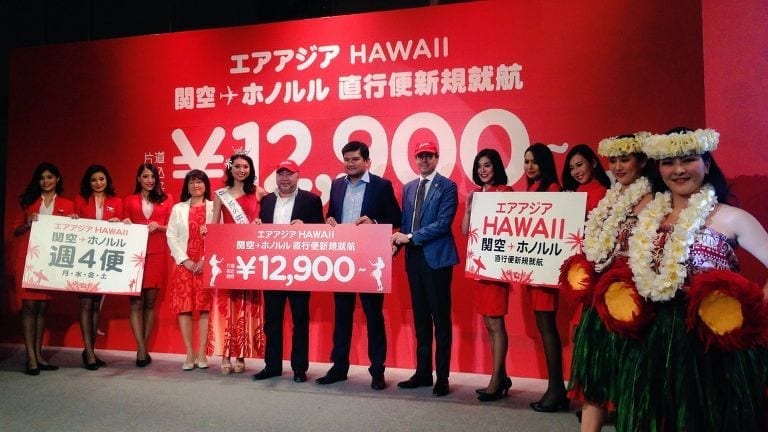
    Low-cost, long-haul Malaysian carrier AirAsia X is beginning its maiden U.S. service with introductory one-way fares starting at $99 from Honolulu to Osaka and $149 for continuing service to Kuala Lumpur.

    The return leg from Osaka to Honolulu is an introductory $162.36 while flying from Kuala Lumper to Honolulu, with a layover in Osaka, is $198.02 one way.

    Round trips would be as low as $261.36 and $347.02, respectively.

    The airline will operate its Kuala Lumpur-Osaka-Honolulu route four times a week beginning June 28.

    Hawaiian, Japan and Delta airlines also fly between Honolulu and Osaka. During the late June time period, their round-trip prices start in the low $600s to the mid-$800s. Prices are more expensive if booked one way.

    “This is the game-changing route we have all been waiting for,” Datuk Kamarudin Meranun, AirAsia X Group CEO, said today in a statement. “By connecting the U.S to North Asia and Asean with our world-class low fares offering, we will make it possible for those in the Pacific to explore Asia through our wide network.”

    This will be the first route linking Honolulu with Malaysia. Guests transiting in Osaka do not require a Japanese visa during the two-hour stopover, and can return to their seats on the flight after clearing security with any carry-on luggage or belongings.

    The introductory fares are available for travel from June 28 to Feb. 6. Flights depart Mondays, Wednesdays, Fridays and Saturdays.

    The Malaysian carrier, which has been operating since 2007, will use 377-seat Airbus A330-300 aircraft on the Malaysia-Osaka-Honolulu route.

    AirAsia X serves 22 cities in Asia, Australia, New Zealand, Africa and the Middle East with a fleet of 30 A330s.

  • Vietnam convenience stores enjoy boom

    Vietnam convenience stores enjoy boom

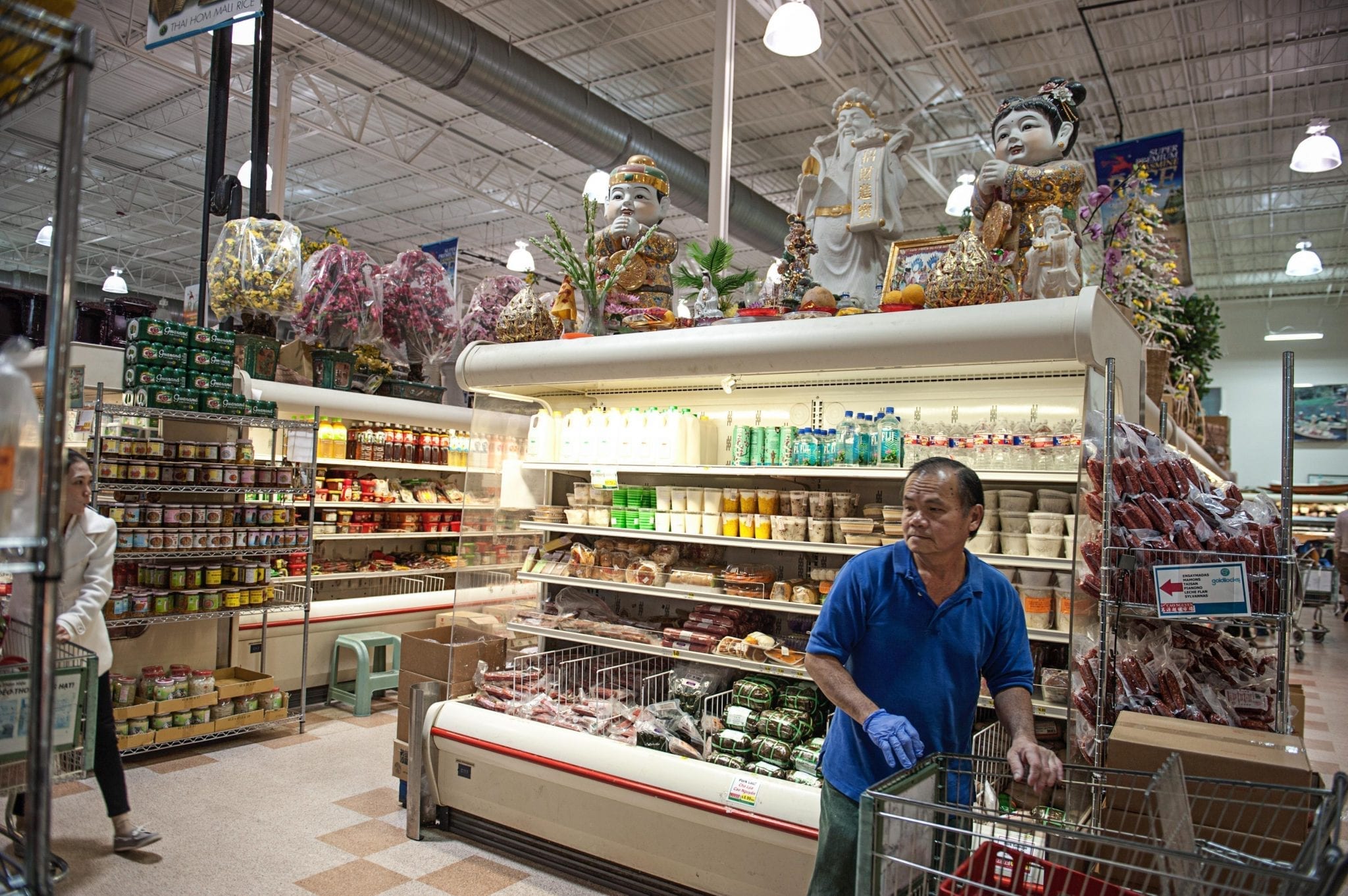
    Convenience stores and minimarts have become increasingly popular in the country, with more than one third of households shopping there regularly, according to some analysts’ estimates. If they reduce their prices further, they would have even more opportunities to grow, they said.

    Le Viet Nga, deputy head of the Ministry of Industry and Trade’s domestic market department, said convenience stores have got a good reception from the market, and now make up the fastest growing retail segment with double-digit growth.

    “This is a modern trading channel, selling goods with clear origins and having good management. Convenience stores offer good opportunities for small and medium-sized enterprises and farmers to bring their products into the market.”

    According to the ministry, investors are also favouring convenience stores since their return on investment is much higher than traditional supermarkets or hypermarkets and investment is lower.

    Besides, getting licences for convenience stores and minimarts is much easier than for supermarkets since opening retail outlets of less than 500sq.m is not subject to the economic needs test (ENT), it said.

    Traditional retail channels still account for 72 per cent of the market but this is forecast to reduce to 60 per cent by 2020, it said.

    In China there is one convenience store for every 21,000 people, while the figure is 1,800 in South Korea and 69,000 in Viet Nam, meaning there is immense potential for the segment to grow in Viet Nam, it said.

    The steady increase in incomes and changes in consumer behaviour are other big factors, it added.

    Intense competition

    The number of convenience stores more than doubled in 2012-14 to 348. The number of minimarts went up from 863 to 1,452.

    In 2015 and 2016 convenience stores continued with their impressive performance, with local and foreign players like Saigon Co.op, Satra, Vingroup, B’s mart, Shop&Go and Circle K beefing up their presence as shoppers eyed convenience while a robust economy increased their spending power.

    For instance, Saigon Co.op, which owns Co.opmart, Co.opXtra and Co.op Food, last year launched Co.op Smile, a new retail model.

    Saigon Co.op general director Nguyen Thanh Nhan said plans are in the works to increase the number of Co.op Smile stores to 200-300 by the end of this year from just 20 outlets last year.

    Satra, which has a joint venture with Heineken in Viet Nam, also plans to expand its retail system, with a focus on developing its convenience store chain Satrafoods to create a distribution channel for its subsidiaries like meat producer Vissan and Vietnamese producers in general.

    This year it will open 55 Satrafoods stores, including 10 in the Mekong Delta city of Can Tho alone, raising the total number to 172.

    According to the ministry, foreign enterprises have a 70 per cent market share of convenience stores, 17 per cent of malls and supermarkets, 15 per cent of minimarts and 50 per cent of the online shopping channel.

    According to insiders, the biggest disadvantage for convenience stores and minimarts is their higher prices compared to supermarkets, traditional markets, and grocery stores.

    To improve their competitiveness, they must reduce prices and sell quality local products, they said.

    Vu Vinh Phu, chairman of the Ha Noi Supermarkets Association, said domestic producers and distributors should develop closer links to cut intermediary costs.

    According to the Global Retail Development Index (GRDI) from consulting firm A.T. Kearney, Viet Nam has been in the top 30 most attractive retail markets since 2008.
  • Singapore Airlines Q3 operating profit up 1.7%

    Singapore Airlines Q3 operating profit up 1.7%

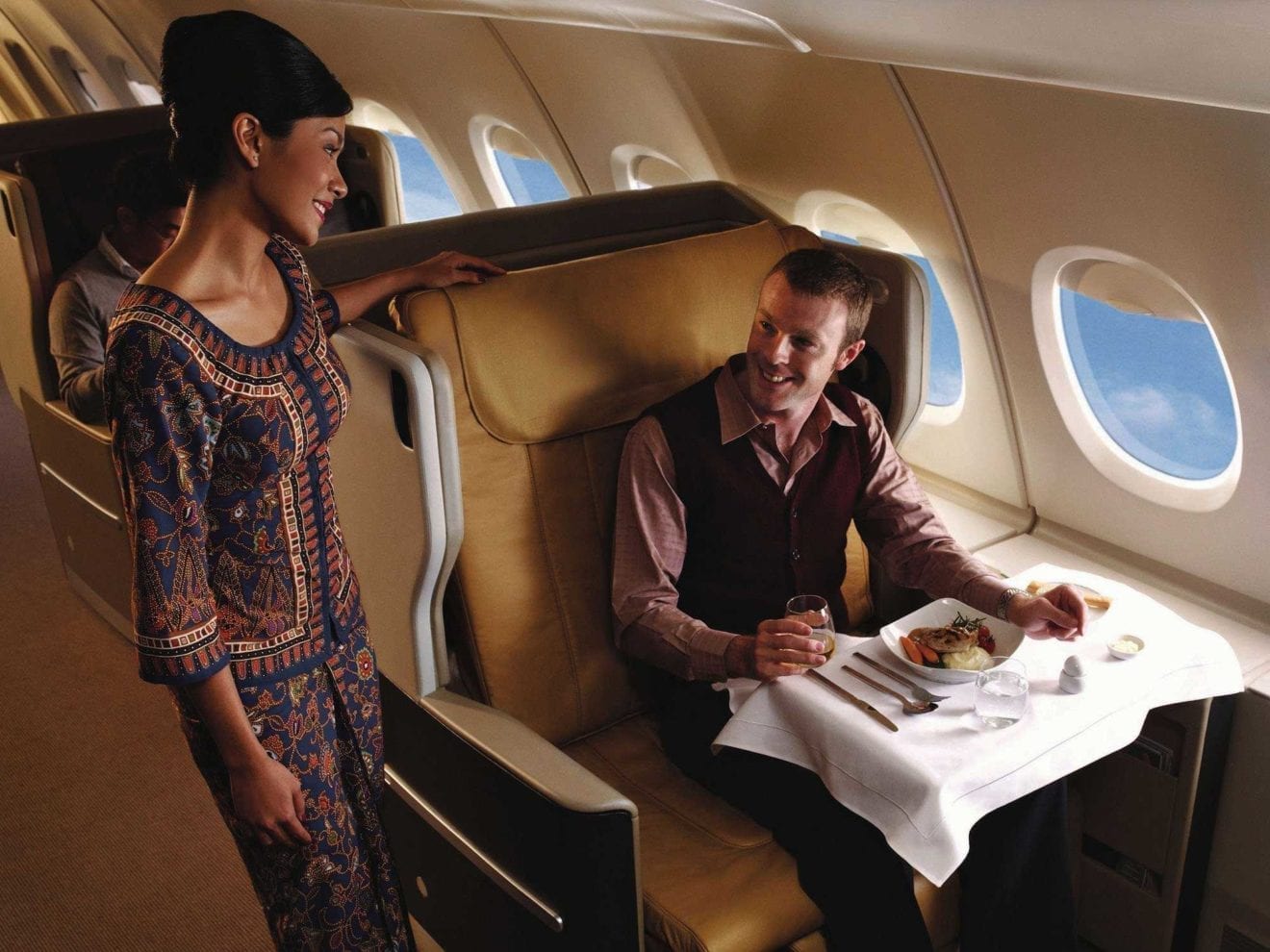
    Singapore Airlines reported on Tuesday a 1.7 percent rise in third-quarter operating profit, helped by an unexpected growth from cargo and mail, while net fuel costs fell.

    Profit reached S$293 million ($207 million) for the three months ended Dec. 31, S$5 million up from the same period last year.

    The carrier, a barometer of the health of Asia’s airline industry, said “2017 is expected to be another challenging year amid tepid global economic conditions and geopolitical concerns, alongside other market headwinds such as overcapacity and aggressive pricing by competitors.”

    The company has come under pressure due to weakening demand for full-service long-haul travel amid competition from low-cost carriers and Middle Eastern network carriers.

    Operating profit in its main SIA brand fell 16.6 percent to S$151 million. Profit fell 9.1 percent in its Silkair regional airline, and was flat-to-slightly-higher for low-cost subsidiaries, Tiger Airways and Scoot.

     SIA Cargo posted an operating profit of S$53 million, its best third quarter performance in nine years, due to stronger-than-expected demand. In the same period of last year, SIA Cargo only managed a S$2 million profit.

    Net fuel costs declined $200 million, largely due to a $256 million reduction in fuel hedging loss, the company said.

  • AirAsia launches flights to Honolulu

    AirAsia launches flights to Honolulu

    Malaysian low-cost carrier AirAsia will be flying to Hawaii’s capital city Honolulu from June this year.

    The company announced on Friday (Feb 10) that its long-haul unit, AirAsia X, will fly to Honolulu four times a week from Kuala Lumpur via Osaka, and tickets will start from RM499 all in each way.

    The first flight will be on Jun 28, it added.

  • Cebu Pacific says it flew 19 million passengers in 2016

    Cebu Pacific says it flew 19 million passengers in 2016

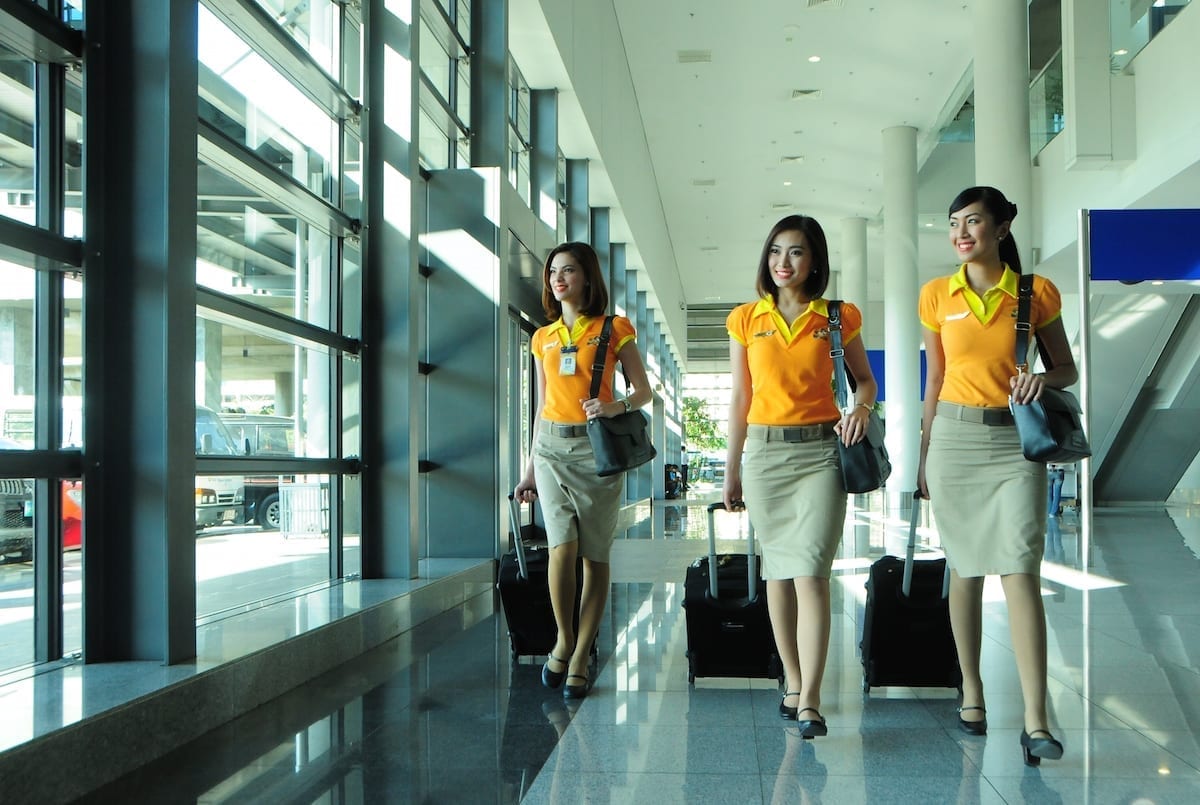
    Cebu Pacific, the country’s largest airline, said Friday it flew 19.1 million passengers in 2016, a 4-percent increase from the previous year on the back of its short-haul services.

    The airline said it set a new record for most passengers flown in a single day, 64,638 on Dec. 27, 2016.

    Cebu Pacific said there was “notable” growth in passengers to Beijing, Xiamen, Taipei, Hanoi, Ho Chi Minh among international destinations.

    Locally, passengers increased in Cauayan, Siargao and Ozamiz, the airline said.

  • Vietnam spends $5 million daily on chemical imports

    Vietnam spends $5 million daily on chemical imports

    A GDC report showed that in 2016 alone, Vietnam imported $1.8 billion worth of chemicals, including $1.02 billion worth of products to make other compounds. This means that Vietnam spent VND112 billion daily to import chemicals.

    The imports were mostly from China, while imports from countries with developed chemical industries such as India, the US, Canada, Israel, Japan and South Korea were modest.

    According to Ngo Tri Long, there are three reasons for Vietnam to import chemicals from China. First, Vietnam has high demand for chemicals, but it still cannot produce chemicals domestically. Second, Vietnamese enterprises prefer importing chemicals from China to other countries because Chinese products are cheaper. Third, Vietnam, like other countries neighboring China, want to import chemicals across the border gates instead of through official channels in order to avoid tax.

    Le Cao Doan from the Central Economics Institute has also expressed concern about imports from China, especially in the context of Vietnam’s high trade deficit and the risks of relying on Chinese imports.

    The high imports from China are problems to many countries including Vietnam, which imports low-quality and dirty products.

    “If Vietnam continues importing chemicals from China, it will become the place containing low-quality products and relying on Chinese imports,” he said.

    Doan said that Vietnam is facing two big problems.

    If continuing to rely on China, the Vietnam economy would lag behind, because the  economy would be based on industrial production, similar to what China once experienced in the past. In addition, Vietnam would see the damage to the environment and the platform for development.

    What does Vinachem do?

    Vinachem, or the Vietnam Chemicals Group, is known as the largest domestic chemicals producer which regulates big fertilizer and chemical factories in Vietnam.

    However, the big factories put under Vinachem’s management are incurring huge losses of trillions of dong.

    Meanwhile, Vu Dinh Duy, a member of Vinachem’s board of directors, has left Vietnam for medical services and has been unreachable for many months.

    In the latest news, Vinachem has set up a steering committee to solve existing problems at fertilizer plants which are incurring big losses.

    Besides the chemicals companies in which the state holds the controlling stakes, Vietnam also has many privately run companies in the field.

    However, an analyst said domestic chemical output remains modest and Vietnam still has to rely on imports.

  • Travel agents issue official letter to boycott Garuda

    Travel agents issue official letter to boycott Garuda

    Following up on their recent statement, the Association of Indonesian Tour and Travel Agents (ASITA) officially boycotted through a circulating letter national flag carrier Garuda Indonesia over the decision to reduce commissions for travel agents.

    The letter, signed by ASITA chairman Asnawi Bahar, noted that Garuda Indonesia had not responded to the association.

    “During the period to resolve the problem with Garuda Indonesia, ASITA Indonesia has decided that all ASITA members are prohibited from participating in any activities involving Garuda Indonesia,” the letter stated.

    Previously, Asnawi said that the airline’s commission from ticket sales would be cut from 7 percent to 5 percent for international flights and 5 percent to 3 percent for domestic flights.

    Garuda Indonesia vice president of corporate communications Benny S. Butarbutar also previously confirmed that the airline would reduce commissions for travel agents.

    “We are adjusting the business pattern with our partners, travel agents. The business situation is changing really fast, with online travel being much stronger, but we will also want to keep traditional travel agents,” he said.

    Benny added that the decision might be temporary, as it would depend on the market situation. He declined to comment on the protest.

    ASITA currently has around 6,300 members of tour and travel agencies across Indonesia, including Panorama Tours Indonesia–a core unit of Panorama Group, Indonesia’s largest integrated travel group.

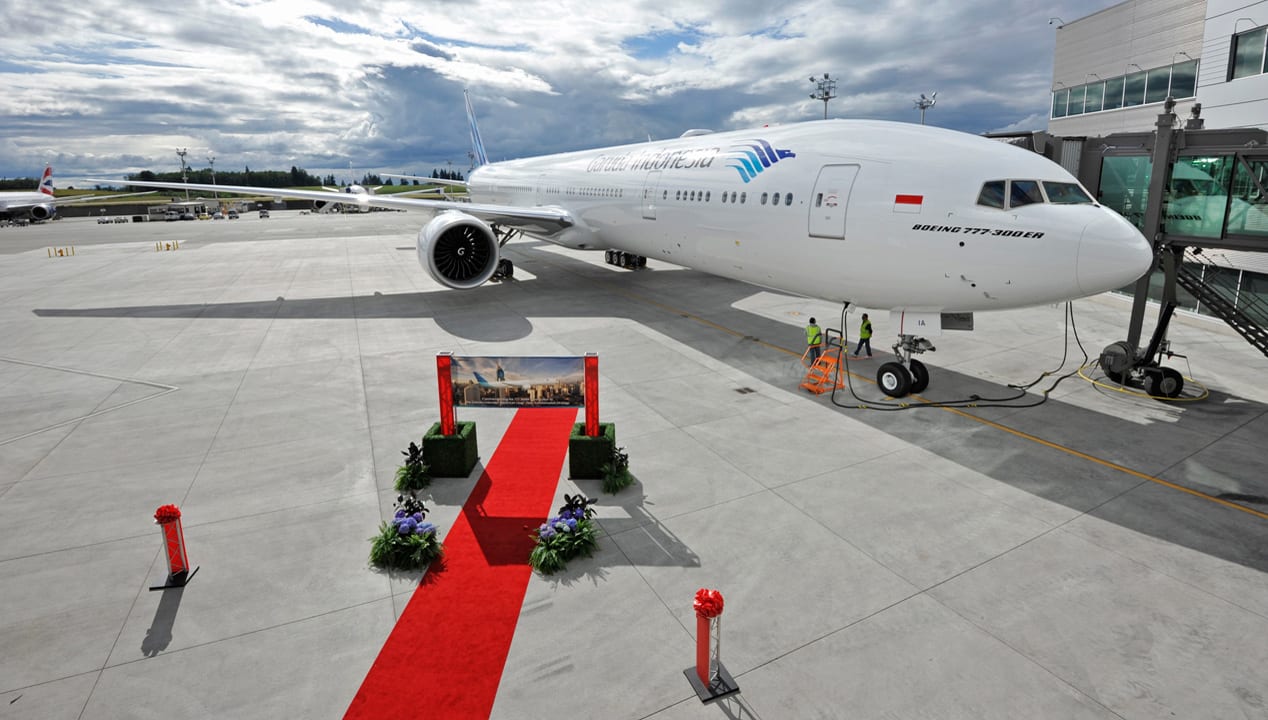
  • Garuda Indonesia to Open Lombok-Guangzhou Route

    Garuda Indonesia to Open Lombok-Guangzhou Route

    General Manager of national carrier PT Garuda Indonesia of Mataram branch Mochammad Yansuerio said that in the near future, Garuda Indonesia would open a direct flight serving Lombok–Guang Zhou, China.

    “Lombok and Sumbawa are getting more popular both at the national level and at the international level. This has become our consideration to add frequency of flights in several routes, including by opening up Lombok – Guangzhou route,” Yansuerio said in Mataram on Friday.

    “The flight is twice a week,” he added.

    In addition to opening Lombok-Guangzhou route, Yansuerio Garuda Indonesia would also increase flights serving Lombok, including Lombok-Yogya and Lombok and Makassar from once week into twice a week.

    “As for Lombok-Surabaya route and Lombok-Jakarta route whose occupancy reach 80-85 percent, we plan to increase the frequency of flights,” he added.

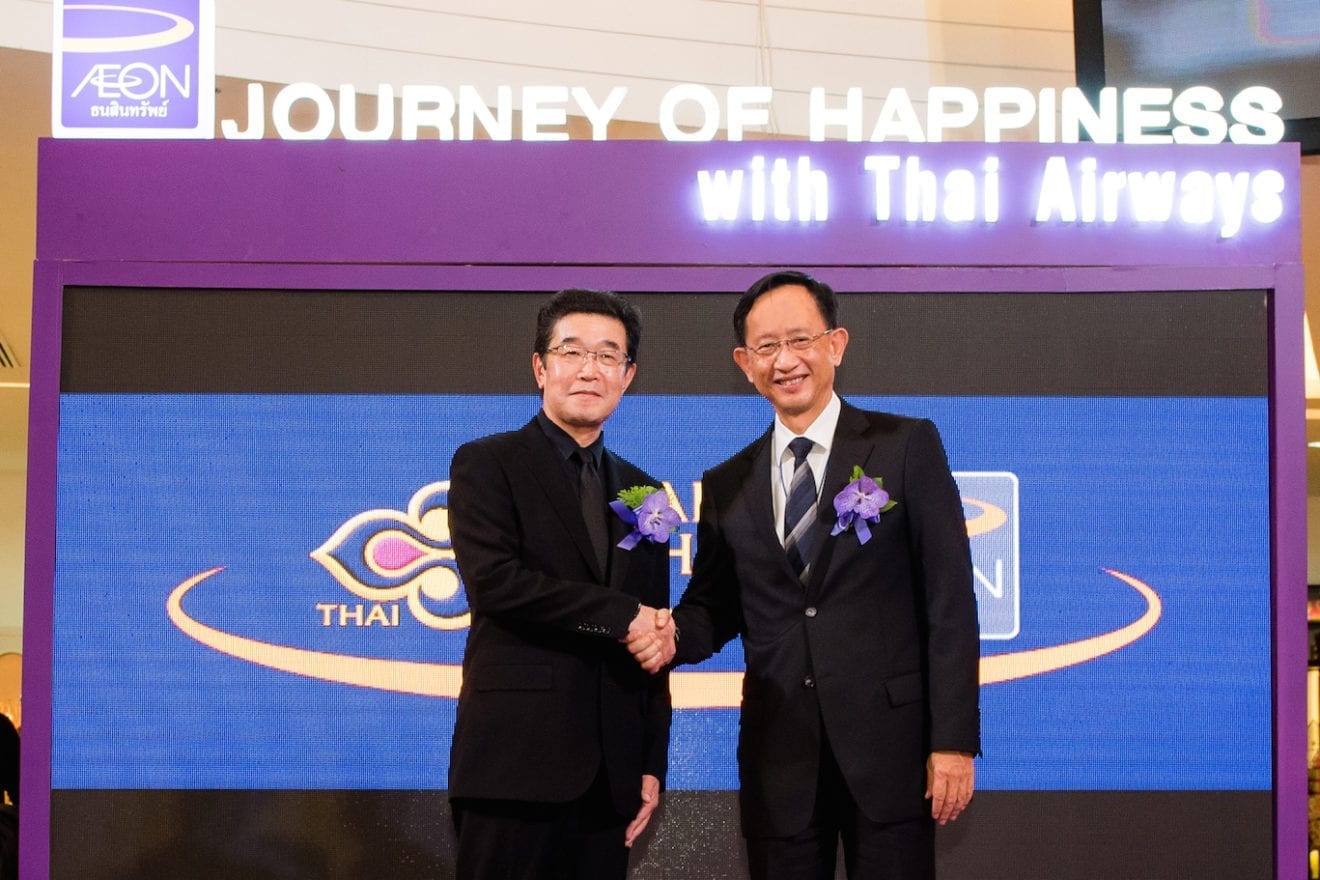
  • AEON cooperates with Thai Airways to organize “Journey of Happiness with Thai Airways 2017”

    AEON cooperates with Thai Airways to organize “Journey of Happiness with Thai Airways 2017”

    Kiyoyasu Asanuma (left), Managing Director of AEON Thana Sinsap (Thailand) Public Company Limited together with Teerapol Chotichanapibal, Executive Vice-President Commercial of Thai Airways International Public Company Limited joined the recent launch of “Journey of Happiness with Thai Airways 2017” campaign at Fashion Hall, Siam Paragon. The campaign offers privileges to AEON credit cardholders from AEON, Thai Airways, H.I.S, and JCB partners.


  • Vietnam retail revenue reaches $11 billion

    Vietnam retail revenue reaches $11 billion

    Vietnam retail and services revenue rose 10 per cent year-on-year last month to US$15 billion.

    Excluding inflation, the amount marked a yearly increase of 6.7 per cent, says the General Statistics Office (GSO).

    Statistician Vu Manh Ha attributes the growth to stable prices, despite high local consumption in preparation for the Tet holiday and sufficient stocks in supermarkets for the country’s biggest festival.

    Retail accounted for more than three-quarters of total sales, reaching $11.5 billion – up 6.5 per cent from the previous month and 11 per cent more than the same period last year.

    Sectors recording positive growth included food and foodstuffs (up 13 per cent), textile and garments (up 11.5 per cent), transport services (up 11.2 per cent) and home appliances (up 7.8 per cent).

    Accommodation, restaurant and catering services, which made up 11.3 per cent of the total, topped more than $1.64 billion, representing a yearly rise of 3 per cent.

    Localities that did well in accommodation, restaurant and catering sales included Ba Ria-Vung Tau with a 12 per cent rise, Thanh Hoa (8.6 per cent), Kien Giang (7.4 per cent), Hanoi (5.7 per cent) and Da Nang (5.2 per cent). However, there were downturns in several localities, including Quang Binh with a 12.4 per cent drop, and Ho Chi Minh City and Nam Dinh, falling by 5.3 per cent.

  • Weak green tax can lead to more single-use plastic bags

    Weak green tax can lead to more single-use plastic bags

    The weight-based environmental tax can do more harm than good if businesses try to ease the burden by making and using thin plastic bags. The Vietnam Chamber of Commerce and Industry (VCCI) has weighed in on a debate involving changes to the country’s Environmental Protection Law.

    Lawmakers are considering raising the environmental protection duty imposed on petroleum products by up to three times to VND8,000 per liter, and on plastic bags from the current VND30,000-50,000 to VND40,000-80,000 per kilogram, according to a proposal prepared by the finance ministry.

    However, the VCCI, which represents thousands of businesses across the country, said in a statement that plastic bags should be taxed individually instead of by weight.

    It said that when plastic bags are taxed based on their weight, producers are tempted to produce thin plastic bags.

    While disposable, thin bags require less material, they are unlikely to be reused and are more difficult to recycle, which means these single-use bags are more harmful to the environment than thicker bags, it said.

    “Current taxes do not go far enough to protect the environment,” it said.

    The VCCI also said taxes should also be imposed on other plastic products like Styrofoam cups and boxes.

    The environment ministry estimates that Vietnamese use more than 800 tons of plastic bags every day.

    Official figures from 2014 showed that in Ho Chi Minh City, nine million, or more than 50 tons of plastic bags, were being used every day, which was twice the number from four years earlier.

  • Pick-up in Chinese luxury spending won’t save traditional retailers

    Pick-up in Chinese luxury spending won’t save traditional retailers

    Chinese consumers are buying more luxury items at home, but it may not be enough to save struggling department stores – particularly those that don’t boast a restaurant, cinema or ice rink.

    Offline shops may benefit from a recovery in domestic luxury spending, but the future is still gloomy for traditional retailers that have been increasingly losing out to e-commerce platforms, according to analysts at Fitch.

    The stores need to focus on providing a ‘shopping experience’ in order to win over the country’s internet-savvy consumers and survive the fierce competition, said analysts Yee Man Chin and Cathy Chao.

    “The previous few years have been difficult for Chinese brick-and-mortar retailers, who had to grapple with increasing competition both offline and online as well as changing spending patterns, with consumers choosing experiences over shopping,” they wrote. “The pick-up in luxury spending could provide some relief, particularly for mid-to-high end retailers.”

    China’s domestic luxury sales have been recovering recently due to the ‘wealth effect’ from higher property prices – meaning homeowners spend more since they feel more secure about their wealth – and a drop in overseas purchases, the analysts said.

    Weak consumer sentiment and the government’s anti-corruption crackdown had caused a slump in luxury spending in the last five years, while a gulf between prices at home and abroad prompted many to shop in places such as Hong Kong, Japan and Europe.

    To encourage people to spend at home, the Chinese government has cut import taxes and allowed more duty-free stores. Some global luxury brands have cut their prices in China amid sluggish demand.

    A weaker yuan against the Japanese yen and US dollar, and a series of high-profile terrorist attacks in Europe, have also encouraged Chinese buyers do their shopping on home turf.

    International brands have recently reported improving growth momentum in China. Coach said its Greater China local-currency sales rose 6 per cent in the last quarter of 2016, while Swatch spoke of “very good growth” in mainland China sales from November to January, according to Fitch.

    This trend could boost sales growth at department store operators Golden Eagle Retail Group and Parkson Retail Group, as well as watch retailer Hengdeli Holdings, Fitch said. All three have seen their profit margins shrinking in the past few years.

    However, the boost from luxury sales is no long-term solution to the threat from online stores and fancy shopping malls.

    Consumers are choosing e-commerce. Even when they buy offline, people go to shopping malls rather than department stores/

    In November, the credit rating agency issued a “negative” rating for China’s 2017 retail sector outlook. Parkson was in January downgraded to B- as its profitability worsened, while Golden Eagle Retail was downgraded to BB- last year due to changes in consumer behaviour.

    “Consumers are choosing e-commerce. Even when they buy offline, people go to shopping malls rather than department stores,” Chin said. “The amount of retail space has also increased, so there is much more competition.”

    Analysts said offline retailers need to offer food and beverage, lifestyle and entertainment options to attract China’s young consumers who are increasingly demanding a full shopping experience.

    Although young consumers have been buying more online, they still go to physical shopping centres to relax and socialise, according to property consultancy CBRE.

    A 2015 survey of 1,000 Chinese millennials showed they ate out an average of 5.9 days per month and went to the cinema or live events on four days, according to CBRE.

    A quarter of the respondents said they considered “seeing and feeling the products” as the primary reason for shopping in physical stores.

    Chin said many traditional department store chains were adding restaurants and cinemas to their portfolios.

    “They don’t necessarily get people to shop, but they at least get people to go in those places,” she said.