Category: General

Retail News Asia is committed to providing both local and global retailers with the latest General Retail news throughout the Asian market. This on a daily base.

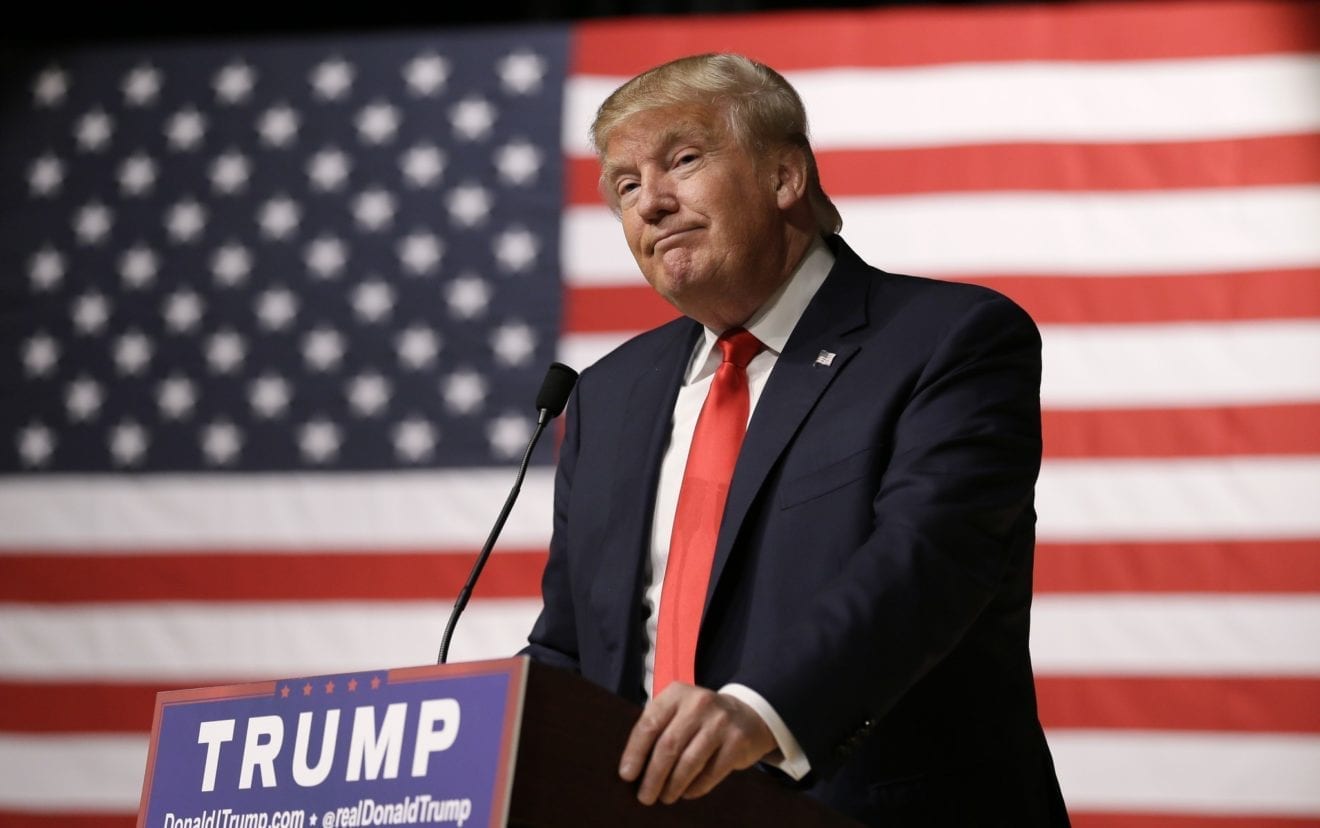
  • Trump’s inauguration sets live streaming record

    Trump’s inauguration sets live streaming record

    Video streaming coverage of the 2017 presidential inauguration in the United States is the largest single live news event that Akamai Technologies has delivered, the company said.

    Live video streaming of the inauguration peaked at 8.7Tbps on the Akamai Platform at 12:04pm Eastern Time on Friday, January 20, during the opening of the President Donald Trump’s speech.

    This exceeded the previous record of 7.5Tbps set during Election Day coverage on the evening of November 8, 2016.

    Akamai supported 4.6 million concurrent viewers of the inauguration at peak on behalf of its broadcaster customers.

    “The presidential inauguration is the latest in a series of record-breaking live, online video streaming events that we have supported over the last year,” said Bill Wheaton, EVP and GM of Media at Akamai.

    “More people than ever are watching video online, and it’s being done across more devices at increasingly higher levels of quality.”

    On a historical note, the 2009 US presidential inauguration reached 1.1Tbps on Akamai and the British Royal Wedding in 2011 hit 1.3Tbps.

    More recently, the 2016 Euro soccer tournament final peaked at 7.3Tbps and the Rio women’s team gymnastics final hit 4.5Tbps.

  • AirAsia’s 20% discount is back

    AirAsia’s 20% discount is back

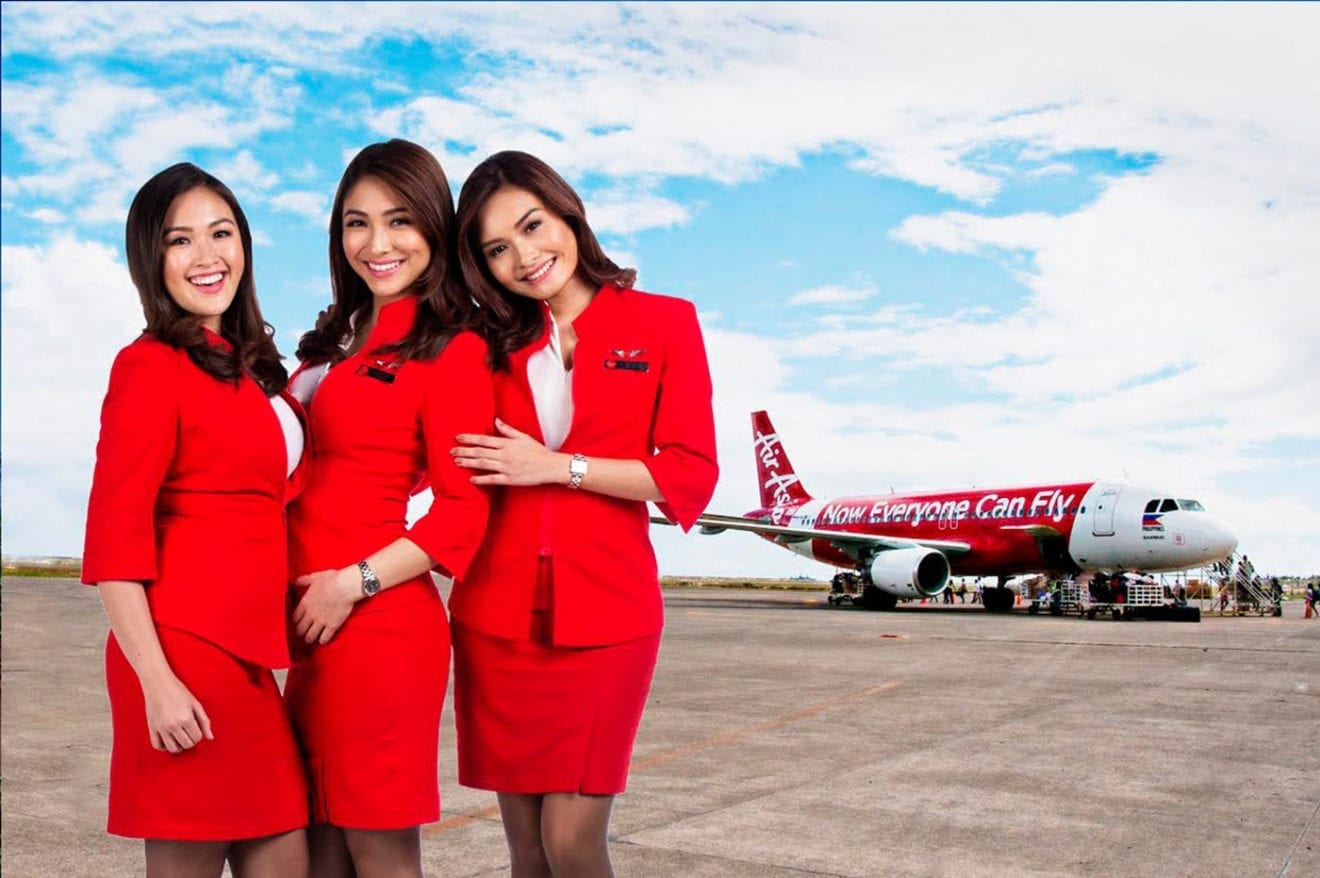
    AirAsia and AirAsia X are offering a 20% discount on all flights for bookings from Feb 6 to 12 and for travel between Feb 7 to July 31, 2017.

    In a statement, AirAsia said the low fares included all destinations, such as Kuala Lumpur to Shantou, Luang Prabang, Pattaya, Perth, Busan or Penang to Johor, Medan and Johor to Jakarta, Guangzhou.

    The budget airline said the discount applies to all bookings made through airasia.com, the AirAsia mobile app and AirAsiaGo, while BIG Members could also redeem flights using their AirAsia BIG Points.

    AirAsia group chief commercial officer Siegtraund Teh said the “All Seats, All Flights” promotional campaign, a straight 20% off fares across both the short-haul and long-haul networks, would also include the Premium Flatbed on AirAsia X.

    “Through our low fares, more Malaysians can now travel to exciting destinations within our extensive flight network, many of which are exclusively operated by AirAsia and AirAsia X,” he added.

  • ‘Affordable’ brands replacing top luxury shops

    ‘Affordable’ brands replacing top luxury shops

    There will be a rise in “affordable luxury,” a manpower agency said yesterday, while predicting a pay rise of 3-5 percent for employees this year, the same estimate as last year.

    Adecco said as mainland tourist numbers and spending fall, some luxury retail shops are being replaced by affordable luxury brands in busy districts. The human resources solutions firm published its Greater China Salary Guide 2017 yesterday.

    From its database of vacancies it received from clients – about 600 companies in accounting, finance and banking, office, sales and marketing, retail, merchandise and logistics, pharmaceuticals, information technology and technical engineering sectors in Hong Kong – Adecco said companies are adopting a relatively conservative approach to employee salaries.

    It found that adjustments tend to fall into the usual range of 3-5 percent this year, which is the same as last year.

    “While hiring more talent who are familiar with new technology to meet the digitalization needs, enterprises have to at the same time bridge the value gap between new and old generation employees,” said Audrey Low, managing director of Adecco in Hong Kong and Macau.

    “This led to a more cautious approach in searching for the right talent. Apart from making the interviewing process more complex and raising the standards for the skills and attitude to work required, this has also led to an increasing number of enterprises choosing not to fill their vacancies.”

    In retail, Adecco said a lot of luxury brands such as Prada and Coach moved from busy districts because mainland tourists are increasingly visiting other destinations and because of weak economic sentiment. Salespeople in some luxury brands who do not meet targets are redundant.

    Henry Chu, practice manager of the retail sector at Adecco, said: “A lot of salespeople in the luxury brands told me in 2016 that they are pressurized into meeting sales targets and some have to meet 2015 targets.” He also said a small number of sales managers in the luxury sector went into insurance.

    Although a lot of luxury brands are closing their stores in business districts, Adecco found that they are being increasingly replaced by affordable luxury brands such as Tory Burch, Michael Kors, Lululemon and Kate Spade as consumers are switching their focus and these brands will need to hire more frontline salespeople.

    “Instead of selling their products through distributors like Lane Crawford, some of these brands have decided to go for their own stores. We have a number of affordable retail brand clients planning to expand in 2017,” Chu said.

    “They are also looking for talent who have experience in e-commerce and customer relations management.”

  • South Korea’s GS Retail to fully own Watsons Korea

    South Korea’s GS Retail to fully own Watsons Korea

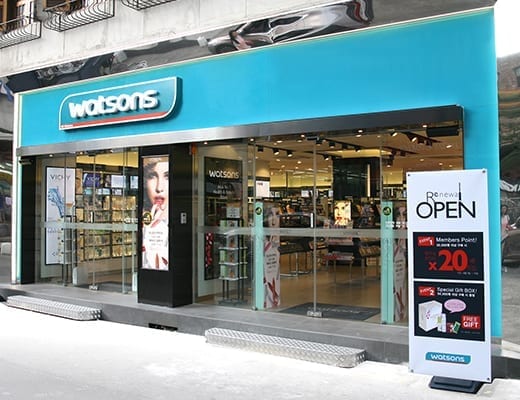
    GS Retail Co., a retail unit of South Korean conglomerate GS Group, will take over additional 50 percent stake in the Korean unit of drug store franchise label Watsons from Hong Kong-based A.S. Watson Group to make it its fully-owned entity, the company said Thursday.

    The Korean retailer in December 2004 launched Watsons Korea on a 50:50 partnership investment with A.S Watsons. It will fully own it by taking over the remaining 50 percent stake at 11.9 billion won ($10.4 million) from Watsons Holdings, Korean unit of the Hong Kong retail company.

    The company decided to make Watsons Korea as a wholly owned subsidiary to create a synergy effect with other retail businesses, said an unnamed GS Retail official.

    GS Retail has been operating the drug store chain in Korea under the brand name GS Watsons since it opened the first branch in Seoul in March 2005. It opened 54 GS Watsons stores across the country by 2011 and the number of stores jumped to 128 by end of last year.

    Shares of GS Retail closed Friday at 52,000 won, up 4.21 percent from the previous session in Seoul trading.

  • Visitor arrivals stem Hong Kong retail sales decline

    Visitor arrivals stem Hong Kong retail sales decline

    Hong Kong retail sales declined 2.9 per cent in December, year-on-year, as visitor numbers showed signs of recovering and the watches and jewellery sector posted a long-awaited increase.

    That follows a revised Census and Statistics Department (C&SD) figure of 5.4 per cent for November, demonstrating that while the comparison is against a high decline a year earlier, the fall appears to be tapering off at last.

    For the full year, total retail sales were estimated at $436.6 billion, down 8.1 per cent in value and 7.1 per cent in volume over 2015.

    A government spokesman said the narrower year-on-year decline in December partly reflected the revival in visitor arrivals in that month, along with the stable labour market conditions which continued to help support local consumer sentiment.

    “Looking ahead, the near-term outlook for retail sales business will still depend on whether the recent improvement in inbound tourism could gain more traction and the extent to which local consumer sentiment would be affected by various external uncertainties.”

    According to the CSD, the value of total retail sales in December was provisionally estimated at HK$42.4 billion. After netting out the effect of price changes over the same period, the provisional estimate of the volume of total retail sales in December 2016 decreased by 2.8 per cent compared with a year earlier.

    Analysed by broad type of retail outlet in descending order of impact on the total retail market, wearing apparel drove the decline this month, down 4.2 per cent, followed by sales of commodities in department stores, down 3.2 per cent; electrical goods and photographic equipment down 25.2 per cent;  miscellaneous consumer durable goods down 23.9 per cent, footwear and accessories down 0.5 per cent; and books, newspapers, stationery and gifts down 2.2 per cent.

    Sales of sales of jewellery, watches and clocks, and valuable gifts increased by 2.3 per cent in December – while not a huge degree, a significant move given the impact they have on total retail sales figures. This was followed by sales of commodities in supermarkets, up 0.7 per cent; food, alcoholic drinks and tobacco up 5 per cent; medicines and cosmetics up 4.8 per cent, furniture and fixtures up 7.3 per cent; Chinese drugs and herbs up 9.3 per cent; and sales by optical shops up 6.2 per cent.

    For the whole of 2016, sales of jewellery, watches and clocks, and valuable gifts decreased by 17.2 per cent over the year and apparel by 4.9 per cent in value.

  • Singapore Airlines looking to hire more overseas pilots

    Singapore Airlines looking to hire more overseas pilots

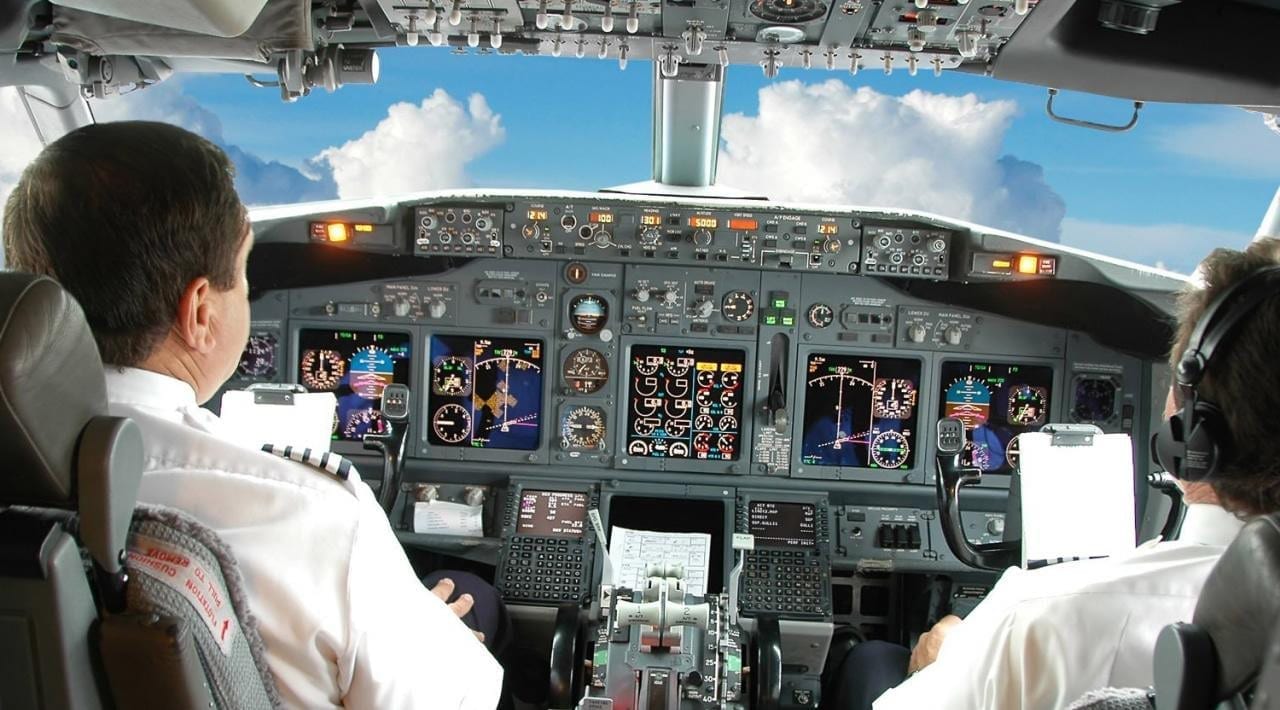
    Singapore Airlines (SIA) is reportedly expanding its search for cadet pilots beyond Singapore’s borders.

    This is part of an aggressive recruitment drive to hire more pilots to meet the needs of a growing fleet. The carrier had ordered 67 Airbus 350s, six of which arrived last year.

    Job advertisements recently posted on online pilot forums stated that all nationalities are welcome to apply.

    Previously, the airline tended to hire Singaporean Citizens or Singapore Permanent Residents (PRs) for its cadet pilot training programme, industry observers told.

    The cadet pilot training programme typically takes three years to complete.

    As a comparison, the carrier continues to seek Singaporeans or PRs for the direct entry second officer position, as posted on its website.

    More than 80% of its 2,000 cockpit crew are either Singaporeans or PRs.

    But SIA said it will continue to recruit mainly Singaporeans, according to spokesman Nicholas Ionides.

    “As an international airline, we do have employees of various nationalities, including pilots who must meet our stringent requirements. This policy has not changed.”

    Last year, SIA became the last Singapore airline to hire women pilots through its cadet pilot intake.

  • Thai airlines raise domestic fares

    Thai airlines raise domestic fares

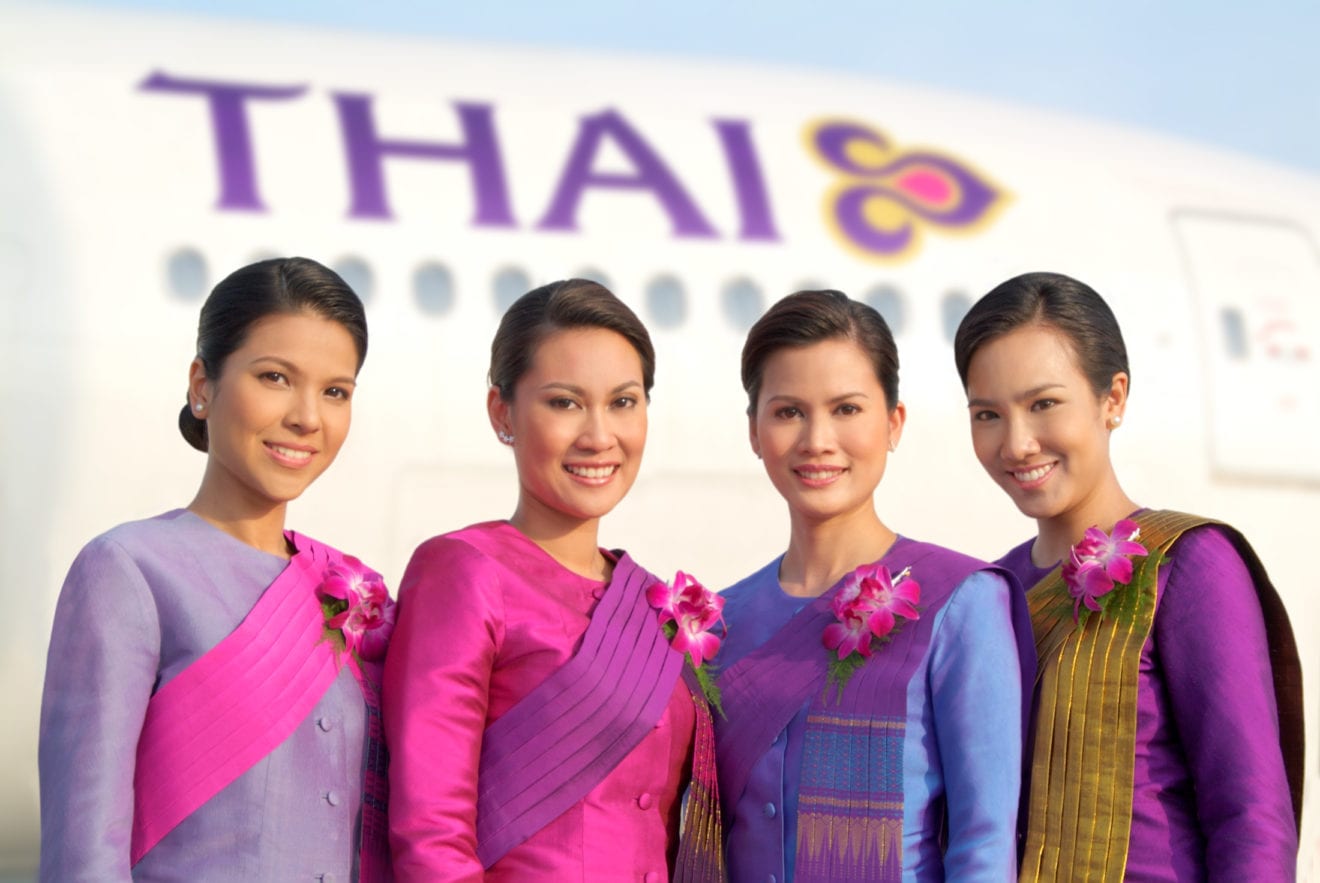
    Thailand’s low-cost airlines are increasing fares on domestic routes in a respond to a massive increase in excise tax on jet fuel that came into effect last week. The government increased the fuel tax on all domestic flights from 20 satang to THB4  per litre, claiming it was overdue, while bringing the tax more inline with the THB6 a litre tax on diesel fuel.

    Nok Air, Thai Lion Air and Thai AirAsia issued statements, Tuesday, saying they would raise fares on domestic routes to reflect the “real cost increase by THB150 per sector”. It will increase roundtrip fares by THB300.

    This additional cost will be included in all fares posted on Nok Air’s website as of 6 February 2017 onwards, the statement read.

    Thai AirAsia and Thai Lion Air announced the same increase, effective 1 February (Air Asia) and 6 February (Lion Air).

    Bangkok Airways announced later in the day  that it would increase fares by THB200 per sector, effective 8 February.

    Excise Department  director general, Somchai Poolsavasdi, said the increase should generate more than THB4 billion from domestic jet fuel consumption, which is expected to reach 1.2 billion litres a year.

    Excise tax on lubricants has also been raised, to THB5 a litre from zero previously, he said.

    He noted that land transport companies pay THB6 in excise tax on a litre of diesel fuel, while airlines have enjoyed a 20 satang tax (100 satang = THB1) for years. The  tax is not applied to international flights originating or transiting in Thailand.

    The department hiked the fuel tax to create fairer competition in business, he said. It was a reference to rail and bus transport that has suffered a mass migration to airline travel.

    Inter-city bus fares will be slightly more competitive when compared with airline fares after the THB150 is added to air fares. By 2016,  jet fuel costs had declined by 36% since 2014 and this allowed low-cost airlines to quote fares that were almost identical to long-distance bus fares (air-conditioned buses).

    While offering a token helping-hand to bus operators, the government’s other hand will snatch THB4 billion in taxes ultimately from travel consumers.  It is unlikely  to persuade travellers to return to long-distance bus transport noted as the second most dangerous form of transport after the infamous Toyota commuter van.

    Thai aviation has been rising rapidly in recent years powered by low-cost airlines at the expense of land transport. Jet fuel consumption, will exceeds 1 billion litres this year, the director general reported.

    Association of Domestic Travel advisor, Yutthachai Soonthronrattanavate, told Voice TV media that the tax increase would impact badly on domestic tourism.

    “As airlines increase fares to compensate, the burden falls squarely on the consumer’s’ shoulders,” he said.

    “The tax measure will hurt airlines operating domestic flights flying about one hour and using 8,000 to 9,000 litres per trip …it will increase an airline’s costs…in turn passengers will then have to spend more on flights.”

    In the past when fuel prices were high, airlines immediately passed part of the cost to consumers in the form of a “fuel surcharge.”   They eventually were forced to include the surcharge as part of the base fare rather than lumping it with service fees and taxes at the close of the transaction.

    Thailand’s Ministry of Tourism and Sports is counting on domestic tourism to boost earnings and share the benefits of tourism beyond the main gateways.  Low-cost airlines are the main driver allowing urban Thais to explore their country safely and at competitive prices.

    Government officials will argue there are alternatives such as rail and road transport, but the standard and safety of those alternatives lags far behind air travel.

    It would take a massive investment to upgrade rail transport to offer fast inter-city rail travel that could be considered  a credible alternative to low-cost airline travel. It’s decades away which means for most travellers  low-cost airlines continue to be the only choice to get around the country quickly and safely.

    In the TV interview, Yutthachai said the excise department should have staggered increases step by step to give airlines a chance to adjust while cushioning the impact on consumers.

  • China tourism revenue up 16 percent over Lunar New Year

    China tourism revenue up 16 percent over Lunar New Year

    China’s tourism industry saw revenues of 423.3 billion yuan ($61.55 billion) during the recent Lunar New Year festival, up 15.9 percent against last year, the China National Tourism Administration (CNTA) said late on Thursday.

    The rate of growth, driven by 344 million domestic tourist trips, was, however, slightly slower than the 16.3 percent rise seen in the corresponding year-ago period. Trips abroad over the period increased more moderately with around 6.15 million outbound Chinese tourists, up around 7 percent, CNTA said.

    China’s tourism industry is key to the country’s shift towards a more services-driven economy and is a useful indicator of the strength of consumer spending. The domestic sector raked in 3.9 trillion yuan in 2016, which Beijing wants to raise to 7 trillion yuan by 2020, official news agency Xinhua said.

    China’s retail and catering firms saw sales over the week-long holiday of around 840 billion yuan, the commerce ministry said in a separate statement, up 11.4 percent over 2016.

    Lunar New Year in China is closely watched as it marks a spike in tourism and retail spending as millions of people return home or go on vacation domestically or overseas.

  • Korean shopping mall launches international delivery service

    Korean shopping mall launches international delivery service

    Paju Premium Outlets has launched a new service through which products bought at its shopping mall in Paju, Korea can be delivered to countries across the world. The retail company has offered the service through an agreement with DHL Korea.

    The mall, located in South Korea’s Gyeonggi Province, is operated by Shinsegae Simon. Brands sold at the mall include Armani, DKNY and Polo Ralph Lauren.

    “The delivery service will make it possible for foreigners to enjoy shopping without the worry of how to take the purchased products home,” a Shinsegae Simon spokesperson was quoted as saying.

  • First ever sale kicks off on AirAsia India social channels

    First ever sale kicks off on AirAsia India social channels

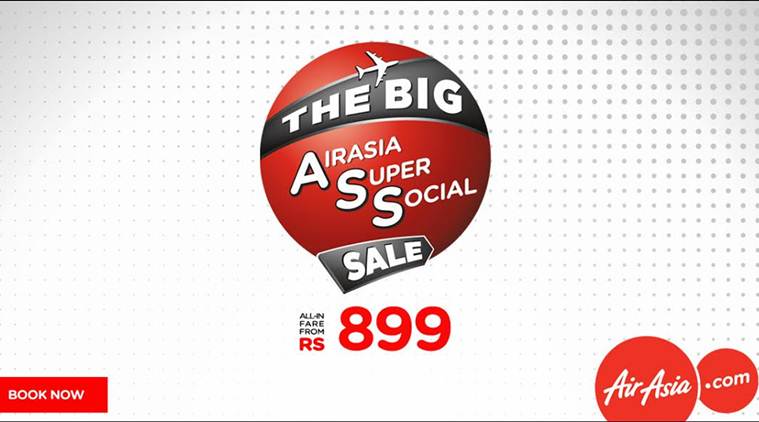
    Riding on the increasing digital penetration in the Country, AirAsia India is launching its first ever ‘Big ASS’ Sale on its social channels at 2130 hours on Thursday, 2 nd February 2017.

    Here’s the chance for travel enthusiasts to pick up their bags, without thinking twice and head out to their favourite destinations immediately! By immediately, we mean as early as NOW till 30 th April 2017.

    Unable to hold on to your excitement? Don’t lose time! between 3 rd & 5 th Feb 2017 and get going! What’s more thrilling than indulging yourself in an unexpected holiday? It is the amazing fares that come with it! Your Goa dreams are finally coming true – fly to Goa from Bengaluru or Hyderabad at INR 899 (All-inclusive).

    It’s the perfect time to plan those long weekends coming up in Feb, March and April! There’s so much for you to explore in India and beyond – Kuala Lumpur & Bangkok. AirAsia India currently flies to 11 destinations with its two hubs in Bengaluru & New Delhi covering Chandigarh, Jaipur, Guwahati, Imphal, Pune, Goa, Visakhapatnam, Kochi and Hyderabad. The airline will start flying to Srinagar & Bagdogra form 19 February 2017.

    Keep yourself updated with AirAsia’s latest promotions and activities via Twitter

    (twitter.com/AirAsiaIN) and (facebook.com/AirAsiaIndia).

  • Diebold Nixdorf establishes direct presence in Myanmar

    Diebold Nixdorf establishes direct presence in Myanmar

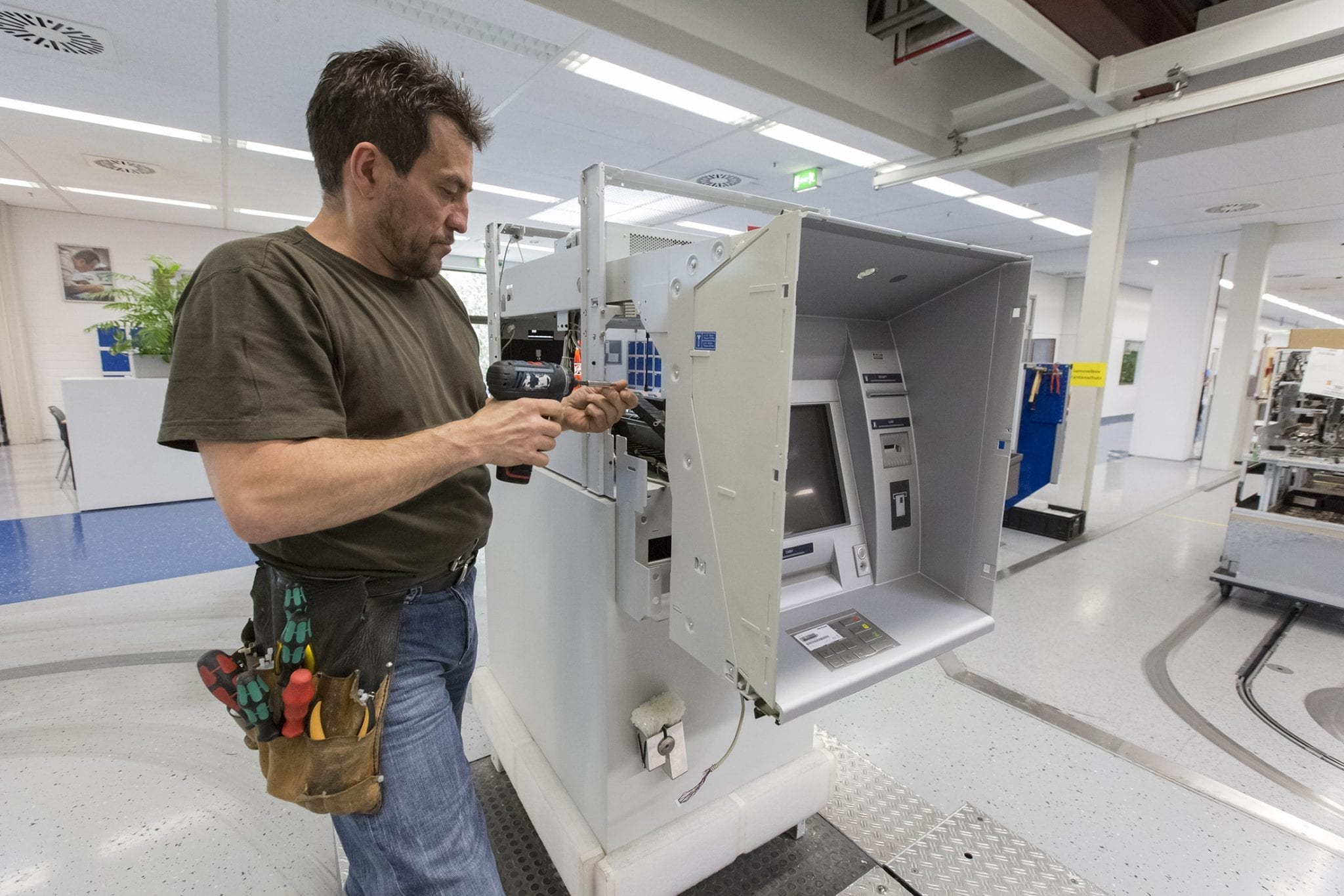
    Diebold Nixdorf, a leading innovation partner for nearly all of the world’s top 100 financial institutions and a majority of the top 25 global retailers, today announced the opening of an office in Yangon, Myanmar, creating a direct presence in the country for the newly combined company.

    Previously, Diebold Nixdorf had been operating in Myanmar through third-party business partners, supporting local banks with their self-service technology needs for many years.Six months into the implementation of the new government’s economic policy, digitization of the banking and financial system in Myanmar is making headways. Success stories of mobile money transfers and airtime top-ups suggest Myanmar banking and retail sectors are ready to migrate to digital channels. But as Myanmar treads the path between the physical and digital worlds, cash remains king as the main mode of payment, though in improved and more versatile ways.

    As of 2015, the total number of automated teller machines (ATMs) in Myanmar is approximately 1,780. The figure of 21% is a CAGR for growth between end-2015 and end-2021, according to strategic research and consulting firm RBR.

    With a population of nearly 54 million people, Myanmar has huge growth potential in the banking sector as it expands its services outside of Yangon to more rural areas where it is estimated that more than 95 percent of the population is unbanked. Diebold Nixdorf has worked with a number of banks in other countries across the Asia Pacific region to help them reduce the number of unbanked consumers and bring more customers on board. For example, in India the company has helped a number of local banks by providing low-energy ATMs which can work beyond the limited daily power and maintain them through its extensive services and logistics network. Diebold Nixdorf, which has already a team of 30 service staff in Myanmar, can help banks address these needs.

    Now, by establishing an in-country presence the company can cater to the growing needs of Myanmar banks as they expand their products and services in and beyond the main cities. In addition, Diebold Nixdorf plans to help established or new retailers who wish to enter the Myanmar market with its automation, omni-channel and lifecycle management solutions.

    Neil Emerson, Diebold Nixdorf senior vice president and managing director, Asia Pacific, said, “We’re delighted to be expanding our operations in Myanmar. By establishing a local office in the country it will help us build a closer relationship with our customers and serve them better. We continue to drive innovation in both banking and retail technology and services to meet Myanmar’s unique market requirements.”

    Piers Leach, country manager, Myanmar commented, “We have seen a significant growth in the banking industry in Myanmar over the last few years and we have already been a long and established partner for most of the country’s leading commercial banks. We are excited to more effectively grow our partnership with clients with a new, direct presence in the country.”

  • Big guns line up for Hong Kong International Airport duty free tenders as bids close

    Big guns line up for Hong Kong International Airport duty free tenders as bids close

    Many a fortune has been squandered at Hong Kong’s famed Happy Valley race track. But it’s fair to say that picking a winner from the bidding line-up for the two core category tenders at Hong Kong International Airport (HKIA) some 30 minutes away is a far more difficult exercise than most events on the race card.

    The likely bidder line-up for the first two core category tenders at HKIA, which we held off publishing until bids closed. Note: We understand Heinemann bid for liquor/tobacco/gourmet, not beauty & accessories.

    When it views the submitted offers following the bid closure this afternoon, Airport Authority Hong Kong (AAHK) will no doubt issue a sigh of relief at both the depth and quality of the field it has attracted. With the financial difficulties at HKIA of incumbent DFS Group so well-documented, and Hong Kong’s tourism spending woes similarly familiar to potential contenders, the authority had the difficult job of talking up the tender while simultaneously trying not to deter potential bidders with superficial marketing hype.


    As previously reported, the liquor & tobacco concession is being increased substantially both in terms of space and range, with the addition of liquor-related accessories and gourmet items

    The perfumes & cosmetics concession will become a “beauty and accessories one-stop shopping destination”, including a minimum of 465sq m dedicated to fashion accessories

    Confectionery, a big in-demand category, will enjoy its own dedicated concession. The tender will be launched in March or April.

    Airport Authority Hong Kong believes that given the airport’s extremely strong line-up of speciality stores and mono-brand boutiques (its dazzling Chanel and Rolex duplex stores are shown left and right), there is no need for the airside general merchandise concession. Instead it has allocated the best-selling general merchandise categories to the other packages.

    It set about that goal in an impressive manner, most notably by restructuring the concessions themselves. Out went Airside General Merchandise, in came gourmet foods (to liquor & tobacco), and in came key accessory categories to the pivotal perfumes & cosmetics concession. As revealed by The Moodie Davitt Report, confectionery, an attractive but specialised category, is being offered as a separate single concession.

    The revamped tender model resulted from extensive dialogue between the Authority and the incumbent, other likely bidders and, most critically, consumers. Given the sheer weight and quality of ‘internal’ airport rivals to the general merchandise concession in the form of HKIA’s splendid line-up of stand-alone boutiques, the decision to scrap the all-embracing general merchandise category (and to move its best bits elsewhere) was highly astute.

    This is how the 2012 bidding line-up looked. Nuance-Watson and World Duty Free Group have since been subsumed into Dufry, which did not bid last time around.

    AAHK also emphasised time and again in the run-up to the tender (and in the documents) its whole-hearted commitment to its partners’ commercial success, via intensive physical and digital marketing, shared participation in promotional efforts and to driving HKIA’s passenger numbers.

    The formula seems to have worked. A star-studded field comprising many of the most powerful players in The Moodie Davitt Report’s acclaimed annual Top 25 Travel Retailers League – increasingly the reference point for investors and airports studying the market’s strength and profile – has emerged. While the beauty and accessories concession has attracted greater interest – not surprising considering its greater certainty – there are still enough powerful contenders for liquor, tobacco and gourmet foods to suggest that the stakes there, too, will be similarly high.

    What of the bidding levels? DFS’s sobering experience may have led to some wariness (certainly for the incumbent itself, though do not by any means count out its chances of retaining the beauty business on which it is bidding) but the prevalent market view is that the LVMH/Robert Miller retailer was unlucky in its last bid rather than over-ambitious.

    After all, when The Moodie Davitt Report announced the retailer’s spectacular June ‘One…two… three’ concession victory back in June 2012 amid surging Chinese travelling and spending levels, who could have possibly contemplated what would have followed? What a list: Xi Jinping’s election in March 2013; his subsequent crackdown on corruption and conspicuous consumption; the sharp decline in Mainland Chinese visitors to Hong Kong in 2015 (driven by anti-Mainlander sentiment and the pro-democracy protests); and the meteoric growth of cross-border e-commerce.

    Any one of those factors would have compromised an initially justifiable bid. Collectively they were enough to critically damage it, especially given the contractual premise of a MAG rising in line with increased passengers (as, for example, happened in 2015 and 2016) but where their actual spending (down) was not factored in. All in all, the perfect storm.

    Despite the chastening effect of such an experience (hardly confined to Hong Kong), the individual and collective ambitions of the bidders still represents a heady cocktail of strategic justification, geographic focus (Asia generally, China particularly), overseas expansion, national pride, ‘face’, category expertise and – dare one say it – sheer need for success. All that suggests AAHK will not have to worry too much about any shortfall in its budget going forward.

    So, with a nod in the direction of the race-card publisher down the road at Happy Valley (let’s call the HKIA racetrack Happy Value), here’s The Moodie Davitt Report’s view of the runners and riders in the great Hong Kong International Airport Duty Free Stakes (Note: several of these observations were made in our initial appraisal of the HKIA tenders back in July 2016. We have updated these where possible while respecting retailer confidentialities. All our comments were deliberately held back until just before the bids closed.)

    Likely contenders for the Hong Kong International Airport (HKIA) contracts

    Sky Connection: A certain bidder on liquor & tobacco, and a serious front-runner. The New World Development Company-owned retailer harboured deep disappointment over losing its long-time liquor & tobacco stronghold to DFS last time around, and is desperately keen to make a comeback. Well, not desperately – it’s a well-run company that insists on making money out of concessions – but you get the point. The company’s recent success in the MTR duty free bid augurs well and you can expect a highly focused, innovative, ambitious but not excessive pitch for the liquor & tobacco contract.

    China Duty Free Group & Lagardère Travel Retail: What a blockbuster this combination, revealed on the day the tender closed by The Moodie Davitt Report, represents.

    Deeply ambitious, and now part of the new Chinese tourism ‘super force’ created by China International Travel Service’s merger into China National Travel Service (HK), state-owned China Duty Free Group (CDFG) has made no secret of its desire to grow internationally. It’s off to a strong start in Cambodia (where it now has operations in Phnom Penh, Siem Reap and Sihanoukville) but its ambitions extend way beyond that. To use retail terminology, Hong Kong is a natural ‘adjacency’ to the Chinese Mainland operations; and CDFG’s powerful and complementary partnership with French partner Lagardère Travel Retail is a formidable one in anyone’s book.

    CDFG’s stunning success at its Haitang Bay off-airport store on Hainan Island, as well as its expanding Mainland airport portfolio, has underlined its credentials for running such a blue-chip business as HKIA. Funding will not be a problem, especially given the Sino–French JV now in place.

    For its part Lagardère Travel Retail sees Asia as pivotal to growth, and a blue-chip airport concession such as HKIA would provide a massive fillip. In 2011/12 it bid on perfumes & cosmetics and airside general merchandise; this time around it and CDFG are in for both contracts on offer. And they’re serious about both. International acumen, regional knowledge, combined strength: this is a force to be reckoned with alright.

    King Power Group (HK): Managing Director and lead shareholder Antares Cheng has history here. He was part of the former Kiu Fat Investment Corp’s famous, albeit short-lived, contract victory over incumbent DFS at Hong Kong’s old Kai Tak Airport in 1987, the start of a commercial war that is enshrined in industry legend. King Power (no relationship to the Thai company of the same name) still operates half of the duty free business at Macau International Airport, as well as having a strong (and growing) presence at Shanghai Pudong, and it would dearly love to complete a Chinese trio – and a Hong Kong Airport comeback – here. Hong Kong-based Cheng is highly capable, ambitious and well funded. Expect a big play for both concessions.

    Sunrise Duty Free: The privately held Mainland China retailer may be the most low-profile retailer in the industry but it is not shy in terms of growth ambitions. After all, this is the company that could have (and, some say due to its superior financial bid, should have) acquired World Duty Free ahead of eventual winner Dufry.

    The retailer (partly held by Hong Kong-based Boyu Capital and ably led by Madam Fengyi Zhang) wants to diversify its portfolio outside of its Shanghai Pudong, Shanghai Hongqiao and Beijing Capital International airport operations, and no international gateway would appear better suited to it than HKIA. Last time around the company bid in vain for all three core category concessions. Five years on it is stronger, more experienced – and even hungrier.

    Just as critically, through its Boyu shareholder base, it ticks just about all the social and digital media boxes that AAHK now deems vital to the future success of the airport retail business.

    Recently, for example, Sunrise entered into a long-term alliance with Chinese Internet services company Tencent to accelerates its already rapid development as an online to offline (O2O) shopping provider. Besides its Sunrise investment Boyu has holdings in a glittering portfolio of companies in the Consumer and Retail, Financial Services, Healthcare, and Media and Technology worlds – including, get this, Chinese e-commerce giant Alibaba; China’s largest private express delivery player, SF Express; and the country’s leading online travel agency, 17u.cn. Boyu has also developed a close partnership with powerful travel booking provider Ctrip.com, listed in Nasdaq and with more than 250 million active members in Asia.

    If it can channel those relationships – and its bid will certainly major on that prospect – Sunrise shapes as an entirely credible candidate to extend its impressive growth story. Expect a very strong proposal on beauty and accessories.

    DFS Group: The incumbent must always be respected, in terms of insight, knowledge and experience. And when it’s such a class act as DFS, you had better throw in quality as well. There’s no doubting the importance that the retailer places on HKIA, one of the two spiritual homes (along with Honolulu International Airport) of DFS Co-Founder Bob Miller; and despite the battering the retailer has taken in recent years here, it is back pitching for the key beauty business, albeit no doubt seeking improved terms.

    The big question is, how prudent can DFS afford to be without losing out to those who may have other motivations to bid much higher, even excessively? That whole weighing up of quality vs financials is set to play a vital role in the ultimate assessment.

    Lotte Duty Free: If you were a fiction writer telling the story of Korean duty free over the past two years, critics would dismiss the plot as implausible. And Lotte is the central character in all the drama.

    It first lost, then won back, its trading licence for the magnificent new Lotte World Tower Duty Free store and now faces the prospect of painful five-yearly (not ten as hoped) licence renewal bids for all its downtown businesses. Throw in a potential dilution of its Incheon International business if Korea Customs Service has its anti-chaebol way and you have the perfect incentive for a company to expand internationally. Fast.

    Because of its heavy concentration of Chinese passengers, few airports would attract the Korean giant more than HKIA. For such a brilliant domestic operator with a frankly superb command of social and digital marketing to not have a bigger international presence is a real blot on the corporate portfolio.

    Can it change things here? Lotte’s challenge, we suspect, is more cultural than commercial – it has to convince international airports that it can do the same job abroad as it does at home. What better place to start than HKIA? Then the domino theory might apply. Expect, therefore, a hugely robust bid for both contracts.

    The Shilla Duty Free: The long-time perception that a Korean travel retailer couldn’t win a major airport duty free contract abroad was laid to rest by Shilla’s January 2014 triumph in the Singapore Changi perfumes & cosmetics tender (followed by a joint-venture victory with Sky Connection at Macau International Airport).

    Life there has hardly been plain sailing since, following a difficult start-up and a series of big quarterly losses for its international businesses – overseas duty free sales increased by +9.9% year-on-year in Q4 2016 to KRW133 billion (US$114.4 million) but losses reached KRW8 billion (US$6.9 million).

    But don’t be misled by those figures. Shilla knew what it was getting into at Changi, which it viewed as a foreign laboratory. The learnings were expensive – but crucial. Like its great rival Lotte, Samsung affiliate Shilla faces mounting and often absurd regulatory and political pressure at home. As the engine room of publicly listed Hotel Shilla, it simply must produce a growth story. In the face of ever-proliferating Korean market competition, escalating tour commission costs and regulatory chaos, it has no choice but to look abroad. Tenders and M&A. The former starts here with P&C and accessories.

    Dufry: Last July we asked whether the industry’s equivalent of a Sumo wrestler would throw its considerable weight at the kind of tender that CEO Julián Díaz historically abhors. “Too much competition, too much likelihood of a ‘strategic overbid’, and too much risk to travel retail’s most robust P&L. And yet, and yet…” we wrote.

    With the highly capable Andrea Belardini now in situ in Hong Kong as Divisional CEO for the key regions of Asia, Middle East and Australia, it was always likely that Dufry would come to the table. Remember that The Nuance Group, which it acquired in 2014, ran the beauty and general merchandise concessions here very successfully for years. Given the super-sized retailer’s disproportionately small presence in Asia we expect a positive play here, probably focused on beauty & accessories only.

    Gebr Heinemann: The family-owned German company is another to have identified Asia Pacific as a key growth target. Last July we doubted that it would bid on Hong Kong given the difficult trading conditions and the stresses of the retailer’s deeply ambitious start-up at Sydney Airport. However the latter, buoyed by a hugely favourable swing in the value of the Aussie Dollar, has got off to a flying start – way beyond just about anybody’s projections. That, along with a desire to build on a small but promising Asian base, has prompted a serious review of this opportunity. And Heinemann does nothing in a half-hearted manner.
     

  • Japan firms line up for Philippines business after Abe pitch

    Japan firms line up for Philippines business after Abe pitch

    Japanese firms, especially those in the infrastructure business, are scrambling for a slice of prospective new businesses arising from Japan Prime Minister Shinzo Abe’s 1-trillion-yen (P440-billion) financing and investment pledge to the Philippines.

    This was stated by Japanese banking giant Bank of Tokyo-Mitsubishi UFJ, a leading player in project financing globally, which has been matching Japanese firms with potential local partners in support of Mr. Abe’s commitment to the Philippines.

    The Japanese bank is also preparing to fund large-scale projects in the Philippines under the golden age of infrastructure envisioned by President Duterte.

    Takayoshi Futae, BTMU chief executive officer for Asia & Oceania, said in a recent briefing that BTMU and many Japanese firms were upbeat on the

    1-trillion-yen package pledged by Abe to promote economic and infrastructure development in the Philippines within the next five years.

    “This is one of Japan’s largest investment directed at a single country and we really want to be part of this project,” said the Singapore-based Futae, who was in town for a series of meetings with BTMU’s local partner, Security Bank.

    “MUFG (Mitsubishi UFJ Financial Group—of which BTMU is part of) is very committed to supporting Asia’s growth. We not only have the financial capability but also strong network and strategic relationships across the region,” he said.

    Futae is unfazed by China’s bid to do more business in the Philippines—given the recent rekindling of bilateral ties with China—adding that there was enough business in the region for both Japanese and Chinese firms.

    Tadahiro Miyamoto, general manager of BTMU Philippines, said representatives of many Japanese prefectures (local government units) had been visiting the Philippines “trying to find market for their products.”  With its 100-million consumer market, he said many Japanese firms were interested in doing business in the Philippines.

    Miyamoto said Japanese infrastructure-related companies and those targeting domestic markets like retailers were among those most interested in the Philippines. Those involved in the car industry are likewise interested because of the government’s “CARS” program, he said.

    The government’s Comprehensive Automotive Resurgence Strategy (CARS) program seeks to attract new investments, stimulate demand and effectively implement industry regulations that will revitalize the Philippine automotive industry, and develop the country as a regional automotive manufacturing hub.  The program covers not only car assemblers but also manufacturers of vehicle parts.

    Futae said the 6-7 percent growth rate of the country was “amazing” from the perspective of someone who hails from a slow-growing economy like Japan.

    “Philippines and Japan should work more together,” he said.

    To better understand the country and flesh out its commitment, Futae said BTMU was in need of a strong and reliable local partner—now the role of Security Bank. Since acquiring a 20-percent stake in Security Bank in April last year, he said BTMU had been able to expand into retail lending and financing to Philippine companies.

    During recent meetings, Futae said BTMU and Security Bank discussed “further collaboration” and everyone was “bullish on the success of the collaboration.”

    Asked whether BTMU was keen on raising its interest in the local bank, Futae said the group was comfortable with its 20-percent stake but added that if given the opportunity to increase its stake in Security Bank, this would be something that the group would “seriously” consider.

  • Email Users in Indonesia Check Inboxes Hoping for a Retail Promo

    Email Users in Indonesia Check Inboxes Hoping for a Retail Promo

    Email has long served as a reliable beast of burden for marketers —a bankable but unexciting way for brands to tap into a dedicated audience that has opted-in to communication. The same holds true in Indonesia, but on steroids.

    A survey of email users in the country conducted by research firm JakPat in January 2017 found that a significant portion were interested in receiving marketing communications. Interestingly, 30.6% of respondents named receiving shopping promotions as one of the main reasons they used email.

    Marketers looking to craft messages for email users in Indonesia should be aware that the vast majority of respondents, more than 80%, primarily used mobile phones to check their email, according to the survey. That means that to effectively reach consumers in Indonesia, mobile-optimized email design is a must.

    Mobile phone email users also overwhelmingly relied on a dedicated email app over a web browser. Fully 86% of respondents used an app, compared with just 14% who checked email on a browser.

    A March 2016 survey of mobile device owners in Indonesia from Experian Marketing Services underscores how effective email ads can be. It found that 57% of respondents had been influenced to make a purchase by an email ad—more than had been swayed by either website banner ads or search ads.

  • Garuda Indonesia Announces Change in Citilink Director Board

    Garuda Indonesia Announces Change in Citilink Director Board

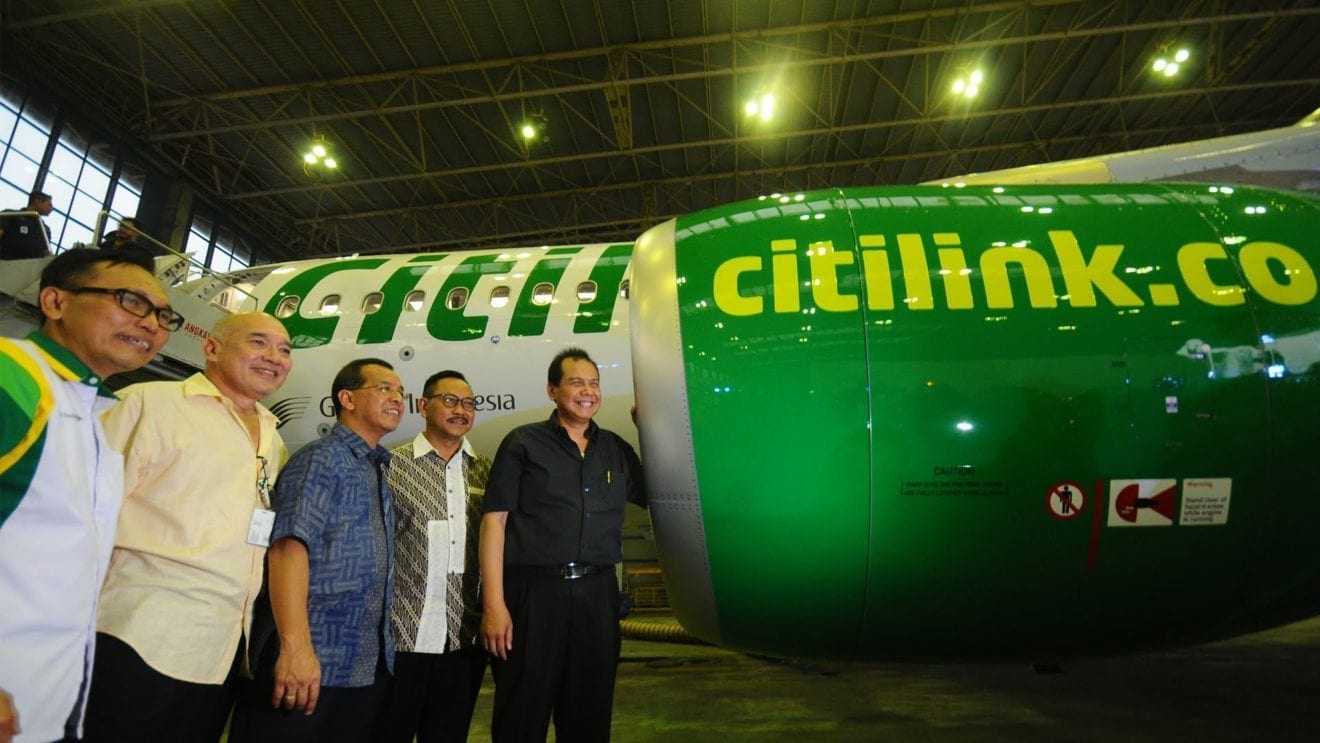
    PT Garuda Indonesia Tbk (GIAA) changes the composition of board of directors of its subsidiary, PT Citilink Indonesia.

    The change in the composition of board of directors was made after Chief Executive Officer (CEO) of Citilink Albert Burhan submitted resignation at the end of December 2016.

    Albert resigned following the case of Citilink airline’s pilots who allegedly drunk when he was about to fly Surabaya-Jakarta plane on Wednesday (12/28/2016).

    In a public expose before the Indonesia Stock Exchange (IDX), Thursday (2/2/2017), the company reported that resignation of Citilink’s CEO or President Director Albert Burhan and Operation Director Hadinoto Soedigno was approved by the company.

    The Annual General Meeting of Shareholders (AGM) of PT Citilink Indonesia approved the change in the composition of Citilink’s board of directors by January 30, 2017.

    Additionally, PT Citilink Indonesia’s current Director is Mega Satria.

    “General Meeting of Shareholders of Citilink Indonesia has approved the change in Citilink’s Board of Directors, which is effective as of January 30, 2017,” the public expose said.