Category: General

Retail News Asia is committed to providing both local and global retailers with the latest General Retail news throughout the Asian market. This on a daily base.

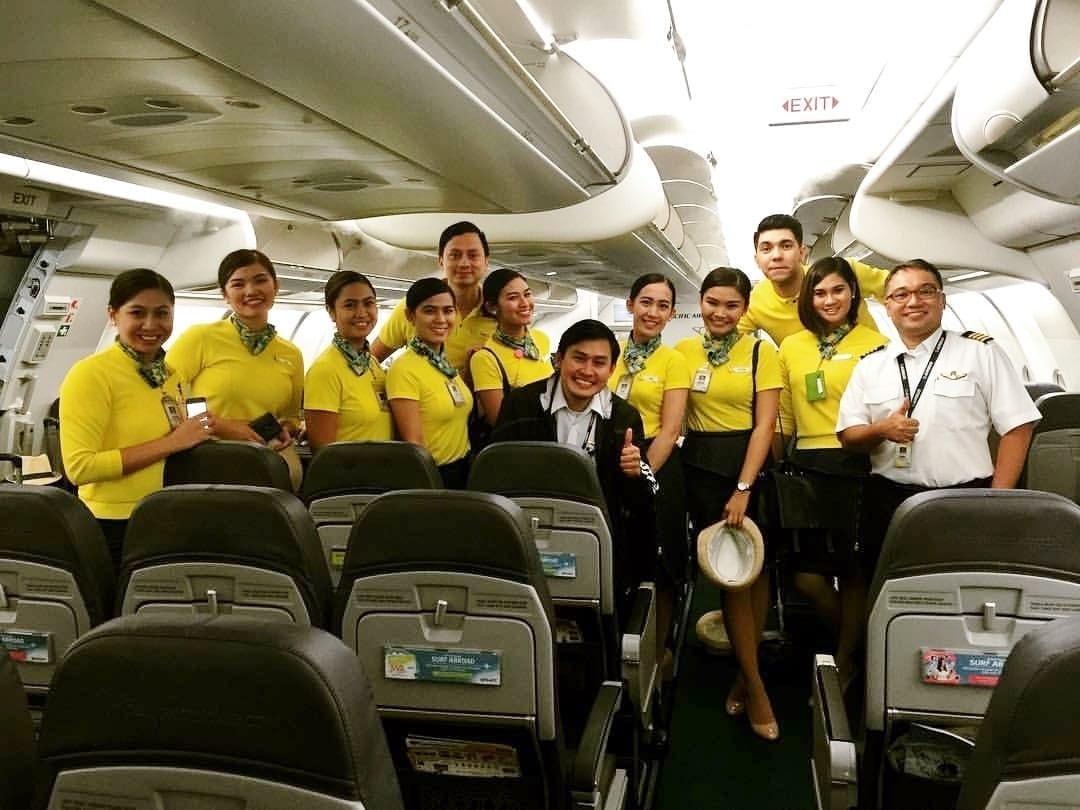
  • Cebu Pacific offers P1 fare anew; system crashes

    Cebu Pacific offers P1 fare anew; system crashes

    Cebu Pacific, the country’s largest carrier, is once again offering its popular piso fare promo. Its booking system page, however, was swamped with many visitors interested in the promo that it became inaccessible an hour after the promo rolled out.

    The budget carrier’s two-day seat sale started Friday and will end Saturday, or until seats last.

    The piso fare is offered for the all of the airline’s domestic and international routes, including its Manila-Sydney route.

    Travel period is from June 10 to December 10, 2017.

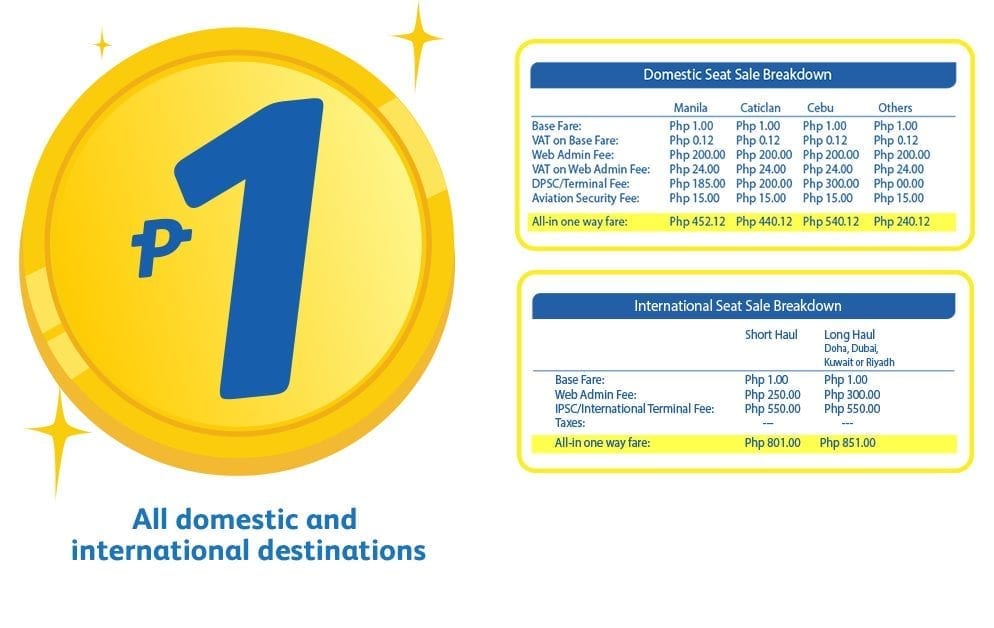
    Cebu Pacific said one-way fares are inclusive of P1 base fare with 7kg handcarry baggage allowance, P150 web admin fee, 12% VAT, terminal fees ranging from P200-P315 for flights transiting in/exiting from Caticlan, Cebu and Manila stations.

    “Terminal Fees originating from non-Caticlan/Cebu/Manila stations must be paid at the airport,” it added.

    Its international one-way fares, meanwhile, are inclusive of P1 base fare with 7kg hangcarry baggage allowance, P150 and P200 web admin fees for short-haul and long-haul flights, respectively and P550 international terminal fee for flights exiting from Manila.

    “P1,620 Philippine travel tax and country-specific taxes ranging from P420-P2,185 are paid on of top quoted one-way fares,” Cebu Pacific said.

    “Promo fares have limited availability and are non-refundable but rebookable subject to the following rebooking fees: P1,500 (domestic), P2,300 (short haul) and P2,800 (long haul) plus fare difference,” the airline said.

    Its list of available number of seats on sale per route can be found here.

  • AirAsia to resume flights between Clark, Kalibo

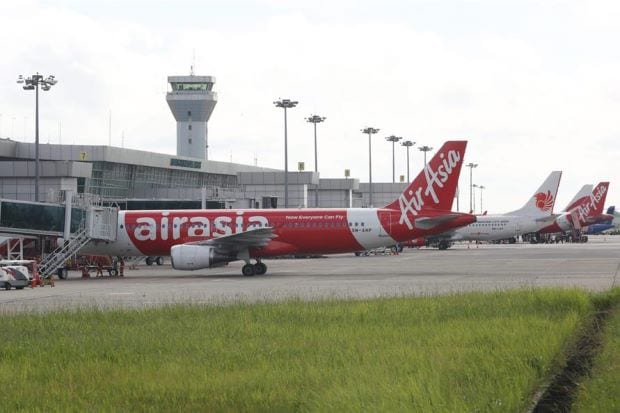
    AirAsia to resume flights between Clark, Kalibo

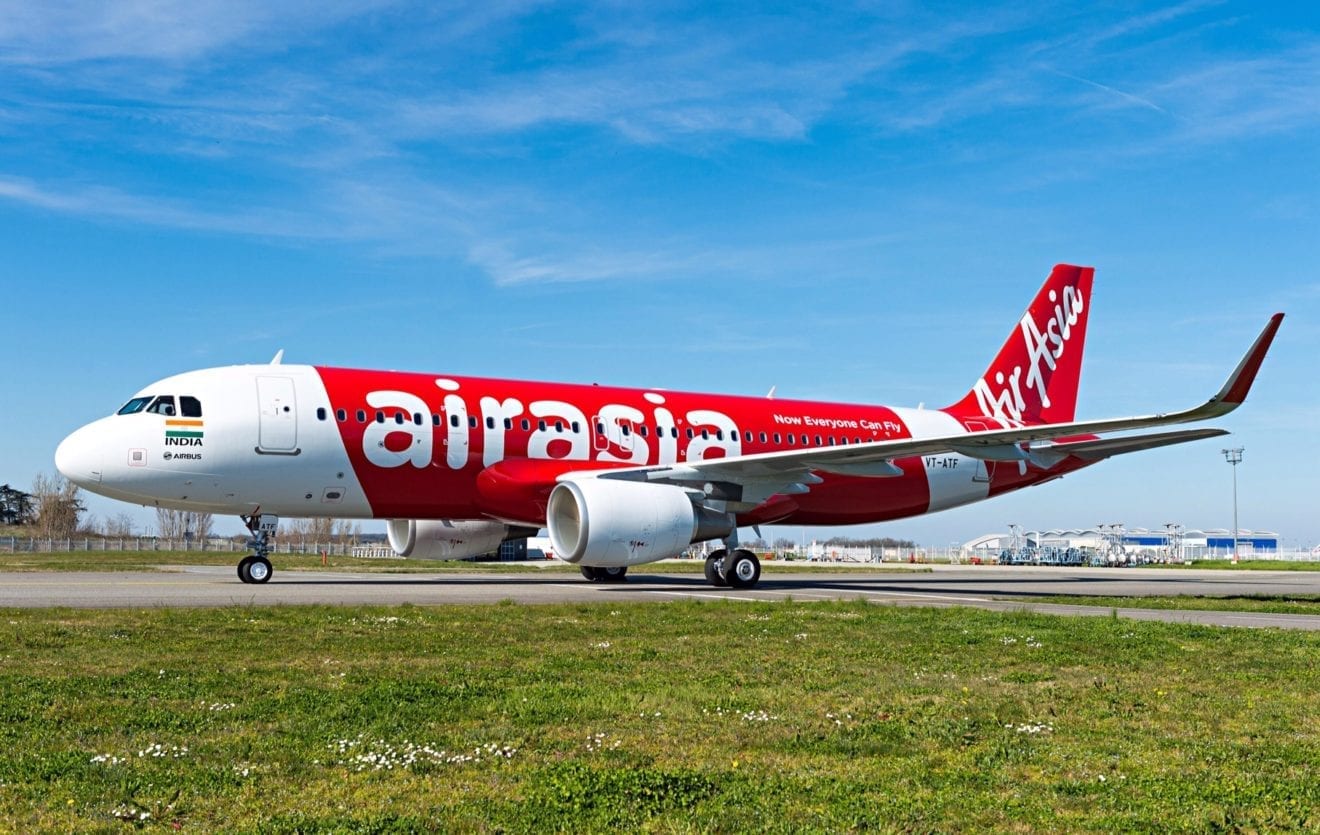
    In a statement, Philippines AirAsia said it will start the three flights weekly from Clark to Kalibo on March 27. The budget carrier will mount flights every Monday, Tuesday and Friday.

    “AirAsia has constantly dedicated itself to make air travel more affordable, convenient, and accessible to all and we are reaffirming this commitment with our newest Clark-Kalibo route. We are thrilled to provide the much needed connectivity at affordable fares for travellers from Central and Northern Luzon,” Philippines AirAsia CEO Captain Dexter Comendador said.

    To recall, AirAsia introduced commercial flights from Clark in 2012 before moving to the main gateway Ninoy Aquino International Airport.

    With the resumption of Clark flghts, AirAsia is offering promo fares to Kalibo from as low as P699 until Feb. 5. Travel period is between March 27 and Nov. 30, 2017.

  • Cebu Pacific planes use world’s lightest aircraft seat

    Cebu Pacific planes use world’s lightest aircraft seat

    Cebu Pacific, through its wholly owned subsidiary Cebgo, has chosen the world’s lightest aircraft seat, Expliseat, for its ATR 72-600 aircraft.

    The Titanium seat will be installed on all 16 aircraft, two of which are already being utilized by Cebu Pacific. The lighter seat is expected to help decrease fuel burn while allowing the carriage of more guests and cargo on board.

    Expliseat Titanium seat / CREDIT: Expliseat / Manila Bulletin

    Expliseat Titanium seat / CREDIT: Expliseat / Manila Bulletin

    “With Expliseat’s ultralight seats, Cebu Pacific is able to provide comfortable seating to its guests while allowing for a more fuel-efficient operation which will lead to more affordable fares.  With the airline’s low fare offer, we hope to further stimulate inter-island connectivity and contribute to the economies of the destinations we operate in,” said Alexander Lao, president and CEO of Cebgo.

    “Expliseat is proud to announce its collaboration with Cebu Pacific Air. This agreement confirms the unique balance between passenger comfort, high reliability and weight savings that can be offered by the Titanium Seat,” said Benjamin Saada, chief executive officer of Expliseat.

    The Titanium Seat is a technological breakthrough registered under 16 patents, made of ultralight materials such as titanium and carbon composite resources.

    CEB offers flights to 37 domestic and 29 international destinations, covering an extensive network that spans Asia, Australia, the Middle East, and USA.

  • Thailand readies for shopping mall boom in 2017

    Thailand readies for shopping mall boom in 2017

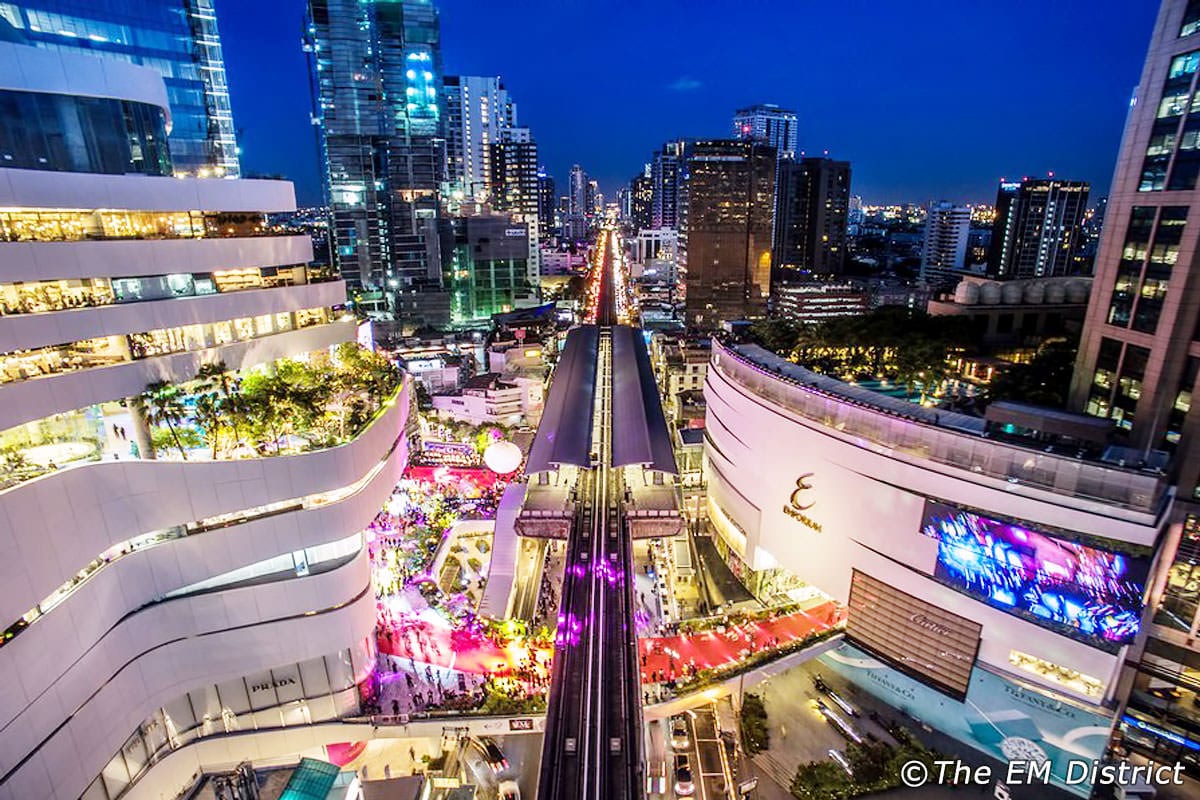
    Thailand can expect a slew of shopping mall openings in 2017, according to retail experts, as more international fashion brands and retailers look to take advantage of the evident mall culture in the Southeast Asian market.

    Japanese bank and consulting group Nomura said in a new research report that Thailand, and Southeast Asia as a whole, is experiencing rapid retail growth and increased store openings, which analysts expect will continue over the next twelve months.

    Moreover, demand for shopfronts in malls and retail spaces will outstrip retail supply in Thailand, according to report author Peerawat Dentananan.

    “We anticipate a rise in shopping mall-related investments driving near-term growth, and environmental improvements set in motion to boost longer-term growth,” said Dentananan in a note.

    The report estimates that Bangkok’s retail occupancy rate will stay above 97%, This follows the evidence that the supply of retail space in Bangkok has registered 6% compound annual growth between 2007 and 2015.

    Meanwhile, Nomura said Southeast Asian country’s bricks and mortar store are more secure to withstand current online shopping threat other markets are experiencing, because the consumers in these markets have embraced a mall culture.

    “Despite rapid growth, we believe e-commerce in Thailand is unlikely to overtake malls as reversing the trend in China, the [U.S.] and Singapore, given that malls in Bangkok are better developed and are usually located close to home,” Dentananan wrote.

    “We see shopping malls as a choice for [socializing] and/or taking care of personal lifestyle needs for Thai people, due to year-round hot weather (driving the demand for air conditioning) and the lack of nature parks.”

  • Mainland China accounts for 28m of 30m Macau visitors

    Mainland China accounts for 28m of 30m Macau visitors

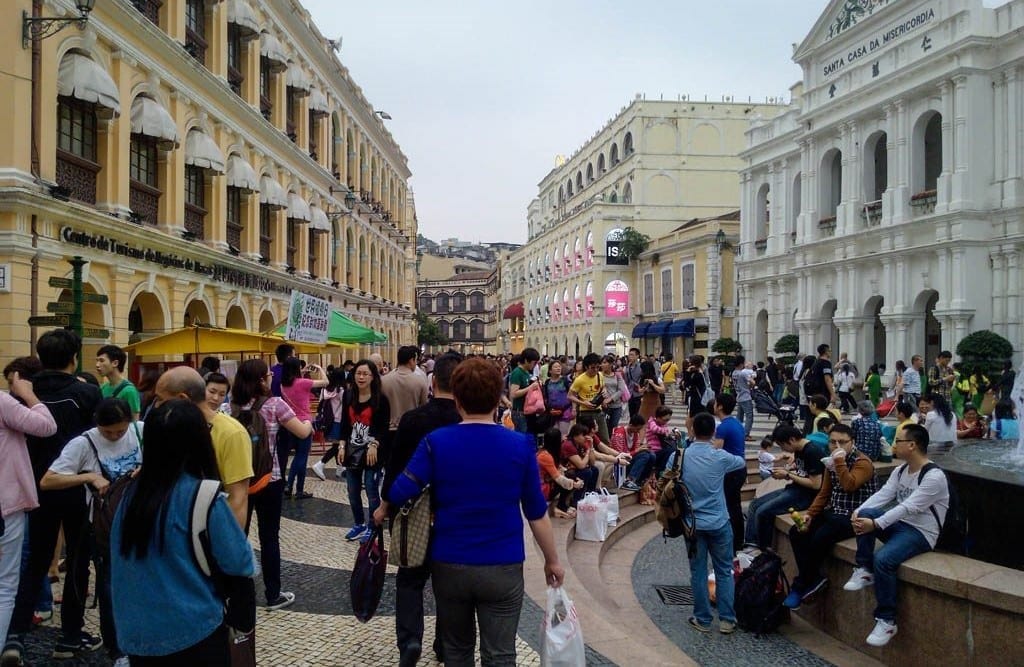
    Macau’s total visitor arrivals rose a nominal 0.8% to a new record 30.95m in 2016, with nearly 28m travelling from Greater China markets (+0.1%), a slight increase of 0.1%, whereas the much smaller international visitor arrival total grew by 7.9%.

    This will be encouraging news for DFS Macau in particular, plus Duty Free Americas, Dufry and many other standalone retailers currently operating shops in Macau’s hotels and tourist district.

    MACAU GAMBLING ON CASINO RECOVERY

    The increase also comes at a time when Macau’s casino business appears to be recovering some of its big spenders, with last December’s revenue up an impressive 8%.

    Most of these big ’high rollers’ were put off visiting the location, following Beijing’s crack down on irresponsible gambling by some mainlanders three years ago.

    Having said that, there was still a 3% fall in Macau’s overall gambling revenue to $28bn last year and this is still the Special Administrative Region of China’s biggest source of revenue by far [three times the gambling revenues generated in Las Vegas-Ed].

    Macau also continues to be only territory anywhere in China that is allowed to operate casinos.

    MACAU STILL NEEDS A LOT MORE HOTEL ROOMS

    The huge new bridge being constructed to link Hong Kong and Macau and the planned expansion of ferry operations to Macau are also expected to greatly increase visitor arrivals – although this expansion will only as good as the number of hotel rooms that are available – around 35,000 at present.

    In the meantime, the MGTO says it continue to work towards completing the tourism development goals in the 5- year development plan formulated by the SAR Government aimed at turning Macau into a World Centre of Tourism and Leisure.

    Macau welcomed more than 20m Mainland visitors last year, up by 0.2%, with 44% from Guangdong Province. There were also nearly 9.56m ‘independent’ visitors from the Mainland. An increase of 8.8% was recorded for the Taiwan market, whereas the sum of Hong Kong visitors dropped by 1.8%.

    HALF A MILLION KOREANS VISITED MACAU LAST YEAR

    As for international markets, South Korea still ranked highest, contributing over 660,000 visitors to Macau last year (+20%). Southeast Asian markets also performed well, with visitors from Thailand registering the largest growth of over 30% among the top ten source markets.

  • AirAsia awaits green-light for KL-Bhubaneswar route

    AirAsia awaits green-light for KL-Bhubaneswar route

    AirAsia is waiting for the go-ahead from India’s Directorate General of Civil Aviation to start direct flights from Kuala Lumpur to Bhubaneswar in March this year.

    The Malaysian budget airline will launch the new service once it receives formal permission from the Indian aviation regulator in its plans to boost the eastern Indian state of Odisha’s international links and tourism traffic.

    Airports Authority of India’s eastern region executive director, Sanjay Jain, said the airport operator would extend all support to AirAsia for the flight services.

  • Wellcome supermarket criticised for failing to provide seats for on-duty cashiers

    Wellcome supermarket criticised for failing to provide seats for on-duty cashiers

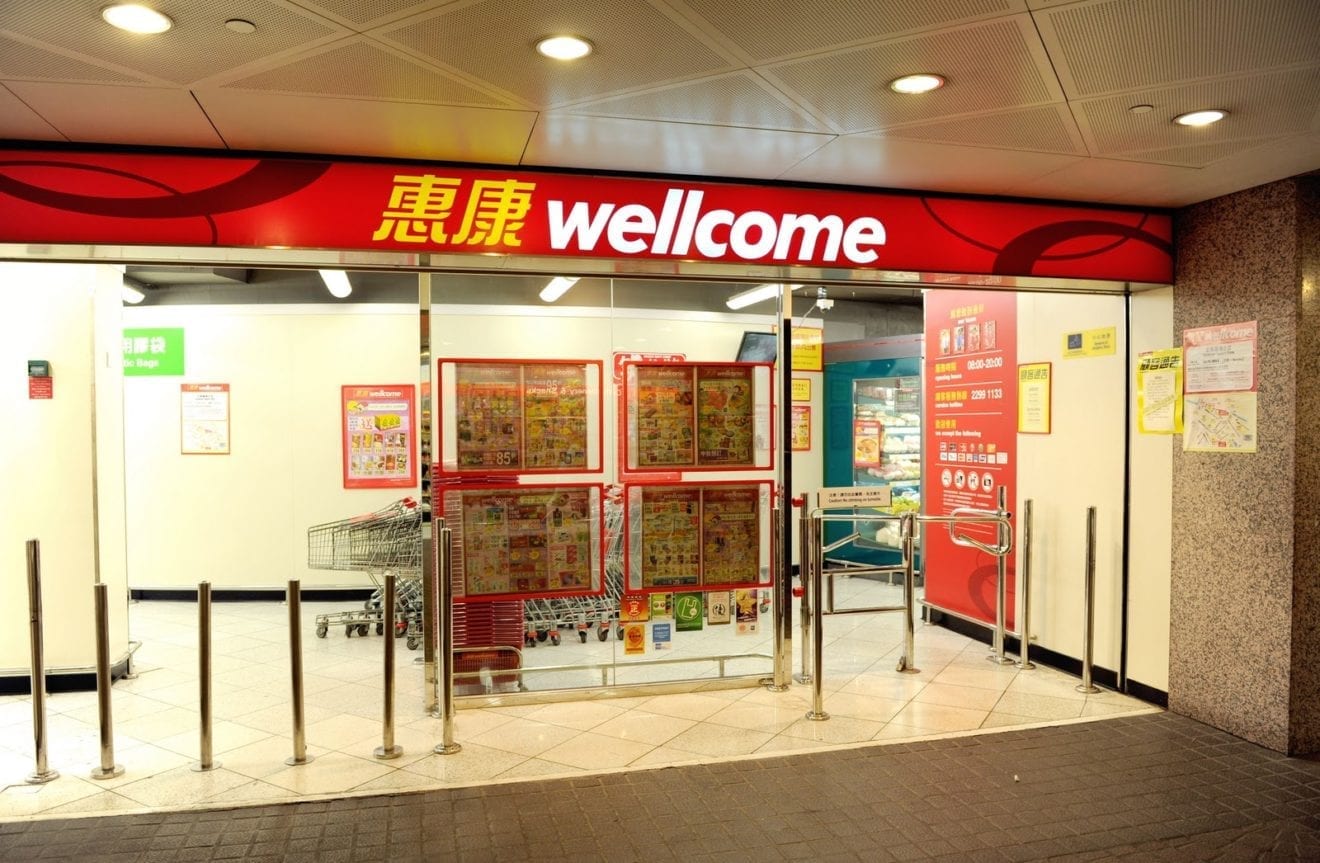
    The Wellcome supermarket chain has come under fire for failing to protect workers’ health as it emerged that they do not provide chairs for on-duty cashiers.

    The Retail, Commerce and Clothing Industries General Union said Thursday that none of the 154 Wellcome branches it surveyed provided seats to cashiers during working hours. It slammed the company for disregarding the wellbeing of its workers. Prolonged standing carries health risks such as muscle ache, back pain and swollen veins, it said.

    In response, Wellcome said that it is conducting a pilot test to introduce chairs for cashiers at four branches: Beacon Hill, Johnston Road in Wanchai, San Fung Avenue in Sheung Shui, and Avon Park in Fanling.

    It promised to gradually provide chairs to cashiers at all 281 Wellcome branches in the city.

    According to an occupational health guide issued by the Labour Department, retail employers are advised to ensure the safety and health of their workers by providing seats at their workplaces.

    Employers should ensure that employees are allowed to be seated “unless operational needs warrant otherwise,” the guide said.

    labour department guide retail

    The Labour Department’s guide on preventing health hazards for retail workers. Photo: Labour Department screenshot.

    But the union said the guide, which is not legally binding, is not enough to protect workers’ rights. It urged the Labour Department to include leg fatigue in its list of compensable occupational diseases and enforce the Occupational Safety and Health Ordinance against employers who violate the law.

    It also demanded that Dairy Farm International, which operates the Wellcome chain, review policies in all of its retail stores to ensure the safety of their workers.

    Activist Ching Chin-wai, who helped lead the campaign, said that Wellcome failed to respond to public enquiries about the progress and details of its pilot test. He slammed the supermarket chain for “disrespecting” its employees and avoiding public accountability. Ching previously led similar campaigns for other occupations such as security guards.

    The retail union is a member of the Hong Kong Confederation of Trade Unions.


  • What US department stores can learn from China

    What US department stores can learn from China

    Lucy Kruse loved the smell of perfume enveloping her as she entered the department stores of her youth. She remembers trying on soft leather gloves, and following a splash of color to the store’s elaborate hats with their feathers and veils. At Sakowitz in Houston, she peered into the Sky Terrace restaurant to see fashion models  sashay past the tables.

    From the Christmas windows of Marshall Field’s in Chicago to the extravagance of Neiman Marcus in Dallas, department stores once defined the modern retail experience. Created to be emporiums of pleasure, however, today they are falling off the map.

    This month, Macy’s announced the closing 100 of stores nationwide and layoffs for about 10,000 workers. The closings include three stores in Houston: Greenspoint Mall, Pasadena Town Square and West Oaks Mall.

    During the same month, Sears announced that it will close 150 stores by April — 10 percent of its locations. The company shuttered 78 stores last year and more than 200 in 2015. JCPenney, meanwhile, has announced it will be closing branches too.

    The cause, most experts say, is online shopping. “The short answer is Amazon.com,” said Harold Livesay, a professor of business history at Texas A&M University and author of Andrew Carnegie and the Rise of Big Business. “The long answer is FedEx, UPS and the Internet. The infrastructure is reliable and so is the ease of delivery. You can shop from home, and don’t have to schlep to the store.”

    In Chongqing, 20 couples compete in a kissing contest at the New Century Department Store in Yongchuan Shopping Center. The winning couple beat others with 56 minute of kissing in seven rounds with different postures. Photo: Getty Images, Visual China Group / 2015 Visual China Group

    There’s no doubt that e-commerce plays a substantial role in the demise of department stores. But customers may not be abandoning department stores just because they want to shop in their pajamas from the couch. Yet there may be more to the story.  Paradoxically, while department stores are failing in the U.S., in China many are thriving.

    According to recent research, about a third of China’s urban dwellers shop at department stores more than once a week.

    “Department stores in China are suffering from online competition too, but they are doing better than in America because they have a different kind of concept of what a department store is,” said Haiyang Li, professor of strategic management at Rice Business in Houston. “They have added different entertainment elements, like ice skating rinks and cinemas and children’s playgrounds and restaurants. Shopping is more experiential in China. It is not just grab something and go.”

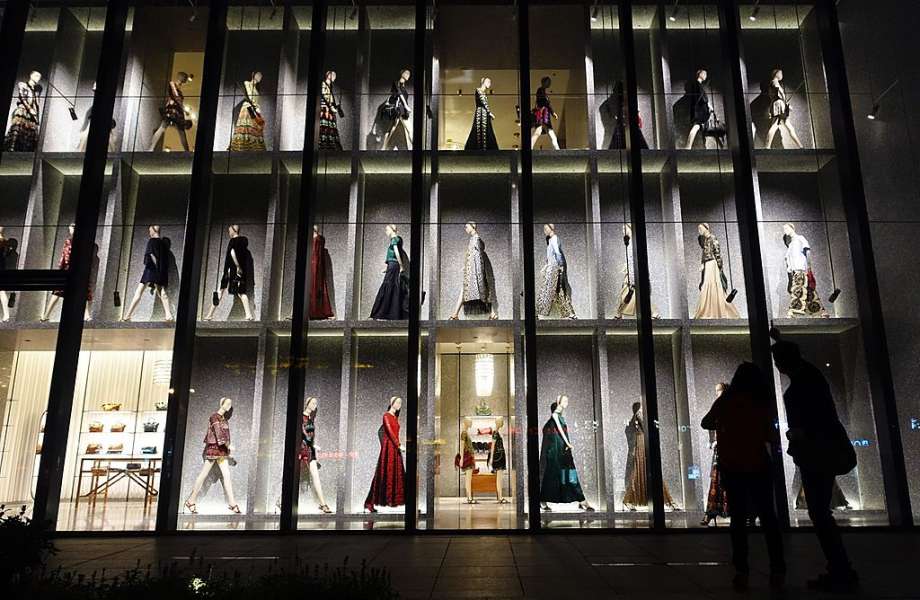
    A shop window in Shanghai. Photo: Getty Images, Johannes Eisele / AFP

    Department stores in the U.S. once offered this sense of excitement. Even small towns boasted department stores that were destinations. When Kruse, now 94, was growing up in Kingsville, she found it thrilling to take the area’s only escalator up to the tea room for lunch at Ragland’s.

    But Kruse doesn’t shop much at department stores anymore, even though she is healthy and fit. Instead, she shops online or orders out of catalogues.

    “Department stores used to be more elegant, and the staff was well-versed about the products,” she said. “The clerks really aren’t very helpful anymore. Shopping has become a chore and there is almost too much to choose from.”

    Shoppers test a bed at Ikealand in Shanghai. In China, IKEA is not only a place for shopping but also place to play. go on dates, and even sleep. Photo: Getty Images, Olivier Chouchana/Gamma-Rapho / 2011 Gamma-Rapho

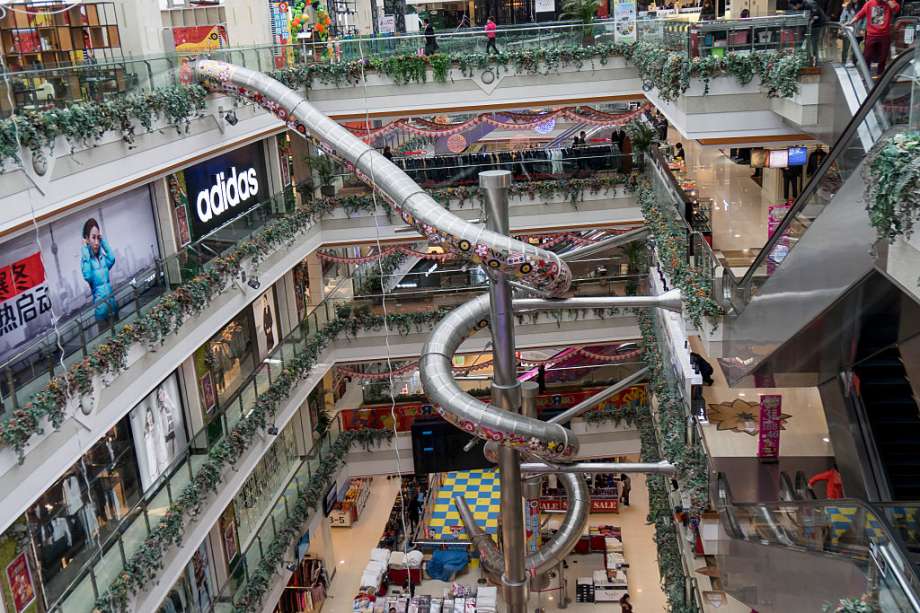
    In contrast, the Beijing-based Shimao department store recently reduced its retail floor space from 80 to 20 percent and added restaurants and entertainment areas. In Hong Kong’s Crawford Lane, concierges assist customers on every floor and 60 personal stylists stand ready to help shoppers craft their own individual chic looks.  And in Shanghai, when the upscale French department store Printemps opened a branch it included a five-story high-speed slide in the shape of a dragon so shoppers could swish from the top floor to the bottom.

    The Chinese stores hark back to a time when service, extravagance and play characterized European and American department stores. The department store became the epitome of elegance and luxury in the late 19th century, as entrepreneurs invented a new style of consumption in which shopping equaled pleasure.  French author Emile Zola set his novel Au Bonheur des Dames (The Ladies’ Delight) in the Paris department store Le Bon Marche. As the owner enticed his female customers into purchasing an exotic array of appealingly arranged goods, the dramatic customs of this new institution unfolded among the staff.
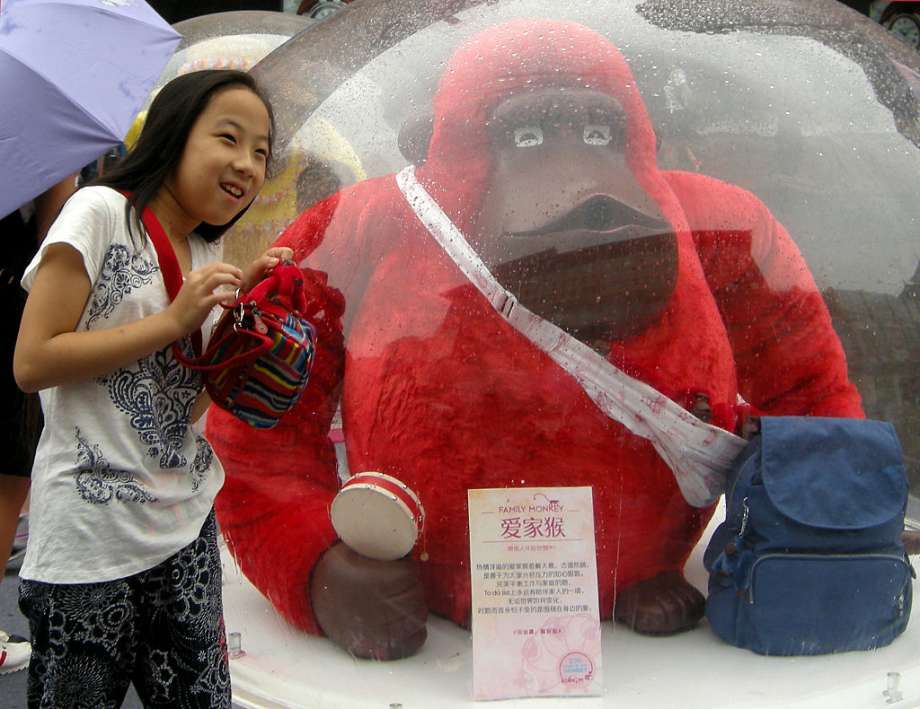
    In Beijing, a girl poses with a cartoon monkey in front of Wangfujing department store. The leisure bag brand Kipling's monkey exhibit was a hit with tourists. Photo: Getty Images, Visual China Group / 2016 VCG

    In the United States, from the 1890s into the 1960s, American department stores hired the best architects to design their flagships on prime downtown real estate. Each store’s restaurant boasted a signature dish, from deviled crab to chicken velvet soup. Filene’s offered a health menu, from which weary shoppers could refresh themselves with potassium broth, acidophilus milk or a cold glass of kraut juice.

    These stores played a central role in a city’s identity, too. Their tall clocks were meeting places where memories began. Any child born in Georgia received a birthday card from Rich’s.”  In Dallas, the Neiman-Marcus offered its famous his and hers gift at Christmas, with offerings ranging from airplanes to mummies to live camels. In Chicago, Marshall Field’s was such an institution that after the bombing of Pearl Harbor, one woman reportedly exclaimed, “Nothing is left anymore, except, thank God, Marshall Field’s.”
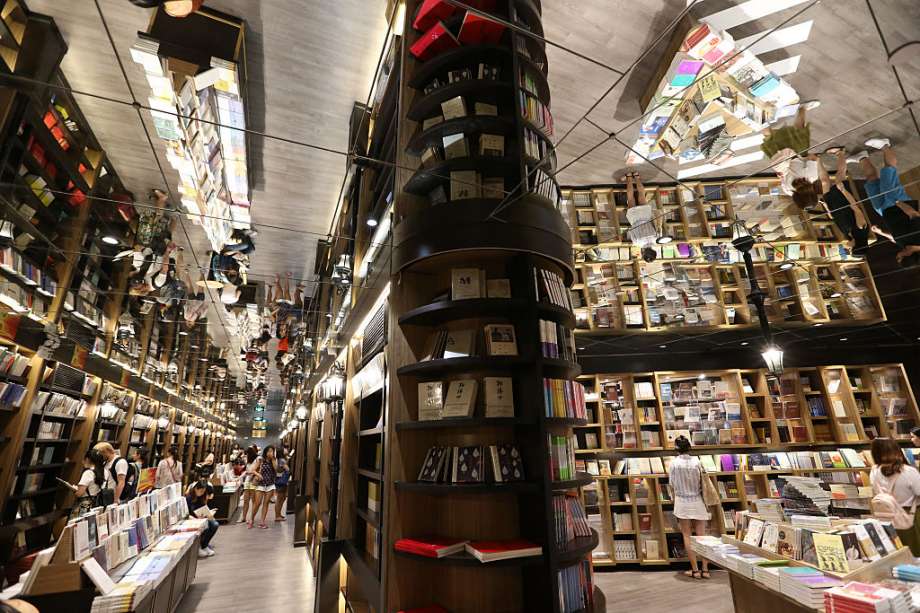
    The new Zhongshuge bookstore at Reel Department store in Shanghai, China. The bookstore chain goes to great lengths to make itself attractive: Interior wooden shelves are painted in a spectrum of bright colors, and ceiling lights are arranged to suggest a starry sky. Photo: Getty Images, Visual China Group / 2016 VCG

    Chinese department stores, where shopping tends to be a group activity, today play a similar communal role, Li said. The stores offer a stage for the new middle and upper class to parade their status and a familiar hub where family and friends to reconnect. They’re even associated with romance.  Chinese branches of IKEA have become such popular places for Chinese in their 70s and 80s to go on dates that IKEA has made new rules limiting the length of their stays.

    “My thought is there is differentiation in China,” Li said. “People go online for some kinds of things, but they also want to go shopping so they can enjoy the unique environment the stores create. In the United States, there is no need to go to Macy’s. You don’t add any value by going there.”
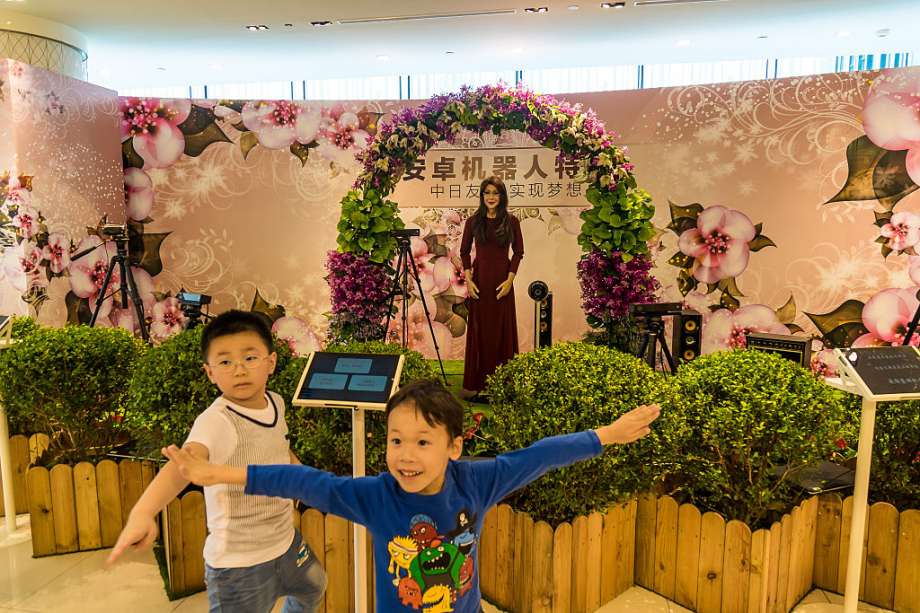
    At the Takashimaya Department Store in Shanghai, children react in front to an android that could speak, sing, shake hands and hug with people. Photo: Getty Images, Visual China Group / 2015 Visual China Group

    At least for now, Chinese retailers seem to think both shopping styles can coexist. The same week Macy’s and Sears announced their closures,  Chinese online retail giant Alibaba revealed that it would become the controlling shareholder of the Chinese department store and mall company, Intime, and would begin integrating its enormous e-commerce assets with  Intime’s brick and mortar stores.   Rather than foreseeing competition with physical stores, Alibaba plans to tap the latest technology to draw customers to stores, including artificial intelligence, virtual reality and Internet-of-Things.

    If department stores in the West are to survive, they may have to somehow recapture a time when they were destinations in themselves — a time when women like Lucy Kruse were excited to ride the escalator and savor lunch in luxurious surroundings. They may have to revive the art of customer service. And they will have to figure out how to blend the convenience of technology with the real-life scent of perfume and the warmth of crowds.
     

  • Record 32.59 million foreign tourists visit Thailand in 2016

    Record 32.59 million foreign tourists visit Thailand in 2016

    Thailand received a record 32.59 million foreign visitors last year, with revenue beating expectations and likely to exceed previous forecasts this year by growing 10 percent or more, officials said Monday.

    Thailand is proving popular even as terror scares, including a series of bombings in resorts towns killing four people, and the death of King Bhumibol Adulyadej had hotels and tour guides across the country on edge. Tourism fared better than expected after a bloodless coup deposed Thailand’s elected government in 2014 as well.

    The Tourism Authority of Thailand said Monday that the tourist industry earned 2.52 trillion baht ($71.4 billion) last year, up 11 percent from 2015.

    It said the country’s tourism industry is projected to bring in 733 billion baht ($20.8 billion) in the first quarter of this year, up 8 percent from the first quarter of 2016. Officials said their estimates, covering foreign and domestic tourists combined, indicate tourism revenue for all of 2017 may surpass earlier forecasts of 2.77 trillion baht ($78.5 billion).

    Thailand is the eleventh most-visited country in the world and boasted the sixth largest tourism industry by revenue in 2015, according to a U.N. report. Most travelers come from China, South Korea, and Japan, lured by Thailand’s year-round warm weather, as well as Western countries and Thailand’s neighbors in Southeast Asia.

    Foreign tourists are by far the most lucrative for the economy. Foreign arrivals are projected to total 9.3 million in the first quarter of this year, accounting for 490 billion baht ($13.9 billion) in revenue. In the same period, some 32.5 million Thai travelers accounted for 240 billion baht ($6.8 billion).

    “Thailand is still a popular destination,” Yuthasak Supasorn, governor of the Tourism Authority of Thailand, said at a news conference. “We have a lot of different things to offer our foreign visitors.”

    A steady economy and a growing number of travelers worldwide explain the boom, Yuthasak said.

    “Stability and improvements in the economy mean more foreign tourist arrivals,” he said. “So there’s clearly demand, and it’s up to us to accommodate everyone who wants to come.”

  • South Korea Dec department store sales rebound from Nov, reverse two declining years

    South Korea Dec department store sales rebound from Nov, reverse two declining years

    Sales at South Korea’s department stores in December rebounded from November on year-end gift purchases, trade ministry data showed on Monday, while sales for the whole year ended on a positive note, reversing two years of decline.

    Combined sales last month at department stores run by Hyundai Department Store, Lotte Shopping and Shinsegae Co rose 3.3 percent on-year, the Ministry of Trade, Industry and Energy said, bouncing from a 2.8 percent decline in November.

    Nearly all product categories saw rises in sales, which were led by offshore brand items and food products.

    Retail data has shown consumption has not fallen markedly since an influence-peddling scandal involving President Park Geun-hye engulfed the country late last year, although consumer sentiment is at its worst in nearly eight years.

    The central bank governor, Lee Ju-yeol, said earlier this month private consumption is likely to head down in 2017 due to uncertainties at home and abroad, hampering overall growth.

    Discount store sales, meanwhile, slipped 1.9 percent in December over a year earlier, the same trade ministry data showed, although not as bad as November’s 6.1 percent decline.

    In 2016, department store sales rose 3.3 percent, breaking two years of falls and rebounding from a 1.2 percent fall in 2015. Demand for luxury goods and large household appliances such as televisions and refrigerators bolstered sales, the ministry said.

    Discount store sales fell 1.4 percent in 2016, declining for a fifth straight year, the data said, as more consumers bought food items online from a widening variety of vendors.

    In 2015, discount store sales dropped 2.1 percent.

  • Japan December retail sales below expectations as BOJ meets

    Japan December retail sales below expectations as BOJ meets

    Japanese retail sales rose less than expected in December, government data showed on Monday, unwelcome news as the Bank of Japan meets to set monetary policy.

    Retail sales rose 0.6 percent in December from a year earlier, below the median market forecast for a 1.3 percent increase.

    The Bank of Japan is expected to announce a steady monetary policy after its two-day meeting Tuesday and seek to allay speculation of an early tapering of its massive stimulus.

    Weak consumer spending has dogged Japan’s economy, which has struggled to achieve steady recovery after decades of deflation and stagnation.

    “I didn’t expect December retail sales to be strong because end-year private consumption wasn’t strong,” said Shuji Tonouchi, senior market economist at Mitsubishi UFJ Morgan Stanely Securities.

    “Prices have been rising but it’s mostly due to the rise in energy prices, and domestic demand hasn’t changed…We are looking carefully at whether this would lead to sustained inflation,” Tonouchi added.

    Japan’s economy expanded for a third straight quarter in July-September as exports recovered, but domestic activity remained weak. Recent data has shown Japan’s core consumer prices fell at the slowest annual pace in nearly a year, a tentative sign that inflation and domestic demand may pick up in the coming months.

  • China interested in establishing direct flight to West-Java

    China interested in establishing direct flight to West-Java

    The Executive Director of PT Bandara Internasional Jawa Barat, Virda Dimas Ekaputra, said that the Chengdu administration of China has stated its interest in establishing direct flight to Kertajati Airport of West Java Province.

    “They were excited when they knew that the West Java administration was to build a new international airport in Kertajati of Majalengka District,” Ekaputra said here on Tuesday.

    According to the director, the Chengdu administration has proposed the direct flight to Soekarno-Hatta Airport of Tangerang City.

    However, Soekarno-Hatta Airport could not accept their proposal due to the flight slot being full.

    Ekaputra stated that all ASEAN countries, except Indonesia, have maintained connection of their cities with Chengdu.

    He hoped that the establishment of the airport in West Java Province could develop the tourism sector in the area.

    Thus, the company will cooperate with West Java Cultural and Tourism Service to promote tourism in the region.

    “West Java would be one of the tourism destinations. The development would contribute to achieve 20 million foreign tourists,” Ekaputra added.

  • WHSmith expands Southeast Asia retail footprint

    WHSmith expands Southeast Asia retail footprint

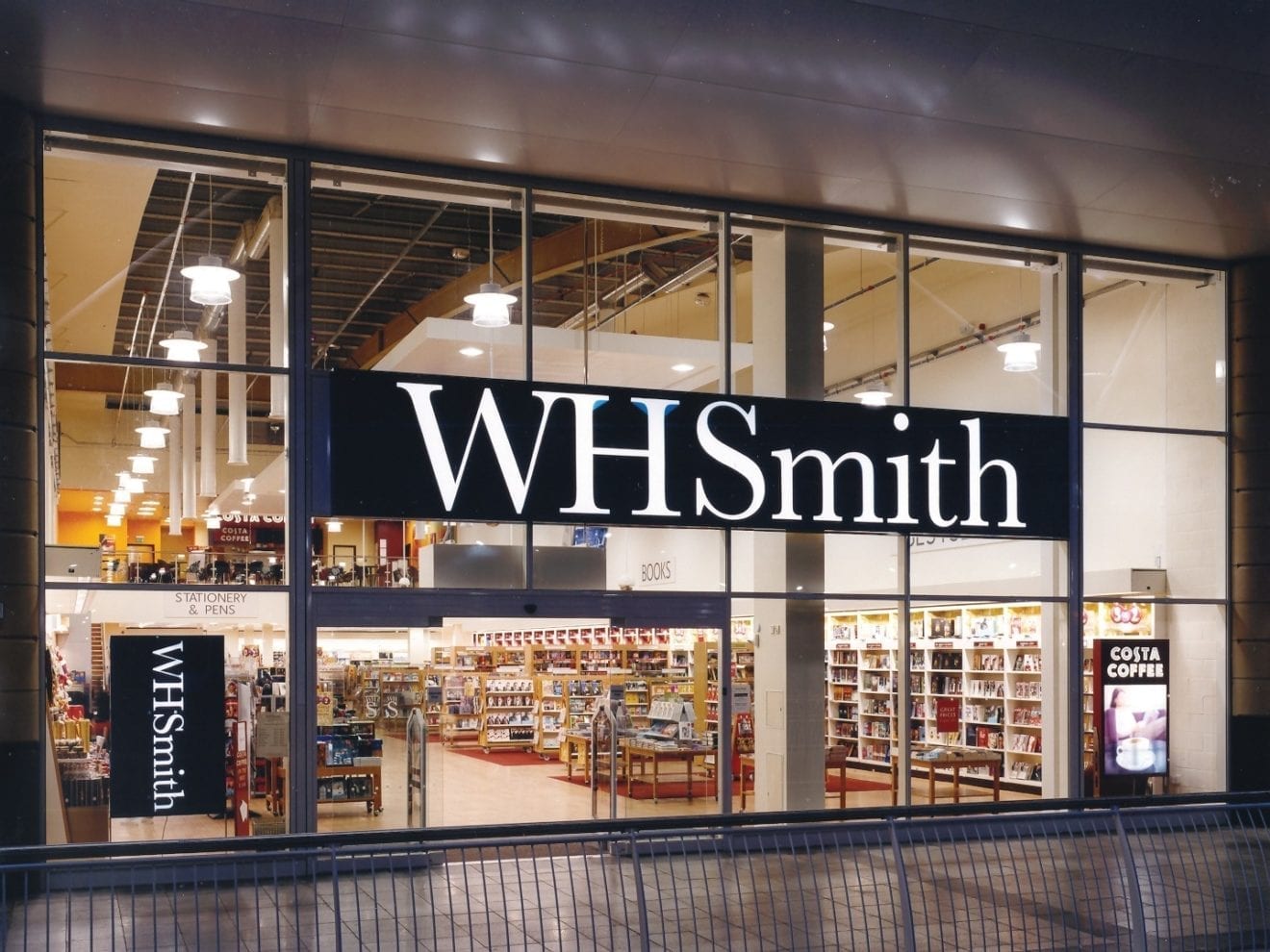
    International news, books and convenience retail operator WHSmith has further expanded its presence in Southeast Asia by opening its first stores in the Philippines alongside extending its retail coverage in Indonesia and Malaysia.

    In Indonesia, WHSmith has secured three stores at Jakarta’s terminal three. The stores will be operated by its local franchisee, KPU; a subsidiary of the Indonesian Listed company PT Sona Topas. Once the first store is inaugurated, two further stores will be opened when the terminal construction is completed in the coming months. Covering over 400,000sq m, T3 is one of the largest in Southeast Asia.

    In the Philippines, WHSmith has recently opened the second of its stores at Manila Ninoy Aquino International airport, following the opening of its first Philippine store at Cebu Mactan International airport. Manila is the largest airport in the Philippines. With over 36 million passengers using the airport annually, it is a top 40 global airport. With 8 million passengers forecast in 2016, Cebu is the second largest airport in the Philippines.

    Regent Travel Retail is currently working under a franchise agreement with WHSmith and has created a management team to ensure the smooth running of the stores. , Regent Travel Retail General Manager Joey Esteban said: “Regent is pleased to be opening its first WHSmith stores in Cebu and Manila in partnership with WHSmith. It is an important milestone in our development of the brand in the Philippines.”

    In Malaysia, WHSmith has opened a WHSmith Express format store in Kuala Lumpur’s Terminal 1 Satellite building. There are now nine WHSmith stores in four Malaysia airports, under a joint venture with Bison consolidated.

  • Attapeu, Laos loses commercial service

    Attapeu, Laos loses commercial service

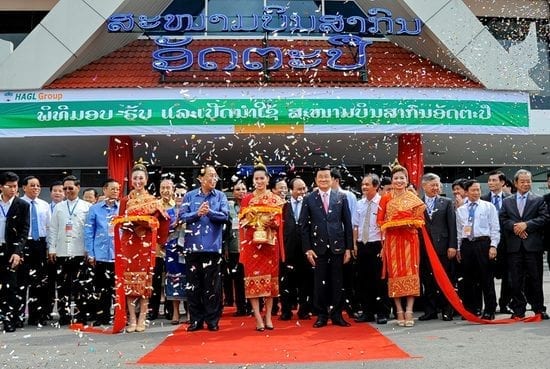
    Attopeu airport, located in the south of Laos near the borders of Vietnam and Cambodia, has ceased commercial operations.

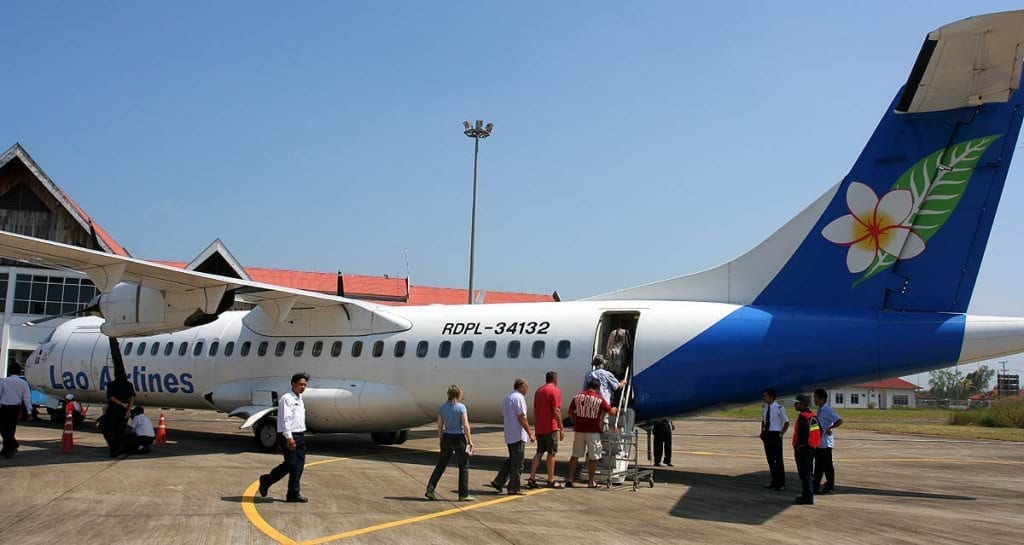
    Lao Airlines (QV, Vientiane) had been running a scheduled service to the small aerodrome 2x weekly from Vientiane via Pakse since April 2016 using an ATR 72-600, but the service appears to have been suspended. According to FlightRadar24 ADS-B data, the last commercial flight to Attapeu was on October 26, 2016.

    Attapeu Airport was officially opened on May 30, 2015 after an investment from Vietnam’s Hoang Anh Gia Lai Group.

  • Laos targets more international flights

    Laos targets more international flights

    Lao PDR’s Department of Civil Aviation says its priority is to encourage more international airlines to serve the capital Vientiane.

    In an interview the department claimed there were more direct flights to Laos, many of them charter flights during the peak tourist season November to April.

    Flights from China are on the increase. Previously, only China Eastern Airlines operated flights, but now Sichuan Airlines and Hainan Airlines, both serve the country direct from China.

    Nations with direct flights  to Laos include China, Vietnam, Thailand, South Korea, Singapore and Malaysia, the report said.

    Civil aviation officials are keen to see more airlines serve the capital to balance traffic to Luang Prabang, the country’s main tourist destination. Most airlines prefer to fly to the World Heritage town as flights quickly turn a profit, although there is a significant dip in bookings during the monsoon season June to October.

    Up until 2015, traffic rights were difficult to obtain particularly to Luang Prabang where there was virtual ban on low-cost airlines. However, 2016 saw a change in policy and low-cost airlines opened services from neighbouring countries.

    South Korea airlines serve Laos with both schedule and charter flights. Japanese airlines previously offered charter flights.

    Foreign airlines have access to three locations in Laos – Champasak, Luang Prabang and Vientiane, it added.

    Airline seat quotas on flights between Vientiane and Bangkok have been increased in a bid to promote trade, investment and tourism between the two destinations.

    Thai and Lao PDR officials approved, last year, a revised Thai-Lao accord that increases the ceiling on seat capacity on routes between the two countries to as many as 14,500 seats weekly depending on the route.

    The agreement paved the way for designated carriers, registered in both countries, to add more flights on routes that have been restricted for years.

    The seat capacity ceiling on the Bangkok-Vientiane route increased more from 2,100 to 14,500 seats weekly. Most of the flights use A320 with a maximum of 200 seats.

    On the Bangkok-Luang Prabang route, the weekly ceiling  increased from 1,000 to 10,000 seats.

    The seat quotas for other customs and immigration enabled airports increased from 450 to 2,100 per week.

    Thai Airways International, Bangkok Airways and Thai AirAsia operate flights to and from Laos there are two airlines; Lao Airlines and Central Airlines.

    Raising the seat capacity ceiling will now allow Thai Smile and Nok Air to apply for traffic rights.

    Thai Smile introduced a new flight connecting Bangkok to Luang Prabang, a world heritage town in Laos starting 16 January.

    The airline offers four weekly flights on Monday, Wednesday, Friday and Sunday using an Airbus A320 aircraft on the route.

    According to the Ministry of Information, Culture and Tourism, arrivals to Laos were expected to reach 4.3 million by the end of last year, representing an increase of 4% over 2015.

    Foreign visitor arrivals increased from 2.7 million in 2011 to 4.1 million in 2015.