Category: General

Retail News Asia is committed to providing both local and global retailers with the latest General Retail news throughout the Asian market. This on a daily base.

  • Resurgent Tesco surprises with $4.6 billion swoop for wholesaler Booker

    Resurgent Tesco surprises with $4.6 billion swoop for wholesaler Booker

    Britain’s biggest retailer Tesco has agreed to buy leading wholesaler Booker for 3.7 billion pounds, reasserting its dominance in food with a bold move into the faster-growing catering market.

    Tesco’s planned takeover of Booker shows the supermarket chain’s renewed confidence after two years of gradual recovery under Chief Executive Dave Lewis following an accounting scandal.

    The group also said on Friday it would restart paying dividends for the 2017-18 financial year, having not paid one to investors since the second half of its 2014-15 year when it was mired in crisis.

    Lewis joined in September 2014 when Tesco was rapidly losing market share and then had to deal with the accounting scandal. He has simplified the group’s operations, focusing on revitalising its core grocery business in Britain, while cutting costs and selling assets both at home and overseas.

    Friday’s move marked a dramatic return to acquisition mode and signals an increased focus on its British business where it has a 28 percent share of the grocery market.

    “It’s the next evolution of our strategy…We think it’s the right time,” Lewis told reporters.

    In a joint statement Tesco and Booker said that together the pair would be able to address more of Britain’s growing food market. Some analysts said the deal would face hurdles from Britain’s competition regulators.

    Lewis also said that non-executive director Richard Cousins, who resigned on Jan. 3, did not support the deal.

    “The Tesco of old is back,” said John Ibbotson of Retail Vision. “This is an extremely bold move and demonstrates an intent and sense of purpose that have been missing for the best part of a decade.”

    By adding Booker, Tesco will gain exposure to supplying Britain’s cafe, restaurant and pub trade, which is growing faster than the eat at home market served by its stores. Booker supplies 450,000 catering outlets including chains such as Wagamama and Carluccio’s.

    Booker owns about 200 cash and carry warehouses in the UK and supplies the Budgens, Londis and Family Shopper grocery chains, which are run as franchise operations.

    “This merger with Booker will further enhance Tesco’s growth prospects by creating the UK’s leading food business with combined expertise in retail, wholesale, supply chain and digital,” said Lewis.

    Shares in Tesco traded up 8.7 percent at 205.5 pence, and Booker had risen 16 percent to 212.7 pence at 1105 GMT.

    Competition Issues?

    Tesco and Booker said the deal would lead to synergies of at least 200 million pounds within three years and would boost earnings per share in the second full year of the deal.

    However, analysts said the deal could face close regulatory scrutiny.

    “Our instant reaction is that the Competition and Markets Authority will have a field day with this,” said independent retail analyst Nick Bubb, noting that Tesco owns the One Stop chain that competes with Booker’s interest in convenience store retailing.

    However, Lewis and Booker CEO Charles Wilson, who owns about 6 percent of Booker’s equity, disagreed, saying their legal advice had indicated a “compelling story” to gain regulatory approval.

    “As a retailer and a wholesaler coming together, this is not an acquisition of stores … independent retailers get a better deal here than perhaps they do on a standalone basis,” Lewis told reporters.

    “We think this is pro-competition,” said Wilson, pointing to price, choice and service benefits for Booker’s customers, be they retailers or caterers.

    Terms

    Under the terms of the deal each Booker shareholder will receive 0.861 new Tesco shares and 42.6 pence in cash.

    Based on Tesco’s closing share price on Thursday of 189 pence the deal represents a value of 205.3 pence per Booker share – a premium of about 12 percent on its Thursday close.

    The deal will result in Booker shareholders owning approximately 16 percent of the combined group.

    On completion Wilson and Booker chairman Stewart Gilliland will join the combined group’s board.

    Lewis said he thought the deal would complete in late 2017 or early 2018.

    Greenhill acted as lead financial adviser to Tesco while Barclays and Citi also worked on the deal as financial advisers and corporate brokers on behalf of Tesco. JPMorgan was sole adviser to Booker.

  • Singapore Airline not fussed by empty seats while ACT records rise in tourism

    Singapore Airline not fussed by empty seats while ACT records rise in tourism

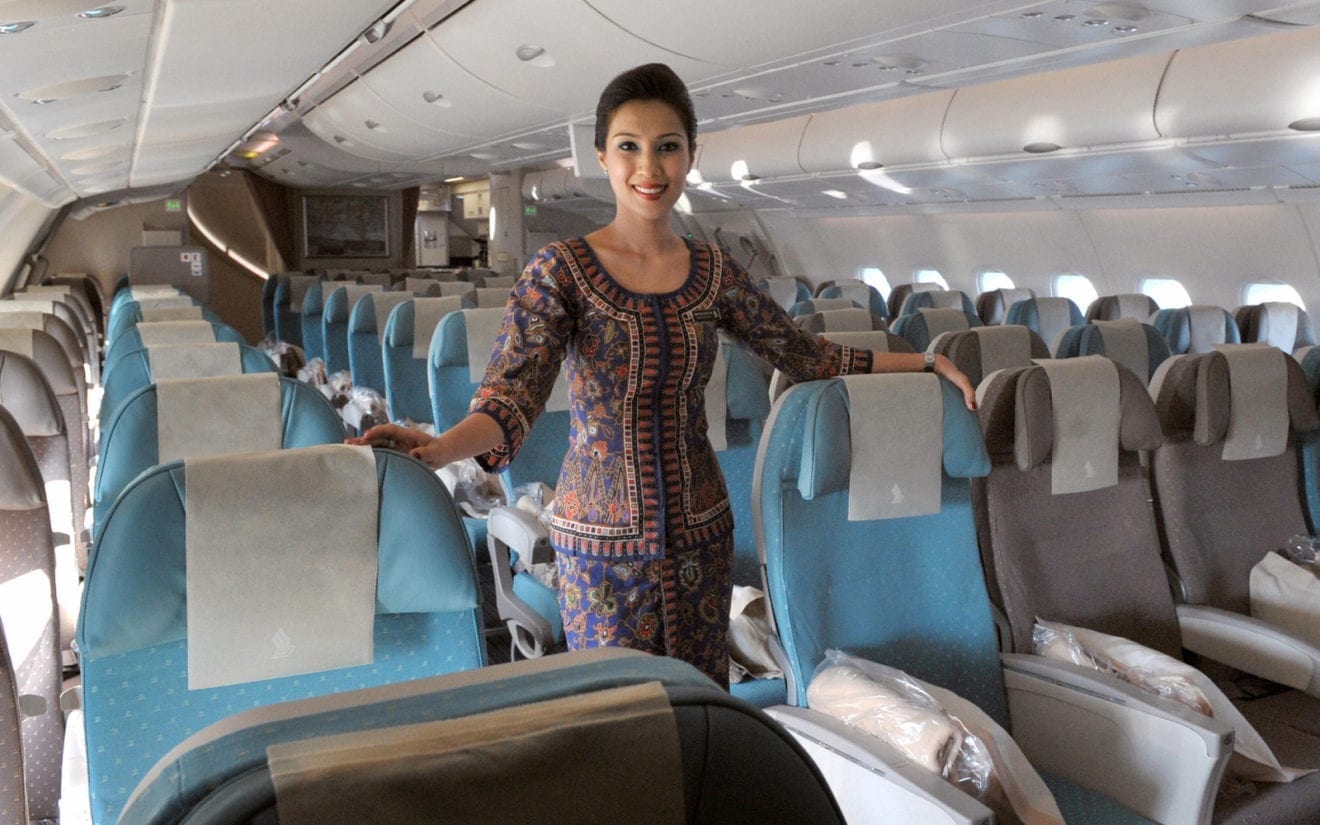
    Singapore Airlines is “pleased” with the number of passengers flying in and out of Canberra although a federal government report has revealed lots of empty seats on its first flights.

    A report into international airline activity in September by the Department of Infrastructure and Regional Development showed more than 3200 people flew in and out of Canberra after the Capital Express route launched on September 21.

    But while the first flight that touched down was 95 per cent full, analysis has shown the six flights from Wellington to Canberra had an average of 94 seats occupied.

    Flights from Singapore to Canberra fared a little better, with an average of 142 seats occupied per flight.

    The Boeing 777-200 can carry up to 266 passengers, which includes 38 business class seats and 228 economy seats.

    However these figures do not take into account traffic carried via Canberra between Singapore and Wellington, a spokesman from the Department of Infrastructure noted.

    The carrier wasn’t fussed by the low numbers either, Singapore Airlines ACT manager, Tan Chin Yu said.

    “We have been encouraged by the support from the local community since we went on sale in January and remain pleased with the number of customers choosing to travel on the new service, both to Singapore and beyond with direct connections to UK/Europe,”  he said.

    “There has been a good mix of business and leisure travellers in both the business and economy class cabins.”

    The data also revealed around a quarter more people flew out of Canberra than into the capital on the first six flights.

    The international airline activity showed there were 1421 inbound passengers to Canberra in September compared to 1784 outbound passengers.

    Flying out of Canberra, flights to Wellington had an average occupancy of 142 passengers. Flights to Singapore had an average of 181 passengers.

    The report came as the ACT recorded a 45.5 per cent swing in visitors from SIngapore and a 25.5 per cent spike in visitation from New Zealand.

    New Zealand and Singapore are now respectively fourth and fifth on the list of the ACT’s top international markets, behind China, the UK and the US.

    Singapore tourists now make up 5 per cent of the ACT’s international market while New Zealand tourism accounts for 8.6 per cent.

    A record 206,915 people visited the ACT in the year to September 30, up 11.2 per cent on the previous year. Visitors spent a record $432 million in the capital, a surge of 13.4 per cent.

    Chief Minister Andrew Barr said the visitor reporting period ended in September and covered only nine days of international flights, but the numbers boded well for the future.

    “The latest results reflect the ACT Government’s commitment to growing the visitor economy to $2.5 billion by 2020. VisitCanberra’s One Good Thing After Another marketing platform and enhanced travel trade engagement are among the activities taking place in addition to the cooperative work with Singapore Airlines,” Mr Barr said.

    Last week Qatar Airways announced it would be the second international carrier to fly into Canberra, opening up another gateway into Europe and vice versa.

    The decision sparked excitement within Canberra’s business community that direct flights could help bring in more tourists during the soft summer trading period and that more airlines could soon follow suit.

    But Air New Zealand has hosed down speculation the airline could be the next to fly into Canberra.

    “Air New Zealand is constantly assessing its route network however we don’t have any current plans to operate flights to Canberra,” a spokeswoman said.

    Emirates and Etihad Airways also shot down suggestions they could be next.

  • The stars of 2016’s Year of Startups

    The stars of 2016’s Year of Startups

    Vietnam’s hottest buzzword for 2016 must have been startups, as never before have millions of young Vietnamese been so warmly encouraged to innovate and start their own business. To show its commitment to young entrepreneurs, the Vietnamese government named 2016 as “the year of startups”.

    Under the spotlight, the passion young Vietnamese have for innovation is more evident than ever. In just a few years, these ambitious minds have come up with creative solutions for various industries within Vietnam, and brought some fresh ideas to seemingly “boring” sectors.

    Take financial technology (fintech) as an example. According to the World Bank, 70 per cent of the Vietnamese population remains unbanked, while the rising middle-class has more sophisticated financial needs than ever before. Vietnam Banking Forum also estimates that 38 per cent of the Vietnamese population owns a smartphone.

    Young entrepreneurs have immediately identified opportunities regarding these trends, and 30 fintech startups have been launched within the last four years. Unlike banks, which tend to be conservative and formal, fintech startups are user-friendly and trendy in design.

    Among them is MoMo, which implements the novel idea of making cashless payments via point-of-sale terminals in urban and rural areas. Via mobile technology, the startup aims to make e-payments easier, even for those living in remote areas without a bank account.

    “To gain customers’ trust, MoMo has built a two-level security system for e-wallet users. We launched fingerprint identification and acquired the PCI DSS security certificate. 2016 has been a wildly successful year for us, as we currently have 4.5 million users, 2.5 million of whom have registered for the e-wallet,” MoMo deputy chairman Nguyen Ba Diep told VIR.

    Besides fintech, Vietnamese entrepreneurs have used their creativity to tap into other traditional sectors such as agriculture and medical care, although returns may take longer. For example, Le Anh Duc, the owner of Lee Farm, beamed with excitement when talking about his 10,000sq.m organic farm in Binh Phuoc province.

    “I realised that as Vietnamese customers become more health-conscious, the demand for organic produce will surpass supply. As a fruit and vegetable lover myself, I’ve seized this opportunity by adopting a Thai-based greenhouse farming module and a drip irrigation system from Israel. This combination for organic farming is the first of its kind in Vietnam,” Duc said. In 2017, he plans to double the size of his farm and apply for a business licence.

    In medical care technology, eDoctor is a mobile app that allows people to access healthcare information and connect with doctors, hospitals, and pharmacies via smartphones. And it all started with a simple observation: the founders noted that people in the countryside have to travel long distances to get medical care in the city, which is costly and time-consuming.

    “Using eDoctor, people can find and connect with their doctors through calls and in-app messages. If they need to see a specialist, they can even use the app to book a visit to the closest clinic. People are also able to save and track their own health records, as well as records of family members and dependents,” said the firm’s CEO Vu Thanh Long. As of December 2016, eDoctor had reached 210,000 users. A target of one million users is set for the end of 2017.

    The legal roadblock

    With the wide range of examples above, it is not hard to see that Vietnamese entrepreneurs are bursting with creativity. However, just like a young bird that is excited to fly, Vietnamese startups still need more assistance to reach the distant horizon.

    One of the major issues is Vietnam’s legal system, which lags behind the fast-changing world of startups, and creates confusion that frustrates entrepreneurs. In July 2016, controversy broke out over Article 292 of the revised Criminal Law, which stated that all businesses must acquire permission before offering online services.

    As processing paperwork in Vietnam can take longer than in countries like Singapore, many startups have called on the government to install more progressive rules. In response to the uproar, last October lawmakers proposed to eliminate Article 292 and assured that it would not hurt startups’ activities.

    Diep of MoMo hoped that the legal framework would be more responsive to new services and products made by startups. For instance, the State Bank of Vietnam has released guidelines on intermediary payment but not peer-to-peer lending or crowdfunding.

    “The government has paid due attention to creating a startup ecosystem on a national scale, to attract investors as well as entrepreneurs. The legal procedures, however, are somehow much more complicated than in neighbouring places like Singapore or Hong Kong, posing a major hurdle for investors who want to reach out to local startups,” said CEO of Liti Florist Krystine Nguyen.

    Meanwhile, Long of eDoctor acknowledged recent efforts made by the Ho Chi Minh City People’s Committee to promote entrepreneurship, but called for more detailed rules on preferential taxes and bank credits for startups. He also feels a stronger startup ecosystem in Vietnam is necessary.

    Vu Tuan Anh, head of the Community Startup Division at Hoa Sen Group and founder of Vietnam Institute of Management, suggested that the government dedicates a certain amount of seed money for startups and provide training for entrepreneurs – essentially acting as an angel investor. He called this “a startup value chain” that can groom young students into business-savvy entrepreneurs within five years.

    Helping from outside and in

    The government is indeed listening to the suggestions of startups as part of its master plan to turn Vietnam into a startup nation. Prime Minister Nguyen Xuan Phuc, during a meeting with university students in Hanoi last November, remarked on his belief that Vietnam must do everything it can to push the entrepreneurial spirit in young people.

    “The young generation in Vietnam is very creative, and yet among 90 million Vietnamese, there are only 600,000 businesses. I request relevant ministries, the Youth Association and universities to help young entrepreneurs create new value for society and move the country forward,” he said.

    In response to the prime minister’s request, the authorities have rolled out various programmes to assist startups. Last month, the Ho Chi Minh City Department of Science and Technology commenced Speedup 2017, under which entrepreneurs can receive up to VND2 billion ($88,500) in capital from the department and participating investors. Startups will receive training and networking opportunities as well.

    The Ho Chi Minh City People’s Committee has also launched a Business Startup Support Centre as an incubator for startups to raise capital, learn management skills, and network. Similarly, the Hanoi People’s Committee established an incubator for IT startups last November.

    Besides clarifying the issue with Article 292 of the revised Criminal Law, lawmakers are pushing the entrepreneurship agenda in their meetings. The National Assembly has added startups into the proposed Law on Supporting Small- and Medium-sized Enterprises, which will be up for further debate in 2017.

    Various companies such as FPT Corporation, Hoa Sen Group, Lotte Group, and AIA have announced plans to support Vietnamese startups, in the form of capital or knowledge sharing.

    However, it is vital that startups themselves have enough confidence, drive, and talent to serve their community. In his meeting with university students, the prime minister reminded aspiring entrepreneurs that their innovations do not have to be grand or exotic – it can begin with a need to solve a common, everyday problem.

    “Sometimes new ideas aren’t accepted by the market yet, but that’s fine – young startups should not let failures block their way to success,” Phuc said.

    “Please remember that as long as you follow your dream, you’re contributing to the future of Vietnam. I suggest that you focus on your studies, participate in community activities, and intern at companies to understand what Vietnamese society needs and build your product offerings around that.”

    Similarly, CEO of FPT Corporation Truong Gia Binh advised young entrepreneurs to start small and focus on serving the needs of their community. Binh himself built FPT Corporation in 1988 to give Vietnamese people access to technological breakthroughs, such as internet, TV, and computer software.

    “When we started FPT Corporation we struggled a lot. It’s true that nine out of 10 startups will fail, but it also means one chance of success – and I think young entrepreneurs should go for that. I believe this is a great time to start a business in Vietnam as the country is growing, the majority of the population is young, and the average income level is rising,” said Binh at a recent startup event in Ho Chi Minh City.

    Anh from Hoa Sen Group noted that new startups should also reach out to a wider variety of sectors, such as education, tourism, niche e-commerce, or the overseas export of Vietnamese traditional specialities.

    Of course, as Vietnam is new to the startup landscape, more debates will follow. For now however, Vietnam will enjoy a young generation full of innovative ideas, a drive to succeed, and a national campaign to push them forward. And hopefully, this spirit will bring on a new chapter for Vietnam.

  • Singapore Airlines celebrates 70 years with biggest travel fair, affordable deals

    Singapore Airlines celebrates 70 years with biggest travel fair, affordable deals

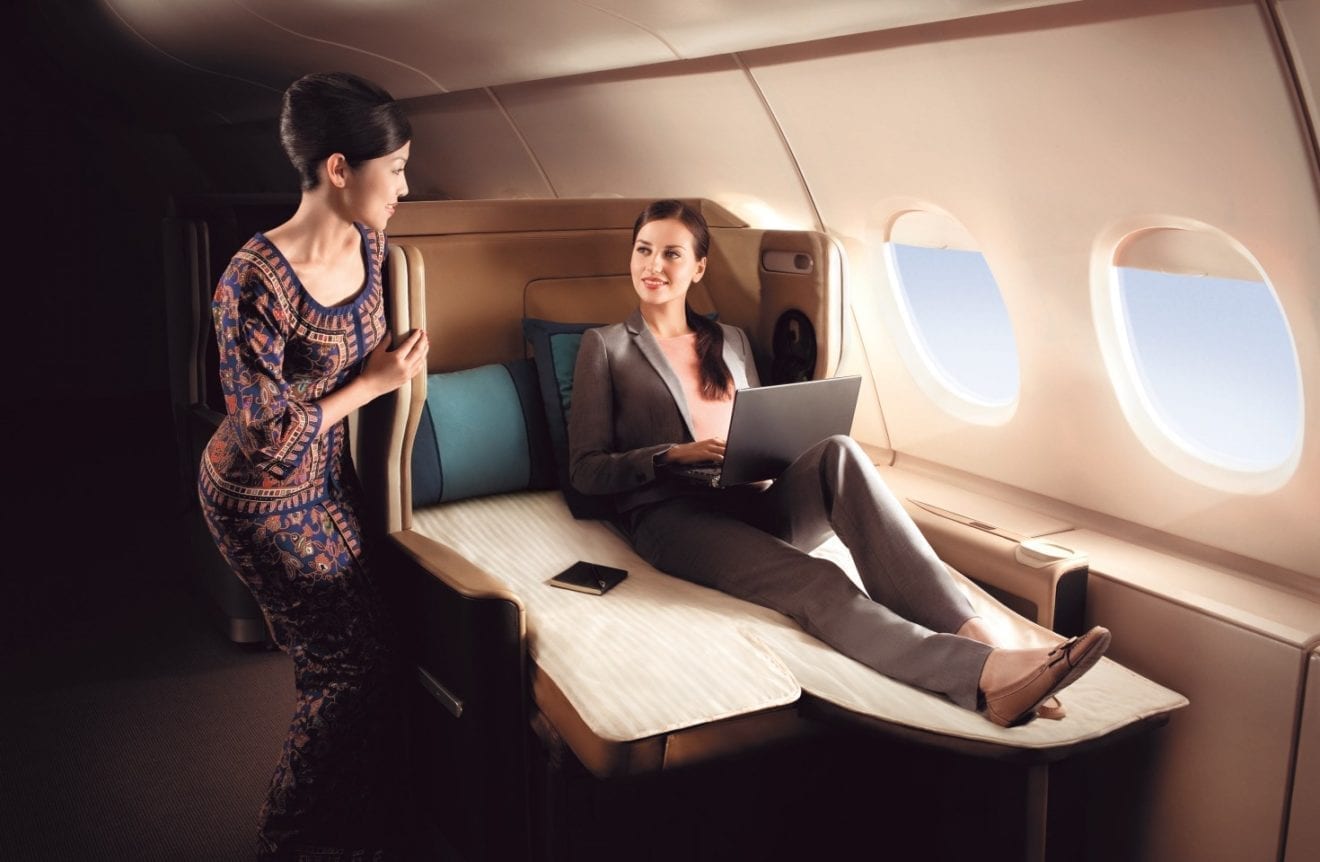
    Singapore Airlines (SIA) marks another milestone as they celebrate their 70th anniversary across the globe with exciting deals, service expansion, and the largest showcase and travel fair for its Filipino patrons.

    According to Carol Ong, SIA general manager in the Philippines, “Innovation has always been at the core of SIA’s operations. For our 70th year, we continue to push our boundaries by expanding our network and pioneering services guaranteed to give the best experience to our customers.

    “We want to continue doing our best to exceed our customers’ expectations—whether it be more travel destinations, more frequent flights, or more great value deals.”

    Premium Economy class. Photo courtesy of SIA.

    Travel for less
    All-inclusive round-trip Economy Class fares to Singapore and other Asian destinations are available from US$160. Fares to Australia are offered from US$570 while traveling to key destinations in Europe starts at just US$670. Customers can also travel to South Africa at fares starting from just US$770 and to the United States starting from US$970.

    As parts of its 70th anniversary celebration, Singapore Airlines' airfares to Cape Town start at USD770. Photo courtesy of SIA.

    Passengers can experience SIA’s newest cabin offering, the Premium Economy Class, with the most attractive all-in round-trip rates. All-in fares on Premium Economy Class to Asian destinations are available from US$1,000, to Australia from US$1,350, to Europe from USD1500, and to South Africa from US$1,700. A trip to New Zealand is offered from USD1800, and to the United States for just US$1,850.

    Customers can choose to travel in luxury and style with SIA’s all-in Business Class fares. Travelling to various Southeast Asian destinations is offered from US$850 all-in, and to Australia from US$2,000. Discounted rates to Europe and New Zealand are also available from just US$2,500. Starting at US$3,000, passengers can already fly Business Class to the United States or South Africa.

    Travel to Austria and visit the Vienna Opera House.  As part of its 70th anniversary celebration, Singapore Airlines is offering special airfare to Europe for as low as US$670.

    Travel to Austria and visit the Vienna Opera House. As part of its 70th anniversary celebration, Singapore Airlines is offering special airfare to Europe for as low as US$670.

    For this year’s Singapore Airlines Showcase and Travel Fair, customers will also have access to SIA’s network of subsidiaries and partners and enjoy exclusive promotional rates. Customers will be able to travel from the Philippines to SIA’s online gateways in Europe and connect to additional destinations such as Brussels, Madrid, Hamburg, Oslo, Vienna, Venice, Lisbon, Prague and its newest destination, Sweden.

    With 85 destinations to choose from at exceptional rates, SIA provides its customers the perfect opportunity to achieve their travel goals this year for less.

    This sale is still valid for purchase at the Singapore Airlines Showcase and Travel Fair 2017 at the TriNoma Activity Center on February 26 to 28, 2017. The sale is also available online and at SIA and SilkAir ticket offices until 20 February 2017. Travel period is from February 1 until December 31, 2017. Promotional fares are available for travel from Manila, Cebu, Davao and Kalibo.

    The promotional fares are exclusive to Singapore Airlines KrisFlyer members, BPI credit cardholders, Globe Platinum customers as well as TriNoma and Ayala Center Cebu shoppers.

    Travel to Athens and visit Cape Sounion and the Temple of Poseidon for only USD570 via Singapore Airlines. Photo courtesy of SIA.

    Travel to Athens and visit Cape Sounion and the Temple of Poseidon for only USD570 via Singapore Airlines. Photo courtesy of SIA.

    Exclusive rewards
    Loyal patrons will also enjoy perks and rewards such as the Real 0% Installment Plan of up to 6 months for BPI credit cardholders and upfront US$50 Cash Back, an exclusive introductory offer of SG$25 Singapore exPass that gives access to two of Singapore’s world-class attractions, and a SG$20 Changi Dollar Voucher that passengers can redeem at Singapore Changi Airport, valid for use at participating shops and restaurants at the airport. Terms and conditions apply.

    All these exclusive deals are in cooperation with SIA’s network of partner companies like BPI, Ayala Malls, Globe Platinum, Changi Airport Group and Singapore Tourism Board.

    Visit singaporeair.com and Singapore Airlines’ Facebook page for the complete set of mechanics and guidelines, and for other announcements.

    For bookings and inquiries, visit Singapore Airlines and SilkAir ticket offices, or call SIA Manila Reservations at (+632) 756-8888, SilkAir Cebu at (+6332) 505-7871, SilkAir Davao at (+6382) 227-5301, SilkAir Kalibo at (+6336) 500-7226, or contact any participating travel agent from 20 January to 20 February 2017. For details, visit singaporeair.com/FLYSQ70.

    To enjoy up to 6 months Real 0% interest Special Installment Plan on your BPI credit card, book through SIA or SilkAir ticket offices.

    Singapore Airlines flies from Manila to Singapore four times daily, which conveniently connects to onward flights to the rest of the world. Passengers traveling from Cebu, Davao and Kalibo can fly to Singapore via SilkAir, which flies 12 times weekly from Cebu, nine times weekly from Davao, and three times weekly from Kalibo.

  • Vietnam may export chicken to choosy markets

    Vietnam may export chicken to choosy markets

    Hoang Thanh Van, director of the Ministry of Agriculture and Rural Development’s (MARD) Animal Husbandry Department, said MARD plans to boost trade promotion to export chicken.

    In 2016, Dong Nai provincial authorities sent a delegation of businessmen to Hanoi to work with MARD and agencies on the plan to export chicken to Japan.

    If implemented, this will be the first time Vietnam has exported chicken products through official channels to choosy markets.

    Some enterprises in Dong Nai are following necessary procedures to export chicken to the countries. After negotiations, if Japan agrees to accept Vietnam’s exports, it will take next steps to examine farming conditions in Vietnam and ensure the fulfillment of the two parties’ commitments.

    As the activities are being carried out promptly, Vietnam may see the first consignments of chicken exports in 2017.The Binh Phuoc provincial authorities have also been organizing trade promotion activities in an effort to export chicken, targeting the Japanese, the EU and some Asian markets.

    Exporting Vietnam chicken was also the goal set by MARD in Decision No 4377 released recently.

    Under the decision, the chicken exports would be in two stages. The first stage, from 2016 to 2018, Vietnam would strive to export processed chicken to Japan. The products of at least one Vietnamese enterprise will be shipped to the market in 2017.

    In the second stage, which begins after 2018, Vietnam will export processed meat of some enterprises to other potential markets, including Hong Kong, Singapore, Malaysia, Myanmar and South Korea.

    In the immediate time, if approved by the government, the Department of Animal Health and foreign investors, Vietnam will export the first consignment of processed chicken to Japan. Koyu & Unitek Ltd will be the first company to join the project, while it is completing the building of a processing factory that meets the standards set by the country.

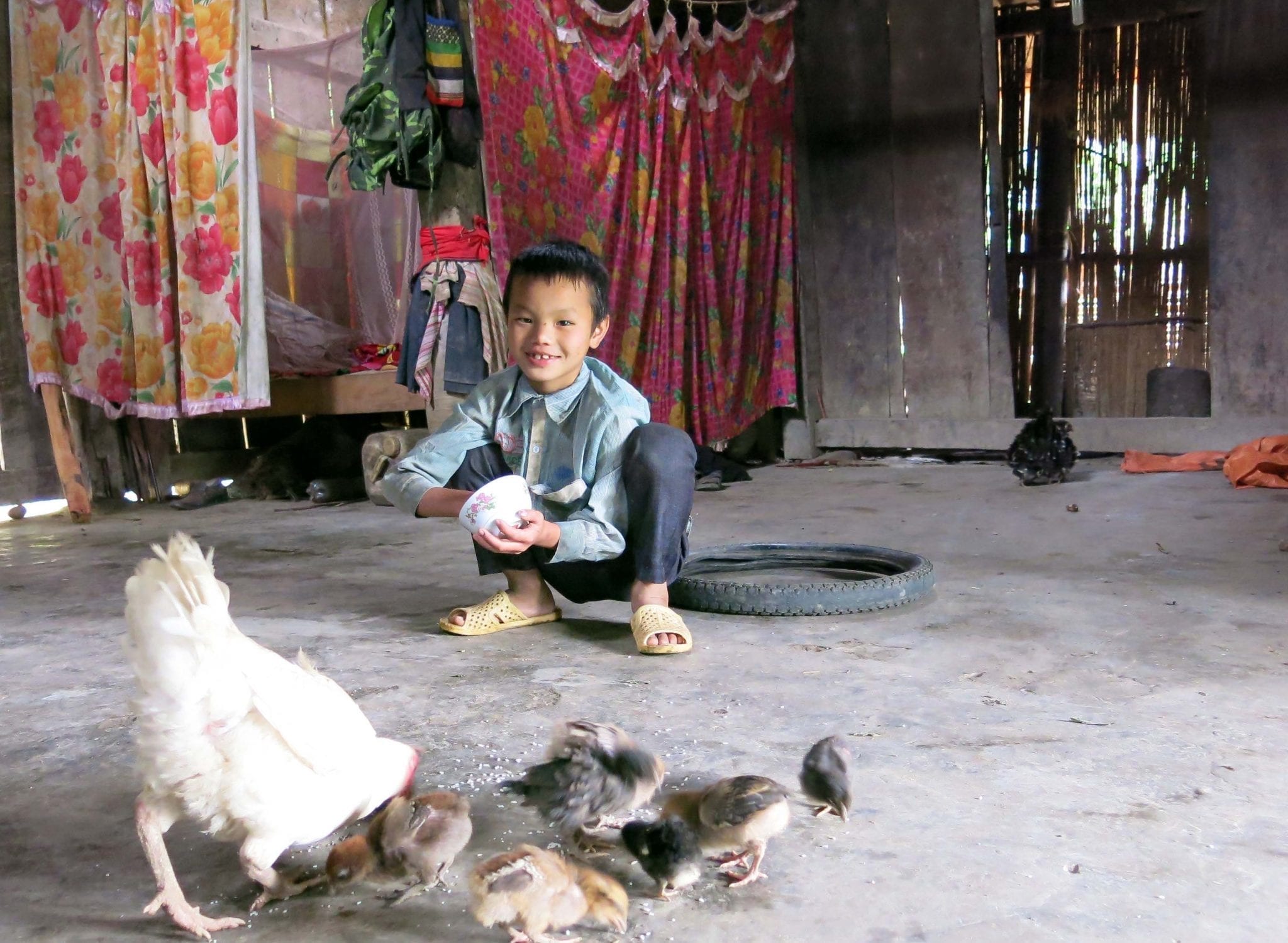
    According to MARD, Vietnam’s livestock and poultry processing industry can produce 500,000-700,000 tons of meat and 8 billion eggs. Despite the high production capacity, only Vietnam’s salted eggs are exported to Hong Kong and Singapore, while the other products are consumed in the domestic market only.

    Van, talking to the local press, was optimistic about the possibility of exporting livestock products and animal feed.

    Vietnam is a big animal feed importer, but it exported 500,000 tons of animal feed in 2016. As for pork, 2016 witnessed a sharp increase of 40 percent in suckling pigs  compared to 2015 to 100,000 tons.

  • Lack of timber threatens wood industry

    Lack of timber threatens wood industry

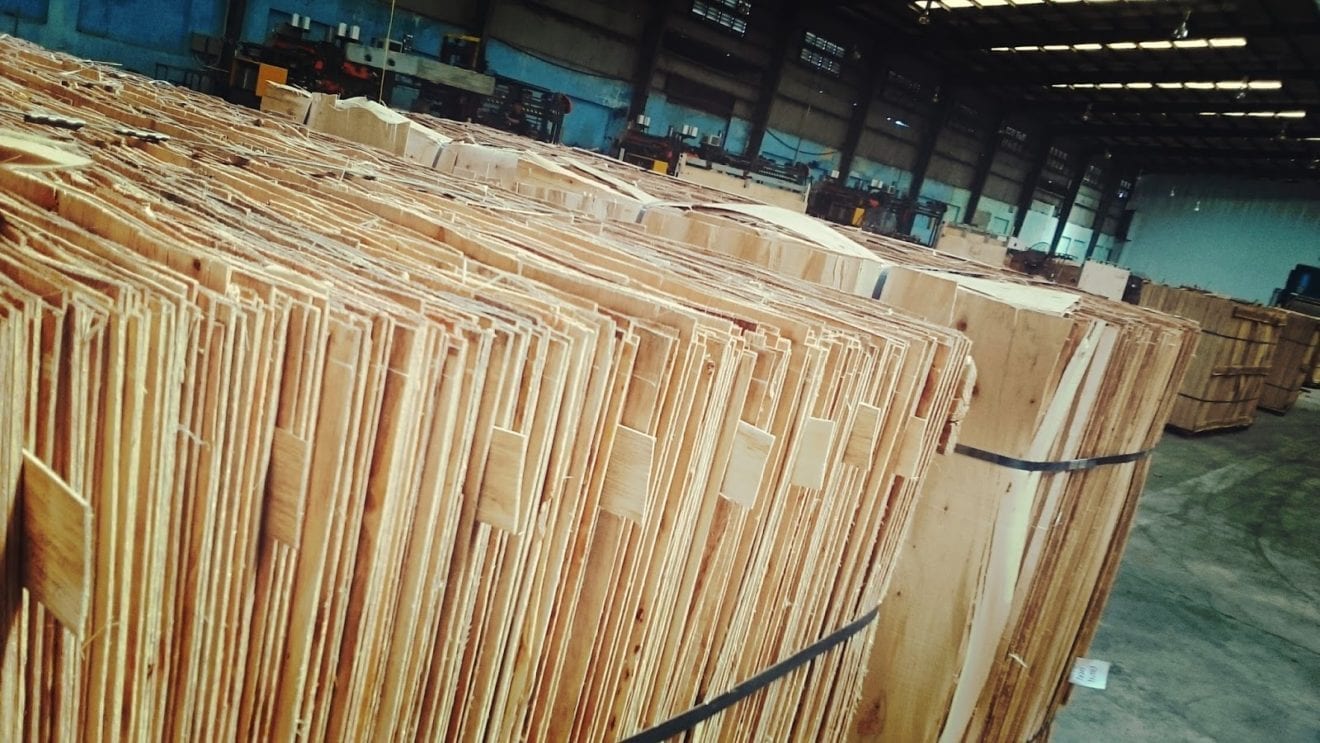
    This was stated by Bui Chinh Nghia, deputy head of the Ministry of Agriculture and Rural Development’s (MARD) Forestry Department. Nghia said this would result in a cut of some 40,000 cu.m. of raw material this year. Ensuring timber supply for domestic manufacturing is a problem in Vietnam as a large amount of raw timber is exported despite many domestic producers lacking raw material.

    To have enough material for processing and exports, many businesses have proposed that the government prohibit the export of raw material to other countries.

    If the quantity of exported wood is retained in the country, it would help local businesses take the initiative in signing orders with their partners in Europe and the United States.
    Sharing his opinion on this proposal, Huynh Kim Bau, assistant to the director of Saigon Furniture Co. Ltd, said the government should levy a tariff of 30-35 per cent on raw timber exports, the same level as applied by some regional countries, such as Cambodia and Thailand, to lower exports. In addition, enterprises need to plant high-quality tree species that grow in a short period of time to meet the industry’s increasing demand.

    Huynh Van Hanh, deputy chairman of the Handicraft and Wood Industry Association of HCM City, said small- and medium-sized enterprises (SMEs) needed to co-operate with each other if they wanted to compete with foreign firms globally.

    The association should make decisions based on three criteria — they are in real need of co-operation with other, they should trust their partners, and their rights and interests should be based on fairness as the work will be divided equally based on production and supply for each participant.

    As for those enterprises which are capable of expanding their business, they should invest in advanced technology to raise capacity and quality to overcome difficulties and access large orders.

    Hanh said Vietnam had more than 4,000 timber processing and export businesses but only seven per cent of them were large and could easily access huge orders from clients from the United States, Japan and the European Union. The remainder, which was small and medium enterprises, had weak competition capacity and small investment capital, hence they faced more difficulties while seeking orders.

    Meanwhile, the number of foreign investment businesses in the country was few, but they retained more than 50 per cent of the market share. Vietnamese SMEs mostly did outsourcing work of foreign investment businesses.

    Duong Phuong Thao, deputy director of the Import-Export Department under the Ministry of Industry and Trade, said Vietnam exported processed wood worth US$7 billion in 2016, while global demand stood at $400 billion for wood products. Vietnam’s wood industry, he said, must grow further to capitalise on the huge global demand.

    In 2017, MARD will switch the use of 200,000ha under small tree forests to growing large trees and issue sustainable forest certificate to those land areas. The total area under large trees granted sustainable forest certificates is expected to reach 500,000ha by 2020, promising a high-quality and certified source of timber for processing and exporting.

    Thao added that the Vietnamese Government planned to negotiate with its Lao and Cambodian counterparts to create better conditions for Vietnamese firms to source timber from forests in these countries to increase the supply of raw material.

    The local wood industry uses 30 million cu.m. of raw timber for manufacturing every year and has shipped products to more than 100 countries and territories. Only two-thirds of the timber is sourced domestically while the rest has to be imported.

  • Qantas Launched Beijing Flight

    Qantas Launched Beijing Flight

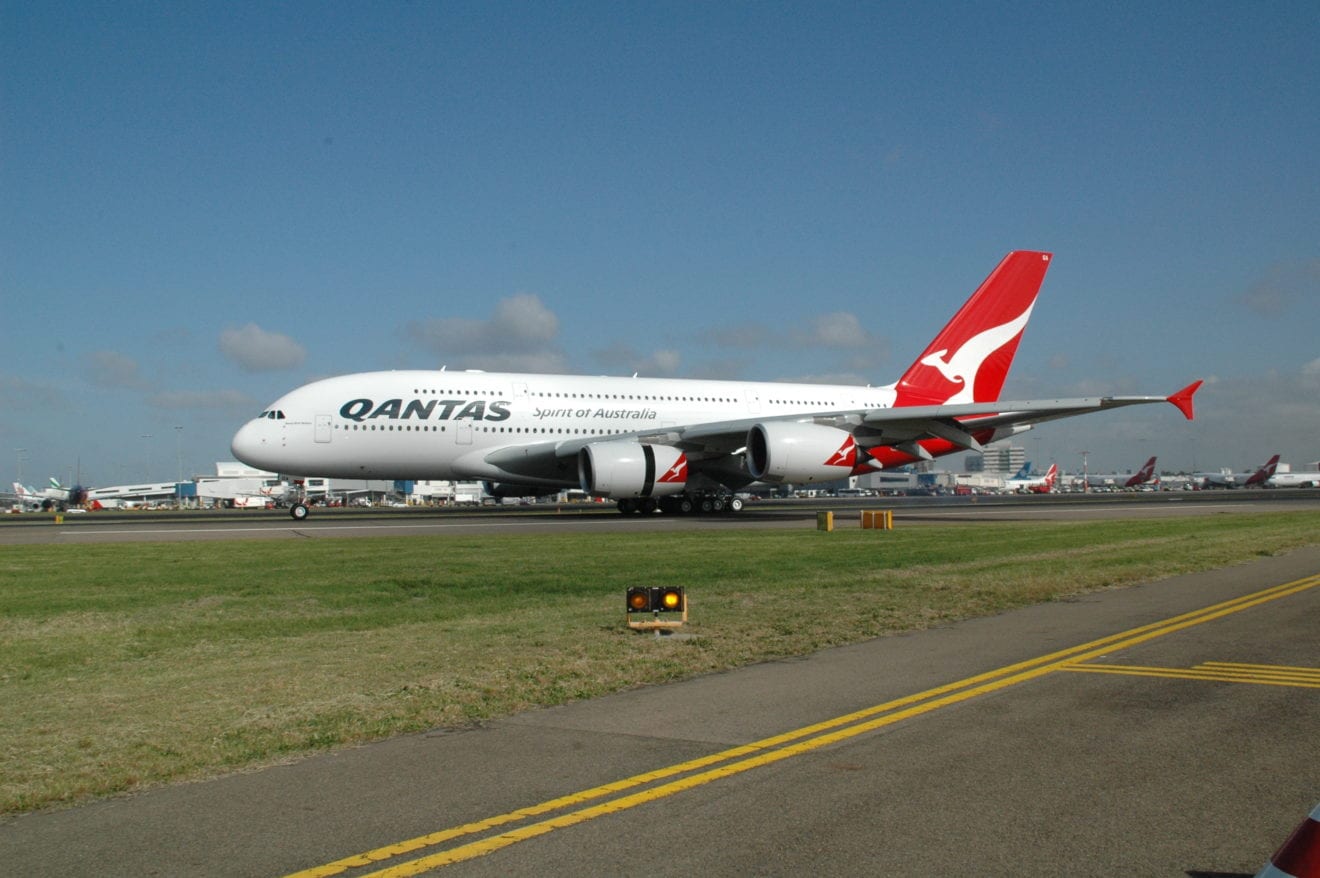
    The new flight is operated daily with an Airbus A330-200. “It’s the perfect time for Qantas to fly to Beijing,” said Alan Joyce, CEO of Qantas. “The China-Australia Free Trade Agreement is hitting its stride and China is on track to become the number-one source of visitors to Australia within the next year or so. What’s really exciting is the potential we see for the future. We now have the Qantas Group’s biggest-ever network in Greater China, and our goal is to make our Beijing route a flagship corridor for tourism and trade.”

    The airline also flies to Hong Kong from Brisbane, Melbourne and Sydney, and to Shanghai from Sydney. It suspended flights to the Chinese capital in 2009.

    The schedule for the new flight is as follows.

    QF107

    SYD 13:50

    22:40 PEK

    QF108

    PEK 00:15

    14:55 SYD

  • AirAsia India offers 50% discount on round trips

    AirAsia India offers 50% discount on round trips

    Budget passenger carrier AirAsia India has started a discount offer of 50 per cent on the return leg of round trips booked via its website and mobile-based application (App).

    “The discount is available on airasia.com and the AirAsia mobile App from January 23 to 29, 2017 for travel between February 1 and April 30, 2017,” the airline said in a statement on Tuesday.

    “It (offer) covers flights operated by AirAsia India spanning all destinations including recently added Srinagar and Bagdogra.”

    The airline will start flying to Srinagar and Bagdogra from February 19.

  • Retail seen robust in Year of the Rooster

    Retail seen robust in Year of the Rooster

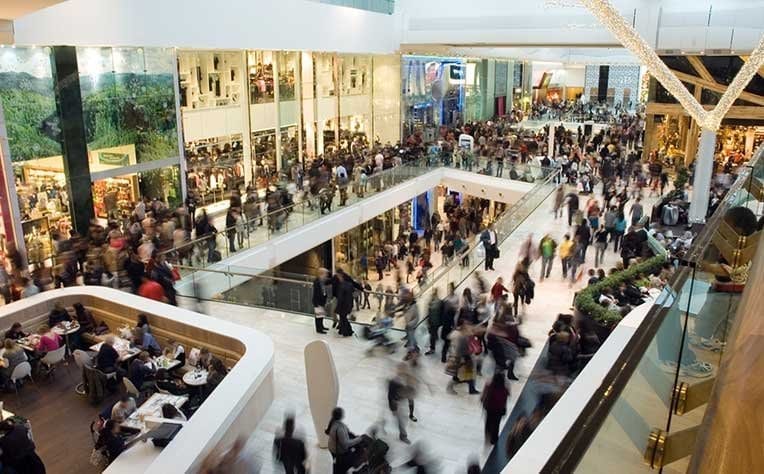
    Retail scene in the metro is expected to remain robust given the enhanced purchasing power of Filipinos. Never has the local retail scene become more competitive than it is today.

    Considering that shopping malls and commercial centers have sprouted in practically every corner of the country, it would be hard to believe that the local market remains far from its saturation point.

    Sure, competition may have gotten stiffer today compared to a decade ago, as more local and foreign brands fight over a share of the Filipinos’ increasingly insatiable appetite for consumer goods and services.

    But the fact remains that there remained huge and potentially lucrative business opportunities that can be tapped.

    And this is being attributed to the country’s young and growing population and its strong, sustained economic growth, which make it more economically viable for retailers to further expand their presence, and for developers to put up more malls in whatever form or wherever these may be.

    Property consultancy firm Colliers International Philippines said in its 2017 forecast that it expected Metro Manila retail to remain robust given the enhanced purchasing power of Filipinos fueled by revenues generated by the IT and business process outsourcing (IT-BPO) industry and remittances by the overseas Filipino workers (OFWs).

    “Colliers sees a bullish retail segment over the next 12 months given a vastly improved consumer outlook. According to the Central Bank’s latest poll, consumer confidence is at its highest since the survey started in the first quarter of 2007,” said Joey Roi Bondoc, research manager at Colliers

    Colliers sees a bullish retail segment over the next 12 months given a vastly improved consumer outlook.

    High occupancy

    In an interview, Bondoc noted that retail vacancy in Metro Manila has remained low as regional and super-regional malls continue to record high occupancy rates.

    “Regional and super regional malls are at near full-occupancy, registering occupancy rates of 98 to 99 percent. If we factor in smaller formats such as neighborhood and district shopping centers, overall vacancy in Metro Manila remains at about 7 percent,” he said.

    “Colliers expects the figure to rise to about 10 percent following the completion of additional retail space in the fourth quarter of 2016, but we see this easing to 7 to 8 percent as retailers absorb the new space,” Bondoc further explained.

    According to Bondoc, food and beverage remained the major driver of retail spending in Metro Manila, accounting for anywhere between 30 and 40 percent of the leasable space in shopping centers—reportedly the highest in Asia Pacific.

    This is supported by Filipinos’ high expenditure on food and beverage, which typically covers about 40 percent of Philippine household spending.

    “Colliers sees this trend being sustained over the long term as consumer spending, which accounts for about two-thirds of the country’s gross domestic product (GDP), continues to drive the overall growth of the economy,” he added

    Higher consumption

    Real estate consultancy firm Santos Knight Frank Inc. meanwhile predicted that upcoming retail developments in Metro Manila will add about 485,000 square meters (sq.m.) of gross leasable area until 2018.

    “Retail expansion will be driven by developments outside Metro Manila as demand in the countryside remains robust. In the long run, there will be sustained consumer confidence backed by strong consumption pattern and increased disposable income,” the company said in a statement.

    According to Santos Knight Frank, the year 2016 was marked by increased consumption expenditure. Shopping malls, it noted, have adopted a lifestyle-oriented trend, building community malls and retail podiums in Metro Manila as well as outside cities.

    “Retail openings in clothing apparel and food chains were still prevalent because of current lifestyle trends. The steady increase of consumer spending evident (last) year has required manufacturing firms to expand operations and increase size of storage facilities,” it said.

    “Firms have been aggressively searching for warehouses and manufacturing spaces in known industrial locations especially in Central and North Luzon,” it disclosed.

    Aggressive expansion

    Such opportunities are not lost on companies like DoubleDragon Properties Corp., which is aggressively expanding its retail footprint nationwide.

    Through its subsidiary CityMall Commercial Centers Inc. (CMCCI), DoubleDragon is looking to put up 100 CityMall branches by 2020 and become the become the largest independently branded community mall chain in the Philippines.

    As of end 2016, there are already 10 operational CityMalls located in prime provincial city centers mostly in the Visayas and Mindanao region.

    The first CityMall opened its doors to the public in Roxas City, Capiz last March 2015.

    CityMall will not only provide prime spaces to the top Philippine fast food brands such as Jollibee, Mang Inasal, Chowking, Greenwich, Red Ribbon and Highlands Coffee. It will also serve as a platform for the provincial expansion of modern retail brands such as Savemore, Ace Hardware, Watson’s, SM Appliance, SM Simply Shoes, BDO, and Chinabank Savings, among others.

  • Cebu Pacific adds flights to Siargao

    Cebu Pacific adds flights to Siargao

    Cebu Pacific (CEB), through its wholly owned subsidiary Cebgo, increased flight frequencies to Siargao, the Surfing Capital of the Philippines.

    Starting February 1, Cebgo passengers will be able to choose from 12 weekly flights between Cebu and Siargao. From April 2017 onwards, guests can book up to twice daily Cebu-Siargao flights.

    Siargao lies in Surigao Del Norte in Mindanao, and is home to world-renowned surfing breaks. The most well-known of these is the Cloud 9, which is where the annual Siargao Cup is held every September. It was also recognized as CNN’s ninth best surf spot in the world.

    “With these additional frequencies, not only do we boost traffic to Siargao from Cebu, but we are also able to strengthen Cebu as a hub, while giving everyJuan more chances to explore one of the most beautiful islands in the Philippines,” Alexander Lao, President and CEO for Cebgo, said.

    CEB’s Cebu hub was recently strengthened with the launch of direct flights to Ormoc, Roxas and Calbayog.  CEB continues to increase connectivity between Cebu and other destinations such as Tandag, Camiguin and Clark, among others.  Overall, it operates direct flights to 25 domestic destinations and 5 international destinations from Cebu.

  • Emerging Asian nations producing more international travellers

    Emerging Asian nations producing more international travellers

    Outbound travellers from emerging Asian nations outnumber those from developed countries in the region by one and a half times.

    Furthermore, this figure is poised to grow more than twice as fast over the next five years (7.6 per cent versus. 3.3 per cent), according to Mastercard’s report The Future of Outbound Travel in Asia Pacific (2016 to 2021).

    Collectively, Asia Pacific markets are expected to grow by 6 per cent annually during the period.

    China is expected to be the largest outbound travel market in 2021 with 103.4 million trips, constituting 40 per cent of all Asia Pacific outbound travel, nearly four times that of the second and third markets, South Korea (25.6 million) and India (21.5 million) respectively.

    As forecast by the report, international outbound trips from the top 10 Asia Pacific markets by 2021 are:

    1. China, 103.4 million
    2. South Korea, 25.6 million
    3. India, 21.5 million
    4. Japan, 19.4 million
    5. Taiwan, 16.3 million
    6. Malaysia , 14.2 million
    7. Australia, 11.8 million
    8. Singapore, 11.7 million
    9. Indonesia, 10.6 million
    10. Thailand, 9.1 million

    “The burgeoning middle class is driving the growth of outbound travel in Asia Pacific, along with other trends such as the emergence of the Asian millennial traveller and, on the other end of the spectrum, the senior traveller, as well as technology and infrastructure developments,” says Mastercard Advisors Asia Pacific senior VP Eric Schneider.

    “Asia Pacific travellers will continue to fuel global tourism growth in years to come, providing vast opportunities for businesses to benefit through the development of products and solutions that seek to improve their overall travel experiences.”

    Myanmar fastest growing

    Myanmar is projected to be the fastest-growing outbound travel market with a 10.6 per cent annual growth rate over the next five years, followed by Vietnam (9.5 per cent), Indonesia (8.6 per cent), China (8.5 per cent) and India (8.2 per cent). Among developed Asia Pacific markets, growing fastest are South Korea (3.8 per cent), followed by Singapore (3.5 per cent), Australia (3.5 per cent) and New Zealand (3.4 per cent).

    The report predicts the top 10 fastest-growing Asia Pacific markets by international outbound trips (compound annual growth rate from 2016 to 2021) will be:

    1. Myanmar, 10.6 per cent
    2. Vietnam, 9.5 per cent
    3. Indonesia, 8.6 per cent
    4. China, 8.5 per cent
    5. India, 8.2 per cent
    6. Sri Lanka, 6.1 per cent
    7. Thailand, 4.8 per cent
    8. Philippines, 4.4 per cent
    9. South Korea, 3.8 per cent
    10. Australia/Singapore/Malaysia, 3.5 per cent

    According to the study, outbound travel will grow faster than real GDP. Outbound travel growth tends to be higher than real GDP growth for emerging markets compared to developed markets, except for Japan, where outbound travel growth is much closer to its predicted real GDP growth.

    Emerging markets such as Myanmar (10.6 per cent vs. 7.7 per cent), Vietnam (9.5 per cent vs. 6.2 per cent), Indonesia (8.6 per cent vs. 5.7 per cent), Thailand (4.8 per cent vs. 3.1 per cent) and China (8.5 per cent vs. 6 per cent) are expected to grow faster than real GDP.

    By 2021, all developed markets in Asia Pacific, except Japan, will have a ratio of more than 100 per cent for outbound travel trips to total number of households. Households in Singapore (693.6 per cent), Hong Kong (248.9 per cent) and Taiwan (232 per cent) have the highest propensity to travel abroad.

    Among emerging markets, Malaysia is expected to record the highest ratio, 198.7 per cent, by 2021, whereas India (7.3 per cent), Bangladesh (7.4 per cent), Myanmar (14.6 per cent) and Indonesia (15.4 per cent) are among the lowest.

    While a ratio of 100 per cent means on average that each household has at least one person who makes a trip abroad each year, in practice it is more likely that a certain percentage of households make multiple trips overseas each year, implying there are households where nobody goes abroad at all.

  • Vietnamese furniture makers hit by dwindling timber supplies

    Vietnamese furniture makers hit by dwindling timber supplies

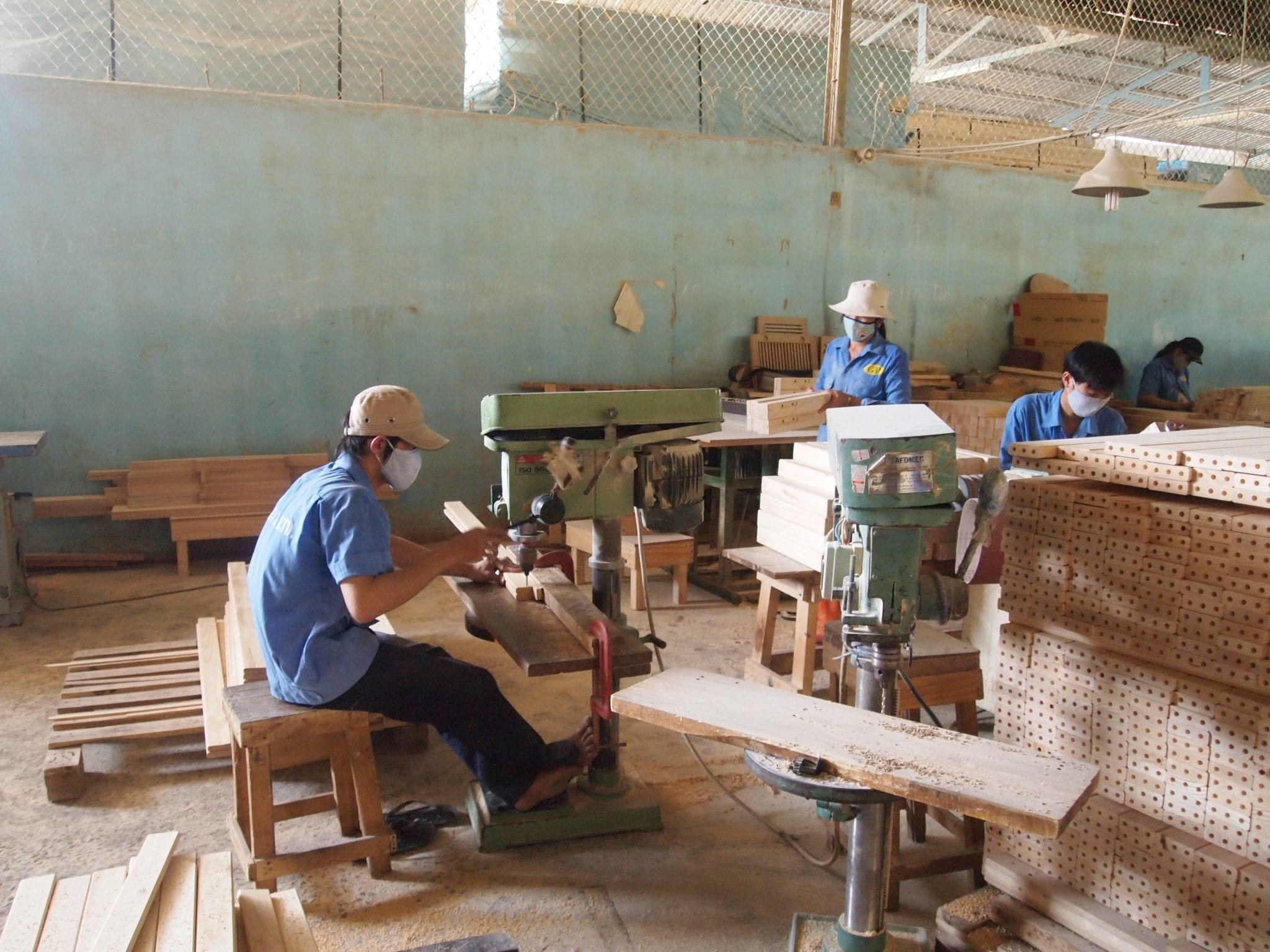
    Valuable wood that could be used by local carpenters is being shipped overseas. Many Vietnamese furniture makers are struggling to win large orders from global retailers due to a significant shortage of wood.

    It is estimated that local furniture firms use about 30 million cubic meters of solid wood and wood-based board materials each year, which translates as about 2.2 percent of all wood used commercially around the world.

    About 67 percent of wood used in Vietnamese products is domestically sourced, mainly from defunct rubber plantations, while the remaining 33 percent, translating into around 10 million cubic meters, must be sourced from overseas.

    In the meantime, data released by the Agriculture Ministry showed that last year Vietnam exported 8 million cubic meters of solid wood to neighboring China.

    This clearly presents a supply problem.

    Vietnam’s furniture exports have been growing steadily by 10-15 percent in recent years, said To Xuan Phuc, an industry expert from non-profit organization Forest Trends.

    “Last year, Vietnam exported more than $7 billion worth of wood products, while global demand was estimated at $400 billion. There is potential for more growth,” said Duong Phuong Thao, a senior official from the trade ministry.

    However, given the continuing high demand for timber, local furniture companies are faced with a significant shortage of materials.

    Vietnam currently has 4,000 furniture makers and exporters and 93 percent of them are small-and medium-sized companies. These companies have struggled to fulfill large orders from retailers in the United States, the European Union and Japan,” said Huynh Van Hanh, vice chairman of Ho Chi Minh City’s Association of Handicraft and Wood Businesses.

    Only 7 percent of Vietnamese furniture makers have managed to win large orders from global retailers, Hanh added.

    Local companies believe that the government should throw its considerable weight behind a plan to develop a sustainable forestry system that can be expanded as demand for wood continues to grow.

    Vietnam may hike tariffs on solid wood exports to 30–35 percent, the same level Cambodia and Thailand apply, to promote better forest management, end deforestation and help with timber supplies, said Huynh Kim Bau, assistant to the general manager of Saigon Furniture.

    The Agriculture Ministry plans to develop 200,000 hectares of certified sustainable forests this year, and it is forecast that Vietnam will have 500,000 hectares of certified forests by 2020.

    Dominance of Chinese furniture makers

    A shortage of solid wood and wood-based materials is not the only problem facing Vietnamese furniture exporters.

    Local firms mainly do outsourcing works for foreign furniture suppliers, most of which are Chinese, Hanh said.

    Official statistics show that a third of foreign-invested companies in Vietnam’s furniture industry are Chinese.

    In an attempt to dodge anti-dumping tariffs imposed by the U.S., Chinese furniture companies are flooding into Vietnam, relocating their manufacturing facilities and exporting to the U.S. from here.

    Since 2015 the U.S. has imposed import tariffs on Chinese-made furniture including beds, nightstands and other wooden wares in an attempt to protect its domestic manufacturers from Chinese “dumping”, or the export of goods at unfairly low prices.

    Ngo Sy Hoai, vice chairman of the Professional Association of Timber and Wood Products (Vifores), said the U.S. is currently imposing a tariff of between 55 and 120 percent on Chinese furniture, but there is no tariff on furniture imports from Vietnam.

    Local woodwork factories in Vietnam are concerned that their businesses will suffer if they act as a shield for Chinese furniture companies from U.S. anti-dumping actions.

    The fact that Vietnamese manufacturers may come under the radar of American anti-dumping investigators is obviously unwelcome as the U.S. has become Vietnam’s largest buyer. Vietnam’s furniture exports to the U.S. have reached more than $2 billion per year, equivalent to 30 percent of all exports.

  • Luxury Brands Advised to Reassess Physical Store Strategy

    Luxury Brands Advised to Reassess Physical Store Strategy

    Luxury brands looking to assess their global brick-and-mortar strategies would do well to remember it’s not a one-size-fits-all approach.

    A recent study by management consulting firm Boston Consulting Group and Bernstein research advises luxury labels to optimize existing physical locations, determine how best to cater to both tourists and locals, and consider streamlining stores in cases for which ecommerce would suffice.

    Looking at retail geographically, the report says some regions are oversaturated while others are ripe for expansion. For luxury brands with multiple stores in New York, Tokyo, London, Paris, Seoul and Hong Kong, the findings show retail is poised to remain strong, as tourists and locals support flagships and secondary locations, respectively.

    The report cautions against adding new doors in top Asian cities like Tokyo, Seoul, Hong Kong, Shanghai, Beijing, Singapore and Taipei where there are already too many locations and the size of the footprints outstrip demand.

    For brands looking to expand, research shows that the U.S. is still a solid market. While luxury companies may find opportunities for new locations in key hubs, the focus in those cities should be on drawing more shoppers into stores, the report said. Opening new stores could be the best approach in second-tier cities where the local population could offer consistent traffic and sales. But first, it’s up to brands to determine which cities represent their best prospects.

    “Brands must continue to invest in the tools and techniques that help them get better and better at segmenting markets and uncovering pockets of demand,” said Oliver Abran, a partner and managing director at BCG’s Paris office and the global leader of the firm’s luxury, fashion and beauty topic area. “Analytics software can be invaluable but it still needs the talent to make it effective and the processes to properly gauge potential markets.”

  • Lunar New Year surge pricing enrages GrabBike users

    Lunar New Year surge pricing enrages GrabBike users

    Treble fares and heavy traffic add up to the Tet holiday stress in Vietnam. The week before Vietnamese people ring in the Year of the Rooster has been the busiest time of the year for ride-sharing services.

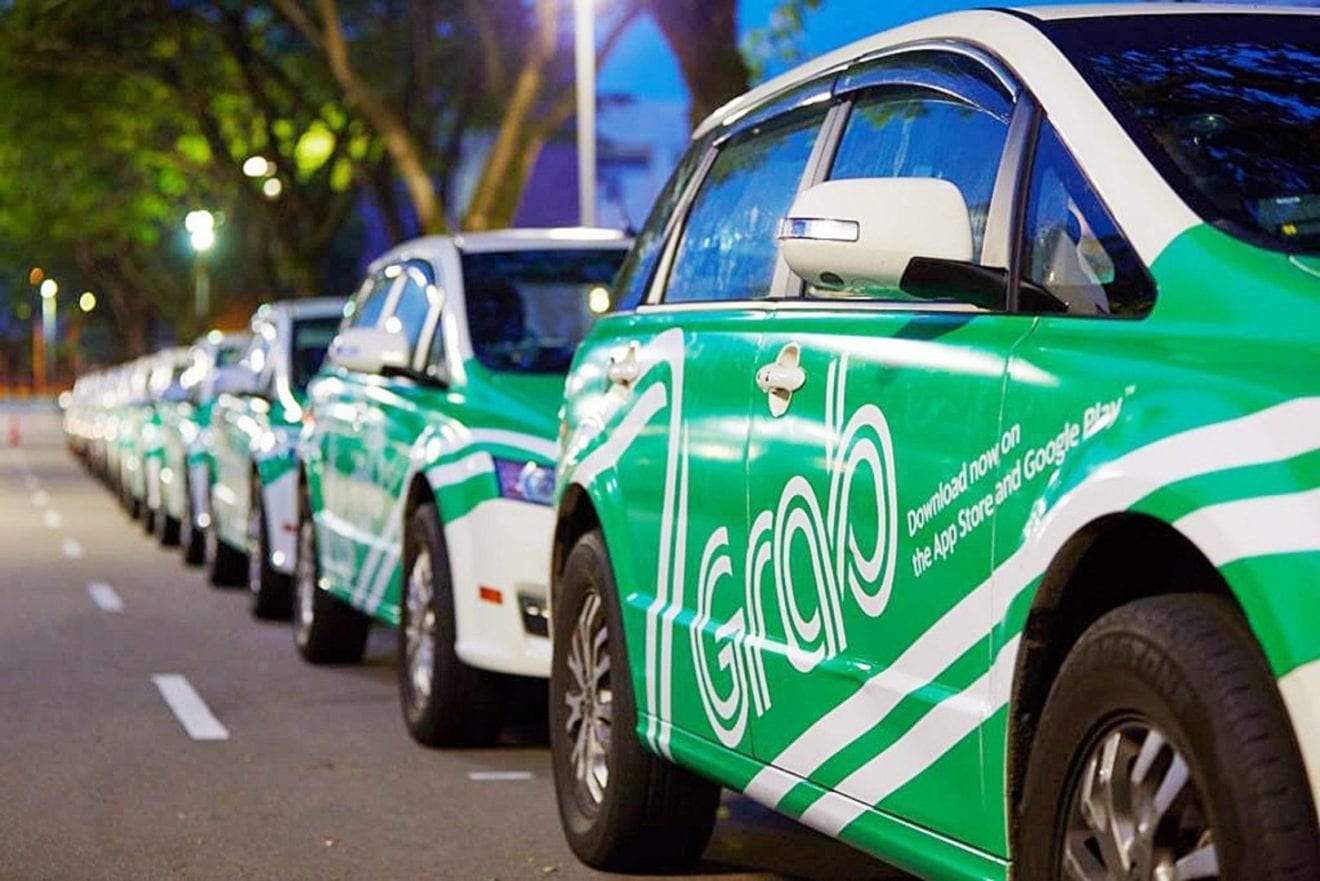
    Due to the rising demand, GrabBike, a mobile hailing app for motorcycle taxi services, has applied what is known as “surge pricing”, meaning that fares have more than tripled over the past week. The company says the move is aimed at ensuring there are enough drivers on the road, but customers are not impressed.

    Long, an office worker in Ho Chi Minh City’s financial district, headed home for the Lunar New Year holidays on a late night coach trip, leaving the city at 9 p.m. It usually costs him only $2.6 to travel the 7 kilometers by motorbike taxi from his apartment to the coach station. However, this time he was shocked to find that GrabBike had nearly tripled the fare to $7.1.

    The inflated cost annoyed Long who felt like he was getting fleeced by the service when he needed it the most.

    He decided to return to traditional motorcycle taxi drivers who pick up passengers on every corner in the city.

    “After negotiating, the driver agreed to take me for $3.5,” said Long, who had ditched old-fashioned motorcycle taxis for GrabBike thanks to its convenient booking service and lower fares offered by the app.

    The arrival of hailing mobile apps like Uber and Grab to Vietnam in recent years has put traditional motorcycle taxi drivers under great pressure with a rapidly shrinking market share.

    Many traditional motorcycle taxi drivers who are usually unable to compete with Grab have suddenly made a strong comeback over the past week as Grab’s surge pricing scares away customers.

    It usually costs Phuong, a resident in District 7, only $3 to get to Tan Son Nhat Airport. The price surged to $8 last Saturday despite her effort to avoid the rush hour by booking the trip at noon. Phuong agreed to the inflated fare, but after more than 30 minutes, there were still no GrabBike drivers in sight. She had no choice but take a cab to the airport.

    Higher prices are supposed to keep more drivers on the road during the busiest times. However, Long, a GrabBike driver, said the higher fares had made little difference to his income due mainly to heavy traffic that slows journey times.

    “A pick-up point was just 1.5 kilometers away but it took me more than 25 minutes to get there the other day,” said Long, adding that when he arrived at the pick-up point the passenger had already cancelled the trip.

    Ngo Nguyen Hoang, chief executive of Grab, said despite the higher fares leading up to Tet, the company has been unable to meet the demand.

    “We simply can’t reach our customers,” he said. “Before passengers book their trips, they will see the total cost of the rides in advance with upfront fares.”

    He confirmed that there will be no more unwelcome surprises heading into the holidays.

    “We are still offering discount coupons. There is no way we are fleecing our customers in the week leading up to Tet,” Hoang continued.

  • AirAsia travellers urged to arrive early, self check-in

    AirAsia travellers urged to arrive early, self check-in

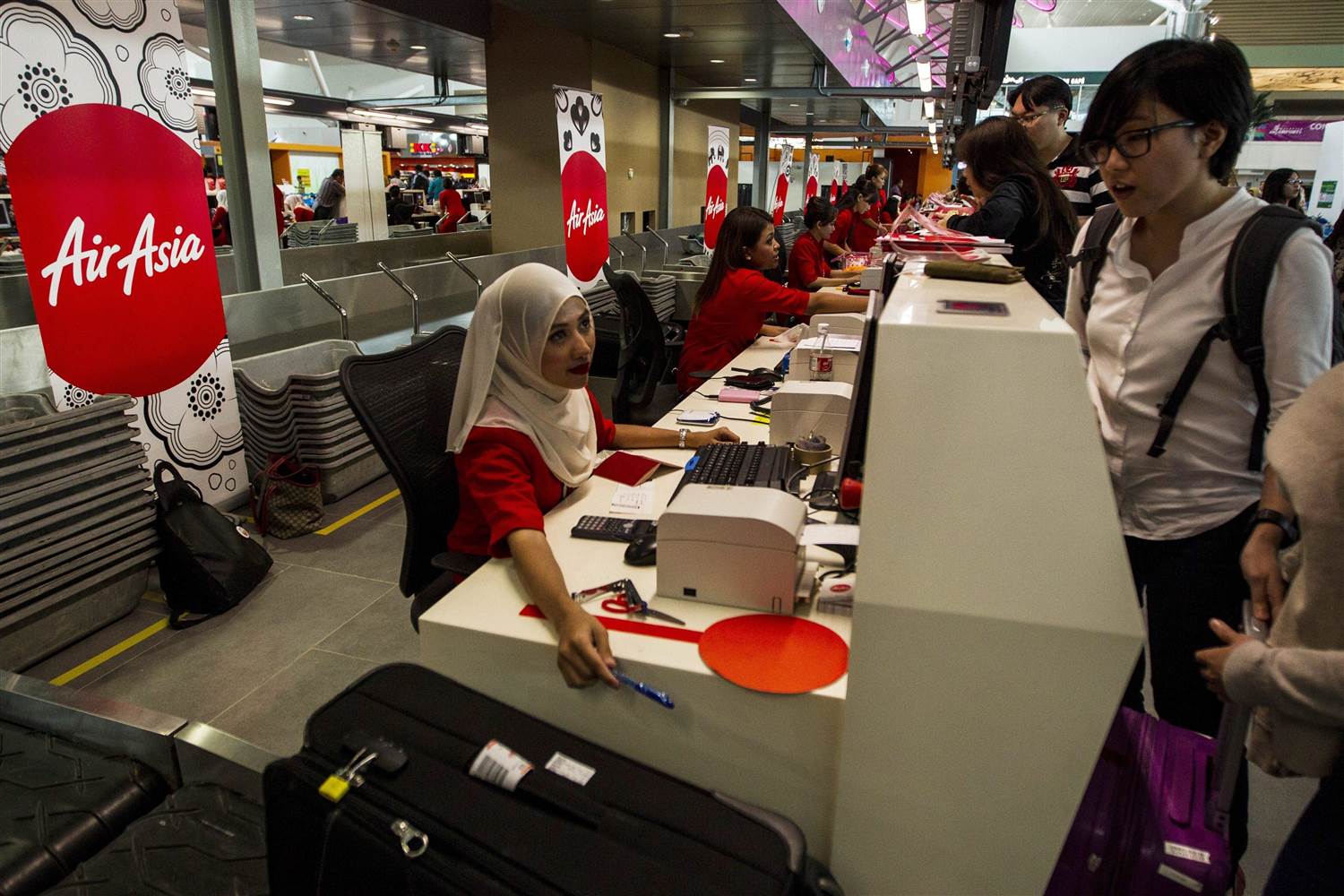
    AirAsia and AirAsia X have urged all guests travelling throughout the Chinese New Year period to arrive earlier at the airport to avoid congestion due to the expected surge in travellers.

    In a statement, the budget airline advised guests to arrive at least three hours prior to scheduled time of departure for AirAsia flights, and at least four hours earlier for AirAsia X flights.

    Travellers are also strongly encouraged to conduct self-check-in via web, mobile or kiosk services for a smoother journey at the airport.

    It said for guests with baggage to check-in, baggage drop counters close 60 minutes before flight departure for all AirAsia and AirAsia X flights.

    However, it is advisable to complete baggage drop and proceed to the boarding gate as early as possible.

    “Guests with group booking, reduced mobility or with special needs are only allowed to check-in at the counter and should allocate more time to clear all travelling formalities.

    “Each guest is only allowed one piece of cabin baggage (weighing not more than seven kg), and a laptop bag or a handbag on board,” it added.