Category: General

Retail News Asia is committed to providing both local and global retailers with the latest General Retail news throughout the Asian market. This on a daily base.

  • Cebu Pacific to open Cagayan de Oro-Bacolod flights

    Cebu Pacific to open Cagayan de Oro-Bacolod flights

    CEBU Pacific announced Monday that its Cagayan de Oro City-Bacolod City route will start on March 16. For this new route, the airline will have three flights per week specifically on Tuesdays, Thursdays and Saturdays. Cebu Pacific said in a press statement this is one of the two routes it is launching in the next two months.

    The other one is between Cagayan de Oro and Tagbilaran City starting March 15, with four flights weekly every Mondays, Wednesdays, Fridays and Saturdays. Both new routes will be using the new ATR 72-600 aircraft expected to arrive in early March. To introduce these routes, the airline said it is offering an introductory P799 all-in seat sale for those who will travel from March 15 to May 31. Travelers may now book their flights until January 27, or until seats last.

    The promo fare is inclusive of taxes and fees. Bags, meals, and other ancillaries may be added as preferred, it added. Alexander Lao, president and chief executive of Cebgo, said the new routes will open great opportunities for “every Juan” both business and leisure travelers, enabling them to visit the Visayas region more conveniently.

    At the same time, passengers from Tagbilaran and Bacolod will now be able to explore Mindanao without the hassle, through the gateway that is Cagayan de Oro, Lao said. “Cebu Pacific stays committed in providing the best connectivity options for our valued passengers at the lowest fare available in the market,” Lao said. After the sale period, the one-way trip from Cagayan de Oro to Bacolod would cost P1,806; and Cagayan de Oro to Tagbilaran, P1, 235. The airline remains devoted to exploring more routes to cater to more of our valued guests, and also to beef up economic, trade, and tourism in the destinations we operate in, its official added.

  • Lalique links with Singapore Airlines for elevated travel retail

    Lalique links with Singapore Airlines for elevated travel retail

    French lifestyle brand Lalique is bringing its crystal wares to new heights through an alliance with Singapore Airlines.

    Through the partnership, the airline will retail co-branded in-flight products such as toiletries and glassware in its suites and first class cabins. For Lalique, this represents an opportunity to introduce its brand range to a captive audience of affluent travelers.

    In-flight branding
    Singapore Airlines (SIA) and Lalique have signed a memorandum of understanding, which reflects their shared goal of enhancing the on-board experience for suite and first class travelers. Together they will market a co-branded collection that includes loungewear, bedding, toiletries, amenity kits and glassware.

    The amenity kits available to these passengers will feature both lifestyle and crystal gifts. Additionally, travelers will be able to take advantage of special offers for Lalique’s manufacturing site, its five-star hotel Villa René Lalique and its two-Michelin star restaurant in France.

    SIA’s KrisShop Magazine will advertise Lalique items that can be purchased in-flight or via mail order from the consumers’ home.

    This partnership will launch with SIA’s next round of Airbus A380s starting in the second half of 2017. From there, the two companies are considering a long-term working relationship, with the possibility of additional collaborations and an exclusive agreement a possibility in the future.

    “We are very pleased to partner with Lalique to offer our premium customers exquisite luxury in the air,” said Marvin Tan, senior vice president, product and services at Singapore Airlines. “Both Lalique and SIA have a long heritage. Leveraging the strengths of both companies, we look forward to bringing the finest traveling experience to our customers through this co-brand initiative.”

    Department store chain Saks Fifth Avenue is similarly establishing in-transit placement by partnering with United Airlines’ newly redesigned business class experience.

    For the United Polaris front cabin passengers, Saks teamed with the airline to create a custom bedding. This first-of-its-kind collaboration represents an opportunity for Saks to be part of travelers’ flight experience, giving them a tactile interaction with the brand on their journey.

  • AirAsia X flying to London, Frankfurt this summer

    AirAsia X flying to London, Frankfurt this summer

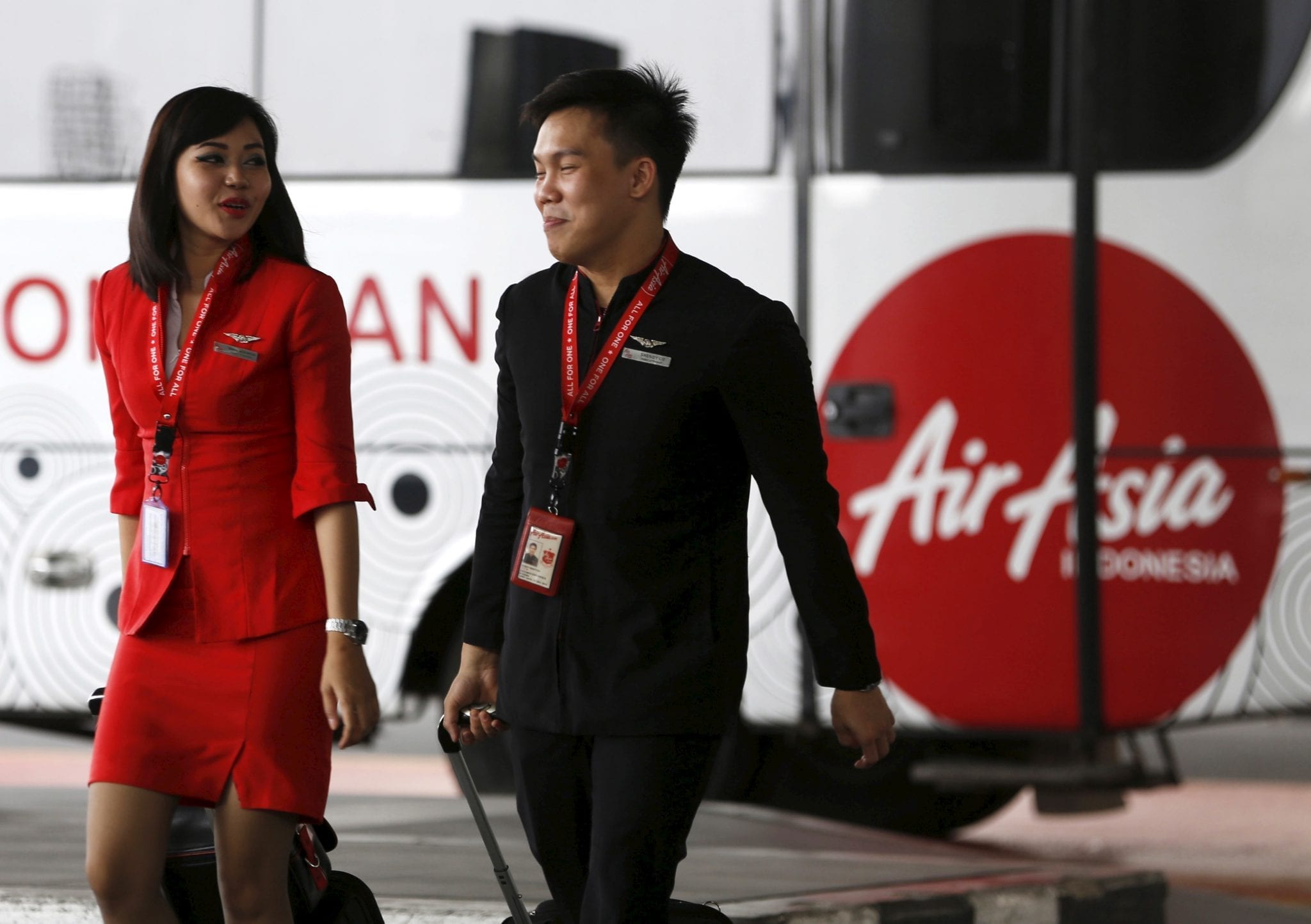
    AirAsia X will return to London this summer with direct flights out of klia2, AirAsia group CEO Tony Fernandes told media on the sidelines of the World Economic Forum in Davos, Switzerland last week.

    Additionally, Fernandes said that Frankfurt will be added to the list of destinations for the long-haul arm of the Malaysian-based low-cost carrier, but it will be a direct flight out of Bangkok.

    According to German news agency DPA, Fernandes said he hoped to set the airfare below €200 (RM953) for the Bangkok-Frankfurt flight.

    “I would like to offer them for even less. Due to the low oil prices, we could even afford to set the airfare as low as €150 (RM715).

    “We are keen on attracting more Europeans to come to holiday in Southeast Asia as well as to help Asians who wish to explore Europe. We see this as a mutual market,” he was quoted as saying by DPA.

    The airline had suspended all flights to Europe, including London and Paris, in March 2012, due to high operating costs. The Kuala Lumpur and London route was launched by AirAsia X in March 2009.

    AirAsia X currently flies to multiple destinations in China, India and Japan, as well as to a few Australian cities.

  • AirAsia X gets FAA clearance to fly to the US

    AirAsia X gets FAA clearance to fly to the US

    AirAsia X has received clearance from the Federal Aviation Authority (FAA) to fly to any destination in the the US, making its foray into an entirely new market as it looks beyond the Asia Pacific.

    “The airline is the first Asian low-cost carrier to secure approval to operate scheduled passenger flights to the US,” it said on Tuesday.

    AirAsia X is considering flights to several US states including Hawaii as part of its route expansion plans.

    Its group CEO Datuk Kamarudin Meranun said this was a major milestone for AirAsia X.

    “Our expansion up until now has concentrated on Asia, Australasia and the Middle East, and we are excited about our first foray into an entirely new market as we look beyond Asia Pacific.

    “I’m confident travellers will respond well to our award-winning service and the kind of connectivity we can offer with our Fly-Thru product. As part of our expansion plans, we are also looking to resume our very popular London route, and are working towards securing the necessary approvals.”

    Kamarudin said none of this would be possible without its Allstars, especially group chief operating officer Anaz Ahmad Tajuddin, who  passed away two weeks ago.

    “We wouldn’t be where we are today if he chad not laid the foundations with his blood, sweat and tears, and his bravery in the face of cancer showed us the true meaning of strength. This is for you, Anaz.”

    Fly-Thru allows guests to seamlessly connect to anywhere within AirAsia’s wide network with just one stop at Kuala Lumpur, Malaysia – Asia’s No. 1 low-cost carrier hub – and other convenient transit hubs in Thailand and Indonesia, without having to pass through immigration and with their baggage checked through to the final destination.

  • Vingroup to invest in HCM City sports complex

    Vingroup to invest in HCM City sports complex

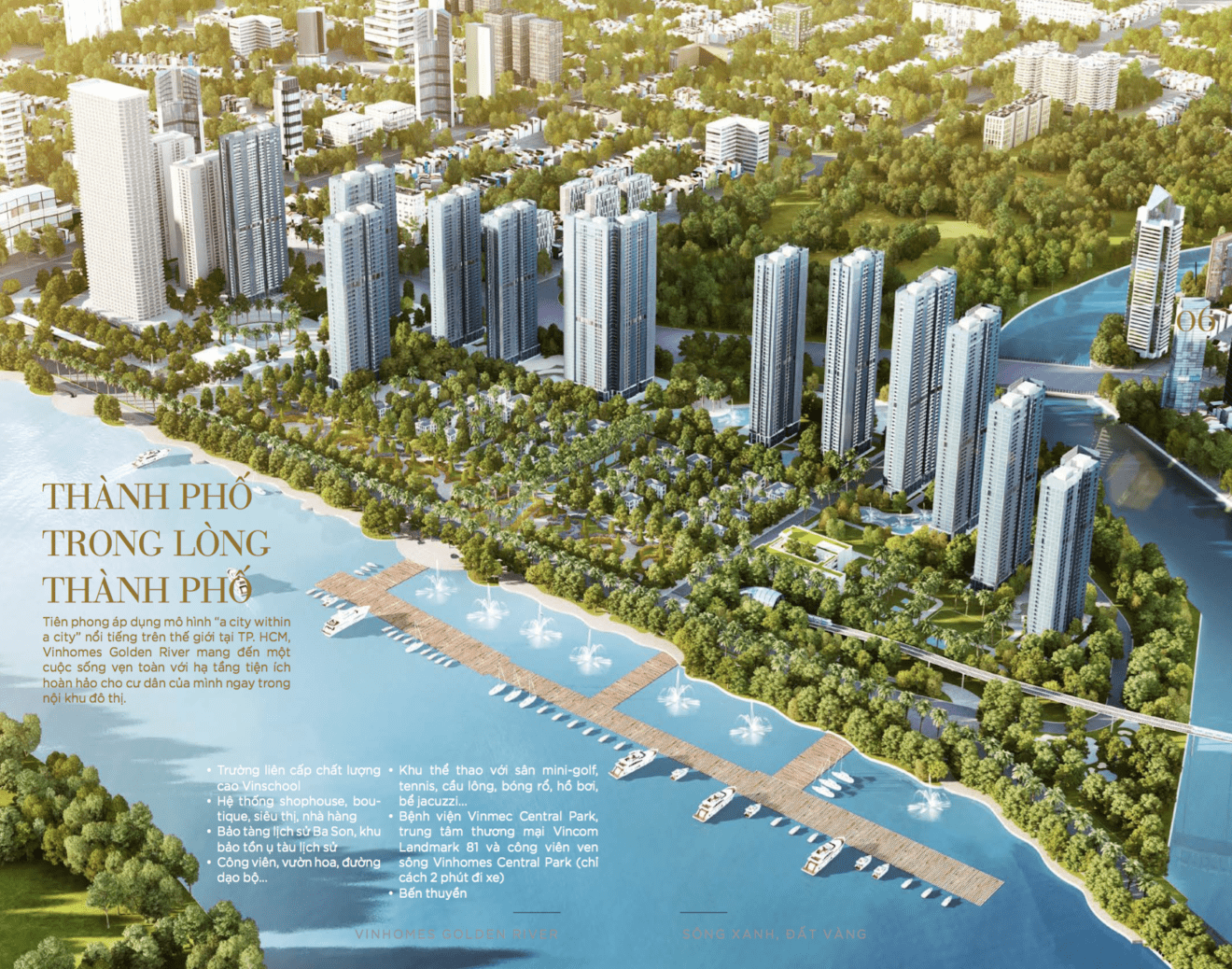
    HCM City’s People’s Committee had given Vingroup Joint Stock Company (Vingroup JSC) the go-ahead to invest in a sports and entertainment complex in District 2’s new Thủ Thiêm urban area.

    The complex would be located on 31.39 hectares, and the People’s Committee has approved a district planning scale of 1/2,000, the city’s department of planning and architecture (DPA) said on Monday.

    The project would require an estimated total capital of VNĐ6.77 trillion (US$305.1 million), excluding compensation for site clearance.

    So far, 99 per cent of the land in Thủ Thiêm urban area had been cleared, with 382 hectares set aside for residential purpose and another 334 hectares for commercial purpose. Once Thủ Thiêm had been developed, it would be able to house 150,000 residents and attract 220,000 workers.

    Vingroup JSC had acquired approval to build the complex as part of the second functional area in Thủ Thiêm and An Lợi Đông wards, Disctrict 2. The total construction is expected to take 36 months; the project utility period would be 50 years.

    Vingroup JSC’s sports complex would have infrastructure so it could be used as a multifunctional sporting halt and an amusement park. It is considered to be one of the key high-value projects in the planning of Thủ Thiêm urban area.

    Recently, many domestic and foreign investors had expressed interest in putting money into housing, commercial and office projects in Thủ Thiêm.

  • AEON in collaboration with Thai Airways launch “Journey of Happiness”

    AEON in collaboration with Thai Airways launch “Journey of Happiness”

    AEON Thana Sinsap (Thailand) Public Company Limited together with Thai Airways International Public Company Limited launched “Journey of Happiness with Thai Airways 2017” campaign to offer privileges from AEON, Thai Airways and JCB partners such as special airfares from Thai Airways, great deals on tour packages from H.I.S and other special privileges from JCB partners to attendants. In addition, AEON Royal Orchid Plus Platinum cardholders, as well as other AEON credit cardholders, will be eligible for a credit refund of up to 10,000 baht on purchases made via AEON credit cards during the event. The event starts from 27-29 January at Fashion Hall, 1st floor, Siam Paragon.

  • SSI partners with Muji operator to bring Japan brand to Philippines

    SSI partners with Muji operator to bring Japan brand to Philippines

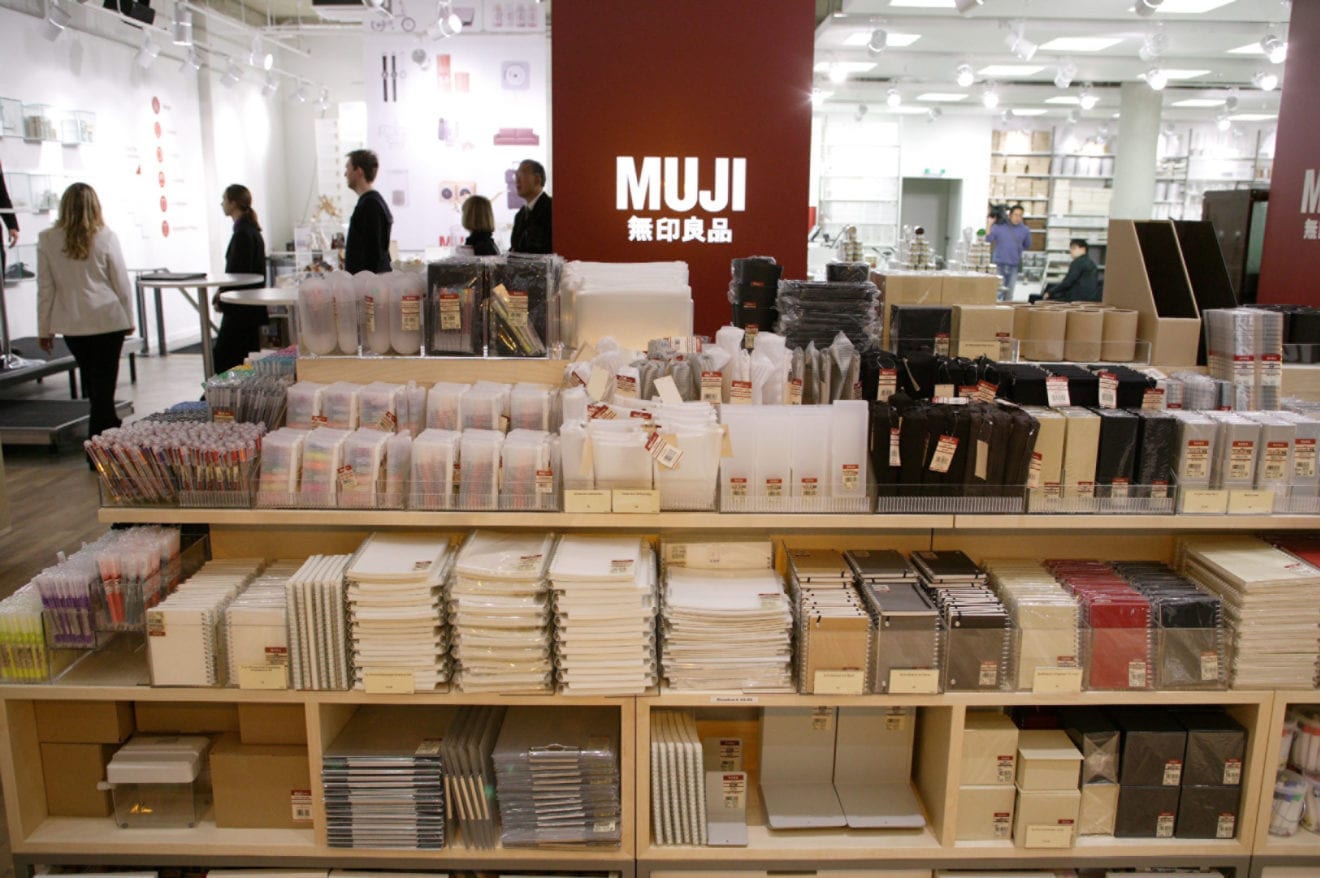
    Speciality stores operator SSI Group has signed a joint venture deal with a Japanese company to bring the Muji retail brand to the Philippines. SSI Group, through its wholly owned subsidiary Stores Specialists Inc. (SSI), entered an agreement with Japan’s Ryohin Keikaku Co. Ltd. (RKJ) to form a joint venture company called Muji Philippines, which will own and operate Muji stores in the Philippines.

    “The joint venture with RKJ is expected to strengthen the Muji brand in the Philippines and enable cost efficiencies,” SSI said in a disclosure to the Philippine Stock Exchange.

    Muji is a Japanese retailer which operates some 420 stores in Japan and 390 stores internationally as of October 2016.

    SSI will have a 51-percent stake in the joint venture while RKJ will hold the balance of 49 percent. SSI will infuse P89.25 million in Muji Philippines while RKJ will invest P85.75 million.

    Muji Philippines is expected to commence operations on April 1.

    “Any profits from the joint venture company shall be distributed pro-rata to the ownership in the company of each of SSI and RKJ,” SSI said.

    “SSI shall provide the joint venture company with operational knowledge and apparel and retail sales expertise specific to the Philippines, while RKJ shall provide the brand management expertise and retail experience specific to the Muji brand,” it added.

    One of the conditions needed for the closing of the transaction is for RJK to obtain a certificate of pre-qualification as a foreign retailer from the Board of Investments, the statement said.

    Specialty retailer SSI Group also has a presence in the convenience store segment through its joint venture with Ayala Land Inc. (ALI) and Japan’s Itochu Corp. to bring the FamilyMart convenience store chain into the country.

    In March last year, SSI and its joint-venture partner ALI sold Wellworth department stores at Fairview Terraces Mall and UP Town Center Mall to Gaisano-led Metro Retail Stores Group Inc. (MRSGI) for P499 million to minimize operating losses.

  • Indonesian mall integrates tech in the shopping experience

    Indonesian mall integrates tech in the shopping experience

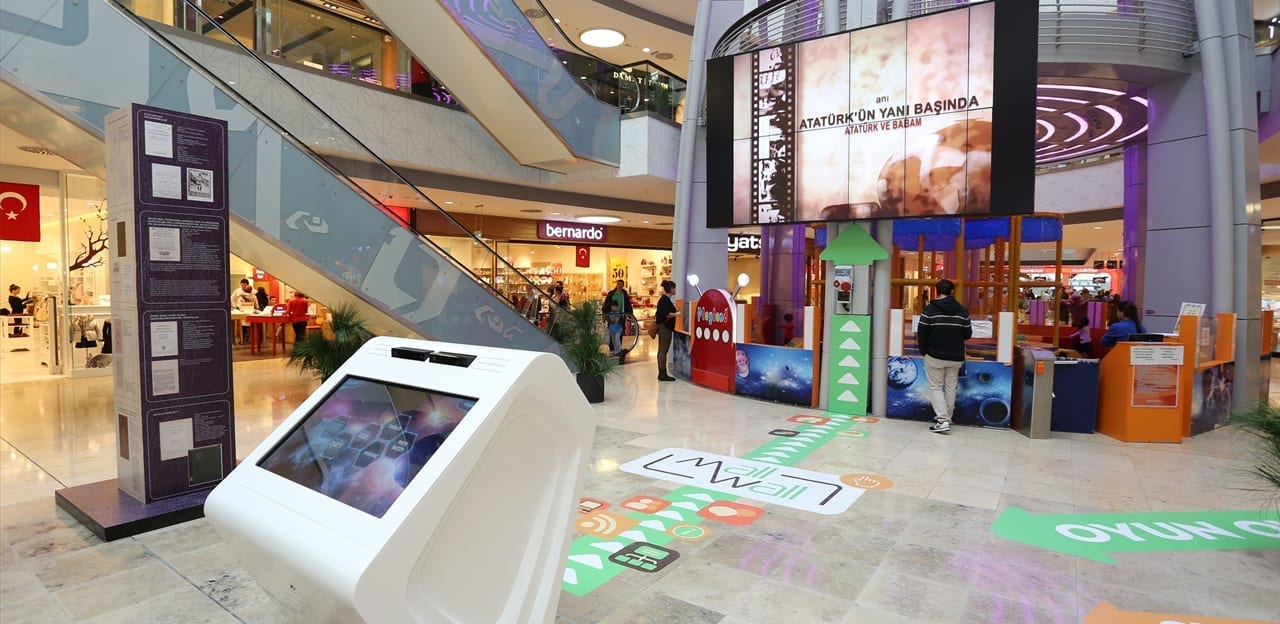
    Supermal Karawaci, one of the largest mall entertainment center in Western Jakarta, has launched an interactive mobile application that would allow retailers to offer personalized content and engage with customers better.

    The 125,000-square-meter retail destination in Banten Province, West of Jakarta has over 1,000 retail stores and outlets, three cinemas and the largest Timezone arcade in Southeast Asia.

    The app, which was built on the shopper engagement platform of Singaporean technology firm Sprooki, is integrated with Supermal Karawaci’s touchpoints and mobile apps. Using location and contextual data, retailers would be able to offer individualized content such as vouchers, special offers, event alerts and store information.

    The system allows social sign-in and content sharing on platforms, including Facebook, which has more than 76 million users in Indonesia as of end 2016 and projected to grow to 86.4 million by end of 2017, according to eMarketer. The service will also be available in both English and Bahasa.

    Pipih Tjandra, Supermal Karawaci Marketing and Leasing General Manager, said the Sprooki platform would help keep the shopping hub at the cutting edge of technology, which customers had come to expect.

    “Supermal Karawaci works every day to be in tune with what today’s consumers want and expect through innovative marketing strategies. By implementing the Sprooki platform, our mall will be one of the first shopping precincts in Indonesia to incorporate a data-driven mobile platform to improve shopper experience, helping our tenants to increase in-store traffic and sales,” he said in a news release.

    Pablo Amante, Sprooki’s Head of Marketing, said in an email interview that the Indonesian market is ready to start adopting location-based and engagement technologies to help retailers and business to engage their shoppers, making the Indonesian retail industry much more competitive.

    The latest report from eMarketer shows that the number of smartphone users in Indonesia will rise from 55 million in 2015 to 92 million in 2019 and would be the third largest smartphone market in the Asia-Pacific.

    According to Lee Kang, the Vice Chairman of the Indonesian Cellular Phone Association (APSI), number of smartphone users in Indonesia has been growing between 30 and 50 percent each year and this growth momentum will remain intact due to the availability of affordable 4G smartphones on the Indonesian market and further development of Indonesia’s 4G network.

    “Based on these figures, retailers, shopping malls, and all companies focused on engaging their customers through mobile will see in our software a powerful tool to optimize their sales and marketing strategies, based on real data about their customers’ behavior,” Amante said.

    Cloud-based platform

    The Sprooki software is a cloud-based platform that analyzes physical and digital shopper behavior detected inside and outside stores. The platform is an analytics and contextual engine that algorithmically analyzes digital and physical data and predicts what shoppers are most likely to respond to, offering shoppers most relevant products at the best moments and locations.

    “Mall’s retailers benefit most from Sprooki platform, which gives them the possibility of engaging mobile shoppers in context and personalized ways; driving footfall to their stores; rewarding their top customers; making data and insights actionable through integrated reporting and predictive recommendations, and all these by using only one platform, saving time and efforts, so retailers and malls can focus on their marketing and sales strategies,” Amante explained.

    The software can be integrated either in mobile apps or websites. In these environments, consumers are always able to opt out or not sign in. The challenge, however, is to provide highly targeted and relevant content in a way that shoppers appreciate the added value of having access to these offers, campaigns or rewards.

    “When our customers provide to its shoppers with contextual and personalized offers, general response by consumers is very positive, as the shopping experience is different for each one and it’s relevant according to their likes and what they are looking for,” Amante added.

    While this is the first implementation of Sprooki technology in Indonesia, its customers are already spread across Southeast Asia.

    Amante said some of its customers include the 313@somerset iconic mall at Orchard Road in Singapore where the company implemented Sprooki Campaigns module, which allows shoppers to access to exclusive offers and coupons through vouchers. At Far East Organization /Shop Far East Asia (Singapore), it has also implemented Sprooki Rewards, a module that allows the mall to offer a card-less loyalty program to its shoppers.  In Vietnam, the technology allows location-based features and beacon technology to work both outside and inside the Crescent Mall to collect strategic data, providing a unique experience to shoppers.

    At this stage, Supermal Karawaci shoppers are exploring this new way of access to exclusive offers, and the response has been more than positive, with a high rate of voucher downloads since its launch last December 15.

    “Sprooki is delighted to enable Supermal Karawaci with the most advanced technology for engaging with customers and understanding their behavior. Our mobile platform will give the precinct’s retail tenants an effective way to drive frequency of visits and increase sales conversions,” said Sprooki CEO and Co-founder Michael Gethen in a media statement during the launch.

    Retail challenges ahead

    Sprooki is confident that location-based, data-driven mobile services are the present and the future for the retail industry.

    “After the struggles that retailers have suffered in the last years due to the e-commerce and online shops, the game is again on for big retailers and shopping malls that want to bring shoppers back to the physical stores. And the only way to make this happen is by providing a new shopping experience, based on offering what the digital world already offers (personalization, analytics, related purchases, recommendations, rewards, etc.),” Amante said.

    Shoppers nowadays also expect more from their brands in terms of product offerings, customer services, efficiency, and engagement. That is the reason why features such as ‘click and collect’, digital voucher redemption, scan receipts, faster and easier payment methods are raising, in order to meet consumers’ expectations.

    Taking a look at the region and the challenges that retailers are facing in Southeast Asia, Sprooki sees a lot of opportunities.

    “Retailers nowadays have a big gap in terms of what they know about their shoppers, and how they behave in their shopping journey. Even the most advanced retailers that work already with big data haven’t found an effective and sustainable way to manage all these data without the need of investing a lot of money and time,” Amante said.

    Sprooki today is currently based in Singapore, and has offices in Hong Kong and Australia, with local contacts in Indonesia, Malaysia, Philippines, and Vietnam.

  • Alibaba buys into retail stores strategy

    Alibaba buys into retail stores strategy

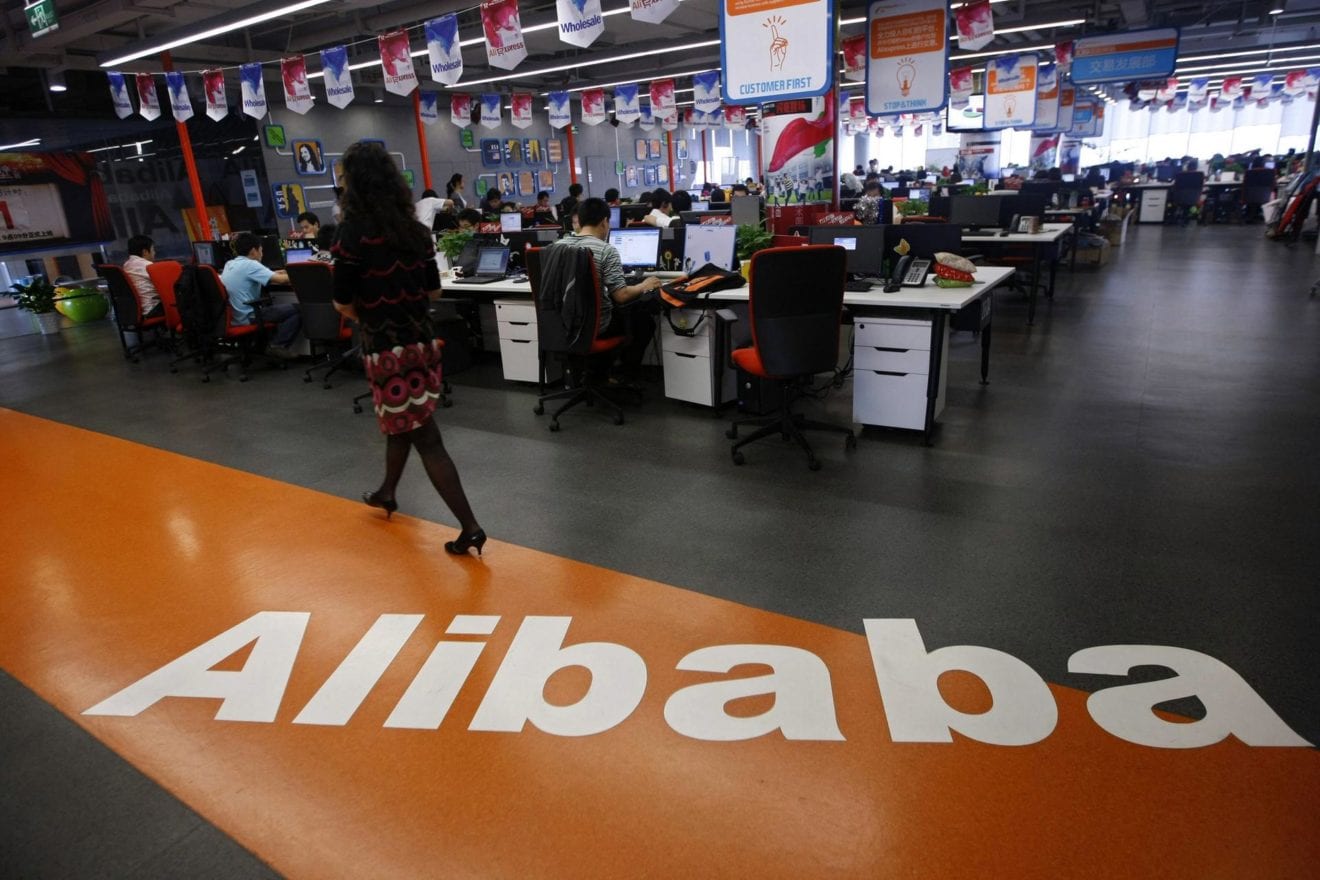
    Alibaba’s $2.6bn plan to take leading domestic department store Intime private underlines the dilemma being faced by the hoards of disrupters: how to blur the lines between online and offline shopping, and create a model that keeps the fun and feel of shopping, while letting retailers and brands collate the big data that enable them to sell more goods, more quickly and more profitably.

    “Today we cannot just separate online and offline,” Daniel Zhang, Alibaba chief executive, told a panel at Davos last week. Even when people are shopping in malls, he pointed out, they are on their phones — literally on and offline simultaneously.

    Alibaba, which already boasts investments in offline players such as retailer Suning and white goods manufacturer Haier, is not the only ecommerce name going back to bricks and mortar. Last month, Amazon launched its checkout-free Amazon Go store. Other crossover innovations are springing up. Panasonic is shopping its “intelligent baskets”, which will price items as they are placed inside.

    “To say that bricks and mortar is dead is wrong,” says Tom Birtwhistle, senior manager in PwC’s digital strategy division in Hong Kong. “It just needs to evolve, into smaller-format stores, for example, and embrace in-store digital technology.”

    It is a lesson start-ups are also learning. Luke Grana, who set up his eponymous Grana clothing company in 2014, was forced into a U-turn on his original ecommerce-only plan — introducing pop-up “fitting rooms”.

    “We realised we needed offline presence to increase brand awareness and push people online,” he says. “And lots of people want to try before they buy to get the fit right.”

    Customers can try on clothes in-store but still order online via iPads — “there are no cashier tills” — and have their purchases delivered. These partially offline purchases now account for 10 per cent of sales.

    It is a sentiment echoed by Alain Bejjani, chief executive of mall, retail and leisure operator Majid Al Futtaim Holding, who talks about stores as showrooms. “It’s not just products and price,” he told the Davos panel. “It’s about the seamlessness of the journey, and total integration between online and offline.”

    Alibaba, which represents more than one-tenth of China’s total retail sales and about 75 per cent of those made online, according to HSBC, takes that literally. Its apps enable shoppers to navigate China’s sprawling malls, some of which span more than 1m sq ft, and find where their cars are parked when they emerge hours later.

    Amazon unveiled its checkout-free grocery store last month

    But it is also rewriting the rules on the well-rehearsed “click and collect” model and corralling big data to loop back to retailers, allowing them to manage their inventory more efficiently.

    “Alibaba and Amazon have the same two goals. Two billion customers and a reinvention of the retail model and experience,” says Michael Zakkour of Tompkins International.

    “Much in the same way department stores, chain stores, malls, Big Boxes and ecommerce have reinvented retail in the past, Alibaba is using technology, big data and imagination to connect offline and online so that there is only a unichannel retail experience.”

    Mr Zhang talks about collapsing the traditional vertical system that sees manufacturers pass goods to a handful of large distributors, who in turn pass them on to smaller ones, who sell to retailers before the goods finally reach the consumer.

    Before, he says, a consumer could order a drink and have it delivered to their home. “Now you can order it and it’s delivered to your next stop.” That means inventory can no longer be managed by distributors, who lack the full picture, but requires the whole chain to be digitised and shops to become mini fulfilment centres.

    This is where Alibaba takes integration a step further — or rather, a step back, into what founder Jack Ma has called “new manufacturing”, where data can be used to tell the makers in advance what consumers want to buy.

    Manufacturers are also waking up to a flatter system and seeking ways to move closer to shoppers. Unilever, the Anglo-Dutch consumer goods manufacturer, last July paid $1bn for Dollar Shave, which sells razors and grooming products direct to consumers using home delivery.

    This month Coty, maker of perfumes and lipsticks, bought a majority stake in Younique, an online cosmetics retailer. And the crossover between internet and manufacturers can also be spotted in personnel shifts: US toymaker Mattel tapped Google executive Margaret Georgiadis as its next chief executive.

    Some question whether predictive data are enough to dictate fashion trends. “They’re not going to be on the back streets of South Korea looking at styles or pieces of fabric,” says one player.

    Others point to conflicts. Alibaba prides itself on being a platform rather than an asset-heavy ecommerce player such as Amazon, yet the Intime acquisition will see it integrate a bricks-and-mortar business into its asset-light ecosystem.

    Alicia Yap, analyst at Citigroup, is “cautious” about the future integration and about how Alibaba “would manage the potential conflicts between Intime vs other merchants and brands on its platform”, she writes in a research note.

    Others note that China’s online/offline models differ from the west, where platforms are mainly owned by the retailer or brand. Instead, China ecommerce is dominated by third party platforms, be it Alibaba’s Tmall or JD.com.

    “If customers are buying through a third party you are never going to get the same level of data granularity on the customer as if it was yours. That’s what all the big [multinational corporations] are beginning to grapple with,” says Mr Birtwhistle.

    “So linking data between on and offline is difficult. Solving that problem is the multi-billion-dollar question. No one has really got an answer to that yet.”

  • Singapore’s consumer prices rise for first time in 2 years

    Singapore’s consumer prices rise for first time in 2 years

    After a record two years of negative inflation, consumer prices in Singapore finally rose in December last year, with headline inflation coming in at 0.2 per cent.

    The rise in the consumer price index (CPI) was due to a larger increase in private road transport cost, which rose by 1.7 per cent in December following a 0.2 per cent rise in November. The rise was the result of higher petrol prices and car park fees, said the Monetary Authority of Singapore (MAS) and Ministry of Trade and Industry (MTI) on Monday (Jan 23).

    Services inflation edged up to 1.6 per cent from 1.5 per cent in November, mainly due to a faster pace of increase in holiday expenses, which more than offset the larger contraction in telecommunication services fees.

    Food inflation was 2 per cent, unchanged from the previous month. Accommodation costs fell by 3.8 per cent in December, similar to the previous month, reflecting continued softness in the housing rental market, MAS and MTI said.

    Overall retail goods inflation eased to zero per cent in December from 0.2 per cent in November, largely on account of a fall in the prices of personal care products.

    December’s increase comes after the headline consumer price index stayed flat in November from a year earlier, coming off a deflationary trend for the first time in two years.

    For the whole of 2016, headline inflation came in at -0.5 per cent for the second consecutive year.

    Core inflation, which excludes the cost of accommodation and private road transport, was slightly lower at 1.2 per cent compared to 1.3 per cent in November. The decline was mainly due to a fall in retail goods inflation more than offsetting an increase in services inflation, MAS and MTI said.

    For the whole of 2016, core inflation rose to 0.9 per cent, from 0.5 per cent the year before.

  • Economy Vietnam Airlines’ NASCO to list on UPCoM

    Economy Vietnam Airlines’ NASCO to list on UPCoM

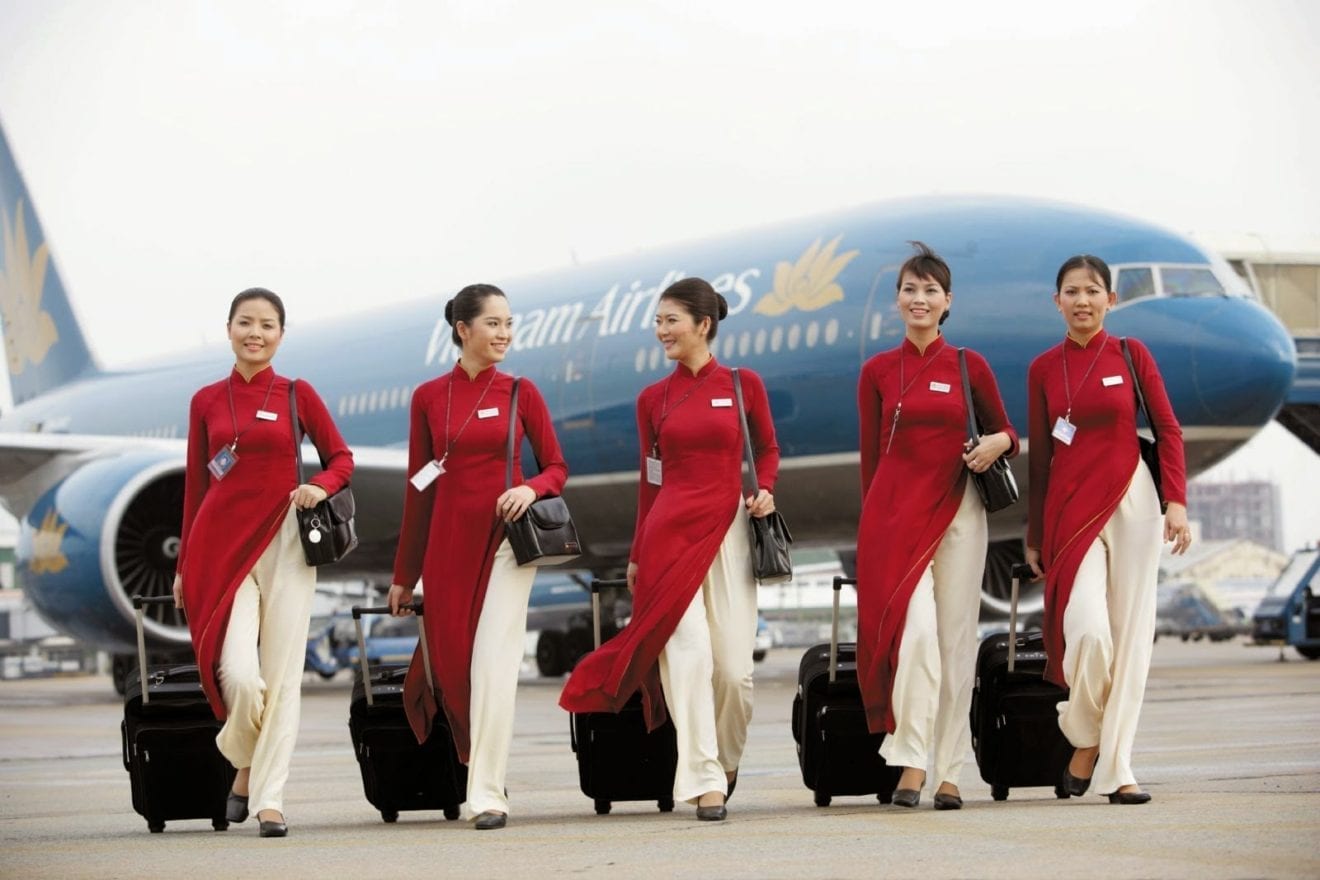
    The Nội Bài Airport Services Company (NASCO) will list its 8.3 million shares on the Unlisted Public Company Market (UPCoM) under the code NAS, according to the Hà Nội Stock Exchange.

    NASCO, an affiliate of Vietnam Airlines, the country’s largest aviation corporation, has a chartered capital of VNĐ83 billion (US$3.7 million). Currently, its parent company Vietnam Airlines holds 51 per cent of NASCO’s capital and Saigon Thương Tín Commercial Joint Stock Bank (Sacombank) holds another 10 per cent.

    The company, which is headquartered at Nội Bài airport in Hà Nội, offers various services at airports such as duty-free shops, restaurants, VIP lounge, and travel and transport services.

    In the first nine months of 2016, NASCO’s revenue touched around VNĐ400 billion, down 8 per cent year-on-year. Its post-tax profit was around VNĐ24.5 billion, roughly the same as in 2015.

    Of its total revenue, the income earned from the transport service segment was the highest at VNĐ200 billion. Though the revenue gained from restaurants was lower, its profit accounted for half of the company’s total profit.

    NASCO is currently the only firm at Nội Bài airport that offers a business-class lounge with its interiors meeting 4-5 star standards.

    In 2016, NASCO faced business challenges after Terminal 2 became operational at Nội Bài airport as it affected the number of tourists using its services. The restructuring and upgradation of T1 has narrowed NASCO’s spaces at the airport, as well as thrown up fierce competition from new rivals.

    Two other companies that operate in Việt Nam’s airport service sector are Tân Sơn Nhất Airport Services Joint Stock Company (SASCO) and Đà Nẵng Airport Service Joint Stock Company (MASCO), both subsidiaries of Vietnam Airlines.

  • Cebu Pacific opens 2 new Mindanao routes with seat sale

    Cebu Pacific opens 2 new Mindanao routes with seat sale

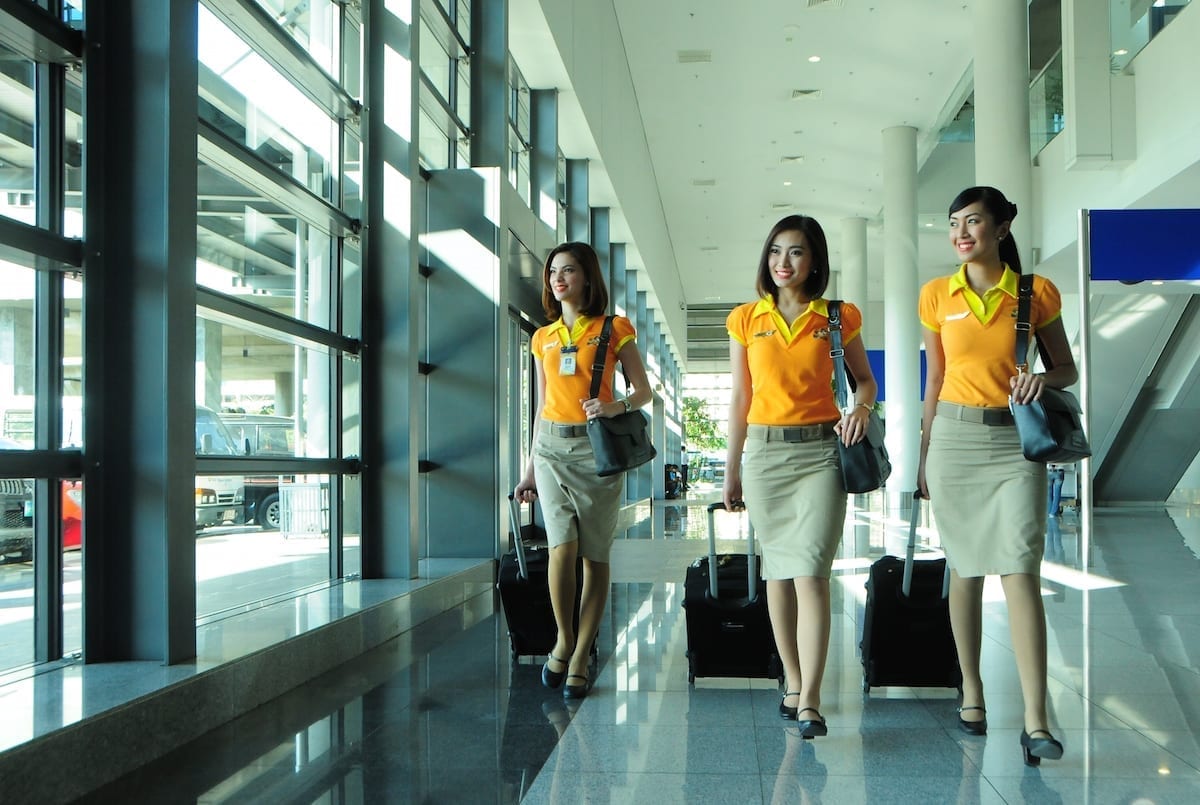
    Cebu Pacific, the country’s largest airline, said Monday it was launching two new routes from Cagayan de Oro City, as it expands in Mindanao.

    Cebu Pacific said it would fly four times weekly (Monday, Wednesday, Friday and Sunday) between Cagayan de Oro and Tagbilaran City from March 15, and thrice weekly (Tuesday, Thursday and Saturday) between Cagayan de Oro and Bacolod starting March 16.

    The airline said it was offering an introductory P799 all-in rate for travel from March 15 to May 31.

    New ATR 72-600 aircraft for the two routes, Cebu Pacific said.

  • Citilink to concentrate on flights to eastern Indonesia

    Citilink to concentrate on flights to eastern Indonesia

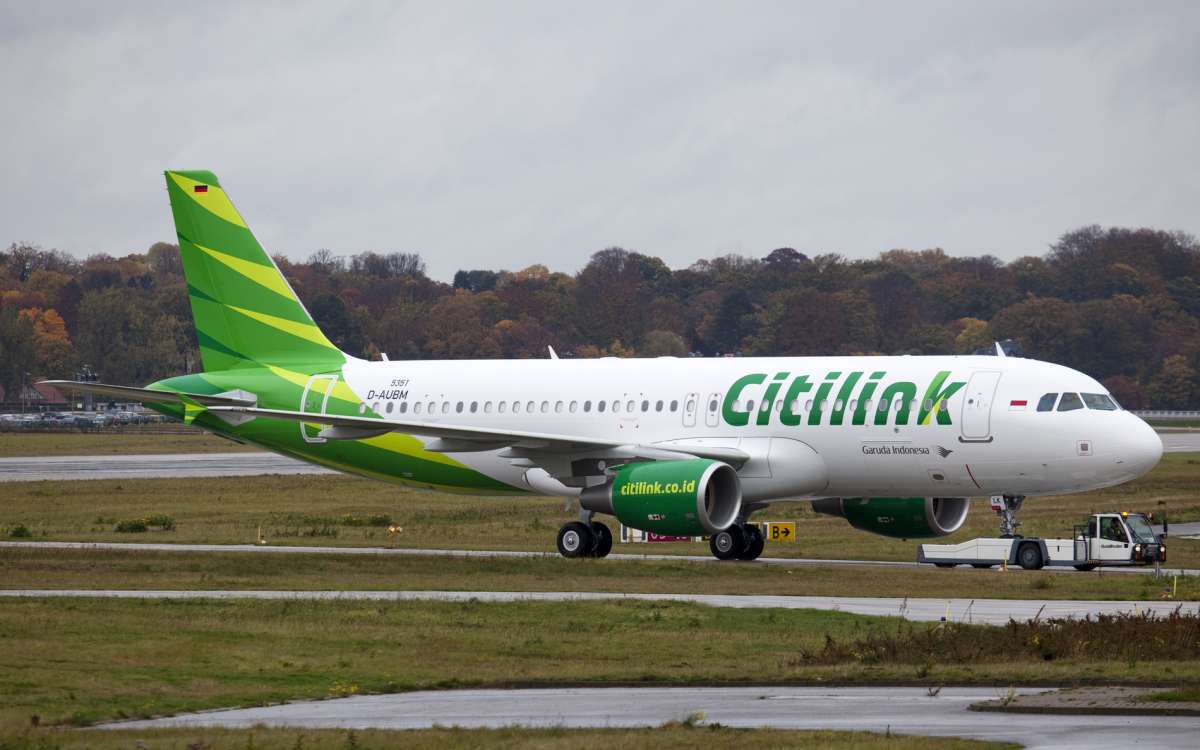
    Chief Executive of Citilink Indonesia Albert Burhan said the airline would focus on expanding flights to eastern Indonesia this year.

    Albert said there are potential routes to eastern Indonesia, which have not attracted other airlines.

    “There will be plan to open routes to other areas in Papua, but we start from Jayapura. In 2017 we want to focus on expanding flights to eastern regions of the country,” he said.

    He said he knew not all airports in eastern Indonesia could take wide bodied aircraft like Airbus, the main aircraft of the subsidiary of the nations flag carrier Garuda Indonesia.

    “Only a few could be used for Airbus A320. We might have to rely more on ATR aircraft to be safe,” he said.

    He said eastern Indonesia still needs more airlines to serve flight to and from eastern Indonesia.

    He said he was optimistic Citilink could chalk up quite high load factor in flights between Jayapura and Jakarta, although there are already a number of other airlines serving the route.

    “Our target is a load factor of 80 percent. In our first flight from Jakarta to Jayapura the load factor was almost 100 percent,” he said.

    Citilink Indonesia officially started serving the Jakarta Jayapura route on Monday using Airbus A320 with a seat capacity of 180 passengers.

  • AirAsia Returns to Europe, Slashes Fares

    AirAsia Returns to Europe, Slashes Fares

    AirAsia, the Malaysian low-cost airline, is returning to Europe this summer when it will add London and Frankfurt to its destinations.

    The airline’s chief executive, Tony Fernandes, told German news agency DPA at the World Economic Forum in Davos that he planned to launch two new routes, from Kuala Lumpur to London and Bangkok to Frankfurt.

    Tickets to Frankfurt will cost less than €200 ($214). “Honestly, I would like to offer them for even less. Because of the low oil prices, we could afford about €150,” Mr. Fernandes said. He’s keen to attract Europeans who want to go on holiday in Southeast Asia as well as Asians wanting to explore Europe: “We see this as a mutual market,” he said.

    AirAsia is based near Kuala Lumpur and offered connections to London and Paris in the past but abandoned these in 2012 because planes were too small and energy prices too high.

  • AirAsia to open Cambodia office

    AirAsia to open Cambodia office

    AirAsia, the Malaysia-based low-cost airline, will soon have an office in Cambodia to boost the number of tourist arrivals to the kingdom.

    The airline’s office will open soon, said AirAsia CEO Anthony Fernandes, after holding a meeting with Prime Minister Hun Sen in Switzerland on the sidelines of the World Economic Forum.

    Mr. Hun Sen said AirAsia’s presence would bring more tourists to Cambodia, adding that the airline has helped transport tourists to Cambodia from all over the world.

    Keo Sivorn, director general of the State Secretariat of Civil Aviation, said AirAsia’s decision to open an office in Cambodia was in response to the current demand of passengers and cargo to the kingdom.

    “It will help the company provide additional satisfied service to its passengers,” said Mr. Sivorn.

    “AirAsia has existing flight service operations to Cambodia. It will open an office here soon because it sees the demand of the aviation sector in Cambodia increasing thanks to the country’s high economic growth.”

    The new office is also in response to the number of local airlines operating in the kingdom, Mr. Sivorn said.

    Ho Vandy, secretary-general of Cambodia’s National Tourism Alliance, said AirAsia would bring more people from all corners of the world to Cambodia because of its popularity offering low fares.

    “It’s a reflection of the airline market. It will serve the high demand of passengers and tourists traveling by plane and it will meet the government’s ‘Open Sky’ policy,” he said.

    Two local airlines, which are expected to get off the ground this year, will push the total number of local airlines to six, according to Mr. Sivorn. The four now operating are Cambodia Angkor Air, Bassaka Air, Cambodia Bayon Airlines and Sky Angkor Airlines.

    “By this year, the two airline companies will hopefully start providing service. Due to economic growth and stable politics, the number of airlines is increasing,” he said.

    AirAsia is currently operating 67 flights per week out of Phnom Penh and Siem Reap international airports, according to Mr. Fernandes.

    AirAsia swung to a profit in the third quarter of 2016 from a net loss a year earlier. Net profit for the three months ended September 30 was 353.9 million ringgit ($79.62 million), versus a net loss of 405.7 million ringgit a year earlier. Revenue rose 11.2 percent to 1.69 million ringgit, the company said.