Category: General

Retail News Asia is committed to providing both local and global retailers with the latest General Retail news throughout the Asian market. This on a daily base.

  • PTT Philippines to supply Cebu Pacific’s jet fuel for 2017

    PTT Philippines to supply Cebu Pacific’s jet fuel for 2017

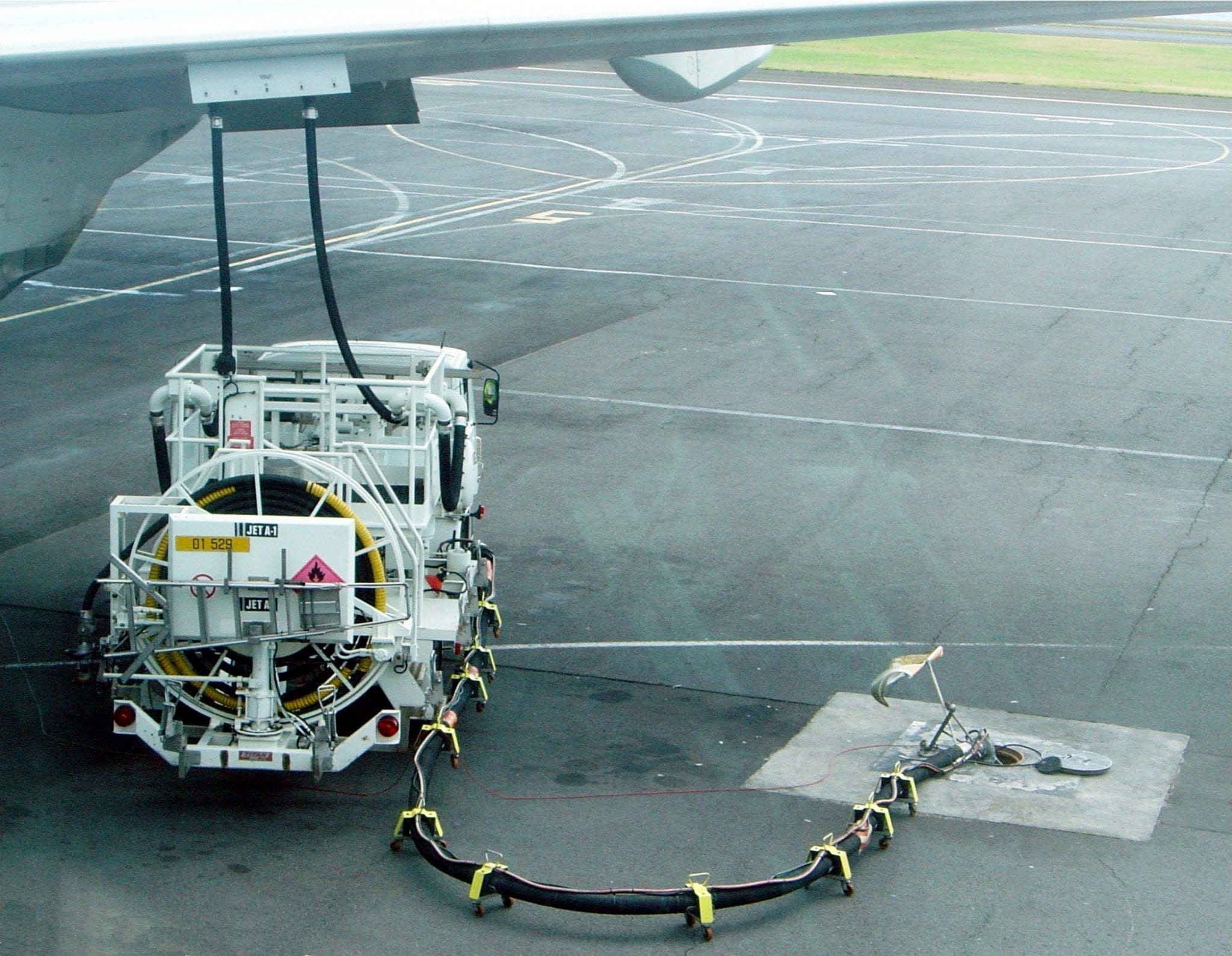
    PTT Philippines has renewed its deal to supply the bulk of Cebu Pacific airline’s fuel requirements this year. The local unit of the Thailand petroleum company will supply 1, 680,000 US barrel (267 million liters) of aviation fuel to Cebu Pacific for 2017.

    “We are always grateful to have partnered with Cebu Air. Our partnership has been growing stronger that is anchored on trust, loyalty, and commitment to providing the best and quality products and services that we could afford them,” PTT Philippines president and CEO Sukanya Seriyothin said.

    Seriyothin and Cebu Pacific president and CEO Lance Gokongwei recently signed the fuel supply contract for 2017.

    PTT Philippines has been supplying Cebu Pac’s jet fuel for over 10 years, and currently accounts for most of the airline’s total jet fuel requirements, particularly flights at the Ninoy Aquino International Airport, the Diosdado Macapagal Airport in Clark, and its Visayas routes.

    The local unit recently hiked its five-year investment plan to P5 billion for the expansion of its retail network to 300 and the Amazon Café brand from 2017 to 2021.

    The Thailand-based oil firm has been in the country for 20 years and is into retail with over 100 service stations across Luzon and Cebu. Its wholesale business also serves the maritime industry.

  • Vietjet awarded as “My Favorite New LCC” in Hong Kong

    Vietjet awarded as “My Favorite New LCC” in Hong Kong

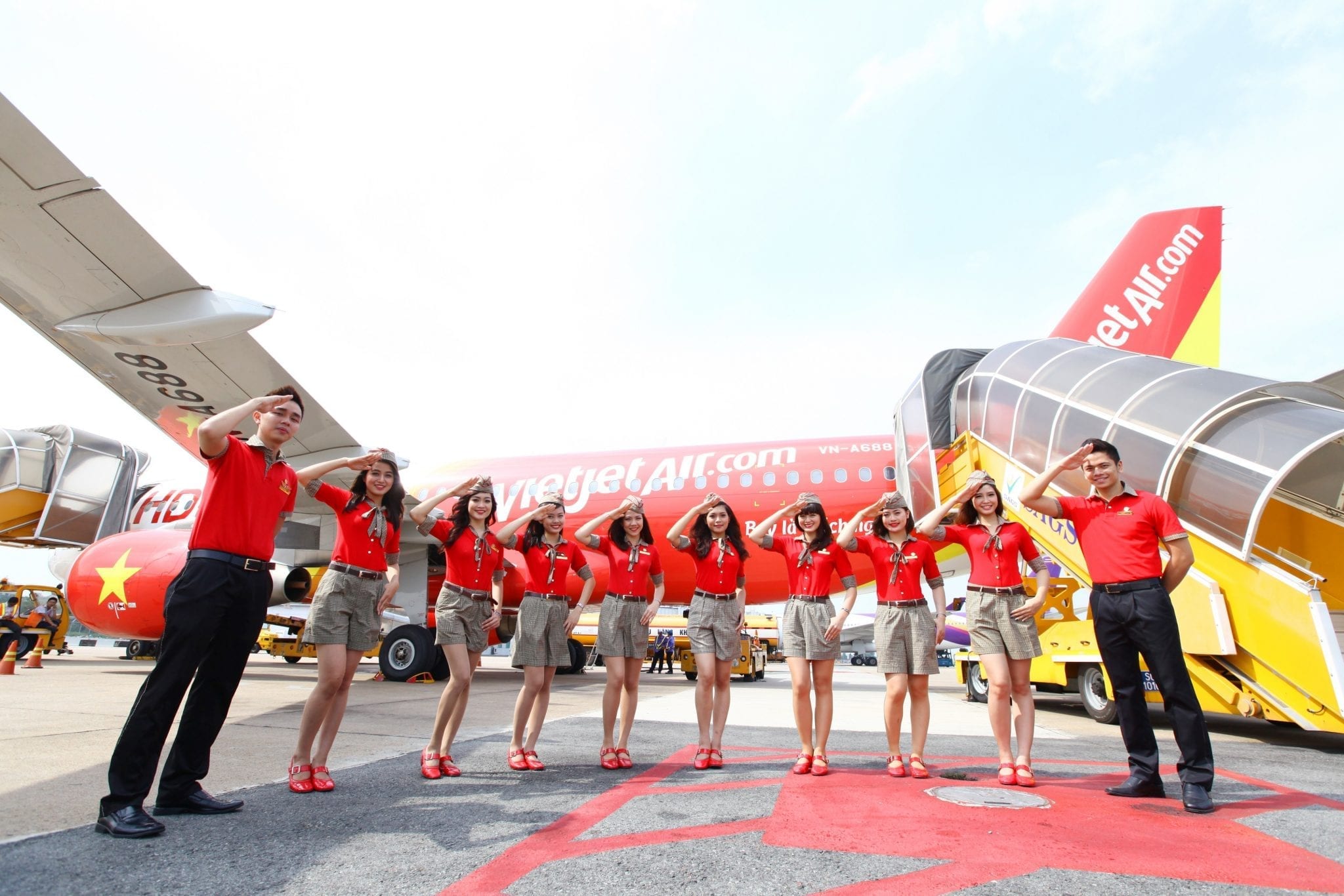
    Vietjet has become an instant hit among travelers by winning the “My Favorite New LCC Award” organized by the popular online travel platform, Flyagain.la. The newly launched Ho Chi Minh City and Hong Kong service last December has been very popular with travelers as its daily afternoon flights provide them with convenient and comfortable trips between the two cities. 

    The award presentation, now in its third year, was held last week to commend travel-related companies for their good performance and their prospect for future growth. Flyagain.la is one of Hong Kong’s leading travel websites, which boasts a Facebook fans group of over 480,000, providing them with the latest travel and ticketing information. Vietjet was named “My Favorite New Low Cost Carrier” in the ceremony attended by leading travel writers, bloggers and journalists as well as representatives of leading airlines and travel-related companies.

    The Ho Chi Minh City – Hong Kong route, which is operated daily with a flight time of 2 hours 45 minutes per leg, departs daily from Ho Chi Minh City at 14.35 (local time) and arrives at Hong Kong at 18:20. The return flight takes off at 19:20 (local time) and lands at 21:05. Tickets can be booked at www.vietjetair.com or at www.facebook.com/vietjetvietnam.

    Vietjet took off in the sky in 2011 as a new-age airline with low-cost and diversified services. It has been expanding quickly and currently boasts a fleet of 42 aircraft, including A320s and A321s, providing services for 60 domestic and international routes.


    To keep pace with its rapid development and route expansion programs, Vietjet is currently recruiting cabin crew in its Ho Chi Minh City Training Centre. Successful candidates will attend intensive training courses in Vietnam and other foreign countries and enjoy an attractive income and many other benefits as well as unlimited promotion opportunities within the group.  

  • South Korea duty free sales grow +33% to $10.5bn

    South Korea duty free sales grow +33% to $10.5bn

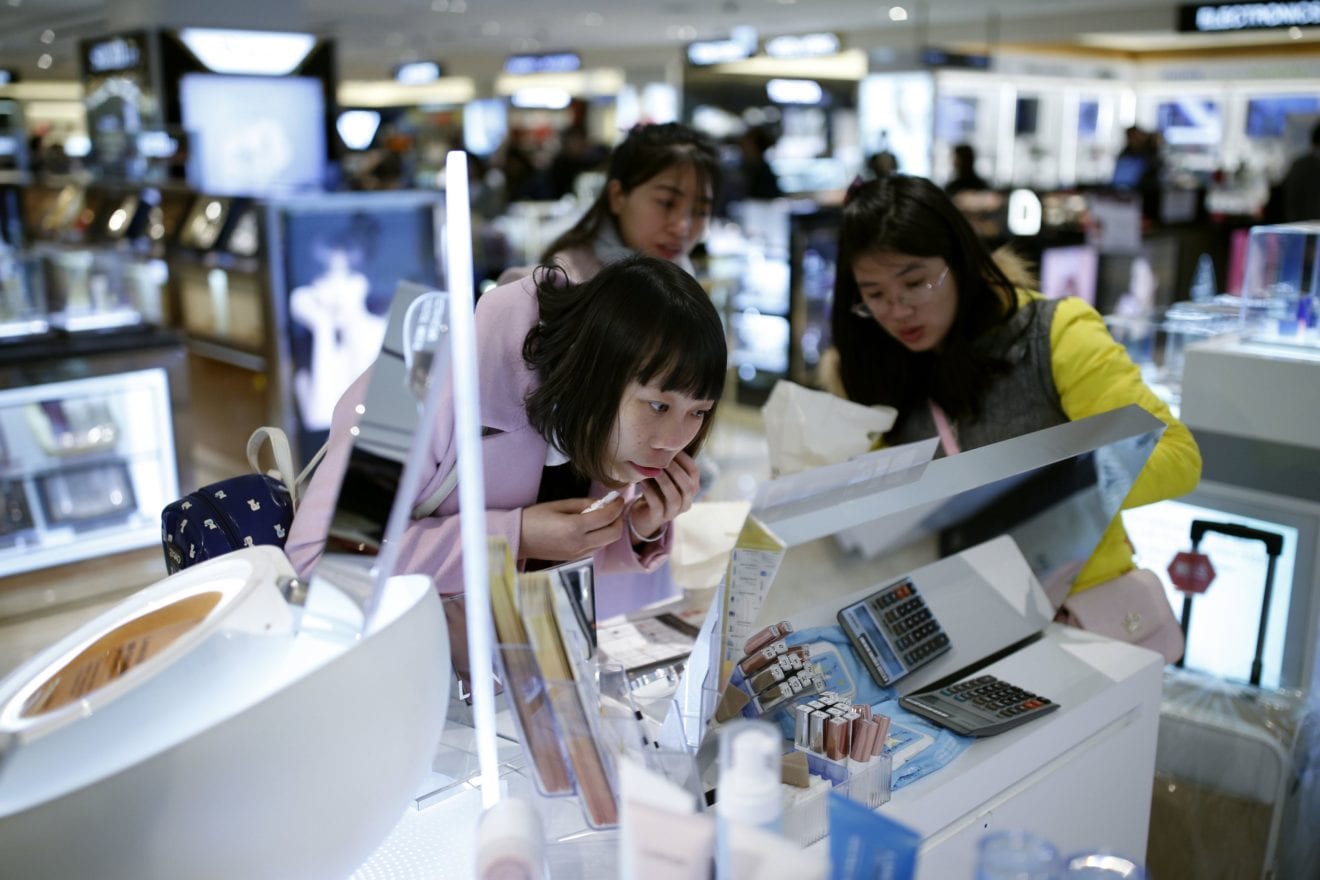
    According to the Korean Customs Service (KCS) which recently shared some Korean duty free sales figures with the local media, the total DF market in South Korea grew by +33.5% in 2016, registering sales of KRW12,275.7bn (US$10.56bn)

    The No. 1 duty free retailer in South Korea, Lotte Duty free, registered sales of KRW5,972.8bn (US$5.13bn)in 2016, whilst second-placed Shilla Duty Free saw sales rise to KRW3,405.3bn (US$2.93bn).

    Shinsegae Duty Free posted sales of KRW960.8bn (US$826m).

    By product category, sales of cosmetics – the highest-grossing product category – rose to KRW6,273.3bn (US$5.4bn); sales of handbags reached KRW1,735.6bn ($1.5bn); watches KRW935.9bn (US$804.5m) and tobacco KRW593.5bn ($510.2m).

  • Waiting for Japanese department store to wake up

    Waiting for Japanese department store to wake up

    Japanese department-store sales dropped 2.4 per cent in November from a year earlier on a same-store basis, down for the ninth consecutive month.

    Overall sales at 234 outlets run by 81 companies stood at ¥525.7 billion (US$4.6 billion), the Japan Department Stores Association says, noting the size of the decrease had shrunk for the third straight month.
    Association officials say department stores are hopeful for a turnaround in December through the year-end shopping spree.

    Sales dropped for almost all categories in November, with exceptions including cosmetics. Sales fell 2.4 per cent for clothing and 0.6 per cent for food. Same-store declines were smaller than October’s 6.5 per cent and 2.1 per cent, respectively.

    Sales of tax-free goods to overseas visitors dropped 7.1 per cent to about ¥14.5 billion – the first contraction of less than 10 per cent in seven months.

    Meanwhile, the Japan Franchise Association has reported an 0.5 per cent increase in convenience store sales in November, reaching ¥773.4 billion on a same-store basis, up for the second straight month.
    It says the increase reflects brisk sales of prepared meals such as fried foods as well as the winter dish oden.

  • Seven & I plans to triple China network

    Seven & I plans to triple China network

    While Japanese retailer Seven & I, which owns the 7-Eleven brand, has seen sales sliding, it plans to triple its network of supermarkets and department stores in China.

    The company aims to capitalise on the high growth in Sichuan province to grow its general merchandise store network there to 20 outlets by 2020.

    Its local subsidiary will increase its Ito Yokado-branded stores to 10 in the region, while one Ito Yokado supermarket will open in southern Chengdu next year with plans to launch as many as 10 locations in the city by 2020, says Ito Yokado head of Chinese operations Tomohiro Saegusa.

    Ito Yokado will also set up a company to sell Japanese products online, aiming for sales of ¥10 billion (US$85.7 million) by 2020. The company may use the free trade zone planned by Sichuan province.

    Meanwhile, group total sales continued to slide for a second consecutive quarter for Seven & I, which owns the 7-Eleven brand. Its third-quarter sales fell by 1.4 per cent to ¥7909 billion. However, its operating profit improved by 5 per cent for the quarter ended November 30.

    With more than 19,000 stores, 7-Eleven Japan has achieved continued growth. Total sales grew by 5.5 per cent to ¥3422 billion and operating profit reached ¥187.1 billion for its latest nine months, up 4 per cent year-on-year.

    Seven & I says 7-Eleven’s product strategy has largely driven its success. The retailer captured expanding demand for ready-made take-home meals, spurred by a rise in dual-income and elderly households. Private-label products rake in more than ¥10 billion in sales a year, showing the benefits of scale.

  • m1nd-set reveals Chinese arrivals shopping behaviour

    m1nd-set reveals Chinese arrivals shopping behaviour

    The eyes of the travel retail industry are turning eastwards in 2017, with the planned opening of new arrivals duty free shops across many Chinese airports and border stores. m1nd-set has announced the results of recently-conducted research on the shopping behaviour of Chinese travellers. The findings provide a deeper understanding of travelling consumer preferences and behaviour of perhaps the world’s most sought-after shopper.

    Peter Mohn, owner & CEO, m1nd-set: “We see that it will be increasingly vital for retailers to provide a different shopping experience to woo the Chinese travellers. This will mean brands and retailers will need to work closer than ever together on providing location-specific travel retail exclusives and an improved, more unique shopping experience in order to retain the Chinese travellers spend in the duty free shops outside China.”

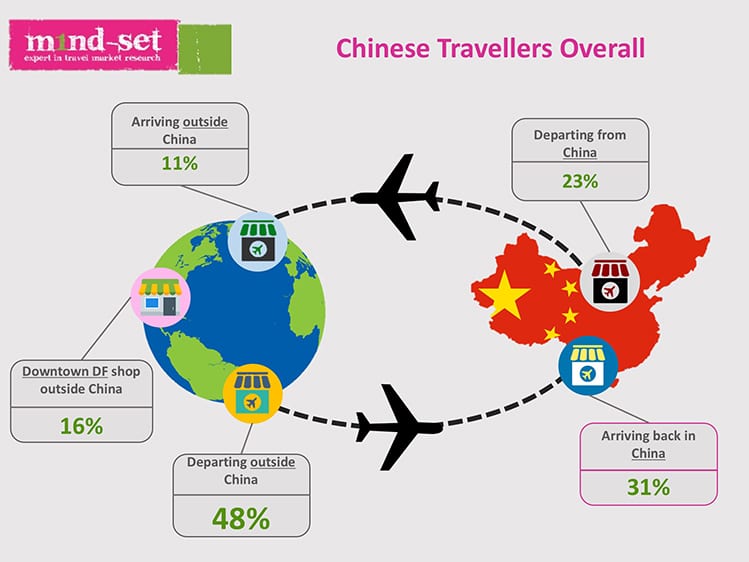
    The research was carried out among over 2,000 Chinese travellers in December 2016, and reveals what they say will influence them to purchase at the arrivals shops in China and why they would prefer to shop abroad. Convenience, quality and value for money are among the main reasons for suggesting they would rather shop on arrival back in China; language and ease of communication was another. A number of Chinese travellers still feel the products will be more affordable outside China, which is one of the main reasons for choosing to shop at the departure store on the return leg. Reassurance that the products will be authentic is another key motivator to purchase outside China.

    When asking the Chinese travellers where they would prefer to shop when the various arrivals shops have opened later this year, almost half of them said they would still favour purchasing at the departure airport duty free shop on the return journey, while only a third would purchase on arrival in China. One in five travellers indicated they would favour the departure duty free shop on their outbound trip. The findings also show that business travellers express a stronger preference to purchase at departure shops on both their outbound and return trips, as well as on arrival at their destination, than other segments. Their inclination to purchase on arrival back in China, however, is lower than the average.

    m1nd-set has announced the results of recently-conducted research on the shopping behaviour of Chinese travellers. The research was carried out among over 2,000 Chinese travellers in December 2016, and reveals what they say will influence them to purchase at the arrivals shops in China and why they would prefer to shop abroad.

    m1nd-set has announced the results of recently-conducted research on the shopping behaviour of Chinese travellers. The research was carried out among over 2,000 Chinese travellers in December 2016, and reveals what they say will influence them to purchase at the arrivals shops in China and why they would prefer to shop abroad.

    “While brands stand to gain from the increased sales outlets and the ease for Chinese travellers to purchase in their home country on arrival, retailers outside China will be showing concern for the potential lost business if Chinese travellers shift their purchasing decisions to the arrivals shops back home,” comments Peter Mohn, owner & CEO, m1nd-set. “We see that it will be increasingly vital for retailers to provide a different shopping experience to woo the Chinese travellers. This will mean brands and retailers will need to work closer than ever together on providing location-specific travel retail exclusives and an improved, more unique shopping experience in order to retain the Chinese travellers spend in the duty free shops outside China.”

    Hear more from Peter Mohn, owner & CEO, m1nd-set, at the 26th Airport Commercial & Retail Conference & Exhibition, hosted by Aéroport Nice Côte d’Azur and taking place on 3-5 April 2017 at the Hyatt Regency Nice Palais de la Méditerranée. Mohn is participating in the First Working Session “Is there a big problem in the airport retail space? Are conversion rates and yields performing far below expectations?” His defining presentation will provide a detailed analysis of the real financial performance of airport retail at a representative range of major and regional airports. With the average per passenger spend being €10.38, Mohn will consider the question of what

  • AirAsia X launches in-flight tablet

    AirAsia X launches in-flight tablet

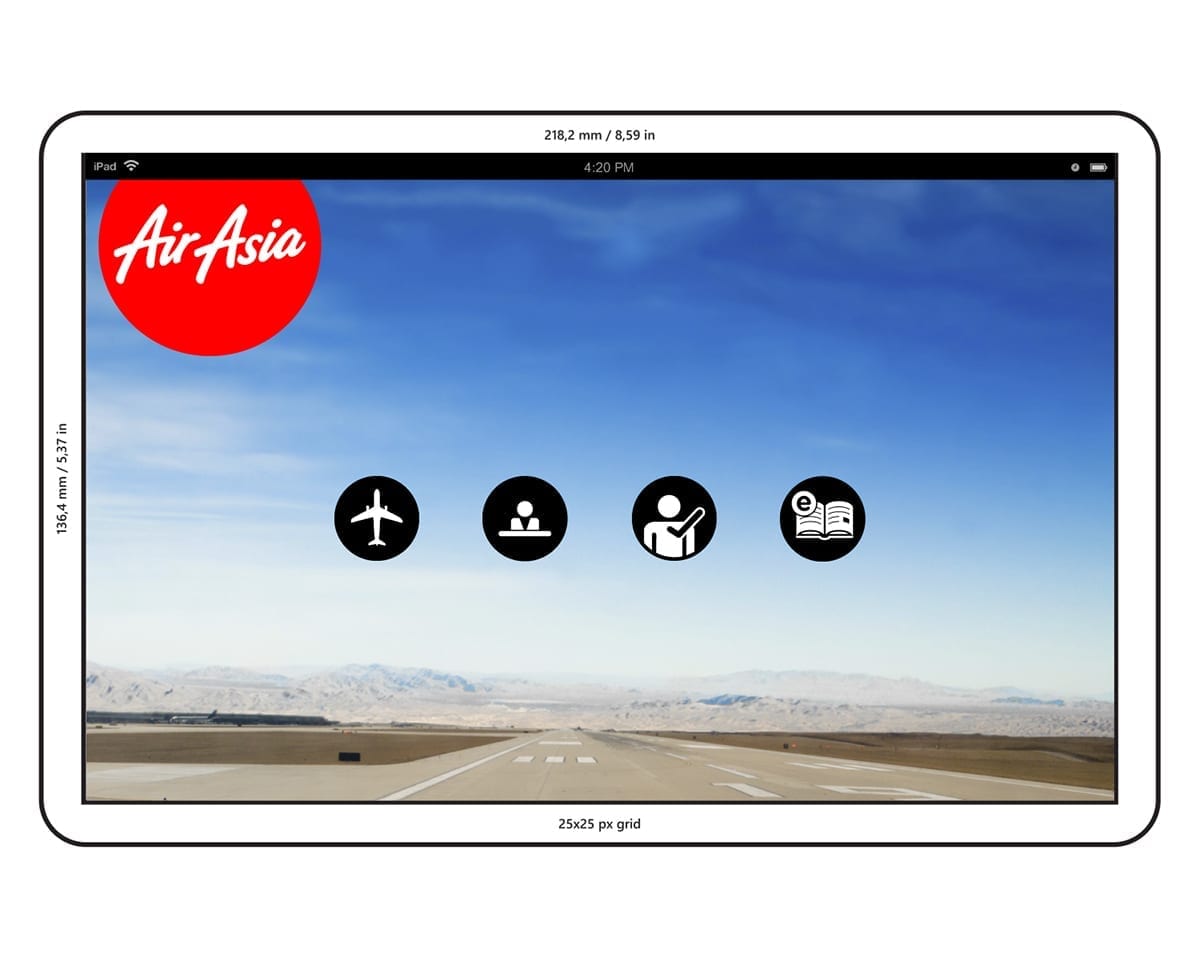
    Malaysian airline AirAsia X has launched the Xcite Inflight Entertainment tab to enhance the in-flight experience for traveling guests.

    The Xcite tab – which is a Huawei Mediapad 2 that comes with a 10.1-inch Full HD widescreen display, Harman Kardon audio technology for a richer acoustic experience and headset – offers hours of entertainment with options to shop with the AirAsia BIG Duty-Free catalog included in the tab.

    Travelers will get to view popular Hollywood blockbusters, as well as other international and local movies and TV shows; and listen to music, play games, browse magazines using the tab.

    It supports five languages (English, Bahasa Malaysia, Mandarin, Korean, Japanese) and is complimentary for all Premium Flatbed seats, while guests traveling on Economy seats will be able to pre-book the tab via airasia.com or request it onboard for a fee.

    “We are continuously looking for ways to give our guests an enhanced traveling experience with AirAsia X,” said Benyamin Ismail, Chief Executive Officer of AirAsia X Berhad.

    “The content will also be regularly updated to ensure our guests are getting the best quality entertainment when they travel with us.”

  • Garuda Indonesia Focused on Contract Renegotiation, GCG

    Garuda Indonesia Focused on Contract Renegotiation, GCG

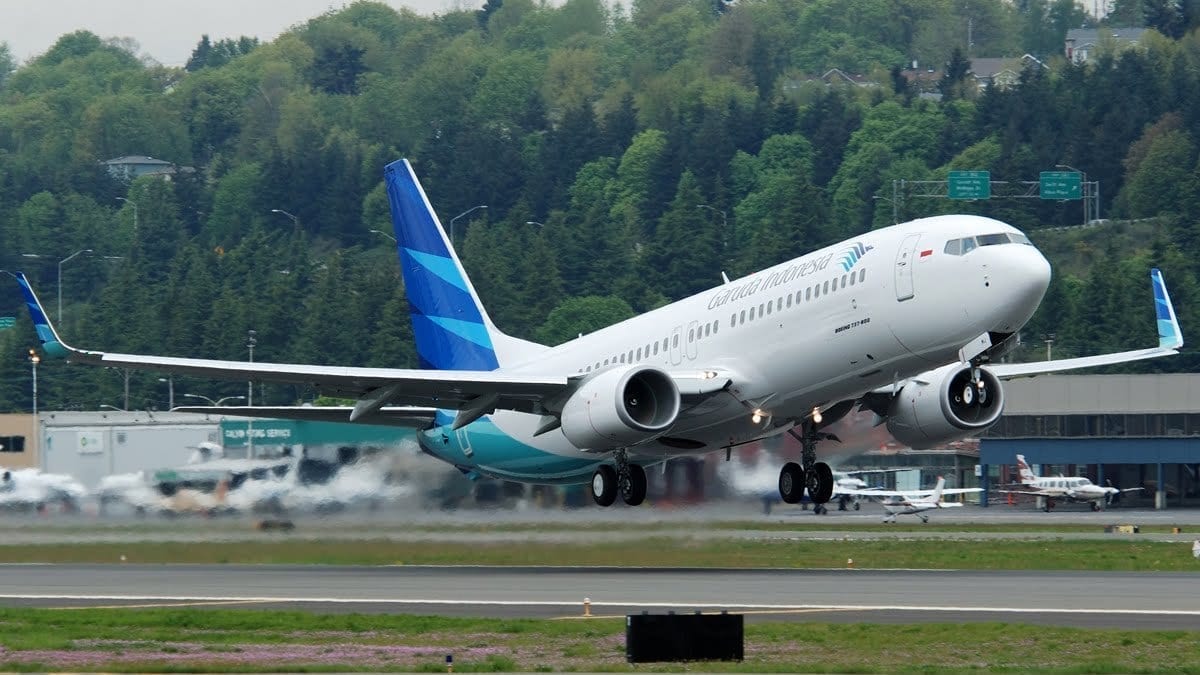
    The national flag carrier Garuda Indonesia Airlines has continued to focus on renegotiating contracts and implementing Good Corporate Governance (GCG), despite an alleged involvement of the airline’s ex-president Emirsyah Satar in aircraft engine purchase graft case. “It doesn’t interfere because Garuda had been focusing on GCG, contract renegotiation and cost efficiency since the last two years,” President and CEO of PT Garuda Indonesia Tbk Arif Wibowo said here on Tuesday.

    The airline had conducted major renegotiation of contracts, including the contract on airplane procurement from 2004 to 2014, a period during which Satar ran the enterprise, Wibowo added. “If the graft case is proven, it would be a good lesson for the management,” he noted.

    The contract renegotiation has resulted in a major cost efficiency for the company, he pointed out, adding that Garuda has redesigned its fleet plan every 10 years.

    “Now we are focused on how the three cost components, namely leasing cost, insurance cost and maintenance cost could be renegotiated,” Wibowo remarked. Minister of State-owned Enterprises expected Garuda Indonesia to have high integrity and good corporate governance in its operation.

    “These have become our foundations in running the enterprise,” he added. Earlier, the Corruption Eradication Commission (KPK) had named Satar as a suspect in the graft case.

    Satar had allegedly received 1.2 million euros and US $180,000, or a total of Rp20 billion, in bribes. He also received goods worth $2 million in Singapore and Indonesia from the UK-based manufacturing giant Rolls Royce for the purchase of 50 Airbus SAS aircraft engines during the period from 2005 to 2014 for PT Garuda Indonesia Tbk.

  • Retail giant Costco wins dismissal of prawn lawsuit over Thai forced labour

    Retail giant Costco wins dismissal of prawn lawsuit over Thai forced labour

    Judge Jeffrey White ruled that the plaintiffs failed to establish that the world’s second largest retail chain was bound to inform customers that modern-day slavery could be part of its supply chain.

    The lawsuit, filed in 2015, claimed U.S.-headquartered Costco was aware the prawns it bought from its Southeast Asian producers came from a supply chain dependent on ships involved in human trafficking and labour abuses.

    “The facts described in the (complaint) are tragic and ‘raise significant ethical concerns’,” White wrote on Tuesday in an order to dismiss the case, held in Oakland, California.

    But “plaintiffs fail to allege (Costco) had a duty to disclose the information about labour abuses in the supply chain … on its product packaging,” he added.

    The case against Costco, which is run as a members’ warehouse, was filed by club member Monica Sud, a California resident, as a proposed class-action lawsuit with Sud arguing it could affect millions of customers in her state.

    Exporter C.P. Food Products Inc and its parent company, Thailand’s Charoen Pokphand Foods, PCL. were also named as defendants in the case.

    Charoen Pokphand Foods said in a statement emailed through its public relations representatives that it condemned “all aspects of human trafficking and forced labour.”

    “CP Foods is not – and has never been – an owner or operator of fishing vessels that used forced labour as alleged in the lawsuit,” the company said.

    Attorneys representing the plaintiffs and other defendants did not immediately respond to requests for comment.

    Sud along with fellow Costco customers alleged that Costco purchased farmed prawns, also known in the industry as shrimp, from the Southeast Asian seafood producers despite knowing they used ships manned by slave labourers.

    The complaint followed investigations by Britain’s Guardian newspaper and the Associated Press into the shrimp supply chain. The probe found that large numbers of men were brought and held against their will on fishing boats off Thailand that were used to farm prawns sold in some of the world’s leading supermarkets.

    The Guardian found Charoen Pokphand Foods was buying fishmeal to feed to its farmed prawns from some suppliers that owned, operated or brought from fishing boats staffed by slaves.

    But in dismissing the lawsuit, the judge said the plaintiffs could not trace the prawns they bought to the suppliers in question.

    Judge White dismissed the lawsuit with prejudice, meaning that it cannot be brought again.

    The plaintiffs had filed their lawsuit under a California state law that prohibits unfair competition through misleading advertising.

    Last year, the U.S. State Department’s Trafficking in Persons report removed Thailand from the bottom rung despite what it described as “widespread forced labour” in the country’s vital seafood industry.

    Globally, nearly 21 million people are victims of forced labour, according to the International Labour Organization.

  • Indonesia eyeing slice of Singapore’s market

    Indonesia eyeing slice of Singapore’s market

    The government and state owned enterprises have sent a strong signal that they will strengthen the role of Tanjung Priok Port as an international trade hub, taking over a slice of the transshipment market currently dominated by Singapore.

    Transportation Ministry Director General for Sea Transportation Antonius Tonny Budiono said the government and state-owned port firms, Pelindo I, II, III and IV, were discussing the so-called Indonesia Integrated Chain Port plan, which would consolidate the export of cargoes from various domestic ports nationwide, including Bitung Port in North Sulawesi and Sorong Port in West Papua, with the country’s busiest port.

    Such consolidation is aimed at making the transshipment more efficient and “attractive” for both local and global shipping lines.

    “The transshipment sector has long been dominated by Singapore. But If the commodities originate in our country, why can’t we handle them?” he said over the phone on Tuesday.

    Tonny said the ministry would prepare technical and regulatory matters for the system, while also laying out the business plans with the State-Owned Enterprises (SOE) Ministry.

    The system, including IT management, is set to become effective in the second half of this year.

    “It’s already settled. The only remaining concern is the business plans of each Pelindo,” Tonny said, claiming that infrastructure-wise, Tanjung Priok was ready to play a bigger role as an international hub.

    The ministry sparked controversy when it recently revised the national ports plan (RIPN) through Transportation Ministerial Decision No. KP 901/2016 and introduced Tanjung Priok as the country’s new international port hub in Indonesia.

    Deep-sea Patimban Port in West Java, construction of which is being carried out jointly by an Indonesia-Japan consortium, is set to complement the future hub.

    Tanjung Priok Port has long been Indonesia’s largest container port, handling more than half the country’s externally traded goods.

    It received an annual 1.5 million total equivalent unit (TEU) capacity boost for imports and exports with the operation of the New Priok Container Terminal 1 ( NPCT1 ) last September, from the previous 7 million TEU capacity.

    Its container traffic rose to 5.4 million TEUs last year from 5.2 million TEUs in 2015.

    Of that figure, international traffic represented 3.8 million TEUs in 2016, up from 3.7 million TEUs in the previous year.

    The Transportation Ministry has anticipated a 11.1 percent surge in freight traffic in the country’s ports to 929.8 million tons annually by 2020, from 836.5 million tons annually in 2015. The figure is expected to jump to 1.1 billion tons each year by 2030.

    However, Port of Singapore is the one to beat as its container terminal handled 30.59 million TEUs of containers in the past year alone. The port, also dubbed the world’s busiest transshipment hub, currently accounts for almost one seventh of the world’s total container transshipment throughput.

    The maritime industry also currently contributes about 7 percent to Singapore’s GDP.

    Pelindo II president director Elvyn G. Masassya said the operational details would be discussed next week.

    “We aim for it to be efficient, productive and competitive,” he said.

    Pelindo II published data that forecast a Rp 1.5 million (US$112.59) cost-saving for transshipment from Boom Baru Port in Palembang, South Sumatra, via Tanjung Priok, and even Rp 1.6 million from Trisakti Port in Banjarmasin, South Kalimantan, compared to via Singapore.

    In response to the plan, publicly listed shipping line Samudera Indonesia managing director Bani M. Mulia expressed his pessimism, citing the geographical location of Jakarta.

    “As shippers we’d be happy if Jakarta could be a hub, but just be realistic. How much time deviation will containers have if they must pass through Jakarta first before going to Europe or China? It just doesn’t make sense,” he stressed.

    Bani said the government should focus on increasing Tanjung Priok capacity for export and import activities as well as enhancing its efficiency amid existing problems like labor costs.

  • Vietnam franchise rules under pressure to change

    Vietnam franchise rules under pressure to change

    At the end of the 1990s, franchise was still a strange concept to most people in Việt Nam. There were no opportunities to enjoy or even see the products and services of the world’s well-known brands in Việt Nam.

    KFC, McDonald, Starbucks and Lotteria were not familiar names for Vietnamese youth. However, this has changed.

    Now, you can start a beautiful morning with friends at a Starbucks or enjoy lunch with family at a KFC or Lotteria outlet. You could also purchase the latest Nike or Adidas products as well as those of other world famous brands at stores in Việt Nam.

    This change has been the result of a very effective business model – franchise.  After 40 years of  Đổi mới (Renewal) and more than 19 years since its entry into the World Trade Organization (WTO), Việt Nam has emerged as one of the most attractive countries for investors and franchisors, with a population of over 90 million, 65 per cent of whom are under 35 years old, and a very dynamic consumer class with a strong preference for foreign brands.

    Despite the global economic slowdown, thanks to its advantageous location, population size, and consumer habits, Việt Nam is now an ideal destination for many investors as well as franchisors.

    According to the Vietnamese Ministry of Industry and Trade (MoIT), around 160 franchises have entered Việt Nam so far. This is just the franchises that are required to register with MoIT before officially commencing their operation pursuant to the 2005 Commercial Law.

    The dominant business sectors for franchises are food services, retail, education, and entertainment. Food and beverage franchises account for 30 per cent of the registered franchises. The primary reason for the sustained increase in franchise activities in Việt Nam is the adoption of the 2005 Commercial Law and Decree 35/2006/NĐ-CP (later amended by Decree 120/2011/NĐ-CP), which, for the first time, provided a legal framework for franchising.

    Foreign franchisors are required to register their franchising activities before granting franchises in Việt Nam. If they carry out their franchise activities in the country without a certificate of franchise registration, they will face administrative sanctions, including fines ranging from VNĐ10 million to 20 million (approximately US$439-878).

    The franchisors must also consider the following conditions before registering their activities: The franchise network must have been in operation for at least one year.

    As regards Vietnamese sub-franchisors:

    – They must have operated the franchise business for at least one year before they initiate sub-franchising.

    – The goods or services that are the subject of a franchise agreement must not be on the Government’s list of banned goods and services.

    If they are on the list of goods and services subject to business restrictions, a special business license must be obtained before franchising is deployed.

    A franchise registration dossier must comprise:

    – An introduction of the franchise business containing the information as required by Circular 09/2006/TT-BTM guiding the commercial franchising registration;

    – A copy of the certificate of business registration or a legally equivalent document;

    – A copy of the certificate of protection of industrial property rights in Việt Nam or in foreign countries if the franchise includes a license of industrial property rights;

    – Approval from the primary franchisor to the sub-franchisee in case of a sub-franchisor;

    – Other documents required by the competent authority (including the franchise agreement or form of agreement).All documents issued in a foreign language must be notarized and legalized. The Vietnamese versions of such documents must also be notarized.

    According to Decree 35, the franchisor has an obligation to provide the franchisee with the information regarding the franchise system, namely a copy of a form of franchise agreement and an introduction of the franchise business, at least 15 days before signing the agreement. The franchisor must also notify the franchisee of all substantial changes in the franchise system.

    In case of a master franchise, in addition to providing the aforementioned information, the secondary franchisor must also provide a proposed franchisee with the following information in writing: (a) information about the franchisor which has granted the franchise; (b) contents of the master franchise contract; and (c) the manner in which secondary franchise contracts will be dealt with in the event of termination of the master franchise contract.

    If the parties select application of the law of Việt Nam, the franchise contract may contain the following main items:

    i. Contents of franchising;

    ii. Rights and obligations of the franchisor;

    iii. Rights and obligations of the franchisee;

    iv. Price and periodic franchising fee, and payment method;

    v. Term of the contract; and,

    vi. Extension and termination of the contract, and dispute resolution.

    The franchise contract must be made in Vietnamese. In the case of a franchise from Việt Nam to overseas, the parties must agree on the language of the franchise contract. Once registered, a franchisor must report any changes in the general information about the franchisor and/or changes affecting the relevant industrial property rights (i.e., changes in Part a) to the competent authority within 30 days after the date of change.

    In addition, by January 15 every year, a franchisor must send an annual report to the competent authority on the matters contained in the disclosure document.

    The above regulations regarding franchise activities in Việt Nam are provided in the 2005 Commercial Law. However, such regulations were issued in 2005 and there are some defects in this law: the definition of franchising is not clear for distinguishing between a trademark licence agreement or a technology transfer agreement; the conditions on franchisee and sub-franchisee do not offer sufficient protection for the rights of the sub-franchisees.

    In addition, the method and measures for controlling and checking the franchisee’s activities by the franchisor are not clear.

    Furthermore, numerous changes in the legal system, such as adoption of new investment and enterprise laws, the civil code, changes in the legislative mindset of lawmakers, have occurred in order to protect and ensure the freedom of enterprises as well as actual business conditions at a time Việt Nam is deepening its international integration.

    Therefore, the need to revise the said regulations should be taken into account. In fact, the drafting of a new commercial law is underway and, according to MoIT, the draft will be submitted to the Government in 2017 and publicised to collect feedback before it is submitted to the National Assembly for passage in 2018.

    The franchise business in Việt Nam has developed in a stable manner thus far. With a new commercial law to be adopted soon, this business will hopefully prosper further.
    Read more at https://vietnamnews.vn/economy/350237/vn-franchise-rules-under-pressure-to-change.html#wg0kz4K4qwK39BXg.99
  • Trump good for the Philippines

    Trump good for the Philippines

    Why is President Trump good for the Philippines?  He has withdrawn from the Trans-Pacific Partnership (TPP). The TPP, according to the Office of the United States Trade Representative, prohibits exploitative child labor and forced labor; ensures the right to collective bargaining; and prohibits employment discrimination.

    Philippine agriculture and retail and many small businesses depend on child labor and forced labor. The TPP would have subjected the Philippines (especially its exporters) to charges of violations of child and labor rights, non-payment of minimum wage and benefits for formal work.  With the US out of the TPP, the Philippines loses a major excuse for joining it and escapes the consequences that would have ensued with violations.

    Also, the TPP would have meant high-priced software and medicines produced by multinationals because of the treaty’s strong copyright protection provisions and severe sanctions for violations.   Without the TPP, Filipinos would have access to pirated and cheaper software and cheaper medicines.

    Besides, the Philippines doesn’t really have anything to sell to the world, except humans.  It has a very insignificant and weak manufacturing sector, outside of food and beer.

    President Trump is good for President Duterte and Duterte has been good for Filipinos.  He says they “have the same mouth.”

    Trump won’t mind any human rights violations in Duterte’s current violent anti-drugs campaign, unless the violations become so outrageous they trigger worldwide condemnation (such as the killing by the police while under police custody of the Korean businessman who was kidnapped for ransom by the police.  I agree that PNP Chief General Bato should resign and form an entirely new Philippine National Police. The present PNP is beyond reform).

    “We do not seek to impose our way of life on anyone,” Trump declared in his inaugural address. With his “America First,” Trump abandons America’s commitment declared by John Kennedy in his stirring inaugural speech wherein he said, “Let every nation know, whether it wishes us well or ill, that we shall pay any price, bear any burden, meet any hardship, support any friend, oppose any foe to assure the survival and the success of liberty.”

    So liberty, no. But territory? Now, that’s another matter.

    Still, Trump’s secretary of state, Rex Tillerson, told a US Senate confirmation hearing “we are the only global superpower with the means and the moral compass capable of shaping the world for good.  If we do not lead, we risk plunging the world deeper into confusion and danger.”  When he said that, Tillerson, however, might have been just pandering to the Democrats in the Senate to get his confirmation.

    Trump will try to  check China’s island-grabbing military and territorial expansion in the South China Sea. Tillerson has referred to China’s island-building to “Russia taking over Crimea.” “They are taking territory or control or declaring control of territories that are not rightfully China’s,” Tillerson said. At a press briefing Monday (Tuesday in Manila), White House Press Secretary Sean Spicer vowed the US would “make sure that we protect our interests” in the resource-rich trade route.  “It’s a question of if those islands are in fact in international waters and not part of China proper, then yeah, we’re going to make sure that we defend international territories from being taken over by one country,” the combative Spicer told reporters Monday.

    Some $5 trillion worth of goods pass through the South China Sea, according to our own Defense Secretary, Delfin Lorenzana.

    Trump’s belligerent anti-China stance could mean Duterte could play the China card vis-à-vis the US and his friendship with Trump vis-à-vis Beijing.  So Duterte gets the best of both worlds—increased trade, loans, assistance and investments from China—a great boost to the President’s focus on infrastructure and job generation, while enjoying the protective umbrella of the power of the US Seventh Fleet.

    Trump is an acoustics and optics-type president. He likes fire and brimstone.   That is why he has assembled for his defense and security and intelligence management who are, tough guys, and to use his own words, “the greatest of killers.”

    In the cabinet, there are three former generals, James “Mad Dog” Mattis (Defense) and John Kelly (Homeland Security and anti-terrorism), both former marines; and Michael Flynn (national security).

    Described as an intellectual in Genghis Khan clothing, a “Warrior Monk,” and another General Patton, Mattis once said “it’s fun to shoot some people”.   At the time he said (in San Diego), he was not referring to the Chinese.    He also once told Iraq military leaders, “I come in peace. I didn’t bring artillery. But I’m pleading with you, with tears in my eyes: If you f–k with me, I’ll kill you all.”   His favorite slogan: “Marines don’t know how to spell the word defeat.”  His advice to his soldiers before the second Iraq invasion: “Be polite, be professional, but have a plan to kill everybody you meet.”

    Meanwhile, a retired Marine Corps four-star general, Kelly, is the highest ranking officer who lost a son, a marine lieutenant, in Iraq (he stepped on a landmine in 2010).

    So expect fireworks, if not outright firepower, to spark in the South China Sea.  And that will be good for the Philippines.

    As for Mr. Flynn, well, The Economist calls him “a gifted intelligence officer” but recalls that “he was sacked as head of the Defense Intelligence Agency in 2014, allegedly for poor management skills.”

    In practical terms, such a description would mean:  The US has the right info on the Chinese.  They send warrior ships.  One of the warrior ships, however, fires on the wrong target (Remember: China’s ships in the islets and island it occupies in the South China are not supposed to be war ships but coast guard boats, civilians).

  • Singapore inflation rises 0.2% in December

    Singapore inflation rises 0.2% in December

    In a sign of a tepid increase in inflation, the Monetary Authority of Singapore reports that consumer price inflation rose to 0.2% in December from 0.0% in November, due to a larger increase in private road transport cost, which rose 1.7% over the month because of higher petrol prices and parking fees. In comparison, MAS Core Inflation eased to 1.2% from 1.3% in the previous month, because of lower retail goods inflation.

    Services inflation edged up to 1.6% from 1.5% in the preceding month, mainly on account of a faster pace of increase in holiday expenses, which more than offset the larger contraction in telecommunication services fees. Food inflation was 2.0% in December, unchanged from the previous month.

    Price increases for both non-cooked food items and prepared meals were broadly stable. Accommodation cost fell by 3.8% in December, like the previous month, reflecting continued softness in the housing rental market.

    Overall retail goods inflation eased to 0.0% in December from 0.2% in November, largely because a fall in the prices of personal care products following the rise in November. For the whole of 2016, CPI-All Items inflation came in at -0.5% for the second consecutive year.

    CPI less imputed rentals on owner-occupied accommodation (CPI-ex OOA) rose by 1.2% in December Inflation as measured by CPI less imputed rentals on owner-occupied accommodation (OOA) picked up to 1.2% in December from 1.0% in the preceding month, reflecting the stronger pickup in the cost of private road transport.

    For 2016 CPI less imputed rentals on OOA rose by 0.3%, higher than the 0.1% increase in 2015. MAS Core Inflation was slightly lower at 1.2% in December MAS Core Inflation was 1.2% in December, slightly lower than the 1.3% in November, as the decline in retail goods inflation more than offset the increase in services inflation. For the whole of 2016, MAS Core Inflation rose to 0.9%, from 0.5% the year before.

    On the external front, MAS says it expects imported inflation is likely to rise modestly on the back of a turnaround in global commodity markets. Global oil prices are expected to average higher in 2017 compared to last year, “although upward pressures would be capped by existing inventories as well as an anticipated increase in US crude oil output. Domestically, overall cost pressures should be muted,” says the market regulator.

    MAS also reports a pullback in hiring, as conditions in the labour market have slackened. “This will cap underlying wage growth, even as non-labour business costs have eased. The subdued growth environment will also constrain the extent of cost pass-through to consumer prices.

    For the whole of 2017, MAS Core Inflation is expected to average 1–2%, compared with 0.9% in 2016. Energy-related components are projected to contribute positively to inflation in 2017, while the temporary disinflationary effects from budgetary measures will fade.3

    However, the increase in core inflation will be gradual, given the absence of more generalised demand-induced price pressures. CPI-All Items inflation is projected to pick up to 0.5–1.5% this year, from -0.5% in 2016, largely reflecting the rise in private road transport cost,” it concludes.

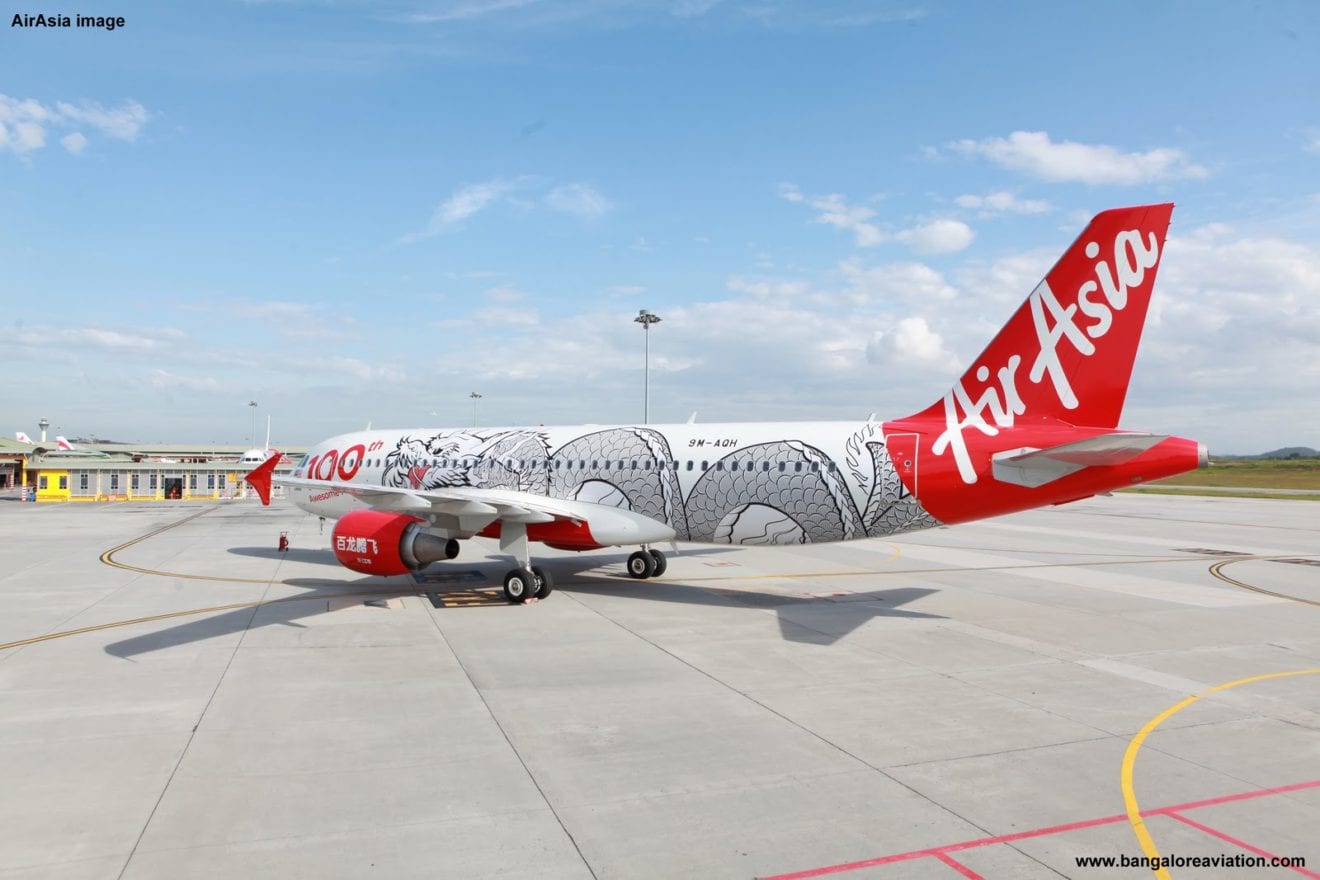
  • AirAsia load factor up 85% in third quarter 2016

    AirAsia load factor up 85% in third quarter 2016

    AirAsia Bhd recorded a load factor of 85% in the third quarter (Q3) of 2016, up two percentage points from the same period last year.

    The carrier said the total number of passengers carried increased 7% year-on-year (y-o-y) to 14.51 million, well ahead of the 5% increase in seat capacity.

    At the end of the quarter under review, the budget airline’s total fleet size stood at 172 aircraft (174 including two aircraft delivered to AirAsia Japan but yet to commence operations).

    For financial year 2016 (FY16), the airline carried a total of 56.59 million passengers for a load factor of 86%.

    AirAsia said in a statement the Malaysian operations achieved a load factor of 87% in Q4, up two percentage points year-on-year.

    It added that demand exceeded the 2% y-o-y increase in capacity, with the number of passengers carried rising by 5% y-o-y to 6.76 million. AirAsia Malaysia ended the quarter with a fleet size of 77 aircraft.

    Thai AirAsia posted a load factor of 82% in Q4, unchanged y-o-y. The number of passengers carried was 4.37 million, an increase of 8% y-o-y, near to the capacity growth of 10% y-o-y.

    “Thai AirAsia took two additional aircraft during the quarter, ending the year with a fleet of 51 aircraft. For FY16, Thai AirAsia carried 17.22 million passengers and posted a load factor of 84%, up three percentage points from FY15,” it said.

    Indonesia AirAsia posted a load factor of 83% in Q4, up three percentage points y-o-y. The number of passengers carried totalled 1.55 million on a reduced capacity of 10% y-o-y, in line with the turnaround strategy.

    For FY16, Indonesia AirAsia carried 6.52 million passengers and averaged a load factor of 84%.

    Philippines AirAsia reported a load factor of 85% while AirAsia India posted a load factor of 86% in Q4.

    Meanwhile, AirAsia X Bhd (AAX) said overall operating performance in Q4 has improved y-o-y, resulting from the successful turnaround initiatives implemented during the year.

    “In Q4, the company recorded high double-digit increase in passengers carried of 40% y-o-y to 1.38 million, in line with capacity growth of 43% y-o-y. The huge capacity injected during the quarter was to cater to higher demand from year-end holiday travel,” it said in a separate statement.

    AAX said passenger load factor dropped two percentage points to 81% against 83% for the same period last year, as available seat per kilometers grew 44% y-o-y to 8,474 million in Q4.

    “Operationally, FY16 has been a success turnaround story, with various phases of turnaround initiative carried out positively during the year.”

  • Activewear and F&B driving Hong Kong retail innovation

    Activewear and F&B driving Hong Kong retail innovation

    Food and beverage and lifestyle is driving Hong Kong retail innovation, says property expert Shaun McManus with JLL Hong Kong.

    “The activewear and sports apparel sector has been a front-runner in elevating in-store experiences for shoppers,” McManus, who specialises in lifestyle retail and F&B with the property  company. “Looking to boost their winter sales, Adidas recently added a virtual reality fitting room in their flagship store in Causeway Bay, giving customers the chance to test new products in a training run simulation that mimics winter weather through a temperature control system,” he wrote in a market review.

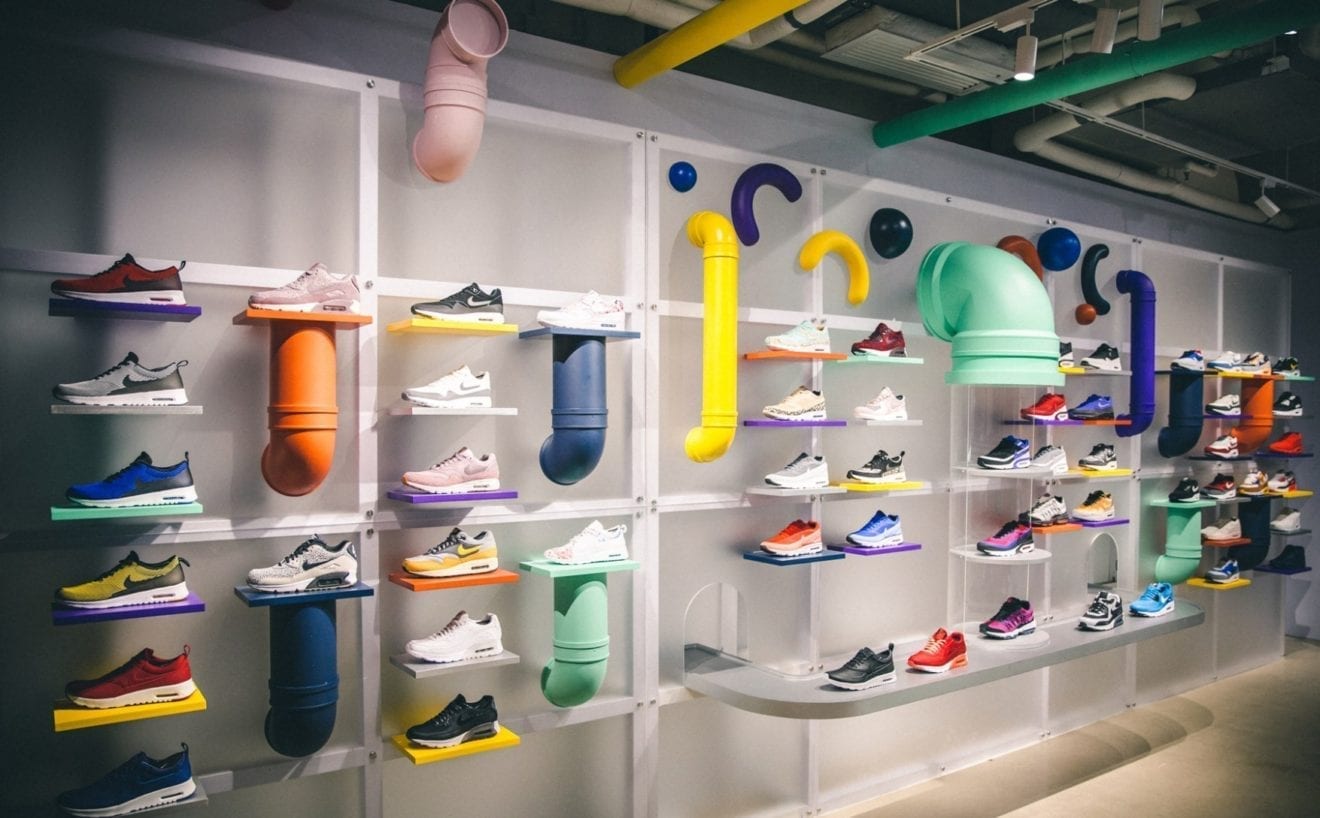
    Nike’s new 13,000 sqft flagship store on Granville Road in Tsim Sha Tsui offers customised T-shirts and sports bras, as well as a personalised coaching section where customers can test running shoes on a treadmill to see if they are the right fit.

    JLL’s foodservice consulting team forecasts that by 2020, 80 per cent of retailers will have some form of additional entertainment element or other unique offerings, like these within their stores.

    “The progression of omni-channel retailing – through physical and online stores and mobile apps – is another pattern that looks likely to emerge in 2017. Unlike other markets, eCommerce has yet to gain a strong foothold in Hong Kong.

    According to the Hong Kong Trade and Development Council, online sales account for less than 5 per cent of total retail sales among retailers with an omni-channel sales platform within the city.

    “To boost sales, retailers are increasingly turning to social media platforms to sell their goods, and will look to take advantage of apps like Instagram and Snapchat to give customers a behind-the-scenes look at their operations with the aim of building brand engagement and legions of loyal followers,” says McManus.

    “With over 40 million hits per month on Instagram, Facebook and Snapchat combined; it is no wonder popular brands such as watchmaker Daniel Wellington are attributing the largest proportion of their revenue to their social media marketing campaigns.”

    McManus also forecasts that this year promises a further shift away from traditional shopping mall tenant mixes towards an increased focus on entertainment hubs and food courts.

    “Many developers are already starting to reposition their portfolios. Swire Properties – whose shopping mall portfolio in Hong Kong includes Pacific Place Mall, CityPlaza and Citygate Outlets – has been at the forefront of this movement. At Pacific Place Mall, for example, it has increased the F&B footprint by more than 20 per cent in the space of 12 months and totally revamped its cinema complex to include a new VIP House with state-of-the-art sound system technology, higher resolution screens and vibrating seats. These changes have all been made with the aim of increasing and retaining footfall to the mall and attracting new customers.

    “The use of pop-up stores will also continue to be popular in prime malls, enabling landlords to optimise space and minimise void periods; an important consideration given the current challenges facing the city’s retail sector.”

    McManus says that for consumers, revolving pop-up stores freshen the shopping experience and encourage repeat visits.

    “All of the above factors point towards a more balanced and increasingly vibrant retail market for Hong Kong in 2017, and suggests that it is far from all doom and gloom for the sector in the year ahead. Rather, we believe these changes are ushering in a healthier retail climate that drives domestic consumption and is less reliant on tourist spend. Hong Kong must, and will, maintain its status as a shopper’s paradise in Asia for the foreseeable future.”