Category: General

Retail News Asia is committed to providing both local and global retailers with the latest General Retail news throughout the Asian market. This on a daily base.

  • Vietjet gets approval for HOSE listing

    Vietjet gets approval for HOSE listing

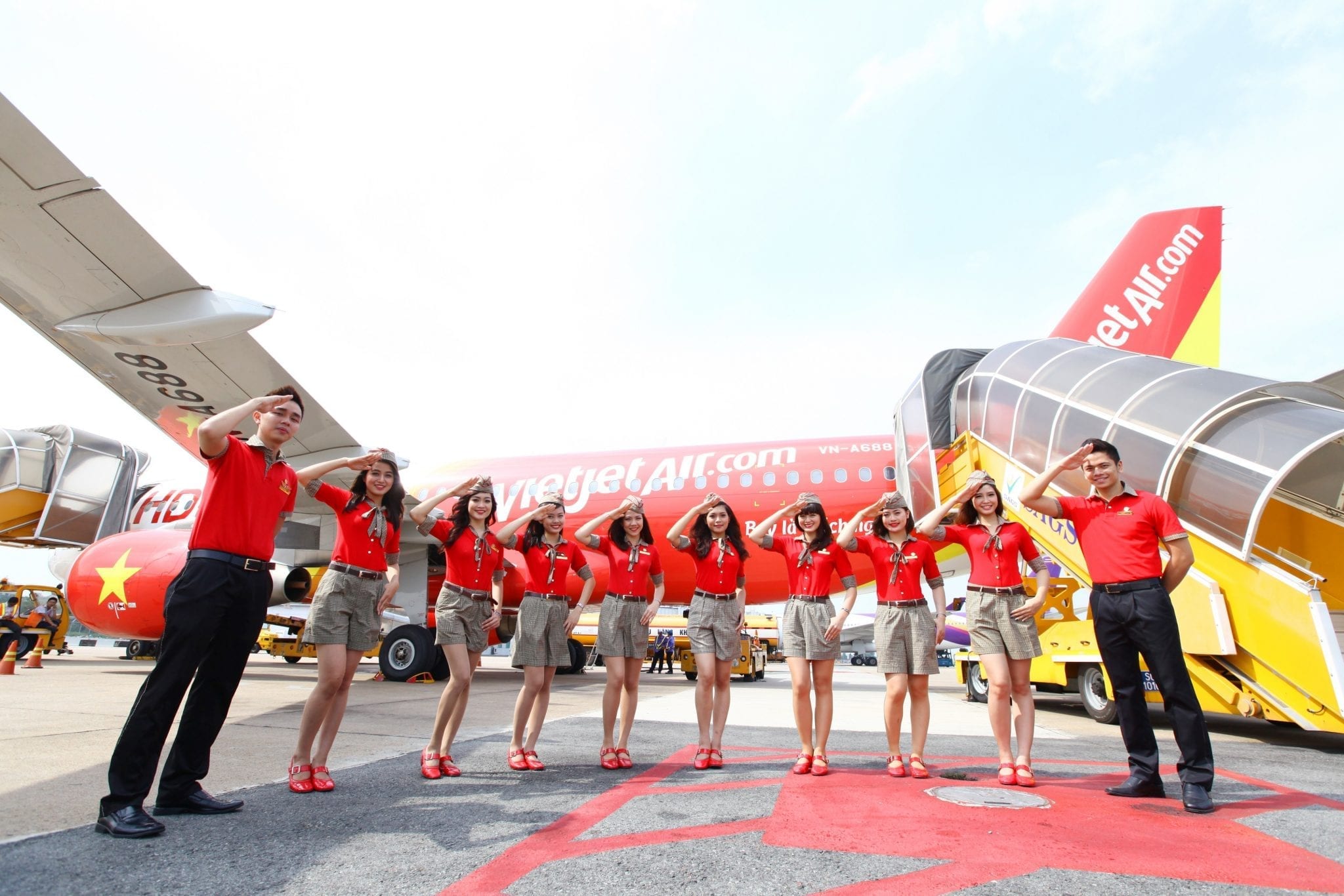
    The HCM Stock Exchange (HOSE) has approved the listing of Vietjet Aviation Joint Stock Company’s 300 million shares on the southern bourse.

    The opening price of Vietjet’s shares is unknown. Vietjet on January 25 registered its 300 million shares with the Vietnam Securities Depository.

    According to Reuters, Vietjet Air has sold 44.8 million shares of current shareholders to institutional investors at VND84,600 per share, and 3.5 million shares to individual investors for VND86,500 per share.

    About 30 international corporations and investment funds have offered to purchase Vietjet’s shares, including Morgan Stanley, Mirae Asset, Dragon Capital and VinaCapital.

    According to a recent report by Vietnam Enterprise Investment Limited (VEIL) run by Dragon Capital, the investment fund on January 19 owned $43 million worth of Vietjet shares. Besides VEIL, HCM City Securities Corp (HSC) also spent VND134.5 billion to buy 1.6 million of the carrier’s shares.

    Shareholders of Vietjet Air have also approved the company’s proposal to issue more than 22.3 million shares to the Huong Duong Sunny Investment Co Ltd in 2017 at a price of VND84,600 per share.

    The share issuance will increase the aviation company’s chartered capital to VND3.22 trillion.

  • 20% off all AirAsia seats across its entire network

    20% off all AirAsia seats across its entire network

    Low-cost airlines have a habit of tempting holidaymakers with sale after sale but lately it feels like Malaysia’s budget airline AirAsia has been dominating the deals department.

    Over Chinese New Year it dropped flights to China to $297. It then continued the discounts with last-minute commutes to select South East Asian destinations from $129.

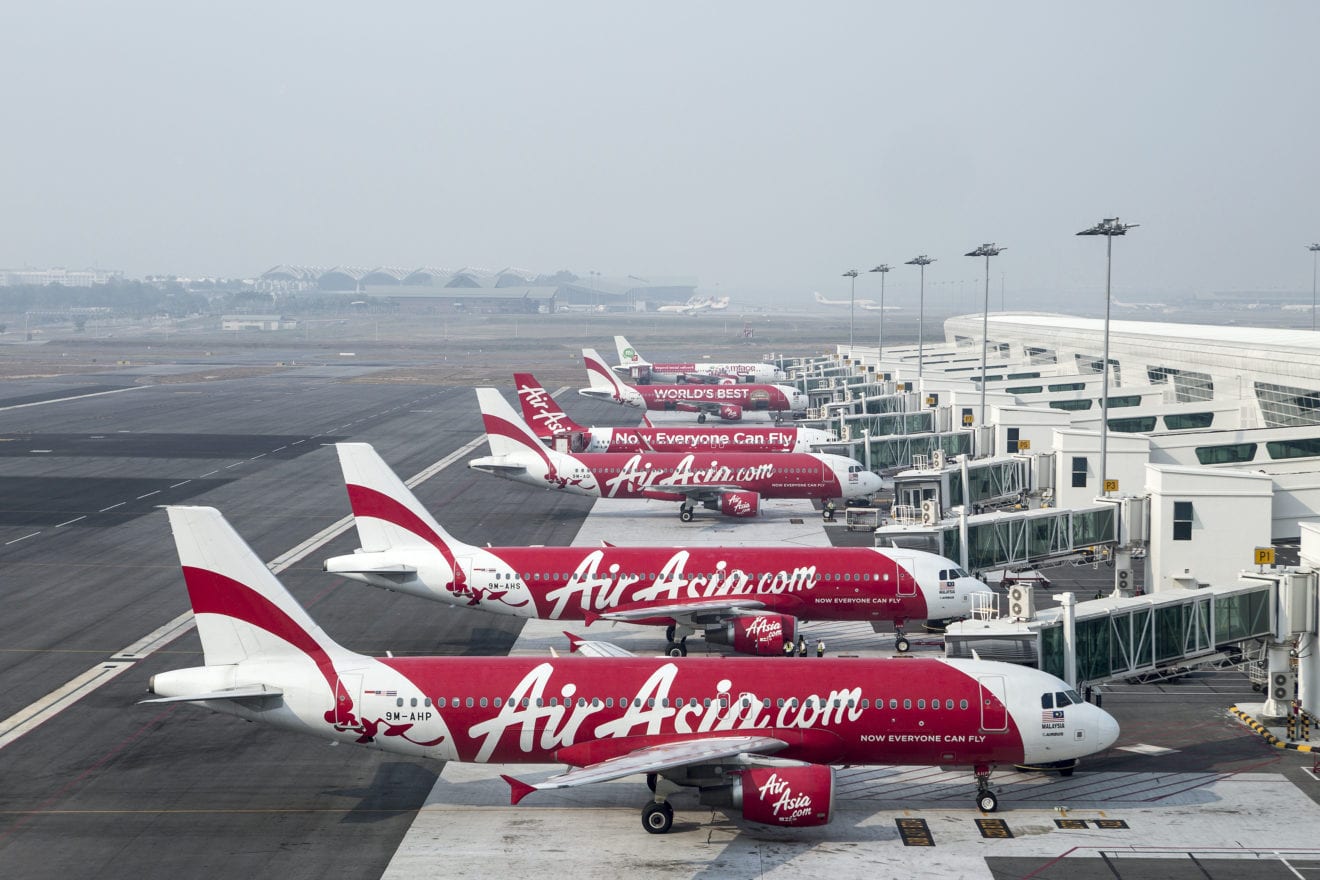
    Just when we thought it couldn’t do any better the airline has now slashed 20% off all seats and all flights across its entire network.

    This includes low fare economy and premium flatbed fares on flights operated by both AirAsia and AirAsiaX.

    AirAsia flies from Sydney, Melbourne, Gold Coast, Darwin and Perth and has routes to popular destinations such as Tokyo, Shanghai, Bangkok, Ho Chi Minh City, Auckland, Penang, Phuket, Manila, Bali, Cebu, Singapore, Colombo, Chiang Mai and Male.

    While all these routes are included in this sale travel must must be taken between 7 February and 31 July 2017 and some peak periods are excluded.

    The largest date restrictions with this are on flights to and from Colombo, Mauritius and Wuhan. Broken down: flights to/from Colombo are available only from 7 February to 15 March 2017, flights to/from Mauritius are only available from 7 February to 25 March 2017 and flights to/from Wuhan are only available from Kuala Lumpur from 22 March to 31 July 2017.

    While it may be natural to nominate a return flight when searching for fares, AirAsia has a tendency to overcharge for return bookings. To avoid this and save even more, it might be worth purchasing two one-way flights.

    For example: flying Sydney to Kuala Lumpur on 24-26 February in this sale costs $568.50 return. Split into two single flights, you’ll pay $250 from Sydney to Kuala Lumpur and MYR837 (AUD$248) from Kuala Lumpur to Sydney. This gives you a total of $498. While that conversion doesn’t include fees your bank may charge for an international transaction, it’s still a hefty saving overall.

    AirAsia also charges a $10 processing fee per flight per person on credit and debit card purchases. You can avoid this by paying with PayPal.

    As a low-cost carrier, this price does not include extras such as checked baggage, on-board meals and in-flight entertainment. These can be purchased during the booking process for an additional fee.

    This 20% off all AirAsia flights sale ends 12 February 2017.

  • Thailand invests $7.7 billion in Vietnam

    Thailand invests $7.7 billion in Vietnam

    According to the Ministry of Planning and Investment’s Foreign Investment Agency (FIA), Thailand has invested US$7.7 billion in 440 projects in Viet Nam to become the country’s tenth largest investor.

    Amata industrial zone in Dong Nai Province, where Thailand has invested in infrastructure. Foreign investment in Viet Nam grew in January.

    So far, Viet Nam has attracted foreign direct investment from 112 countries and territories, the agency says.

    Thai businesses began investing right after Viet Nam introduced policies to attract foreign investment, it says. From 2006 to 2008, Viet Nam wooed the largest investment capital from Thailand amounting to $5 billion, accounting for 21.4 per cent of the total investment from ASEAN to Viet Nam worth $23.3 billion. Investments from Thailand have focussed on processing and manufacturing industries.

    At present, Thai investors have assured investments of $7.04 billion in 205 projects in the processing and manufacturing industries, accounting for 87.2 per cent of total registered invested capital. The largest project in those industries is the Southern petrochemical complex with a total investment of $3.77 billion.

    The agency says Thai investors are now turning their attention to industrial infrastructure and retail sectors. These include a joint venture project between Amata VNPCL of Thailand and Sonadezi Bien Hoa in the infrastructure sector and a project of MM Mega Market Co, Ltd in HCM City, with a capital of $36 million, reports vneconomy.vn.

    Viet Nam is considered an important investment destination in the region in line with Thailand’s policies on promoting investment in foreign countries. This is big opportunity for Viet Nam to attract investment capital from this country, FIA says.

    Thailand is near Viet Nam on the map and the two countries have cultural similarities. They signed an agreement on encouraging and protecting investments in 1992 and to create favourable conditions for investment co-operation. Therefore, Thai investors have not faced many difficulties while investing in Viet Nam. Meanwhile, the Thailand government has also encouraged and supported Thai investors already in Viet Nam.

  • Shoppes at MBS share set at $4.9b

    Shoppes at MBS share set at $4.9b

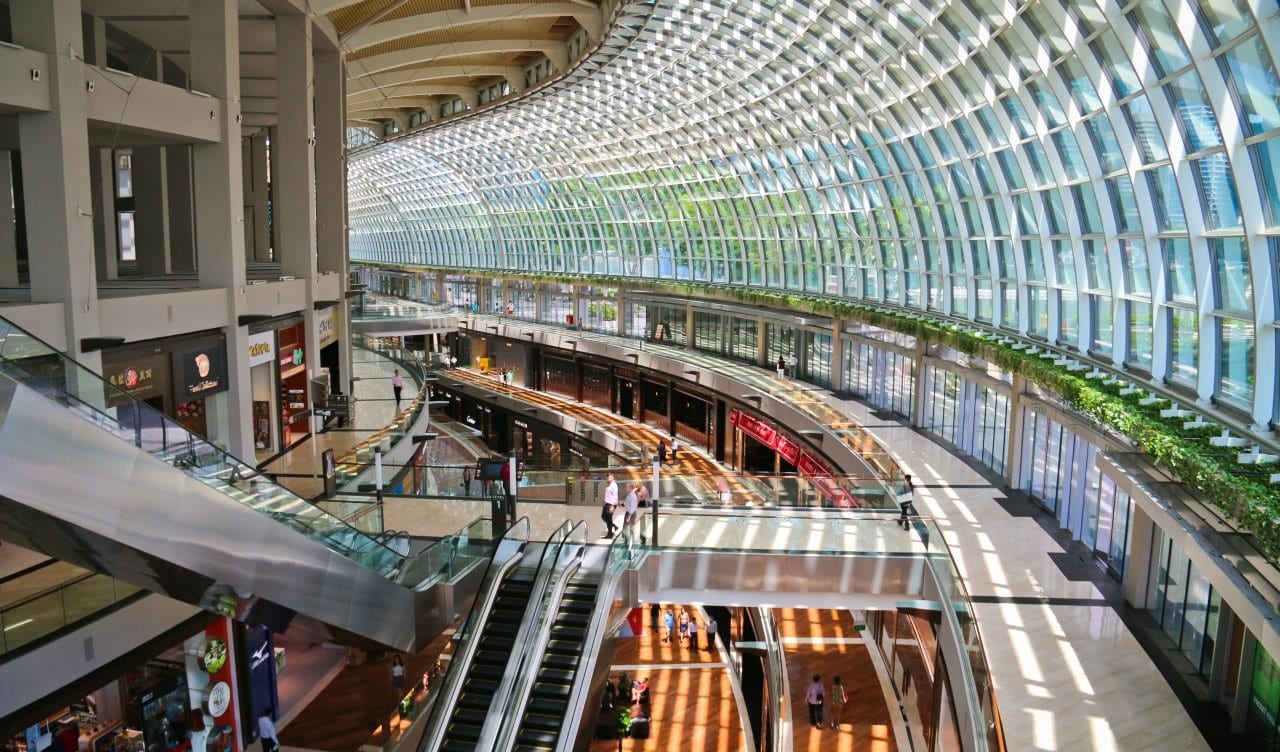
    Casino mogul Sheldon Adelson’s price tag of up to S$4.9 billion (US$3.5 billion) for a 49 per cent stake in Shoppes at Marina Bay Sands makes it the “most expensive mall in the world,” he says.

    However, sovereign wealth funds and private-equity giants may be willing to pay a massive premium to own a stake in such a high-profile asset, says real-estate consultancy firm Chesterton Singapore MD Donald Han.

    He says Singapore stacks up as one of Asia’s best property markets because its relatively strong dollar enables investors to preserve their capital.

    “The property has to be assessed based on yield or the operating income from the mall, and how it stacks up against market expectations…But buildings with a certain character or iconic stature that are one of a kind are also worth a premium.”

    Another selling point is that there are few quality malls on the market, and little prospect in the near term of more land being released for such large developments, says Savills Singapore research head Alan Cheong.

    Meanwhile, the proposed sale is subject to approval from the authorities, under an agreement that allowed US gaming giant and Marina Bay Sands parent Las Vegas Sands (LVS), as well as Genting Singapore, to have exclusivity in Singapore for 10 years. The agreement says LVS cannot sell any part of its 800,000 sqft (74,322 sqm) mall for that period, and then only after government approval. The 10-year duopoly, which also applies to Genting’s Resorts World Sentosa, expires next month.
    Adelson says the mall sale proceeds could be used in the firm’s next investment in Japan or South Korea.

  • Lotte Group in China suffers from Korea’s missile plan

    Lotte Group in China suffers from Korea’s missile plan

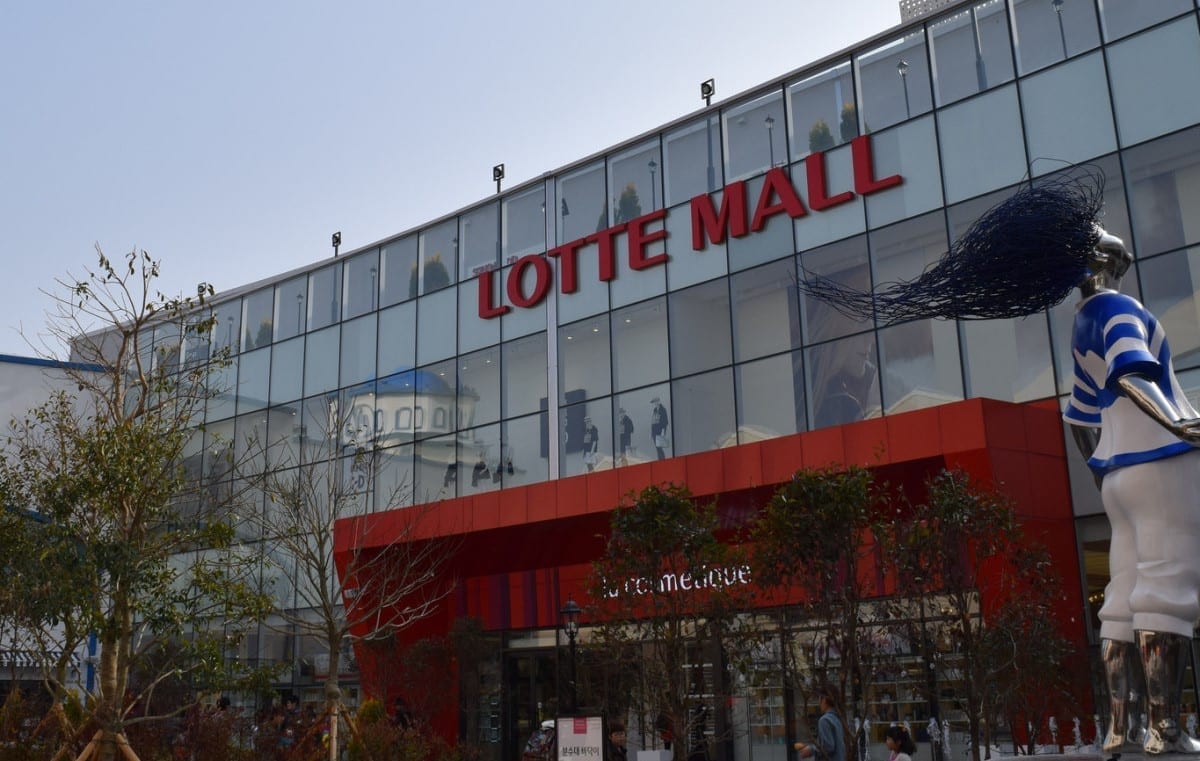
    Hit by fallout from the Korean government’s plan to deploy a US-made missile shield, the Lotte Group is shutting three retail shops near Beijing.

    Korea’s fifth-largest conglomerate, Lotte was hit by a series of regulatory investigations into its China business in December after striking a deal with the Korean government a month earlier to relinquish one of its golf projects to accommodate the anti-missile system.

    South Korean companies have discovered themselves in China’s crosshairs since Seoul’s determination in July to deploy the Terminal High Altitude Area Defence (THAAD) platform, reports News on Hand. Beijing opposes the move, fearing the US will use the platform’s radar to probe deep into Chinese territory.

    Lotte says it has been restructuring its loss-making China enterprise for a few years, but the work has been spurred by the deteriorating bilateral relations because of the THAAD deployment. The retailer has already closed some of its unprofitable outlets in China.

    Lotte has also been opening shops in China, but has put the brakes on this following officials conducting security, tax and other investigations. Having entered the market in 1994, the group has 99 stores and 16 Lotte Super shops in China.

    Also in retaliation to THAAD, Beijing has blocked imports of high-tech bidets and a range of cosmetics, cancelled shows by Korean pop groups and restricted Chinese flights and tourism to Korea.

  • Cebu Pacific gets its 3rd ATR 72-600 aircraft

    Cebu Pacific gets its 3rd ATR 72-600 aircraft

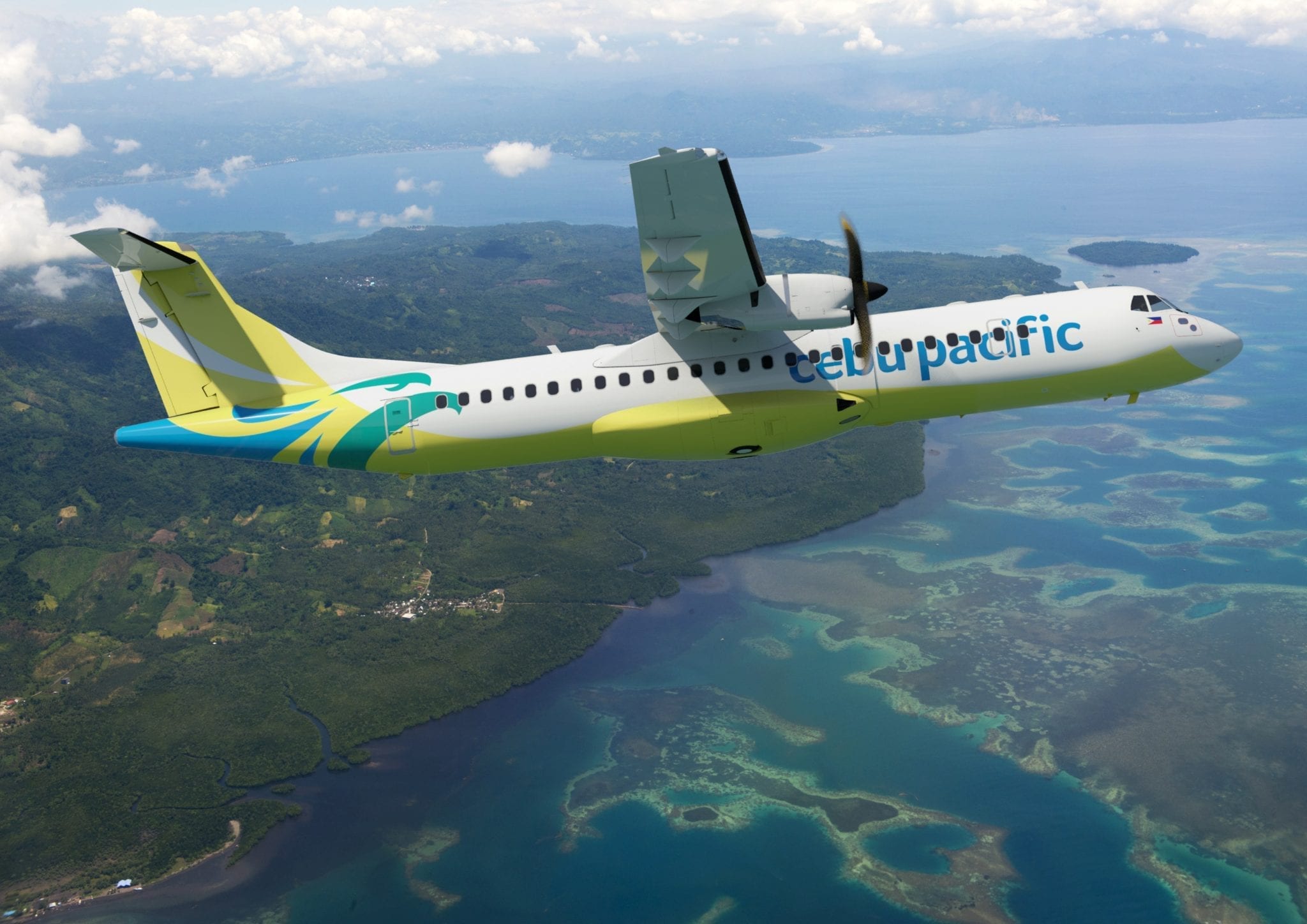
    In a statement, Cebu Pacific said the new high capacity aircraft as delivered to its wholly owned subsidiary Cebgo on Feb. 3.

    The new ATR 72-600 will be used for the two new routes to be launched on Feb. 15 — Manila to Masbate and Manila to Tablas.

    “We are glad to take delivery of another brand-new ATR 72-600, especially since this is the first to have the titanium seats from Expliseat installed. This aircraft therefore combines reduced seat costs while optimizing comfort for passengers,” Cebgo President and CEO Alexander G. Lao was quoted as saying in a statement.

    Cebu Pacific’s aircraft fleet has an average age of 4.92 years, which the airline says is one of the youngest around the world.

    It currently operates a 58-strong fleet made up of four Airbus A319, 36 Airbus A320, seven Airbus A330, eight ATR 72-500, and three ATR 72-600 aircraft. Starting this year to 2021, the budget carrier expects to receive one more brand-new Airbus A330, 32 Airbus A321neo, and 13 ATR 72-600 aircraft.

  • Nearly 9,000 new companies launched in Vietnam in January

    Nearly 9,000 new companies launched in Vietnam in January

    A strong start for the economy in the new year after a record high number of new openings in 2016. Vietnam’s business community has hit the grounds running in the new year. Official reports showed that 8,990 companies opened in January, up 8 percent from last year. Their registered capital surged 52.3 percent to VND90.3 trillion ($4 billion) in total.

    The new companies are expected to create 104,100 jobs. In comparison, there were 8,320 new companies with 124,000 new jobs in January last year.

    Nearly 5,600 suspended companies also resumed operations last month.

    The number of businesses shutting down increased 18.3 percent year-on-year to 1,583.

    Vietnam hopes to see over one million businesses in operation by 2020. It is now halfway to that point.

    The country saw a record number of business openings of 110,000 last year, strengthening hopes for robust growth and strong investment in the near future.

    Officials from the labor ministry reportedly said that Vietnam aims to create 1.6 million jobs this year, roughly the same figure last year.

    More than 3 percent of the country’s urban adults are unemployed while the rural rate is nearly 2 percent.

  • How Indonesians Became Richer than Filipinos

    How Indonesians Became Richer than Filipinos

    An Indonesian boom sparked by growing economic stability and falling corruption and debt levels has helped Indonesians catch up and become better off than Filipinos in per capita income in recent years.

    That hasn’t surprised those following emerging markets closely, though the Philippines’ equity market has outperformed Indonesia’s in the last ten years. Nor has it been a surprise seeing the Philippines leave behind the old glory days of the 1960s, and be bypassed by the one Asian country after another in per capita GDP.

    “There was a time when the Philippines was seen as an Asian trendsetter, and fashionable young Malays would sport the barong, the formal embroidered shirt favored by Filipinos, to look cool,” writes Ruchir Sharma in Breakout Nations. “But that was back in the 1960s, when the Philippines had the second highest per capita income in Asia, behind only Japan. The nation’s fortunes shifted since then.

    By the 1970s South Korea and Taiwan had passed the Philippines in per capita income terms. Malaysia and Thailand followed in the 1980s and China in the 1990s. Then in 2009, in a moment the Manila elite thought it would never see, Indonesia’s boom made Indonesians richer than Filipinos for the first time in history.”

    That’s a trend that continued beyond 2009. In 2016, Philippines per capita GDP was close to two-thirds of that of Indonesia’s; the gap is even bigger in ppp. What has Indonesia done right that Philippines’ hasn’t?

    To begin with, it has managed to shake off the economic and political instability that came with the breaking of the Asian financial crisis – a crisis which hit Jakarta hard, with GDP falling close to 20 percent over the 1997-1998 periods.

    Moreover, Indonesia managed to bring its government debt down, which accounts roughly for 60 percent of that of Philippines. Then there’s the battle against corruption and cronyism, big killers of emerging market growth, though it still remains high compared to that of China and India.

  • Garuda Indonesia axes first class on London routes

    Garuda Indonesia axes first class on London routes

    Garuda Indonesia will no longer be offering first class seating to London from June 20 onwards as it looks to switch from a three-class to two-class Boeing B777-300ER.

    The configuration change for flights GA086/87 on the carrier’s Jakarta-Singapore-London Heathrow route will increase the overall number of seats from 314 to 393 at the expense of its first class cabin.

    While airlineroute.net reported the change on Friday, February 3, at the time of writing Garuda is still offering first class seats on the route on its website.

    Garuda currently operates the route three times weekly, with its Tuesday, Saturday and Sunday schedule not expected to change.

    Full details for the Jakarta (CGK)-Singapore (SIN)-London Heathrow (LHR) route are as follows:

    Flight No. From To Departs Arrives Days
    GA086 CGK SIN 0745 1035 Tue, Sat, Sun
    SIN LHR 1200 1855
    GA087 LHR SIN 2110 1730+1 Tue, Sat, Sun
  • Cathay Pacific to launch new distribution capability to connect more effectively with customers

    Cathay Pacific to launch new distribution capability to connect more effectively with customers

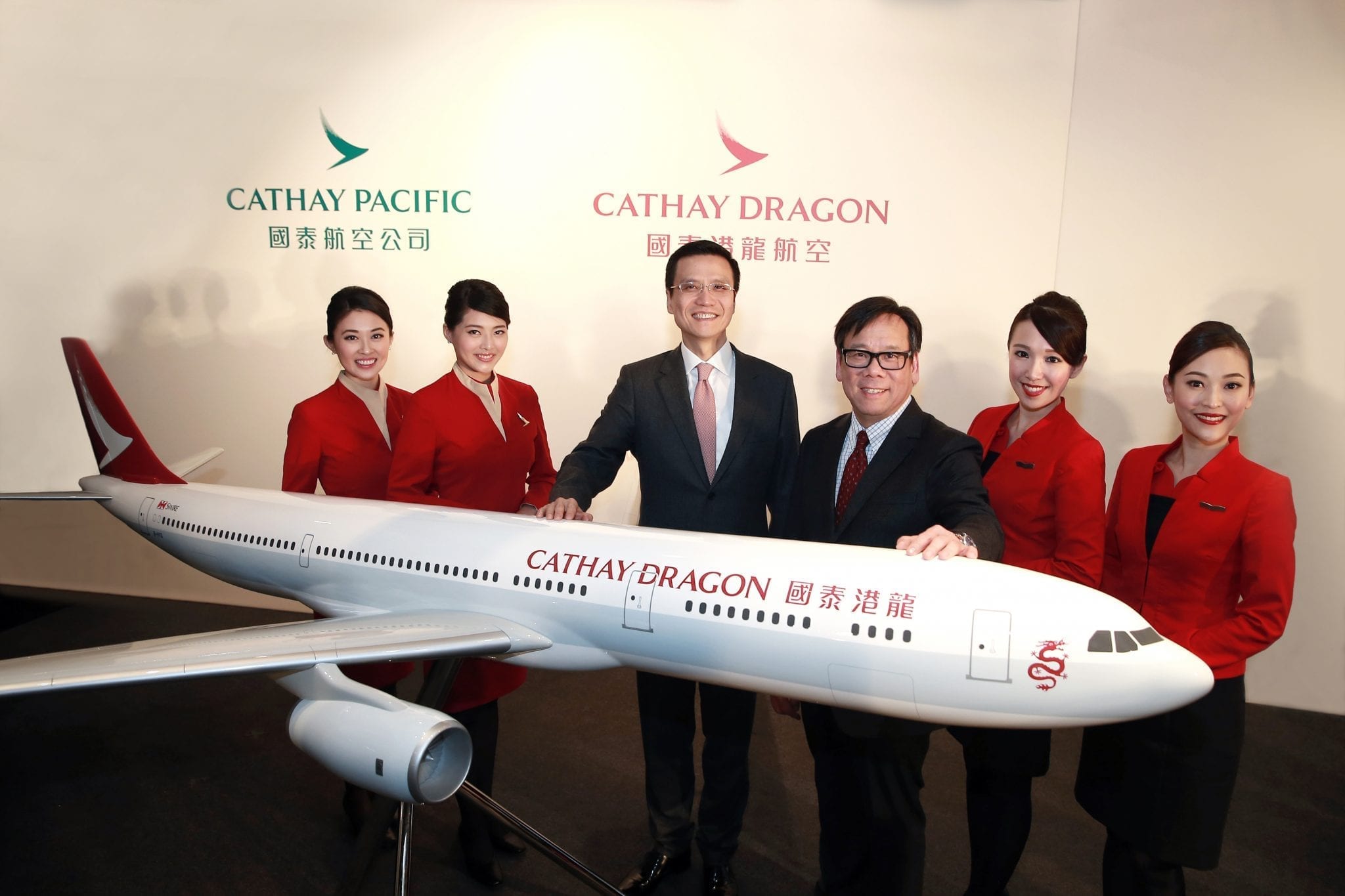
    Cathay Pacific announced it will adopt New Distribution Capability(NDC) in order to significantly enhance its customers’ experience when making travel arrangements through a multitude of sales channels.

    NDC is the International Air Transport Association’s (IATA) programme that improves communications between airlines, travel agents and web-based travel service providers by addressing the industry’s current limitations around product differentiation, time to market, access to full and rich content and the transparency of the shopping experience.

    Developed in response to key changes in the industry’s operating environment – including the customer shift towards travel comparison websites, their widespread use of social media when making travel decisions, and many airlines’ desire to offer more ancillary products – NDC has redefined travel technology standards and enables a more vibrant travel technology ecosystem.

    Cathay Pacific’s development and subsequent use of NDC will enable it to connect more effectively with customers by providing agents and other third-party sales outlets with detailed, image-led product content, promotions and advanced service information. By doing so, customers will have a better understanding of the airline’s premium ground and inflight products and will subsequently be able to make a more informed purchasing decision, wherever they shop.

    Cathay Pacific General Manager, Sales and Distribution, Toby Smith, said: “We continually strive to enhance our passengers’ experience at every stage of their journey with us – and that starts from the moment they plan their travel arrangements. Through NDC, Cathay Pacific will be able to provide customers with a wealth of detailed information about our flights and product offerings at all points of sale, which will enable us to deliver on our brand promise of a Life Well Travelled.”

    IATA’s Director NDC Program, Yanik Hoyles, offered his support: “We welcome the decision by Cathay Pacific to implement the NDC Standard. NDC is modernizing the way that airline products are presented through travel agents, providing consumers with greater access and transparency. With NDC, travelers will be able to compare the full product offering regardless of shopping channel.”

    After a thorough commercial and technology evaluation of potential vendors, Cathay Pacific selected Dublin-headquartered OpenJaw Technologies as its NDC platform partner. The airline has an existing relationship with the company, a wholly-owned subsidiary of Hong Kong-listed TravelSky Technology, with its product powering the Cathay Pacific Holidays website and flight-booking feature on the Cathay Pacific mobile app. OpenJaw recently achieved Level 3 NDC capability certification, the highest level of certification offered by IATA.

  • Winter Olympics: South Korea builds it but will fans come?

    Winter Olympics: South Korea builds it but will fans come?

    Most venues for the 2018 Pyeongchang Games are virtually finished and the organisers are about to launch a domestic and international marketing blitz, touting Korean technology, culture and food as they seek to persuade sports fans from around the world to make the long journey to north-east Asia.

    Lee, though, has his doubts. Dried pollack — dessicated during the biting chill of winter — is a speciality of the area, but he thinks Westerners would find his signature product “a bit hard to eat”.

    He is not planning to increase production for next winter, he told AFP, despite his prime retail location and a chance to attract thousands of potential customers.

    With a year to go, many South Koreans express pride that they are hosting the games, and workers are already installing the upper levels of the Olympic structure opposite Lee’s premises.

    The only sporting facility still awaiting completion is a new ski slope for the downhill events — none of the existing resorts have high enough mountains to provide the vertical drop required according to regulations — but even that is 85 percent finished.

    A roomy show flat in the Olympic village, complete with bedspreads covered in sports symbols, has two sets of double glazing to protect against the cold.

    Looking out from the top of the vertiginous K125 ski jump, tiny staff in dayglo green jackets far below prepare the landing area snow for a test event, the cross-country course runs through wooded hills nearby, and wind farm turbines line the horizon.

    But marketing has so far been conspicuous by its absence. On the road from Seoul, the first mention of the Winter Olympics is a plain white sign on a hillside around 30 kilometres (19 miles) from Pyeongchang.

    It is a notable contrast to the next host China, where multicoloured billboards already line highways more than an hour from the venues, despite the fact that its Games are not until 2022.

    A Gallup Korea survey released Tuesday said nearly half of South Koreans — 49 percent — were not interested in the Winter Olympics, with 19 per cent having “no interest at all”. Only 48 percent were interested.

    The question of promoting the Pyeongchang Olympics — taking place an intercontinental flight away from the traditional markets of North America and Europe — is increasingly important.

    “It’s a fundamental issue,” IOC Olympic Games executive director Christophe Dubi told AFP.

    “We must sell these Games, and the challenge today — and we have spoken openly about this with the Pyeongchang organisers — is to engage this effort both at the Korean level and internationally,” he said.

    Even South Korean media have expressed concerns. In a stinging editorial, the Chosun Ilbo newspaper lamented that there was “no excitement or buzz around the Games that are only about a year away” and warned of the risk of “international embarrassment”.

    – ‘Games for Asians’ –

    The push will begin on Thursday, said Lee Hee-Beom, president and CEO of the Pyeongchang Organising Committee for the Olympic Games (POCOG), when tickets go on sale in South Korea. International availability depends on each country’s national Olympics committee.

    Top category seats for the opening ceremony and men’s ice hockey final cost 1,500,000 Korean won ($1,300) and 900,000 won ($800) respectively, but several disciplines ranging from biathlon to skeleton have tickets as cheap as 20,000 won.

    “From February 9th we will have promotions and we will expedite promotional activities around the nation and all around the world,” Lee told AFP, with advertisements on Seoul buses and international television networks.

    Pyeongchang will be the 23rd Winter Olympics, he pointed out, but the Games have only been held in 12 countries so far, all of them in Europe or North America aside from Japan, which has hosted them twice, at Sapporo in 1972 and Nagano in 1998.

    So far winter sports have been “games for the Europeans, games for the Americans”, he said. But with China to follow South Korea as host country, it meant “winter sports become games for Asians”.

    Beijing has declared its intention to have 300 million winter sports fans by the time it hosts the event.

    But at the Yongpyong resort where the slalom events will be held, tour guide Uno Wang — who has been escorting groups from China for 15 years — warned against relying too much on South Korea’s giant neighbour.

    “We usually introduce the Olympics to the people that we bring here but they don’t show that much interest,” he said. “It’s generally like that in East Asia. China is a country that’s not that into sports, especially winter sports.”

    And Chinese tourism to South Korea is under a cloud, with Beijing infuriated by the country’s planned deployment of a US missile defence system, THAAD, in response to nuclear-armed North Korea’s atomic tests and rocket launches.

    Beijing has imposed measures seen as economic retaliation, and Wang says his visitor numbers have fallen by 30 to 50 percent as a result.

    “If the South Korean government goes ahead with the THAAD deployment maybe the numbers will decrease even more — 70 or 80 percent,” he said. “It’s a very serious problem.”

  • Local retailers must prioritize selling online for 2017

    Local retailers must prioritize selling online for 2017

    As first blush, the arrival of transnational retailers in the metropolitan centres of Vietnam appears to be a boon for consumers who want wider choices and a death sentence for local retailers, most of whom are small.

    These local smallholders suddenly find themselves facing foreign rivals wielding a daunting array of advantages including – substantial financial resources, advanced technology, superior products, powerful brands, and professional staffs with seasoned marketing and management skills.

    Most of these small business owners think they cannot compete with their larger foreign rivals and are left calling on the government to reinstate trade barriers or provide some other form of support.

    Still others seek strategic alliances with the so-called ‘big and mighty’ transnationals, while a significant number of local companies just throw in the towel and shutter their doors.

    But experts advise that small retailers by the tens of thousands around the globe have managed to develop winning strategies to successfully defend their home turf against the same brand name transnational retailers the likes of Lotte, AEON, MM Mega Market and Big C that are gaining market entry into Vietnam.

    Defending with the Home Field Advantage

    The key to success say the owners of these small but successful companies is to concentrate on the advantages they enjoy in their home market.

    In the face of aggressive and well-endowed foreign competitors, they with near unanimity suggest to local retailers that they will do better by focusing on consumers who appreciate the local touch and ignoring those who favour global brands.

    Give effect to a strategy that concentrates on the large group of consumers who remain loyal to traditional products and stock the store shelves with brands positioned around beliefs in long-standing Vietnamese ingredients.

    Recognize the importance of Online Sales

    Recognize that the internet continues to attain more and more users with each passing month and online sales is growing faster than any other retail sector in Vietnam, say the experts. Local retailers should expect this trend to continue and recognize that their business needs to be part of it.

    The internet is growing very fast in Vietnam, says Vu Xuan Truong from the Institute for Brand and Competitiveness strategy. Nearly 50 million Vietnamese use the internet frequently to make purchases and internet sales are on a steep upward trajectory.

    With more than 60% of today’s youth shopping online and that percentage expected to grow at an astronomically fast rate, local retailers in Vietnam cannot afford to underestimate the importance of selling online.

    Truong says that 2017 should be the year that all local retailers throughout the country set up shop online and discover how to drive online domestic sales and access new export markets via social media, search engine optimization and ecommerce.

    Local retailers need to understand that the internet is the biggest supermarket in the country (and the globe). If they want to compete in retail with the large transnational retailers making market entry into Vietnam— they must be online.

    Truong adds that if they are not online, they simply cannot win in retail in Vietnam or anywhere around the globe.

    Though selling products online may seem a little daunting at first, a beautifully designed and developed website is indispensable for all local retailers in Vietnam, says Le Doan Hop, president of the Digital Communications Society.

    Local retailers must learn to master web technology to help their businesses increase sales utilizing an effective ecommerce online sales strategy if they are to successfully compete with the large transnational retail giants in this digital age, Hop concludes.

  • Korean sales +30.9% to $10.6bn as growth slows

    Korean sales +30.9% to $10.6bn as growth slows

    South Korea’s duty free industry saw total sales grow by +30.9% or $2.5bn to a record-breaking $10.6bn in 2016, although senior sources in Seoul tell TRBusiness that sales growth is expected to slow to between 10% to 15% in 2017 – resulting in incremental sales of between $1bn to $1.5bn.

    These estimates nevertheless assume that foreign tourist numbers (primarily Mainland Chinese) continue to increase in 2017 as expected.

    According to senior sources in Seoul, foreign visitors’ duty free purchases amounted to US$7.6bn in 2016, accounting for 72% of South Korea’s total US$10.6bn purchases last year. This sales result includes contributions from all airport, seaport and downtown shops (including internet) sales and ‘domestic duty free’ sales on Jeju Island, although it excludes inflight duty free sales.

    BIG CHINESE TOURIST DEPENDENCY

    Highlighting the dependence on foreign tourists for duty free growth, South Korean travellers’ share of sales came in at $2.9bn last year, which was equivalent to 28% of the national duty free revenue total.

    “In 2015 we had a big impact from MERS on our duty free market from July to October, then the market recovered from November. It meant half of 2015 was impacted by MERS so we had a big 31% sales increase last year,” said a senior industry duty free source in Seoul.

    He told : “Sales to foreign tourists increased about 40% last year in value, about 80% of them are Chinese; but sales to South Korean travellers saw only a 9.7% increase.

    A busy cosmetics counter at the Lotte World Tower duty free shop in Seoul.

    Meanwhile, per capita duty free spending amongst foreign visitors grew last year, allaying fears among duty free operators that changes made to China’s luxury goods import regulations in April might force a reduction in individual spending.

    20.6M FOREIGNERS BOUGHT DUTY FREE

    According to industry figures, a total of 20.6m foreign visitors bought duty free products in South Korea last year – a rise of 28% compared to those purchasing in 2015.

    In addition, 27.9m South Koreans purchased duty free goods last year – an increase of 13.6% compared to 2015.

    “Sales to foreign customers increased 40% in value and the number of foreign customers rose by 28%, so total per capita spending by foreign visitors increased last year,” said the source.

    By contrast, South Korean per capita customer spending slowed slightly in 2016 as total South Korean duty free purchases rose by 9.8% in value, although this was less than the rise in the number of customers making purchases.

    As expected, perfume and cosmetics continues to dominate as South Korea’s largest duty free category accounting for more than 50% of duty free sales, with Lotte Duty Free – the country’s leading operator – generating total sales of $5.7bn, of which perfume and cosmetics sales accounted for almost $3bn. These sales included all of Lotte’s various downtown and airport stores.

    HOTEL SHILLA SALES REACHED $2.6BN

    Hotel Shilla Duty Free was the next biggest operation with total sales registering $2.6bn in 2016 (not including its HDC Shilla joint venture in Seoul) and once again, perfume and cosmetics accounted for a large share of revenue.

    Other South Korean duty free operators – including new entrants to the industry – also registered good P&C sales, with many finding it easier to arrange supply deals with local cosmetics manufacturers rather than international brand suppliers.

    “The numbers are incredible; cosmetics is the number one item for Chinese visitors,” said the senior source. “South Korean cosmetics brands are about 60% of the purchases and imported cosmetics are 40%. South Korean cosmetics are very good quality and the prices are reasonable.

    “South Korean cosmetics companies are developing products to please East Asian customers, as their skin texture is different. They know what products Chinese visitors are looking for. South Korean face mask products are very famous with Chinese customers.

    SOUTH KOREAN COSMETICS GROWTH

    “The other thing is the price gap between the South Korean and Chinese markets. There are big perfume and cosmetics import tariffs in China; also, Chinese people do not trust products made in China, as there are many fake products.”

    While duty free operators are obviously happy to see products fly off the shelves, a number of perfume and cosmetics brands and luxury goods brands have started to limit the volumes sold to individual customers, as suspicions grow amongst some suppliers that not all these purchases are for personal use.

    ‘SURROGATE SHOPPERS’ ARE A CONCERN…

    “Many people are saying that a significant ratio of purchases are by surrogate shoppers,” said the source. “As foreign brands begin to withdraw from China, so mainland tour companies are sending tourists here to buy luxury branded goods and pay them a commission for buying.

    “The travel companies collect these products for re-sale in China, as there is a 30% to 40% price gap between South Korea and China because of the luxury goods tariffs. Chinese wholesalers organise these purchasing trips; they’re common now.”

    Individual brand product purchasing limits also vary, with most international P&C brands – along with top South Korean brands – limiting the number of pieces sold to individual customers to five items. For luxury fashion goods and accessories, many international brands also limit purchases to one or two items per customer.

    “The purchase limits are set by the brands, not the operators; the operators only think of profit. It’s the same around the world,” the source remarked.

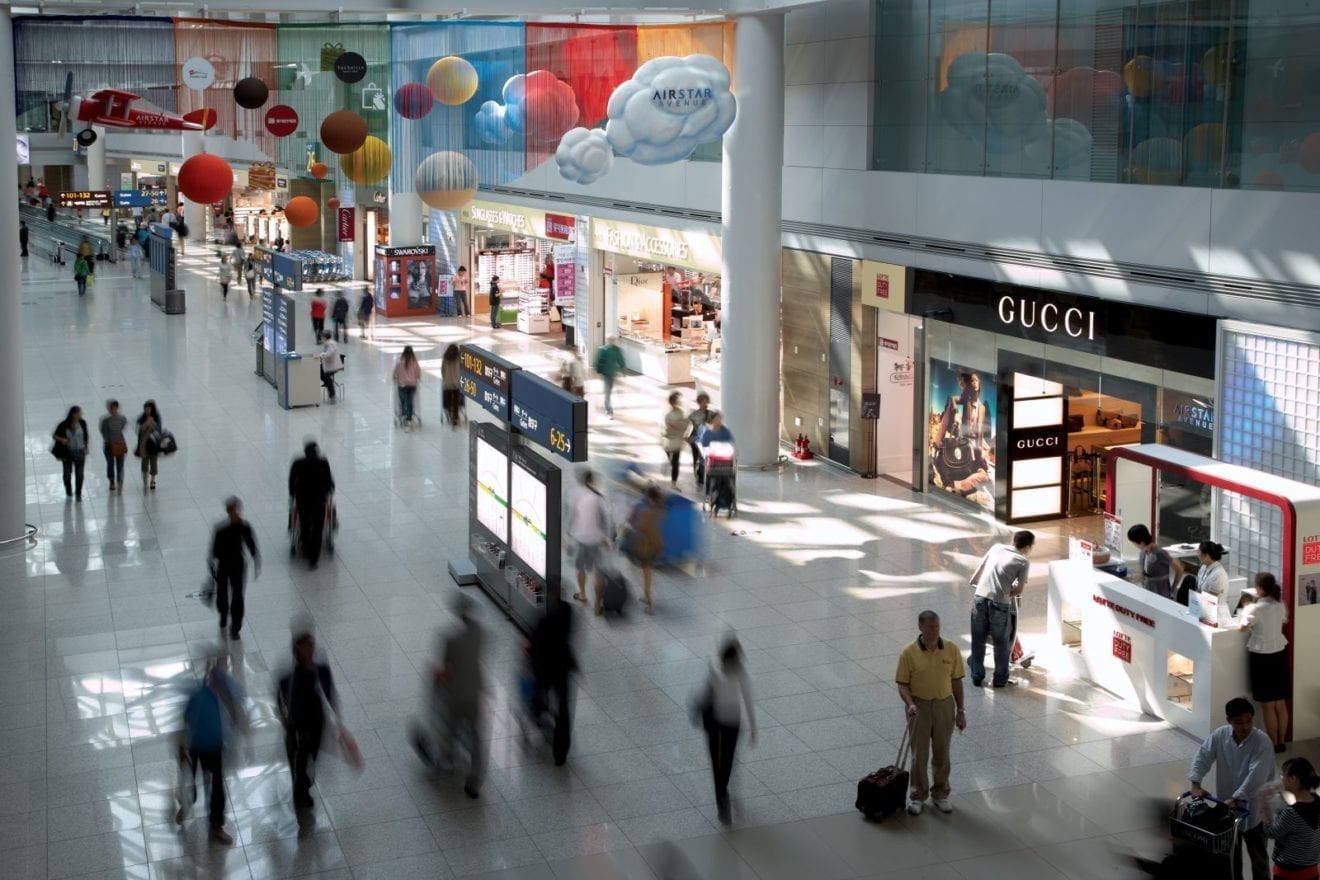
    Foreign visitors are the major customers in South Korea’s downtown duty free stores, spending $6.4bn in downtown outlets in 2016, a huge figure which is five times the value of foreign traveller purchases worth $1.1bn in airport duty free shops last year.

    AIRPORT SALES EQUALLY DIVIDED

    Foreign and South Korean customers each accounted for half of the country’s total airport duty free sales that were worth $2.4 billion in total in 2016, of which the major share was recorded at Incheon International Airport.

    South Korean customer purchases were divided equally between downtown and airport shops, with spending reaching $1.3bn in the country’s downtown stores and $1.2bn in international airport shops last year, plus almost $500m was spent in Jeju Island’s domestic airport and seaport duty free shops.

    Foreign visitors accounted for 83% of all downtown store duty free purchases worth a total of $7.7bn in 2016, according to industry figures. Outbound South Korean traveller purchases accounted for just 17% of downtown duty free stores’ overall sales and included online and internet purchases estimated to account for 25% to 30% of total downtown revenue.

    More than 80% of purchases in almost all downtown duty free stores in South Korea were made by foreign customers (primarily Mainland Chinese) with the exception of the Shinsegae Duty Free and Lotte Duty Free Busan downtown shops, where South Korean customers accounted for 48% and 34% of purchases respectively.

    In addition, foreign visitors accounted for 71% of total sales in South Korea’s various SME downtown duty free stores, which recorded combined total sales worth $68m last year, a sales total equivalent to less than 1% of the nation’s total duty free revenue.

    Meanwhile, government policy to increase the number of duty free operator licenses in an effort to reduce large conglomerates’ dominance of the domestic duty free market has led to increased competition.


    LOUIS VUITTON STILL DELIVERS…

    “Last year there were 8m Chinese visitors to South Korea,” said the source. “South Korea’s duty free market is very concentrated and it’s difficult to make money as travel agents dominate an important share of the market. If they do not send tourists here there will be no group tour sales, so they receive huge a commission from South Korean duty free operators.

    “Two to three years ago the maximum commission paid was 20% for group tour customers, but nowadays over 30% is being paid. It’s impacting on operator profits. Most small operators and new starters cannot expect a profit – it’s a severe and critical problem in this market.”

    This follows the opening of new downtown stores in Seoul over the past 18 months by Shinsegae Duty Free, HDC Shilla, Doota (Doosan), Hanwha Galleria and SM Duty Free and another four downtown stores are also scheduled to open this year.

    As reported, Lotte has only recently reopened its Lotte World Tower store after winning a new downtown license, while three completely new downtown stores are scheduled to open in the capital city.

    DIPLOMATIC FALL OUT DUE TO MISSILE DEFENCE SYSTEM

    Work is underway preparing the Shinsegae Kangnam and Hyundai CO-EX duty free stores that are scheduled to open in Seoul’s growing southern area by the end of 2017 – along with the SME Top City Sincheon (City Plus) store in the capital’s western region.

    Meanwhile, one large dark cloud on the horizon is the deterioration in South Korea’s current diplomatic relations with China, which are causing serious concern for duty free operators.

    This has resulted in a dramatic reduction of Chinese visitor arrivals in both November and December, according to the Korea Tourism Organization.

    At the same time, South Korea’s current domestic political crisis, after the National Assembly voted to impeach Park Geun Hye over corruption allegations, has left the country in a leaderless limbo with no major statesperson in place to handle the escalating dispute with China – until new presidential elections in the spring of this year.

    GROUP TOUR NUMBERS ARE SUFFERING

    Some operators say this dispute has already prompted Beijing to quietly reduce group tour numbers visiting South Korea in January, as a clear warning that it means business with its protest against Seoul installing the proposed Terminal High Altitude Area Defense (THAAD) defence system.

    “South Korea’s duty free market should be increasing this year by 10% to 15%, but already in January we are losing the group tour market. We have already felt impact from South Korea and China’s tension,” said the source.

    “We will have presidential elections in April or May. Now there is no president as President Park is impeached and the South Korean government cannot react to China properly.

    “For the first half of 2017 we will be impacted by the China group tours situation. Also, Chinese customers are getting smarter and they are looking not only for luxury products, but reasonably-priced products and leveraging down their spend.”
  • Philippines airline PAL announces new direct Doha-Manila service

    Philippines airline PAL announces new direct Doha-Manila service

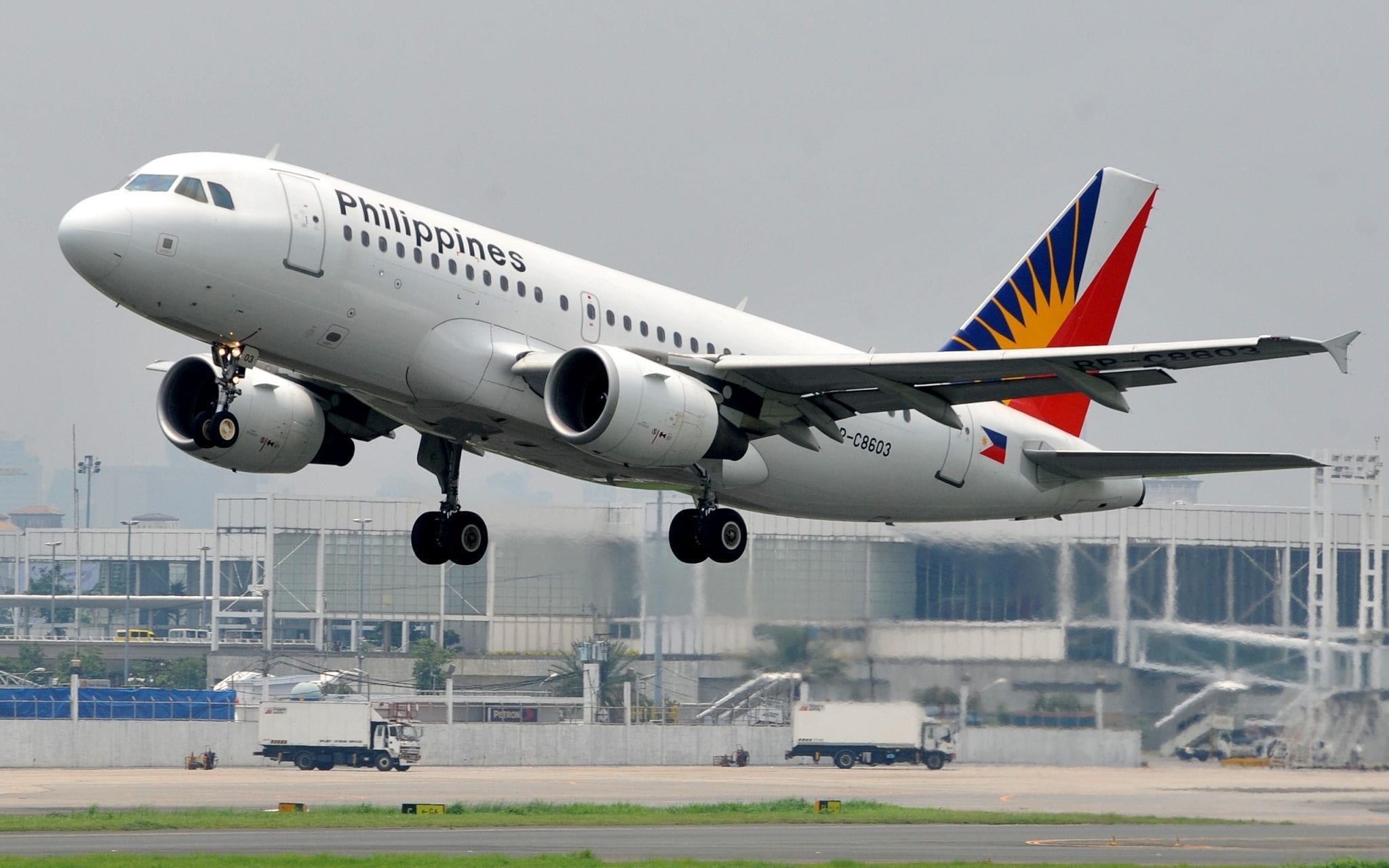
    Starting March 26, Philippine Airline (PAL) will launch its first direct flight from Manila to Doha. The service will operate four times a week, on Monday, Wednesday, Friday and Sunday on the A330.

    PR684 will leave Manila at 1:30pm and arrive in Doha at 6pm local time. And PR685 will depart Doha at 8pm and arrive in Manila at 10am.

    Tickets range from QR885 to QR2,745 in economy, and include WiFi and meal service. A business class option could be rolled out this summer.

    The moves come a year after the carrier introduced its first service to Doha, though that route currently first stops in Abu Dhabi.

    PAL will continue to fly that service Doha on Tuesdays, Thursdays and Saturdays. The non-stop service will make Manila’s Ninoy Aquino International Airport one of the few destinations connected directly to Doha by three airlines.

    It also heats up competition on the route, as Qatar Airways also flies to Manila direct. So does low-cost carrier Cebu Pacific Air, which launched its service to Doha in 2015.

    Growing community

    Qatar is home to a large Filipino population, which now numbers over 200,000 people.

    That’s the third largest expat group in the country, behind the local Indian and Nepali communities.

  • Vietnam trials hi-tech agriculture production zones

    Vietnam trials hi-tech agriculture production zones

    Vietnam plans to have at least 10 hi-tech agriculture production zones comprising 200 enterprises by 2020. To date, it has attracted 20 enterprises.

    1. Vietnam-Australia JSC, a foreign invested enterprise with a branch in Bac Lieu province, has pioneered shrimp super-intensive farming in greenhouses. The company has spent VND180 billion to farm shrimp on an area of 50 hectares, which brings a yield of 40-80 tons per hectare each crop, or 300 tons per hectare per annum, 10-15 times higher than traditional farming methods.

    In Vietnam, there are many different shrimp farming models. Under the extensive farming model, there are 3-6 shrimp per square meter. Meanwhile, under the super-intensive model, there are 300-500 shrimp per square meter. High technologies must be applied for super-intensive farming, including Israeli membrane technology, US and German periodic water filtration technology and biotechnology.

    With the investment rate of VND7 billion per hectare, it is 10 times more costly to follow the super-intensive farming model than the traditional model. However, the new model is believed to help Vietnam strengthen competitiveness to overcome technical and trade barriers set up by import markets.

    2. Japan, Dubai, South Korea and the Middle East are markets where FOHLA banana is favored. This banana is being grown by Huy Long An Company on an improved land area on which plants could not grow 20 years ago.According to Vo Quan Huy, director of Huy Long An, the investment rate is up to millions of dollars. There are about 2,500 banana trees on every hectare of land which give 20-30 tons of finished products. With the selling price of VND8,000-10,000 per kilo, the expected profit rate is 25-30 percent in good management conditions.

    With high quality, good taste and more competitive price than Filipino bananas, FOHLA bananas have hit the shelves at Japanese supermarkets

    3. A Vietnamese group of scientists headed by Prof Nguyen Quang Thach has successfully created a high-quality potato variety in aeroponic environment.

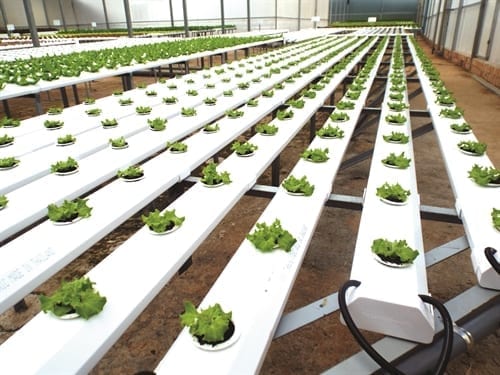
    Meanwhile, aeroponics farmed vegetables are now used by many Vietnamese.

    “With farming area of 200 square meters, I can provide 100 kilos of vegetables to the market everyday,” said Duong Minh Trung, director of Rau Sach Ngon.

    Trung said the farming model saves more water than other models, because water is sprayed on vegetables and collected back in water tanks for re-use. Regarding fertilizer, Trung buys waste meat and bone products from fish plants and processes it into fertilizer.

    4. The Dancing Lady Orchid garden of Pham Thi Nhung covers an area of 3 hectares in Lam Dong province. This is a greenhouse equipped with spraying irrigation system and high-capacity fans. The flowers bring nearly VND10 billion a month to Nhung’s family.