Category: General

Retail News Asia is committed to providing both local and global retailers with the latest General Retail news throughout the Asian market. This on a daily base.

  • Vietnam’s ‘bikini airline’ put to the test

    Vietnam’s ‘bikini airline’ put to the test

    VietJet Air has gone from start-up to Vietnam’s largest private airline in five years. Now it is pushing overseas to keep up that growth and absorb a bumper order of more than 200 planes – no easy task in a cutthroat Asean market.

    The airline, which was set up in 2011, grabbed headlines with its bikini-clad flight attendants. It tapped a rich vein – a fast-growing economy and a young population that was starting to travel more.

    But VietJet’s next step will be more challenging, industry analysts and executives say, as it expands further beyond Vietnam into choked Asean, competitive China or Russia, where VietJet’s fleet of narrow body jets would confine it to the country’s east.

    Infrastructure in the region is clogged and new airport slots are rare. Even Kuala Lumpur, a less crowded airport, is highly competitive, thanks to airlines like Air Asia.

    That has raised questions about VietJet’s ability to absorb one of the region’s largest aircraft orders. “VietJet have been extremely successful in the first five years but what they have done has been entirely domestic,” said Singapore-based analyst Brendan Sobie at consultancy CAPA.

    “The domestic market will start to slow and it is more difficult to expand internationally – some people doubt that they can continue growing at the current rate.”

    According to CAPA, Vietnam’s domestic aviation market grew 30 percent in 2016 to 28 million passengers – nearly five times the growth rate of the broader economy.

    At VietJet’s gleaming offices in Ho Chi Minh City, its chief executive and founder, Nguyen Thi Phuong Thao – also Vietnam’s first female billionaire – outlines plans to push into China, Australia and Russia, where she studied and first worked.

    She dismisses concerns of excess competition, even in China, where local airlines have boomed. More than 10 Chinese carriers have begun flying since the aviation regulator relaxed a six-year suspension on new airline licenses in 2013.

    “Other countries are still doing business with China and VietJet also has its own advantages,” she told.

    “We can ally with Chinese airlines when wanting to expand in the country’s local market.”

    Unlike other new generation carriers in the region who have sought to set up alliances to gain clout without merging, VietJet has resisted.

    Among the airline’s most imminent concerns will be its large aircraft order – more than 200 planes, including more than 100 Airbus A320 family aircraft and 100 Boeing 737 Max 200s – a mixed approach rarely taken by low-cost or new generation airlines, who prefer to streamline engineering needs.

    The Boeing order in particular, announced during a visit by US President Barack Obama, prompted questions over whether the order was placed for political reasons. Ms. Thao dismissed this.

    Industry sources, however, say some of the 200 planes on order may be subject to reconfirmation or other get-out clauses.

    Ms. Thao says the airline has support to finance its orders, worth over $20 billion, but has given no detail. The group has five trillion dong ($221 million) in debt.

    A Boeing spokesman said it had no change to its order. Airbus, which analysts say is most exposed to budget airlines in Southeast Asia including VietJet, declined to comment.

    VietJet ended 2016 with some 40 aircraft but is targeting more than 200 by 2023.

    And it is not without growth potential. Asia Pacific passenger growth is the fastest in the world. The carrier’s pre-tax profit almost doubled last year to over $100 million and it sees its bottom line rising by almost a third this year, thanks to a low cost base.

    An initial public offering to raise $170 million valued VietJet at $1.2 billion. Shares start trading in February.

    “So far, so good,” said analyst Shukor Yusof of Endau Analytics, describing growth so far as “a feat.”

    “But I’m a bit skeptical if this rapid growth can be sustained without affecting the airline’s bottom line.”

  • Vietnamese franchise market in early stage of development

    Vietnamese franchise market in early stage of development

    The 2015 report of the International Franchise Association showed that the total value of franchise contracts in 2014 was $3.8 trillion. Of this, the contracts in the US made up $2.4 trillion and only $600 billion was from Asia. However, the future will belong to the continent.

    Asian countries have made heavy investments to franchise their brands in other countries. The Malaysian government runs a $2 billion program to support its businesses to franchise their brands.

    Meanwhile, in Vietnam, the franchise industry is still underdeveloped.

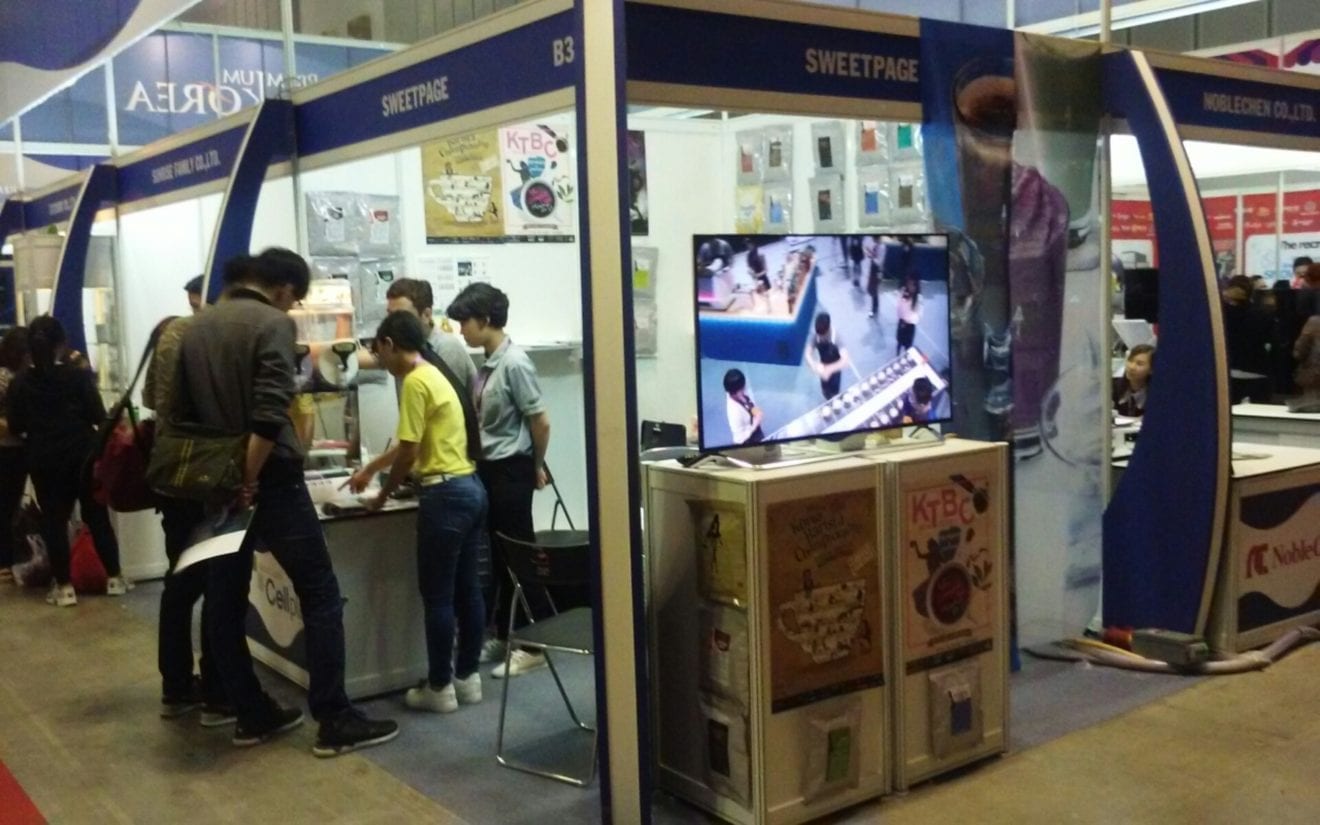
    At an international trade fair on retail and franchising held in Vietnam in June 2016, Sean Ngo, director of VF Franchise Consulting, which specializes in giving advice to foreign companies to franchise their brands to Vietnamese partners, said only 144 foreign brands have been franchised in Vietnam so far.

    A survey conducted by Euromonitor showed that in 2015, every household in Vietnam spent less than $4,000, the spending level which is just above Myanmar among 10 ASEAN countries. Meanwhile, the average spending of one family in Singapore was $73,704.According to Nguyen Phi Van, the founder of World Franchise Associates in South East Asia, international brands in Vietnam are still ‘sowing’, and cannot ‘harvest’ because the market is too small.

    Vietnamese brands are just beginning trial franchising in the domestic market. Van commented that if they don’t have good consultants, they will have to learn for three to five years to become experienced in franchising.

    In fact, there are many food and retail chains run by Vietnamese, but they just run their own chains, while there are few franchised chains.

    Meanwhile, of the top 10 leading food chains globally, only two brands – Starbucks and Darden – own more than 50 percent of their branches.

    In 2008, Burger King owned 12 percent of branches bearing Burger King brand, but the figure fell to 0.4 percent in 2013. Subway doesn’t own any Subway shop.

    According to Van, most of the brands franchised will be in food, education and healthcare sectors. Vietnamese will mostly franchise food brands.

    However, Vietnamese traditional food brands franchised such as pho (noodles served with beef or chicken), banh mi (sandwich) and banh cuon (steamed rolled rice pancake) are not from Vietnam. Pho Hoa, for example, with 80 branches in seven countries, is from the US.

    Van thinks that after five years, when the spending level increases sharply and businesses have better knowledge about franchising, the Vietnamese franchise market will boom.

  • Aeroports de Paris to hold 20 percent of Vietnam’s sole airport company

    Aeroports de Paris to hold 20 percent of Vietnam’s sole airport company

    Airport Corporation of Vietnam (ACV), which manages the 22 airports across the country is basically done negotiating the sale of a 20 per cent stake to Aeroports de Paris (ADP). According to a source of VIR, the two companies are on their way to sign the sales agreement by the end of this month, ending nearly one year of negotiations.

    The Ministry of Transport (MoT) in principle agreed to ADP becoming the sole strategic shareholder, holding at most 20 per cent of ACV. ADP will let ACV decide the price of services not related to air transport

    on the basis that ACV will keep rental prices at airports and necessary services within the limit prescribed by the government. In addition, the prices of the services will have to be publicised by ACV.

    The negotiations started in January 2016. ADP was the first investor to approach ACV after the prime minister approved the equitisation plan of ACV.

    At the moment, there is little information on the price, but earlier ADP sought to buy ACV shares at the minimum auction price  in ACV’s initial public offering, which is VND13,100 ($0.58). At this price, ACV

    expects to collect between VND2.8 trillion ($125.5 million) and VND3 trillion ($134.5 million) from the sale.

    ACV reported a revenue of VND14.5 trillion ($650 million) in 2016, up 25 per cent on-year, and a pre-tax profit of VND4.075 trillion ($182.7 million). The shares of the company, currently listed on the UPCom

    platform, closed at VND48,700 ($2.2) on January 16.

    According to ACV’s prime minister-approved equitisation plan, the government is going to hold 75 per cent of ACV, a strategic investor 20 per cent, and other investors the rest.

  • AirAsia increasing flights for Chinese New Year

    AirAsia increasing flights for Chinese New Year

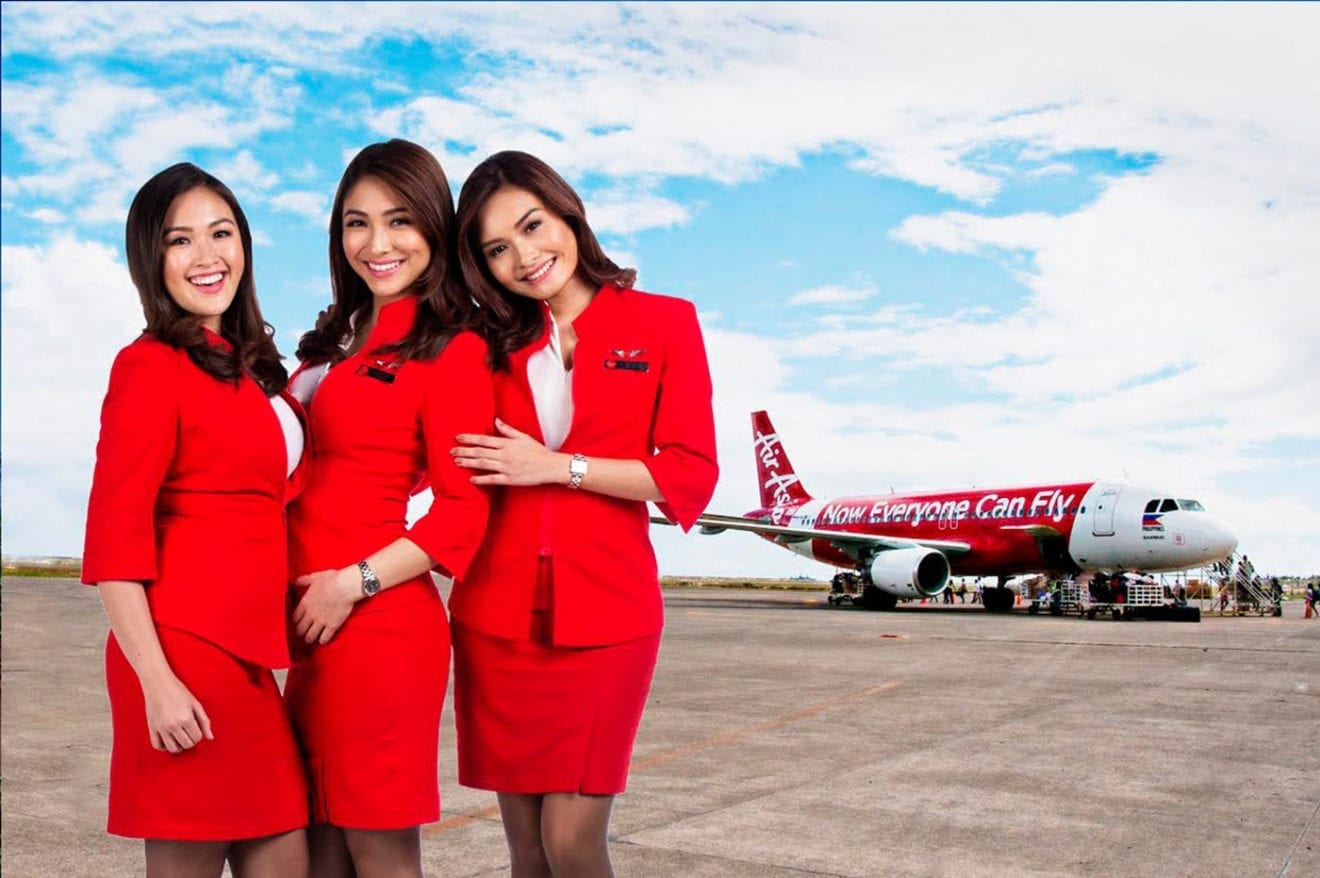
    AirAsia is increasing its flights for the Chinese New Year (CNY) period, offering 84 additional domestic and international trips. In a statement here yesterday, its Head of Commercial, Spencer Lee, said CNY has always been one of the busiest periods for the company as guests would travel back home or go for a short getaway during the long weekend.

    “As part of the airline’s festive promotions to welcome the Year of the Rooster, we have launched ‘#AyamComing’ campaign, offering all-in-fares from as low as RM29 (one-way), festive inflight meals and online pre-booking discounts at its duty-free shop,” he said.

    He said the special low fares would be available for booking starting from today until Jan 22, for travel up to July 31, 2017.

    “Aside from adding more flights to meet the demands, we want our guests to enjoy the exceptional connectivity of our flights,” he said.

    Lee said AirAsia X, the company’s long-haul affiliate, introduced 12 new routes last year, nine of which were exclusively operated by AirAsia and AirAsia X.

    As part of the promotion, Big Duty Free, AirAsia’s online duty-free shop, is offering 38 per cent discounts on all items from now until Feb 12, he said.

    “Guests can also spend and earn eight times AirAsia BIG points (loyalty programme) when they shop online,” he said.

  • Vietnam’s Mobile World plans 300 grocery stores

    Vietnam’s Mobile World plans 300 grocery stores

    Vietnam’s Mobile World – the electronics retailer – says it plans to open 300 more grocery stores under the Bach Hoa Xanh banner this year.

    The convenience store chain targets time-poor Vietnamese housewives who prefer small stores to crowded supermarkets or hypermarkets.

    bach-hoa-xanh-inside

    With 50 stores in Ho Chi Minh City’s Binh Tan district alone, Bach Hoa Xanh stores each achieve more than VND1 billion (US$44,300) in monthly sales, prompting the rapid expansion strategy.

    Nguyen Duc Tai, chairman of Mobile World, expects Bach Hoa Xanh stores to replace wet markets and become the leading player of this grocery sector, a market worth an estimated $60 billion annually.

    Mobile World Is Vietnam’s third-largest retailer, behind only supermarket Coop Mart and hypermarket chain Big C.

  • Vinatex and Itochu sign strategic co-operation agreement

    Vinatex and Itochu sign strategic co-operation agreement

    Viet Nam Textile and Garment Group (Vinatex) on Monday signed a strategic co-operation agreement with Japanese firm Itochu, witnessed by PM Nguyen Xuan Phuc and his Japanese counterpart Shinzo Abe in Ha Noi.

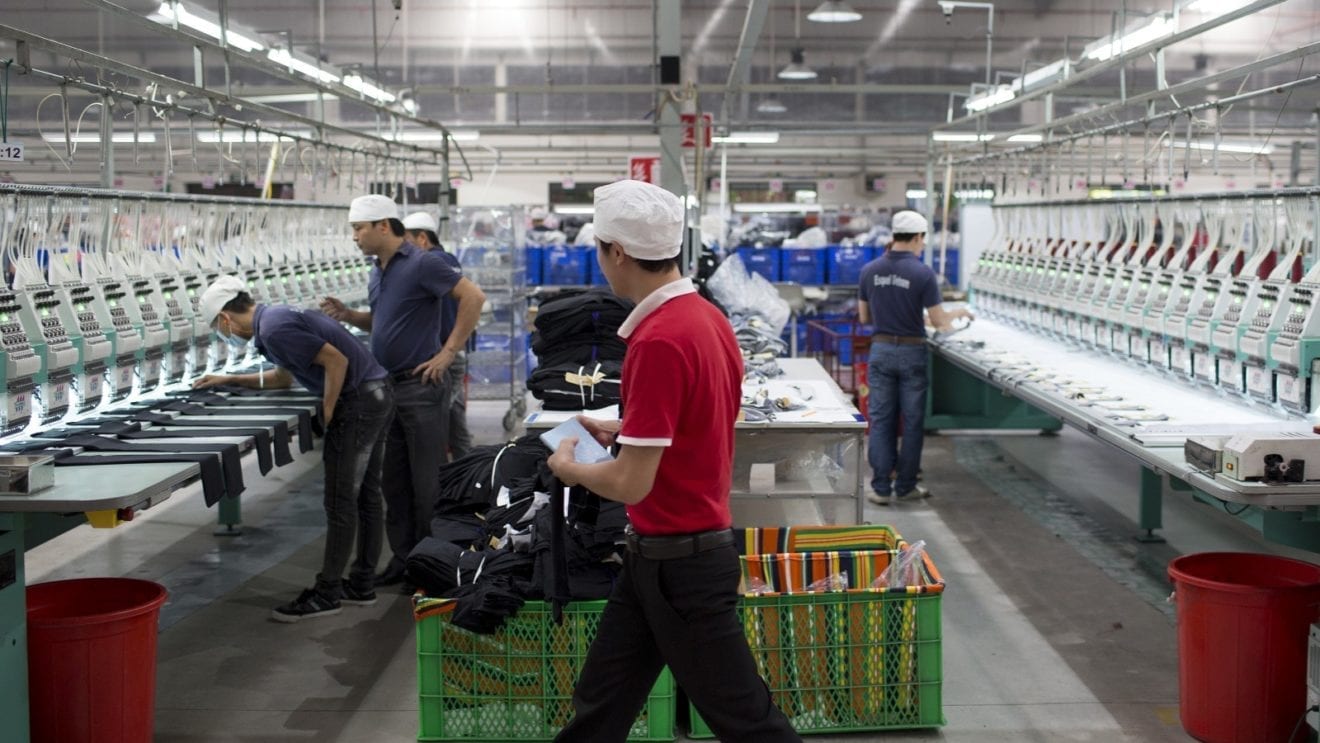
    Itochu is expected to help Vinatex make a change in textiles and garment production and business method from Cut—Make—Trim to Free on Board, developing a sustainable retail distribution network to enjoy long-term benefits.

    Under the agreement, trading firm Itochu will assume the role of a consulting partner for Vinatex and its member companies in developing the textiles and garment supply chain from fibre to thread, fabric and sewing, retail distribution, co-operation and introducing domestic and foreign partners.

    Shuichi Koseki, senior managing executive officer, manager of CP·CITIC Strategy Office, president of Textile Company and representative director, said Viet Nam’s textiles and garment were an important part of Itochu, therefore it wanted to develop this area with Viet Nam, so that Vinatex could become its number one partner.

    In the near future, he said Itochu would boost co-operation between the two sides to develop textiles and garment products and supply them globally.

    Speaking at the signing ceremony, Le Tien Truong, general director of Vinatex, said the two sides would discuss in detail the co-operation plan and implement actions immediately to make a change in Vinatex’s textiles and garment production and business method from Cut—Make—Trim to Free on Board, developing a sustainable retail distribution network to enjoy long-term benefits.

    Itochu signed a framework agreement to support several projects in dyeing and materials production in Viet Nam, training in the country’s dyeing sector and utilising the capacity of Vinatex’s dyeing factories in the central region in 2015.

    At that time, Itochu owned five per cent stake in Vinatex through a subsidiary company.

    Itochu, one of the leading economic groups in Japan operating in various areas, including textiles and garment, has co-operated with some 100 textiles and garment companies of Viet Nam.

  • Singapore Airlines and Scoot take flight with ShopBack

    Singapore Airlines and Scoot take flight with ShopBack

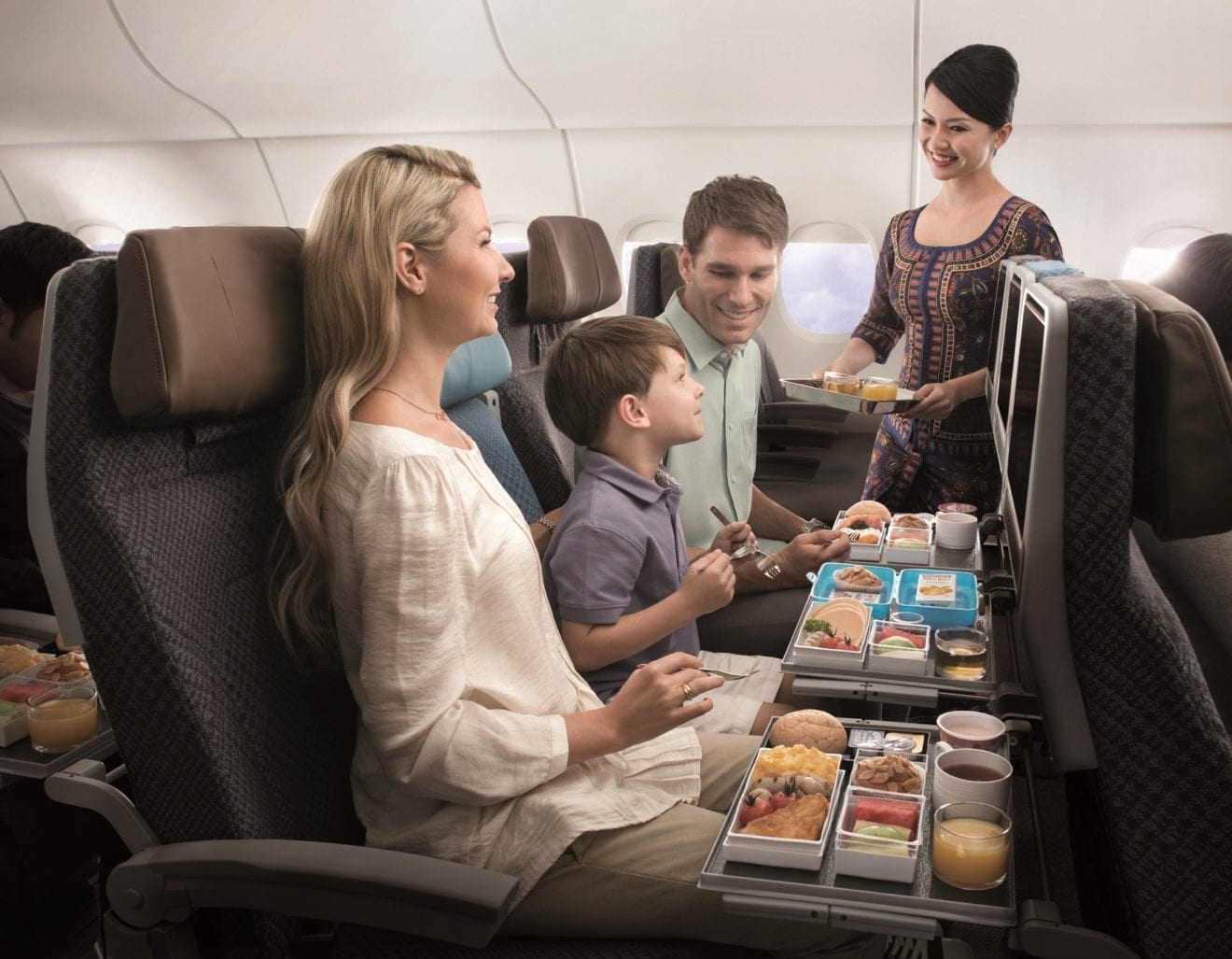
    Homegrown start-up ShopBack takes off the year with Singapore Airlines (SIA) and Scoot on board as its Flight vertical partners. The collaboration strengthens the runway for the smarter way to shop. All travellers can now access air tickets befitting their budget, elevated with Cashback from ShopBack all year round.

    The checking in of SIA and Scoot adds significant weight to ShopBack’s Flight vertical as it widens the runway of travel options for travellers, from first-class to budget.

    The start-up’s suite of top three world-class airlines (Source: Skytrax World Airline Awards) – Emirates, Qatar Airways and SIA – is now complete. With ShopBack, affluent travellers are empowered with a fuss-free way of spending and saving with poise.

    Scoot, the Best Low Cost Airline (Asia Pacific) as named by AirlineRatings.com for three consecutive years, is the first budget airline onboard. With ShopBack, cost-sensitive travellers are able to maximise the worth of their dollars with Cashback stacked atop credit card rebates and miles. 

    “For a two-year-old start-up, being able to have the chance to soar to greater heights with long established aviation partners might sound impossible,” said Mr. Joel Leong, Head of Merchants and Partnerships, ShopBack. “But with the belief that we can overcome disparity in company age and size with concrete data-backed results, our team pursued the golden ticket relentlessly and pushed boundaries to seal the deal for consumers.”

    Available on web, desktop and mobile (iOS and Android apps), ShopBack currently powers user’s online transactions with a stackable layer of savings in the form of Cashback, which translates to actual cash transferrable to either user’s bank or PayPal account.

    Consumers can enjoy 1.0% Cashback from ShopBack for their air tickets purchased from the SIA x VISA as well as Scoot site. For those who prefer to buy on the go, both airlines are also available on ShopBack mobile app.

    SIA and Scoot join ShopBack Singapore’s fleet of over 500 online retailers, including Uber, Cathay Cineplexes, Expedia, ASOS, Muji and more, to give consumers uplift in their savings through Cashback.

  • AirAsia is hosting its first hackthon

    Budget airline AirAsia is the latest corporate to get into hackathons. The company just revealed plans to host its first-ever hack event on March 18 at its headquarters in Kuala Lumpur, Malaysia.

    AIRVOLUTION 2017” — yes, all caps and a cheesy name ? — is, as you’d expect, focused on air travel and related themes although the final challenge will be announced on the day of the event. The top prize RM 25,000 (around $5,600) in cash alongside five sets of return flights to any AirAsia destination, and 100,000 of the company’s “Big” loyalty points.

    There’s space for 20 selected teams to compete, with the only stipulation being that they must be from one of the 26 countries covered by AirAsia flights. Applications are open from now until 19 February 2017. Selected teams will be notified 3 March and those based outside of Malaysia will have their flights covered by AirAsia.

    The event, which includes Microsoft among its sponsors, is aimed at injecting fresh ideas and thinking into the 13-year-old airline, according to CEO Tony Fernandes, who last year said he wanted to make AirAsia a “digital airline.”

    “This year marks the emergence of AirAsia as a digital airline, and I believe this event can spur the kind of radical, creative thinking that will ensure AirAsia remains on the leading edge,” he said in a statement.

    AirAsia is by no means the first travel company, or even airline, to embrace hackathons. Emirates, Singapore Airlines and Malaysia Airlines all run events, while British Airways has gone one step further with its own in-flight hackathon in 2013.

  • Real Singapore retail sales slide

    Real Singapore retail sales slide

    Real Singapore retail sales fell 2.1 per cent in November in a disappointing month for the sector.

    sg-sales-11

    Month-on-month they slipped 0.3 per cent.

    Sales of motor vehicles helped drive the topline figure to an increase of 0.5 per cent.

    According to Statistics Singapore, total retail sales in November 2016 were estimated at $3.6 billion, similar to that in November 2015.

    Year-on-year, the computer & telecommunications equipment sector was the worst performer, declining 13.5 per cent

    Sales of watches & jewellery, wearing apparel & footwear, furniture & household equipment, supermarkets, food & beverages, department stores, mini-marts & convenience stores and petrol service stations fell between 1.1 per cent and 6 per cent during the period.

    Bucking the trend medical goods & toiletries, recreational goods and optical goods & books, which increased by between 0.3 per cent and 4.4 per cent.

    Food and beverage

    sg-fb-sales-11

    Turnover of restaurants decreased 11.9 per cent in November 2016 compared to November 2015. In contrast, sales of food caterers, fast food outlets and other eating places increased between 5 per cent and 7.5 per cent during the period.

    Sales of restaurants and other eating places (such as cafes) declined 6.4 per cent and 0.5 per cent respectively month-on-month. Conversely, turnover of fast food outlets and food caterers rose 8.1 per cent and 0.2 per cent.

    The total sales value of food & beverage services in November 2016 was estimated at $650 million, $9 million less than in November 2015.

  • Cebu Pacific collects donation for sick children

    Cebu Pacific collects donation for sick children

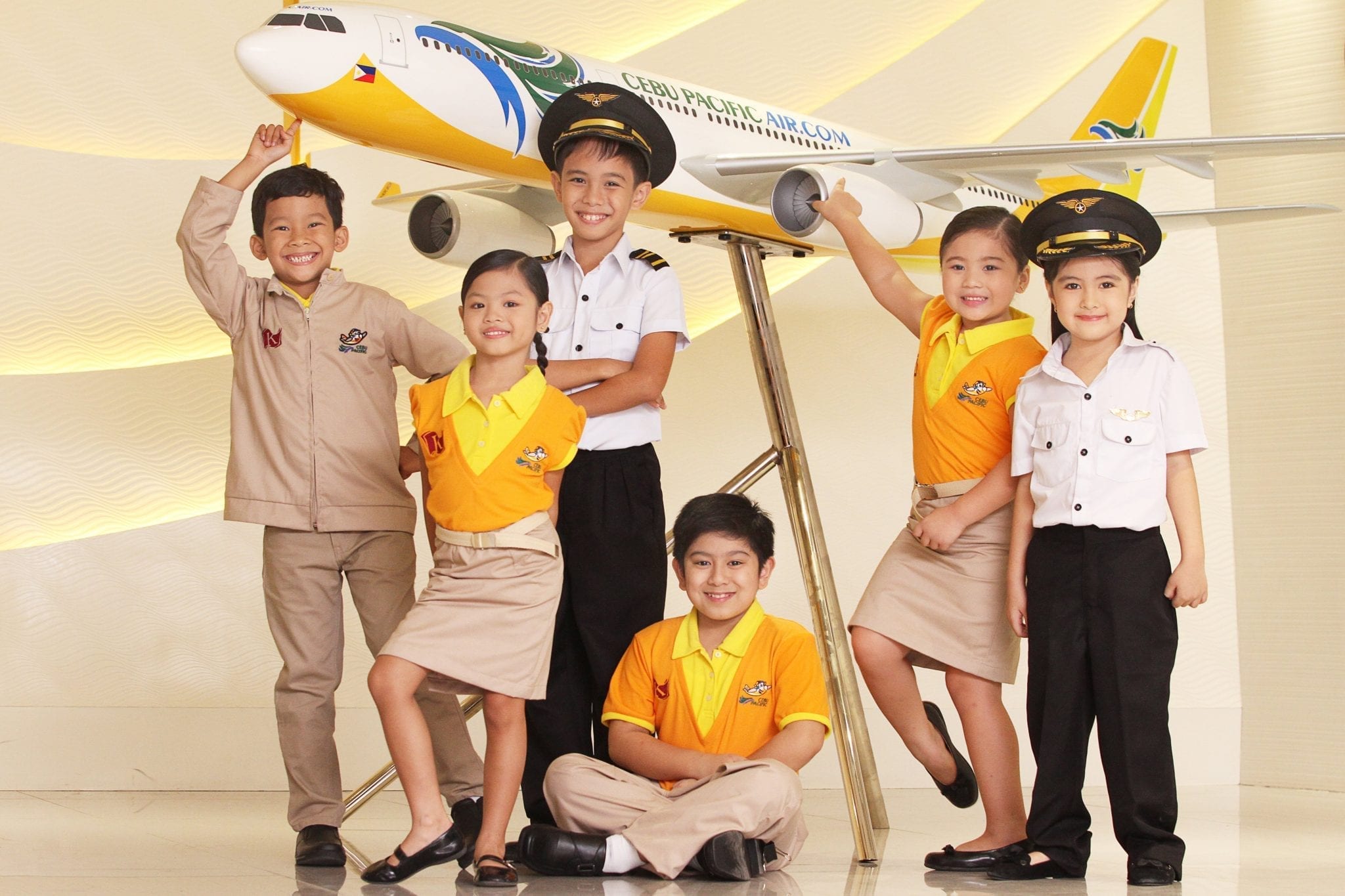
    Low-cost airline Cebu Pacific strengthens its partnership with the United Nations Children’s Fund to reach millions of undernourished children in the country.

    The endeavor is a part of the global organization’s Change for Good program which accepts contributions from passengers on board flights of partner airlines.

    Proceeds contribute to the UN children’s agency’s First 1,000 Days campaign which provides optimal nutrition, from a mother’s pregnancy to a child’s second year of life.

    Since July 1, 2016, Cebu Pacific began accepting contributions of all currencies from passengers. The contributions are being used to fund nutritional supplements distributed to poor households with pregnant mothers or malnourished children. A portion of the funds also support barangay-level information drives on nutrition in Unicef’s focus areas in Northern Samar, Zamboanga and Maguindanao.

    “We are very pleased with how warmly our passengers are receiving the Change for Good Program. Thank you for sharing in our vision of a better future for our children and in Unicef’s advocacy of uplifting lives through the First 1,000 Days campaign,” says Cebu Pacific president and chief executive Lance Gokongwei.

    “Children have the right to survive and thrive. It is important for all of us to pitch in and lift each other up, so that every Filipino child grows up happy and healthy. Your continued support to UNICEF will help make this happen,” says Unicef Philippines representative Lotta Sylwander.

    Sylwander explains the transformative impact of these small acts of generosity. “The nutrition received by children from the womb to their second birthday is crucial for their physical and intellectual development. If these children are able to grow to their full extent, they perform better in school and eventually get better jobs as adults.” A healthy and productive workforce, Sylwander says, is key to nation-building.

    In the Philippines, around four million Filipino children are “stunted.” These children are undernourished, causing irreversible damage to their health, physical growth and brain development.

    The global program Change for Good targets these children by cashing in donations for life-saving materials and services for vulnerable children in more than 150 countries.

    Cebu Pacific has piloted the program in the East Asia and the Pacific region and focuses its collection efforts exclusively to Unicef Philippines’ First 1000 Days program.

  • Malaysia Airlines’ recovery plan on track

    Malaysia Airlines’ recovery plan on track

    Malaysia Airlines Bhd (MAB) has performed well in 2016 and the momentum is expected to continue in the year ahead, backed by its 12-point MAS Recovery Plan (MRP), said Khazanah Nasional Bhd.

    Managing director Tan Sri Azman Mokhtar expressed confidence that the five-year recovery plan, after its 28 months of implementation, was on track and on schedule.

    “They (MAB) are making good progress. Insya Allah (God willing), next year or the year after, (even MAB) have come out publicly to say they are on track to break even and be profitable,” he told a press conference on Khazanah’s financial and strategic performance for 2016 and outlook for 2017 in Kuala Lumpur on Friday.

    Khazanah is the sole shareholder of MAB.

    In August 2014, the Government investment arm unveiled its RM6bil MRP in the quest to return MAB to sustained profitability and revive the flag carrier of Malaysia.

    The plan included cutting 30 per cent of its workforce of 20,000 employees and introducing a new restructured entity which is now called MAB.

    On July 1, 2016, MAB appointed its chief operating officer, Peter Bellew, to replace Christoph Mueller as chief executive officer.

    On the ringgit performance throughout 2016, Azman believes that the currency is “clearly undervalued”.

    “Whether (the depreciation rate is) 10%, 8% or 12%, we believe that our ringgit is undervalued,” he said, adding that Khazanah had also undertaken internal research on the currency performance.

  • AirAsia’s group COO dies

    AirAsia’s group COO dies

    AirAsia has confirmed that its Group Chief Operating Officer, Anaz Ahmad Tajuddin, 43,  passed away at 5.50am today after battling cancer.

    In a statement, the budget airline said he would be buried at the Tanah Perkuburan Raudhah, Kota Seriemas, Negri Sembilan, after after Friday prayers at the Masjid Kuarters KLIA.

  • Laos teams with Microsoft on digital transformation

    Laos teams with Microsoft on digital transformation

    The government of Laos has teamed up with Microsoft to advance the adoption of emerging technologies for sustainable economic development, with focus on projects with social impact.

    At a Government Solution Day event held in collaboration with the Laos Ministry of Post and Telecommunications (MPT) and attended by key government officials and partners, Microsoft showcased how the government can use technology to digitally transform and support economic development.

    Vivek Puthucode, GM for the public sector for Microsoft Asia-Pacific, said the benefits of the digital economy remain out of reach for many in emerging markets despite the enormous untapped opportunities across various industry sectors.

    “As part of Microsoft’s National Empowerment Plan, our approach is to work closely with governments and public sector agencies to support them in overcoming challenges and building more cloud-enabling environments to accelerate their competitiveness, productivity and modernization of operations through trusted technology,” he said.

    This cloud-based, digital transformation roadmap is especially aimed to enable emerging markets, such as Laos, harness the power of technology to embark on a digital transformation journey, aligned with their national priorities.

    “Embracing trusted technology, particularly the power of emerging ICT, will be key to enabling Laos’ growing economy to take a giant leap forward, propelling our nation into a digital enabled community and economy,” said Dr. Thansamay Kommasith, minister of post and telecommunications of Lao PDR.

    “Government Solution Day affirms our vision to drive inclusive growth, a smart government, and transform the way both public and private sectors operate – not only by ensuring accessibility of tools, but also by establishing the right processes and building the digital skills of our citizens,” he added.

    Besides having access to the right tools, people must also know how to use them, according to Michelle Simmons, Microsoft APAC’s GM for new markets in Southeast Asia.

    “Looking ahead, what will be critical for Laos to thrive is digital literacy. We are working with the government to not only deliver educational programs, but also to support the educators themselves with the right resources to impart science, technology, engineering, and mathematics (STEM) skills to local youth, preparing them for jobs of the future,” she said.

    Microsoft had previously inked a memorandum of understanding (MoU) with the Ministry of Education and Sport in Laos to develop a holistic plan to leverage technology for education, covering a range of programs that will support the development of 21st century skills and employability of students.

  • No-grow period for Tesco Asia

    No-grow period for Tesco Asia

    Tesco Asia’s sales growth stalled in the third quarter as Thais stopped spending during the mourning period for their late king.

    First quarter growth was 3.3 per cent and second quarter growth 3 per cent. But during the third quarter, according to results released it shrank to an underwhelming 0.4 per cent.

    Tesco CEO David Lewis said the slowdown reflected “a particularly strong step up in the comparative” period. “Our sales performance in Asia also reflects some weakening in consumer spending in Thailand during the Christmas period. We are proud that our colleagues have continued to serve our customers so well during such a sad time for the nation, following the death of King Bhumibol Adulyadej.”

    International like-for-like sales grew 1.2 per cent reflecting a strong seasonal performance last year. While there was little sales growth in Thailand, Lewis says the company managed to expand its market share there during the quarter.

    Globally, the UK-headquartered retailer continues to improve under Lewis’ stewardship with the company winning back market share and sales growth returning. UK like-for-like sales grew 1.8 per cent.

    “We are very encouraged by the sustained strong progress that we are making across the group. In the UK, we saw our eighth consecutive quarter of volume growth and delivered a third successful Christmas.

    Our fresh food ranges proved particularly popular, outperforming the market with great quality, innovative new products and even more affordable prices. Internationally, we have continued to focus on improving our offer for customers in challenging market conditions,” he said in a statement.

    “We are well-placed against the plans we shared in October to become more competitive for customers, simpler for colleagues, and an even better partner for our suppliers, whilst creating long-term value for our shareholders.”

    David Alexander, senior analyst with Verdict Retail, says Lewis’ pragmatic approach to steering the Tesco ship out of choppy waters looks more assured with each passing update.

    ‘The numbers from third quarter and Christmas trading are hardly spectacular, but they represent a further positive step in the steady progress the ex-Unilever boss has made since taking charge.”

    Alexander says simplifying the offer has been at the heart of Tesco’s turnaround strategy.

    “On a broader level, this has resulted in the dismantling of the Phil Clarke legacy; trimming the fat from Tesco’s balance sheet with the sales of Giraffe, Blinkbox, Euphorium and HomePlus. At its heart though, it is about delivering an improved experience for the people that can make the difference for Tesco: staff and customers. Poor product availability and customer service had been issues plaguing the troubled Tesco of old, so store ordering systems have been improved, stock is now replenished earlier on in the day and deliveries to large stores are now more likely to arrive on time. What’s more, this year Tesco recruited an extra 15,000 seasonal staff to assist over the Christmas period, up from 4000 last year, making for a smoother process for customers in-store.”

    Alexander says while these changes are not revolutionary, they have been critical in reshaping Tesco.

    “Time and again, Lewis has displayed an unflinching willingness to make the tough calls – witness the highly public standoff with Unilever over supplier pricing in the wake of the weaker pound and the recent announcement that 1000 staff are to be made redundant in its distribution network, again to “run its business more simply and in a way that best serves customers”.”

    Although the numbers coming from both Tesco and rival Sainsbury’s are left in the shade by the festive performances of Aldi, Lidl and a resurgent Morrisons, both can take considerable heart from what appears to have been a very strong end to the year in grocery, believes Alexander.

    “With tougher times predicted to be just around the corner, Tesco cannot afford to take its foot off the pedal.”

  • Ministry terminates Australia`s Tiger Air charter flight operations

    Ministry terminates Australia`s Tiger Air charter flight operations

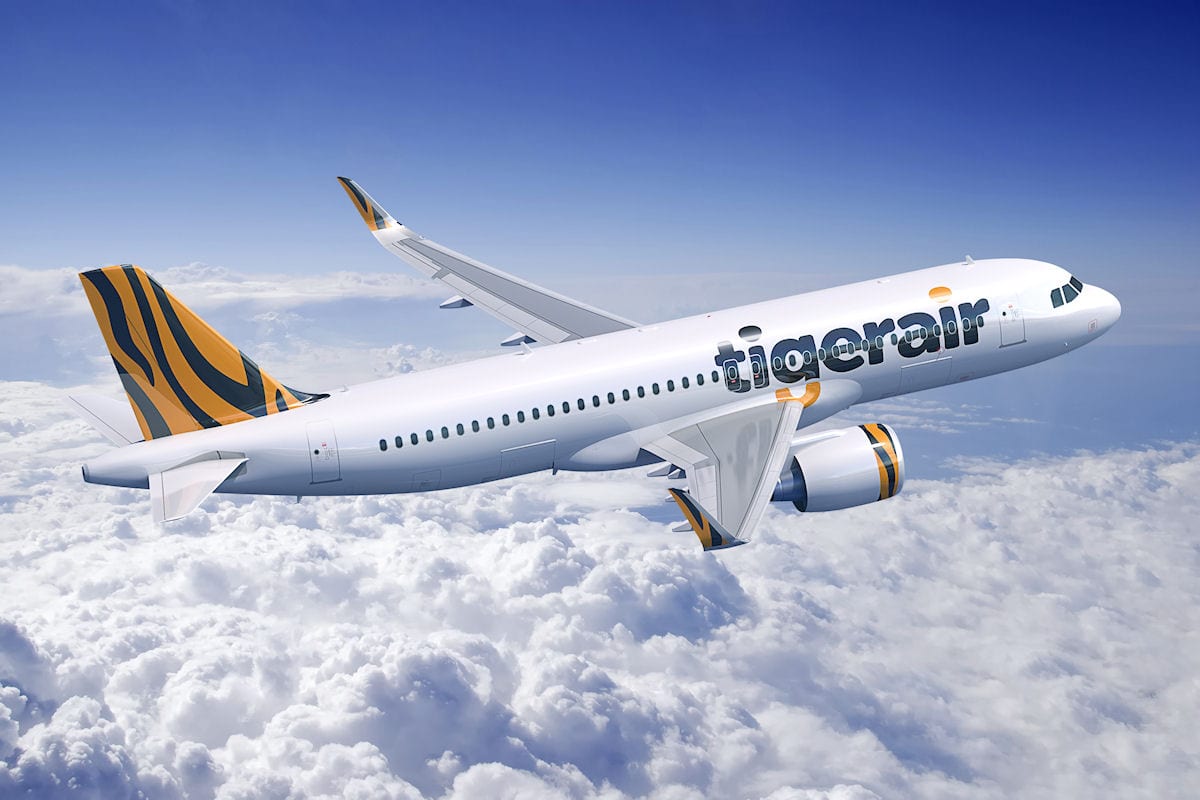
    The Airport Authority of the Transportation Ministry has terminated the operations of the Tiger Air charter flight from Bali to Australia for failure to abide by regulations.

    The decision to terminate the Tiger Air charter flight from Bali to Australia was made by the Airport Authority (OBU), Region VI of the Directorate General of Air Transportation, Wednesday, January 11, 2017.

    Spokesman of the Directorate General of Air Transportation Agoes Soebagio, in a written statement in Jakarta, Wednesday, said the OBU Region IV had also terminated, as of Wednesday (January 11), the operations of charter flights of the Tiger Airways Australia from Melbourne, Perth and Adelaide in Australia to Denpasar, Bali.

    The examinations by the OBU Region IV revealed that Tiger Airways Australia (TT) did not abide by the regulations contained in the charter flight permit provided by the Directorate General of Air Transportation.

    The Tiger Airways Australia did not comply with regulations as contained in the KM 25/2008 and PM 66/2015, which has been amended to PM 109/2016.