Category: General

Retail News Asia is committed to providing both local and global retailers with the latest General Retail news throughout the Asian market. This on a daily base.

  • Indonesian game developers wake a sleeping giant

    Indonesian game developers wake a sleeping giant

    Avid gamer Alwin Daniel, 24, likes to drift off into his cell phone during his tight daily schedule.

    The Jakarta-based business analyst is intrigued, for example, by the meme-worthy Tahu Bulat, a locally made mobile game.

    “What got me hooked on the game is the fact that the more you play it, the more you can get upgrades and the more money you can collect. It’s an addictive cycle,” Alwin told.

    Tahu Bulat, literally “round tofu”, is the invention of Bandungbased game developer Own Games. Soon after its launch, it leaped onto Google Play Store’s “hit games” list in May last year, even beating Android’s top game Clash of Clans with more than 1 million downloads.

    Without Tahu Bulat’s popularity, not many people would realize what is going on in the local gaming industry, something that could be described as a sleeping giant.

    With little policy support or infrastructure, a number of skillful developers have so far managed to drive up the industry’s impact on the domestic economy through continuous creation and surging credibility.

    Indonesia has about 400 developers who have produced over 1,000 games, according to research by game engine company Unity3D.

    The country had the world’s fastest growing number of mobile game players as of August 2015.

    Indonesia is also the country with the largest amount of mobile game downloads in the world. Some 96 percent of mobile internet users play these games.

    Revenues from the local gaming industry jumped significantly by 77 percent to US$321 million in 2016.

    The skill and the potential of Indonesian game developers has transcended borders as more collaborations with foreign developers are now taking place.

    One such example is the collaboration between Indonesian developer True Digital Plus Indonesia (TDPI), a local unit of Bangkok-based PC and mobile games developer True Digital Plus (TDP) and South Korean developer Supreme Games, which created a mobile strategy game called Triumph Over Pain.

    “Through this game, TDP and Supreme Games will continue to be active in developing the local creative industry by providing the proper benchmark for how local mobile games should be and how skilled our local developers are,” said TDPI’s country director Sofian Martineau, claiming that Triumph Over Pain was the first Action-Based Role Playing Game (RPG) to be released on a mobile platform in Indonesia.

    Several globally well-known action RPG titles include The Elder Scrolls series, the Diablo series and the Dark Souls series, but these titles have yet to make the crossover to the mobile platform.

    Despite its tremendous potential, the gaming industry, which is a subsector of Indonesia’s creative economy, is still largely ignored by the government, a reality acknowledged by the Communications and Information Ministry’s informatics application director general Semuel Abrijani Pangerapan.

    “Right now, local game developers only control 10 percent of the local market share. This could even shrink to 3 percent if the government doesn’t realize the industry’s potential to contribute to economic growth,” he recently said.

    With help from the government, local developers might be able to control 50 percent of the local market by 2020, Semuel said.

    Being a country with the fifth largest number of smartphone users in the world, Indonesia has an immense cell phone user base, and therefore the potential for developing a prominent mobile games industry was significant, he added.

    At present, regulations affecting the gaming industry are minimal and among the few is a decree from the communications and information minister on the Indonesian game rating system (IGRS), which divides games into five different age categories, namely all ages, 3 years and above, 7 years and above, 13 years and above and 18 years and above.

  • AirAsia to list in Hong Kong

    AirAsia to list in Hong Kong

    AirAsia Group is looking at a secondary listing of the airline, AirAsia Bhd, on the Hong Kong Stock Exchange (HKSE) and hopes that it can take place before the middle of this year.

    Towards this end, it is believed that China Merchants Bank, an investment bank from China, is likely to get the job to advise and make the relevant submissions for the dual listing.

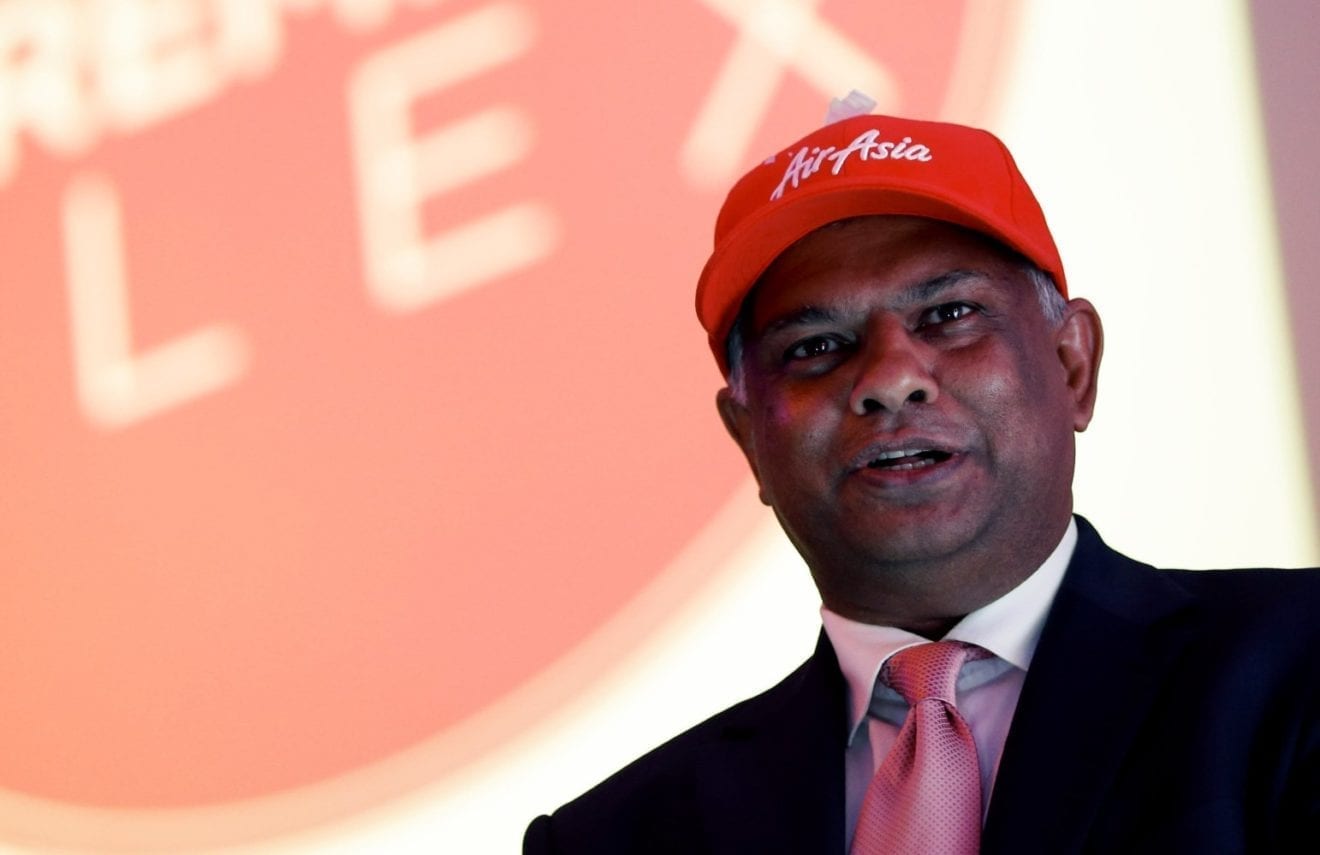
    Tan Sri Tony Fernandes, when contacted, confirmed that there are plans to seek a listing on the HKSE.

    “The plan is to list a portion of AirAsia Bhd shares in our Hong Kong-listed vehicle. This provides us access to new capital if required.

    “We have a large pool of investors in North Asia, while China is a large part of our market. So, we decided on a dual listing in Hong Kong.

    “I am hoping the listing will be in April or May this year … It would be a great day if it can get listed on April 30, as it is also my birthday,” he said.

    Fernandes said that AirAsia was working towards listing a holding company for all its airline operations that span the region.

    “However, Hong Kong (exchange) will presently not be the vehicle used for this purpose,” he said. “I have spent the week meeting the various leaders of Asean and the overall response has been positive (towards setting a holding company).”

    Apart from a dual listing in Hong Kong, AirAsia’s other units, especially in Indonesia and the Philippines, are slated to be listed this year. Thai AirAsia is already listed on the Thailand Stock Exchange.

    “I am confident these units in the Philippines and Indonesia will be listed this year,” Fernandes said.

    The listing in Hong Kong is designed to give AirAsia more depth and flexibility in raising capital if required, while at the same time allowing investors an option to benefit from being invested in the vibrant Hong Kong exchange. It also allows investors to arbitrage their investments.

    “The exact form is not decided yet, as it has to go to the board. But the bankers have been appointed, they will present the details to the board soon and then we will make the announcement,” Fernandes said.

    Dual listings are preferred for companies with cross-border businesses and AirAsia has operations in several countries in Asia, including Japan and India.

    How much AirAsia will fetch in valuations for the dual listing is not clear, but locally, its stock closed 13 sen higher to RM2.51 a share, giving it a market capitalisation of RM6.99bil.

    Last year, the world’s largest glove maker, Top Glove Corp Bhd, made its debut on the Singapore Exchange Securities Trading Ltd (SGX-ST) with a secondary listing, but it did not involve any issuance of new shares.

    Its rationale was to create liquidity and trading activity, enhance investor reach and diversify its investor base, and enable the company to tap into a new platform for potential future fund-raising.

    Others on the SGX-ST include IHH Healthcare Bhd and Malaysia Smelting Corp Bhd, while Media Chinese International Ltd is listed in Hong Kong.

  • Trump’s Indonesian Business Partner to Attend Inauguration

    Trump’s Indonesian Business Partner to Attend Inauguration

    The Indonesian business partner of President-elect Donald Trump will be attending next week’s inauguration and also plans business meetings with Trump family members, his spokesman said Friday.

    Trump’s ties to Hary Tanoesoedibjo are among the many conflicts of interest he could face as the 45th U.S. president. The property billionaire’s presidency is shaping up to have unprecedented potential to muddy U.S. national interests with his personal business interests.

    Tanoesoedibjo, usually known as Tanoe, is the founder of media and real estate conglomerate MNC Group and also has political aspirations in Indonesia.

    The ethnic Chinese and Christian businessman has founded a political party and has said he wants to be president, though that is unlikely in Muslim-majority Indonesia because of historical antipathy to its tiny Chinese minority and the country’s current climate of rising religious intolerance.

    MNC’s corporate secretary Arya Sinulingga said that Tanoe and his wife were invited to the Jan. 20 inauguration and before that will have business meetings including with Trump’s two oldest sons.

    “He will meet his business partners ahead of the inauguration to bolster some business deals,” Sinulingga said.

    Tanoe’s company plans to start building two resorts in Indonesia this year that Trump’s business is associated with through management and licensing deals.

    A planned “six star” luxury resort on the tourist island of Bali would be the first hotel in Asia under the Trump Hotel brand. The second planned resort is in West Java’s Sukabumi, about 100 kilometers (62 miles) southwest of the capital Jakarta.

  • Indonesia expects more investment from Japan

    Indonesia expects more investment from Japan

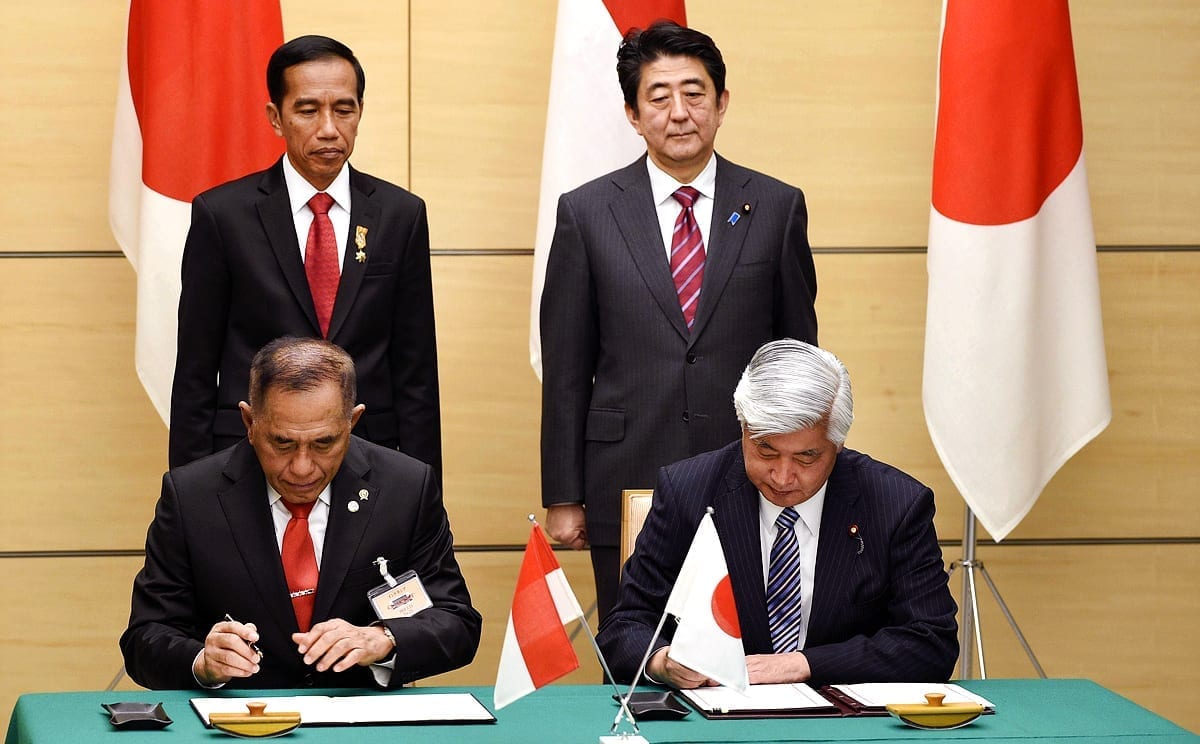
    Indonesia is hoping for more investment from Japan after the scheduled meeting between President Joko Widodo and Japans Prime Minister Shinzo Abe.

    This was said by Thomas Lembong, the chief of the Indonesian Investment Coordinating Board (BKPM), here on Friday.

    Shinzo Abe is scheduled to arrive in Indonesia for a two-day state visit on Sunday and Monday.

    The BKPM chief said Japan has so far been the countrys second biggest investor, focusing mainly on the infrastructure sector.

    “Projects such as power plants and Jakartas mass rapid transport system are funded by Japanese investment. In terms of investment, Japan is indeed one of our important clients,” he said in a press statement.

    Thomas Lembong said investment relations between the two countries have so far been going very well.

    “I think the Japanese premiers visit will be good for us. I also visited Japan five weeks ago and met with Japanese representatives from their chamber of commerce as well as many investors. Both countries have close relations. Japan has been an investor in Indonesia for decades now, and has been the second or the third biggest investor in the country,” he added.

    He stressed that Japanese investors have been involved in many infrastructure projects in 2016, such as power plants and the Surabaya-Sorong sea toll road project, both operational now.

    In 2017, Japanese investors plan to also invest in the real estate and property sectors.

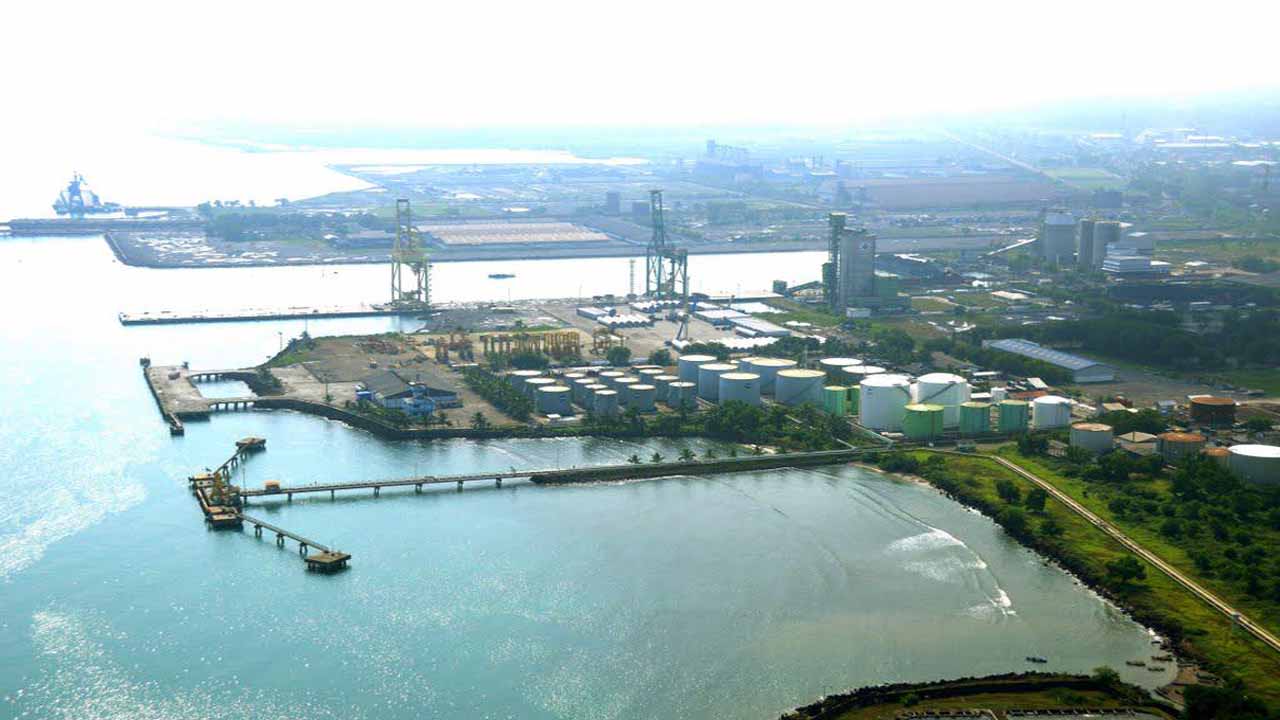
    “Discussions have been also on about starting a medium-express train service from Jakarta to Surabaya in East Java and Japan seems interested in it. A Patimban port development project located towards the east of Jakarta and close to the automotive industrial cluster is also on the anvil. All Japanese automotive industries are there. If a big port is available there, it will make our automotive exports more efficient. The Patimban project will also be funded by the Japanese investment,” he revealed.

    Saribua Siahaan, the BKPM Japan investment promotion official, explained that a Japanese company operating in the property sector is cooperating with a local partner to realize its plan to develop housing projects across Indonesia.

    The low-cost residential development program will cater to low-income people and will match the governments one-million houses development program.

    He pointed out that Japanese investors entering the real estate and property sectors will have different market targets.

    “Some plan to carry out property development particularly catering to expatriates and middle-class and higher strata, while others target workers in industrial zones. Right now, we are still coordinating with the BKPM office in Jakarta to facilitate a big Japanese group that has signed an agreement with a housing company in Indonesia,” he informed.

    Besides discussing investment in the manufacturing sector, Japanese Prime Minister Abe would also discuss investment in the Indonesian governments other prioritized sectors.

    PM Abe plans to bring along a number of executives from companies wishing to invest in Indonesia.

    Based on BKPM data, Japan had invested US$1.6 billion in 425 projects until the third quarter in 2016 to make it the second biggest investor in Indonesia.

    This was a significant increase from US$917.27 million in 399 projects in the same period in 2015.

    Cumulatively, from January to September 2016, Japans total investment realization had reached US$4.4 billion.

  • How a T-shirt helped a man become a millionaire

    How a T-shirt helped a man become a millionaire

    He helped a friend buy a S$51 Adidas T-shirt last year — and netted himself S$1 million on Sunday (Jan 15) in Changi Airport’s Be a Changi Millionaire draw.

    As a bonus, Mr Ade Iskandar Roni, 39, a procurement officer from South Jakarta, drew the name of his best friend in the Guess the Changi Millionaire lucky draw, winning his friend S$500 for picking the right millionaire out of eight finalists.

    Although the chances of winning increase exponentially with the amount spent at Changi Airport’s retail stores, Mr Ade’s purchase was the least expensive among the items picked up by the eight finalists in this year’s event — four of the other seven finalists, who hailed from Australia, China, India, Indonesia, Malaysia and the United Arab Emirates, bought liquor.

    An elated Mr Ade shed tears of joy when he was announced the winner. Mr Ade, who has five children aged 2 to 12, said he plans to use his windfall to bring his extended family for a visit to the Muslim holy cities of Makkah and Madinah, and perhaps buy a new car and house.

    “I didn’t think I would win, I cannot imagine how much this money is in Indonesia,” said Mr Ade through a Bahasa Indonesian interpreter.

    Into its seventh run, the 2016 edition of the retail promotion drew close to 1.2 million entries from 225 nationalities, primarily Singaporeans, Chinese, and Indonesians.

    To enter the draw, passengers and visitors to the airport must spend at least S$50 in a single receipt shopping or dining at Changi Airport. The eight finalists emerged after three rounds of elimination and gathered on Sunday to compete through several rounds of games to win the grand prize.

    Changi Airport Group (CAG) also shared on Sunday that sales at Changi Airport reached a record high of S$2.3 billion last year, up 5 per cent from the previous year.

    Online sales via the iShopChangi portal showed particularly strong growth of 76 per cent from the previous year.

    Chinese and Singaporeans were the strongest shoppers across platforms, contributing to half of overall retail sales.

    Travellers from Indonesia, India and Australia made up the next largest customer groups last year.

    The three most popular product categories were cosmetics and perfumes, liquor and tobacco, and luxury goods, contributing collectively to 70 per cent of sales.

    These were followed by electronic gadgets, and chocolates, candies, and delicatessen items. Online purchases comprised mostly beauty products, electronics, and alcohol.

    CAG executive vice president of commercial Lim Peck Hoon said high concession sales help to keep aeronautical charges — such as charges for landing, parking, and aero-bridges — competitive.

    The opening of second DFS Wines & Spirits Duplex at Terminal 2 — which houses a cigar room and whiskey house — and the Pokemon at Changi celebrations are examples of how the operator has tried to keep its retail strategy “innovative”, she added.

  • Banten`s exports up 28.43% in value

    Banten`s exports up 28.43% in value

    Banten recorded a 28.43% increase in exports to US$941.27 million in November 2016 from the same period a year earlier.

    The increase was attributable mainly to 27.08 percent in the exports of commodities other than oil and gas, according to the regional office of the Central Bureau of Statistics (BPS).

    The exports in November also rose 20.01% from US$784.34 million in October that year, head of the regional BPS office Agoes Soebeno said here on Friday.

    Cumulatively, exports in the first 11 months of 2016 were valued at US$8,387.89 million, up 0.91% from the same period in 2015. Exports of oil and gas rose 89.82% and those of commodities other than oil and gas rose 0.71%.

  • Unilever Indonesia stocks see tenfold increase in 35 years

    Unilever Indonesia stocks see tenfold increase in 35 years

    Publicly listed consumer goods giant Unilever Indonesia has seen it stock value skyrocket by more than a thousand percent over the 35 years it has been listed on the bourse.

    If an investor bought 1,000 shares at our initial public offering IPO, which [at the time] were worth Rp 3,175 (24 US cents) apiece, its current investment value would be worth Rp 5 billion today, Unilever Indonesia president director Hemant Bakshi said before opening the bourse’s trading day on Wednesday.

    “We truly believe that our fortune has been closely linked with the country,” he said.

    Shares of Unilever Indonesia, the local arm of—Anglo-Dutch multinational company Unilever NV and Unilever Plc, opened the trading day at Rp 40,500, an increase of almost 1 percent from its previous close.

    The firm’s assets stood at Rp 16.75 trillion as of September last year compared to Rp 140.4 billion recorded during its initial public offering (IPO) in 1982, while sales had soared to Rp 30.1 trillion from Rp 159 billion.

    “We believe we will be in the country for more than the 35 years we have reached now, doing even better and bigger business,” he said.

    The Jakarta Composite Index (JCI), the IDX’s main gauge, opened at 5,316.15 on Wednesday or 0.12 percent higher than its previous close.

  • Citilink Serves 745,187 Passengers during Xmas and New Year Holidays

    Citilink Serves 745,187 Passengers during Xmas and New Year Holidays

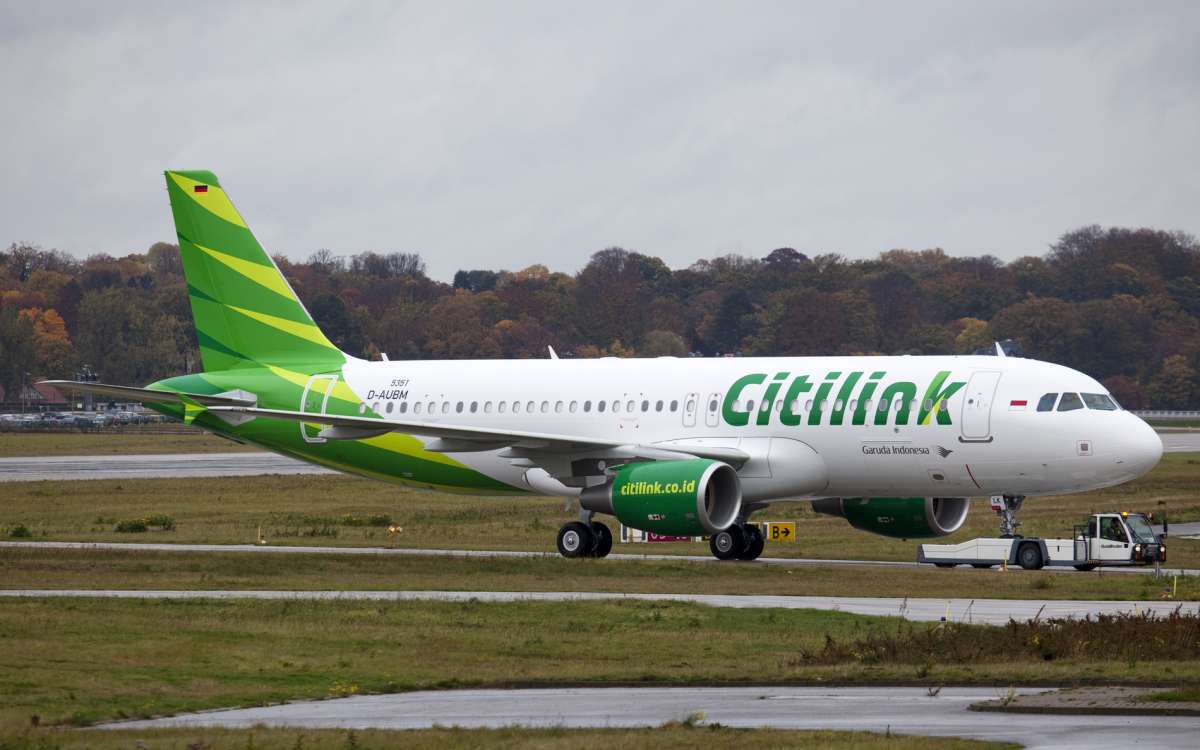
    Low-cost carrier Citilink Indonesia carried 745,187 passengers during Christmas and New Year holidays, a 2% increase compared to the same period last year of 730,925 passengers.

    Citilink Indonesia president director Albert Burhan said that the increase was made possible thanks to Citilink’s proposal for extra seats ahead of the peak season at the end of 2016.

    “Amid heavy passenger traffic in airports during the peak season, Citilink was capable of scoring high percentage of on-time departure, i.e. above 88% percent,” he said on Tuesday.

    Citilink noted the most popular flight routes during Christmas and New Year holidays were Jakarta-Surabaya v.v., Jakarta-Medan v.v. and Jakarta-Denpasar v.v.

    “We would like to express our gratitude to all customers for their thrust to fly with Citilink Indonesia,” Albert said.

    Citilink claims that it carried 11.08 million passengers in 2016, or a 16.6% increase compared to the preceding year figure of 9.5 million.

    In the same period, Citilink also served 58 flight routes, of which 9 are new routes opened in 2016. Citilink also served carter flight from Indonesia to Jeddah in Saudi Arabia and China.

    Meanwhile, Citilink is set to fly above Papua sky on January 23 this year in a bid to expand connectivity in eastern Indonesia, having failed to do so last year.

  • Cebu Pacific requests flights to India

    Cebu Pacific requests flights to India

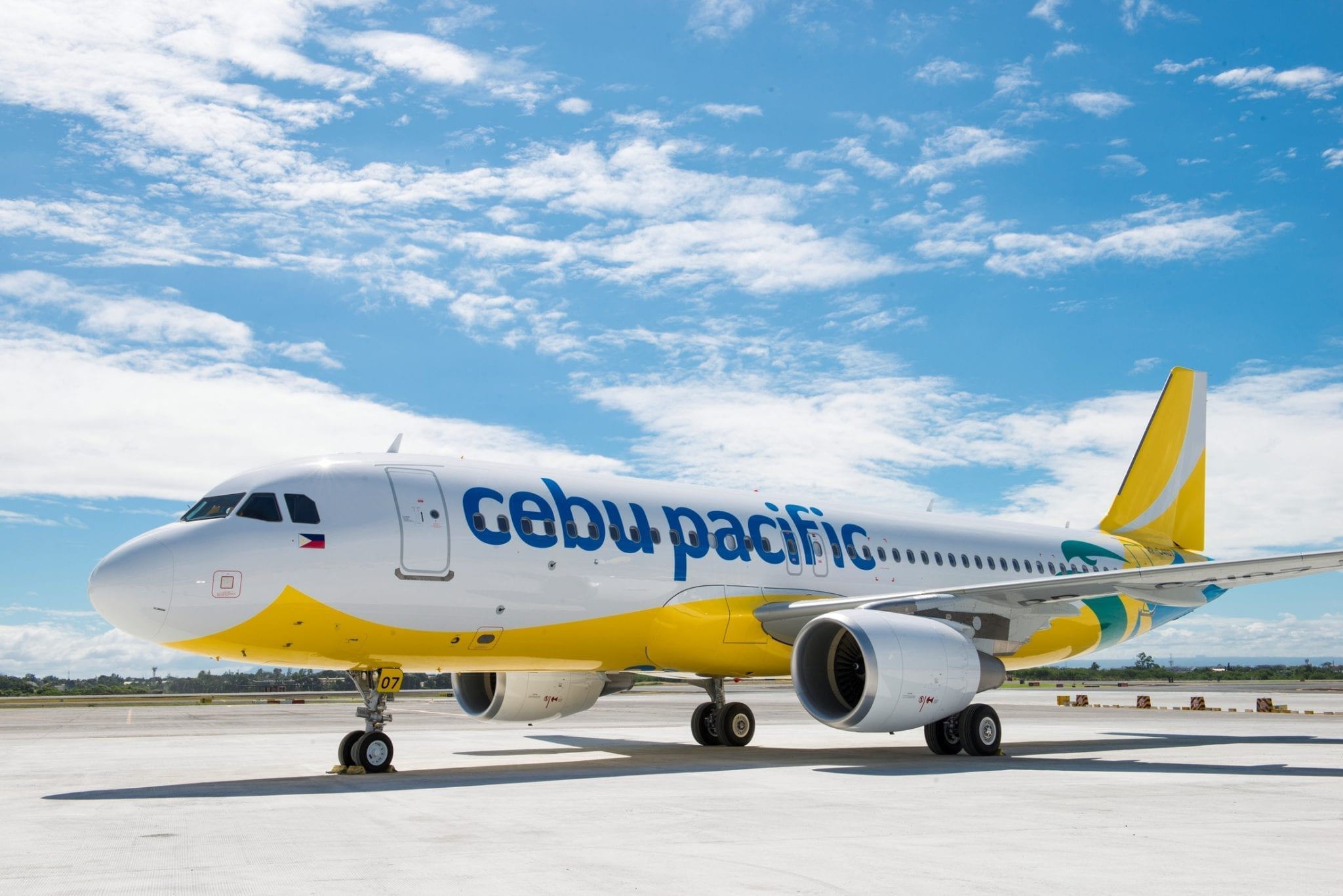
    Cebu Air, operator of Cebu Pacific, wants the Civil Aeronautics Board to reallocate the unused flight frequencies of rival Philippine Airlines to India. The Gokongwei-owned airline filed with the CAB an application for allocation and re-allocation of entitlements to India from PAL.

    Cebu Air’s request made the request in accordance to the existing air agreement between the governments of the Philippines and India.

    PAL flights to New Delhi were stopped in June 2013 amid low demand from local travelers.

    No Philippine carriers fly between Manila and India now.

    Philippines Air Asia Inc. filed with the CAB an application for designation as official Philippine carrier and grant of seven weekly flights to New Delhi, nIndia.

    Cebu Pacific earlier said it was studying to acquire an Airbus 350 and Boeing 788 in the third quarter this year for its long haul operation.

    Cebu Pacific launched its long haul operation in 2013, with A330-300 services to Dubai. It now operates five long haul routes to the Middle East and Australia and also uses its A330 fleet on several short haul routes.

    The airline last March launched four times weekly flights between Manila and Guam, its first US destination.

    Cebu Pacific currently offers flights to a total of 36 domestic and 30 international destinations, operating an extensive network across Asia, Australia, the Middle East, and USA.

    Its 58-strong fleet is comprised of six Airbus A319, 36 Airbus A320, six Airbus A330, eight ATR 72-500, and two ATR 72-600 aircraft.

    Between 2016 and 2021, Cebu Pacific expects delivery of two more brand-new Airbus A330, 32 Airbus A321neo, and 14 ATR 72-600 aircraft.

    Cebu Pacific earlier reported a net income of P7.09 billion in the January to September period, up 99.6 percent from P3.56 billion in the same period last year.

    Revenues increased 10.5 percent to P46.69 billion from P42.30 billion last year.

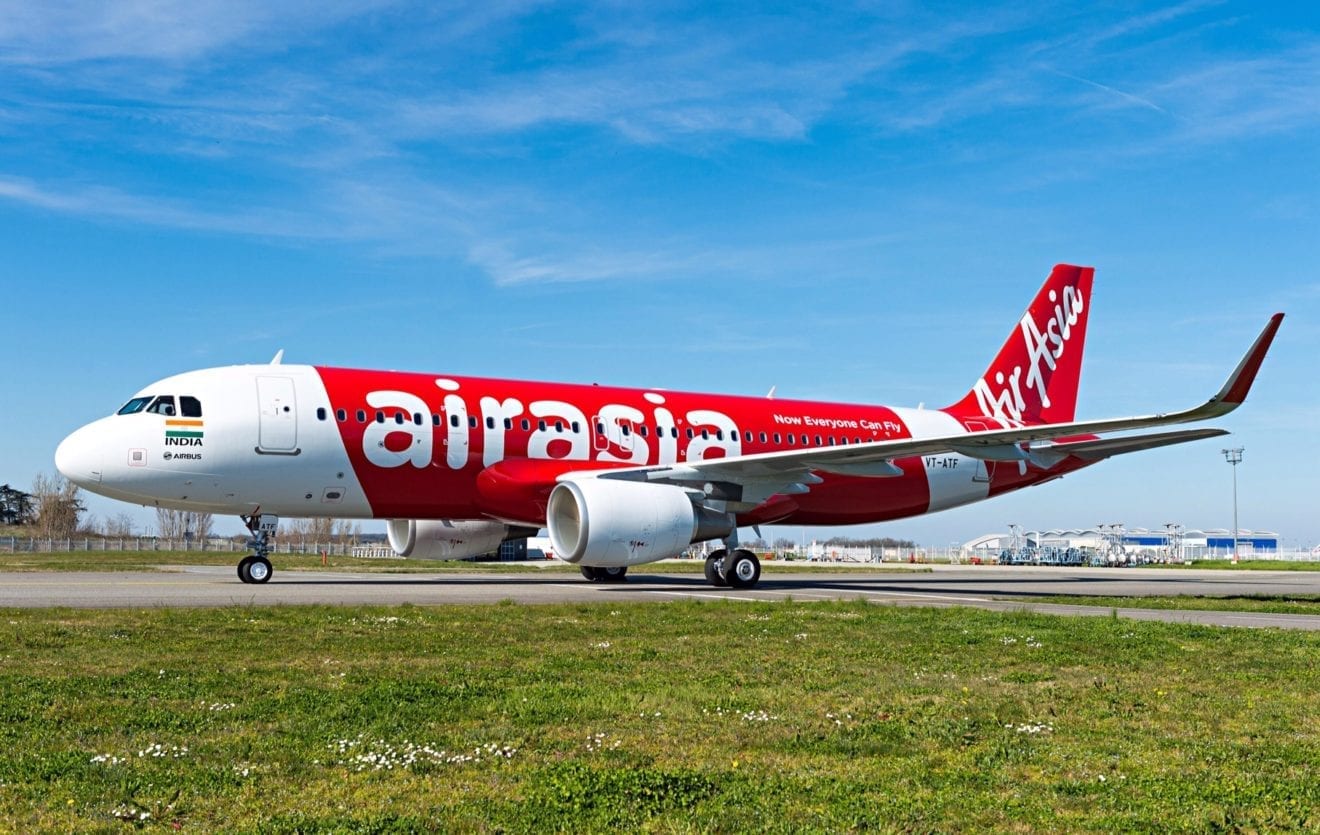
  • Travel with AirAsia for Rs 99

    Travel with AirAsia for Rs 99

    Budget carrier AirAsia India on Saturday announced special low fares one way to select destinations across its network in the country.

    “Starting at Rs 99 one-way, the special fares can be booked between January 16 and January 22 for travelling from May 1 to February 6, 2018,” said the airline in a statement.

    The airline operates services to 11 destinations — Bengaluru, Chandigarh, Goa, Guwahati, Hyderabad, Imphal, Jaipur, Kochi, New Delhi, Pune and Vizag, with Bengaluru and New Delhi as its hubs.

    It has a fleet of eight Airbus A320 aircraft.

    The carrier’s parent company AirAsia is also offering promotional fares to Kuala Lumpur in Malaysia and Bangkok in Thailand from India on its Southeast Asia network, with one-way tickets priced at Rs 999.

    “The travel period for overseas destinations is from January 16 to July 31, and tickets can be booked between January 16 and January 22,” said the statement.

    The three-year-old low-cost airline is a joint venture between Tata Sons Ltd and AirAsia Berhad, with each holding 49 per cent equity stake, while its Chairman S Ramadorai and Director R Venkataraman hold 0.5 per cent and 1.5 per cent shareholding respectively.

  • Indonesia`s palm oil exports down 2 percent in 2016

    Indonesia`s palm oil exports down 2 percent in 2016

    Indonesias export of crude palm oil (CPO) and its derivatives fell by nearly 2 percent to 25.7 million tons in 2016 from 26.2 million tons in 2015 from after-effects of the El Nino weather phenomenon.

    “At the end of 2015, oil palm fruit production fell due to the El Nino-induced drought for all of 2015. Exports fell 2 percent by volume as production dropped by 7 to 30 percent,” President Director of the Oil Palm Plantation Fund Managing Board (BPDP) Bayu Krisnamurthi said at a press conference here Tuesday.

    Although the export volume of CPO, palm kernel oil (PKO) and their derivatives went down by 2 percent, the export value of palm oil rose by 8 percent to US$17.8 billion or Rp240 trillion from $16.5 billion or Rp220 trillion a year earlier, he said.

    The increase in the export value was caused by the improving global CPO prices which increased by 41.4 percent in 2016. The CPO prices stood at $535 per ton in June 2015, rose to $558 per ton in January 2016 and further moved up to $789 per ton in December 2016.

    Yet, the BPDP has asked exporters to pay attention to the latest CPO price which is too high because it can reduce Indonesias competitive edge in the vegetable oil market.

    “We know that Indonesian palm oil has to compete with soybean oil, so if the palm oil price is too close to the soybean oil price, our competitive edge will decline,” he said.

    Indonesia is currently the worlds biggest CPO producer.

    In 2015, Indonesias CPO production reached 32.5 million tons, with exports reaching 26.4 million tons. The export value went down from $21.1 billion in 2014 to $18.6 billion in 2015.

  • Trans Retail Indonesia eyes expansion

    Trans Retail Indonesia eyes expansion

    Grocery retailer Trans Retail Indonesia plans to open dozens of stores this year in a challenge to the online retail industry.

    This year it will open 30 stores under the Transmart Carrefour brand, says corporate communications GM Satria Hamid, without revealing costs.

    Trans Retail Indonesia, part of business tycoon Chairul Tanjung’s CT Corp, has decided to go head to head with the burgeoning eCommerce scene, reports The Jakarta Post.

    The retailer says it is determined to be more creative by way of promotional activities, intensive marketing and fresh products to lure customers to its stores.

    “We will refresh several stores with a new concept,” says Satria, citing a combination of retail and culinary experiences, and play areas for children.

    Trans Retail has 94 Carrefour stores nationwide, of which 15 stock the Transmart Carrefour brand. The house brand will be gradually rolled out to the other stores.

  • Vietnam’s low-skilled labor force threatened by robots

    Vietnam’s low-skilled labor force threatened by robots

    86 percent of garment workers could lose their jobs in the coming decades, according to the International Labor Organization. Vietnam’s workforce is made up largely of untrained and low-skilled workers who are at high risk of being replaced by automation and robots in the near future, labor experts said at a conference in Hanoi on Tuesday.

    Dao Hong Lan, vice minister of labor, said Vietnam currently has 54.36 million workers but nearly 80 percent of them have not received any training or degrees for their jobs.

    The country’s labor force is expected to grow to 62 million in 2025, posing a very difficult task for the country to create more than 700,000 thousand jobs every year.

    “Globalization and technological revolution are posing increasingly greater challenges for Vietnam’s economy,” Lan said.

    Skill enhancement must be a priority to secure Vietnam’s labor market ahead of the time when low-cost labor will no longer be competitive, officials said at the National Policy Dialogue on Future of Work held by the labor ministry and the International Labor Organization (ILO).

    David Lamotte, ILO deputy director for Asia and the Pacific, said: “It will certainly shift in the coming years as technology costs decline while labor costs increase.”

    A recent ILO study found that workers in Vietnam’s two major and growing production sectors – garments and electronics – are at risk.

    In the garments sector, 86 percent of workers face increased automation, while about 75 percent of workers in the electronics sector could be replaced by robots in the coming decades, it found.

    The sectors provide the country’s key exports and account for around 40 percent of the nation’s manufacturing jobs, but productivity and the application of technology in the workplace are much lower than in other Southeast Asian countries.

    Productivity in Vietnam’s garments sector, for example, is only 20 percent of Thailand’s and nearly the same as Cambodia.

    Garment production in Vietnam currently relies on a large number of workers rather than highly-skilled employees while the electronics sector targets low-value production and low-skilled assembly work, according to the ILO.

    The ILO said young people in Vietnam should pursue courses in science, technology, engineering and mathematics to meet employment demands in the age of technology.

    “This is important, particularly among girls and young women who are more susceptible to job loss than men, when automation becomes more popular in manufacturing industries,” said Lamotte.

    A recent survey by the Institute of Labor Sciences and Social Affairs at the ministry also named creativity, foreign languages, teamwork and problem solving as the core competencies needed to survive the modern workplace.

    Both the ILO and the institute called for better connections between Vietnam’s policymakers, employers and training institutions to adapt to the changing workplace and technological innovations.

    The current link between businesses and training institutes mainly comes in the form of internships while their cooperation remains weak when it comes to training and planning for skilled workers.

  • S4M sets new target in travel retail

    S4M sets new target in travel retail

    Mobile advertising tech company S4M has launched a service to target more than 30 million airport travellers each week.

    Using enriched geo-localised user behavioural and contextual data, the company wants to help brands boost their presence in 30 global airports.

    “Airports are more than just transit areas – they present a huge opportunity for brands to engage with consumers,” says S4M VP of APAC sales Gavin Buxton.

    “The smartphone is an extension of the individual, so it is a must-have touchpoint when creating fully integrated brand experiences. Advertisers should be combining the omnipresence of the mobile medium with real-time geolocation at airports to deliver seamless customer journeys.”

    S4M’s “geofencing” technology helps advertisers analyse and understand mobile user profiles at airports. The company combines anonymous mobile device identifiers with GPS co-ordinates, device language settings and online periods. This mix provides advertisers with more insights into consumer behaviours and offers a new opportunity to engage with travellers at airports.

    “Consumers break away from their daily behaviours when travelling, and the only constant is their smartphones,” says S4M CEO Christophe Collet. “Our goal is to reach people in transit, whether tourists or business travellers, when they are away from their everyday routines. Brands that can deliver tailored messages to their customers, even when they are hundreds of kilometres from home, are truly transforming mobile advertising into a valuable service”.

    About 1 million people a day travel through the Skytrax-rated top five airports in Asia: Singapore Changi, Incheon, Tokyo Haneda, Hong Kong and Beijing.

    More than two-thirds of air travellers are from middle- to high-income groups, according to figures from the World Bank.

    Demographics such as luxury-brand shoppers, digital high-tech users, high-end car buyers and business travellers can be reached in a duty-free setting via mobile. Luxury brands such as L’Oreal have already used S4M’s technology for cross-country campaigns.

    S4M (Success for Mobile) is an innovative advertising technology company that transforms mobile ads into personalised content for individual users. Founded in 2011 by mobile marketing pioneers, it now services more than 350 advertisers internationally. S4M has its headquarters in Paris with more than 95 employees and five offices covering Asia Pacific, Europe, Latin America and the US.

  • Nvidia launches AI-focused incubator in India

    Nvidia launches AI-focused incubator in India

    American graphics processing unit (GPU) technology giant Nvidia has launched the Nvidia Inception program in India, in recognition of the country’s budding innovation ecosystem surrounding Artificial Intelligence (AI).

    Inception is a virtual incubator program to support startups with revolutionary ideas in AI. Members will receive a custom set of benefits, from hardware grants and marketing support to access to the latest Nvidia deep learning technologies and training with deep learning experts.

    The Inception Program was launched in India at the inaugural Nvidia Emerging Companies Summit India, part of the GPU Technology Conference (GTCx).

    The momentum around AI among Indian innovators is so significant that, at launch, the Inception Program already has close to 100 Indian startups as members.

    “Artificial Intelligence has gone from science fiction to reality thanks to a new computing model: GPU-accelerated deep learning,” Nvidia MD for South Asia Vishal Dhupar said.

    “We believe the next generation of breakthroughs in technology and business will be driven by the AI startup community. Young India’s aspirations, ideas and potential are global in scale, and we are excited to amplify the imagination and intelligence of the country’s brightest minds.”