Category: General

Retail News Asia is committed to providing both local and global retailers with the latest General Retail news throughout the Asian market. This on a daily base.

  • AirAsia comes under CBI lens

    AirAsia comes under CBI lens

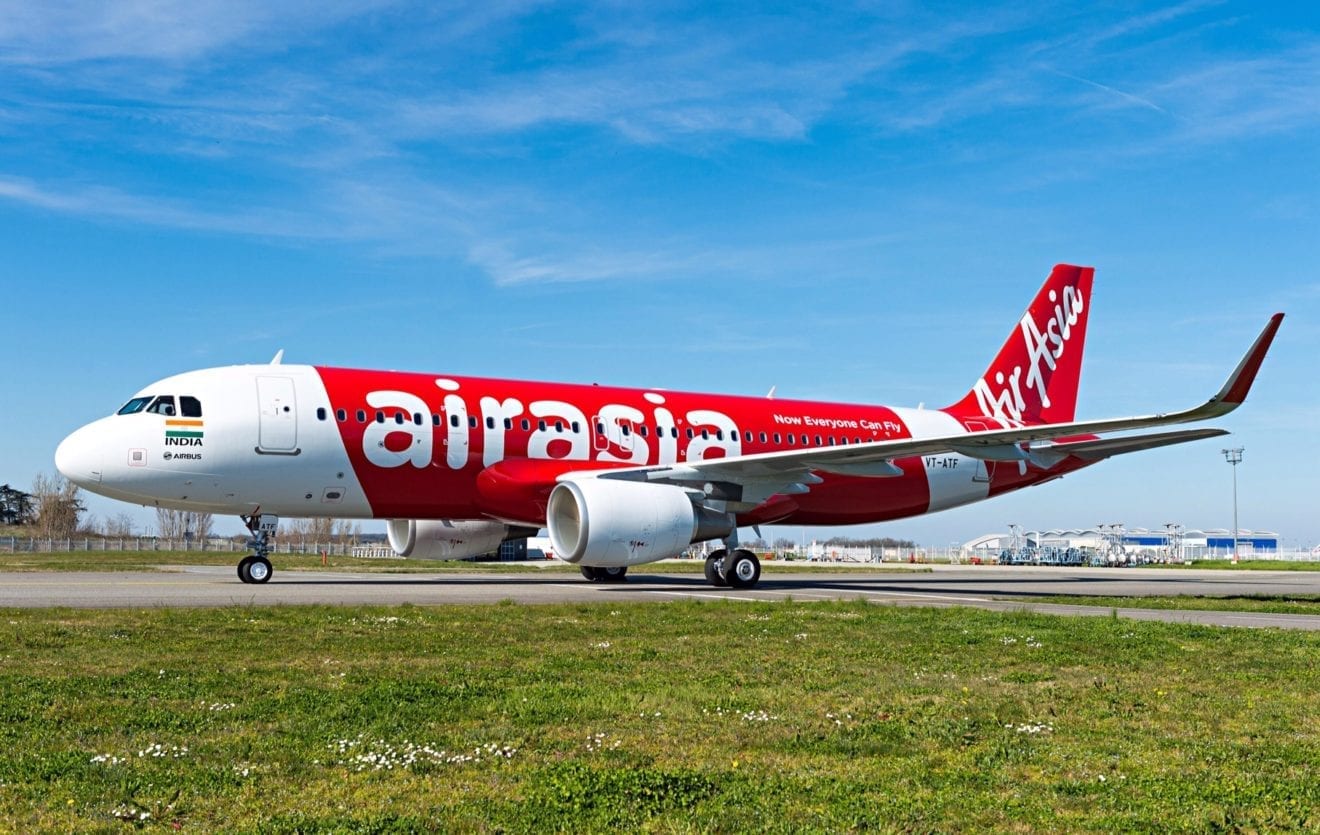
    A month after Enforcement Directorate registered a case of foreign exchange violations against AirAsia India, the Central Bureau of Investigation on Thursday claimed that it is also examining the matter in which there are allegations of fraudulent transactions of Rs 22 crore involving non-existent entities in India and Singapore.

    Sources in the CBI said that they have not registered a preliminary enquiry or regular case (FIR) in the matter but they are looking into the matter to see if it calls for registering a criminal case. “We are scrutinising the AirAsia documents right now,” said the CBI officer. When contacted, an AirAsia India spokesperson said, “AirAsia India has not heard from the CBI. Should we receive a call from CBI, AirAsia India will furnish all information that they seek. As you are aware, the airline has already put it in the public domain that it is pursuing the ongoing investigation. AirAsia India subsequently filed a private complaint with the Bangalore police in this regard.”

    The issue was flagged by ousted chairman of Tata Sons Cyrus Mistry soon after he was replaced on October 24. He wrote in his let ter to Tata Sons board and trustees of Tata Trusts that, “Board members and trustees are also aware that in the case of AirAsia, ethical concerns have been raised with respect to certain transactions as well as the overall prevailing culture in the organization. A recent forensics investigation revealed fraudulent transactions of Rs 22 crore involving non-existent parties in India and Singapore.”

    Presently, ED is probing the matter under FEMA (foreign exchange management act) and has already sought documents from the company. It is looking into a specific transaction of over Rs 12 crore, out of Rs 22 crore, made to a Singaporean firm.

     Mistry had alleged that “executive trustee Mr Venkataraman, who is on the board of Air Asia and also a shareholder in the company , considered these transactions as non-material and did not encourage further study”. It was only at the insistence of the independent directors, one of whom immediately submitted his resignation, that the board decided to belatedly file a FIR, Mistry had said in his letter.
    He claimed it was Tata who had completed negotiations with AirAsia, but early in his tenure as the chairman of Tata Sons he (Mistry) was asked to table a proposal for the JV with AirAsia at a Tata Sons board meeting. In 2013, Tata Sons had joined hands with Malaysian carrier AirAsia and Arun Bhatia’s Telestra Tradeplace to start low cost carrier AirAsia India. The carrier had to wait for nine months before taking off.
  • Cebu Pacific looking to hire 300 cabin crew

    Cebu Pacific looking to hire 300 cabin crew

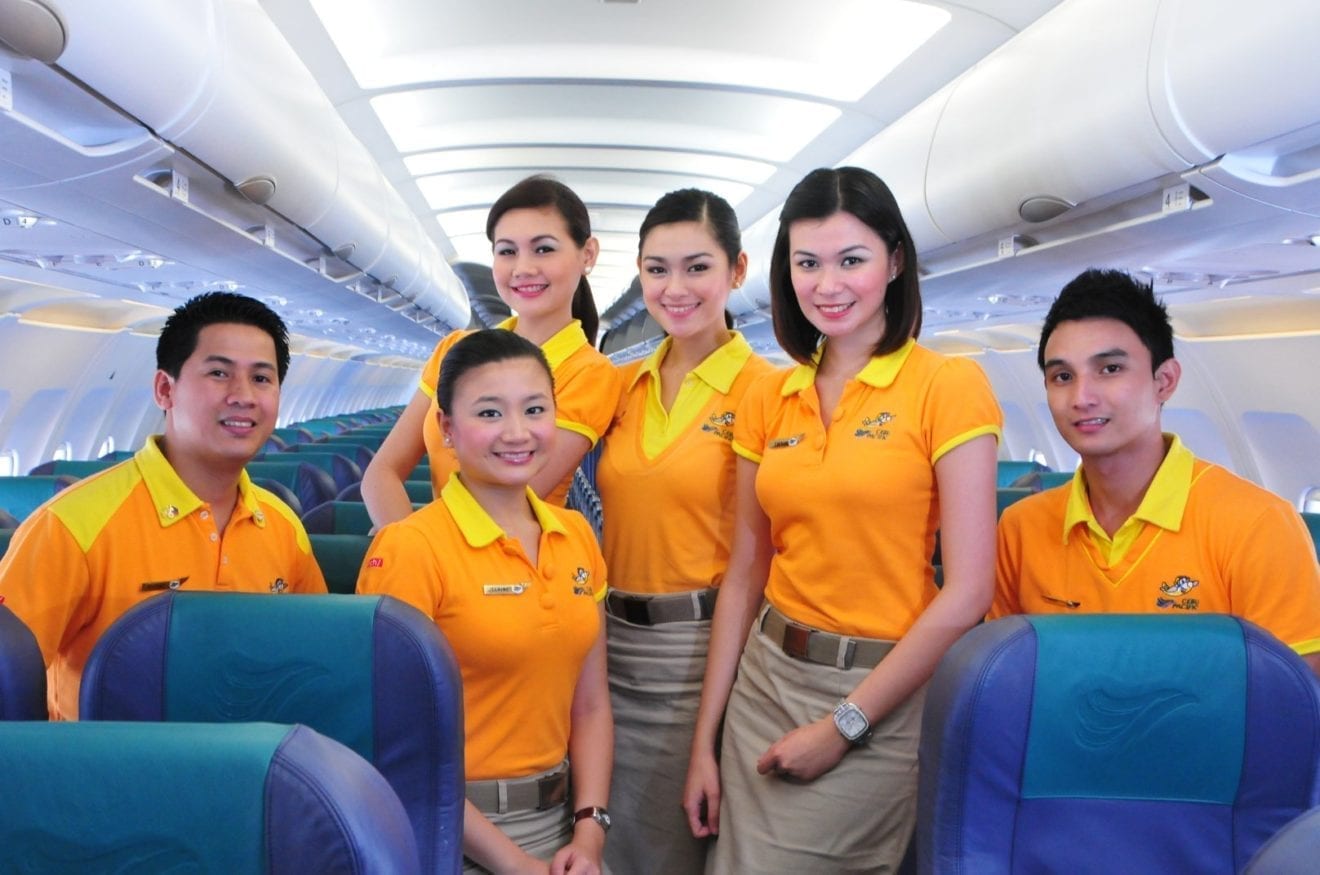
    Cebu Pacific, the country’s largest carrier, said Thursday it would recruit up to 300 new cabin crew as it expands its operations.

    Cebu Pacific will hold recruitment fairs in Manila, Tagbilaran, and Dumaguete this month to grow its workforce of 4,000, the airline said in a statement.

    Applicants should possess a “dynamic personality,” must be at least 5’3″ for women and 5’7″ for men, have clear complexion, a “catchy smile” and “weight that is proportional to height,” the airline said.

    The recruitment fairs will be held at the Cebu Pacific Building, Pasay City on January 14; La Residencia Almar Hotel, Rizal Blvd., Dumaguete City, Negros Oriental on January 28; and Metro Centre Hotel and Convention Center, C.P. Garcia Ave., Tagbilaran City, Bohol on January 29.

    Cebu Pacific’s net profit amounted to P7.1 billion in the January to September period of 2016 as passenger volume grew to 14.5 million in the nine-month period in 2016 from 13.7 million in 2015.

    Shares of the airline closed 0.11 percent lower to P92.90 on Thursday.

  • Indonesia to set up agency to combat fake news

    Indonesia to set up agency to combat fake news

    Indonesia is setting up an agency that will tackle fake news after a flood of untrue stories on social media, an official said Thursday, including claims China was waging biological warfare against the country using contaminated chilli seeds.

    The new cyber agency will also seek to protect state institutions from hackers, said presidential spokesman Johan Budi.

    Chief Security Minister Wiranto said that the move was necessary to combat a flood of news on social media that was “slanderous, fake, misleading and spread hate”.

    “Freedom (of speech) is a right in a democracy but there is also an obligation to obey the law,” he said.

    Officials said among the agency’s tasks would be to monitor news circulating online to check for false stories. It will be overseen by the security ministry and will work alongside other government agencies, they said, without giving further details.

    It came after President Joko Widodo declared his intention at a cabinet meeting in December to combat fake news in a country where people are rapidly getting online for the first time, with over 130 million out of 255 million inhabitants now estimated to be internet users.

    One of the most high-profile cases in recent times was a false claim circulating on social media in December that Beijing was seeking to wage biological warfare against Indonesia, after a true story that four Chinese citizens were arrested for using imported chilli seeds infected with bacteria on a farm south of Jakarta.

    The Chinese embassy in Jakarta was forced to issue a statement saying that the reports were “misleading and have caused great concerns”.

    Another fake story that spread online said that millions of Chinese workers had entered Indonesia to replace local workers. It comes as anti-Chinese sentiment is running high with Jakarta’s ethnic Chinese governor standing trial for alleged blasphemy.

    Indonesian internet expert Nukman Luthfie said he hoped the new agency would not breach people’s privacy, but added it was too early to tell.

    “It would be really unfortunate if it was going to be used to monitor public discussions because that’s people’s right,” he said.

    There has been growing global concern about the spread of fake news, with some critics claiming a flood of false stories circulating online may have helped brash billionaire Donald Trump win the US election.

  • Retailer Transmart Carrefour to open 30 new stores in 2017

    Retailer Transmart Carrefour to open 30 new stores in 2017

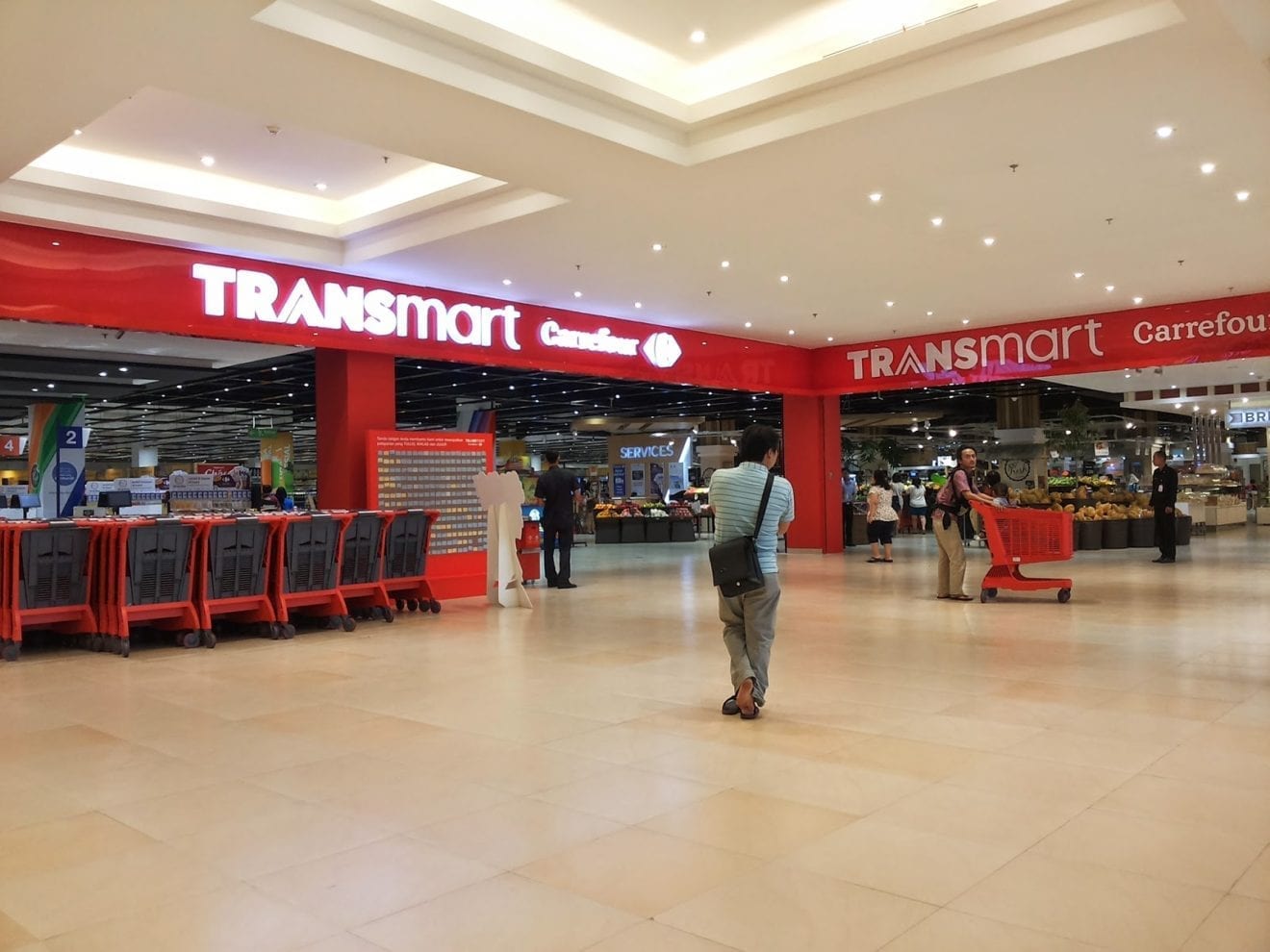
    Major retailer Trans Retail Indonesia will open dozens of new stores this year in a bid to attract more visits to its physical stores despite the booming online retail industry.

    “We will open 30 new stores under the Transmart Carrefour brand in 2017,” Transmart Carrefour corporate communications general manager Satria Hamid told on Friday. However, he declined to mention the amount of capital expenditure (capex) that the firm had earmarked to support the expansion.

    Despite Indonesia’s surging domestic retail business, Trans Retail Indonesia, part of business tycoon Chairul Tanjung’s CT Corp business group, has decided to step up to the challenge posed by the burgeoning online retail business.

    The retailer says it is determined to be more creative by way of promotional activities, intensive marketing and sales of fresh products to lure customers to its stores.

    “We will refresh several stores with a new concept,” Satria said, in reference to a combination of retail and culinary experience, department stores and child play areas.

    Currently, the company operates 94 Carrefour stores nationwide, of which 15 stock the Transmart Carrefour brand and the remainder will gradually follow suit.

  • Special dividend in the offing for AirAsia investors?

    Special dividend in the offing for AirAsia investors?

    Two days after Deutsche Bank Group called a “sell” on AirAsia that led to a slight dip in its share price, two local brokerages have issued research reports maintaining a “buy” call on the airline.

    The rationale for the sell call is essentially stiff competition that will push passenger yields down over the next 12-18 months, overcapacity, the weaker ringgit and higher jet fuel prices.

    It also questioned how the US$1bil price tag was derived for its leasing unit, Asia Aviation Capital (AAC) that AirAsia plans to sell in the middle of this year.

    Maybank IB Research senior analyst Mohshin Alias is more bullish about AirAsia’s fortunes.

    He maintains a buy on the stock and predicts a special dividend of 40-50 sen a share from the sale of AAC to investors.

    “Coupled with the customary 20% dividend payout which is roughly 7 sen in 2017, AirAsia could be your biggest dividend yield stock in 2017,’’ said Mohshin.

    Kenanga Research has brushed off overcapacity and other issues and has a 12-month target price of RM3.82 a share.

    Its rationale was based on higher ancillary income with a target of RM60 per passenger in the long-term, healthy loads of about 85% led by strong travel demand coupled with fleet expansion.

    It says even though fuel cost was rising, but it will be mitigated as AirAsia has hedged 74% of its fuel requirements for 2017 at US$59 per barrel.

    Mohshin expects unit costs to improve on the entry of new Airbus A320 NEOs and believes the fourth quarter 2016 financial results to be “spectacular and says “don’t be surprised if they churn out RM400-500mil of net profit.’’

    He adds that “apart from that, it is trading at only 7x 2017 PER with stellar 15% ROEs.’’

    His 12 month target price is RM3.17 a share. AirAsia closed 6 sen lower in yesterday’s trading at RM2.17 a share.

    Deutsche in its report said “weaker ringgit will filter through to higher costs, and higher fuel prices will also hurt. We have cut our core net profit forecast for 2017-2018 estimates by 1.3% and 16.2% over 2017-2018 estimate respectively.

    As at third quarter 2016, associates in the Philippines, India and Japan were still losing money. In Indonesia, AirAsia is converting its debt into perpetual capital securities to comply with local regulations,’’ Deutsche said.

    It adds that as the market becomes aware of the earnings decline that AirAsia is expected to see over 2017-2018E, we expect the stock to de-rate to the lower end of its historical valuation range.

    Our target price (12 month – RM1.75 a share) is based on an adjusted EV/EBITDAR of 5 times for the Malaysian operations, which is similar to other full service carriers (Cathay Pacific and Singapore Airlines) in the region who are battling similar yield pressures.

    But Deutsche also expects a lift if there is less intense competition in the market, pushing up yields to levels higher than expected, the sale of AAC resulting in a higher-than expected exceptional profit and this results in a positive sentiment lift for the stock, currencies in South-East Asia appreciating against the US dollar, especially the ringgit, and a significant decline in jet fuel prices.

  • Ban on plastic bags going well in Selangor

    Ban on plastic bags going well in Selangor

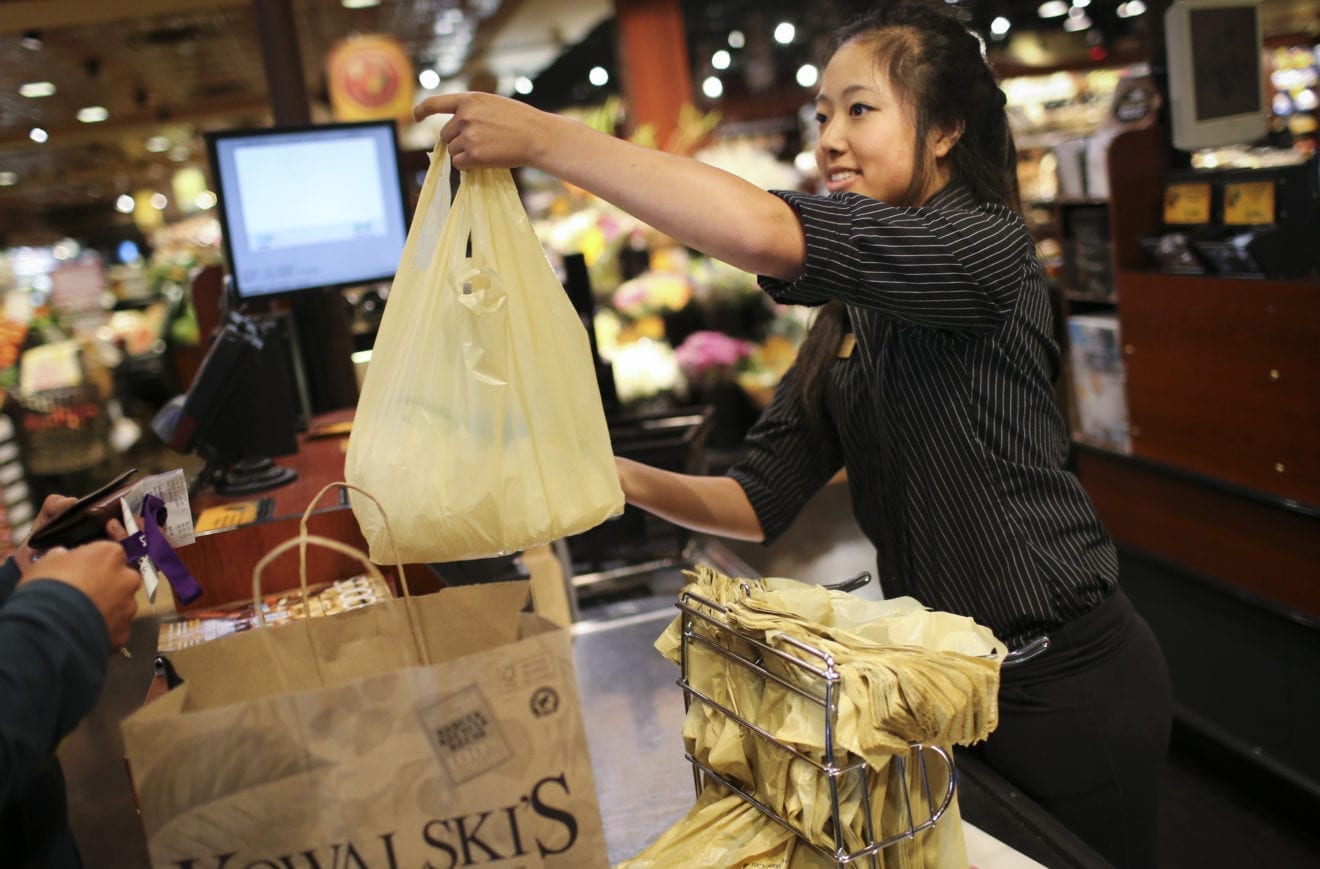
    Most folks in Selangor are responding well to the ban on plastic bags despite some feeling that they still need more time to get used to it.

    Some however felt more awareness must be created as to why it is necessary to ban plastic bags.

    Copywriter Trinity Alexandra, said she fully supports the ban as it “forces” her to do her part for mother nature but admitted it has been a challenge.

    “Even though I have recycle bags or containers in my car, I sometimes forget to take it out so I am forced to pay the 20 sen charge for the plastic bags,

    “So the challenge is mainly to remind myself to lug the bags and containers around,” said Trinity.

    Writer P. Deepika, 28, said more should be done on creating awareness about the reason for the ban.

    “People need to know why they are doing something, otherwise you are not addressing the issue. We won’t achieve much at the end of the day.

    “Having said that, I do think the ban is a necessary move,” she said.

    Praveen Reginald, 33, said she has practised packing food in her own containers and bringing along cloth bags even before the ban was enforced.

    She, however, felt merchants who are providing plastic bags with a price should be made to give out paper bags instead.

    “I think it’s a good effort to ban plastic as it is very timely but I think the Government should pressure merchants to provide paper bags,” she said.

    Selangor state exco member Elizabeth Wong said ample time had been given to retailers, traders and even consu­mers to get used to the No Plastic Bag Day campaign.

    “Our enforcement units from the local councils will begin their rounds very soon,” she said.

    “The maximum compound of RM1,000 will be imposed as it is the standard amount for any breach of licensing by-laws,” said Wong.

    The campaign, she added, was “encouraging and positive so far”.

    Malaysia Retail Chain Association president Datuk Garry Chua said its members were getting used to the ban, some of whom were now using environmentally-friendly bags.

    However, he hoped that there would be a grace period for retailers and consumers to get adjusted to the ruling.

    Fomca deputy president Mohd Yusof Abdul Rahman said the ban should be extended to all states via its local authorities.

    “This is an important environmental issue and I don’t see why it should not be implemented nationwide,” said Mohd Yusof.

    Ecotourism and Conservation Society Malaysia co-founder Andrew Sebastian said he hoped that any savings that the retailers and traders make from not giv­­­­­­­ing out plastic bags could be channelled back to the environment.

    Malaysian Nature Society president Henry Goh said it was in full support of using less plastic, adding that this should eventually lead to a total ban.

  • Philippines stands to gain in new export markets

    Philippines stands to gain in new export markets

    Philippines stands to gain in new export markets

    The Philippines stands to profit from agriculture products with its entry into new export markets in an attempt to diversify their economy.

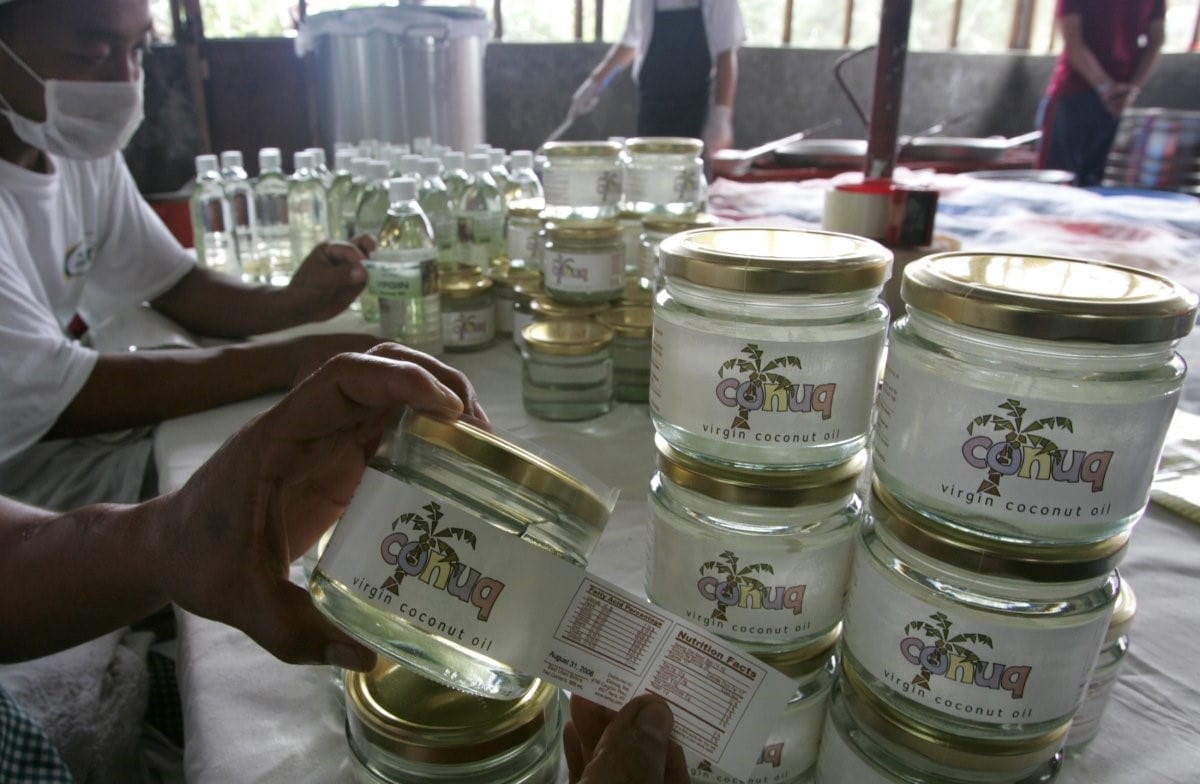
    In particular, virgin coconut oil is in demand in South Africa, where the coconut is not a native tree, its embassy in Manila said in a statement.

    “If someone sees you in a retail store with coconut oil, they classify you as someone from a high-end society. It is very expensive. So it has a good market in South Africa,” Deputy Head of Mission Tshire Kau said.

    Even though high volumes of Philippine bananas are shipped to the Persian Gulf, the demand for the fruit, as well as other agriculture products from the Philippines, continues to exceed supply in Iran.

    Consumers want products not easily available in local stores but which are widely produced or grown in the Philippines.

    “So many Iranian companies are still requesting for more bananas from the Philippines,” Iranian Ambassador to the Philippines Mohammad Tanhaei said.

    He explains the growth of exports and the growing variety of foods consumed by the people of India, another potential export market, stating:

    “India is one of the world’s fastest growing economies, enabling its population to acquire large disposable incomes, a big portion of which is spent on food. Indians now like to experiment with what they eat and have developed a huge appetite for non-traditional Indian cuisine, Ramakrishnan noted”


  • Hong Kong retail sales decline widens

    Hong Kong retail sales decline widens

    The decline in Hong Kong retail sales widened in November, although the market is still performing better than in the previous quarter.

    Official government data shows the value of sales in November 2016, provisionally estimated at HK$36 billion, decreased by 5.5 per cent compared with the same month in 2015.

    However, a government spokesman said that while Hong Kong retail sales saw a somewhat widened year-on-year decrease in November, the decline in sales in October and November combined was still smaller than during the third quarter.

    He attributed the trend to the impact of reduced tourist spending on some big-ticket items during the month.

    The revised estimate of the value of total retail sales in October 2016 decreased by 2.9 per cent year-on-year. For the first 11 months of 2016, it is provisionally estimated total retail sales decreased by 8.6 per cent year-on-year.

    After netting out the effect of price changes over the same period, November sales fell by 5.6 per cent. For the first 11 months of 2016, total retail sales decreased by 7.6 per cent in volume.

    As usual, watches and jewellery drove the value decline, falling 14.4 per cent year-on-year. Sales of electrical goods and cameras fell by 27.3 per cent (but account for a smaller share of the total retail market).

    Supermarket sales fell 1.1 per cent in value, medicines and cosmetics by 3 per cent, books, newspapers, stationery and gifts by 5.8 per cent and eyewear by 1.3 per cent.

    On the other hand, sales in department stores rose by 1.7 per cent, and apparel by 4.1 per cent. Food, alcoholic drinks and tobacco sales rose by 0.9 per cent, footwear and accessories by 1.5 per cent, furniture by 1.9 per cent and Chinese drugs and herbs by 2.7 per cent.

    Based on the seasonally adjusted series, the provisional estimates of the value and volume of total retail sales both increased by 4.7 per cent in the three months ending November 2016 over the preceding three-month period.

    The government spokesman said the future performance of Hong Kong retail sales will depend on whether inbound tourism improves “and whether the various external uncertainties would affect local consumer sentiment”.

  • Vietnam among the world’s most optimistic countries on economic prosperity

    Vietnam among the world’s most optimistic countries on economic prosperity

    Việt Nam is ranked fifth in the list of the world’s most optimistic countries on economic prosperity in 2017, according to a survey by WIN/Gallup, the world’s leading association in market research and polling.

    WIN/Gallup International published its 40th End of Year Survey exploring outlook, expectations, views and beliefs of 66,541 people from 66 countries across the globe in 2016.

    The 2016 edition includes Việt Nam data representing the views of 700 respondents from Hà Nội and HCM City interviewed face-to-face by market research company Indochina Research (Việt Nam) Ltd, a member of WIN/Gallup.

    The survey revealed that about 59 per cent of the respondents are optimistic about the economic outlook for 2017, 12 per cent are pessimistic and 26 per cent believe the economy would remain the same.

    When it comes to global economic outlook, despite much of the world largely remaining out of recession, economic optimism declined from twelve months ago. The study showed that 42 per cent of the world is optimistic for the economic outlook in 2017, almost double (22 per cent) of those who are pessimistic.

    Net optimism (the percentage of those saying next year will be one of economic prosperity minus the percentage who say next year will be one of economic difficulty) has fallen from +23 per cent to +20 per cent.

    Việt Nam is also ranked the fourth happiest country in the world, following Fiji, China and the Philippines, the survey said, adding that 79 per cent of the respondents answering they were happy and only 1 per cent said they were unhappy.

  • AirAsia’s Philippine Affiliate Eyes India Market

    AirAsia’s Philippine Affiliate Eyes India Market

    Low-cost carrier Philippines AirAsia is seeking to operate flights to India from the Philippines. A regulatory filing showed Philippines AirAsia has filed an application for designation as official Philippine carrier and for the grant of allocation of flight entitlements to India.

    In particular, Philippines AirAsia wants to be able to operate seven weekly flights on the Manila – Bangkok – New Delhi route.

    The carrier’s request is being made in accordance to the existing air services agreement between the governments of the Philippines and India.

    A hearing is scheduled on Jan.10 at the office of the Civil Aeronautics Board in Pasay City to enable the government to decide on Philippines AirAsia’s petition.

    Philippines AirAsia is a joint venture company between Filipino investors Antonio Cojuango, Alfredo Yao, Michael Romero, Marianne Hontiveros and Malaysia’s AirAsia Berhad.

    It operates domestic and international flights out of Manila, Cebu and Kalibo.

    In November last year, the carrier expanded its operations by offering direct flights to Singapore from Cebu, as well as direct flight services to Taipei in Taiwan from Manila and Cebu.

    In the third quarter last year, Philippines AirAsia trimmed its net loss by 12 percent to P1.20 billion from P1.36 billion in the same period in 2015 amid higher revenues and passenger volume.

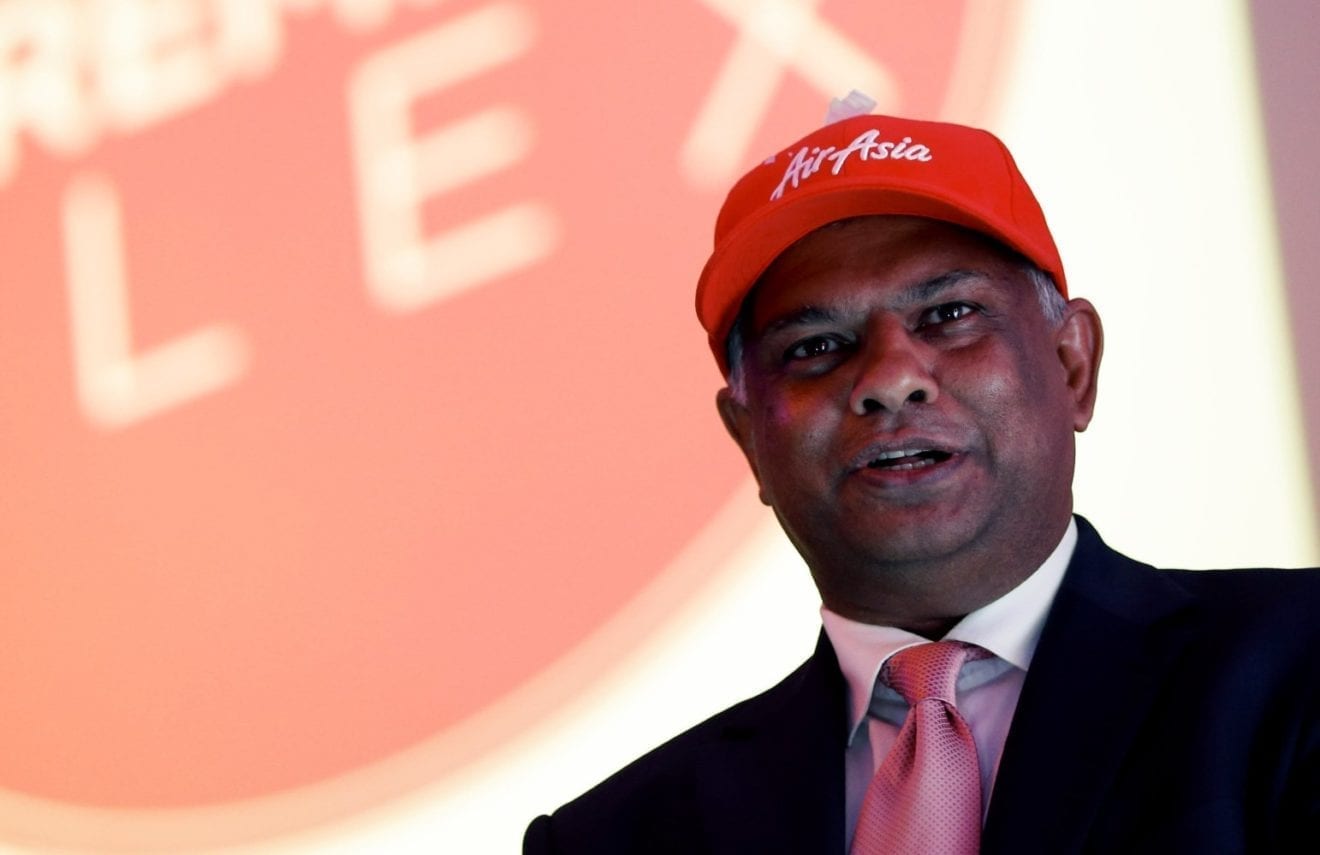
    AirAsia Group CEO Tony Fernandes earlier said Philippines AirAsia is on track with its turnaround plan.

    “We will take PAA (Philippines AirAsia) into the black by end-2017 on double-digit topline growth and a lower cost base from a more efficient fleet and keeping staff costs to below 10 percent of revenue,” he said.

    “We will go further by working on increasing ancillary revenue to above P500 per passenger,” he added.

  • Here come ‘smart stores’ with robots

    Here come ‘smart stores’ with robots

    Tomorrow’s retail stores want to take a page from their online rivals by embracing advanced technology — everything from helpful robots to interactive mirrors to shelves embedded with sensors.

    The goal: Use these real-world store features to lure shoppers back from the internet, and maybe even nudge them to spend more in the process.

    Amazon’s new experimental grocery store in Seattle, opening in early 2017, will let shoppers buy goods without needing to stop at a checkout line. Sensors track items as shoppers put them into baskets or return them to the shelf. The shopper’s Amazon account gets automatically charged.

    “Amazon, for good or bad, has been setting the path,” said Robert Hetu, research director at Gartner Research. “Each retailer is going to have to respond in some way. But it’s not one-size-fits-all.”

    Kroger, Neiman Marcus and Lowe’s are among the companies already experimenting with futuristic retail stores. Robots, for instance, could help guide shoppers to the right aisle, while augmented reality apps could help you see how a particular shade of paint will look in the living room — or how you might look in a pair of jeans. Many of these technologies will be unveiled or demonstrated at the CES gadget show in Las Vegas, which begins Tuesday with media previews.

    Plenty of retailers have learned through trial — and error — that technology can’t get too far ahead of shoppers. It has to be easy to use and beneficial to shoppers in some way, whether it’s to save time or money. If retailers get it right, they might succeed in boosting spending at retail stores at a time when consumers increasingly prefer to shop online.

  • Asian pax growth of 3.2% at Changi lifts November traffic

    Asian pax growth of 3.2% at Changi lifts November traffic

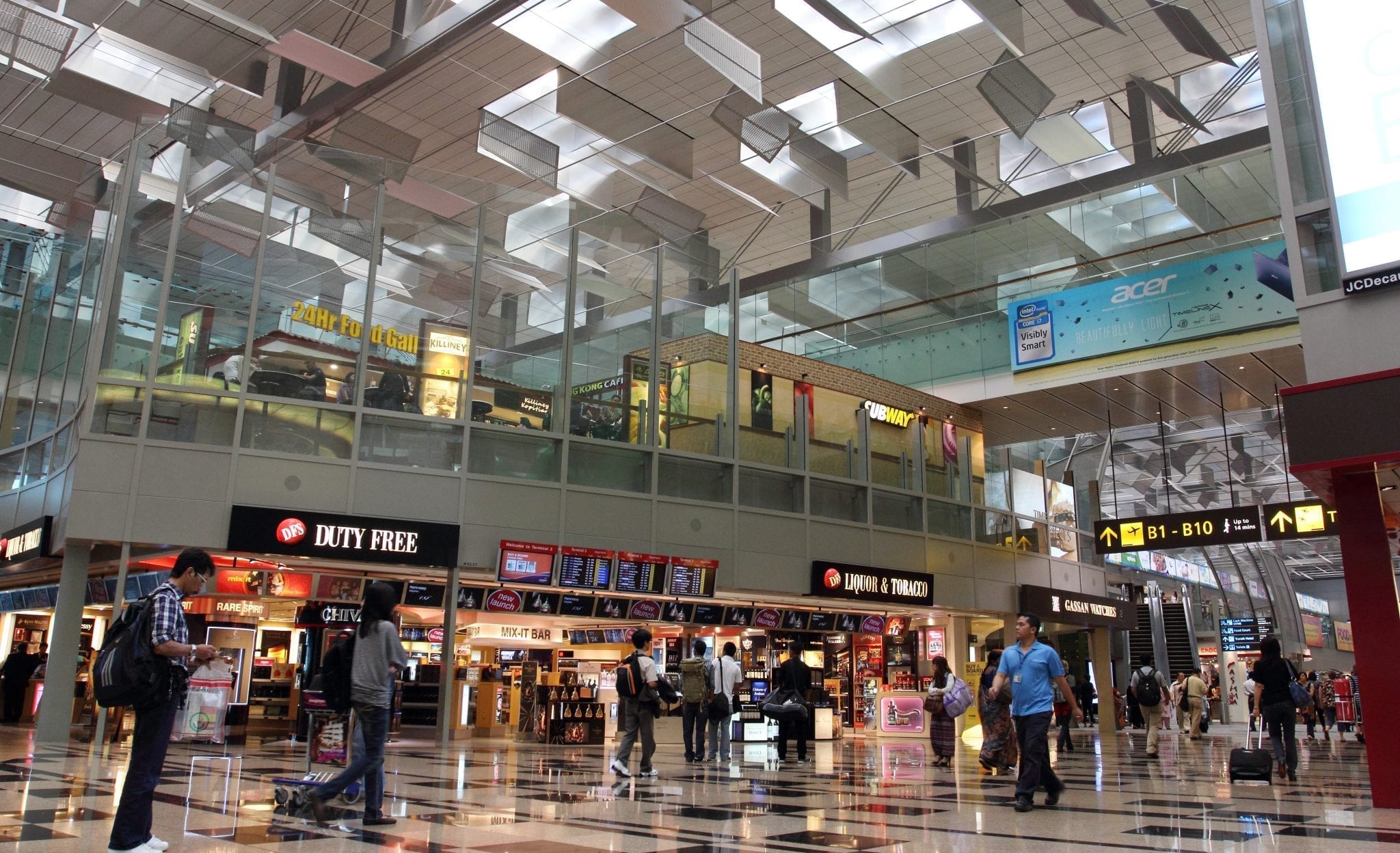
    Singapore Changi Airport has reported 4.78m passenger movements for November 2016, representing a +3.2% rise on November 2015, while total passenger traffic handled during the first 11 months of 2016 increased by +5.7% to 53m.

    During the same two periods, cargo shipments grew by +6.1% to 1.79m tonnes and aircraft movements rose by +4.1% to 328,520 landings and take offs, while in the first 11 months cargo grew +7.9% to 173,170 tons and take offs and landings by +3.4% to 29,710.

    The Civil Aviation Authority of Singapore stated: “Passenger traffic for the month of November was supported by growth in air travel to and from South-east Asia, North-east Asia and South Asia.

    STRONG GROWTH TREND TO SOUTHEAST ASIAN CITIES

    “Among Changi’s top 10 country markets, China (+13.7%), Vietnam (+9.9%) and India (+9.8%) led the gainers. As for Changi’s top 10 cities, strong traffic growth was observed between Singapore and Southeast Asian cities, such as Kuala Lumpur, Denpasar, and Ho Chi Minh City.”

    The CAAS also pointed to new services to India, with Air India Express launching four weekly services to Kolkata on 20 November, and Jet Airways starting daily services to Bangalore on 14 December.

    SilkAir also has launched four weekly services to Fuzhou in China, while Xiamen Airlines increased the frequency of its Singapore-Xiamen services from 14 weekly flights to 17 from 18 November. In addition, Myanmar National Airlines also raised its number of flights to Yangon from seven to 12 weekly services from 1 December.
    <
    NEW TERMINAL 3 RETAIL OUTLET ‘DEBUT’

    Meanwhile, between 16 November to 18 December 2016, CAAS added that the sole new store opening in Terminal 3’s Basement 2 over the period was by Etoz, which it describes as a manufacturer and retailer ‘of quality home and bedding products’, which has made its airport store debut at Changi.

    In addition, a ‘Teahouse by Soup Restaurant’ offering a variety of ‘unique’ Nanyang Dim Sum has also opened in the Terminal 1 public area.

    Changi Airport management said that as of 1 December 2016, more than 100 airlines were operating at Changi Airport, flying to around 380 cities in 90 countries and territories worldwide.

  • Mumbai Duty Free partners with Pernod in BMW drive

    Mumbai Duty Free partners with Pernod in BMW drive

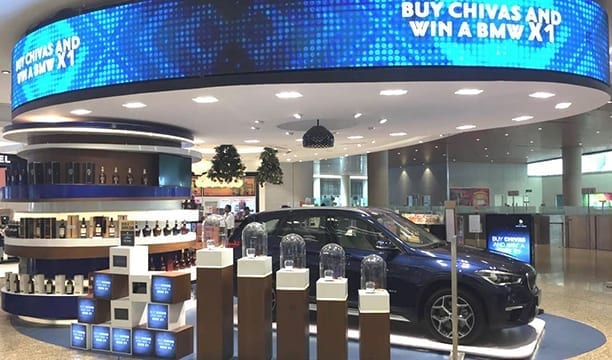
    Consumers at Mumbai’s Chhatrapati Shivaji International Airport T2 who spend more than US$80 on Pernod Ricard’s portfolio – including Scotch whiskies Chivas Regal, Royal Salute, The Glenlivet and Ballantine’s – can enter into the lucky draw by completing a coupon. One winner will then take home a BMW X1 Expedition car.

    “At Pernod Ricard, we have always believed in delivering luxury experiences to our consumers at various touch points,” said Nodjame Fouad, marketing director, Travel Retail Asia Pacific.

    “This promotion at the Duty Free store of Mumbai international airport is one such touch point where consumers can enjoy our luxury brands and experiences.”

    Manishi Sanwal, Mumbai Duty Free managing director, added: “In our constant quest to offer a greater value to our customers, we bring back the very successful ‘Win a BMW Car’ promotion yet again in this festive period of December to January.

    “We are extremely delighted to have partner brands like Pernod Ricard, who are always willing to support with greater excitement and engagement in their promotions.”

    The Taste of Luxury campaign is live now in the retailer’s T2 store and runs until 31 January 2017.

    Mumbai Duty Free is a joint venture between DFS Group and Flemingo International.

    Last year, the retailer partnered with Pernod Ricard to open the first Luxe Boutique concept store.

  • Asia’s Largest Toys Fair to Open Next Week

    Asia’s Largest Toys Fair to Open Next Week

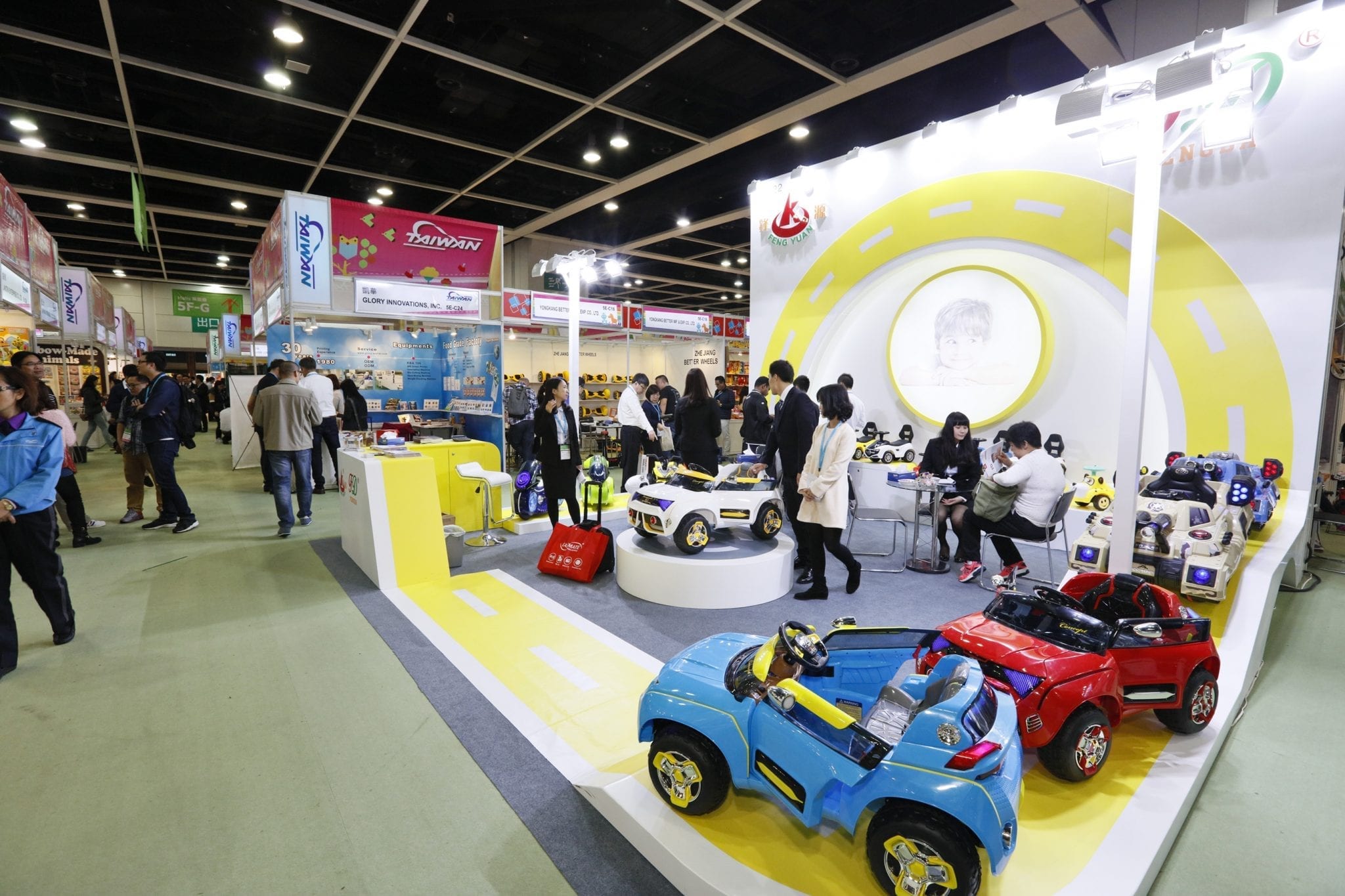
    The 43rd HKTDC Hong Kong Toys & Games Fair, the eighth HKTDC Hong Kong Baby Products Fair and the 17th Hong Kong International Stationery Fair are set to open at the Hong Kong Convention and Exhibition Centre (HKCEC) next week. Starting on 9 January and continuing through 12 January, the three fairs will feature more than 2,900 global exhibitors showcasing a dynamic range of innovative and high tech products.

    Hong Kong’s major export products, including toys, are still being affected by the lacklustre global economy. Speaking at today’s press conference, Benjamin Chau, Acting Executive Director, HKTDC, said that Hong Kong’s exports of toy products reached HK$33.8 billion in the first 11 months of 2016. He also noted that the toy industry is the only sector reporting a higher reading in the HKTDC Export Index for the fourth quarter of 2016, indicating growing confidence about the performance of toy exports in 2017. On the other hand, the Christmas sales performance recorded increases in major traditional markets such as the United States, the United Kingdom and Germany, as well as emerging markets including the Chinese mainland, Mexico, Chile, Hungary and the Czech Republic. Mr Chau added that under the mainland’s “Two-child Policy”, new opportunities are expected to emerge in the coming years for the toy and baby product markets on the mainland since the number of births is likely to rise considerably.

    “STEM toys – that strengthen the learning of science, technology, engineering and mathematics – as well as licensed products and toys applying virtual reality (VR) and augmented reality (AR) technologies are becoming more and more popular,” Mr Chau said. “Hong Kong companies can look into and explore these products.” He highlighted that the Hong Kong Toys & Games Fair gathers a wide range of products from around the globe. The hktdc.com Small Orders zone in the fair, along with the HKDC Small Orders Online Transaction Platform and business matching service offered by the HKTDC, will facilitate product sourcing and building business connections.

    Asia’s largest toys fair draws record exhibitors

    The HKTDC Hong Kong Toys & Games Fair will gather a record of more than 2,100 exhibitors from 42 countries and regions, with first-time participants from Bangladesh, Bulgaria and Denmark. The event is the largest of its kind in Asia and second-largest in the world.

    Five group pavilions will be featured in the fair this year, including the Chinese mainland, Korea, Spain, Taiwan and the UK, along with a “World of Toys” pavilion showcasing mainly European exhibitors and a global range of toy and game products. This year, the UK pavilion has doubled its exhibition space with 17 exhibitors, offering buyers more selections. The signature Brand Name Gallery will return with more than 220 renowned brands from 15 countries and regions. Among them will be 4M, Bburago, Eastcolight, Hape, VTech, as well as new exhibitors including Japanese building block brand nanoblock and Portuguese brand ELOU for educational toys made with cork.

    The acclaimed Smart-Tech Toys zone will feature a range of toys with innovative technology capabilities. Some of the exhibits have incorporated the increasingly popular AR and VR technologies in their designs, along with mobile apps to make products more interesting and interactive for users. To meet the growing demand for STEM toys in the market, a new STEM Toys Product Display area will be launched at the fair.

    Two new thematic zones, Pet Toys and Fireworks, will also be introduced this year. The Pet Toys zone will feature toys and daily supplies tailor-made for pets. The Fireworks zone will introduce festival fireworks, display shells, firecrackers as well as indoor and stage fireworks suitable for use in different events to industry buyers.

    One-stop sourcing at concurrent Baby Products and International Stationery fairs

    The HKTDC Hong Kong Baby Products Fair will be held alongside the Toys & Games Fair, featuring a record of close to 540 companies from 27 countries and regions, including first-time exhibitors from Qatar and Turkey. This year, the Korea pavilion will gather 32 exhibitors, an increase of more than 80 per cent compared with the last edition. Brand Name Gallery will feature close to 50 renowned quality brands from 14 countries and regions, while the Baby Tech zone, another highlight of the fair, will bring in 22 exhibitors to help visitors keep abreast of the high-tech product and smart living trends.

    The Hong Kong International Stationery Fair, jointly organised by the HKTDC and Messe Frankfurt (HK) Ltd, will feature over 250 exhibitors from 18 countries and regions, including new exhibitors from Bangladesh, Finland, India, the Netherlands and Spain. Exhibitors will showcase the latest art and craft supplies, back-to-school items, paper packaging and printing goods, office supplies and gift stationery.

    During the fair period, a series of industry events will be organised. The influential “Hong Kong Toys Industry Conference 2017” will be held on 10 January under the theme of “Grasp the Chance: What’s New in the Market and Our Industry?”. Experts will explore the trends and opportunities in the global market, especially those related to the Chinese mainland. Other seminars include “STEM Toys – Next Big Wave”, “The New Epoch of Virtual Toys”, and “A Closer Look into the Key Influencers in Baby Product Trends”. Masayuki Takabatake, the renowned “Stationery King” from Japan and a representative from one of Japan’s biggest stationery brands KOKUYO, will deliver a seminar on “A Glimpse into the Forthcoming Design Trend”.

    A number of product demonstrations and launch pads as well as buyer forums that explore opportunities in emerging markets and seminars analysing retail opportunities in the digital age will be organised during the fair. These events will enable industry players to exchange market information and keep abreast of the latest design and product trends.

    Another highlight will be the “Hong Kong Toys and Baby Products Awards 2017 Presentation Ceremony” to be held on the first day of the fair (9 January), with a winning products presentation taking place the following day. The award aims to uncover toy and baby products with unique designs, creativity and high quality, as well as to celebrate outstanding achievements in the industry. During the fair period, the winning products will be displayed at the Hall 3F-G Concourse.

    Held concurrently with the Toys & Games Fair, the Baby Products Fair and the Stationery Fair is the HKTDC Hong Kong International Licensing Show, which is the largest of its kind in Asia, and second-largest in the world. It will feature more than 370 exhibitors from 12 countries and regions and showcase over 900 brands and properties. The four parallel fairs will create abundant trading opportunities for crossover business activities among the participants from various sectors.
  • Tourism Lull Hits Hong Kong Jewelry Sales

    Tourism Lull Hits Hong Kong Jewelry Sales

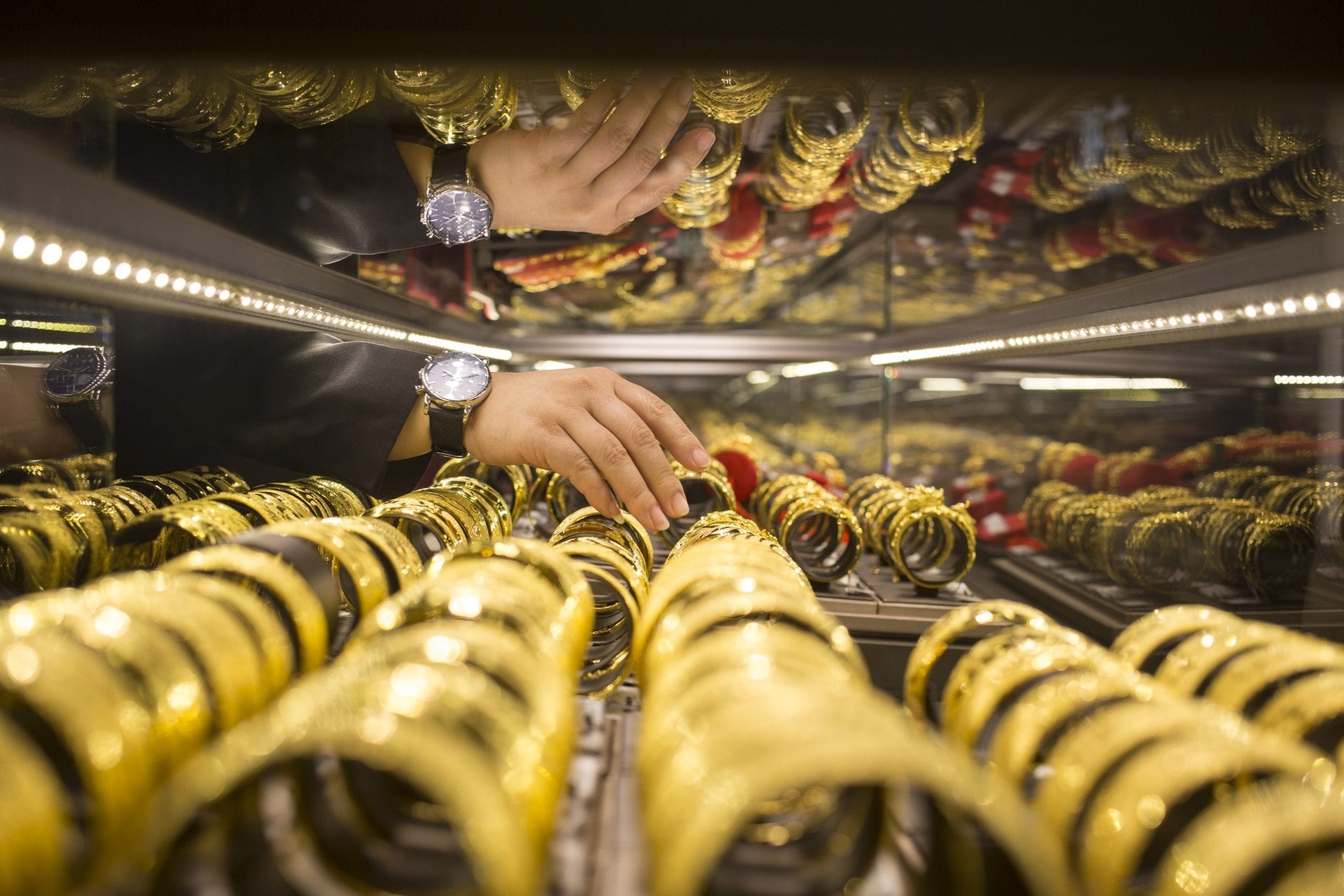
    Retail sales of jewelry and other luxury items in Hong Kong slumped in November as tourist arrivals continue to dwindle. Revenue from jewelry, watches, clocks and valuable gifts declined 14 percent to $731.6 million (5.67 billion) in November, according to provisional data from Hong Kong’s Census and Statistics Department. The number of tourists visiting Hong Kong fell 2 percent the same month, the Hong Kong Tourism Board reported.

    Hong Kong’s luxury retail sales suffered throughout most of last year as fewer tourists arrived. The data in October signaled a possible recovery as the growth in jewelry and luxury sales was flat from a year ago. However, the latest figures in November did not lend credence to any suggestion of an improvement, even as the drop in sales for that month was less steep than the 19 percent slump for the first 11 months combined.

    Overall retail sales slipped 5.5 percent, likely dragged down by lower tourist spending on select big-ticket items, a government spokesperson explained.

    “Looking ahead, the performance of retail sales will depend on whether inbound tourism will improve and whether the various external uncertainties will affect local consumer sentiment,” the spokesperson said.