Category: General

Retail News Asia is committed to providing both local and global retailers with the latest General Retail news throughout the Asian market. This on a daily base.

  • Soon, fly to Singapore, Bangkok, directly from Chandigarh

    Soon, fly to Singapore, Bangkok, directly from Chandigarh

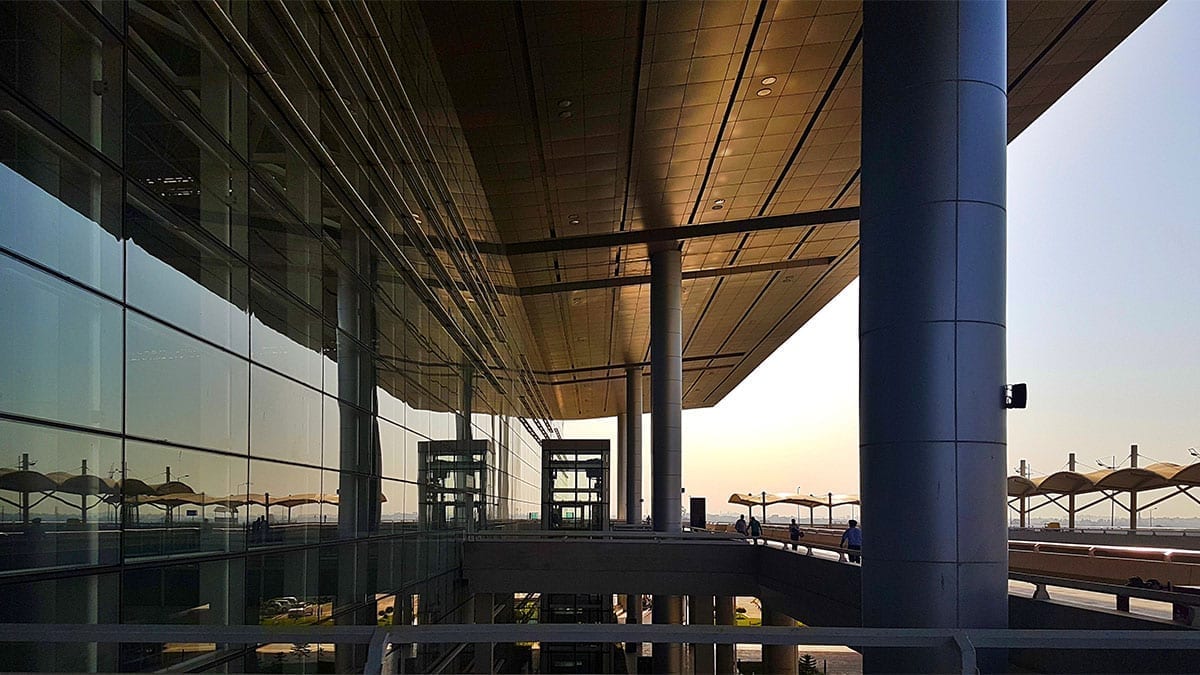
    The Chandigarh international airport in Mohali will be spreading its wings by connecting two new international destinations and four new domestic stations with direct flights from here.While two more international direct flights to two most sought-after global tourist destinations – Singapore and Bangkok— will start taking off from Chandigarh in March, the direct flights to and fro from Goa, Pune, Chennai and Hyderabad will also start taking off in February and March.

    With this, Chandigarh will have four international flights (two international direct flights to Sharjah (thrice a week) and Dubai daily are already flying since September this year), while the number of domestic flights daily will go up to 25.Today, Chandigarh was connected directly to Leh with Air India (AI), launching a flight between Leh and Chandigarh. The first flight (AI-457) departed from Leh at 08:05 hours and arrived here at 09:00 hours. In the return journey, the flight (AI-458) took off from Chandigarh at 09:40 hours and landed in Leh at 10:20 hours.

    The flight, operated by an A-319 Airbus, will fly on Tuesday, Thursday and Saturday every week.Sharing the airport expansion plans for 2017 with The Tribune here today, the airport CEO, Suneel Dutt said besides adding more international and domestic flights, as per the demand and viability, a duty-free shop and more retail shops would also open at the international terminal in the coming days. Also, the international cargo and another aerobridge, which will be the third here, would begin operations in 2017. The domestic cargo and two aerobridges are already functioning here.

    The airport CEO said there are also plans to beautify the international airport terminal further with the expansion of its green belt in the New Year.The newly-constructed integrated terminal building of Chandigarh international airport had already bagged the prestigious Vishwakarma Award for best construction project.

    The new terminal had been awarded for being the best project for well-developed landscapes and interior with art, paintings and mural works. Inaugurated on September 11, 2015, the new international airport had taken off in September, 2016, with the operation of two international flights to Sharjah and Dubai.The terminal building can handle 1,600 passengers during peak hours, with an annual capacity of 4.5 million.

    Fully air-conditioned and equipped with modern facilities, the new building has the facility of three aerobridges, four baggage carousels, 14 elevators, six escalators and 48 check-in counters. The parking area has the capacity for 500 cars and a separate provision for VIP car park and bus parking. Aircraft parking main apron and the cargo apron has a capacity of 10 C-type aircraft and one E-type aircraft at a time. The interior of the airport is decorated with art and mural works depicting the heritage and culture of Punjab, Haryana and Chandigarh.

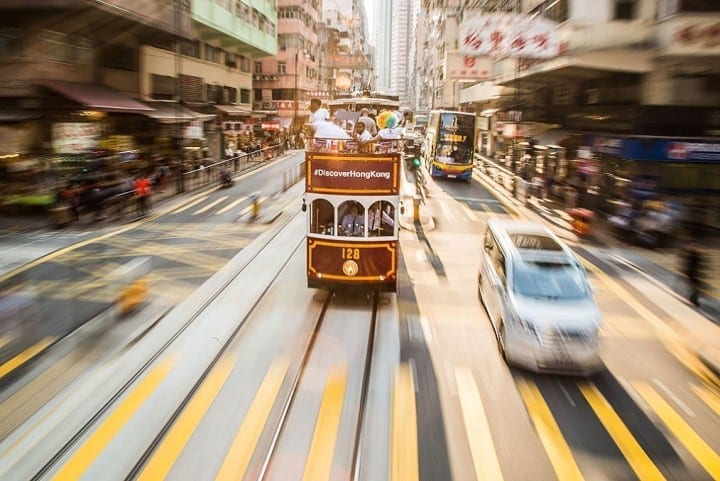
  • Hong Kong less of a paradise for shoppers from China

    Hong Kong less of a paradise for shoppers from China

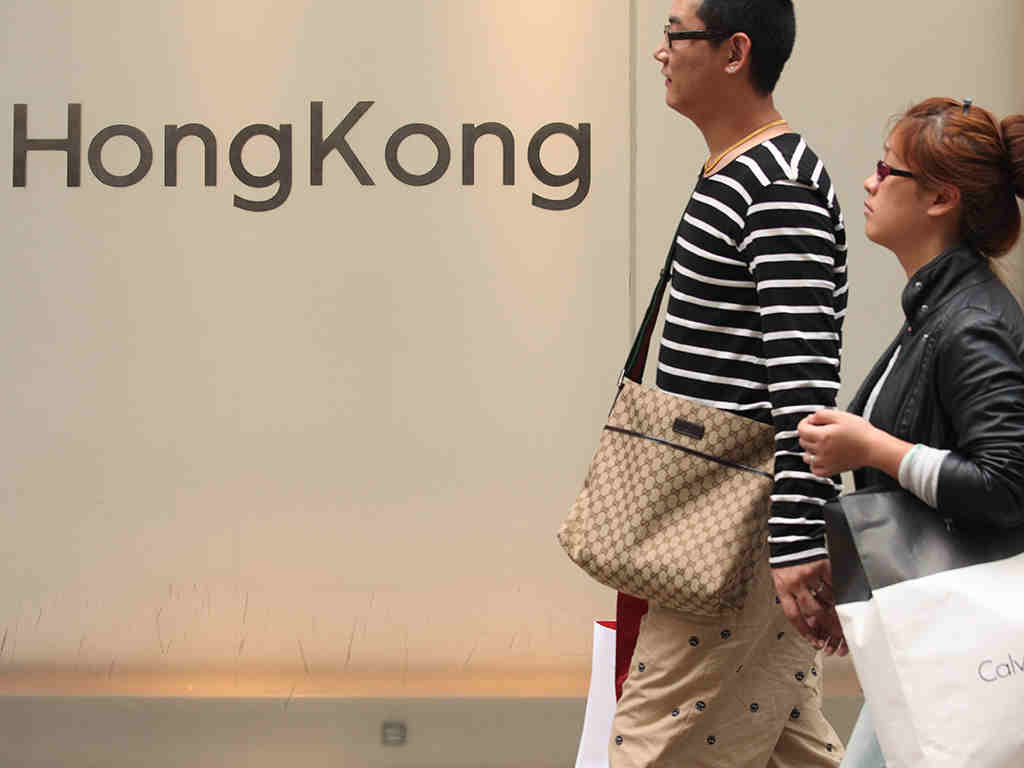
    It used to be widely known as the Pearl of the East, a shopping paradise beckoning residents of China.

    But these days, Hong Kong has lost much of its lustre and is finding it harder to attract big spenders from China.

    Tourists from China spent an average of HK$7,105 (S$1,300) in Hong Kong in the first half of last year, down 15.8 per cent from the same period in 2015. This is also way below the corresponding figure for 2014 of more than HK$9,000.

    With three in four tourists to Hong Kong hailing from China, the decline in spending has hit Hong Kong’s retail sector badly.

    Last year, no fewer than four major luxury brands have shut at least one of their stores in Hong Kong. The latest is Prada, which closed its flagship boutique at Peninsula Hotel’s shopping arcade yesterday.

    $1,300

    Average amount tourists from China spent in Hong Kong in the first half of last year, down 15.8 per cent from the same period in 2015.

    35.4m

    Tourist arrivals to Hong Kong from China in the first 10 months of last year, down 8.2 per cent from the same period in 2015.

    The Italian fashion brand joined Ralph Lauren, Paul Smith and Tonino Lamborghini in having store closures in Hong Kong last year.

    Analysts expect more to follow. Some have already served notice of their plans to shut their stores.

    Abercrombie and Fitch will pull out of Hong Kong before the lease of its 25,600 sq ft store in Pedder Street expires in 2019. The United States fashion label suffered a 14 per cent year-on-year drop in sales from August to October last year. The company intends to open five stores in China by the end of this month.

    Another US fashion chain, Forever 21, has confirmed that it will shut its 51,188 sq ft store in Causeway Bay shopping district by August.

    Mr Pascal Martin, partner of OC&C Strategy Consultants, said: “Until recently, Hong Kong was a key part of a brand’s strategy to build brand equity with Chinese tourists in view of entering China.

    “This is still true to some extent, but now, brands rely more on building brand equity directly with Chinese visitors in their flagships in Europe and the US, as well as online, rather than in Hong Kong.”

    He added: “Most affluent Chinese tourists have now diversified their travel destinations beyond Hong Kong, to places such as Japan, Korea, Europe and the United States, where they also shop.”

    Hong Kong saw 35.4 million tourist arrivals from China for the first 10 months of last year, down 8.2 per cent from the same period in 2015.

    But things got better during the recent Christmas holiday period from Dec 23 to 26, as Chinese visitor numbers jumped 18 per cent year on year, and overall visitor numbers rose 13.8 per cent, South China Morning Post reported.

    But many tend not to spend much on shopping in Hong Kong.

    Cafe owner Lin Chang, 29, was among the Chinese tourists who visited Hong Kong over the Christmas period. Despite the attractive deals on offer, she did not buy a single item. “I plan to buy a designer handbag, but I want the novelty of getting it in Paris,” said Ms Lin, who spent only two days in Hong Kong before heading off to Paris for a week.

    The retail slump in Hong Kong may not spell bad news for all – the closure of some stores has allowed new players to take over shop space at lower rents, noted Mr Martin.

    Hong Kong still remains an attractive tourist destination, said executive director of the Travel Industry Council of Hong Kong Joseph Tung.

    Mr Tung said: “The latest statistics showed that the number of overseas visitors to Hong Kong has increased in recent months. It means that Hong Kong is still an attractive destination to tourists from other countries, not only mainland visitors.”

  • Convenience Stores Boom as Korea’s Households Change

    Convenience Stores Boom as Korea’s Households Change

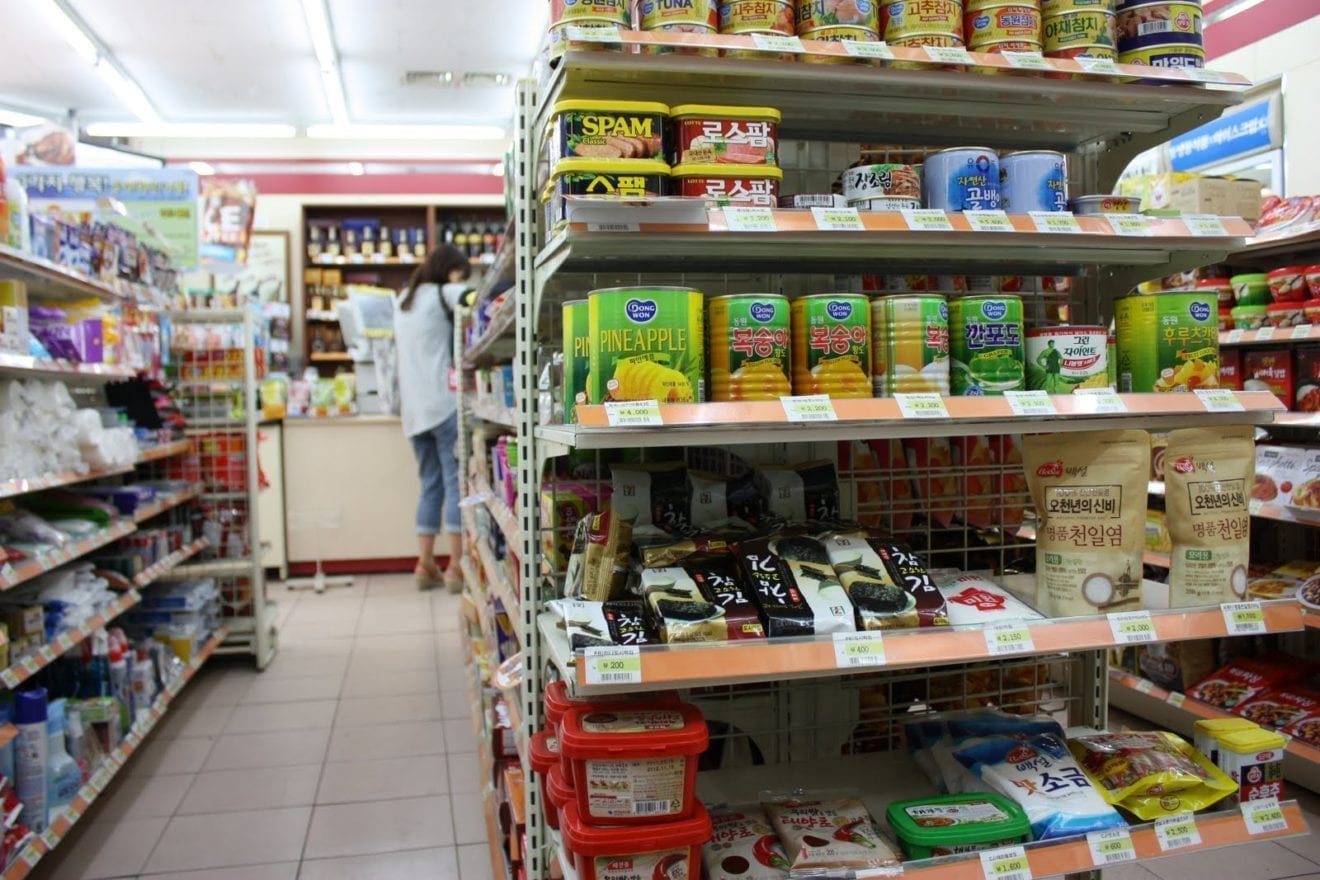
    The rising number of single-person households in South Korea is helping to fuel a boom in neighborhood convenience stores, one of the few bright spots in the nation’s sluggish economy.

    The number of convenience stores has jumped by more than half over the past five years, to 32,000 this year, according to the Korea Association of Convenience Store Industry.

    Analysts point to single-person households, which are expected to account for about a third of Korean households by 2030, up from 20% in 2005, according to the official Statistics Korea.

    “Convenience stores have more appeal to single households compared to other local businesses such as supermarkets and drug stores,” said Kim Moon-tae, a senior researcher at the Hana Institute of Finance. Goods at supermarkets are a bit too big for small households and drug stores focus on beauty products, Kim said.

    The trend has been great for BGF Retail Co., the largest convenience store chain in Korea, which is likely to surpass 5 trillion won $4.3 billion in revenue in 2016, according to a Bloomberg survey of analysts. That would be up 16% from 4.3 trillion in 2015. Its stock price has more than doubled since it was listed in 2014, according to data compiled by Bloomberg.

    “Single households can buy as much as they need at the closest convenience store without feeling restrained, wearing anything they’d like, 24 hours a day, and I think this is one of the factors helping convenience stores grow,” said Kim Chulsik, a researcher at Yonsei University’s Institute of East and West Studies.

    Convenience stores are adapting to the needs of single people, said Park Byung-su, who runs a 66-square-meter store in Seoul’s Sageun neighborhood where the number of those living alone rose 39 percent from 2010 to 2015, according to Statistics Korea.

    Park said he and his brother expanded the store’s offerings five years ago when hardware shops around the neighborhood started to disappear and people began dropping by in search of electric supplies. “Before then, most of our goods were just snacks,” he said.

    Now Park’s store sells nail clippers, garbage bags, brewed coffee, light bulbs, hair gels, wet wipes, towels and electric alarm clocks. At other convenience stores, shoppers can pay bills, drop off or pick up a parcel and even rent a car.

    Kim Young-kyu, 33, who lives alone near Seoul’s Hongdae neighborhood, said he visits the same convenience store almost every day for breakfast.

    “I’d rather go to a convenience store than a nearby gimbap restaurant,” Kim said, referring to small restaurants that sell rice wrapped in seaweed. “There is much more to choose from. They have lunch boxes, bread, ramen and a lot more.”

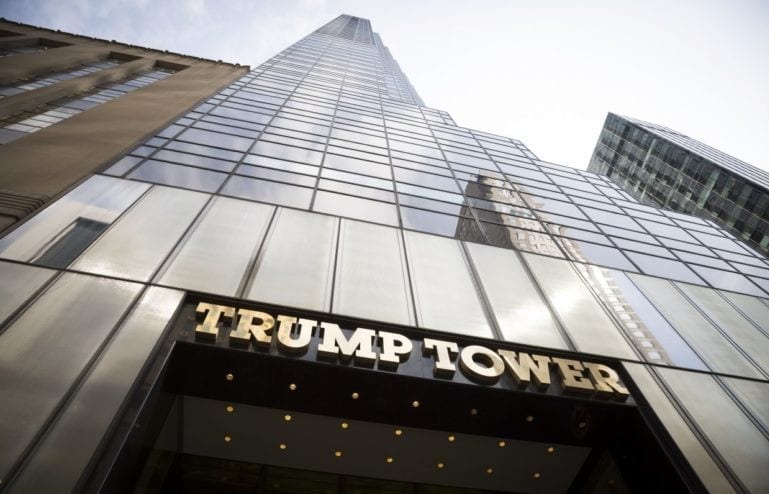
  • Chinese retail is obsessed with Donald Trump

    Chinese retail is obsessed with Donald Trump

    Despite all his contentious campaign rhetoric, Chinese retail has embraced Donald Trump in a big way.

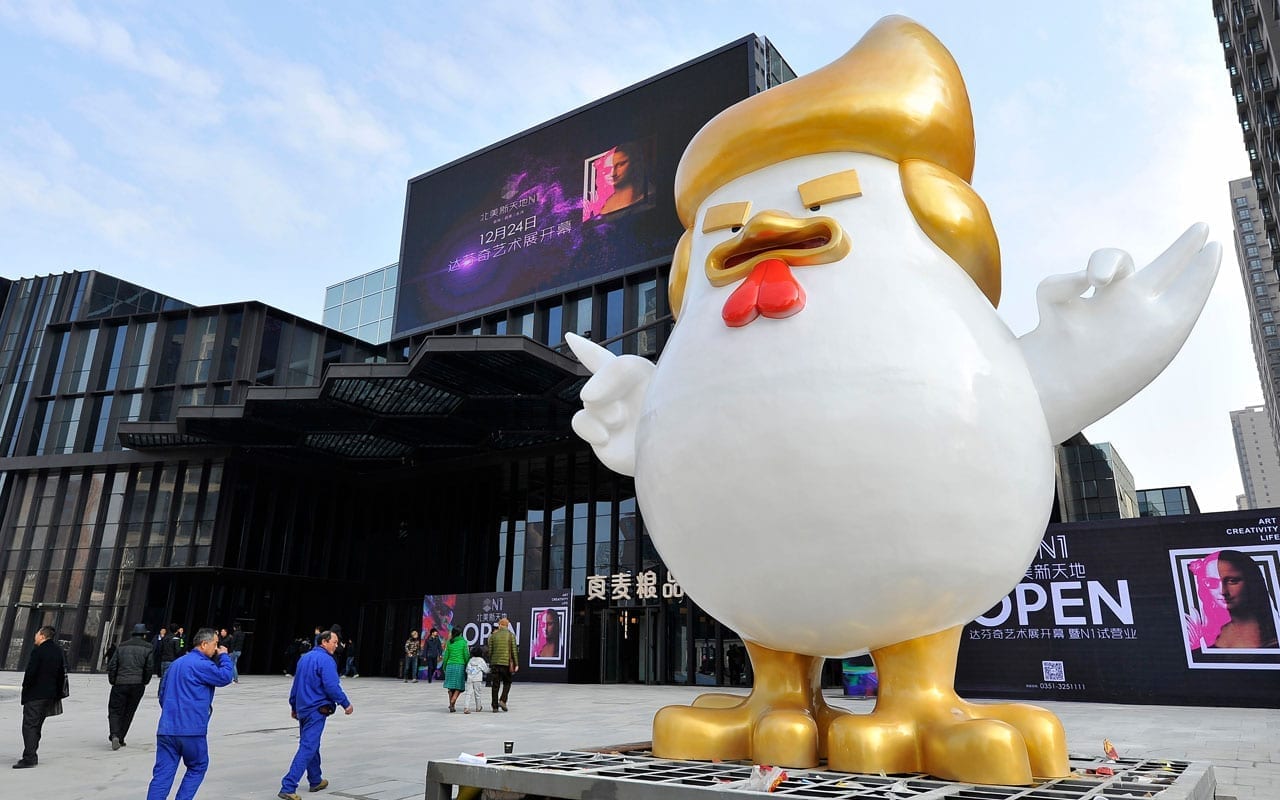
    Take the Trump-rooster statue just erected at a shopping mall in Taiyuan, the capital city of China’s Shanxi province, for example. The enormous effigy —  to celebrate 2017, the Chinese Year of the Rooster — stands 32 feet tall, complete with the president-elect’s unmistakable quiff and hand gestures. In fact, Chinese retailers incorporate Trump’s “look” or name into their products frequently, including caricatured figurines, skincare items, condoms, and more.

    “This is the first time we’ve had a president who is a brand, and it’s not unusual to see various markets try to co-opt brands for their own success,” said Greg Portell, lead partner for consumer industries and retail practice at global consulting firm A.T. Kearney. “But China, in particular, is trying to capitalize on the Trump brand.”

    Without hard data, it’s unclear whether Chinese consumers have bought into the push. But retailers are betting they will.

    Halloween was a good indication. The Jinua Partytime Latex Art and Crafts Factory, among others, started churning out masks of then-candidate Trump. While the company also produced other political masks, including one depicting Democratic presidential candidate Hillary Clinton, workers stockpiled Trump’s, expecting them to sell out in 2016, as reported.

    Now, just weeks before Trump’s inauguration, multiple Chinese retailers have started selling scaled-down versions of that gigantic rooster statue, including Taobao, a large e-commerce site owned by Alibaba. And of course, Alibaba hasn’t missed out on the Trump trend either, offering a multitude of bobbleheads as well as Trump’s iconic red “Make America Great Again” baseball caps — although Amazon, the U.S. equivalent, sells its fair share of paraphernalia too.

    “If you go back to what retailers are looking for in general, they’re looking to drive traffic and drive conversation. Selling products is almost secondary,” Portell noted. “In China, they’re achieving all the above.”

    But China’s Trumpmania isn’t entirely new. In the past decade, Trump has filed 126 trademark applications in China for products from pet care to lingerie, according to data from the Trademark Office of the State Administration for Industry and Commerce, reported by the Washington Post. And the president-elect wouldn’t be filing them if they didn’t make him money.

    But his next battle lies in fighting off other people trying to use his brand. Registered trademarks already exist in China for Trump condoms, paint, and even toilets.

    “It is just a psychological effect,” Zhong Jiye, founder of Shenzhen Trump Industrial Co., told the Washington Post. “They are interested because they want to sit on a toilet or use a urinal that has the name of a U.S. president.”

  • S. Korea’s retail sales rise 6.5 pct in Nov.

    S. Korea’s retail sales rise 6.5 pct in Nov.

    Sales of major South Korean retailers including department stores and Internet shopping malls rose in November from a year earlier on brisk online purchases, government data showed Thursday.

    The combined sales of department stores, large outlets and Internet shops increased 6.5 percent on-year last month, with cumulative sales of the January-November period jumping 10.6 percent, according to the data by the Ministry of Trade, Industry and Energy.

    The ministry said the on-year gain is led by online sales which soared 20.2 percent on the back of rising overseas purchases through global sale events including Black Friday in the U.S.

    Sales of offline stores, however, edged up 0.3 percent as a 15.3-percent gain at convenience stores was offset by a 2.8-percent drop at department stores and a 6.1-percent fall at large discount chains.

    Decreased holidays and shoppers after the nationwide shopping festival Korea Sale Festa that ended in October dragged down sales at department stores, added the ministry.


  • Hong Kong Shopping Festival 2017: Things You Need To Know

    Hong Kong Shopping Festival 2017: Things You Need To Know

    During July to August, Hong Kong conducts special events and stores have special sales for the festival. One can get quality products and prices. During this time, there will be more sales than usual. Many stores will be also open longer than usual. Major discounts will be made available. Customer service will also make available coupons for the sale.

    Hong Kong has always been considered as a world class shopping center. They have the highest in retail rental for stores. In 2015, the Global Shopper Index named Hong Kong as the best to place to shop in Asia. This is based on characteristics such as variety, price, ease of travel, enjoyment and entertainment.

    In fact, it was rated as substantially better than the next city in Asia. One can usually find bargains on most products better than elsewhere in Asia while at the same time enjoying the place. One will also find about the widest variety of products in Asia.

    Hong Kong can be quite warm in July and August, but this is no problem because all malls in Hong Kong have air conditioning. It is not recommended to go out too early the street markets because of the warm weather. It is better after sundown, then one can try the street food and eat outside when it is cooler. There are luxury malls, and there are middle priced malls. One can find some of Asia’s best restaurants in these malls, as rated by the Michelin Guide.

    Access to Central District is a breeze via the Star Ferry terminal in Central or the Central MTR station. On the island, there are also hiking areas, parks, natural parks and beaches, good free zoos, and the vast and renovated Ocean Park amusement park. Much of the island is covered by public forest land that makes the island scenery beautiful and that makes for good and safe natural hiking areas. From Chinese noodle restaurants to gourmet French and Cantonese restaurants in the Landmark or the IFC Towers, one has a wide range of places to eat in Central and Admiralty.

    If you venture out and around the Mong Kok area in Kowloon, there is the The Ladies Market, Fa Yuen Street, Tung Choi Street, Ladies Market’s Sai Yeung Choi Street, or Temple Street. For electronics, the latest is always available. You can get bargains on Chinese-made electronics. There is Golden Computer Center which is a large electronics market. For photography equipment, Stanley Street on Hong Kong Island and Sai Yeung Choi Street on the Kowloon side are where the professional photographers prefer to go for new lenses or cameras. The large Apple stores in Hong Kong sell the latest versions about 10 percent cheaper than in the mainland.

    For cosmetics, in the bigger shopping malls in Central in Hong Kong, you can find most brands of cosmetics. For outlet stores, Hong Kong has several outlet stores. One of them is Citygate that is conveniently located in Tung Chung on Lantau Island and is only 5 minutes from the airport.

  • Stores giant feels the pinch of retail woes

    Stores giant feels the pinch of retail woes

    CEC International Holdings (0759), which operates 759 Store outlets, recorded a net loss of HK$29.9 million for the six months to October, a reversal from the HK$8.1 million net profit that it made a year earlier.

    Loss per share was 4.49 HK cents in its fiscal first half against earnings per share of 1.21 HK cents a year earlier.

    Revenue fell 14.2 percent to HK$1.1 billion from HK$1.3 billion.

    The firm blamed the local market’s weakness, leading to a 13.3 percent decline in its retail business to HK$1 billion.

    It said total retail sales value in Hong Kong has declined for 20 consecutive months, but its retail business is still expanding, specifically the number of its retail stores and warehouses. Thus, revenue growth was below expectation and did not fully offset rising costs.

    CEC International said it incurred a foreign exchange loss of HK$22.3 million due to the yen’s appreciation against major currencies from the fourth quarter last year until the latest reporting period. In contrast, it made an exchange gain of HK$19.4 million in the same period last year.

    Chairman Lam Wai-chun said it will set “die-hard defense” as a target of its retail business in the second half.

    It will consider rent-to-sales- performance ratio and the reasonable distribution of location of its 70 to 80 branches, the leases of which are due to expire by the end of next year.

    CEC International said it expects to close down or revamp 13 branches in the second half. By October, it plans to open five new branches and merge two outlets.

    It will also terminate the lease of one of its major warehouses for retail logistics in 2017.

    It will either turn 759 Kawaii outlets for cosmetics and personal care products into 759 stores or close them.

  • Aprindo Foresees 10% Increase in Retail Sales Volume for 2016

    Aprindo Foresees 10% Increase in Retail Sales Volume for 2016

    Indonesian Retailers Association (Aprindo) said that this year’s retail performance has been better than last year. Aprindo chairman Roy Mandey is confident that volume of retail sales will increase 10 percent this year.

    “We are confident of ending 2016 with 10 percent increase in volume of retail sales compared to last year,” Roy Mandey said in Jakarta on Wednesday.

    Roy explained that the figure of 10 percent is equal to Rp200 trillion. Last year, with national economic growth at 4.7 percent, the volume of retail sales reached 8 percent or equal to Rp181 trillion. “Adding processed food and beverages into the equation would take the sales volume to Rp1,630 trillion.”

    Roy said that sales volume increased significantly in November and December, despite some rallies staged during that period.

    As for next year, Aprindo is confindent of achieving similar figure of sales volume because Indonesian economic growth is predicted at 5.4 percent, which will help the growth of retail industry.

    Roy revealed that the growth of Indonesia’s retail industry is better compared to that of other countries. The United States, for instance, only saw 0.1 percent increase in retail industry. “Indonesia’s [retail sector] is better [in terms of growth], more so because inflation rate is low.”

  • Oman Air wins Malaysian foreign airline of year award

    Oman Air wins Malaysian foreign airline of year award

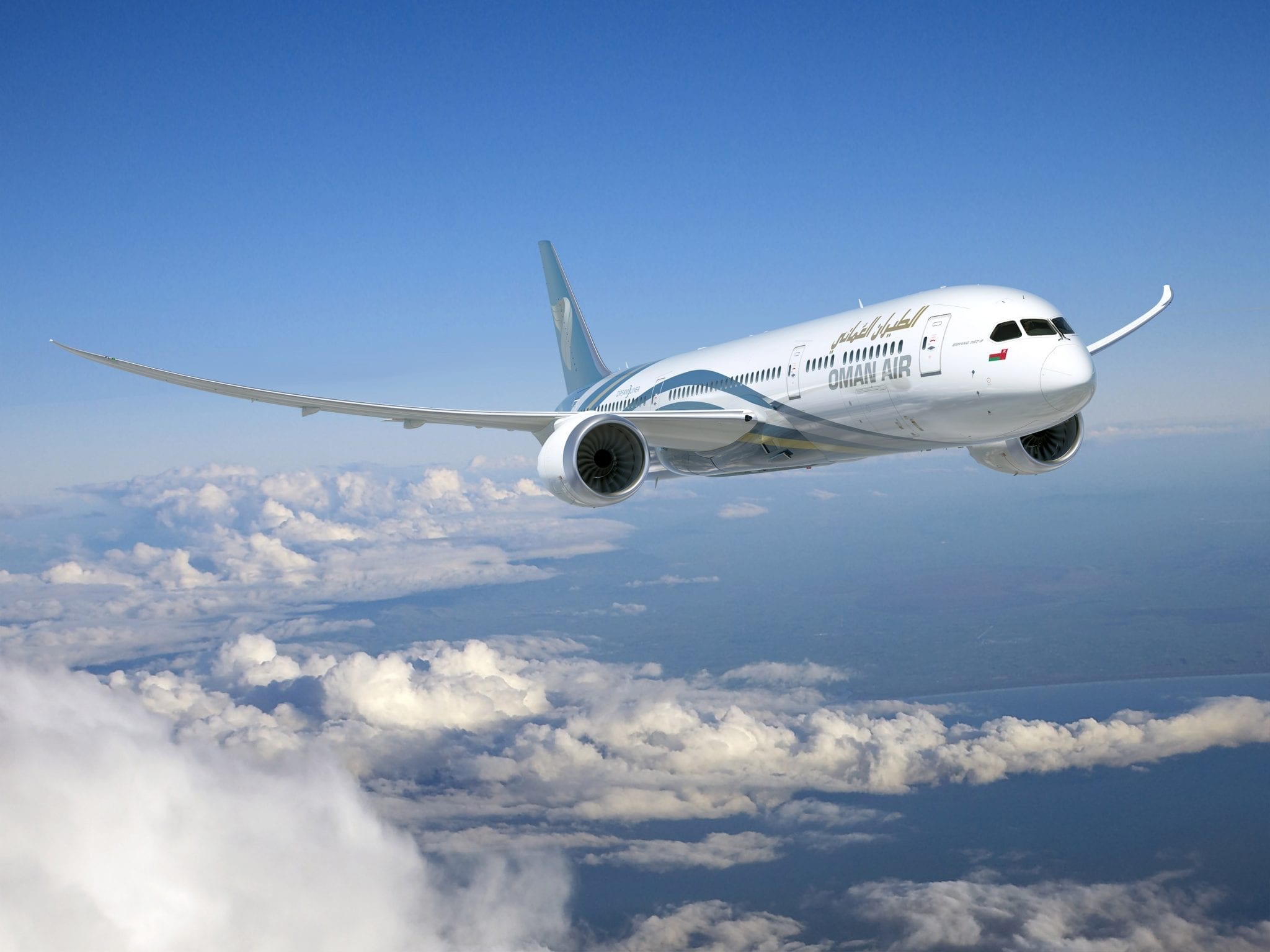
    National carrier Oman Air won a prestigious airlines award in Malaysia, the airline announced on Wednesday. Oman Air was awarded the Foreign Airline of the Year by Sector to Middle East award at the Kuala Lumpur International Airport (KLIA) Awards 2015.

    Oman Air was chosen based upon its achievements in 2015, including growth, sales performance, international recognition and service excellence.

    This latest recognition is among an ever- increasing list of awards for Oman Air, which overcame competition from other airlines operating in the Middle East, including last year’s winners.

    Gateway of choice

    The KLIA Awards has been in existence since 2006, in recognition of aviation partners’ contributions in achieving the vision of KLIA becoming the gateway of choice in the region.

    This year’s ceremony took place at the Sama Sama Hotel, KLIA, Petang, and the award was accepted by Oman Air’s Country Manager in Malaysia, Zainuddin Mohamed. Also present at the ceremony were Malaysian Minister of Transport Datuk Seri Liow Tiong Lai, Malaysia Airports Chairman Tan Sri Dr Wan Abdul Aziz Wan Abdullah and Civil Aviation Department Director General Datuk Seri Azharuddin Abdul Rahman, as well as other key personnel from the aviation industry.

    Commenting on the award, CEO of Oman Air Paul Gregorowitsch noted, “Oman Air is undertaking a very ambitious expansion programme, and it is gratifying to have our achievements and contribution to the industry recognized by KLIA. We continue to grow in all markets, including South East Asia, and our success is based on our consistently excellent product and on-board experience. Oman Air is always striving to “be the best”, and testament to this is our ever growing list of industry accolades and awards.”

  • Christmas is over, but not the shopping

    Christmas is over, but not the shopping

    The shopping frenzy continues after Christmas as Orchard Road and neighbourhood malls lay on the post-Christmas sales to reel in the crowds.

    Mall tunes have been switched as well, as many people head out to shop for the Chinese New Year, on Jan 28 next year, or to stock up for the new school year.

    Ms Donna Tan, 33 , an administrative executive who was at the Nex shopping mall in Serangoon, said she was taking advantage of the current sales to get both Chinese New Year clothes and school shoes for her daughters, aged 10 and 14.

    She said: “There isn’t much time left for Chinese New Year shopping actually. The sales are also good now, so we took today and yesterday off to shop.”

    In total, she spent about $300 at Nex, Changi City Point and Tampines Mall over the past two days.

    Student Salwa Mayra, 19, waited for the post-Christmas sales to score better deals.

    Ms Salwa, who went shopping in Orchard Road and at Nex, said she bought clothes at Zara at half the usual price. Others, such as Ms Miki Chua, 40, a teacher, also decided to wait until after Christmas to beat the crowds.

    “I looked around during the Christmas period but it was too crowded, so I decided to come back now,” said Ms Chua, who had bags from Forever 21 and Etude House.

    Stores such as H&M and Robinsons continued to offer discounts of up to 70 per cent.

    Several malls and department stores reported healthy post-Christmas crowds and sales.

    A Tangs spokesman said the sales figures for Monday, the day after Christmas, were “quite encouraging”, without giving details. The sale at Tangs goes on till Jan 2.

    A spokesman for the orchardgateway shopping mall also said that the crowds on Monday were on the “positive side”.

    Takashimaya Singapore said that while there was just a 5 per cent increase in crowd figures on Boxing Day this year compared with last year, Takashimaya Department Store achieved a “double-digit increase in sales” over last year’s figures.

    Ms Stephanie Ho, general manager at Frasers Centrepoint Malls, said overall traffic at the company’s malls, which include Causeway Point and Waterway Point, was boosted by up to 20 per cent.

    “This may be attributed to promotions, including post-Christmas and back-to-school sales, over the long festive weekend,” she said.

    Despite healthy crowds, a survey conducted by e-commerce solutions company SAP Hybris that was released earlier this month found that only 39 per cent of shoppers still enjoy browsing in purely brick- and-mortar stores.

    More popular were stores with both a physical and digital presence, which 68 per cent of those surveyed cited as their top shopping option. Consumers were also less interested in more new-age services such as mobile payments through a digital wallet.

    Singapore Polytechnic senior retail lecturer Sarah Lim said that while an increase in transactions or crowds may not translate into an increase in sales due to marked- down prices, clearing stock is also important.

    “They have to make room for new stock, especially because Chinese New Year is coming soon. Also, crowds have the tendency to attract more crowds, who may end up buying,” she said.

  • AEON collaborates with Siam Piwat to launch “Siam The Ultimate Giving” campaign

    AEON collaborates with Siam Piwat to launch “Siam The Ultimate Giving” campaign

    Praphan Rangsiyopas, Vice President Marketing of AEON Thana Sinsap (Thailand) Public Company Limited, together with Chanisa Kaewruen (third right), Deputy Managing Director Marketing Event and Business Relations Division, and Saruntorn Asaves (third left), Assistant Managing Director Marketing Promotion and Customer Relationship Management of Siam Piwat Co., Ltd., attended the recent launch of “Siam The Ultimate Giving” campaign.

    The Siam Ultimate Giving campaign offers Aeon credit cardholders special privileges, such as movie tickets for two at Major Cineplex cinemas with every 5,000 baht of accumulated purchases at Siam Paragon, Siam Center, and Siam Discovery. With every 2,000 baht of accumulated purchases, cardholders receive two coupons for a lucky draw for chances to win prizes worth over 7.8 million baht, including a brand new BMW 218i GT. The campaign runs until January 15, 2017. 

  • Programme for clean agriculture launched in City

    Programme for clean agriculture launched in City

    The Ministry of Agricultural and Rural Development launched a programme dubbed “Green Connection towards A Clean Agriculture” in HCM City yesterday to strengthen the linkages between various players in the agricultural production chain.

    It is also aimed at strengthening co-operatives and farmers’ ties with businesses, considered an important measure to improve the competitiveness of and add value to Vietnamese farm produce, enabling them to enter the international market, according to Lê Đức Thịnh, deputy director of the ministry’s Rural Development and
    Economic Co-operative Department.

    Amid the increasing international integration, Việt Nam’s agricultural production needs to focus more on quality, meeting international standards, on-time delivery and competitive prices.

    The food safety situation in the domestic market has become worrying, with many products failing to meet hygiene and safety standards still being sold in the market.

    Deputy Minister of Agricultural and Rural Development Trần Thanh Nam said, “Through the programme, we want to build a connecting chain for safe products, from production to consumption, produced based on VietGap, or GlobalGap or even organic standards.”

    Consumers should know where safe products meeting quality standards are produced and sold, he said.

    The programme also aimed to create confidence in foreign importers by showing them that Việt Nam has co-operatives and businesses producing products not only meeting Vietnamese standards but also the regulations of importing countries, he said.

    The programme, together with others, also aimed to raise awareness among producers about the need for following good agricultural practices to provide safe products to the market, he said.

    As part of the programme a fair titled “Green Address, Clean Products Of Agricultural Co-Operatives” is being held at the Co.opmart Foodcosa supermarket in HCM City’s Gò Vấp District on December 27 and 28.

    The fair has attracted 35 co-operatives who have set up 40 booths displaying a wide range of agricultural, forestry and seafood products meeting VietGap standards or with quality certification.

    They expect the fair to promote their products and enable them to enter into tie-ups.

    Speaking at a seminar on the real situation and measures to develop production and consumption of safe farm produce held yesterday in the city as part of the programme, Thịnh said 1-5 per cent of products obtained quality certifications from local and foreign organisations.

    Farmers should join hands through co-operatives or co-operative groups to meet the quality standards required by the market, he said.

    The co-operation would also help expand production and prevent traders from deflating prices, he said.

    The representatives of many co-operatives, including the Xuân Định Fruits Co-operative in Đồng Nai, Giồng Trôm Green Skin Co-operative, and Lộc Khê Safe Vegetables Co-operative, told the seminar that they faced difficulties in finding outlets for their safe products and expected to find distributors through the programme.

    Saigon Co.op, Việt Nam Farms and Agricultural Enterprises Association, the crop production and rural development and
    economic co-operative departments and others signed up for the programme.

  • Thai AirAsia X Awaits ICAO Approval

    Thai AirAsia X Awaits ICAO Approval

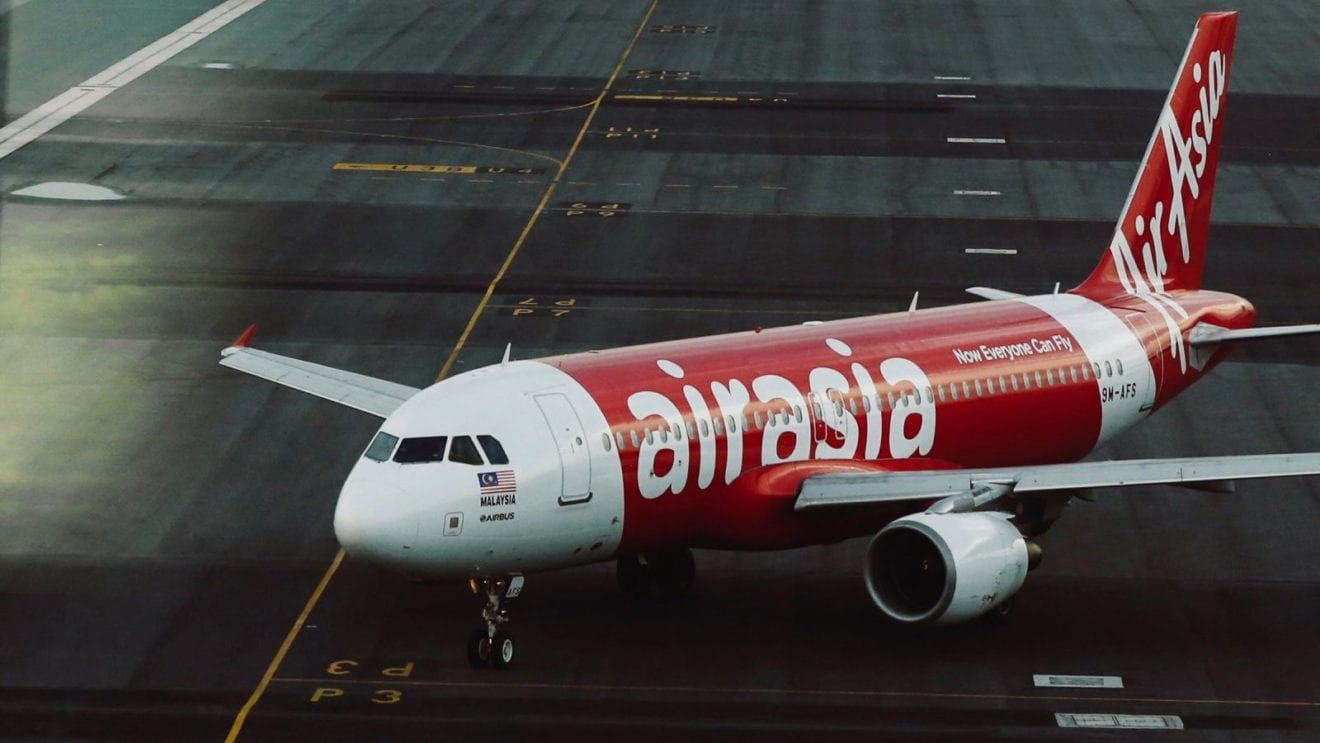
    Thai AirAsia X (TAAX) will suspend route expansions until at least mid-2017, after Thailand’s aviation industry receives international safety approval.

    The long-haul, low-cost carrier sees a good chance to launch new routes after the International Civil Aviation Organization (ICAO) has decided to remove the red flag imposed on Thailand for its aviation safety shortcomings.

    “A good timing for our new route launch will come only after [ICAO’s] red flag is off, maybe in mid-2017,” TAAX chief executive Nadda Buranasiri told the Bangkok Post.

    The Civil Aviation Authority of Thailand (CAAT) has earlier this month expressed hopes that it will pass the next ICAO audit in June next year, thus clearing the major impediment to the country’s aviation industry put in place in June 2015.

    Mr Nadda declined to name specific countries TAAX wants to fly to and whose governments frown upon the flights of carriers registered in countries on the UN agency’s blacklist.

    The essence of ICAO’s red-flagging means that Thai-registered airlines are not allowed to open new routes, nor raise the frequency of existing flights to foreign countries, nor change aircraft types already deployed for current services.

    But it is up to individual countries to follow the ICAO ruling. Some such as Japan, South Korea and Australia, are known for strictly following the rulings, while others like China use their own judgement whether to allow Thai-registered airlines.

    But Mr Nadda said countries in Eastern Europe and Down Under are under study for future coverage.

    TAAX will spend time over the next six months to look at the ideal routes.

    In that period, the airline will make use of its spare aircraft capacity, resulting from the termination of its Tehran and Muscat services, on Dec 5 and Jan 19 next year respectively, for charter purpose.

    TAAX has already shifted some the spare capacity for charter flights between China and Thailand, he said.

    There are six Airbus 330-300 wide-body jets, each configured with 377 seats, in TAAX’s current fleet and, there is no plan for additional aircraft acquisitions next year.

    He affirmed that TAAX’s core services from Bangkok’s Don Mueang airport to Tokyo and Osaka, Seoul and Shanghai continue unabated.

    While the clampdown on inbound Chinese tourist scams hurt business in the past three months, Mr Nadda said TAAX’s Chinese flights are back on track.

    TAAX expects to finish 2016 with 8 billion baht in revenue, 1.1 million in carried passengers with a load factor of 82-85%.

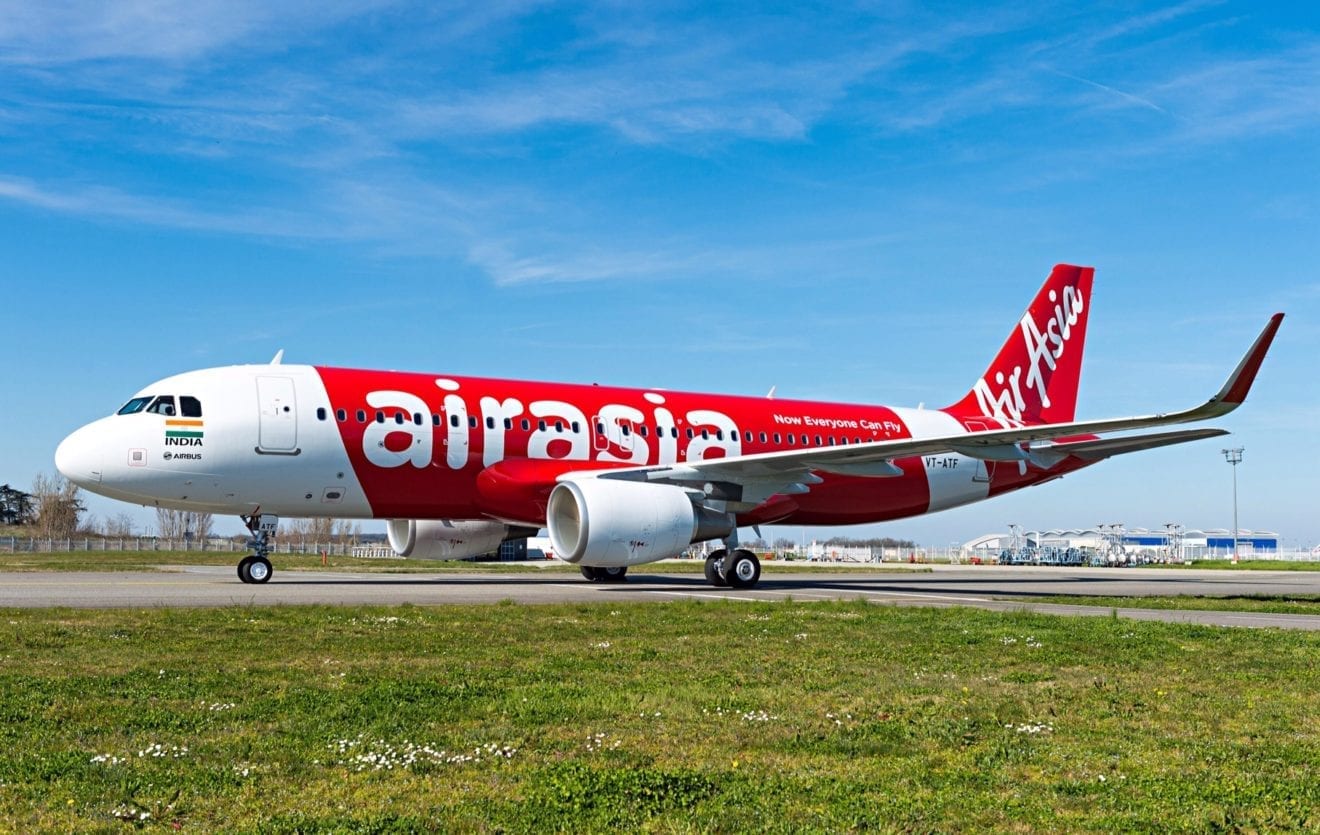
  • AirAsia moving full steam ahead

    AirAsia moving full steam ahead

    With slow economic growth, reduced passenger yields, overcapacity, rising jet fuel costs and unfavourable foreign currency movements, 2017 looks set to be another tough year for the aviation sector. But far from signalling the end of the world, AirAsia Bhd group chief executive officer (CEO) Tan Sri Tony Fernandes believes there’s an opportunity in every crisis.

    He continues to be bullish on a variety of potential developments, pointing out that sitting on his hands is not an option.

    “Rather than burying our heads in the sand, we see these [challenges] as an opportunity to drive more tourism. With the right support from the tourism and culture ministry and airports, we can turn these negative elements into positive,” he told The Edge Financial Daily in a phone interview.

    The low-cost carrier’s (LCC) stellar earnings this year have sent its share price soaring 79% year-to-date to close at RM2.31 last Friday and Fernandes is convinced AirAsia will perform better in the coming year.

    “We are looking good. The year 2016 is set to be a record year and we will build on it [in the coming year]. We have hedged 80% of our anticipated fuel use in 2017, while most of our aircraft purchases are hedged against the US dollar with fixed interest rate loans. So, our risks are mostly covered,” he said.

    The airline returned to profitability in the nine months ended Sept 30, 2016 (9MFY16), posting a net profit of RM1.57 billion compared to a net loss of RM13.37 million a year ago. This was helped by an increase in aircraft operating lease income and a 22% reduction in the average fuel price to US$62 (RM277.14) per barrel in the third quarter ended Sept 30, 2016 (3QFY16), from US$79 per barrel in 3QFY15. Revenue was also 21% higher at RM5 billion in 9MFY16, from RM4.14 billion in 9MFY15.

    “I am very bullish about our business outlook for 2017. Amid the slow growth environment, airlines such as ours will benefit [as more passengers choose to fly with LCCs],” he added.

    Fernandes pointed to the weaker ringgit against the US dollar, saying it is helping draw more tourists to the country. “These factors support air travel,” he said.

    While concerns are mounting about an overcapacity in the Asian markets next year, Fernandes thinks otherwise as he expects demand to grow at a faster pace. AirAsia Group itself is deploying an additional 28 aircraft for its system-wide operations in 2017, a 15.9% increase to 204 from 176.

    “AirAsia is an Asian airline and [our] capacity is spread across the region. The markets need more capacity. The ringgit depreciation and economic conditions have driven people to stay closer to home and take shorter trips. It is time to drive our very strong advantage with growing market share,” he said, adding that AirAsia’s cost structure and ancillary income will enable it to grow market share. In 3QFY16, its ancillary income per passenger remained consistent at RM46 year-on-year.

    “Asean is still booming. We have started operations in India (in 2014) and we still have China to go.

    “A great part of our growth is also coming from connectivity. More people are travelling through Kuala Lumpur to go to other destinations such as Australia and China,” he observed.

    Thus, unlike its full-service counterparts, AirAsia is moving full steam with its expansion plans.

    “Depends on where you are in the cycle, we have been cautious in the last two years. Two years ago, we stopped growing, tightened our belt [and] refocused. We fixed AirAsia Philippines and Indonesia AirAsia and now we are going to grow, while other airlines are still trying to understand what they are,” said Fernandes.

    Fernandes, a major shareholder of AirAsia with an 18.6% stake, also took what appeared to be a jab at Malaysia Airlines Bhd, saying: “Unlike AirAsia, some of the full-service carriers in the industry are still confused about their target market.

    “And that is the problem, which is why they are destroying capital. They really should stick to what they are. If you are focused, this is a great industry to be in. People have to fly, disposable income is growing in Asia, and people want to have more holidays and short breaks,” he said.

    “So, we like a crisis. We always grow better in times when other companies are worrying about the future. We see an opportunity to grow,” he added.

    For one thing, the airline is looking to build an Asean holding company and create an Asean stock.

    “We are making representations to various leaders and stock exchanges, and it is going well. That would provide much more liquidity to our stock. We want to be seen as one airline economically, but have different AOCs (air operator’s certificates),” said Fernandes.

    Shukor Yusof, founder of aviation research firm Endau Analytics Sdn Bhd, described 2017 as a “true test” of an airline’s mettle.

    “Everyone (airlines) was doing well in 2016 as low fuel prices helped keep costs down, but the true test will come next year,” he said. Shukor sees currency exchange movements as a key factor that will affect airlines’ profitability.

    “We are not disputing that passenger growth would go higher, but volume itself is not necessarily going to help you make more money. And with the stronger US dollar, airlines’ yield is going to be affected by it,” he explained.

    Shukor also pointed to the competitive fares and increasing capacity from Malindo Airways Sdn Bhd, which will be another crucial factor that will affect the Malaysian aviation sector.

    “The market hasn’t been paying much attention to Malindo Air, but it is going to be very competitive and AirAsia is going to feel most of the pressure coming from their (Malindo Air’s) expansion,” he said.

    In a recent interview, Malaysia Airlines’ group managing director and CEO told The Edge weekly that the second half of next year would probably see the greatest battle in low-cost travel history take place in Malaysia as about 40 aircraft come onto a market.

    Meanwhile, Affin Hwang Capital Research aviation analyst Aaron Kee expects AirAsia’s earnings in FY17 to normalise from its peak this year.

    “Yield is going to be low as oil prices trend higher. We have a ‘hold’ call on AirAsia and we look forward to the injection of RM1 billion capital from its founders and the disposal of the group’s aircraft leasing arm,” he said.

    “As for AirAsia’s long-haul affiliate AirAsia X Bhd (AAX), it has turned around its loss-making position and for 2017, a sustained turnaround story would rejuvenate investors’ interests,” Kee added. AAX’s share price had doubled year-to-date to close at 36 sen last Friday.
  • Top 10 controversies in China’s luxury industry for 2016

    Top 10 controversies in China’s luxury industry for 2016

    From geopolitical disputes to debates over cultural appropriation, China tends to be a place where it’s easy for foreign brands to get embroiled in controversies no matter how hard they try to avoid it. That’s no different for the luxury industry, which saw its fair share of issues this year.

    Below is Jing Daily’s list of 10 major controversies in China’s luxury industry over the course of 2016, in no particular order: 

    1. Lancôme’s canceled Denise Ho concert. Thanks to antagonism by the Global Times, what was supposed to be a lighthearted promotional pop concert sponsored by the French beauty brand turned into a flashpoint in the ongoing tensions between China and Hong Kong. 

    2. Jack Ma’s statement that fake luxury goods are “better quality” and made in the “same factories” as real ones. In a speech to investors in June, Jack Ma incited luxury executives’ anger when he made his declaration about “fake” goods, which he later clarified in a Wall Street Journal op-ed to mean off-brand items. 

    3. The mutiny over Alibaba at the International AntiCounterfeiting Coalition. In another controversy over fakes on Alibaba platforms stirred up this year, luxury brands revolted when the IACC admitted Alibaba in a special “general membership” category. After Gucci, Michael Kors, and Tiffany & Co. quit the group in protest, Alibaba’s membership was suspended.

    4. A Daimler executive’s racist rant in Beijing. A People’s Daily report stating that a Daimler executive in Beijing shouted a racist remark and used pepper spray over a parking dispute resulted in the man being promptly relieved from his position. That didn’t keep the controversy from going viral online and sparking anger, however.

    5. Victoria’s Secret’s mix of dragons with lingerie at its annual fashion show. In a possible attempt to reach Chinese consumers, the brand featured several outfits with China-inspired designs for the Victoria’s Secret Fashion Show, but not all of China’s netizens were impressed.

    6. The revelation of tensions in the 2015 Met Gala planning process. This one isn’t much of a “controversy” per se, but this year’s release of Met Gala documentary The First Monday in May showed the behind-the-scenes debates over the curation of the China-themed exhibition. 

    7. A ban from China for the actress Birkin handbags are named after. While Chinese buyers have been paying record prices for Birkin handbags at auction, 60s icon Jane Birkin has been using her namesake handbag to display political messages. When she wasn’t granted a visa to perform at a concert in Shanghai this summer, Chinese media mentioned her participation in 2008 Tibet protests in France and her use of the handbag to display a Tibetan flag.

    8. China’s K-pop ban poses a problem for luxury brands. Long a source of major publicity for luxury brands in China, Korean pop stars have attracted investment from LVMH through its stake in Korean entertainment company YG Entertainment. But a recent reported ban on Korean TV shows on Chinese television and Korean pop stars entering China has the industry worried about the future.

    9. Taiwan’s mainland tourist slump. Politics have been known to cause significant shifts in where mainland Chinese tourists decide to travel in Asia, and Taiwan learned that lesson the hard way this year. After cross-Strait relations soured following the presidential victory of Tsai Ing-wen, mainland visitor numbers plunged, with a 69 percent decrease during Golden Week.

    10. Donald Trump’s China-related conflicts of interest. As Trump’s business interests around the world remain under scrutiny over conflict-of-interest issues, his China ties are receiving less scrutiny at the moment than links to Russia, but China plays no small role in his business. He’s personally bragged on the campaign trail about the multi-million-dollar luxury apartments he’s sold to elite Chinese buyers, while AFP reported that the Trump Hotel Collection negotiated a memorandum of understanding with China’s largest state-owned enterprise worth around $100 to $150 million.