Category: General

Retail News Asia is committed to providing both local and global retailers with the latest General Retail news throughout the Asian market. This on a daily base.

  • “Flying eye hospital” Orbis makes stop in Singapore

    “Flying eye hospital” Orbis makes stop in Singapore

    A plane arrived this week at Paya Lebar Airbase. But it is no ordinary aircraft. The Orbis plane, also known as the world’s only “flying eye hospital”, made its stop in Singapore this week to raise awareness about blindness.

    Orbis, an international non-profit organisation, is primarily a teaching hospital which trains medical professionals from developing nations in eye care. It has so far travelled to 92 countries, providing hands-on training to medical professionals and better access to quality eye care, among other areas.

    It also conducts operations for patients on board the aircraft while medical professionals watch and learn in an adjacent classroom through a live feed.

    Orbis’ visit to Singapore marks the first time that its latest plane model- a third generation MD-10 plane- has landed in the Republic after hundreds of aircraft experts retrofitted it. The whole effort took six years.

    The aircraft, which was open to the media on Friday, boasts a 46-seat classroom, an operating room as well as a patient care and laser treatment room, among other features.

    Apart from having a longer flight range of 6,000 nautical miles which will enable it to fly longer distances, the plane’s live broadcast capabilities will also better train doctors and nurses with live footage in 3D.

    According to the World Health Organisation, 285 million people in the word are visually impaired. Yet, about 80 per cent of these cases are preventable.

    Orbis has, in the last five years, trained over 115,000 doctors and other medical professionals. Over 340,000 eye surgeries have been performed for patients during that same period.

    “The Flying Eye Hospital plays a vital role in Orbis’ mission to bring the world together to fight blindness,” said Mr Paul Forrest, Chief Development Officer of Orbis International.

    “Our launch of this new third-generation Flying Eye Hospital not only marks a new chapter in our shared sight-saving journey, but also brings us a significant step closer to our dream of eliminating avoidable blindness forever.”

    Apart from helping to retrofit the plane, FedEx also announced in June this year that it was renewing its five-year US$5.375 million (S$7.66 million) commitment to Orbis. That includes providing aircraft services and sponsoring fellowships for ophthalmologists to study in leading global eye institutes.

  • Vietjet offers tickets at VNĐ5,000

    Vietjet offers tickets at VNĐ5,000

    Vietjet will sell five million air tickets at only VNĐ5,000 (20 cents) per ticket from December 28, 2016 to February 28, 2017, as part of its fifth anniversary celebrations.

    The carrier’s “Win a 1-kg gold airplane, Fly to a happy future” promotions offers super-cheap airfares on www.vietjetair.com between noon and 2pm. Passengers who book tickets within the promotional period have the chance to take part in a lucky draw for 3.75-gram gold bullion prize every week and a 1-kg gold airplane.

    The discounted fares apply for all domestic routes and international services between Việt Nam and Hong Kong, Taipei, Kaohsiung, Taichung, Tainan, Seoul, Busan, Singapore, Bangkok, Kuala Lumpur, Yangon and Siem Reap.

    All passengers flying from December 28, 2016 to February 28, 2017 will also get the chance to win free return air tickets every day onboard Vietjet flights.

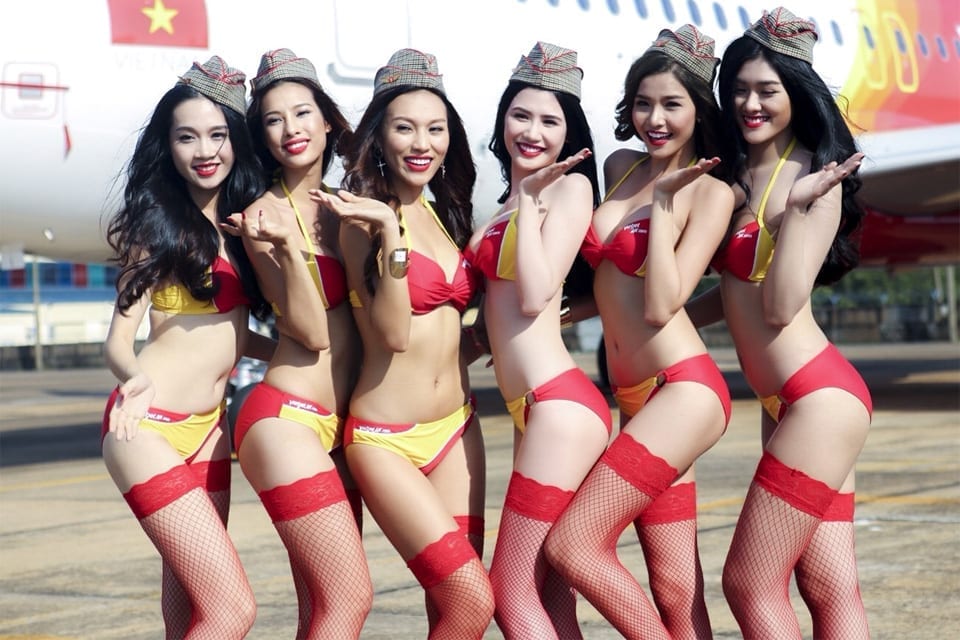
    The airline is also planning a series of other promotional activities such as photo ops with bikini models and surprise performances at several domestic and international airports.

  • Thailand becomes 10th largest investor in Vietnam

    Thailand becomes 10th largest investor in Vietnam

    Thailand’s foreign direct investment into Vietnam has been increasing sharply in recent years, according to a survey report by researcher Pittaya Suvakunta from Thailand’s Thammasat University

    Suvakunta’s report on Thai FDI in Vietnam was circulated at an international conference on Vietnam studies held in Hanoi recently.

    The researcher cited data from Vietnam’s Ministry of Planning and Investment as saying that as of June 2016, Thailand had had 466 projects in Vietnam with total pledged capital of US$9.44 billion, ranking 10th out of the 116 countries and territories investing in Vietnam.

    In 2015, as many as 53 new Thai projects were licensed into Vietnam, besides many others allowed to raise their investment capital, totaling US$262 million of fresh capital.

    Key Thai investors in Vietnam include CP Vietnam Corporation with US$328 million of investment capital, SAS CTAMAD with US$72.6 million, Long Binh Development Joint Venture Company with US$46 million in Dong Nai Province, and TCP VINA Chemical Plastic Company with US$90 million in Go Dau Industrial Park, Dong Nai Province.

    Thailand’s FDI in Vietnam flows into a wide range of sectors such as energy, retail, agriculture, processing, building material, and animal feed.

    “Thousands of Thai firms wish to join hands with Vietnamese partners to leverage the existing potential of both countries,” said Sanan Angubolkul, president of the Thailand-Vietnam Business Council, at a recent press conference in Hanoi.

    According to Tharabodee Serng-Adichaiwit, general manager of Bangkok Bank Public Company Limited in Vietnam, Vietnam is one of the best destinations for Thai investments in Asia and there will be more Thai investments into Vietnam in the near future.

    Bangkok Bank has recently tripled its capital so that it can provide more loans for Thai investors to expand business in Vietnam.

    Many Thai firms have plans at hand to expand their Vietnam operations.

    For example, CP will spend US$150-200 million building a fish feed processing plant, and a processed chicken and cold storage plant in Vietnam.

    Meanwhile, Siam Cement Group (SCG) is also seeking additional funds to increase investment in the domestic market and Southeast Asia. SCG is currently building a new petrochemicals complex in Vietnam and recently announced plans to inject at least 100 billion baht (US$3.3 billion) to expand operations in Southeast Asian markets.


  • A look at 5 richest conglomerate families in South Korea

    A look at 5 richest conglomerate families in South Korea

    A total of 33 relatives from the families that control Samsung, Hyundai Motor, SK, LG, Lotte and other conglomerates dominate the country’s wealthiest list. Unhealthy ties between Korean conglomerates and the government have long been cited as a factor that prevents Korea from moving forward.

    A recent comment by a chaebol chief at a parliamentary hearing over the alleged connections between businesses and the presidential office was a reflection of the reality.

    “It was near impossible to reject such a demand (from Cheong Wa Dae). That’s what it’s like in Korea,” said Huh Chang-soo, head of GS Group and chairman of the Federal of Korean Industries, at the hearing on December 6.

    He was responding to lawmakers’ questions on why the FKI helped coerce conglomerates to donate funds to two foundations controlled by Choi Soon-sil, confidante of impeached President Park Geun-hye.

    Another reflection of the business climate in Korea was that most of the chaebol leaders seated at the hearing were second to third-generation heirs of the conglomerates – not self-made businessmen.

    They are also in the top tier of a list of Korea’s 100 wealthiest people compiled by The Superrich Team. Joining them on the list are their relatives. Only 10 self-made entrepreneurs made it to the list in the past year.

    A total of 33 relatives from the families that control Samsung, Hyundai Motor, SK, LG, Lotte and other conglomerates dominate the country’s wealthiest list. The figure excludes the heads of major business groups.

    The combined private assets of the business moguls stands at 39 trillion won (S$47.1 billion), higher than the annual budget of the Seoul Metropolitan Government at 27.5 trillion won.

    Samsung Group

    Lee Jae-yong, vice chairman of Samsung Electronics, and 10 other Samsung family members own 22.6 trillion won in total assets.

    The assets of Lee Kun-hee, the bedridden chairman of Samsung Group, is 15.64 trillion won, accounting for the largest portion of the assets. His wealth includes real estate in Hannam-dong, one of the richest districts in Seoul.

    Outside of the capital, Lee Kun-hee also owns a considerable amount of land in Yongin City in Gyeonggi Province, where the Samsung-made amusement park Everland and Ho-Am Art Museum are located. His properties there sit on 8,712 square metres of land.

    In total, Lee owns 14 real estate assets nationwide, worth 938.9 billion won.

    The women of the Samsung family also own a colossal amount of assets. The senior Lee’s wife Hong Ra-hee, director of Leeum Samsung Art Museum, and her two daughters Boo-jin and Seo-hyun, who lead Hotel Shilla and the fashion business at Samsung C&T, respectively, own 1.7 to 1.8 trillion won each. Lee Kun-hee’s sister Myung-hee, chairman of Shinsegae Group, holds 1.3 trillion won.

    Hong’s siblings also dominate Korea’s business landscape including areas such as media, retail, investment capital and art.

    Hong Seok-hyun, chairman of Joongang Media Network, a parent company of Joongang Daily Newspaper and television network JTBC, is one of Ra-hee’s brothers most known to the public.

    Other siblings include BCG Retail Chairman Seok-jo, Bokwang Investment Corp. Chairman Seok-joon, and Leeum Samsung Art Museum Vice Director Ra-young. The combined value of the Hong family – excluding Hong Ra-hee – is estimated at around 1.24 trillion won.

    Hyundai Group

    The family of Hyundai Group may hold a smaller fortune than the Samsung family, but 12 of them are included on the 100 wealthiest people list, the largest number among the top five conglomerates.

    Chung Eui-seon, vice chairman of Hyundai Motors and son of Chairman Chung Mong-koo, owns the largest value of assets at 2.32 trillion won. Hyundai Motor Group chairman’s younger brother Chung Mong-joon, the biggest shareholder of Hyundai Heavy Industries, follows with 1.17 trillion won.

    Other assets of the Chung family surpass 500 billion won. Other family members include KCC Chairman Chung Mong-jin, Hyundai Development Chairman Chung Mong-kyu, Hyundai Marine & Fire Insurance Chairman Chung Mong-yoon and Hyundai Department Store Chairman Chung Ji-seon.

    Hyundai Group Chairwoman Hyun Jeong-eun is also included in Korea’s top 100 wealthiest list, with 240 billion won. Hyun is the wife of the late Chung Mong-heong, the former chairman of Hyundai Asan.

    Hyun was recently accused of intentionally omitting several Hyundai Affiliates on a list of companies subject to cross investment. The antitrust regulator Fair Trade Commission pressed charges against Hyun in October.

    SK Group

    SK Group, the country’s third-largest business group, has two businesspeople listed on the Superrich Team’s top 100 wealthiest list.

    Chey Ki-won, a director of the board at SK Happy Nanum Foundation and younger sister of SK Group Chairman Chey Tae-won, is the richest SK Group family member.

    Chey holds more than 1 trillion won worth shares in listed SK affiliates. In addition to the stock assets, she was paid an additional 18.75 billion won in dividends. The value of her paid dividends is the largest among the 125 relatives of the nation’s 17 superrich on a list by Forbes Magazine.

    Chey’s massive real estate assets include a building that was the former headquarters of JYP Entertainment in Cheongdam, southern Seoul. Chey purchased the around 1,085 square-meter building for 7.6 billion won in 2014.

    Another Chey family member, Chang-won, vice chairman of SK Gas and SK Chemical, was listed among Korea’s top 100 richest with 370 billion won of assets.

    LG

    LG has seven family members on the Superrich Team’s top 100 richest list.

    Chairman Koo Bon-moo’s brother Bon-sik, who leads Heesung Group as its vice chairman, is the wealthiest among them with assets of more than 1 trillion won.

    Another brother, Bon-neung, chairman of Heesung Group follows with 904.8 billion won. He is also head of the Korea Baseball Organisation.

    The remaining five LG family members on the list include Chairman Koo’s wife Kim Young-sik. The combined assets of the five members are estimated to be worth around 2.5 trillion won.

    Lotte

    Lotte Group has two of its business moguls on the top 100 richest list.

    One of them is Lotte Group founder Shin Kyuk-ho’s eldest son Dong-joo, who is the chairman of SDJ Corp.

    While still in turmoil over power succession, Dong-joo stands strong, backed by 1.64 trillion won of publicly traded stock assets. Added to this, he also owns 27 billion won of assets from unlisted firms.

    His father Shin Kyuk-ho’s wealth follows with 270.5 billion won, according to public data.

    The value of real estate assets under the founder is astronomical. His land assets were estimated to be worth 18.6 trillion won in 1988. Shin was then picked as the world’s fourth-richest man by Forbes magazine.

    Shin’s 15 real estate assets in Korea sit on over 1 million square meters of land worth 305 billion won. Apart from Shin Kyuk-ho’s private land assets, Lotte affiliates are known to own 5.7 million square metres of land in the country, a size that nearly doubles that of Yeouido in Seoul.

    Prices of the land have seen a jump of 14 trillion won since Lotte Group purchased them. An industry source, on condition of anonymity, said following Shin Kyuk-ho can help “find gold in the real estate business.”

    Out of the 125 rich businesspeople on the list of Korea’s wealthiest, 89 of them boosted their wealth through their family connections, while only 36 were self-made entrepreneurs.

     

  • Malaysia’s ‘gain’ and Singapore’s ‘loss’

    Malaysia’s ‘gain’ and Singapore’s ‘loss’

    An extensive study by the National University of Singapore’s Business School between 2010 and 2012 showed a significant difference in the spending habits of Singaporeans, between those who lived closer to the Malaysian border and those further away, The New Paper reported today.

    With Singapore’s GDP growth falling below original estimates this year and cut backs in forecast for 2017, two academics in the island republic believe there will be even more Singaporeans crossing the border for their day-to-day shopping needs, The New Paper reported today.

    They supported this theory with data that showed the trend among Singaporeans making day to day purchases from Johor compared with other high-end products.

    NUS visiting professor Sumit Agarwal and associate professor of finance Qian Wenlan reported some of their findings in the Singapore daily, stating that for the period of the survey, 48,000 Singapore nationals participated, half living in the north, near the Malaysian border, and the other half much further away.

    “First, we studied credit card transactions. We ensured that both sets of individuals were comparable in income and demographics.

    “We found those living near the border had significantly lower credit card spending (32% less) within Singapore than those living further from the border, for products that were substitutable, like supermarket purchases, apparel and dining.

    “In contrast, credit card expenditure on non-substitutable products like utilities, government services, medical services and education was the same.”

    The two academics added that other indicators, such as usage of debit cards, ATM withdrawal levels and online banking transactions were also on par between those near and far from the border.

    They naturally concluded that the main attraction to shopping in Malaysia was the “continuously weakening ringgit”.

    “However,for the period of the survey, the push factor in driving Singaporeans to Johor was also the fact that Singapore had a 7% GST in place.

    “The Malaysian government only introduced a similar GST in April last year at a rate of 6%. Until then, Singaporeans enjoyed a 7% tax advantage when shopping in Johor,” the academics said.

    They, however, did not believe that the implementation of the 6% GST by Malaysia would make much of a difference to the result of their study.

    The concern, however, should be for retailers in Singapore, the professors said.

    “A separate study involving retail outlets in Singapore was carried out. Data was collected on sales of snacks, soft drinks and detergent.

    “Across all three product categories, shops in areas that were close to JB had much lower sales per capita, corroborating our earlier findings,” Sumit and Qian said, adding that cigarettes were also popular among Singapore shoppers in Johor.

    The study concluded that with the ringgit’s ever-weakening value and Singapore’s slowing economy, more and more Singaporeans will be happy for the savings they will make across the causeway.

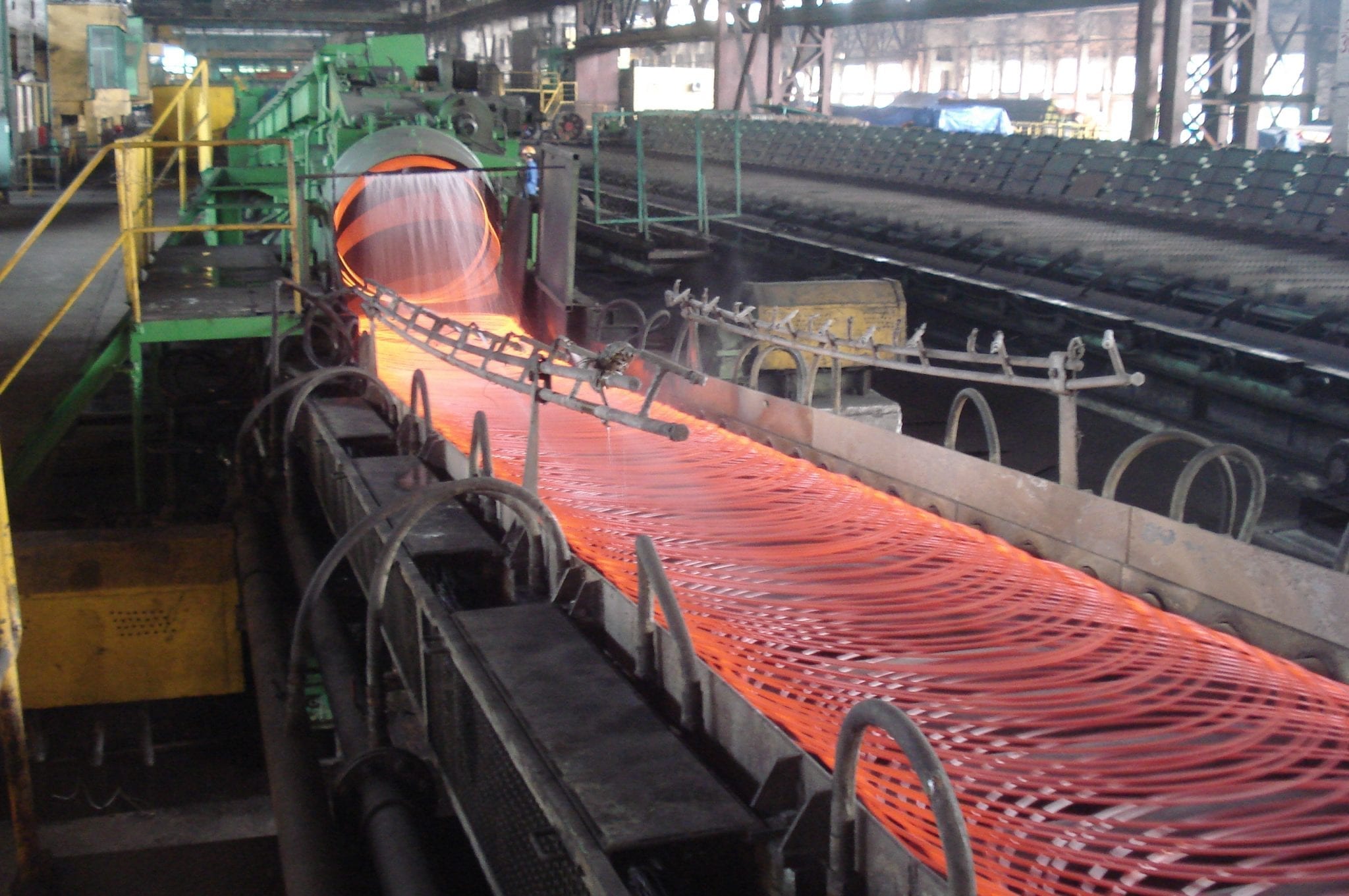
  • Indonesia initiates an anti-dumping investigation of Vietnamese steel

    Indonesia initiates an anti-dumping investigation of Vietnamese steel

    Indonesian Anti-Dumping Committee (KADI) has initiated an anti-dumping investigation of relevant colour-coated steel sheet imports from China and Việt Nam.

    This was revealed by the Việt Nam Competition Authority (VCA) under the Ministry of Industry and Trade.

    VCA said the investigation could be implemented for 12 months and extended to 18 months if required.

    The decision was made following the complaint by PT NS BlueScope Indonesia alleging that repeated illegal trade practices have devastated production and employment and are causing irreparable harm to the Indonesian steel industry. The colour-coated steel being investigated have HS codes of 7210.70.10.00, 7212.40.10.00 and 7212.40.20.00.

    Large Indonesian steelmakers are seeking an anti-dumping investigation and the imposition of tariffs on steel imports from both Việt Nam and China.

    KADI said from July 2015 to June 2016, Indonesia imported 224,120 tonnes of colour-coated steel, of which, imports from Việt Nam and China were 196,191 tonnes, accounting for 87.5 per cent of the country’s total steel imports.

    VCA said Vietnamese colour-coated steel has been also under investigation by Thailand following the complaint of the NS BlueScope Company. The product can be levied anti-dumping taxes of 4.51 to 60.26 per cent in Thailand.

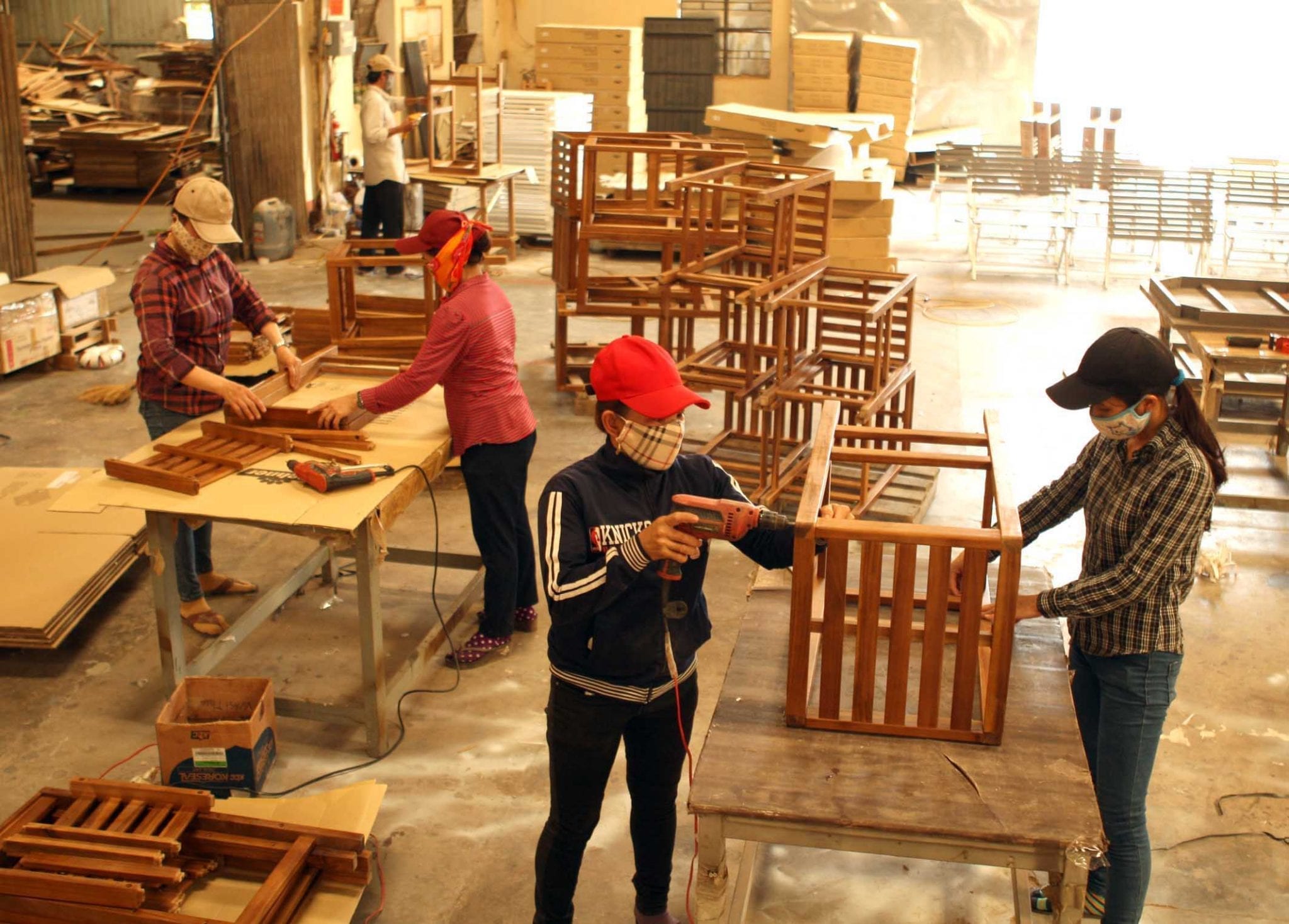
  • Wood exports inch up, but prospects cloudy

    Wood exports inch up, but prospects cloudy

    iệt Nam estimated to gain US$7.3 billion from the export value of wood and wooden products this year, a slight increase of 1 per cent year on year, reported the Ministry of Agriculture and Rural Development’s General Department of Forestry.

    Nguyễn Bá Ngãi, deputy director of the general department, said this year, export value of forest products gained growth of 5-10 per cent depending on different products but the export value of wood and wooden products rose by 1 per cent against last year, reported Hải Quan (Customs) newspaper.

    The slight growth was due to strong reduction in the export value of wooden chips compared with last year, or 61 per cent of the export value of wooden chips in 2015, he said.

    Decrease in exports of wooden chips this year was due to a fall in demand for this product on the world market, especially China, said Ngãi, adding that Vietnamese wooden chip products have faced competition with similar products from other countries such as Thailand, Australia and some African nations.

    This year, Việt Nam promoted diversification of the export market to increase market shares on the world market, Ngãi said. Especially, Việt Nam has completed negotiations on the Voluntary Partnership Agreement on Forest Law Enforcement, Governance and Trade (VPA/FLEGT) between Việt Nam and the European Union, opening many opportunities on market development in the future.

    Lack of material

    Experts also said Việt Nam’s wood processing industry would continue development in production and business over the coming years.

    However, wood processing enterprises said the industry had fallen due to a lack of material for production.

    Bùi Như Việt, vice chairman of the Bình Dương Wood Association, said enterprises in the South were lacking material for production because in the past, many Chinese enterprises had come to purchase large volumes of wood.

    Trương Mộng Trinh, director of Mộc Lục Wood Company, also said more and more foreign enterprises had purchased wooden material, leading to a lower supply of the material for local processing companies and a higher price for wood, from VNĐ2-3 million per cubic metre to VNĐ5 million at present.

    Đỗ Xuân Lập, chairman of Bình Định Wood Association, said now, the price of rubber wood had increased by 20-25 per cent and there was strong competition for wood on the local market.

    This put pressure of procuring enough wood for production on enterprises in HCM City, Bình Dương, Đồng Nai and Bình Định provinces, he said.

    Local wood producers said the Government had solutions on avoiding the lack of material for wood processing but export tariff rates at present had not limited export activities for wood, especially exports to China, reported Công Thương newspaper.

    To ensure sustainable supply of this material in the future, the local enterprises expect the Ministry of Agriculture and Rural Development and the Việt Nam Wood and Forest Products Association to propose solutions to the Government on limiting exports of material for wood processing.

    Especially, the enterprises proposed increasing export tariffs for timber and sawn timber to 20 per cent as one of the efficient solutions to limit exports of timber for processing wooden products.

    Dương Phương Thảo, deputy head of the Import and Export Department from the Ministry of Industry and Trade, said in the future, the State should control exports of wood while also creating favourable conditions for local enterprises to exploit wood in foreign countries.

    That meant the Government would work with Việt Nam’s enterprises to grow trees for supplying wood in Cambodia and Laos as well as the governments of the two countries to import the material to Việt Nam, she said.

  • Bali`s economy  grows faster than national average

    Bali`s economy grows faster than national average

    Balis economy grew 6.17 percent in the third quarter of this year, exceeding the national average growth of 5.02 percent year-on-year in the third quarter of this year.

    “The growth, however, was slowed than 6.54 percent in the previous quarter,” head of the Bali representative office of Bank Indonesia Causa Iman Karana said here on Saturday.

    Iman Karana attributed the slower growth in the third quarter of this year to poor performance in government, non profit agency and household consumption, and investment, as well as in construction and in mining sector.

    Decline was also recorded in the procurement of electricity, gas and water, in whole sale and retail trade, in information , communication , financial and health services, he said.

    Iman Karana predicted that in the fourth quarter of this year Balis economy would grow 6.06-6.46 percent.

    The tourism sector is expected to grow in the last quarter of this year especially toward the end of the year.

    Winter in Europe would cause more holiday makers from that continent to visit Bali.

  • Shell completes the sale of Shell Refining Company in Malaysia

    Shell completes the sale of Shell Refining Company in Malaysia

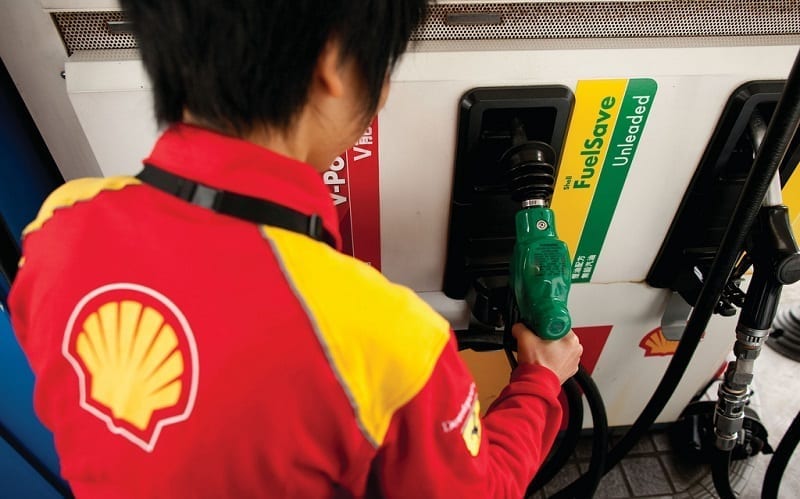
    Shell is the leading retail fuels and lubricants provider in Malaysia, which remains an important market for the company. Shell will maintain supply to its retail and commercial customers, and will honour all current commercial arrangements through existing comprehensive supply agreements in the country.

    This divestment is consistent with Shell’s strategy to concentrate its global downstream operations in areas where it can be most competitive.

  • Japanese department store facing downturn

    Japanese department store facing downturn

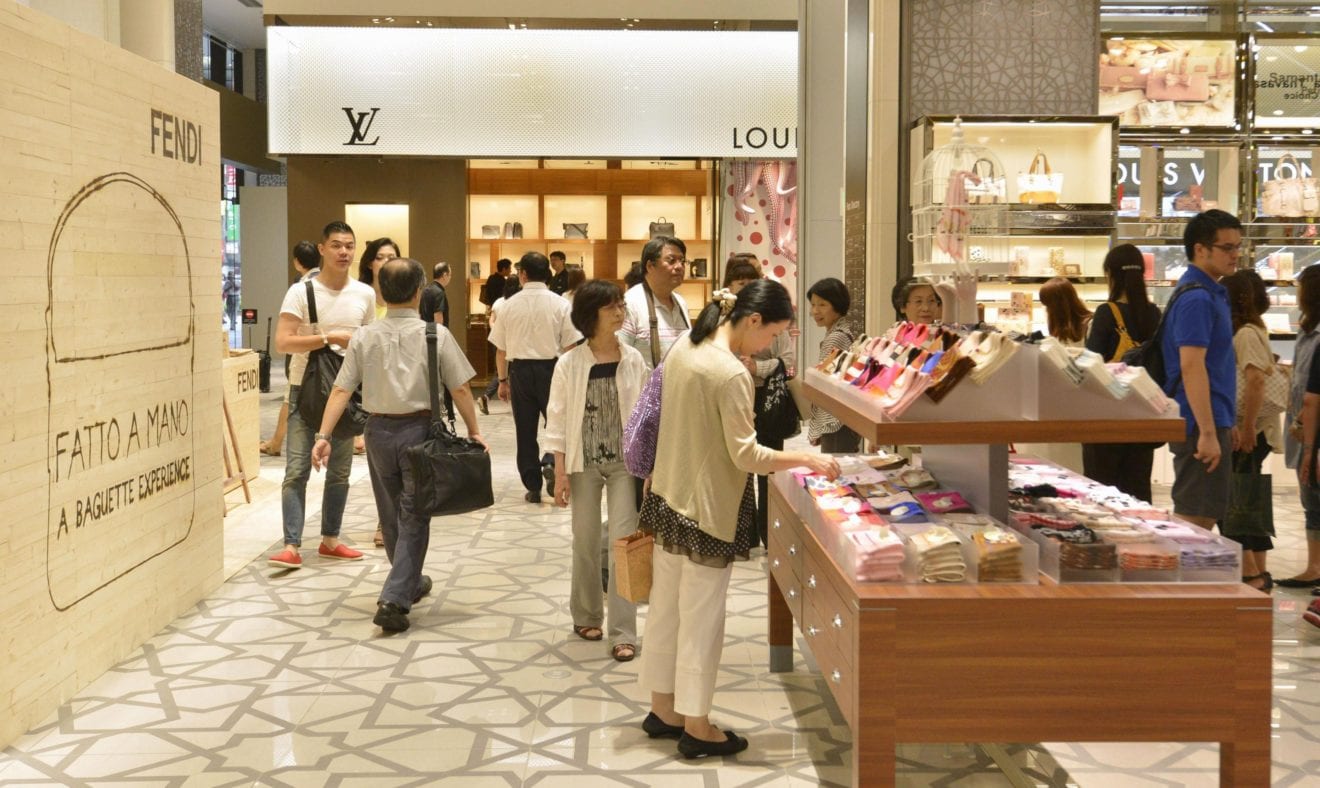
    Japanese department store sales fell 2.4 per cent in November, year-on-year, the ninth consecutive monthly decline.

    The Japan Department Stores Association reported total sales at 234 outlets run by 81 companies were ¥525.7 billion, (US$4.47 billion). It said it expected an improvement in December’s sales data as consumers enjoyed an end-of-year shopping spree.

    November was the third consecutive month when the rate of decline had narrowed. October’s same-store sales fell 6.5 per cent.

    The JDSA says most categories posted sales declines – with the notable exception of cosmetics.

    Meanwhile, the Japan Franchise Association says convenience store sales in November increased 0.5 per cent year on year to ¥773.4 billion (US$6.58 billion), the second consecutive monthly improvement.

  • How Did China’s Retail Sales Look in November?

    How Did China’s Retail Sales Look in November?

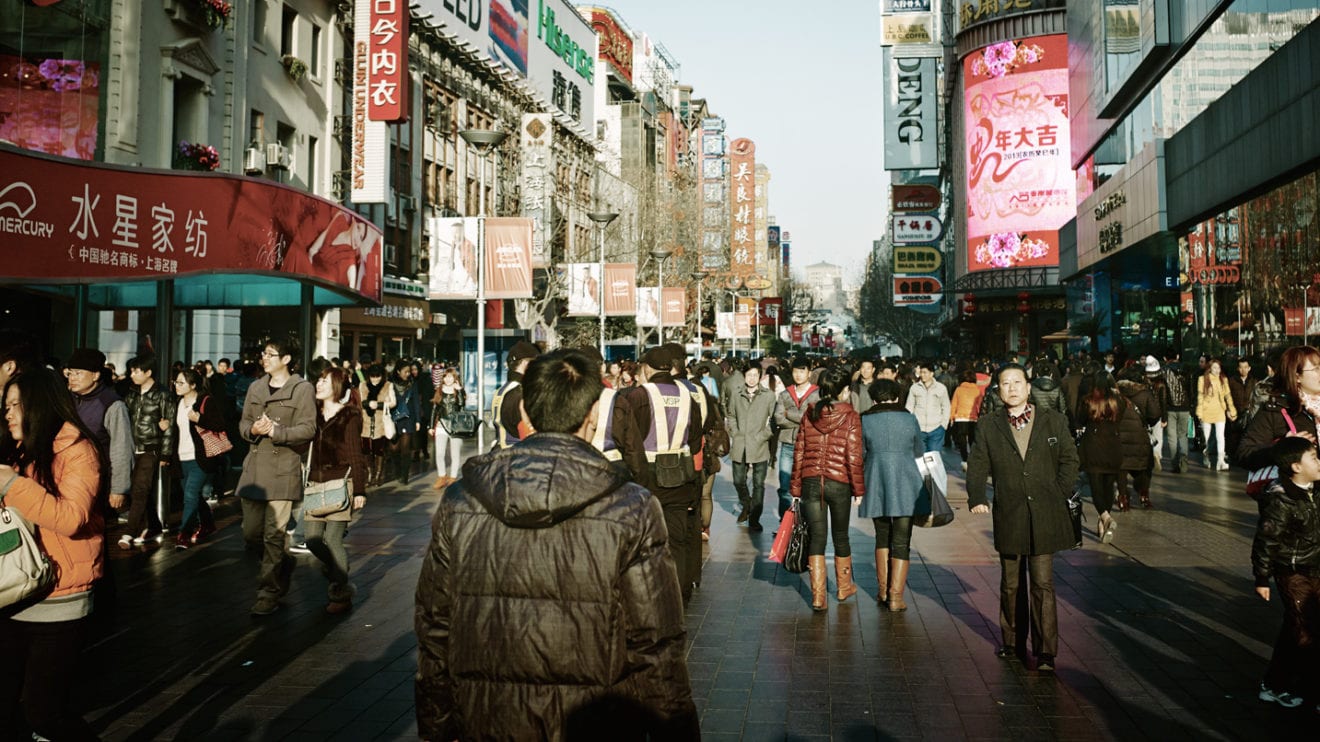
    On a year-over-year basis, China’s retail sales showed strong recovery in November 2016, according to the National Bureau of Statistics of China.

    The country’s retail sales rose 10.8% in November, compared to 10% in October. This reading was far above the market’s expectation of a 10.1% rise, and it was the highest since January 2016.

    How Did China’s Retail Sales Look in November?

    Sector-by-sector performance

    Building material sales rose 11%, furniture sales rose 8.8%, home appliance sales rose 14.7%, communications equipment sales rose 17.8%, personal care sales rose 10.7%, automobile sales rose 13.1%, and cosmetics sales rose 8.1%.

    Economic impact

    These sales improvements in different sectors signify that consumer sentiment is improving. After the slowdown in economic activity in China, the economy is going through a transitional phase. From a manufacturing hub, it’s transitioning to a consumer-based economy. Consumerism will play a large role in the country’s future economic growth.

    Consumption patterns are changing in China’s economy. Chinese consumers are becoming more selective toward the products and services that they use. As China is one of the world’s most important economies, improvement in its growth drivers could aid the global economy.

    In the next part of this series, we’ll see what indicators investors should look for this week.

  • Ethiopian Airlines to enter Indonesian aviation market in 2017

    Ethiopian Airlines to enter Indonesian aviation market in 2017

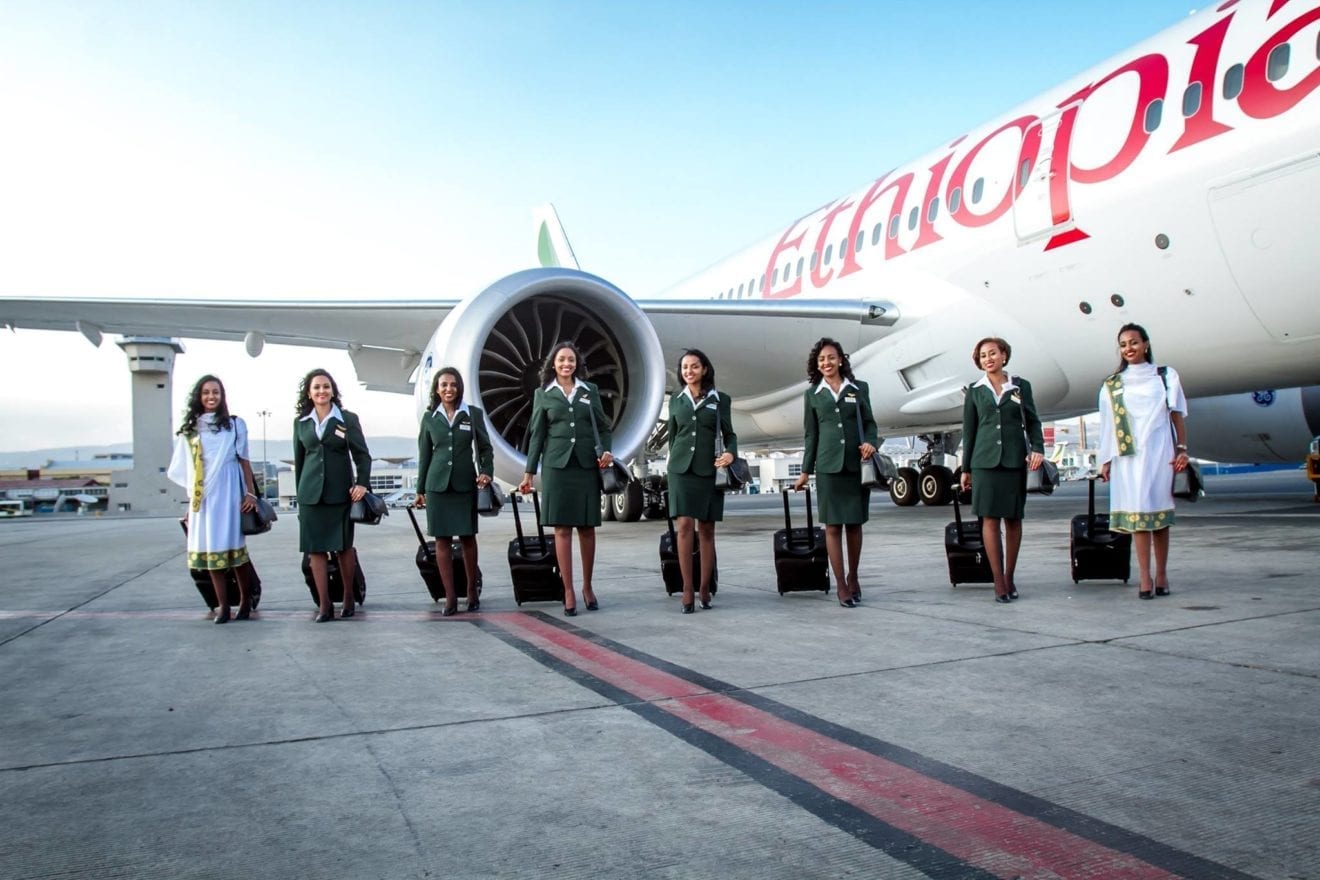
    Africa’s largest airline group, Ethiopian Airlines, on Wednesday announced its plans start scheduled flight services to Jakarta, the Indonesian, in June 2017. According to a statement released on behalf of Ethiopian Airlines by Jedidah Promotions, a travel consulting group, the African aviation giant, will be using the ultra-modern Boeing 787-800 to link up its numerous customers with Jakarta, which is Indonesia’s economic, cultural and political center.
    Indonesia, which is made up over more than 13,000 islands is the 4th most populous country in the world and, with this new service, Ethiopian Airlines will be rendering service to all five of the most populous countries on earth. Ethiopian is a multi-award winning airline, registering an average growth of 25 percent in the past seven years.
     “As the fastest growing airline in Africa, Ethiopian is pleased to offer the opportunity to business people as well as tourists to explore Jakarta’s potential both for investment and leisure. This move will further increase our presence in Asia, connecting Africa to the Asia region and in turn strengthening the tourism and trade ties between the peoples of Africa and Asia,” said Tewolde GebreMariam, who is the Group CEO of Ethiopian Airlines.
    According to him, Ethiopian Airlines is working very hard to connect Africa with the major trading centers of the world and Jakarta, Indonesia is one of them. “Moreover, pilgrims and the West African community residing in Indonesia will be enjoying hassle-free connections to Ethiopian’s vast African network via its hub at Addis Ababa,” said GebreMariam.
    Ethiopian is touted by its management as a global carrier that operates the youngest and the most modern fleet on the African continent, with an average aircraft age of less than 5 years, serving more than 90 international destinations across 5 continents through over 240 daily departures.

    The company is the fastest growing Airline in Africa and, in its seven decades of operation, Ethiopian has become one of the continent’s leading carriers, unrivalled in efficiency and operational success.

    Ethiopian commands the lion’s share of the pan-African passenger and cargo network, operating the youngest and most modern fleet to 95 international destinations across five continents. 
    Its fleet includes ultra-modern and environmentally friendly aircraft such as Airbus A350, Boeing 787, Boeing 777-300ER, Boeing 777-200LR, Boeing 777-200 Freighter and Bombardier Q-400 double cabin. It is also the first airline in Africa to own and operate these categories of aircraft.
    Ethiopian is currently implementing a 15-year strategic plan called Vision 2025, which it projects to see it become the leading aviation group in Africa with seven business centers, including the Ethiopian Domestic and Regional Airline, the Ethiopian International Passenger Airline, Ethiopian Cargo and the Ethiopian MRO.
    Others are the Ethiopian In-flight Catering Services, and the Ethiopian Aviation Academy and the Ethiopian Ground Service.
  • Philips and L’Oreal Paris offer male passengers a close shave at Changi

    Philips and L’Oreal Paris offer male passengers a close shave at Changi

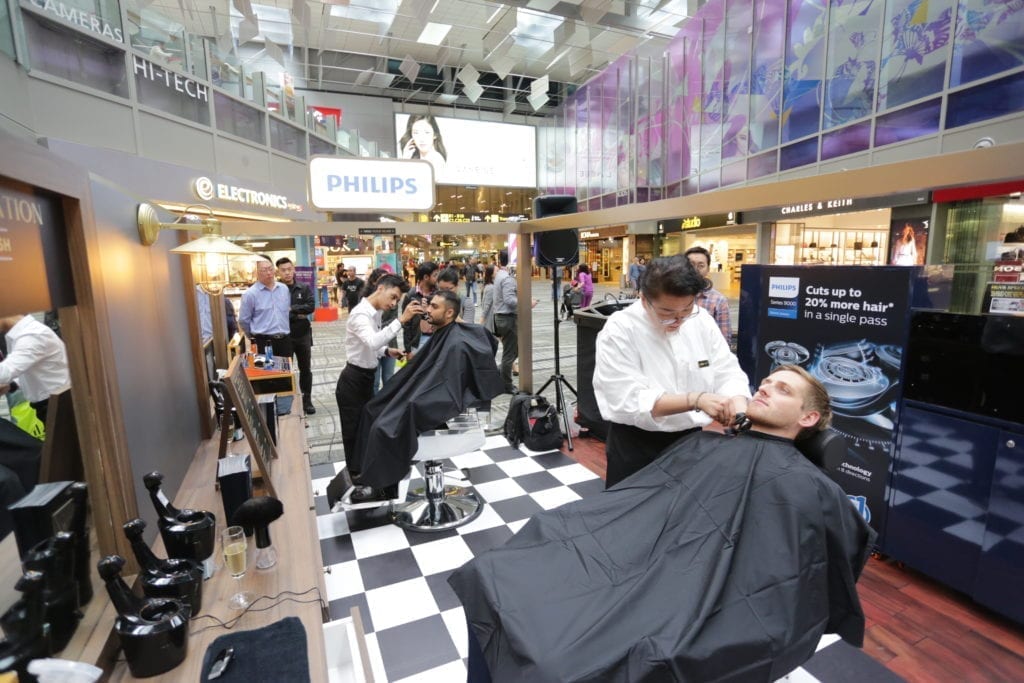
    Philips and L’Oréal Paris Men Expert have joined forces to launch a pop-up barber shop at Singapore Changi Airport. The Male Grooming Club initiative is a partnership with Changi Airport Group, The Shilla Duty Free and Sprint-Cass. The barber shop, open from 13 December to 24 January, offers male passengers in Terminal 3 a range of grooming services, products and promotions.

    Professional barbers use Philips’ range of shavers for a complimentary hot towel shave alongside head and face massages, finishing with treatment from the L’Oréal Paris Men Expert range. Individual consultations with a grooming adviser are also available.

    The Male Grooming Club showcases Philips’ most advanced shavers featuring its ContourDetect technology. Other male grooming tools available at the pop-up store include Philips hair clippers, beard trimmers and body groomers.

    L’Oréal Paris Men Expert offers a wide range of skincare products tailored to cover all major men skin concerns, such as anti-ageing and hydration.

    While more than 50% of travellers are male, they represent less than 10% of the total spend in airport cosmetics stores, noted the partners. Changi Airport said there is a huge opportunity in the travel retail space to target men and their grooming needs.

    The pop-up offers exclusive promotions such as S$50 (US$35) off selected Philips Shavers with any purchase of a L’Oréal Paris Men Expert gift set. Complimentary gifting services are also available along with a limited-edition gift bag with any purchase of a Philips male grooming tool or L’Oréal Paris Men Expert travel retail exclusive sets.

    Changi Airport Group Senior Vice President of Airside Concessions Division Teo Chew Hoon said: “We are excited to partner Philips and L’Oréal Paris Men Expert to introduce this unique pop-up concept at Changi Airport. With these complimentary grooming services, we hope to pamper our male travellers, making their Changi Experience a more memorable one this festive season.”

    Royal Philips Global Business Development Manager Travel Retail Steven van Dortmond commented: “Travelling long distances can be a tiring affair and Philips is pleased to be able to offer men a grooming experience that will refresh and recharge them for the journey ahead. With Philips’ premium male grooming range, travellers will arrive at their destinations well-groomed and ready to go.”

    L’Oréal Consumer Products Division Travel Retail APAC General Manager Barbara Bressand-Sussfeld noted: “We want to offer to male travellers and consumers a dedicated grooming environment by bringing together two of the number one worldwide brands – our skin care brand Men Expert and Philips electric shavers. All male travellers at Changi Airport will be able to enjoy a unique grooming experience at Terminal 3 and we look forward to welcoming them to the Male Grooming Club.”

    The Shilla Duty Free Head of Global Merchandise Division Raelene Johnson said: “As a leading travel retail cosmetics & perfumes operator, we are always looking to elevate travellers’ shopping experience. We are excited to work with our brand partner L’Oréal Paris Men Expert, and with Philips and Sprint-Cass to create an immersive and unique experience for travellers.

    “We hope that the experiential concept of the Male Grooming Club will provide male travellers with access to a wide range of male grooming services and products, bringing greater value to our customers.”

    Philips and L’Oréal Paris Men Expert product ranges are available at Sprint-Cass and The Shilla Duty Free. Complimentary male grooming services are available from 6am to 10am and 7pm to 11pm daily; while the Male Grooming Club runs from 6am to 1am daily.

  • Thai AirAsia X ends Middle East service

    Thai AirAsia X has completely pulled out of the Middle East, a market that appears unready for TAAX’s long-haul, low-cost business model. The airline, part of Asia’s biggest no-frills airline group, is axing Bangkok-Muscat and Bangkok-Tehran routes launched in June this year, due to poor traffic demand at both ends of the each of the routes.

    The termination of Bangkok-Muscat takes effect on Jan 19 and the suspension of Bangkok-Tehran flights became effective on Dec 5, according to insiders. TAAX has struggled to keep the two routes afloat by rationalising capacities to match actual demand. In November, the carrier reduced the frequency of service on both routes to two flights a week, the minimum level acceptable by the market, down from three flights a week at launch.

    TAAX deploys Airbus 330-300 wide-body jets configured with 377 seats on all its routes. The arrangement did not work out well, leading TAAX to terminate Middle East flights altogether. When TAAX inaugurated its Tehran flight on June 22 and Muscat service on June 28, the airline became the first low-cost carrier to offer regular non-stop services on those routes. TAAX’s departure means that all connections between Bangkok and the two Middle Eastern capitals will be handled by full-service airlines. Bangkok-Tehran flights are operated by Iran-based Mahan Airlines and Thai Airways International (THAI), which commenced service in October. The non-stop Bangkok-Muscat flights are flown by Oman Air, while Thai Airways offers regular services to the Omani capital with a stopover in Karachi.

    Insiders said the poor performance by TAAX was in sharp contrast with a rosy outlook perceived earlier this year. TAAX chief executive Nadda Buranasiri said in May the lifting of economic sanctions against Iran in January had turned Tehran into a new economic frontier and an emerging tourism market.

    “There seemed to be strong initial demand for both routes, but it tapered off to become unsustainable eventually,” said an insider who asked to remain anonymous.

    In a release, TAAX apologised for ending its Middle Eastern services and offered full refunds for affected passengers.

  • Huawei goes solar in regional deal

    Huawei goes solar in regional deal

    Huawei’s solar business has received a boost with a deal to partner with Filipino renewables generator Citicore Power.

    The deal, announced in Shenzen on Wednesday and reported in the Filipino press, will see the two companies partner up to deliver solar projects not only in the Philippines, but in other Asian countries including Japan.

    “This comes on the heels of the company’s plans to develop and construct solar projects with a total capacity of 500 MW [megawatts] by 2020 in overseas markets particularly Japan, Malaysia, Indonesia, Thailand, Vietnam, and Myanmar,” Citicore Power said in a statement.

    Citicore said that under the partnership, Huawei “will provide project design support and inverter maintenance support,” including remote, hardware, and solution support.

    “It will also complete or obtain various product tests, network admission, and technology certification for the products. Huawei will also share its global recourses including solar investment partners, consultants, and EPC [engineering, procurement and construction] partners,” the company said.

    Citicore Power operates three large-scale solar farms in Bataan, Negros Occidental and Cebu provinces, with a combined capacity of more than 100 MW

    The company aims to install 1,000 MW of capacity using a range of renewable energy sources, including solar, biomass, wind and hydropower.