Category: General

Retail News Asia is committed to providing both local and global retailers with the latest General Retail news throughout the Asian market. This on a daily base.

  • Cebu Pacific receives new Airbus A330-300 aircraft

    Cebu Pacific receives new Airbus A330-300 aircraft

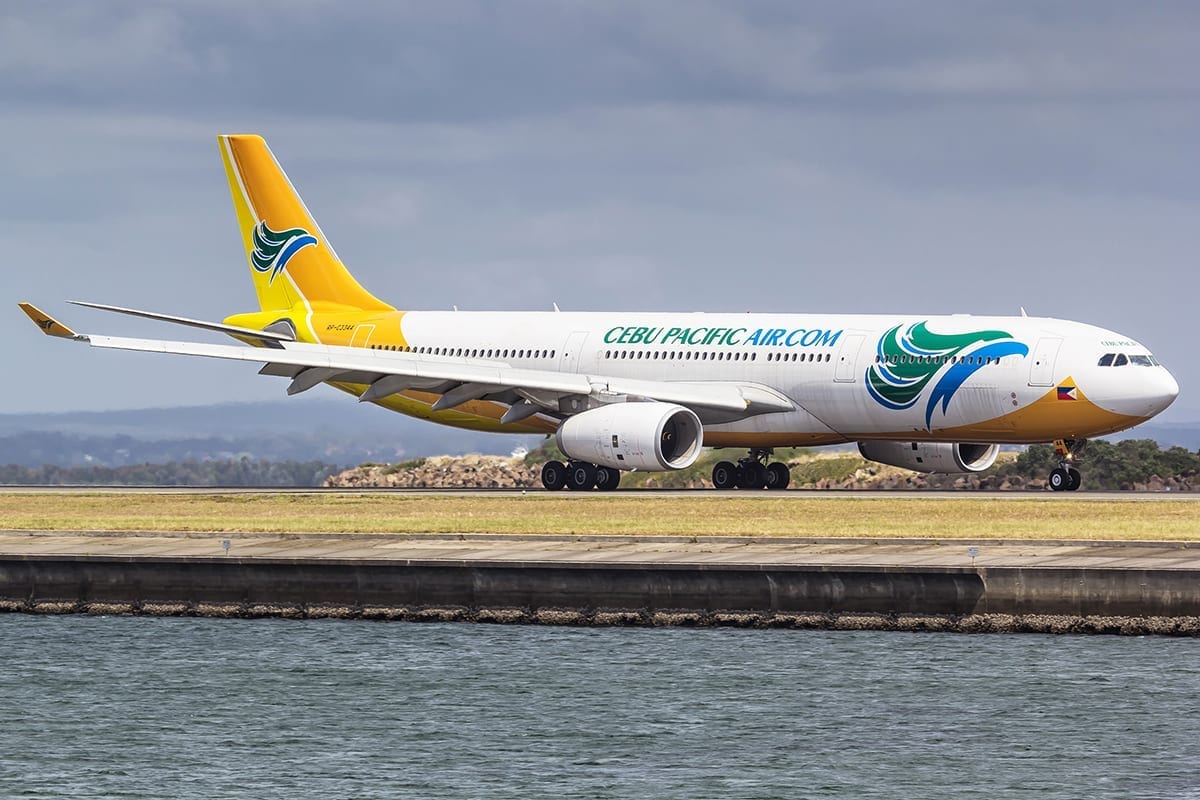
    The Philippines’ leading carrier, Cebu Pacific Air (CEB), has received a new Airbus A330-300 aircraft, creating more available seats in time for the holiday season.

    CEB will be utilising this aircraft for flights between Manila and Hong Kong from Tuesday, a move that will provide more than 9,800 available seats per week on this route.

    In a statement, CEB said this upgrade reflects a 22% increase compared to the number of seats offered in the previous periods, which allows the airline to maintain its position as the largest Philippine carrier operating the Philippines – Hong Kong market.
    “CEB also takes pride as the only Philippine carrier linking Hong Kong to other cities in the Philippines, such as Cebu, Clark and Iloilo,” said JR Mantaring, vice president for corporate affairs, CEB.

    With this easy connectivity to such hubs, CEB aims to strengthen economic trade and tourism from one of Asia’s largest financial centers to the Philippines.

    This new aircraft, configured with 436 all economy-class seats, will join CEB’s existing fleet of six A330s flying on long haul and selected regional and domestic routes.

    CEB continues to modernise its current 58-strong fleet of five Airbus A319, 36 Airbus A320, seven Airbus A330, eight ATR 72-500, and two ATR 72-600 aircraft to further expand its route network and frequencies all over the world.

    Recently, the airline announced two new domestic routes from Manila to Masbate and Tablas. With these additions, CEB now offers flights to 38 domestic and 30 international destinations, spanning Asia, Australia, the Middle East, and USA.

  • Miniso targets 6000 stores by 2020

    Miniso targets 6000 stores by 2020

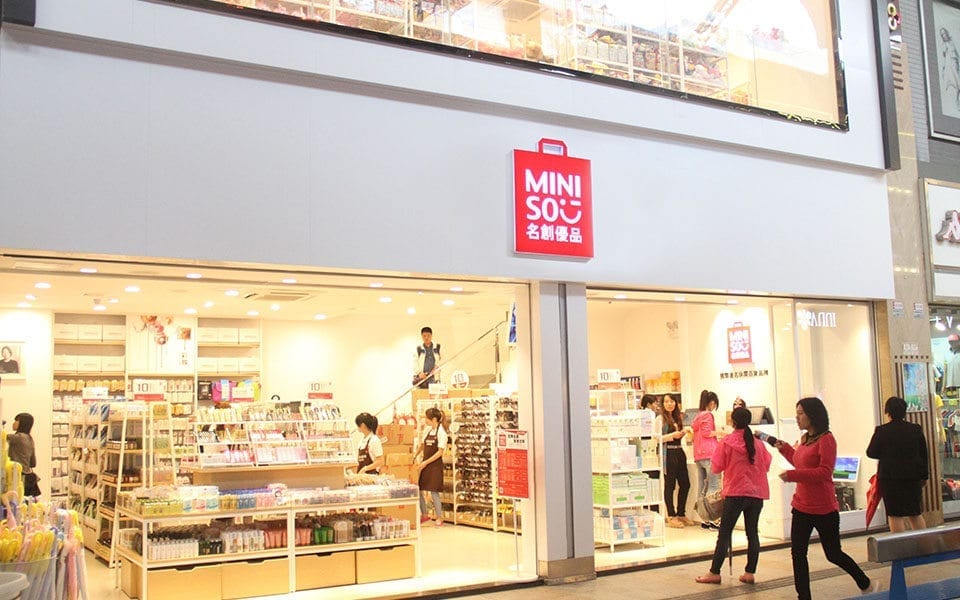
    Chinese discount brand Miniso expects to open 6000 stores worldwide by 2020, co-founder Ye Guofu has told a conference in Singapore.

    He was speaking at a three-day investment conference hosted by Miniso and attended by more than 250 agents, potential agents and suppliers from 100-plus countries.

    Following the event, Miniso signed a strategic co-operation agreement with the Mazuli Group from Israel.

    Also from Miniso at the event, named “Hello! World Miniso – Saiman Fund International Conference on Global Investment”, were global co-founder/chief designer Miyake Junya, Asia-Pacific VP Li Minxin and international department director Huang Zheng.
    While established for only three years, Miniso has opened more than 1400 stores in more than 40 countries and regions. Its global revenue reached RMB5 billion (US$719 million) last year and expected to exceed RMB10 billion this year.

    To help conference attendees understand the brand’s rapid development, Junya spoke about the “Miniso model”, using the brand’s development in Singapore as an example. Miniso launched three stores in Singapore simultaneously, and within a year was able to open more than 20 stores. As well as its quick development, its turnover rates repeatedly set sales records and it grew faster than any other retail brands.

    Junya believes its success is because of its powerful brand, its “high quality, creativity and low price”, the special experience if offers shoppers, and its efficient and reliable supply chain.
    Guests were invited to visit five major Miniso stores in Singapore and one warehouse.
    As a fast-to-market brand, Miniso launches new products every three days and completes goods circulation through retail outlets every 21 days.
    Ye Guofu spoke about the essence of a brand with competitiveness, saying he believes there is no essential difference between online and offline.

    He says the traditional retail industry must undergo transformation, not only because of the impact from eCommerce, but most importantly because of consumers’ ever-growing cleverness.

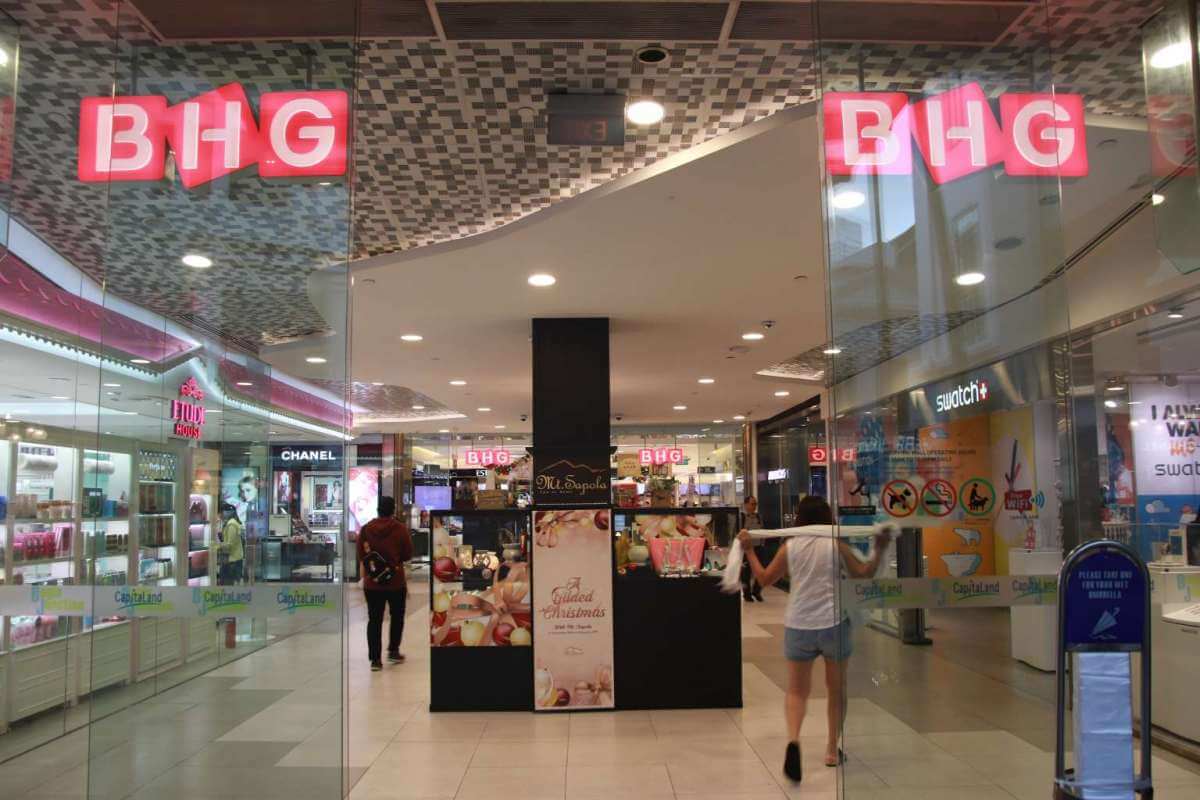
  • BHG department stores posting solid growth

    BHG department stores posting solid growth

    Singapore’s BHG department store group has opened its seventh outlet as it trumpets sold sales growth across its network.

    Photo: Straitstimes

    Apparently defying the city state’s widely publicised retail downturn, BHG is achieving solid growth through a focus on refreshing its merchandise mix every six months, running regular in-store promotions and other activities designed to stay “fresh and relevant”, MD Katsuharu Inamoto told the Straits Times in an interview.

    “If we maintain the same merchandise for three years, we will die. Shoppers here are concerned about quality and price. They have the eye to judge and they know what’s in trend.”

    He says BHG has maintained a “low single-digit” sales growth since last year.

    In line with its merchandise focus, the retailer has just introduced two new brands to its line-up: Korea’s Ladykin beauty products and US backpack maker Mi-Pac.

    The new Jurong East store which opened at the weekend, comprises 49,000 sqft over three levels. Two of those floors were previously occupied by rival department store John Little, which had traded in Jurong for 20 years, the third by electronics and furniture retailer Harvey Norman.

    Inamoto said his company had been seeking a suitable space in the city’s west for a long time and was quick to take the opportunity provided by John Little’s departure.

    “The mall has a unique tenant mix and lots of families go there.”

    BHG’s history dates back to 1995 when it opened as Seiyu Wing On, a joint venture between Hong Kong’s Wing On and Japan’s Seiyu department store group. Seiyu later bought out its partner and the business was sold to China’s Beijing Hualian Group in 1995 and renamed.

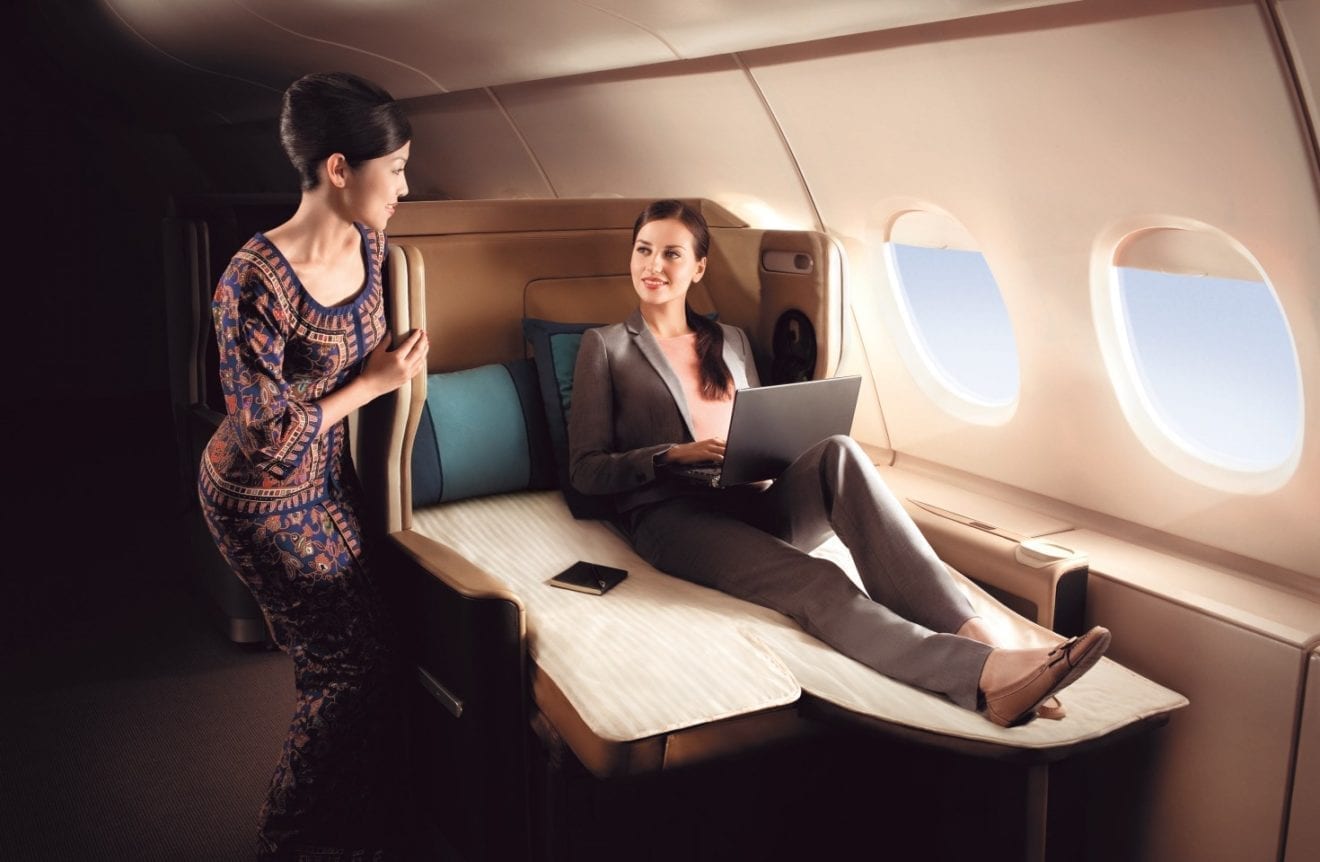
  • More Singapore Airlines flights for Sydney, Melbourne, Brisbane

    More Singapore Airlines flights for Sydney, Melbourne, Brisbane

    Singapore Airlines is ramping up flights to Sydney, Melbourne and Brisbane in 2017, a year which marks the airline’s 50th anniversary in Australian skies.

    Melbourne will see a fifth flight appear on the schedule from 17 July 2017, with the new SQ247/248 operating on Monday, Friday and Saturday.

    The SQ247 Airbus A330 service will depart Singapore at 2am and arrive in Melbourne at 11.25am; SQ248 leaves Melbourne at 12.40pm to reach Singapore at 6.30pm.

    In addition, from January Melbourne’s SQ227/228 will step up to a four-class Boeing 777-300ER with the Star Alliance member’s new premium economy class.

    Brisbane will see SQ265/266 tick over to a daily frequency from 22 August 2017, up from the current four flights a week; it’ll stay on a Boeing 777-200ER aircraft with a fully-flat business class bed for the overnight flight between Brisbane and Singapore.

    Sydney is also gaining extra flights. Beginning 4 June 2017, SQ251/252 will be bumped up from three times weekly to five times weekly, while SQ231/222 will continue as a four-class Airbus A380 from 18 June to 30 September 2017.

    2017 will also see Singapore Airlines boost flights to popular cities in Europe and Asia – including Rome, Moscow and Bangkok – with a new via Moscow route to Stockholm.

  • Luxury goods feature in UK accord for South Korea trade talks

    Luxury goods feature in UK accord for South Korea trade talks

    The pending talks with South Korea follow similar dialogues the UK has opened with Australia, China, the Gulf Cooperation Council, India, New Zealand and Norway

    London: The UK and South Korea are set to to begin regular trade talks, with luxury brands a particularly promising topic, as Britain prepares to expand its commercial reach once it has left the European Union.

    A formal working group of ministers from the two countries will meet as many as four times a year to discuss removing barriers to commerce and prospects for “future, ambitious trade opportunities” after the UK exits the EU, the British government said in an statement on Sunday.

    Prime Minister Theresa May has promised to make the UK a leader in liberalising trade around the world after Brexit. Yet Britain is unable to strike its own free-trade deals — or even being formal negotiations — while still a member of the EU.

    “We want to take advantage of all the opportunities available to us to ensure that Britain becomes a global leader in free trade,” UK International Trade Secretary Liam Fox said in an emailed statement. “The agreement of this latest trade dialogue shows that government is preparing for Brexit, not prevaricating.”

    The pending talks with South Korea follow similar dialogues the UK has opened with Australia, China, the Gulf Cooperation Council, India, New Zealand and Norway in the six months since voters chose in a referendum to leave the EU. Trade and investment between the UK and South Korea is worth about 10.9 billion pounds ($13.6 billion) a year, according to British estimates. The UK is the fifth-largest foreign direct investor in South Korea.

    The UK government said in its statement that South Korea is an especially promising market for luxury brands such as Burberry Group Plc, which has 70 stores in the country, and high-end automakers Jaguar Land Rover and Bentley. Other sectors with strong potential include renewable energy and nuclear decommissioning.

    “What we’re doing is putting in place plans to ensure the UK remains open for business and trade links continue to strengthen,” Fox said. “Important like-minded free trading partners like Korea and others are telling us they’ve heard that message loud and clear. Korea itself is a prime example to the world of how free and open trade can lift countries out of poverty to prosperity.”

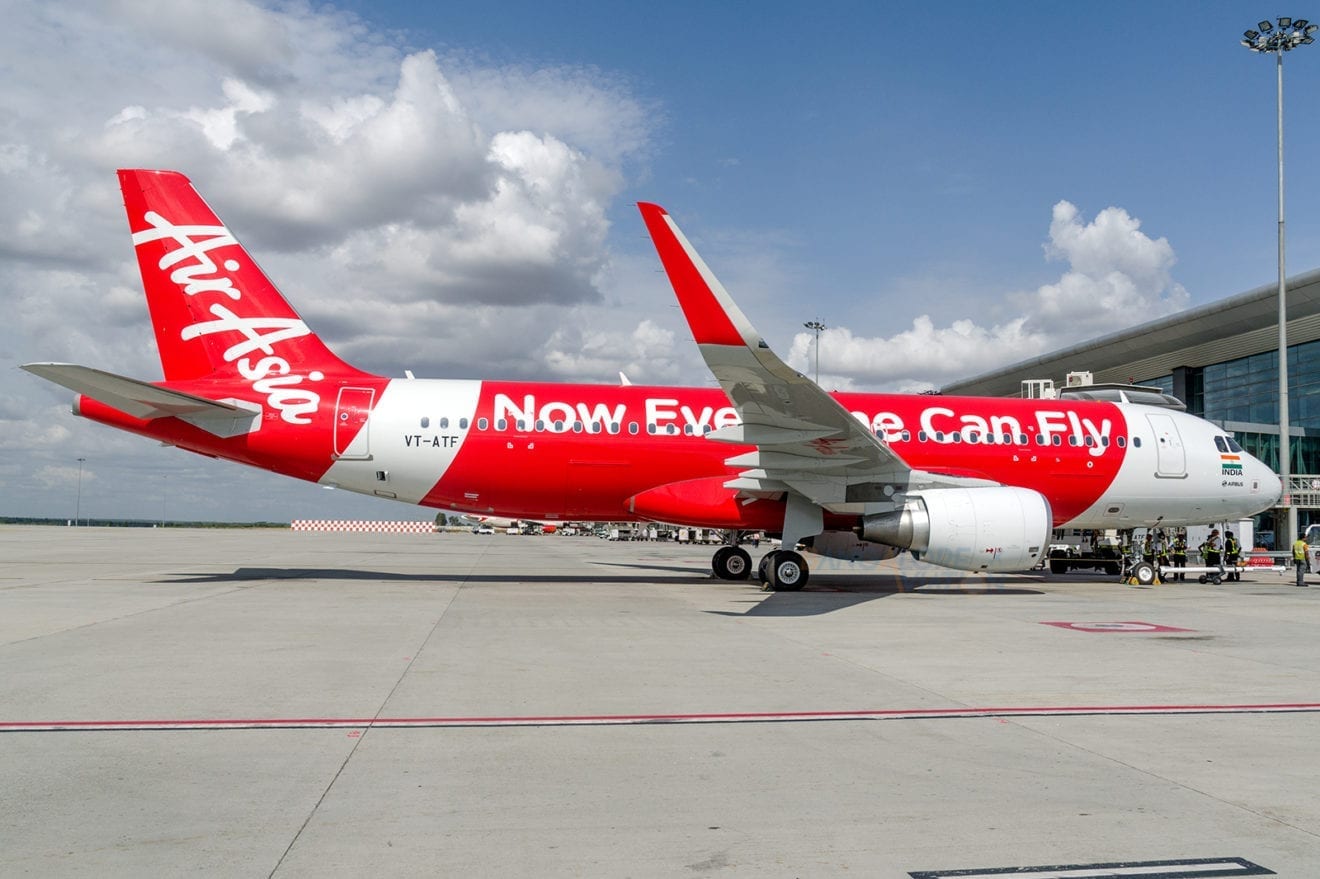
  • AirAsia’s New Year offer: Fly at Rs 917 onwards

    AirAsia’s New Year offer: Fly at Rs 917 onwards

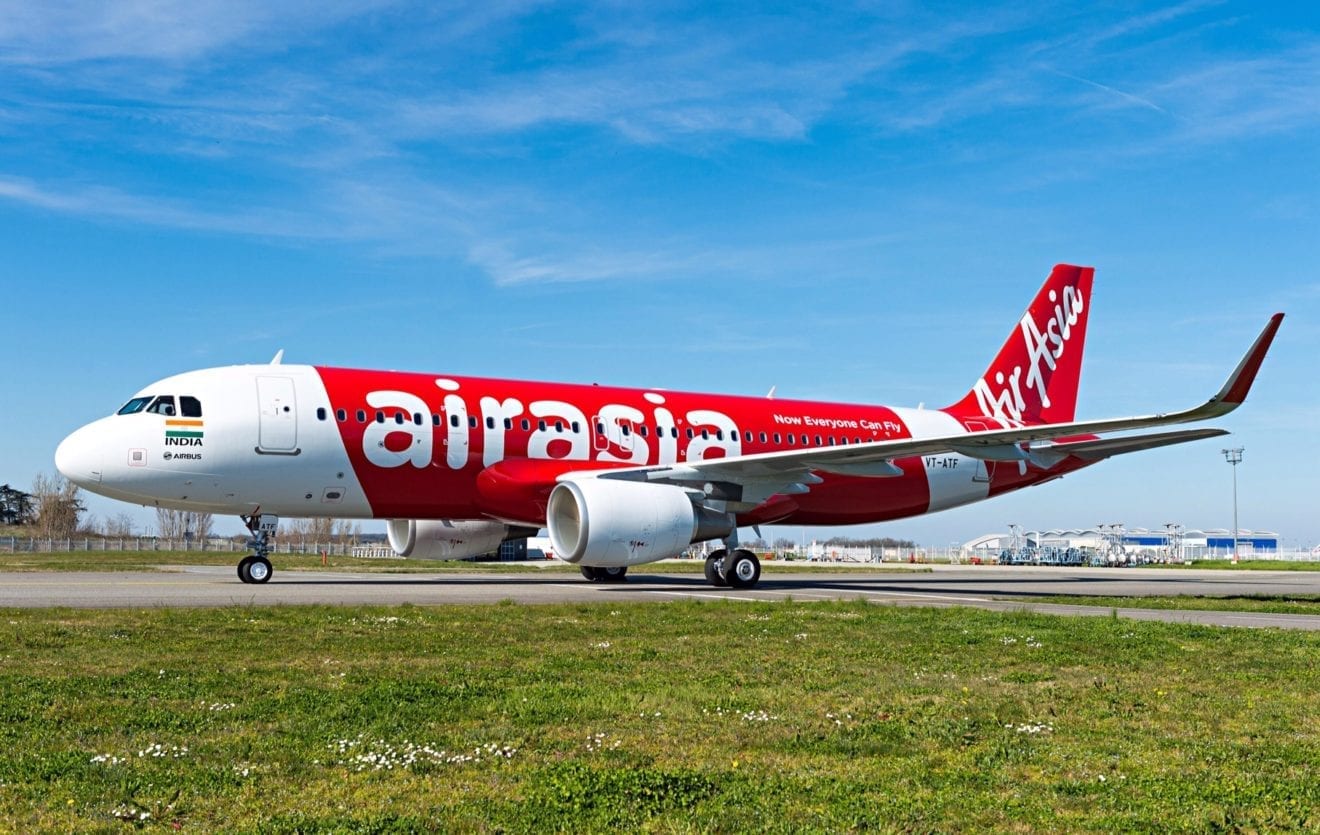
    No-frills carrier AirAsia under a New Year offering is selling an all-inclusive tickets starting from Rs 917 onwards, NDTV reported on Monday.

    The Malaysia headquartered carrier’s offer is open till January 1 next year and is valid on travel from March 1 to October 31 in 2017.

    The airline presently flies to 11 destinations with its two hubs in bengaluru and New Delhi covering Chandigarh, Jaipur, Guwahati, Imphal, Pune, Goa, Vizag, Kochi and Hyderabad.

    GoAir is also offering tickets starting Rs 1,057 on specified sectors. The fares are applicable till December 31, GoAir said on its website. The Rs 1,057 fare is applicable on Delhi-Jaipur route.

  • Musgrave wins contract to export Supervalu products to China

    Musgrave wins contract to export Supervalu products to China

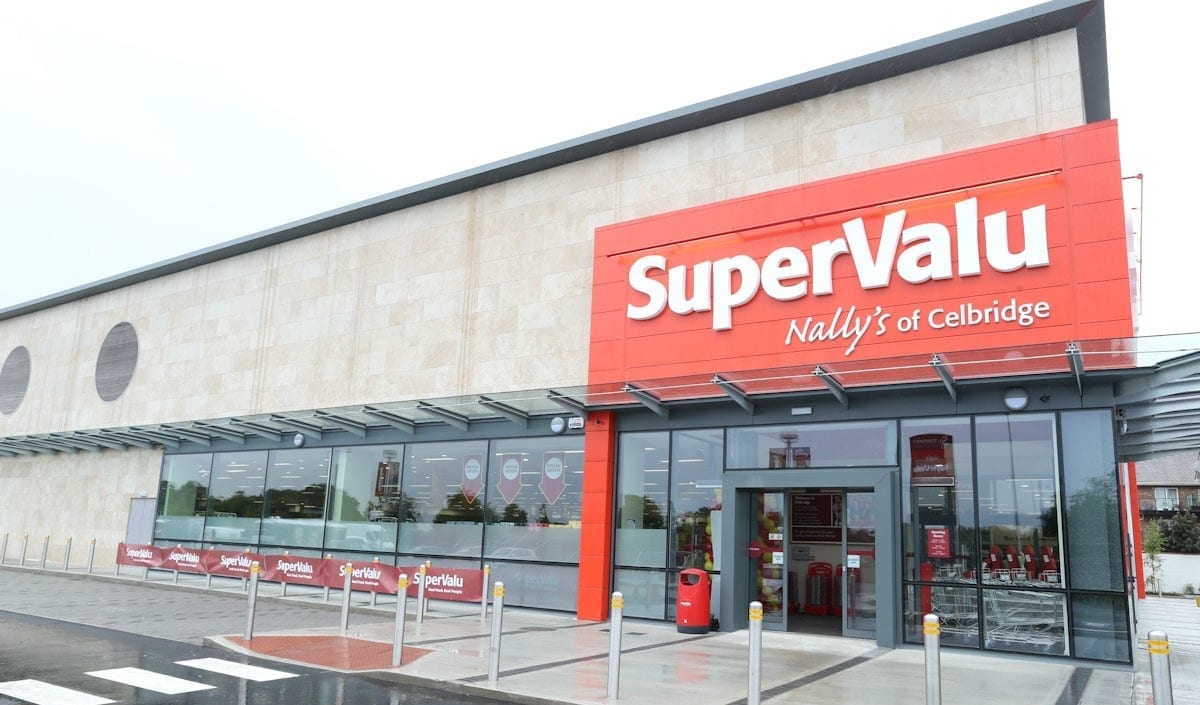
    Irish retailer Musgrave is to begin exporting SuperValu own brand products to China.

    It will initially supply up to 40 own brand products – including SuperValu breakfast cereals, coffee, jam, biscuits and healthy snacks amongst a range of other goods.

    Musgrave has agreed a partnership with Alibaba Group, and will use its Tmall Global ecommerce platform to sell directly to Chinese consumers.

    Tmall Global is an overseas platform and an extension of Alibaba Group’s B2C Tmall business – which enables overseas merchants to enter China’s online retail market.

    Musgrave will also open a flagship SuperValu e-commerce storefront on Tmall Global, making it the first Irish retailer with a presence there.

    Musgrave say the storefront will be offered over time “as a potential route to market” for Irish food producers seeking to access China.

    Alibaba’s logistics affiliate, Cainiao Network, will manage the distribution of products.

    Musgrave CEO Chris Martin said: “Our core business in Ireland is performing well and our grocery retail and wholesale brands occupy leadership positions in their respective markets.

    “We are exploring new opportunities to grow our business including export and we are excited by the opportunity to partner with Alibaba Group.

    “In the past five years Chinese consumers are increasingly purchasing overseas through online shopping.

    “We expect that the heritage of SuperValu and the provenance of our products will be attractive to Chinese consumers.”

    David Lloyd, director of UK and Ireland for the Alibaba Group, added: “Chinese consumers have a desire to discover high quality brands from around the world that they can trust and enjoy.

    “Because of Musgrave’s long history of providing quality food produce, we are delighted to be working with them to bring their high quality SuperValu range to Chinese consumers via our Tmall Global platform”

  • Hong Kong shops struggle as holiday season approaches

    Hong Kong shops struggle as holiday season approaches

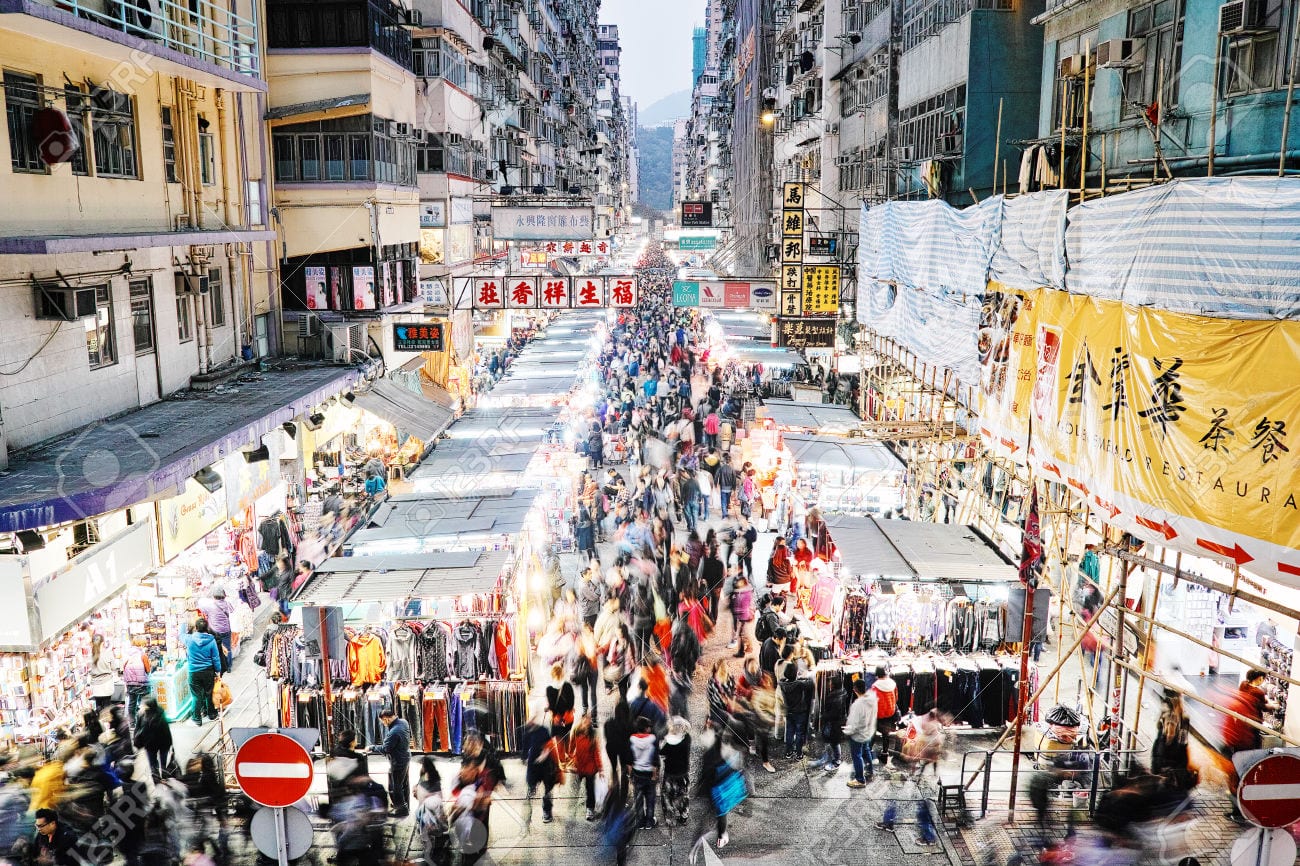
    Hong Kong’s retailers are facing an uphill battle to entice customers into their stores a week before Christmas in the final present buying rush, consumer analysts have said.

    The local retail market has been plagued by a dip in sales this year, attributed in part to a plunge in the number of visitors from the mainland, who account for about 75 per cent of tourists to the city.

    In October, retail sales fell for the 20th month by 2.9 per cent to HK$36.1 billion. But the slump had levelled slightly, from a 10.5 per cent fall in August to a 4 per cent dip in September.

    Many shops brought their Christmas promotions forward by at least two weeks this year to counter the sales decline. The city’s more westernised customer base also meant Christmas remained the annual peak retail season, with sales even higher than during Lunar New Year, the Hong Kong Retail Management Association said.

    Retailers have been increasingly trying to target visitors from Thailand and Malaysia because of the drop in the number of mainland visitors.

    The overall number of tourists to the city in October this year showed a 5.7 per cent decline compared with October 2015, from 5,073,494 to 4,953,705. Despite the dip in mainland visitors, there was an increase in those from “long haul markets”, including the United States, Britain and Germany, according to the Hong Kong Tourism Board.

    Retailers also faced strong competition from online outlets such as Amazon Japan and Taobao, which offer many products at heavily discounted prices.

    Cityplaza on Taikoo Shing Road, Quarry Bay was among the malls pulling out all the stops to attract Christmas shoppers. Its “Look Up Live Happy” campaign featured 50 giant teddy bears flying in hot air balloons, a 180-degree photo booth for customers and a symphonic light show.

    Consumer analysts said Hong Kong’s retailers needed to work harder to improve the efficiency of the customer experience, boost their overall customer service, come up with more innovative incentives and promotions, as well as develop their own online shops to remain competitive.

    Tanya Lau, director and head of consumer and retail practice at Harvey Nash Executive Search APAC, said retailers faced “tough global market conditions” and needed to “keep pace” with changing consumer behaviour.

    “For retailers to stay competitive, they need to specifically understand the customer journey and every detail of what they desire,” she said. “They need to [create] a seamless shopping experience … across all platforms. With a week to go until Christmas, making the buying process as easy as possible is essential.”

    Lau said businesses also needed to make technological improvements, such as introducing electronic payments, and providing better online buying services.

    Meanwhile, Professor Leslie Yip, programme leader of retail management at the Technological and Higher Education Institute of Hong Kong, said many locals would rather use their money for holidays than spend it in local shops. He said retailers needed to work harder to ­understand shoppers’ behaviours, and improve the variety and price range of products, and the overall efficiency.

    “The shopping experience here is kind of inefficient,” he said. “There are not enough self-checkout services; many shoppers are impatient for this. [Some retailers] lack variety due to shop space.

    “They should consider that tourists … have limited time yet want to maximise their shopping experience, while local shoppers want to maximise their experience within a given budget.”

    Yip suggested mall owners should explore ways to promote “mall hopping” across their different retail outlets, such as online treasure hunts, as many shopping centres were located within a short distance of one another.

    But Thomson Cheng, head of the Hong Kong Retail Management Association, said he expected Christmas sales to be “stable” after a “tough year for retailers”.

    He said they had made efforts to promote Christmas early this year to beat the slump, and were expecting a boost to sales next month because of an early Lunar New Year. “We are seeing light at the end of the tunnel,” he said.

    “Retailers need to look at how they can contain costs now. February and March next year will be the hardest time. Shops need to nurture local spending.”

  • Victorious Shinsegae Duty Free unveils bold vision for new Central City store

    Victorious Shinsegae Duty Free unveils bold vision for new Central City store

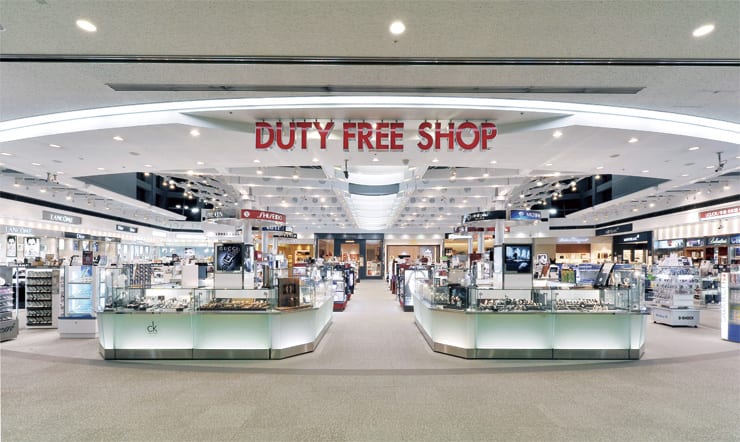
    Buoyed by yesterday’s success in the dramatic contest for three new downtown duty free licences in Seoul, Shinsegae Duty Free today outlined ambitious plans for its new 13,350sq m store in Central City in the Seoch-gu area of Gangnam.

    As reported globally by The Moodie Davitt Report within minutes of the Korea Customs Service announcement, Shinsegae Duty Free won one of the three five-year licences on offer, along with Lotte Duty Free (gaining a welcome return to its Lotte World Tower store) and sector newcomer Hyundai Department Store. SK Networks (WalkerHill Duty Free) and HDC Shilla (Shilla IPark duty free) missed out.

    Central City is Korea’s largest multi-cultural leisure and entertainment space, featuring the Shinsegae Department Store, a hotel, restaurants, cinema and book stores, all offering what the retailer called a “seamless, one-stop shopping experience”.

    Shinsegae Duty Free CEO Young-mok Sung said: “With the opening of the Central City outlet, Shinsegae Duty Free will be able to provide foreign tourists with unique experiences and contents, including gourmet, shopping, culture and lifestyle offers through various tourism programs and infrastructure.”

    He pledged that Shinsegae Duty Free will promote and develop Korean tourism through free independent travellers (FIT) and strive to “catch the hearts” of foreign tourists.

    Shinsegae Duty Free said it will foster tourism in the southern Seoul area by integrating its general retail and duty free operations.

    The department store and – increasingly over recent years – duty free powerhouse announced that it would invest KW350 billion (US$295 million) over the next five years to improve and promote tourism and shopping infrastructure in the Seocho and Gangnam area surrounding Central City.

    The investment plan features several ambitious developments, including the creation of a 4.6km long ‘Arts Street’ connecting tourist attractions such as the Seoul Arts Center and Sebitseom (a cultural complex on the Han River that consists of three artificial islands).

    Shinsegae also intends to improve the walkways of the popular musical instrument village and develop a guide map for it. Additionally, the company will create a pedestrian walkway within the popular Seoripul Park’s multicultural spaces.

    The company said it will also drive local tourism by creating Hallyu [Korean wave] cultural clusters and building a Korea Tourism Promotion Center to provide national tourism information.

    In line with these plans, Shinsegae Duty Free plans to develop various tourism programmes, including a ‘Premium Gourmet Festival’ that will offer premium restaurant dining experiences at reasonable prices.

    A ‘Medical Tour’ programme will promote the country’s important medical tourism sector, offering consultation and interpretation services, supported by a local tour offer called ‘Korea from end to end’.

    CENTRAL CITY – A ONE-STOP SHOPPING EXPERIENCE

    Shinsegae Duty Free said it selected Central City as the best location for the new store in order to champion local tourism, diversify the travel offer and attract more FIT visitors.

    Shinsegae Duty Free promises to “catch the hearts” of tourists at Central City, described as Korea’s largest multi-cultural leisure and entertainment space

    According to a 2015 survey by Korea Tourism Organization, the number of foreign tourists visiting the area around Central City has increased by +19% annually since 2012. FITs made up 88.6 % of the 2015 total – some 21 percentage points higher than the number of independent travellers visiting Seoul (67.7%).

    Many Chinese independent travellers do not see a Seoul trip as complete without visiting the Seocho and Gangnam areas, Shinsegae said.

    That local popularity has been reflected at Shinsegae Gangnam Department Store (which completed a renewal and expansion in August), where sales to Chinese tourists have increased by almost +200% this year over 2015.

    Gangnam style: Shinsegae Department Store is a hugely popular tourist attraction in the busy shopping district

    Underlining Shinsegae’s description of a “one-stop shopping experience”, Central City is conveniently connected to major public transportation links within Seoul and nation-wide.

    The area boasts 33 city bus and express bus services, as well as the Express Bus Terminal subway station. Gyeongbu and Honam Express Bus Terminal, Seoul’s largest transportation infrastructure used by 40 million people annually, is also located in Central City.

    Shinsegae Duty Free has secured parking spaces that can accommodate 3,600 vehicles and 59 buses. Bus stops will be connected directly to the duty free store to provide maximum shopper convenience.

    Major cultural and art spaces are concentrated around Central City, including over 50 eco-friendly travel spots. The area is the centre of the MICE [meetings, incentives, conventions, and exhibitions] industry and holds around 20 local community festivals annually.

    Additionally, major tourism spots such as Seorae Village, Apgujeong-dong and Itaewon can be easily reached, while various cultural, dining, beauty and medical facilities are also concentrated in the area.

    Shinsegae Duty Free has pledged to promote tourism by signing partnerships with major organisations in Seocho and Gangnam, including Seocho-Gu Office [the local Mayor’s office], Seoul Arts Center, Catholic Sung-Mo hospital and leading restaurants.

    In its proposal to Korea Customs Service, Shinsegae Duty Free forecast that if its new duty free outlet attracts some 8.3 million tourists – representing a +88% boost in visitors to the area over 2015 – tourism spend would be boosted by KW7.5 trillion (US$632 million) over the next five years.

    HELPING KOREA’S SMALL AND MEDIUM ENTERPRISES

    Shinsegae Duty Free has pledged to champion small-to-medium sized (SMEs) producers. It will dedicate 39% of its store to SME wares and introduce various related brands and concepts which retain Shinsegae’s ‘DNA’ such as the ‘Shinsegae Gift Shop’.

    Shinsegae Duty Free’s Myeong-dong store features a magnificent array of Korean artisan products. The retailer plans to also champion local producers at its new shop.

    The retailer will also open a store for new designers’ brands to identify and promote new talent and support local creators.
    Shinsegae Duty Free emphasised that it honoured similar cultural and tourism pledges it made as part of the company’s 2015 bid for its inaugural Seoul downtown licence.

    For example, it opened a Hallyu cultural performance theatre called ‘Boys24 Hall’ in September and ‘Han Soo’, a craftsmanship section, in December.

    As revealed by The Moodie Davitt Report, Fountain Square improvement work and the promised Namdaemun Market revitalisation are also well underway as long-term project. Additionally, a Design Innovation Center, which discovers talented new designers and provides job opportunities, is scheduled to open in the first half of 2017.

    Shinsegae Duty Free is driving the revitalisation of Namdaemun Market, a major tourist attraction.
  • PAL to launch international, domestic flights at Clark

    PAL to launch international, domestic flights at Clark

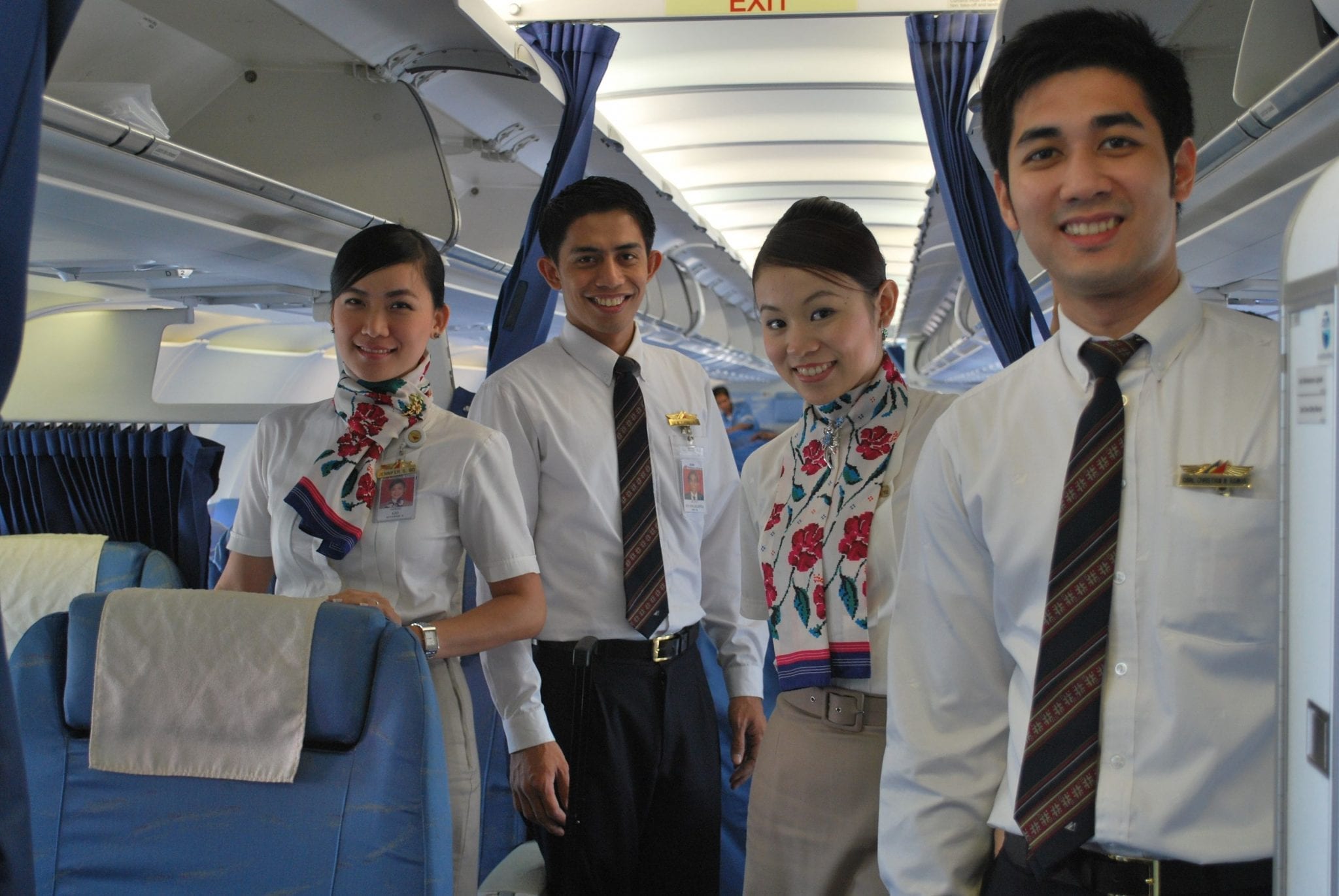
    Philippine Airlines (PAL) is launching on Dec. 16 its first regular international and domestic flights from Clark International Airport (CIA).

    This is PAL’s response to President Duterte’s call to decongest the Ninoy Aquino International Airport (NAIA) .

    Clark International Airport Corp. president Alexander Cauguiran said PAL president Jaime Bautista gave him the green light to announce that PAL is launching on Dec. 16 its first Clark-Caticlan daily flights.

    PAL will add more flights starting January 2017, including daily flights to Cebu, flights to Davao four times a week, weekly flights to Busuanga and flights to Cagayan de Oro thrice a week.

    PAL will also launch daily international flights to Incheon, South Korea in January 2017. Cauguiran said that PAL would have a total of 21 flights per week at ClA.

    Cebu Pacific Air earlier announced the increase of its flights at CIA, including flights to Hong Kong three to 10 times per week starting in December and Clark-Cebu flights six times per week.

    In a forum held here by the Bases Conversion Development Authority, Cauguiran warned that flight congestion at the NAIA has endangered passenger safety.

    “NAIA has four terminals designed for 13 million people per year. But last year, it processed 36 million passengers already, so long lines of waiting people often occurred,” he said.

    Cauguiran also noted that NAIA’s lone runway allows only 40 flights per movement or one hour for every 40 flights. “Beyond that, you are inviting trouble” because this requirement has often compelled incoming aircraft to stay in the air longer than scheduled before being allowed to land.

    Civil Aviation Authority of the Philippines director general Jim Sydiongco said the Legazpi, Dumaguete, Roxas and Caticlan airports could also now accommodate flights in the evening as such are night-rated.

    Direct flights to Mindoro Occidental

    Meanwhile, budget carrier Air Juan has launched direct flights between Manila and Mamburao, Mindoro Occidental’s capital.

    The province’s representative, former governor Josephine Sato, said yesterday the air service would “be a big boost to our efforts to promote Mindoro Occidental as a prime eco-tourism destination.”

  • Philippine Airlines firms order for five Q400s

    Philippine Airlines firms order for five Q400s

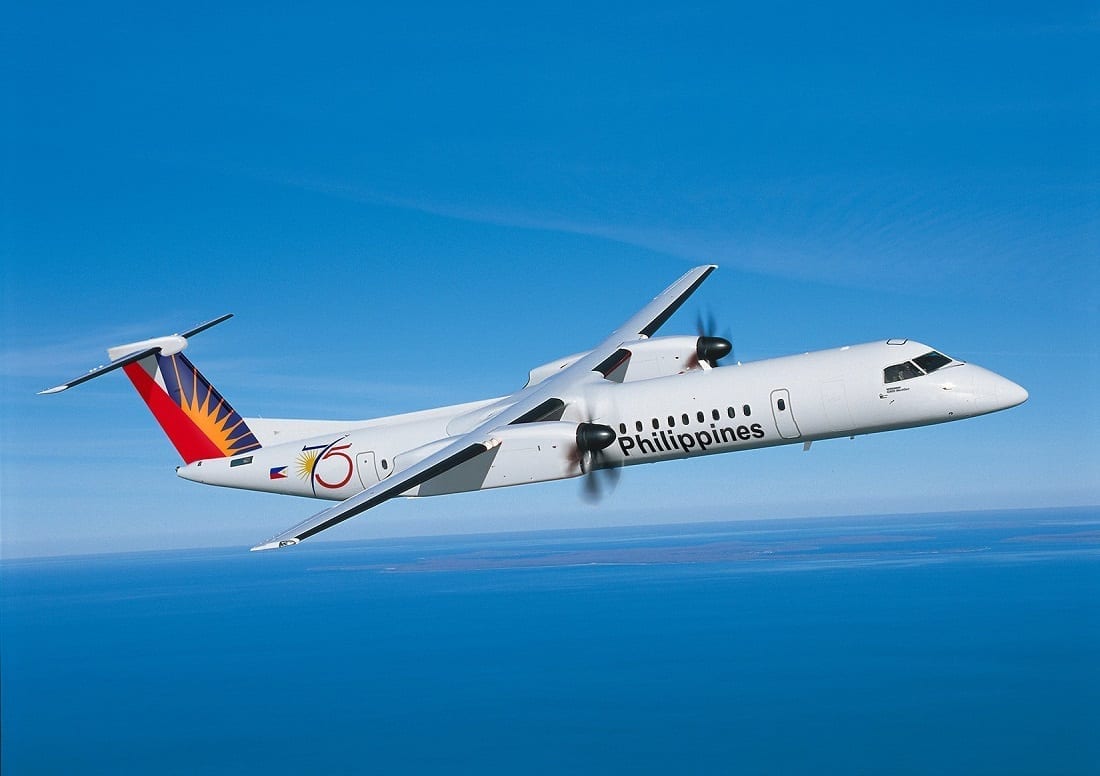
    Philippine Airlines has firmed an order for five Bombardier Q400 turboprops, with purchase rights for an additional seven aircraft.

    The five Q400s, which will be configured with 86 seats in two classes, will be delivered throughout 2017, says Bombardier in a statement. The deal is worth $165 million at list price.

    “The Q400 aircraft is the ideal solution for the airline as it develops its domestic operations network from secondary hubs and increases intra-island connectivity,” says Bombardier Commercial Aircraft president Fred Cromer.

    The Q400s will be operated by the Philippine flag carrier’s PAL Express unit, which currently operates four Q300s and four Q400s, largely on services to island destinations. It also has nine Airbus A320s and two A321s in its fleet.

    Its current Q400 fleet has an average age of 14 years, while its Q300s are 10 years old on average.

  • Retail sector key in attracting tourists

    Retail sector key in attracting tourists

    It is the most wonderful time of the year as far as the retail scene is concerned. Shopping malls are busy once again, cash tills are ringing ever merrily and, perhaps more important, Singapore’s tourist numbers are rising. Despite the threat of online shopping to the domestic market and poor footfall numbers at certain malls, the Singapore retail scene has been a star performer in wooing the tourist dollar.

    A report reveals that for the first time since 2012, shopping has overtaken gambling as the biggest earner in Singapore’s tourism industry. Higher-spending visitors helped boost tourism receipts in the first half of this year. The readiness of tourists to spend more on shopping, accommodation, and food and beverage contributed, in fact, to offsetting a fall in sightseeing, entertainment and gaming. The Chinese, Indian and Indonesian markets played a strong role, with visitors from secondary cities such as Chongqing and Fuzhou attesting to the the vitality of the Singapore Tourism Board’s marketing efforts.

    Clearly, more attention could be paid to such markets within the broader imperative of attracting Asian visitors, given that more than one in four travellers at Changi Airport are either going to or coming from Jakarta, Bangkok, Kuala Lumpur or Hong Kong.

    Unavoidably, Singapore is running out of novelty factors to attract tourists: The integrated resorts and Gardens by the Bay, for example, are no longer new. The challenge for the tourism authorities, therefore, is to constantly create fresh reasons for visiting Singapore. The imaginative reworking of the retail scene could be useful here. As an indication of what is possible, this year’s Great Singapore Sale was held to coincide with China’s summer holidays. Livening up the retail scene is one way for Singapore to remain nimble in meeting the demands of tourists.

  • How to grow for Luxury brands

    How to grow for Luxury brands

    Luxury brands need to use new technologies and offer experiences for their customers, the second Luxury Society keynote event in Shanghai has been told.

    UCO Cosmetics CEO Arthur Zhang told the event that the early-stage eCommerce model of simply providing a platform for selling products online is dead.

    He said key technologies being experimented and improved upon in China include augmented reality, virtual reality and live-streaming.

    “The millennial generation in China, which already numbers about 300 million people, seeks experiences and emotional connection – they are not just bystanders,” DLG China partner/MD Pablo Mauron told the audience of more than 150 luxury-industry brand executives. “As a result, live-streaming has become a medium for them to express themselves.”

    He told how brands such as Maybelline, Montblanc and Swarovski are taking advantage of these new opportunities.

    Underlining the key message of the event that eCommerce is changing, CEO Thibault Villet of luxury fashion eCommerce platform Mei.com told how a live-streamed show in collaboration with TMall resulted in 65 per cent of the products featured quickly selling out.

    Meaningful data

    Social customer-relationship management (CRM) makes highly targeted messaging and engagement possible, the event was told by Four Seasons Hotels Asia Pacific director of marketing communications John Hamilton. He said the luxury hotel chain has been gaining meaningful data about its customers, which in turn has driven growth. In the past year, through trial-and-error and optimisation, the group has defined a CRM-led content strategy on WeChat.

    Celebrity and key-opinion-leader partnerships can make a big impact in China, said East Entertainment commercial director Qing Dai, who spoke of her experience of partnering luxury brands with appropriate celebrities. One of Easy Entertainment’s most successful was in linking up Cartier with singer/actor Lu Han.

    Baidu GM for East China Wan (Grace) Zhang said Cartier was the most-searched luxury watch brand among the generation born between 1990 and 2000, linked to Cartier’s collaboration with Lu Han.

    Other speakers at the event included Four Seasons Hotel Pudong (Shanghai) GM Arthur Ho, writer Casey Hall of Women’s Wear Daily, Digital Luxury Group founder/CEO David Sadigh and MD for China Pablo Mauron, Baidu senior project manager Di Fu and Sephora China digital manager Vanessa Qian.

    Attendees included representatives of Alexandre de Paris, Baume & Mercier, Bottega Veneta, Bulgari, Cartier, Chanel, Chaumet, Conde Nast, De Beers, Dior, Hublot, Loewe, LVMH, Marc Jacobs, Massimo Dutti, Michael Kors, Montblanc, Nars, Net-a-Porter, Nike, Sephora, Shiseido, Swarovski, TAG Heuer, Tiffany & Co and Vacheron Constantin.

    Luxury Society, published by Digital Luxury Group, is an online destination for luxury-brand executives covering digital and technology matters and with more than 40,000 members across 150 countries.

  • MOP$38,888,888 to Win at Galaxy Macau’s Golden CNY Celebration

    MOP$38,888,888 to Win at Galaxy Macau’s Golden CNY Celebration

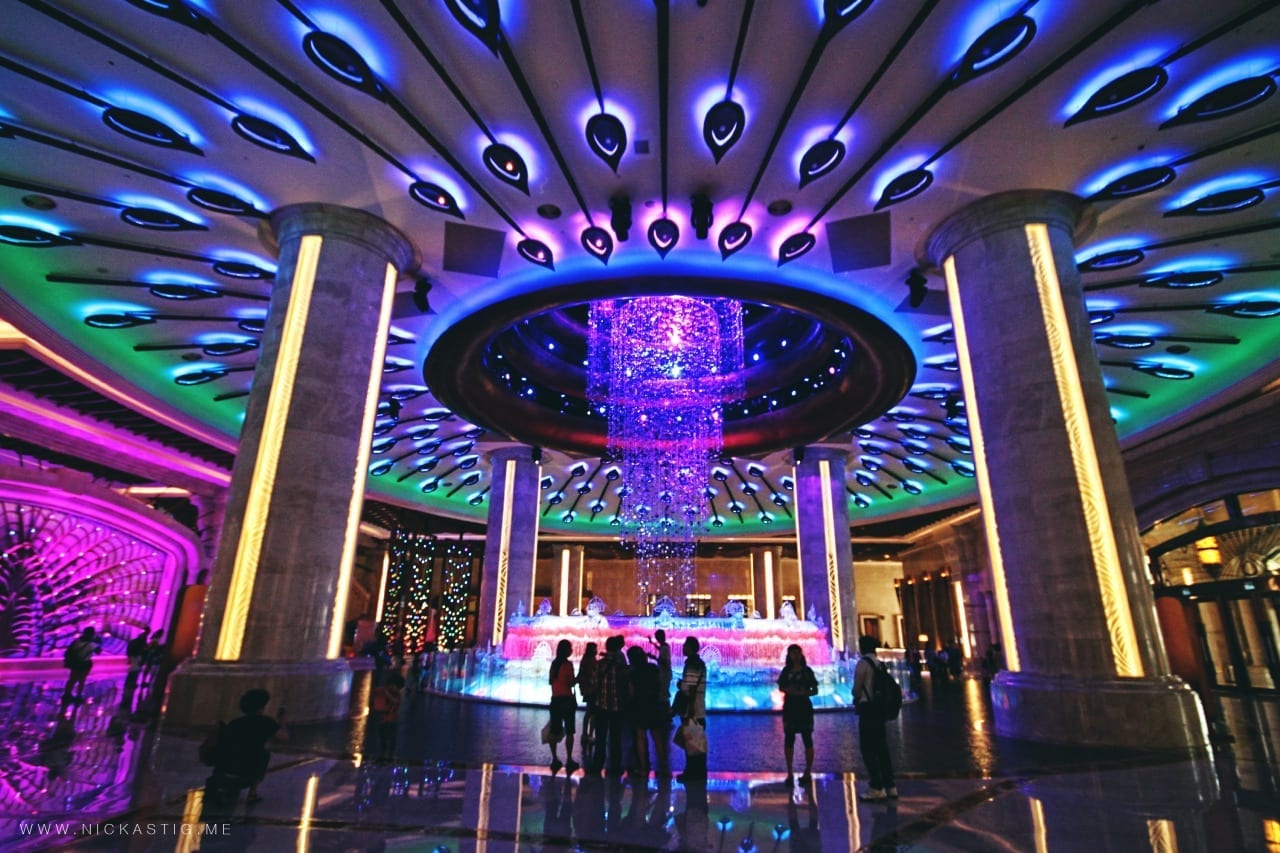
    This Chinese New Year, join a golden celebration that’s positively dripping with luck and fortunate, only at The Promenade Shops at Galaxy Macau™. From 9 January to 26 February 2017, Macau’s luxury shopping destination is hosting the “Love My Fortune” Chinese New Year Promotion, offering shoppers the resplendent opportunity to win instant shopping rewards across Galaxy Macau’s integrated resort offerings. What’s more, seven shoppers will receive the Lucky Draw glittering grand prize – MOP$88,888 to spend at The Promenade Shops, for a total prize value up to MOP$38,888,888.

    During the “Love My Fortune” promotion, every shopper who reaches the designated minimum spend will receive an instant reward! Instant rewards include food and beverage vouchers to Galaxy Macau’s vast collection of casual eateries, stylish cafes and Michelin-starred restaurants; gift certificates to The Promenade Shops; and a one-night stay in a Deluxe Room at the JW Marriott Hotel Macau and Galaxy Hotel.

    Simply shop MOP$8,000 or more across a maximum of two retail transactions at The Promenade Shops, then spin the fortune wheel to claim your prize. Shoppers are also automatically entered into the weekly Lucky Draw! Seven lucky draw winners will receive MOP$88,888 gift certificates to spend at The Promenade Shops.

    Kevin Clayton, Chief Marketing Officer of Galaxy Entertainment Group, said, Galaxy Macau is ringing in the New Year with a festive promotion bringing luck and fortune to all! Weve designed this gilded campaign with the knowledge that shoppers seek more than great deals and exclusive items, although of course The Promenade Shops has those too, shoppers also seek opportunities to indulge in the aspirational lifestyle, entertainment and culinary experiences of Galaxy Macau. In addition to the MOP$38,888,888 in total rewards up for grabs, including seven Lucky Draw winners each receiving MOP$88,888 gift certificates, The Promenade Shops also welcomes Cha Bei lifestyle cafe and The Apron oyster bar and grill. The Promenade is certainly shining bright with prosperity and joy this Chinese New Year.

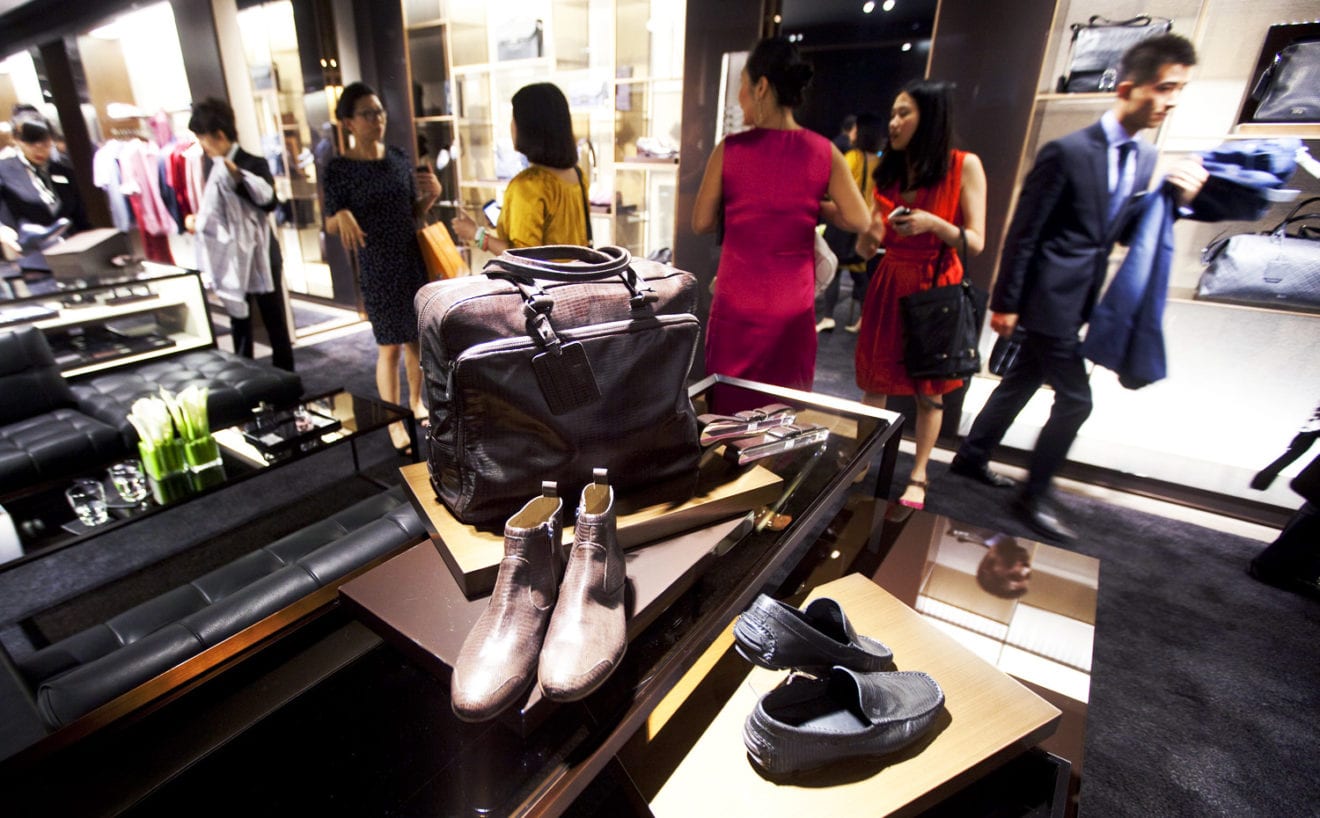
    The Promenade Shops will present the exclusive Chinese New Year fashion items and fashion lovers will radiate charm in the coming festival. At The Promenade Shops, visitors will find over 200 luxury and lifestyle brands, including top-name flagships, boutique designers and high-street favorites. Committed to delivering on the wants and needs of Macau’s most exclusive shoppers, The Promenade Shops has also brought a wide array of brands to Macau for the very first time. These first-to-Macau shops include the Korean art and fashion brand Youk Shim Won and the newly opened kp (new york) inc., showcasing beautifully crafted exotic leather goods at the brand’s first stand-alone store in the Greater China region.

  • AirAsia injects RM1b into Indonesia ops

    AirAsia injects RM1b into Indonesia ops

    AirAsia Bhd has injected US$227mil or RM1.01bil into its associate PT Indonesia AirAsia (IAA) to address the latter’s negative equity position.

    The low-cost carrier said  its board had approved the subscription of the US$227mil or 3.042 trillion nominal value of perpetual capital securities issued by its 49% owned Indonesian operations.

    AirAsia had on Friday entered into a perpetual security purchase agreement with IAA to formalise the issuance and terms and conditions between IAA and AirAsia for the subscription.

    To recap, on Sept 29, 2015, AirAsia had subscribed to 2.058 trillion rupiah nominal value, which was 49% of the perpetual capital securities issued by IAA.

    The move then was to comply with the directive received from the Directorate General of Civil Aviation (DGCA) of the Republic of Indonesia to resolve the negative equity position for financial year 2014.

    On May 10, 2016, the Indonesian DGCA had again instructed IAA to increase its capital to address the negative equity balance.

    Subsequently, IAA offered to issue 3.042 trillion rupiah of new perpetual capital securities to AirAsia.

    “The subscription is to enable IAA to attain positive equity position as directed by the DGCA in compliance with the directive.

    “Failure to address the capital shortfall carries the risk that the Minister of Transportation of the Republic of Indonesia would deny IAA’s requests for new route approvals or even impose a suspension of operations,” it explained.

    AirAsia said the Subscription would help reduce IAA’s gearing without any need for AirAsia to inject further funding or capital to IAA as it entailed converting the amount owed to the company into equity of IAA.

    “Indonesia is a crucial market for AirAsia. International Air Transport Association forecasted that Indonesia is expected to be the sixth largest market for air travel by 2034 with 270 million passengers.

    “The risk of suspension of IAA would not only affect the AirAsia brand but also affect the network and future growth of AirAsia Group,” it said.

    AirAsia said the perpetual capital securities carry an initial periodic distribution rate of 2% per annum for the first 12 months and subsequently 8% per annum on outstanding principal amount to the perpetual capital securities until the first call date.

    It will then be stepped up to 13% per annum on outstanding principal amount of the perpetual capital securities post the first call date thereafter.

    “Perpetual in tenure with no fixed maturity date, with IAA having a call option to redeem the perpetual capital securities at the first call date, which is at the end of the seventh year from date of issuance and on each subsequent periodic distribution date thereafter at their principal amount.

    “The periodic distribution rate will step-up by 5% if the perpetual capital securities are not redeemed at the first call date,” it added.