Category: General

Retail News Asia is committed to providing both local and global retailers with the latest General Retail news throughout the Asian market. This on a daily base.

  • Opportunities in the Year Ahead for China

    Opportunities in the Year Ahead for China

    Though next year could be a tough one for investors in Chinese real estate, the country’s economy is also more entwined with that of the rest of the world than ever before, speakers said at the 2016 ULI China Mainland Winter Meeting in Shanghai held in December.

    The outlook for 2017 is similar to the view from 1997, the year before the Asian financial crisis, and 2007, the year prior to the global financial crisis, said ULI China Mainland chairman Henry Cheng, CEO of retail specialist Chongbang Group. Cheng, originally from Hong Kong, has been based in China Mainland for nearly 25 years, first with Shui On Group and since 2003 with Chongbang, of which he is a cofunder.

    The main difference between those times and now is that China has much stronger links to the global economy, potentially making it more vulnerable to outside shocks. He also added, “I have not seen the world so messy in all my 65 years.”

    Delphine Yip-Horsfield, chairman and chief design officer of Shanghai-based naked Group, which operates coworking and hospitality businesses, said she has noticed landlords struggling to deal with the effect of e-commerce and changing working patterns. “China’s millennials are entrepreneurial and social media–savvy,” she said. “They want to be excited by their workspace.”

    Sustainability is also higher on the agenda than ever before, with pressure coming from both government and customers, said Ryan Botjer senior managing director and China country head at Tishman Speyer. Sustainable is no longer a synonym for green, he noted. “People are much more concerned about wellness, so factors such as air quality, access to light, and community are much more important than they have been,” he said.

    Cheng noted that sustainability today really refers to adaptability and resilience to changes in the business environment.

    The retail sector is particularly vulnerable to rapid changes in shopping habits and the growth of e-commerce, panelists said. “If you look back ten years, the question was, who is doing retail in China? Five years ago you asked instead, who is not doing retail in China?” said Cheng. “In five years’ time we will be asking, who is still doing retail in China?”

    Chongbang is dealing with changes in the retail real estate business by increasing the experiential elements at its malls and providing off-line services to online businesses, such as fulfillment centers where customers can pick up, try out, and return their purchases.

    Placemaking is becoming increasingly important in China and is a focus for the government, Yip-Horsfield said, but added that she thinks developers are “a bit behind.”

    Prices for development sites in tier-one cities have risen sharply this year. In some cases, developable land costs more per square foot than neighboring developed real estate. “The flour costs more than the bread,” said Charles Chan, China chief executive at Ascendas-Singbridge, the Singaporean state-owned developer and fund manager. “What effect will that have on the market in the near future?” he asked.

    “There is a lot less land available in tier-one cities, and we are seeing some of the earliest commercial developments beginning to age,” said Botjer, “so there will be a lot more redevelopment in the future.”

    An important customer group for Chinese developers will be those in the 45-to-65 age group, Cheng said. “These were the first generation to benefit from the economic development of China since the 1980s—the first generation of affluent Chinese,” he said. He argued that developers will increasingly need to cater to this demographic over the next ten years.

  • Hong Kong’s rich have ways to get around property tax

    Hong Kong’s rich have ways to get around property tax

    People visit a viewing deck overlooking Victoria Harbour in Hong Kong. The city’s property prices have continued to climb because of the influx of mainland Chinese developers.

    Hong Kong: Here’s how billionaire Edwin Leong, one of Hong Kong’s largest retail landlords got around Hong Kong’s new property curbs and saved almost $17 million (Dh62.43 million) on his tax bill.

    He managed to qualify as a first-time homebuyer, purchasing three luxury apartments for HK$1.2 billion ($155 million) on the same day last month. Previously Leong had held no real estate in his name — despite owning more than 300 other properties, including apartments, hotels and shopping malls, through his company, Tai Hung Fai Enterprises Co., and having an estimated net worth of $4 billion.

    Wealthy buyers are finding legal ways around restrictions designed to cool home prices in the world’s least affordable city, where leaders are grappling to shrink a yawning wealth gap. Property prices have risen to near-record highs and sales volumes have surged since Chief Executive Leung Chun-ying announced the latest round of curbs on November 4, underscoring the challenges in taming the market.

    “Since the policies were introduced, most of the tycoons have been finding ways around them,” said Alan Wong, director of the Hong Kong market at Landscope Christie’s International Real Estate. About 70 per cent of new apartments sold since last month’s measures have involved first-time buyers who qualified for the lower rate, compared with about 30 per cent before the new tax was imposed, said Henry Mok, regional director of markets at Jones Lang LaSalle Inc.

    The government has tried to increase supply by releasing more land for sale, although prices have continued to climb because of the influx of mainland Chinese developers seeking a toehold in Hong Kong.

    Prices in the secondary housing market have risen 0.8 per cent since early November to just 1.4 per cent below a September 2015 record, according to Centaline Property Agency Ltd. Adrian Cheng, executive vice-chairman of New World Development Co., said the company was seeing a higher percentage of first-time buyers than before the new tax.

    Another method employed by the wealthy involves buying a shell company that owns a property, which is treated as a share transfer and only incurs a stamp duty of 0.2 per cent. If the company is registered offshore, the tax is zero.

    That’s the tactic used in the November 28 sale of a free-standing home with a yard and swimming pool in the Kowloon district that was appraised at HK$410 million. If it had been sold as a home rather than through the British Virgin Islands-registered company that holds the property, the sale would have triggered 45 per cent in taxes, including a flip tax because it was purchased earlier this year — a total of more than HK$180 million. Instead, the tax bill will be $0.

    In 2011, more than half of Hong Kong’s homes worth more than HK$20 million were sold via companies. Although the practice was virtually halted after the government in 2013 began taxing companies buying properties at higher rates than individuals, thousands of properties are still held in this way and can offer significant tax savings when they are resold.

    Wong from Landscope said he gets many requests from foreigners, mostly rich mainland Chinese, looking to buy one of these companies, as they would otherwise face the new 15 per cent tax plus an extra 15 per cent tax on non-permanent residents. In fact, the property agency’s website promotes the practice.

    “Beat the stamp duty hike,” the site says. “Intimidated by the 15 per cent stamp duty? No worries! Our keypersons have sourced an array of properties that can be sold via share transfer (of course you will need a lawyer to handle the process).”

    Still, because due diligence on the companies can be costly and complicated, only about 5 per cent of luxury homes are bought in this way.

    Leong’s purchase at the Mount Nicholson development, a mountain-nestled enclave, set a record for the most ever paid per square foot for a property in Asia, according to JLL. By being able to pay a lower stamp duty for first-time buyers, Leong saved 10.75 per cent in taxes.

    Two of the new apartments are adjacent units on the 17th floor and could be combined into more than 8,700 square feet of living space for Leong as his principal residence, more than 10 times the average size of a Hong Kong apartment. The third apartment, measuring 4,566 square feet, is 10 floors below and belongs to Leong and his family.

    The new tax is the latest in a series of measures since 2011 aimed at making it easier for low-income families to get onto the property ladder while increasing the costs for investors and foreign buyers. These include a tax that penalises people who resell within three years and an extra stamp duty of 15 per cent for non-permanent residents.

    The government’s new 15 per cent stamp duty replaced taxes ranging from 3 per cent on homes worth less than HK$3 million to a maximum of 8.5 per cent on those worth more than HK$21.7 million. The rates are half that for first-time buyers, which includes people who may have owned homes in the past but currently do not.

    “This is clearly a loophole,” said Raymond Yeung, chief economist at Australia & New Zealand Banking Group Ltd. in Hong Kong. “The government hadn’t thought about this before they launched the measure.”

    Singapore, which has been successful in driving down home prices since rolling out curbs in 2009, also levies a 15 per cent tax on foreigners and companies, while first-time homebuyers face lower stamp duties. Singapore and Hong Kong both define a first-time buyer as someone who currently does not own property in their name, regardless of whether they previously owned a home.

    Unlike Hong Kong, however, Singapore doesn’t allow first-time, multiple property purchases at lower rates.

    “The government is trying to cool the market, but there is no evidence that previous measures have done that,” David Webb, a Hong Kong-based shareholder activist who bought his own home 10 years ago through a company registered in the Seychelles. “There has been a whole series of misguided measures that have not had their intended effect.”

    Still, nobody’s talking about making getting around tax measures more difficult, said Denis Ma, head of Hong Kong research at JLL. “These are loopholes that haven’t been closed, and I don’t think they can be,” he said. “Hong Kong prides itself on being a very free market, and government intervention is not very high.”

  • Performance remains key metric in Thailand

    Performance remains key metric in Thailand

    Performance ratings continue to determine pay decisions in the majority of Thai organisations, a recent Aon Hewitt survey found.

    With high turnover rates highest among junior managers and supervisors in the Land of Smiles, there is growing pressure on these staff to maintain their performance levels and prove their worth.

    According to the Total Compensation Measurement Study and Benefit Survey 2016 by Aon Hewitt, performance continues to determine pay-related decisions for 95.1% of organisations in Thailand.

    With junior management and supervisor levels recording voluntary turnover rates of 14%, and involuntary turnover rates of 5.3%, one tactic being utilised is to offer wage increases, with salary increments ranging from 4.7% to 6% in 2016 across industries polled.

    Across the Thai economy, the retail and life sciences sectors offered the most generous wage increase in 2016, with an average increment of 6%.

    On the other hand, the travel industry witnessed the lowest average salary increase, at 4.7%.

    The study also showed that other strategies were used to keep hold of employees.

    For example, 72.2% of employers offered individual performance awards, while 38.9% offered special recognition as short-term incentives to retain staff.

    “The high turnover rate among junior managers should warn employers in Thailand to think about their compensation policies in the context of their overall talent retention strategy,” said Panuwat Benrohman, Country Leader, Aon Hewitt, Thailand.

    Panuwat cautioned that companies have a responsibility to arm junior managers with the skillsets necessary to make the step up from individual contributor roles.

    “With ‘better external opportunities’ and ‘limited growth opportunity’ among the top three reasons for attrition, a focus on learning and development will help employers in Thailand build a strong leadership pipeline from within, while still compensating high performers attractively,” he added.

    A total of 174 organisations across all key industries in Thailand participated in the survey.

  • Asian Christmas gift-giving trends revealed

    Asian Christmas gift-giving trends revealed

    When it comes to Asian Christmas gift-giving, Koreans are the most generous, according to a Kadence Singapore survey.

    The company spoke to a cross-section of shoppers in Hong Kong, Japan, Korea, Malaysia and Singapore to understand more about their Christmas buying habits.

    Koreans emerged as the most generous, with 88 per cent saying they will give someone a present this year. Of these, 63 per cent are buying a gift for their partner, with 33 per cent buying for a parent.

    kadence-christmas-infographic

    In contrast, Japan is far more conservative, with 75 per cent shopping for Christmas. Of these, 13 per cent are considering buying a present for their parents.

    People in a relationship are far more likely to receive a gift this year, the survey shows. Of the people surveyed, 53 per cent will buy a gift for their partner. This is followed by presents for a parent or another family member (both 25 per cent). However, 21 per cent of the people surveyed do not intend to buy any presents this Christmas.

    A surprising find is that men (80 per cent) are more likely to buy a Christmas gift than women (77 per cent), a trend across all markets. Hong Kong men lead the field at 83 per cent, versus 70 per cent women.

    Men are more focussed on their partner, with 60 per cent buying a gift for their nearest and dearest, while only 46 per cent of women are doing the same. However, women are more willing to share the Christmas spirit, with 24 per cent likely to buy presents for friends and 18 per cent for siblings (for men the figures are 15 and 8 per cent respectively).

    In general, survey respondents have three extended family members in mind when Christmas shopping, beyond parents, siblings and partners. They also have up to five key friends and colleagues they will buy for. Women are likely to buy more presents for their friends and colleagues, with 33 per cent looking to buy five or more presents for colleagues versus about 12 per cent for men.

    When it comes to expenditure, partners are the main consideration. In Singapore, 73 per cent of respondents will spend SG$100 (US$70) or more on their partner. In contrast, 71 per cent will spend less than SG$100 on friends while 69 per cent will spend less than SG$50 on colleagues.

    In Singapore, 48 per cent of men interviewed say they will spend more than SG$200, compared to 28 per cent of women, who are more likely to spread their spending on friends, colleagues and other family members.

  • Apple targets Indonesia with $44 million in R&D investment

    Apple targets Indonesia with $44 million in R&D investment

    Apple is working hard to break into the Indonesian smartphone market, announcing plans to invest roughly $44 million in a research and development (R&D) center over the next three years.

    The investment will let the company sell its iPhone 7 there after the Indonesian government recently announced that as of January 2017, all 4G-enabled phones sold in the country must include at least 30% local content, which can be reached via hardware, software, or an investment.

    Indonesia presents a massive growth opportunity for Apple, which posted its first annual decline in revenue in 15 years during Q3 2016. The year-over-year decline is primarily due to the decelerating global smartphone market since the iPhone comprises almost two-thirds of the company’s total revenue.

    Nevertheless, Apple is unlikely to find immediate success in Indonesia, much as it has in other emerging markets such as India. The smartphone market is largely controlled by Samsung, which accounted for 26% of smartphone shipments in Q2 2016, according to IDC. Meanwhile, low- to mid-tier devices from local and Asian vendors such as OPPO, ASUS, Advan, and Lenovo make up the rest of the top five vendors, by share.

    The low- to mid-tier smartphone market is a key area in which Apple does not yet have a significant presence. This is a missed opportunity Piper Jaffray analyst Gene Munster noted during Business Insider’s IGNITION conference in December. And while the iPhone SE at $400 could be seen as an attempt by the company to partly capture the mid-tier market, it’s still marginally more costly than those being offered by local and Asian vendors. The OPPO F1, for instance, retails for around 3.8 million Indonesian Rupiah (roughly $283 USD).

    The global smartphone market is expected to slow considerably over the next few years. Despite a record-setting holiday quarter, 2015 was likely the last year of double-digit growth for smartphone shipments.

    Mature markets were at the heart of this year’s deceleration. Adoption has reached new highs in key markets in the United States, Europe, and China. The pool of first-time buyers in these countries is shrinking rapidly, and sales are now primarily coming from phone upgrades.

    Meanwhile, emerging markets will continue to see robust shipment growth. India and Indonesia, in particular, will help fuel a large share of the shipments growth within the global smartphone market over the next few years.

  • Vietnam Airlines switches Australian routes to all-787 operation

    Vietnam Airlines switches Australian routes to all-787 operation

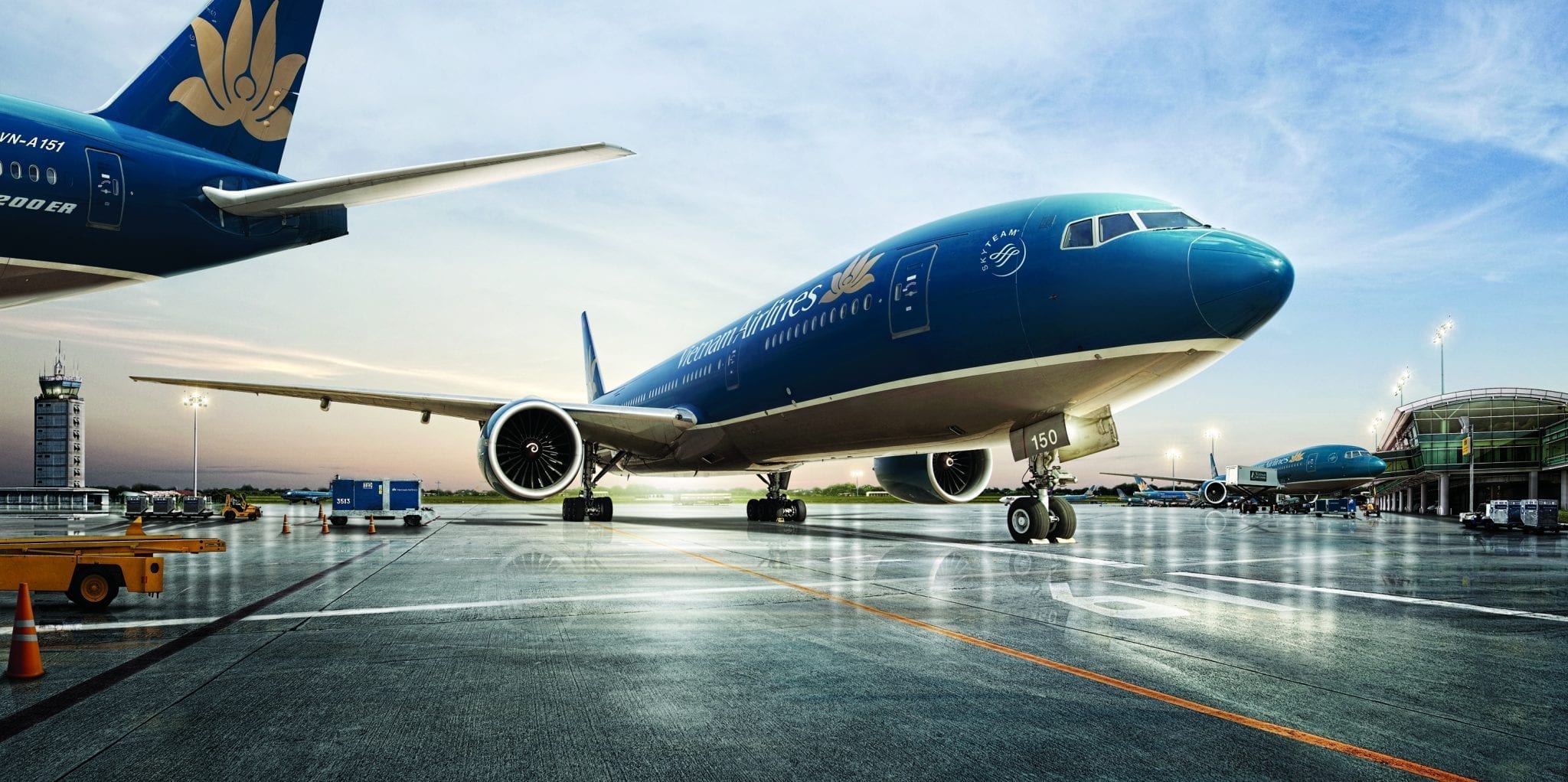
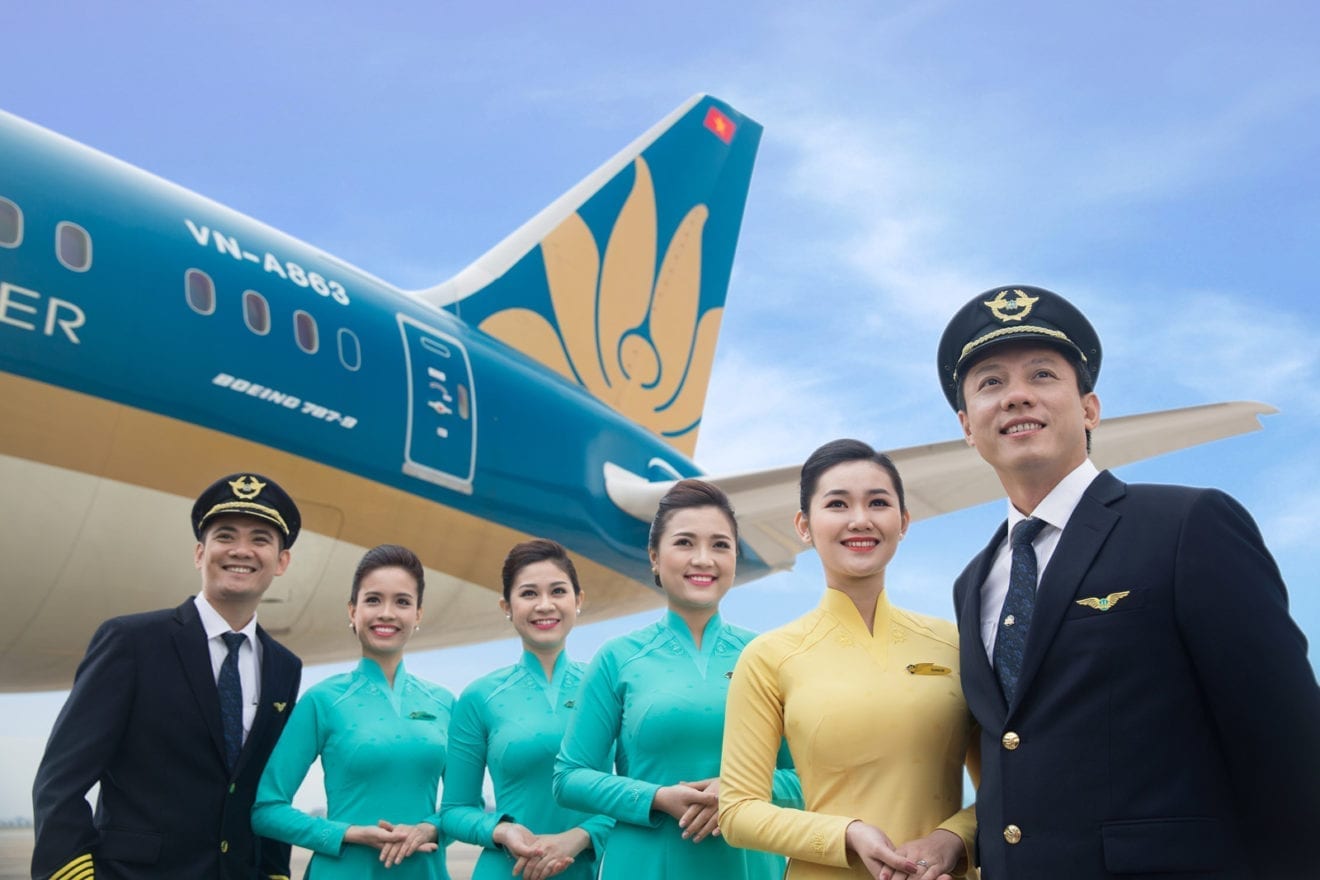
    Australia has become an all Boeing 787 destination for Vietnam Airlines after the Skyteam alliance member switched both its Melbourne and Sydney services to the next-generation Dreamliner.

    Vietnam Airlines’ first 787 flight to Australia arrived on Friday morning, when VN781 operated by 787-9 VN-A865 touched down at Melbourne Tullamarine at about 0930, after an eight hour and 20 minute journey from Ho Chi Minh City. The route was previously served with Airbus A330-200 equipment.

    The airline is the eighth carrier to serve Melbourne Tullamarine with the 787 alongside Air India, Air New Zealand, Jetstar, Royal Brunei Airlines, Scoot, United and Xiamen Airlines.

    And Melbourne is due to get another 787 operator with LATAM announcing the start of Melbourne-Santiago nonstop flights from October 2017.

    Meanwhile, Vietnam Airlines’ first 787 service to Sydney arrived less than an hour after the flight to Melbourne landed.

    Flight VN773, operated by 787-9 VN-A870, arrived at Sydney Kingsford Smith Airport a little after 1010, with passengers taken on a scenic fly over Sydney Harbour prior to landing.

    Vietnam Airlines previously operated Boeing 777-200ERs on the Ho Chi Minh City-Sydney route. The switch to the Dreamliner brings to nine the number of carriers operating the aircraft at Sydney – Vietnam Airlines joins Air India, Air New Zealand, ANA, Jetstar, LATAM Airlines, Scoot, United and Xiamen Airlines.

    Qantas places its QF airline code on Vietnam Airlines’ two Australian routes.

  • AEON joins The Mall Group in “The Magic of Giving” Campaign

    AEON joins The Mall Group in “The Magic of Giving” Campaign

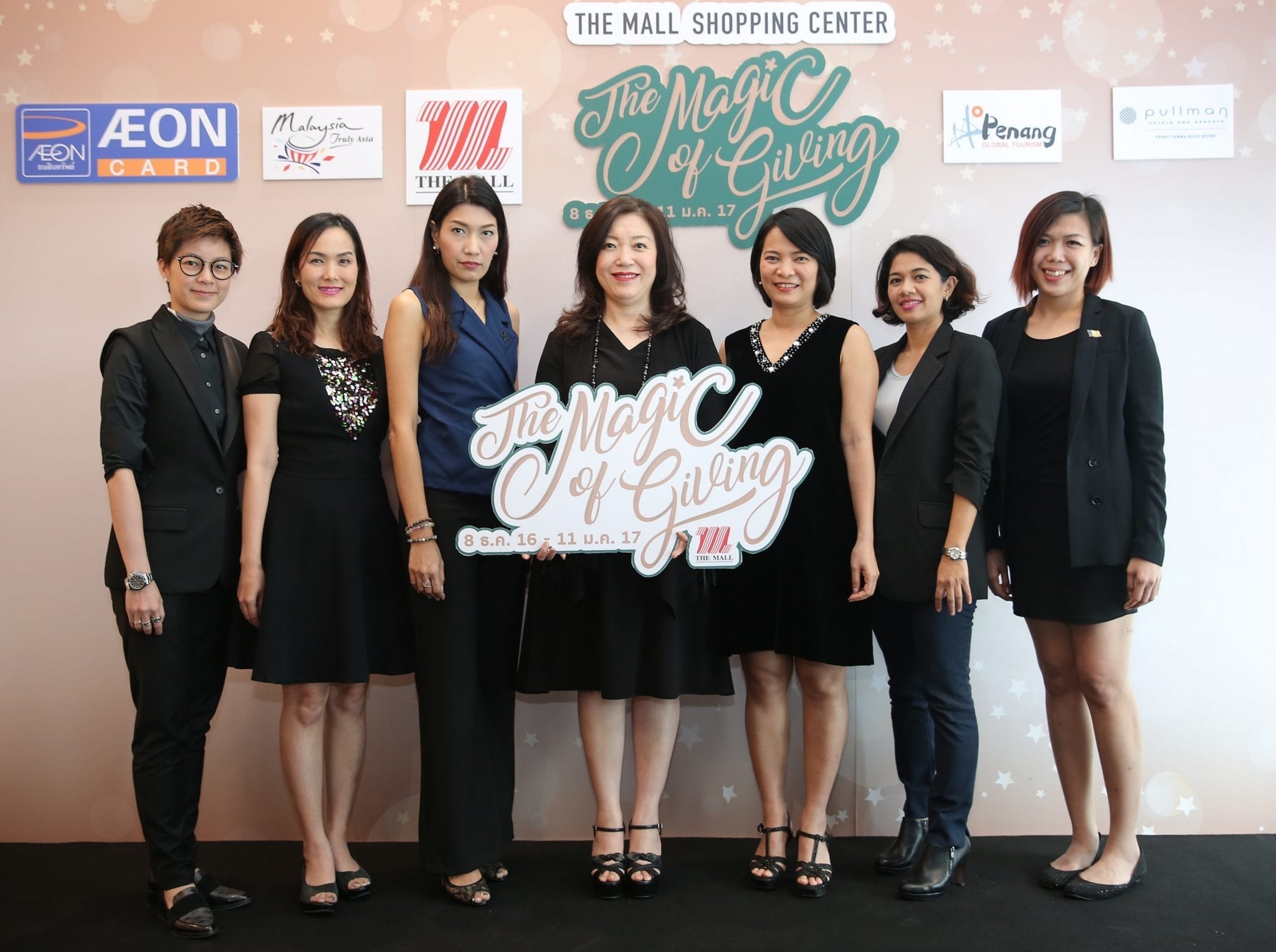
    Waraporn Nilpanich (third left), Vice President Credit Card of AEON Thana Sinsap (Thailand) Public Company Limited, together with Voralak Tulaphorn (middle), Senior Vice President Marketing of The Mall Group Co., Ltd. has launched “The Magic of Giving” campaign to reward AEON credit cardholders this New Year.

    Accumulated spending of every 3,000 baht at the Mall shopping center with AEON credit cards, entitles cardholders to receive a gift voucher of up to 1,000 baht. Besides, cardholders will receive x3 lucky draws for chances to win prizes valued over 1 million baht when spending every 1,000 baht. The campaign runs until January 11th, 2017

  • 2,000+ Buyers Visit First HKTDC Lifestyle Expo in New Delhi

    2,000+ Buyers Visit First HKTDC Lifestyle Expo in New Delhi

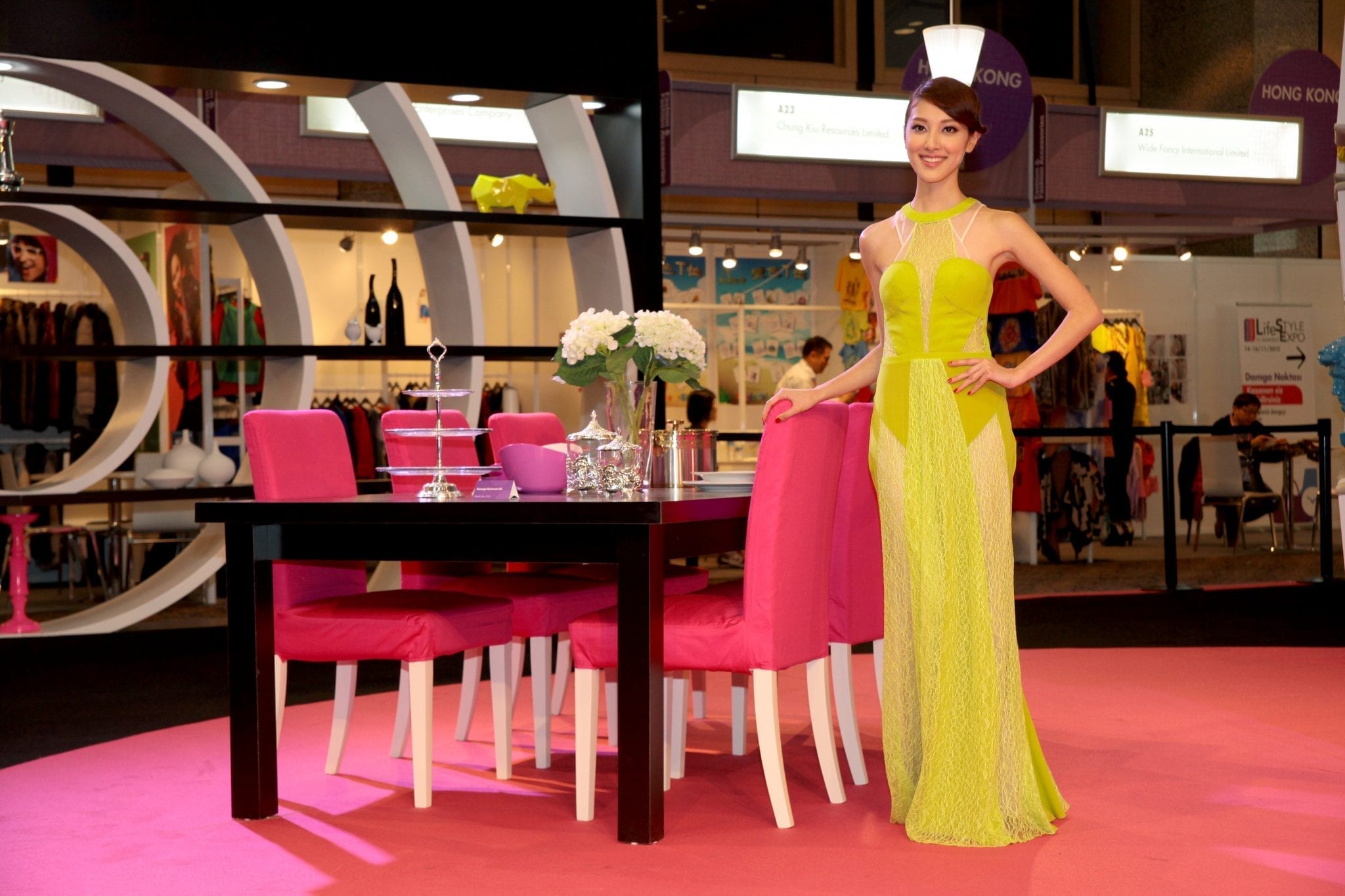
    The inaugural HKTDC Lifestyle Expo in New Delhi welcomed more than 2,000 trade buyers during its two-day run on 19 and 20 December 2016, as 120 Hong Kong and mainland companies showcased a range of trendy, high-quality products, reaffirming Hong Kong’s position as Asia’s lifestyle trendsetter and “super-connector” in business.

    Jointly organised by the Hong Kong Trade Development Council (HKTDC) and the Trade Development Bureau (TDB) of the Ministry of Commerce of the People’s Republic of China, the expo took place at The Lalit New Delhi.

    Apart from bringing a slice of Hong Kong lifestyle to India, the event also helped develop stronger bilateral trade relations between India and the Chinese mainland.

    The Opening Ceremony was officiated by LC Goyal, Chairman and Managing Director, India Trade Promotion Orgnisation, Stephen Liang, Assistant Executive Director, HKTDC, Jin Hong, Deputy Director-General, Trade Development Bureau, Ministry of Commerce, The People’s Republic of China, and Li Bai Jun, Commercial Counsellor, Economic Counsellor’s office of the Embassy of the People’s Republic of China in the Republic of India.

    Bridging India and China

    “We have very big hopes for the future of trade links between India and China, with Hong Kong serving as a ‘super-connector’ between two of the world’s most populous and fastest-growing large economies,” said Mr Liang.

    “India and China are two of the fastest-growing large economies on earth, with the IMF (International Monetary Fund) predicting GDP growth of 7.6 per cent and 6.2 per cent respectively in 2017. Together, they have a combined population of some 2.7 billion potential consumers,” he added.

    Individual buyers and buying missions came from New Delhi and other cities and regions including Mumbai, Chandigarh, Gujarat, Haryana, Jharkhand, Maharashtra and Punjab.

    At the Lifestyle Expo, the exhibitors paraded a variety of modern, high-calibre products including consumer electronics and ICT, gifts and premium, household products and electrical appliances, fashion and accessories and watches and clocks. The expo also featured trade-related services.

    These attracted buyers from different sectors, including importers, distributors, mass retailers, mail-order houses, department stores and specialised stores.

    Getting Connected

    The HKTDC arranged more than 1,600 one-to-one business matching meetings and various networking events during the expo to further connect Hong Kong and Chinese mainland suppliers with buyers.

    A brand new “Live Chat” service was offered at the Thematic Showcase Display zone, where staff connected buyers to off-site exhibitors via WhatsApp for real-time discussion of potential deals.

    The expo also featured the popular hktdc.com Small Orders showcase spotlighting 150 products available for orders in quantities of between five and 1,000 units. This allowed buyers to place small orders to test the market while minimising their risks. It also leveraged the growing trend of e-tailing that is changing the face of international trade.

    Business leads

    Exhibitors reported positive results from their participation in the event. Andy Lee, Managing Director of Hong Kong houseware supplier Star Express Asia Ltd. said he was happy with the quality of the Indian buyers. The company received about 25 serious enquiries, including a potential customer he had established contact with through the HKTDC Showcase Display at the China Products (Mumbai India) Exhibition 2016.

    Hong Kong LED lighting supplier Celex LED Technology Ltd Business Development Director Andrew Tsang said he was satisfied with the results, having been approached by “very good” Indian buyers including a lighting contractor and LED lighting distributors from Mumbai and New Delhi.

    Hong Kong online marketing services promoter CG Marketing Co Ltd, was keen to find local partners, and the company received more than 30 enquiries from various sectors, including online marketing, travel, toys and electronics products.

    The inaugural HKTDC Lifestyle Expo in New Delhi welcomed more than 2,000 trade buyers during its two-day run on 19 and 20 December 2016, as 120 Hong Kong and mainland companies showcased a range of trendy, high-quality products, reaffirming Hong Kong’s position as Asia’s lifestyle trendsetter and “super-connector” in business.

    Jointly organised by the Hong Kong Trade Development Council (HKTDC) and the Trade Development Bureau (TDB) of the Ministry of Commerce of the People’s Republic of China, the expo took place at The Lalit New Delhi.

    Apart from bringing a slice of Hong Kong lifestyle to India, the event also helped develop stronger bilateral trade relations between India and the Chinese mainland.

    The Opening Ceremony was officiated by LC Goyal, Chairman and Managing Director, India Trade Promotion Orgnisation, Stephen Liang, Assistant Executive Director, HKTDC, Jin Hong, Deputy Director-General, Trade Development Bureau, Ministry of Commerce, The People’s Republic of China, and Li Bai Jun, Commercial Counsellor, Economic Counsellor’s office of the Embassy of the People’s Republic of China in the Republic of India.

    Bridging India and China

    “We have very big hopes for the future of trade links between India and China, with Hong Kong serving as a ‘super-connector’ between two of the world’s most populous and fastest-growing large economies,” said Mr Liang.

    “India and China are two of the fastest-growing large economies on earth, with the IMF (International Monetary Fund) predicting GDP growth of 7.6 per cent and 6.2 per cent respectively in 2017. Together, they have a combined population of some 2.7 billion potential consumers,” he added.

    Individual buyers and buying missions came from New Delhi and other cities and regions including Mumbai, Chandigarh, Gujarat, Haryana, Jharkhand, Maharashtra and Punjab.

    At the Lifestyle Expo, the exhibitors paraded a variety of modern, high-calibre products including consumer electronics and ICT, gifts and premium, household products and electrical appliances, fashion and accessories and watches and clocks. The expo also featured trade-related services.

    These attracted buyers from different sectors, including importers, distributors, mass retailers, mail-order houses, department stores and specialised stores.

    Getting Connected

    The HKTDC arranged more than 1,600 one-to-one business matching meetings and various networking events during the expo to further connect Hong Kong and Chinese mainland suppliers with buyers.

    A brand new “Live Chat” service was offered at the Thematic Showcase Display zone, where staff connected buyers to off-site exhibitors via WhatsApp for real-time discussion of potential deals.

    The expo also featured the popular hktdc.com Small Orders showcase spotlighting 150 products available for orders in quantities of between five and 1,000 units. This allowed buyers to place small orders to test the market while minimising their risks. It also leveraged the growing trend of e-tailing that is changing the face of international trade.

    Business leads

    Exhibitors reported positive results from their participation in the event. Andy Lee, Managing Director of Hong Kong houseware supplier Star Express Asia Ltd. said he was happy with the quality of the Indian buyers. The company received about 25 serious enquiries, including a potential customer he had established contact with through the HKTDC Showcase Display at the China Products (Mumbai India) Exhibition 2016.

    Hong Kong LED lighting supplier Celex LED Technology Ltd Business Development Director Andrew Tsang said he was satisfied with the results, having been approached by “very good” Indian buyers including a lighting contractor and LED lighting distributors from Mumbai and New Delhi.

    Hong Kong online marketing services promoter CG Marketing Co Ltd, was keen to find local partners, and the company received more than 30 enquiries from various sectors, including online marketing, travel, toys and electronics products.

    Lifestyle trendsetter

    The Lifestyle Expo is one of the HKTDC’s signature international promotion events and has a successful track record in fostering trade between companies from Hong Kong and emerging markets worldwide including Russia, Poland, Turkey, Dubai, India and Indonesia. The Lifestyle Expo in Mumbai was successfully held in 2010.
    The Lifestyle Expo is one of the HKTDC’s signature international promotion events and has a successful track record in fostering trade between companies from Hong Kong and emerging markets worldwide including Russia, Poland, Turkey, Dubai, India and Indonesia. The Lifestyle Expo in Mumbai was successfully held in 2010.
  • Vietnam Airlines prepares for Czech launch

    Vietnam Airlines prepares for Czech launch

    Vietnam Airlines has appointed a new General Sales Agent (GSA) in Prague, ahead of the launch of its first ever flights to the Czech Republic.

    A ceremony was held on 14 December 2016 to mark the occasion, attended by Vietnam’s Ambassador to the Czech Republic, Truong Manh Son. While details of the national carrier’s planned Prague services have not been confirmed, they are likely to make use of Vietnam Airlines’ new fleet of long-haul aircraft, including the Airbus A350 and Boeing 787 Dreamliner.

    These modern jets have already been deployed on routes to several European cities, including London, Paris and Frankfurt.

    The new route, which would likely be served from Hanoi, would mark the first direct connection between the Czech Republic and Southeast Asia. The only other Asian carriers operating to Prague’s Václav Havel Airport at present are China Eastern Airlines, Hainan Airlines, Korean Air and Sichuan Airlines.

    Vietnam Airlines and Czech Airlines are partners in the SkyTeam alliance and the new flights could also open up codeshare opportunities.

  • Siam Discovery Launched Year-End Campaign to Spread the Love and Spirit of Sharing

    Siam Discovery Launched Year-End Campaign to Spread the Love and Spirit of Sharing

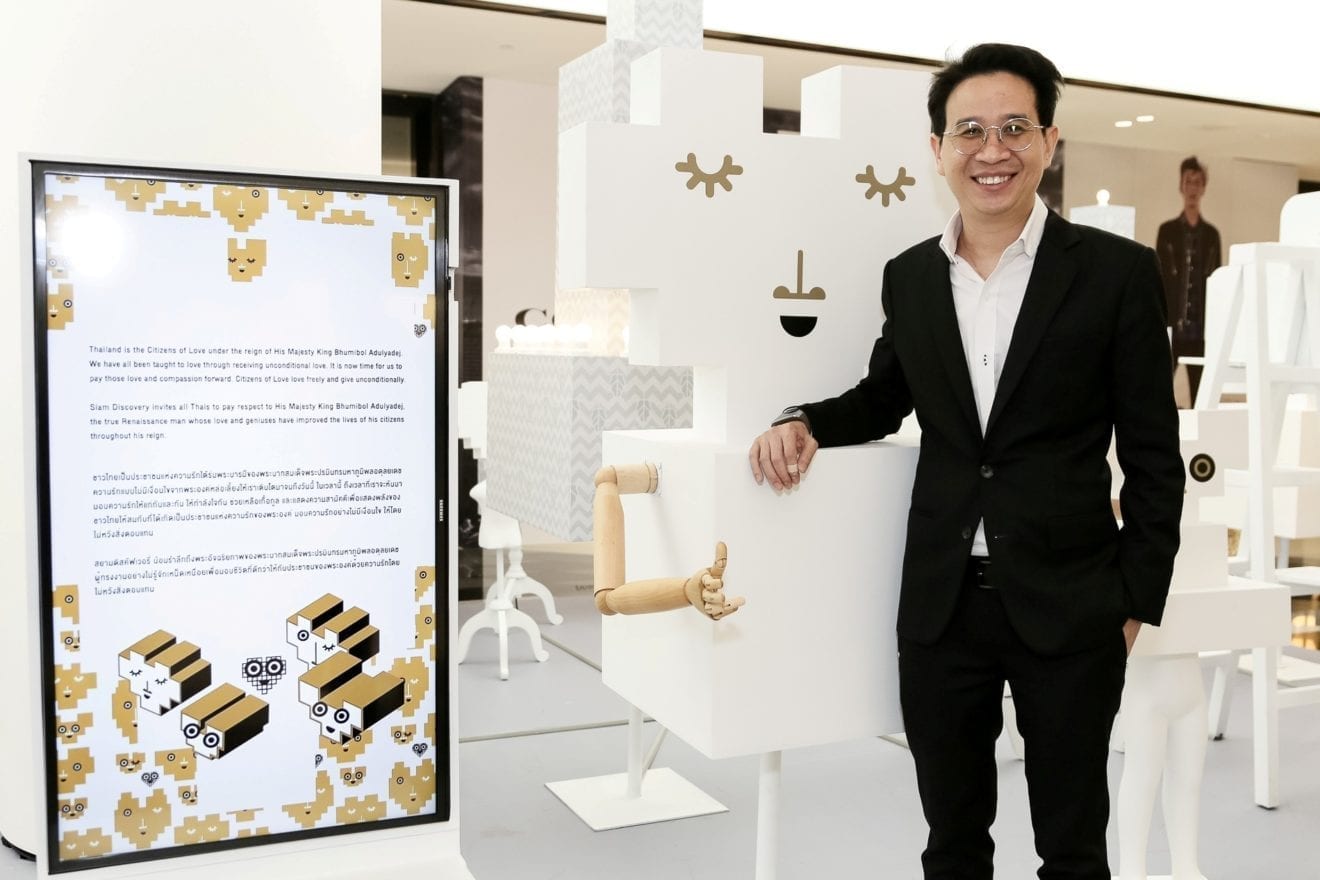
    Siam Piwat, the owner and operator of Siam Paragon, Siam Center and Siam Discovery, invested over 30 million baht in the greatest year-end marketing campaign, which integrates the customer-centric strategy. Interpreting the festive season as the time when people send their love and good wishes to others, the Company launched “Citizen of Love: It’s time to Give Good Love” campaign.

    The shoppers will not only find a wide array of gift items for themselves and loved ones, but also enjoy a big promotion that serves the government’s Shop for the Nation campaign. To add the sentimental value to the campaign, Siam Discovery hosts an art exhibition displaying the genius of the late King Bhumibol, including his great love and generosity for his citizen. In response to the royal wish on endless giving, Siam Discovery will organize “Gifts for Them” CSR activity that gives the gifts to 300 children in Community Children Foundation (CCF) under the Royal Patronage of HRH Princess Maha Chakri Sirindhorn. During the festive season, the shopping center expected to welcome 80,000 – 100,000 Thai and foreign shoppers a day.

    Year-End Campaign: “Citizen of Love: It’s time to Give Good Love”

    Mr. Charnchai Cherdchoowongthanakorn, Senior Executive Vice President – Retail Business Development, Siam Piwat Co., Ltd., said, ” In each year, December is considered the high season with the greatest spending. However, the shopping sentiment this year differs from the past. Siam Discovery, considering itself as a friend of shoppers, understood their feelings and translated the season of joy into the joy of sharing. It therefore hosts the integrated campaign called “Citizen of Love: It’s time to Give Good Love”. Siam Discovery started from creating its ambience, in which encourages everyone to participate under the concept of ‘exploration, creation, and cultivation’. In addition, it holds an art exhibition to commemorate the talent of H.M. the late King, who worked tirelessly to improve the quality of life of his people. He did this out of love and wanted nothing in return. Moreover, Siam Discovery offers Thai people a space to express their love and give the moral support to one another. The shoppers can take photos and share their love in the Living Room of Love. It also displays the art installation that presents the Royal Rainmaking Initiative Project and Reforestation Initiative Project. The exhibitions are open for the public to help them feel connected.”

    Siam Discovery spent more than 30 million baht on “Citizen of Love: It’s time to Give Good Love” campaign, which includes the creation of shopping ambience, promotion and CSR activity. It expected to daily attract 80,000 – 100,000 Thai and foreign shoppers on average, with 50:50 ratio. The survey revealed that 80% of foreign tourists are Free Individual Traveler (FIT), which are considered high-quality tourists with high purchasing power.

    Launching a big promotion to boost the holiday shopping in response to Shopping for the Nation campaign

    Siam Piwat responds to the government’s economic stimulus policy that encourages the people to shop and use the tax invoice of December 2016 for the tax deduction. Expecting an influx of shoppers, Siam Piwat prepared the staff and equipment to facilitate the shoppers who request the formal tax invoice and to ensure the fast and convenient service.

    In addition, Siam Piwat holds special promotion, to create the unique shopping experience at Siam Paragon shopping mall , Siam Center , and Siam Discovery from now – December 31, 2016. Spending at least 15,000 baht, the shoppers will receive Siam Gift Card worth 1,500 baht. VIZ cardholders and the members of Siam Discovery Mobile Application will enjoy more benefits

    “Gifts for Them” CSR activity for the disadvantaged

    Miss Chanisa Kaewruen, Senior  Deputy Managing Director of Siam Piwat Co., Ltd., revealed, “Besides the value-added promotion, Siam Discovery infuses the sentimental value into the customers’ mind because we believe that our customers care for the society and wish to share good things with the people around them. We therefore come up with “Gifts for Them” activity, inviting the customers to spread the joy to others by giving the gifts to 300 children in Community Children Foundation (CCF) under the Royal Patronage of HRH Princess Maha Chakri Sirindhorn. The customers can buy gift items for the children on 50% discount and Siam Discovery will subsidize the other half. We will host an event where the donors can present the gifts to the children themselves.

    In preparing the product  to serve the customer demand, Siam Discovery, with the expertise in matching the right products for each lifestyle, has selected the perfect gift items for each target segment. It also displays the recommended gift items on each floor.   To increase the value to the gifts, it offers the personal gift wrapping as the customized service in addition to the regular gift wrapping service.

    In “Think Giving”, Siam Discovery offers a wide variety of products from the Royal Project Foundation, PatPat shop under Chaipattana Foundation, Phufa and Doi Kham as the special gifts for special people. The event will take place on the 5th floor from now until February 19, 2017.

    Customer-centric marketing focuses on capturing the customers’ interest. Siam Discovery therefore launched the marketing promotion activities that add the sentimental value to the shoppers. It expected that “Citizen of Love: It’s time to Give Good Love” campaign will not only increase the sales volume by 15 – 20%, but also make the holiday shopping more meaningful and bring the spirit of giving to this season of joy.

  • Philippine Airlines Partners With Translations.com to Localize Website

    Philippine Airlines Partners With Translations.com to Localize Website

    Translations.com, a division of TransPerfect, the world’s largest privately held provider of language and technology solutions for global business, today announced that Philippine Airlines has chosen its GlobalLink Connect technology to launch and maintain the company’s corporate site as well as its Mabuhay Miles loyalty site in four languages.

    Translations.com will support the launch and maintenance of www.philippineairlines.com and www.mabuhaymiles.com in four languages — Simplified Chinese, Traditional Chinese, Korean, and Japanese. GlobalLink’s Sitecore Experience Platform connector will provide Philippine Airlines with a powerful solution to initiate, automate, control, track, and complete all facets of the translation process within their existing Sitecore user interface.

    Because the Sitecore integration is pre-built, no additional IT requirements or development hours were required to enable the integration. With GlobalLink Connect, Philippine Airlines is able to automate translation workflows, simplify review processes, and release in-language content to their target audiences quickly and on-brand.

    “The launch of our corporate and loyalty sites in these four languages marks a significant breakthrough for us,” said Snooker Jaranilla, Assistant Vice President of Philippine Airlines. “With GlobalLink’s ability to integrate directly with our existing Sitecore platform, managing our multilingual content is easy, familiar, and cost-effective. GlobalLink has made a significant positive impact on our international strategy.”

    “We are thrilled to have the opportunity to work with Philippine Airlines,” said Phil Shawe, Co-CEO at Translations.com. “It’s fulfilling to know that our GlobalLink Connect technology is helping such a strong Asian brand provide a better online experience to their customers both at home and abroad.”

    Translations.com Co-CEO Liz Elting added, “As its country’s flagship carrier, we knew that it was important for Philippine Airlines to represent their country with a strong online presence. By launching their corporate and loyalty sites in four new languages, they are making a strong statement showing the care and value they place on customers across all languages.”

  • Indonesia challenges Google to disclose financial reports

    Indonesia challenges Google to disclose financial reports

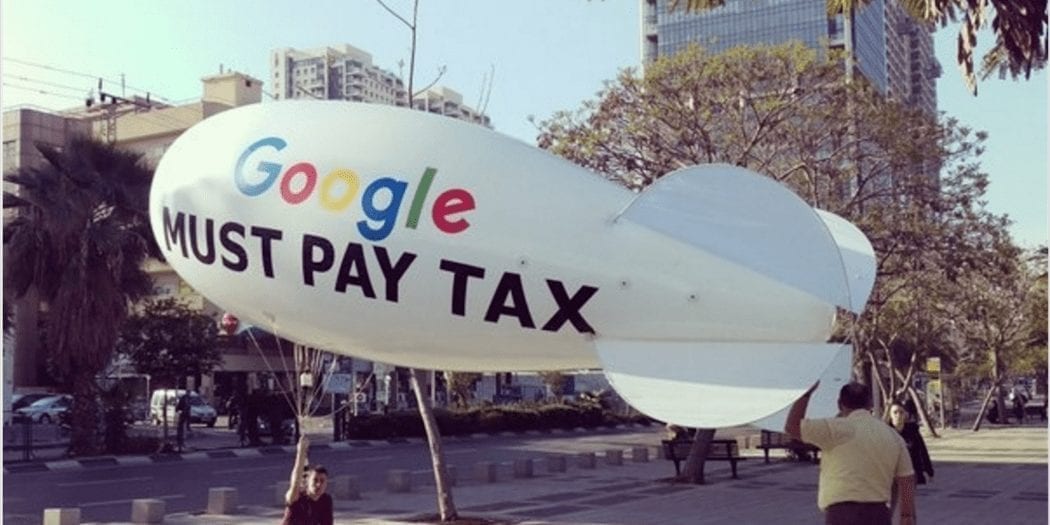
    The Directorate General of Taxation will intensify its investigation on the suspected unpaid taxes by tech behemoth Google, claiming that the company’s tax settlement offer was too small.

    The government said that it would continue investigating Google as it has gathered preliminary evidence indicating that the firm has allegedly committed a criminal act.

    “Next year, it is not going to be about a tax settlement anymore,” Muhammad Haniv, the head of the Taxation Directorate General’s Jakarta branch, who is also the main investigator in the case, said on Tuesday.

    “We have to accelerate the process. We want Google to disclose its financial reports and the tax office will calculate the tax owed,” he said.

    He said the consequence of the tax office’s findings would be that Google had to pay taxes owed plus a 150 percent penalty.

  • AirAsia to deploy 84 more flights this CNY

    AirAsia to deploy 84 more flights this CNY

    There’s good news for travellers with more flights servicing selected domestic and international routes ahead of the Chinese New Year festive period.

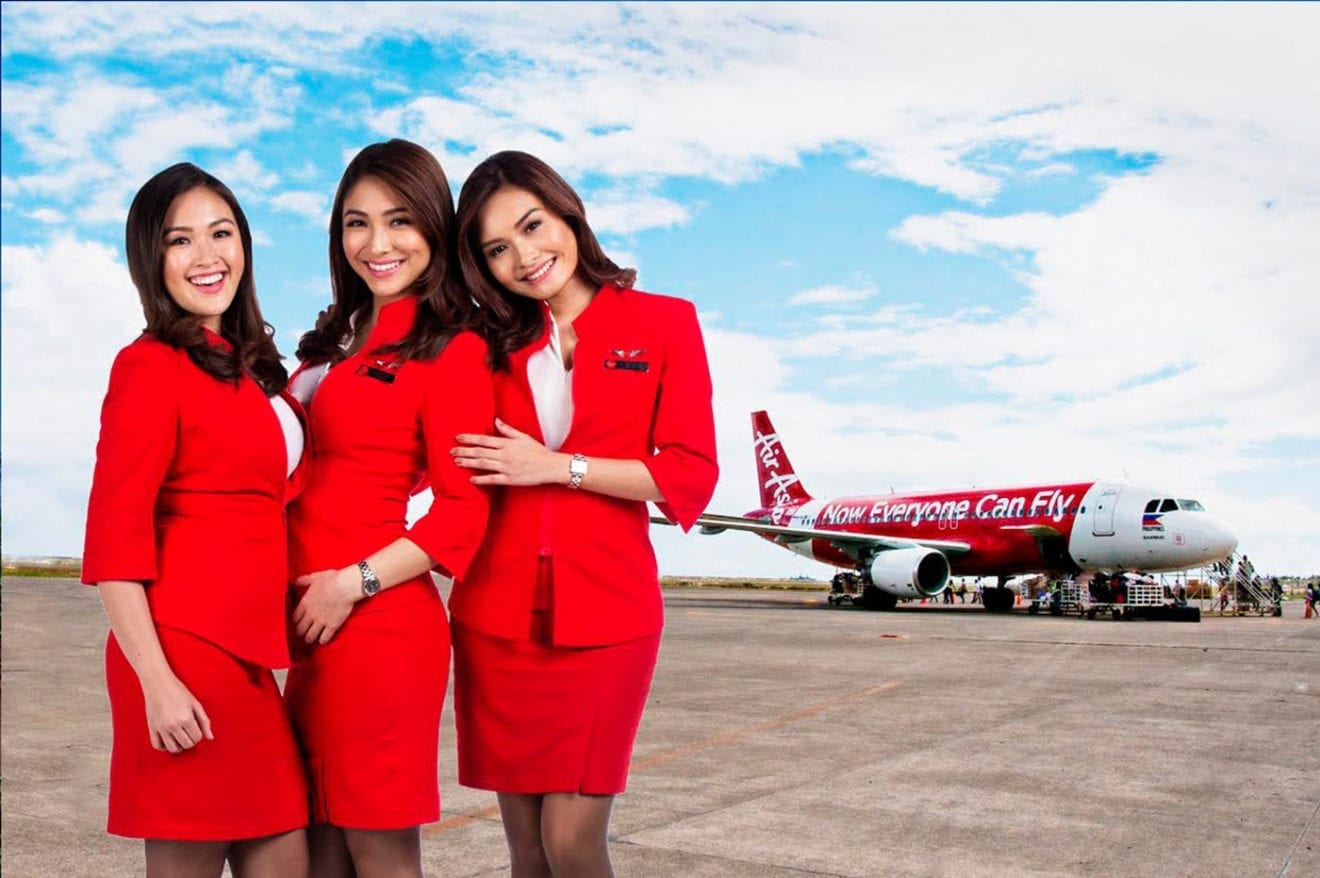
    AirAsia Berhad will deploy an additional 84 flights from Jan 25 to Feb 1.

    “We would like to encourage travellers to book their flights early for the upcoming festive season,” said AirAsia’s head of commercial Spencer Lee in a statement.

    “These flights will have an added capacity of 15,000 seats to facilitate the high demand of air travel during that period.”

    Among the routes are from Kuala Lumpur to Singapore, Penang, Sibu and Tawau, as well as from Penang to Singapore and from Johor Baru to Miri and Sibu.

    “Whether it’s a family reunion or a quick getaway, we hope that these additional flights with everyday low fares will help everyone to have a memorable Chinese New Year celebration,” Lee added.

    Travellers are advised to book their flights early at airasia.com or through the airline’s mobile app on the iPhone and android devices.

  • Macau retailers and restaurants struggling

    Macau retailers and restaurants struggling

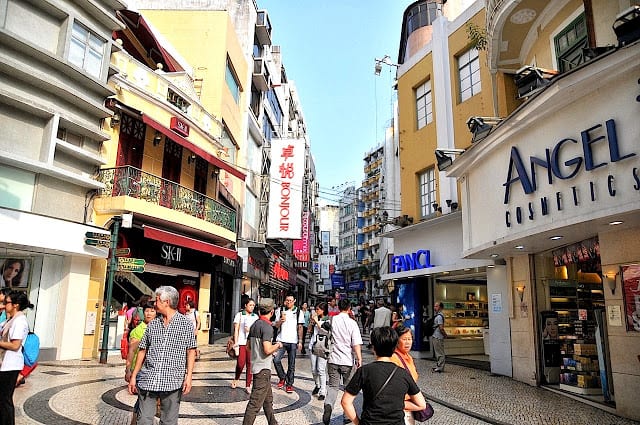
    Most Macau retailers and restaurants have had a difficult October, reporting depressed sales.

    More than half of the city’s dining establishments had strong revenue declines for the month, with just a quarter reporting a slight improvement.

    According to the latest industry climate survey by the Department of Statistics and Census Services (DSEC), the 26 per cent of respondents who had increased turnover say this was driven by an increase in visitors to the city during the one-week National Day holiday.

    Overall, the rise in revenue was 5 per cent compared to September. But for 49 per cent of the Chinese restaurants interviewed and 13 per cent of the Japanese and Korean restaurants, revenue was up by 20 and 6 per cent respectively.

    However, 51 per cent of the respondents reported a decrease in turnover of 12 per cent overall.

    Macau’s retail sector paints a similar picture. About 58 per cent of respondents (1 per cent more than in September) saw their turnover fall, while about 35 per cent (5 per cent more) reported increased sales.

    By sector, leather goods retailers had higher sales, as did 53 per cent of the watches, clocks and jewellery segment, half of adult clothing retailers, 44 per cent of supermarkets and 22 per cent of department stores.

    A 20 per cent or more drop in sales was reported by 78 per cent of department stores and 60 per cent of cosmetics and healthcare retailers.

    Survey respondents do not expect the situation to change soon.

  • Cebu Pacific boosts capacity for festive season

    Cebu Pacific boosts capacity for festive season

    Cebu Pacific has taken delivery of a new Airbus A330-300 aircraft in time for the festive peak season.

    The new twin-aisle jet was delivered on 14 December and has now entered service on the airline’s route between Manila and Hong Kong. This deployment has led to a 22% increase in terms of seat capacity on the popular route.

    As a low-cost carrier, Cebu Pacific equips its A330s with 436 seats in an all-economy class layout. This gives it a greater capacity than some airlines’ A380s.

    Cebu Pacific is the largest Philippine carrier operating in Hong Kong, offering flights to Cebu, Clark and Iloilo, as well as Manila.