Category: General

Retail News Asia is committed to providing both local and global retailers with the latest General Retail news throughout the Asian market. This on a daily base.

  • Qantas To Launch 787 with Melbourne – LA Route

    Qantas To Launch 787 with Melbourne – LA Route

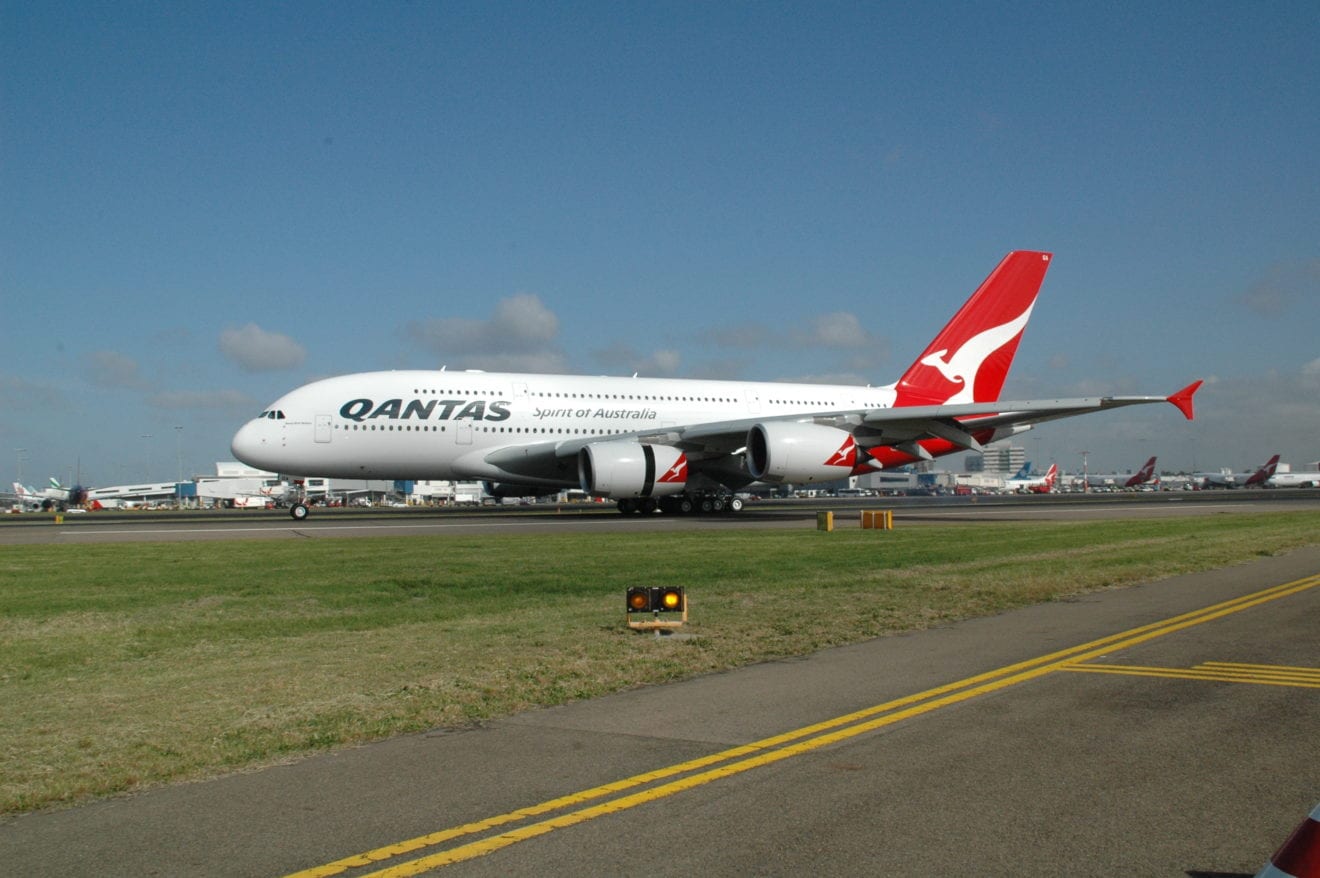
    Qantas will inaugurate long-haul flights with its new Boeing 787-9s by flying them between Melbourne and Los Angeles from December 15, 2017.

    The flight will be operated six times a week, replacing the current twice-weekly flight operated by a 747-400.

    Qantas also operates a daily Airbus A380 flight between Melbourne and Los Angeles.

    The carrier recently announced that it would fly its 787s non-stop between Perth and London from March 2018.

    Qantas has eight 787-9s on firm order.

  • Significant investor interest as SPAR Shandong introduces initial public offering

    Significant investor interest as SPAR Shandong introduces initial public offering

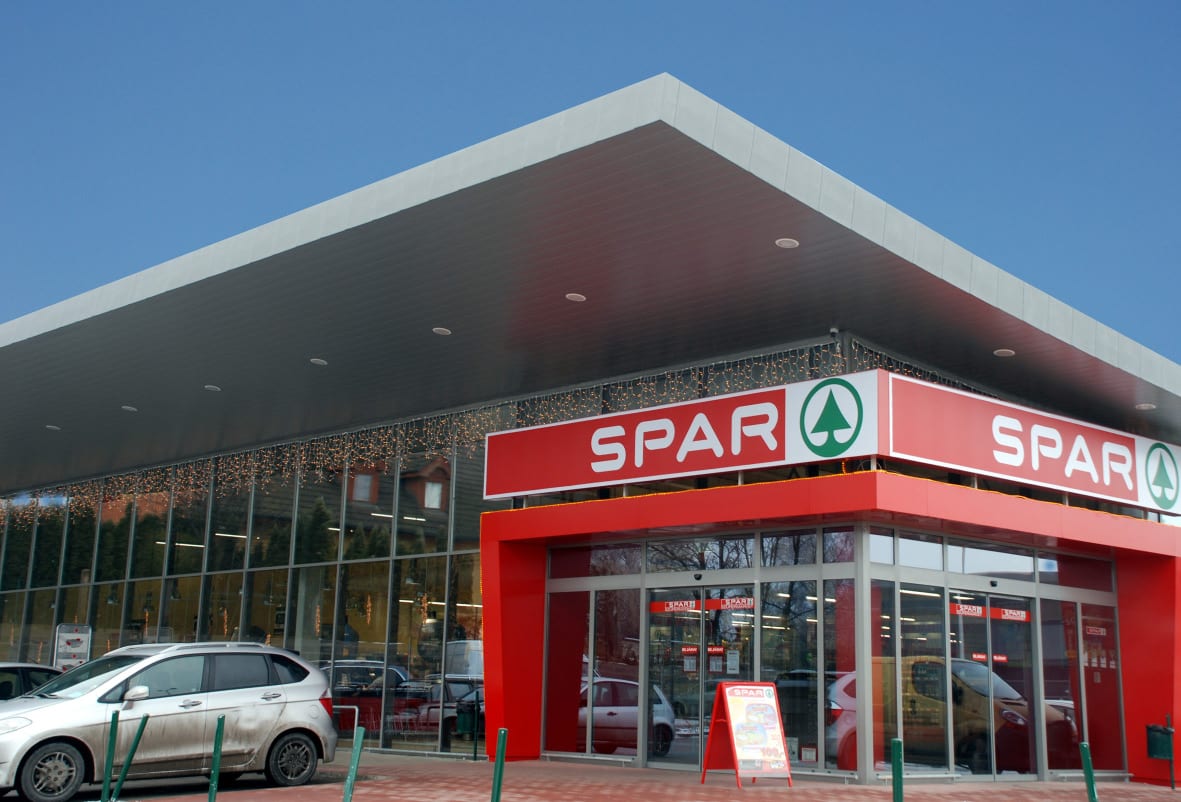
    SPAR Shandong operators, Jiajiayue Group, who became SPAR International’s first retail partner in China in 2004, have launched an initial public offering (IPO) which saw the company listed on the Shanghai Stock Exchange. 

    Jiajiayue issued 90 million shares priced at 13,64 yuan per share to raise 1,23 billion yuan ($178,12 million). In late November, interest from investors saw the online portion of the IPO oversubscribed 4,407 times. The listing on the main A-Share exchange in China saw trading activity begin immediately after the opening on Tuesday ending 43% up on the first day of trading.

    The market funding will be used to strengthen the business further by financing new store openings and existing store upgrades, developing distribution centres and logistics infrastructure and enhancing the existing technology and IT infrastructure. 

    Jiajiayue was the first SPAR partner in China and opened its first store in 2005 in the city of Weihai, north east China. Since then, SPAR China has opened 360 stores with nearly 1,000,000 sqm of selling space in eight provinces, employing over 30,000 people. It also operates eight distribution centres delivering across 50 cities.

    Speaking at the launch, Tobias Wasmuht, Managing Director of SPAR International said: “Today is a significant milestone, not just for SPAR Shandong, but also for the wider SPAR China family. All at SPAR are delighted to have contributed to the success of Jiajiayue, our founding partner of SPAR in China. Over the last 12 years the company has continued to lead the way, working closely with the growing list of SPAR Partners in China to grow and enhance the brand. Investor interest in today’s IPO is testament to the strength and vision of the company and its management team. This partnership embodies the values of SPAR and we look forward to growing together the scale of our retail network in Shandong and China as a whole.”   

    In addition to its partnership with SPAR, Jiajiayue Group Co. Ltd is involved in food processing, wholesale of agricultural products and foreign trade business. In total it operates over 400 stores with a selling space of 900,000 sqm in 34 cities within Shandong province such as Weihai, Yantai, Jinan, Weifang, Qingdao, Linyi, Laiwu and Zaozhuang.

    The store formats cover hypermarket, supermarket, department store, neighbourhood store and discount store. The company has been recognised with a number of awards, including top 100 China FMCG Chain, Customer Satisfied Company in Shandong Province and Top Employer of China Retailing.

    SPAR is the world’s largest voluntary retail chain with retail sales of €33 billion in 2015. With a presence now in 44 markets around the world, SPAR continues to be the partner of choice for independent retail partners keen to embrace retail best practice and fast-track their development in the face of international competition. SPAR International’s multi-format strategy sees its Partners operate over 12,100 hypermarket, supermarket, neighbourhood and convenience stores serving the needs of 13 million customers daily.

  • 70 companies honoured at Hong Kong Awards for Industries

    70 companies honoured at Hong Kong Awards for Industries

    Seventy companies were honoured today (December 13) at the 2016 Hong Kong Awards for Industries (HKAI) presentation ceremony, at which the Chief Executive, Mr C Y Leung, officiated.

    The Grand Award winners were WowWee Group Limited (consumer product design), the Hong Kong Research Institute of Textiles and Apparel (equipment and machinery design), Sidefame Limited – Anteprima Wirebag (customer service), Gammon Construction Limited (innovation and creativity), Chow Tai Fook Jewellery Group Limited (productivity and quality), Comba Telecom Systems Holdings Limited (technological achievement) and Sinomax Group Limited (upgrading and transformation).

    A total of 234 entries were received at the 2016 HKAI. The winners were decided by the final judging panels chaired by Professor Joseph Sung.

    The HKAI was launched in 2005 by merging the former Hong Kong Awards for Industry and the former Hong Kong Awards for Services, established in 1989 and 1997 respectively. The HKAI aims to recognise the outstanding achievements of Hong Kong enterprises in pursuit of high technology and high value-added activities, and to commend excellence in various aspects of their performance.

    The 2016 HKAI covered seven categories, namely the consumer product design category organised by the Federation of Hong Kong Industries; the equipment and machinery design category organised by the Chinese Manufacturers’ Association of Hong Kong; the customer service category organised by the Hong Kong Retail Management Association; the innovation and creativity category organised by the Hong Kong General Chamber of Commerce; the productivity and quality category organised by the Hong Kong Productivity Council; the technological achievement category organised by the Hong Kong Science and Technology Parks Corporation, and the upgrading and transformation category organised by the Hong Kong Young Industrialists Council.

    The 2016 HKAI media partners were Hong Kong Economic Times and Metro Finance.


  • Metro China changes track

    Metro China changes track

    Surging property costs and a changing consumer landscape have forced German retail giant Metro Group to change its approach to the market in China.

    In the 20 years since it opened its first Metro China wholesale store in Shanghai, the retailer has had a rigid policy of building its Metro Cash & Carry stores rather than renting.

    Now, in Wuhan, the capital of central China’s Hubei province, Metro is trying to redevelop one of its stores into its first shopping complex.

    “We are partly turning to asset-light from asset-heavy,” says expansion director and head of project development for China Geoffrey Guo. Metro Jinjiang Cash & Carry, a JV with Shanghai-based Jinjiang Group, has partnered with a local developer to build the Wuhan project, and has transferred property ownership to the developer. The plan is to expand the outlet into a 167,000 sqm German-themed town comprising a mall, office buildings and apartments.

    The complex will include a smaller cash-and-carry shop, and Metro will buy back the store ownership. Meanwhile, it will participate in running the complex and try to introduce German brands through tenant leasing.

    “Some of our land used to be in remote areas, but after a decade or two it became the city centre,” says Guo, “so we need to negotiate with local governments and change our plan.”

    City plans

    As well as Wuhan, Metro China is considering redeveloping some of its stores in Shanghai and other cities into five-star hotels, office buildings or neighbourhood centres.

    Metro has grown slowly in China compared to its peers, opening 86 stores in 58 cities so far, about two-thirds of them owned by the company. In comparison, US-based Walmart has 423 stores in China.

    With the rise of eCommerce, the German retailer has started renting more stores in the past few years to enable quicker expansion. It also launched its first two My Mart convenience stores in Shanghai this year.

    “The demand for supermarkets is not so strong in places like Shanghai, where convenience stores are thriving,” says Guo.

    My Mart offers Metro’s exclusive imported products, private-label lines and fresh fruits, as well as about 100 ready-to-eat items. Metro plans to roll out the concept to other cities in China through franchise.

    While Guo says Metro’s focus will always be its wholesale stores, the company is seeking to open more stores in western Chinese cities such as Xi’an and Zhengzhou.

    Metro’s sales in China climbed 17.4 per cent to €2.662 billion (US$2.8 billion) in the year to September 2015.

  • Singapore Airlines Wants to Be a Budget Carrier

    Singapore Airlines Wants to Be a Budget Carrier

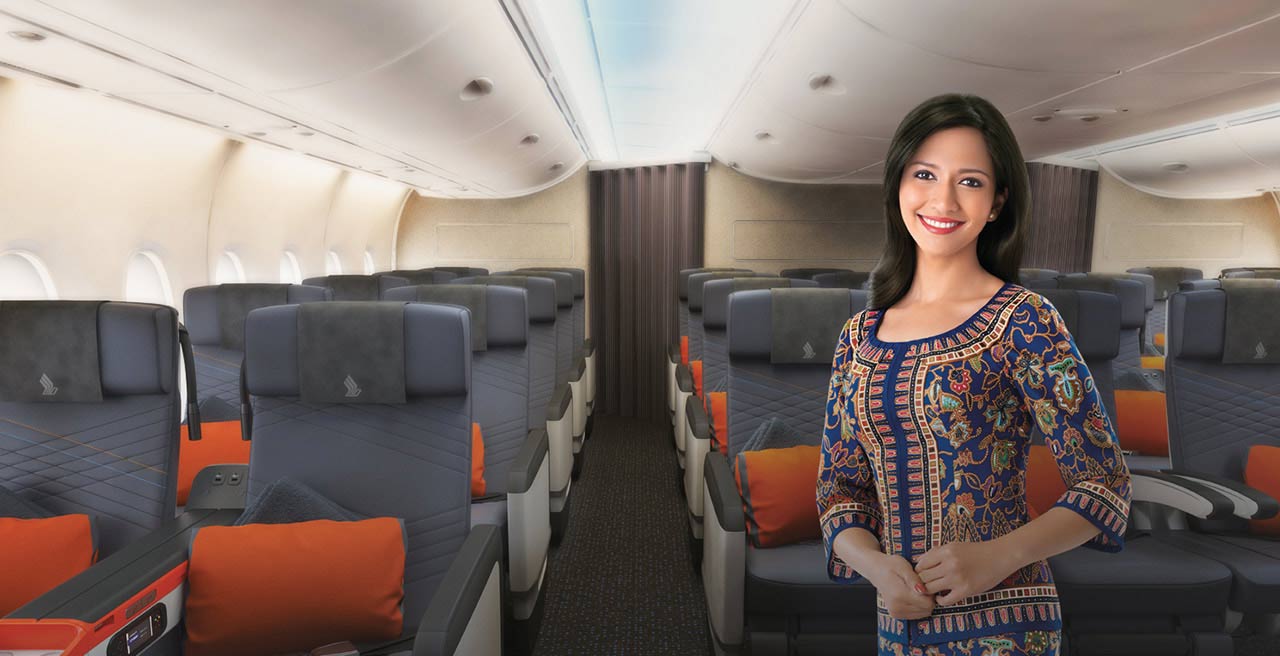
    When you think of Singapore Airlines, visions appear of cushy premium cabins, bespoke leather seats, and free-flowing Champagne poured by the carrier’s throwback “Singapore girls” flight attendants.

    It’s all that, yes. But the luxury carrier is working hard to diversify with budget airlines under its corporate banner. It owns low-cost carrier Scoot; 49 percent of Vistara, a joint venture in India with Tata Sons Ltd.; and NokScoot, a low-cost Thai airline Singapore owns in a joint venture with Nok Airlines. This collection of airlines—plus a new “ultra long range” Airbus A350 variant scheduled to arrive in 2018—enables Singapore to explore a range of expansion plans, many of which are currently focused on North America.

    It’s no coincidence that the region continues to be the runaway success story of airline profitability. It will provide roughly two-thirds of the industry’s projected $29 billion net income next year, according to estimates released Dec. 8 by the International Air Transport Association.

    Singapore’s portfolio of carriers offers “a lot more nimbleness and flexibility in addressing the needs of the markets,” Chief Executive Officer Goh Choon Phong said during an interview Dec. 6 in New York.

    Squeezed on all sides

    Last month, Singapore reported a 70 percent drop in net income and warned that 2017 could be challenging as well. The airline has struggled amid the expansion of low-cost carriers in its home region, and moves by a trio of Middle East-based full-service airlines to encroach on its core franchise of premium business travelers.

    “It’s not going to be business as usual,” said Goh, an M.I.T.-trained engineer in computer science who chose an airline career over academia. “These are structural changes; these are changes that are not going to go away.”

    Into this environment, the CEO has prescribed a diversification of revenue, a renewed focus on cabin comforts for big spenders, and new markets.

    A chief pillar of the company’s expansion rests on further long-haul expansion, driven by firm orders for 67 new Airbus A350s and 30 of Boeing Co.’s largest 787 variant, the -10. The newest 787 is scheduled to enter commercial service in 2018. Of its A350s, Singapore will take seven from Airbus in an “ultra long range” configuration, which includes software changes and modest modifications to the landing gear. Other A350-900s can be altered to the ULR version, which is able to fly 8,700 nautical miles.

    “We have called it a game changer for us and there’s a reason for that,” Goh said, alluding to the growth opportunities the A350 affords.

    With these new, more fuel-efficient planes, Singapore executives have been keen to resume the nonstop flights from the city state to New York and Los Angeles, which operated for nine years before ending in 2013 because of the route’s extreme fuel costs. The airline is also considering the potential for new U.S. destinations, having for years studied traffic flows in places like Boston, Chicago, and Miami, Goh said. Many weren’t feasible, given the mix of large seat counts and the range limits of its existing aircraft. But the new, more fuel-miserly A350 may well change the math for such an expansion. (In March, for example, Singapore is swapping the 777 it flies to Houston with an A350.)

    “The U.S. is an important market for us,” Goh said, but technological limitations required a stop between American cities and Singapore. No more.

    Gateway to India and Southeast Asia

    The airline is envisioning a day when the new fleet allows its hub at Singapore’s Changi Airport to become a connection for U.S. and Canadian corporate travelers bound for places such as India, Malaysia, Indonesia, and Thailand. It sees a precedent in the operations Emirates Airlines and Qatar Airways Ltd. have built at their hubs in the Persian Gulf, particularly for traffic to and from India.

    Yet beyond the moneyed travelers who want frills on long flights, Singapore’s Scoot budget airline is also keen to expand. In June, Scoot will commence its longest flight to date, to Athens, a city where Singapore has ended service with its flagship. Scoot is increasing its all-787 fleet to 20 over the next few years, and is likely to look to markets where premium-cabin traffic is insufficient for flights by the flagship Singapore brand, Goh said.

    “Scoot might also look to some kind of operation to the U.S,” Goh said. “At some point in time they will look at the U.S. to see if it makes sense.”

    On the premium side of their house, Singapore executives have been cagey about the cabin configuration for the A350-ULRs to be deployed on the new U.S. nonstops to Los Angeles and New York. The latter will reclaim its title as the world’s longest route, at 19 hours or more, depending on winds. The airline plans a two-class service, but has declined to reveal the cabin mix or how many seats the planes will carry. They will have fewer than the 253 seats now on the three-cabin aircraft Singapore currently flies, with a stop in Asia, en route to Singapore, Goh said.

    “The beauty of it is that this aircraft is not too big,” he said. “We can size it to best fit the traffic number that makes sense.”

    Beyond the U.S., Singapore has identified India as a top priority in terms of greater market access. Within a decade, the nation is projected to become the No. 3 international travel market after China and America. Singapore’s Vistara venture will benefit from the Indian government’s recently altered “5-20” regulation that required local carriers to fly at least 20 aircraft for five years before they could offer international service. The change abolished the five-year flight period, and should help Vistara expand internationally sooner. It now has 13 Airbus A320s, with plans to reach 20 by 2018.

    Some day, if it makes sense for Vistara, Goh says, the airline may acquire long-haul aircraft and set out for Europe and North America with nonstop routes. That’s a proposition that Emirates, Qatar, and Etihad can’t offer. “Logically speaking,” Goh says, “you can imagine Vistara should have a lot of potential for growth.”

  • President Jokowi announces Garuda Indonesia`s direct flight to Mumbai

    President Jokowi announces Garuda Indonesia`s direct flight to Mumbai

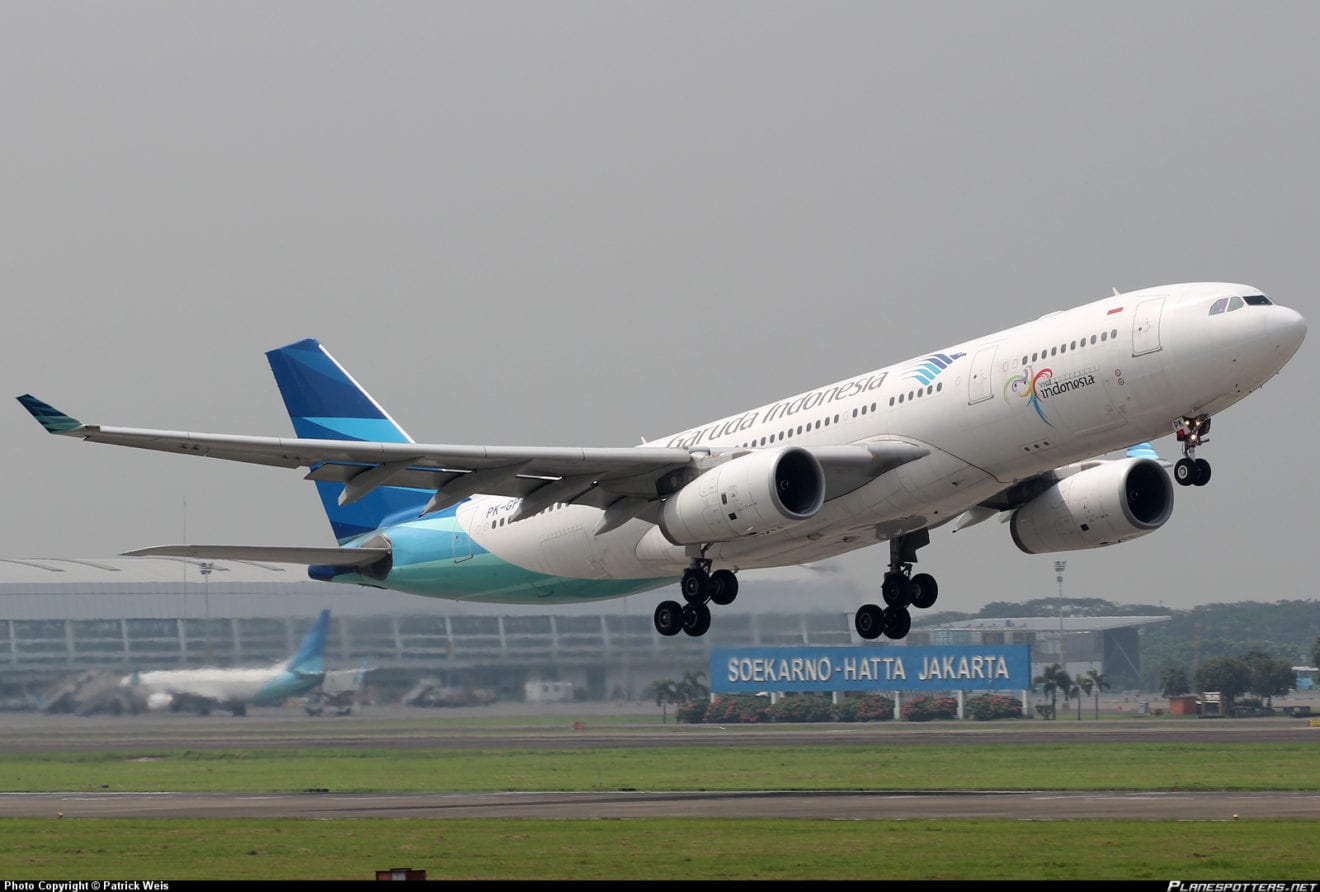
    National carrier Garuda Indonesia will operate a direct flight from Jakarta to Mumbai, India, President Joko Widodo (Jokowi) has announced.

    The announcement was made during a joint press conference by President Jokowi and Indian Prime Minister Narendra Modi at Hyderabad House here on Monday.

    “I am pleased to announce that Garuda Indonesia, beginning today, will fly directly to Mumbai from Jakarta,” he said.

    The direct flight connecting the two metropolitan cities will help strengthen bilateral cooperation between the two countries, and support economic cooperation as well as people-to-people contact, the president said.

    Garudas maiden Jakarta-Mumbai flight on Monday was a Boeing 737-800 NG with a seating capacity of 156, comprising 12 business class seats and 144 economic class seats.

    The direct flight service is aimed at supporting the Indonesian governments objective of attracting more Indian tourists to Indonesia and strengthening the cultural and historical relations between the two nations.

    Around 270 thousand Indian tourists visited Indonesia last year, and 350 thousand this year, President Director of Garuda Indonesia M Arif Wibowo said in a statement.

    “As the number of Indian tourists continues to increase annually, we are sure that Mumbai is a prospective market for us,” Wibowo stated.

    Indian tourists now have better access to fly to Indonesian tourist destinations such as Bali, Yogyakarta, Surabaya (East Java), and Medan (North Sumatra), from Jakarta, he remarked.

    Garuda Indonesias Jakarta-Mumbai flight GA 862 via Bangkok will operate thrice a week. It will depart Jakarta at 5:55 am local time and arrive in Bangkok at 9:25 am local time. It will depart Bangkok at 10:20 am local time and land in Mumbai at 3 pm local time.

    The Mumbai-Jakarta flight GA 861 will also fly three times a week. It will depart from Mumbai at 5:35 pm local time, and arrive in Bangkok at 9:55 pm local time. It will depart Bangkok at 11:35 pm local time and arrive in Jakarta at 3:05 am local time.

    Garuda operates direct flights from Jakarta to various Asian countries such as Singapore, Malaysia (Kuala Lumpur), Thailand (Bangkok), China (Beijing, Guangzhou, Shanghai), South Korea (Seoul), Japan (Tokyo, Osaka) and Saudi Arabia (Jidda and Madinah).

  • Cebu Pacific looking into Hawaii, Melbourne flights

    Cebu Pacific looking into Hawaii, Melbourne flights

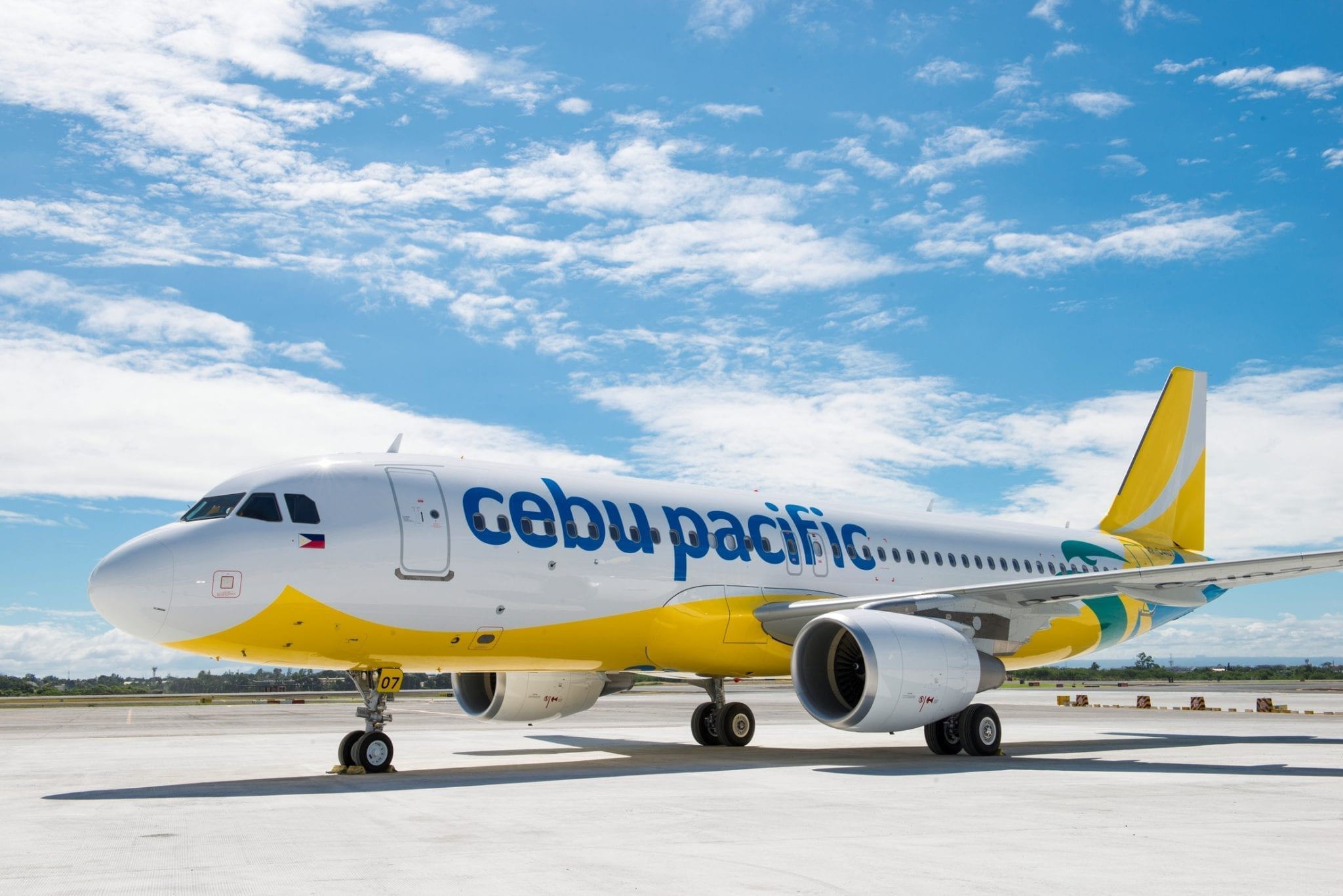
    Cebu Pacific may offer additional flights to Australia and the United States as part of efforts to expand its international network, its chief executive officer said.

    The Gokongwei-led carrier earlier said it expects its long-haul business to post a profit, driven by new flight services and increased frequencies in its existing international routes.

    “We are still considering… looking at Hawaii and Melbourne,” Cebu Air, Inc. President and Chief Executive Officer Lance Y. Gokongwei told reporters at the sidelines of a recent event when asked for the low-cost airline’s next planned long-haul route after its maiden Guam flight last March.

    Mr. Gokongwei, however, noted that there are “no firm dates” yet for the said flights.

    Cebu Air currently operates across 36 local and 30 international destinations with a fleet of 58 aircraft. It operates from six hubs: Manila, Cebu, Clark, Kalibo, Iloilo, and Davao.

    Asked whether Cebu Pacific would also consider mounting flights to Europe, Mr. Gokongwei: “I think we would consider it, but right now, we don’t have any immediate plans at this point but it’s something we should be considering as we get additional long-haul aircraft into the system.”

    “Frankly, I don’t see it happening from a Cebu Pacific perspective for 2 or 3 years,” he added.

    Mr. Gokongwei said Cebu Pacific expects to ferry 19 million passengers this year, a record passenger volume, driven by the airline’s low-cost long-haul services and increased frequencies in key domestic markets from 18.4 million passengers in 2015 and also up from the 16.9 million passengers flown in 2014.

    As of the nine months ended September, Cebu Pacific said passenger traffic was up 6% to 14.48 million, as capacity inched up by 0.4%.

    Cebu Air, operator of budget airline Cebu Pacific Air, saw its profit double in the first nine months of the year to P7.1 billion from P3.56 billion a year ago, led by strong passenger volume, higher ticket prices and lower fuel costs during the period, it told the stock exchange in its quarterly report.

    Demand remained strong during the nine-month period as Cebu Air reported its total revenue hit P46.69 billion, up 10.5%. Passenger revenue rose 10.1% to P35.36 billion while ancillary revenue — from non-ticket revenues such as baggage fees and onboard meals — was up 14.9% to P8.79 billion.

    Shares in Cebu Air closed at P97.80 apiece on Friday down P3.90 or 3.83% from its previous finish of P101.70.

  • South Korea worries about growing economic risks, amid impeachment push for President Park

    South Korea worries about growing economic risks, amid impeachment push for President Park

    South Korea’ finance ministry said on Thursday it is concerned about further risks to the economy from “domestic issues”, as parliament prepares to hold an impeachment vote on South Korean President Park Geun-hye.

    The ministry did not explicitly point to the deepening political scandal surrounding Park in its monthly assessment of the economy, but said it was concerned domestic issues may result in weaker consumption and investment at a time when many global uncertainties persist.

    That would put more pressure on an economy that is grappling with record household debt, dozens of zombie companies under restructuring and weak exports, which have been further dampened by Samsung Electronics Co’s decision to scrap its fire-prone flagship smartphone Galaxy Note 7 and a strike at Hyundai Motor Co.

    South Korea is bracing for another possible hit to trade if President-elect Donald Trump follows through on his protectionism rhetoric once he takes office in January, while its financial markets – like other emerging economies – have been roiled by expectations of more U.S. interest rate hikes starting as soon as next week.

    South Korea’s manufacturing activity shrank for the fourth straight month in November and export orders also fell, albeit at a slower pace than in October, a private survey showed last week.

    “We’re seeing a pause in investment and policymaking in general due to political uncertainties,” said Jung Kyu-chul, an economist at state-run Korea Development Institute.

    While the think tank forecasts the economy will grow 2.4 percent next year, down from 2.6 percent estimated for 2016, “it could easily be cut to just above 2 percent in 2017 if this scandal drags on and takes steam out of everything from consumption to investment to job market,” he said.

    The ministry report came a day after Finance Minister Yoo Il-ho cited the uncertain outlook for leadership in Asia’s fourth-largest economy as a risk to growth.

    Consumers already have turned the glummest since the global financial crisis.

    A Bank of Korea survey showed consumer sentiment last month fell to its lowest since April 2009, on the same week that Park’s approval rating sank to an all-time low of 4 percent.

    Park’s embattled presidency faces a critical juncture, with parliament expected to hold an impeachment vote on Friday.

    But even if the motion is passed, it must be upheld by the Constitutional Court, a process that could mean the political crisis will drag on for months.

    Park is accused of colluding with a friend and a former aide to pressure big business owners to pay into two foundations set up to back policy initiatives. She has denied wrongdoing but apologized for carelessness in her ties with the friend, Choi Soon-sil.

    Kwon Young-sun, a Hong Kong-based economist with Nomura Securities, sees the Bank of Korea cutting interest rates only once in 2017 if an early election is held.

    “We now expect only one 25 basis point policy rate cut to 1 percent in the fourth quarter of 2017, after a likely early presidential election in the first half of 2017,” Kwon said in a report released on Thursday.

    Previously, he had expected the bank to make two cuts to 0.75 percent, but said the country isn’t likely to see “any significant macro policy changes in the first half of 2017 until after the election,” he said.

    The ministry said private consumption has rebounded in recent months but largely due to government-led retail promotions.

  • Garuda Indonesia now flies from Surabaya to Medina

    Garuda Indonesia now flies from Surabaya to Medina

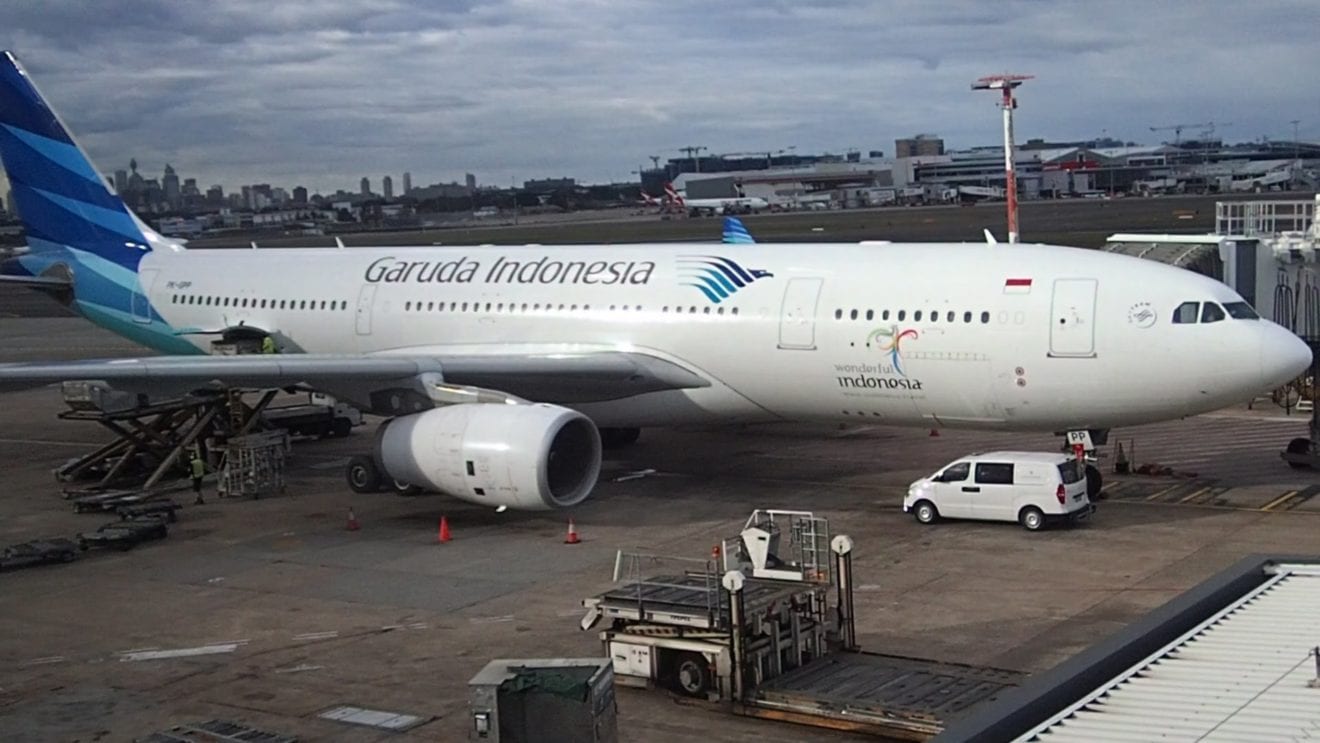
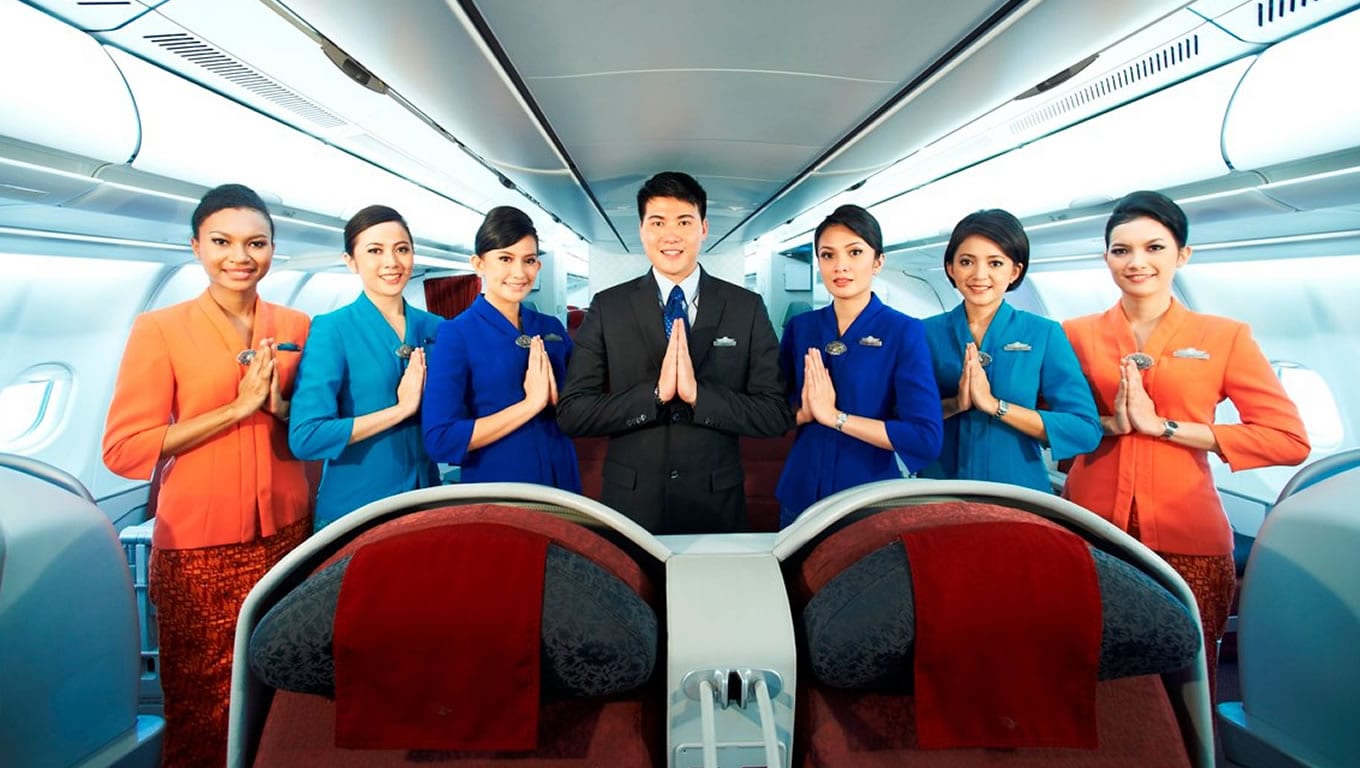
    Garuda Indonesia has opened a new route to connect Surabaya in East Java to Medina in Saudi Arabia in a bid to expand its flight network in the Middle East and tap into the potential umroh (minor haj) market.

    Introduced on Tuesday at Surabaya’s Juanda International Airport, the all economy class flight will be available once a week on Tuesday using Airbus A330-300 that can accommodate 360 passengers.

    “Hopefully we can provide ease and comfort to East Javanese residents and others who are traveling on a pilgrimage since this direct flight will help save time and money,” said Garuda Indonesia Cargo Director Sigit Muhartono in a press release.

    The national flag carrier currently operates two direct international routes from Surabaya, to Singapore and Jeddah.

    Following the opening of the Surabaya-Medina route, Garuda Indonesia now operates a total of 34 flights to the Middle East from major cities in Indonesia.

  • 3 in 4 Singaporean consumers want more personalized retail rewards

    3 in 4 Singaporean consumers want more personalized retail rewards

    Though many consumers are currently lukewarm about their relationships with brands and retailers, three in four consumers in Singapore will buy more from retailers if they are better rewarded for their loyalty, a study conducted by ICLP finds.

    Out of 750 consumers surveyed, only 3 percent consider themselves to be devoted to their preferred retail brands, expressing willingness and desire to forge enduring relationships with them. They also gave average to low scores in terms of passion (brand enthusiasm), commitment (loyalty), and intimacy (willingness to share information with a retailer).

    These findings come at a time when Singaporeans’ love affair with shopping and retail has been under strain. Even as retail sales show a modest year-on-year growth of 2 percent as of September 2016, there have been a slew of notable closures in the local retail landscape, most recently that of John Little, one of Singapore’s oldest department stores.

    These findings come at a time when Singaporeans’ love affair with shopping and retail has been under strain. Even as retail sales show a modest year-on-year growth of 2 percent as of September 2016, there have been a slew of notable closures in the local retail landscape, most recently that of John Little, one of Singapore’s oldest department stores.

    “What we are seeing from our research is that many Singaporean consumers still relate to brands and retailers at a transactional level, so when times are uncertain, they easily resort to the myriad of choices that are at their disposal, often literally at their fingertips now,” said Bruno Tay, Country Manager of the global loyalty marketing agency ICLP, which conducted the survey as part of an international study across nine markets.

    “It’s not too late to turn things around, though. In fact, retailers now have a chance to truly stand out if they appeal to the heart too — by approaching communication, reliability, consistency, reward and recognition from a human perspective,” he suggested.

    The study asked Singaporean consumers  to rate their retail experience with brands on seven core relationship criteria, namely recognition, rewards, reciprocity, reliability, respect, trust and communication. These were then mapped onto a model based on Sternberg’s Triangular Theory of Love, in partnership with an expert on relationship dynamics Professor Ron Rogge at the University of Rochester in the United States.

    Based on the three dimensions of a relationship — passion, commitment, and intimacy, the consumers’ experiences with brands and retailers are then further classified into six types. In increasing order of desirability, these range from empty, liking, casual, romantic, companionate to devoted.

    Devoted consumers — who currently form the marginal minority in Singapore — are those most willing to share personal information, opinions and desires with their favourite brands, and are least likely to stray to competitors. Notably, 92 percent of customers that fall into this group would recommend a brand they are devoted to. This is a significantly higher proportion than for consumers in the other types of relationships with their retail brands.

    Only 12 percent of customers in a ‘liking’ relationship would recommend a retailer to others, 27 percent in a ‘casual’ relationship, 56 percent in a ‘companionate’ relationship, and 69 percent in a ‘romantic’ relationship.

    “The rarity of devotion among Singaporean consumers underlines a sizeable gap and opportunity for local retailers and brands. Devoted consumers are keen to be advocates, so driving this pinnacle relationship can have tremendous effect on retailers’ business through word of mouth and social media sharing,” Tay said.

    The research findings suggest that Singaporeans do not just want traditional points-based reward programs, but also personalized rewards. Much like in a relationship with friends and loved ones, they would engage more when they receive genuine gestures that surprise and delight them.

    Around 67 percent of Singaporean consumers will buy more if retailers use their data in carefully considered, contextual ways to better understand their individual needs and preferences. This suggests the need for retailers to better leverage data technology and put in place more robust customer relationship management practices.

    Another 61 percent of consumers also place an emphasis on the importance of better communication, indicating that they will buy more if brands communicate with them better, in ways that express reciprocity and shared passion.

    Within the global context of the study, Singaporean consumers appear to parallel quite closely their counterparts in Hong Kong and Australia, where only 1 percent and 3 percent,respectively are in devoted relationships with brands.

    This is in stark contrast with the 21 percent of consumers in India who are devoted to their preferred brands. However, across the nine markets surveyed, including United Kingdom, United States, Brazil, United Arab Emirates, mainland China, Hong Kong, India, Singapore, and Australia, there is broad consensus that a well thought out loyalty programme can help deepen consumers’ connection with brands.

    “Thinking about our own personal relationships, we know that people fall in and out of love and friendships — lured by ‘greener pastures’,” Tay said. “Now we know that the same thinking can be applied to brand relationships that are dynamic and ever changing. Retailers looking to build and maintain devoted customer relationships should seek to truly understand the emotional factors that drive consumer loyalty.
  • Garuda the most loved airline in the world

    Garuda the most loved airline in the world

    The nations flag carrier Garuda Indonesia has received a citation of “The Worlds Most Loved Airline” from the Skytrax, the world airline rating agency.

    Garuda Indonesia President M Arif Wibowo said when receiving the citation here on Thursday that the airline topped other airlines with satisfaction rate of 85 percent.

    “Our greatest thanks for our customers and airline workers,” Arif said, attributing the high appreciation for the airline performance to cooperation of a team of thousands hands in creating the strong brand.

    He said he did not expect to receive the citation as he was not aware of the existence of that category.

    He said the citation would bring bout challenge and at the same time give the airline a motivation to create the highest standard of service.

    CEO of SkyTrax Edward Plaisted said the citation was given based on a survey involving respondents from 40 countries.

    Garuda competed with 420 other airlines included in the survey, Plaisted said.

    “Garuda deserves the citation for highest level of services and satisfaction,” he said.

    The airline provides good facility for both main, business and economic classes with five-star standard, he said.

    The airline has succeeded in taking a big leap forward after it was banned from flying to Europe several years earlier for poor service and performance including air accidents.

    It also began to chalk up operating profit only in the past several years after years of being in the red.

    Garuda also operated a budget subsidiary Citilink, which provided low-cost flights to multiple Indonesian destinations and was spun-off in 2012.

  • PTT Philippines rolls out P5-B 5-yr investment plan

    PTT Philippines rolls out P5-B 5-yr investment plan

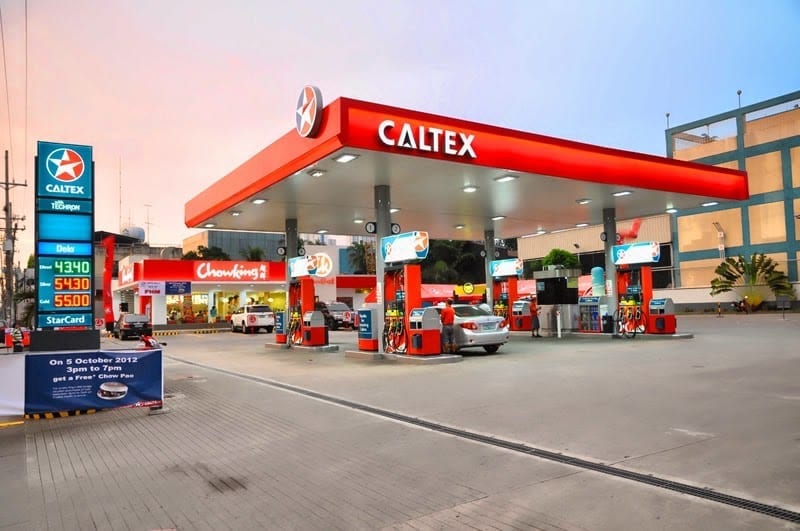
    Thai firm local subsidiary PTT Philippines rolls out its five-year investment plan commanding capital outlay of P5.0 billion to bulk up on its retail network to 300 stations.

    PTT President Sukanya Seriyothin said “you can expect to see more PTT stations as we have allocated around P5.0 billion for the construction of more stations to reach our target of 300 stations by year 2021.”

    The company will already have 112 stations for its retail portfolio until the end of the year; and to hit its investment target, it will need to work on the 188 stations more in the coming years.

    The Thai firm is targeting to beef up its retail network beyond Luzon – that 20 percent of its planned 20 stations next year will likely be in Visayas. Mindanao is similarly part of the goal for new ventures, but company officials qualified this is still under serious study.

    “Our expansion in the Philippines, particularly our retail, is in full swing… we now have 105 service stations in Luzon and in Cebu in the Visayas. This month, seven more stations are scheduled to open, and therefore, our total service stations operating will be 112 by end of this year,” the PTT chief executive added.

    The investment proposition will be a combination of mega or large-scale and compact stations. For the second one, the pilot venture is already firmed up for  location in Urdaneta City in Pangasinan.

    A good bit of the company’s retail and branding reinforcement would be the integration of “Café Amazon” being a vital element of non-fuel service to patrons of their gasoline stations.

    “Part of the budget will also be allocated for new Café Amazon and we are targeting 60 branches by that time,” Seriyothin said.

    The “Café Amazon” is a key feature of major PTT stations in Thailand as well as in the company’s operations in Laos, Myanmar, Cambodia and Japan – and it is a retail business component that the Philippine subsidiary would want to re-introduce here. PTT has already integrated such at its softly opened station at the northbound of the Subic-Clark-Tarlac Expressway.

    Given the boom-and-bust cycle of the oil industry, Seriyothin noted that the non-fuel component of their business would definitely help boost profitability.

    “Our estimated sales volume by end of 2016 is expected to reach more than 1.0 billion liters, 6.0-percent higher than planned,” she said.

    Seriyothin further explained that “the increase in volume is primarily due to higher sales in aviation and retail segments.”

    The oil firm emphasized it is projecting an average annual growth rate of 11-percent in the next five years “with positive growth in all segments.”

    Tags: , , , , , ,

    Related Posts

  • Garuda to fly wide body airplanes to Jayapura

    Garuda to fly wide body airplanes to Jayapura

    National carrier Garuda Indonesia will begin operating wide body aircraft such as the Airbus 330 or the Boeing 777 to Jayapura, in the eastern province of Papua, next year.

    The operation of wide body airplanes to Jayapura was part of the airlines efforts to expand its business to the eastern region of the country, President Director of Garuda Indonesia M Arif Wibowo said here on Friday.

    Garuda Indonesia will begin operating the wide body airplanes to Jayapura in January or February next year, Wibowo said.

    The expansion is also aimed at bolstering the tourism sector by luring more international and domestic tourists.

    “We focus on international flights to boost inbound tourism,” Wibowo said, adding that the airline was trying to encourage tourists to visit the countrys eastern regions.

    Wibowo said that the airport at Jayapura was ready to handle wide body airplanes such as the Airbus 330.

    Using a wide body aircraft will increase the passenger load capacity to 222, from 160 at present in a smaller plane.

  • AirAsia India adds more direct flights connecting Bengaluru to Goa and Pune

    AirAsia India adds more direct flights connecting Bengaluru to Goa and Pune

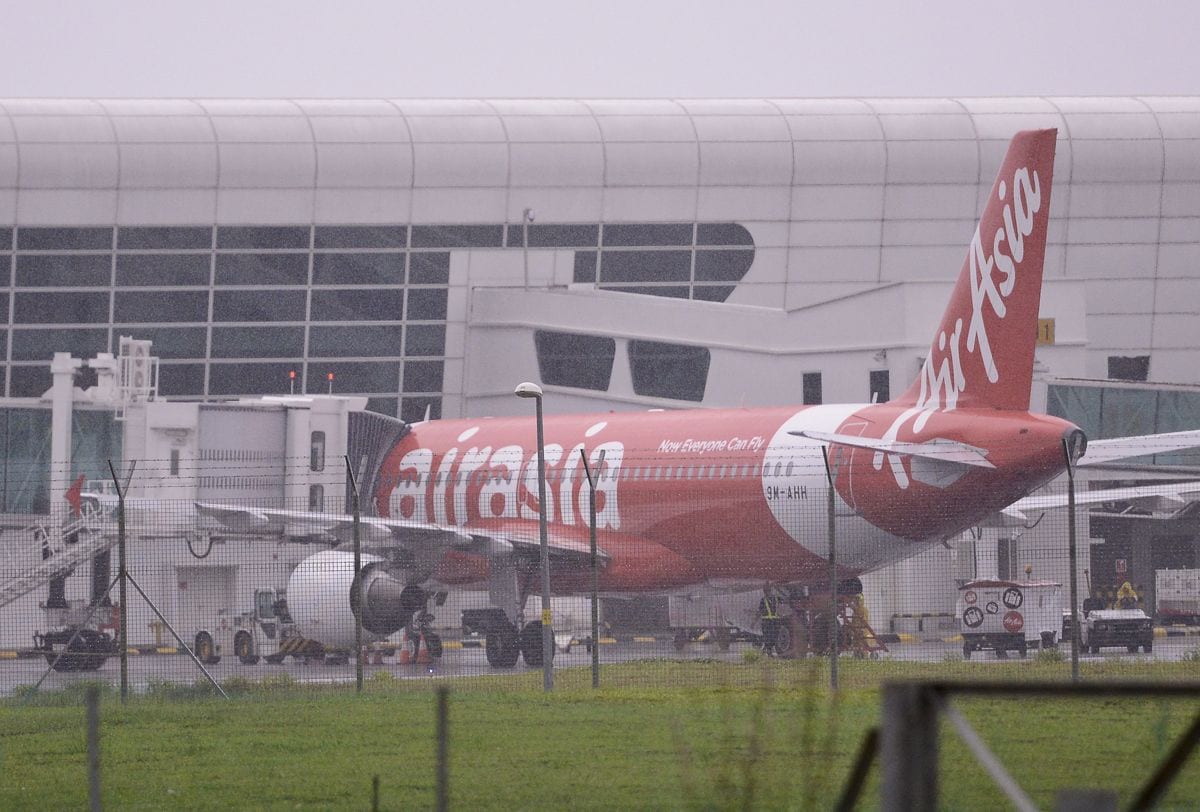
    AirAsia India has announced an additional flight connecting Bengaluru to Goa and Pune starting December 18. The airline currently operates one daily flight between Bengaluru and Pune, and with this additional flight, the airline will operate two daily flights connecting the two cities.

    AirAsia India will also operate its fourth daily connection between Bengaluru and Goa starting December 18. Speaking about the additional frequency, AirAsia CEO and MD Amar Abrol said, “Our flights from Bengaluru to Pune are doing extremely well, and so are our three existing connections to the party city of India. We see immense demand in this sector. We are constantly working towards providing our guests the most convenient options for them to pick from. We are confident that this new connection is going to be well received by our guests.”

    AirAsia India currently flies to 11 destinations with its two hubs in Bengaluru New Delhi covering Chandigarh, Jaipur, Guwahati, Imphal, Pune, Goa, Vizag, Kochi and Hyderabad.

    AirAsia (India) Ltd is a joint venture between Tata Sons Limited and AirAsia, with AirAsia Investment Limited holding 49%, Tata Sons Limited holding 49% and Mr. S. Ramadorai (Chairman) and Mr. R. Venkataramanan, two directors of the company in their individual capacity holding 0.5% and 1.5% shareholding respectively in the airline.
  • Asian Airlines May Be Forced To Cut Free In-flight Booze

    Asian Airlines May Be Forced To Cut Free In-flight Booze

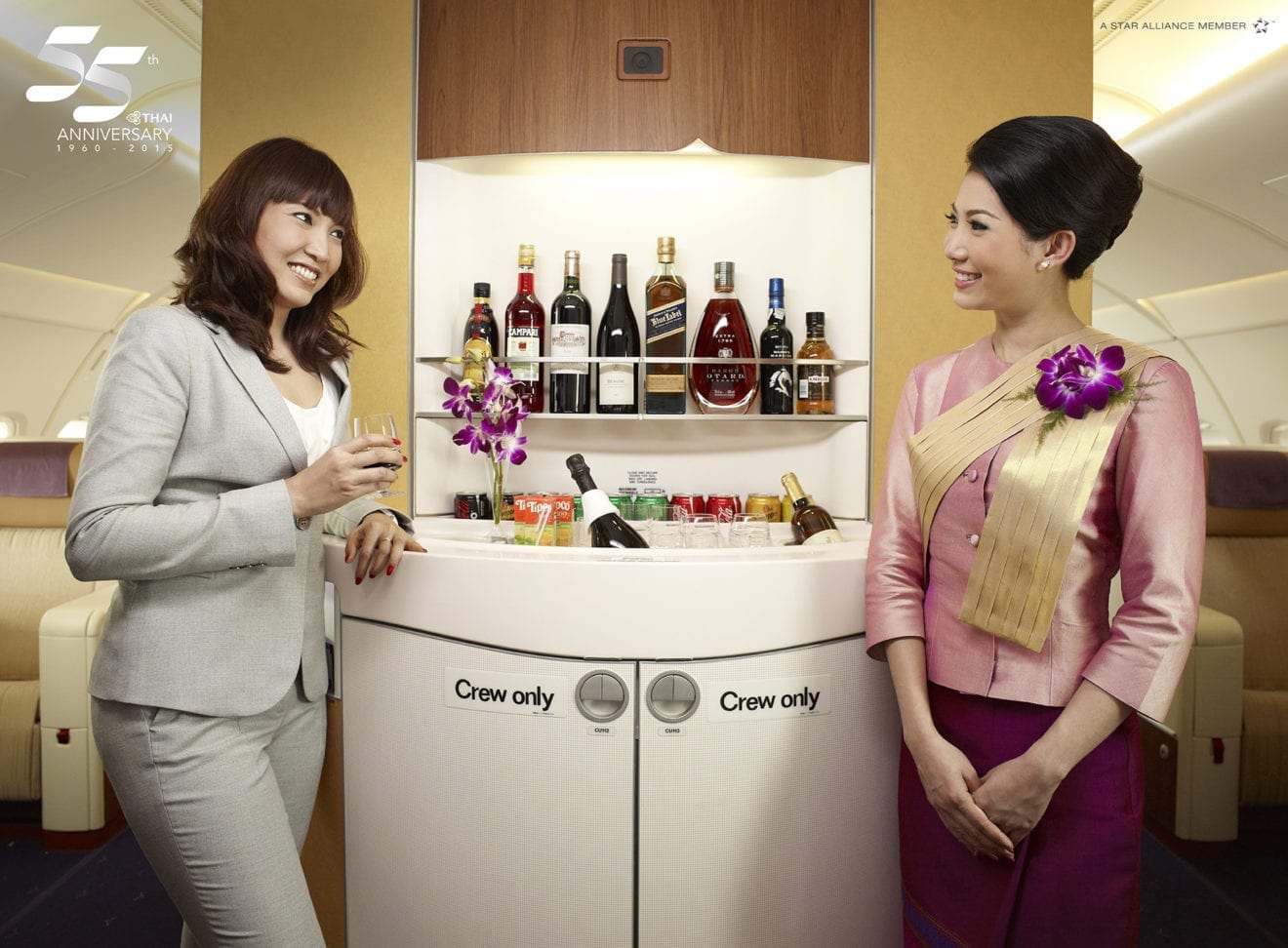
    An OPEC deal has put the squeeze on airlines’ already slim profit margins. Rising fuel prices stemming from last week’s OPEC production cuts could heap pressure on Asia’s already overburdened aviation sector and force its biggest carriers to nix the giveaways that have long been integral to their service.

    And the first ballast to be cast off might be free alcohol and in-flight entertainment, which has been standard on most of the continent’s long-haul carriers for decades.

    Asia’s marquee airlines such as Cathay Pacific and Singapore Airlines  have so far resisted the U.S. low cost model wherein carriers charge for services ranging from inflight meals to alcohol to baggage check-in.

    But this might be about to change.

    “More full-service airlines in Asia Pacific might consider doing the same,” Mathieu De Marchi, a Bangkok-based aviation consultant at Landrum & Brown told Bloomberg, referencing carriers such as Delta Air Lines that have successfully consolidated their service offering.

    Fierce competition has pushed Asian carriers’ profit margins down to about half that of their U.S. counterparts and they are already struggling against excess capacity and a fall in premium traffic.

    The Organization of Petroleum Exporting Countries (OPEC) finalized a deal to cut oil output on Nov. 30. The bid to kick some life into dreary oil prices seems to have paid off—at least in the short term. But that’s bad news for aviation sector, whose long haulers guzzle the black stuff.

    Dispensing with free services is not the only option available for airlines feeling the pinch. They could opt to raise prices, or for more environmentally progressive measures such as taking inefficient planes out of service and cutting unprofitable routes.