Category: General

Retail News Asia is committed to providing both local and global retailers with the latest General Retail news throughout the Asian market. This on a daily base.

  • AirAsia named “Most Influential Airline in China” at Beijing awards ceremony

    AirAsia named “Most Influential Airline in China” at Beijing awards ceremony

    AirAsia was named The Most Influential Airline in China at the 2016 New Power of Travel Awards held in Beijing on Friday.

    The awards, hosted by Sina Travel and Youku Travel websites, review the development and trends of China’s travel industry.

    In statement today, AirAsia said Sina is the world’s largest Chinese-language web portal, while Youku is one of China’s top video and online streaming platforms.

    “The two websites evaluate travel-related companies and products based on the content and readership by over 800 million people who visit it.

    “The awards honour outstanding companies and products as voted by users, and provide travel guides on airlines, hotels and destinations for travellers.

    “The awards committee said AirAsia had influenced free and independent travellers in China with its young, passionate and creative brand image since entering the market,” it added.

    Meanwhile, AirAsia North Asia President Kathleen Tan said the airline is focused on presenting the very best content on Chinese social media, as the country is a very important market for it.

    “China is an incredibly dynamic market and we want to deliver an even better travel experience to our fans in China. This includes information on where to find the best food, hidden gems and great travel destinations where amazing memories can be made.

    “In line with this, we are working hard with our travel tourism partners and local governments to bring the world to China and vice versa,” she added.

  • Saigon-Hanoi ranks 7th among world’s busiest air routes

    Saigon-Hanoi ranks 7th among world’s busiest air routes

    The country’s aviation market is growing at the third fastest pace in Asia-Pacific as air travel has become more affordable. About 4.1 million passengers are estimated to fly from Ho Chi Minh City to Hanoi this year, putting the route among the world’s most busiest, according to the U.K.-based air travel company OAG.

    Latest data from the company showed that the northbound route came in at the seventh place in the list of global busiest air routes, up five spots from a year ago.

    The route accounts for about 35 percent of the country’s air traffic, with up to 700 daily flights carrying passengers.

    Huge numbers of passengers traveling between the two largest cities have also strained Tan Son Nhat airport in Ho Chi Minh City.

    Lai Xuan Thanh, director of the Civil Aviation Administration of Vietnam, said that there were times dozens of flights had to fly around, waiting for 15-60 minutes before they could land.

    The airport is expected to handle 31 million passengers this year, far beyond its maximum capacity of 25 million.

    Thanh said that the situation is likely to worsen in the next four years as domestic carriers plan to expand to meet the local travel boom.

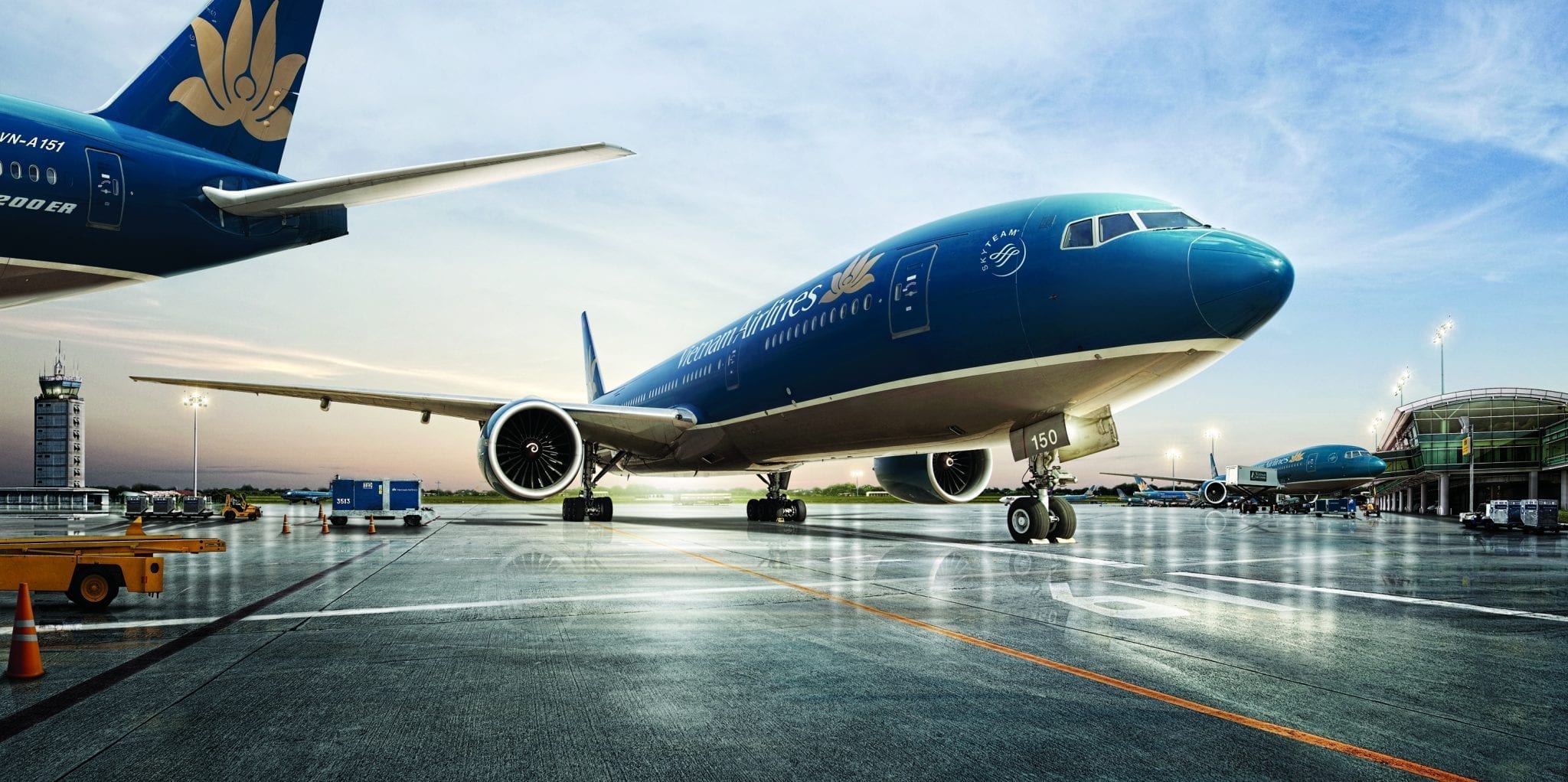
    National flag carrier Vietnam Airlines, low-cost Jetstar Pacific and VietJet Air, and newly-founded Vietstar had raised the total number of airplanes to 141 by the end of the third quarter, up 50 percent against five years ago.

    They are planning to expand their fleets to a combined 263 aircraft by 2020. Vietstar has not been licensed to fly.

    To handle the problem of overcrowded airports, authorities are considering increasing the number of night flights and putting a cap on the number of new planes local airlines can buy.

    Vietnam’s aviation market is growing at the third fastest pace in the Asia-Pacific region, according to the aviation administration.

    It is estimated that the number of passengers, including international ones, in 2016 will jump by 29 percent to hit about 52.2 million.

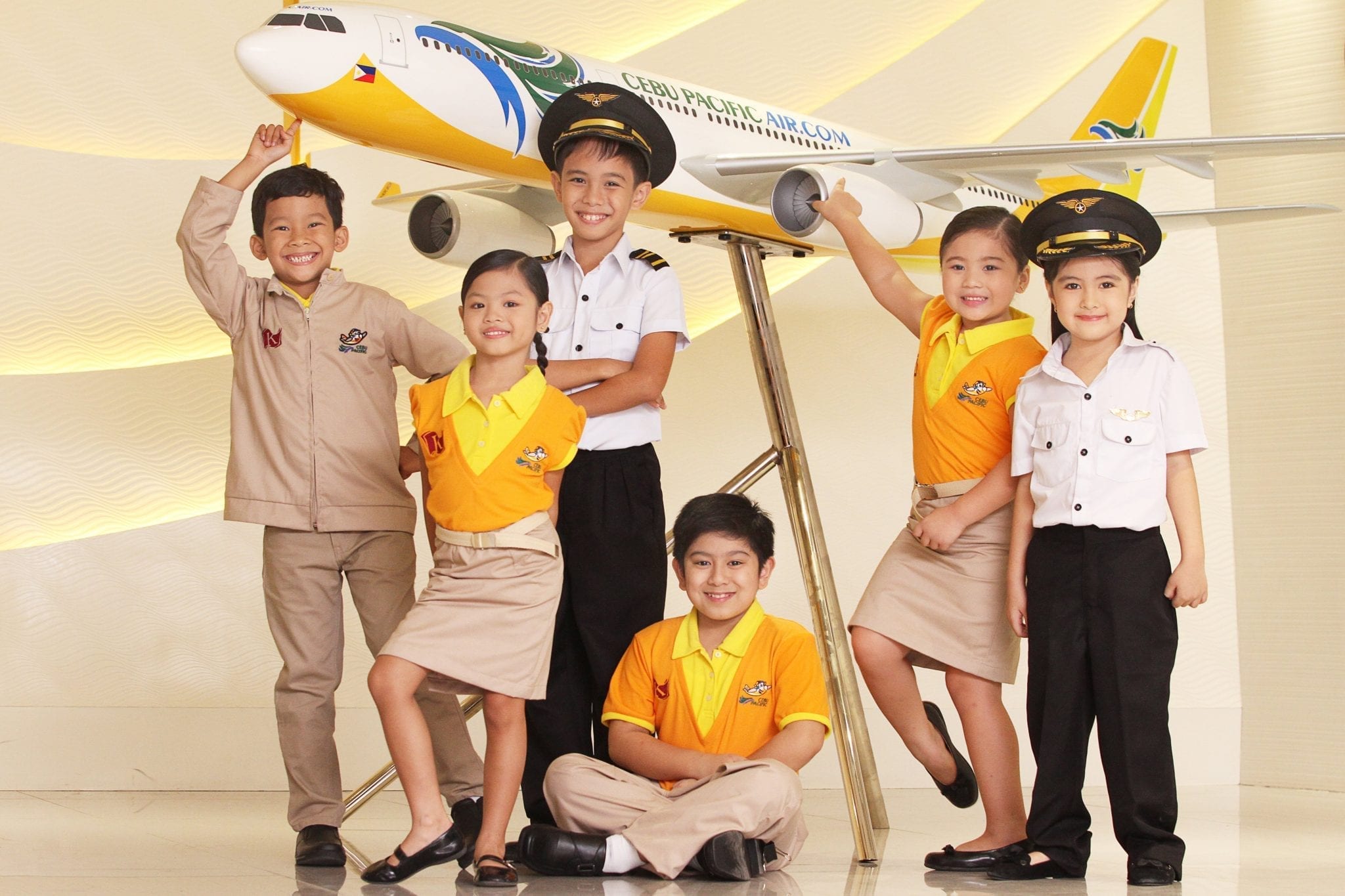
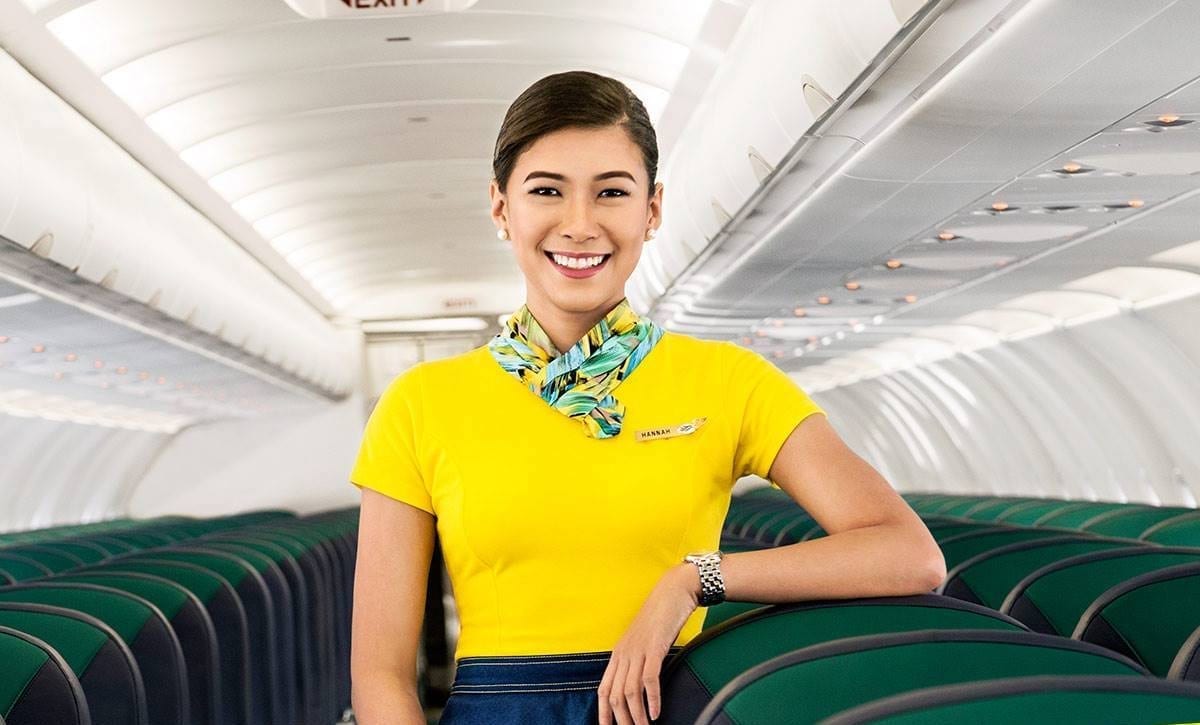
  • Cebu Pacific to hold cabin crew grand recruitment

    Cebu Pacific to hold cabin crew grand recruitment

    The recruitment fairs will be held in the following cities: Manila (Cebu Pacific Building, Pasay City) on January 14; Dumaguete City (La Residencia Almar Hotel, Rizal Blvd., Dumaguete City, Negros Oriental) on January 28; and Tagbilaran City (Metro Centre Hotel and Convention Center, C.P. Garcia Ave., Tagbilaran City, Bohol) on January 29.

    More opportunities for interested applicants will be made available all throughout 2017, as CEB will be conducting more recruitment fairs on later dates at chosen areas in Luzon, Visayas and Mindanao.

    “Last year’s recruitment fair in Manila alone was visited by about 1000 aspiring Juans. This year, we aim to make the fair even bigger by reaching out to more areas in the Philippines. We encourage everyone to take on the challenge to be part of the Philippines’ leading airline and contribute to bringing people together through safe, affordable, reliable and fun-filled air travel,” said Atty. JR Mantaring, CEB Vice President for Corporate Affairs.

    CEB will process the applications on the same day, between 9:00 A.M. to 3:00 P.M. Acceptance of updated curriculum vitae (CV) with 2×2 photo will be until 1:00 P.M. only. Applicants must possess a dynamic personality, height of at least 5’3” for female, and 5’7” for male, weight that is proportional to height, clear complexion, good eyesight and a catchy smile, among others. Responsibilities include guaranteeing the safety of guests on board the aircraft, and ensuring that guests have a fun and pleasant flying experience.

    The detailed job descriptions and qualifications can also be found on www.cebupacificair.com or CEB’s page on jobstreet.com.ph.

    CEB currently offers flights to a total of 38 domestic and 30 international destinations, operating an extensive network across Asia, Australia, the Middle East, and USA. Its 57-strong fleet is comprised of four Airbus A319, 36 Airbus A320, seven Airbus A330, eight ATR 72-500, and two ATR 72-600 aircraft. Between 2017 and 2021, CEB expects delivery of one more brand-new Airbus A330, 32 Airbus A321neo, and 14 ATR 72-600 aircraft.

  • Vietnamese airlines approved for 1,270 additional domestic flights during Tet

    Vietnamese airlines approved for 1,270 additional domestic flights during Tet

    Vietnam’s aviation watchdog has approved several proposals from local airlines to increase flight frequency to meet spiking demands during the upcoming Tet holiday, though only half the requested additions were approved.

    Tet, the Vietnamese Lunar New Year holiday, falls in late January, though city residents typically begin flying back to their hometowns weeks before holiday to begin festivities with friends and family.

    Local airlines, national flag carrier Vietnam Airlines and budget airlines Vietjet and Jetstar, sought permission to collectively add 2,486 flights, with only 1,270 of the proposed flights actually gaining approval from the Civil Aviation Authority of Vietnam (CAAV).

    In a report submitted to the Ministry of Transport on Thursday, the CAAV said the three would be allowed to run the additional domestic flights between January 16 and February 12, an 8.5 percent increase in flights typically running during the period.

    Vietnam Airlines is permitted to add 380 flights, totaling 76,758 seats, during the Tet season, while Vietjet and Jetstar will add 560 flights (100,800 seats) and 330 flights (59,400 seats), respectively.

    Approximately 1,067 of the approved extra flights will depart or land in Tan Son Nhat International Airport, the country’s busiest airdrome, already operating beyond its design capacity.

    Despite potential overload issues, during the Tet holidays the Ho Chi Minh City-based airport will serve 807 flights per day during peak time, a 7.7 percent increase from the usual schedule.

    Vietnam Airlines is the only of the three carriers happy with the CAAV decision, with nearly 100 percent of their extra flight plan approved, meanwhile Vietjet will only be able to offer half of its proposed additional services while Jetstar was approved for 30 percent of its requests.

    Under the CAAV decision, the three carriers will collectively be forced to cut 230,000 seats from their previously planned Tet services.

    With some airlines allegedly selling tickets for the extra flights before having obtained approval from the CAAV, passengers with booked tickets are sitting on hot bricks, fearing they will not be able to return home for Tet celebrations.

    Ho Quoc Cuong, head of aviation transportation under the CAAV, said the air carriers may not sell tickets for all of the planned extra services, so there is little chance passengers with purchased tickets will miss flights.

    “If it is really the case, carriers must compensate and take full responsibility for the passengers,” he said.

  • Asia’s Largest Toys & Games Fair Opens

    Asia’s Largest Toys & Games Fair Opens

    The HKTDC Hong Kong Toys & Games Fair, HKTDC Hong Kong Baby Products Fair and the Hong Kong International Stationery Fair opened today at the Hong Kong Convention and Exhibition Centre (HKCEC). The four-day fairs will continue through 12 January and gather a total of more than 2,900 exhibitors from all over the world to showcase a wide range of innovative and smart products to global buyers.

    The Hong Kong Trade Development Council (HKTDC) has organised close to 120 buying missions from 65 countries and regions, with some 9,000 buyers from around the world to visit and source at the three fairs. These include department stores, specialty stores and retail chains such as Toys”R”Us, Hamleys from the United Kingdom, Tomy Company Ltd. and Aeon Stores from Japan as well as Shinsegae Co. Ltd. from Korea. Besides, buyers representing e-tailers like JD.com, Suning Redbaby and beibei.com from the Chinese mainland and local enterprises including Watsons and Ocean Park offer ample business opportunities for the exhibitors. To facilitate different sourcing requirements, the fairs continue to feature the hktdc.com Small Orders zone with its Online Transaction Platform (https://smallorders.hktdc.com) and offer on-site business matching services.

    Benjamin Chau, Acting Executive Director, HKTDC, said: “The three fairs are presenting a comprehensive line-up of innovative products, including STEM toys that strengthen the learning of science, technology, engineering and mathematics for youngsters. Together with various licensed products, toys that incorporate Virtual Reality (VR) and Augmented Reality (AR) technologies, smart baby products as well as stationery items, the fairs will surely satisfy the sourcing needs of global buyers.”

    Asia’s largest toys & games fair features a record of 2,100+ exhibitors

    The 43rd edition of the HKTDC Hong Kong Toys & Games Fair features a record of more than 2,100 exhibitors from 42 countries and regions, forming the largest event of its kind in Asia, and the second-largest in the world. Among the many exhibitors are newcomers from Bangladesh, Bulgaria and Denmark.

    Six group pavilions from the Chinese mainland, Korea, Spain, Taiwan, the UK, together with the “World of Toys” pavilion featuring mainly European exhibitors, are mounted at the fair this year to present a wide variety of toys and games from around the world. Among them, the UK pavilion has doubled its exhibition space with 17 exhibitors, offering buyers more selections. The signature Brand Name Gallery gathers over 220 renowned brands from 15 countries and regions, such as 4M, Bburago, Eastcolight, Hape, VTech, as well as new exhibitors including the Japanese building block brand nanoblock.

    The Smart-Tech Toys zone showcases various toys and games applying innovative technologies, such as the increasingly popular AR and VR technologies and products operated via mobile apps. As the demand for STEM toys grows, a new STEM Toys Products Display is set up at the fair to help visitors check out the latest educational toys. Two new zones, Pet Toys and Fireworks, also debut at the fair. Pet Toys zone showcases toys and daily supplies for pets, while the Fireworks zone introduces display shells, firecrackers, toy fireworks as well as stage fireworks suitable for use in different events.

    Concurrent Baby Products Fair to maximise synergies

    Now in its eighth edition, the HKTDC Hong Kong Baby Products Fair hosts a record of about 540 exhibitors from 27 countries and regions, with first-time exhibitors from Qatar and Turkey. This year, the Korea pavilion gathers 32 exhibitors, an increase of more than 80 per cent compared with the last edition. Brand Name Gallery features close to 50 renowned brands from 14 countries and regions, including Biba, Evenflo, Joovy and Pali. Another fair highlight, Baby Tech zone, gathers 22 exhibitors of trendy products including those that incorporate high tech and smart home elements. Other special zones include Disposable Baby Products, Baby Learning Toys, Baby Food and Healthcare Products, Baby Bedding Items and Furniture, Baby Fashion Avenue, Baby Gift Sets and Souvenirs, Feeding, Nursing and Maternity Products, Nursery Electrical Appliances as well as Strollers and Gear.

    Diversified events to unveil industry trends

    A series of industry events are organised during the fair period. This year’s Hong Kong Toys Industry Conference (10 January) adopts the theme of “Grasp the Chance: What’s New in the Market and Our Industry?” to explore trends and opportunities in the global market and especially the Chinese mainland market. Seminars featuring industry experts include “STEM Toys – Next Big Wave” (9 January), “A Closer Look into the Key Influencers in Baby Product Trends” (9 January) and “The New Epoch of Virtual Toys” (10 January) to help the industry keep abreast of the latest trends.

    To provide more promotional channels and facilitate industry cooperation, a number of product demonstrations and launch pads, as well as buyer forums are organised. The Hong Kong Toys and Baby Products Awards 2017 Presentation Ceremony takes place this evening, followed by tomorrow’s winning products presentation. The Awards honour outstanding toys and baby products with exquisite designs, creativity and high quality, as well as promote the industry’s distinguished achievements. The winning products are on display at Hall 3F-G concourse during the fair period, promoting innovative designs to global buyers.

    International Stationery Fair brings in innovative items

    The 17th Hong Kong International Stationery Fair, jointly organised by the HKTDC and Messe Frankfurt (HK) Ltd., features five themed zones, including DIY Supplies, Gift Stationery, Kids & School, Pen & Paper and Smart Office. Over 250 exhibitors from 18 countries and regions are showcasing art supplies, kids’ stationery, school stationery supplies, paper products and printing, office supplies, DIY supplies, promotional stationery and more.

    The challenges and business opportunities of the stationery industry under the digital age are spotlighted at today’s seminar “Unfold Opportunities for Retail Digital Age” with representatives from DimBuy and Pinkoi sharing their insights. Another key seminar tomorrow, “A Glimpse into the Forthcoming Design Trend”, will analyse stationery design and market trends. Heavyweight speakers include the “Stationery King”, Masayuki Takabatake, the three-year winner of the Japanese variety show “TV Champion”; an expert from one of Japan’s biggest stationery brands KOKUYO; and a moderator from city’super.

    Joint Opening Ceremony with Licensing Show

    The HKTDC Hong Kong International Licensing Show (9-11 January) is taking place alongside the Toys & Games Fair, Baby Products Fair and International Stationery Fair, generating more cross-sector business opportunities. A joint opening ceremony for the Toys & Games Fair, Baby Products Fair and International Licensing Show was held this morning, officiated by the Honourable Gregory So, Secretary for Commerce and Economic Development, HKSAR Government; Li Jiangang, Deputy Director General, Department of Hong Kong, Macao and Taiwan Affairs, Ministry of Culture of the People’s Republic of China; Benjamin Chau, Acting Executive Director, HKTDC; Lawrence Chan, Chairman, HKTDC Toys Advisory Committee, and Tommy Li, Chairman, HKTDC Design, Marketing and Licensing Services Advisory Committee.

  • Why obsessing over GDP is no longer in China’s best interests

    Why obsessing over GDP is no longer in China’s best interests

    China’s leadership has always seen gross domestic product (GDP) numbers as the most important indicator of their ability of govern; thus their whole apparatus does whatever it can, in terms of policies, to make sure a politically acceptable growth rate is achieved.

    With a persistent slowdown, the government has to adjust its target to a maximised but achievable goal. Between 2010 and 2015, the world’s second-largest economy witnessed a steady slowdown, with annual percentage growth rates of 10.5, 9.5, 7.9, 7.8, 7.3 and 6.9, respectively. Averaged annual GDP growth rates between 1989 and 2009 were around 10 per cent.

    Last year, the government set a range of 6.5 per cent to 7 per cent as a growth target, the lowest in decades. As expected, China is on track to meet that 2016 goal after three straight quarters of 6.7 per cent expansion.

    However, such growth was achieved with an expansive fiscal policy, higher government spending, a housing rally, ultra-loose monetary conditions and record bank lending, which have also led to an explosive increase in debt.

    Government spending from January to September 2016 was 12.5 per cent up on the same period a year earlier, while revenues increased by 5.9 per cent. Of the 8.2 per cent overall growth in fixed-asset investment in the period, state firms jumped by 21.1 per cent and private firms rose 2.5 per cent.

    In the previous year, state firms registered a much more moderate 10.9 per cent in fixed-asset investment, year on year, while private investment went up by 10.1 per cent.

    Recent growth has been achieved with the help of record bank lending, which is on pace to top 2015’s record 11.71 trillion yuan (HK$12.2 trillion). Last year, the central bank injected a net 1.5 trillion yuan into money markets through open market operations, many multiples of its net 10 billion yuan injection in 2015.

    The eased monetary policy helped stoke a housing boom that saw prices rise to a historic 12.6 per cent year on year in November and made houses in Chinese cities among the least affordable in the world.

    The state investment-fuelled growth led to alarming combined public and private debt of 260 per cent of GDP by the end of last year, the highest debt-to-GDP ratio in the world. The Bank for International Settlements (BIS) recently warned this was excessive and dangerous. In the first six months of last year, China’s domestic debt ratio rose by an astonishing 28 per cent of GDP.

    Last year the party set a target of 6.5 per cent annual growth for five years through to 2020, in its 13th five-year plan, just to meet the leadership’s promise of doubling the country’s economic size and per capita income from 2010 to 2020, a political symbol of building a “moderately prosperous society”.

    To support such short-term growth, the government had to delay, stall or even hold back some sorely needed reform measures which will help regain long-term growth momentum.

    Realising the challenge of taming asset bubbles, solving rising bad debt and checking unbalanced growth, the leadership recently pledged to shift its focus away from growth towards dealing with risks this year.

    If the leadership makes good on what they claimed – giving market forces a decisive role in the distribution of resources – they should abandon arbitrary growth targets, a remnant a Stalinist command economy.

    China’s economy is going through a critical transition, from manufacturing-oriented and state investment-fuelled expansion to service-centred and consumption-driven growth. What the government should do is push forward reforms that remove the obstacles to such transitions.

  • China ivory ban a big win for elephants , if done properly

    China ivory ban a big win for elephants , if done properly

    At the end of 2016, elephants made headlines around the world as China finally announced a timeframe for closing its domestic ivory market – long affirmed by many conservationists to be the single biggest step that could be taken to end the slaughter of elephants.

    The news represents a major win for elephant conservation and the Chinese government deserves commendation. However, close examination of the recent announcement gives some potential causes for concern – it is now imperative that the ban be strongly publicised and enforced, and that any potential loopholes be closed.

    Carved-ivory-legally-on-sale-in-China_2017_01_06.jpg
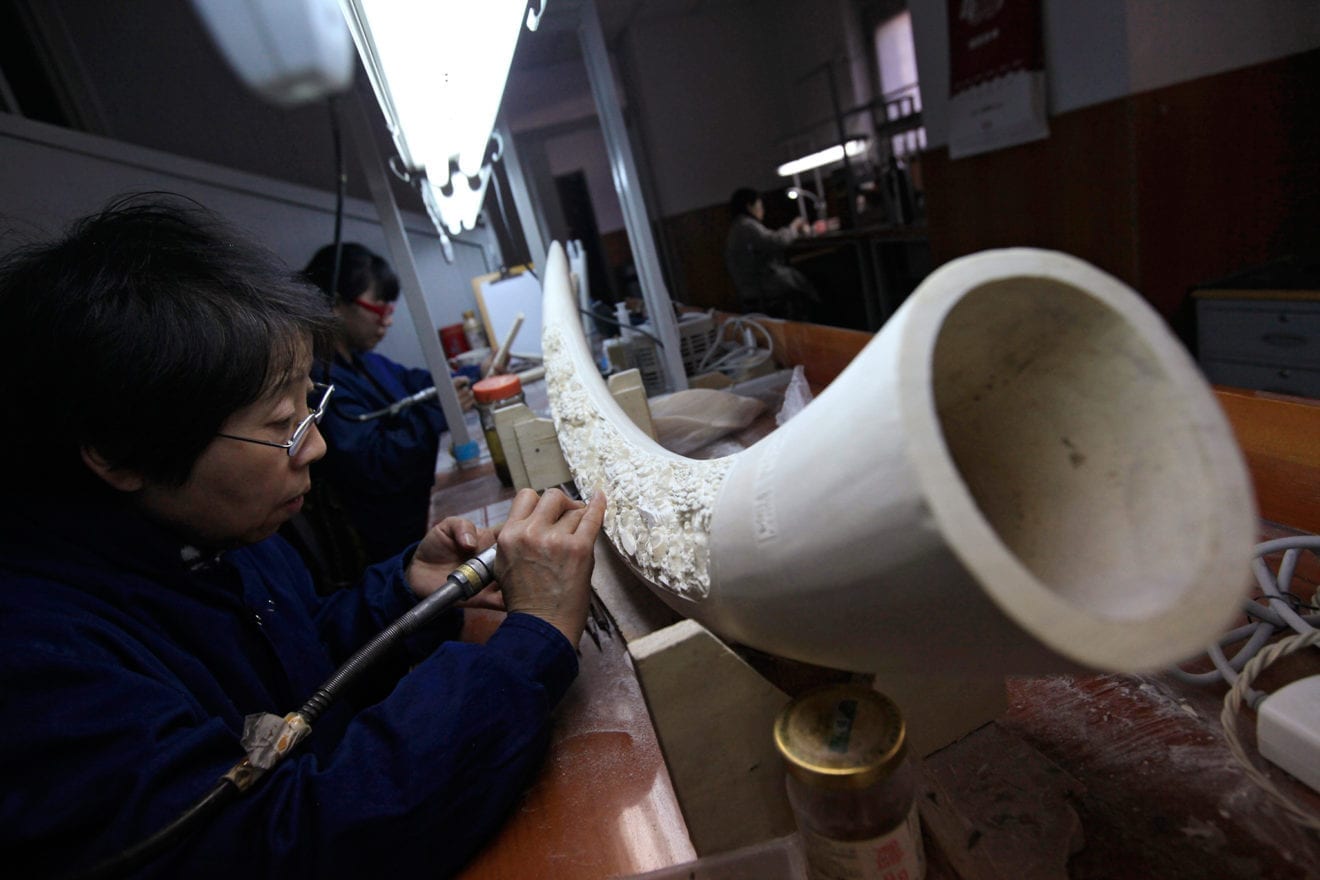
    Carved ivory legally on sale in China.

    China is by far the world’s biggest contemporary market for elephant ivory and the final destination for the majority of ivory from poached elephants. The continued existence of a legal ivory trade in China has been a major hindrance in combatting this illegal trade.

    As of the end 2016, there were 34 licensed ivory carving facilities and 130 licensed retail outlets in China permitted to process and trade in “legal” ivory derived from either old (pre-CITES) stock or a CITES-sanctioned one-off sale in 2008.

    However, EIA investigations and research by other groups documented widespread abuse of this poorly regulated system, which enabled the laundering of illegally sourced ivory. Closing this loophole could massively simplify enforcement operations – with no legal market to launder ivory, any processing or sale is illegal and can be immediately dealt with as such.

    China’s intention to close its domestic market was first announced in May 2015 and was restated by President Xi Jinping the following September. On December 28, 2016 a notification of plans to close the domestic market in its entirety by the end of 2017 was finally published.

    Looking into the detail of the document, there is potential for both celebration and concern.

    First, the positives. The notification sets out an impressively ambitious timescale for stopping all ivory carving and retail activities in previously licensed facilities by the end of 2017. Unlike the upcoming ban in Hong Kong, traders have not been given an unnecessary five-year grace period to dispose of stock – stock which should have been exhausted long ago and the imminent illegality of which was well known.

    Ivory-on-sale-in-China_2017_01_06.jpg
    Ivory on sale in China.

    Secondly, a compromise appears to have been reached to maintain the cultural heritage of ivory carving – the main argument from opponents of an ivory ban in China. The notification commits to “proactively guiding the transition of ivory carving techniques”, including providing guidance in using alternative materials and encouraging master carvers to move into museum restoration.

    However, the notification contains a worrying potential loophole which requires urgent clarification. It states that “cultural relics made of ivory that are of legal origin and have been verified by a specialist appraisal body may … be auctioned under strict supervision, to demonstrate their cultural value.” The term translated here as “cultural relic” usually refers to antiques, but not explicitly so. This indicates that limited sales of ivory antiques – and, possibly, even any item judged to have artistic merit created or sold under the previous licensing system and regardless of age – may be allowed to continue. Indeed, the potential loophole has already been interpreted as such by the antiques industry. The current language sends an ambiguous message to markets and risks undermining the effectiveness of the ban and demand-reduction campaigns.

    Also, the Chinese government and the international community must ensure that the ivory market does not simply shift to other areas with weak enforcement or lax legislation, especially in countries bordering China. The open sale of huge amounts of nominally illegal wildlife products – including ivory and tiger products – has been documented in border regions of Vietnam, Laos and Myanmar. In many of these markets, Chinese citizens represent the vast majority of buyers and trade is conducted in Chinese, often with Chinese currency. Targeted collaborative enforcement efforts are urgently required to close these markets and ensure illegal ivory cannot leak across the border into China.

    Overall, the Chinese domestic ivory ban is a major cause for celebration and optimism as we begin 2017. Although the potential loopholes need clarifying and closing, this notification sends a strong and timely signal that the global ivory market is progressively shutting up shop.


  • Singapore eyes increased investments, more flights to Manila

    The government of Singapore has expressed interest in further increasing its investments in the Philippines, as well as adding more flights to Manila in anticipation of increased demand in air travel between the two countries.

    In a recent meeting with Finance Secretary Carlos Dominguez III, Singaporean Ambassador to Manila Kok Li Peng said Singapore’s private sector would like to explore new growth opportunities in the Philippines, particularly in the retail, transportation, infrastructure and tourism sectors.

    Ambassador Kok said Singaporean businessmen were planning to schedule the next meeting of the Philippines-Singapore Business Council (PSBC) in Davao City and, if possible, meet with President Rodrigo Duterte to discuss new business and investment activities in the Philippines.

    “We’re trying to get a mixed meeting of the PSBC here. They want to bring the members to Davao to meet with the President,” Kok said, to which Dominguez responded that a possible date for such a dialogue could be in February.

    Singapore’s investments in the Philippines–valued at P16.8 billion in 2015–are mostly in real estate activities, electricity, gas, steam and air conditioning supply, and manufacturing.

    Singapore was the Philippines’ fourth largest trading partner in 2015. The country’s total exports reached $3.8 billion in 2015, mainly comprising electronic products, petroleum products, and electronic equipment and parts.

    The Philippines, in turn, imported a total of $5 billion worth of goods from Singapore in 2015, mostly mineral fuels, lubricants, food and live animals, and industrial machinery and equipment.

    Kok also said that Singapore was looking at the Philippines in exploring more markets for its airline industry.

    “More competition is good for the consumer,” Kok said in explaining Singapore’s plan for its airline companies—Singapore Airlines, SilkAir and Tiger Airways—to add more flights to the Philippines.

    In response, Dominguez, a former chairman of the Philippine Airlines, agreed that opening the Philippines’ air travel industry to competition and even partnerships with other airlines would benefit the economy and boost the growth of the tourism sector.

    Dominguez said the Duterte administration was “engaging more with ASEAN and countries around Asia” as a way to “move forward” and achieve a balance in strengthening the Philippines’ diplomatic ties with other nations across the globe.

    In Beijing last October, Dominguez and Socioeconomic Planning Secretary Ernesto Pernia, who were part of President Duterte’s delegation on his state visit to China, jointly announced that while the Philippines would maintain its good relations with Western economies, it pushed for “stronger integration” with its neighbors in the region.

    The move, they said, would open for the Philippines countless opportunities for trade and investment in a market of 1.8 billion people across the region, especially now that other ASEAN economies had also committed to greater integration and China had pledged to open its capital markets.

    ASEAN groups the Philippines, Malaysia, Singapore, Brunei, Thailand, Indonesia, Laos, Cambodia, Myanmar and Vietnam.

    Both Dominguez and Kok agreed that technology and innovation are indispensable to sustaining growth under the current knowledge-based global economy.

    “We’re now [living under] a knowledge-based economy. We think innovation is the way to go in the future,”Kok said.

    Dominguez said the rapid growth of online-based businesses and investments was among the reasons the Duterte administration considered it a priority to improve “interconnectivity and internet speeds” in the country.

    “The structure of the industry in the Philippines right now is really holding us back. And it’s becoming quite obvious that the system now we have, where we basically have two service providers, is not really working,” Dominguez told Kok.

    In the meeting, Kok also informed Dominguez of Singapore’s request to review and update the terms of its 40-year old double taxation agreement with the Philippines.

    Dominguez assured Kok that he would discuss Singapore’s concerns regarding the double taxation agreement with the Bureau of Internal Revenue.

  • 1,300 more domestic flights to operate for Tet

    1,300 more domestic flights to operate for Tet

    Special flights will be introduced from January 16 to February 12, the Civil Aviation Authority of Viet Nam (CAAV) said.

    Vietjet has been allowed to increase its number of flights by 8.9 per cent, so it will operate 560 flights, or 100,800 seats. National carrier Vietnam Airlines will offer 330 more flights, or 76,785 seats. Jetstar Pacific will have an additional 330 flights, or 59,400 seats.

    HCM City’s Tan Son Nhat International Airport, which is the busiest airport among the 21 airports nationwide, is estimated to receive 1,065 extra flights during the holiday season, 7.7 per cent more than its normal schedule.

    The flights will be operated in the slots or the duration during which the aircraft usually remain grounded at airports. It is estimated to have 38 flights per day.

  • After Soaring, AirAsia Hits Some Turbulence

    After Soaring, AirAsia Hits Some Turbulence

    Malaysia’s AirAsia, which operates budget flights across Southeast Asia, had a stellar 2016. But the catalysts that fueled the airline’s ascent by as much as 130% by August are no longer there. This stock could fall another 20%.

    AirAsia is a play on the Malaysian ringgit. Its share price started to slip in late August, coinciding with the ringgit’s decline. Since then, the ringgit has fallen some 11%, to $4.50, and AirAsia has tumbled more than 30%. The stock still managed to return over 80% in 2016, however.

    A weaker ringgit hurts AirAsia’s operating margins. Deutsche Bank ’s Joe Liew estimates that half of the airline’s operating costs last year were related to the dollar, in part because 90% of its debt is denominated in greenbacks. The airline says that two-thirds of its dollar debt was hedged at about 3.23 ringgits to the dollar. Still, Deutsche estimates that for every 5% decline in the ringgit, AirAsia’s operating profit falls by 7.1%.

    More importantly, over half of AirAsia’s shareholders are foreigners, who are more likely to unload the stock when Malaysia’s currency policy gets unsteady. The ringgit “keeps us awake at night,” says Credit Suisse’s strategist Tan Ting Min, because China is Malaysia’s largest exporter and the currency is viewed as a yuan proxy. It’s also sentiment-driven because foreigners hold about half of Malaysian government bonds, 50% more of which are maturing this year. In addition, Malaysia’s central bank unnerved investors during the Trump tantrum—the selloff of emerging market bonds and currencies after the U.S. election—by asking foreign banks to stop trading ringgit in the offshore nondeliverable forwards market, a popular way for foreigners to hedge against its decline.

    There are other head winds. Fuel prices have begun to rise. At the end of December, jet fuel was trading at $67 a barrel, 48% above a year ago, according to Platts. While AirAsia hedges 74% of its jet-fuel costs at $60 a barrel, expensive fuel still affects its earnings. Deutsche says that for every 5% rise in jet-fuel prices, AirAsia’s net profit falls by 6.6%.

    COMPETITION IS ALSO HEATING UP

    Again in Malaysia. Malindo, which started operations only in 2013, bought 16 new aircraft in 2016 and operates 42 in total, about a third the size of AirAsia Malaysia. Meanwhile, market leader Malaysia Airlines, which has been in cost-control mode for the past two years after the crash of the MH 370 in March 2014, is looking to expand again. It is starting nine new routes to China this year.

    AirAsia said in August it would divest itself of Asia Aviation Capital, which provides aircraft-leasing services to the airline. AirAsia said the unit could fetch $1 billion. At the end of September, Asia Aviation had only $59 million in equity on its balance sheet. “We struggle a little to understand how that [$1 billion] number is derived, given the balance-sheet numbers,” wrote Deutsche in a note last week.

    Deutsche Bank last week downgraded AirAsia to Sell with a price target of 1.75 ringgit, or another 20% downside. It values AirAsia at five times enterprise value to earnings, in line with full-service airlines Cathay Pacific (293.Hong Kong) and Singapore Airlines(C6L.Singapore). Both of these airlines are suffering from excess capacity, and Deutsche is betting that AirAsia will be operating in a similar environment a year from now.

  • Vietnam to lose 2.08% of daylight working hours by 2025

    Vietnam to lose 2.08% of daylight working hours by 2025

    In 1995, when temperatures rose 0.74C, Vietnam lost 0.8 per cent of daylight working hours. In 2085, if temperatures were to rise 1.5C, 2.58 per cent of daylight working hours would be lost. If temperatures were to rise 2.4, 2.7 or 4C, Vietnam would lose 5.09, 6.31, and 12.72 per cent of daylight working hours.

    “The lowest income-bracket work – heavy labor and low-skill agricultural and manufacturing jobs – are among the most susceptible to climate change,” the report noted. Factories are limited in providing cooling systems at the workplace, it added.

    In November 2015 the International Labor Organization (ILO) introduced guidelines for governments and other labor organizations to address the health and safety ramifi­cations of climate change, but no international organization has established a program to assist countries vulnerable to the challenges of climate change for the workplace, according to the report.

    “Actions are needed to protect workers and employers now and in the future, including low-cost measures such as assured access to drinking water in workplaces, frequent rest breaks, and management of output targets, carried out with protection of income and other conditions of Decent Work,” the report urged.

    “Modeling the Impacts of Climate Change on Future Vietnamese Households”, a research working paper from the World Bank released in July said that it is not hard to imagine that if most workers work outside or without air conditioning then the impact of temperature increases on labor productivity will be stronger than if there is a fast structural change away from agriculture and towards services and industry, together with the greater prevalence of air conditioning.

    As for the impact of high temperatures on labor productivity, people working outside or without air conditioning will lose between 1 and 3 per cent in labor productivity due to changes in climate compared with a baseline of no climate change, the World Bank paper said.

    “Our results show that the temperature impacts of climate change are severe in the poverty scenario: 270,000 people would be pushed into poverty in 2030 and 700,000 would be pushed below $4 per day,” the paper said.

    The researchers, led by Tord Kjellstrom from the Health and Environment International Trust in New Zealand, announced in July that Vietnam and 42 other countries will be affected by temperature increases.

    It estimated that 5.7 per cent of Vietnam’s GDP would be impacted by rising temperatures.

    From 15 to 20 per cent of annual working hours in Southeast Asia have already been lost in heat-exposed jobs and this may double by 2050 as global warming continues.

    Other Southeast Asian countries such as Indonesia, Thailand, the Philippines, Malaysia and Cambodia will also lose GDP due to rising temperatures.

    The researchers said that Indonesia and Thailand will both lose 6 per cent by 2030, the Philippines and Malaysia 5.9 per cent, and Cambodia 5.7 per cent.

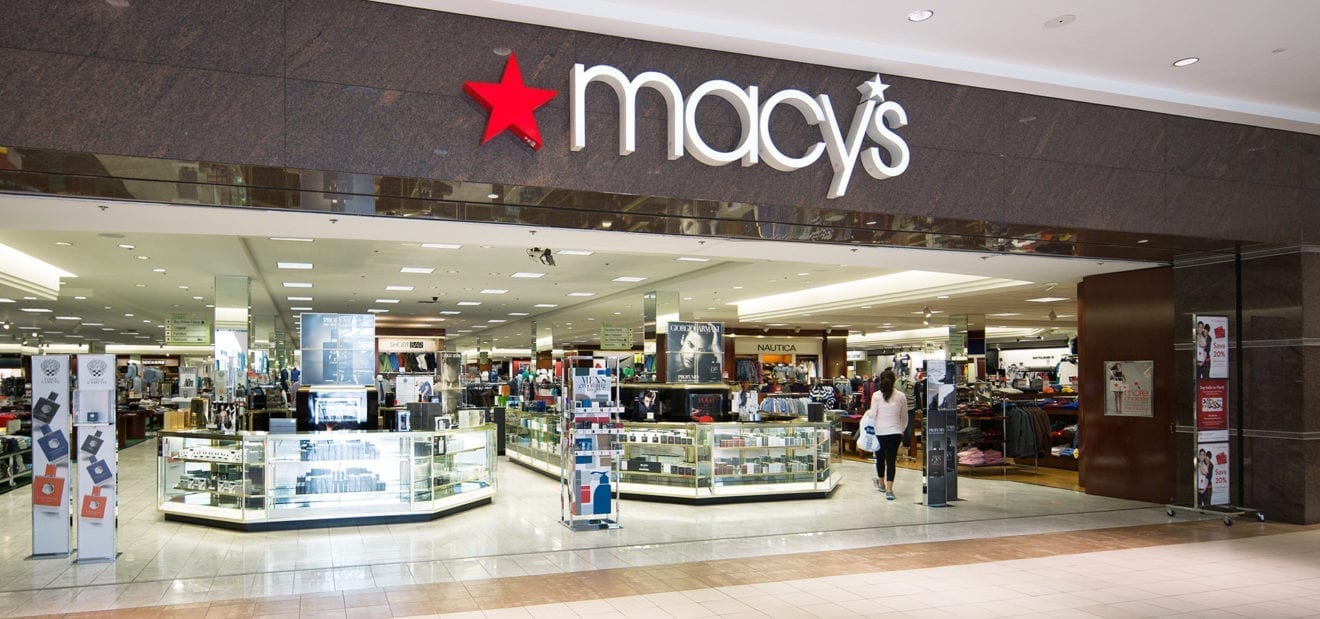
  • Macy’s to close stores, cut jobs amid weak sales

    Macy’s to close stores, cut jobs amid weak sales

    Macy’s said the 68 store closures, which span the nation, are part of the 100 closings it announced in August. Of the 68, three were closed by the middle of 2016, 63 will close in the spring and two will be closed by the middle of 2017.

    Some employees may be offered positions at nearby stores, but Macy’s estimates that 3,900 employees will be affected by the closures.

    Macy’s also said it plans to restructure parts of its business and sell some properties. This will lead to the reduction of 6,200 jobs. The moves are estimated to save $550 million annually.

    The company, which has been under pressure from investors to sell some of its valuable real estate, is selling or has sold three locations. It is leasing the properties back and will keep operating those stores.

    Overall, Macy’s said, the job reductions represent about 7 percent of its workforce.

    The company, which owns the Macy’s and Bloomingdale’s brands, has been struggling with declining traffic in its stores, where the bulk of its business is still conducted.

    Longtime CEO Terry Lundgren, who is stepping down early this year and will be succeeded by Macy’s President Jeff Gennette, said in a statement the company is closing stores that are “unproductive or are no longer robust shopping destinations” as well as selling those with highly valued real estate.

    Macy’s has seen sales growth slow as it and other traditional department store chains face competition from online and off-price rivals. It has tried new ways to attract shoppers, such as by offering more exclusive products, designating areas featuring “smart watches” and launching an Apple shop at its flagship New York store in Herald Square.

    The company said Wednesday it plans to invest some of its savings in growing its digital business.

    It said it now expects to earn between $2.95 and $3.10 per share on an adjusted basis for its 2016 fiscal year, versus its prior forecast of $3.15 to $3.40 per share. The company is scheduled to report full results in February.

    Shares in Macy’s fell more than 10 percent to $32.20 in after-hours trading.

    Kohl’s shares fell almost 15 percent to $44.15 after it cut its earnings guidance for fiscal 2016. It now expects $3.60 to $3.65 a share on an adjusted basis, down from its previous forecast of $3.80 to $4.00 per share.

  • Vietnam seeks to establish another airline for taxi, rescue services

    Vietnam seeks to establish another airline for taxi, rescue services

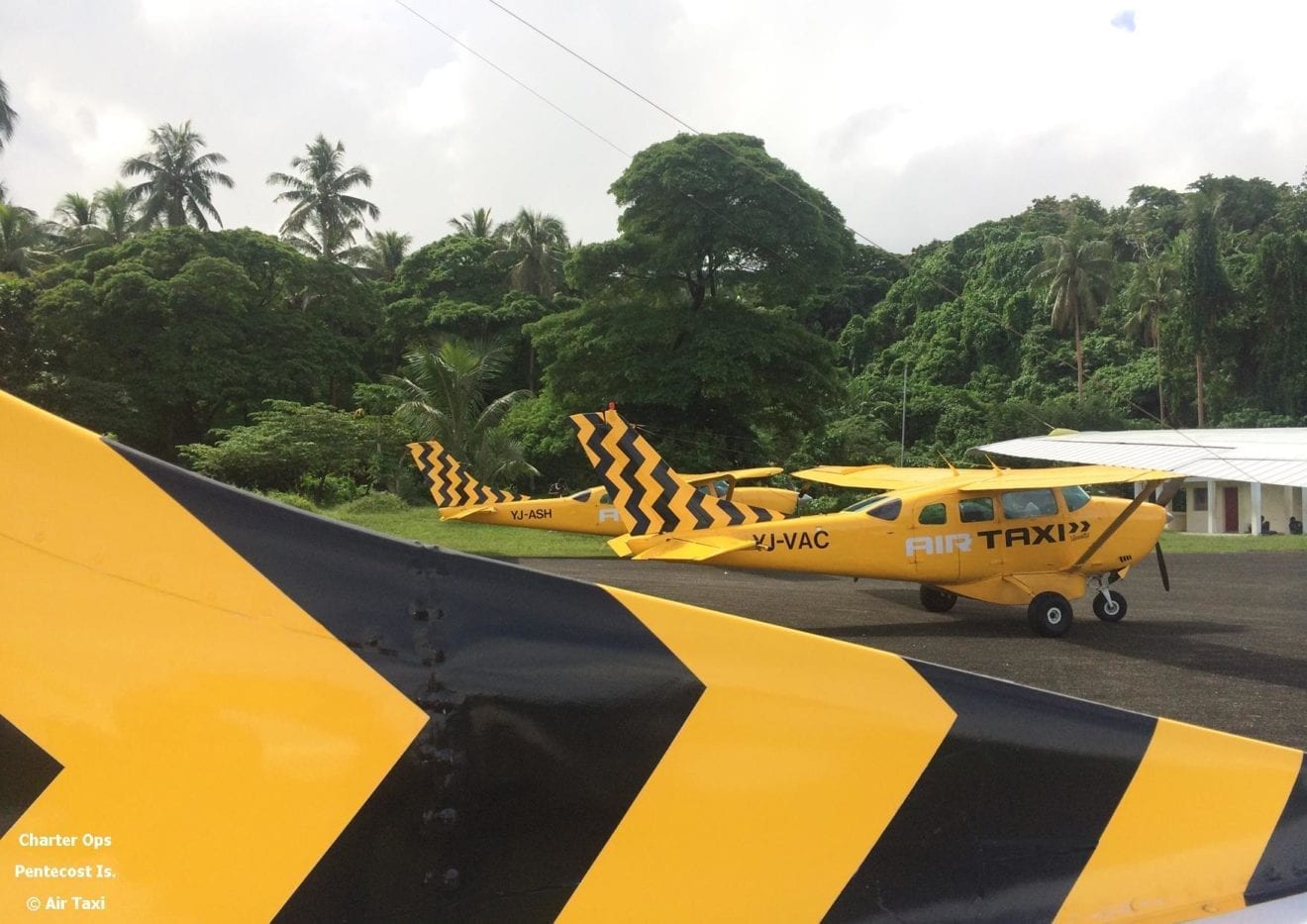
    The military-owned company will have to compete with four others in the general aviation service sector. Vietnam’s aviation authorities are seeking a license for fifth airline to offer chartered domestic and rescue flight services.

    The Civil Aviation Administration of Vietnam (CAAV) has formally petitioned the government to grant the military-owned Saigon Newport Corporation in Ho Chi Minh City an aviation business license.

    According to a business plan submitted to CAAV, the marine and port service company expects to establish a firm to operate two tourist aircraft in south-central Vietnam in 2018.

    In the long term, the company will provide air taxi services, geological surveillance, aerial filming and air ambulance services.

    If licensed, Tan Cang will have to compete with four other companies in the general aviation service sector, including state-owned Vietnam Air Service Company and Vietnam Helicopter Corporation.

    Vietnam defines “general aviation” activities as flying operations in the service of industry, agriculture, forestry, fishery or for the purpose of search and rescue, scientific research, flight training, and other civil ends.

    The operator would be permitted to offer various commercial and civil services, but cannot offer scheduled passenger flights.

  • Vietnam retail sales soar in 2016

    Vietnam retail sales soar in 2016

    Vietnam retail sales reached $117.6 billion in 2016, according to the General Statistics Office.

    Sales rose 10.2 per cent year-on-year, thanks to foreign investment from overseas, especially Thailand, Japan and South Korea.

    Ranked among the 30 global retail markets with best opportunities by American management consulting firm AT Kearney, Vietnam witnessed major mergers and acquisitions in the retail sector in 2016.

    Retailers from Thailand – with Central Group and Berli Jucker the pioneers – gained a strong foothold in the Vietnam market with Central’s stakes in Nguyen Kim and Big C and BJ acquiring Metro. Central plans to double its network to 70 supermarkets and 13 shopping malls by 2021.

    Japanese retail operator Aeon joined the race with 30 per cent stake in Hanoi-based Fivimart and 49 per cent of Ho Chi Minh City-based Citimart. Department store operator Takashimaya stirred the market, opening its first Vietnam department store inside the Saigon Center in Ho Chi Minh City.

    Korean conglomerate Lotte Group introduced its first online store Lotte.vn, and plans to open 60 new supermarkets in Vietnam by 2020.

    A young population and a rapidly rising middle class are driving retail growth. Sixty per cent of the country’s 90 million people are aged under 35 and are familiar with global trends and brands. The average Vietnamese income has risen from US$433 to $2200 in just five years, allowing Vietnamese consumers to afford products and services from international brands.

    There are currently 800 supermarkets and 160 department stores and shopping malls across the country, a number forecast to double in the next four years, thanks to government-backed development plans.

    Supermarkets, convenience stores and shopping malls account for 25 per cent of total consumer spending – and that is expected to rise to 45 per cent in the near future. The last three days before New Year holiday in Ho Chi Minh City saw a rise of 20 per cent in purchasing in all commodities with food, confectionery and beverages driving growth. The rise was partly due to promotional and discount programs, and is predicted to continue to grow in the few weeks ahead before Lunar New Year.

  • Cebu Pacific carries 17.5 M passengers in 11 months

    Cebu Pacific carries 17.5 M passengers in 11 months

    The number of passengers carried by Cebu Pacific and subsidiary Cebgo rose five percent in the first 11 months of last year.

    Latest operating statistics data available showed the group served 17.48 million passengers in the 11-month period last year, up from the 16.68 million passengers carried in the same period in 2015.

    The group’s capacity was unchanged at 20.32 million as of end-November, while seat load factor climbed 3.9 percentage points to 86 percent last year from 82.1 percent in 2015.

    Despite the higher passenger volume for the January to November period, the group’s total number of flights declined slightly to 120,617 in the 11-month period from the previous year’s 121,009.

    For the month of November, the Cebu Pacific group had a total of 1.48 million passengers last year, an uptick of 1.2 percent from the 1.46 million passengers in 2015.

    Cebu Pacific group’s capacity declined to 1.70 million in November last year from 1.71 million a year earlier, while seat load factor went up to 87.1 percent last year from 85.7 percent in 2015.