Category: General

Retail News Asia is committed to providing both local and global retailers with the latest General Retail news throughout the Asian market. This on a daily base.

  • AirAsia founders’ MYR1bn cash injection inches forward

    AirAsia founders’ MYR1bn cash injection inches forward

    Malaysia’s central bank, Bank Negara Malaysia, has approved the offshore loans that AirAsia‘s founders Tony Fernandes and Kamarudin Meranun will use to inject over MYR1 billion ($247 million) of new equity into the airline.

    As a result of the approval, the agreement to purchase 559 million new AirAsia shares at a price of MYR1.84 per share became unconditional on 30 Novemeber. This now gives the two directors 60 days to pay for the shares, which will be issued eight days after payment.

     The announcement was made in a Bursa Malaysia statement by joint principal advisors CIMB Investment Bank and RHB Investment Bank.

    Approval for the offshore borrowing has been holding up the deal, and forced the founders to delay it by several months.

    Following completion of the deal, Fernandes and Meranun’s stakes in the company will each be lifted from 18.9% to 32.4%.

  • Can we fix Singapore’s retail scene?

    Can we fix Singapore’s retail scene?

    Industry players reveal what needs to be done to revive the retail sector and bounce back from the slump

    In January, the oldest department store in Singapore, John Little, will be shuttering for good after being in business for 174 years.

    The Plaza Singapura outlet will be the latest addition to the whopping 5.4 million square feet of vacant space in the malls — the highest in the past decade, according to data for Q3 2016 from the Urban Redevelopment Authority of Singapore (URA).

    This number is set to climb, as many retailers are also right-sizing their operations due to a significant slowdown in retail expenditure, stiff competition from e-commerce and an expensive labour market.

    Within the next three years, it is expected that the retail industry will experience a supply glut of retail space, with an additional four million square feet standing vacant, according to the URA.

    One could say that for a country with a population of 5.6 million, the retail market here is not sizeable enough to support so many malls.

    Although the retail industry has been a key contributor to the tourism dollar in the past few decades, the current slowdown in the economy is expected to continue into 2017, and will hit the retail industry hard.

    With a relatively strong Singapore dollar, Singapore continues to be an expensive city for tourists to shop in. Locals take advantage of the strong dollar to shop overseas, be it online or offline. This has resulted in a double whammy for retailers.

    To add salt to the wound, the high rental rates and labour costs have left retailers with no choice but to downsize or shut down their operations. This is not a phenomenon exclusive to small and medium enterprises: Well-known international brands such as New Look and Celio were casualties early this year.

    With all this doom and gloom, are consumers and tourists still visiting malls and spending?

    From where I stand as the business owner of a seven-year old privately held company, and based on my daily interactions with the customers in my boutique, I would say “yes”.

    Judging from the continuous influx of foreign brands here, such as Victoria’s Secret, Michael Kors and Uniqlo (which opened its flagship at Orchard Central), there is still hope.

    Shopping is a national pastime: The millennials love hanging out at malls as a social activity; tourists enjoy the ease of shopping in a country where they can get everything under one roof, and public transport is safe, reliable and accessible to all.

    Homegrown businesses need to stay creative and nimble, and have to embrace changes and new technologies much more readily than their larger competitors.

    For too long, the retail industry has been stagnant in terms of creativity, originality and authenticity. Key stakeholders — from the Reits, mall operators and business owners to the consumers — all need to play a part for a total revamp of this state of affairs, if we are to make the retail scene vibrant again.

    There are opportunities in crises, and there is no better time to give the industry an overhaul.

    RETAILERS NEED TO BE OPEN TO CHANGE

    Some industry players, such as Naiise founder Dennis Tay, feel retailers need to evolve and enhance their overall retail experience to consumers, covering key aspects such as diverse product offerings, prompt customer service, and the overall concept of the space.

    “While customer convenience is key, retailers should not forget to find ways to be creative and consistently innovate themselves to engage customers and work closely with other brands to keep each retail experience fresh and relevant,” he said.

    That is a thought shared by Metro’s Erwin Oei, who is Head of Business Analytics, Marketing, Customer Relations Management and Merchandising Controller.

    “We continually innovate our product offerings through better service and the incorporation of new technologies,” he said in an interview with TODAY, adding that Metro is taking on “an omni-channel approach” to provide “seamless purchases for customers”.

    The voices clamouring for a unique shopping experience have never been louder. Retailers must lead the change, be willing to walk the talk, and start by creating unique concepts, establish individual styles, connect with the present and future in the retail scene, and move out of their comfort zone.

    Consumers are tired of seeing the same brands in different parts of Orchard Road, or in Singapore in general. The country is compact enough for us to travel for good products and good retail experiences, so retailers must engage makers, collaborate with visionary mall operators, and develop strong partnerships. This, in turn, will lead to interesting brand identities and retail-excellent products delivered with top-notch service.

    Retailers need to attract, retain and train good retail professionals to be subject-matter experts in their respective fields in order to better serve consumers.

    Business owners and retail companies must look into investing in human capital in order to attract talents to be part of their team.

    In addition to the four Ps of retail — price, product, place and promotion — a fifth P, “professional”, is needed ensure the survival of businesses.

    MALLS OPERATORS NEED TO RETHINK THEIR STRATEGY

    Mall operators need to wake up after having it easy all this while — collecting rentals, service charges and A&P fees, and upping the rents with every renewal. Slightly older malls are turning to asset enhancement initiatives as yet another reason to increase the rents.

    If the tenants are doing well, the mall operators will be immediately “rewarded” with turnover rents computed as a percentage of the gross turnover while in contract; and “duly rewarded” with an increase in rentals at the end of the contract term, thereby giving the operators an additional uplift in the rent yields.

    But in this climate, when consumers are more demanding, mall operators need their retailers on their side more than ever. Many consumers have labelled shopping malls across Singapore as boring and cookie-cutter.

    The dynamic landscape of retail has changed drastically with the Internet, e-commerce and disruptive technologies, such that mall operators have to start again from ground zero and go back to the basics of interacting with the tenants, the shoppers, and the community.

    “We believe that mall operators need to be more focused on their offerings to carve an identity for themselves, and prevent over-replication so that malls can become different and interesting again,” said Naiise’s Tay.

    “Malls can also support retailers with more marketing activities, lower rentals and (creating) loyalty programmes to continuously attract shoppers,” he added.

    The question is: Do mall operators really know their valued shoppers? Do they communicate with all the tenants on ways to overcome challenges together?

    Visionary mall operators need to ensure a unique tenant mix and create an individual mall identity, instead of replicating the usual brand names as the anchor tenants.

    The relationship between the mall operators and the tenants must also evolve into a partnership. Big data should be shared with tenants in order to work out specific strategies to continuously attract new consumers and keep existing ones coming back for more.

    SHOPPERS CAN ALSO PLAY A PART

    It is always easy to criticise the state of affairs in the retail industry and complain about poor quality of service and standard boring offerings.

    But it is also time we start looking at ourselves to see what type of consumers we are. Are we supporting originality and authenticity? Are we really concerned about sustainability? Are we funding child labour by buying cheap goods, or counterfeit goods that do not respect intellectual property rights?

    As consumers, we must play our part to buy from responsible retailers, support creativity and promote a certain cause that you and the retailer believe in.

    According to Metro’s Oei, customers can support retailers by providing insights into their purchasing behaviour.

    “(Metro) recently started an electronic feedback system called the “Rateit” programme. This helps to sharpen our decision-making to improve on matters that impact the customers directly and almost instantly,” he added.

    “If customers are able to provide their feedback, our in-house business analytics team will be able to … develop new initiatives to cater to shoppers,” said Oei.

    A business is only able to expand if there is a consistent growing demand for its products and/or services.

    Everyone has a role to play in ensuring that the Singapore retail industry emerges stronger and better, thus adequately serving customers’ needs and wants.

    Get offline for a while. Go out into the stores and give feedback to retailers, who can then convey your insights to the mall operators. We need to show them what needs to be done.

    Let’s get shopping again.

    Andrew Tan is the owner of Atomi, a lifestyle store at Mandarin Gallery, and the managing partner for atomi consulting, where he is working with a property owner in Kobe in Japan to revitalise a shopping mall slated to open in Q4 of 2017.
  • APTRA Insights Seminars attract more than 270 people

    APTRA Insights Seminars attract more than 270 people

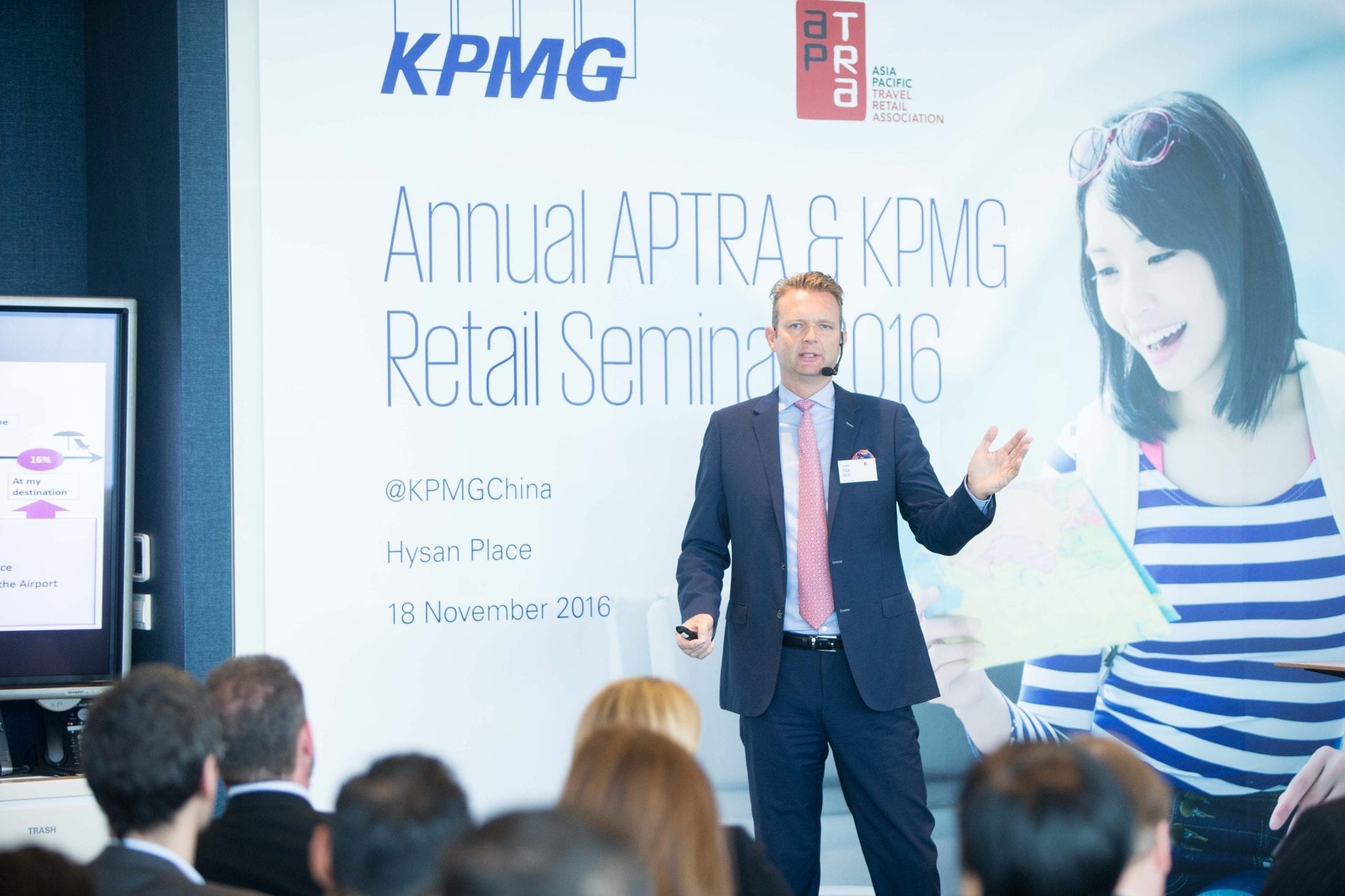
    Over 270 people attended the 2016 Asia Pacific Travel Retail Association Insights Seminars, organised in collaboration with KPMG. The aim was to glean valuable insights into consumer behaviour and other issues relevant to the duty-free and travel retail community.

    In total, 160 delegates attended the research seminars in Sydney and Hong Kong on November 15 and 18 to learn from the data presented by APTRA, KPMG, m1nd-set and guest speakers TravConsult. A further 110 delegates attended similar seminars in Singapore and Mumbai earlier in the year.

    M1nd-set owner and CEO Peter Mohn (pictured below) shared insights into the shopping behaviour of the Asia Pacific traveller, with a detailed analysis of millennial travellers, their paths to purchase, information sources and technology usage in travel-retail. He revealed, for instance, that “web-rooming”, where consumers research online before buying in-store, has become more important than “show-rooming” (where they research in-store. but purchase online). He urged brands and retailers to ensure both shopping experiences are of a consistently high standard.

    KPMG International representative Willy Kruh shared research into the technology landscape in retail today and how to engage with the increasingly connected consumer. He looked ahead to a retail environment, which is likely to include drones, robotics, artificial intelligence, 3D printing and hydroponic growing techniques. He also provided an analysis of the millennial and generation Z consumers who dominate the market.

    Anson Bailey of KPMG China provided detailed observations of the connected consumer, specifically in China, and said that an omni-channel approach was essential. He commented that the next step is an omni-business model with seamless integration of all functions centred on the consumer. The marketplace will, he said, be driven by value, convenience and experience.

    At the Sydney seminar, attention homed in on the Australian retail market. In Hong Kong, the luxury market was the focus with additional input from Bernstein Investment Bankers Head of Luxury Goods Mario Ortelli.

    He described the size, breadth and breakdown of the luxury market and said they expected a more normal 3-4% annual growth rate over the next five years with increasing importance of Chinese consumers. These currently account for 30% of global luxury spend.

    Asian market tourism and retail specialists TravConsult’s Trevor Lee and Lilly Choi-Lee exposed various cultural keys for engagement with specific Asia/Pacific nationalities and advised delegates to aim for a positive customer experience. These keys may include staff members who speak Chinese regional dialects and other means of connecting with the traveller. They focused on China, Indonesia, the “dark horse”, and India, as examples of nationalities with distinct characteristics, but who share a passion for retail and tourism.

    APTRA Executive Officer Michael Barrett updated delegates on recent advocacy campaigns in which the association and its partner organisations have been involved over recent months and reported several notable successes.

    Delegates enjoyed mingling during the networking cocktails, sponsored by Brown-Forman and Pernod Ricard, when they were able to muse over information they had gleaned.


  • Hong Kong still suffering a retail slump, despite signs of recovery

    Hong Kong still suffering a retail slump, despite signs of recovery

    The retail downturn here is showing signs of recovery ahead of the holiday shopping season, but a further weakening of the Chinese yuan against the dollar could return to haunt the industry.

    Retail sales fell for 20 months in a row to reach 36.1 billion Hong Kong dollars ($4.65 billion) in October. However, the contraction in retail sales narrowed to 2.9% year on year, marking the smallest drop since July last year.

    Leading the decline were sales of electrical goods and photographic equipment, which plunged 21.7% on the year. Sales of luxury items such as watches and jewelry — popular among wealthy mainland spenders — edged down 0.1%, ending a streak of double-digit declines since September last year.

    Some brighter spots include supermarket sales, which were up 3.5% on the year, helped by stronger local consumption. But sales of clothing, as well as cosmetics and medicine, both dived back into negative territory, shrinking 5.1% and 1.8%, respectively.

    The government attributed the better-than-expected retail sales to improving tourist traffic. The number of mainland Chinese visitors to Hong Kong declined 3.5% year-on-year in October, against a 5% decline a month before. Overall tourist arrivals were down 2.4%, according to official statistics. “The stable job market and increasing household incomes also rendered support to local consumer sentiment,” a government spokesperson said on Thursday.

    Describing the October figures as “rays of hope” for the industry, Retail Management Association Chairman Thomson Cheng Wai-hung expected sales in the next three months to stabilize with the coming of high-spending holiday seasons such as Christmas and the Chinese New Year in late January.

    But Cheng said February will be a more critical time for the industry, referring to the impact of the yuan, which recently slid to an 8.5-year low. With the Hong Kong dollar’s peg to the stronger greenback, after the anticipated hikes in U.S. interest rates, “our goods would be more expensive for the mainlanders,” Cheng added. “It’s a big negative for us.”

    A positive dimension is that Hong Kong retailers that do sourcing in Asia are likely to benefit from the region’s weaker currencies resulting from the rate hikes, leaving them “more room” to counteract the currency impact with promotional discounts, Cheng said.

    Nonetheless, a turnaround might seem unlikely for some retailers. Hong Kong-listed French premium beauty brand L’Occitane saw Hong Kong as its worst-performing market across Asia-Pacific. Sales in the territory declined 11% on the year from April to September, little improved from the 12% slump reported in the same period in 2015.

    “Our Hong Kong business remains challenging, with a continued drop in mainland Chinese tourist traffic and heavy discounts offered by competitors,” said Chief Financial Officer Thomas Levilion on Tuesday, following L’Occitane’s announcement of a modest 1% increase in overall sales, which were helped by growth markets such as Brazil and Russia. With a net opening of 17 stores in Asia, the group shut down two stores in Hong Kong in the April to September period.

    Hong Kong mid-tier fashion retailer Bauhaus also closed four of its 80 stores at home and in Macau in the period, citing “stiff headwinds” in the retail market. Its net loss more than doubled to HK$60 million in the half year ended in September, dragged lower by an 18.5% fall in Hong Kong sales. The group slashed its headcount by nearly 14%, with the biggest reduction in Hong Kong.

    Bauhaus may also consider relocating some of its stores away from the prime shopping districts to trim costs. “More seriously, intensive discount-driven retail dynamics in recent years have gradually diminished the effectiveness of certain traditional promotional campaigns,” said Chairman Wong Yui-lam in a statement on Nov. 25, adding that there has yet to be “any significant indicator of a rebound in the near term.”

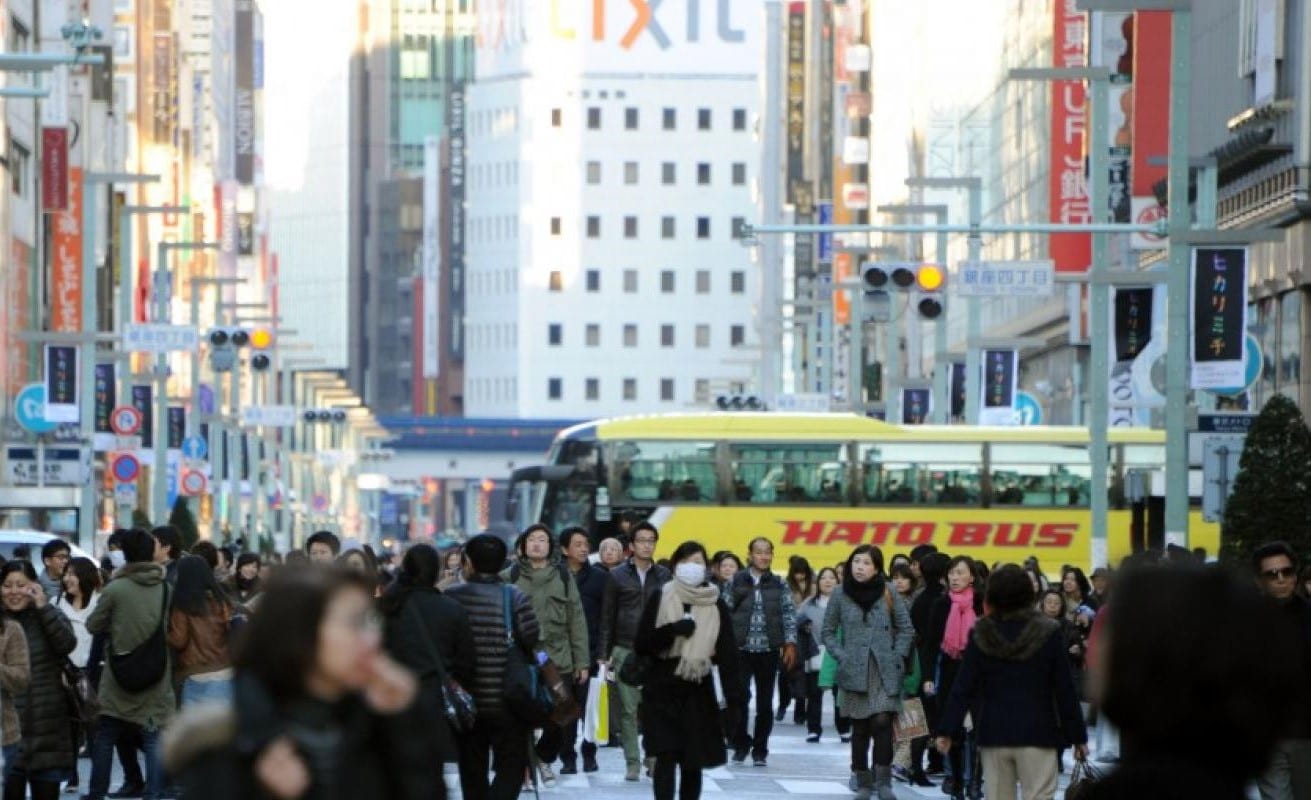
  • Japanese retail sales barely changed in October

    Japanese retail sales barely changed in October

    Japanese retail sales fell 0.1 per cent year-on-year in October, according to the Ministry of Economy, Trade and Industry.

    But while sales were down, the figures were much better than the 1.6 per cent fall analysts expected, after September’s 1.7 per cent decline.

    Seasonally adjusted monthly sales rose 2.5 per cent – also exceeding analysts’ forecasts of 1.1 per cent and representing a big leap on September’s 0.3 per cent rise.

    Larger retailers, such as hypermarkets and department stores, recorded a 1 per cent year-on-year decline, following September’s 3.2 per cent decline.

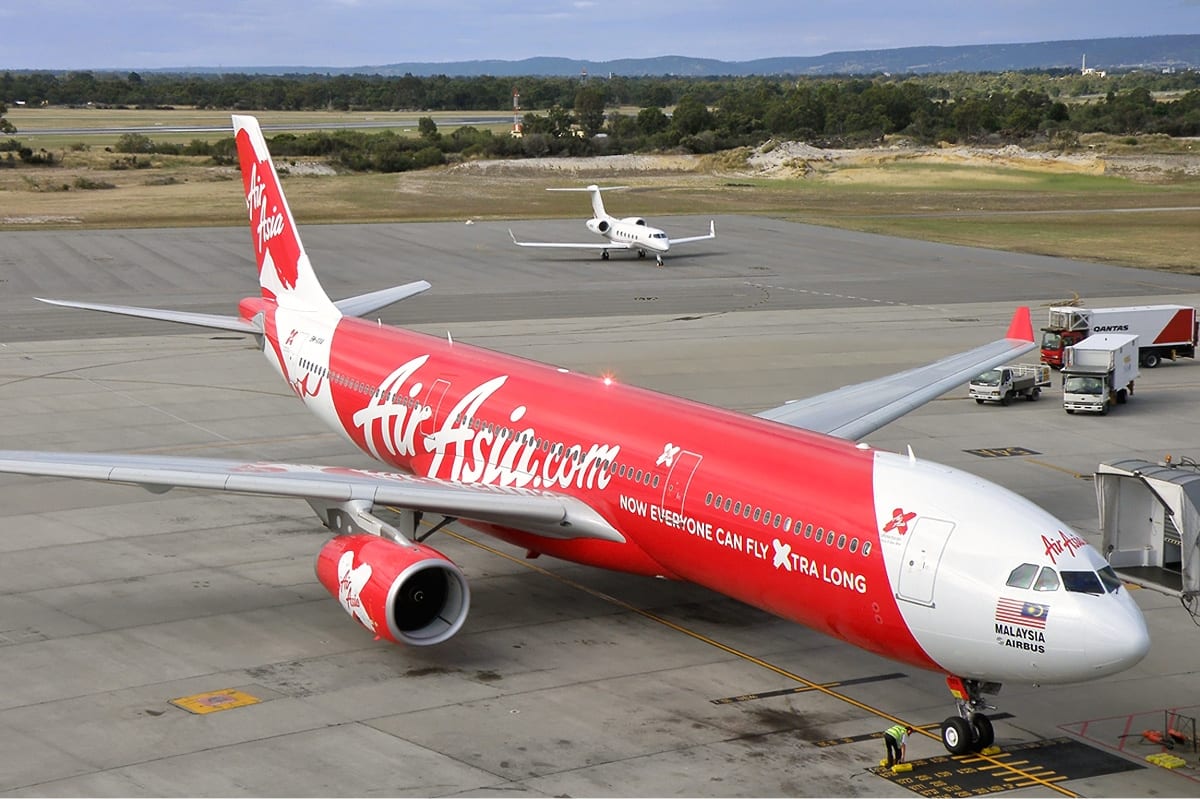
  • AirAsia India mulls A320 aircraft option for UDAN

    AirAsia India mulls A320 aircraft option for UDAN

    Keen to expand its domestic presence, AirAsia India is evaluating the proposition of operating regional flights with A320 planes under the government’s UDAN scheme. The ambitious UDAN (Ude Desh Ka Aam Naagrik) scheme aims to connect unserved and under-served airports in the country while participating airlines would get various incentives, including viability gap funding and other financial concessions.

    AirAsia India, which currently has eight A320 planes, expects to have a fleet of 10 aircraft by end of this fiscal. According to a senior airline official, options of participating in UDAN are being evaluated and a decision would be taken depending on the commercial viability of the regional routes.

    “We are evaluating which routes can be served by A320. If it is viable, we will certainly look into it,” the official told PTI. Manufactured by Airbus, A320s are single-aisle planes that can have up to 180 seats depending on the configuration opted for by the carriers.

    Fares would be capped at Rs 2,500 for one-hour flights under UDAN and the first flight under the scheme is expected to take off in January 2017. Along with increasing its fleet size to 10 planes, AirAsia India also expects to have a headcount of around 1,000 by the end of March next year.

    In the three months ended September 2016, the budget carrier saw its loss marginally narrow to Rs 62.18 crore from Rs 63.14 crore in the year-ago period. However, revenues increased 31 per cent to Rs 175.11 crore in the latest September quarter. The same stood at Rs 132.95 crore in the same period a year ago.

    AirAsia India, now a joint venture between Tatas and Malaysia’s AirAsia Berhad, began operations in June 2014. Tata Sons owns 49 per cent stake while two of the airline’s directors — S Ramadorai and R Venkataramanan –have 2 per cent shareholding, and the remaining is with AirAsia Berhad.

    Meanwhile, Malaysia’s AirAsia Berhad has invested additional funds to the tune of Rs 115 crore in AirAsia India.

  • China’s consumers may teach the world how to shop

    China’s consumers may teach the world how to shop

    China’s consumers are by no means the wealthiest in the world. But they are years ahead of their counterparts in many developed economies in terms of how they shop and pay for what they buy. In this, they are revolutionising the way consumer finance is conducted in the world’s second-biggest economy.

    Like so many of the changes sweeping China, the uptake of internet and digital technologies has happened with head-spinning speed.

    As recently as 2000, a mere 1.7 per cent of mainland Chinese were online. Now, the country has more than 700m internet users – a penetration rate of more than 50 per cent.

    Visit any Chinese city these days, and you will find pretty much everyone toting a smartphone or tablet – or both. China’s e-commerce sales have soared from practically zero in 2003 to nearly $600bn last year, and now top those in the United States. Alibaba’s annual “Singles Day” shopping event generated a massive $17.8bn-worth of sales on its online marketplaces earlier this month, up 32 per cent from a year earlier.

    Put another way, mainland China’s consumers – like those in many other Asian nations – have gone from (nearly) no-tech to high-tech within just a few years, largely bypassing clunky fixed-line telephony to leap into a world where and online shopping smartphone ownership have become the norm.

    This transformation is explained by a powerful combination of factors.

    First, mainland China’s retail and telecommunications networks – again, like those in other developing economies – were for decades underdeveloped and inconvenient. So China’s consumers eagerly embraced the speed and choice that the internet and mobile phones brought to buying clothes, hotel stays or movie tickets, and swapping shopping tips with their friends.

    By now, a generation of Chinese has grown up with a different concept of “convenience”: Residents of, say, Shenzhen or Guangzhou are perfectly likely to buy items via the smartphone in their pocket, rather than walk one block to the store that stocks them.

    This is the world that anyone doing business in China needs to adapt to: an e-commerce environment that is one of the most developed in the world, and that is growing rapidly. Research company eMarketer estimates that China e-commerce sales will hit nearly $900bn this year – nearly half the global total – and more than $2.4tn by 2020. Already, 55.5 per cent of that is done via mobile devices; by 2020, that will have risen to 68 per cent, according to eMarketer.

    Meanwhile, the mainland authorities want to continue to develop the Chinese economy, and have supported the build-out of internet-related technologies.

    China’s internet and mobile revolution is perhaps most visible in the increasingly affluent and vibrant Pearl River Delta, which is home to high-tech corporate giants like Huawei Technologies and Tencent. Internet penetration in Guangdong province, where the Delta is located, is well above the national average. For example: there are 78m internet users in Guangdong, nearly three-quarters of the population.

    All this has massive implications for the financial and e-commerce sectors in China, which have raced to adapt to Chinese consumers’ ravenous appetite for digital innovation.

    Just as buying behaviour has changed from traditional over-the-counter to online/mobile, so too financial interaction is rapidly becoming paperless, wired and digital.

    Alibaba, for instance, has capitalised on the popularity of its own online marketplaces by creating its own payment system, Alipay. In 2015, Alipay had 451m active users conducting on average 153m transactions per day. By comparison, PayPal’s 180m active users conducted just 16 million transactions a day.

    And Tencent in 2014 set up an electronic wallet – which allows people-to-people payments via mobile phones – for users of its massively popular social messaging apps.

    The uptake of such technologies has been immense.

    Within just 72 hours of ApplePay’s launch in mainland China in February, 3m payment cards had been registered to the service. That’s three times the total registered in the US.

    More than 410m Chinese now regularly use e-payment methods – nearly 90 per cent of them via mobile devices – according to official data.

    Traditional banks also are responding to China’s e-commerce/e-payment ecosystem, and are rushing to introduce new digital tools for their customers.

    Virtual teller machines, for example, allow customers to interact with bank staff by video, scan documents and provide e-signatures, meaning that things like opening an account becomes simpler and quicker.

    Mobile apps are increasingly common and making it easier for customers to check their accounts or make transactions, wherever they happen to be.

    Thumbprint ID and voice-recognition technologies are already available and will before long be commonplace, adding an extra layer of security and convenience for online and mobile customers.

    “Bricks and mortar” bank branches and people-to-people interaction is still highly valued, although their role is rapidly changing to focus on meeting customers’ wealth management and more complex needs. Paperless, branch-less “clicks and apps” banking allows banks to service most of their customers’ transactional needsmore efficiently and quickly, around the clock – whether they are in Shenzhen, Shanghai, rural Sichuan, or on holiday in Thailand.

    Few people could have imagined the changes sweeping China’s retail and banking scene just five years ago. The next five years are sure to bring still more change. Banks and retailers will need to be nimble, and anticipate the future needs and preferences of China’s 1.37bn shoppers. Those who get it right will find the size of the prize is immense.

  • Alfamart Philippines plans 120 stores

    Alfamart Philippines plans 120 stores

    Alfamart Philippines is set for major expansion with funding secured for as many as 120 new stores.

    Alfamart Philippines is set for major expansion with funding secured for as many as 120 new convenience stores.

    Minority parent company Sumber Alfaria Trijaya already operates 44 stores in the Philippines in a joint venture with SM Retail, through its local subsidiary Alfamart Retail Asia. That company has secured local financing to fund the expansion, which will cost an estimated US$3.8 million.

    The Philippine roll-out is part of  a broader expansion plan for Sumber Alfaria Trijaya which will open 1200 stores in Indonesia this year. Currently, it has 10,086 stores in its home market, including 2958 which are franchised.

  • Spar Thailand launching 300 stores

    Spar Thailand launching 300 stores

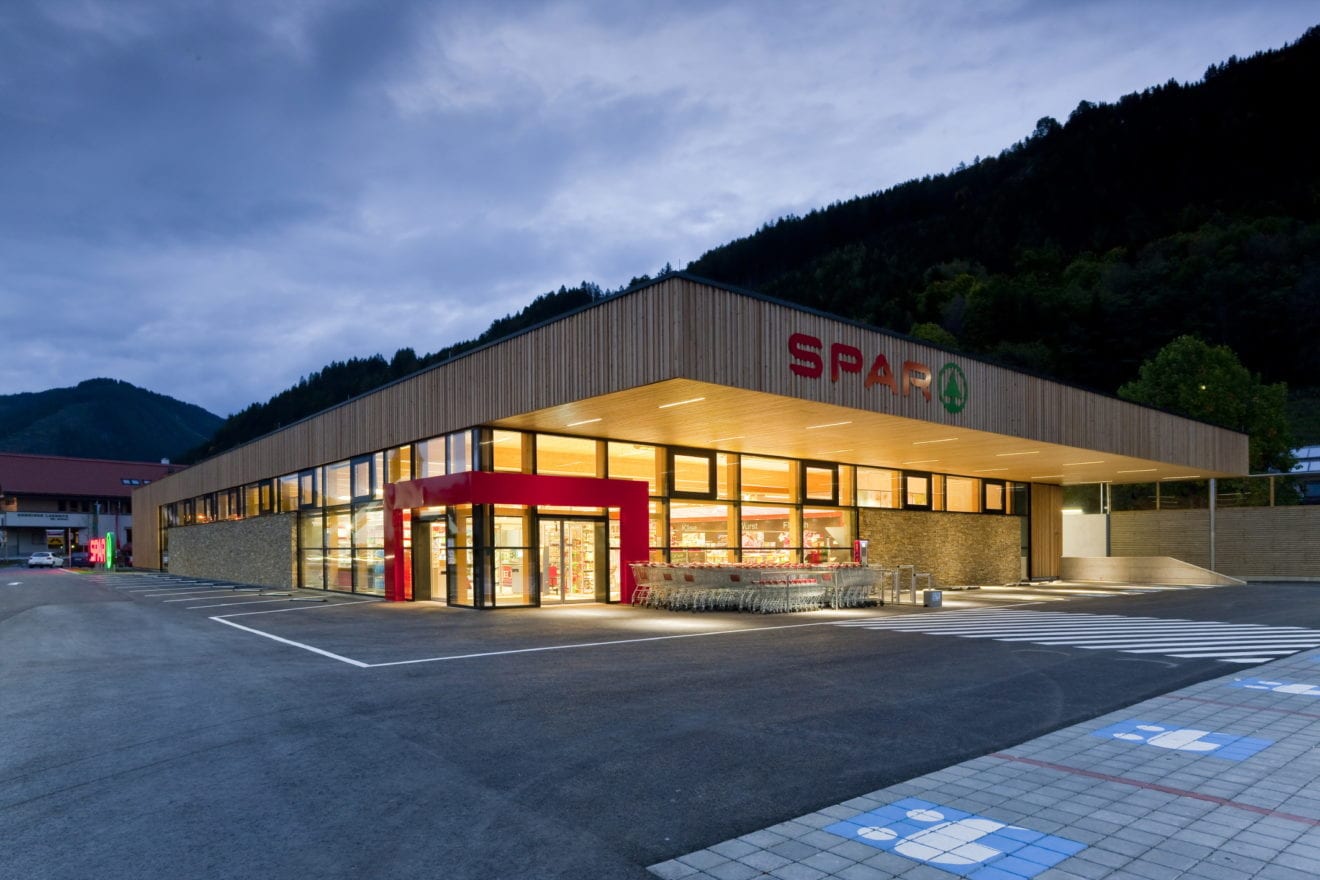
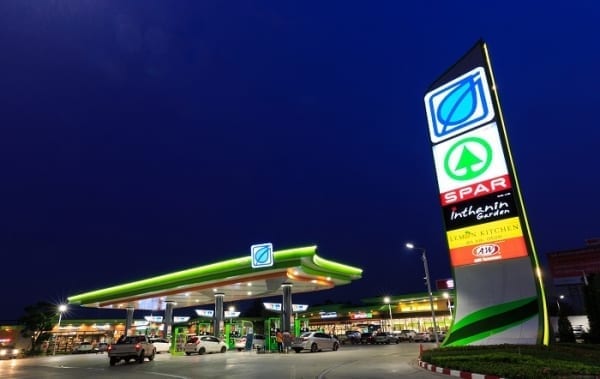
    An agreement has just been signed that will lead to more than 300 Spar Thailand food retail stores opening over the next four years.

    It is part of a €102 million (US$108 million) investment by Netherlands-based Spar International, which has partnered with Bangchak Retail Company (BCR).

    spar-thai
    Spar International has more than 12,100 stores worldwide and had global retail sales of €33 billion last year. It works in partnership with independent retailers to share global scale and expertise.

    BCR plans to open seven stores this year, comprising key flagship convenience stores and neighbourhood developments. From next year the company plans to open 50 to 80 stores annually, creating up to 2500 jobs.

    Under the partnership, Spar is sharing industry expertise including best practice across supply chain, staff training, retail design and brand development strategy.

    “The launch of Spar in Thailand in partnership with BCR represents a significant and important step forward in our ongoing expansion into Asian markets,” says Spar International MD Tobias Wasmuht. “Today, we have a significant multi-format presence including hypermarkets, supermarkets, convenience and online in China, India and Indonesia.”

    BCR MD Viboon Wongsakul says Spar and BCR share many key values “such as a dedication to growth, a commitment to local suppliers, supporting communities and offering diverse retail solutions”.

    As a shared core value, BCR and Spar focus on supporting the communities in which they have a presence. During the development of the flagship stores, special focus is being given to the ability to source produce and product locally.

    Spar International has been working with BCR on the development and launch of a national range of own-brand products.

    Formed this year, BCR is affiliated with energy company The Bangchak Petroleum Public Company. As well as the Spar portfolio, BCR will expand its Inthanin Coffee and Lemon Kitchen brands.

  • Shanghai Disney Resort to take wings

    Shanghai Disney Resort to take wings

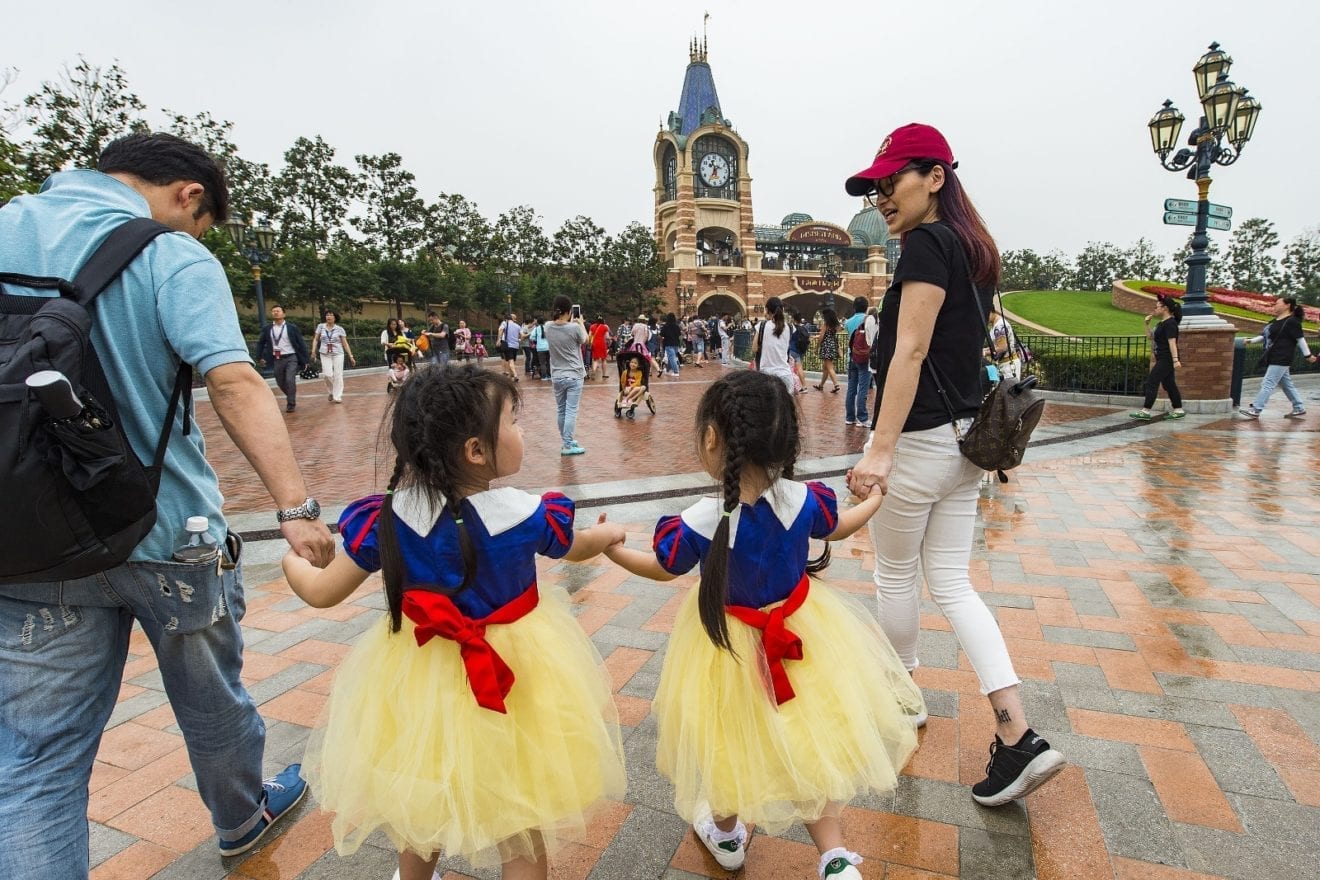
    Shanghai Disney Resort will open two retail stores at the city’s Hongqiao International Airport next year.

    Both stores will be at the domestic departures of the airport’s T2 terminal to allow travellers to take home merchandise collections more conveniently, says the resort.

    It already has a 3000 sqm World of Disney Store at Disneytown that includes specialty shops and a Spoonful of Sugar confectionery. There are more than 7000 merchandise items including Disney apparel, toys, stationery, lifestyle products, collectibles and gifts. Resort director of merchandise David Koo says retail products will be updated or expanded, based on ongoing Chinese consumer research and insights.

    The most popular products at the resort include a Mickey and Minnie foldable-fleece collection that can be worn or folded into a back cushion. Another bestseller is the Storybook Chocolate Set.

    Koo says the resort will offer special products soon for the coming Chinese New Year, on January 28.

  • Indonesia Island Connectivity Plan

    Indonesia Island Connectivity Plan

    The Indonesian government has invited 33 companies from Norway and Denmark to explore business opportunities as part of plans to enhance inter-island connectivity by upgrading infrastructure and constructing 24 seaports and deep sea ports.

    Both Norway and Denmark are eager to invest in Indonesia’s rapidly growing market, with the Indonesian government proposing investment in its business-to-business and business-to-government schemes focusing on port maritime industry sectors such as management and security.

    Denmark and Norway’s fisheries, shipping, offshore energy and maritime equipment and services make the countries ideal partners, according to Susi Pudjiastuti, Indonesia’s Maritime Affairs and Fisheries Minister.

    Danish energy firm Danfoss A/S, ship maker Odense Maritime Technology, Norwegian shipping company Wilh Wilhelmsen ASA and technology systems and solutions enterprise Kongsberg Digital were among the companies visiting Jakarta.

    According to Stig Traavik, Norwegian Ambassador to Indonesia, Nordic countries will be able to advise Indonesia on technological matters due to the country’s development of energy efficient ships.

    Traavik said: “We have produced ships running on natural gas instead of diesel, basically it’s like a mini power plant in the ship [able to] reduce the consumption of gas by 20% compared to modern ships that use diesel fuel.”

    Indonesia has faced high operational costs from its ports due to facilities being located hundreds of kilometres apart and operated by different ministries in the country. Rini Soemarno , Indonesia’s State-Owned Enterprises Minister, visited Denmark, Finland, Norway and Sweden in September to approach the countries for partnerships in energy and fishery sectors.

    Casper Klynge, Danish Ambassador to Indonesia, said: “Denmark is a very small country, but in the maritime area, Denmark and Norway are global superpowers. Every 15 minutes, somewhere around the world, a Danish-operated ship leaves a port.”

    Klynge highlighted that Denmark transports 10% of the world’s goods despite accounting for 0.1% of the global population.

    “Every 15 minutes, somewhere around the world, a Danish-operated ship leaves a port,” he added.

  • Airports of Thailand sees nine-month commercial revenue climb

    Airports of Thailand sees nine-month commercial revenue climb

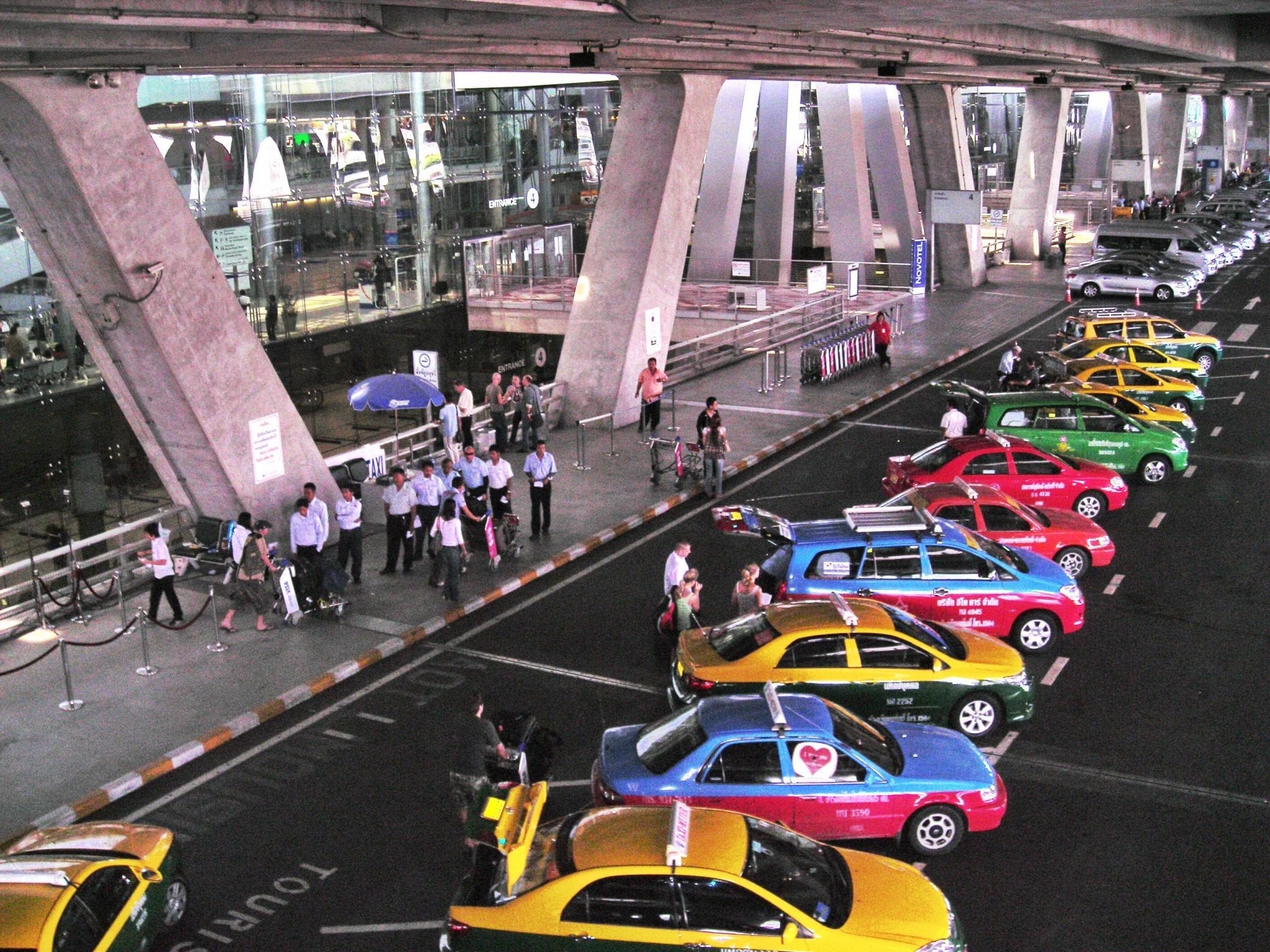
    Airports of Thailand saw non-aeronautical revenue climb 21.34% to Bt3.83bn ($107m) in the first nine months of 2016, mainly as a consequence of an increasing number of flights and passengers.

    Revenue generated from duty-free sales increased by Bt934m, with the majority of non-aeronautical attributed to concession revenues. Non-aeronautical revenue represented also 43% of the total revenue share.

    Concession revenue represented Bt13.62bn in the nine months of 2016, up 16.1% year-on-year from the Bt11.73bn registered in the same period of 2015.

    Total revenues grew by Bt7.27bn up to September 30 this year, while generating net profit of Bt19.57bn, up Bt842m or 4.5% from the same period last year.

    Photo of AOT 2

    Photo of AOT

  • Garuda opens Surabaya-Madinah flight route

    Garuda opens Surabaya-Madinah flight route

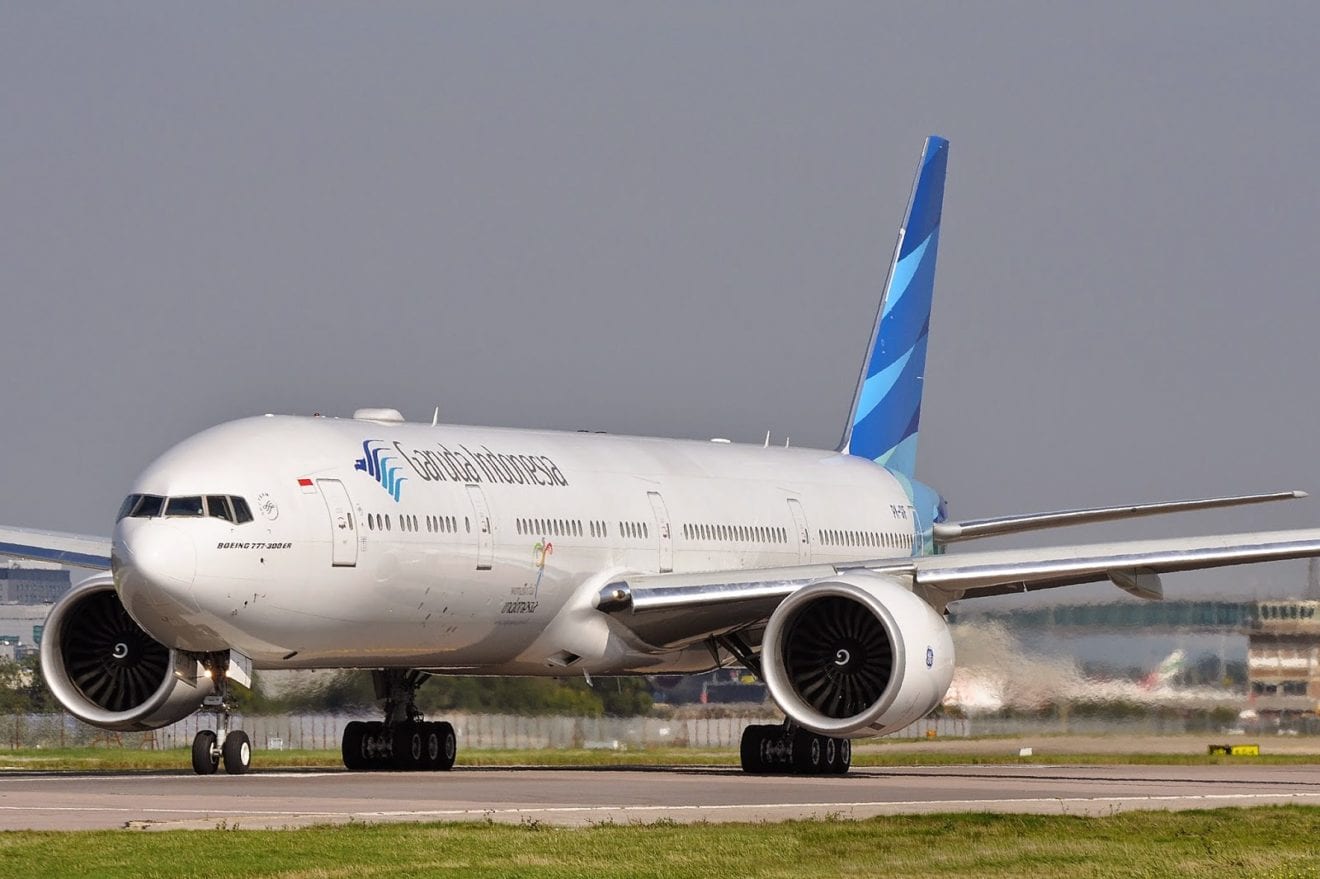
    Garuda Indonesia opened the Surabaya-Madina flight route on Tuesday as part of its efforts to expand its flight network in the Middle East.

    The national flag carrier will serve the flight route on Tuesdays using an Airbus A330-300 with a seating capacity of 360, all of them economic class, Garuda Cargo Director Sigit Muhartono said in a written statement released on Tuesday.

    “As the flag carrier of the country with the largest Muslim population in the world, Garuda Indonesia will always try to facilitate Muslims wishing to perform religious services in the Holy Land. With the new flight route inaugurated today, we hope the people of East Java and surrounding areas will find it easy and comfortable to travel to the Saudi main cities of Jeddah and Madinah by direct flight,” he added.

    The Surabaya-Madinah flight route will accommodate not only people who want to travel to the Holy Land for umroh (minor hajj) but also businessmen, tourists and migrant Indonesian workers.

    “With the Surabaya-Madina flight route, Garuda Indonesia offers umroh pilgrims an alternative flight route that enables them to opt to depart from Surabaya to Madina and return to Surabaya from Jeddah,” he explained.

  • AirAsia starts flying Philippines-Taiwan

    AirAsia starts flying Philippines-Taiwan

    The low-cost carrier’s Philippine subsidiary started flying direct from Manila to Taipei on 21 November, and then on 25 November it commenced flights between Cebu and Taipei.

    “We are aiming to go further across Asia by strengthening AirAsia’s presence in Taiwan. Today heralds… brighter and much closer ties between two countries to improve trade and tourism,” said Philippines AirAsia’s CEO, Dexter Comendador. He added that the new services would cater to “travellers, overseas Filipino workers and Taiwanese tourists”.

    The new Manila-Taipei route will operate daily with late night flights, while the Cebu-Taipei service will run three times a week (Wednesdays, Fridays and Sundays) with early morning departures from the Philippines.

    The AirAsia Group also operates direct flight to Taipei from Kuala Lumpur and Kota Kinabalu.

  • Global Blue collaborates on Chinese VAT refund scheme

    Global Blue collaborates on Chinese VAT refund scheme

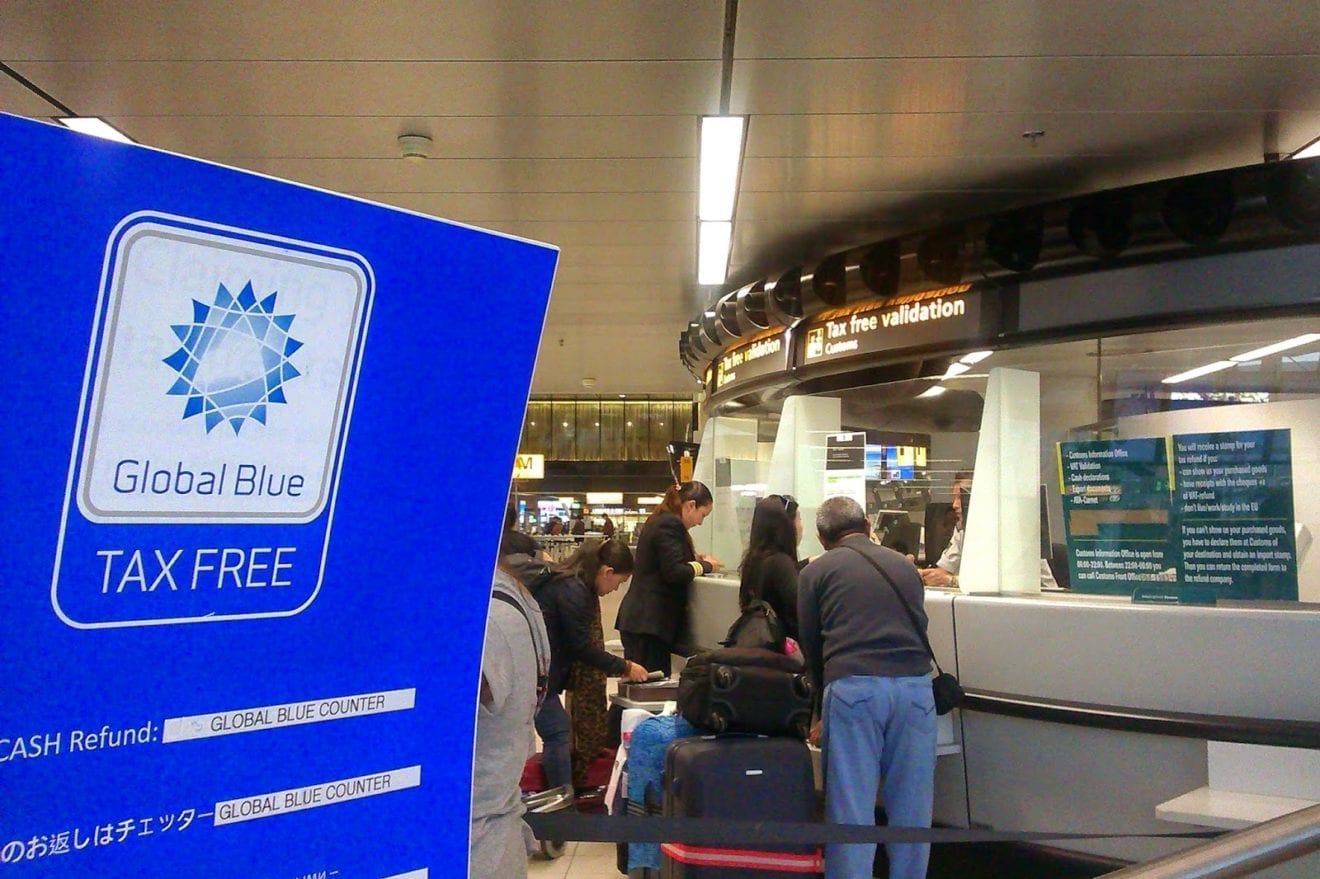
    Tax-free specialist Global Blue has partnered with the Bank of China to launch a VAT refund service to overseas tourists in Shanghai.

    Travellers in Shanghai are now able to save 9% on their purchases as China has introduced its first tax-free shopping scheme for foreign visitors. The scheme will be among the first of its kind in mainland China, allowing eligible travellers to reclaim the VAT imposed by the Chinese government, when making purchases within the country.

    For travellers, eligibility for VAT refunds will be based on a set of simple criteria. These include possession of a non-Chinese passport (or specified ID from Hong Kong, Macau and Taiwan), receipt of purchase showing spend of over RMB500 ($72) in one store on the same day, and proof that the traveller has remained in mainland China for no more than 183 consecutive days.

    If these eligibility criteria are met, merchants simply have to provide a VAT invoice, then issue the shopper with a Tax Refund Application form provided by the Chinese Government, which includes the description of purchased goods and the traveller’s details.

    Global Blue will work with Bank of China to encourage local retailers to sign up to the scheme. It will also provide licensed retailers with ongoing training to sales staff and consult on the processes surrounding the issuing and completion of VAT refunds.

    Already almost 200 stores in Shanghai have already signed up to the tax-free shopping scheme, including major department stores [e.g. Takashimaya, Pacific, Parkson and Bailian (Group) Department Stores], luxury brands (e.g. Chanel, Hermes, Tiffany and Louis Vuitton), high street names (e.g. Zara, Bershka and Marks & Spencer) and local retailers (e.g. Silk King, Lao Feng Xiang Jewellery and Chow Tai Fook Jewellery).

    Global Blue CEO Jacques Stern commented: “We are excited about launching this partnership with Bank of China, a true market leader in the international banking space. The VAT refund service represents a great opportunity for merchants in Shanghai to attract high-spending international travellers and encourage higher spend in-store. For visitors to the city, this scheme will bring obvious benefits, allowing them to shop and spend with leading Chinese merchants for less.”

    Bank of China vice president Mr. Wang added: “This is a very exciting period for Shanghai’s retail sector and we are confident the introduction of these services will be a powerful tool in helping businesses connect with valuable international shoppers. Global Blue’s experience of promoting and supporting Tax Free services around the world make it a valuable partner and we look forward to a long and happy working relationship.”

    In addition to merchant support, Global Blue will manage marketing activities inside and outside of China to increase traveller awareness of the VAT refund scheme. Promotional channels will include Global Blue’s website, app and a wide range of traveller focused collateral including SHOP Maps and point-of-sale materials. The partnership will also see Global Blue collaborating closely with local governments’ tourism departments.

    In addition to VAT refund services in Shanghai, Global Blue has also named Bank of China as a banking refund partner for returning Chinese shoppers across the country. Bank of China will operate refund counters from 10 branches throughout China, making it easier for Chinese consumers to claim overseas refunds back home.