Category: General

Retail News Asia is committed to providing both local and global retailers with the latest General Retail news throughout the Asian market. This on a daily base.

  • Retail gets personal

    Retail gets personal

    In this year of the 400th anniversary of the passing of William Shakespeare, we’ll borrow some inspiration from the great bard and say: The store is dead – long live the store.

    For, despite the stellar rise of online shopping, it accounts for just 7.3 per cent of total global retail spending.

    The store’s “renaissance,” if it were needed, reflects the fact that shopping remains popular. It also comes on the back of investment from retailers keen to make the most of the store as a differentiator – the place where shoppers touch the brand. A big feature of this spending has been the drive to make the store central to an omnichannel shopping experience where shoppers can conveniently mix how they try, buy, and return items through online, in-store, and mobile channels.

    To achieve this versatility, retailers have deployed RFID and barcode labels to track and trace items across the supply chain, into the store, and back from the customer (via returns). By using such labels, which can be automatically recorded by RFID systems or handheld computers and scanners, retailers can capture what we call Enterprise Asset Intelligence (EAI). As we move forward, EAI will play a key role as retailers look to make the in-store experience ever more enjoyable and rewarding.

    Continuous improvement

    Smart labels and sensors can be attached to any object – associates, stock, vehicles, equipment, totes and pallets, and many more. The stream of data collected from the labels is connected over wireless and cell networks to your back office, providing visibility into every area of your operations. This opens boundless opportunities to manage processes more efficiently, improve the customer experience, and free your associates from time-consuming to spend more time in the shop floor. A couple of interesting examples include:

    • Being more responsive to customers: we spoke to one UK retailer recently who told us they have 100,000 people working to restock their stores at night. Indeed, the cost of their associates is 66 per cent of their store overheads. The interesting thing is this retailer, and others we speak with, is not looking to cut these costs: it’s looking to allocate them more wisely – to free staff to spend less time on operations and more with customers. This can be achieved by using smart labels to provide a continuous view over inventory and supporting teams with better technology – including voice-guided workflows through mobile and wearable devices – to help them manage replenishment more efficiently and spend more time providing attentive and personal experiences to shoppers.
    • Being more rewarding: Using your wireless network, you can connect with the sensors that most of us carry with us all the time – in our smartphones. If the customer agrees, every time they come into store their phone can register on to your system to allow you to offer a more personalized service. For example, you can send a welcome message and offer a wide range of promotions from money-off based on their preferences, to loyalty bonuses, to gifts for their birthday, and much more. You can also build in “help” features so associates’ mobile devices can alert them, and help them easily find shoppers who’ve asked for assistance.

    What really excites us about retail right now is that we’re getting back to those halcyon days: the days when your local shop keeper would know who you are, know what you want, and engage with you in compelling ways – ways that you’d value and that encouraged your loyalty. We can use technology to achieve similar things – to not only free staff to spend more time with customers but increasingly to offer customers more intriguing, engaging, and rewarding ways to shop.
  • AirAsia X may relaunch London in 2017

    AirAsia X may relaunch London in 2017

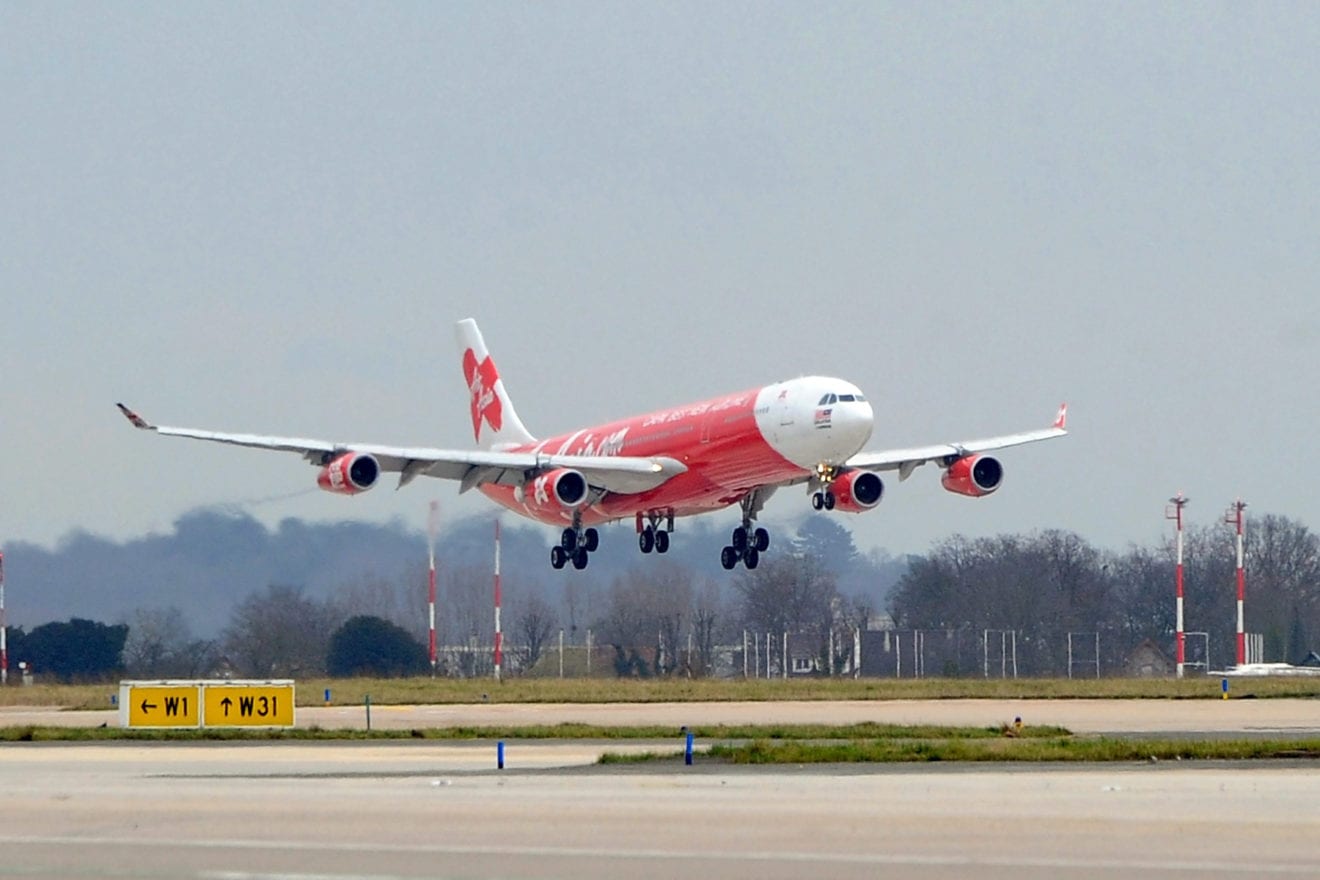
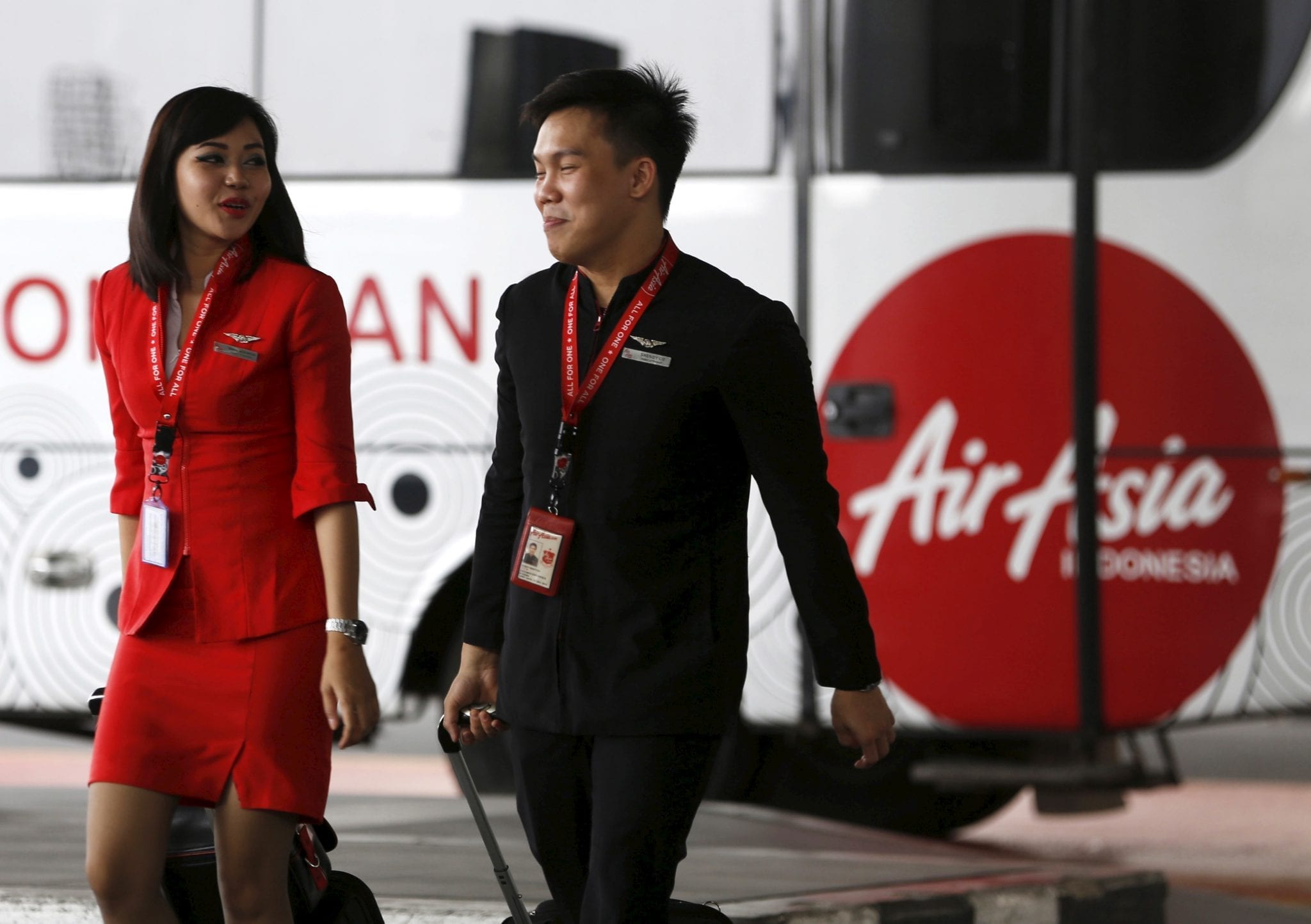
    Malaysia’s AirAsia X is considering the lease of A350s or 777-300ERs in 2017 to accelerate its return to Europe. A new widebody type will add cost and complexity but is necessary if the medium/long haul low cost airline is to meet its objective of relaunching London as soon as possible.

    AirAsia X had been planning to wait until it receives A330-900neos before relaunching London and commencing other European routes. However the airline prefers not to wait until 2H2018, when its A330-900neo deliveries are slated to begin, and using another aircraft type in the interim mitigates the impact of a potential delay with the A330neo variant required for Kuala Lumpur-London.

    AirAsia X could also use a new aircraft type – most likely A350-900s – to support new routes to the US. It plans to launch services from Japan to Hawaii in Jun-2017 using A330ceos, but also has longer-term plans for longer routes from Japan to Las Vegas, Los Angeles and San Francisco – and potentially ultra-long haul routes from Malaysia to the US.

  • Cebu Pacific opens 3 more domestic routes

    Cebu Pacific opens 3 more domestic routes

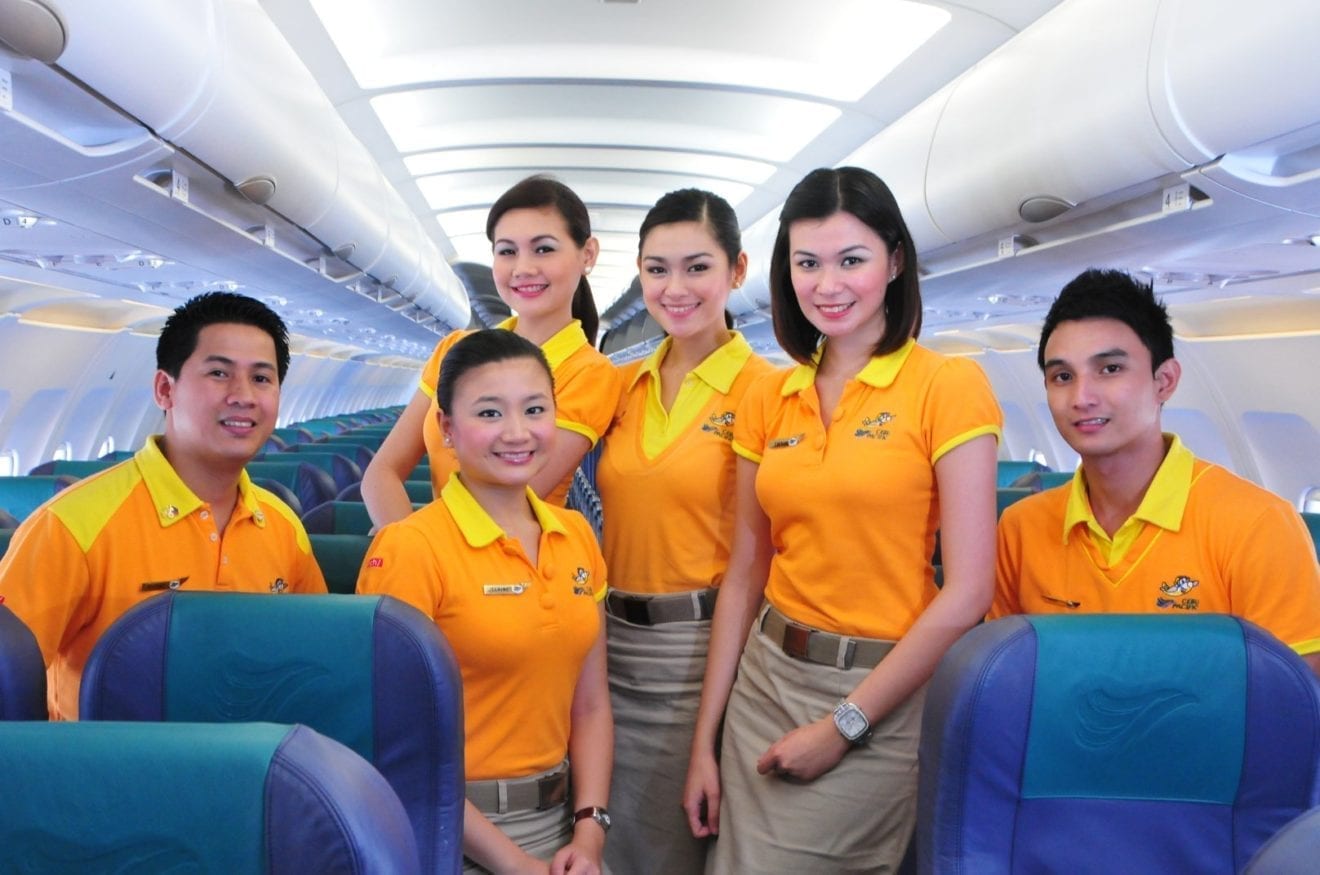
    The Philippines’ leading airline, Cebu Pacific, further reinforces its position in the Visayas region with the launch of three more routes.

    Starting last Nov.19 (Saturday) , CEB has officially become the only carrier flying daily between Cebu and Ormoc and Cebu and Roxas; and four times weekly (Tuesday, Thursday, Saturday and Sunday) between Cebu and Calbayog using the ATR 72-500 aircraft.

    With these new destinations, CEB is now up by three with a total of 36 domestic cities being served. With this further expansion, more and more travelers now have easier access to the already wide (and continually-growing) network of Cebu Pacific.

    The lowest all-in year-round fare, one-way for Cebu to Calbayog is Php1,983, Cebu to Ormoc is Php1,647 and Cebu to Roxas is Php2,039.

    “CEB remains committed in offering the most convenient choices for passengers at the lowest fares possible. With these additional routes in and out of the Queen City of the South, more guests can now easily explore the Visayas region. At the same time, locals can now connect not only to Cebu and Manila, but to international destinations as well. Rest assured, we will continue to persist in expanding our horizons and promote trade and tourism in the destinations we operate in,” said Alexander Lao, Cebgo President and CEO.

    Moreover, the addition of these new routes will foster stronger cargo services within Calbayog and Ormoc, and soon will expand in the whole of Visayas region.

    Based on the current data released by the Civil Aeronautics Board, Cebu Pacific Air group is currently the largest domestic cargo carrier, representing 50% of the market. Nearly 165 million kilos of cargo were delivered to domestic and international destinations in 2015. We service more than 2,000 accounts, tailor-fitting products to our clients’ domestic and international cargo needs. This includes express cargo service, seamless transshipment, and 30 interline partnerships for worldwide reach.

    In 2015, over 4.4 million passengers were flown to and from Cebu. Cebu routes cover about 24.5% of CEB’s seat capacity for 2015. With the addition of these new routes, CEB now has a total of 25 domestic routes in Cebu, which caters to the ever-increasing travel demand.

    Aside from Cebu, CEB also operates flights out of five other strategically placed hubs in the Philippines: Manila, Davao, Clark, Kalibo, and Iloilo. The airline’s extensive network covers over 100 routes and 66 destinations, spanning Asia, Australia, the Middle East, and USA. CEB’s 58-strong fleet is comprised of six Airbus A319, 36 Airbus A320, six Airbus A330, eight ATR 72-500, and two ATR 72-600 aircraft. Between 2016 and 2021, CEB expects delivery of two more brand-new Airbus A330, 32 Airbus A321neo, and 14 ATR 72-600 aircraft.

  • Where to shop in Singapore this Black Friday weekend

    Where to shop in Singapore this Black Friday weekend

    The post-Thanksgiving shopping tradition that’s driving many Americans off the rails at the moment is returning to Singapore this weekend with several retailers here jumping on the Black Friday bandwagon.

    For those who are still keen on shopping even after Singles Day (11 Nov), here’s where you can take advantage of Black Friday bargains in Singapore, both online and offline.

    1. Amazon

    Head on to Amazon’s website from 14 to 26 Nov if you’re looking for great bargains. Be sure to refresh their Black Friday page at 7am every day to discover new deals.

    2. Cotton On

    Now is probably the best time to restock your everyday basics as Cotton On is slashing 30 per cent off its full-priced items if you’re purchasing them online from 24 to 26 Nov. If you’d rather hit their brick-and-mortar stores, be sure to shop at the outlets at Bugis Junction, Plaza Singapura, Bedok Mall and Lot One until 28 Nov. You might walk away with a top as cheap as $10.

    3. Esprit

    Esprit is having a sale online from 24 to 27 Nov, offering 50 per cent off every second piece.

    4. Lazada

    From home appliances, health supplements to electronics, everything has been on sale on Lazada since Singles Day. Their sale ends on 12 Dec. 

    5. Robinsons

    All three Robinsons stores – The Heeren, Raffles City and Jem – will be opened from 7am on Friday (25 Nov), with up to 80 per cent discount storewide.

    6. Timberland & The North Face at Singapore Expo

    Get your adventure gear at a bargain at the Timberland and The North Face sale, happening at the Singapore Expo from 24 to 27 Nov, with discounts up to 80 per cent and 60 per cent respectively.

    7. G2000

    Need new office wear? G2000 is offering 50 per cent off your second piece. This storewide promotion will be available from 24 to 29 Nov.

    8. SaSa

    Need to shake up your beauty regime? SaSa is offering up to 70 per cent off its products storewide for outlets at Bugis Junction, Lot One and Nex shopping malls on 24 Nov. Yes, one day only.

    9. Sephora

    If you’d rather shop for beauty products from Sephora instead, the retailer is offering 20 per cent off all of their products if you buy them online on 25 Nov.

    10. New Balance

    If you’re looking for fresh New Balance kicks, head over to any of the brand’s Experience stores for 20 per cent off your purchase.

    11. Books Actually

    Here’s something for the bookworms. Homegrown books and stationery retailer BooksActually is throwing a 20 per cent off storewide sale from 24 to 25 Nov.

    12. Qoo10

    If you’re an avid Qoo10 shopper, the e-marketplace is not offering discounts, but they are giving away cart coupons priced up to $100 from 23 to 25 Nov.

    13. Shopee

    Online retail site Shopee is having a Black Friday and Cyber Monday (28 Nov) with up to 80 per cent off their items.

  • AirAsia plans IPO of ASEAN airline holding company

    AirAsia plans IPO of ASEAN airline holding company

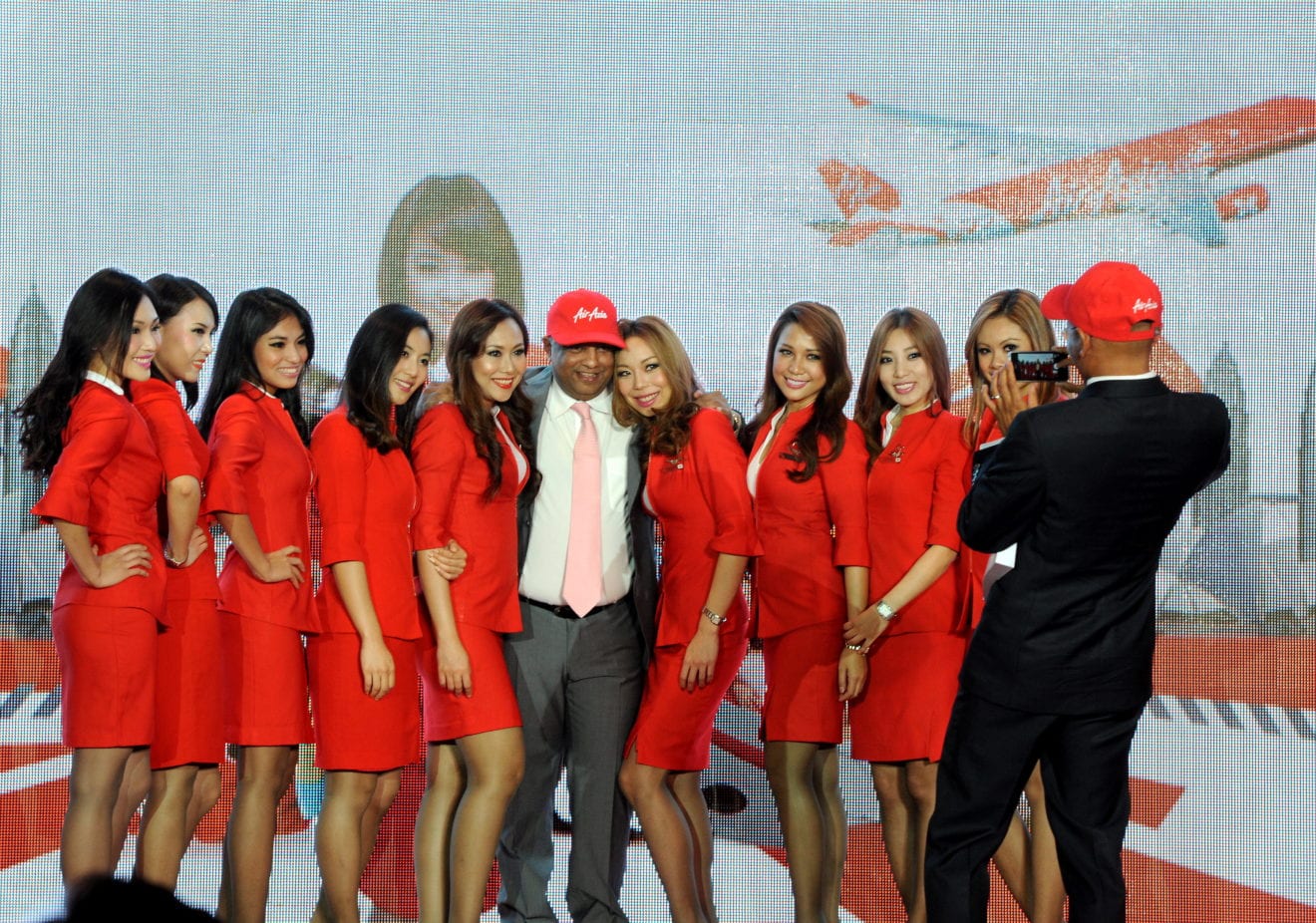
    Asia’s biggest low-cost airline AirAsia Bhd plans an initial public offering of a holding company that will house all its Asean operations, group CEO Tony Fernandes said on Thursday.

    ASEAN Holding Co will be listed in Hong Kong, Fernandes said in a statement without giving a timeline. AirAsia will also list its flight crew training centre in Kuala Lumpur, he said, following the company’s third-quarter results.

    Fernandes did not say how much the IPOs will raise.

    He has in the past expressed a desire to combine the airline’s operations in its home country Malaysia with those in Indonesia, Thailand and the Philippines.

    “The plan is to list Indonesia and Philippines first by next year before looking at ASEAN Holding Co to be listed,” a company spokesman told Reuters.

    AirAsia is also looking to divest some of its non-core businesses. It already has its aircraft leasing arm on the market and aims to complete the sale in early 2017 following bids that are due in December, Fernandes said, adding that he valued the unit at about $1 billion.

    Reuters reported in August that AirAsia was looking to sell a majority stake in its Asia Aviation Capital leasing operation, or possibly the entire business, which the carrier values at 4.1 billion ringgit ($922.38 million).

    Last month, AirAsia said it had received good interest in the sale.

    AirAsia also said on Thursday it swung to a profit in the third quarter, from a net loss a year ago, driven mainly by an increase in aircraft operating lease income and lower oil prices.

    Net profit for the three months ended Sept 30 was 353.9 million ringgit, versus a net loss of 405.7 million ringgit a year ago.

    Revenue rose 11.2% to 1.69 million ringgit, the company said.

    The results were underpinned by a load factor of 87%, a measure of how full planes are, up 6 percentage points from the same period last year.

    The number of passengers carried rose 11%, ahead of an increase in seat capacity of 2% year-on-year, according to AirAsia’s statement.

    AirAsia expects average load factor for its Malaysia business to remain at 89% in the following quarter, riding on strong demand due to year-end holidays and festivities.

    It forecasts load factors of more than 80% for its operations in Thailand, Indonesia and the Philippines for the fourth quarter.

    On Tuesday, the group’s long-haul unit, AirAsia X Bhd swung to a net profit of 11.03 million ringgit.

    Revenue was higher at 982.4 million ringgit.

    Shares of both AirAsia X and its parent have more than doubled this year, after sharp losses in 2015.

  • Singapore Airlines to cut 5 weekly flights to Jakarta

    Singapore Airlines to cut 5 weekly flights to Jakarta

    Singapore Airlines will cut five weekly flights to Jakarta, from Dec 1, as directed by the Indonesian civil aviation authorities, the airline said.

    SIA which has been operating 63 flights a week to and from Jakarta has been told to cut five flights a week due to runway maintenance works at Jakarta’s Soekarno-Hatta International Airport.

    The five affected flights are SQ962 and SQ963 on Mondays, Tuesdays, Wednesdays, Thursdays and Saturdays.

    SIA apologised to customers for the inconvenience and said it will progressively contact those affected to accommodate them on other flights.

    Responding to media queries, a Civil Aviation Authority of Singapore (CAAS) spokesman said the authority is aware of SIA’s plans.

    “CAAS hopes that the runway maintenance works will be completed expeditiously and that the impact on airlines will be fairly distributed,” she said.

    CAAS also hopes that the Indonesian civil aviation authorities will be able to allow Singapore Airlines to resume all 63 weekly services to Jakarta as soon as possible to reduce the impact on business travelers and tourists, who rely heavily on air services to travel between Singapore and Jakarta.

    The latest development comes several weeks after SIA said it had had to postpone plans for a thrice-weekly Singapore-Jakarta-Sydney service, which had been due to start on Nov 23.

    The Indonesian authorities had also cited runway maintenance works as the reason for withdrawing approval for the route.

  • AirAsia launches daily Manila-Taipei service

    AirAsia launches daily Manila-Taipei service

    Travellers from the Philippines now have more options when flying to Taiwan after Philippines AirAsia started its daily Manila-Taipei service last Monday.

    Philippines AirAsia chief executive Captain Dexter Comendador himself piloted the Airbus A320 to mark the budget airline’s maiden voyage from Manila to Taipei.

    “Today heralds a brighter and much closer ties between two countries to improve trade and tourism,” he addressed the passengers midway through the flight.

    “We have introduced amazing connections for our guests to enjoy and we are aiming to go further across Asia by strengthening AirAsia’s presence in Taiwan,” Comendador added.

    The flight touched down at the Taoyuan International Airport after midnight to a welcome water barrage from firetrucks.

    The Taipei-Manila route was officially launched Tuesday at a press conference at the Grand Sheraton in Taipei, which was attended by Philippines AirAsia chair Maan Hontiveros and AirAsia North Asia CEO Kathleen Tan.

    A thrice-weekly Cebu-Taipei service was also announced with performances from Sinulog dancers. Taiwanese celebrity travel blogger Patty Woo also regaled guests with her beach adventures during her recent trip to Cebu.

    Starting Friday, Philippines AirAsia will begin regular flights from Cebu to Taipei on Wednesday, Friday and Sunday.

    Taiwanese tourist arrivals in the Philippines have reached 157,517 from January to August this year. Taiwan is currently the country’s sixth top visitor market after Korea, the United States, China, Japan and Australia.

    “Taiwan and the Philippines share a strong affinity with one another. They enjoy robust economic ties, many Filipinos live and work in Taiwan and more and more Taiwanese are visiting the many beautiful islands in the Philippines. We are honored to be able to bring the countries even closer together,” Tan said.

    Taiwan is known for night markets, tourist attractions like Taipei 101, and foodie adventures with its diverse culinary offerings

    Philippines AirAsia has teamed up with TourMeAway Walking Tours to make exploring Taipei more fun. From now until November 30, Philippines AirAsia travelers to Taipei may join the Hunger Game Walking Tour or the Taipei Chillout Tour for free.

  • Facebook Is Next on Indonesia Tax List as Google Deal Nears

    Facebook Is Next on Indonesia Tax List as Google Deal Nears

    Indonesia is eyeing Facebook as its next target in a government tax crackdown as it nears a settlement with Google Inc. Facebook, which counts more than 88 million Indonesians among its users, owes about 2 trillion rupiah ($148 million) to 3 trillion rupiah in unpaid taxes and penalties, Muhammad Haniv, head of the special taxpayers office at the Finance Ministry’s Tax Directorate-General, said on Wednesday in Jakarta. The office has sent a letter to the company in Ireland, calling for a meeting to discuss the issue and seek information on the company’s business interests in Indonesia, he said.

    Yunita Purnamasari, an external spokeswoman for Facebook in Jakarta, said Thursday she couldn’t comment at this stage on the tax demand. Apple, which is also being targeted by the tax office along with Twitter and Yahoo!, didn’t immediately respond to a request for comment.

    Indonesia’s government is seeking to boost revenue as it tries to keep the budget deficit below the legal limit of 3 percent. Authorities have turned to Instagram Inc. stars and merchants peddling goods and services on social media to bridge a revenue shortfall as an ambitious tax amnesty program loses steam after earning the government 97.1 trillion rupiah in the first three months of its start in July.

    Indonesia’s government plans to drop claims on any unpaid taxes and penalties it has sought from Google if a settlement is arrived through negotiations, Haniv said. The settlement with Google, the largest unit of Alphabet Inc., may come as early as next week and the government will focus on ensuring the company pays all future taxes, he said. The company owes about 5 trillion rupiah in taxes and penalties, he said.

    Taj Meadows, Google’s head of policy communications for Asia Pacific, declined to comment on Wednesday and referred to an earlier statement that said the company had paid all applicable taxes and will continue to fully cooperate with the Indonesian government.

    Indonesian tax officials have visited Google’s office in central Jakarta several times in recent months. The government had earlier sent Google a warning letter for refusing a tax audit that can result in criminal punishment, Haniv said in September.

  • Nokia, UAE to develop drone ecosystem

    Nokia, UAE to develop drone ecosystem

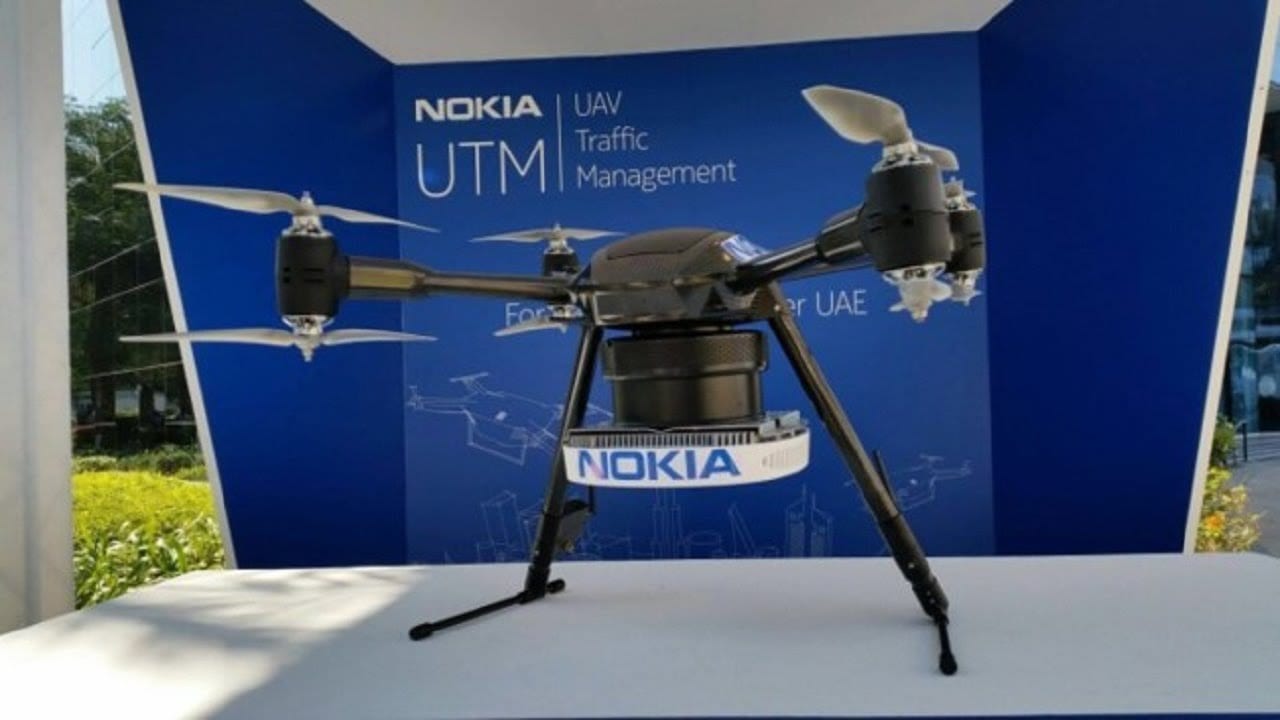
    Nokia has teamed up with the United Arab Emirates General Civil Aviation Authority (GCAA) to drive the development of an end-to-end Unmanned Aerial System (UAS) ecosystem.

    The collaboration will will make the UAE the first country in the world to allow the operation of drones by both businesses and government agencies in a safe, secure and managed environment.

    The project is part of an initiative by the GCAA to make Dubai one of the world’s smartest cities by 2017 and will allow Dubai government security network operator Nedaa to develop a next generation network for mission-critical and smart city services.

    At the heart of this new ecosystem will be Nokia’s UAV Traffic Management (UTM) concept, which is being developed to manage drones in and around cities, and coordinate their interactions with people, manned aircraft and an increasingly diverse array of connected objects.

    The Nokia UTM system will provide capabilities such as automated flight permissions, no-fly zone control and beyond-visual-line-of-sight (BVLOS) that are critical for the safe operation of UAVs in densely populated urban areas.

    The ecosystem will also serve as a testing ground for various applications of drone technology, which can be explored in a safe and controlled environment.

    Drones are quickly emerging as important tools for businesses and governments alike, providing substantial benefits such as infrastructure monitoring and maintenance, public safety applications, logistics and transport and much more.

    The GCAA has launched this initiative so businesses and local government can take advantage of these benefits, making the city smarter while minimizing any hazards that UAVs may present.

    Nokia’s UTM concept combines its expertise in 4G LTE and leadership in developing 5G and Mobile Edge Computing and related services – including managing the Network Operations Center, planning and optimizing the network for UTM connectivity and integrating UTM to other application platforms – to provide a platform that can support the extreme low latency and exceptional reliability and resiliency needed to manage UAV traffic.

    The system will be able to monitor airspace and flight paths, and share data between UAVs, operators, and air traffic controllers and establish no-fly zones that can be continually refreshed with the latest data.

    This agreement complements a recent Nokia’s initiative to establish and develop a UAV test facility at Twente Airport in the Netherlands.

    “The UAE is committed to making Dubai the smartest city in the world, and UAVs are expected to play a critical role in this process by supporting a wide variety of smart city services,” said Bernard Najm, head of the Middle East Market Unit at Nokia.

    Ismaeil Mohammed Al Blooshi, Assistant Director General of the UAE General Civil Aviation Authority, the UAE has superb aviation infrastructure and is qualified to play a key role in innovative aviation projects such as this drone collaboration.

  • SATO Aims for Auto-ID Market Leadership in Thailand

    SATO Aims for Auto-ID Market Leadership in Thailand

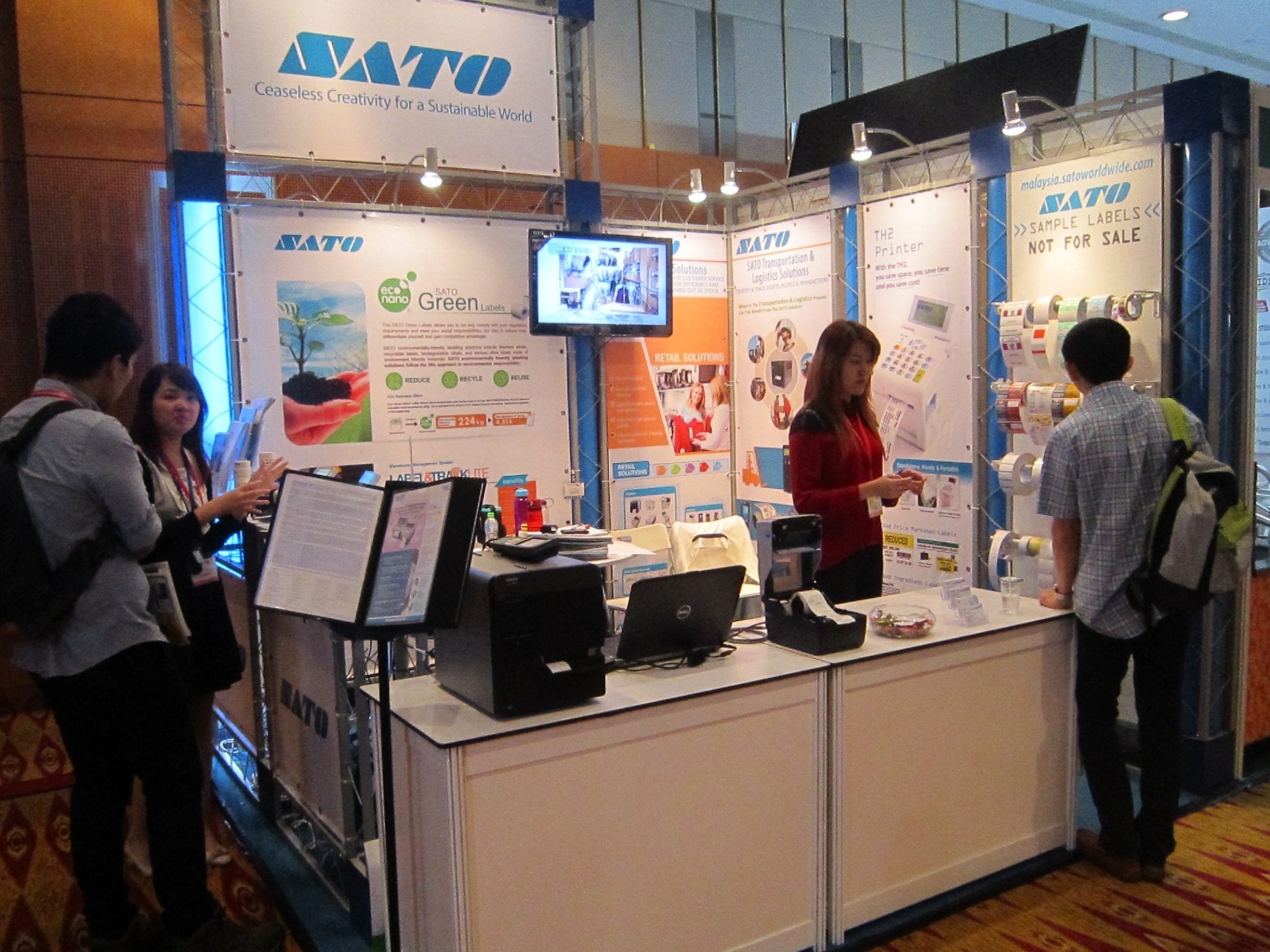
    SATO, a leading global provider of Auto-ID solutions that empower workforces and streamline operations, announced its aim to become the No.1 Auto-ID company in Thailand by 2018, through development of food safety and patient safety solutions for the Thai food and healthcare industries.

    SATO, the market leader in Japan with over 75 years of Auto-ID expertise and a culture of innovation, operates in Thailand as SATO Auto-ID (Thailand) Co., Ltd. By integrating technologies from RFID to visual recognition and robotics, it seeks to support the food and healthcare industries as Thailand moves towards becoming the “Kitchen of the World” and the “Region’s Medical Hub.”

    SATO Auto-ID (Thailand) Co., Ltd. General Manager Daisuke Tatsuta said, “Speed and accuracy are keys to increase business competitiveness in today’s world and especially for Thailand as it transforms itself to become an advanced economy driven by high tech and creativity. With our strong know-how and established presence in Thailand as well as end-to-end Auto-ID solutions, SATO is well positioned to help companies make the transition to the new Thailand 4.0 economic model, streamlining the movement of assets with speed and precision.”

    A leading food safety solution provider, SATO supports food manufacturers and restaurants alike, by developing solutions that integrate labels, barcode, printers, scanners, software and aftersales support to allow companies to quickly track products and control quality to ensure food safety. 

    As the patient safety provider, SATO delivers fast and reliable identification solutions to provide precision, labor savings and peace of mind for Thai hospitals. It seeks to provide fail-safe systems of patient identification to improve caregivers’ peace of mind, which is directly connected to patient safety.

    “In 2015, we achieved 475 million baht in sales and the second highest market share among direct distributing Auto-ID companies with approximately 14%. Considering the rate of Thai economic development and our strategic focus on food and healthcare, we aim to be the No. 1 auto-ID solution provider by 2018 with sales of 745 million baht,” said Tatsuta.

    In its 15 years in Thailand, SATO has supported leading automotive clients such as Toyota, Nissan, and Isuzu. It supported the manufacturing sector with efficient stock control systems, shipping labels, labels for hazardous materials, inventory-control and scheduling systems for just-in-time manufacturing to control the supply chain. It will now grow its presence in the burgeoning food, beverage, and medical industries, utilizing know-how from success cases with clients such as CPF, Ajinomoto, Nestle, Hoya, Thai Red Cross, Samitvej, Bumrungrad Hospital and Nipro. 

  • Indonesia, Netherlands to strengthen economic ties

    Indonesia, Netherlands to strengthen economic ties

    Indonesia and the Netherlands have pledged to strengthen economic cooperation in the future, boosted by a number of new business deals inked by the two governments and businesses.

    The partnership will involve various areas including agriculture and infrastructure development as stated during the three-day visit by Dutch Prime Minister Mark Rutte, which concluded on Wednesday.

    Rutte underlined Indonesia’s role as Netherlands’ strategic partner, saying that both countries had a lot to offer in the economic field, especially owing to the former’s status as Southeast Asia’s biggest economy.

    “Indonesia plays a big role in the region. It is one of the central players in ASEAN and Indonesia’s leadership in this region is highly valued,” Rutte said in a limited press briefing. “The country will contribute to maintaining stability in the world, particularly in this region.”

    The importance of the two countries’ economic ties is highlighted by an already robust bilateral trade, which amounted to €3.2 billion (US$3.4 billion) last year, according to figures released by the prime minister. Netherlands is now the main market for Indonesian exports to Europe.

    Dutch businesses invested a total of $1.3 billion in 2015, down 24.4 percent from 2014, in 421 projects, according to data from the Investment Coordinating Board (BKPM).

    During his visit, Rutte led a Dutch delegation comprising ministers, including Infrastructure and Environment Minister Melanie Schultz van Haegen, business leaders from 110 companies, educational institutions and NGOs.

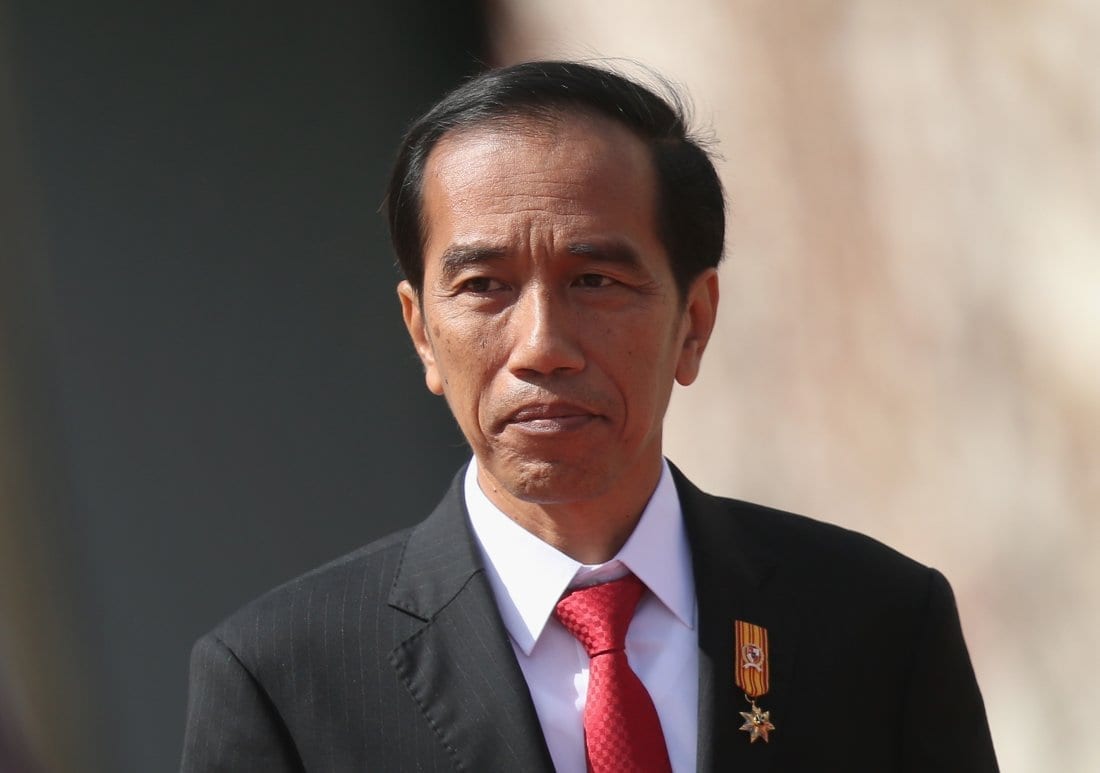
    Rutte’s second state visit to the former Dutch colony in three years followed a similar visit by President Joko “Jokowi” Widodo to the Netherlands in April.

    The delegates signed 38 memorandums of understanding (MoUs) and letters of intent (LoIs) covering economic and non-economic issues, such as water management, flood protection, climate change and health care, with their Indonesian counterparts, further intensifying ties between the two countries.

    On the occasion, Rutte also said the Netherlands was keen to enhance its bilateral relationship as business prospects in Indonesia had improved due to extensive reforms, particularly on the ease of doing business.

    “[Dutch] businesspeople find it is increasingly easier to do business here. But still, there is more room for improvement,” he said, adding that the 14 economic reform packages issued by Jokowi’s administration would boost the business climate, although they still depended on implementation.

    Indonesia climbed 15 places to 91st on the World Bank’s Ease of Doing Business Index for 2017 as its deregulation moves have attracted the attention of global investors.

    The Netherlands has reasserted its commitment to helping Indonesia develop its infrastructure, particularly in port construction and the National Capital Integrated Coastal Development (NCICD), popularly known as the Giant Seawall.

    Another major interest for the Dutch delegation is seaport management, according to Rutte. This follows an agreement signed last year by Indonesia’s state-owned port operator Pelindo I and the Port of Rotterdam Authority to develop a nationally strategic port at Kuala Tanjung, North Sumatra.

  • Indonesia Considers Importing Cows from Mexico

    Indonesia Considers Importing Cows from Mexico

    Indonesia is considering to import cows from Mexico and negotiations are now underway for that, an agriculture ministry official disclosed on Wednesday.

    “Private parties and a local government were currently in the process of negotiations,” Syukur Iwantoro, an expert staff on innovation and technology under the ministry, said after attending a calf harvest event.

    Regarding permit for import of up to 400,000 heads of cows, he admitted that private parties would be given full authority for this purpose and negotiations were on with partners in Mexico.

    Iwantoro noted that the government would ensure that cows to be imported from Mexico are free of foot and mouth disease.

    “So far, the government has been in touch with a number of countries, including Australia, in connection with beef supply,” he disclosed.

    He recalled that the government has put in place several alternatives to prevent escalation of beef prices in various regions in the country.

    “Price of beef in different regions in Indonesia varies from Rp85,000 to more than Rp100,000 per kilogram,” he pointed out.

    The imported cows were to be distributed in Jakarta and surrounding areas.

    “The country is now importing almost 700,000 heads of cows. So far, most of the cows are being imported from Australia,” he stated.

  • Cebu Pacific Air launches three domestic routes from Cebu

    Cebu Pacific Air launches three domestic routes from Cebu

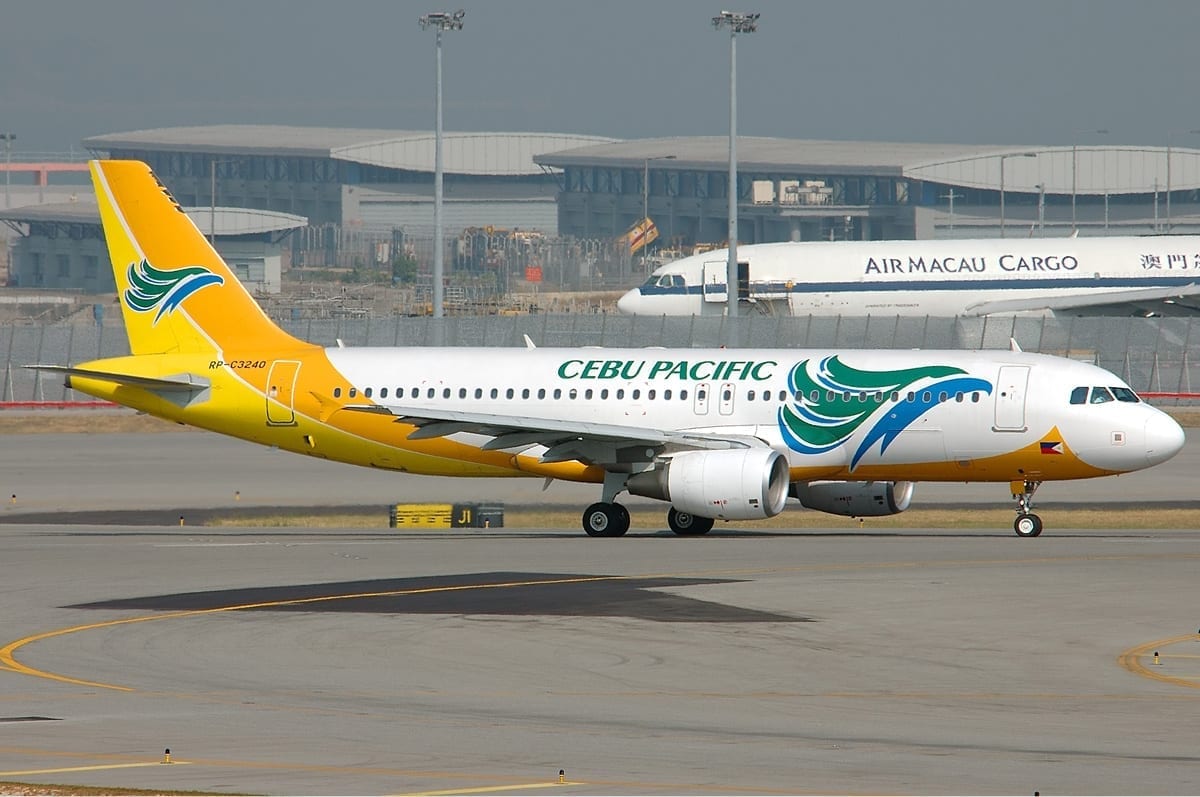
    Cebu Pacific Air has launched three new routes from Cebu (CEB). On 19 November, Cebgo, the fully-owned subsidiary of Cebu Pacific Air (and formerly known as Tigerair Philippines) began operating the routes on behalf of its parent company. Cebgo, which is now a pure turboprop operator, began daily ATR 72-500 flights to Ormoc (OMC) and Roxas (RXS) and a four times weekly service to Calbayog (CYP). None of these routes are currently served by any other carrier.

    At just 105 kilometres in length, the route to Ormoc is the shortest of the three, while the 204-kilometre route to Calbayog is the longest. According to OAG Schedules Analyser data Cebu is now connected to 26 other airports in the Philippines with non-stop flights, as well as 12 international destinations, including Los Angeles.

  • Boom time for Korean convenience store sector

    Boom time for Korean convenience store sector

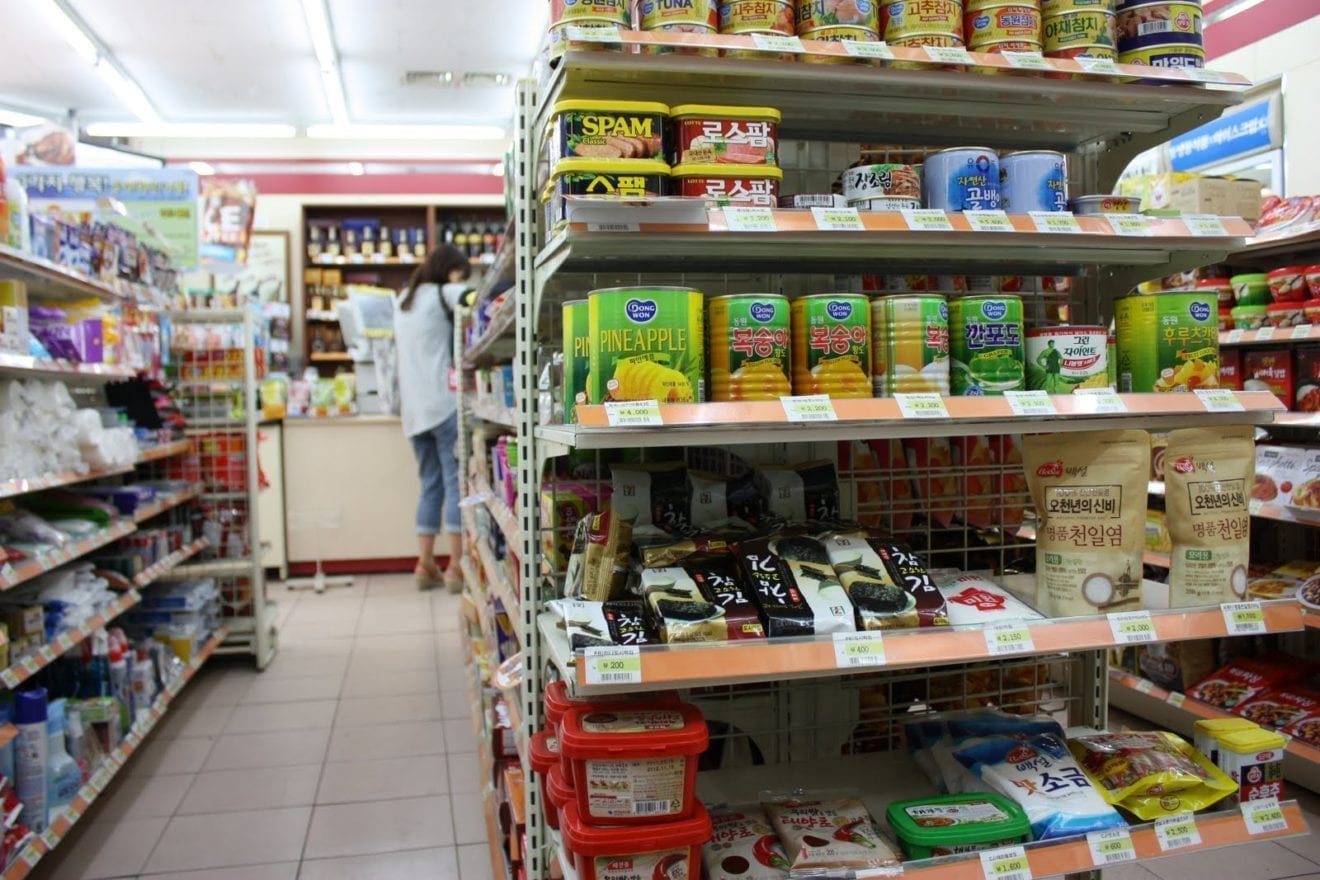
    The Korean convenience store sector is experiencing rapid growth as heavyweights battle for market share.

    The number of convenience stores in South Korea surpassed 33,000 as of the end of October this year, marking a rapid growth since the opening of the first store 27 years ago, according to industry data.

    That’s a significant increase from the 28,994 counted at the end of last year.

    CU had the most with 10,634, followed by GS25 with 10,486 and 7-Eleven with 8486. Japan-affiliated brand Mini Stop had 2326, and With Me, a chain operated by Shinsegae Group, had 1615. There are some 100 others that are not part of franchises, according to the Korea Association of Convenience Store Industry.

    South Korea’s first convenience store opened in southern Seoul in May 1989.

    The rising number of single-person households and aging society are funneling consumers to convenience stores that are near their homes and sell small portions, industry watchers say. Convenience stores have been quick to adapt to such a customer base, expanding from conventional shelf goods, such as snacks and beverages, to lunch boxes and other kinds of meals for singles who don’t want to cook, as well as services, including delivery and financial transactions.

    The sector grew 11.4 per cent last year, visibly comparable with 1.2 per cent growth in 2013 and 4.7 per cent in 2014. Sales increased from 12.8 trillion won (US$10.96 billion) in 2013 to 13.8 trillion won in 2014 and to 17.2 trillion won last year.

    Industry watchers expect sales this year to exceed 20 trillion won, with room for more growth until 2030, considering that South Korea’s per-store sales is only about one-fourth of that in Japan. Japan currently has about 55,600 convenience stores.

  • Hong Kong International Airport Offers Deluxe Promotion –  Instant Rebate of up to $15,000

    Hong Kong International Airport Offers Deluxe Promotion – Instant Rebate of up to $15,000

    Starting from 17 November, Hong Kong International Airport (HKIA) will launch a limited time deluxe promotion featuring instant cash coupons rebate to HKIA travellers. 

    From 17 November to 1 December 2016, travellers will be entitled to enjoy an instant cash coupon rebate worth up to HK$15,000 for spending by electronic payment. The November deluxe promotion is designed to enhance travellers’ shopping experience at HKIA.

    For details, please refer to the following table:

    Spending by Electronic Payment of

    HKIA Cash Coupons Redemption

    HK$20,000

    HK$1,200

    HK$50,000

    HK$5,000

    HK$150,000

    HK$15,000


    Shopping and Dining Offers

    During the promotion period, HKIA will also collaborate with retailers to provide an array of fabulous shopping and dining offers. Travellers can get more details by simply scanning the QR code on the promotion materials or visiting their website:

    https://www.hongkongairport.com/eng/shopping/special-offers.html

    Free Delivery Service

    Travellers spending HK$1,000 or more in a single transaction at HKIA can enjoy complimentary local delivery service. Free delivery service to Mainland (on clothing, bags and accessories only), Indonesia, Macao, Malaysia, the Philippines, Singapore, Taiwan, Thailand and Vietnam is also offered to travellers who spend HK$2,500 or more in a single transaction. For details, please check with the staff at the retail outlets.

    For more details on the promotions, please visit the Facebook Page, www.facebook.com/hkairport.official, or on the website

     https://www.hongkongairport.com/eng/shopping/index.html